

.svg)
Today, there are interesting updates from Russia.
Here, Moscow is identifying real weaknesses in Europe’s logistics, political cohesion, and reinforcement system along the eastern flank. However, Russia is learning the wrong lessons from those weaknesses, and that lapse in judgment could cost it dearly if the Kremlin takes greater risks in the belief that Europeans are too slow to respond.
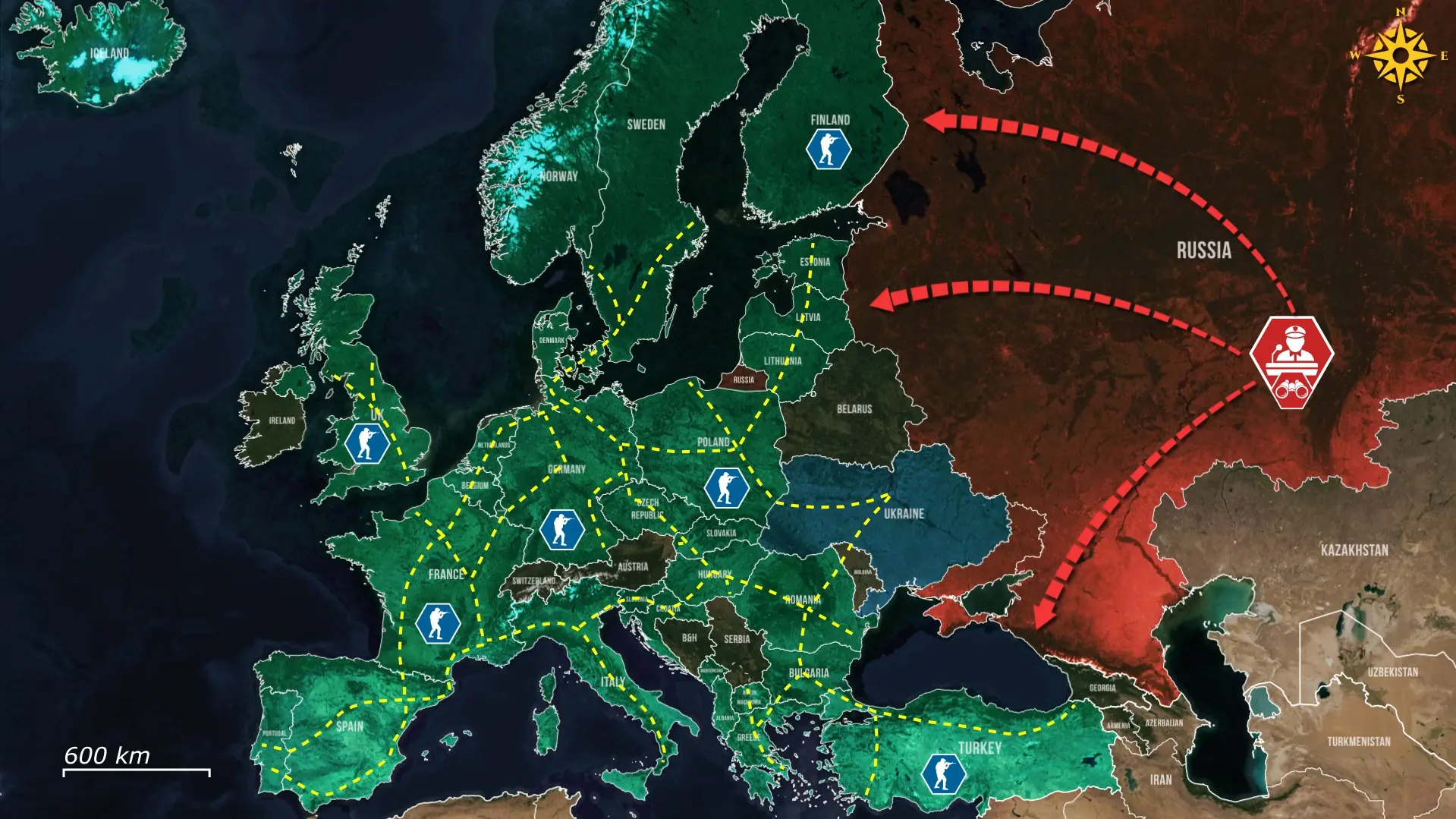
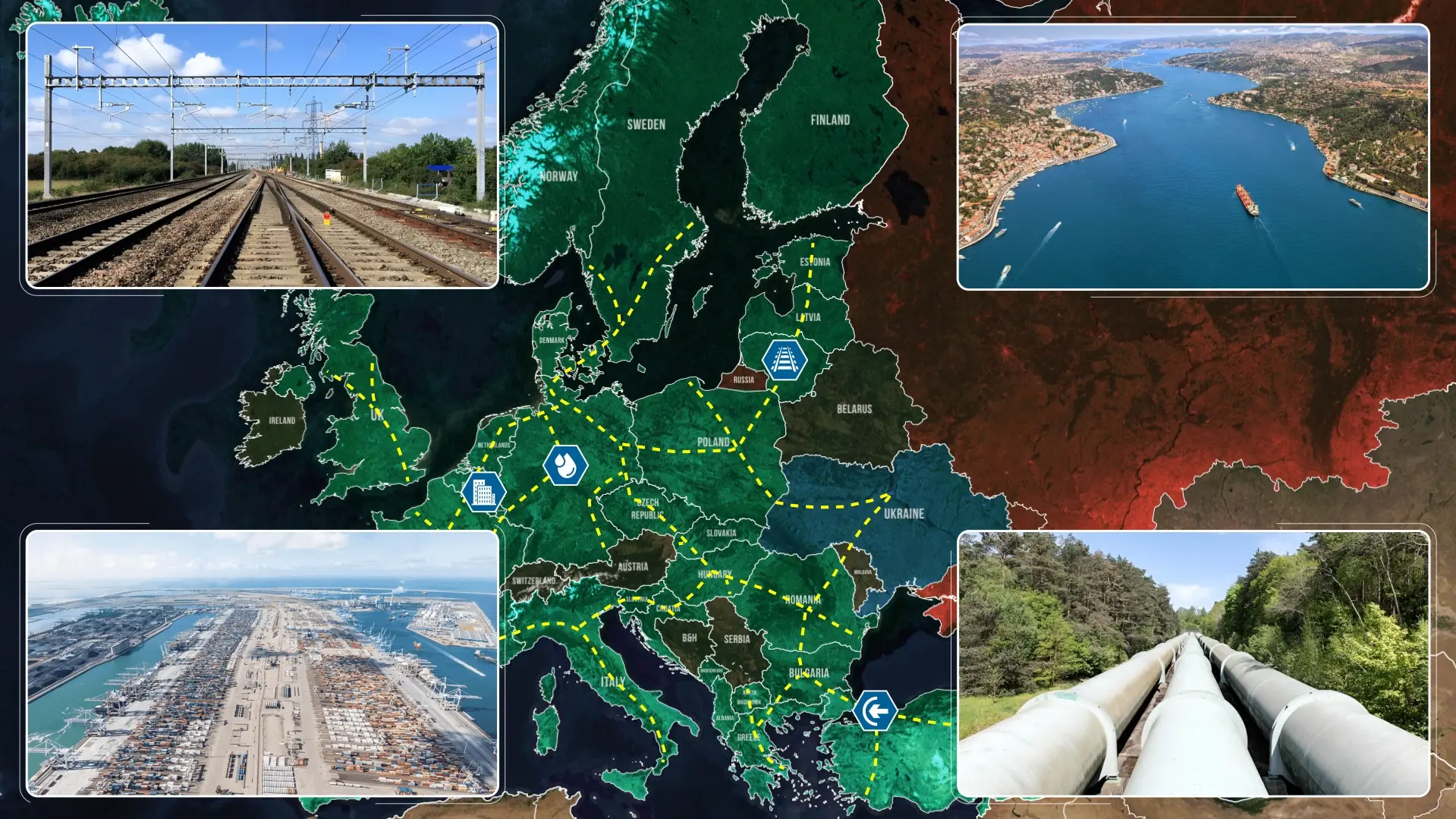
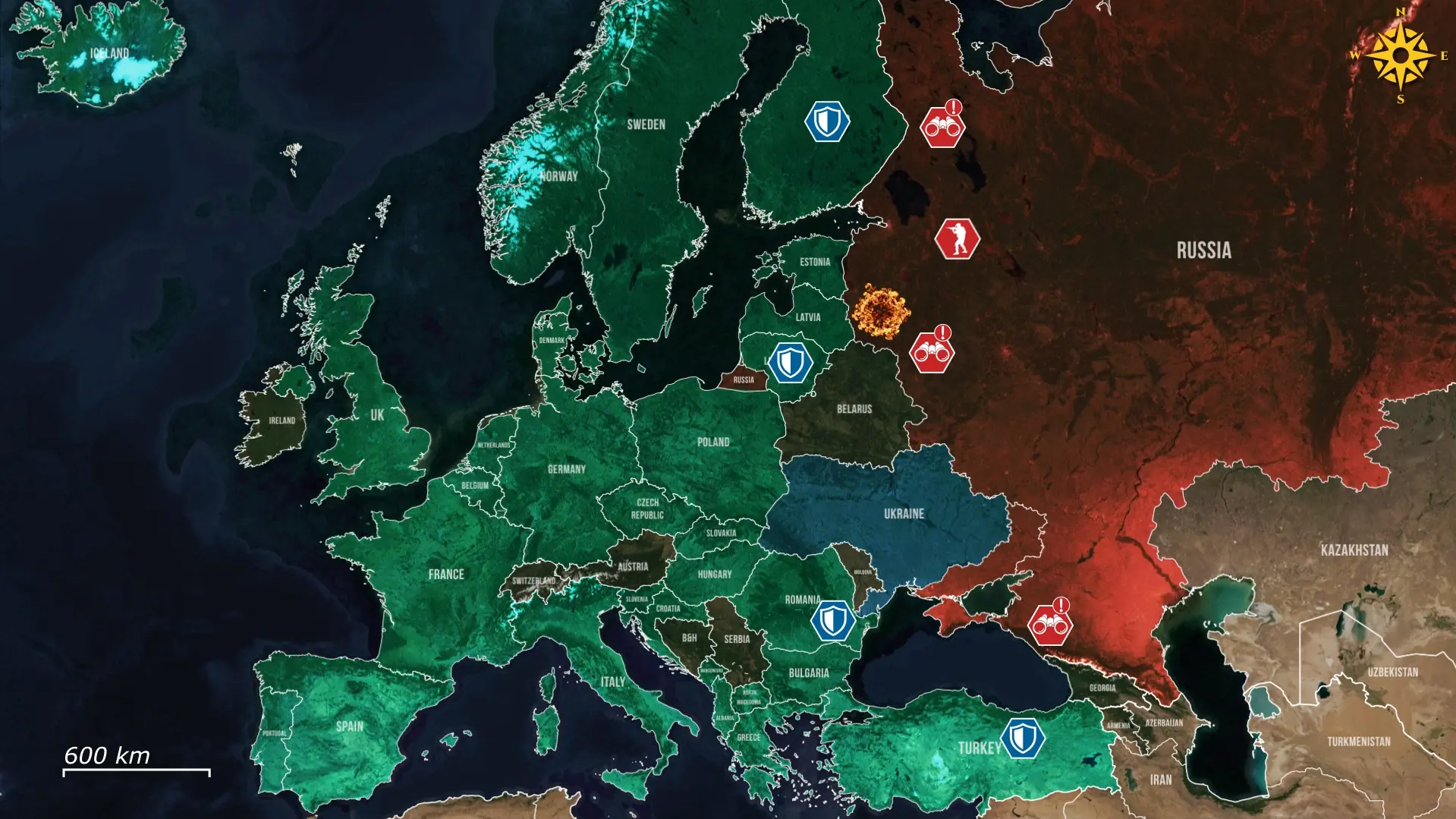
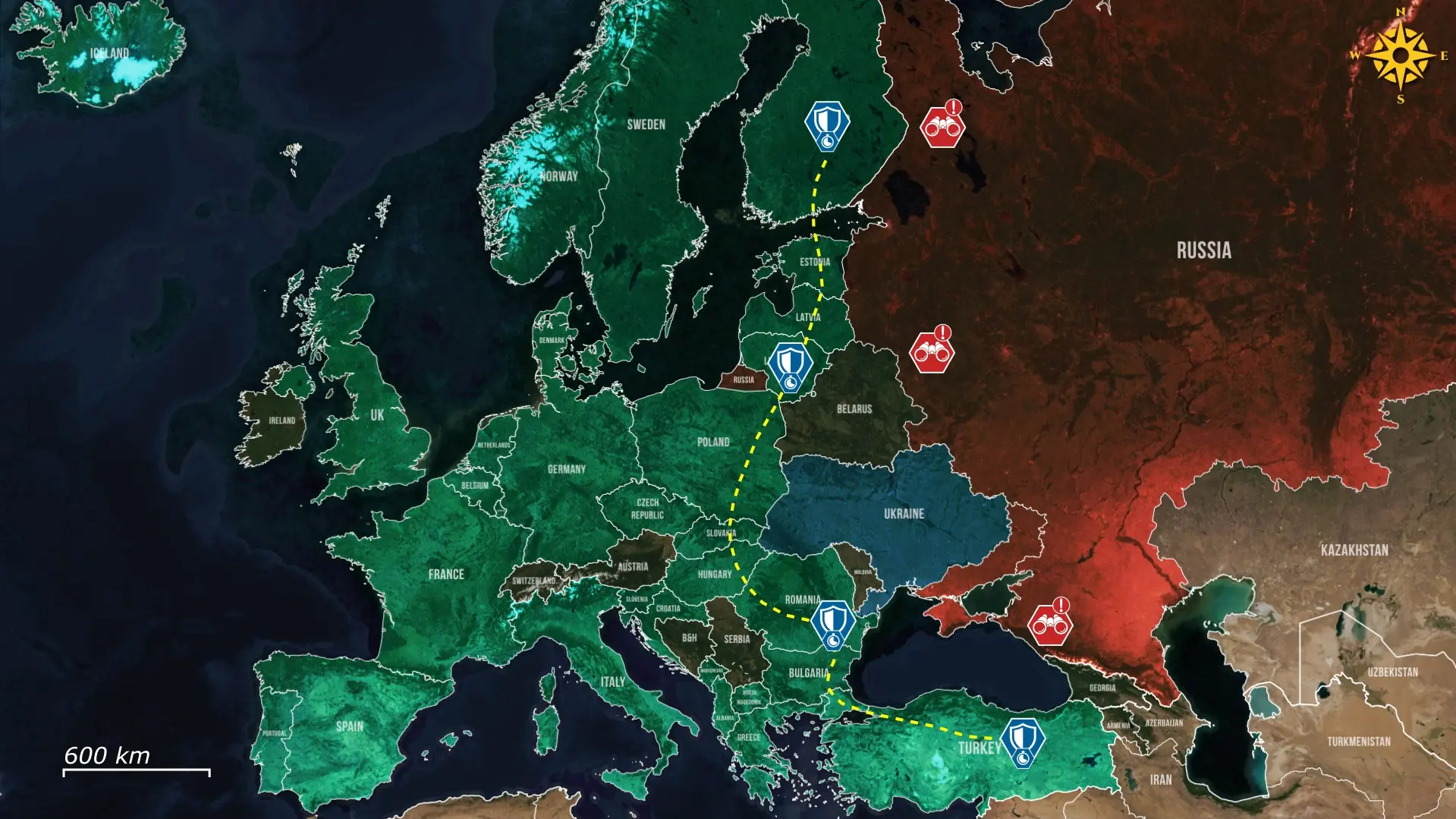
Russians have identified weaknesses in Europe that stem from decades of preparing for expeditionary missions to theaters around the world instead of territorial defense, leaving visible breaks in reinforcement networks when it comes down to conventional warfare. Russians point out that the Baltics and Finland still use rail tracks of a different width from the European standard, meaning that trains carrying equipment from Central Europe onto Baltic and Finnish tracks cannot simply continue without transfers or reloading. Maritime movement faces similar limits, as traffic is heavily concentrated around Rotterdam and Antwerp, leaving Europe much dependent on a narrow cluster of ports in the event of a full-scale conventional war. Lastly, Black Sea access for European navies is restricted by the Montreux framework, limiting access of military vessels through the Bosporus Strait, while old Nato fuel pipelines do not yet stretch all the way to the east.
Russia is misreading what those bottlenecks mean, because several of the conclusions it draws from them are already outdated. Black Sea access is not a fixed dead end in a war with Russia, since the Montreux framework gives Turkey broad discretion over the straits if it is at war or considers itself under threat. The fuel pipeline gap is also no longer just a static weakness, with Poland investing over five-and-a-half billion dollars into building over three hundred kilometers of pipeline, to link it back to Germany.
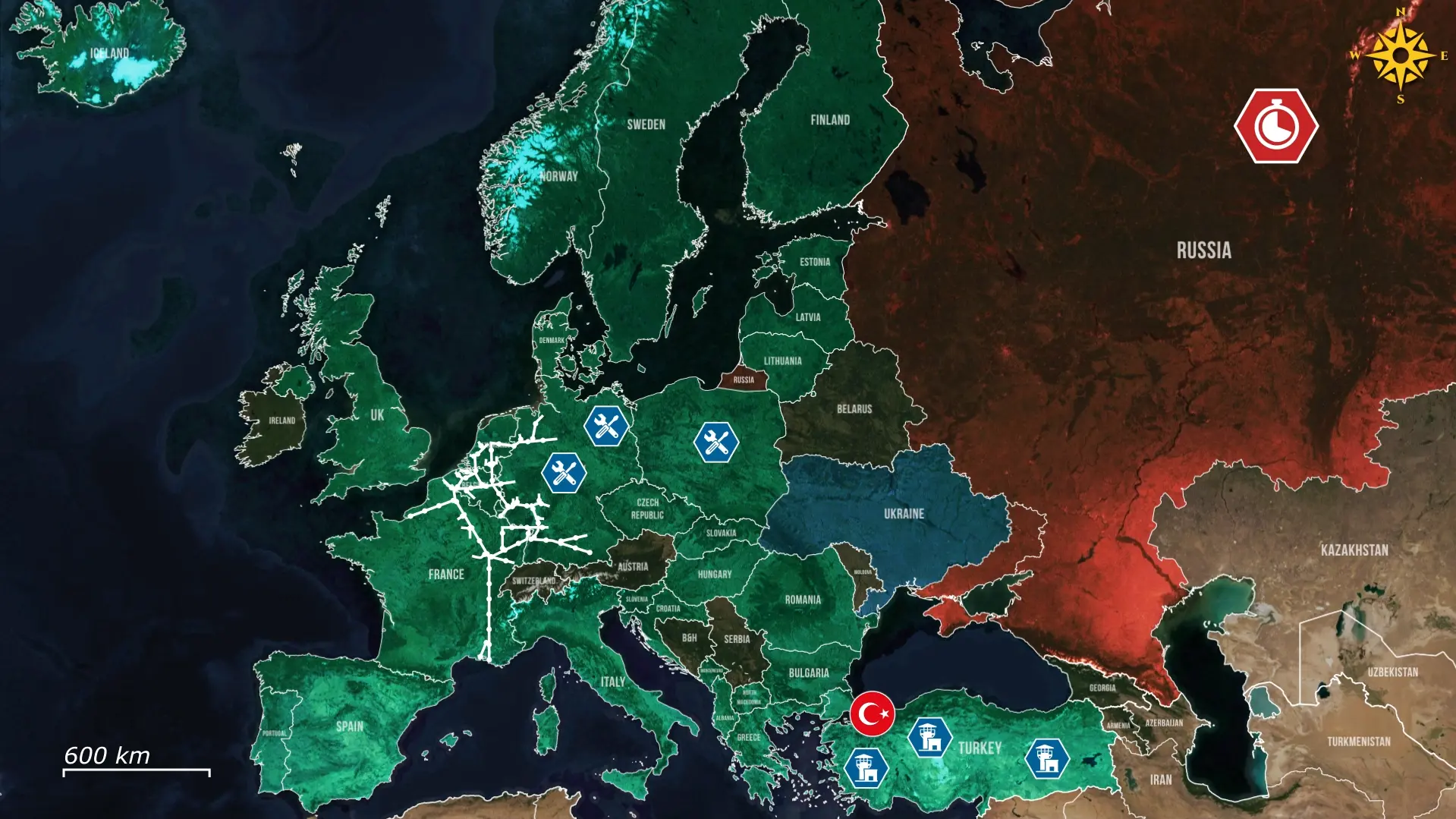
Regarding ports, European countries are actively using military exercises and mobility programs around ports to build the dual-use transport capacity needed for real operations.
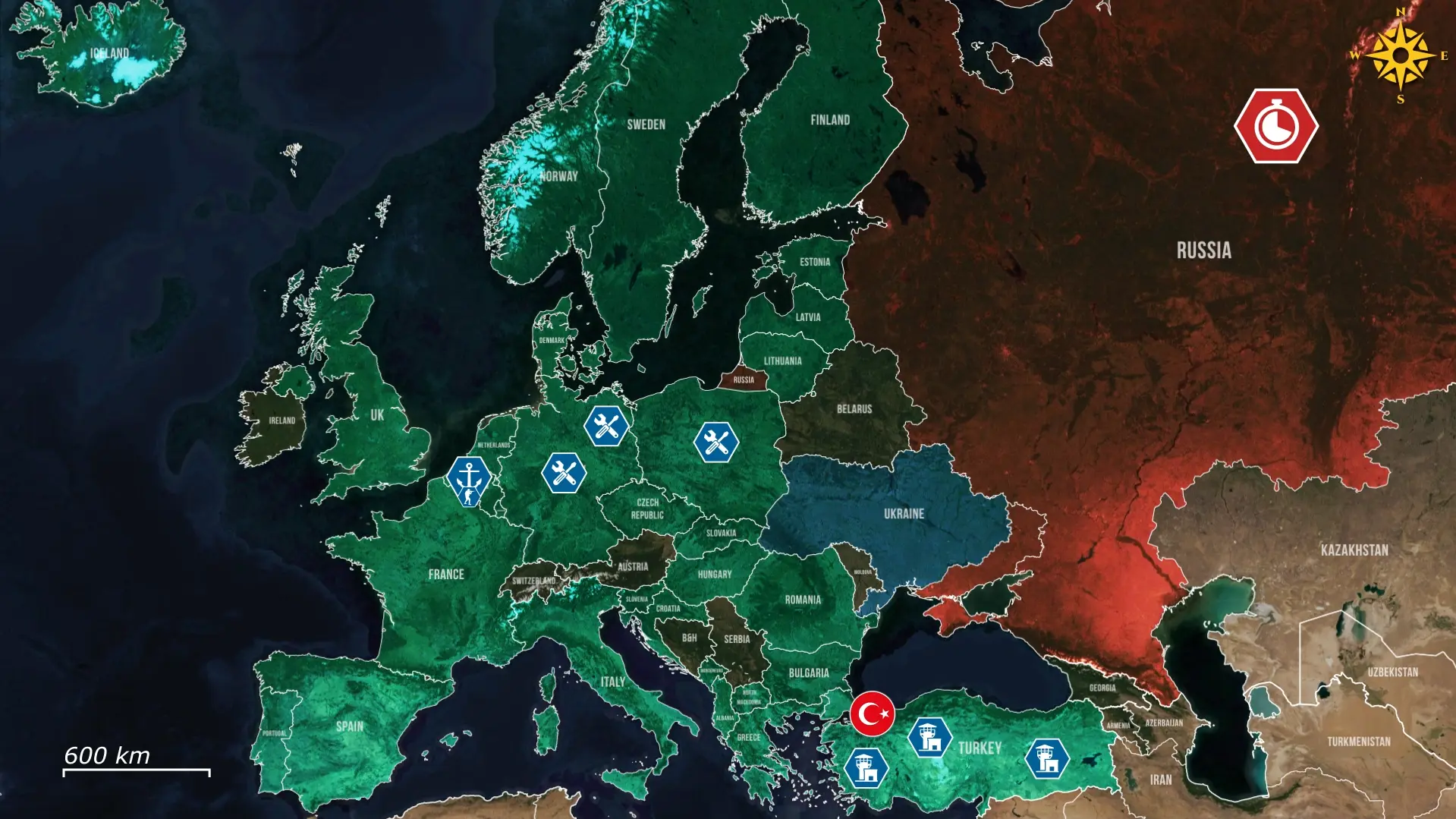
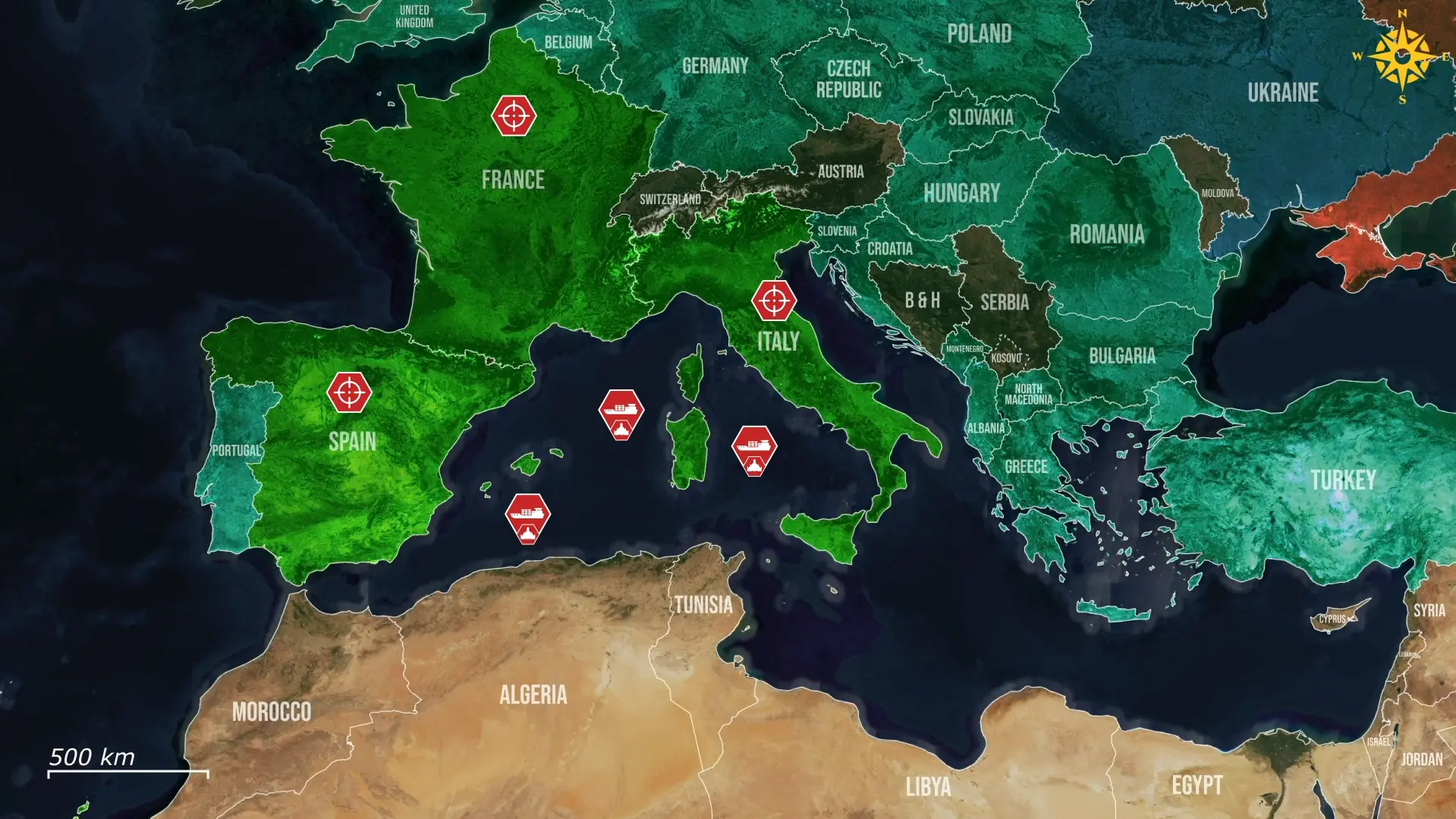
Politically, Russia sees weakness because Europe’s warfighting system still runs through structures built for peacetime sovereignty instead of wartime centralization. Russian analysts focus especially on slow approval times for moving soldiers across European borders, and on cases where Spain and Italy restricted American use of bases during operations tied to strikes on Iran, using both as proof that rapid reinforcement would be impossible in a crisis. They connect that political friction to military vulnerability by arguing that any delay in allied decisions gives Russian forces on the Sulwalki gap more time to threaten Baltic access routes before larger Nato formations can deploy.
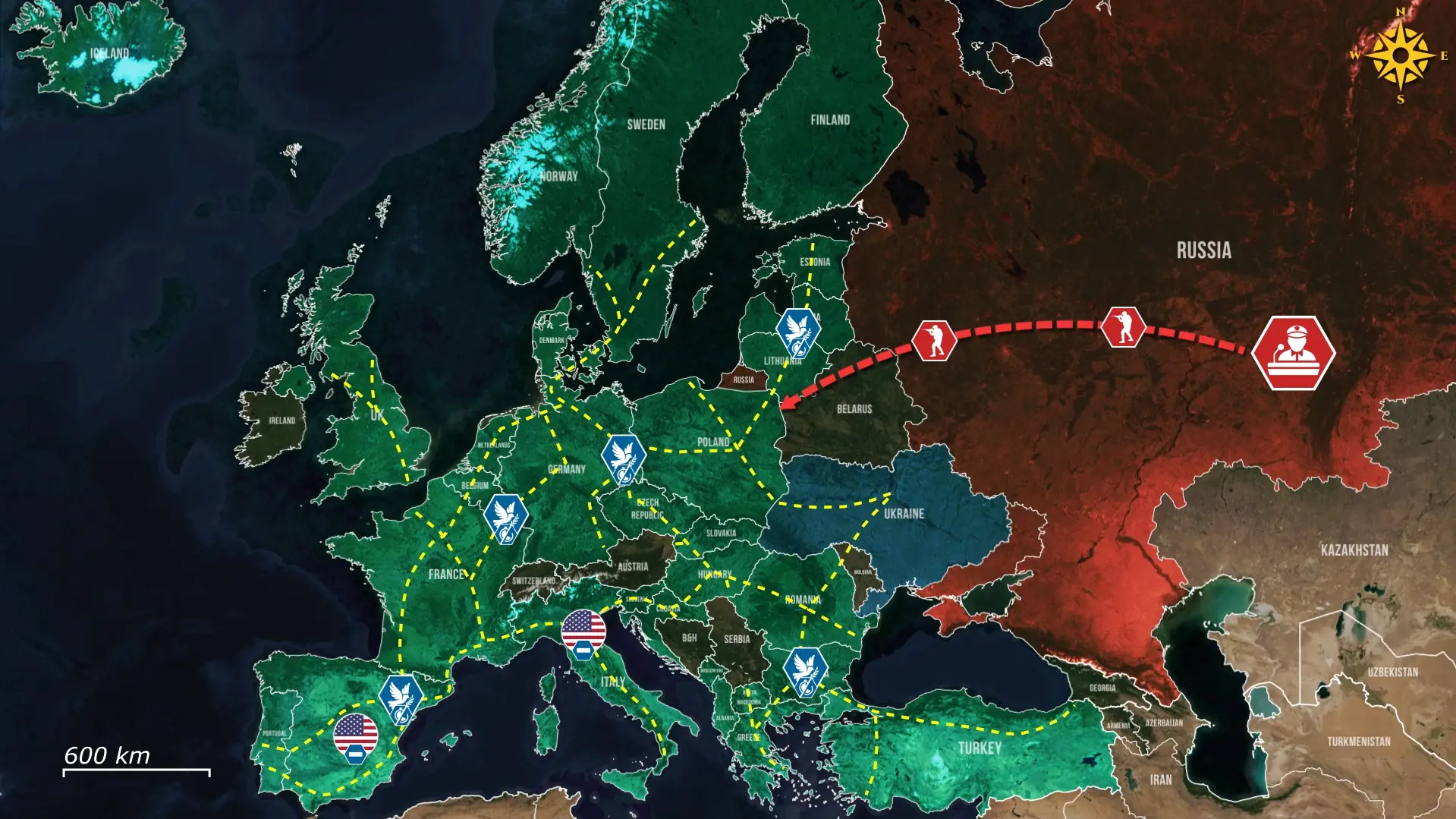
However, this political reading also stretches peacetime behavior too far. Refusing support for a discretionary Middle Eastern operation does not mean refusing access during a Russian attack on Nato itself. The same applies to bureaucracy. Russia cites the slowest peacetime procedures as if they would still govern reinforcement in crisis, even though the EU’s current military mobility framework has already reduced this to three days processing time for cross-border military movements during peacetime, and to hours in times of war.
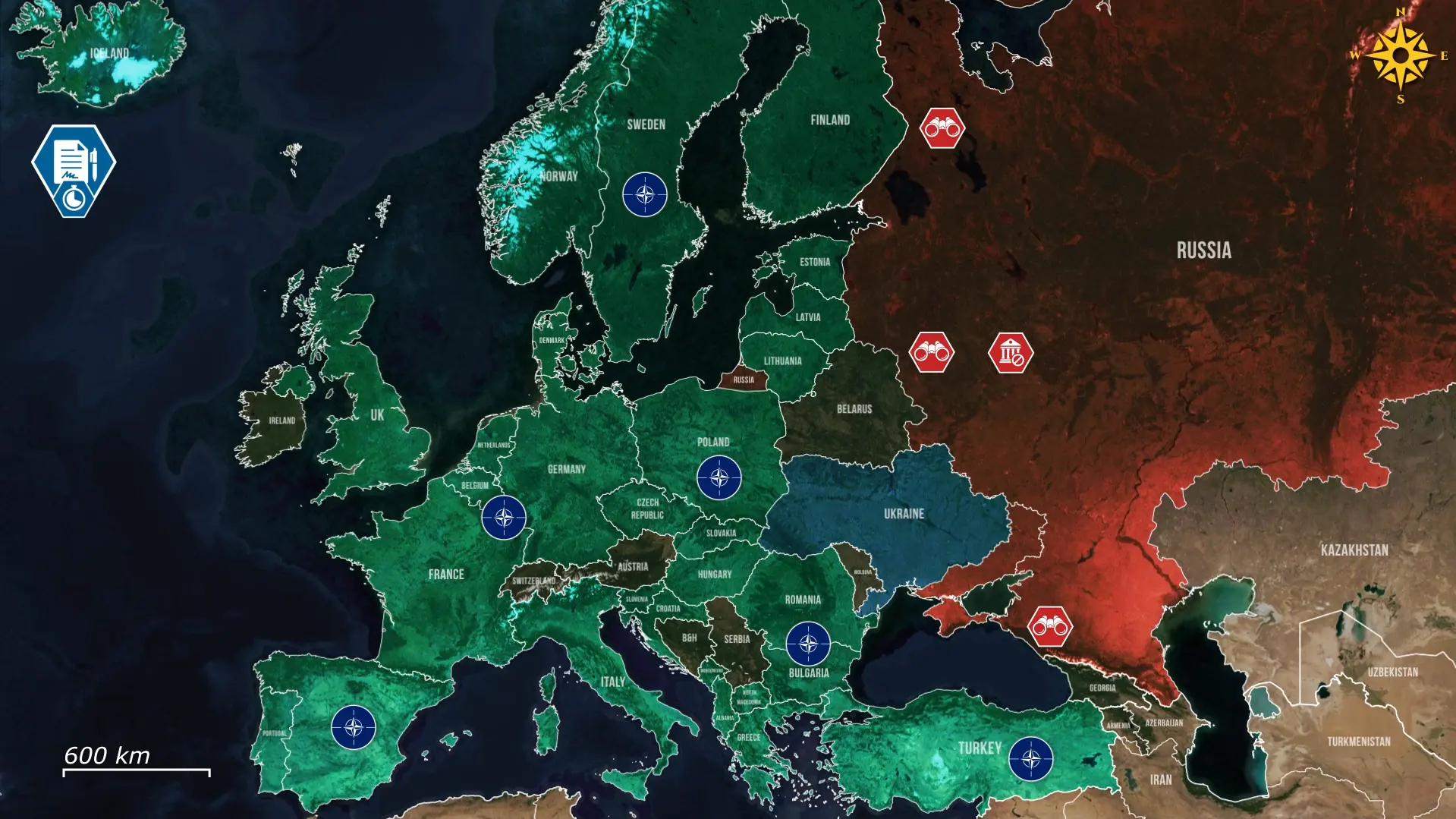
Russia then turns those weaknesses into a military concept for the eastern flank. Nato reinforcement still depends on key ports, rail nodes, fuel routes, and narrow land corridors, which makes the opening phase of deployment the most exposed. Kaliningrad’s reach over Baltic access routes and the Suwałki area fits directly into that logic, because it gives Russia a way to threaten movement before larger Nato formations are in place. The goal would be to slow deployments and put frontline states under pressure before Nato can bring its full strength to bear.
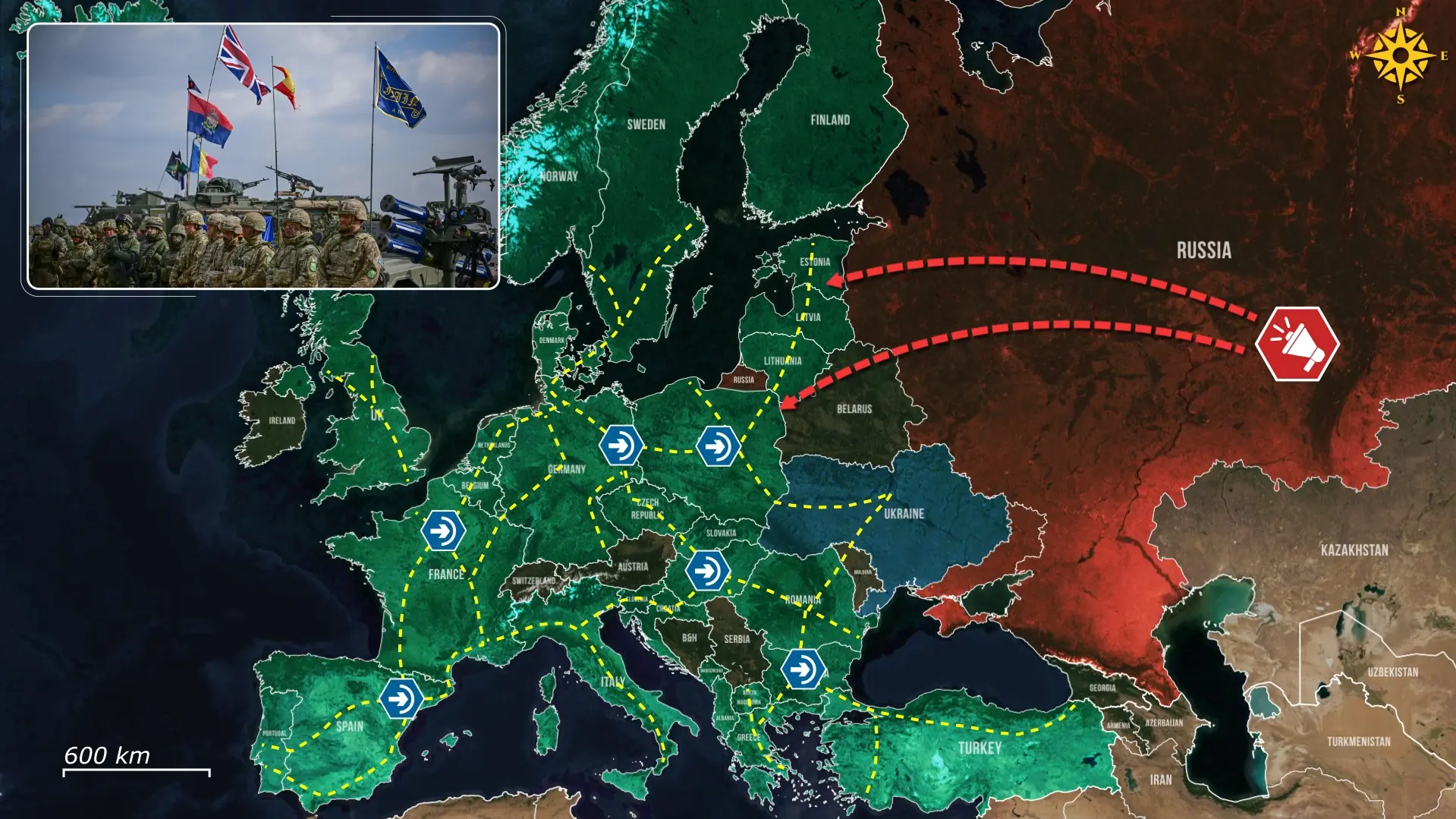
The problem for Moscow is that by the time they are ready to strike at the West, these vulnerabilities will no longer exist, while any attempt to create those vulnerabilities would widen the conflict immediately. Any strike on ports, rail nodes, or reinforcement hubs would trigger retaliation across air, maritime, and deep strike domains. Russia would then have to manage that escalation while its air defenses are already strained by a long war, and Ukraine standing ready to exploit any weakness in the Russian lines.
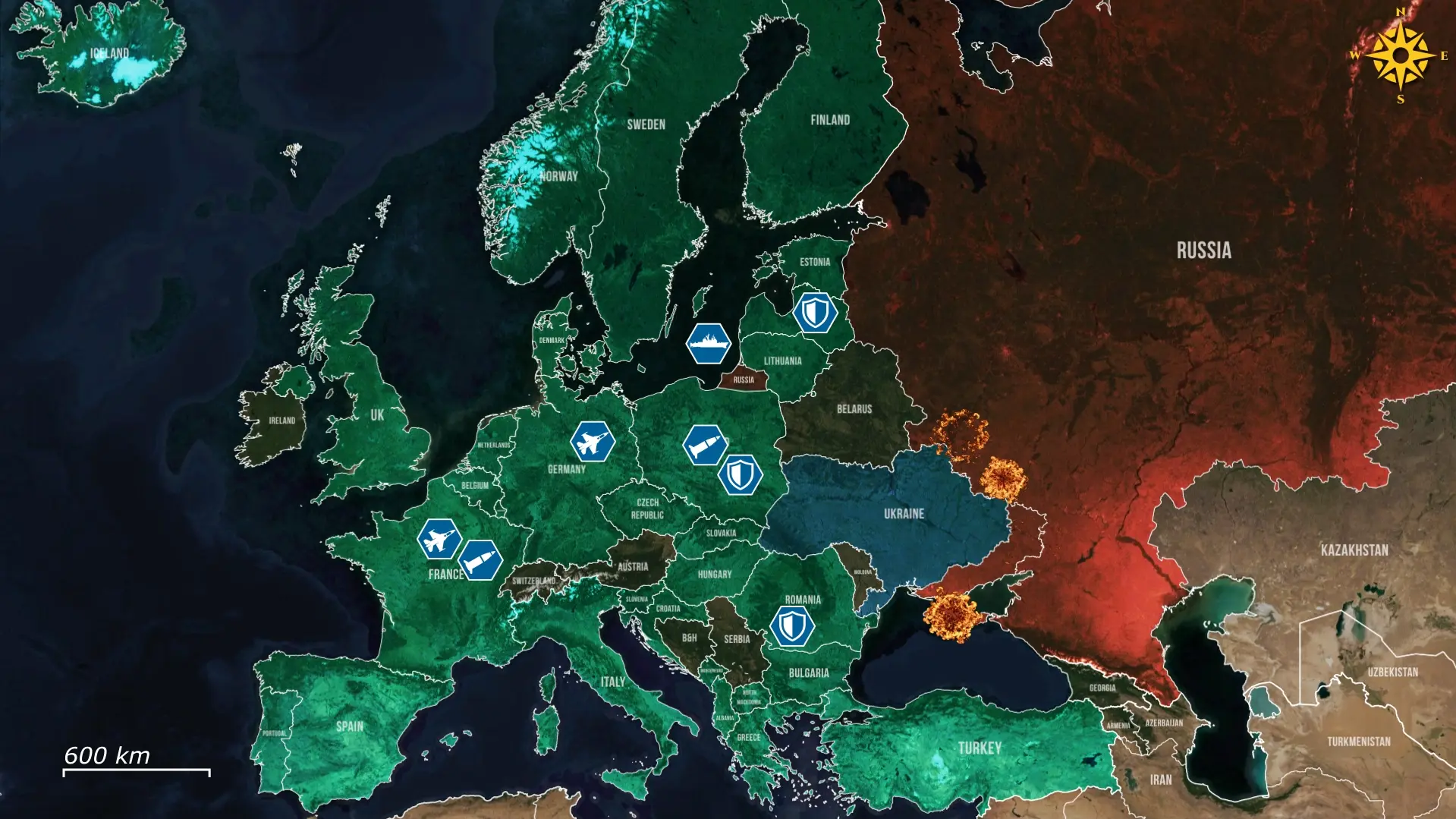
Overall, Russia is identifying real weak points in Europe, but it is misreading them as proof that the eastern flank can be isolated at low cost. That misreading could push Moscow toward a dangerous gamble built on the belief that Europe will hesitate.
Europe therefore needs more than better transport and shorter mobilization timelines, because deterrence now also depends on harder infrastructure and the full integration of drone warfare. For Russia, the danger is that a war built on assumed European weakness could instead strengthen Nato coordination and give Ukraine new openings to exploit the Russian overextension.
.jpg)


Comments