

.svg)
Today, the biggest updates come from Iran.
Early this year, Iran erupted as millions of citizens poured into the streets demanding an end to the Islamic Republic. Yet what appeared to be the regime’s final hour vanished into silence, as a grad strategic miscalculation marked a profound missed opportunity for the United States to deliver long-sought regime change in Iran.
As of right now, the Iran war has settled into a tense standoff, with the regime firmly in control. While the Iranian military has become significantly weakened after over thirty-one-thousand strikes by the combined coalition, the supreme leadership remains in power domestically, and continues to exert its geopolitical leverage over the Strait of Hormuz.
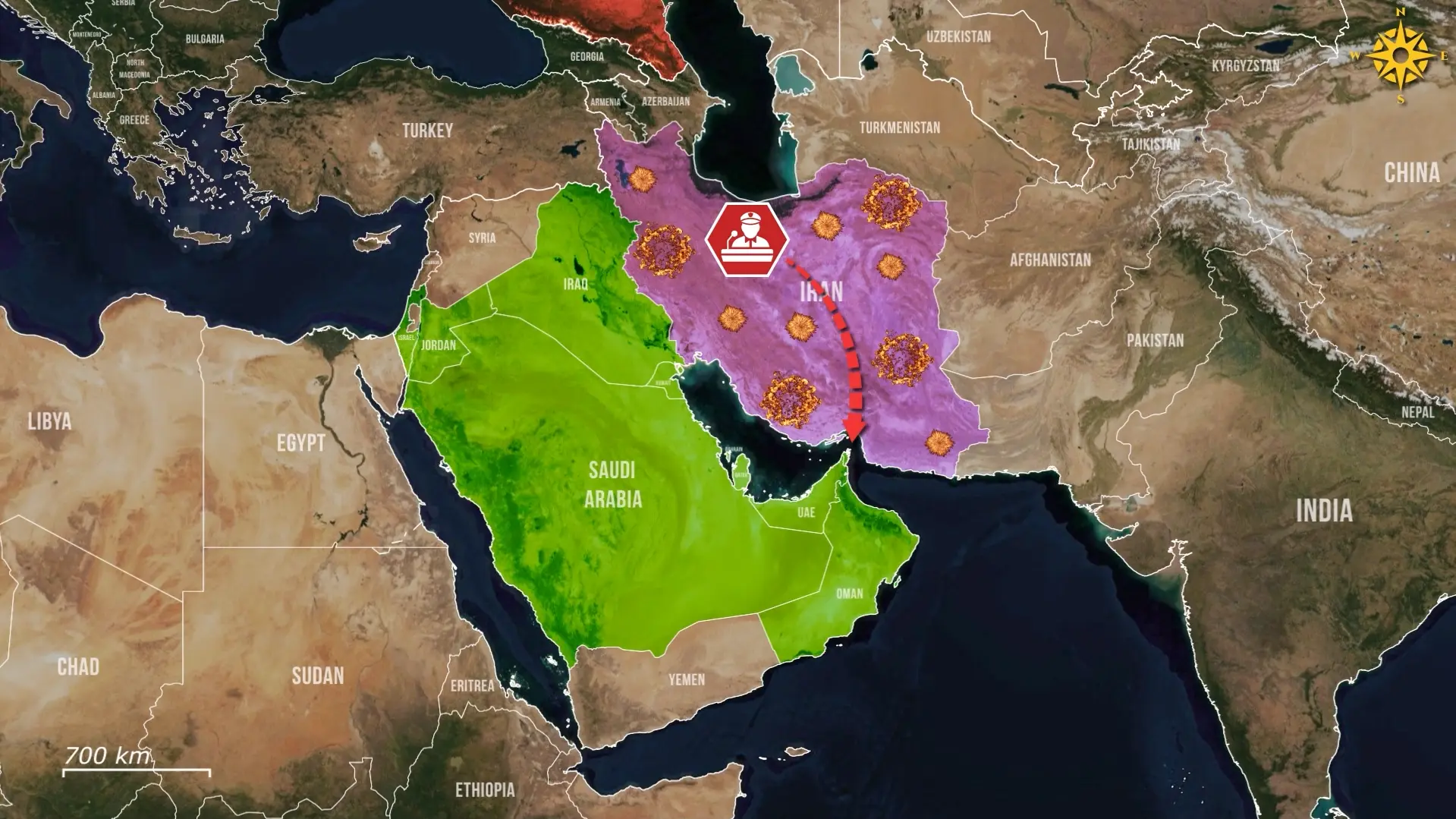
This stands out as a completely different situation as during the turn of two-thousand-twenty-six. In early January, protests ignited rapidly after the killing of a young woman in a police station over the enforcement of hijab laws. The unrest spread quickly to multiple cities as demonstrators called for the overthrow of the regime and the return of the Pahlavi royal family.
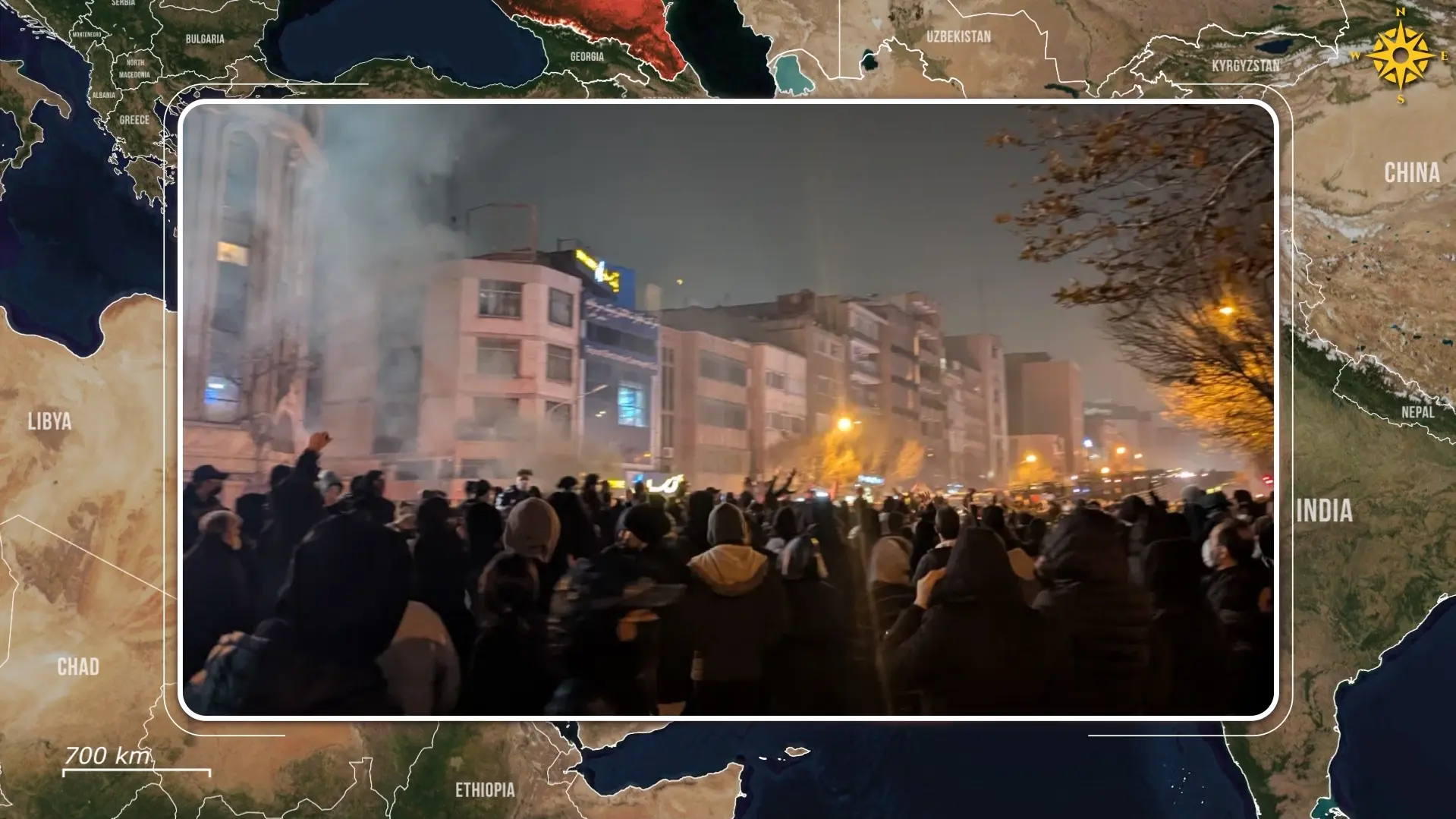
The protests reached an intensity that made regime change appear almost inevitable. Demonstrators seized control of public spaces in several cities, including Karaj and Malekshah, briefly captured a television station in Mashhad and broadcast calls for the monarchy’s return, while monarchist slogans filled the streets. Even the regime showed clear signs of panic, with officials wiring large sums of money out of the country and preparing succession plans for the leadership in case of a decapitating strike. These internal signals suggested that parts of the government itself feared imminent collapse, or assessed the chance to be a serious possibility at the least.
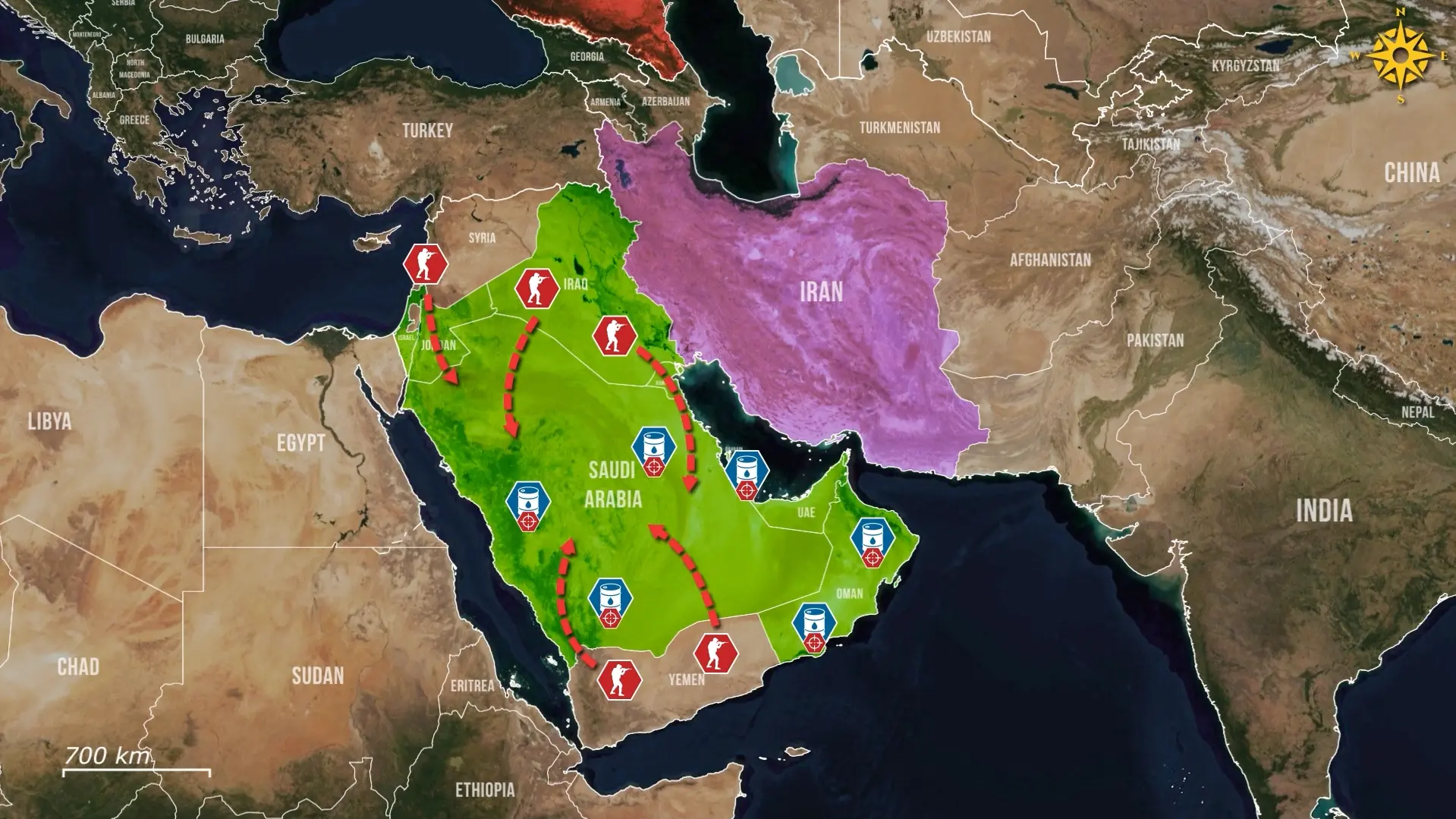
Their main fear stemmed from US officials repeatedly signaling that help was on the way. Senator Graham announced that US support would arrive for the protesters, Trump declared that any US military action against them must be swift and decisive, and US satellite surveillance increased sharply over the country. The main fear was not for a ground invasion, but large-scale fire support and weapons deliveries to protestors from the air; knocking out police headquarters, checkpoints, striking suppression efforts, and their gathering points. Feeling this tipping point draw near, Iran closed its airspace, scrambled Mig fighters, put air defense on high alert, and prepared to mobilize additional soldiers. However, nothing happened. Regional players, deeply concerned about the risks, had urged caution to the US. Saudi Arabia, Oman, and Qatar warned of massive oil price spikes, while Turkey publicly opposed direct intervention. Iran actively played into these fears by establishing a deliberate dead-man switch, with Hezbollah, proxy militias in Iraq, and the Houthis publicly declaring they would launch immediate, automatic attacks across the Middle East against US forces and allies the moment any foreign intervention in Iran began.
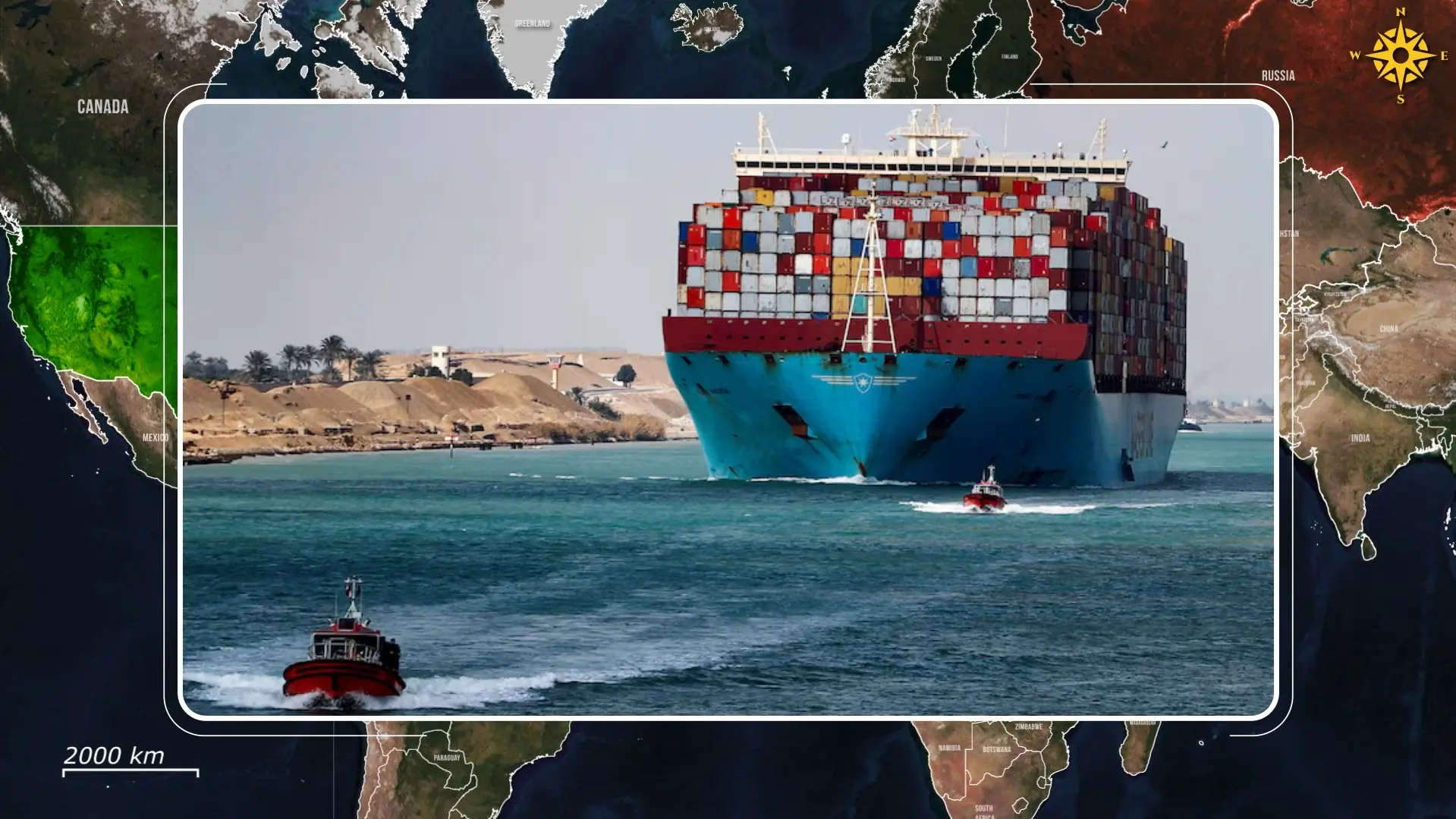
However, it was not just regional pressure that prevented precise actions. The US Gerald Ford carrier strike group, which was previously stationed in the Mediterranean, had been redeployed in late two-thousand-twenty-five to conduct operations inside Venezuela. As protests ignited while Maduro was being flown back to the US, the carrier strike force took weeks to sail back into position and was only set to arrive by February. The US Abraham Lincoln carrier strike group was also not present in the area, as redeployments from the Pacific theater meant it would not arrive until late January, with both delays creating a critical timing gap. Meanwhile, reports indicate that the fewer American ships that remained in the theater operated with reduced stocks of air defense and strike munitions. These vessels had already expended significant reserves while protecting commercial shipping from repeated Houthi attacks in the Red Sea. The result was a noticeably weakened US presence exactly when an opportunity for regime change in Iran had appeared.
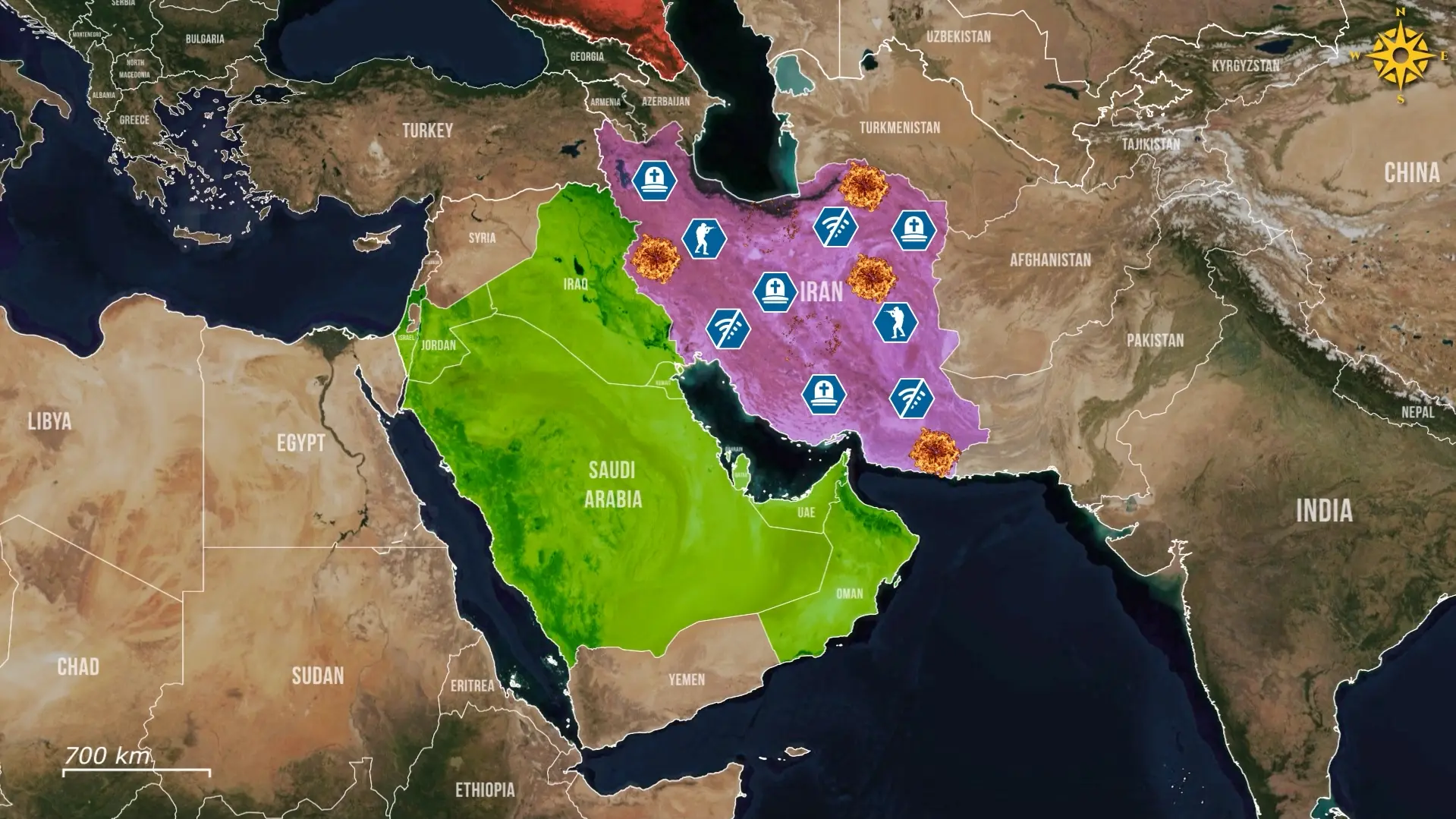
With no American aid or strikes arriving, the Iranian government slowly gained the upper hand in the fight for control. Security forces imposed near-martial law across major cities, conducted widespread rooftop raids to destroy satellite and radio communication devices meant to circumvent the nationwide internet shutdown, and cut power to protest districts. Notably, the regime deployed thousands of foreign mercenaries from their proxies in Iraq to help crush the demonstrations, with some heard chanting Hezbollah slogans before running down protestors with motorbikes and machine guns, as they conducted hospital sweeps to seize the wounded that managed to escape. While protesters kept resisting by torching government assets and building walls of fire as barricades in several cities, the sustained pressure and lack of foreign aid and intervention wore them down eventually. By late January into February, the regime fully suppressed the unrest through mass arrests, executions, and overwhelming force, reestablishing control across the country, right as the first carrier strike force from the Pacific arrived in theater.
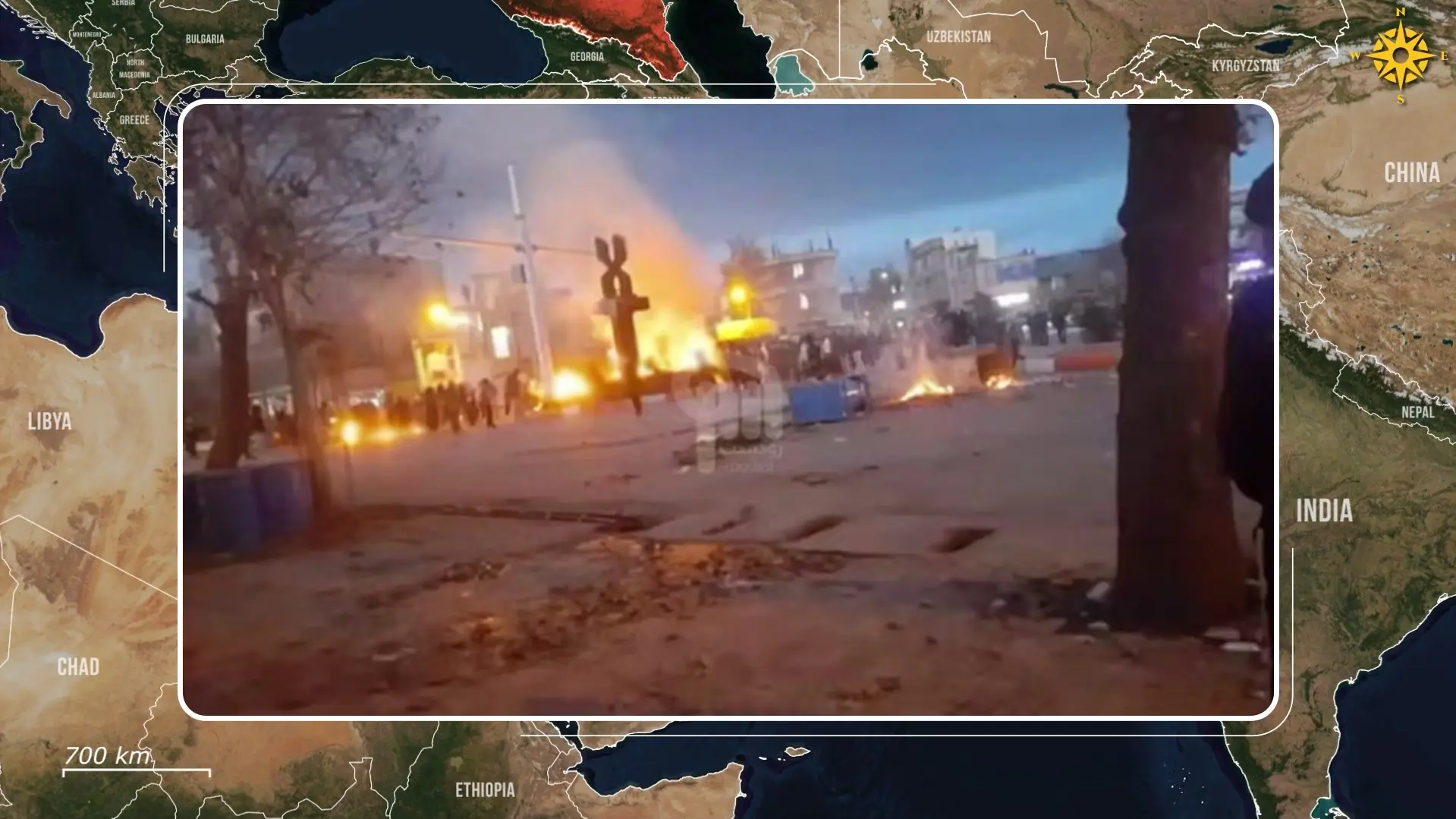
Looking at the situation that unfolded, the lack of external help explains much of today’s reality. Without support, the protesters were fully suppressed. Thirty thousand were reportedly killed, and fifty thousand wounded or imprisoned. The rest of the protestors were scared into submission, as the regime denied any US deal to halt the death sentences and torture. Notably, this means that the boldest individuals, those willing to take the risk to rise up first and get out on the streets, are now gone. Fewer people remain, ready to take that initial risk. Coordination also became nearly impossible, with the regime having destroyed most Starlink terminals and private radio communication during the crackdown, with the internet shutdown that was reimposed after the start of the Iran war remaining in place for over two months now. The final critical mistake on the side of the US coalition was made when universities began being bombed, which were the last remaining spaces where students and activists could still gather, plan, and organize against the government, eliminating any realistic hope for renewed large-scale resistance.
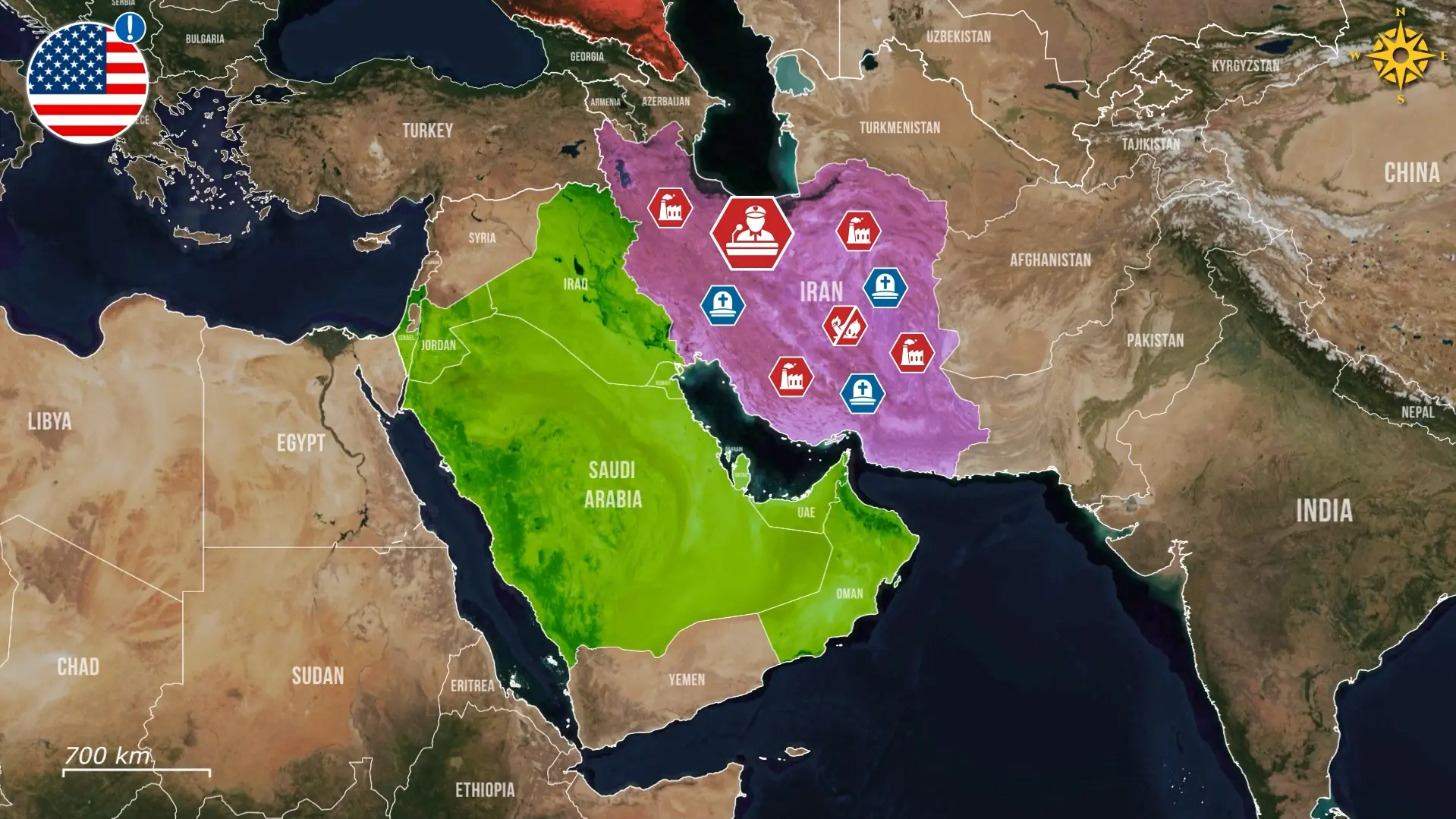
Overall, the United States failed to achieve regime change in Iran due to a profound strategic miscalculation, which turned a rare window of opportunity into a historical missed moment. The butterfly effect that was triggered by the redeployment of the Mediterranean carrier strike group and hesitation under regional pressure allowed the regime to survive its most dangerous internal challenge in decades. This outcome has left the Islamic Republic more entrenched, its nuclear and proxy infrastructure largely intact, while extinguishing the immediate prospects for popular uprising and a democratic transition. The episode delivers a sobering lesson for all inside and outside of Iran, as regardless of military victories or failures, the war goal of regime change, which could have gathered broad international and domestic support, was left unable to be executed, with the biggest victims being the Iranian people who desired a new and democratic future for a country with great potential.
.jpg)

Comments