

.svg)
Today, the biggest news comes from Ukraine.
Here, the battlefield in Ukraine has effectively become a real time testing ground for weapons, where European countries are able to directly assess the performance of their next generation arms and military technologies in active combat conditions. This process is not only introducing Ukraine to new and advanced weapons but also opening the door to a new chapter in its defense system.

To keep pace with the demands of modern warfare, European defense manufacturers are unveiling a new generation of military technologies, including AI integrated drones, ground robots, and counter drone missile systems, while already beginning to test their effectiveness directly on the battlefield in Ukraine. In the past, verifying the capabilities of such weapons required costly trials, long term simulations, and years of research and development. However, by using the war in Ukraine as a real-world weapon testing environment, these technologies can now be evaluated, refined, and improved within weeks through direct combat against capable adversaries.
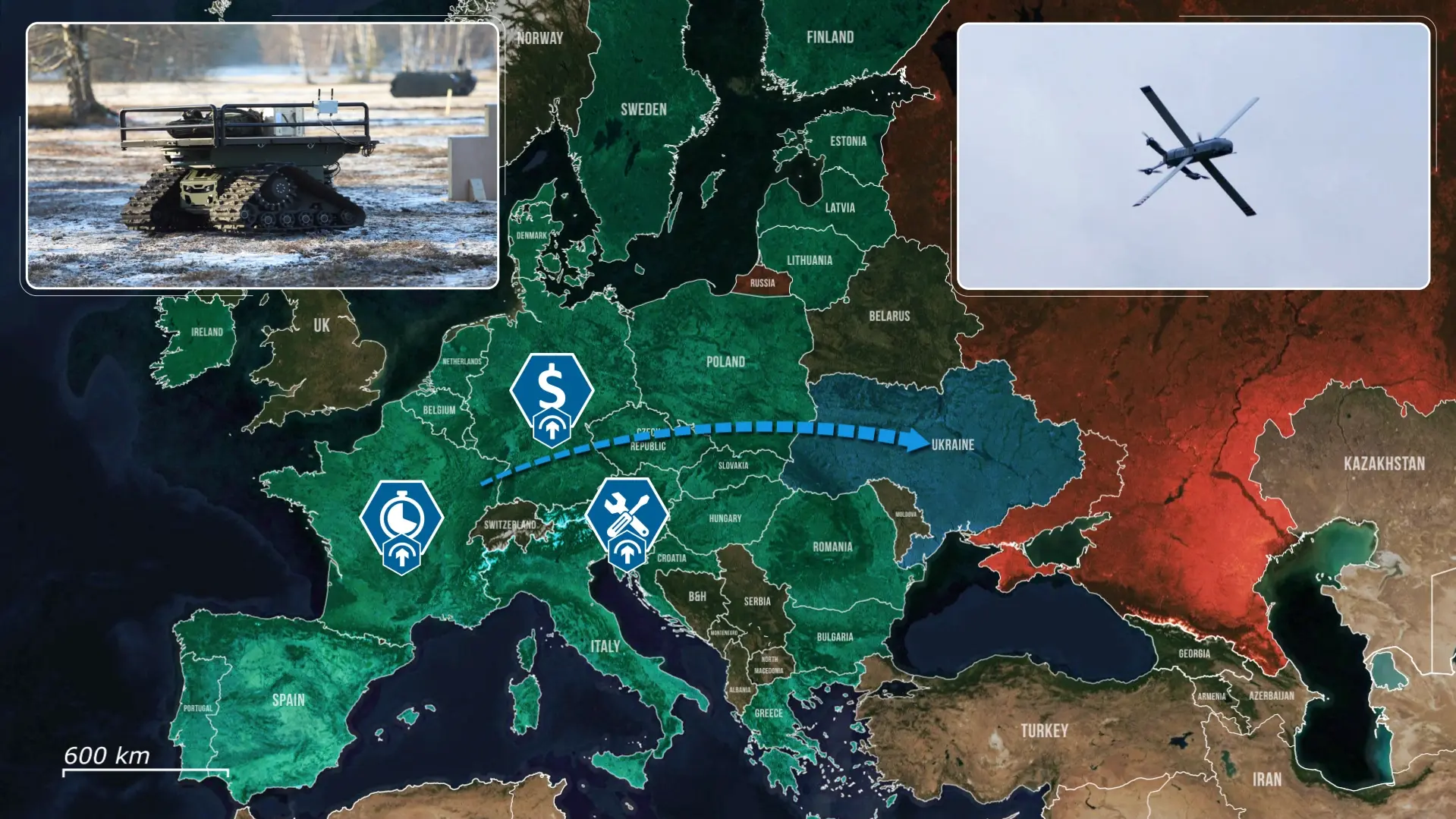
To ensure the structured implementation of this entire process, in July two thousand twenty-five Ukraine’s defense tech cluster Brave one launched a defense technology testing platform called Test in Ukraine. Through this platform, Ukraine has granted foreign defense companies’ permission to test the performance of their advanced UAV, AI based systems, interceptors, and communication equipment directly in real combat conditions. In this context, European defense companies first submit applications to Brave one for testing their military technologies. Brave one evaluates the applications to determine whether the product aligns with the priority areas of the Test in Ukraine initiative. If compatible, selected companies are given the opportunity to test their weapons directly on the battlefield in Ukraine. In this process, European companies can evaluate these systems under real combat conditions and gather direct feedback from Ukrainian soldiers, which allows them to quickly and effectively identify weaknesses in their designs. As a result, companies are able to rapidly improve the design, software, targeting accuracy, and overall performance of the weapons based on real battlefield experience, making them better adapted to the fast-changing conditions of modern warfare.

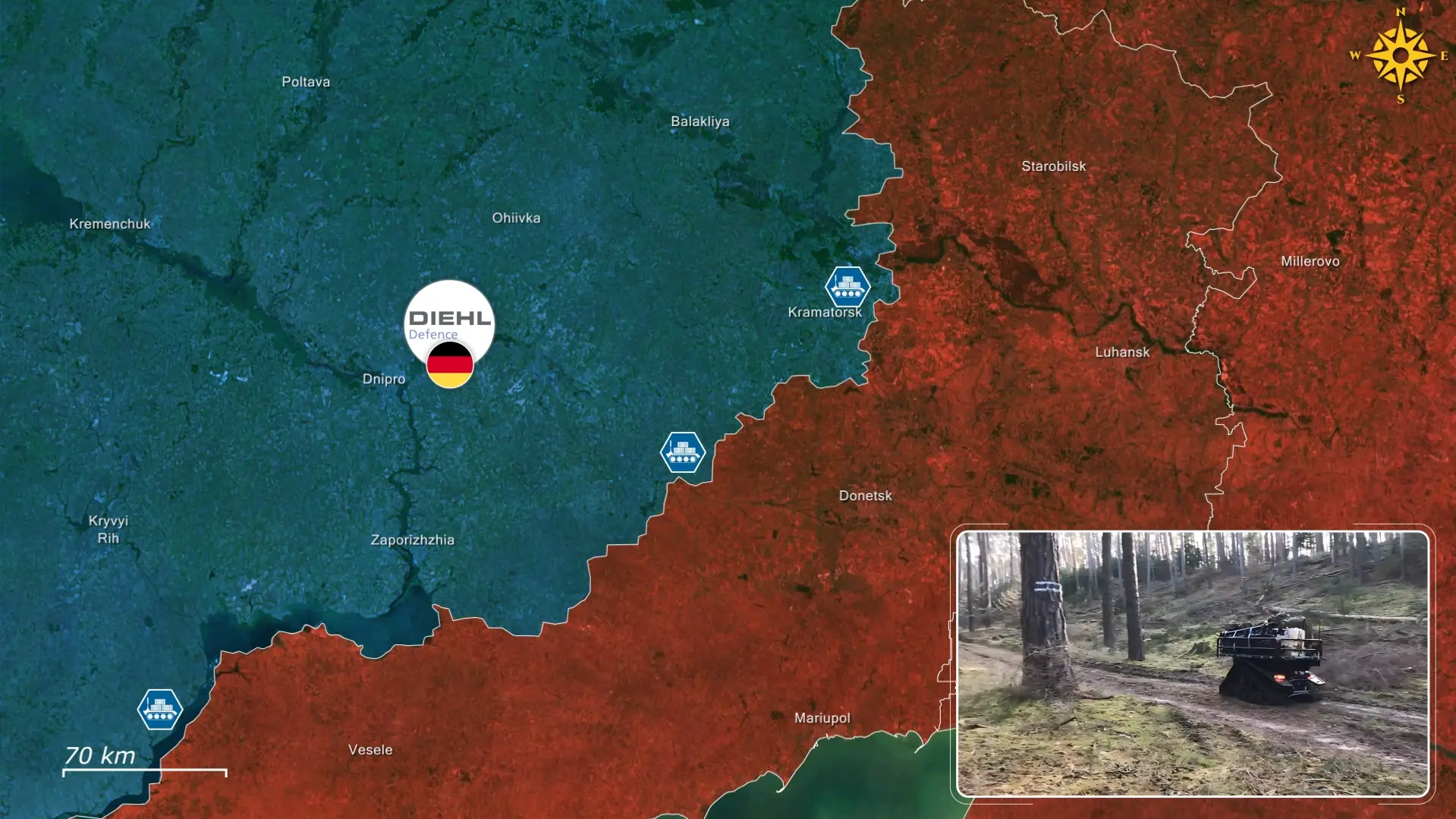
Since the launch of the Test in Ukraine platform, up until November two thousand twenty-five, a total of one hundred twenty-six foreign companies from seventeen countries have applied to participate in the program. Among them, several European countries have already tested their domestically produced weapons on the Ukrainian battlefield. For example, Germany’s Diehl Defense, after successfully completing field tests of the Ziesel ground robotic system at the training center of Ukraine’s third Assault Brigade, has decided to deploy it to the Ukrainian frontline. This ground robot is capable of carrying a payload of over five hundred kilograms, and as a result, it will play an important role in providing logistical support to Ukrainian soldiers on the battlefield and in rapidly evacuating wounded personnel.
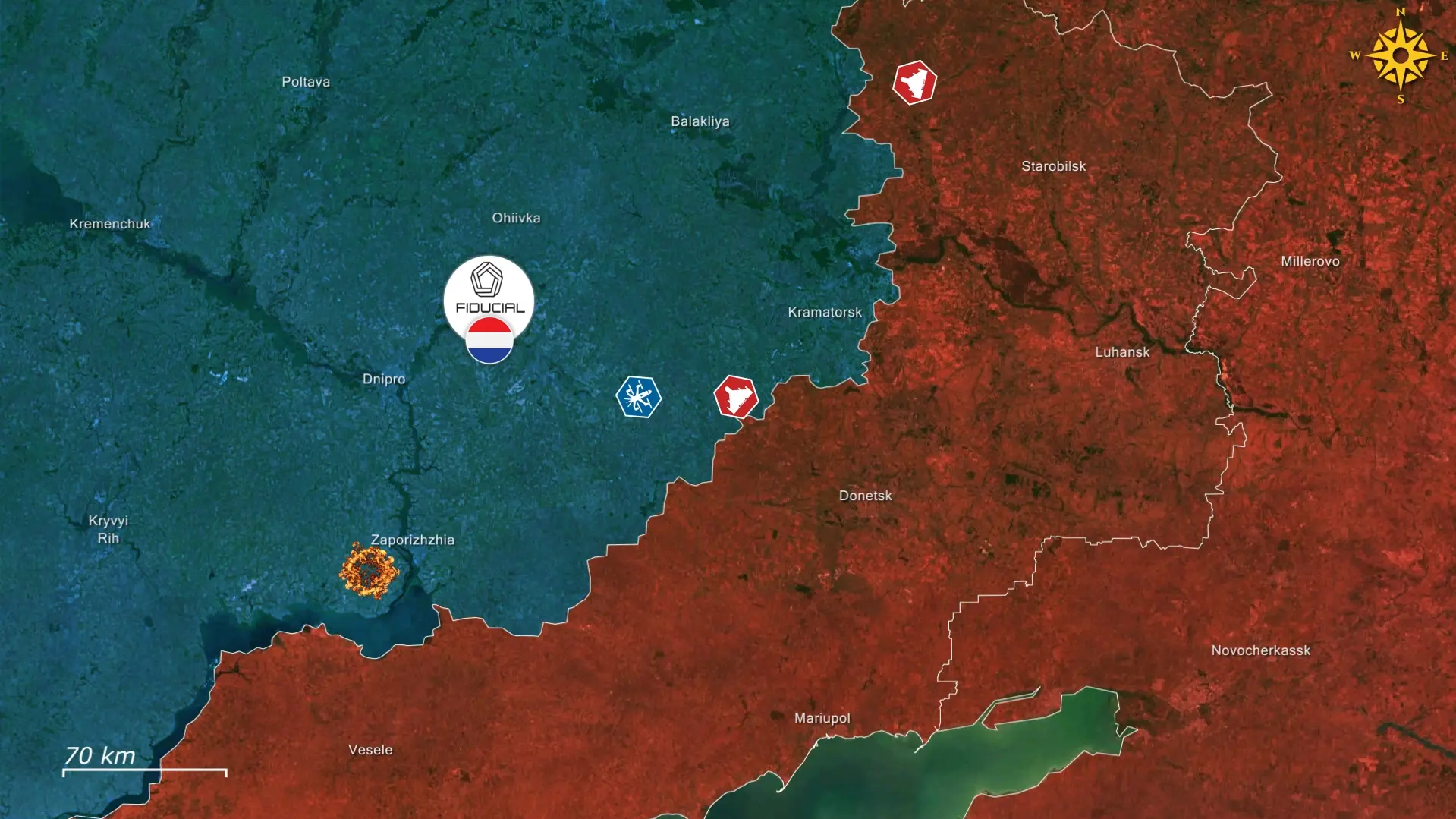
In addition, the German defense company Helsing has successfully tested its advanced HX-two strike drone in the Ukrainian battlefield. According to Helsing, following its testing in Ukraine, the system has already proven its real-world battlefield utility, and the Ukrainian armed forces have subsequently ordered more than one thousand units. Furthermore, the Dutch defense technology company Fiducial Defense has successfully tested its computer vision-based software in the Ukrainian theater of war. Following this successful trial, the technology has been integrated into the Ukrainian drone interceptor Vovkulaka, significantly improving its target detection and interception speed and accuracy, making it more effective in countering enemy drones and other aerial threats.
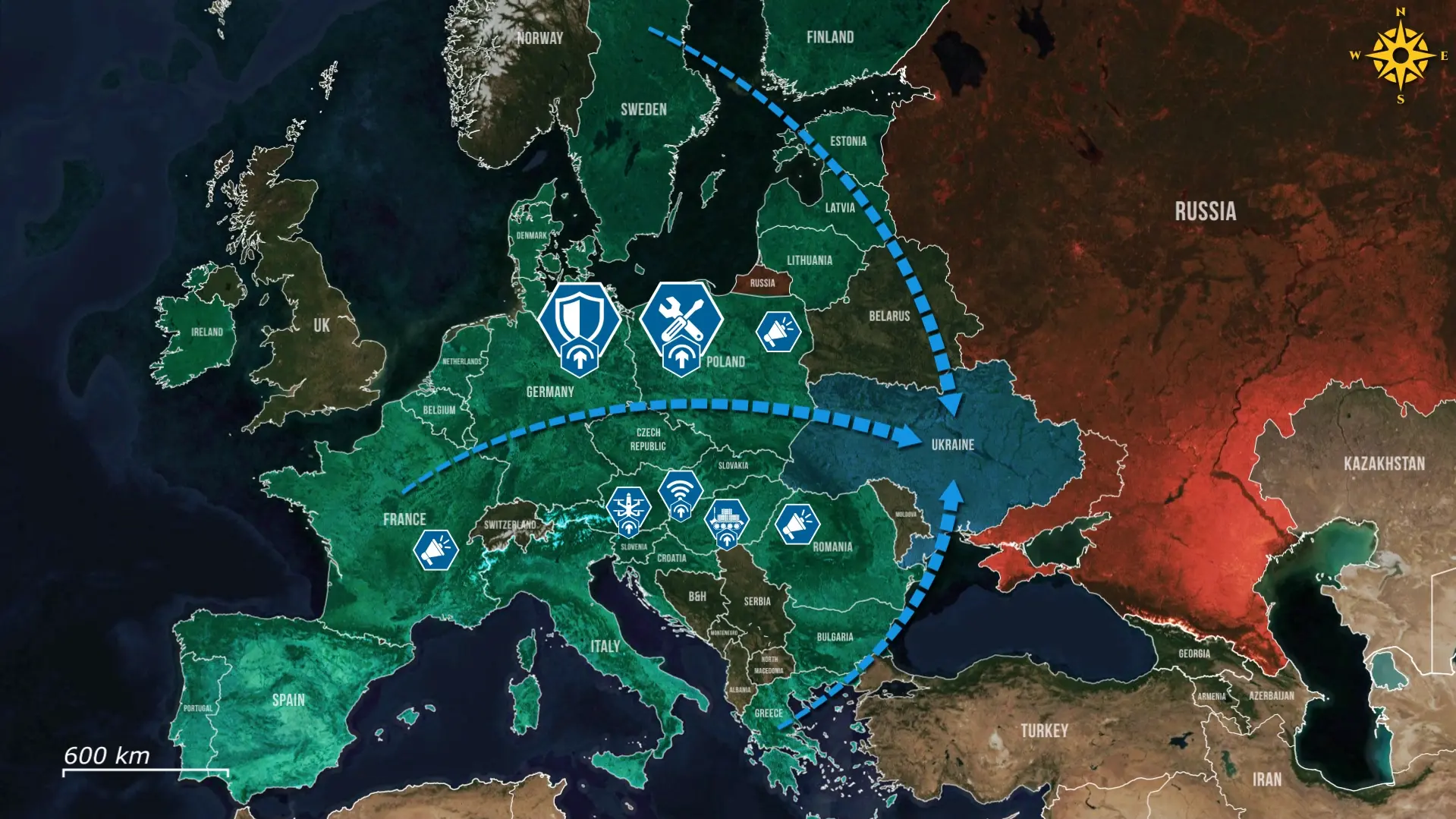
Overall, European defense companies are shifting away from the slow, traditional peacetime research and development model for evaluating weapon systems and are instead adopting an approach that prioritizes real-world combat validation. Rather than being limited to laboratory or controlled testing environments, new technologies are now being deployed and assessed in active conflict zones, where frontline performance directly informs rapid refinement and upgrades. The Brave one Test in Ukraine initiative illustrates this shift by effectively turning Ukraine into a live operational testing ground for European defense systems. It enables immediate identification of strengths and weaknesses in deployed equipment, with the resulting insights feeding quickly into development cycles. This has significantly accelerated the production of advanced weapons in Europe while also strengthening Europe’s position in the global defense technology landscape.

.jpg)

Comments