

.svg)
Today, there are important updates from Transnistria.
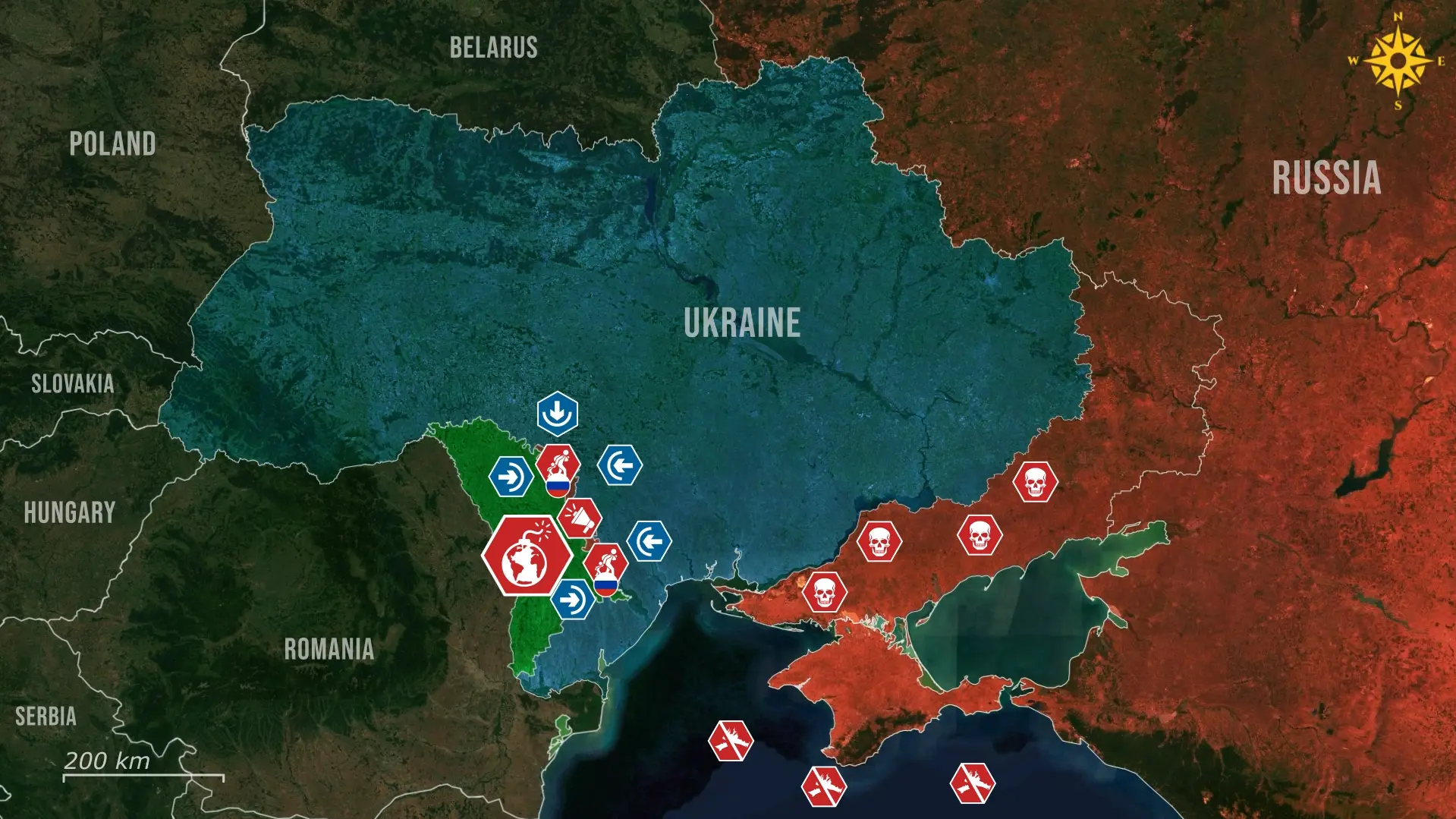
Here, Russia has suddenly made a huge step toward annexation of Transnistria region of Moldova, attempting to use its old narrative of oppression and plunging Moldova into chaos. Now, Transnistria is ready to explode and turn into the next Donbas as Russia is laying the groundwork for full-scale intervention.
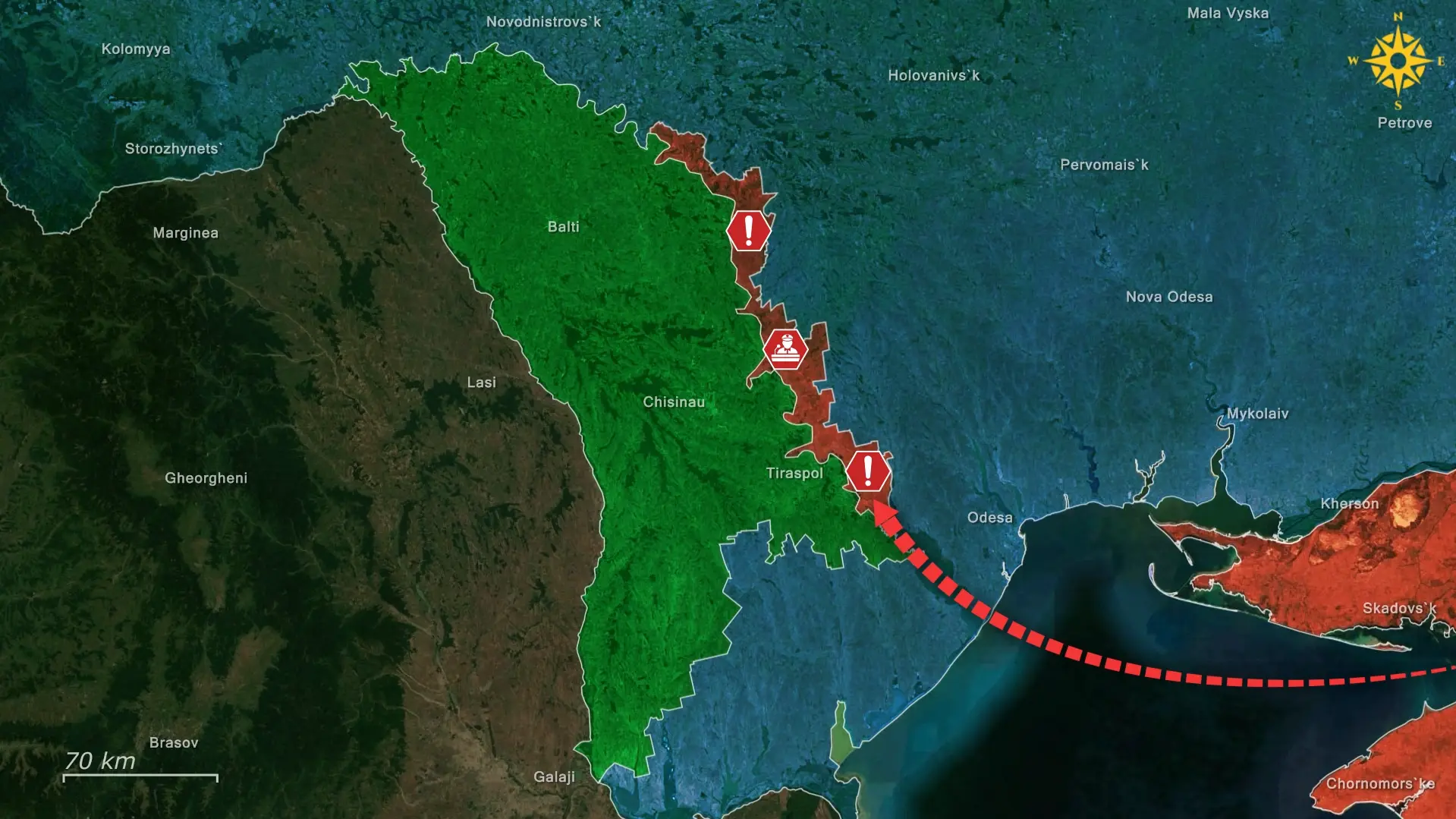
Recently, Vladimir Putin signed a decree simplifying the process for residents of the Moldovan separatist enclave of Transnistria to obtain Russian citizenship. The new rules waive several standard requirements, including five years of residency in Russia, as well as exams on the Russian language, history, and legislation. In a region of roughly four hundred and seventy thousand people, more than two hundred thousand already hold Russian citizenship, and now, Russia wants to make the other half Russian as well, effectively turning Transnistria into a de facto part of Russia. This decree removes the remaining bureaucratic barriers for the rest, and Russian officials frame this as support for a Russian-speaking population that has traditionally been oriented toward Moscow. The move came in conjunction with new legislation authorizing the use of the Russian military to protect Russians abroad, raising concerns about potential implications for the soon to be fully Russian enclave.
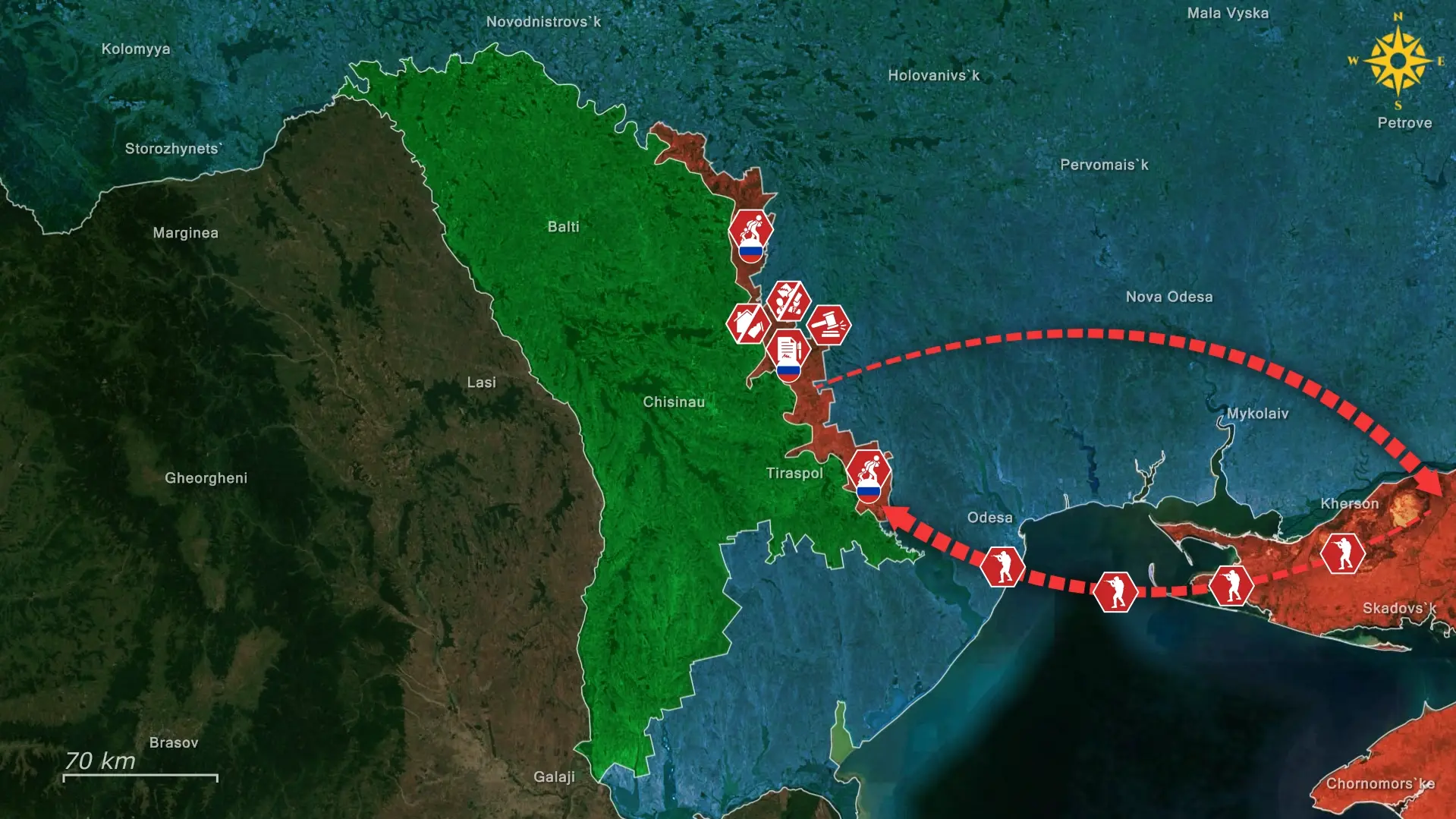
Only one day after the easing of this legislation, Russian narratives already began claiming that Ukraine and Romania were seeking to absorb Moldova and oppress Russian-speaking communities. Russians claimed this was due to a bill being introduced in the Ukrainian parliament, proposing recognition of the Gagauz as an indigenous people. The Gagauz are a distinct Turkic ethnic group numbering around one hundred and fifty thousand people, concentrated mainly in the autonomous region of Gagauzia in southern Moldova, with smaller communities in southwestern Ukraine, who are the ones the bill actually only concerns. Still, Russia portrayed the bill as evidence of preparations for Moldova’s eventual unification with Romania. According to this narrative, one of the main obstacles to such a process is Gagauzia’s autonomy and its largely Russian-speaking, pro-Russian population. Russian commentators frequently point to the two-thousand-and-fourteen Gagauz referendum, in which an overwhelming majority supported the right to self-determination if Moldova were ever to lose its sovereignty, similar to the Crimea referendum held that same year. Because the Gagauz population has traditionally supported pro-Russian parties in Moldovan elections, Russian sources claim that Kyiv intends to weaken the political influence of this minority in advance. In this interpretation, such a policy would help Moldova’s pro-European and pro-Romanian forces marginalize a disloyal electorate, while also reducing one of the strongest pro-Russian centers of influence in the region.
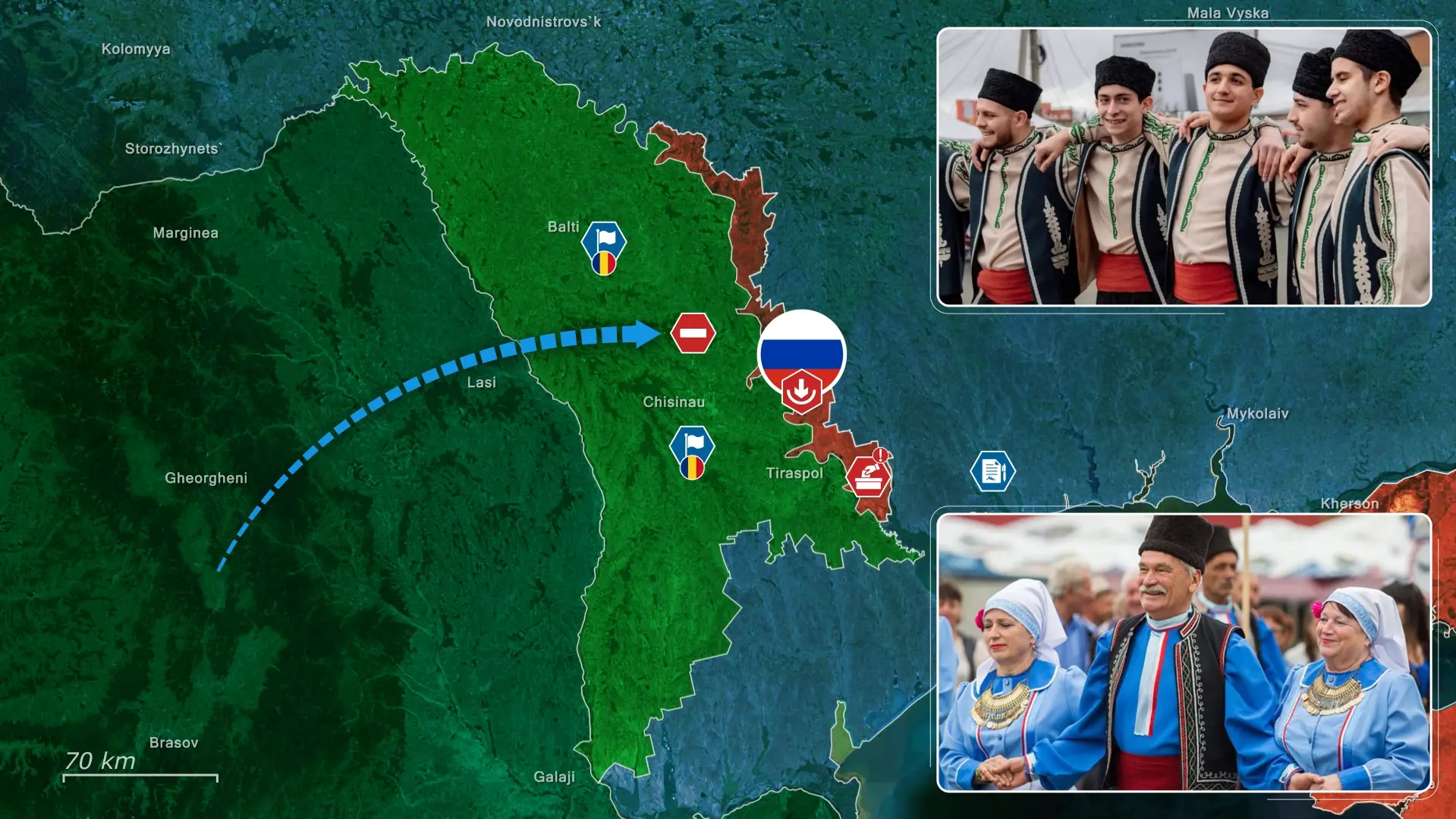
This narrative follows the exact playbook Russia used before the outbreak of the war in Donbas in two thousand fourteen. In both two thousand fourteen and the full-scale invasion of Ukraine, Moscow justified its actions by claiming it was defending ethnic Russians and Russian-speaking populations from alleged oppression, discrimination, and genocide, which was proven to be completely false. Regardless, Moscow argued that the population of Donetsk and Luhansk possessed a legitimate right to self-determination, using this claim to politically justify separatism and direct military intervention. Considering this, Russia’s tactic in Transnistria seems concerningly familiar.
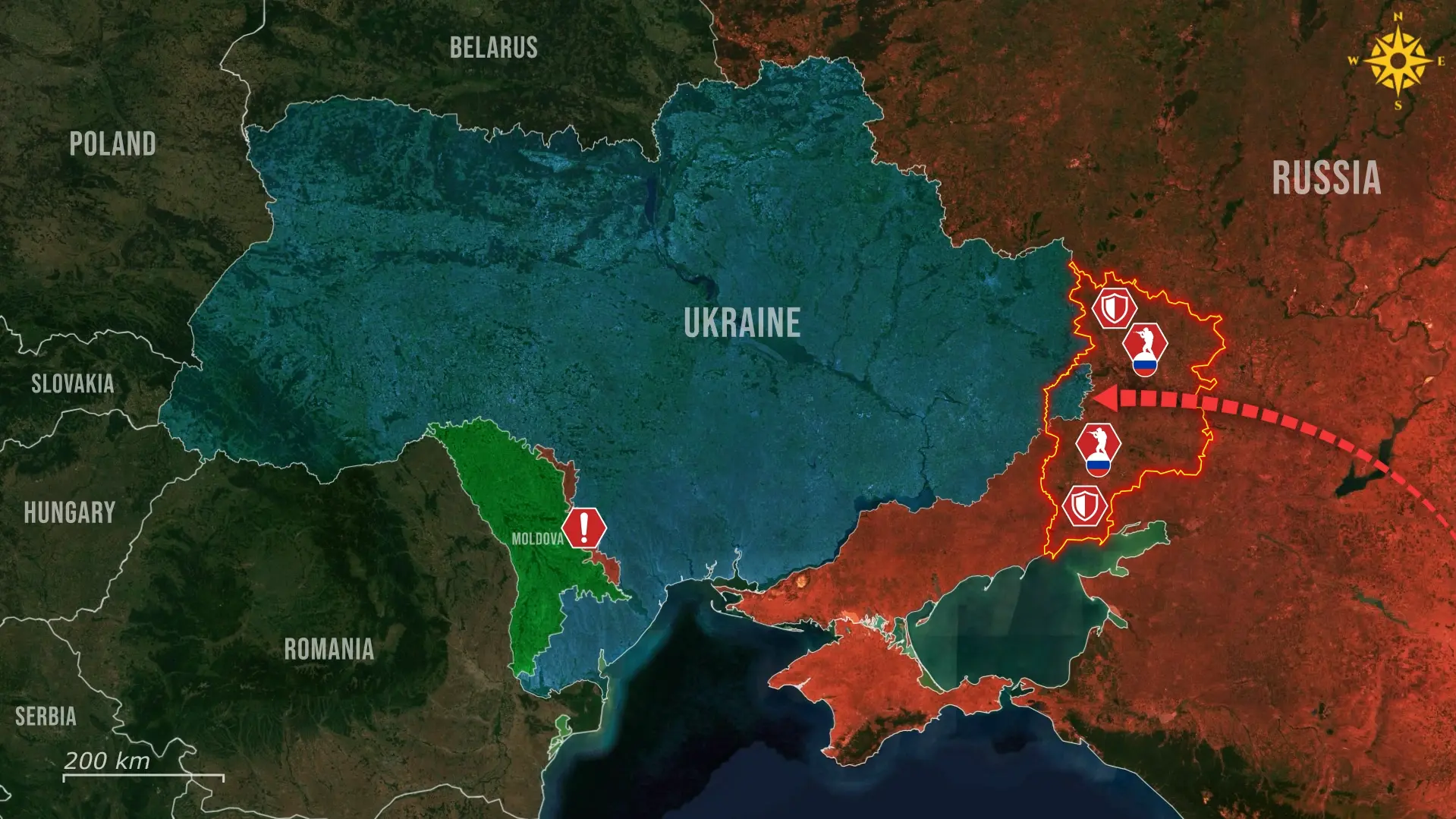
With this in mind, it is important to understand that Russia has never abandoned its long-standing goal of establishing a direct land corridor to Transnistria, while establishing a buffer zone along the Transnistrian-Ukrainian border inside of Ukraine. However, Ukrainian forces continuously halt any Russian attempt to cross the Dnipro River in southern Ukraine. Simultaneous active Ukrainian naval operations exerting control over the Black Sea are the only two things standing in the way of Russia’s goal. Moldova truly recognizes this, and the tight security and logistical blockade actively being imposed by Ukraine and Moldova prevent Russia from reinforcing or expanding its military presence there. As long as Ukraine and its allies maintain these defensive advantages, Russia has no realistic prospect of launching an operation toward Transnistria from the sea or from within.
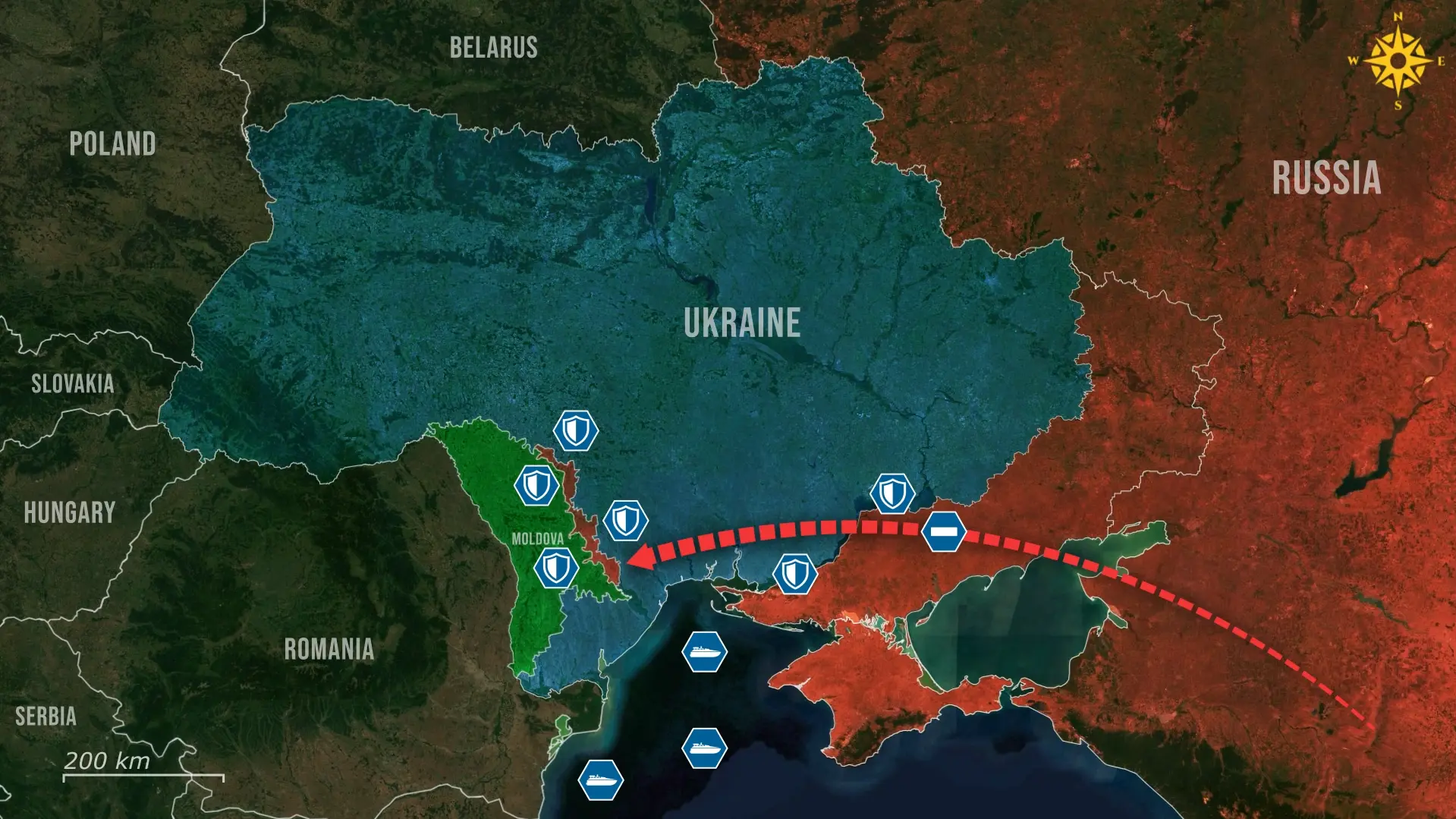
Overall, Russia is attempting to create another Donbas war in Moldova by reviving the same narratives of protecting Russian-speakers and self-determination. By simplifying citizenship procedures, Russia effectively declares that all Transnistrians are Russian. With this move, there is an active risk of a second Donbas, meaning the precedent is now set for future political escalation. However, despite these efforts, Moscow doesn’t have the military, naval, and logistical capabilities needed to achieve its strategic goals. As long as Ukraine and Moldova maintain pressure, Russia will remain unable to expand beyond rhetoric and destabilization campaigns.
.jpg)

Comments