

.svg)
Today, there are important updates from the Russian Federation.
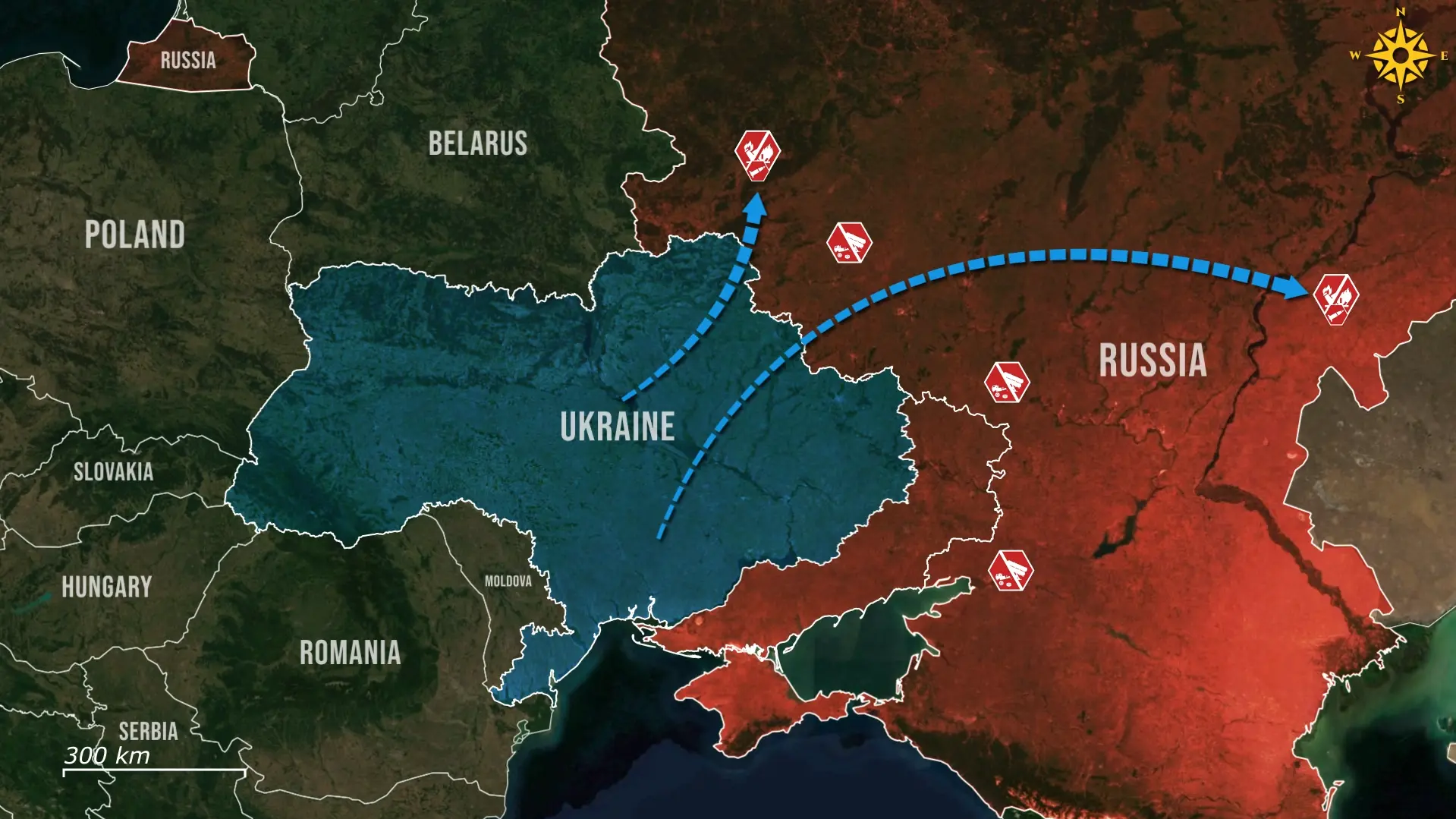
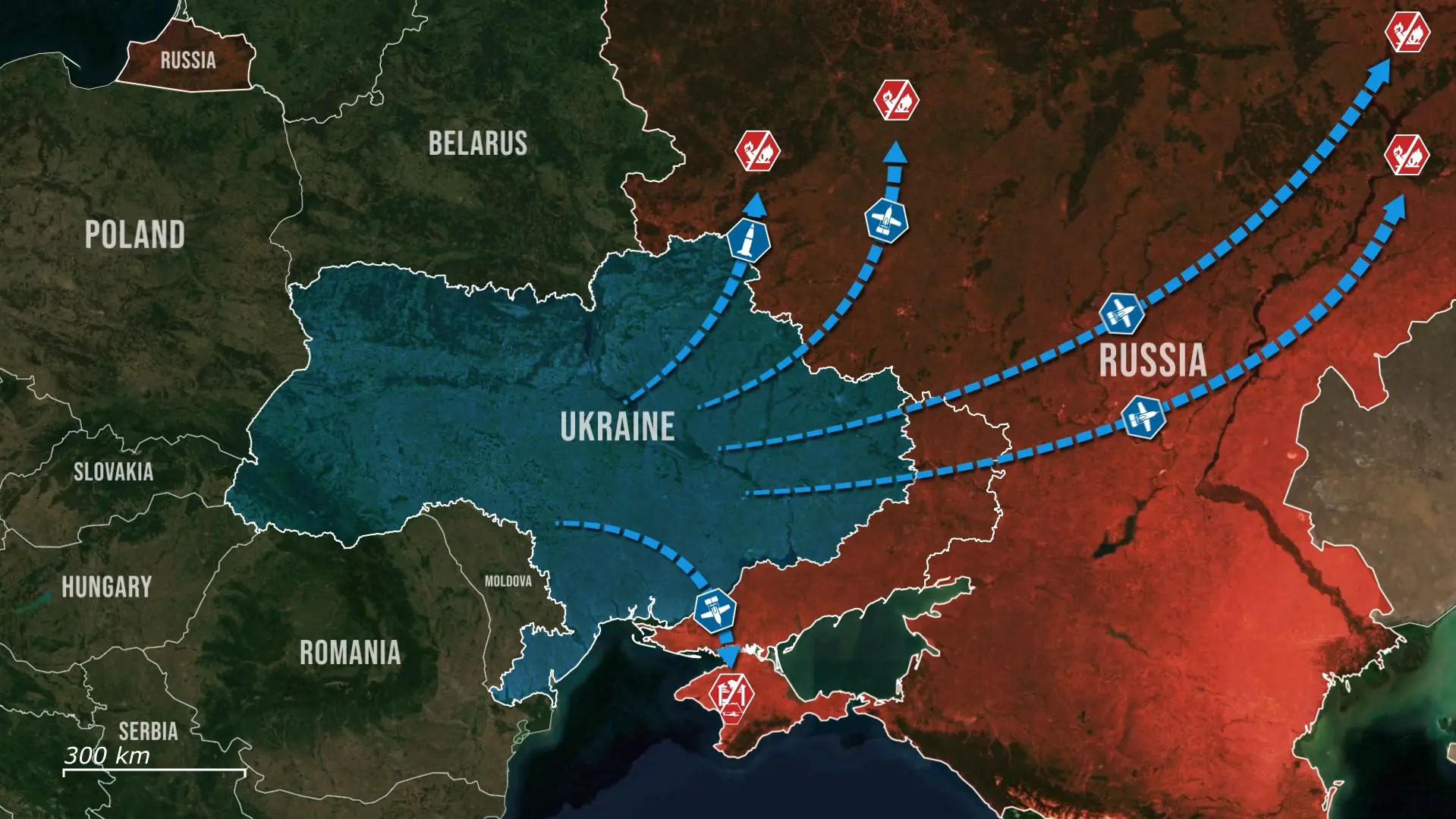
Here, Ukraine has unleashed drones and Storm Shadow missiles to wipe out Russia’s missile production. The scale of the attack and the capitulation of Russian air defense sent shockwaves, as the rest of Russia’s defense industrial base also sustained a devastating blow.
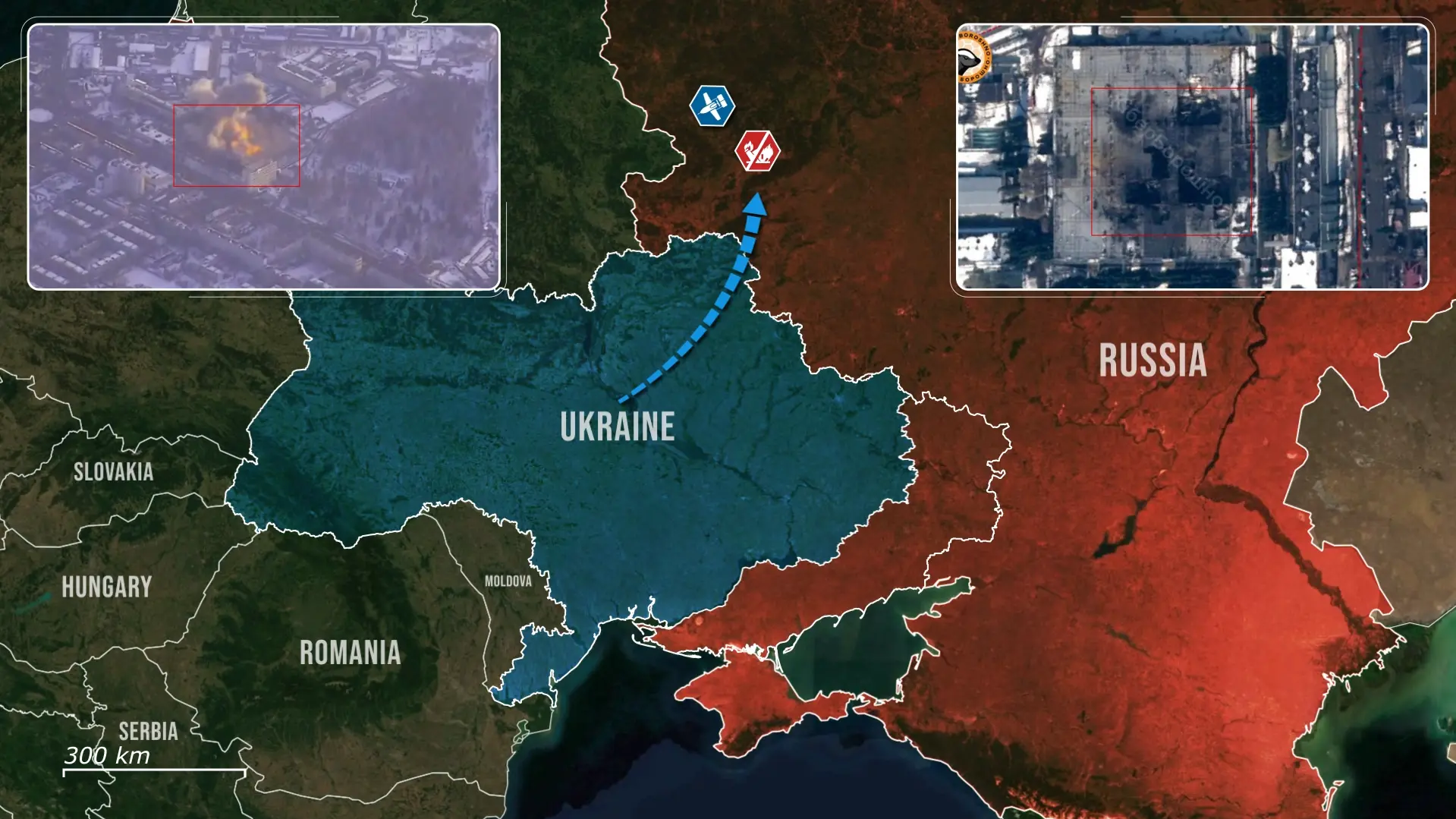
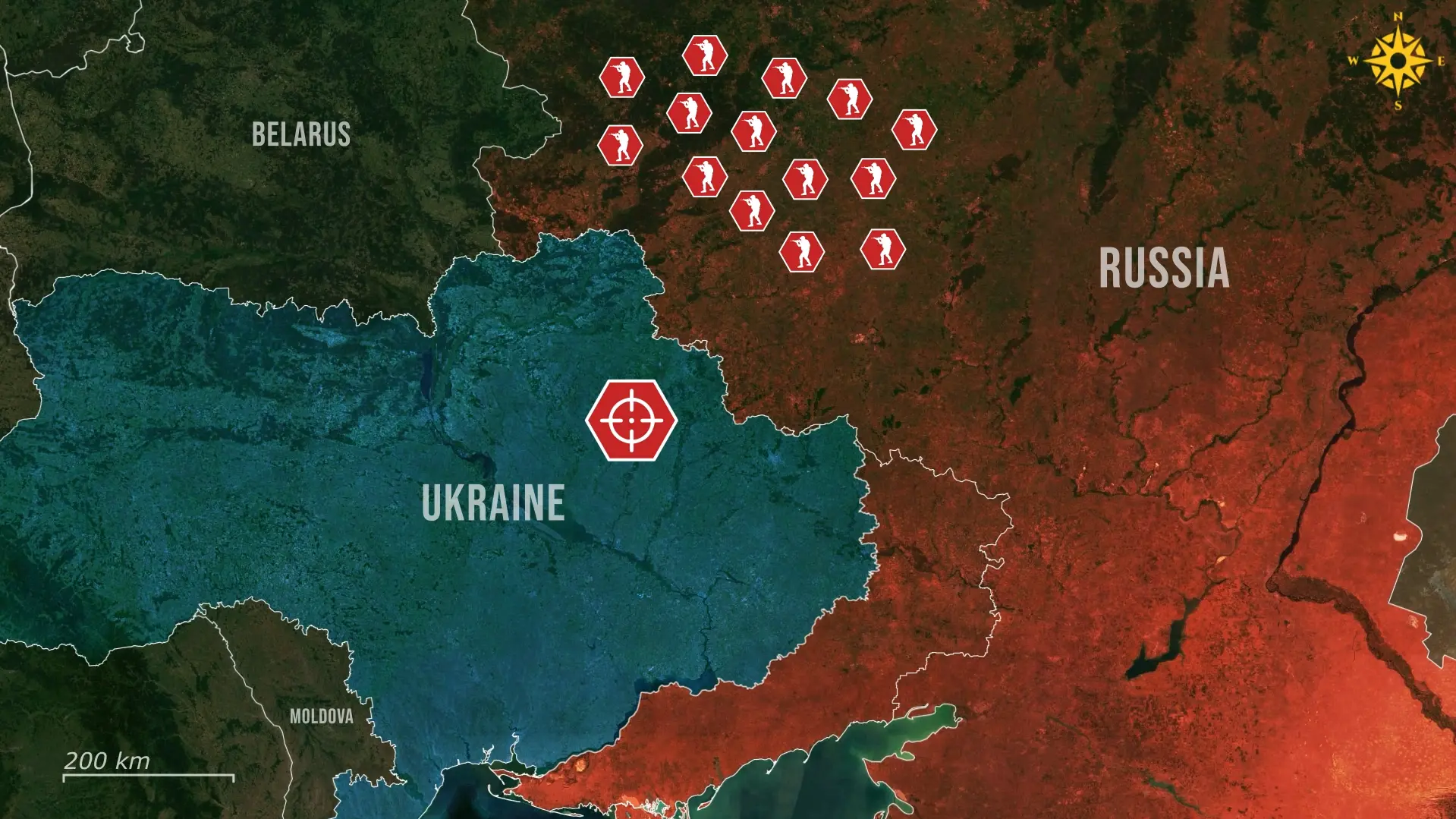
The main Ukrainian strike targeted the Kremniy El microelectronics plant in Bryansk, one of Russia’s largest semiconductor manufacturing facilities. The Ukrainians used seven Storm Shadow cruise missiles, of which five struck the main production hall, while the remaining two hit other production facilities, causing significant structural and industrial damage. Satellite footage confirms severe destruction that has effectively taken the factory out of operation and beyond repair. As another piece of evidence of the missing Russian air defense, the strikes were supported by a Ukrainian Shark drone, operating deeply inside the Russian territory in an unprecedented case, providing targeting guidance and transmitting real-time footage back to the Ukrainian command.
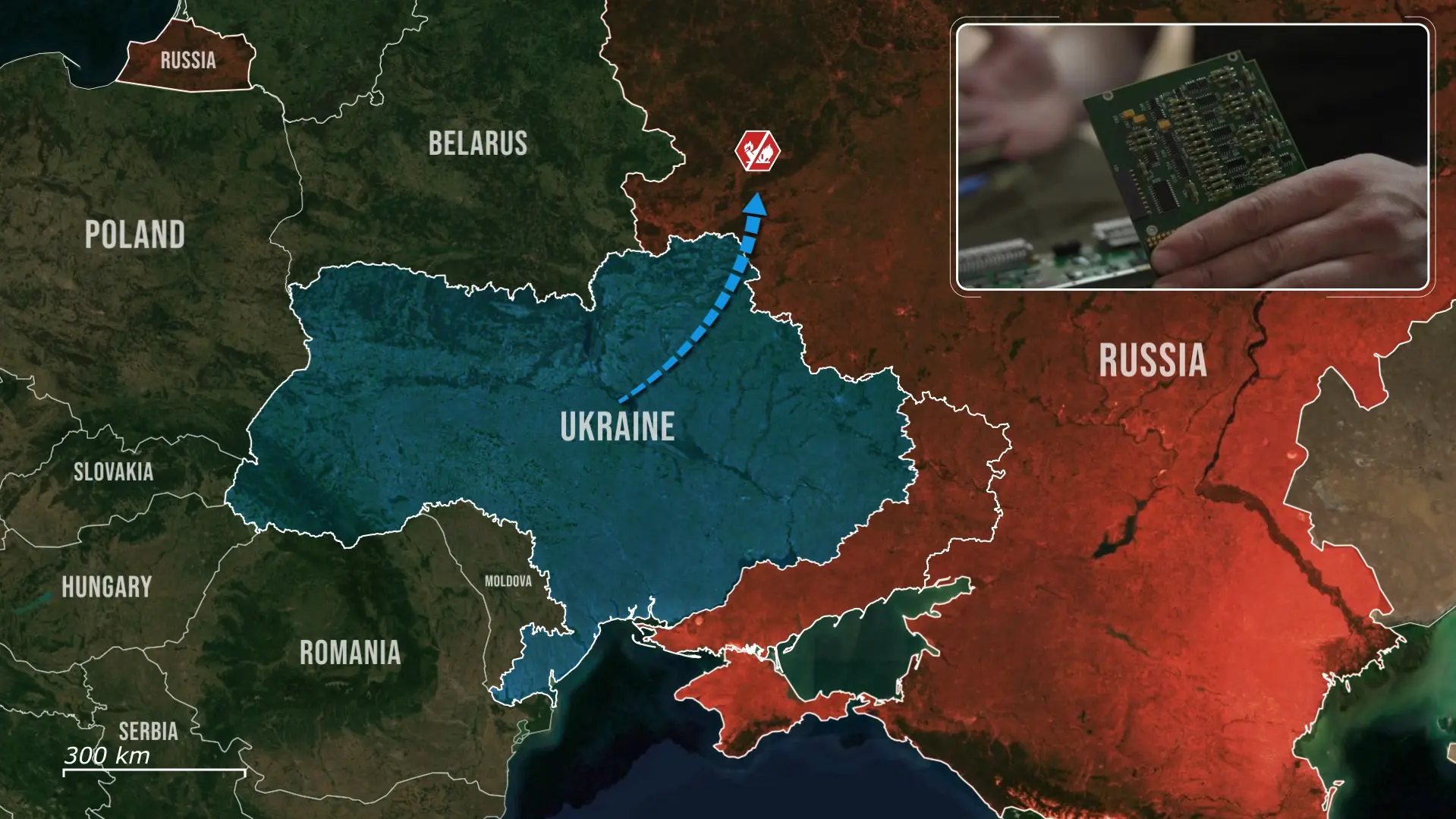
Russia’s missile production capabilities were crippled, as the plant manufactures microelectronics and semiconductors used in various such systems.
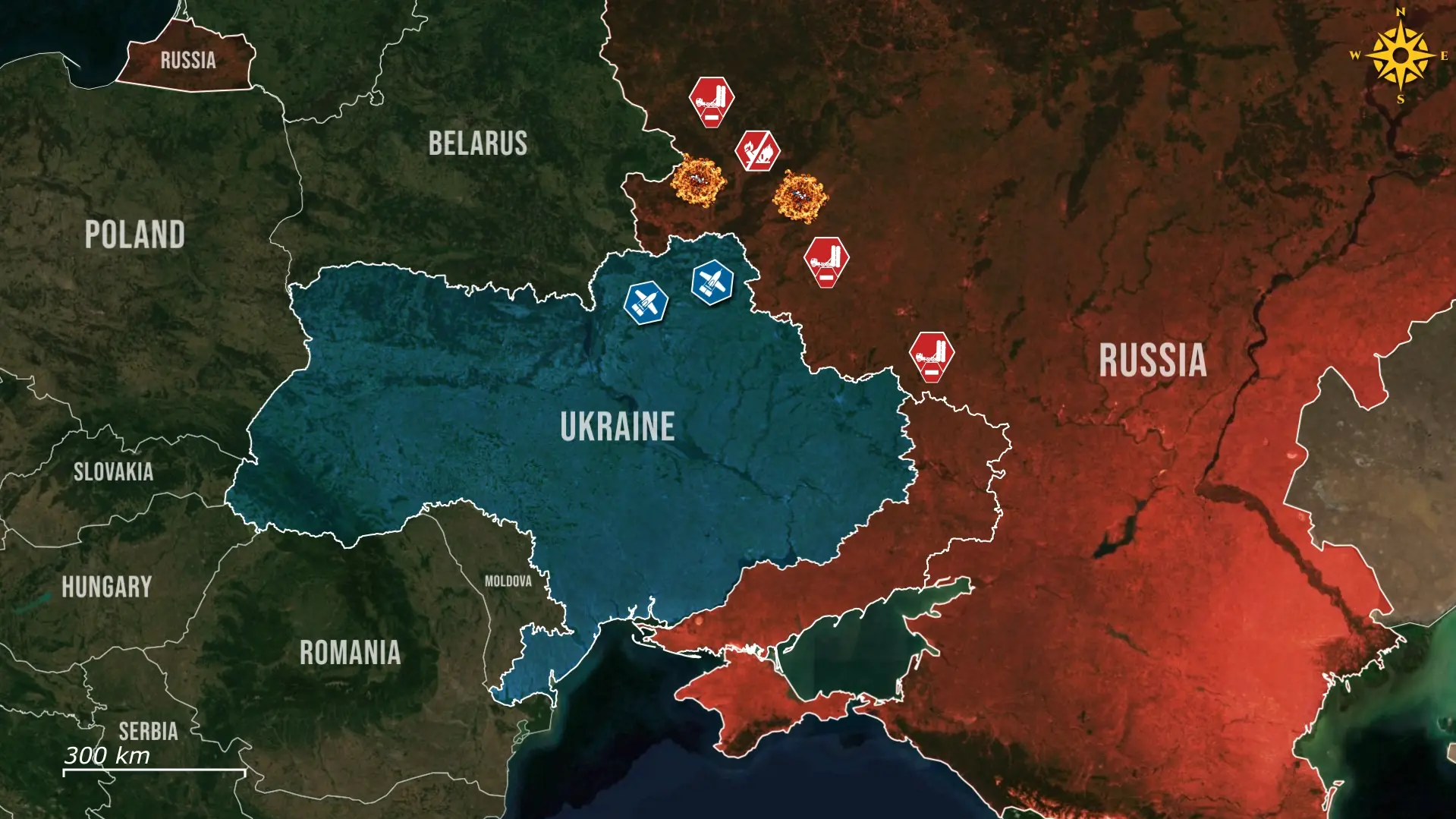
As a preparation for the main attack, Ukraine launched waves of drones towards the Bryansk Region. Russia’s Defense Ministry claimed that 754 Ukrainian drones were detected and shot down within 24 hours, which is the highest number recorded in a single day. The goal was not to hit a specific target, but to strain and deplete Russian air defense systems by forcing them to expend large numbers of interceptors, opening the skies for the Storm Shadow missiles.
Notably, the Bryansk plant manufactures microelectronics used across Pantsir air defense systems, Iskander ballistic missiles, cruise missiles, such as the Kh-59, Kh-69, and Kh-101, radar and electronic warfare systems, and various Russian drones.
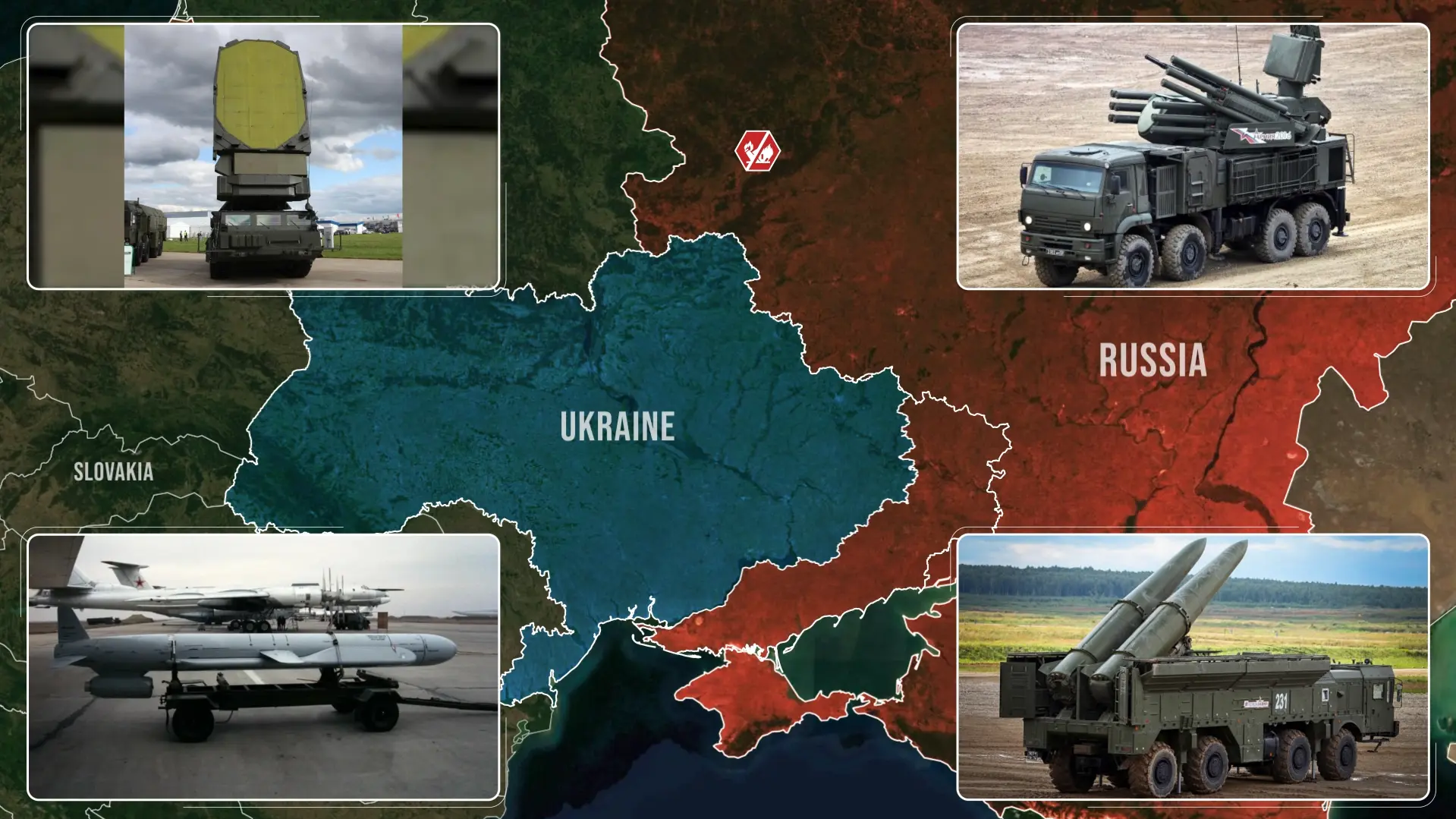
These chips enable guidance and control systems, radar interfaces, electronic warfare capabilities, and secure communications modules. In air defense systems, they support key functions such as radar processing, targeting, and electronic jamming.
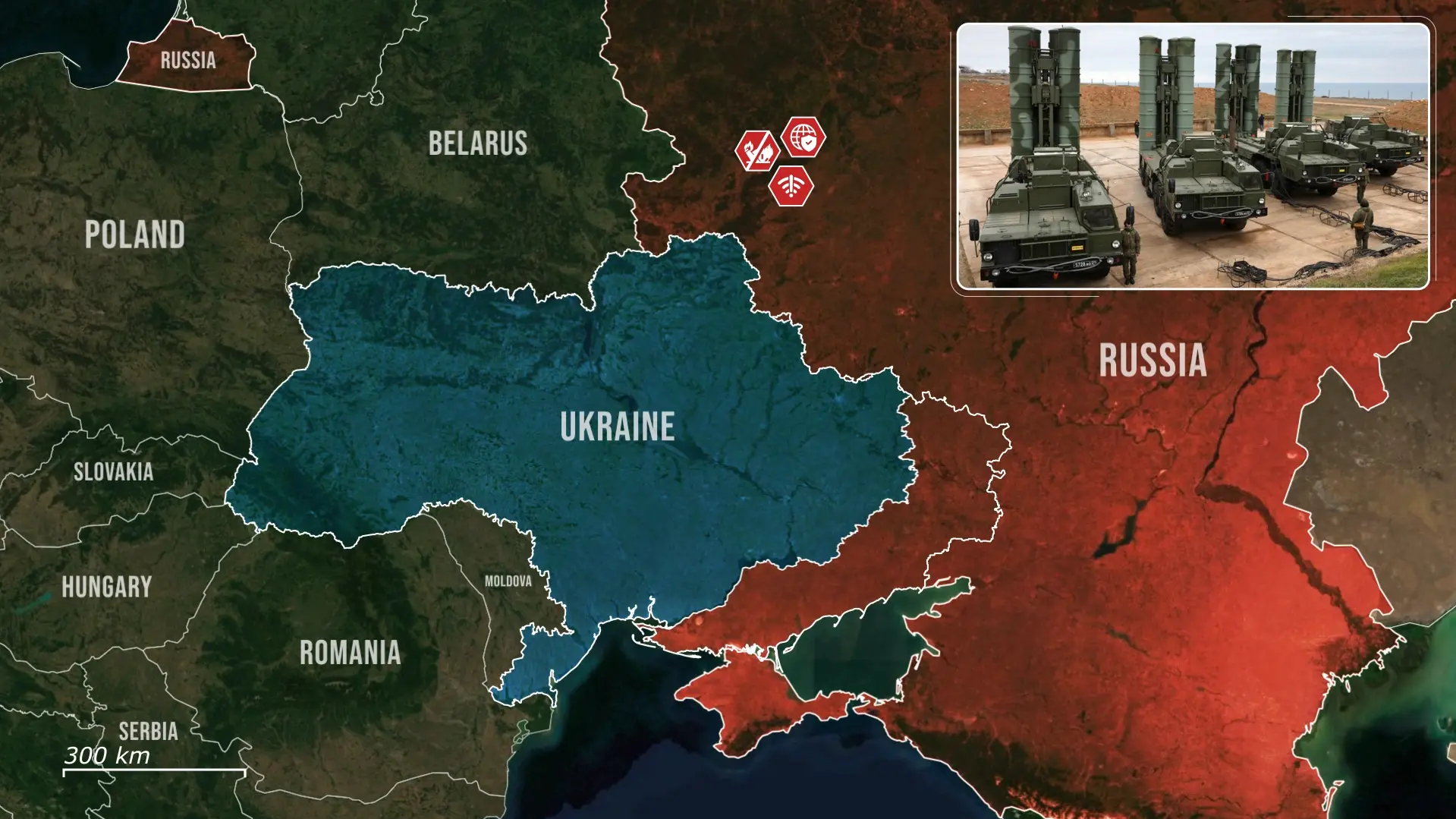
Because Western sanctions have largely cut Russia off from advanced foreign semiconductors, domestic production at facilities like Kremniy El has become critical for sustaining the output of weapons used in the war against Ukraine. The factory is Russia’s second-largest producer of military-grade microelectronics and manufactures more than 1,200 types of components. Disrupting the plant, therefore, cuts the internal supply of high-tech components, which Russia needs desperately.
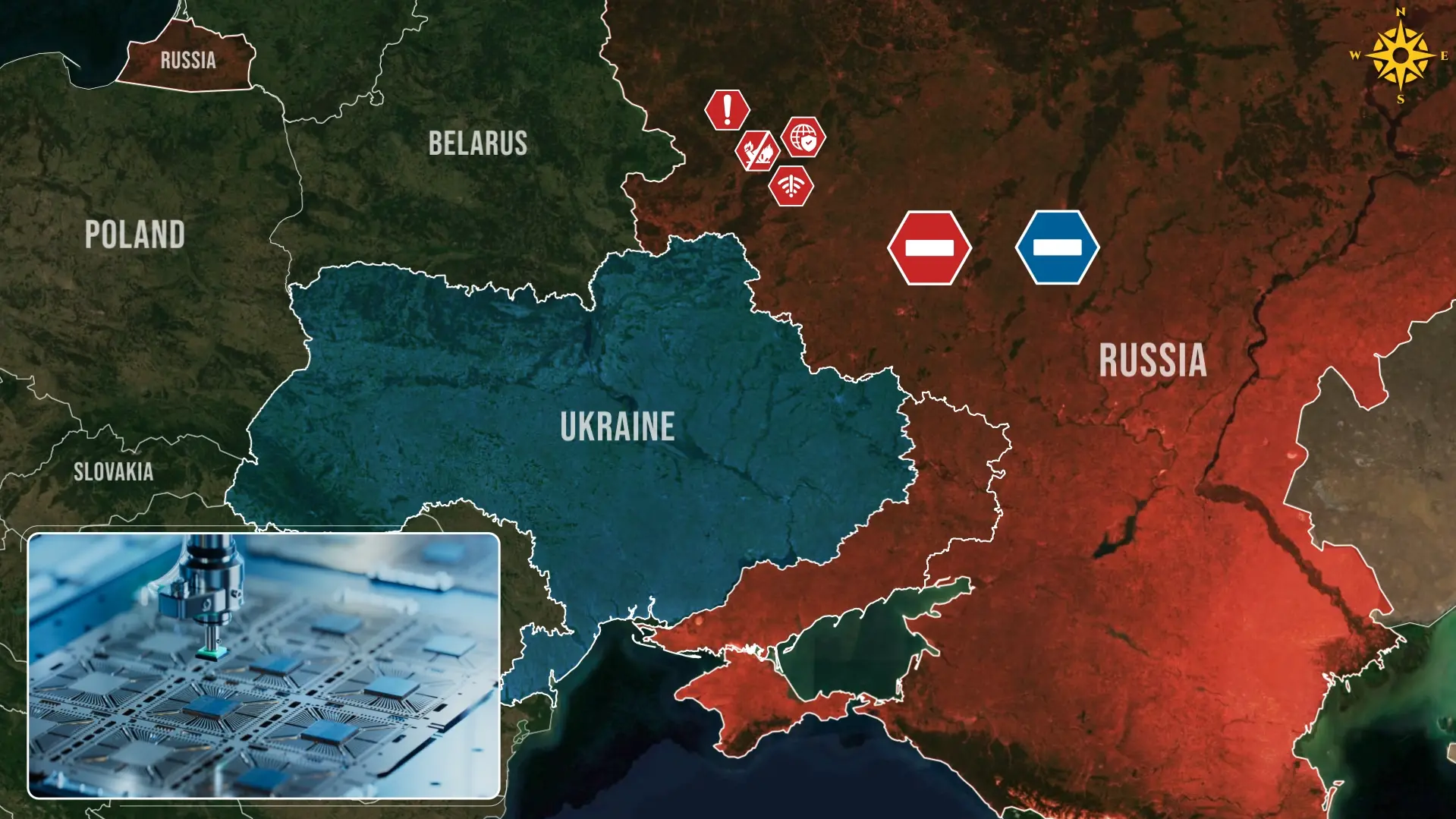
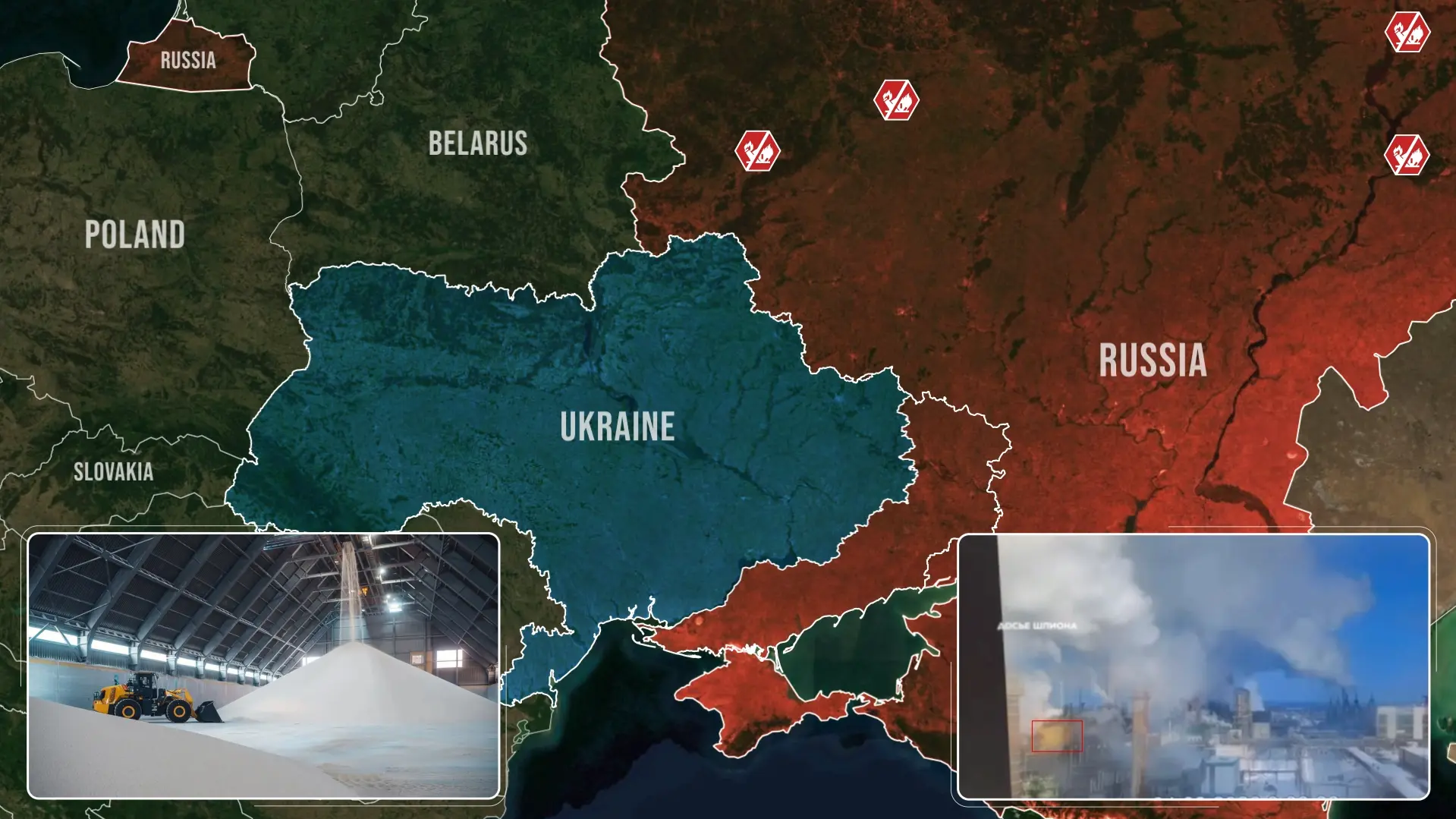
This strike appears to be the biggest in Ukraine’s systematic campaign against Russia’s defense-industrial base. Additionally, a fire broke out at the Kosogorie Metallurgical Plant in Tula, with local authorities suspecting sabotage. The facility produces materials used in the manufacture of military equipment and armored vehicles. Ukrainian drones also struck the Kuibyshev Azot chemical plant in Tolyatti after previous strikes against it, setting workshops on fire. The plant produces chemical substances that serve as critical precursors for Russia’s munitions industry. Russia’s defense plants that manufacture artillery shells, bombs, and rockets depend heavily on this domestic chemical production, making such facilities important links in the country’s military supply chain.
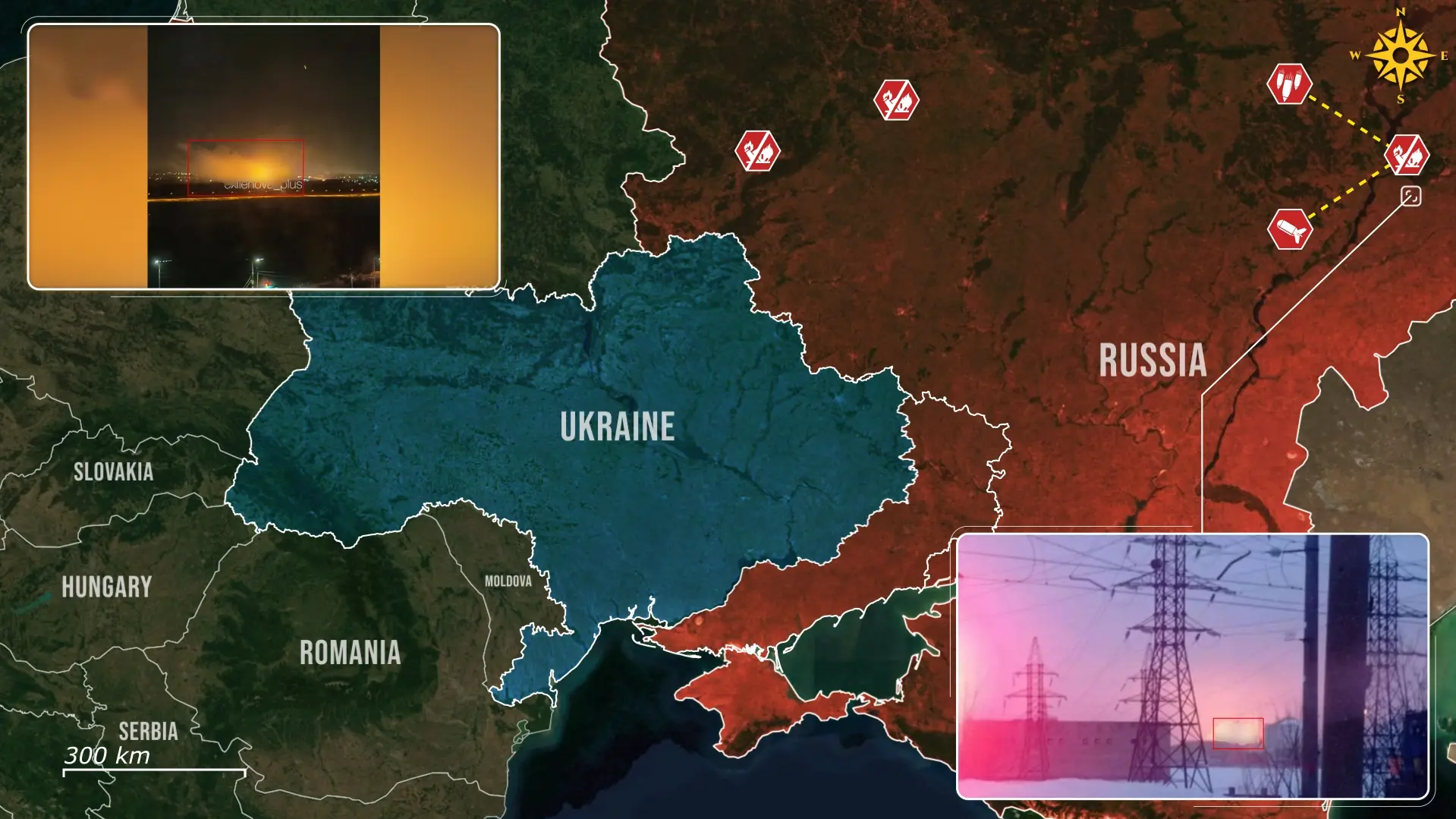
Ukrainian forces also carried out a long-range strike using Liutyi drones against a chemical facility in Kirovo-Chepetsk, approximately 1,300 kilometers from Ukraine. The drones hit an ammonium nitrate warehouse, with a confirmed strike on the ammonia production unit, and as a result, the production was halted. The facility belongs to Uralkhim, which produces around 2.6 million tons of fertilizer annually and ranks among Russia’s top ten mineral fertilizer producers.
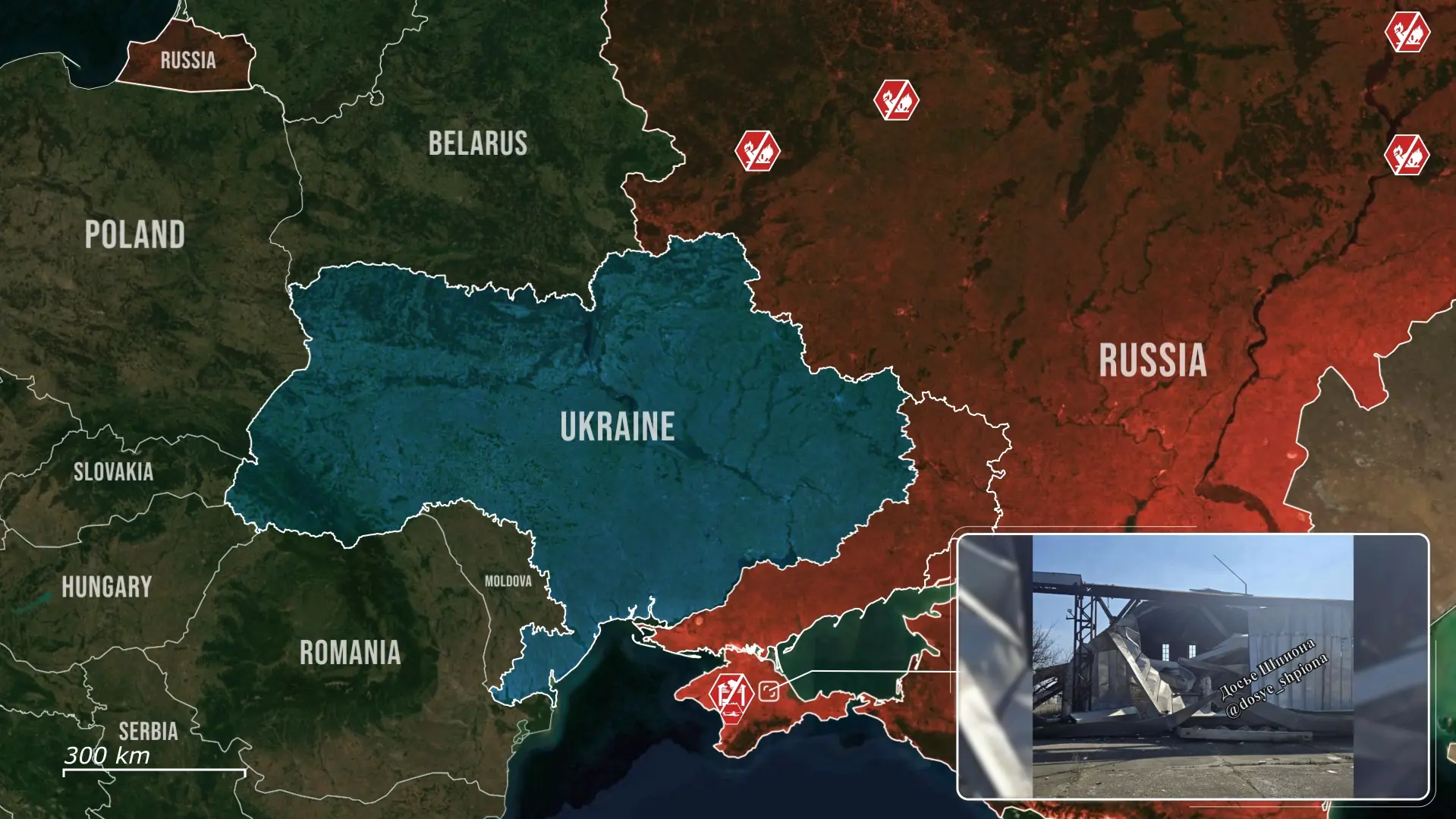
Ukrainian forces also carried out a strike on the Yevpatoria Aviation Repair Plant in Crimea, a facility used by Russia to store and service Forpost and Orion drones. Satellite imagery indicates three hangars were damaged in the attack, which had previously serviced helicopters but were later repurposed for the maintenance of unmanned aerial systems.
Overall, Ukraine’s strikes follow a systematic path of targeting the whole Russian weapon manufacturing and repair chain, including factories producing microelectronics, chemicals, and maintenance facilities essential for day-to-day combat operations.
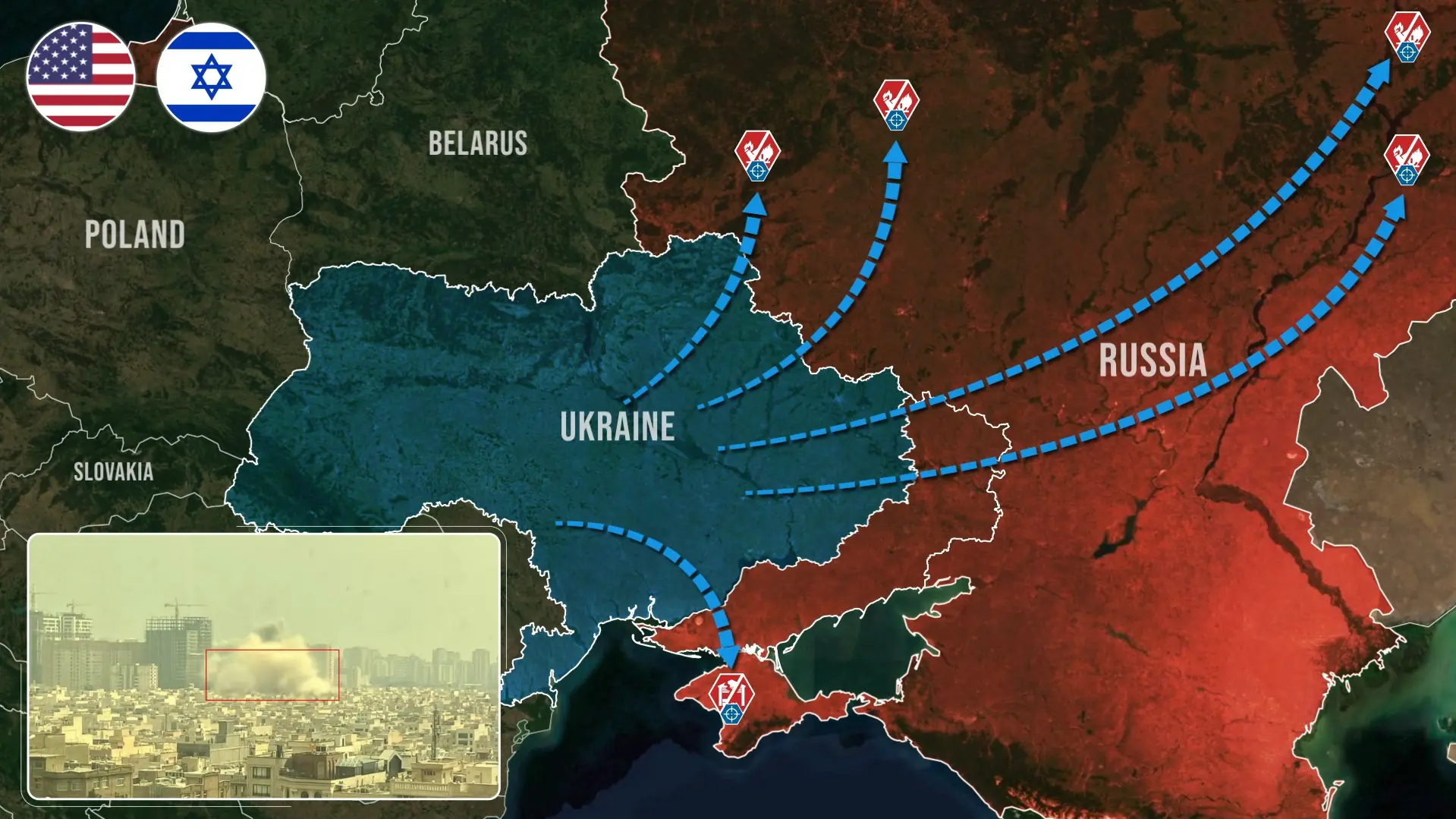
The United States and Israel are currently targeting Iran’s missile infrastructure with the same end goal of reducing the flow of missiles, which also leads to less export to Russia to be used against Ukraine, as the Russians have relied heavily on Iranian drones and missile technology to sustain their strike campaign. With Ukraine striking key Russian missile production facilities such as the Kremniy El plant in Bryansk, and Iranian missile capabilities simultaneously coming under pressure, both sources of missiles are being degraded, easing the strain on Ukrainian air defences and its defence-industrial base.

.jpg)



Comments