Search

Thank you! Your submission has been received!
Oops! Something went wrong while submitting the form.
Video

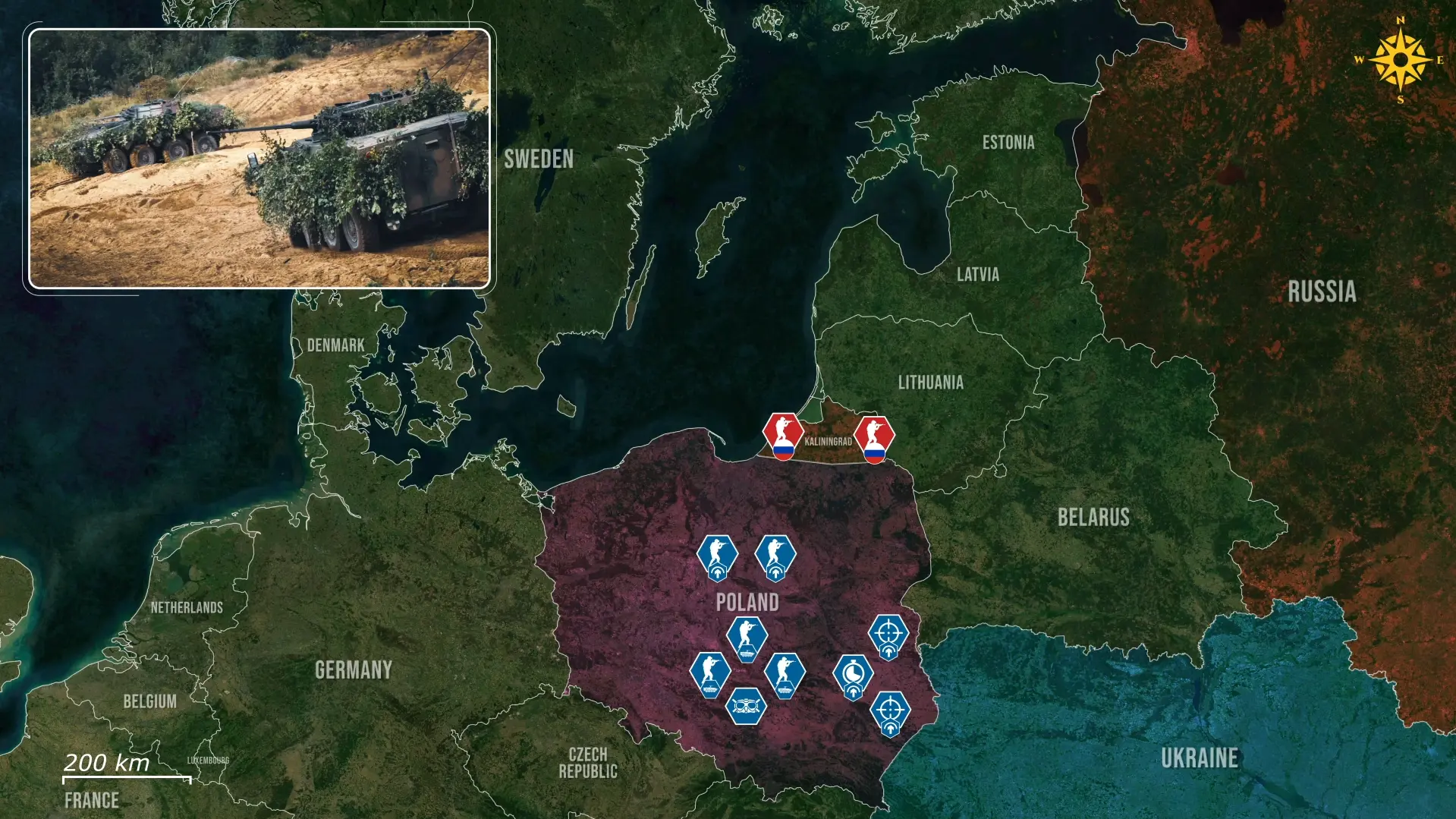
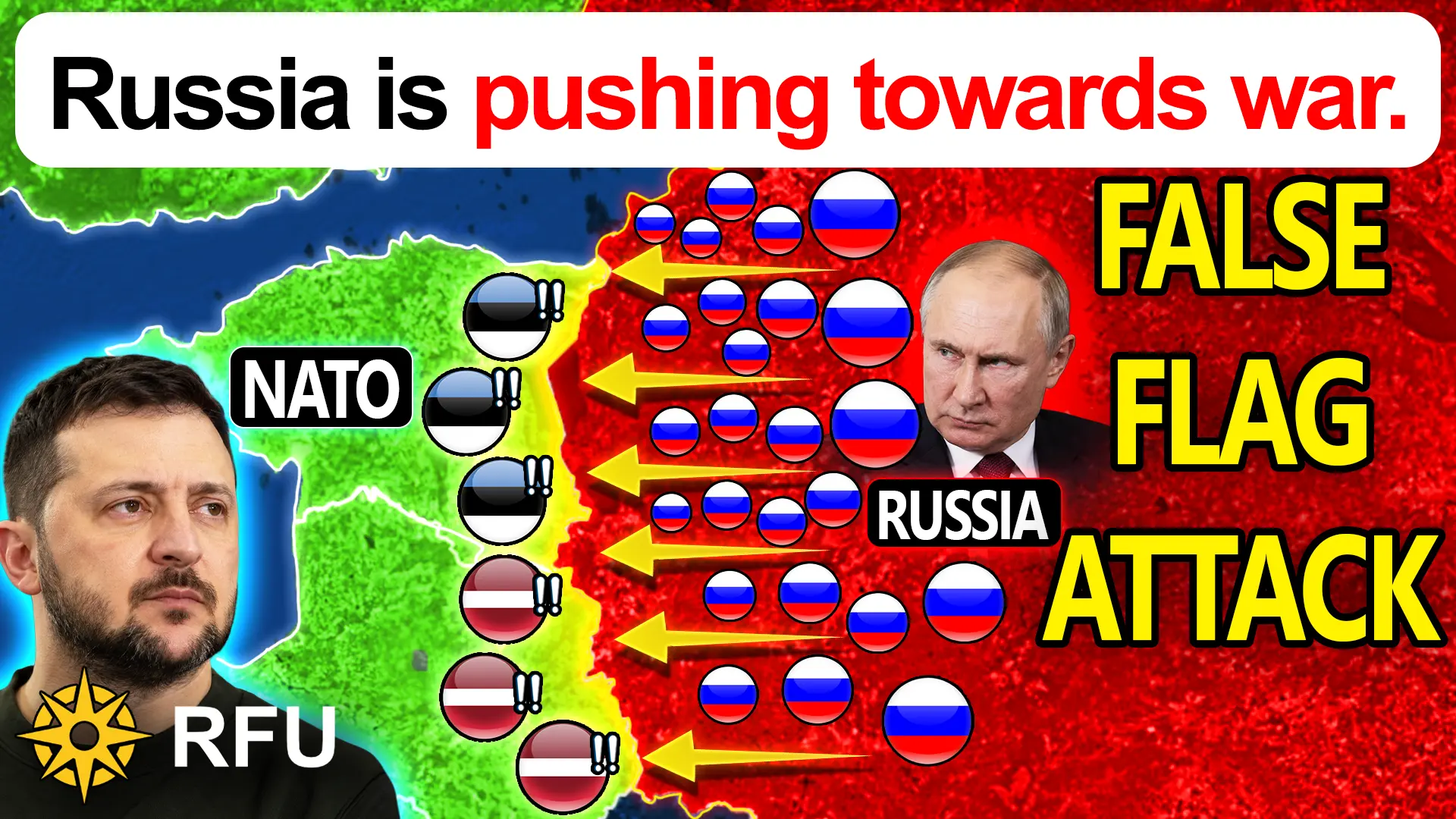
NATO’s best prepared forces for war with Russia are now guarding the Sulwalki gap!

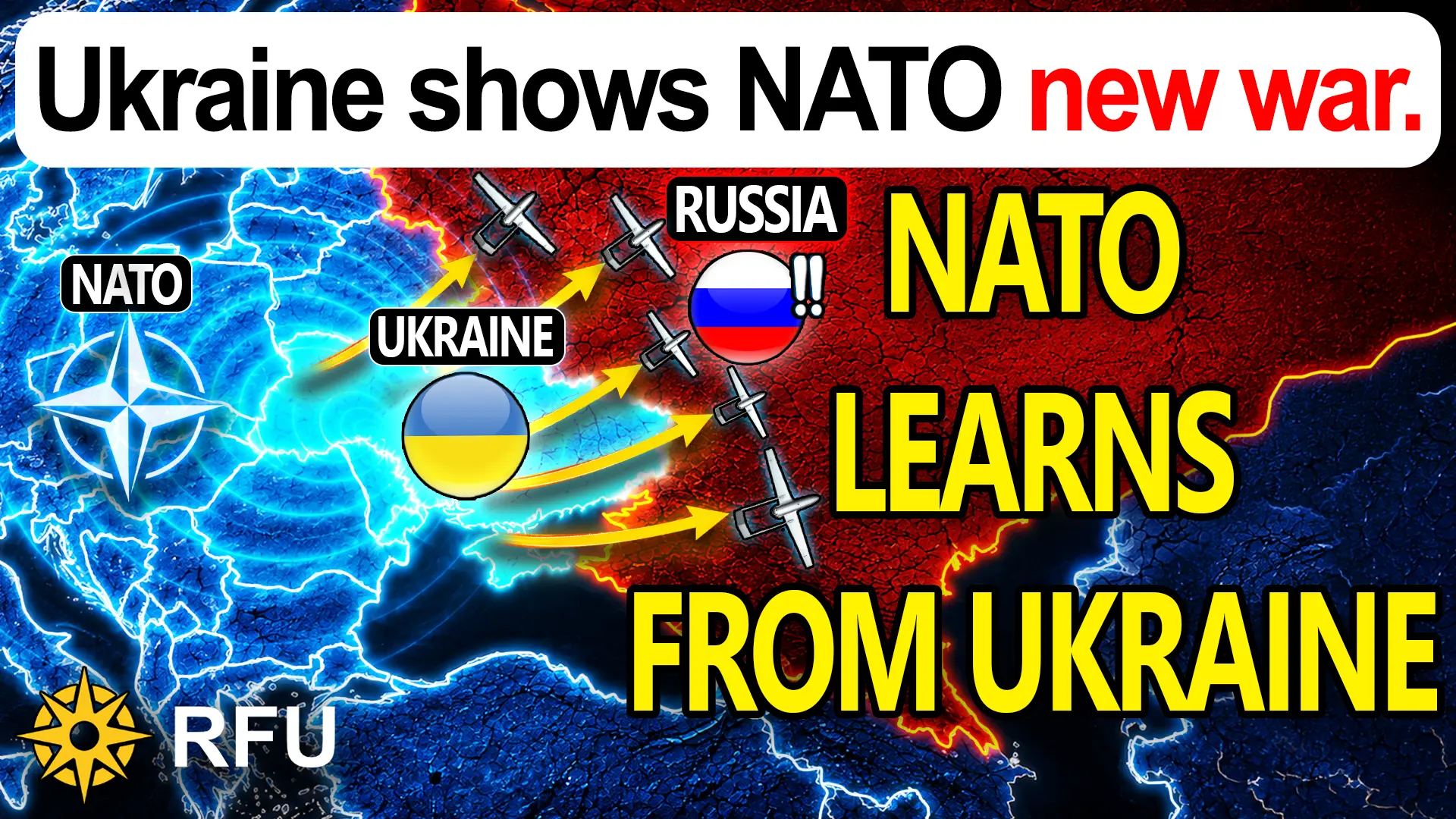
The operational bifurcation of NATO’s northeastern land command—delegating the Estonian and Latvian sectors to the 1st German-Netherlands Corps while concentrating Multinational Corps Northeast on the Suwałki Corridor—fundamentally compresses allied reaction latency against potential Russian fait accompli incursions. By pre-assigning a dedicated multinational headquarters capable of scaling national and allied echelons from the immediate onset of hostilities, the Alliance eliminates critical command friction and hardens frontline deterrence against hybrid or rapid multi-axis penetration. Simultaneously, the organic institutionalization of tactical uncrewed aerial systems, layered counter-UAS defenses, and electronic warfare capabilities across Dutch and German heavy formations directly incorporates high-intensity operational lessons from the Ukrainian battlespace. This tactical synthesis pairs mechanized firepower and armored survivability with decentralized drone reconnaissance and kinetic interdiction, significantly raising the cost of adversary armored maneuver in dense and exposed littoral terrain. Consequently, the transition from reactive reinforcement to integrated, high-readiness forward command structures structurally shifts the regional balance of power, severely undermining Russia’s ability to isolate the Baltic states or achieve localized operational surprise.

By
RFU News
Aug 20, 2026
Video

Russians demoralized: life will never be the same, it will get much worse

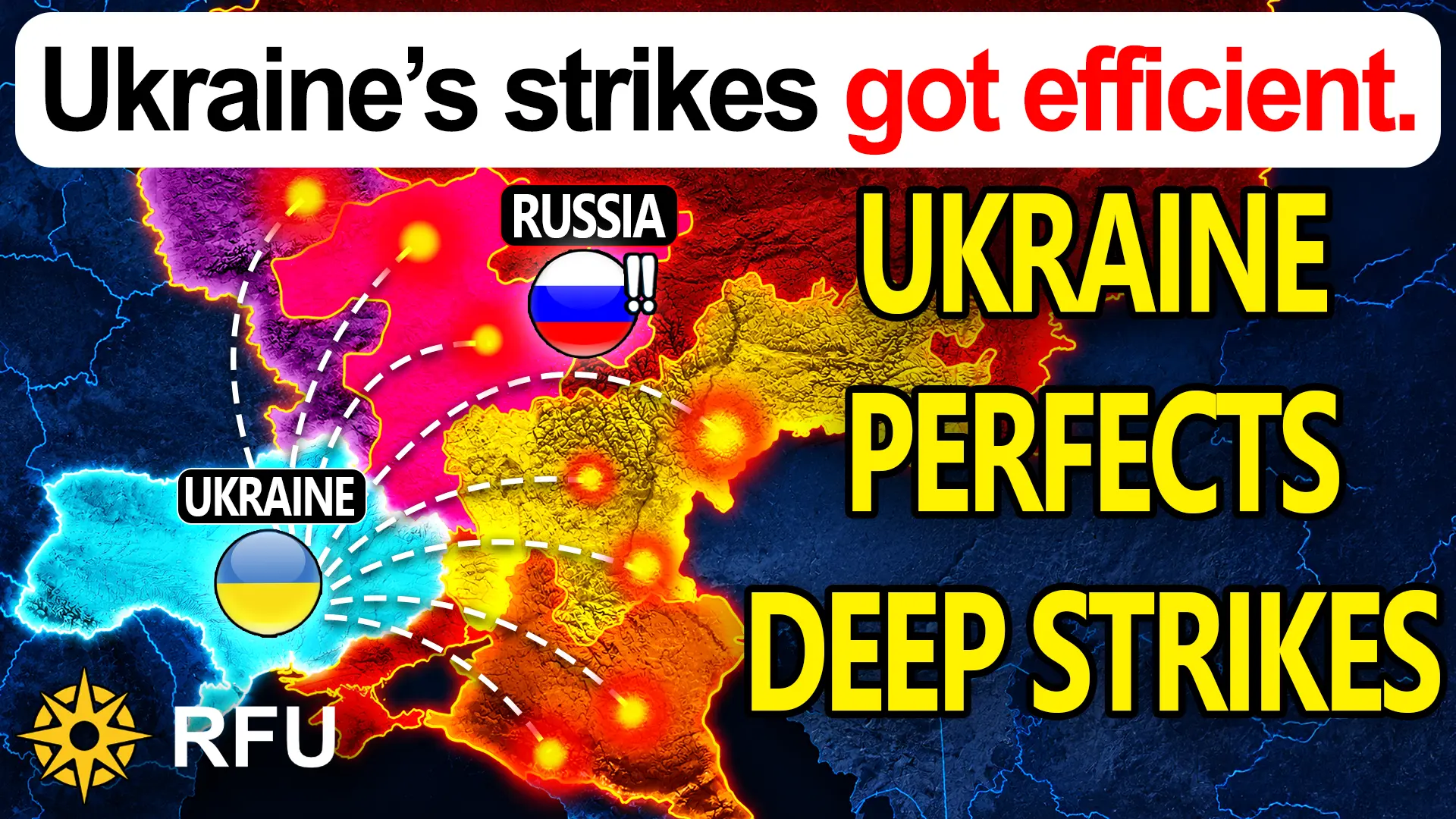
Ukraine’s systematic targeting of major Russian e-commerce and logistics nodes—most notably the Wildberries fulfillment network—marks a strategic transition from opportunistic deep strikes to a deliberate counter-logistics campaign designed to degrade dual-use supply chains. By exploiting the structural reliance of the Russian military on commercial e-commerce platforms for distributing dual-use items, drone components, and sanctioned electronics, Kyiv effectively neutralizes the distinction between civilian infrastructure and operational sustainment. This operational pivot exploits an asymmetrical air defense vulnerability, as Moscow’s reallocation of surface-to-air assets toward protecting energy infrastructure leaves highly centralized, high-volume logistical hubs structurally exposed. The resulting destruction of major fulfillment centers forces a high-friction distribution bottleneck, overwhelming secondary nodes and escalating systemic financial losses across Russia's merchant ecosystem. Furthermore, the shifting of uncompensated risk onto private enterprise and consumers accelerates structural inflation and erodes domestic economic resilience, amplifying the internal friction of maintaining a protracted wartime economy. Consequently, this campaign establishes a persistent operational dilemma for Russian defense planners, compelling them to choose between dispersing critical air defenses or tolerating the progressive paralysis of their dual-use logistics backbones.

By
RFU News
Jul 27, 2026
Video

No turning back: Lukashenko just made a huge mistake

The integration of ground-based relay infrastructure within Belarusian territory transforms static long-range unmanned aerial systems into dynamically guided precision strike assets, fundamentally expanding the operational envelope of Russian deep-strike campaigns. By enabling real-time human-in-the-loop vectoring, camera-assisted trajectory adjustments, and adaptive evasion against layered air defense networks, this forward communications hub significantly reduces the interception efficiency of Ukrainian mobile fire groups and electronic warfare systems. However, this operational extension creates a profound strategic dilemma for Minsk, as exposing critical signal relay nodes introduces severe structural vulnerabilities to asymmetrical Ukrainian counter-measures, including electronic suppression, cyber disruption, and clandestine sabotage. From a broader strategic perspective, Moscow’s exploitation of Belarusian geographic depth serves as a force-multiplication tactic designed to strain Ukrainian air defense allocation, forcing Kyiv to calibrate between diverting long-range strike capacity northward or accepting heightened infrastructure risks. Ultimately, Ukraine’s capacity to leverage multi-domain hybrid responses ensures that neutralizing Belarusian relay infrastructure does not require diluting deep-strike pressure on Russian strategic assets, thereby preserving Kyiv's overall posture in the attrition balance.

By
RFU News
Jul 27, 2026

No Results found

Please try different keywords