

.svg)
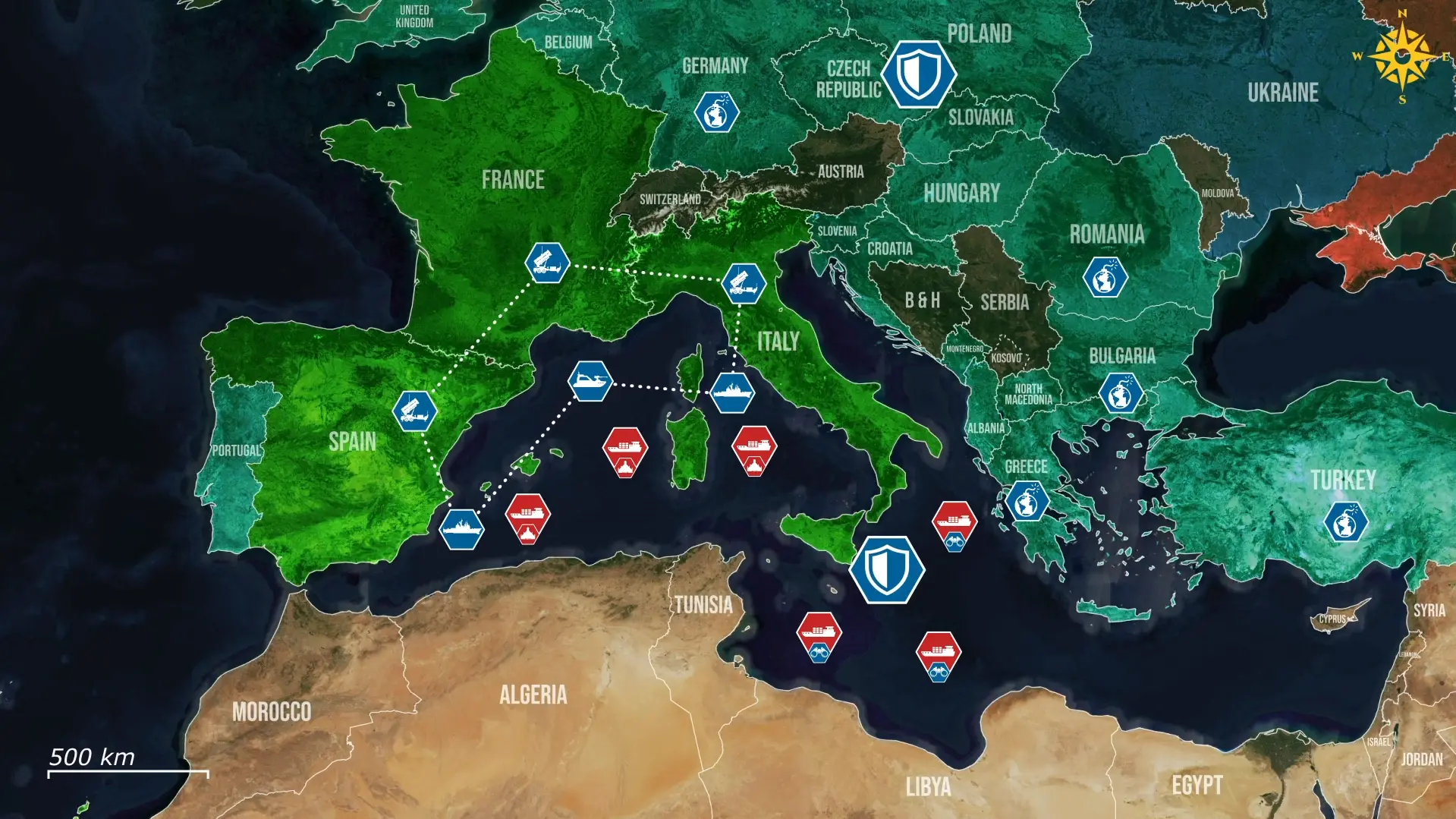
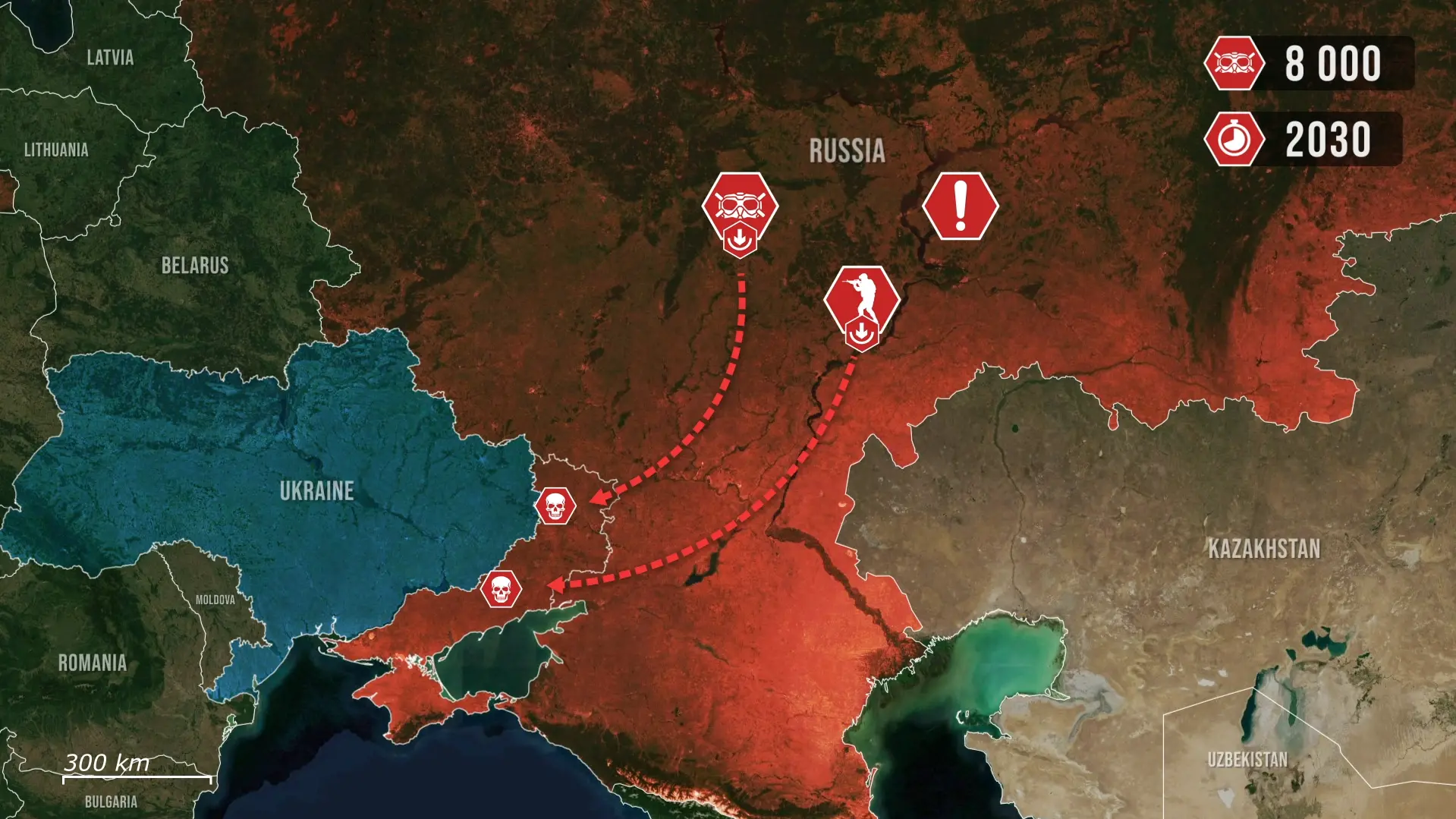
US intelligence has warned several European governments that Russia may be preparing a drone operation targeting Spain, France, or Italy. The suspected plan involves concealing Gerbera drones inside containers aboard merchant ships and launching them from the sea. The threat is particularly serious because these countries are far beyond the range of drones launched from Russian territory. Merchant ships could provide Russia with covert, mobile launch platforms much closer to southern Europe, allowing drones to approach targets from unexpected directions, which Nato countries didn’t expect any attacks from. This could bring normally distant European targets within range without requiring Russia to establish a permanent military base abroad.
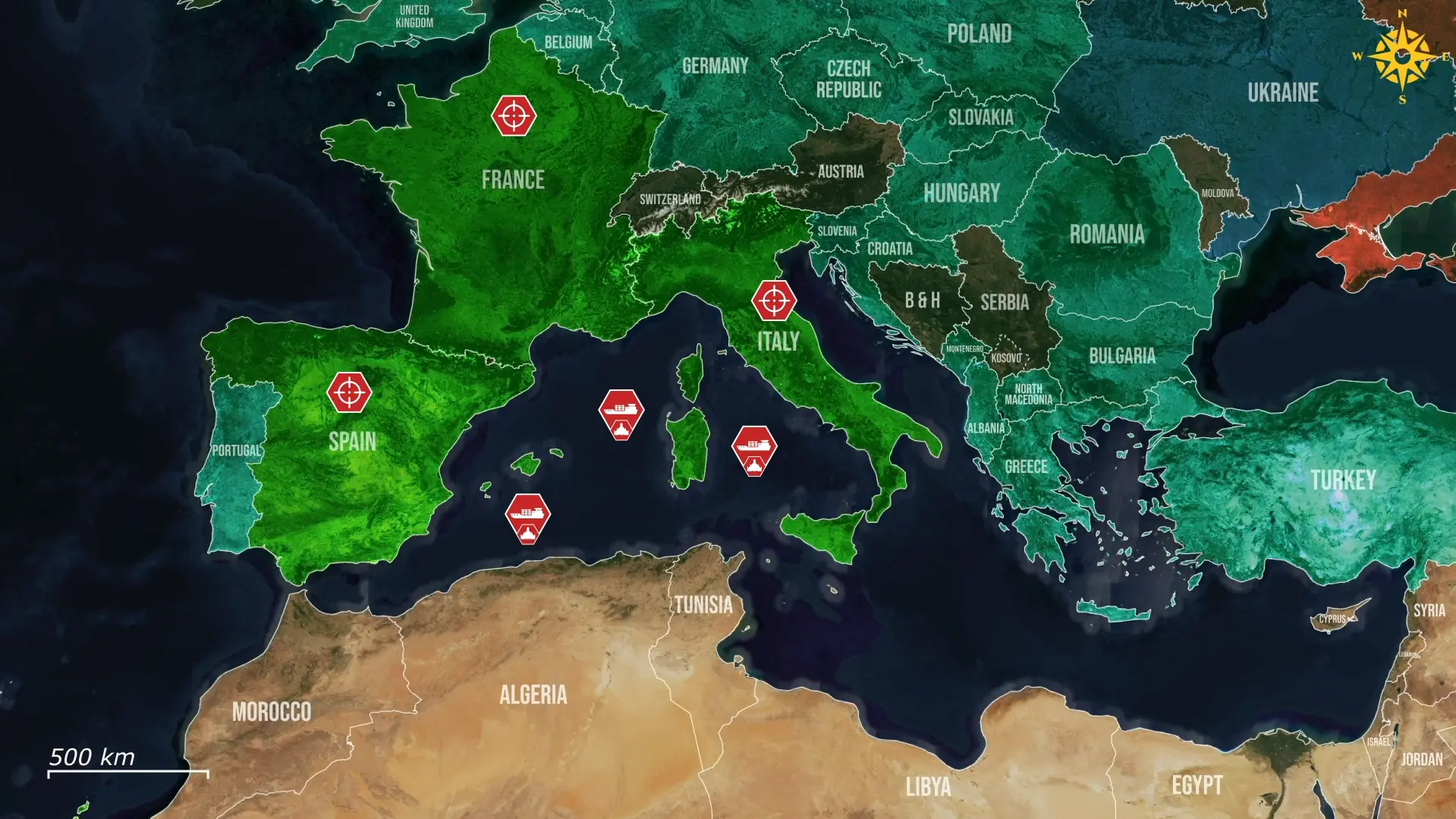
To conduct these strikes, Russia would use Gerbera drones that can fly around six hundred kilometres and carry a five kilogram explosive payload. These drones could be launched against airports, military facilities, or critical infrastructure near the coast. Because of the relatively small payload, the drones wouldn’t cause widespread destruction, but it is more than enough to damage key parts of Nato’s infrastructure and paralyze them. A ship positioned several hundred kilometres offshore could launch the drones without entering a Nato country’s territorial waters, making preparations for the attack more difficult to detect.
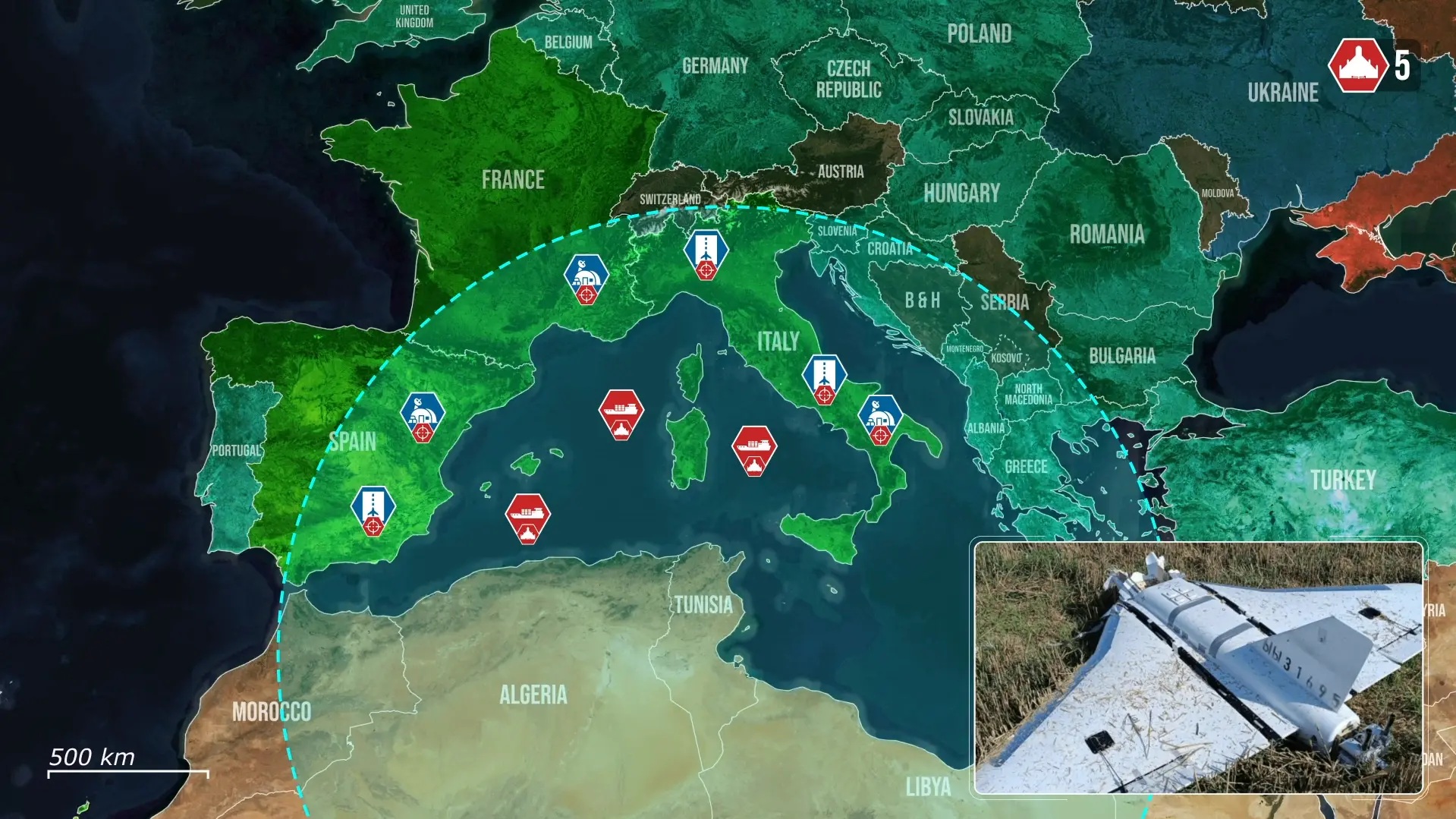
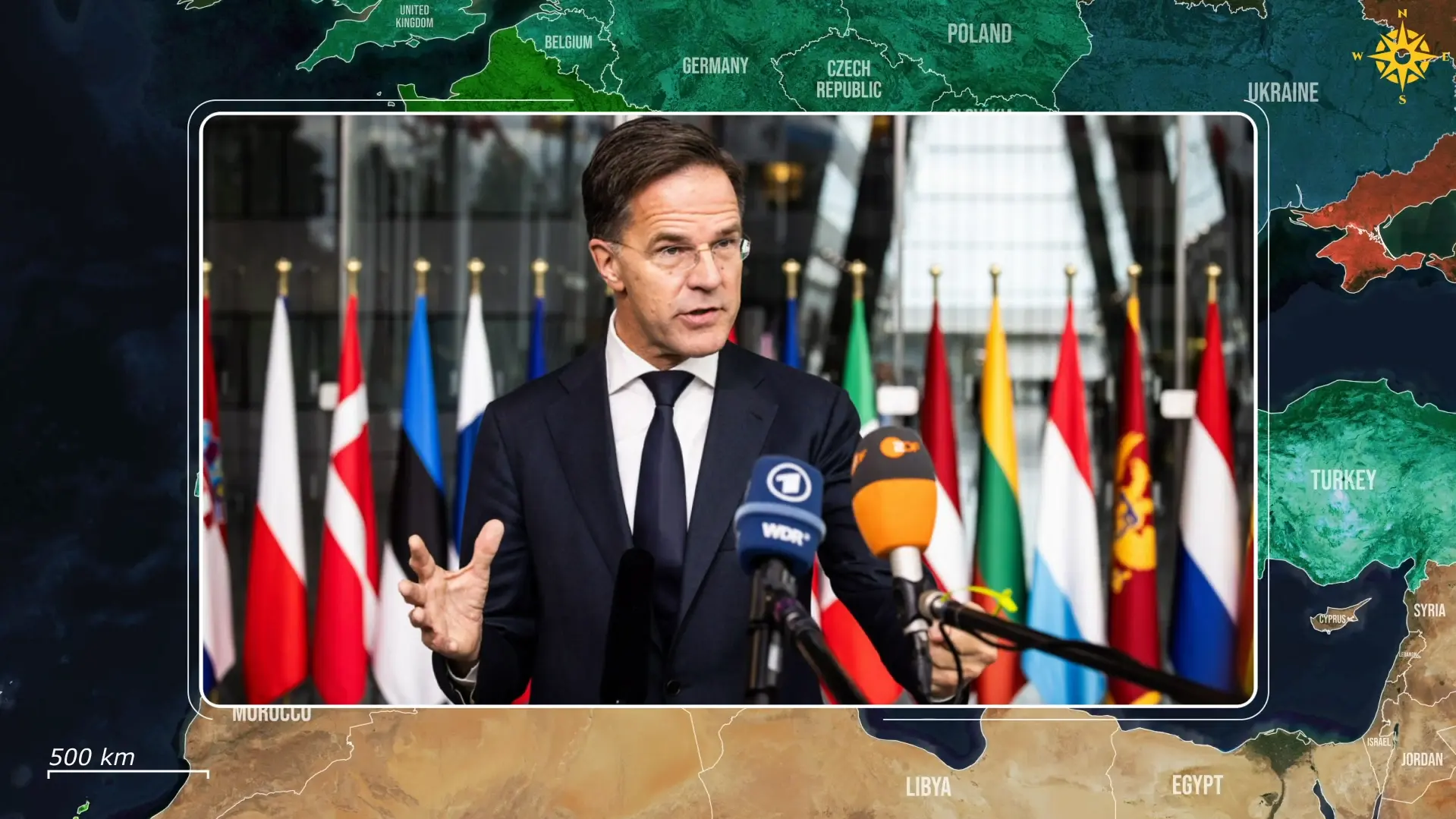
Russia’s broader objective is not to start a full scale war with Nato, but to test how the alliance would respond to a limited attack while exploiting existing divisions within Europe. A carefully controlled drone operation could create public fear and expose weaknesses in southern Europe’s air defenses. Depending on its scale, an attack could force Nato members to move additional air defense systems towards southern Europe, leaving fewer systems and interceptors available for the eastern flank and Ukraine. Launching the drones from a civilian ship would also make it harder to prove that Russia ordered the attack, creating uncertainty over how Nato should respond. Moscow could use this political uncertainty surrounding such an attack to test Nato’s willingness to invoke Article five, the collective defense clause, and assess how united European governments would remain under pressure.
This type of drone attack would cause major problems for Nato because finding one armed vessel among three thousand regular merchant ships that sail through the Mediterranean Sea every day would be almost impossible. This tactic would also give Russia plausible deniability, because it could deny controlling the ship after an attack, while Western investigators would try to trace the vessel and its ownership. A foreign flagged vessel, several companies involved in its ownership, and cargo moved through different ports could make the operation more difficult to trace back to Russia.
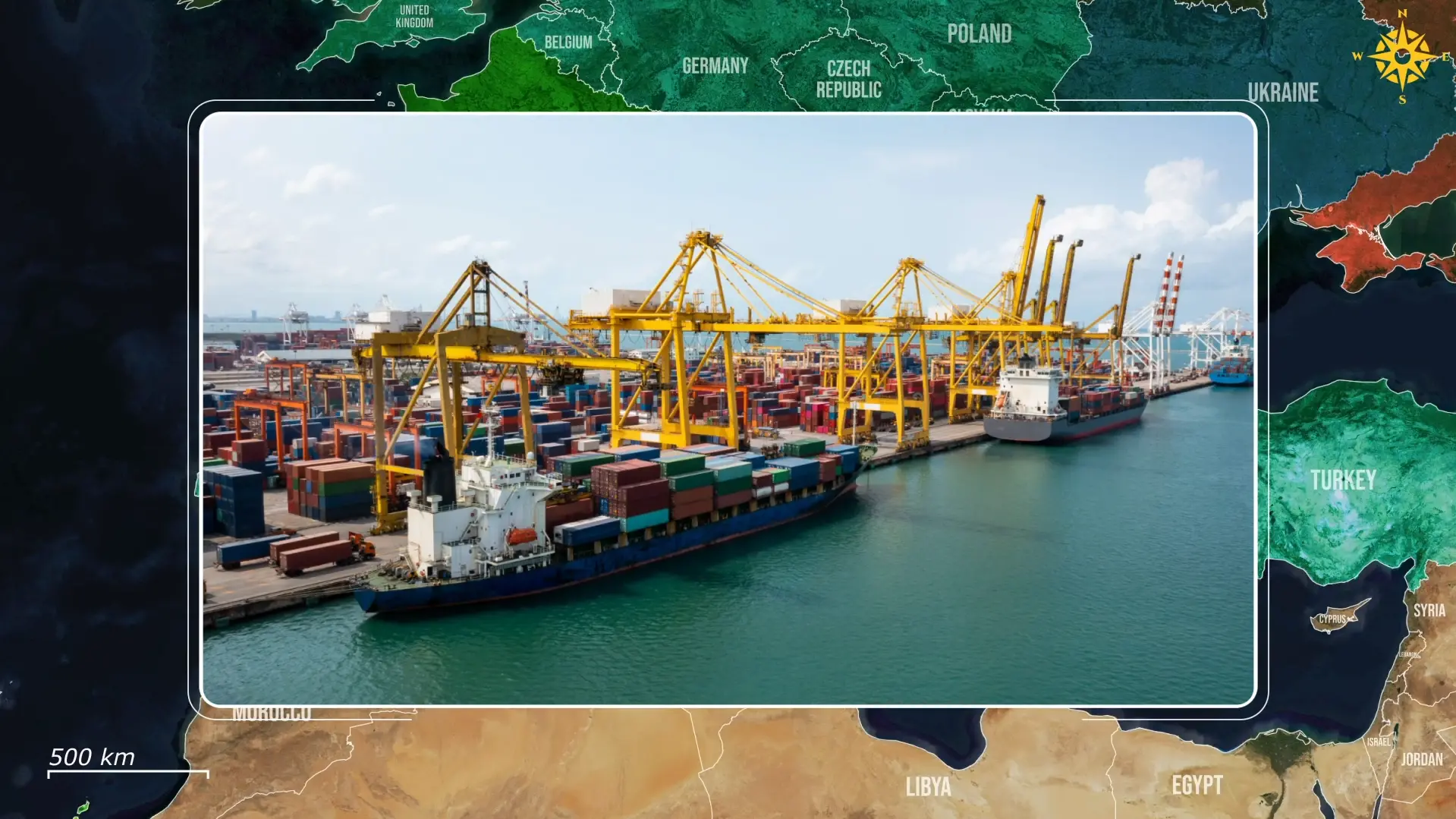
Nato would therefore need strong evidence before seizing the vessel or responding against Russia, as its members could not simply search every suspicious merchant ship travelling through international waters. Detecting the operation beforehand would require Nato to track suspicious cargo, port visits, and changes in ship ownership across several countries. Russia could move the drones through companies or intermediaries in third countries before loading them onto civilian ships, greatly expanding the number of routes Nato would need to monitor.
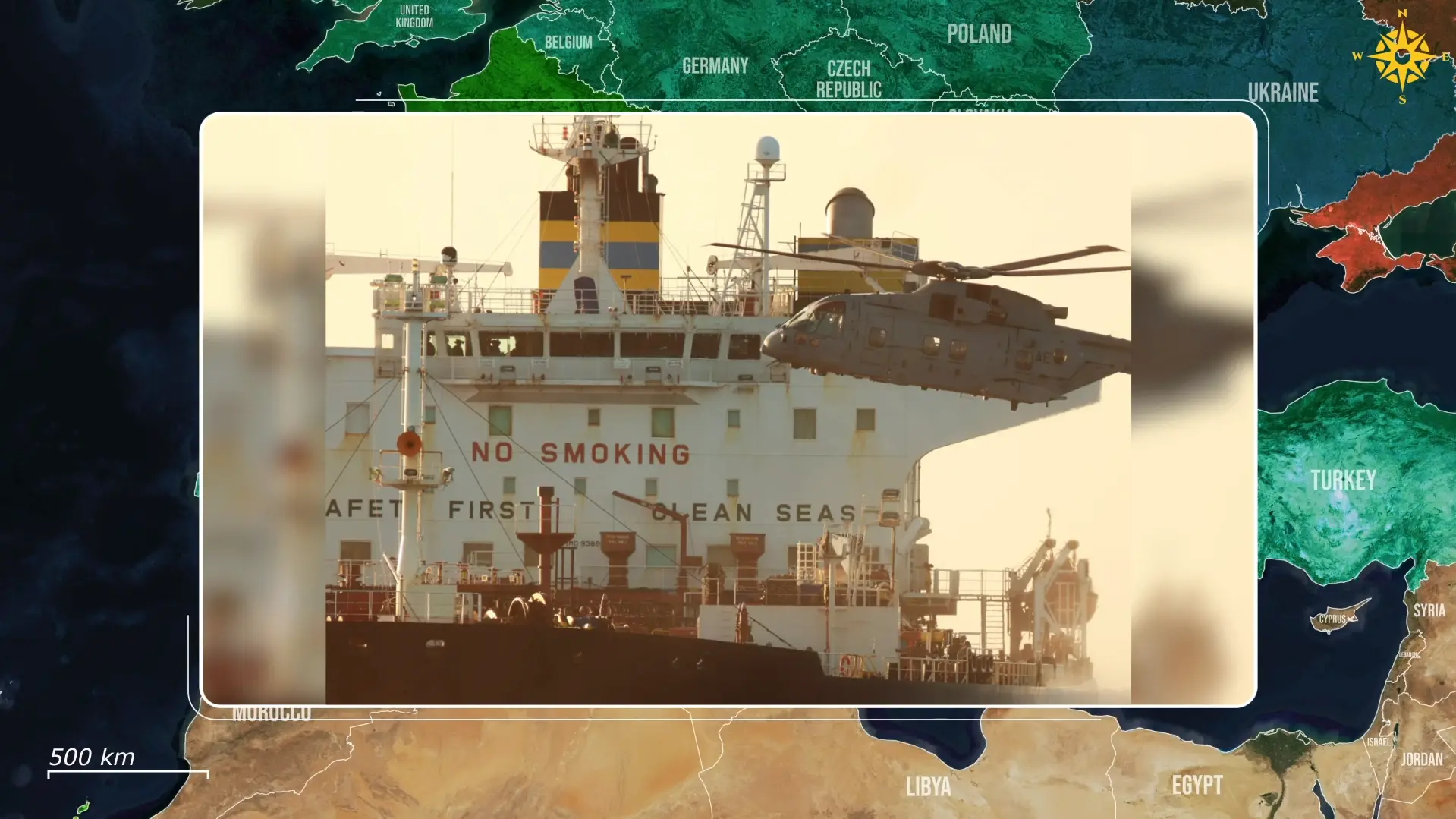
Overall, turning merchant ships into mobile launch platforms would allow Russia to threaten southern Europe without building permanent bases or openly deploying military forces abroad. Nato would then have to connect naval surveillance, port inspections, coastal security, and air defense because stopping these attacks would begin long before the drones entered European airspace. However, stricter inspections of suspicious vessels could slow commercial traffic and create disputes with neutral countries, meaning Moscow could cause economic and political pressure even if only a few drones were launched. The lasting effect would be to erase the old division between military threats in eastern Europe and civilian shipping routes in the south, forcing Nato to defend both at the same time.

.jpg)


Comments