


Today, there are important developments in the Caucasus.
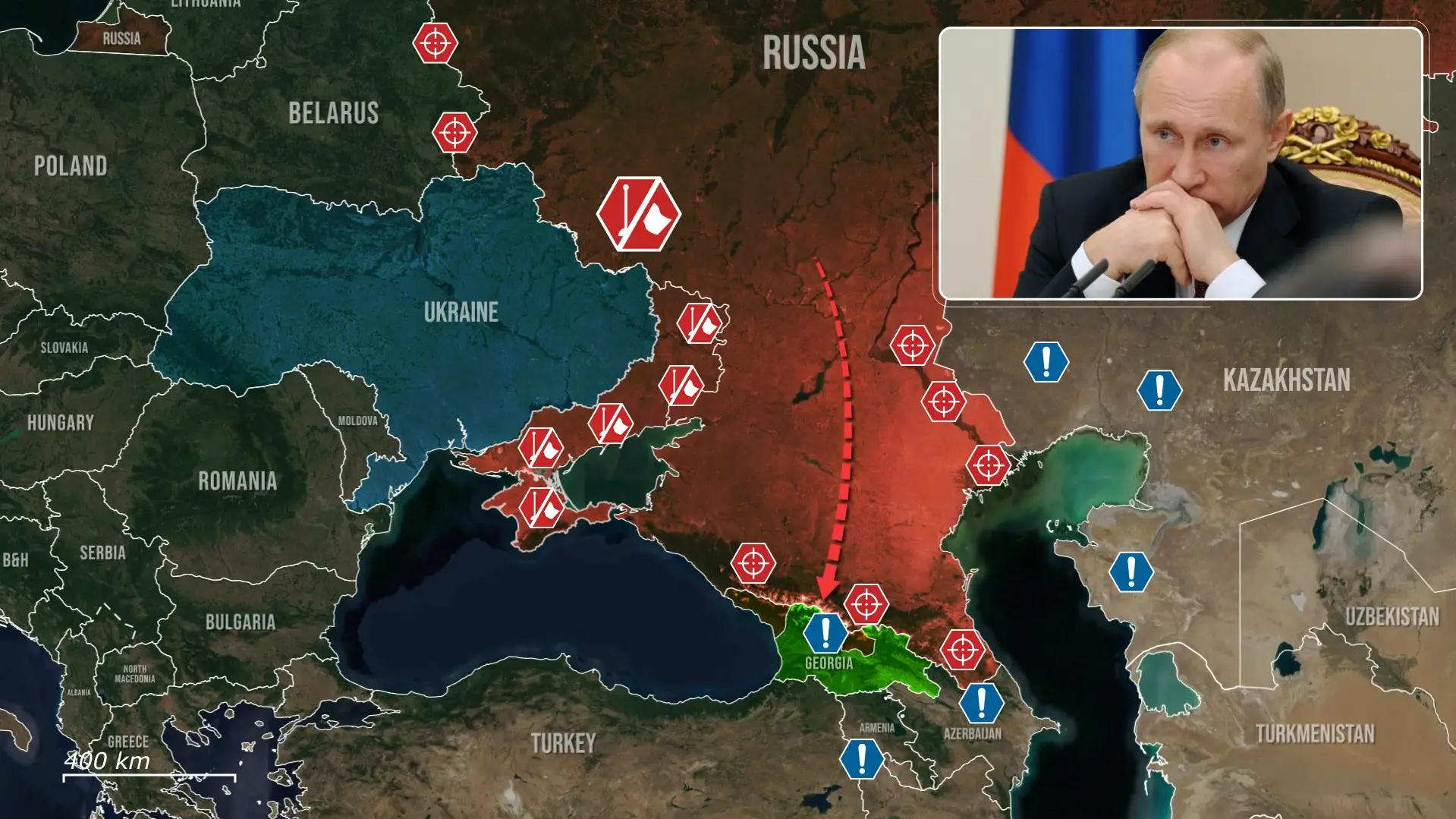
Russia is reportedly preparing to formally annex two Georgian territories as Putin looks for a territorial victory outside Ukraine. With the Russian offensive in Ukraine failing to deliver the results promised by the Kremlin, Putin appears increasingly desperate to manufacture a victory elsewhere.
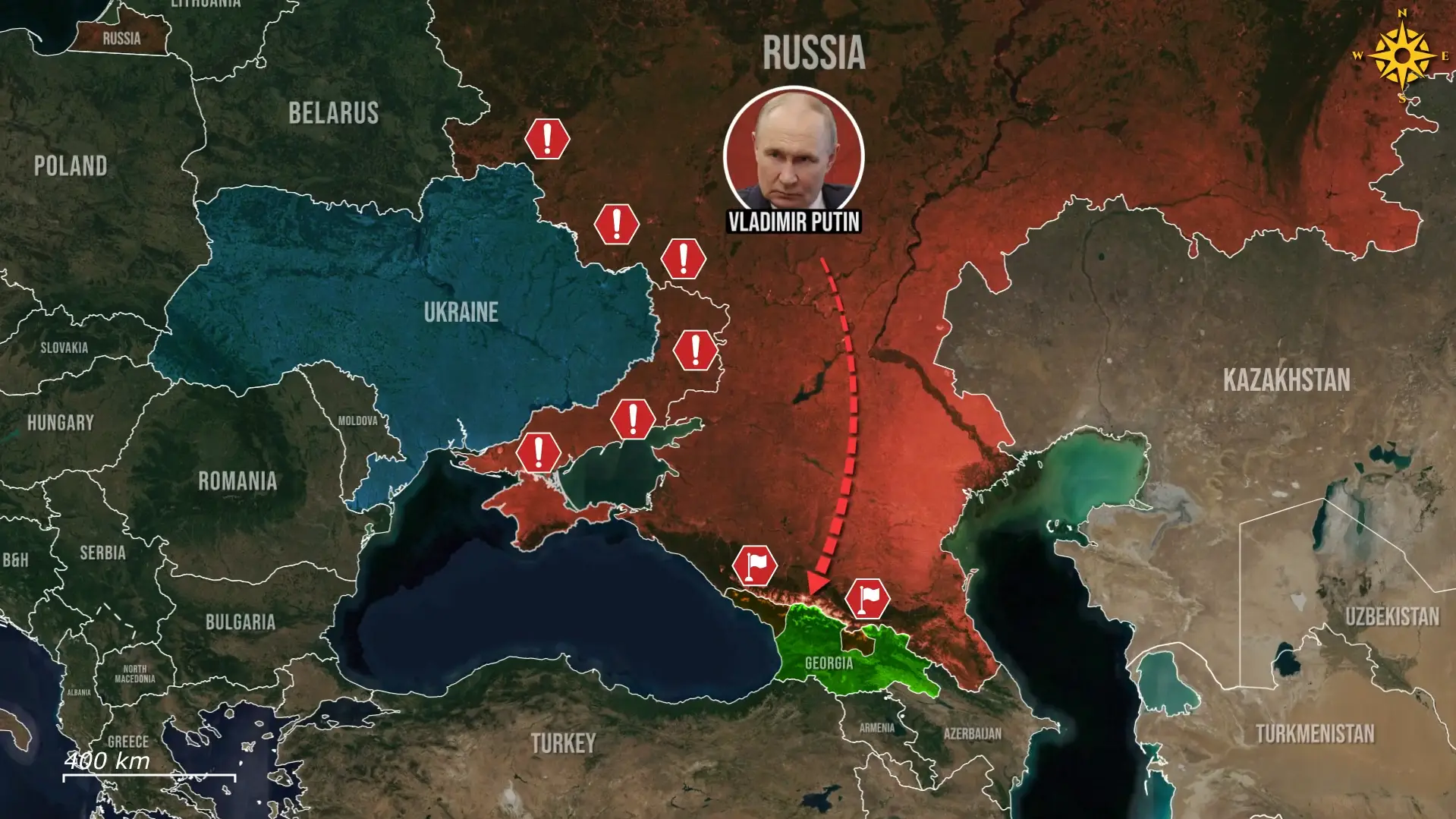
The Georgian State Security Service has warned that Moscow is preparing to formally annex the Georgian territories of Abkhazia and South Ossetia. This would mean that Russia is preparing to extend its internationally unrecognized borders into yet another neighboring country while simultaneously waging its war against Ukraine. However, unlike in Ukraine, Putin may be looking to achieve this territorial expansion without having to launch another large-scale military operation.
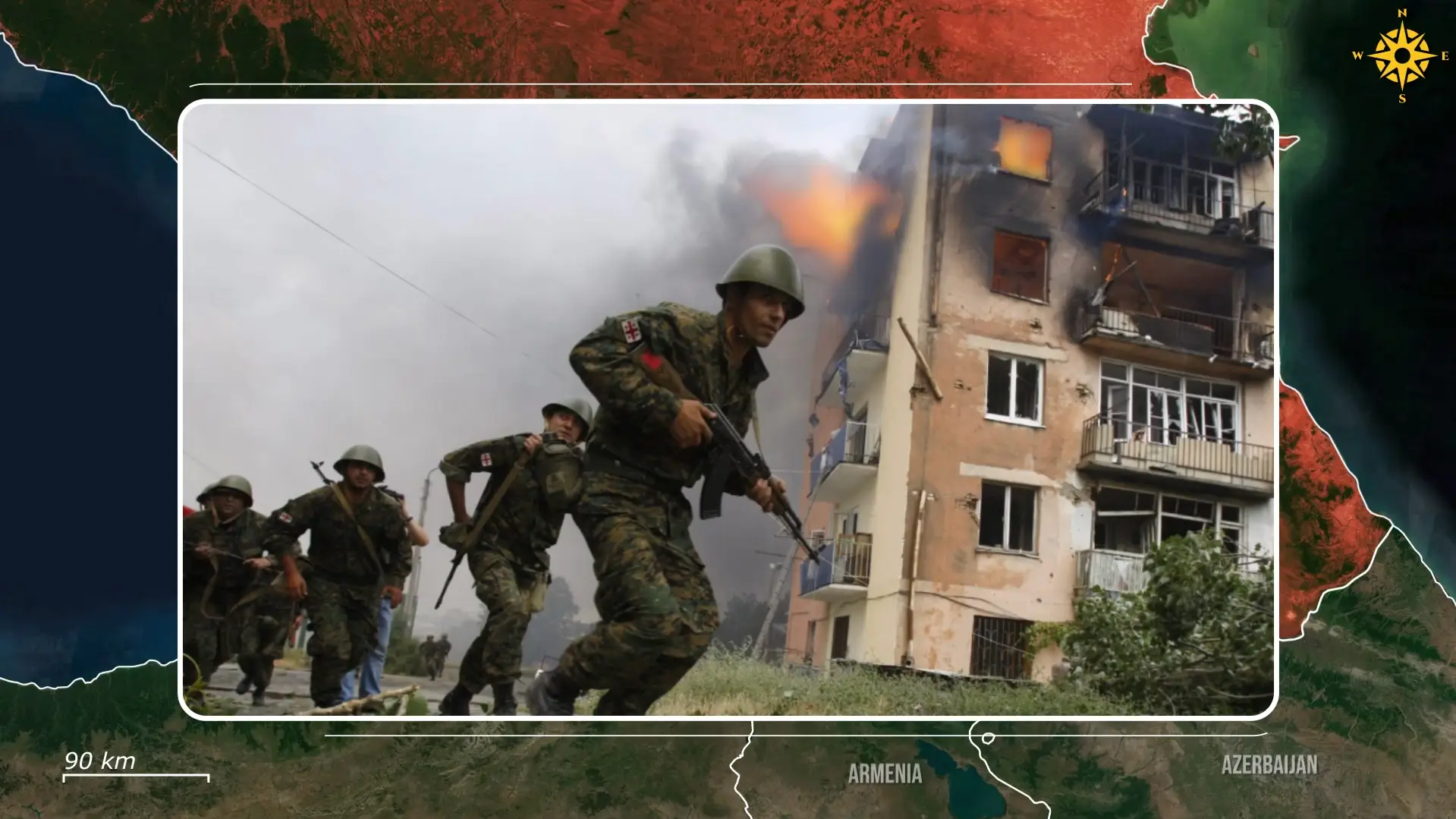
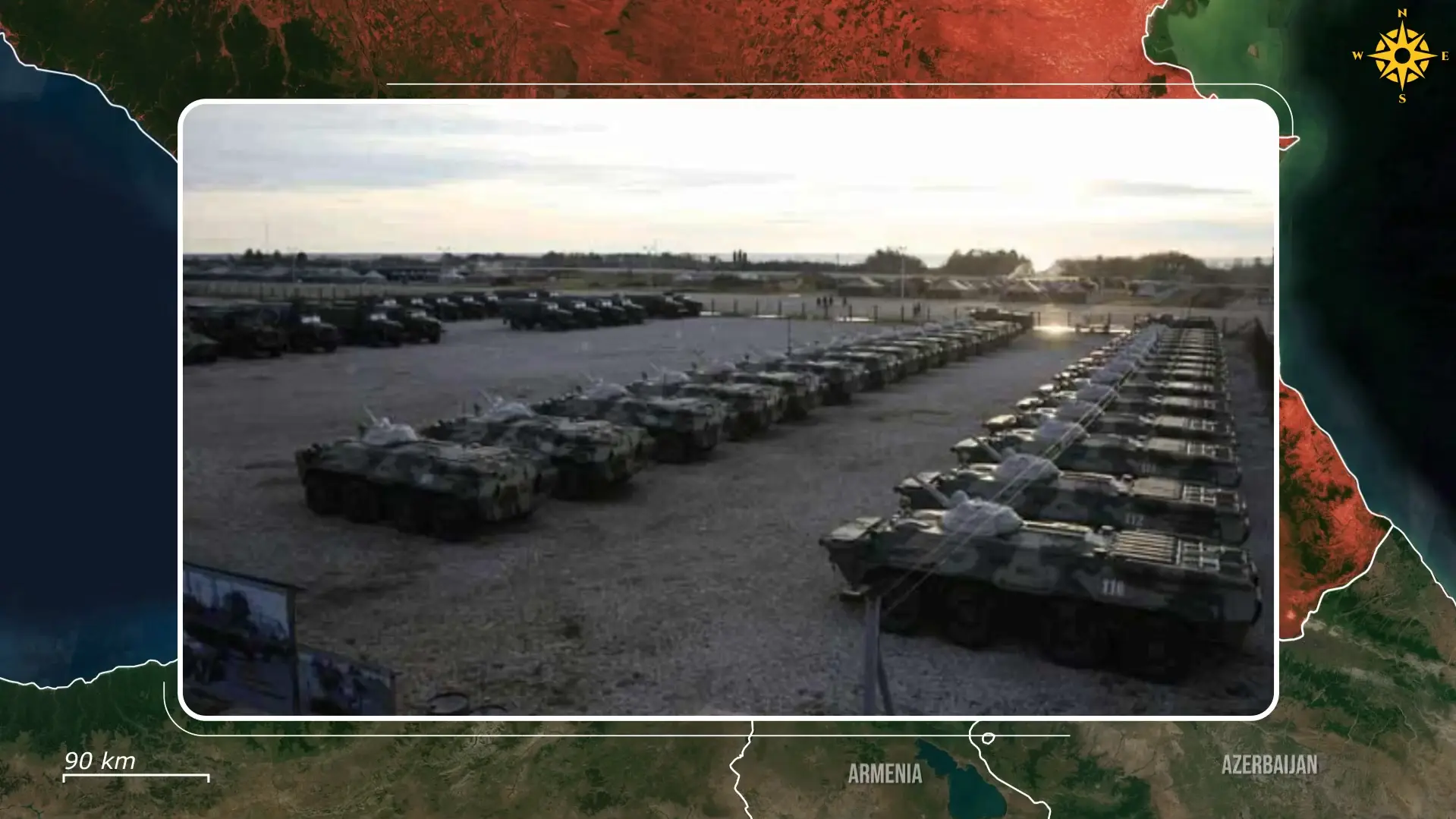
Both Abkhazia and South Ossetia are internationally recognized as parts of Georgia but have remained outside the control of the Georgian government for decades. Following the Russian invasion of Georgia in two-thousand-eight to prevent them from joining the Nato alliance, Moscow stated that the two territories were independent states and established a permanent military presence in both regions.
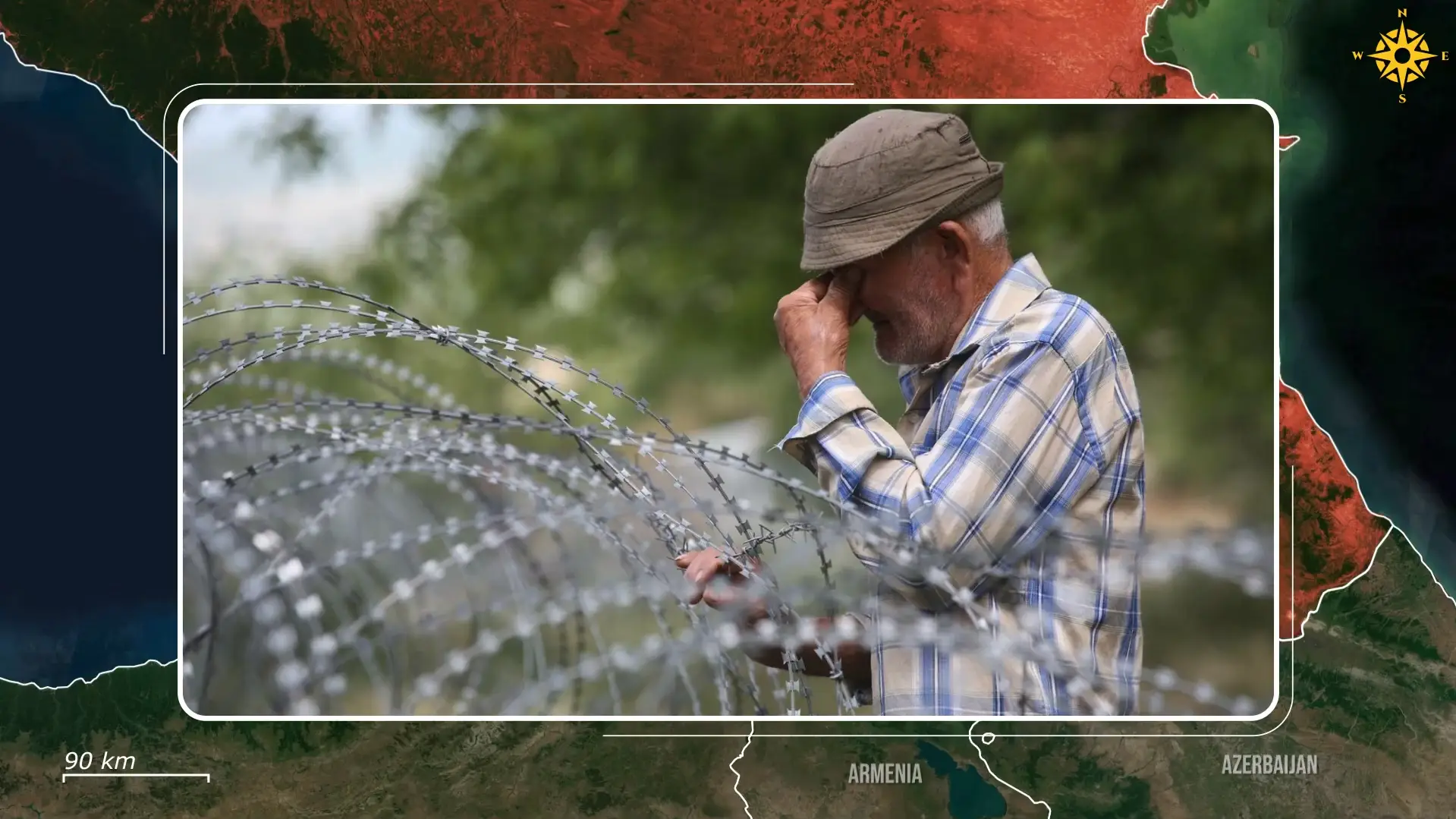
Over the following years, Russia gradually integrated their economies and governing bodies into its own, with both territories adopting the Russian ruble and becoming heavily dependent on Russian financial assistance and political backing. Furthermore, Russia distributed and in some cases forced the local population to take on Russian passports in a policy known as forced passportization, where citizens are barred from taking on bank loans, purchasing property and cars, or serving in official functions without a valid Russian passport, which has significantly strengthened Russian political influence over the territories. This means that Moscow already exercises substantial control over both regions without formally incorporating them into the Russian Federation. Notably, this mirrors what Russia has done and is currently doing in the Donbas, Crimea, and now Russian-controlled territories of Ukraine.
This makes the timing of the reported Russian annexation plans particularly revealing. From a military perspective, Russia has bases in both territories and already uses them to exert pressure on Georgia. From an economic and social perspective, both territories are already heavily dependent and integrated with Moscow, meaning that formal annexation would provide relatively limited additional benefits. However, from a domestic political perspective, annexing the two territories could provide Putin with something that he has been struggling to deliver in Ukraine: a territorial victory that can be presented to the Russian population, similar to the annexation of Crimea in two-thousand-fourteen, and the annexation of the Kherson, Zaporizhia, Donetsk, and Luhansk regions of Ukraine in two-thousand-twenty-two.
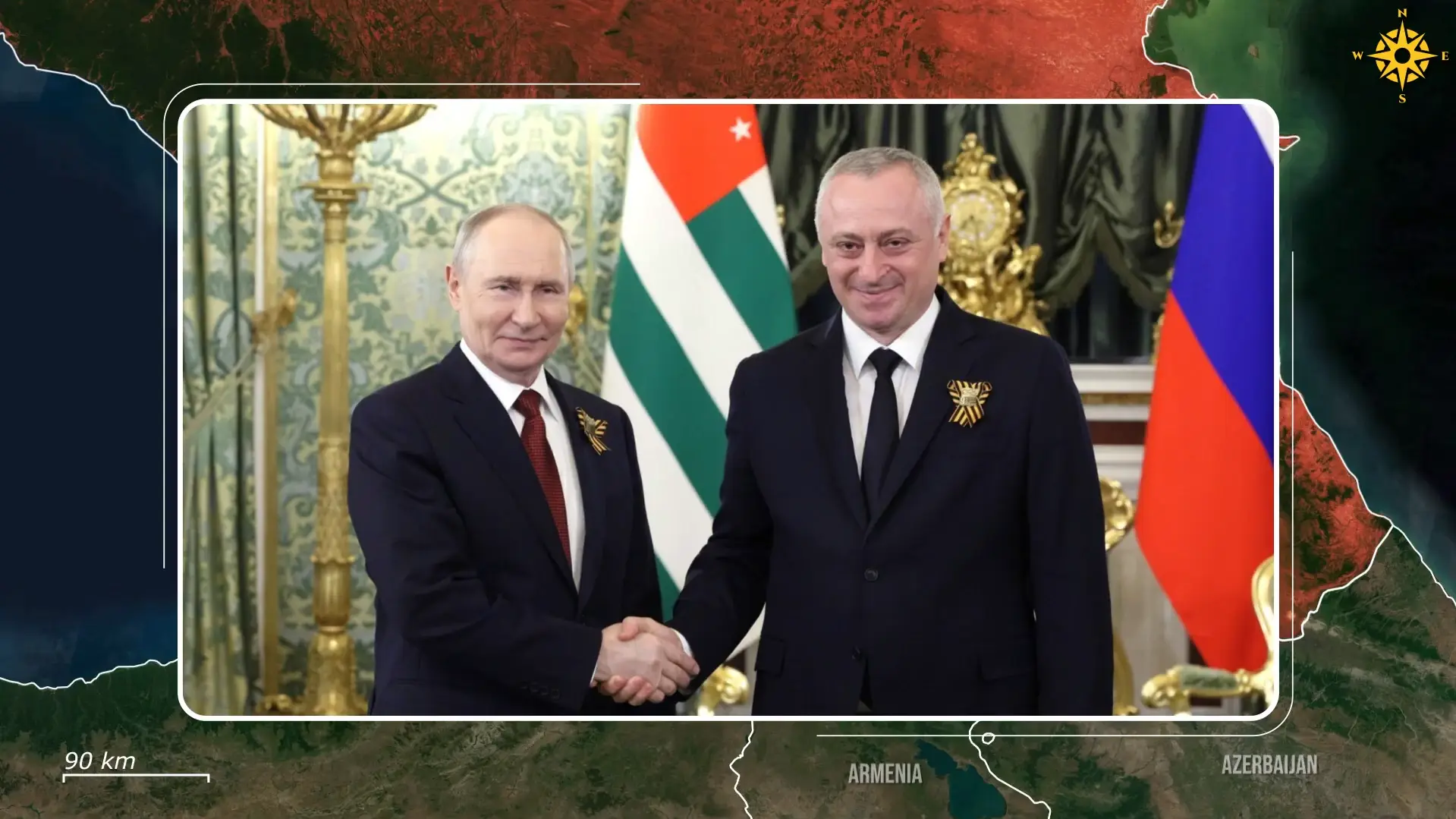
However, despite committing enormous quantities of military equipment, manpower, and financial resources to the war in Ukraine, Putin has failed to establish full control over these last four Ukrainian regions. This creates a growing discrepancy between the territorial ambitions announced by the Kremlin and what the Russian military has actually been able to achieve on the battlefield. By formally annexing Abkhazia and South Ossetia in Georgia, Putin could present a new expansion of Russian territory in the face of his failings in Ukraine. Russian state media could then portray the annexation as another major achievement of Putin's presidency, despite Moscow having effectively already exercised full control over these territories for years.
Overall, the warnings from Georgia’s state security service suggest that Putin’s domestic political standing has taken a significant hit, so much so that the only way to salvage it is by annexing new territories into Russia. By incorporating territories already under substantial Russian control, the Kremlin could manufacture the appearance of territorial progress without resolving any of its military problems in Ukraine. However, this would come at the expense of Georgian sovereignty and further undermine the security of countries neighboring Russia. The annexation would follow a pattern remarkably similar to the one Russia pursued in Ukraine, where Moscow supported separatist entities, distributed Russian passports among the local population, and eventually declared the territories part of the Russian Federation. The fact that Russia may now be preparing to complete this same process in Georgia demonstrates why allowing Moscow to maintain indefinite control over internationally recognized territories of its neighbors is a losing strategy, and that Russia will never stop this practice until they are soundly defeated on the battlefield. Ultimately, the difficulties Russia is experiencing in Ukraine may be encouraging Putin to redirect his territorial ambitions toward more vulnerable neighbors rather than reconsider the ambitions themselves.



Comments