


Today, there are important updates from the Russian Federation.
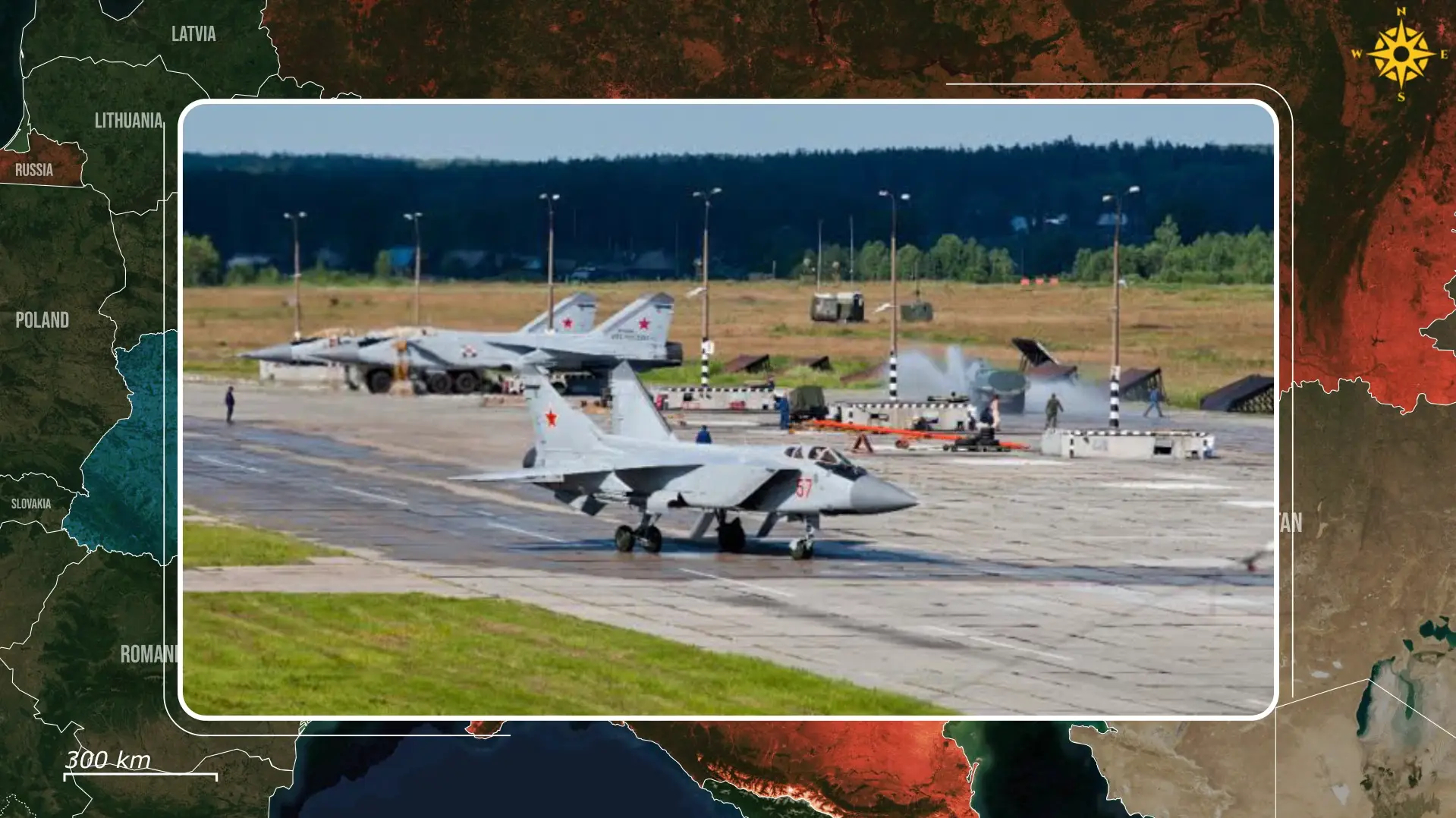
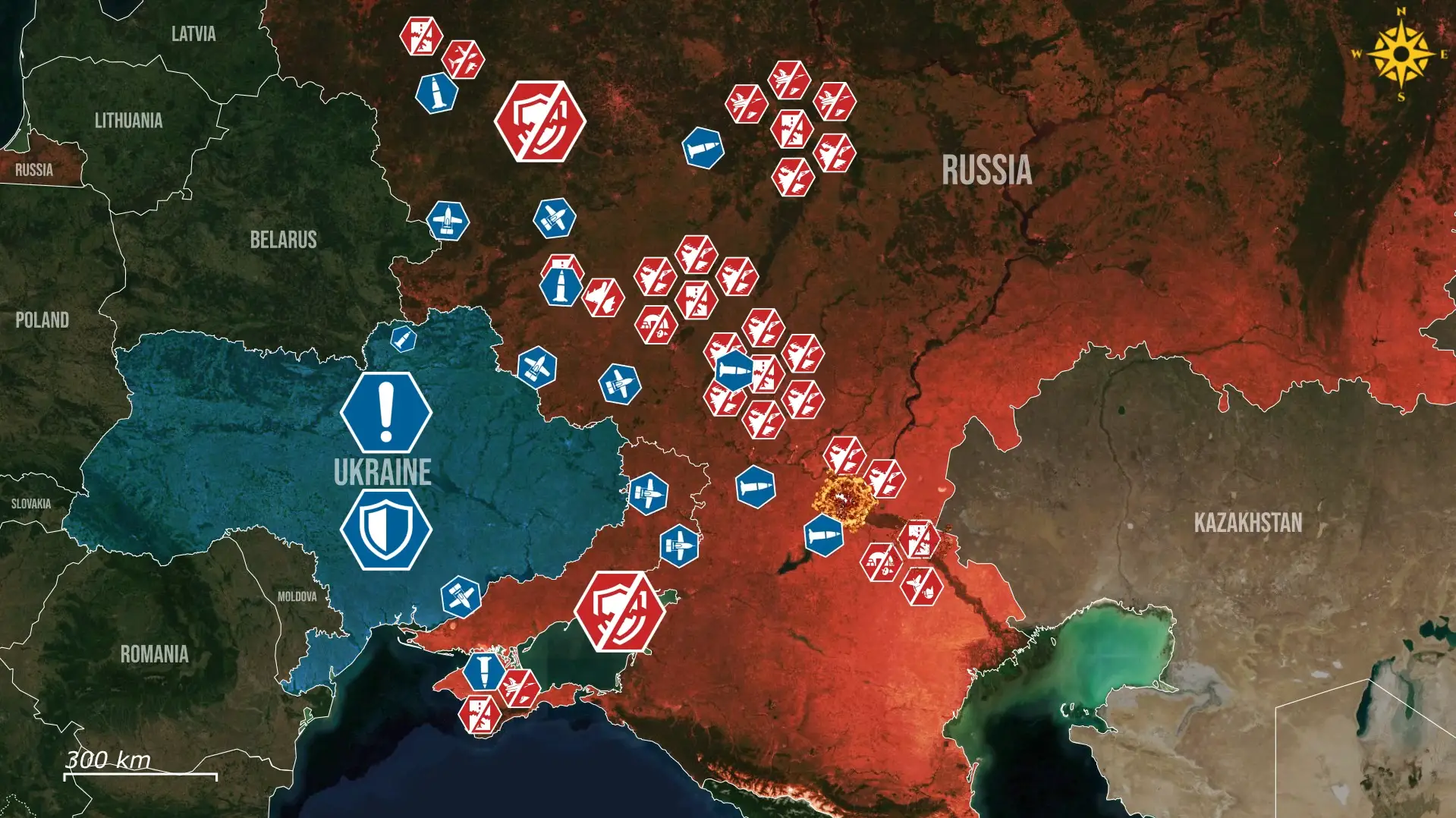
Here, Ukraine delivered one of its most successful strikes against Russian military aviation, hitting five combat aircraft at Savasleyka airfield in the Nizhny Novgorod Region. According to Ukraine’s General Staff, the attacks struck three MiG-Thirty-One fighter jets and two Su-Thirty-Four fighter-bombers, with preliminary assessments indicating that all five aircraft have suffered substantial damage, while additional aircraft may also have been affected. Particularly impressive is that the Russians apparently failed to evacuate these aircraft before the strikes, which suggests that Russian early-warning and air-defense systems failed to provide sufficient protection. Ukrainian Neptune cruise missiles are the most likely type of weapon that the Ukrainians used, with the consequences especially significant because Savasleyka hosts aircraft capable of carrying Kinzhal ballistic missiles, whose takeoffs regularly result in attacks on Ukrainian cities.
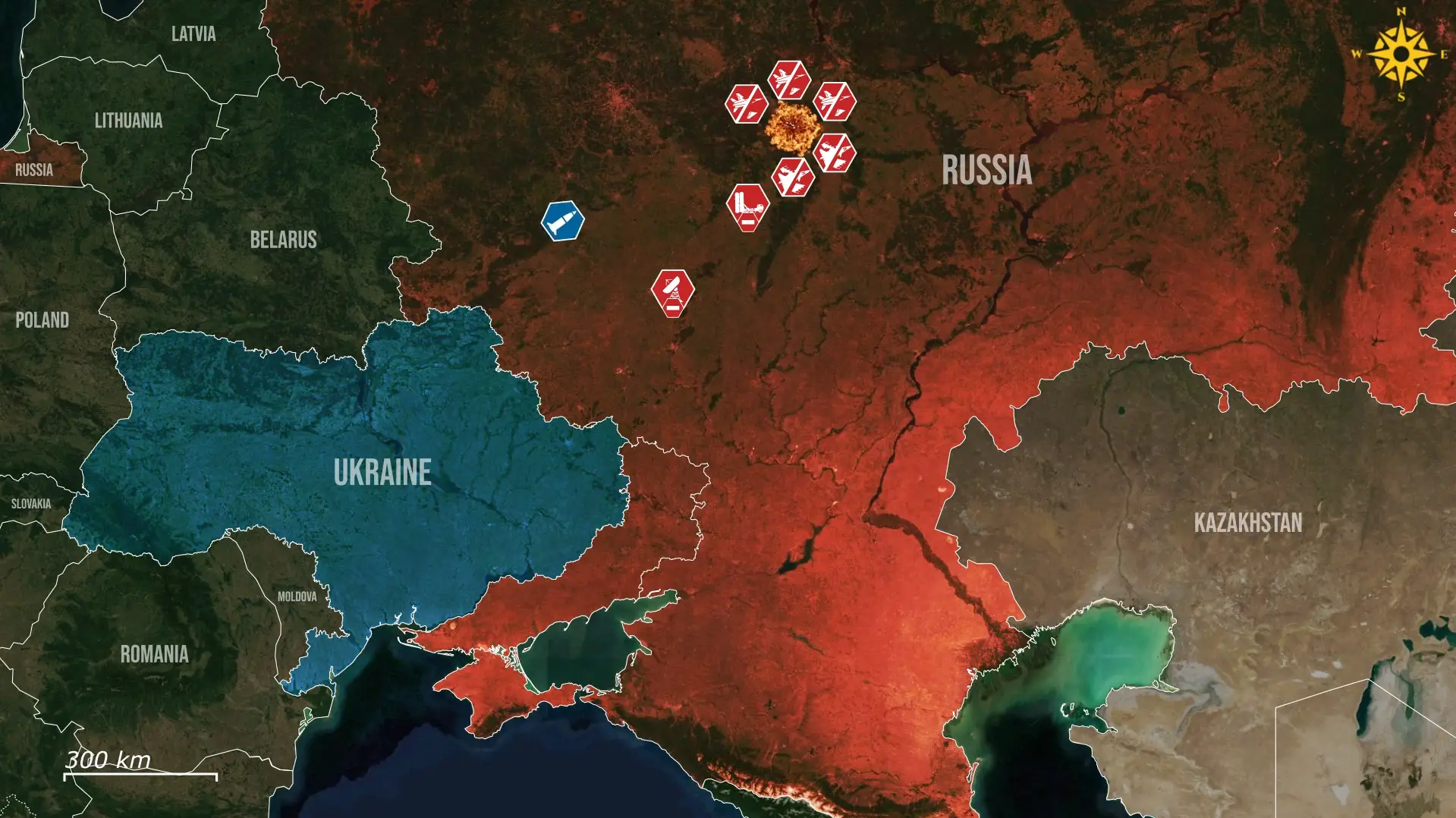
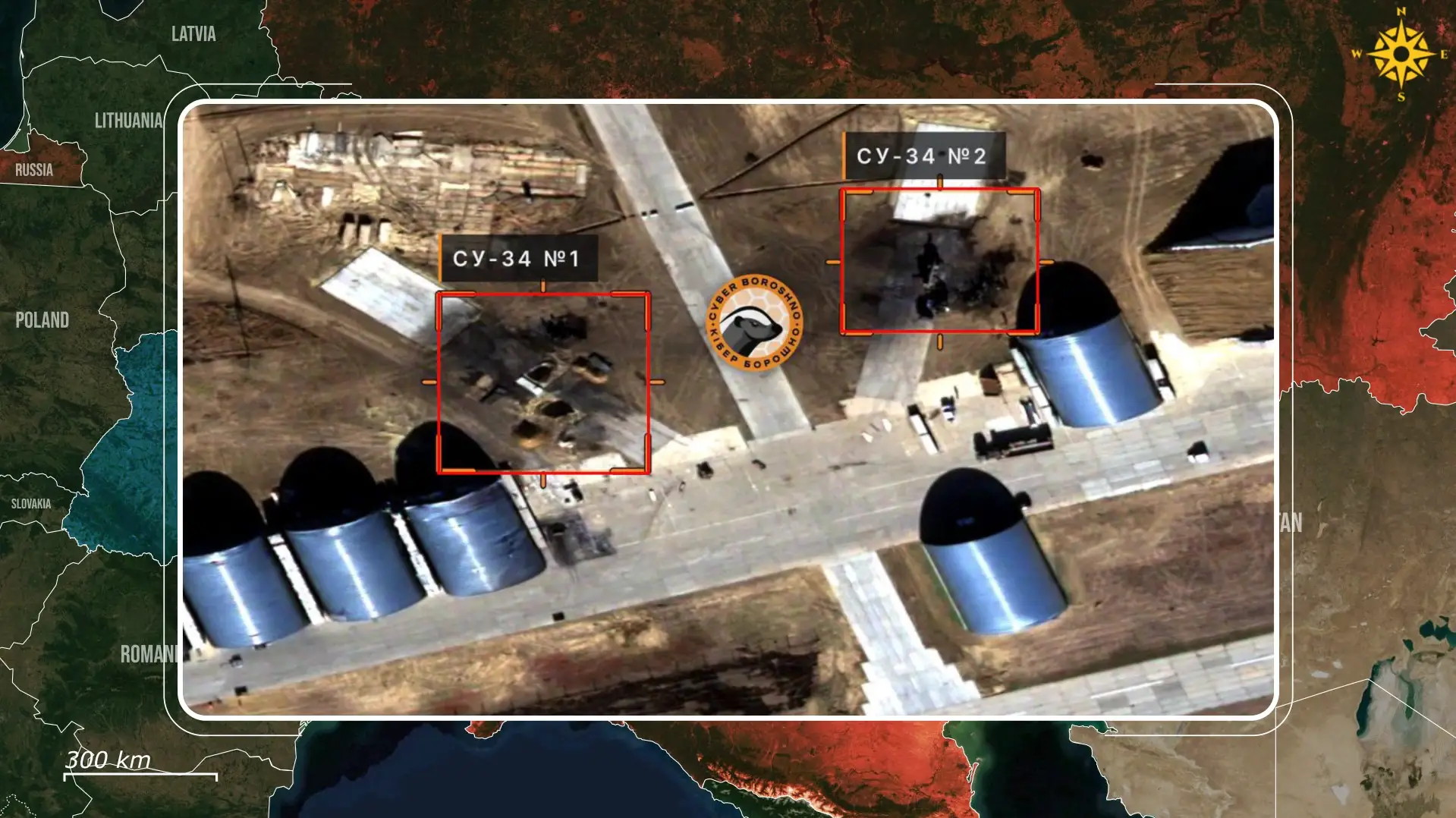
However, Savasleyka is only one of the latest targets in Ukraine’s expanding campaign against Russian military aviation. Ukrainian forces have increasingly employed domestically produced cruise missiles alongside long-range drones, attacking both aircraft and the infrastructure necessary to keep them operational. At Marinovka airfield in the Volgograd Region, Ukraine’s General Staff confirmed the use of Neptune cruise missiles. Importantly, Ukraine previously confirmed the destruction of two Su-Thirty-Four fighter-bombers there, estimating their combined value at approximately one hundred million US dollars. Another operation damaged six Su-Thirty-Four aircraft at Borisoglebsk, demonstrating that the latest Russian aircraft losses are part of a much broader pattern.
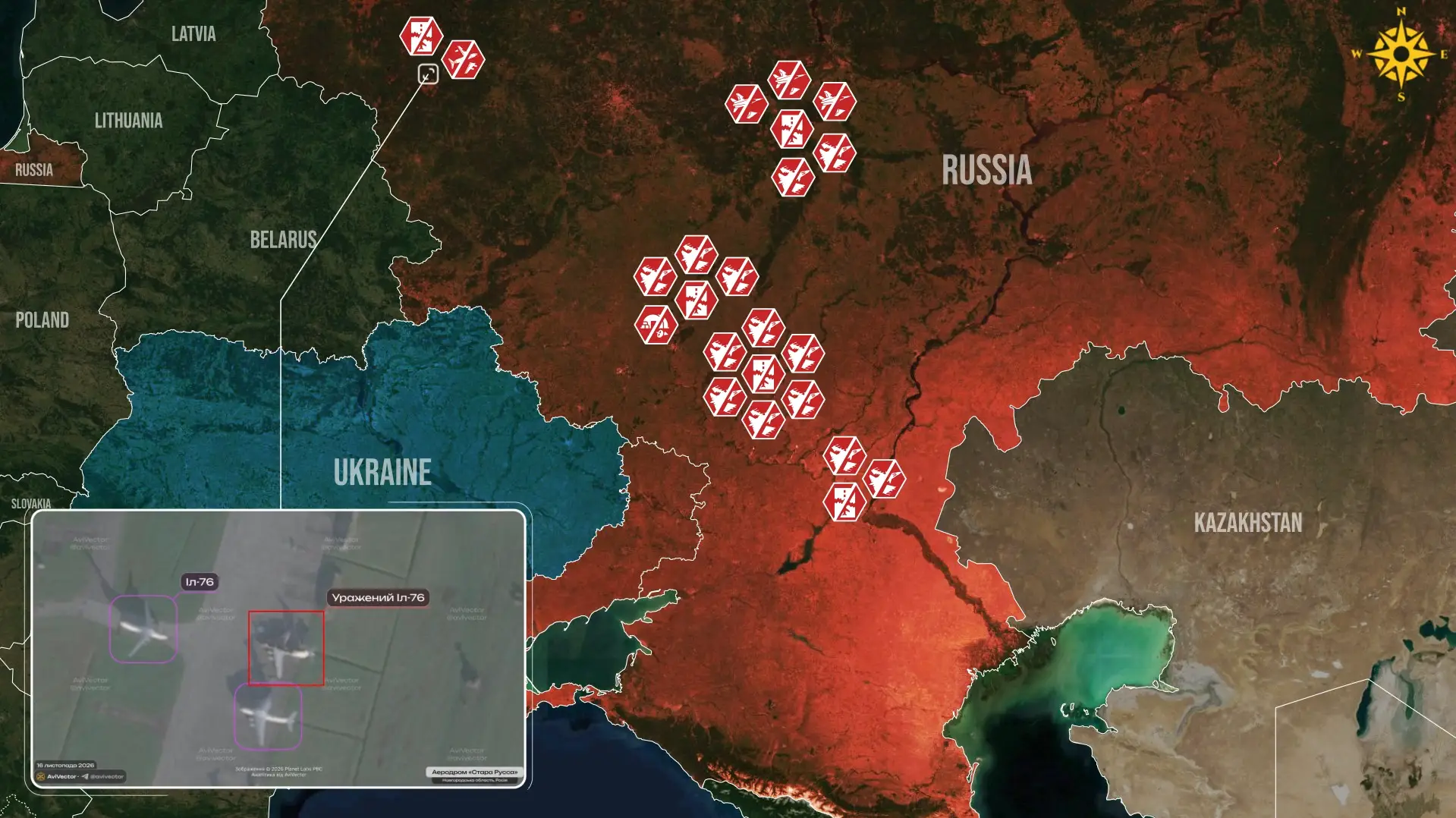
Earlier, Ukrainian forces also struck the Lipetsk-Two airfield, where three Sukhoi aircraft had been affected, with analysts confirming shrapnel damage to at least one Su-Thirty-Four, alongside damage to aircraft maintenance facilities, fuel storage and command infrastructure, further limiting the ability of the Russians to conduct operations from this base. Meanwhile, satellite imagery indicated that at least one Il-Seventy-Six military transport aircraft was damaged during an attack on Staraya Russa airfield in the Novgorod Region. Further south, Ukrainian military intelligence struck a Russian MiG-Twenty-Nine fighter during a drone operation against the Belbek airfield in Russian-controlled Crimea.
Another particularly significant operation targeted Akhtubinsk airfield in the Astrakhan Region, where at least thirty explosions were heard. Ukraine’s General Staff confirmed a major secondary detonation at a storage facility containing guided aviation missile components, while a radar installation was also damaged. Akhtubinsk houses Russia’s State Flight Test Center, responsible for testing advanced military aircraft, including the Su-Fifty-Seven fighter. Simultaneously, Ukrainian forces struck the Tsymbulova facility, used for storing, preparing, and launching Russian attack drones against Ukrainian infrastructure.
The cumulative consequences extend considerably beyond the number of aircraft damaged, because Russia must undertake expensive repairs, replace specialized equipment, and maintain aviation operations despite repeated damage. Losing aircraft reduces availability for combat missions, while damaged maintenance infrastructure and slow production of new machines can prolong the disruption. Russia also faces additional pressure to protect military aviation facilities spread across an enormous geographical area, with the strikes highlighting the scale of Ukraine’s expanding campaign and the degradation of Russian air defense.
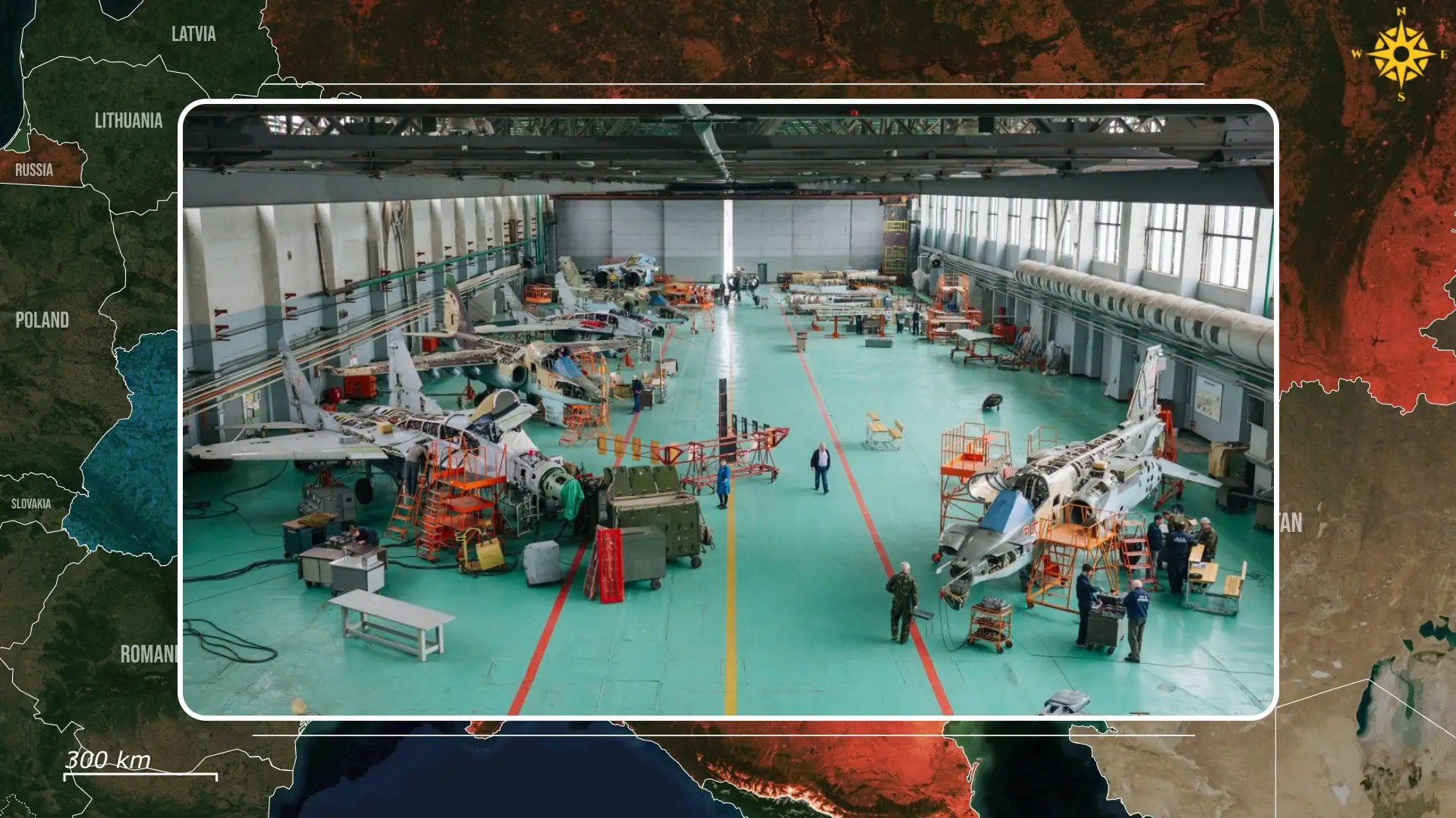
Overall, these operations represent an important component of Ukraine’s efforts to protect its cities, because every destroyed enemy plane reduces Russia’s available capacity to launch missiles against cities and glide bombs against frontline positions. Military airfields are usually among Russia’s most heavily protected installations, yet Ukrainian missiles and drones continue reaching them across multiple regions, as the repeated successful strikes demonstrate serious weaknesses in the Russian protective coverage. As a result, Ukraine is increasingly demonstrating that Russian combat aircraft are vulnerable not only in the skies but also at the very bases from which Moscow launches its attacks against Ukraine.





Comments