


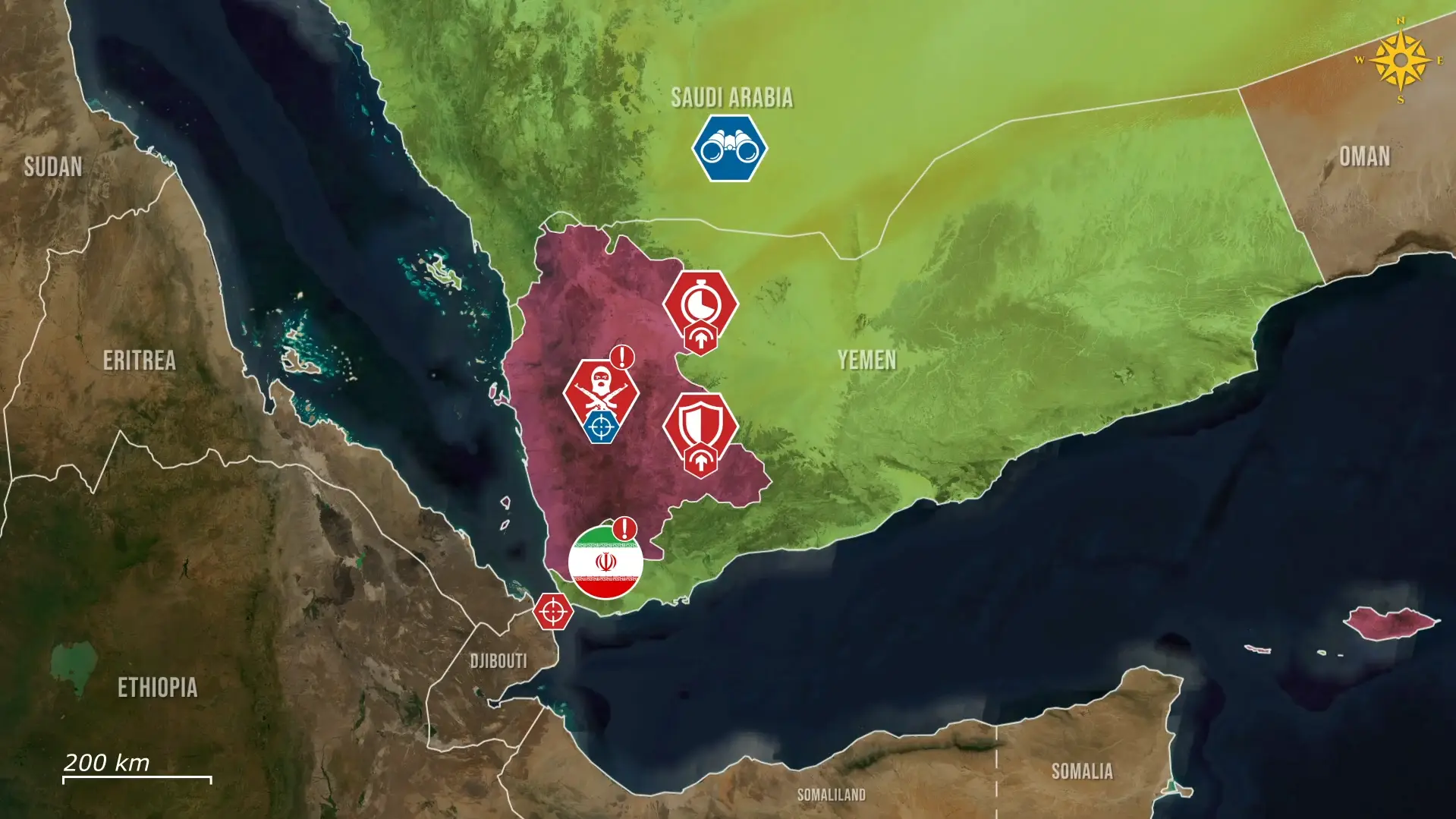
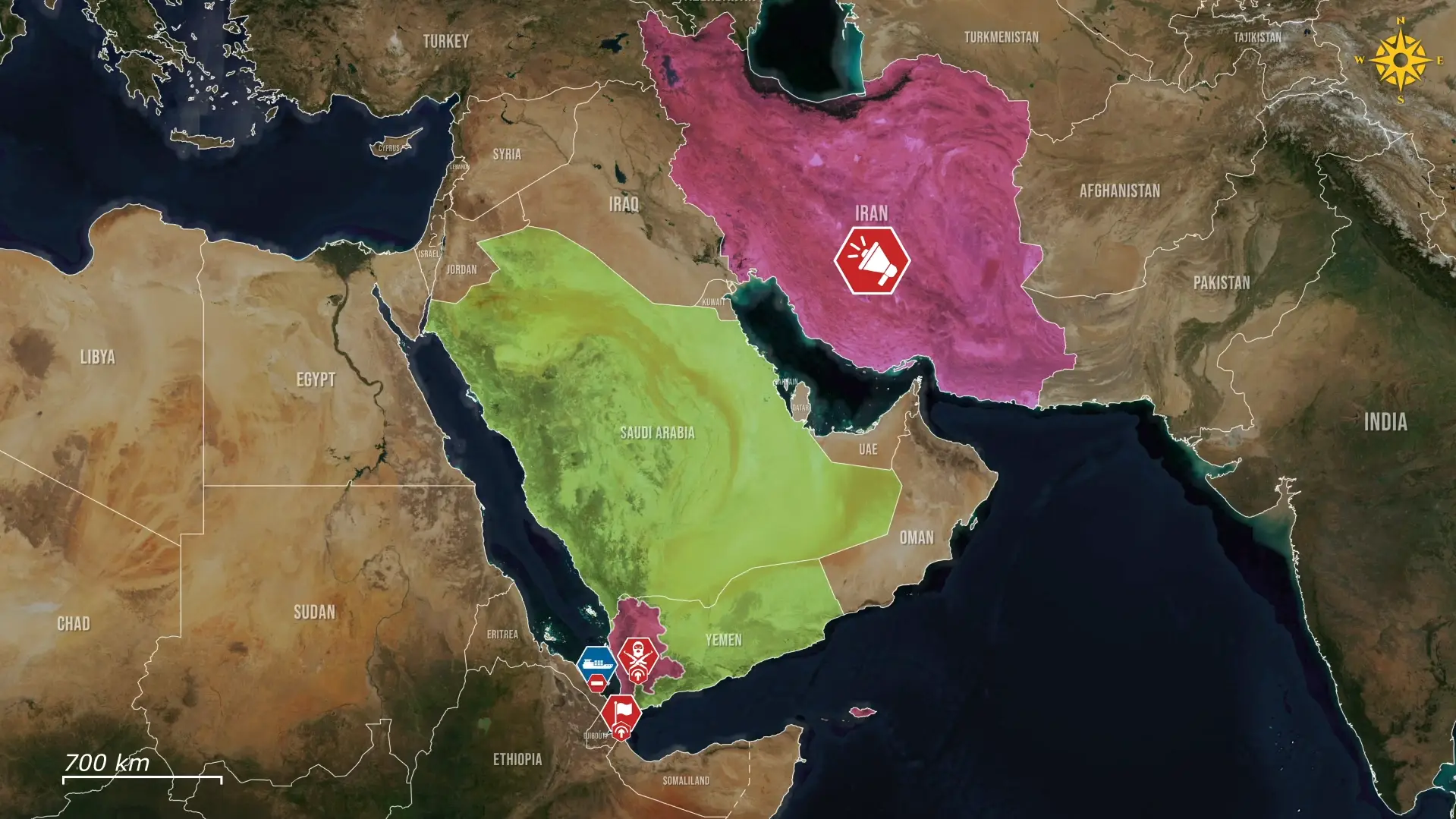
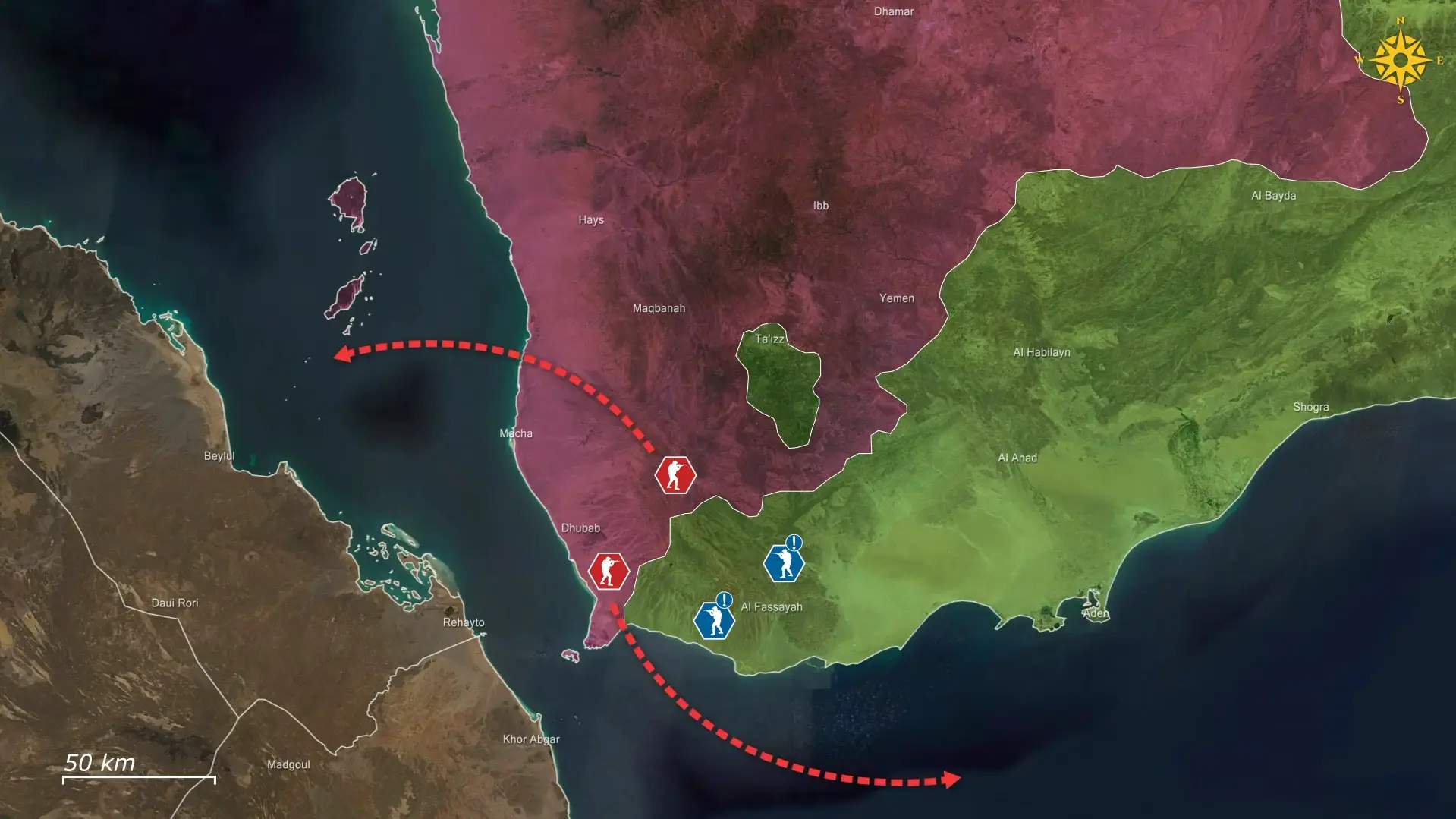
Recently, The Houthis have further strengthened their positions along Yemen’s coast near the Bab el Mandeb Strait, placing commercial vessels passing through this strategic waterway within easier reach of their attacks. This change took place after the Saudi backed Yemeni government withdrew its troops from areas near the strait. However, the Houthis have the capability to attack ships passing through the strait but have so far held back, indicating that their decision is driven by wider military and political calculations.
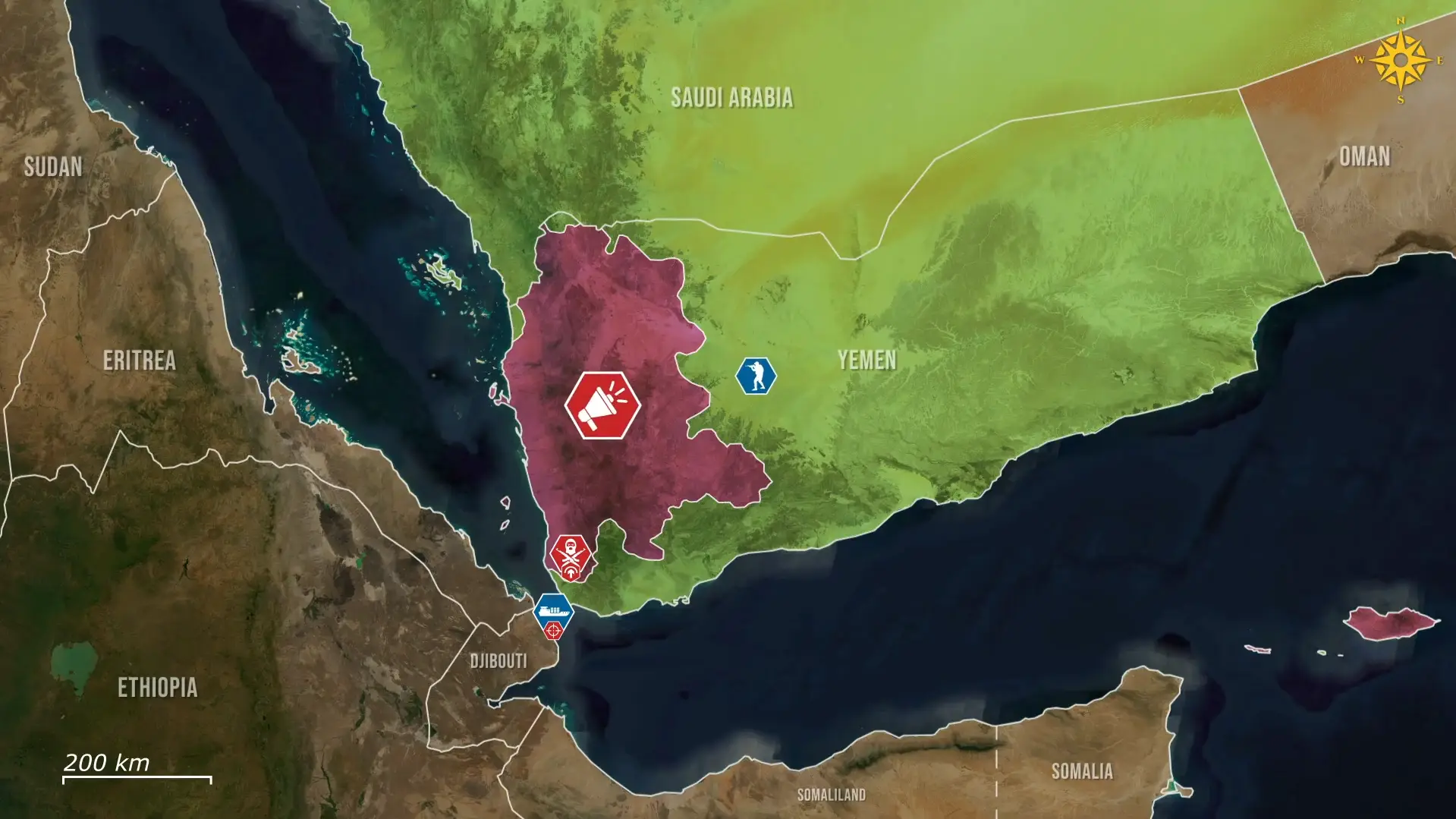
The Bab el Mandeb Strait is one of the world’s most important maritime routes, connecting the Red Sea with the Gulf of Aden. However, its narrowest section is about thirty two kilometers wide, making it narrower than the Strait of Hormuz. Yemen’s Perim Island divides the Bab el Mandeb into two separate waterways. The western passage is approximately twenty six kilometers wide and relatively deep, while the eastern passage is only about three kilometers wide and relatively shallow, forcing most international commercial shipping to pass through the western passage. These geographical features of the Bab el Mandeb Strait allow the Houthis to threaten maritime traffic without a large navy or complete control of the sea.
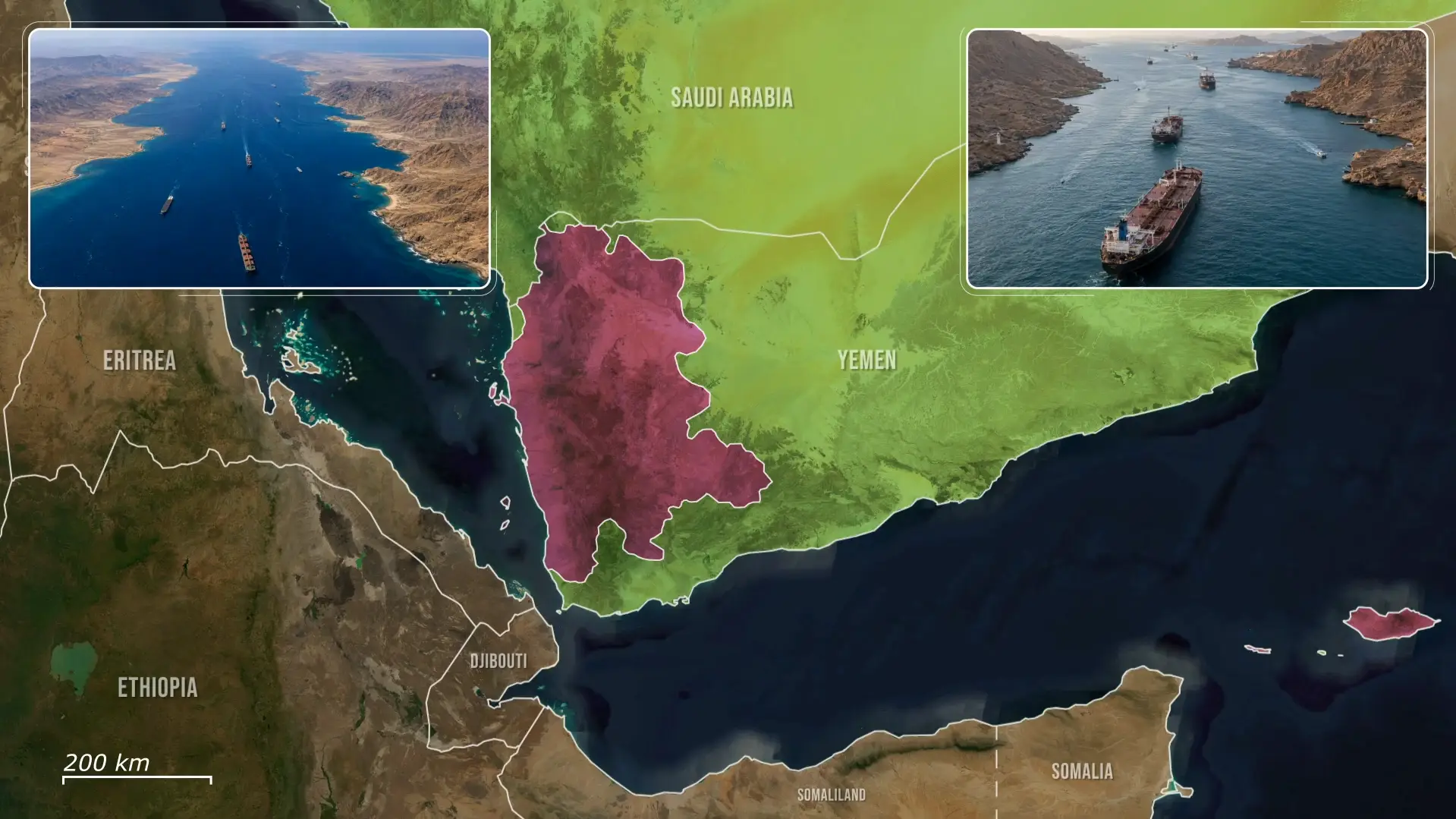
They can target ships transiting the strait with anti ship missiles, drones, naval mines, and explosive laden boats launched from Yemen’s coast, which could force shipping companies to reroute their vessels for security reasons.
Currently, if the Houthis attack international commercial vessels transiting the Bab el Mandeb Strait, this would offer no significant political advantage to their ally Iran but would instead expose the Houthis’ new coastal positions to military strikes by Saudi Arabia, the United States, and European forces. As a result, the Houthis could lose the temporary military advantage they have gained in these coastal areas before they have time to consolidate their positions. Under these circumstances, holding back from attacks and waiting is the more advantageous military strategy for the Houthis, as this would give them time to strengthen their defenses across the captured coastal areas, position the necessary weapons, and prepare missile launch sites.
This situation cannot be viewed separately from Iran’s broader regional strategy. The Strait of Hormuz, located at the entrance to the Persian Gulf, is an important strategic tool for Iran. Since Iranian military forces are stationed along its shores, Iran can directly threaten commercial vessels passing through the strait. By contrast, Iran has no direct military presence in the Bab el Mandeb Strait, so it uses its Houthi allies to put pressure on commercial shipping through the waterway. If a regional war breaks out again, two major maritime chokepoints could come under threat simultaneously, potentially disrupting oil and gas exports from Gulf countries through the Strait of Hormuz, as well as the flow of goods between Asia and Europe through the Bab el Mandeb Strait and the Suez Canal.
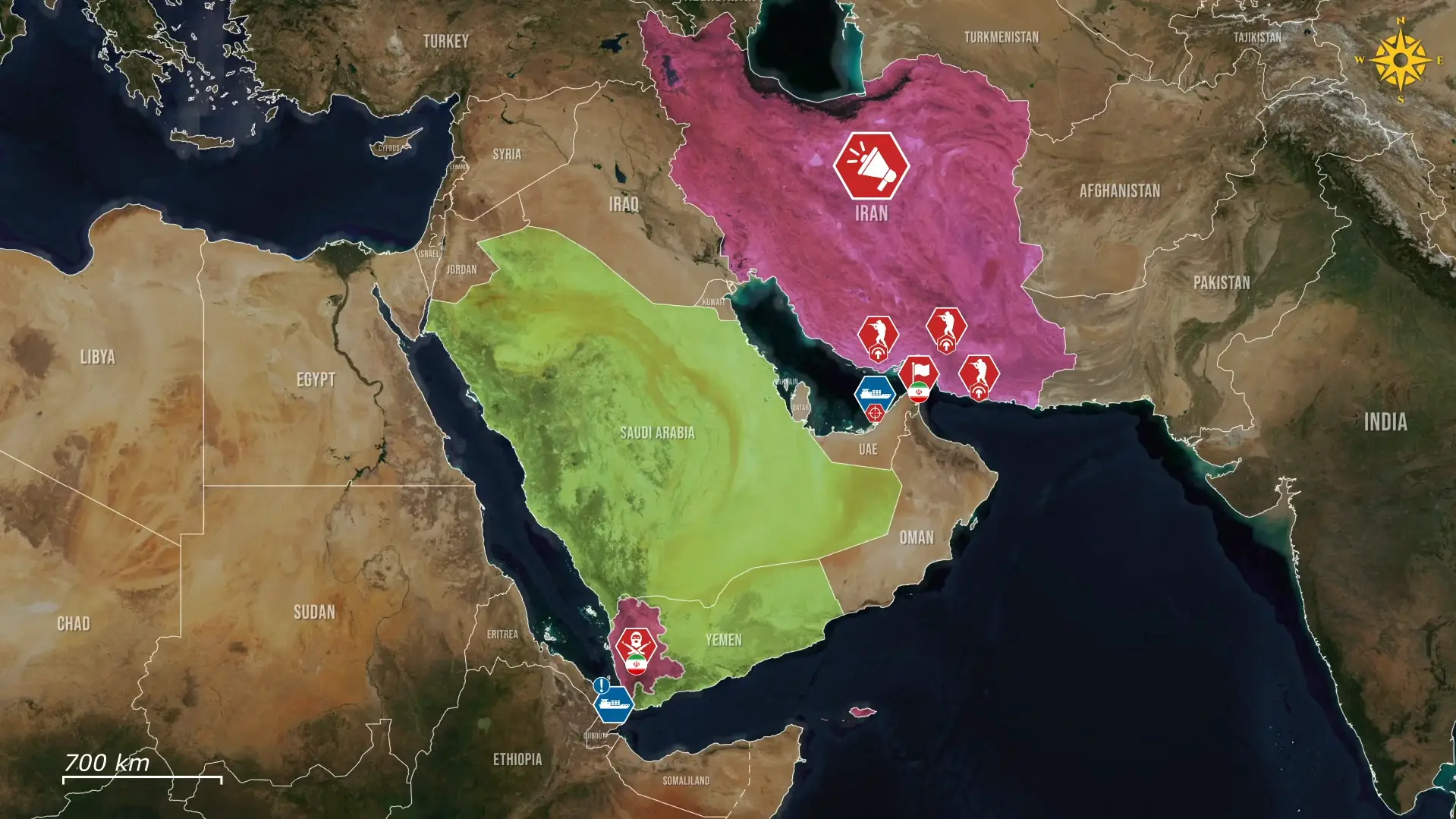
Under the current circumstances, neither Iran nor the Houthis need to completely close the Strait of Hormuz or the Bab el Mandeb Strait. Past events have already shown that even a limited number of attacks or the threat of attacks can bring about major changes in international shipping. If the threat of Houthi attacks in the Red Sea emerges, many international shipping companies will begin avoiding the Suez Canal and using the longer route around the southern tip of Africa to transport goods to the United States and Europe. Taking this longer route will significantly increase shipping times, fuel costs and maritime insurance premiums. At the same time, Western countries may have to spend more to ensure the security of commercial shipping. Therefore, by avoiding tensions in the Bab el Mandeb Strait for now, Iran is keeping a strategic option in reserve that it can use to exert pressure during future negotiations or in response to military action by the United States and Israel.
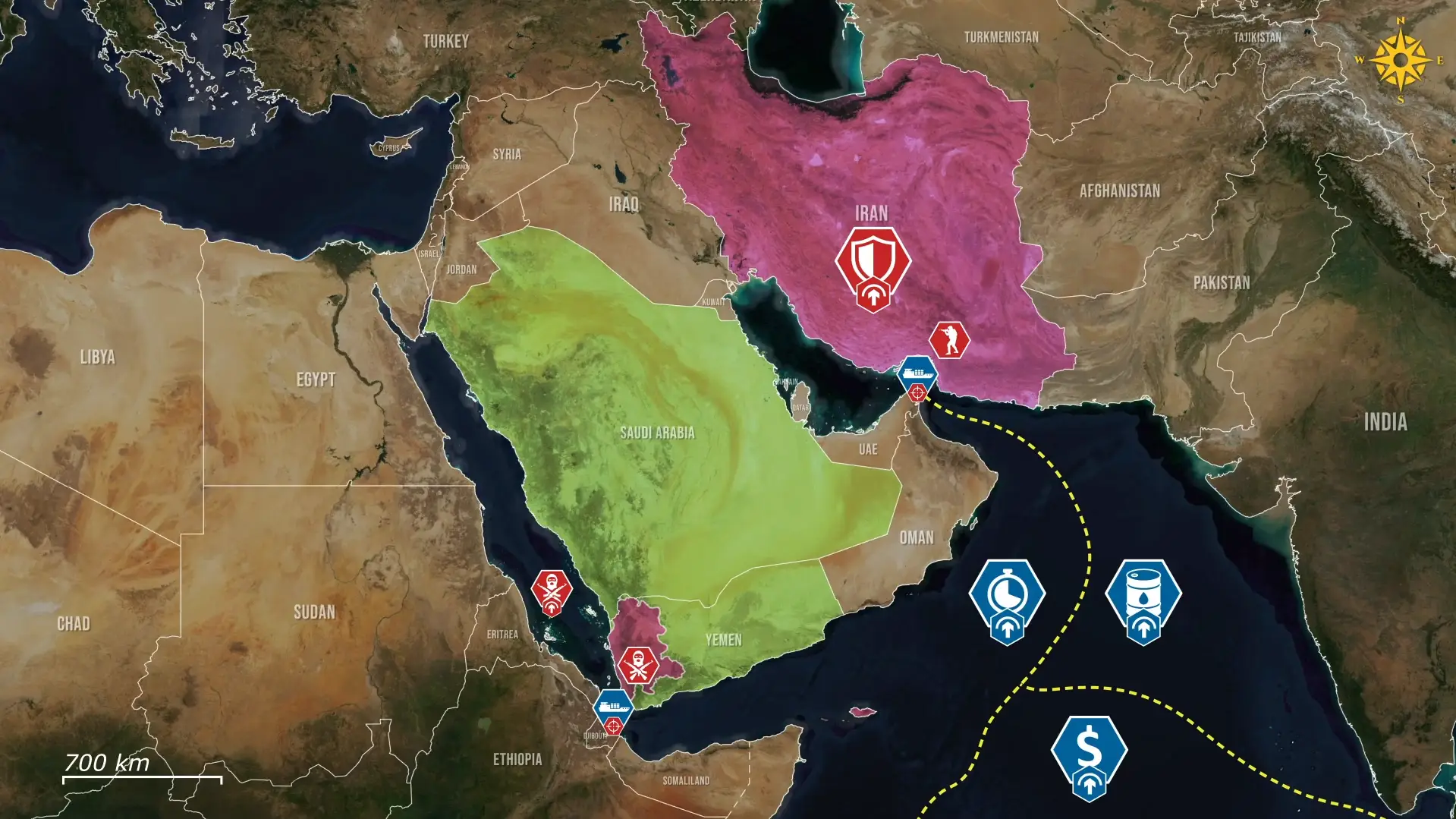
Overall, the Houthis’ current position near the Bab el Mandeb Strait represents not just a new military success in Yemen’s battlefield, but a significant shift in the regional balance of power. They have strengthened their position near a maritime gateway on which trade and energy supplies across Asia, Europe, and the Middle East heavily depend. Iran is leveraging its allies’ strong position near the strait to keep Western powers under strategic pressure. If its interests are threatened, Tehran can use this position to disrupt international commercial shipping on a significant scale, potentially creating major instability.



Comments