


Today, there is important news from Kaliningrad.
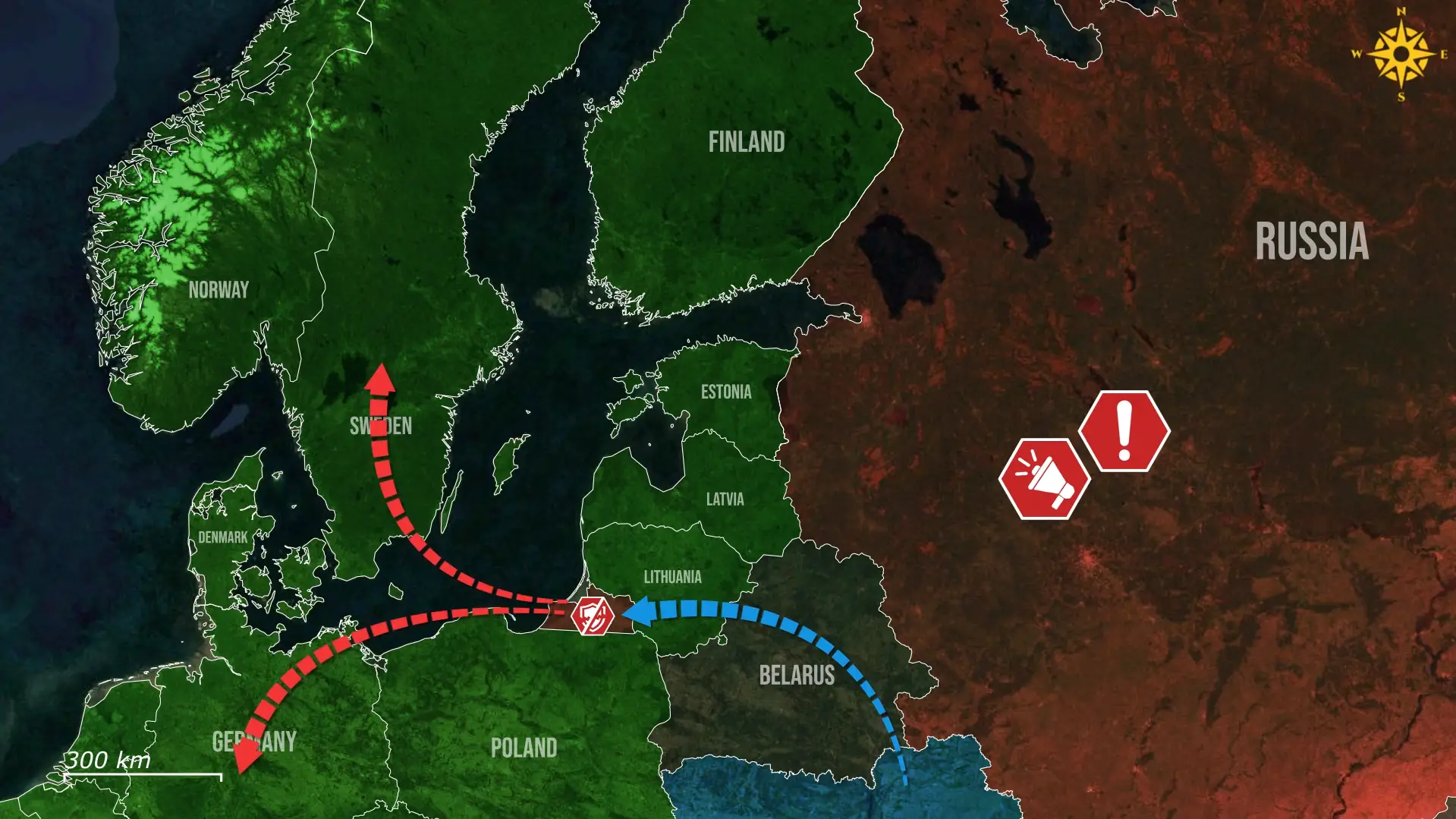
Here, Russian military analysts are sounding the alarm, warning that Ukraine has begun a campaign to blockade Kaliningrad after two important Russian military transport vessels were attacked in the Gulf of Finland. The Russian cargo ship Sparta Two caught fire while transporting containers, vehicles, and weapons toward Kaliningrad. Russian Governor Aleksandr Drozdenko confirmed that two drones struck the vessel in international waters, and as a result, all sixteen crew members were evacuated.
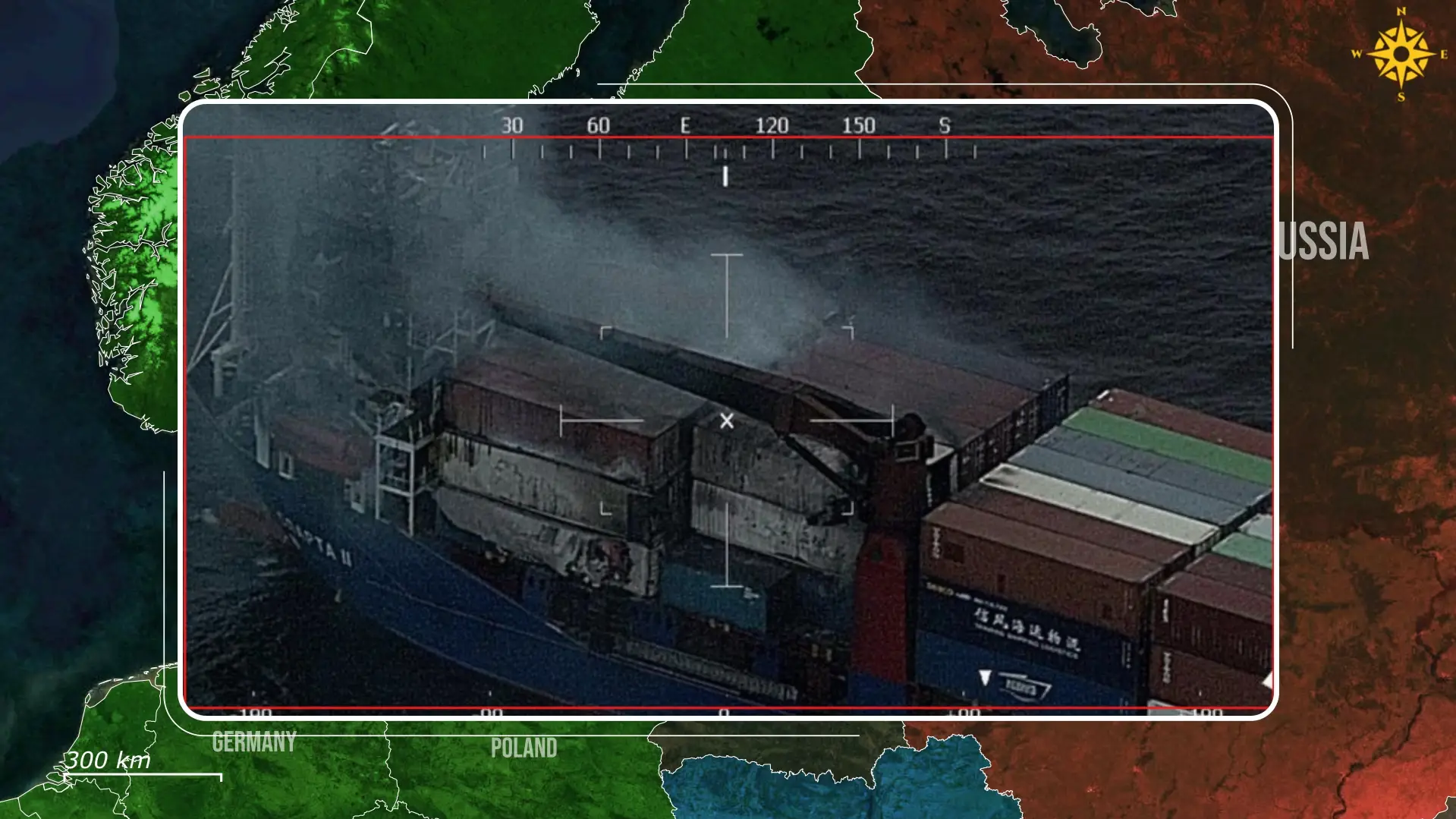
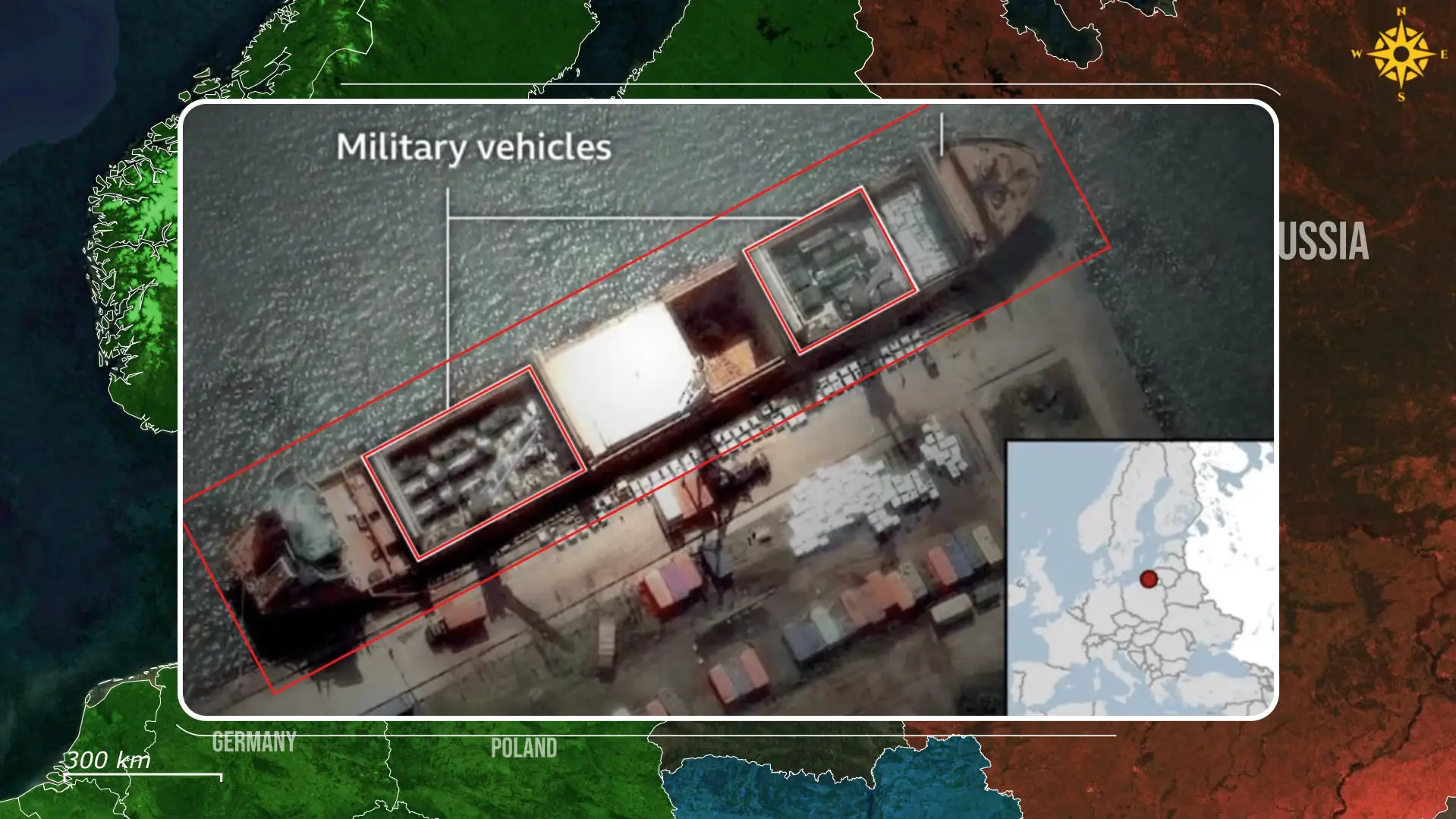
Rescue services from Finland, Estonia, and Russia needed almost two days to extinguish the fire on Sparta Two, which belongs to Oboronlogistika, a sanctioned transportation company operating within Russia’s military logistics network for transport of military equipment. Simultaneously, Ukrainian drones struck the Ambal railway ferry, another sanctioned vessel involved in military transportation that operates between Ust-Luga and the Baltiysk port in Kaliningrad, transporting railway wagons, vehicles, military personnel, and equipment while bypassing European Union and Nato territory. Both attacks affected vessels under sanctions that are directly involved in sustaining Russia’s military presence in Kaliningrad while also being used to supply weapons for Russia’s campaigns in Africa.
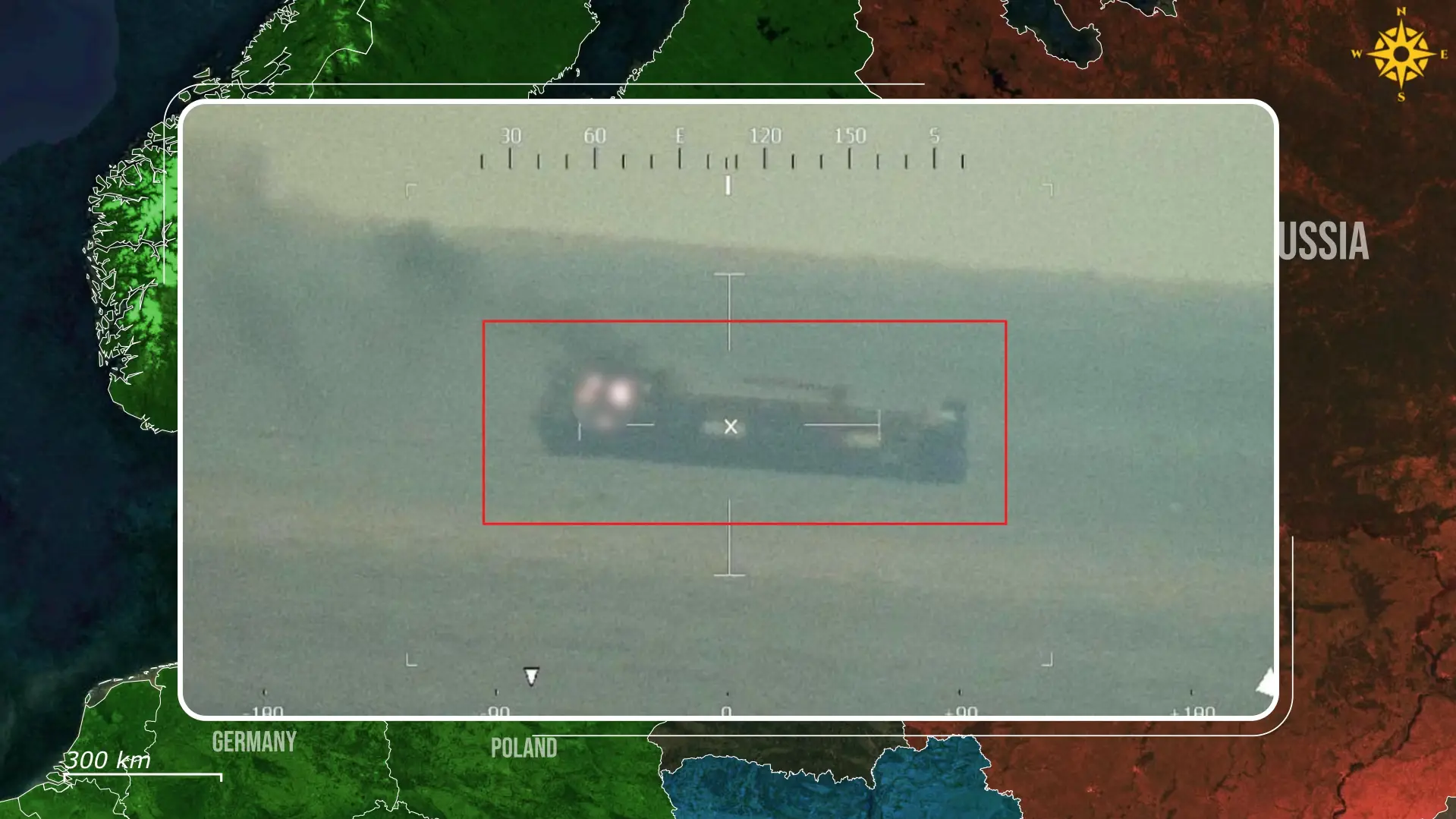
However, something potentially even more alarming happened inside Kaliningrad itself, as air-raid sirens sounded across the exclave, while residents described seeing drones, hearing explosions, and witnessing Russian air-defense activity. The suspected target was Baltiysk, which houses the principal naval base of Russia’s Baltic Fleet, accommodating warships, military support vessels, maintenance facilities, and infrastructure supporting Russian naval operations throughout the Baltic Sea. Footage showed Russian air defenses engaging aerial threats near the port, although successful impacts and infrastructure damage remain unconfirmed. However, the incident challenges Moscow’s longstanding assumption that Kaliningrad’s geographical distance from Ukraine provides substantial protection.
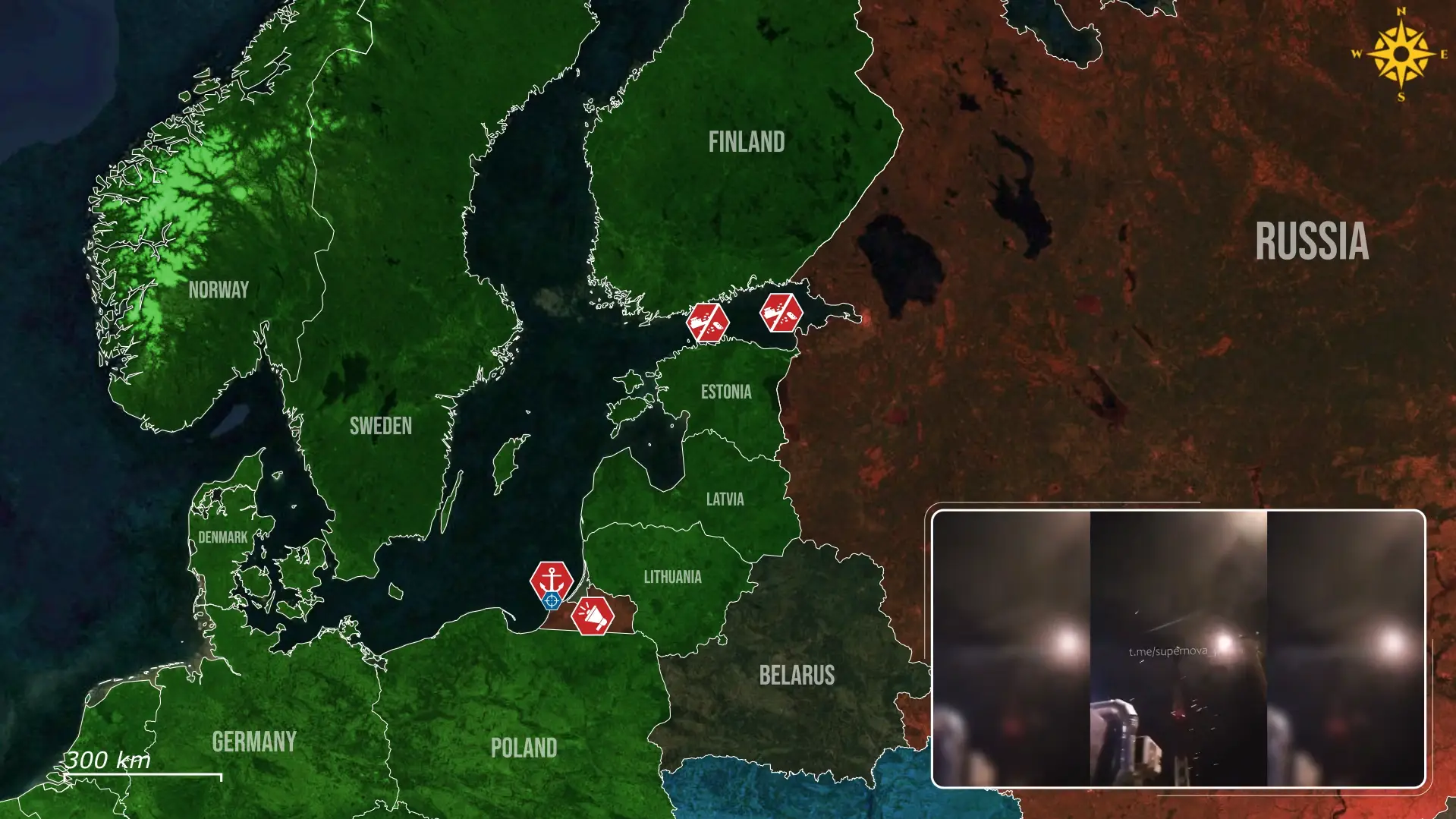
As a result, Russian military analysts are increasingly concerned that these developments represent the beginning of a sustained maritime blockade by Ukraine. Kaliningrad’s geographical position makes it particularly dependent on reliable external transportation. According to regional estimates, approximately twenty-two percent of its cargo arrives by sea, while overland railway transportation depends on transit through the Baltic states, is already heavily restricted and which Russians warn can always be stopped completely without warning. This makes maritime transportation extremely important, because it provides Russia with an alternative independent of European Union land-transit restrictions through neutral waters.
Ukraine has already demonstrated considerable long-range drone capabilities through attacks deep inside Russia up to two-thousand-and-five-hundred kilometers. In the case of Kaliningrad, even if going through Saint Petersburg on a one-thousand-and-nine-hundred kilometers route, they would be supported by satellite communications, because Starlink works unrestricted in this area of Europe. Russian analysts fear that the latest incidents in the Gulf of Finland represent just the beginning of increasingly frequent attacks against military shipping. Many in Russia are already demanding naval escorts for vessels traveling toward Kaliningrad as a direct response to the new threat. However, Russia possesses limited naval resources, and expanding escort operations would impose additional demands on an already stretched fleet without guaranteeing protection.
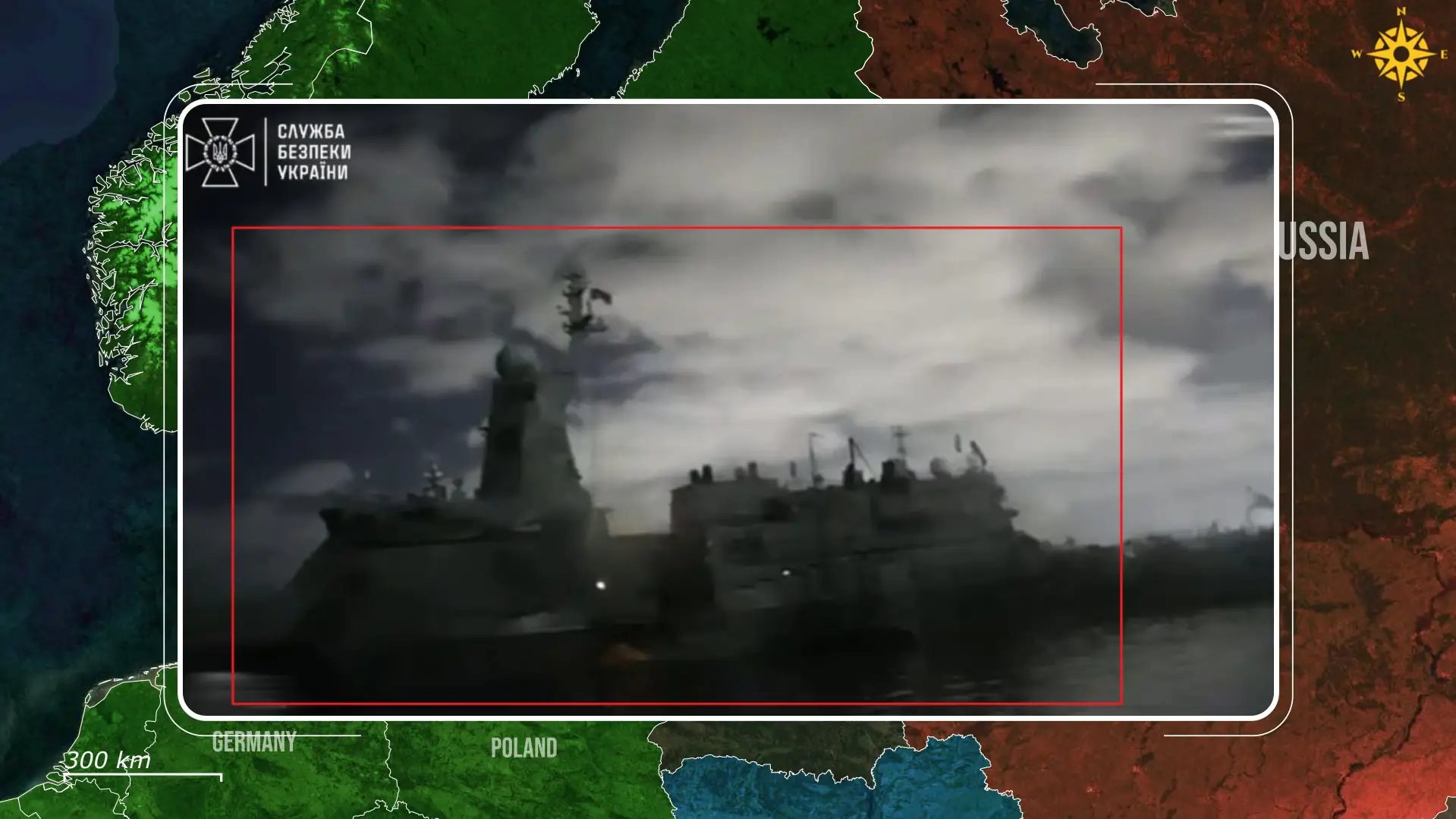
Crucially, Ukraine’s recent maritime campaign appears increasingly focused on vessels belonging to Russia’s organized military transportation network rather than targeting shadow-fleet oil tankers like before. The recent wave of attacks threatens transportation capacity supporting Russian military deployments in both Kaliningrad and Africa. Losing specialized cargo vessels and railway ferries, or removing them from service for prolonged repairs, creates significant logistical difficulties for Russia because they cannot be replaced immediately, particularly given international sanctions.
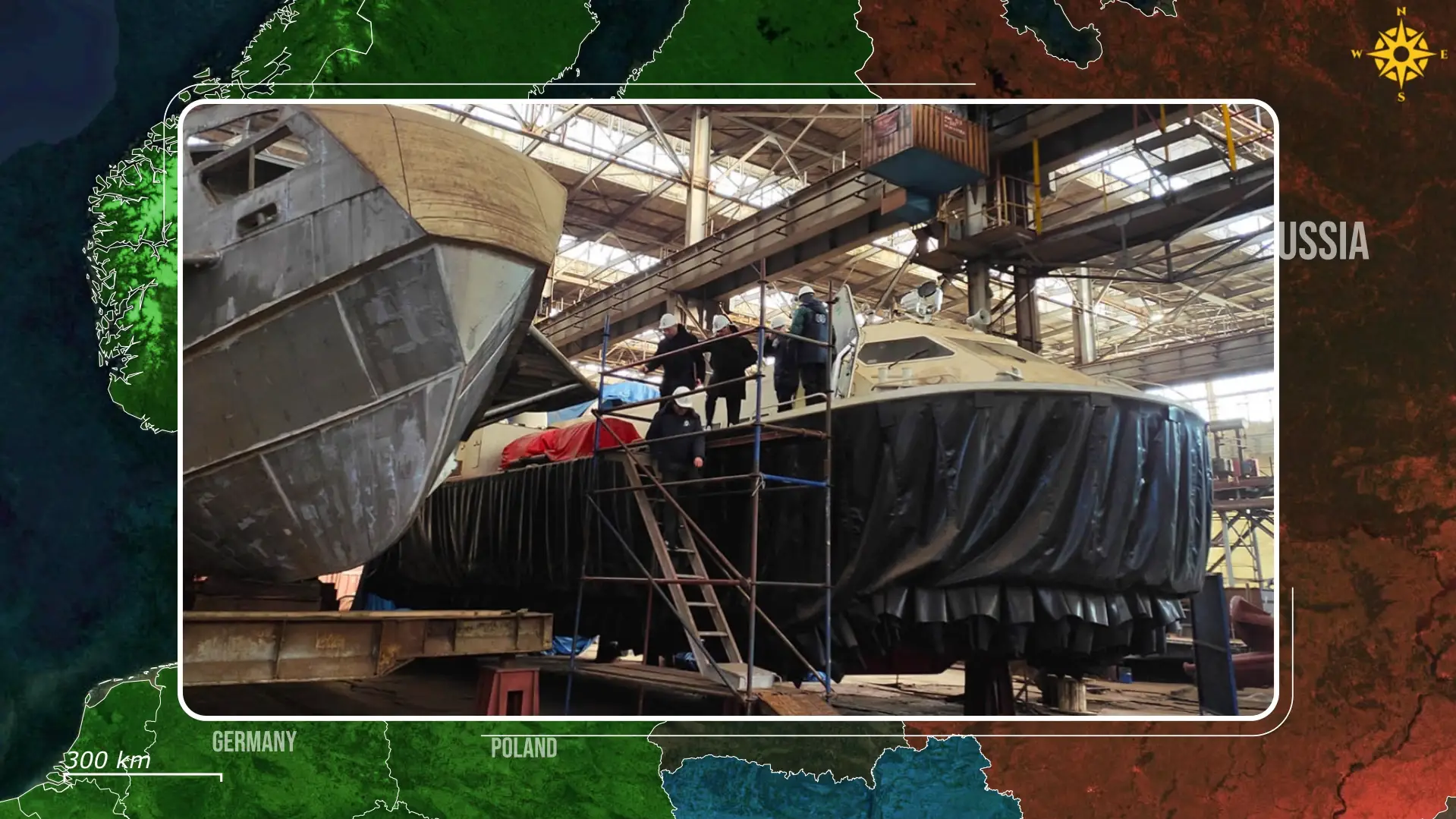
Overall, Russia presented Kaliningrad as a heavily fortified military stronghold capable of exerting pressure on Nato’s eastern flank for years. Now, Russian analysts are increasingly discussing the exclave’s own vulnerabilities. Its geographical isolation, once considered strategically advantageous, becomes a significant logistical burden, as Ukraine has proven that Russian military transportation through the Baltic Sea is no longer secure. The alarm sounding across Kaliningrad symbolizes a dramatic reversal: a region Moscow intended to use to intimidate Europe is just starting to experience the consequences of Russia’s own war against Ukraine.



Comments