


Today, the biggest news comes from Belarus.
Alexander Lukashenko has openly challenged one of Vladimir Putin’s central justifications for the war in Ukraine, questioning Russia’s claim that historical ownership gives Moscow the right to seize Ukrainian territory. Lukashenko pointed out that large parts of Russia itself once belonged to the Mongols and Tatars, asking whether the same logic means Russia should now be returned to Mongolia, before adding that Putin understands this perfectly well.
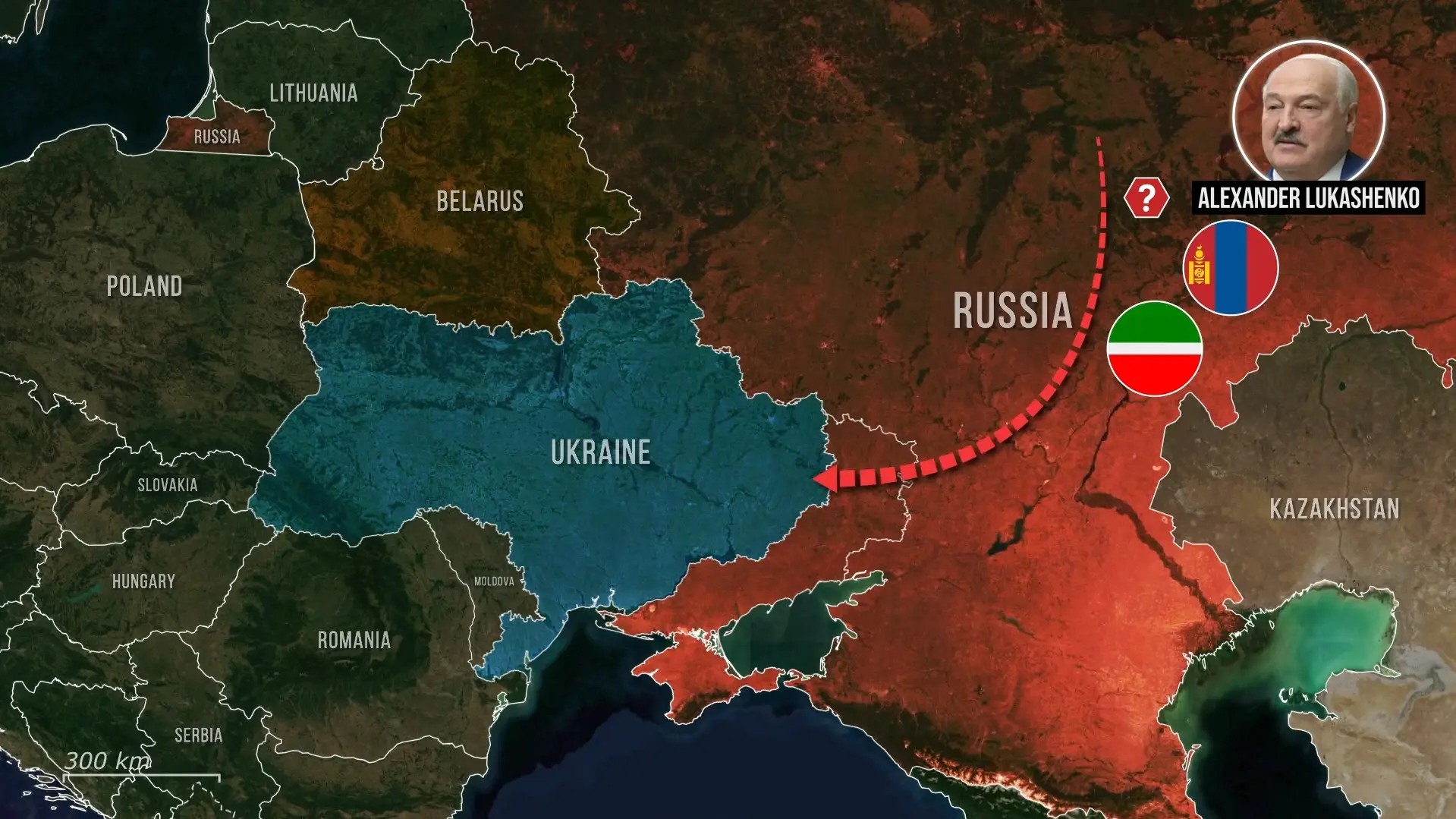
This is coming from the Belarusian leader who has spent years standing beside Putin and dealing directly with Russia’s senior political and military leadership, the statement directly attacks the historical argument used to justify territorial expansion into Ukraine. Lukashenko is now openly rejecting an explanation for the war that Moscow has spent years presenting as the foundation of its territorial claims, raising the question of why Belarus suddenly feels safe enough to challenge Putin in public.
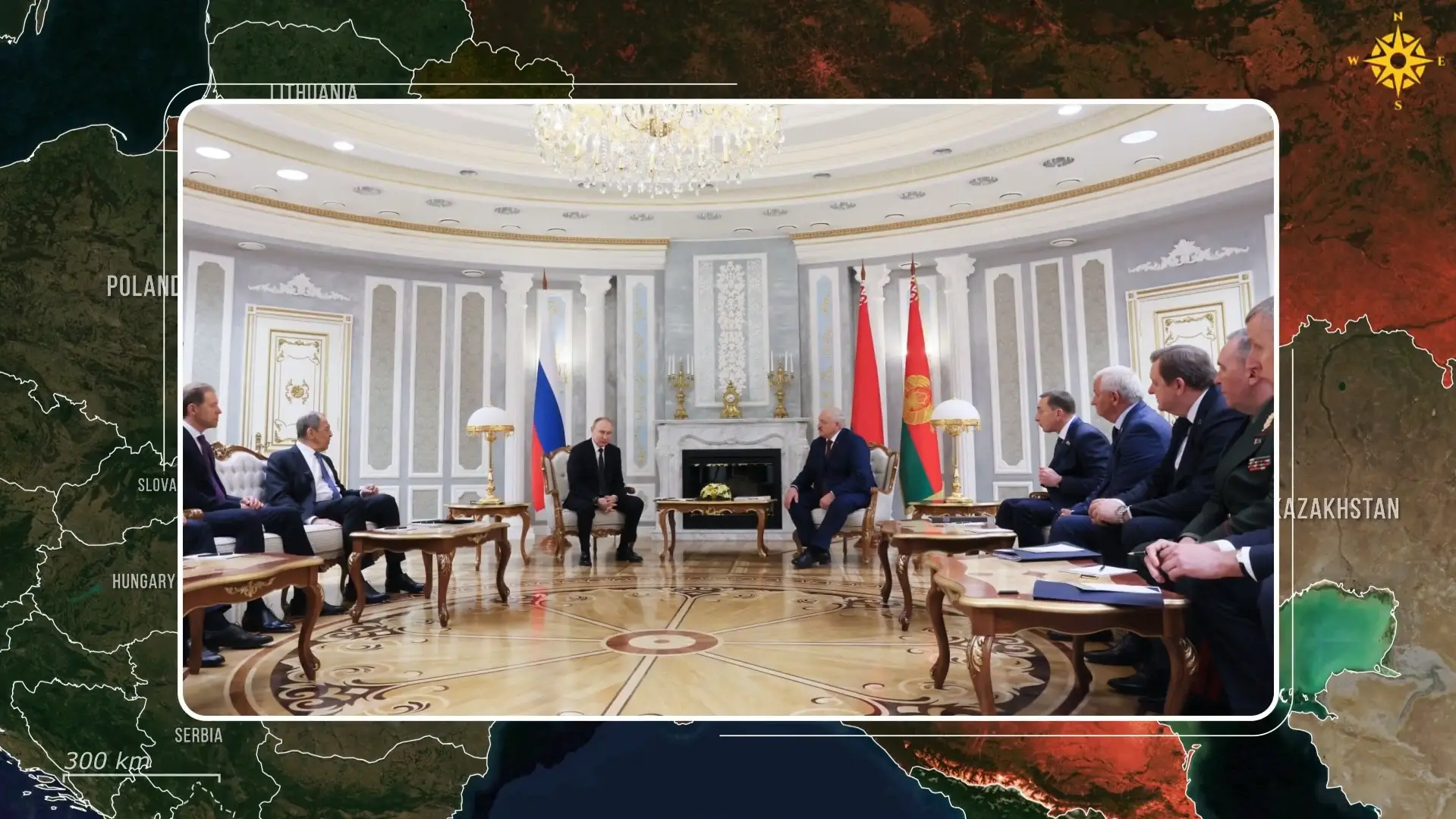
Lukashenko can take this position because Russia no longer has the military freedom it once had to pressure Belarus into obedience. Russian forces have now lost ground for two consecutive months, while commanders are already shifting troops between sectors to contain Ukrainian counterattacks and stabilize threatened positions. Any major diversion away from Ukraine gives Kyiv another opening to exploit and risks undoing territorial gains Moscow spent months or years capturing through costly advances. Russia also does not currently maintain a large strike force in Belarus capable of immediately opening another northern front. Putin is therefore left with far fewer military tools to punish Lukashenko without weakening his own position inside Ukraine, giving the Belarusian leader more room to challenge Moscow openly.
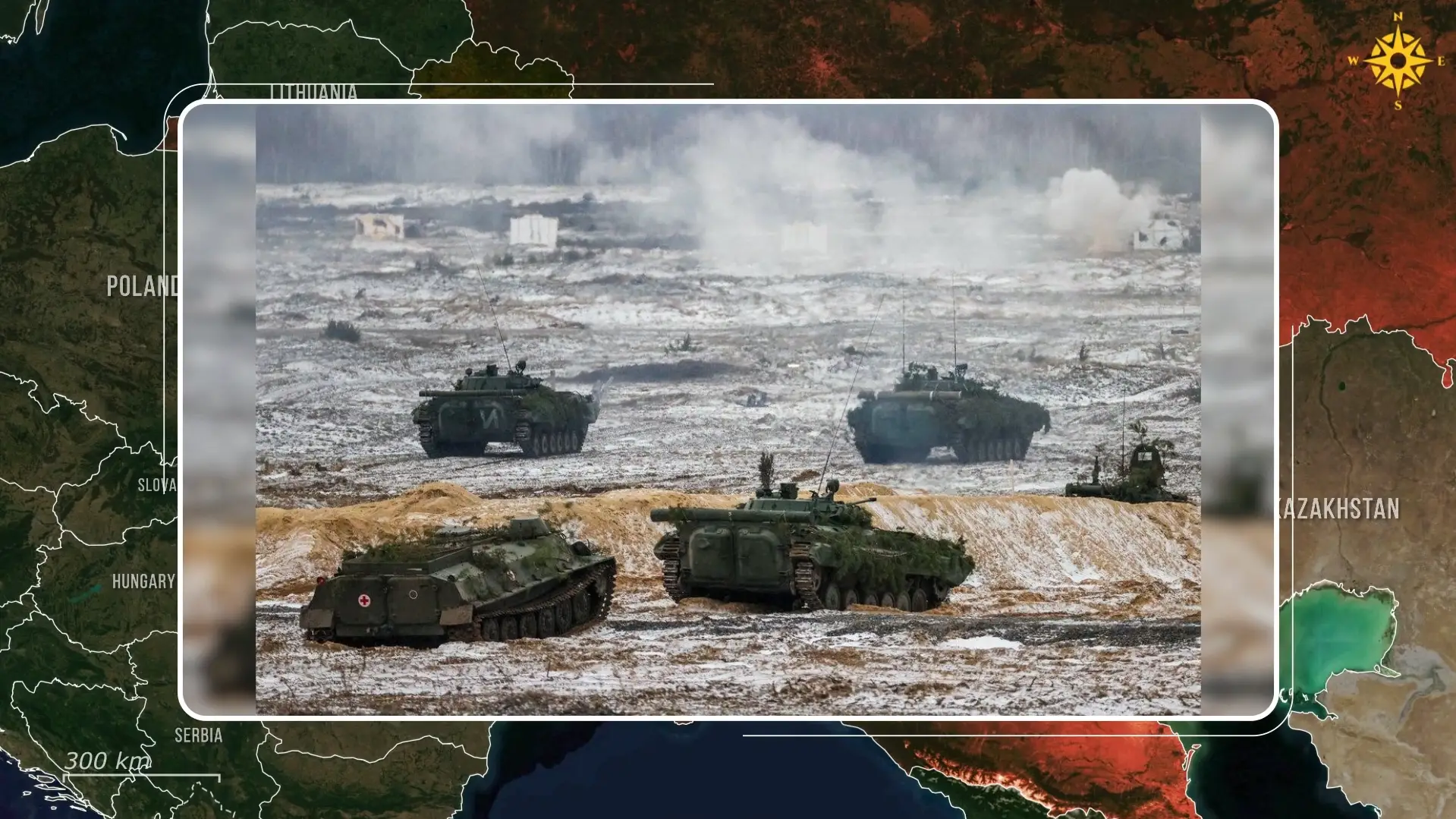
Lukashenko is now taking that distance from Moscow further by offering to help negotiate an end to the war. He proposed personally accompanying Zelensky to Moscow for talks with Putin and guaranteeing the Ukrainian president’s safety, while arguing that Ukraine, Belarus and Russia can reach an agreement faster without Western countries involved. Zelensky rejected the idea of going to Moscow and instead invited Lukashenko to bring Putin to Kyiv, where Ukraine would guarantee both leaders a safe reception. The exchange allows Lukashenko to present Belarus as a channel between Moscow and Kyiv, giving him a role as a negotiator instead of simply echoing Putin’s position.
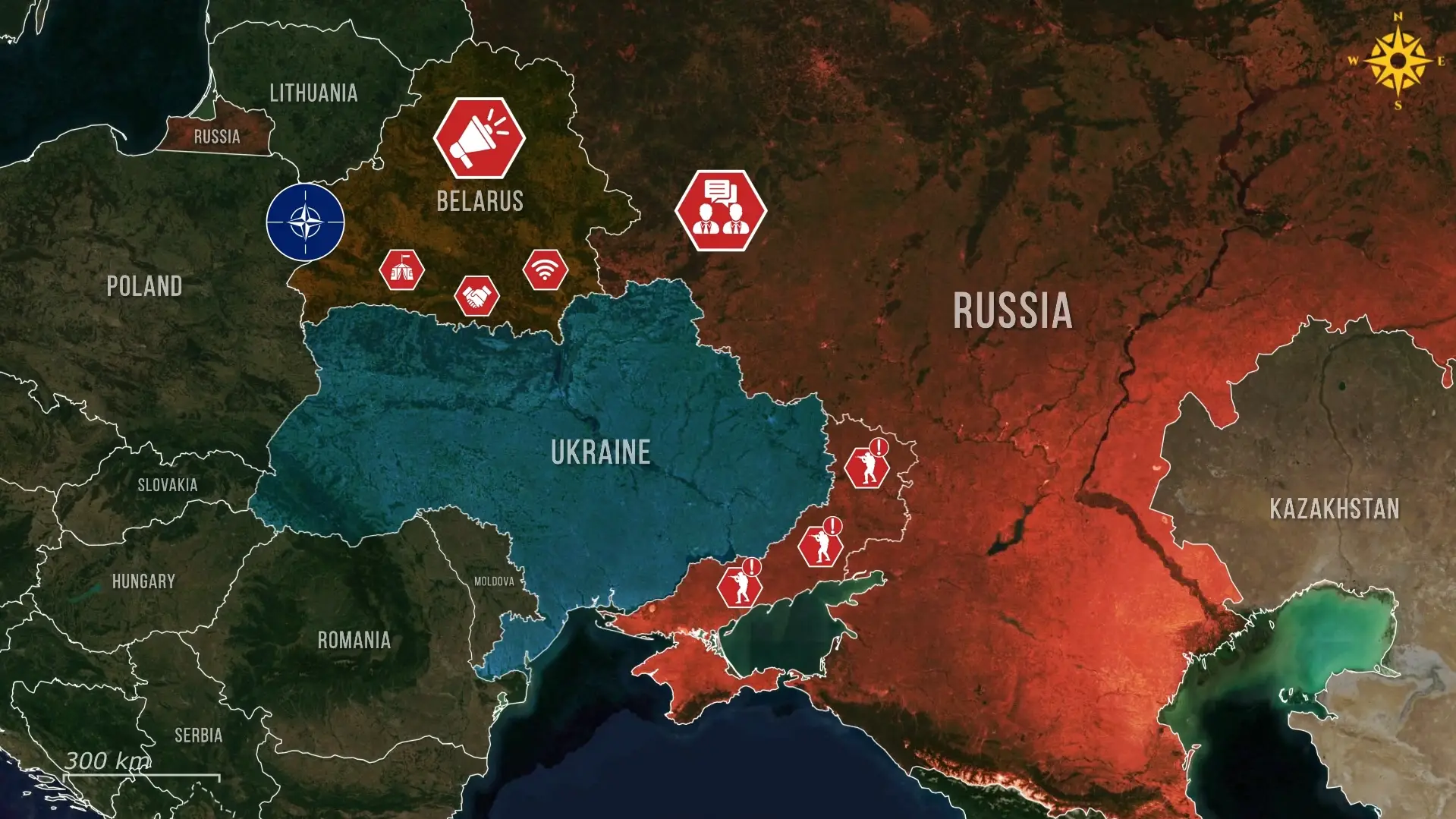
For Putin, a more independent Belarus creates a serious military problem because Russia has relied on the country to expand its options against Ukraine. In two thousand twenty two, Russian forces used Belarusian territory to launch the northern offensive toward Kyiv, giving Moscow a much shorter route to the Ukrainian capital.
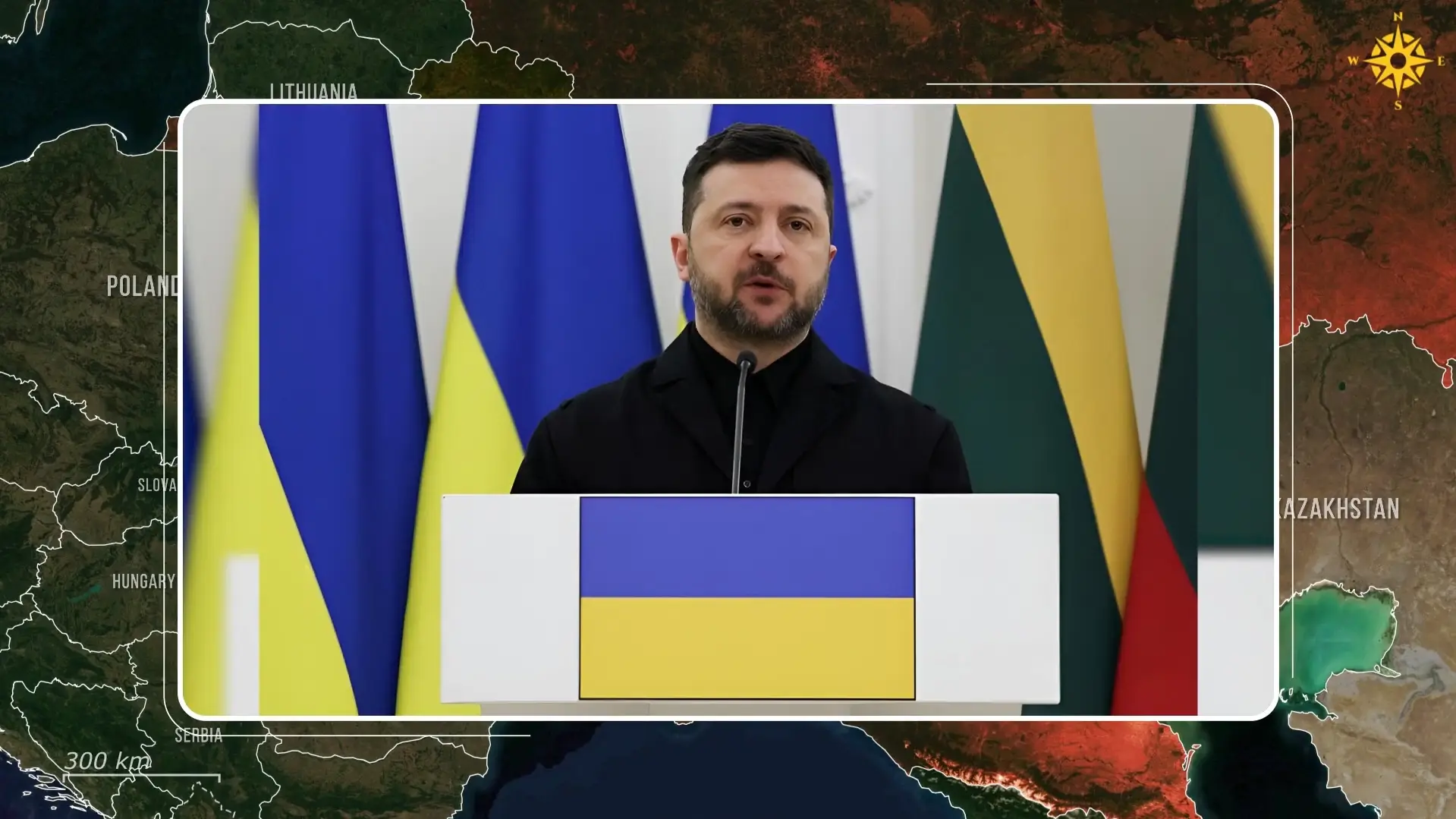
Reopening that front today would require Russia to assemble a large new force while most of its available manpower remains tied down in Ukraine. That leaves Putin with two difficult ways to find the troops, either another Russian mobilization that risks causing domestic unrest, or Belarusian soldiers entering the war after years of Moscow pushing Minsk to prepare for deeper involvement. Lukashenko’s refusal to commit his army removes that second option and leaves Russia more dependent on manpower it already struggles to generate. Belarusian cooperation also remains useful before any new ground offensive begins, as Russia uses its territory for missile deployments and infrastructure supporting attacks deeper into Ukraine. Ukrainian intelligence says relay stations inside Belarus help Russian strike drones stay connected while flying toward regions such as Lviv, Rivne and Volyn. Minsk has already shown that it can switch parts of this network off under Ukrainian pressure, giving Lukashenko control over another Russian military advantage that depends on Belarusian cooperation.
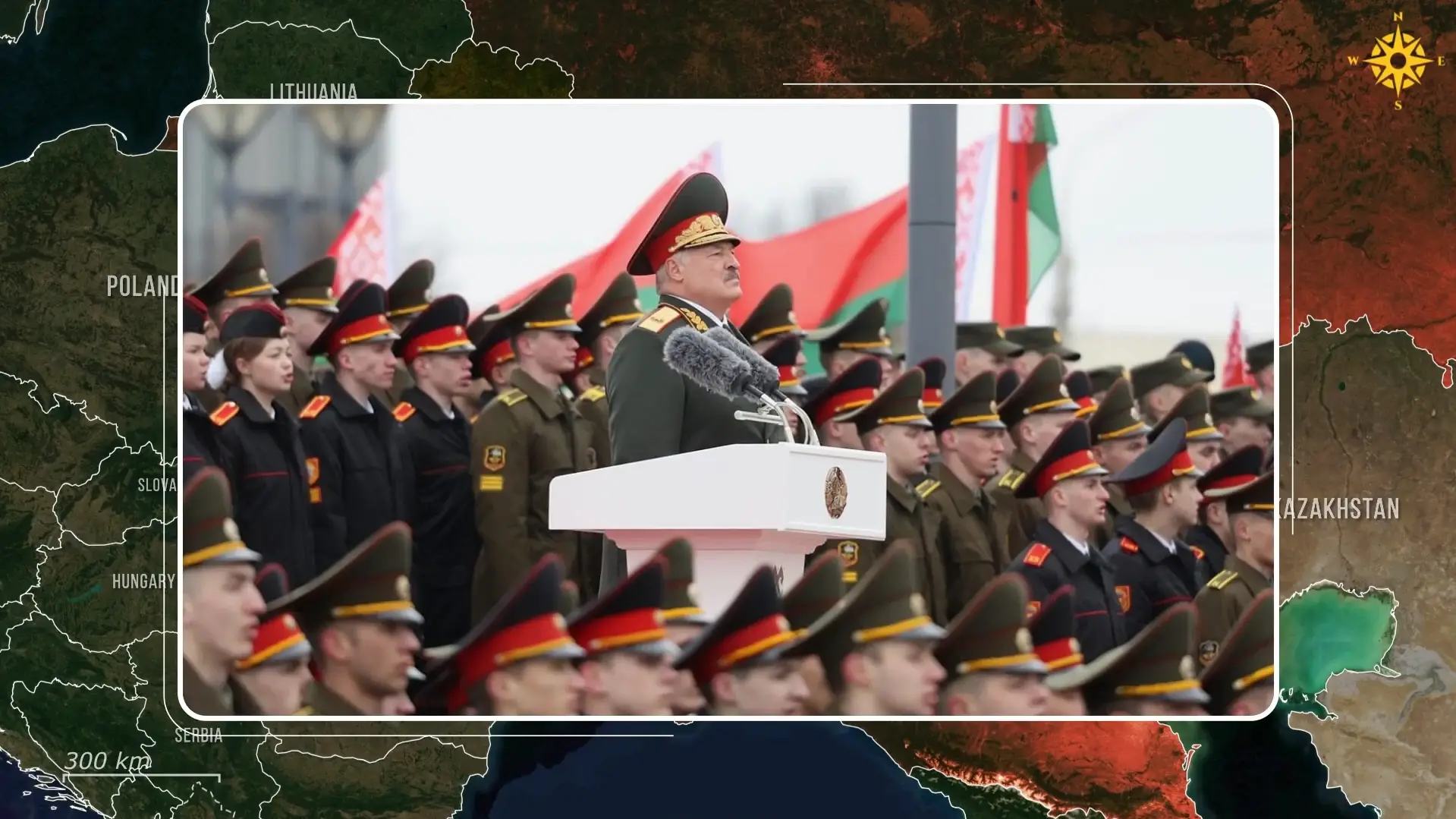
Overall, the deeper Russia sinks into the war, the more Lukashenko gains room to turn Belarusian support into leverage over Moscow. Belarusian territory, military infrastructure, and political support now give him something concrete to bargain with whenever Putin asks Minsk for deeper cooperation. Lukashenko can also use this distance from Moscow to expand contacts with Western governments, giving him another way to reduce the dependence on Russia that has kept Belarus tied to Putin for years. The longer Russia remains consumed by Ukraine, the harder it becomes for Putin to keep Belarus firmly inside Moscow’s orbit.



Comments