


Today, there is important news from Poland.
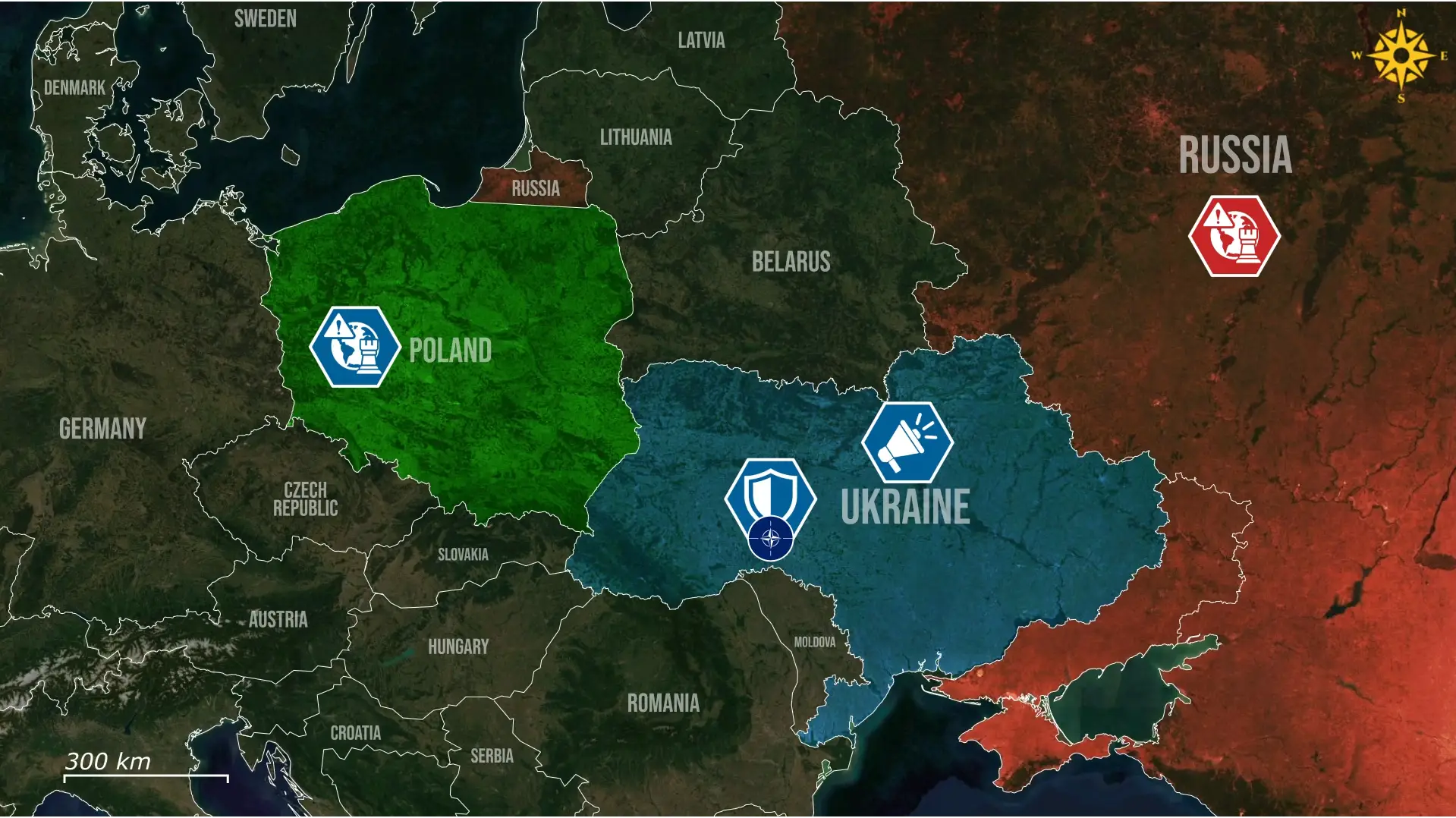
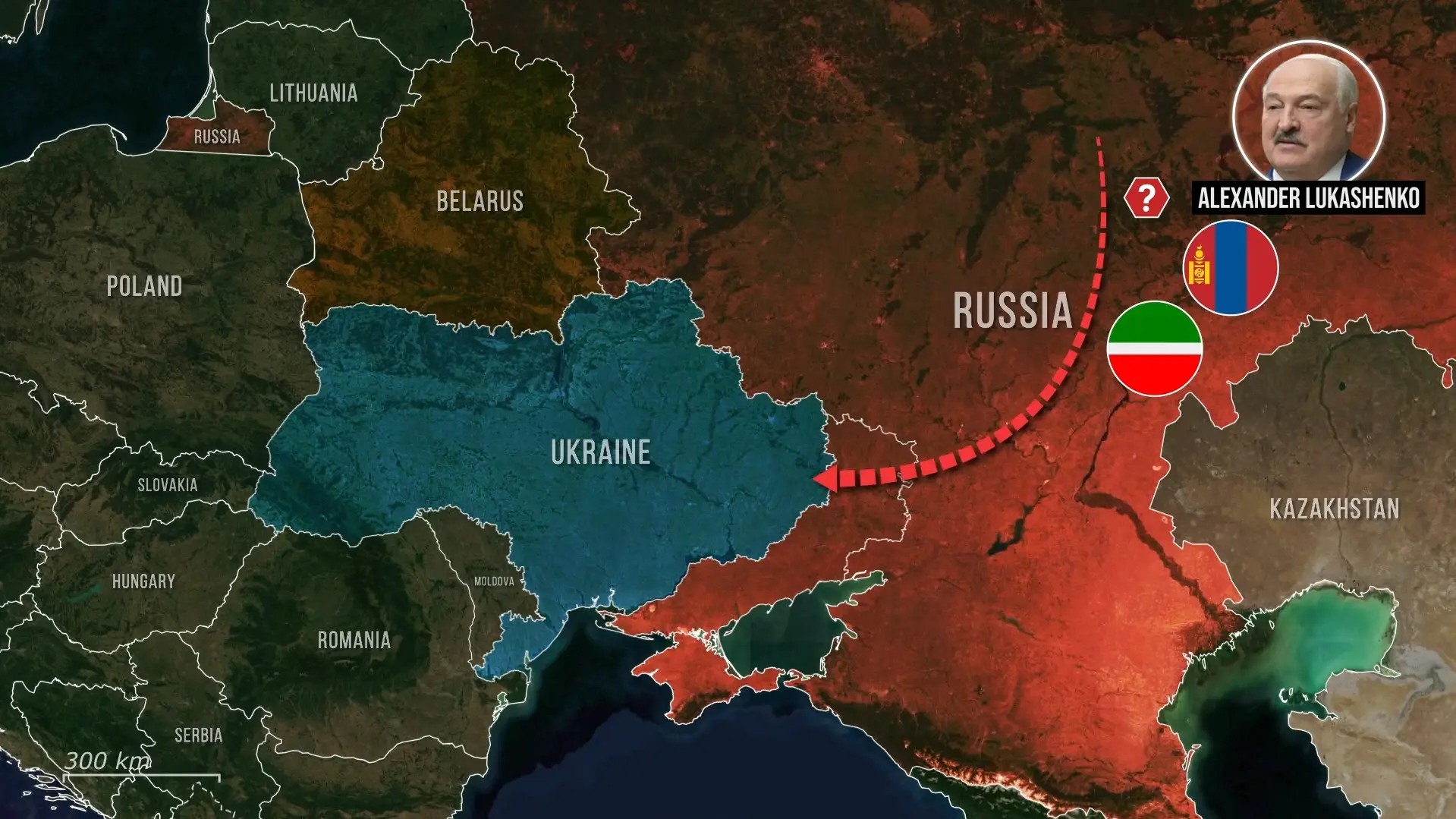
Here, Poland has had enough of repeated Russian airspace violations and is urgently pushing Nato to begin intercepting Russian missiles and drones before they even reach Polish territory. During a meeting of Nato ambassadors in Brussels, Warsaw proposed allowing allied forces to shoot down incoming Russian projectiles while they are still over western Ukraine by imposing a no-fly zone. Several countries supported the initiative, and following the meeting,
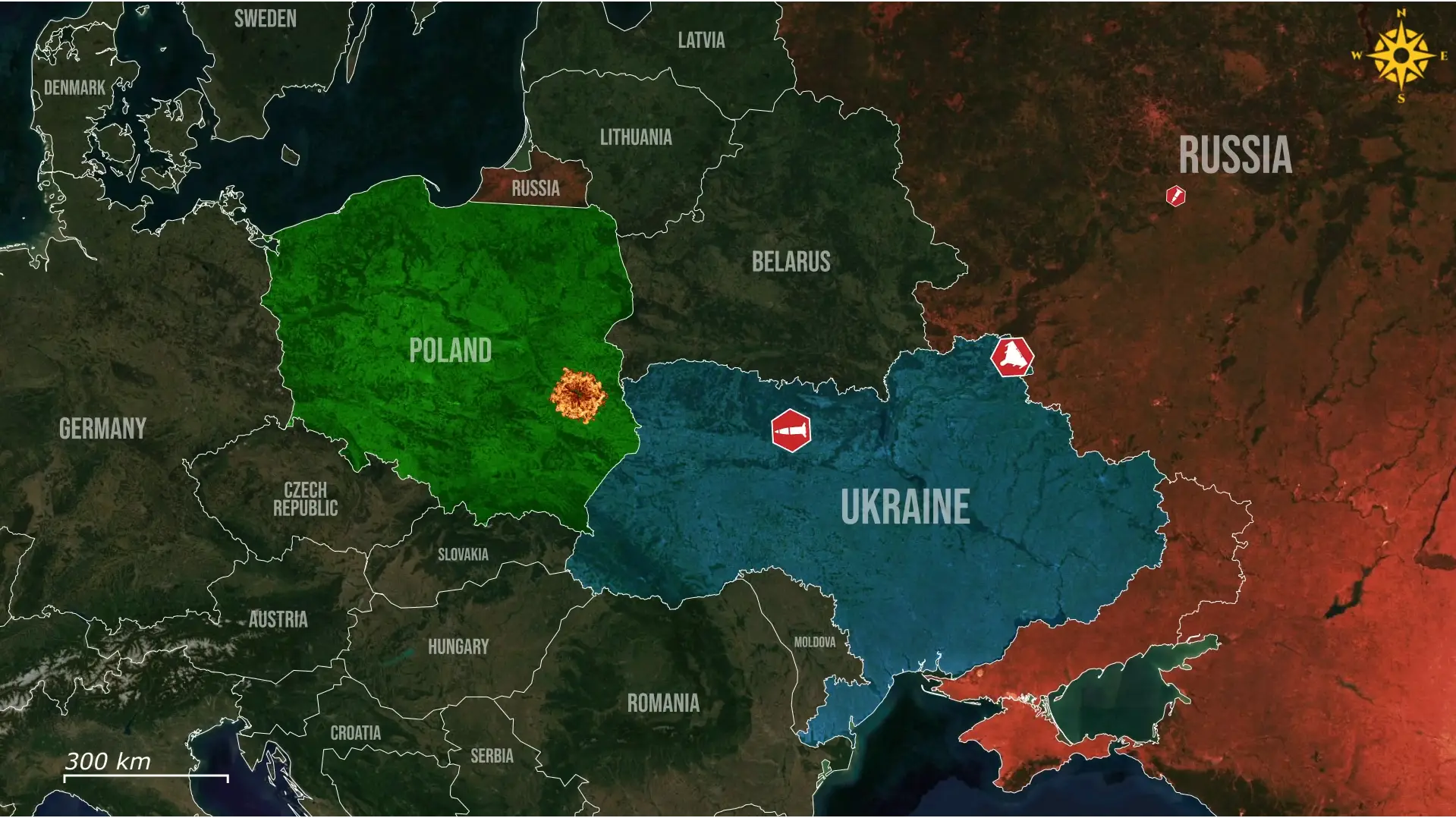
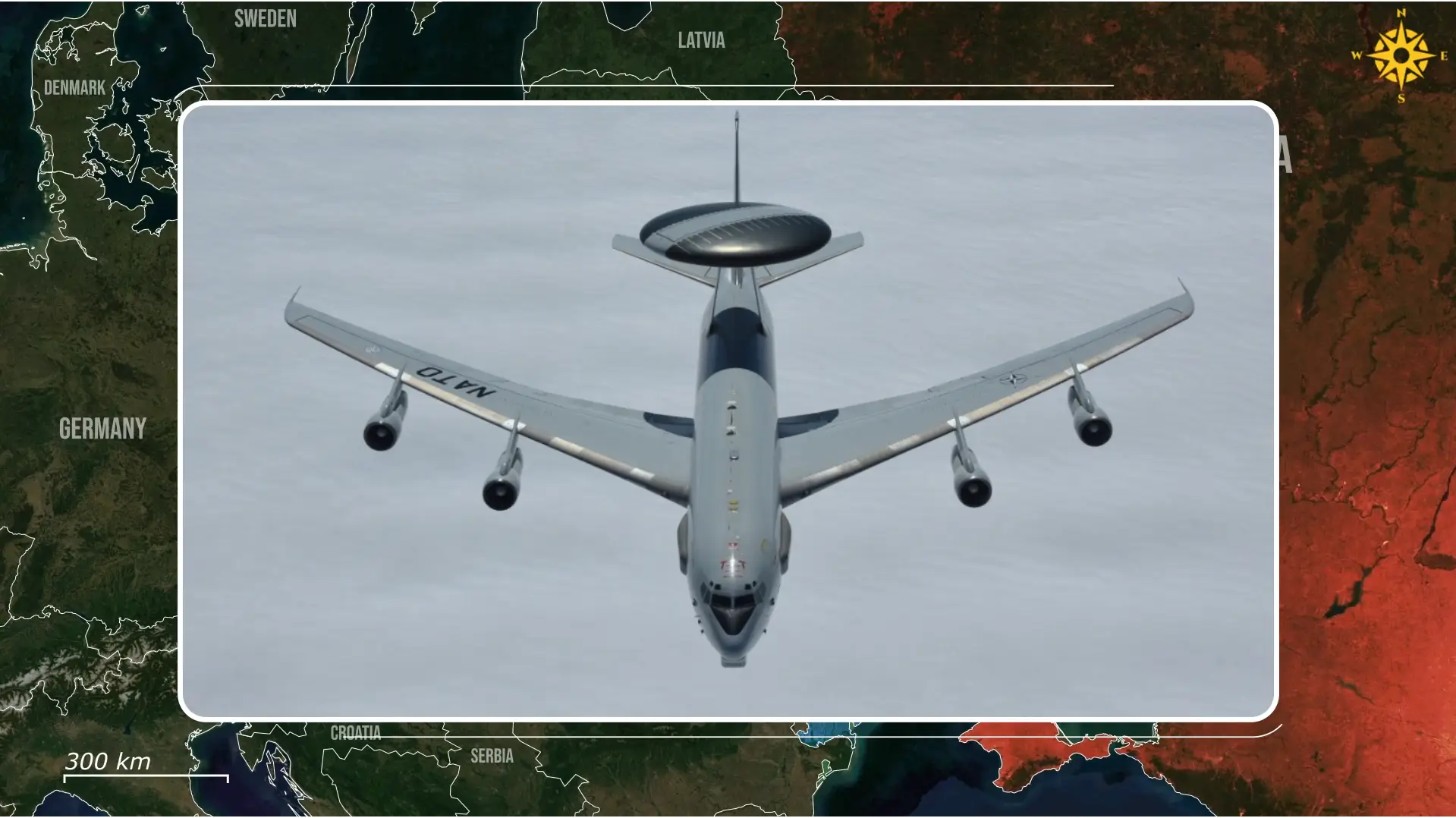
Nato announced the deployment of an additional airborne warning and control system aircraft to Poland. Meanwhile, Polish Deputy Defense Minister Cezary Tomczyk announced plans to establish additional flight restrictions along Poland’s eastern border, facilitating interceptions of incoming threats. Polish Foreign Minister Radosław Sikorski argued that shooting down Russian missiles over Ukraine, with Kyiv’s consent, would constitute an act of self-defense.
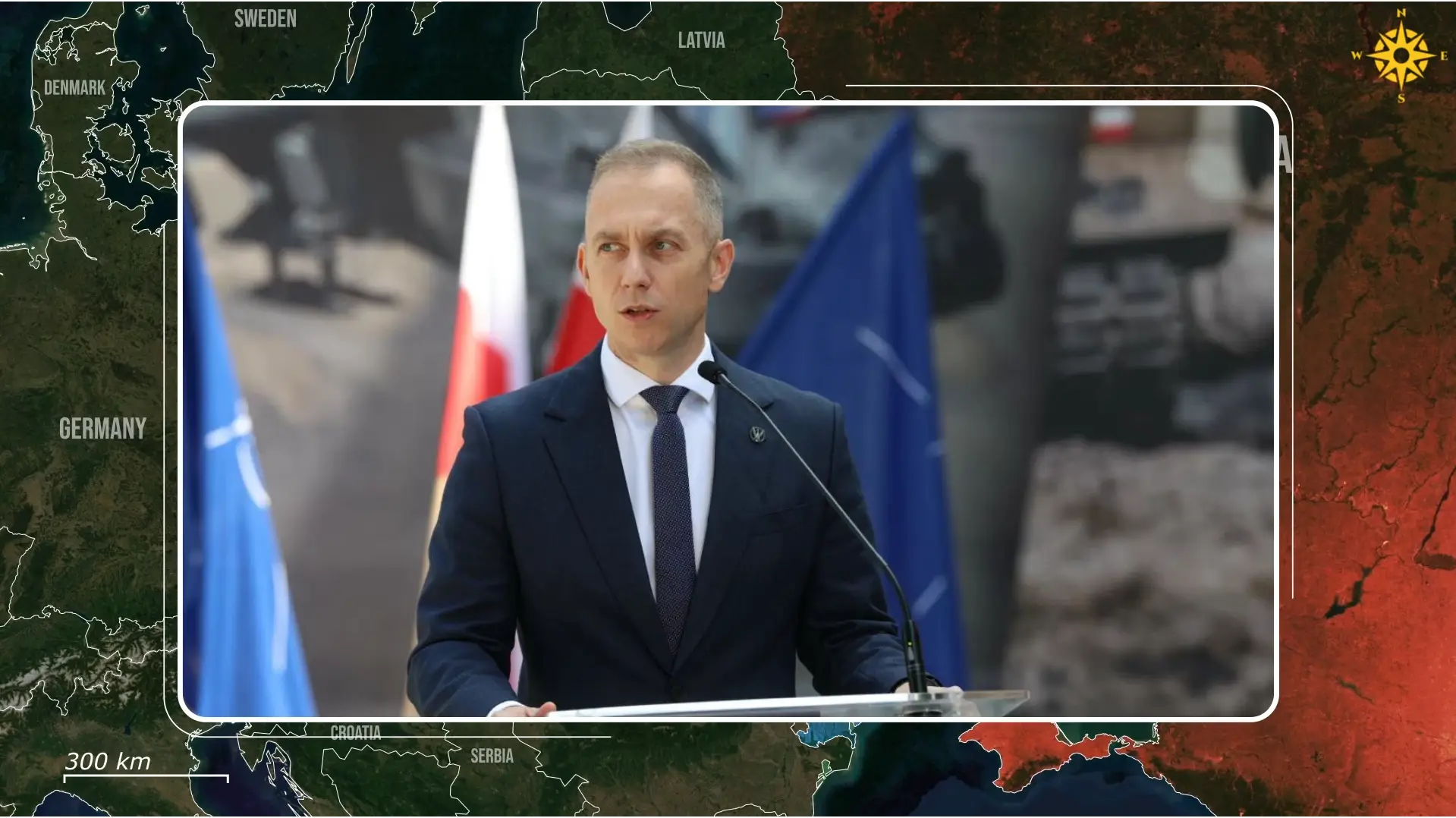
The Polish initiative follows what Warsaw considers one of Russia’s most dangerous provocations against Nato to date, as three Russian KH-One-Hunder-and-one cruise missiles entered Polish territory recently, followed by another Russian drone incursion just hours later. These incidents coincided with major Nato military exercises involving thousands of allied soldiers, as Moscow was deliberately attempting to intimidate the alliance and test its response, with Polish Prime Minister Donald Tusk characterizing the airspace violation as an intentional provocation. However, Poland cannot indefinitely tolerate such incidents without risking catastrophic consequences, because even a malfunctioning cruise missile could eventually strike a densely populated Polish city, causing substantial civilian casualties.
Waiting until Russian projectiles cross the border leaves dangerously little time for detection, identification, and interception, so Poland wants to extend its defensive protection beyond its geographical borders.
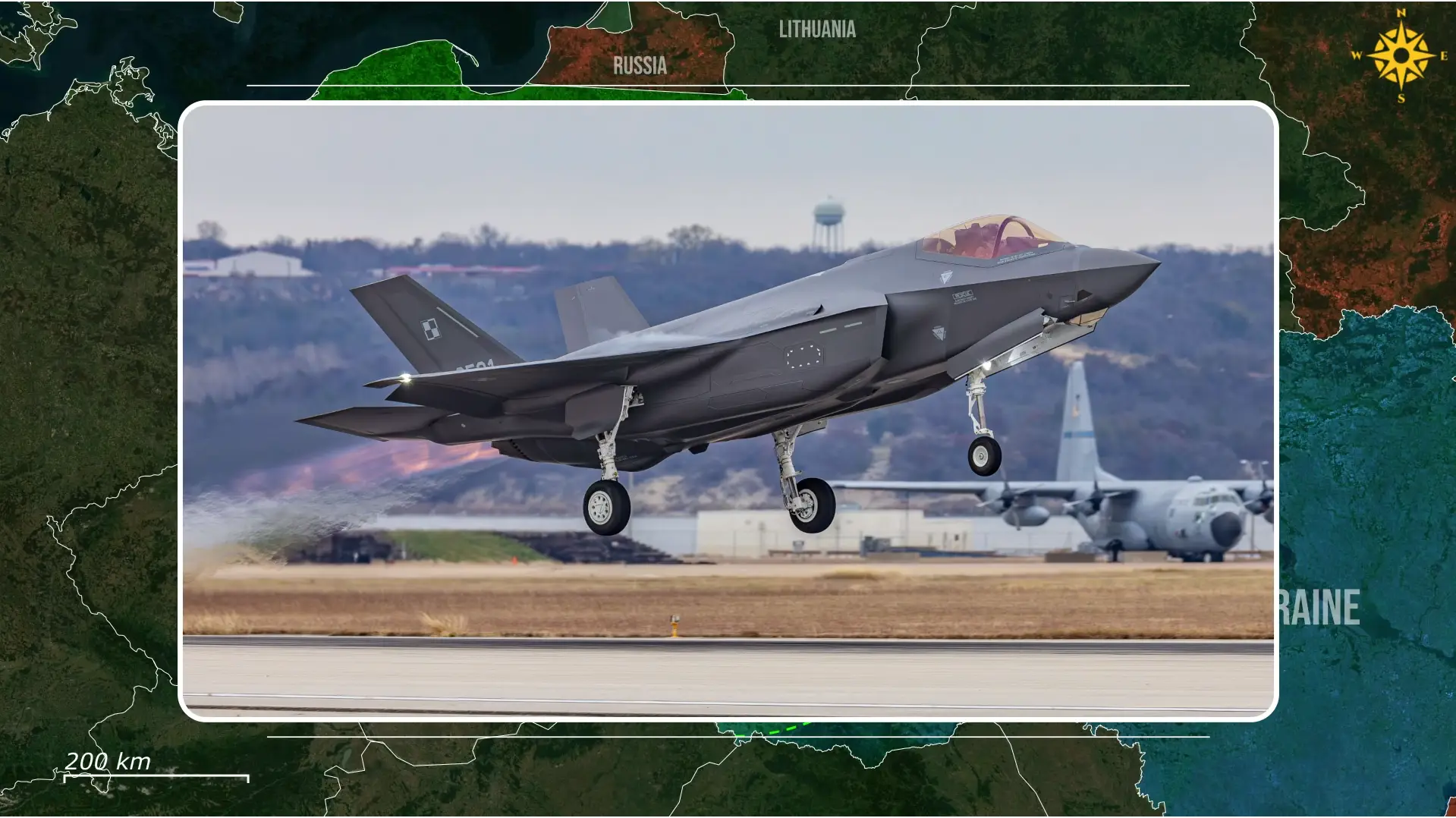
As a result, Poland is proposing a no-fly zone for all Russian weapon systems over western Ukraine to prevent them from threatening Nato territory. Poland already possesses considerable air-defense capabilities, as its Wisla program incorporates Patriot batteries equipped with Pac-Three interceptors, while the developing Narew and Pilica programs provide complementary air-defense capabilities. Poland also operates F-Sixteen fighter jets and is introducing F-Thirty-Five aircraft, while Nato Awacs aircraft provide additional surveillance and coordination capabilities.
Collectively, these systems could support a restricted cross-border defensive mission without requiring Nato personnel to enter Ukraine. However, geographical coverage would remain limited by radar horizons, terrain, engagement distances, and the characteristics of incoming threats, particularly low-flying cruise missiles, which will create a big risk of miscommunication. This could lead to intercepting the missile in the wrong place and it landing in Ukrainian populated areas. Establishing a substantially broader protective zone would require considerably more aircraft, air-defense batteries, surveillance capabilities, and interceptor stockpiles, while also integrating Poland and Nato’s air defense network with Ukraine to ensure clearly defined rules of engagement and coordination.
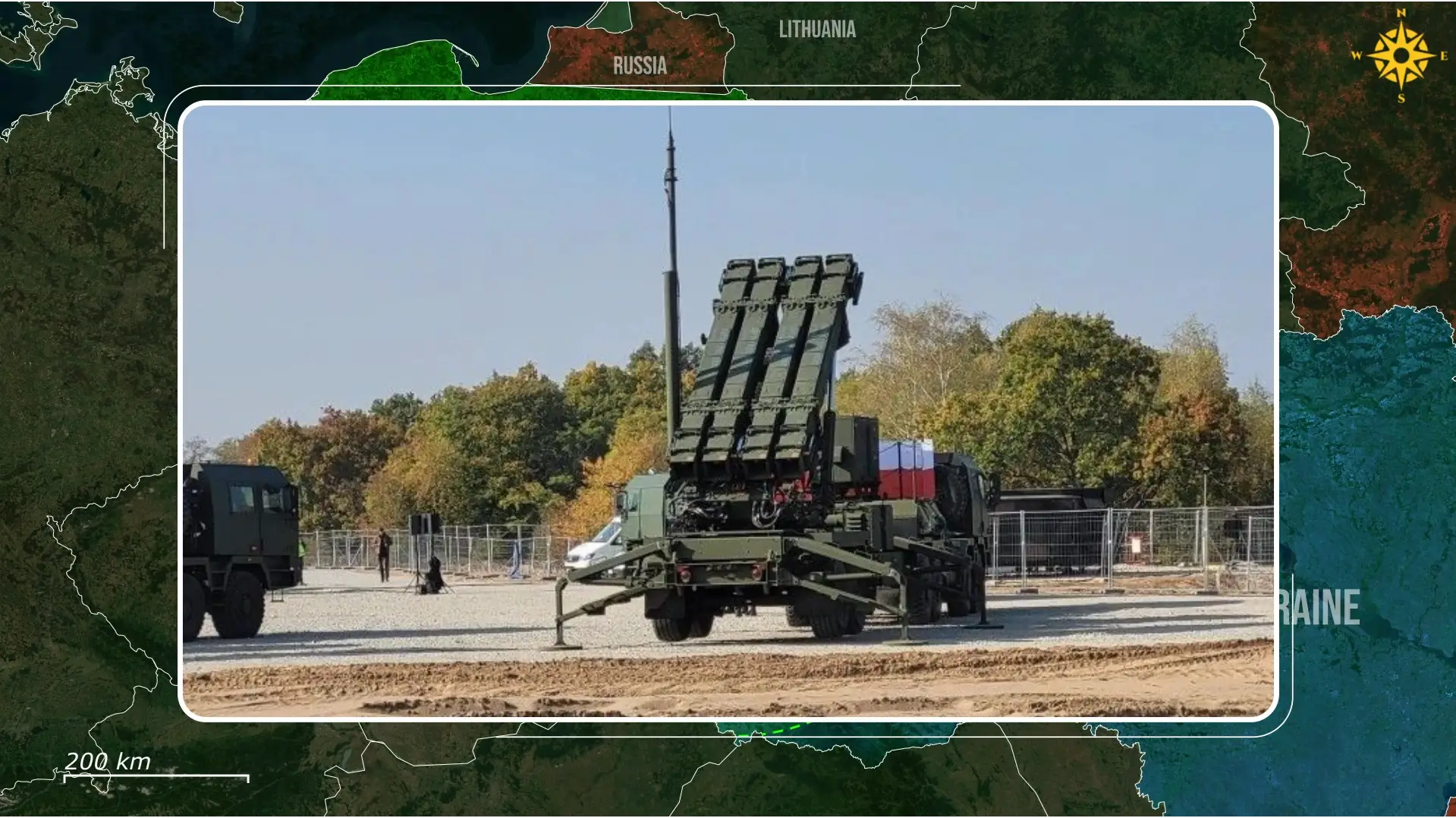
Overall, Poland is increasingly determined to prevent another Russian projectile from reaching its territory. Every additional provocation increases the possibility of civilian deaths, which could fundamentally transform Nato’s response. A deadly strike on Polish territory could trigger emergency consultations under Article Four and potentially collective-defense discussions under Article Five. Alternatively, Russian retaliation against Nato forces conducting defensive interceptions could create a direct military confrontation, with either scenario easily being able to automatically result in a full-scale war, as escalation risks dramatically increase. Moscow’s repeated violations are pushing Nato toward defensive measures that many allies previously considered too dangerous. Ironically, Russia’s attempts to intimidate Poland could ultimately produce the opposite result: greater Nato involvement in protecting Ukrainian airspace and a significantly more assertive allied response to Russian aggression by imposing a no-fly zone, which Ukraine has requested numerous times since the start of the full-scale war.



Comments