


.svg)
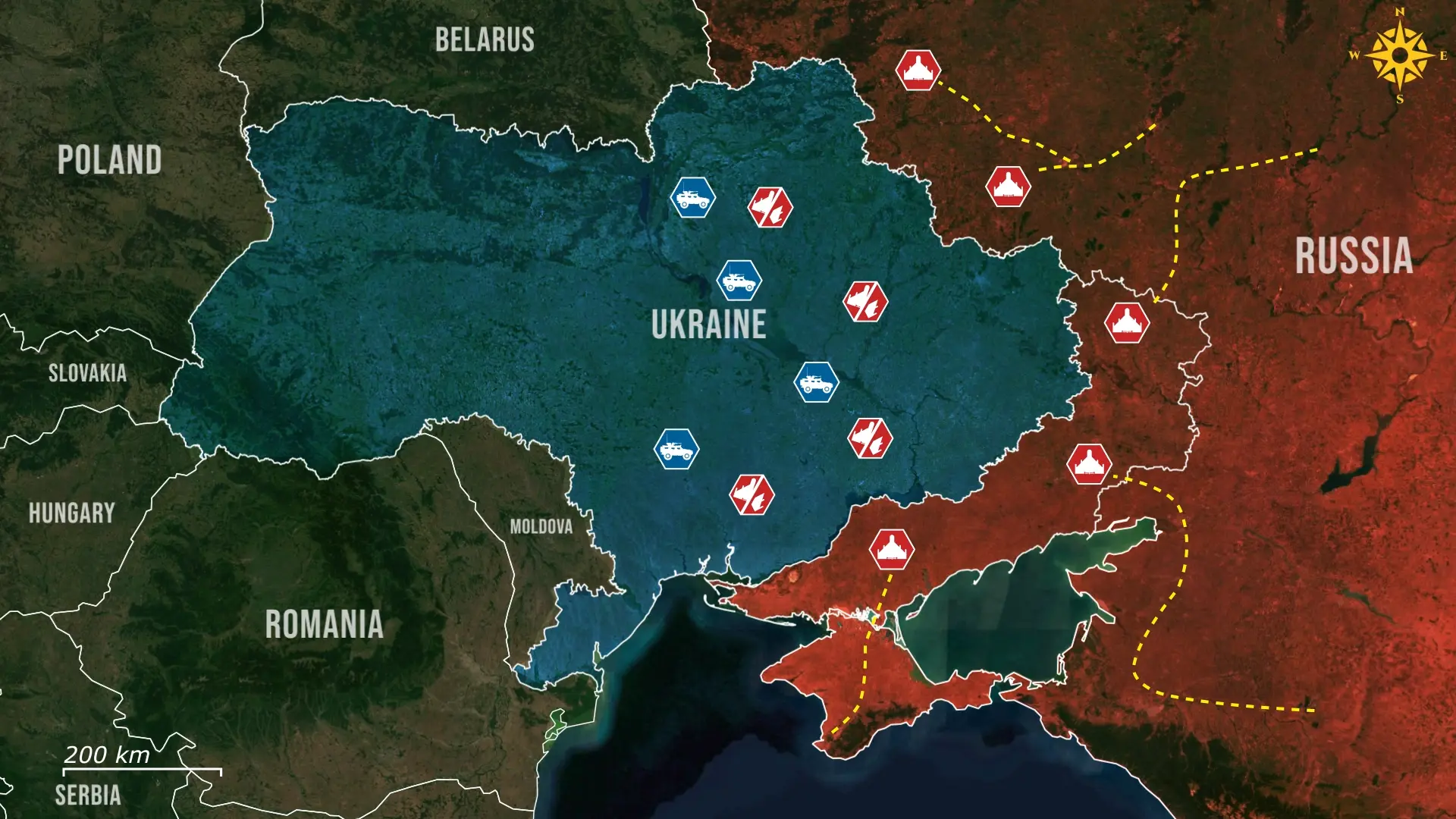
Today, the biggest updates come from the skies of Ukraine.
Ukrainian mobile air-defense groups have taken out thousands of drones in just a few months, following cost-effective campaigns with no losses recorded. Now they've become such a massive problem that Russia is taking direct control of their Geran-2 drones and sacrificing their strategic missions to target the drone-killers directly.
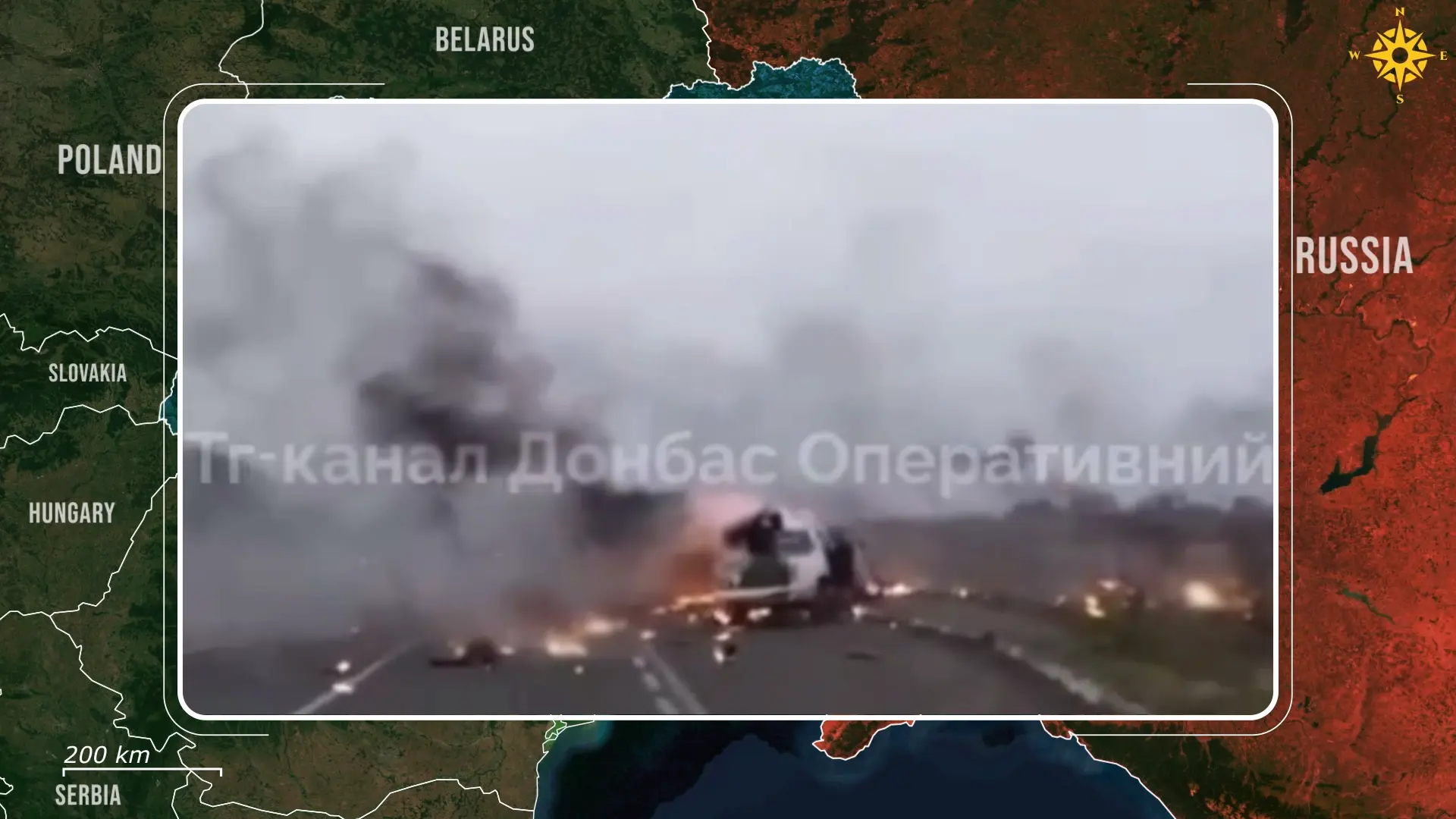
Ukrainian radio-technology experts released footage of a Russian Geran-2 drone being remotely piloted in real time to strike a moving Ukrainian mobile fire group vehicle in the Chernihiv region. The drone, equipped with a live camera feed and mesh-network control link, allowed operators to redirect it mid-flight after detecting gunfire from the pickup-mounted anti-aircraft team.
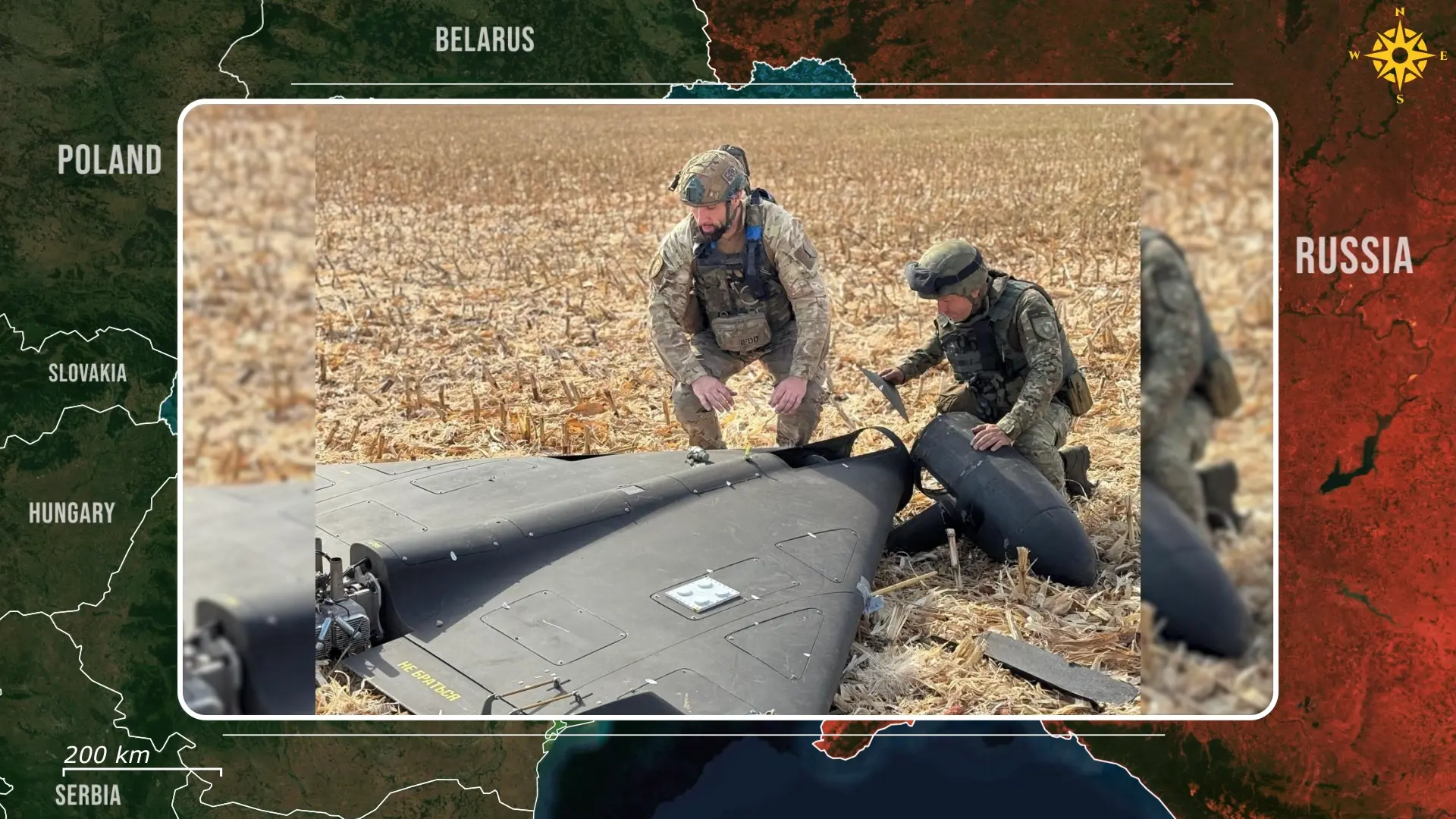
Although the crew survived, this marked the first confirmed use of upgraded Geran-2 drones actively hunting Ukraine's roving air defense units rather than following pre-programmed paths to fixed targets. These modifications, including real-time steering via retransmitted signals and onboard optics, enable Russian forces to turn cheap loitering munitions into dynamic counter-air-defense weapons.
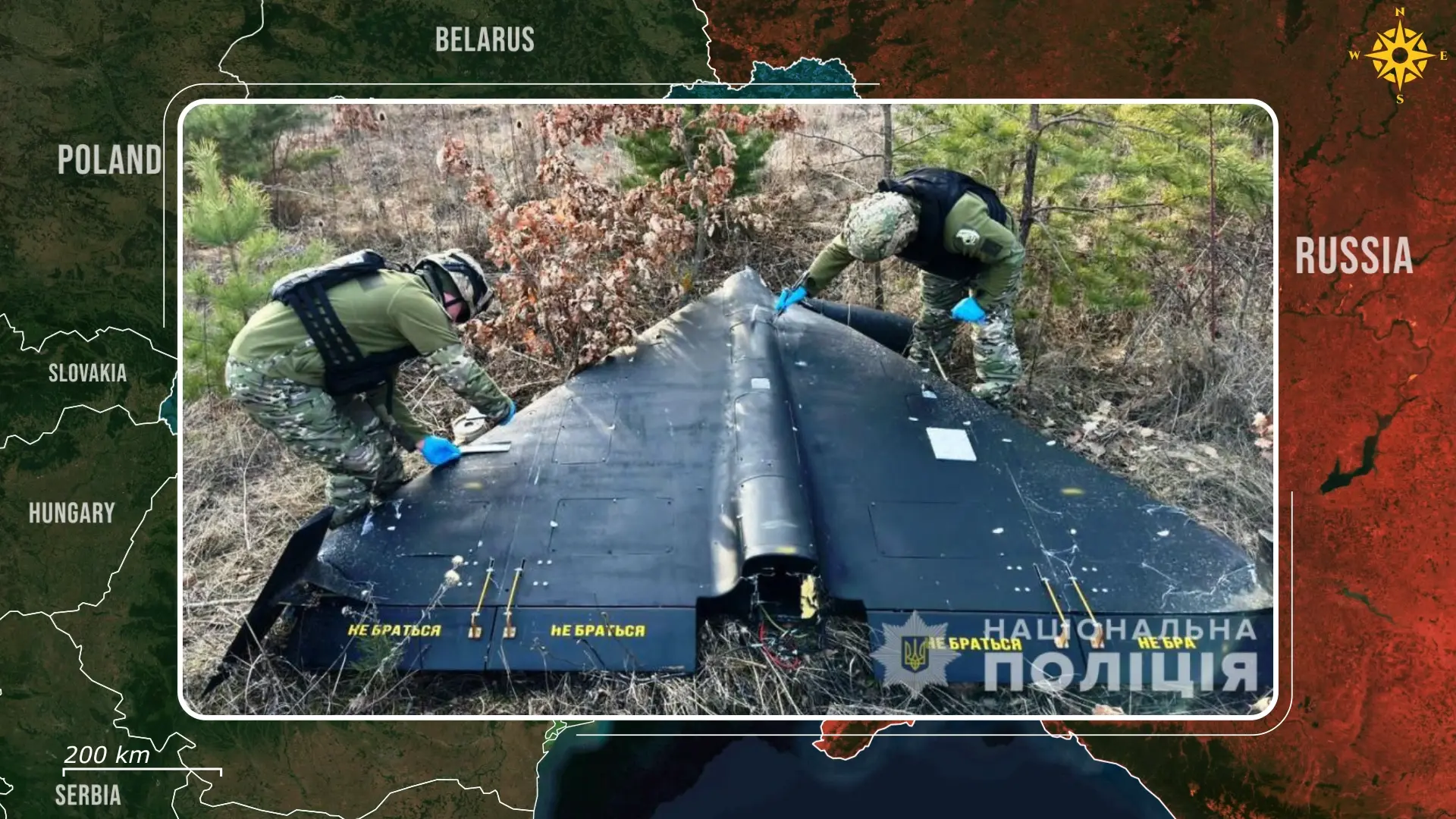
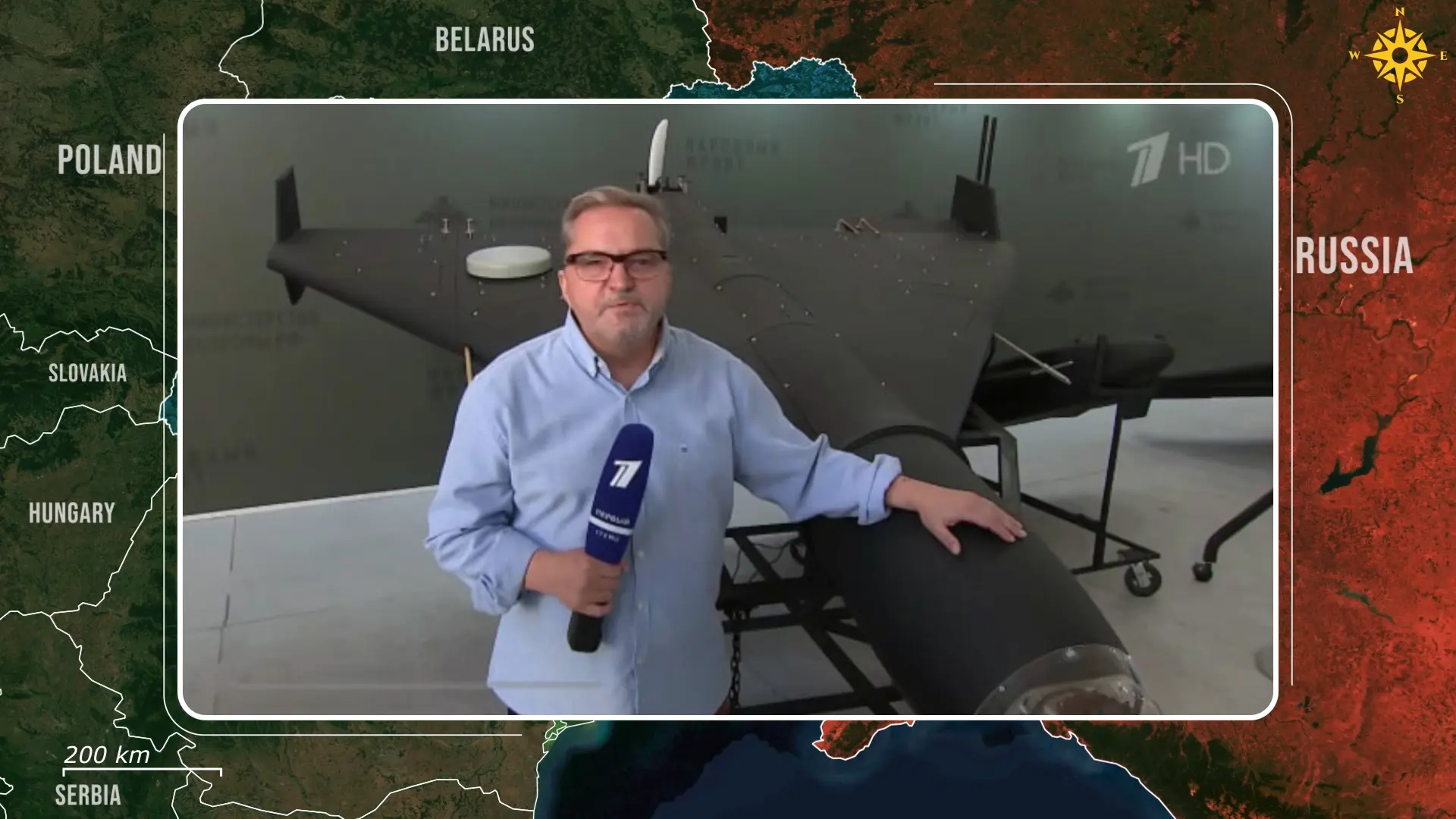
Analysts note that such capabilities complicate operations for Ukraine's mobile groups, which rely on mobility and rapid engagement to down incoming drones. The tactic exploits detections of tracer fire or muzzle flashes, transforming defenders into targets and potentially mapping air defense positions for follow-up strikes.
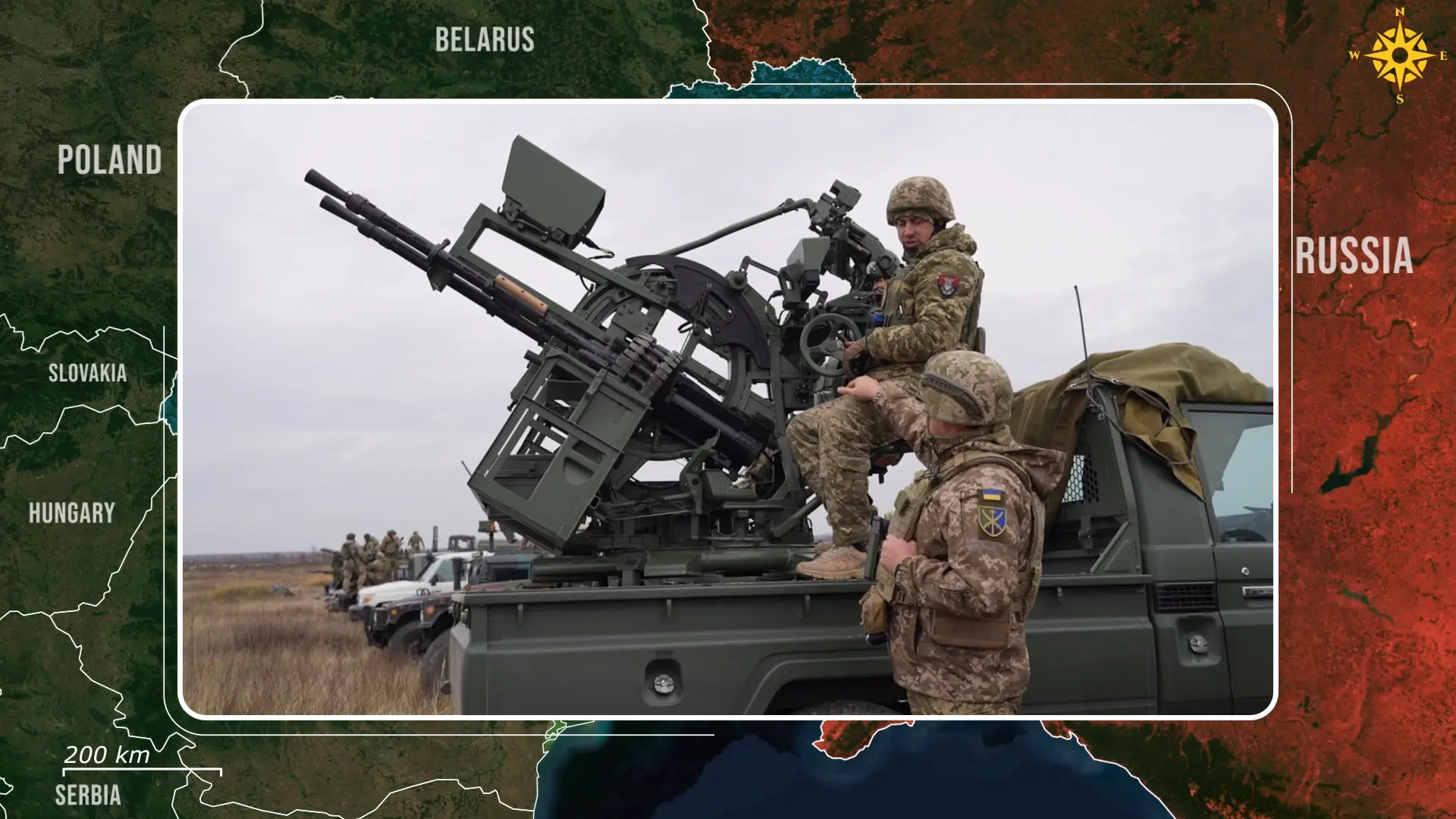
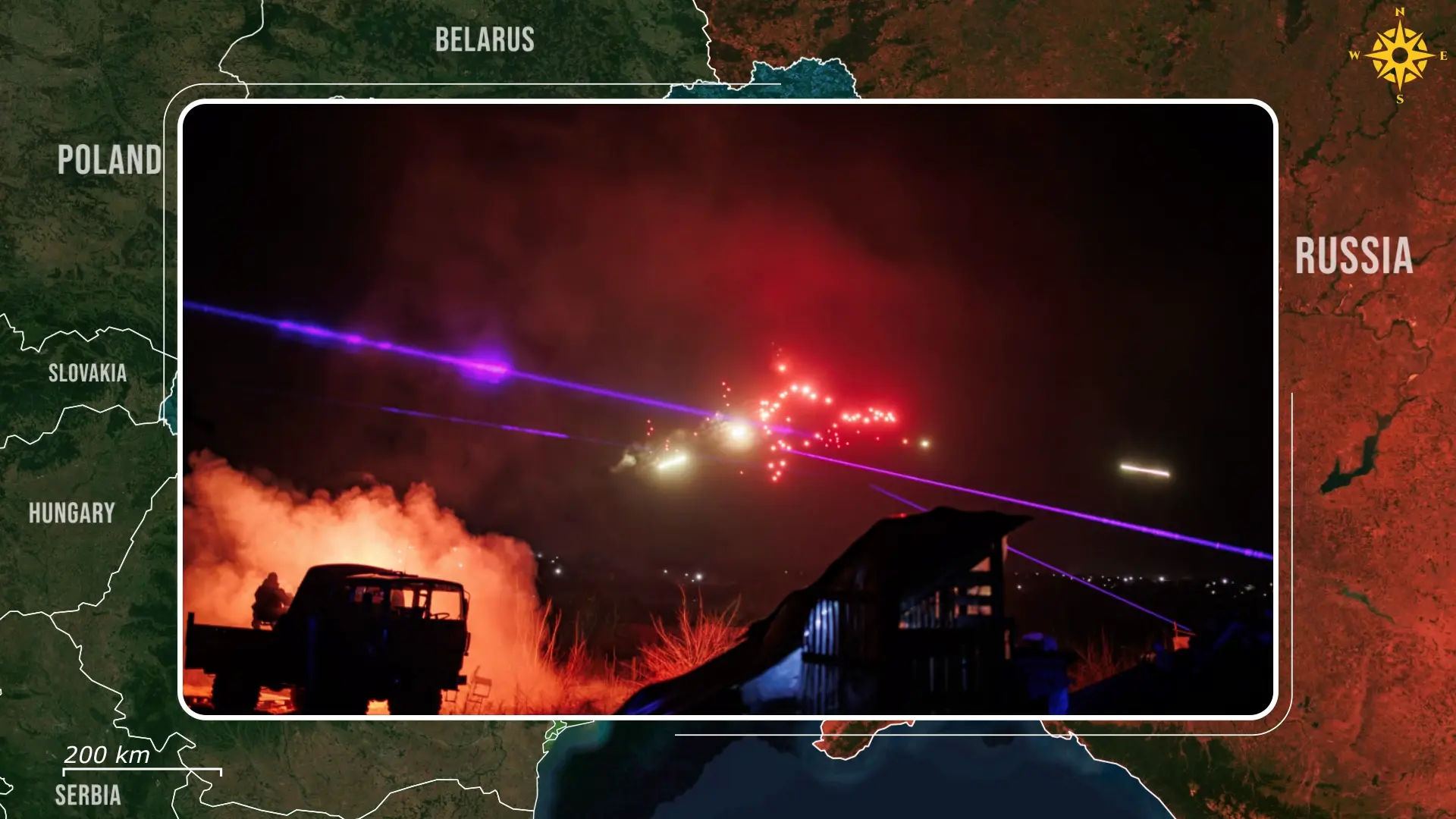
Russian forces are adopting this live-guidance upgrade primarily to neutralize Ukraine’s highly effective mobile air defense groups, which have become a cornerstone of the country’s layered defense against nightly Geran barrages. These roving units, typically pickup trucks equipped with heavy machine guns, anti-aircraft cannons or Manpads patrol rear areas, using mobility to rapidly reposition and engage low-flying drones, as detailed in our previous reports on Ukrainian anti-drone tactics. By enabling real-time redirection toward muzzle flashes or tracer fire, the upgraded drones turn the act of shooting into a liability, deterring engagements and allowing more Shaheds to penetrate deeper. This countermeasure aims to suppress Ukraine’s cost-effective defenses, and increase overall strike success rates amid Russia’s escalating drone campaign.
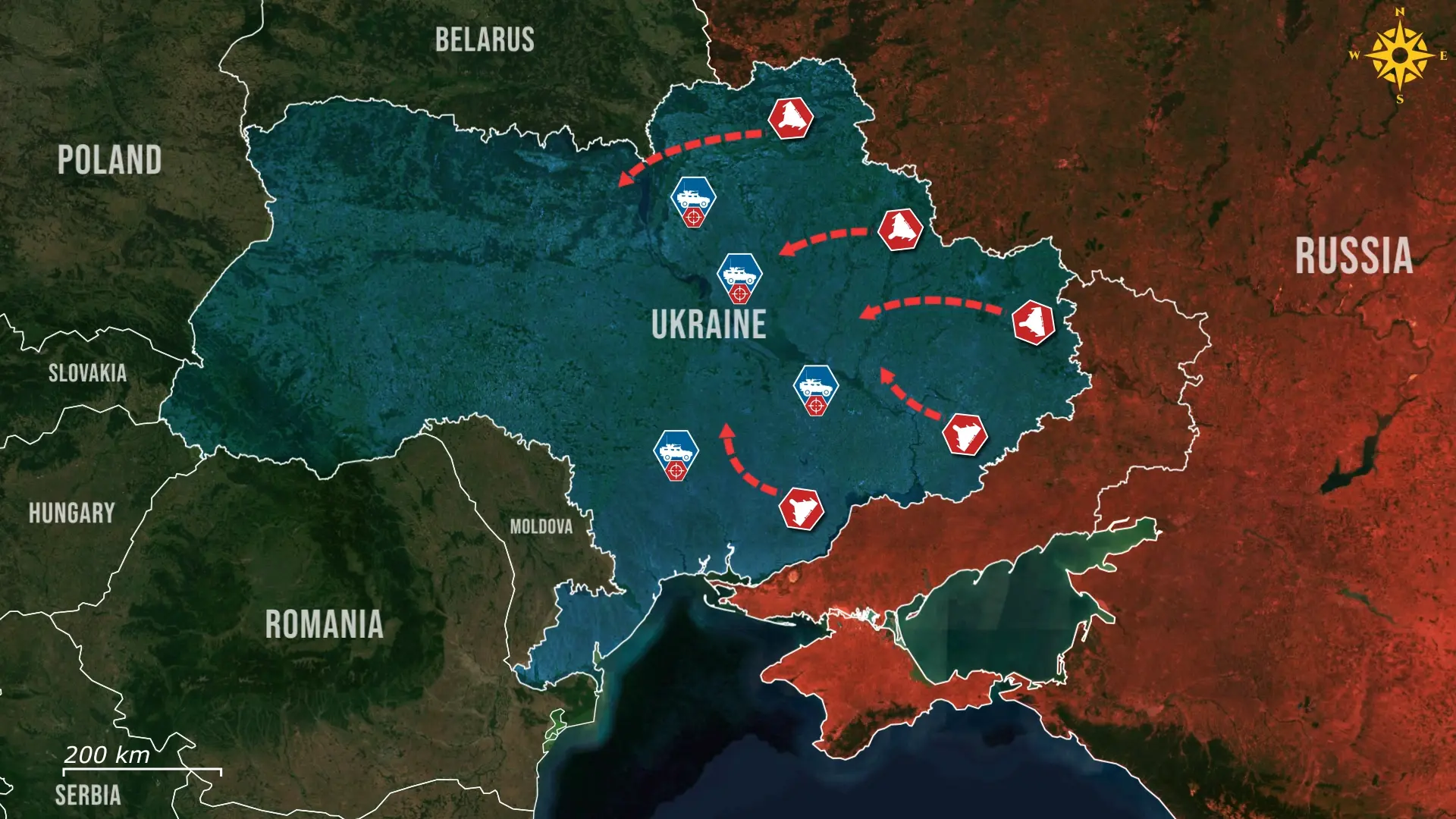
The upgraded tactic equips Geran-2 drones with onboard cameras, antennas for live video feeds, and mesh-network retransmitters enabling real-time manual control from distances up to 150 kilometers. This allows operators to spot muzzle flashes or tracer rounds from Ukrainian mobile air defense groups and redirect the drone to kamikaze-strike them mid-flight.
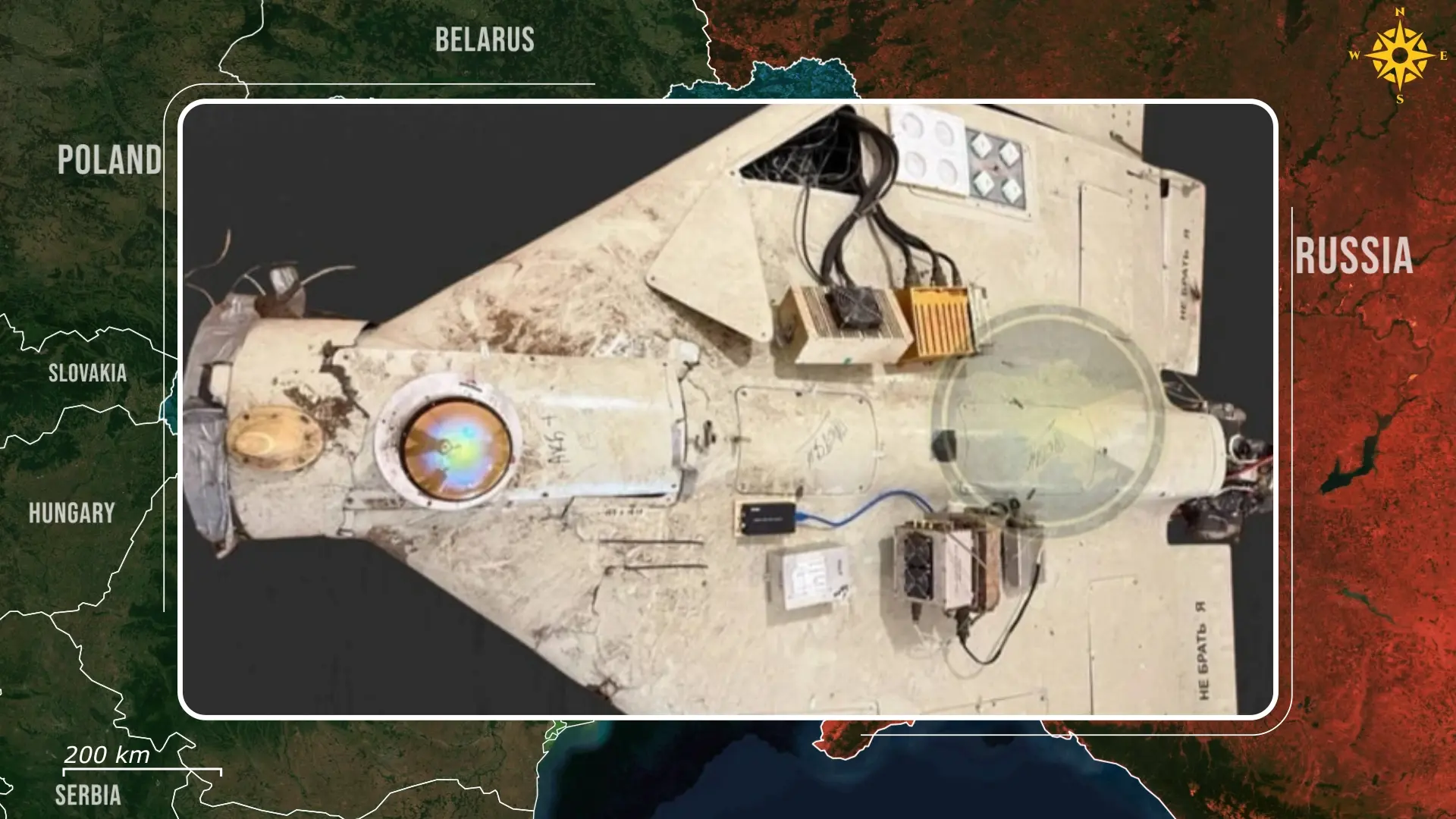
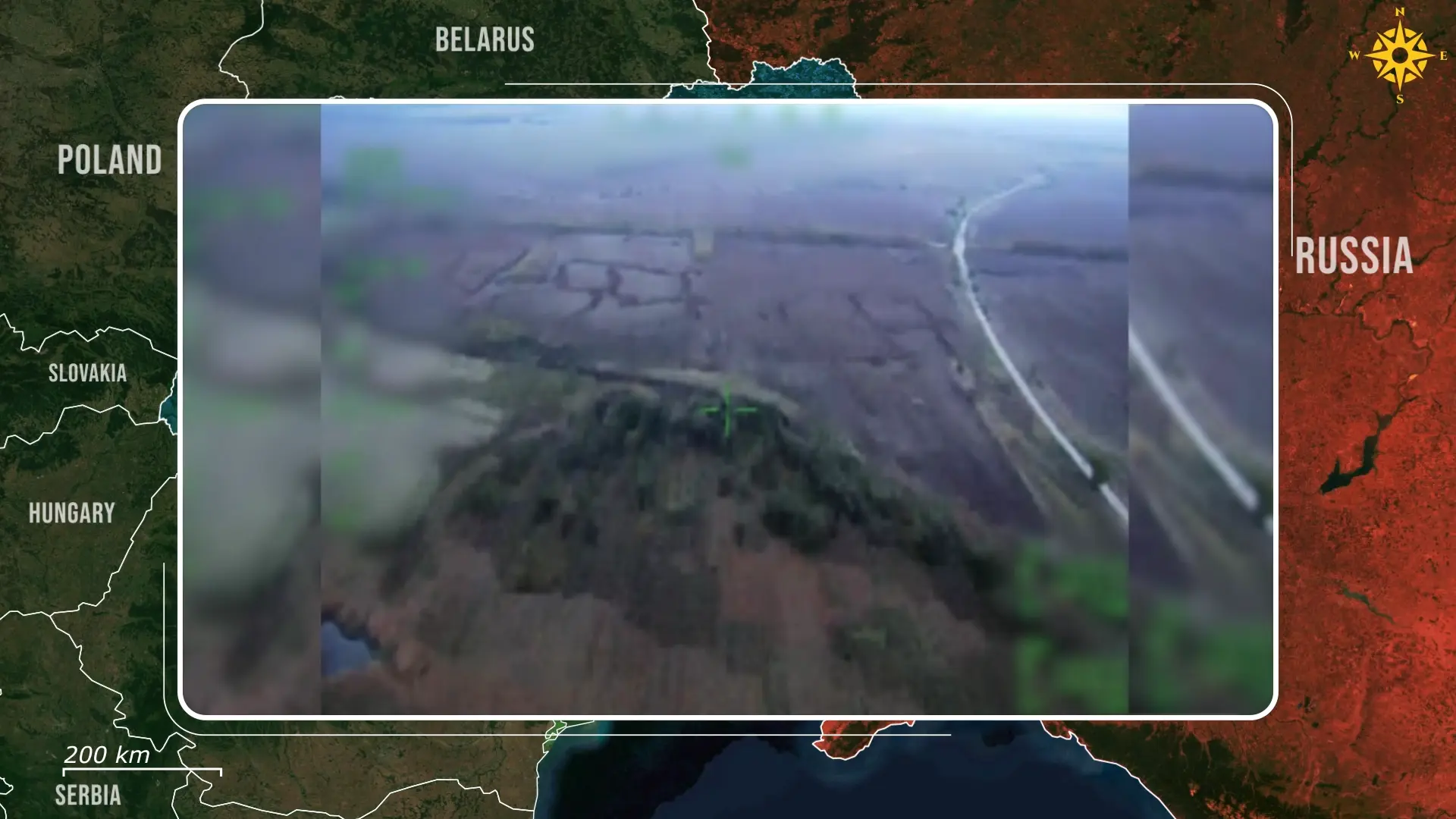
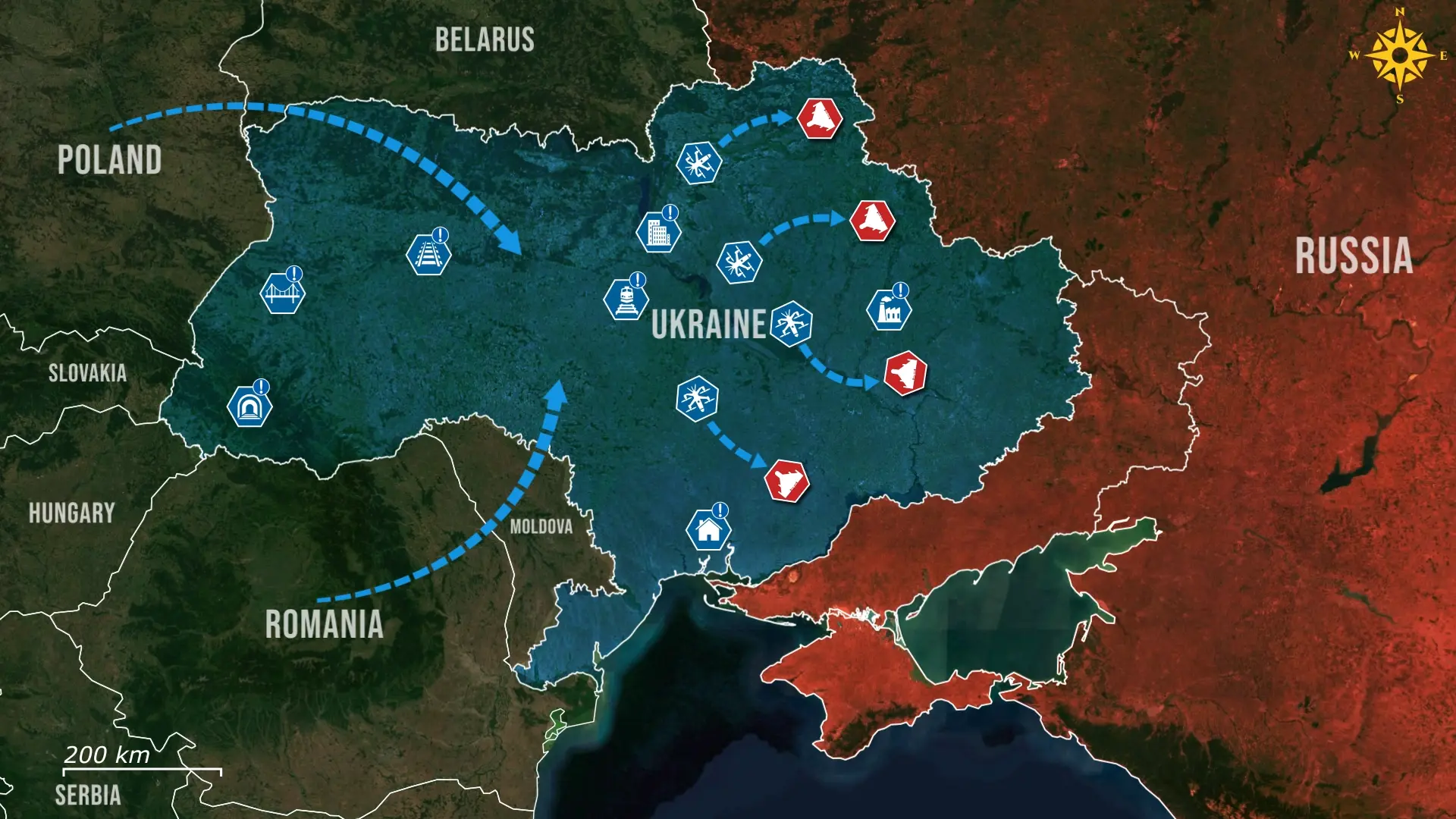
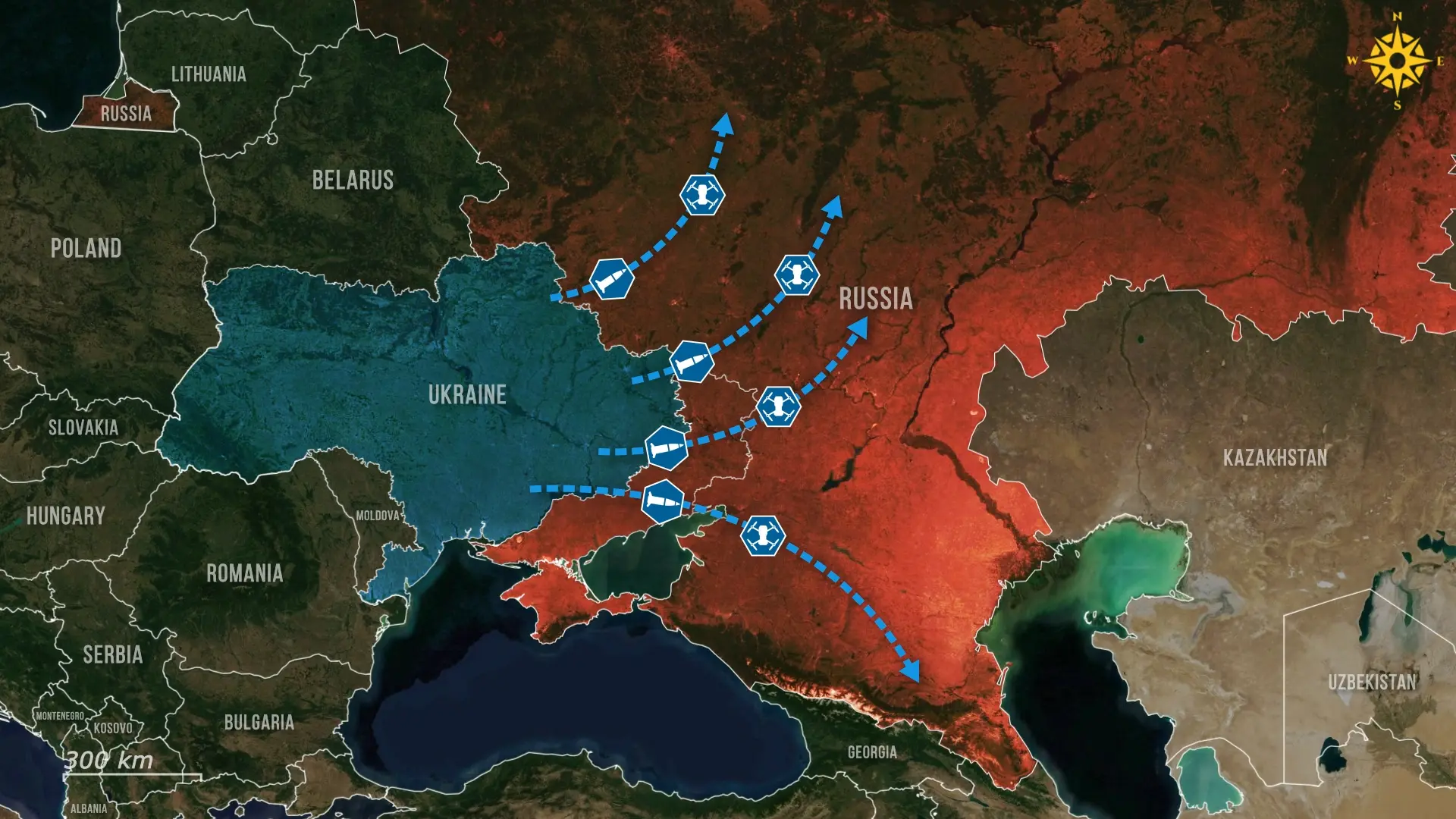
This integrates into Russia's larger strike tactics, where Shahed or Geran drones serve multiple roles, first as decoys to saturate and deplete fixed Sam systems, probes to map defenses. And second as precision attackers on infrastructure, all in coordinated waves with missiles to maximize penetration and damage. Specifically, this hunter-killer function adds a suppression of enemy air defenses capability, turning low-cost munitions into active countermeasures that deter mobile engagements. This lowers overall drone losses, and create exploitable gaps for follow-on barrages, evolving the swarm strategy into a more adaptive, responsive system.
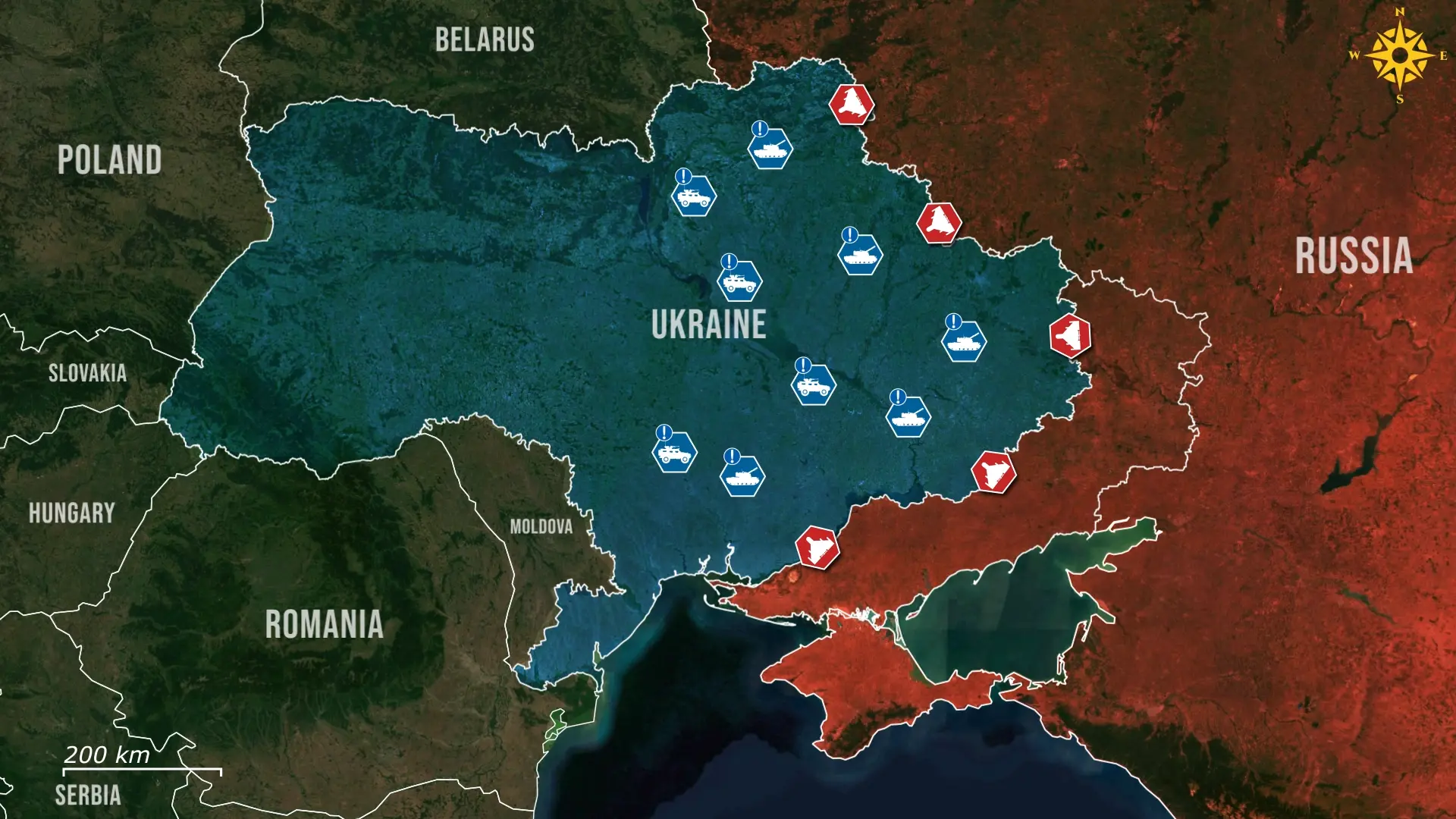
Ukraine’s mobile air defense groups remain highly survivable against redirected Geran-2 drones, as crews can quickly detect incoming threats via acoustics or visuals, cease fire, and maneuver or dismount before impact, given the drone’s low speed of about 180 kilometers per hour and audible approach.
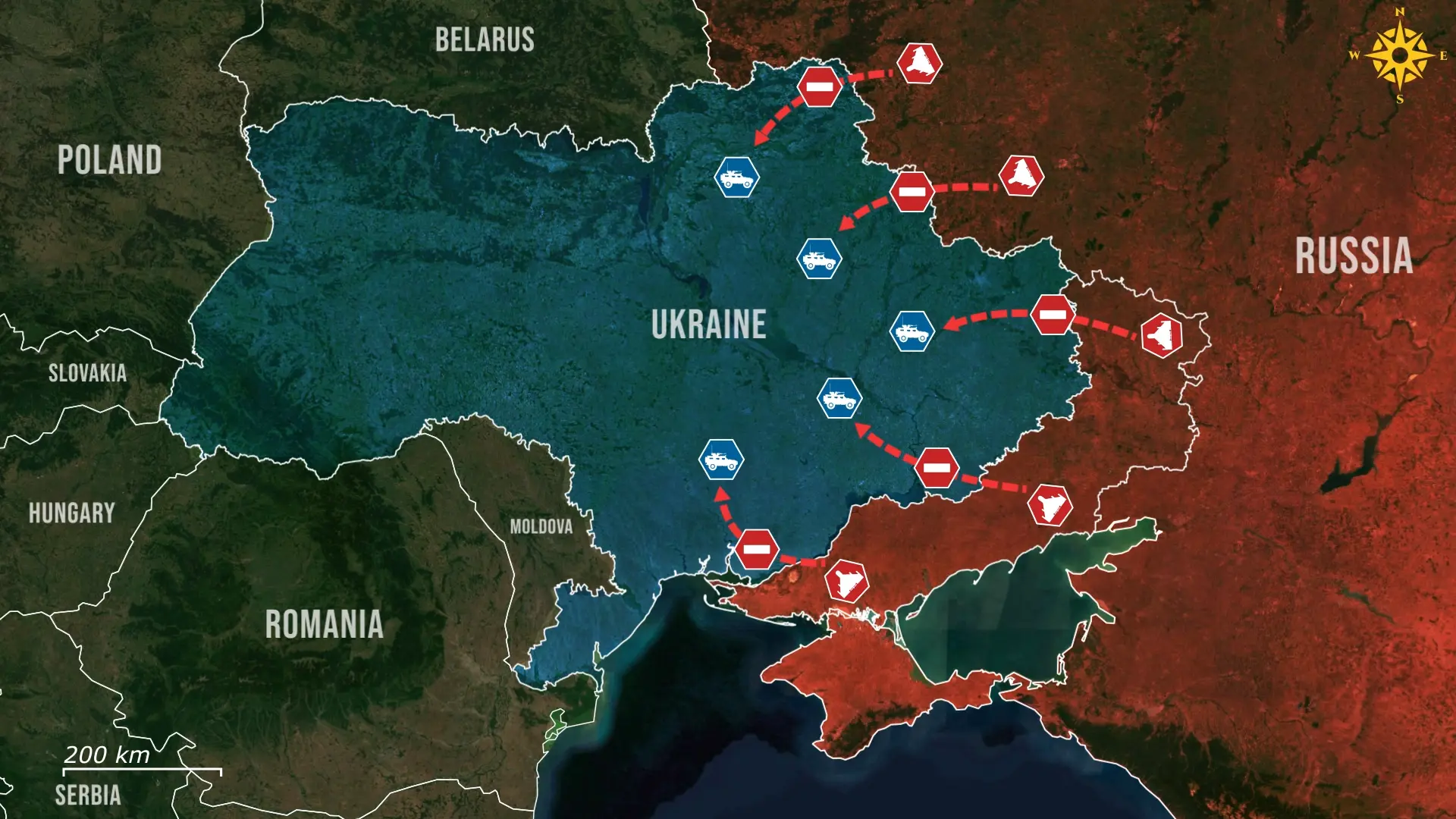
However, this new hunter capability fundamentally alters their operational environment. Engaging a Shahed now risks revealing positions through muzzle flashes or tracers, inviting immediate counterattack and forcing crews into a dilemma of either shooting and potentially becoming targets, or hold fire and allow drones to reach deeper infrastructure. This suppression effect reduces engagement rates, preserves more Russian drones for primary strikes, and strains crew morale amid heightened personal danger, gradually degrading the cost-effective mobile layer that has downed thousands of Shaheds to date.
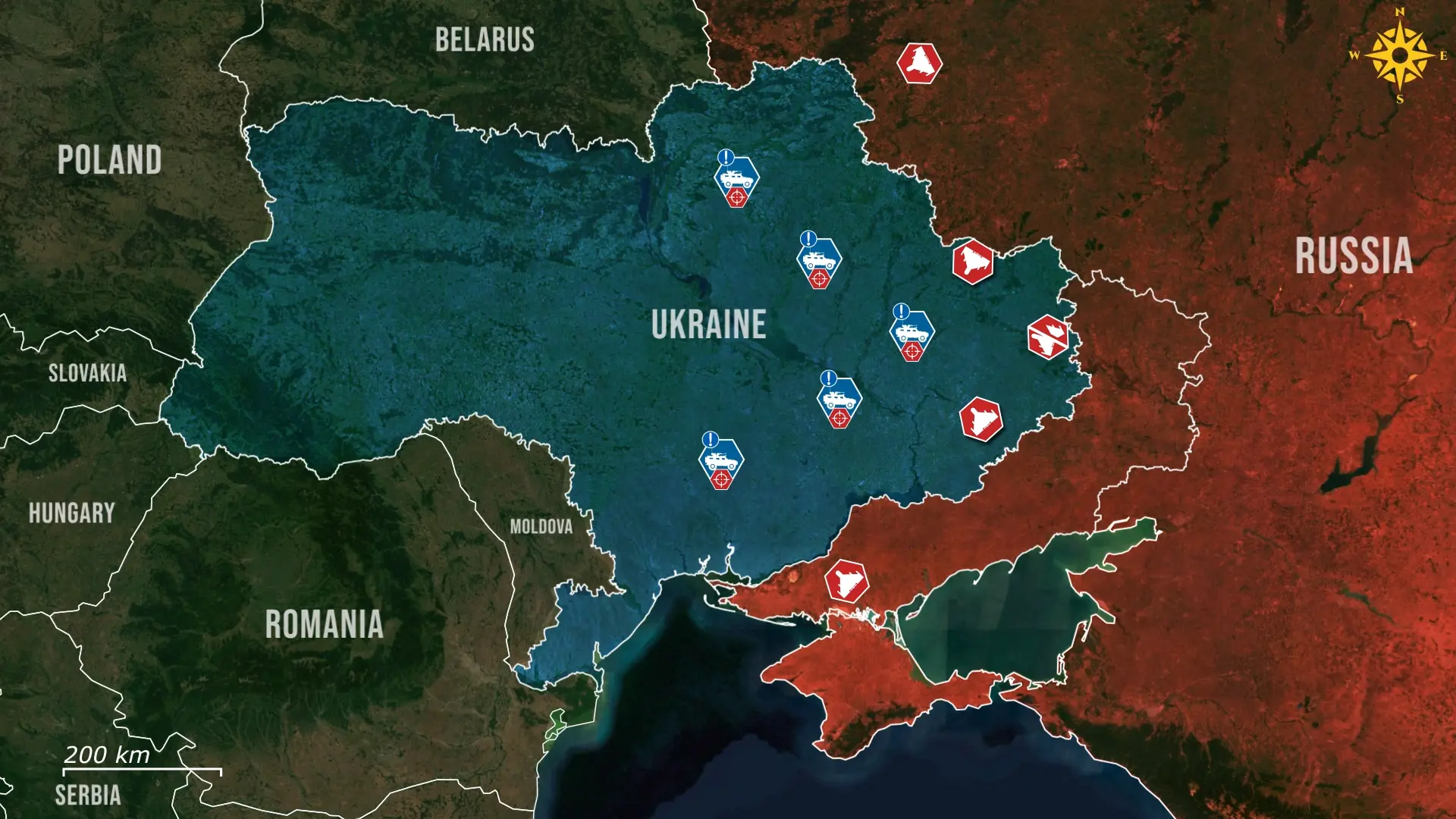
Overall, Russia's integration of real-time control into Geran-2 drones has transformed low-cost loitering munitions into versatile hunters, capable of pursuing mobile air defenses and evading interceptors to boost penetration rates. This shift imposes a chilling effect on Ukraine's cost-effective mobile groups, draining their operational tempo and exposing fixed infrastructure to greater risk. For these groups to endure, Ukraine must urgently accelerate deployment of advanced interceptor drones, mesh-network jammers, and directed-energy weapons to disrupt control links and restore offensive posture. Without rapid adaptation and Western support, this vital defensive backbone risks gradual attrition, undermining Ukraine's overall air shield in a prolonging war of exhaustion.

.jpg)

Comments