

.svg)
Today, there is important news from Ukraine.
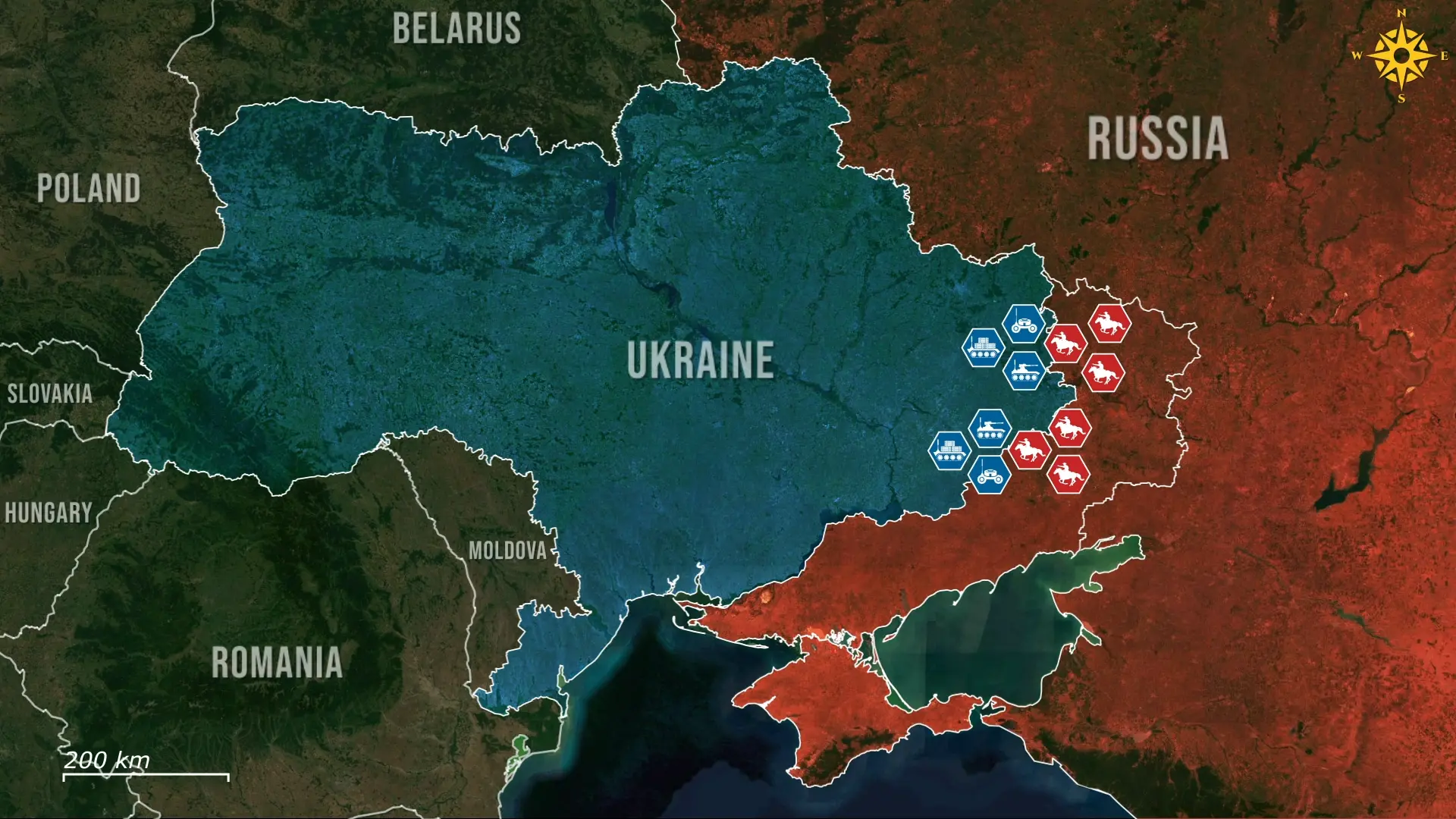
Here, Ukraine just completed an operation where a ground drone held a position for weeks, implementing innovative technologies for full frontline rotations aimed at replacing infantry. Russia, on the other hand, has introduced an outdated tactic and reintroduced cavalry, with soldiers riding horses to attack Ukrainians over open fields.
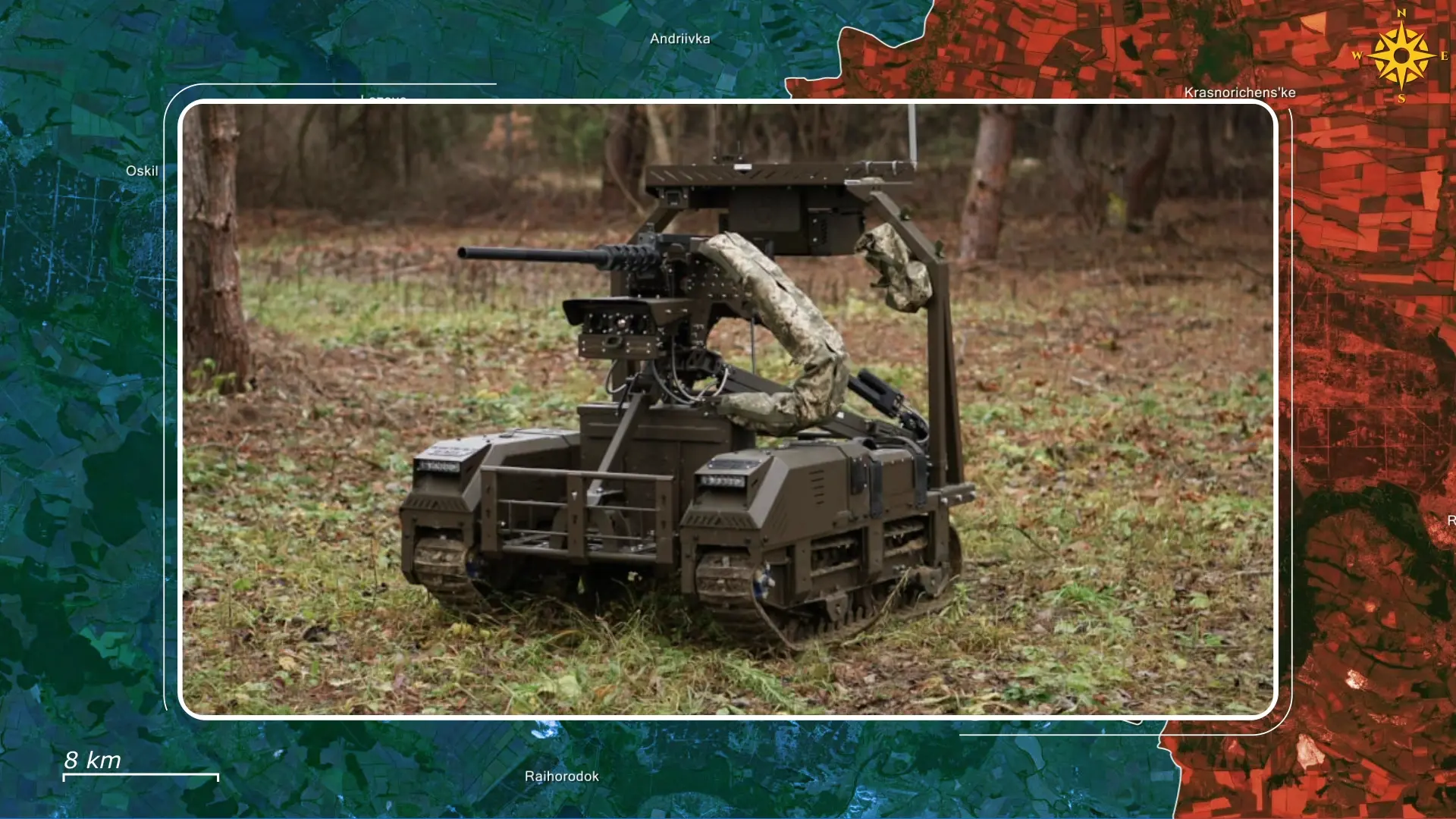
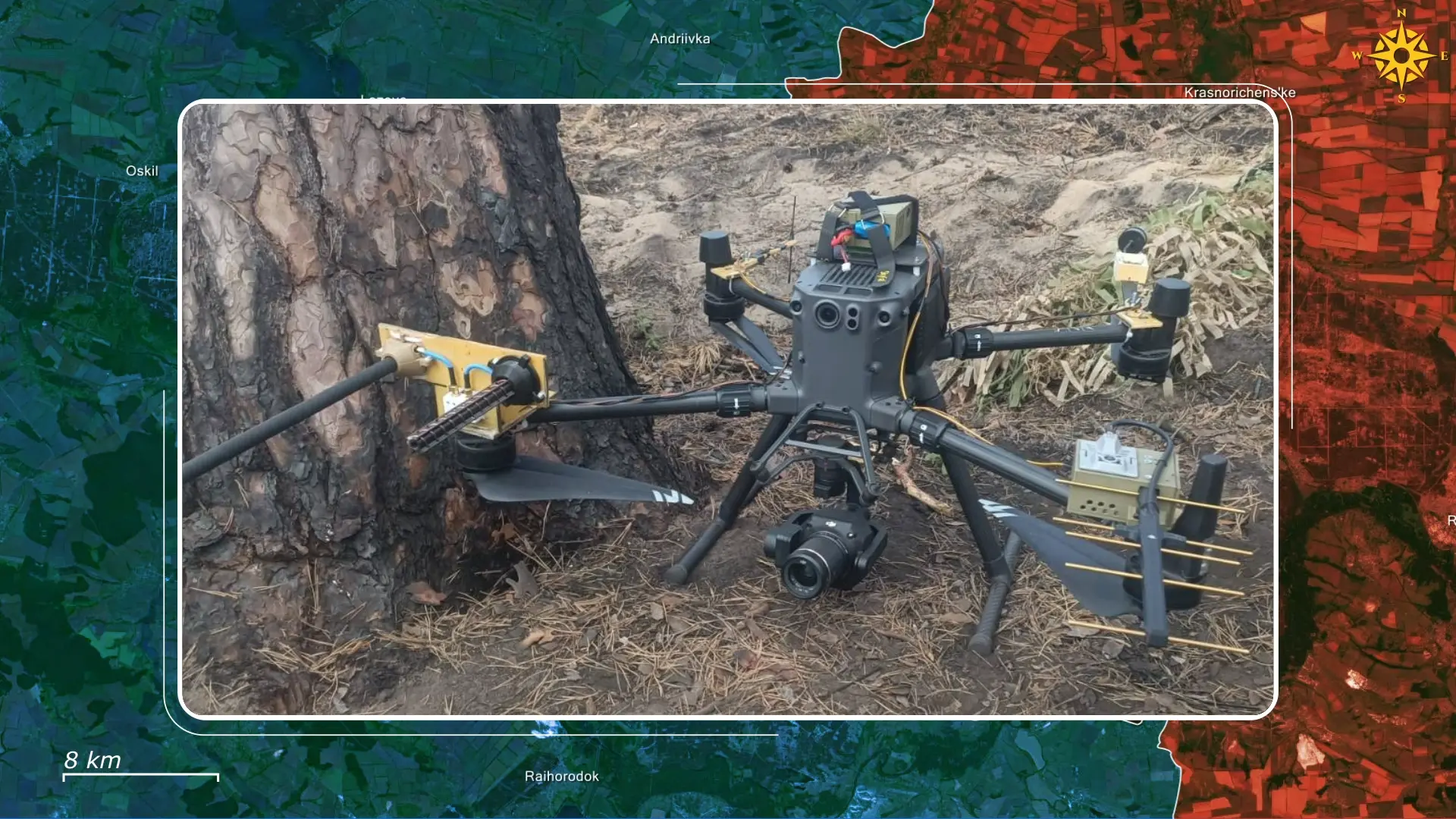
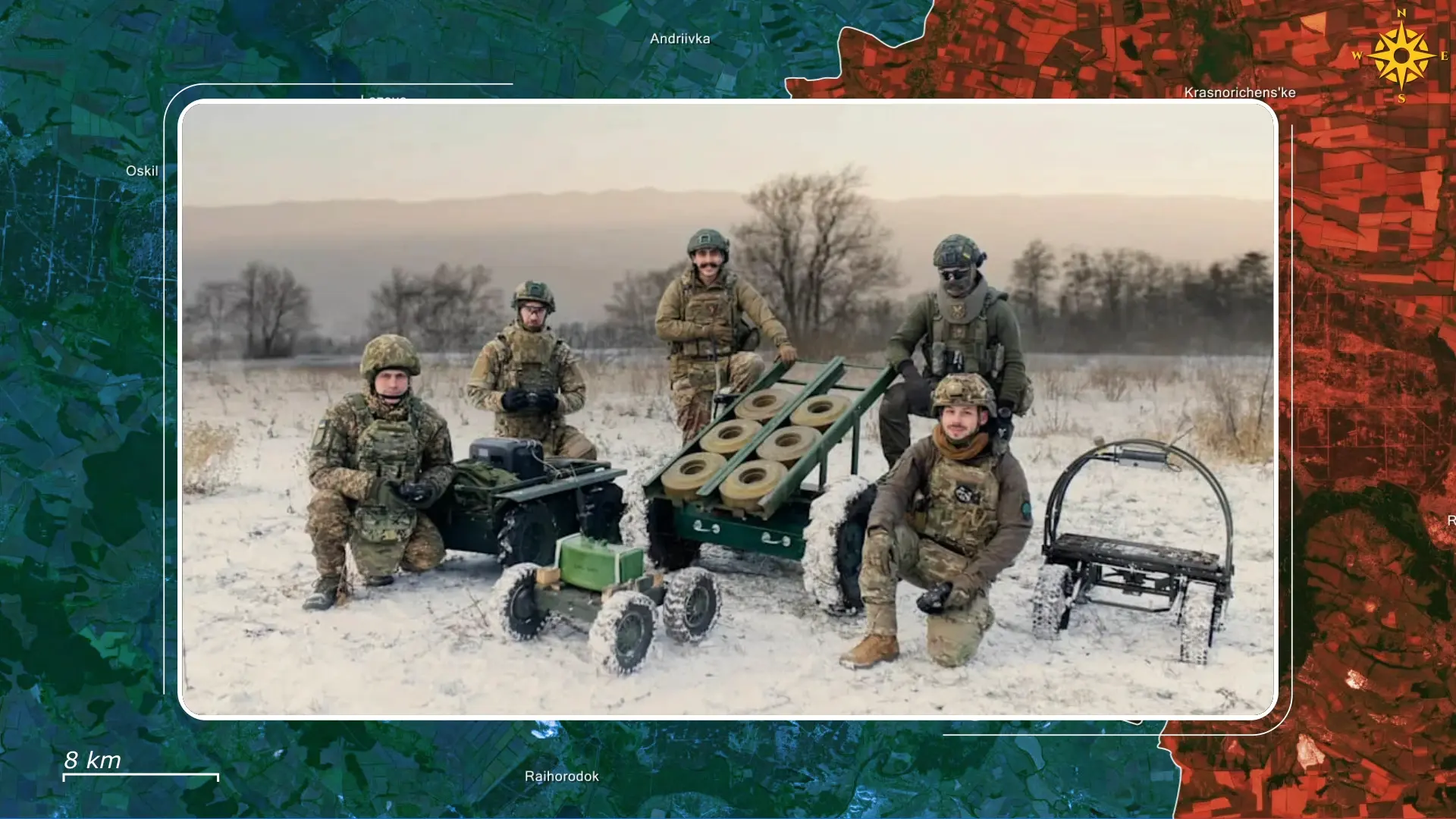
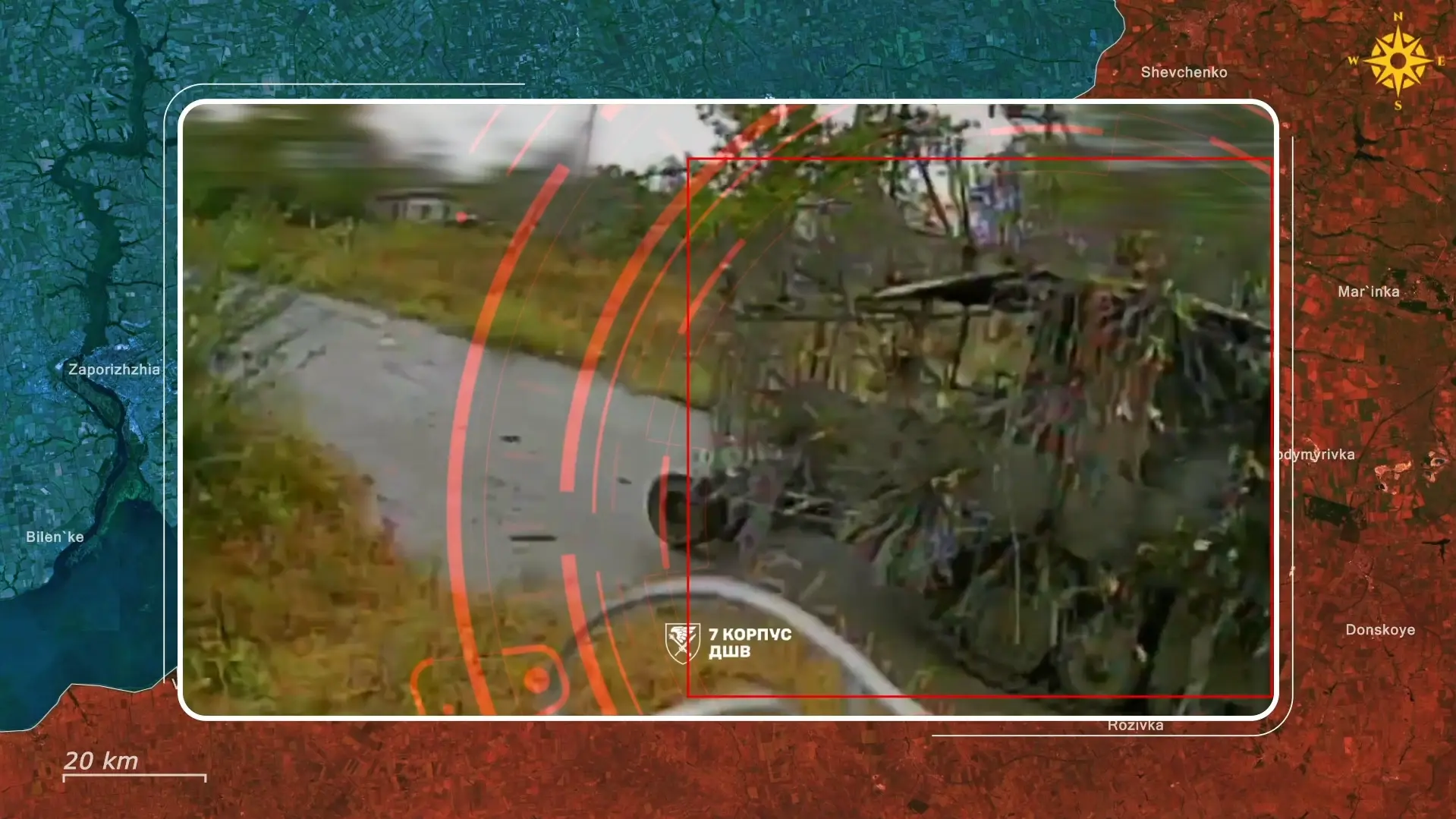
This contrast was laid bare as Ukraine’s Third Army Corps continued scaling robotic warfare, demonstrating that ground drones are not only for assaults but can also hold defensive lines for extended periods. One striking example came when a DevDroid ground robot was equipped with a 12.7 mm Browning M2 machine gun.
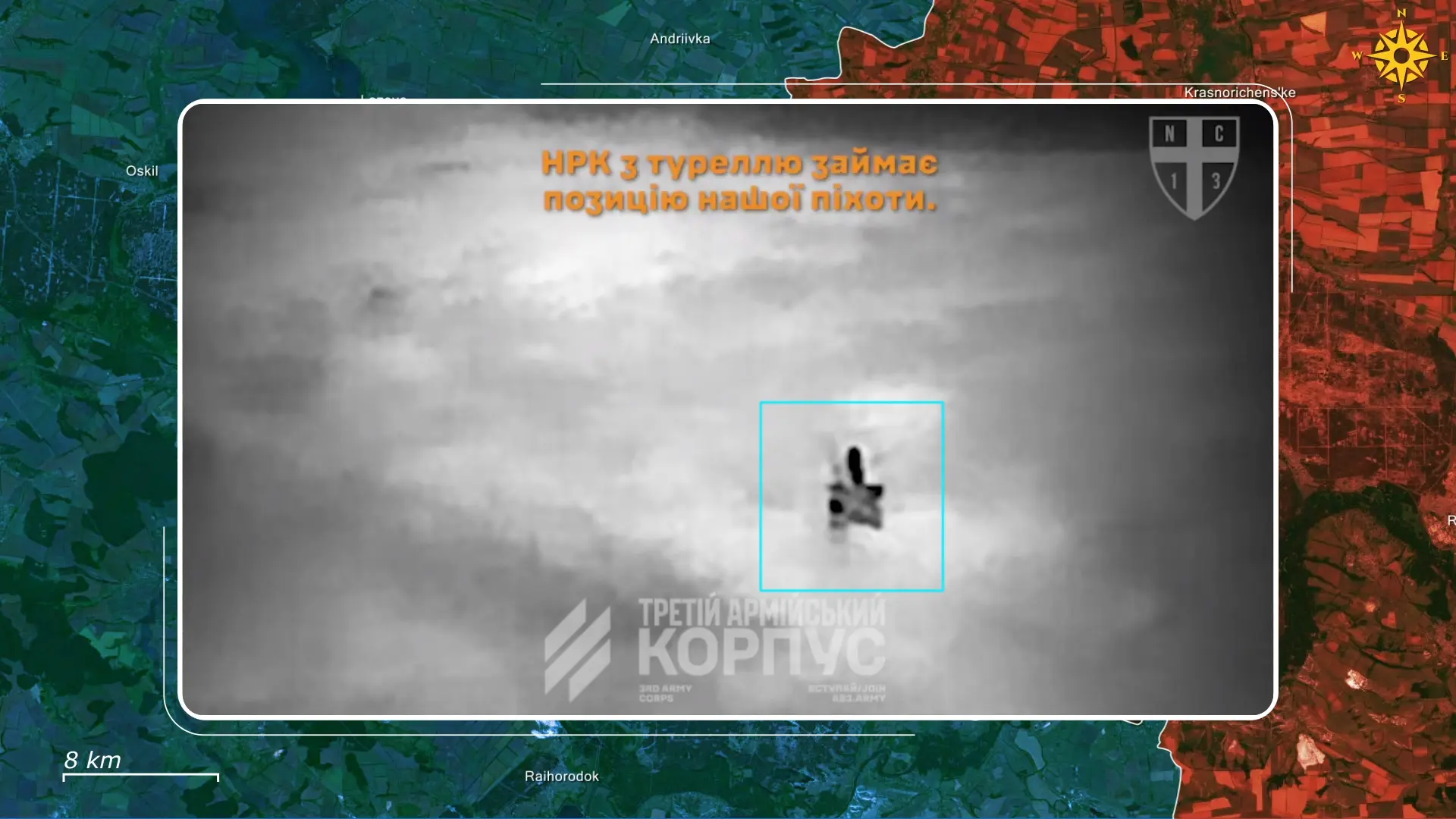
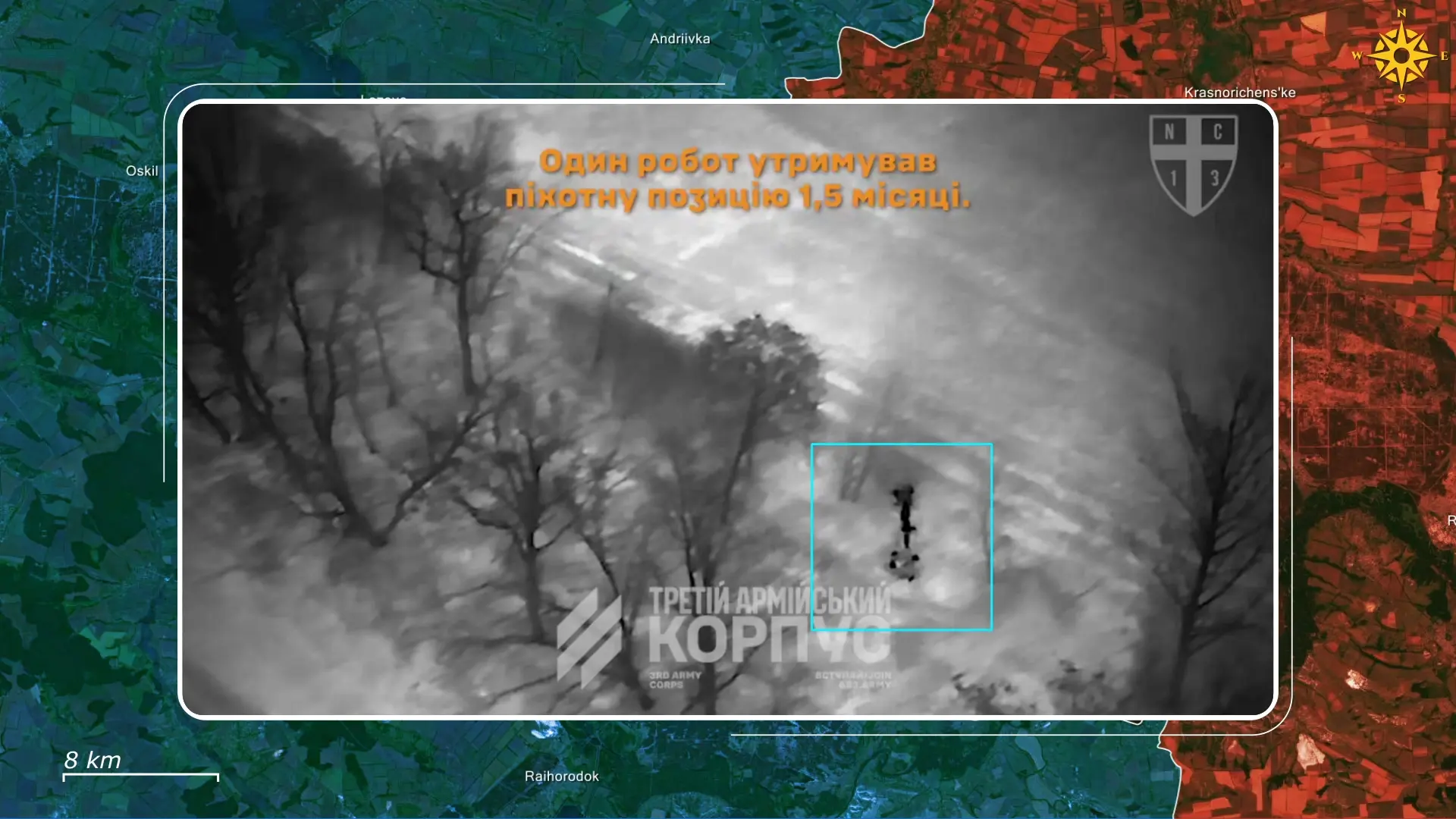
For 45 consecutive days, the robot held a frontline position instead of infantry, suppressing enemy movement and repelling assaults without a single Ukrainian casualty. Operated remotely from cover and equipped with thermal vision, the system detected Russian movements in complete darkness, turning night assaults into one-sided engagements where attackers stood no chance.
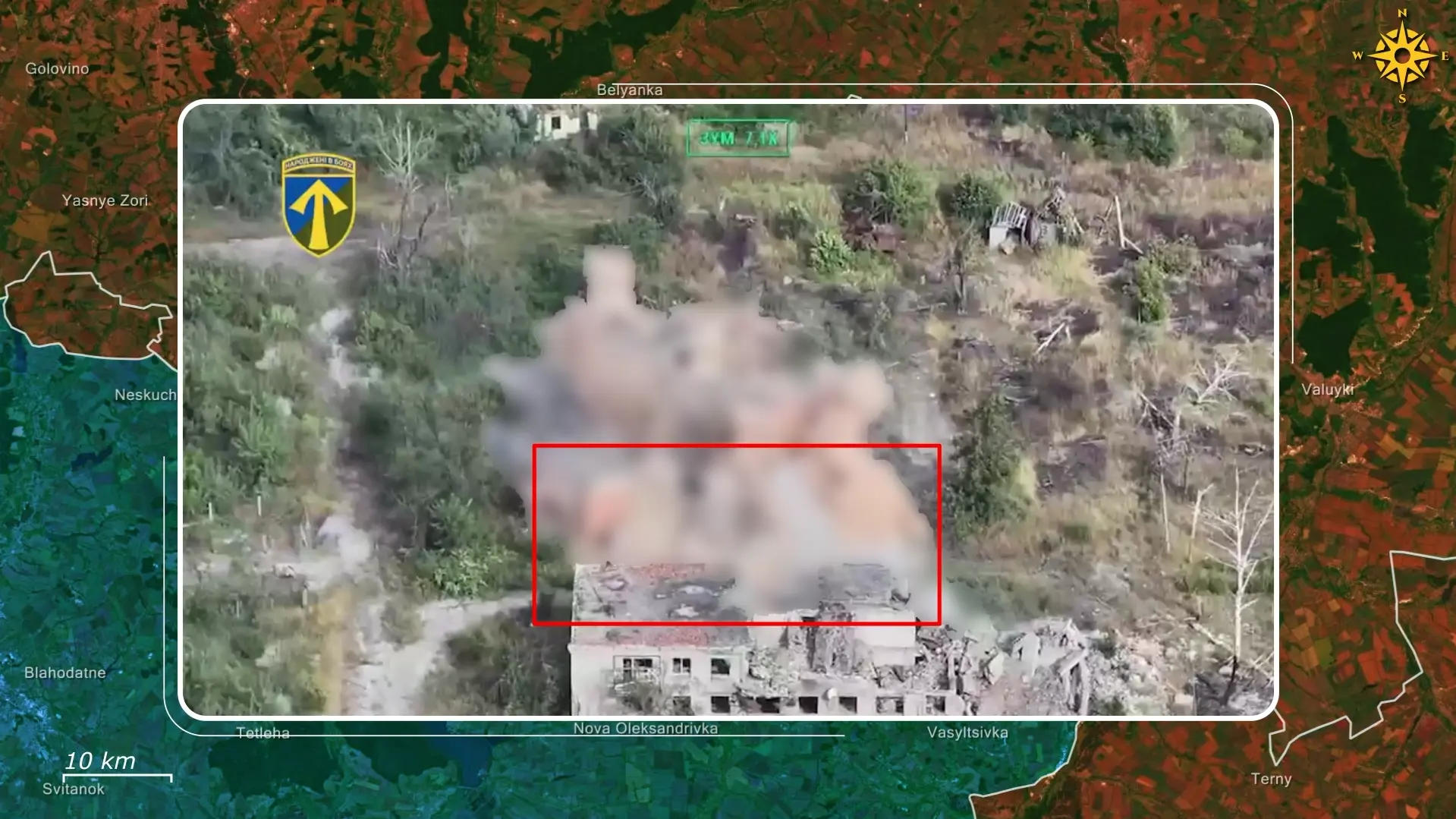
Ukraine’s shift toward unmanned warfare is a continuous evolution, and as you may remember, the Third Army Corps carried out the world’s first fully unmanned assault in July. FPV kamikaze drones shattered Russian fortifications, after which ground drones carrying explosives moved in to finish the job, all without a single Ukrainian infantryman entering the battlefield.
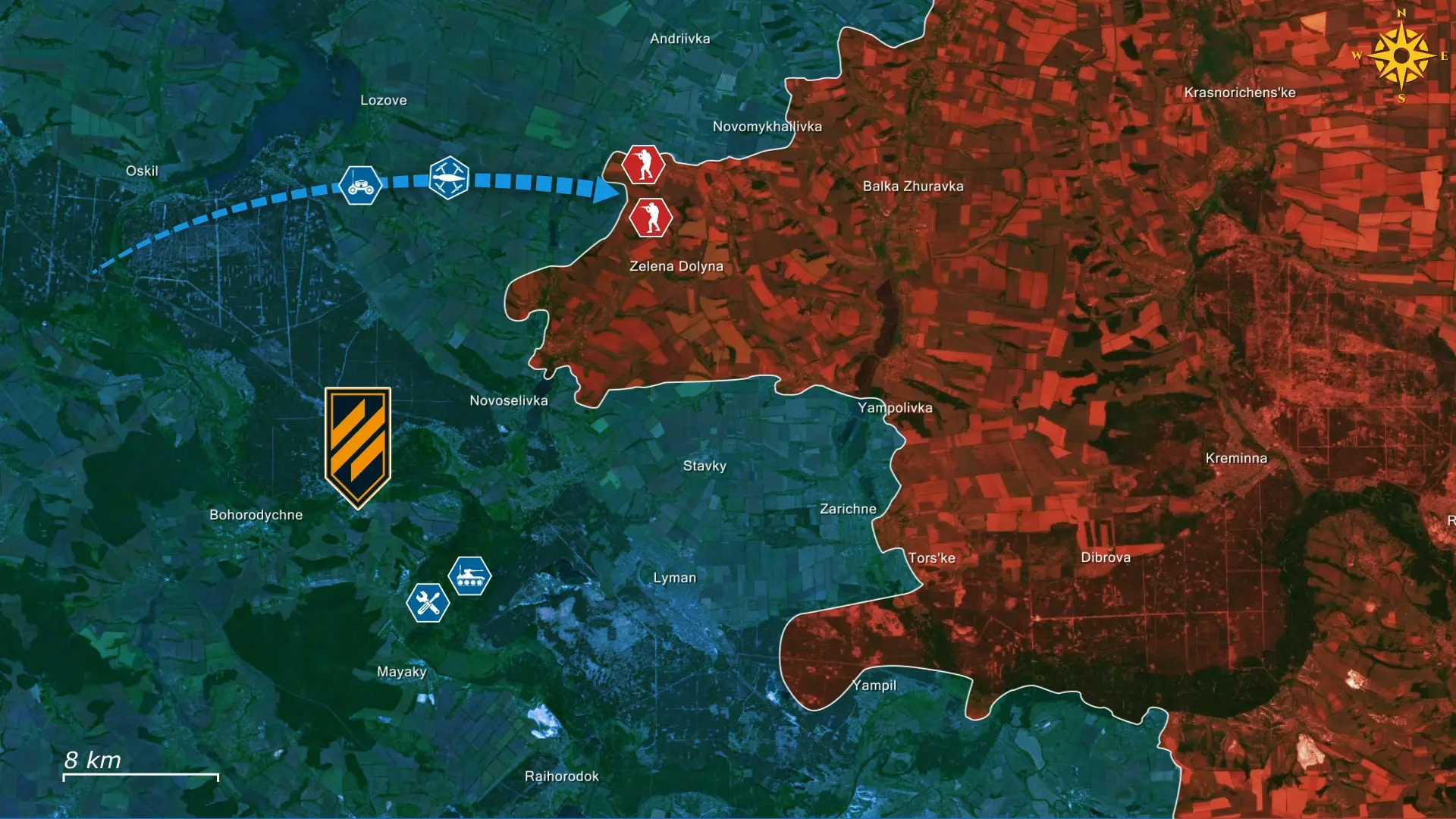
In another case, surviving Russian soldiers, overwhelmed by the pressure, surrendered directly to the drones and were remotely escorted to Ukrainian lines as prisoners of war.
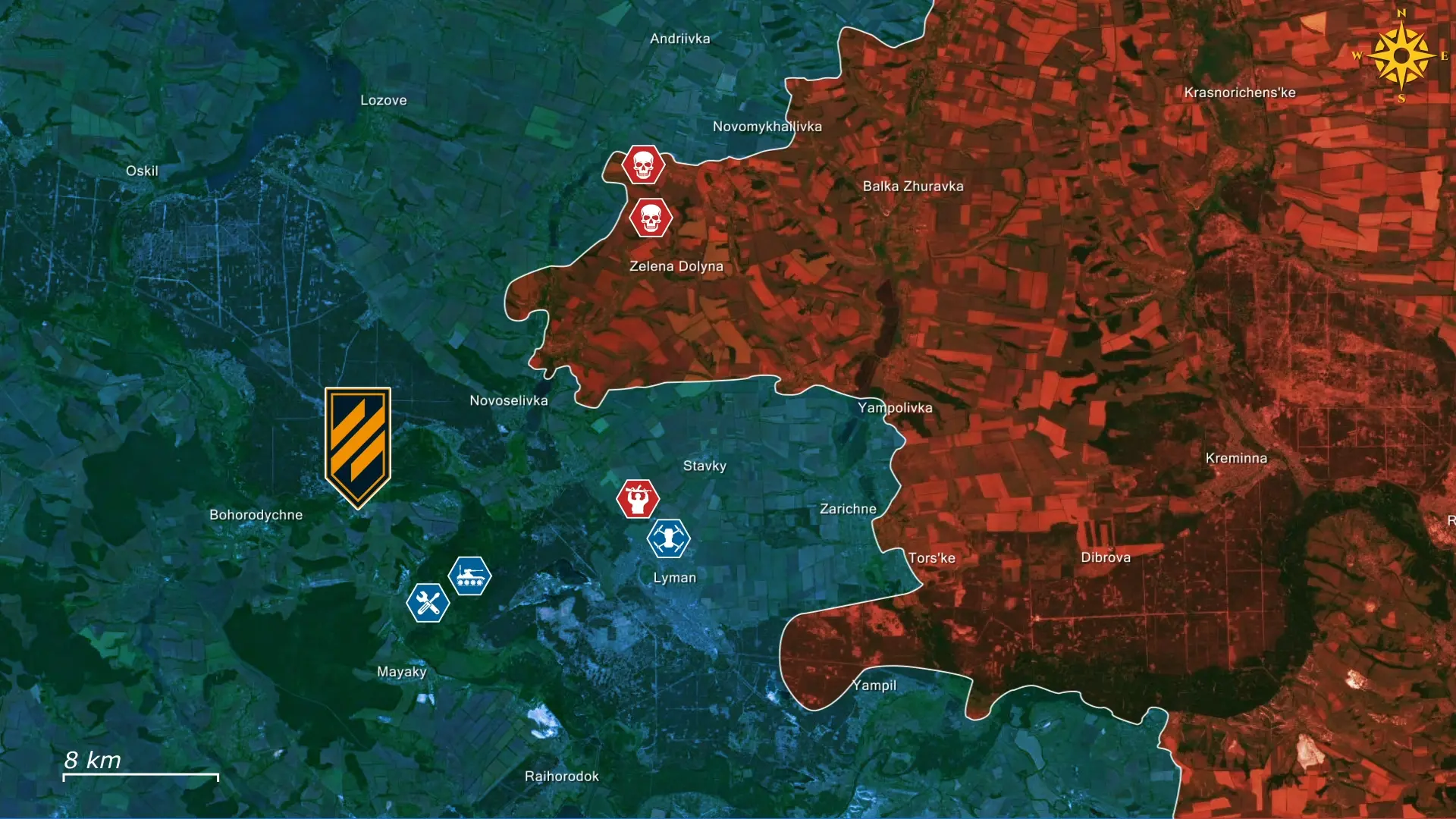
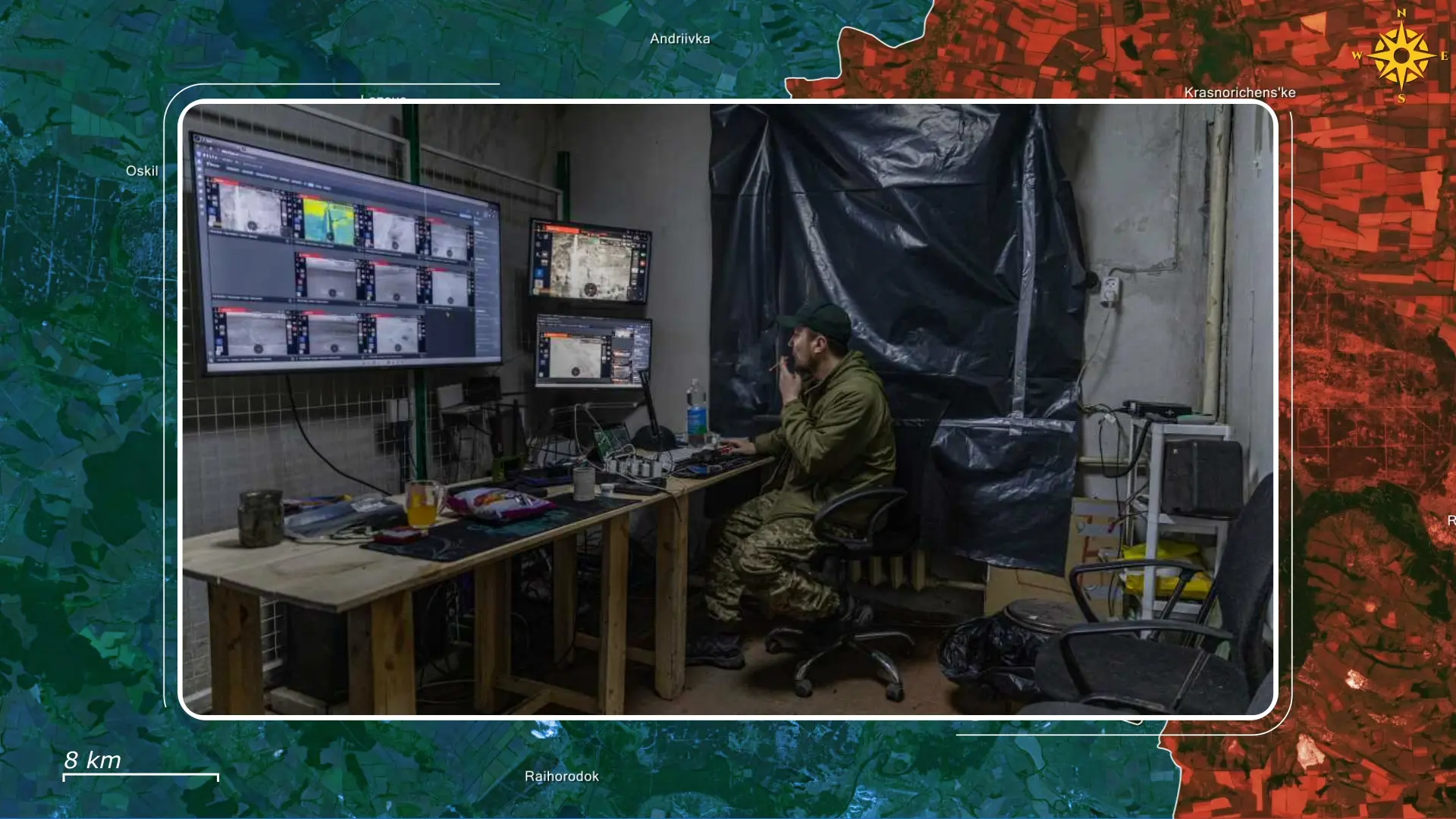
Such operations are sustained by an efficient, decentralized system, with Ukrainian drones remotely controlled from bunkers or armored vehicles and operating in close coordination with aerial drones that scout, jam, and strike targets. With operators positioned behind the contact line and maintenance handled in small frontline workshops embedded within brigades, where technicians repair tracks, sensors, and electronics within hours using mobile tools and 3D-printed components.
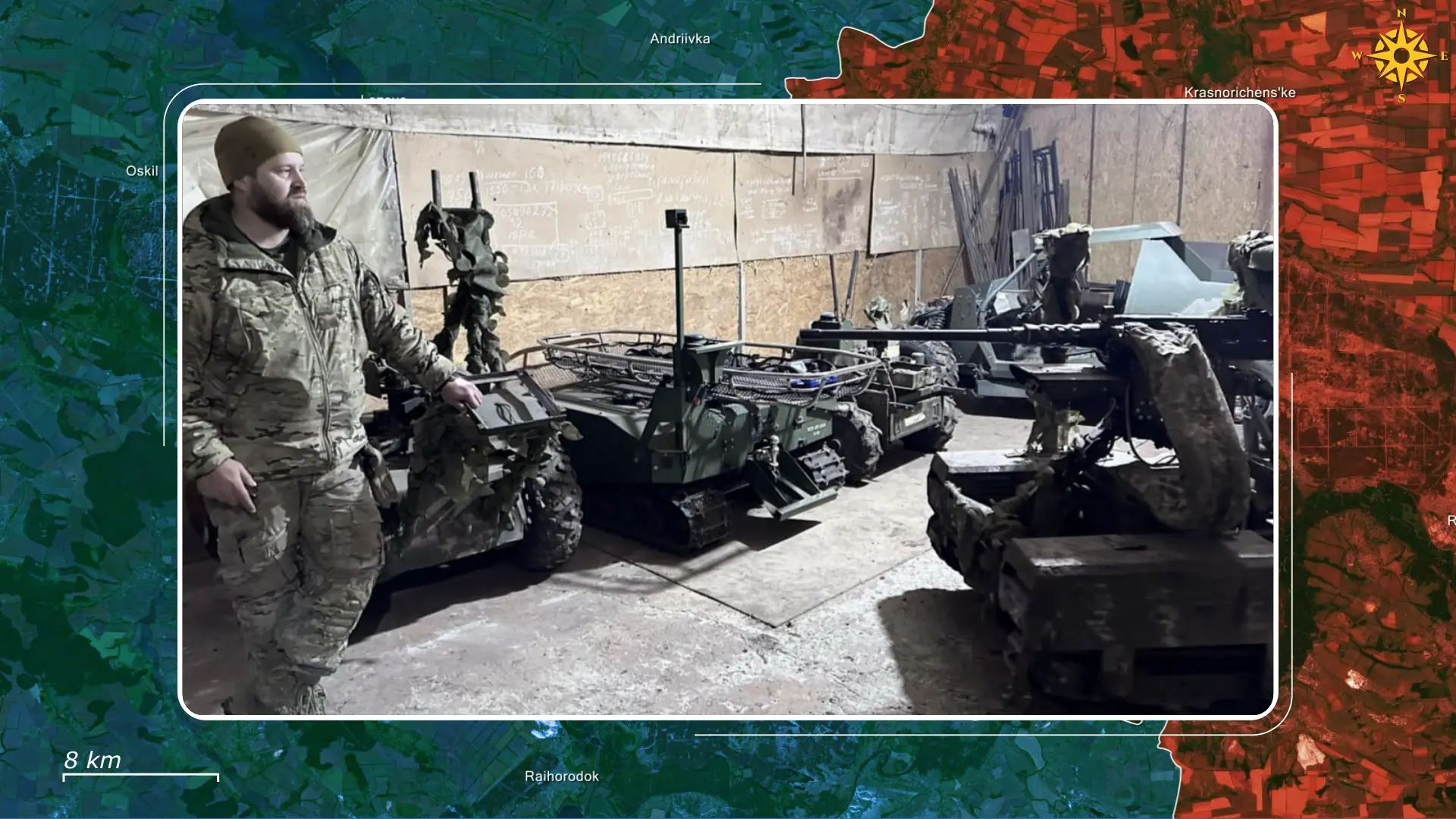
From there, moving into positions where Russians were detected, using relays from air drones to extend operational range, the ground drones would then return just for a swift swap of batteries, together with the ammo to achieve quick turnaround times and ensure constant defense of the sector.
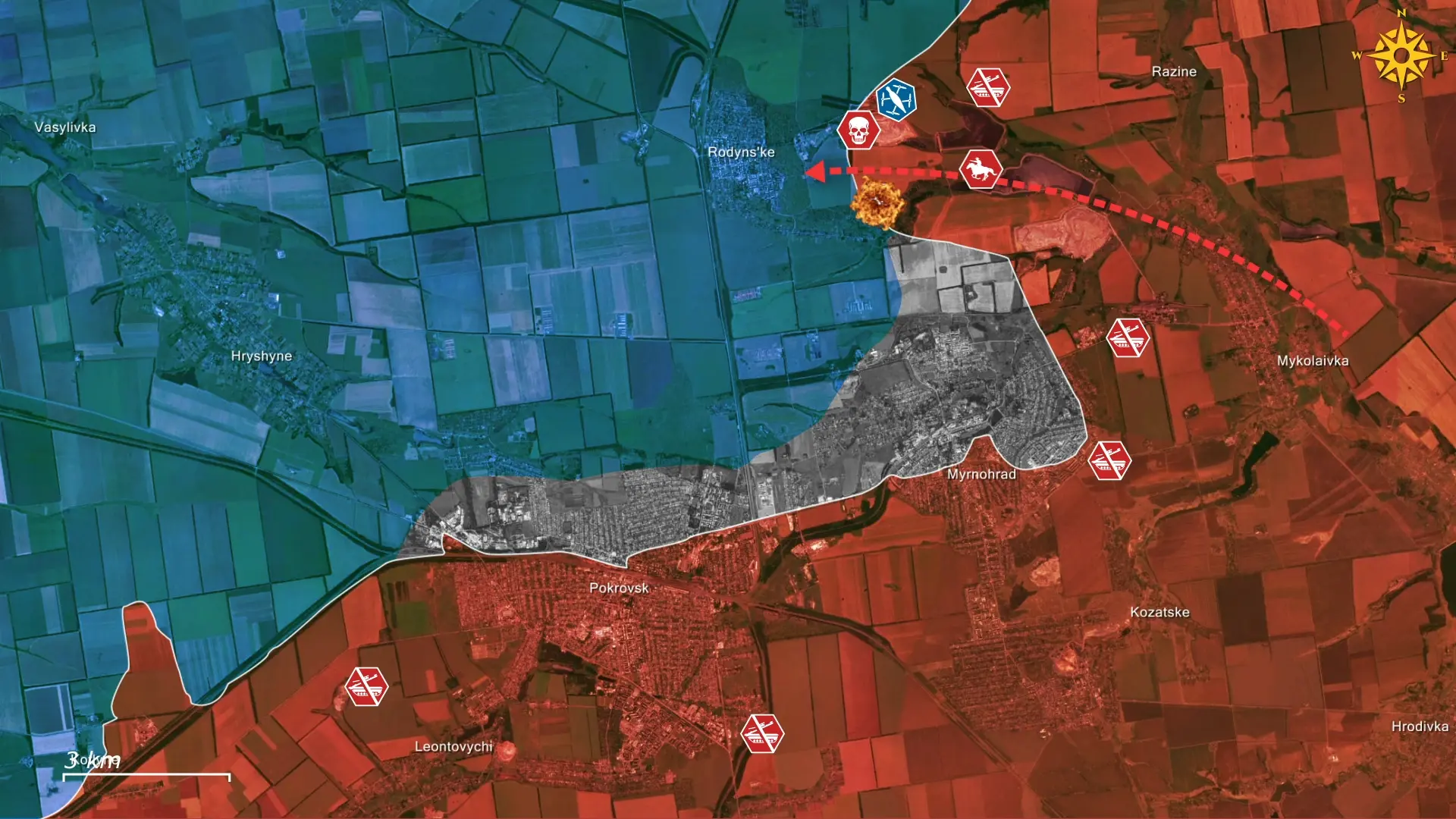
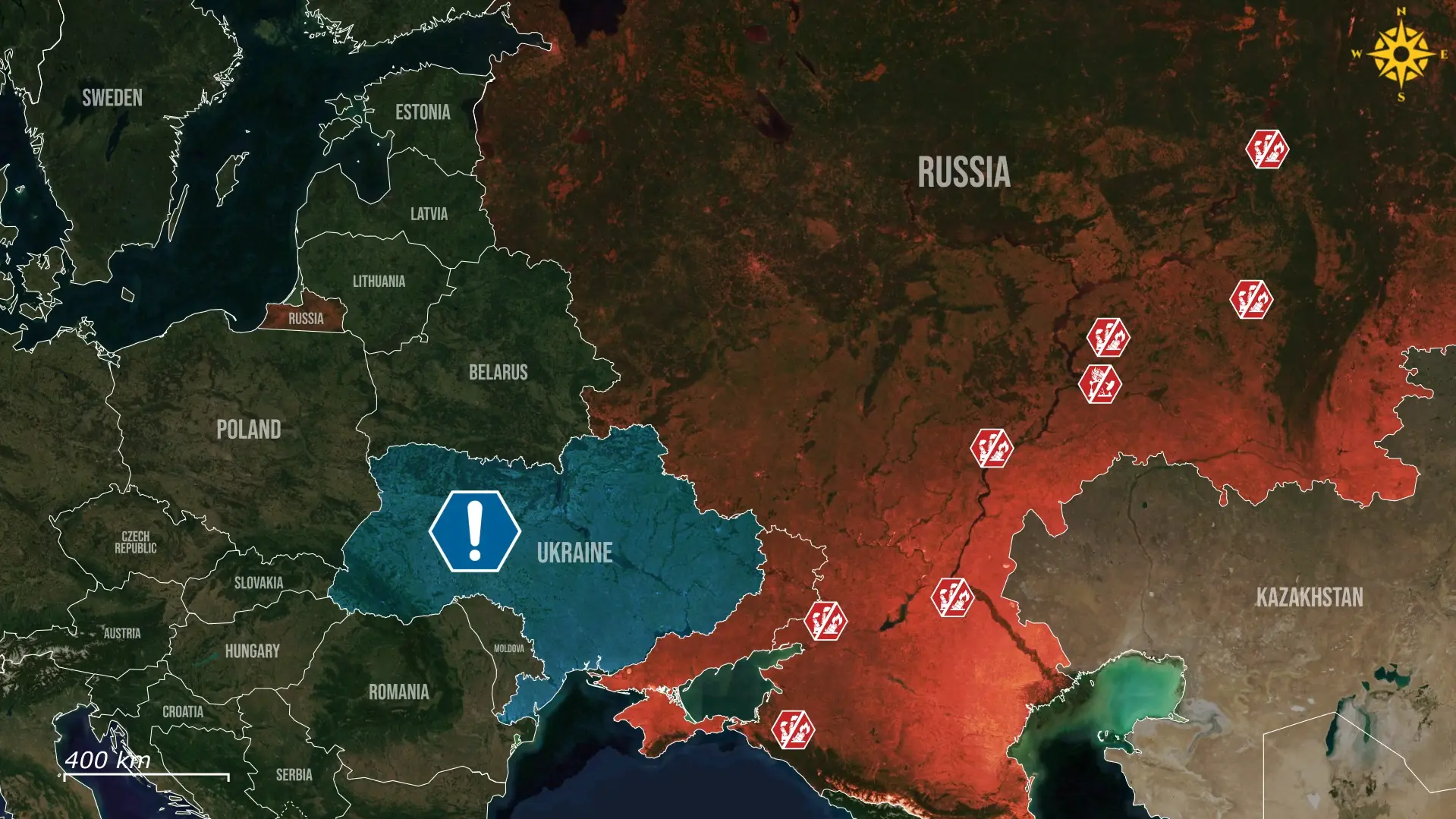
While Ukraine is moving forward technologically, Russia is moving backward. On the Pokrovsk front, where Moscow has concentrated the highest number of soldiers and some of its most capable units, Ukrainian soldiers from the 92nd Separate Assault Brigade documented Russian troops advancing on horseback.
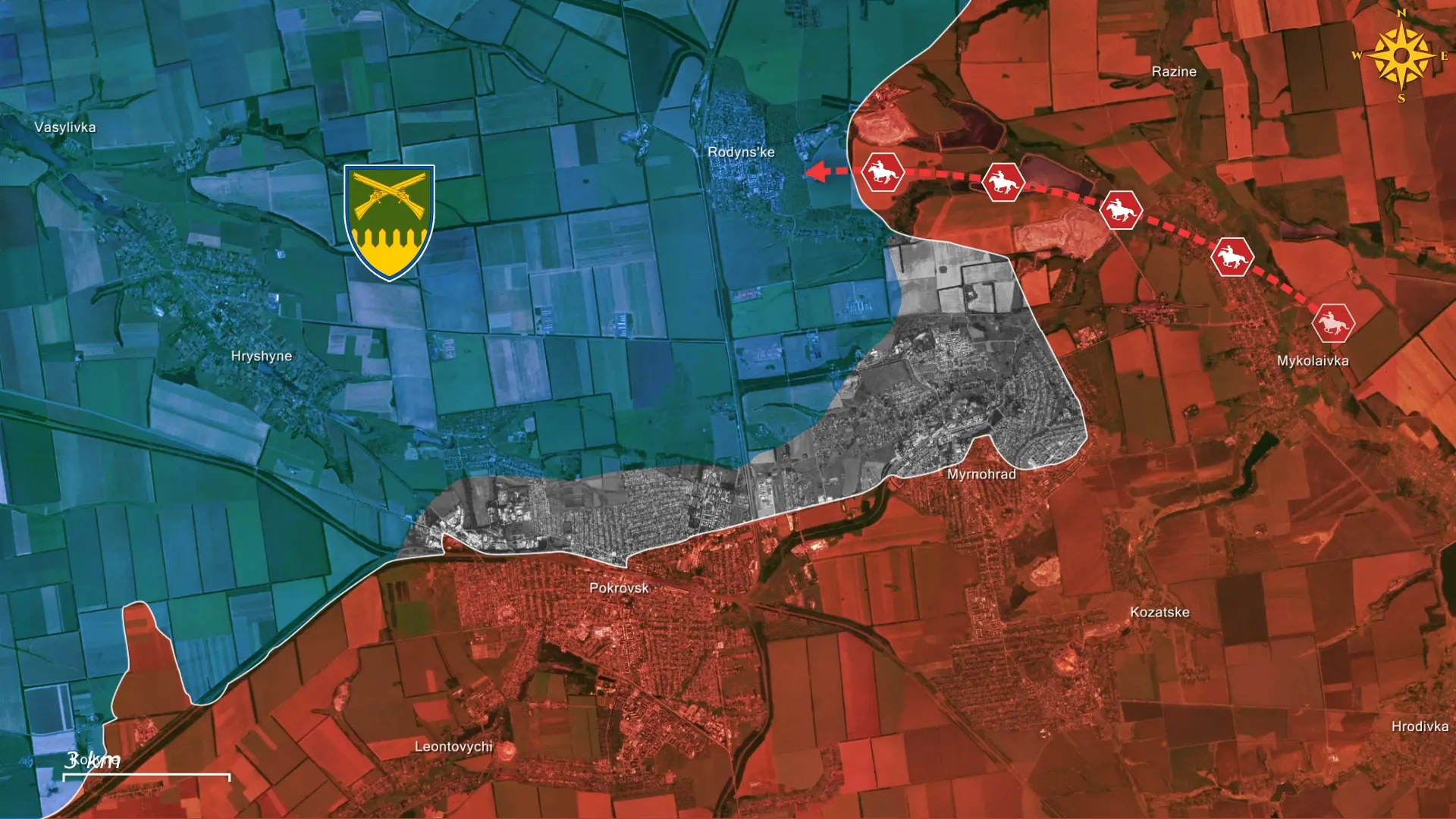
The first time they were spotted, the Ukrainian operators had no idea what to do and had no choice but to unfortunately hit both the rider and the horse. However, immediately afterwards, Ukrainian operators devised and shared a plan that was soon realized, when they deliberately frightened the horses with flybys, causing them to bolt and throw their riders, before neutralizing the dismounted soldiers while sparing the animals. More footage confirms that Russian forces are increasingly using horses in assaults, a tactic unseen on European battlefields for more than a century.
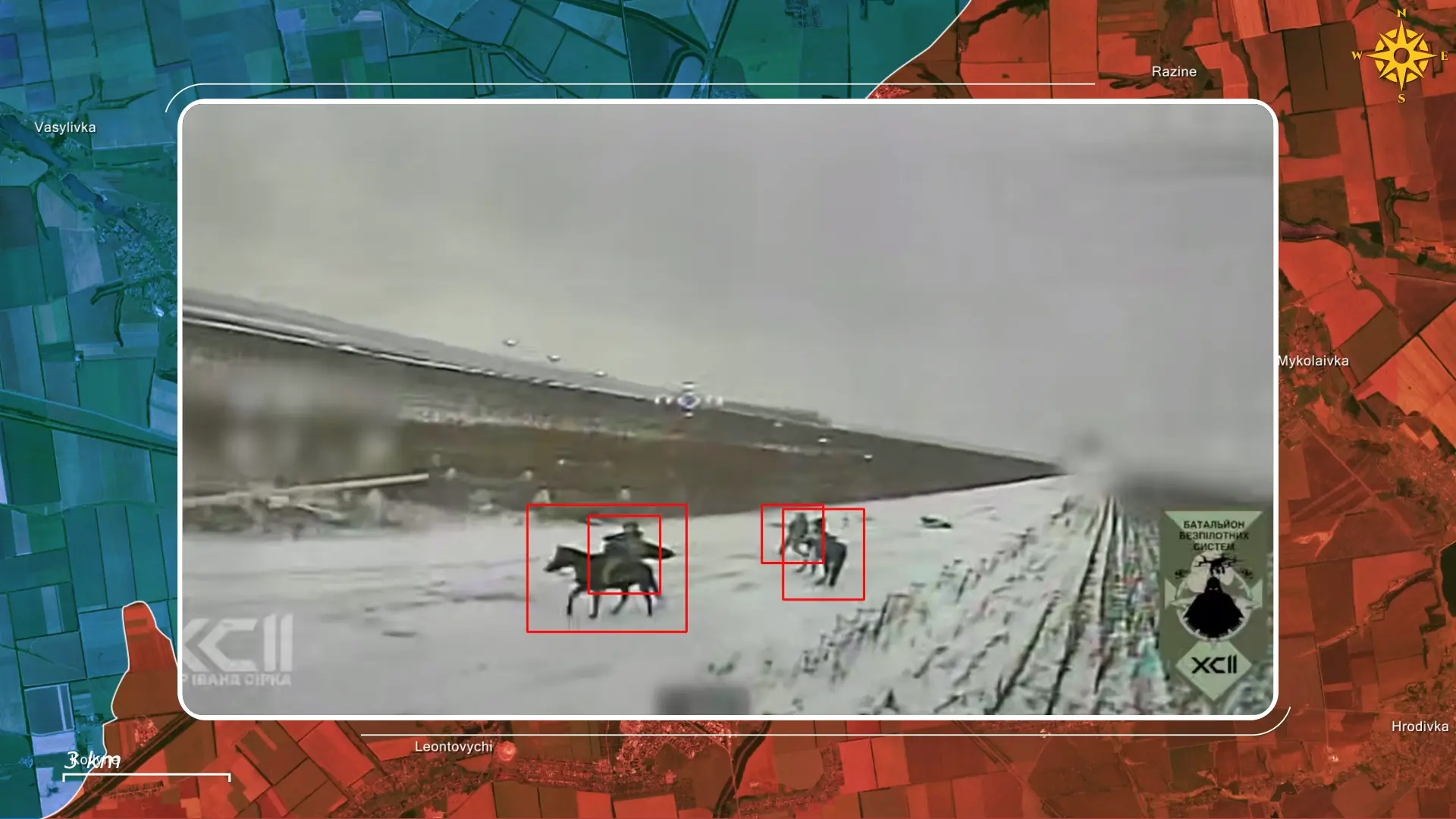
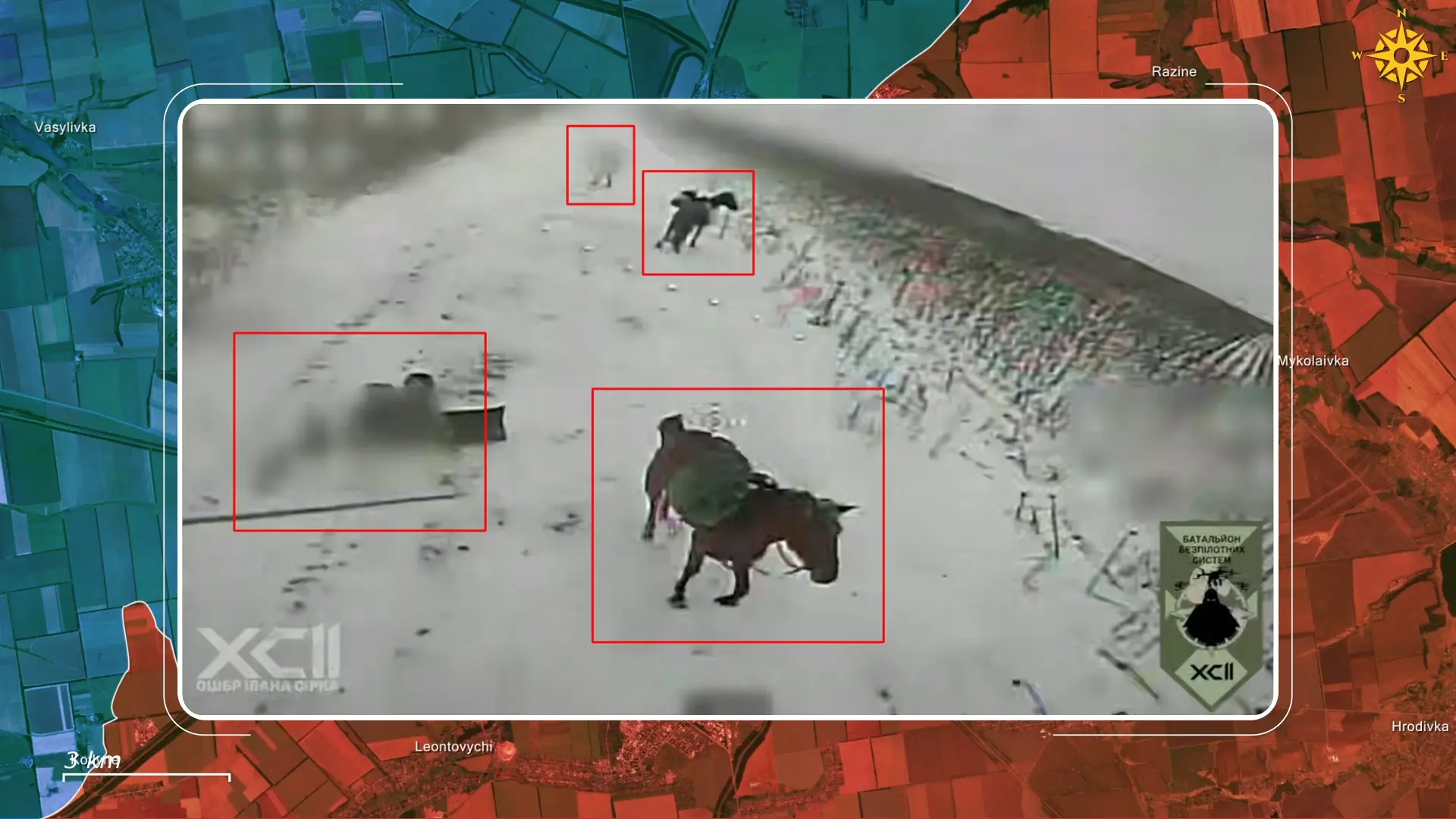
This return of cavalry is not symbolic but driven by necessity, as Russian losses in vehicles and armored transport have been so severe that even elite units are forced to rely on animals to move troops and supplies; yet against drones equipped with thermal sensors and precision munitions, the clash is brutally uneven, and the Russian command appears willing to repeat these futile attacks regardless of the cost.
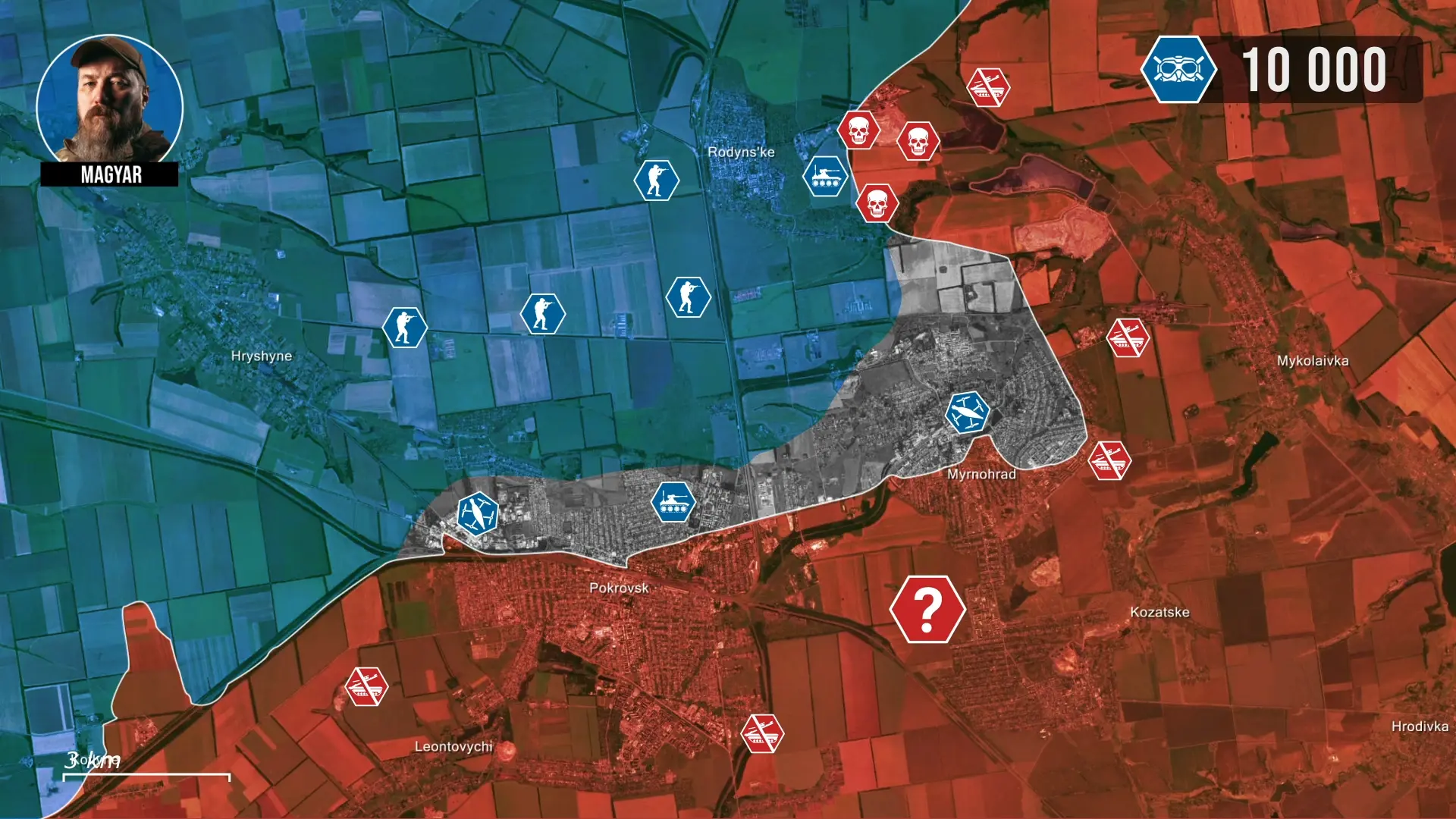
The contrast between the two armies could not be clearer, with Ukraine using drones to solve its manpower challenge by deliberately building a force where technology absorbs risk and preserves lives, as shown by the recruitment of 10,000 new drone operators in less than a month under Magyar’s leadership, while Russia lacks any real way to compensate for its losses and instead falls back on attrition, improvisation, and tactics pulled from the past.
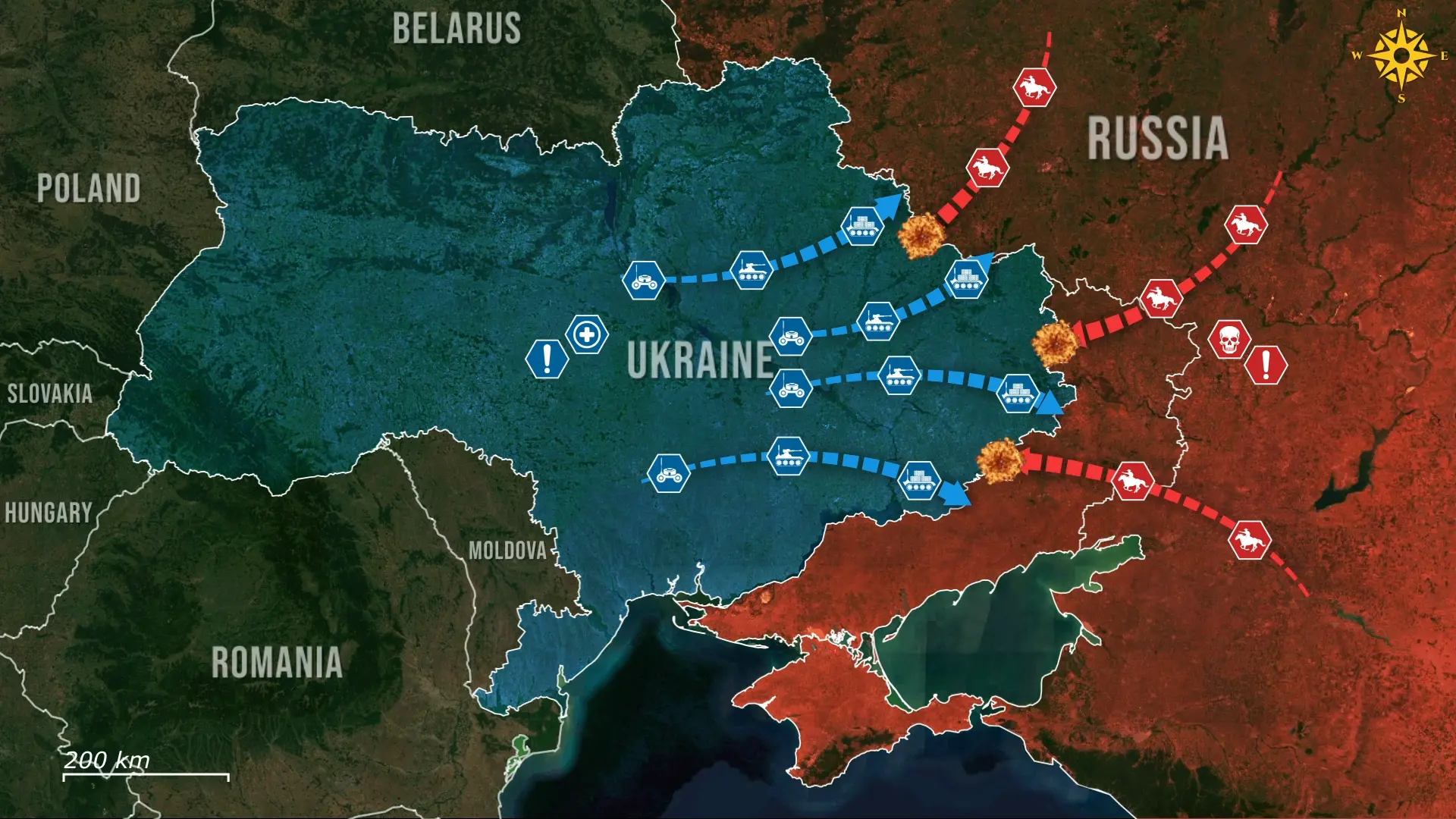
Overall, the battle between robots and cavalry starkly illustrates two fundamentally different visions of warfare unfolding on the same battlefield. Ukraine is deliberately shaping an army of the future, accelerating innovation with more than forty domestically produced ground-drone models authorized for use this year alone and integrating them into both offensive and defensive operations. These systems absorb risk, hold ground, and save lives, while Russia, by contrast, is trapped in a spiral of degradation, intensifying catastrophic losses by throwing men, and now even horses, into combat against machines.

.jpg)

Comments