

.svg)
Today, the biggest updates come from the skies of Ukraine.
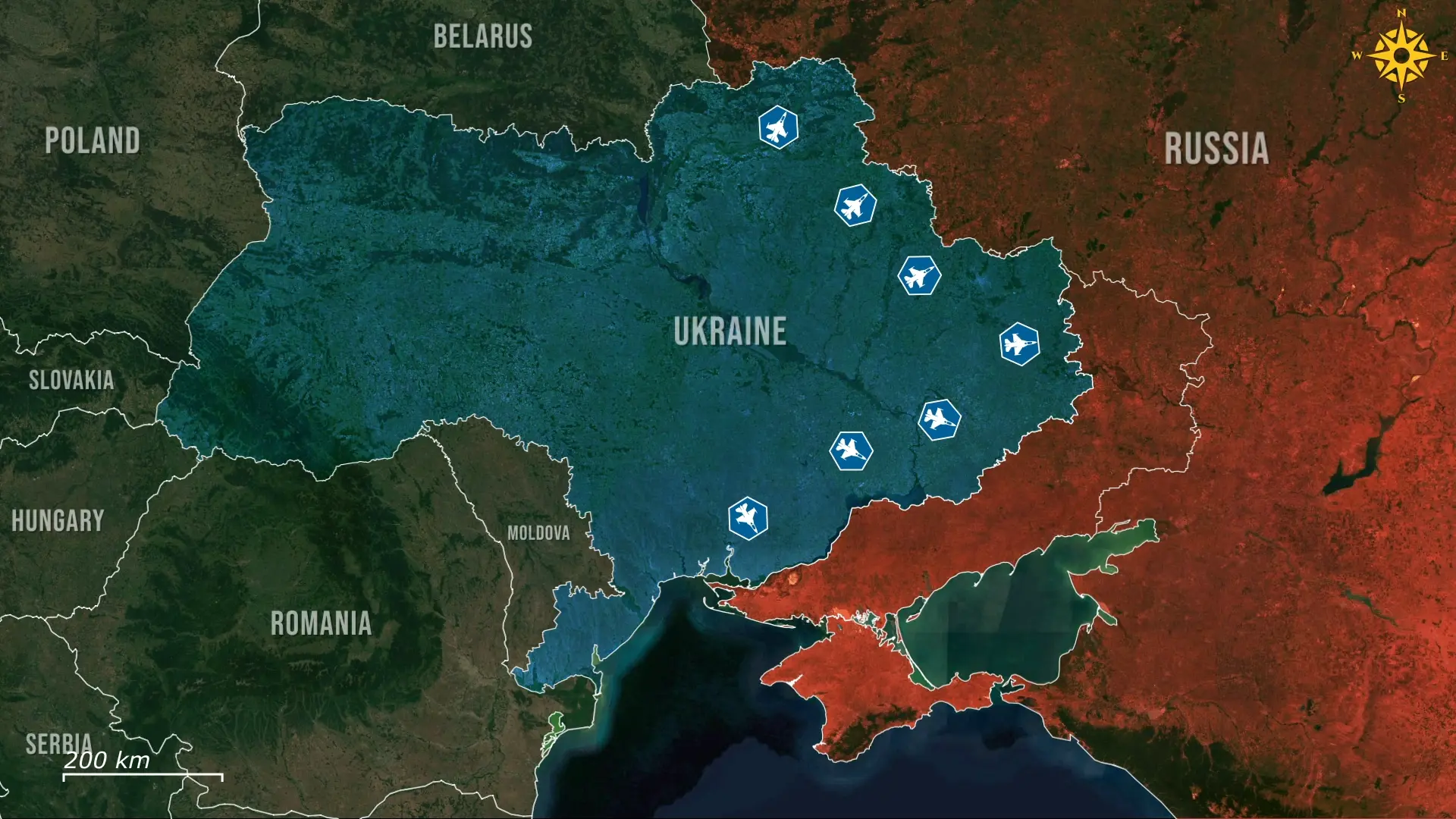
Ukraine’s airspace has become increasingly contested, marked by near-daily drone incursions, cruise missile strikes, and sustained air defense engagements across multiple regions. Now, a new multinational aerial squadron is beginning to alter that balance, hinting that control of the skies may be entering a decisive phase.
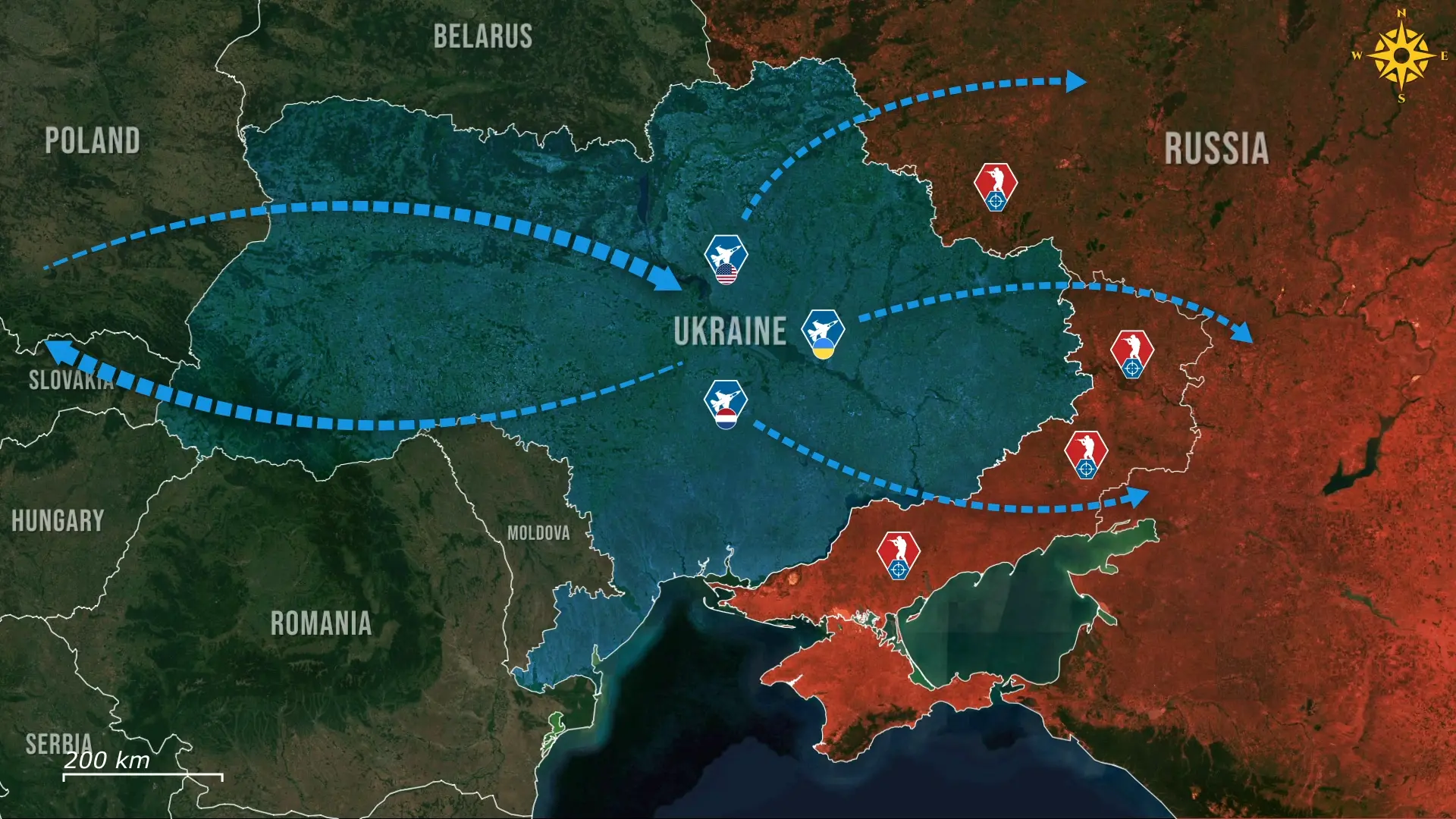
Recently, Ukraine formed an international F-16 squadron composed of Ukrainian, American, and Dutch pilots. This marks the first time a Western fighter unit has been structured as a fully integrated multinational combat formation inside the country.
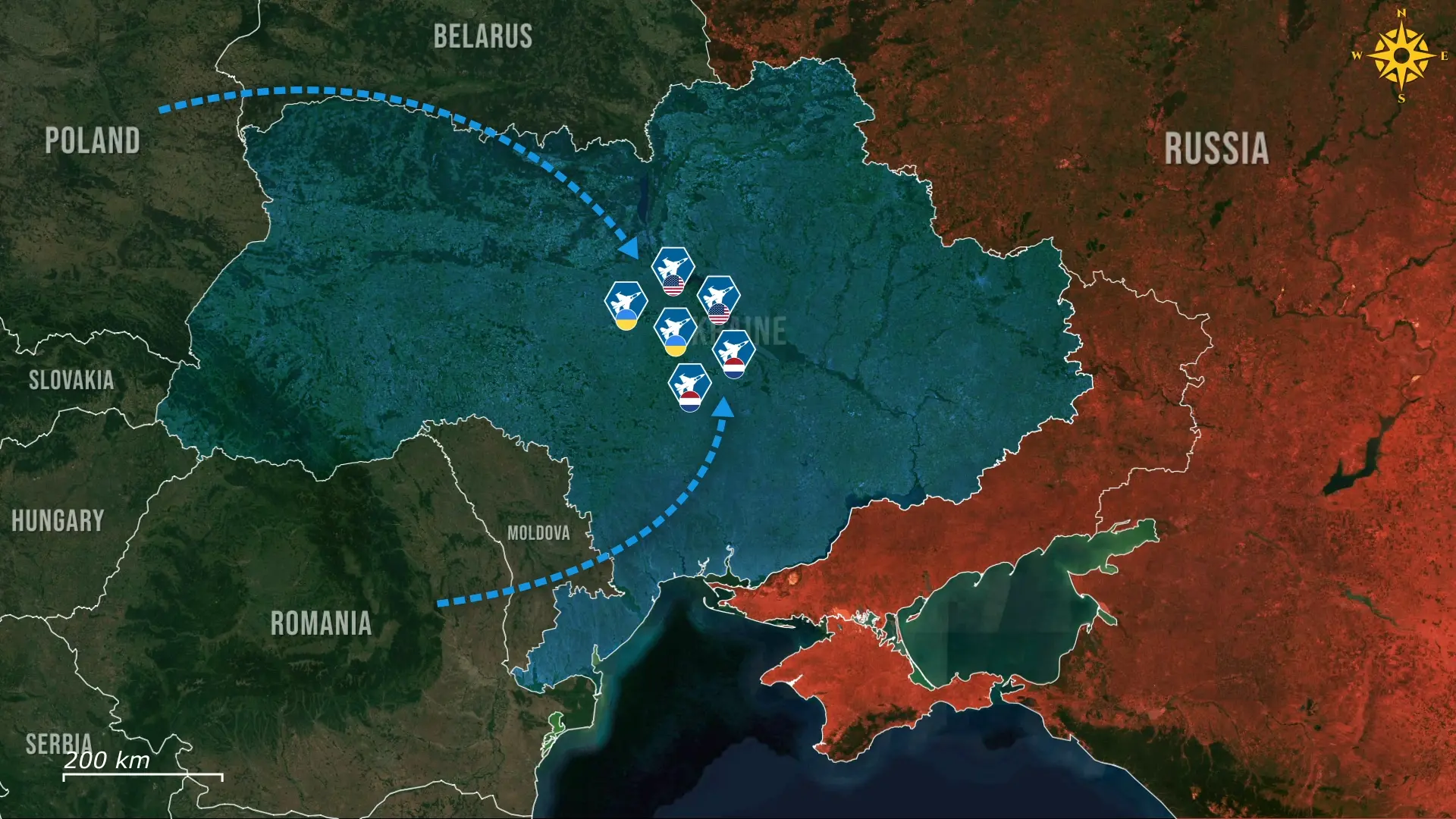
The squadron combines operational experience from Nato air forces with Ukrainian battlefield knowledge. American and Dutch pilots are working directly alongside Ukrainian counterparts rather than remaining in advisory roles. The involvement of the Netherlands reflects a deeper level of military commitment than equipment transfers alone.
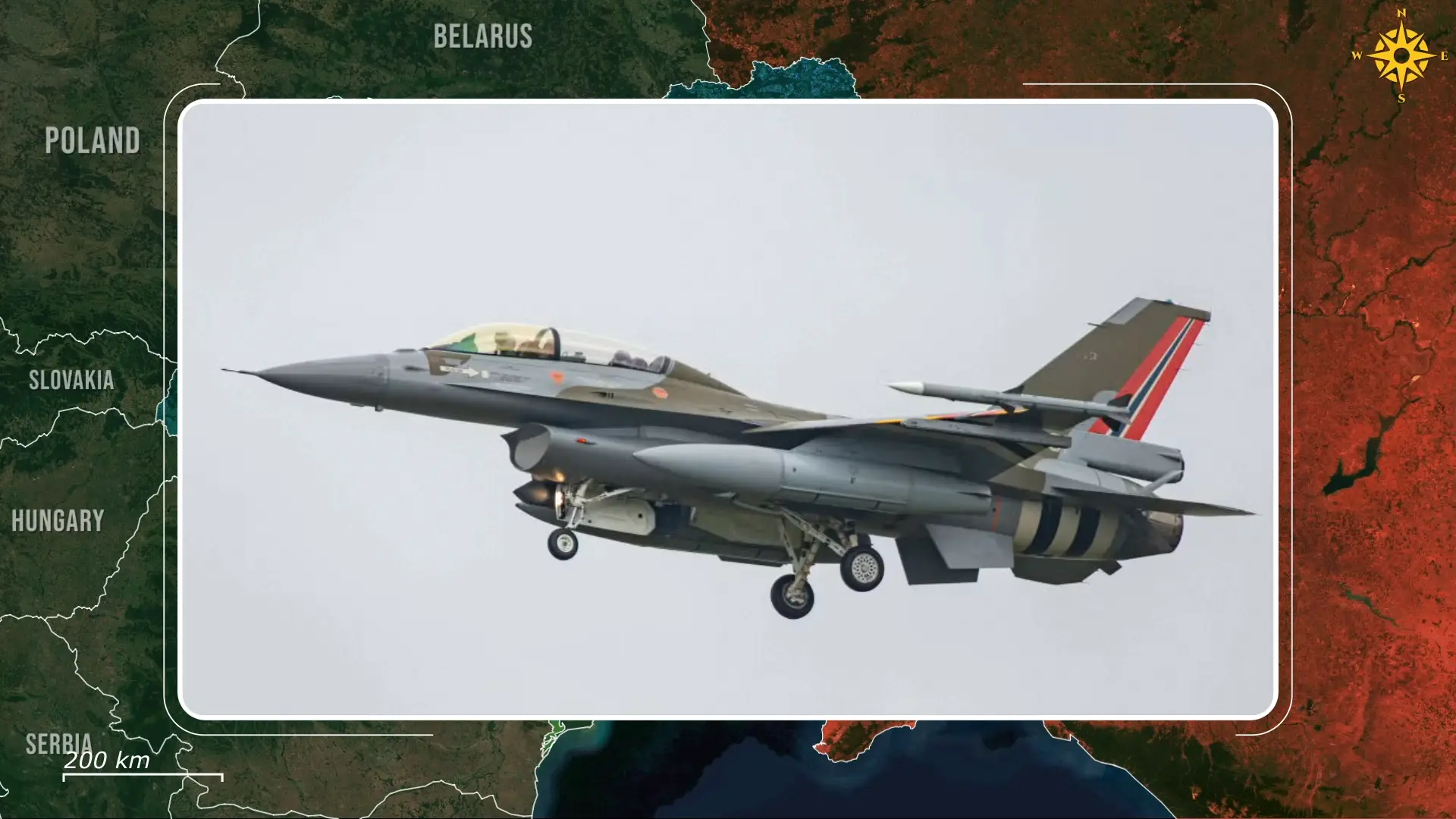
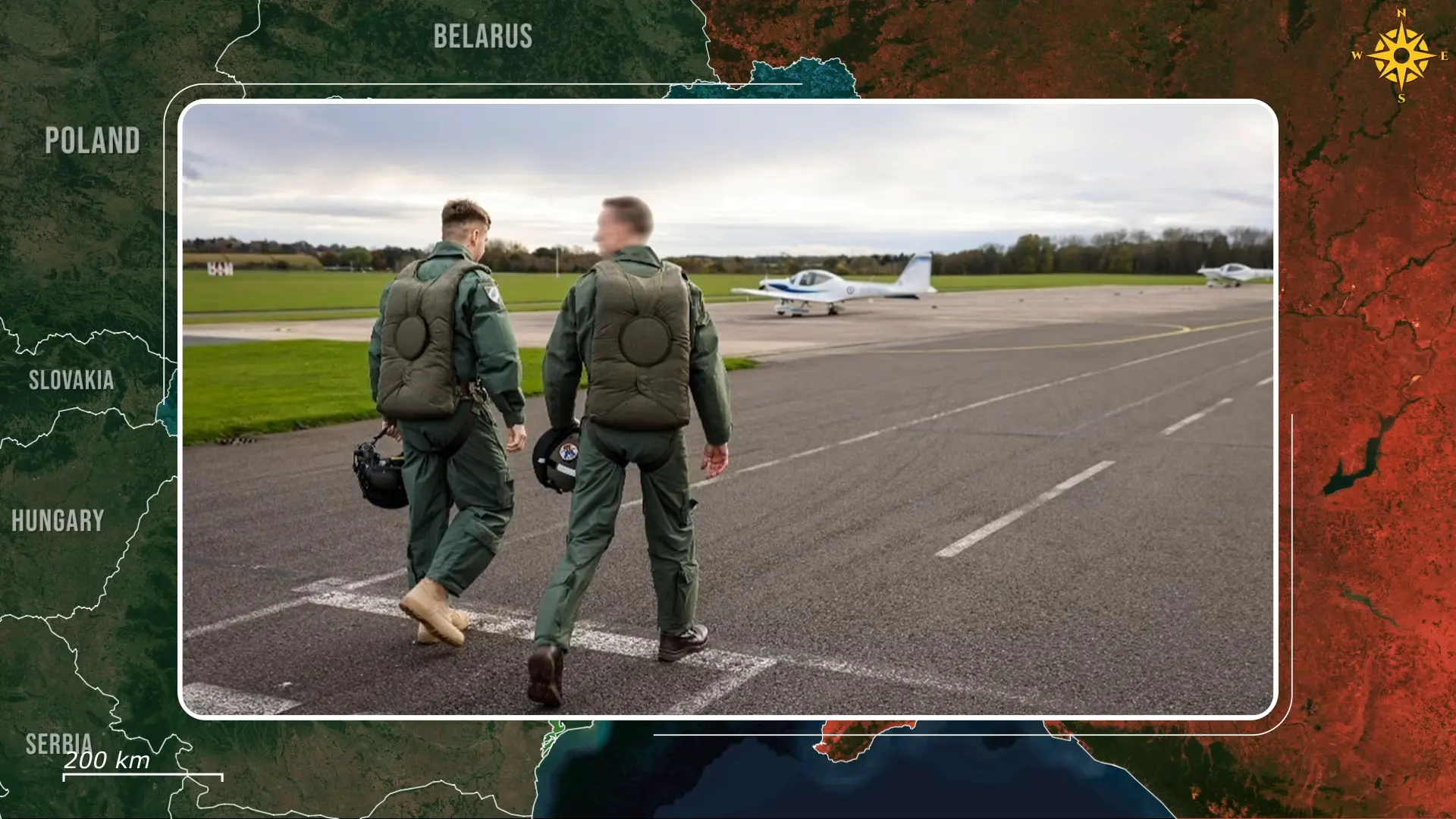
This is not limited to aircraft deliveries or pilot training abroad. It is a shared operational structure designed to function as a single fighting unit. Ultimately, the formation of this squadron represents a structural change in how Ukraine’s air war is being conducted.
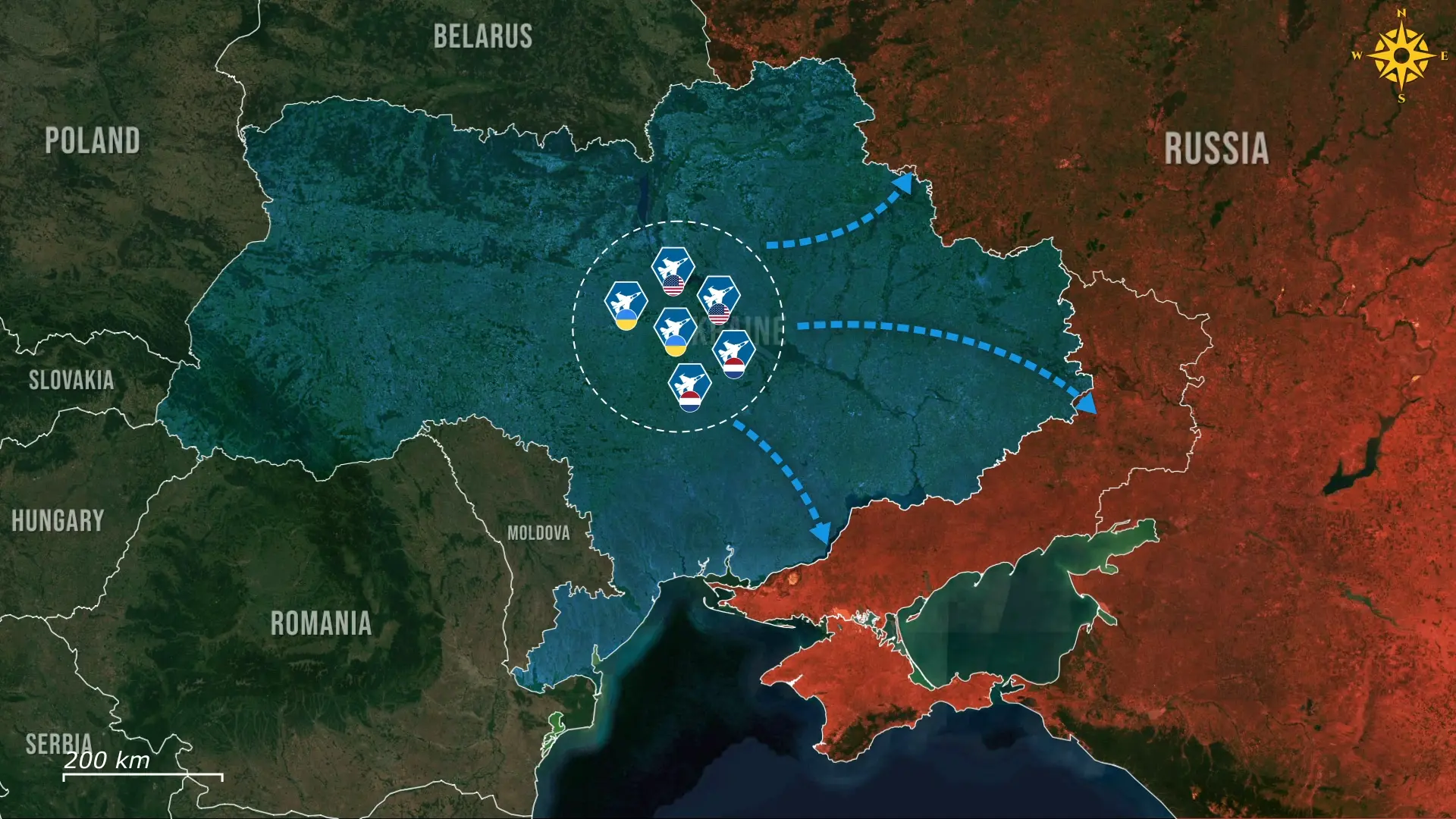
The primary advantage of this new formation lies in the experience its foreign pilots bring to the fight. Veteran F-16 crews from Nato air forces contribute combat-tested tactics developed over decades of real-world operations. These pilots are trained in modern air combat doctrine that emphasizes coordination, situational awareness, and disciplined missile employment.
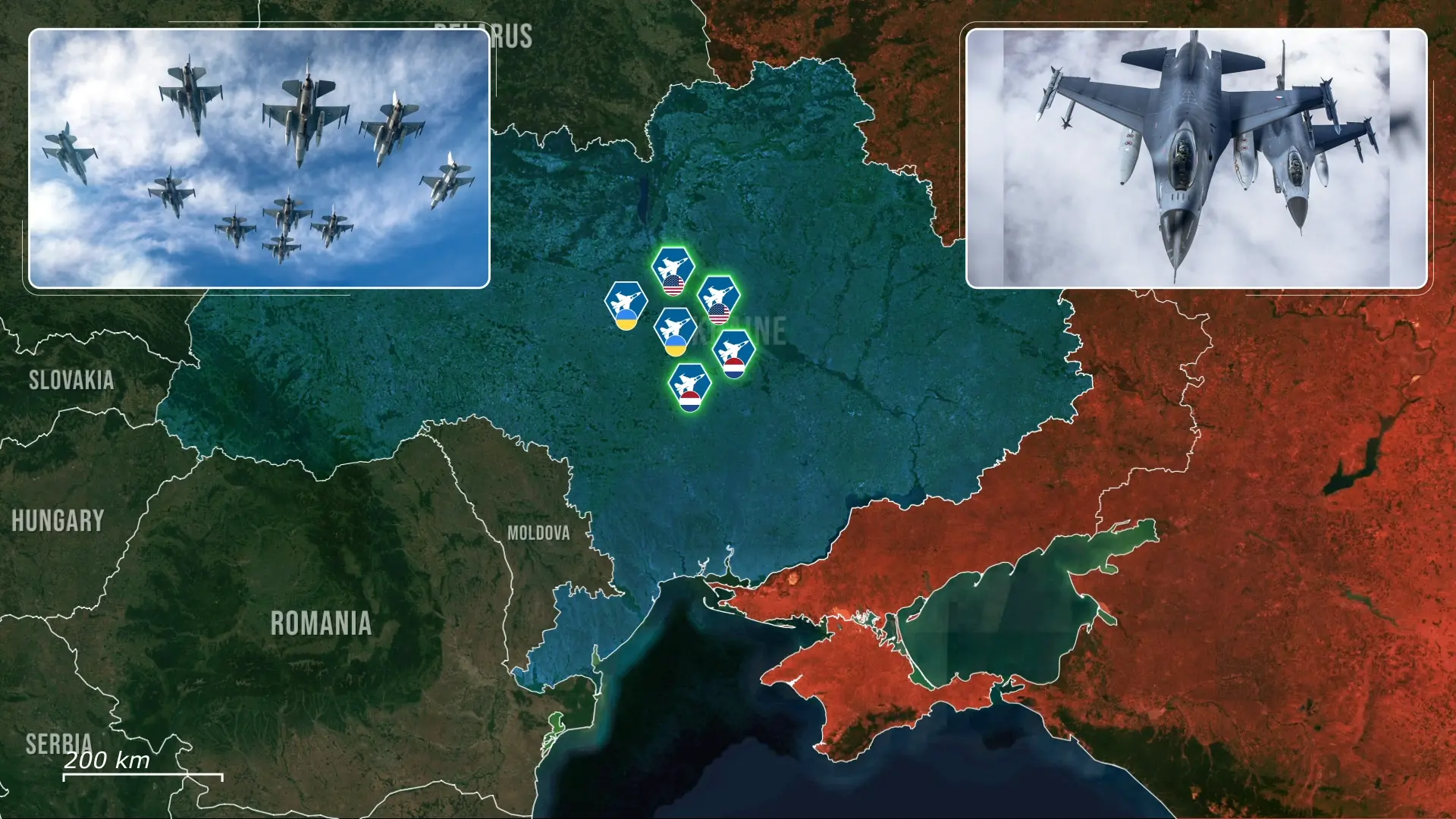
Their experience in continued Nato air policing missions like in the Baltics, and operating in coalition military operations in the Middle East results in better combat training, allowing for more accurate strikes and interception. The multinational structure also strengthens networked decision-making, as information can be shared and acted upon more efficiently. As a result, Ukrainian pilots gain immediate exposure to Nato-standard procedures inside active combat conditions. In addition, the delivery of two-seat aircraft and additional simulator equipment directly reinforces this dynamic. Two-seat variants allow Ukrainian pilots to train alongside experienced NATO instructors in real flight conditions, enabling immediate correction.
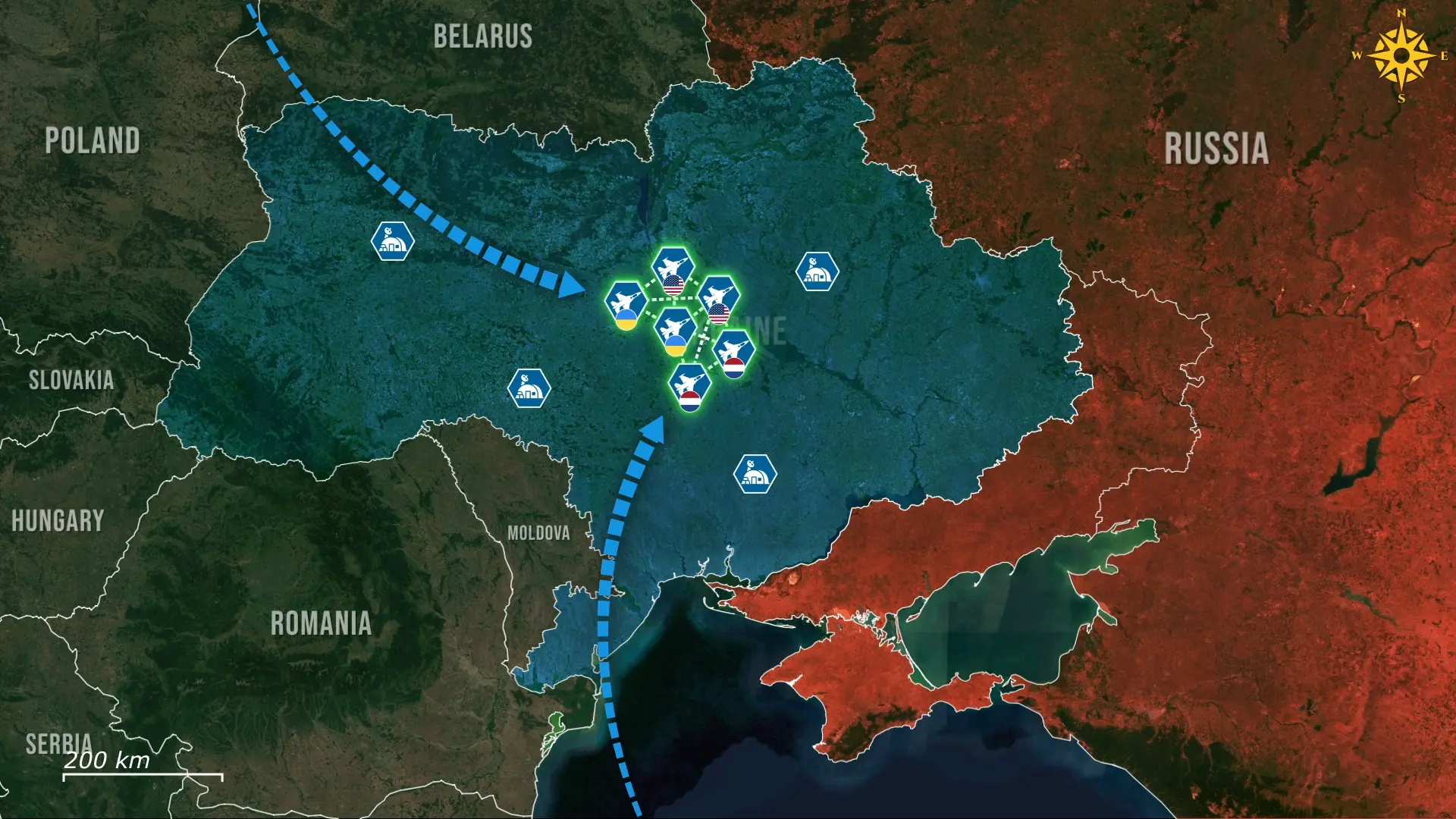
As a result, Russia now faces a far more professionalized air opponent over Ukraine. The presence of multinational F-16 crews introduces standardized Nato tactics into daily air operations. This raises the overall quality of aerial engagements, resulting in more successful strikes and interceptions done by the Ukrainians.
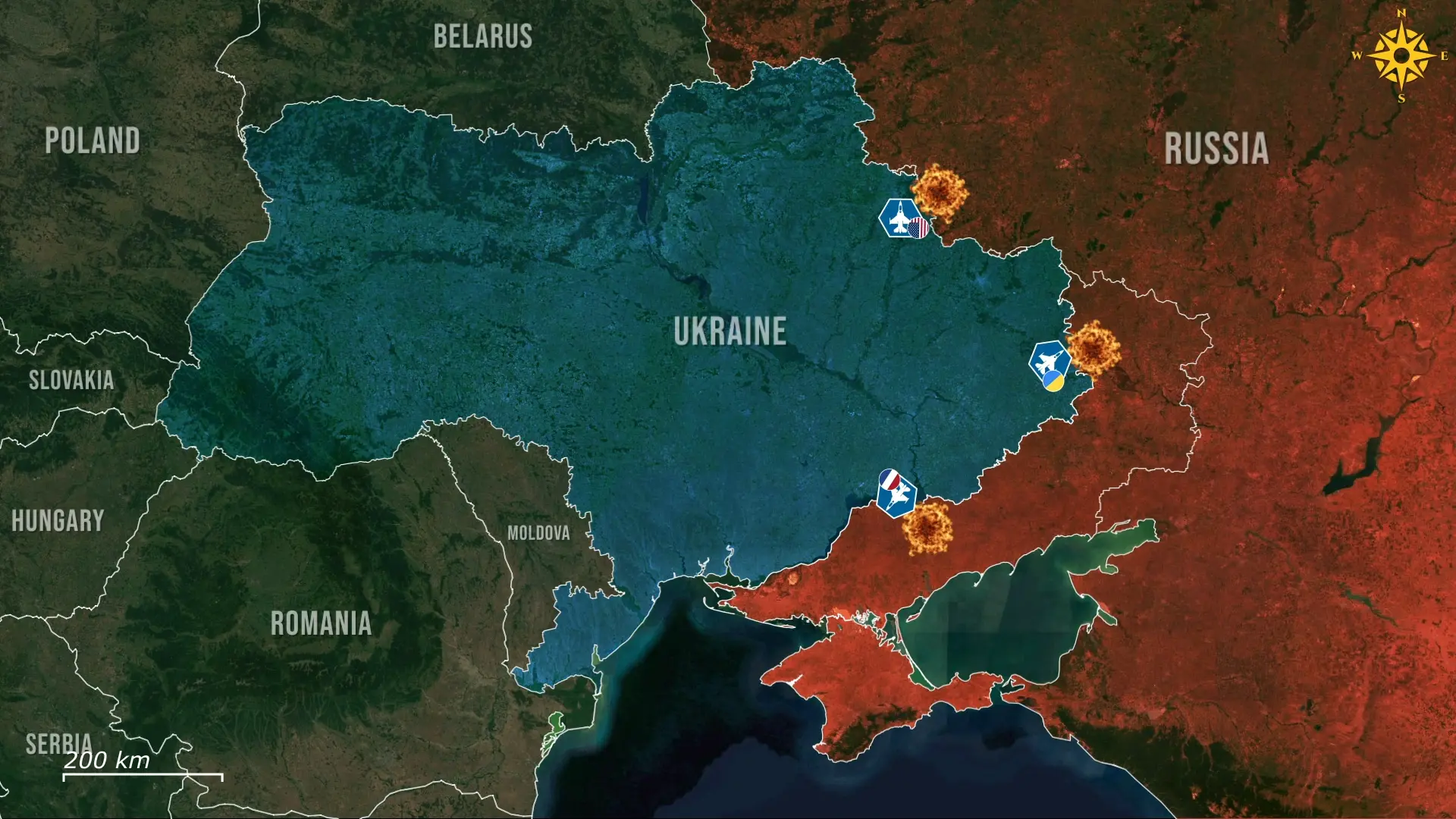
Russian pilots and drone operators are now faced with a difficult situation, where they have to assume a more efficient response from the Ukrainians. That results in threat responses becoming faster and more predictable in execution. Following this development, Russians now need to deal with pilots who are trained much longer, and are trained to precisely deal with their threats. This reduces gaps that Russian aviation previously exploited and It increases the risk for reconnaissance aircraft and long-range strike platforms.
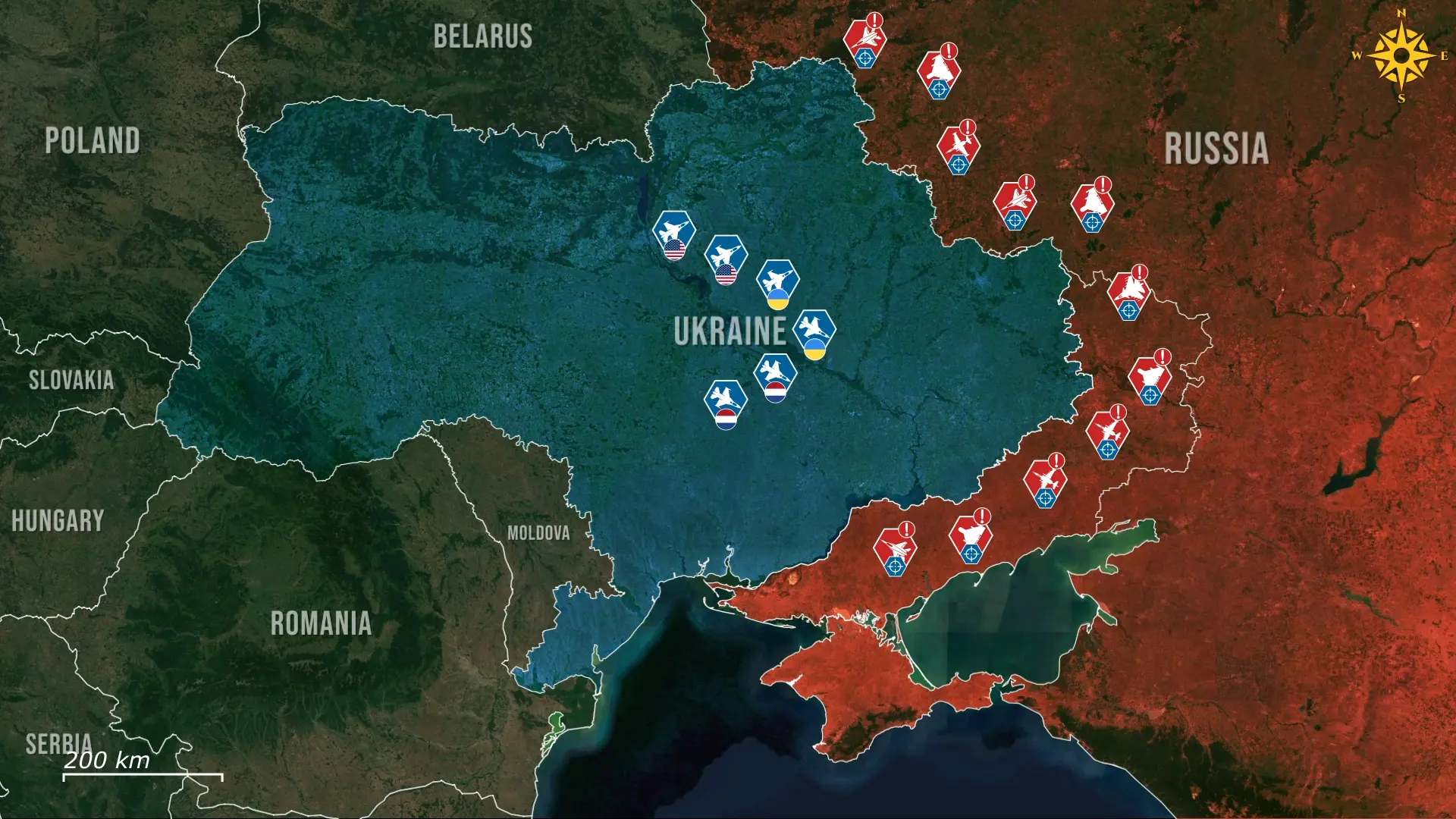
American and Dutch pilots reinforce Ukraine’s air defense architecture through structured patrols and rapid interception missions. Their primary role is to counter drones, cruise missiles, and emerging aerial threats before they reach critical infrastructure.
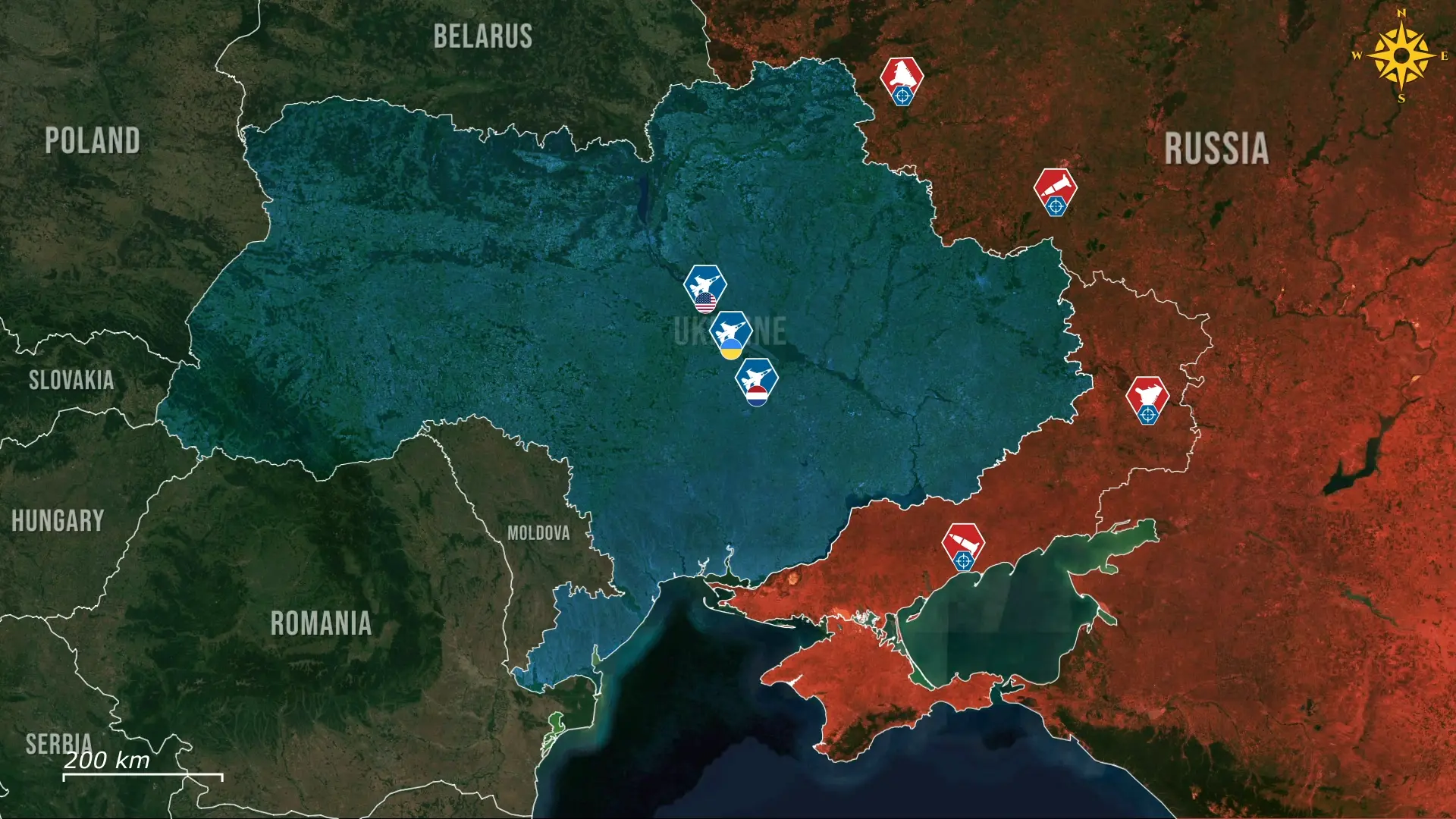
They also provide dedicated strike escort for Ukrainian aircraft and beyond-visual-range deterrence to suppress enemy intercept attempts before they can threaten the strike package. This layered escort presence significantly increases survivability during precision strike missions by complicating adversary targeting cycles.
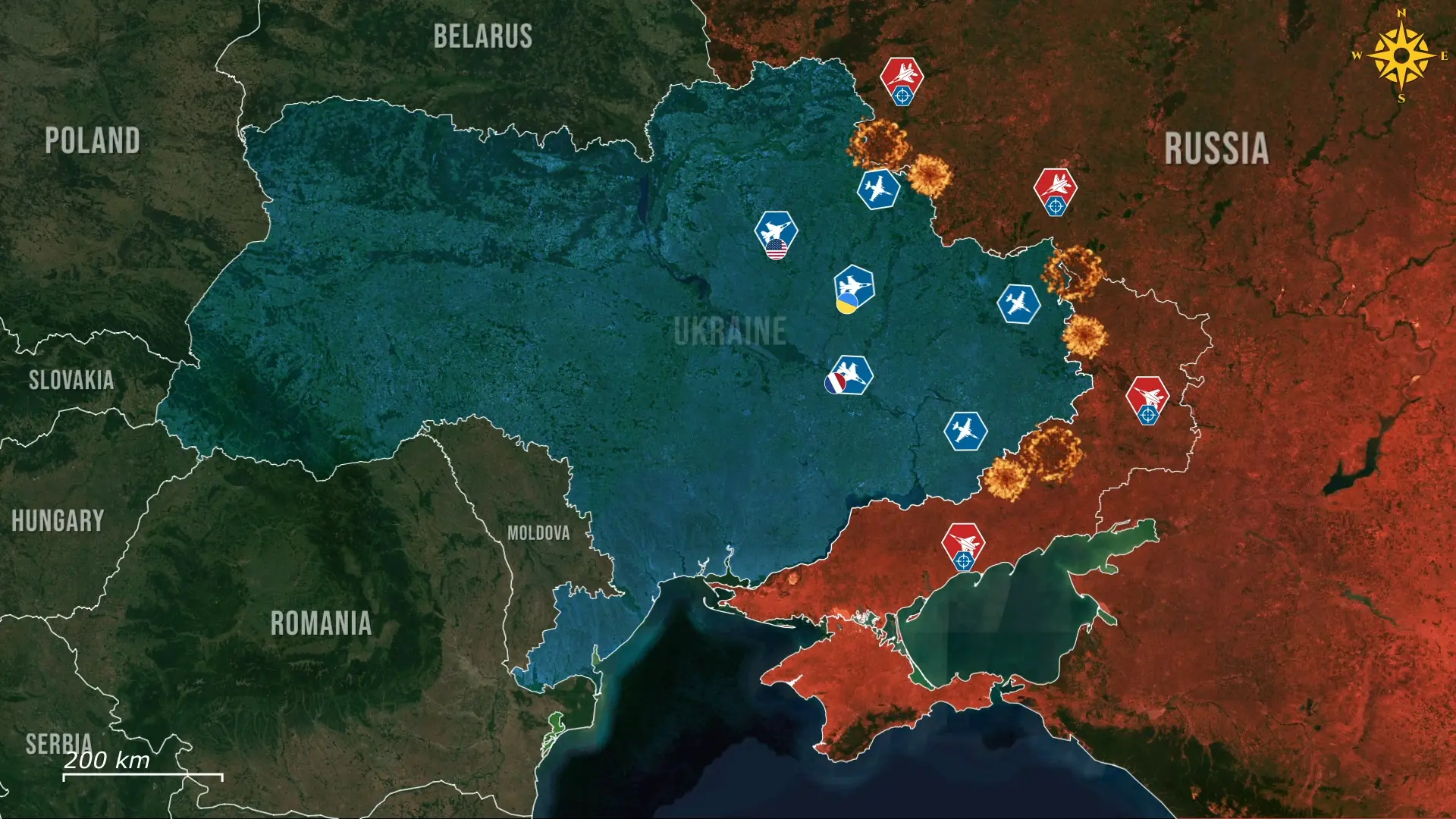
The presence of experienced Nato aviators improves coordination between radar operators, ground controllers, and fighter elements. Mission debriefings are a central component of this structure.
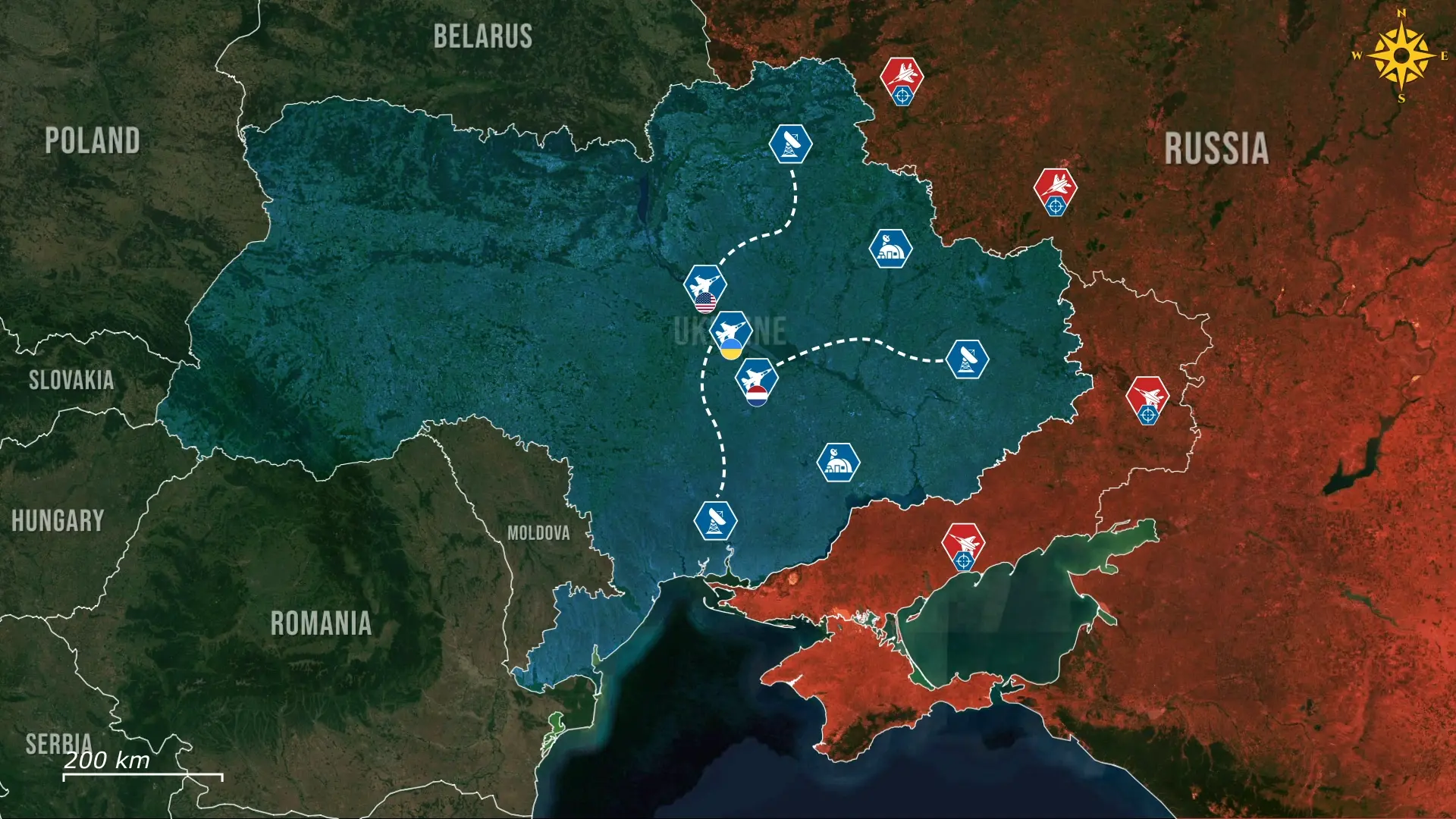
After each sortie, crews review radar tracks, weapons employment, and communication flow. Mistakes are identified in a controlled and professional setting. Tactical adjustments are then implemented for the next mission cycle. The introduction of advanced simulators supplied by the Netherlands allows crews to rehearse complex scenarios safely.
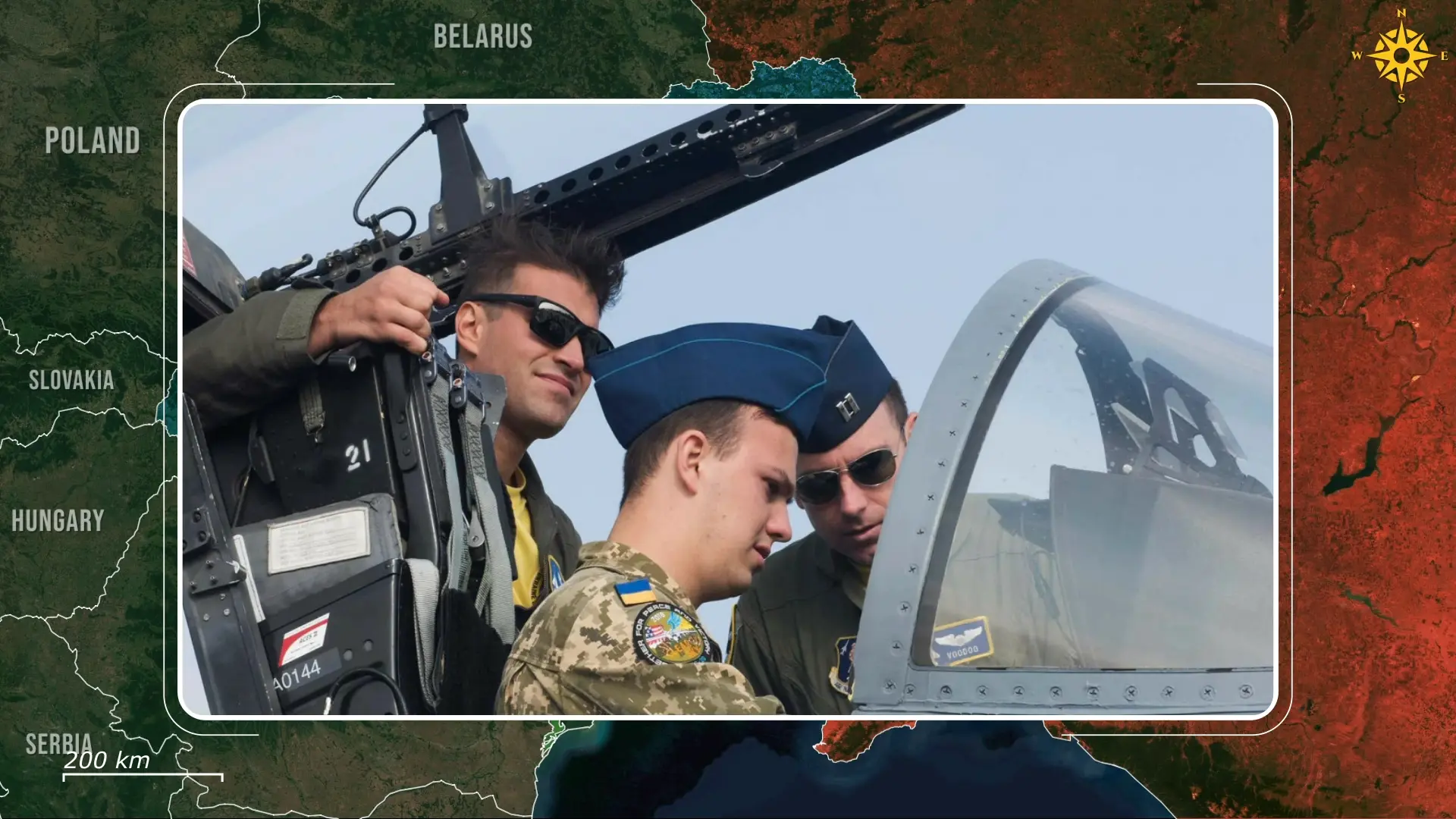
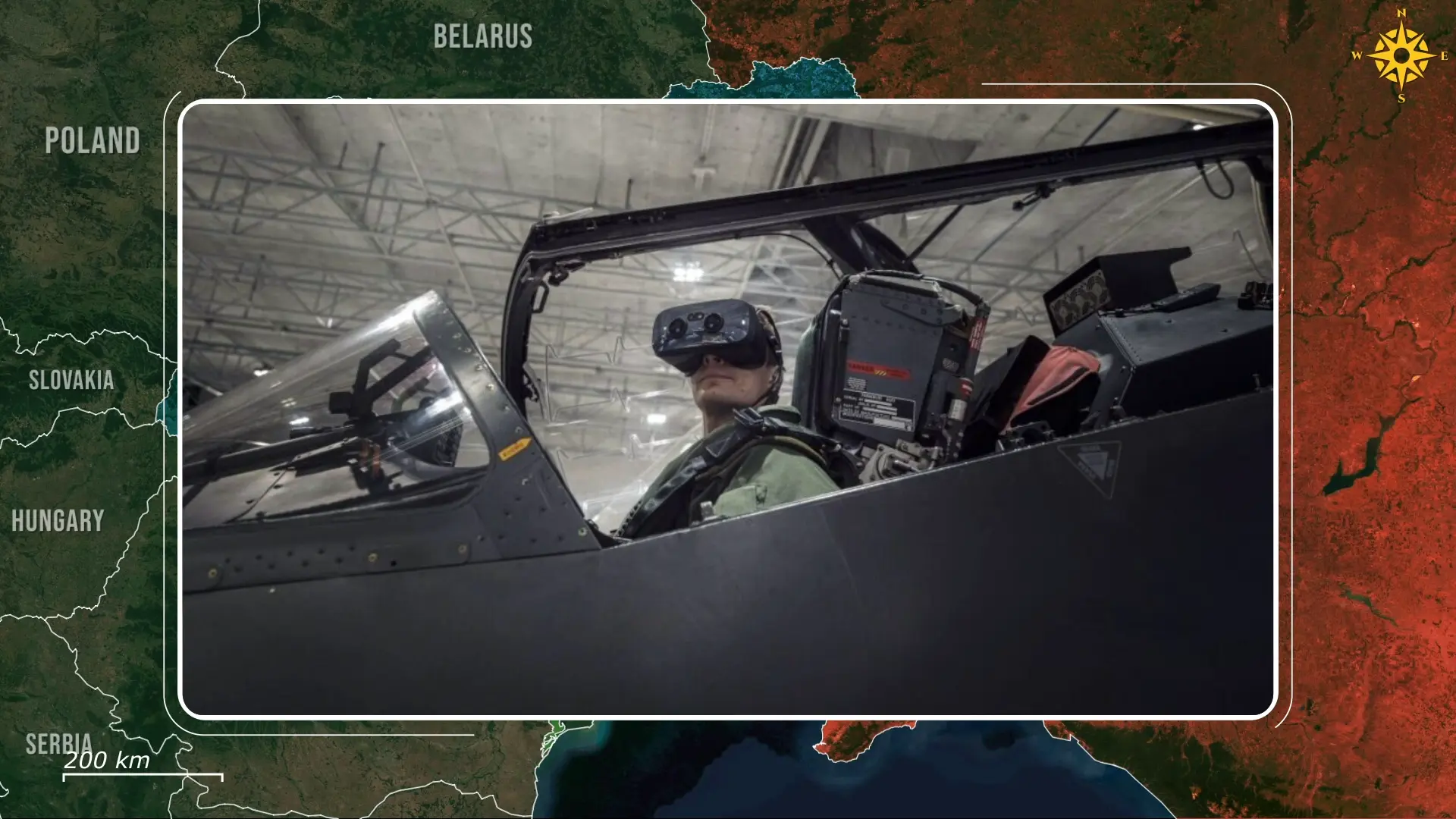
In addition, recent spotting of two-seat F-16 jet fighters directly reinforces this dynamic. They enable direct in-flight mentoring and real-time correction inside Ukrainian airspace.
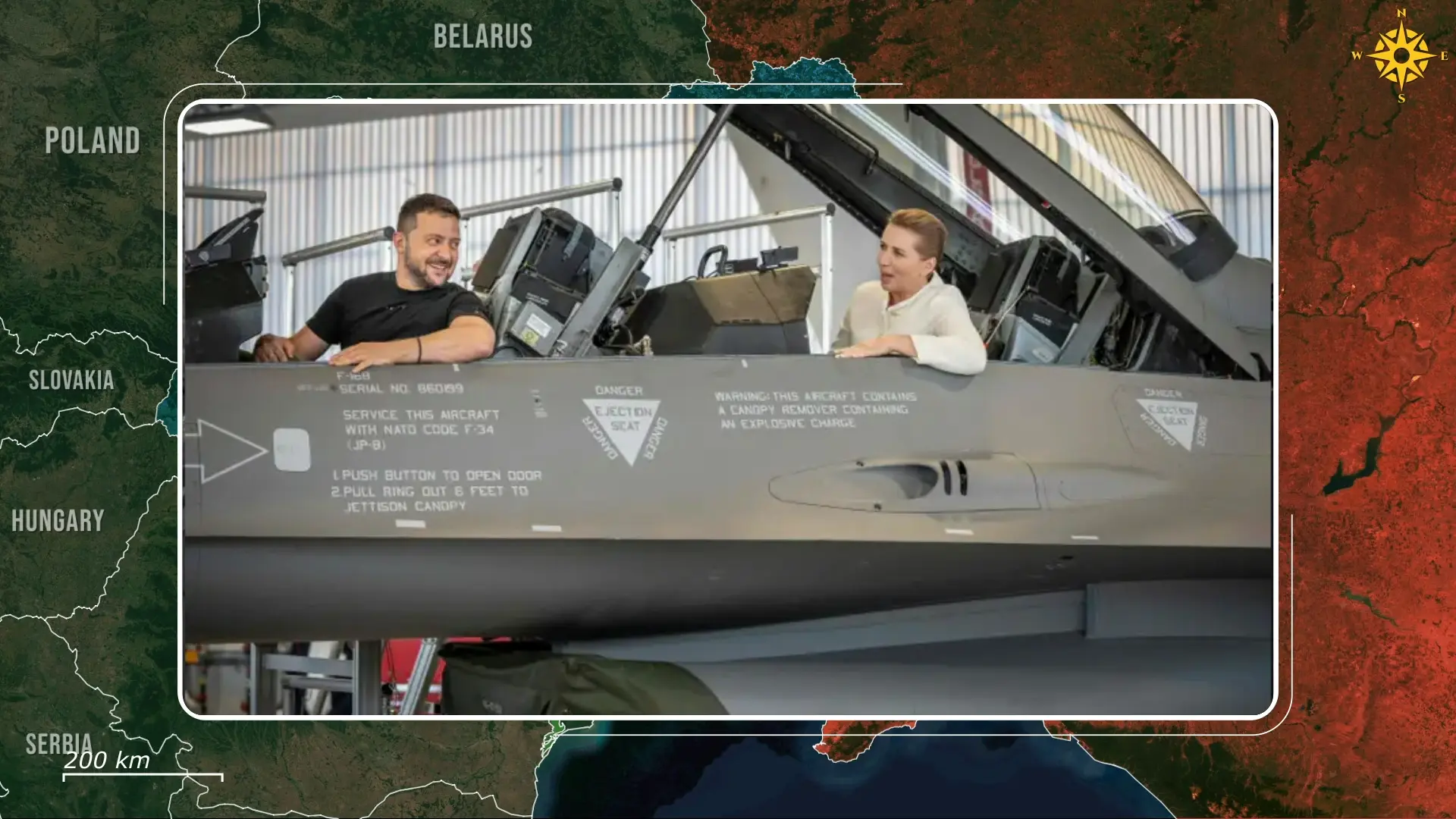
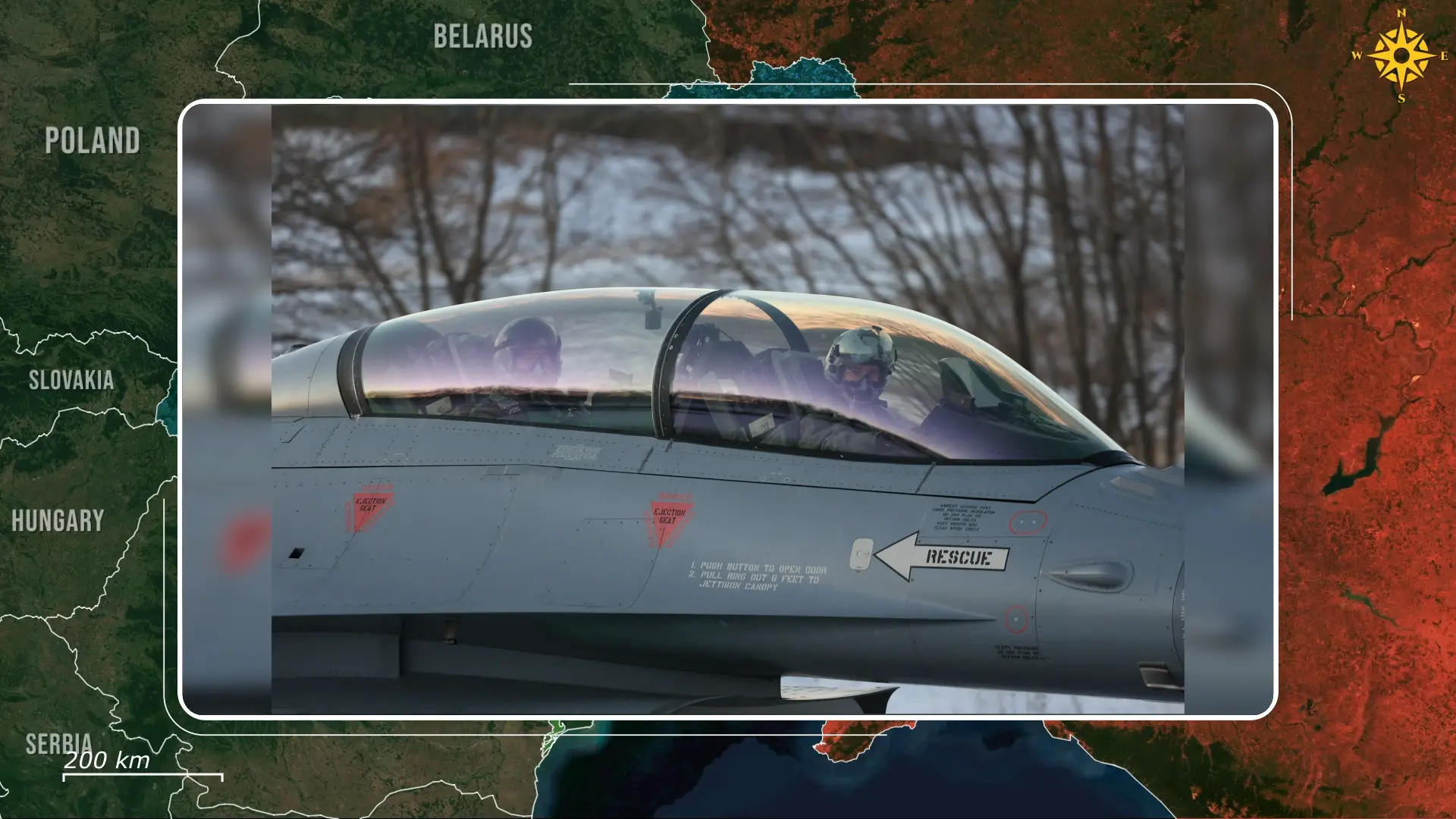
Overall, the integration of foreign F-16 pilots into Ukraine’s air force marks a structural shift rather than a temporary reinforcement. It embeds Nato air combat standards directly into daily combat operations and accelerates Ukraine’s transition toward a fully networked Western-style air defense system. This development strengthens immediate interception capacity while simultaneously building long-term institutional expertise inside the country. By combining combat experience, shared doctrine, and in-theater training infrastructure, the multinational squadron does more than defend the sky today. It gradually reshapes the balance of power in the air domain and narrows Russia’s ability to operate with relative freedom over Ukrainian territory.

.jpg)


Comments