

.svg)
Today, there is important news from Estonia.
Here, a Nato exercise simulated a high-intensity assault and left Estonia in shock after facing the reality how prepared the region is for a Russian invasion. The results exposed dangerous vulnerabilities in Nato formations operating in a drone-saturated battlespace, boosting Russian confidence that the Baltics may become an easy prey for a full scale invasion.
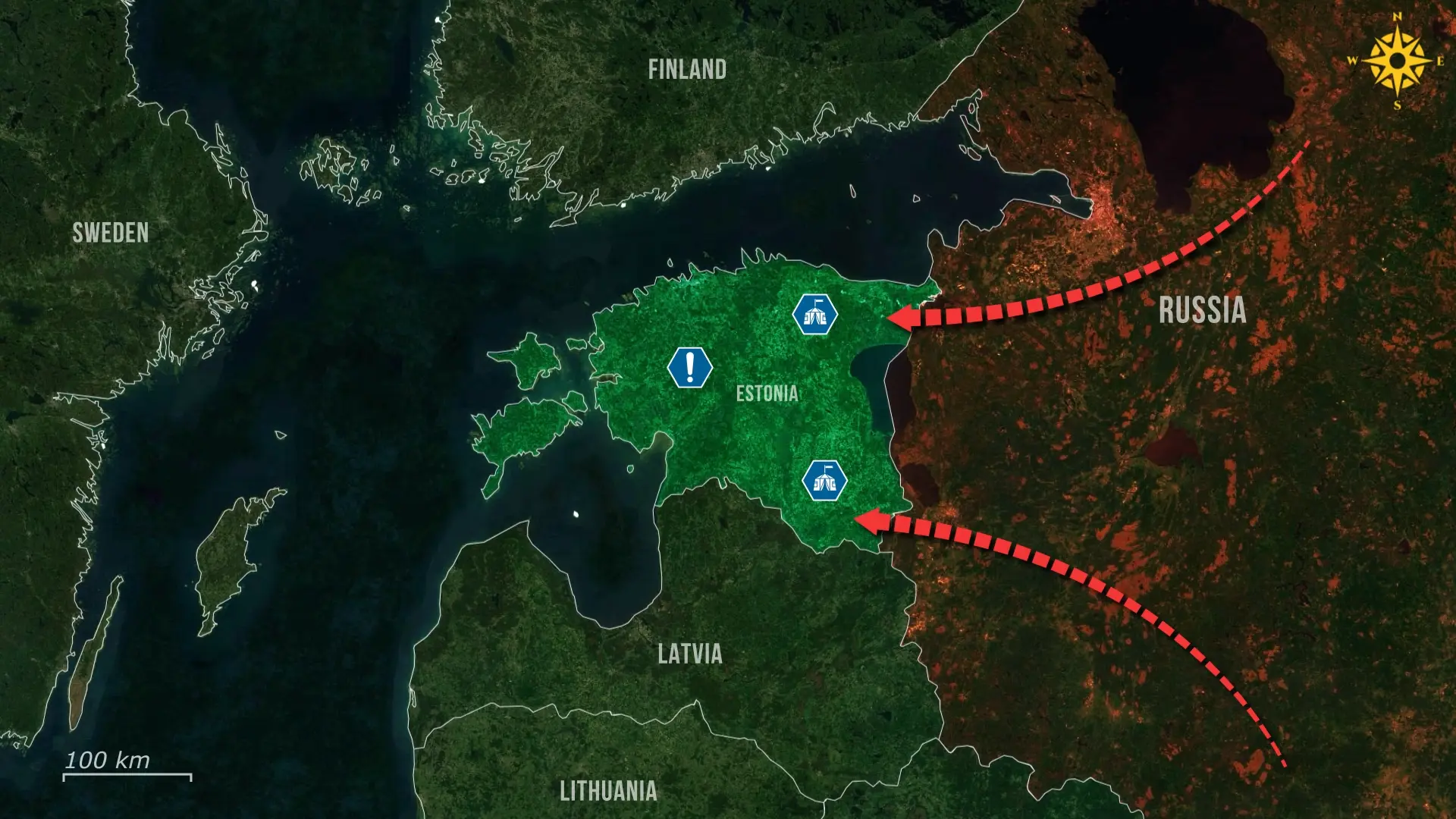
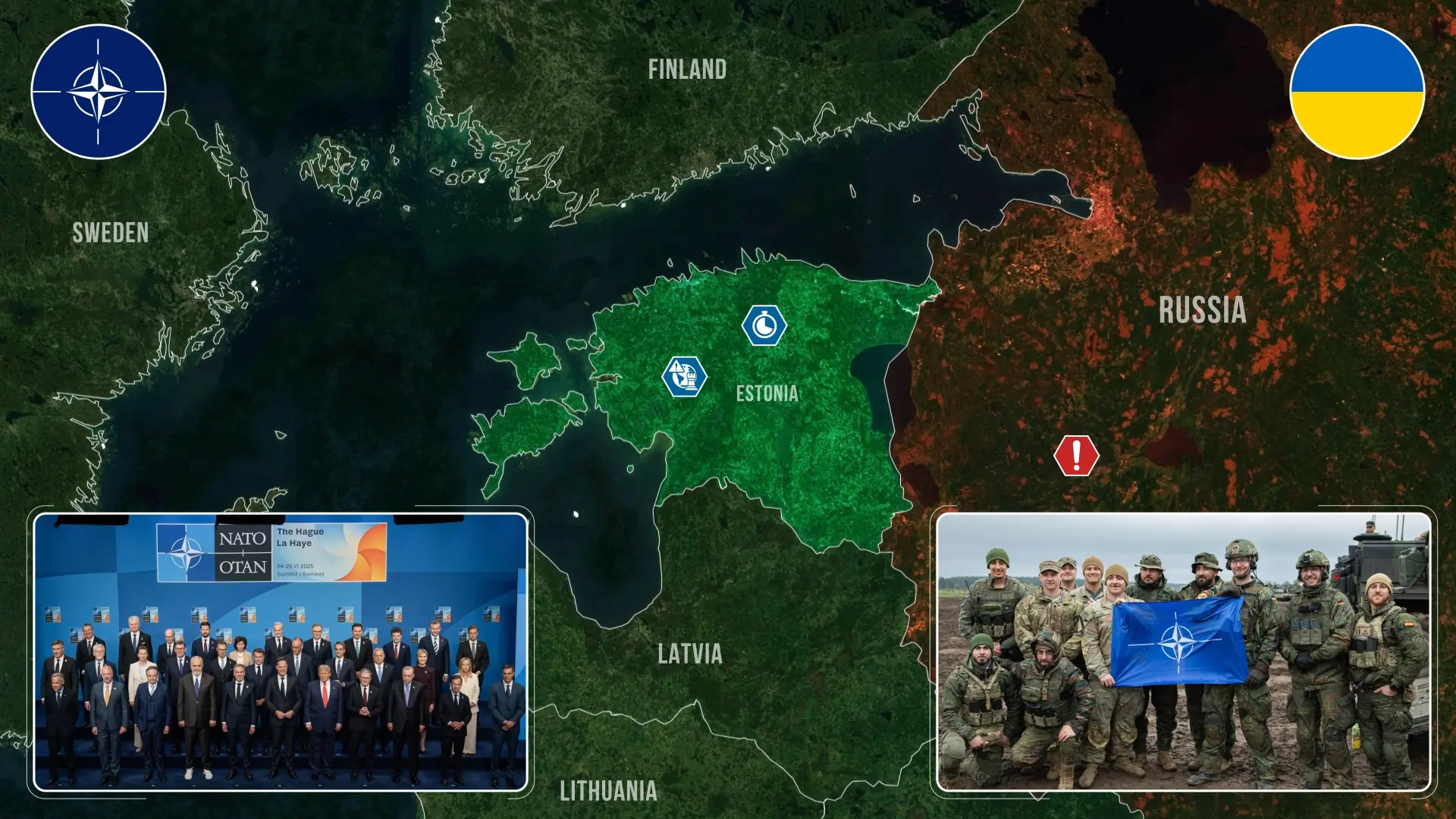
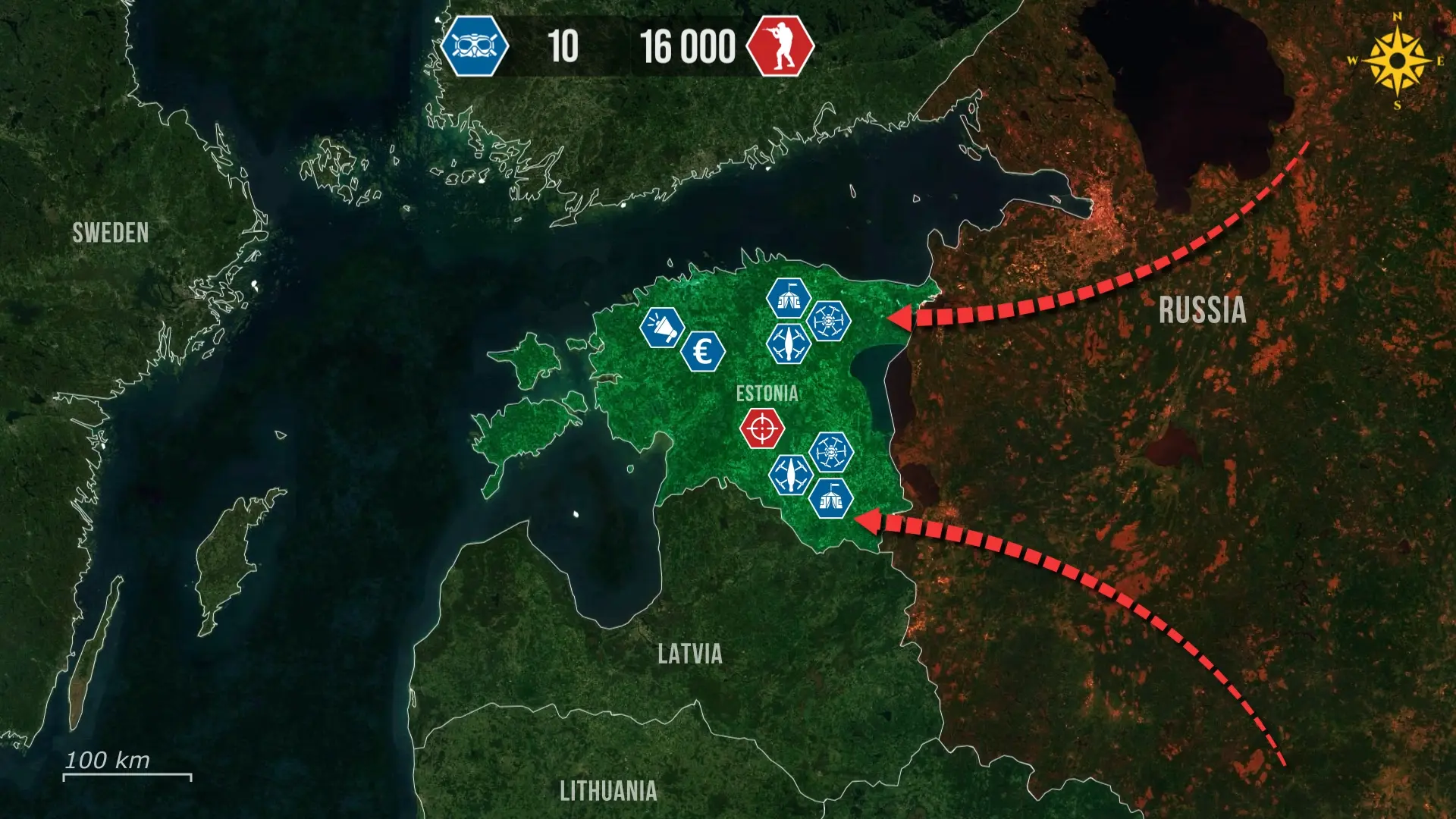
Nato’s Hedgehog 2025 exercise in Estonia included more than 16,000 troops from 12 member countries, but this time it included Ukrainian drone specialists drawn from frontline units such as Nemesis, Rarog, and the International Legion of the Ukrainian Main Intelligence Directorate.
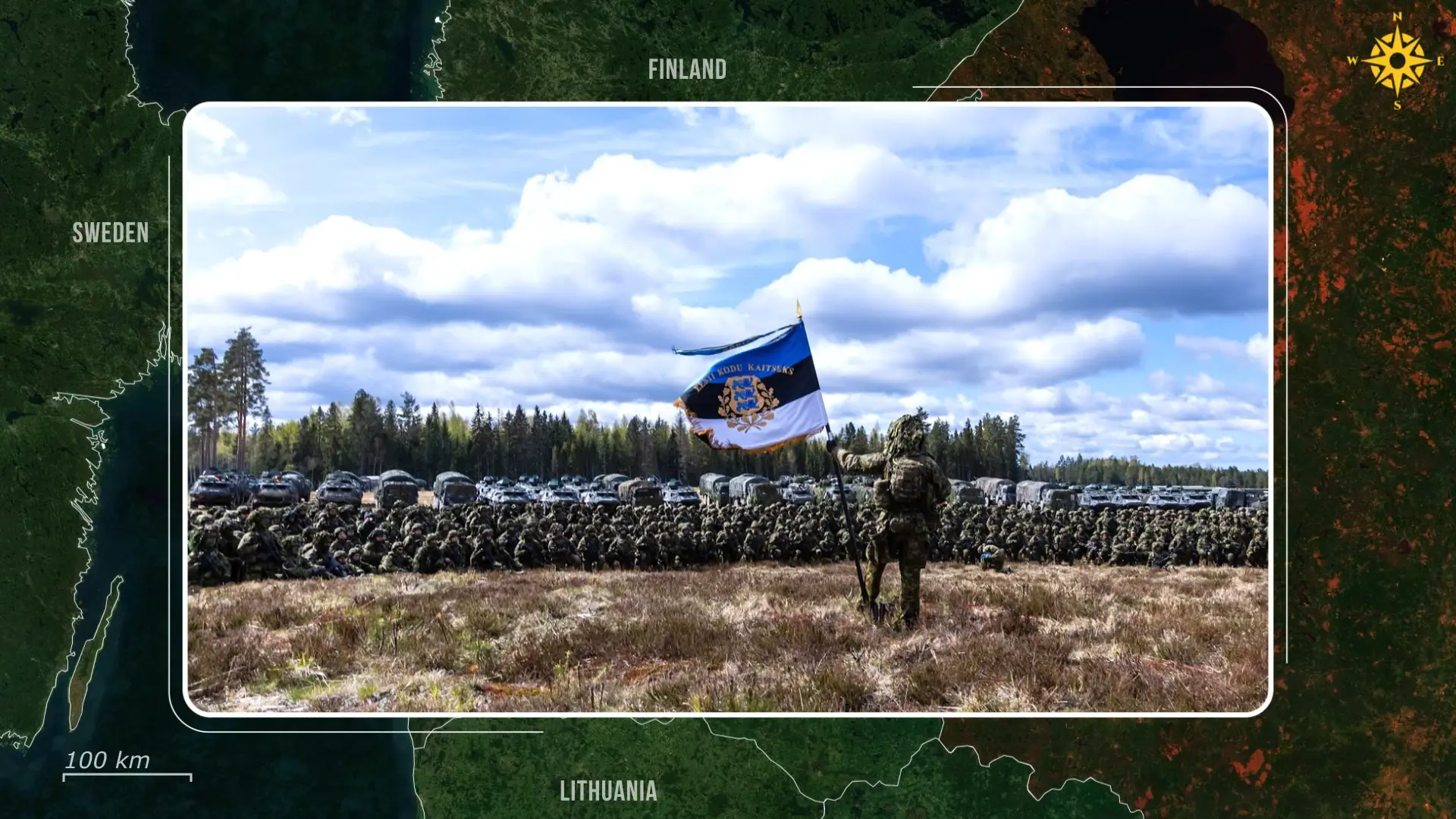
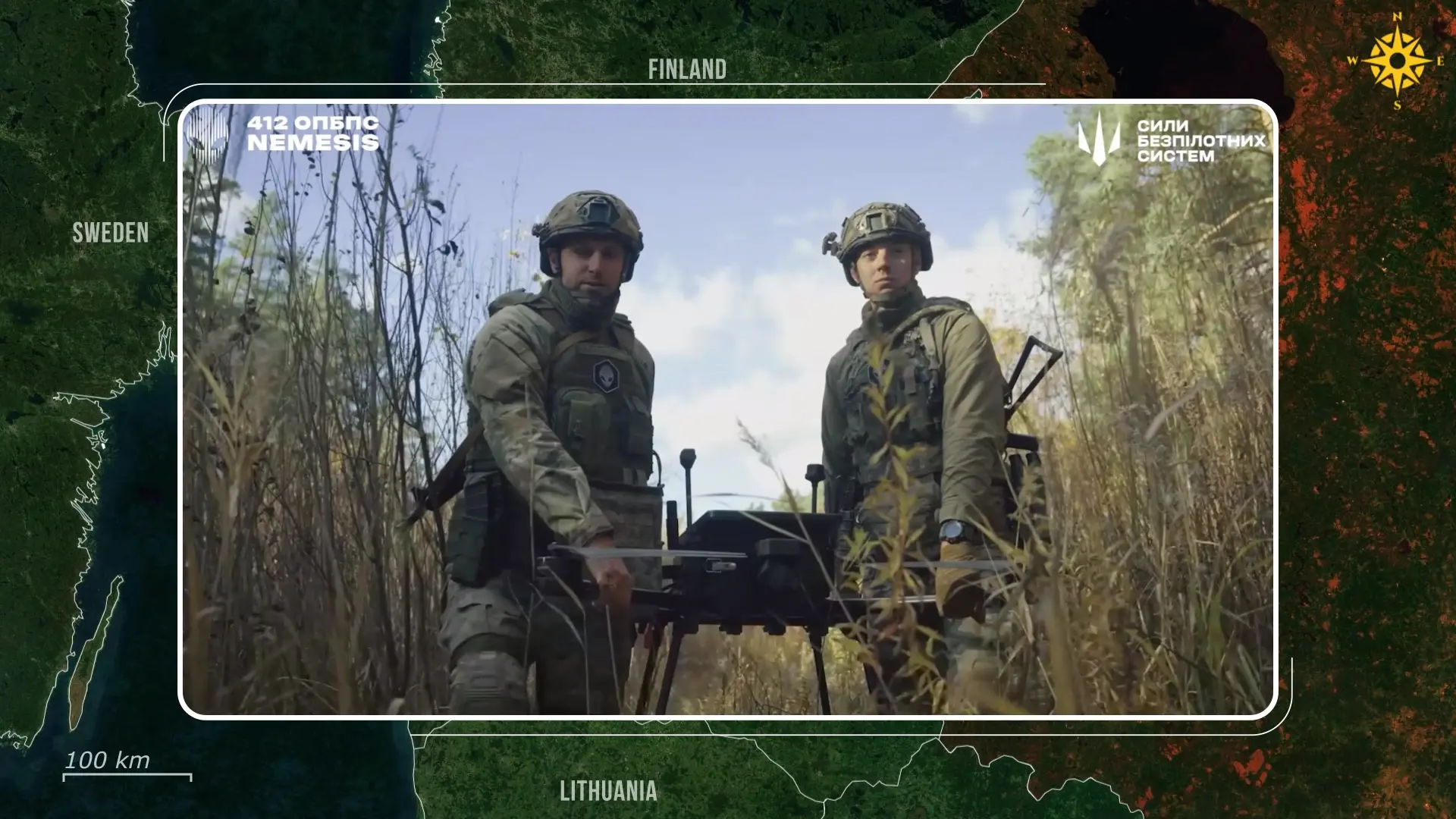
Their drone operators acted as a technologically advanced adversary, put up against Estonian and British soldiers supported by armored fighting vehicles, to test the difference between tactics on paper and real combat experience. The scene of the exercise was meant to simulate an initial Nato counterattack as the first response to a cross-border enemy incursion.
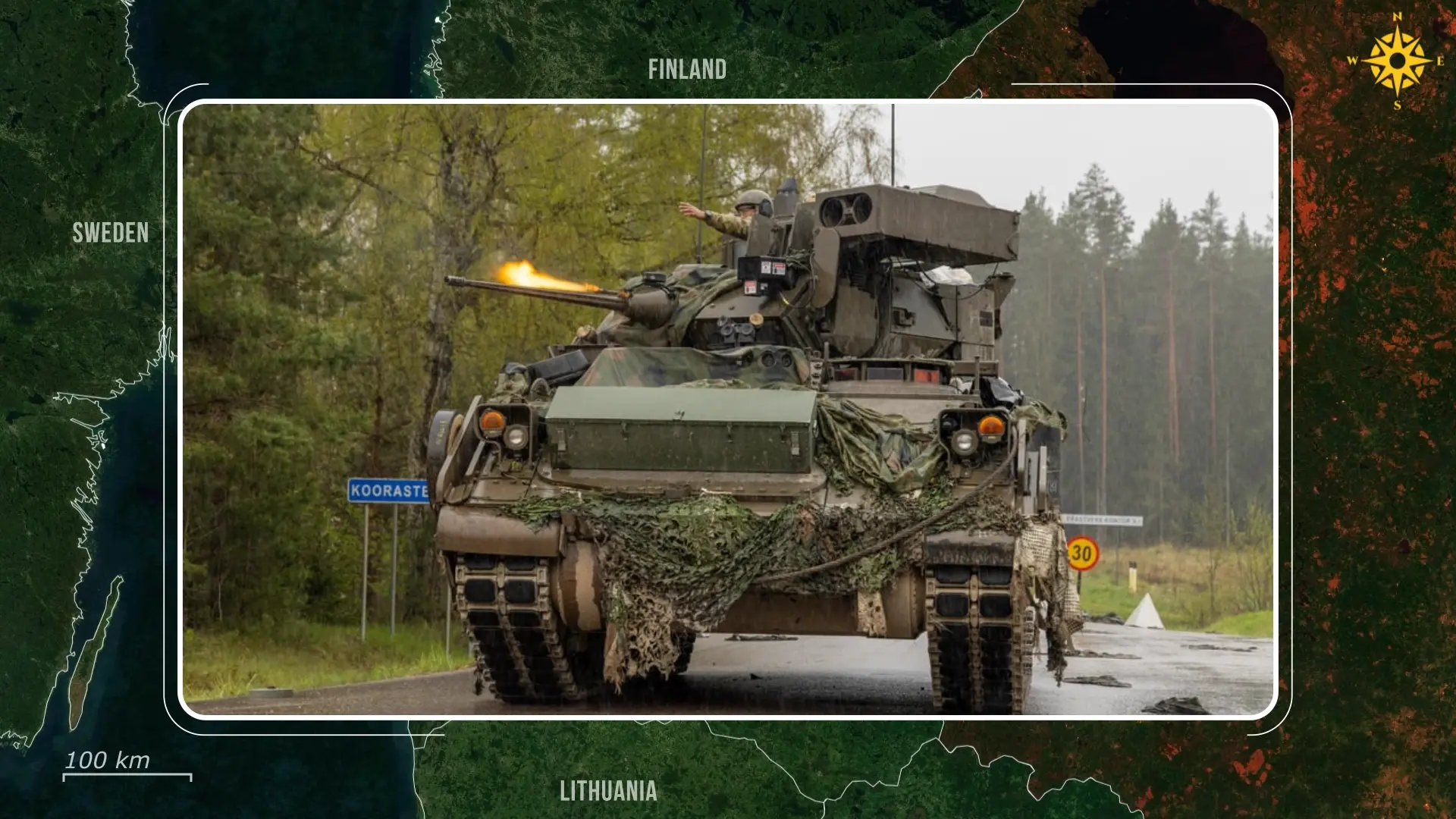
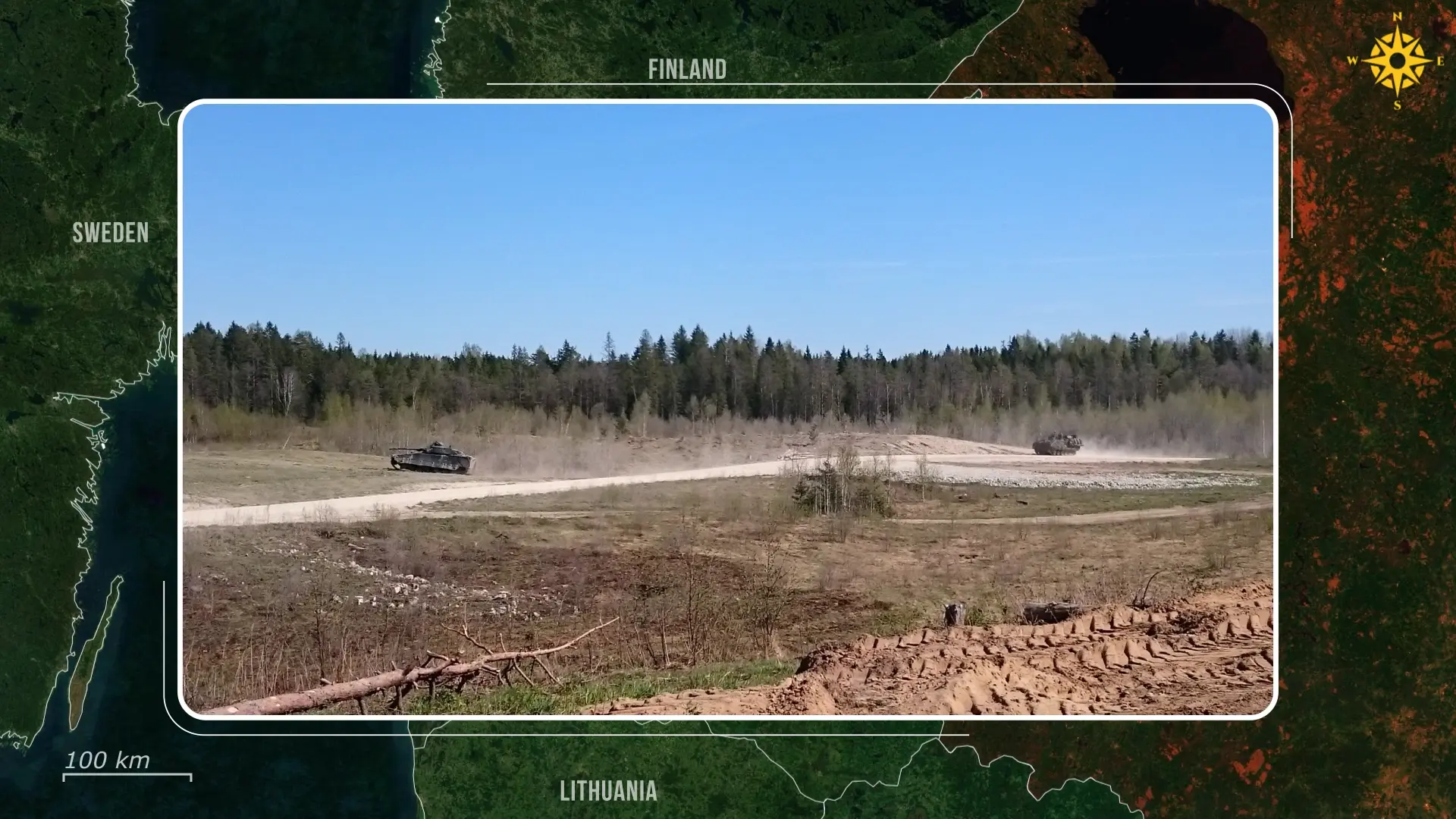
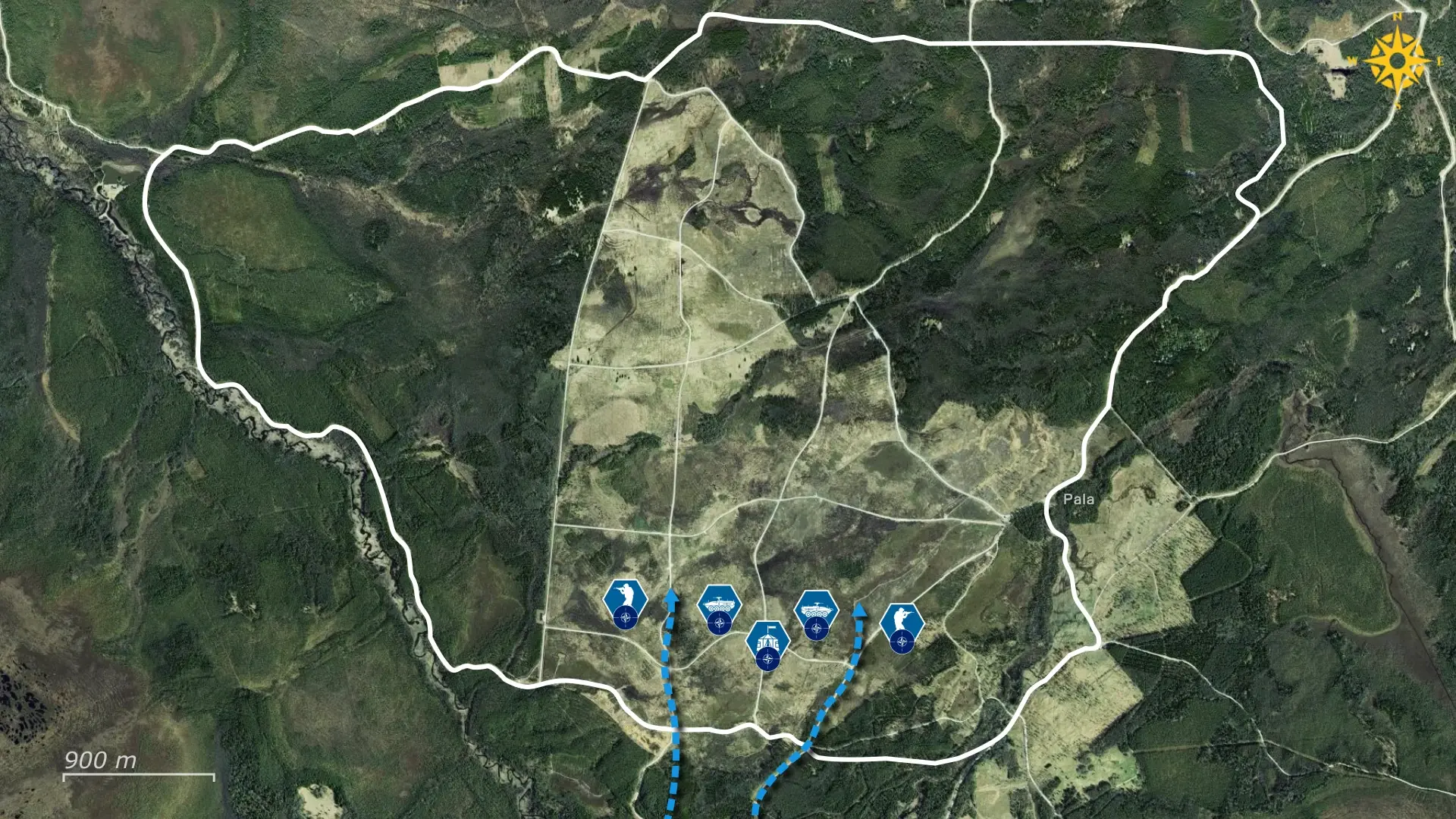
The training started with Nato units deployed from assembly areas, advancing along road corridors toward the simulated engagement zone. From there, they established hasty camps with tents, vehicle parks, and resupply points close to the frontline.
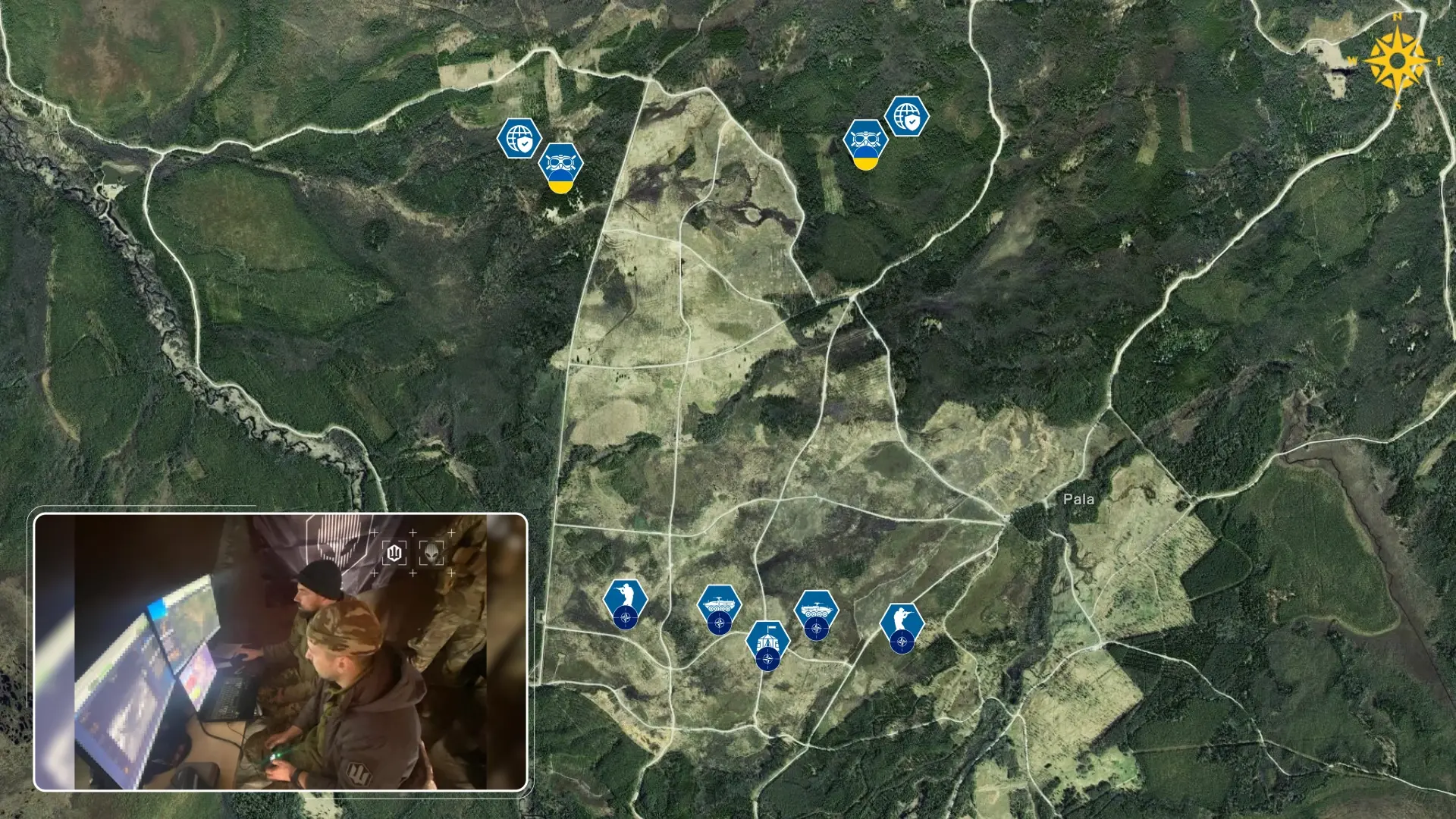
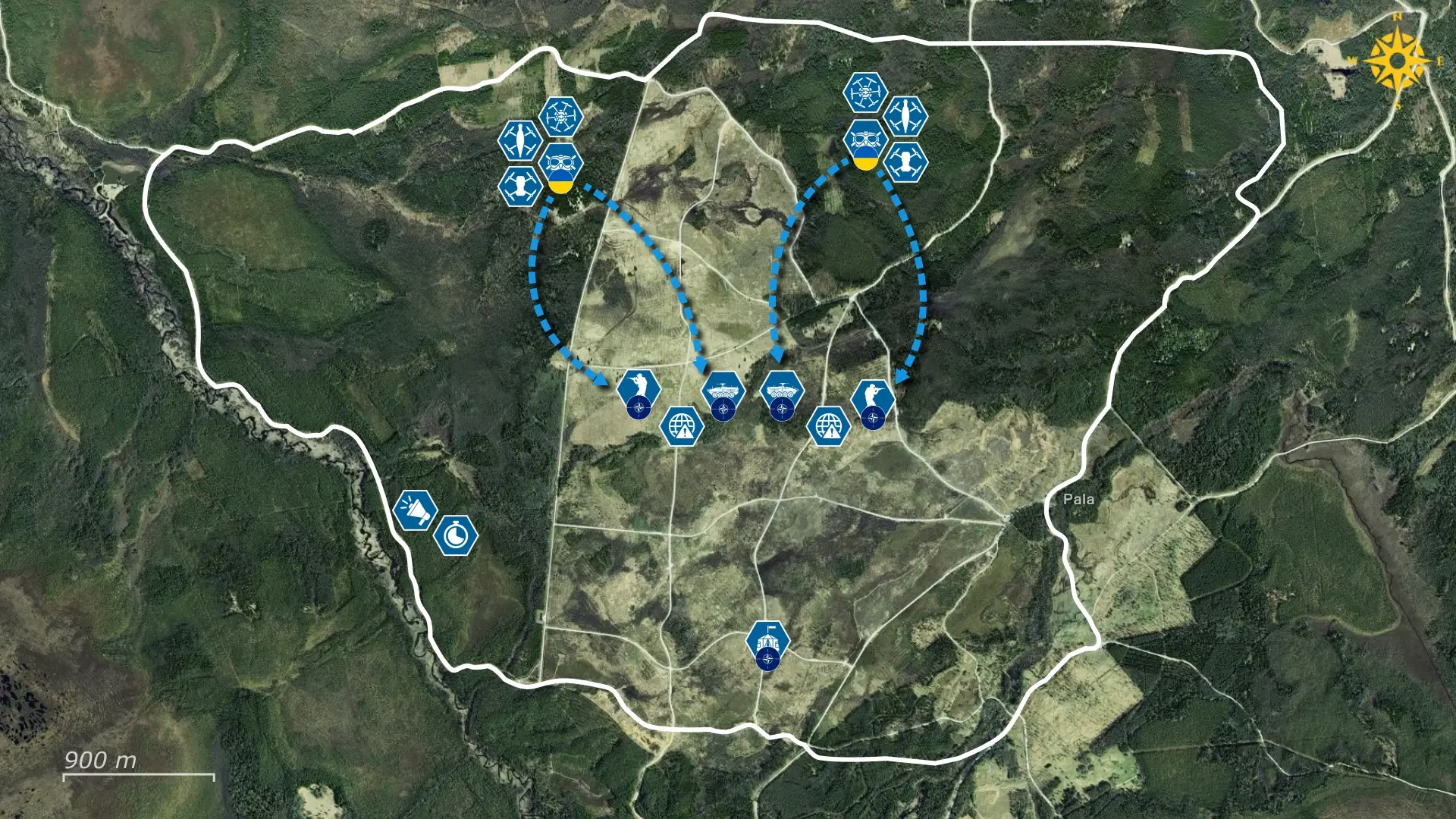
The Ukrainians, operating hidden in dugouts and acting as the opposing force, used reconnaissance drones to identify static concentrations and expose logistics nodes, creating a real-time map of enemy positions. This was done through Ukraine’s Delta system, a real-time battlefield management and situational awareness platform integrating drone, satellite, and frontline data to coordinate operations and target enemy forces.
After targets were identified and a priority strike list was organized, Ukrainian FPV and heavy bomber drones simulated continuous strikes against Nato armored vehicles, command posts, infantry, and choke points, engaging Nato forces before they could reach the frontline to attack.
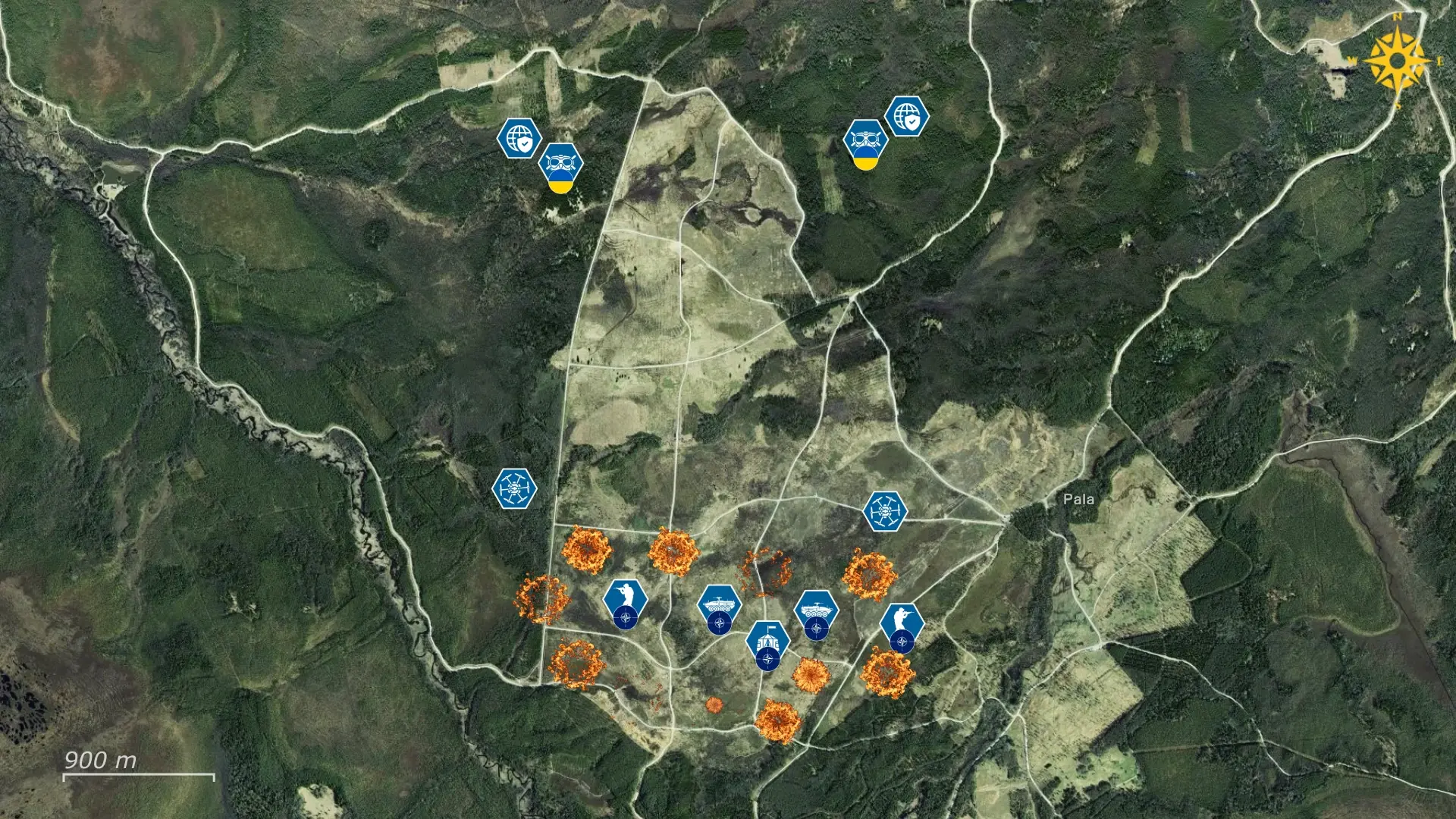
After this initial engagement, Nato elements attempted to regroup and conduct a rapid advance to overwhelm the opposing force, but without being able to find the Ukrainians, who were anticipating this reaction, blue forces encountered mined approaches and logistics routes.
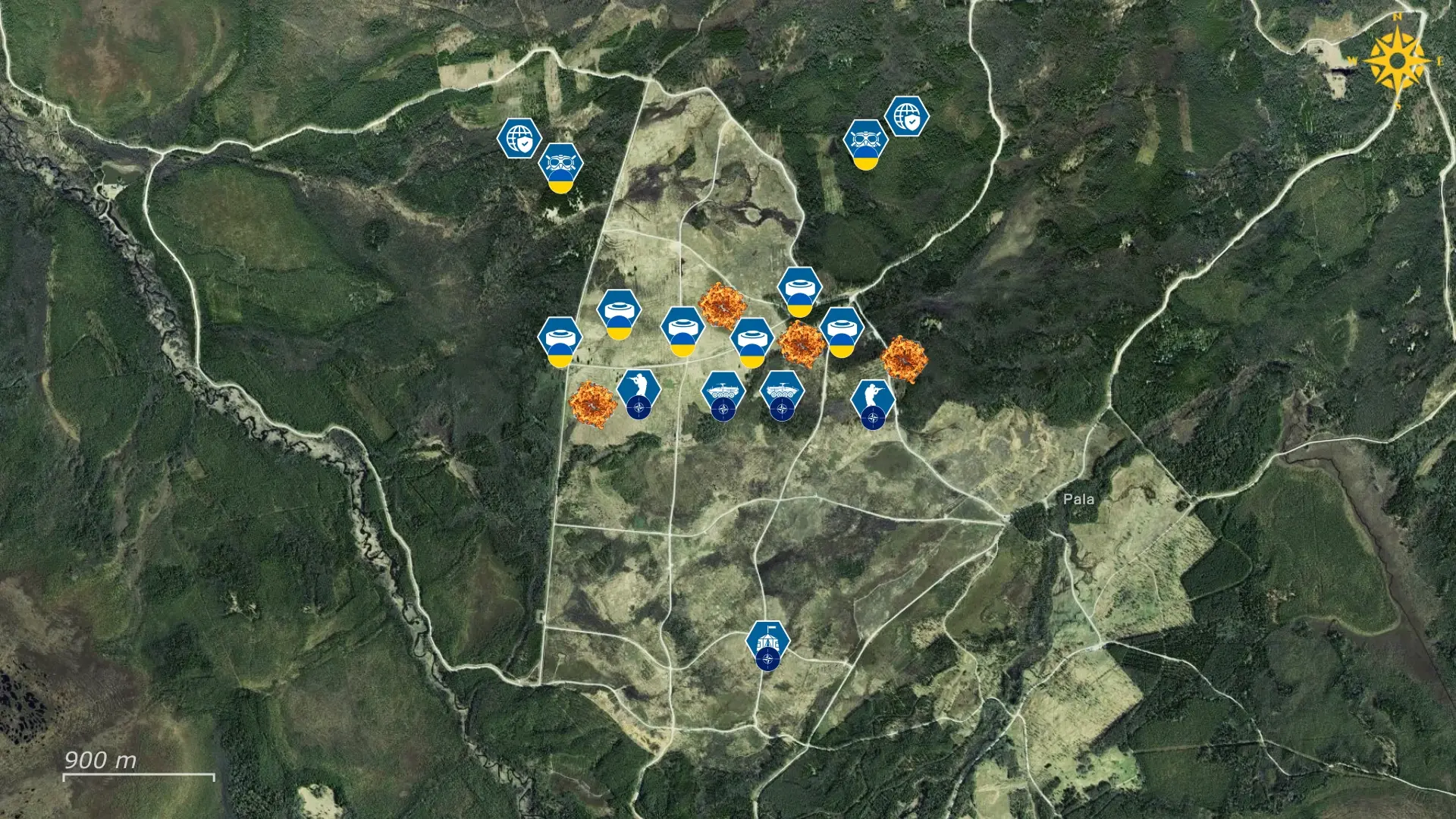
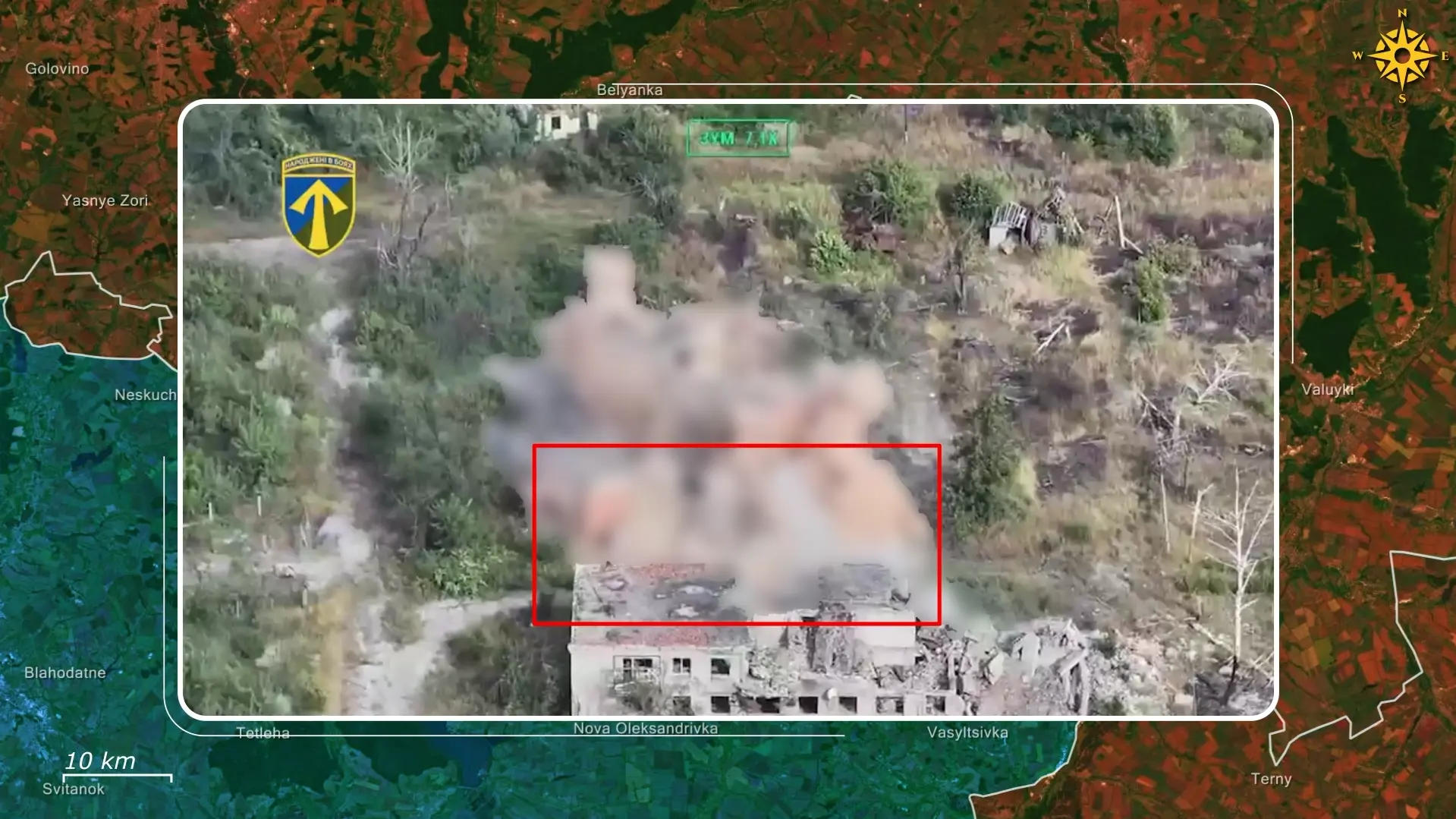
Further simulated drone strikes by the Ukrainian operators compounded losses, blocking roads and eliminating armored vehicles one by one. In roughly half a day, the Ukrainian team mock-destroyed 17 armored vehicles and conducted about 30 additional strike simulations, effectively halting Nato maneuver operations and rendering 2 full mechanized battalions combat-ineffective.
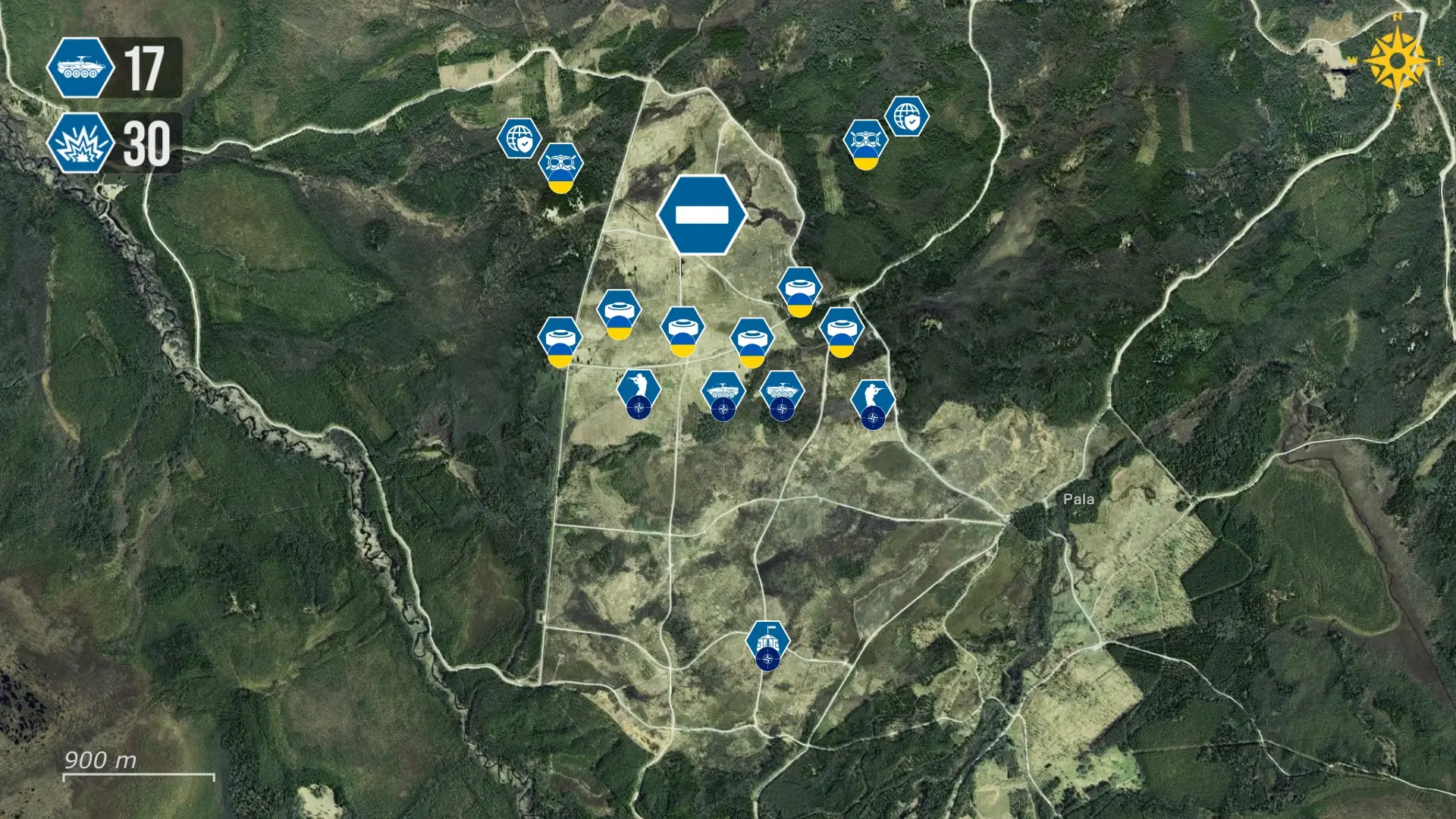
According to participants, the Russians forces, which the Ukrainians portrayed, were able to completely overwhelm the opposing Nato force within a day, despite using only half the number of drones that are usually seen on Ukraine’s front lines in similar scenarios. Ukrainian teams deployed more than 30 drones across an area of less than ten square kilometers, combining different types for reconnaissance, simulated road mining, and strike operations. The Delta system enabled rapid sensor-to-shooter cycles: detect, share, strike within minutes. Nato formations, by contrast, operated in visible groupings, with limited camouflage and slower data sharing, inviting rapid targeting that led to the outcome described by Nato partners as shocking.
Such findings are incredibly useful for Russia, underlining how its experience in Ukraine puts its armed forces in a better situation, while Nato has not yet fully internalized lessons from the war. Still, as of today, internal Nato reforms remain incomplete, as updating procurement pipelines takes years, while rewriting the whole doctrine requires consensus among member states, and retraining forces at battalion-level formations needs multiple exercise rotations.
The exercise also revealed a key shortcoming, as Ukrainian success depends on rapid data sharing across units, while Nato forces restricted information flows to protect intelligence, leading to units operating under uncertainty, right into a trap, like it happened in the exercise in Estonia.
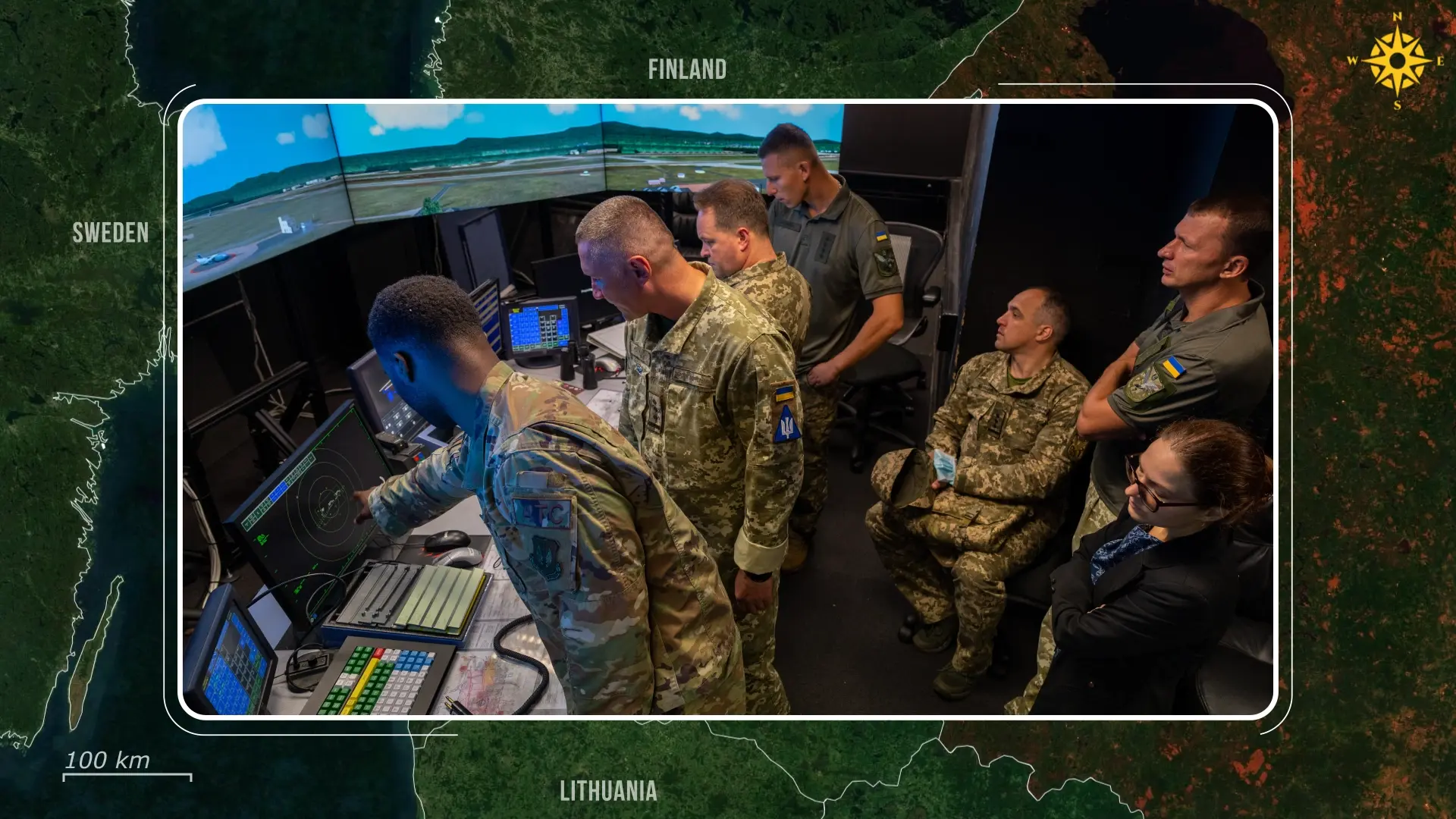
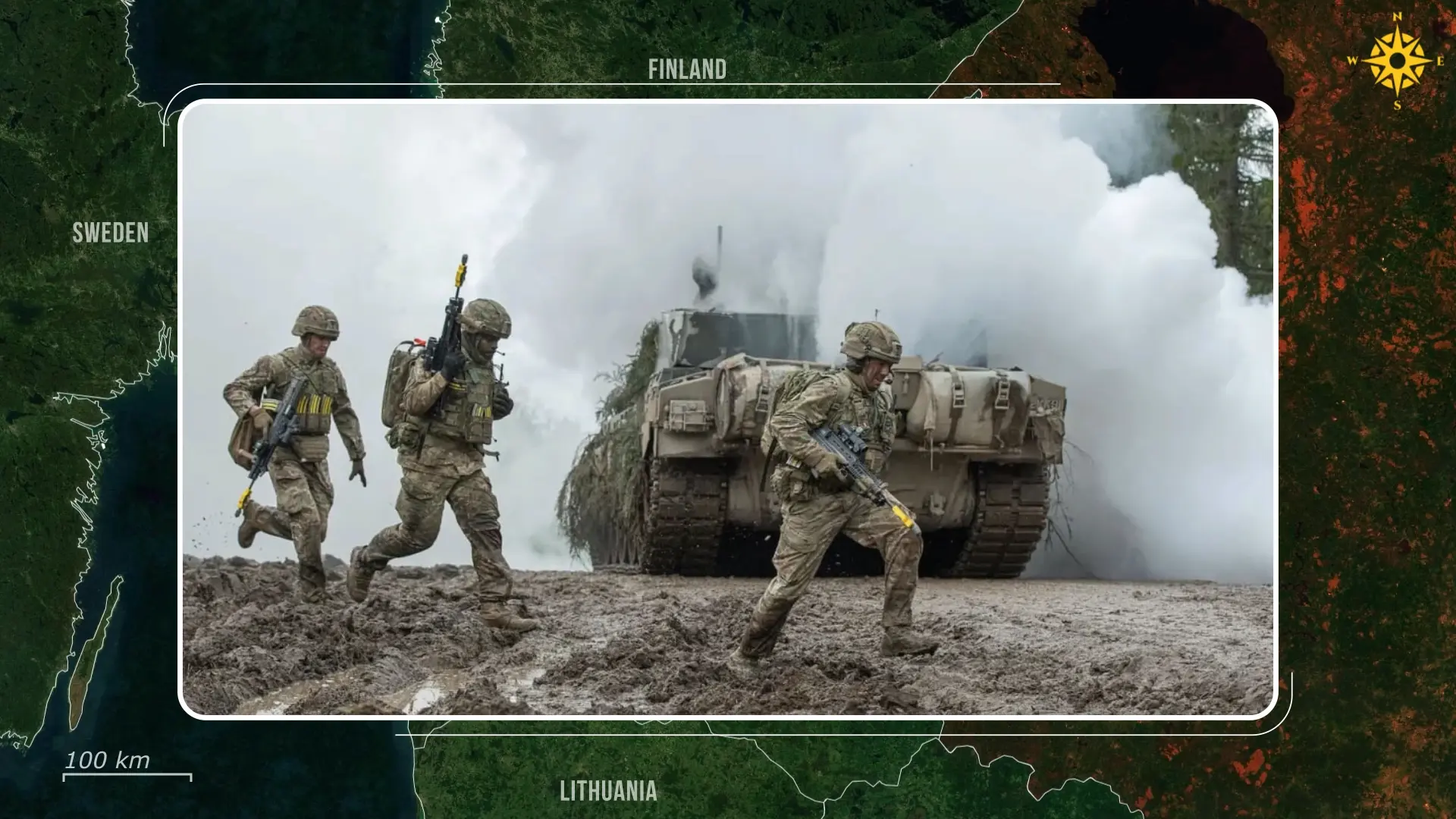
Bridging this gap is essential in avoiding being targeted on the move, while unable to prevent enemy infiltration on time, with officials acknowledging that older manuals do not fully reflect the realities of a drone-dominated battlefield, with its persistent surveillance, rapid targeting and decentralized strike capabilities.
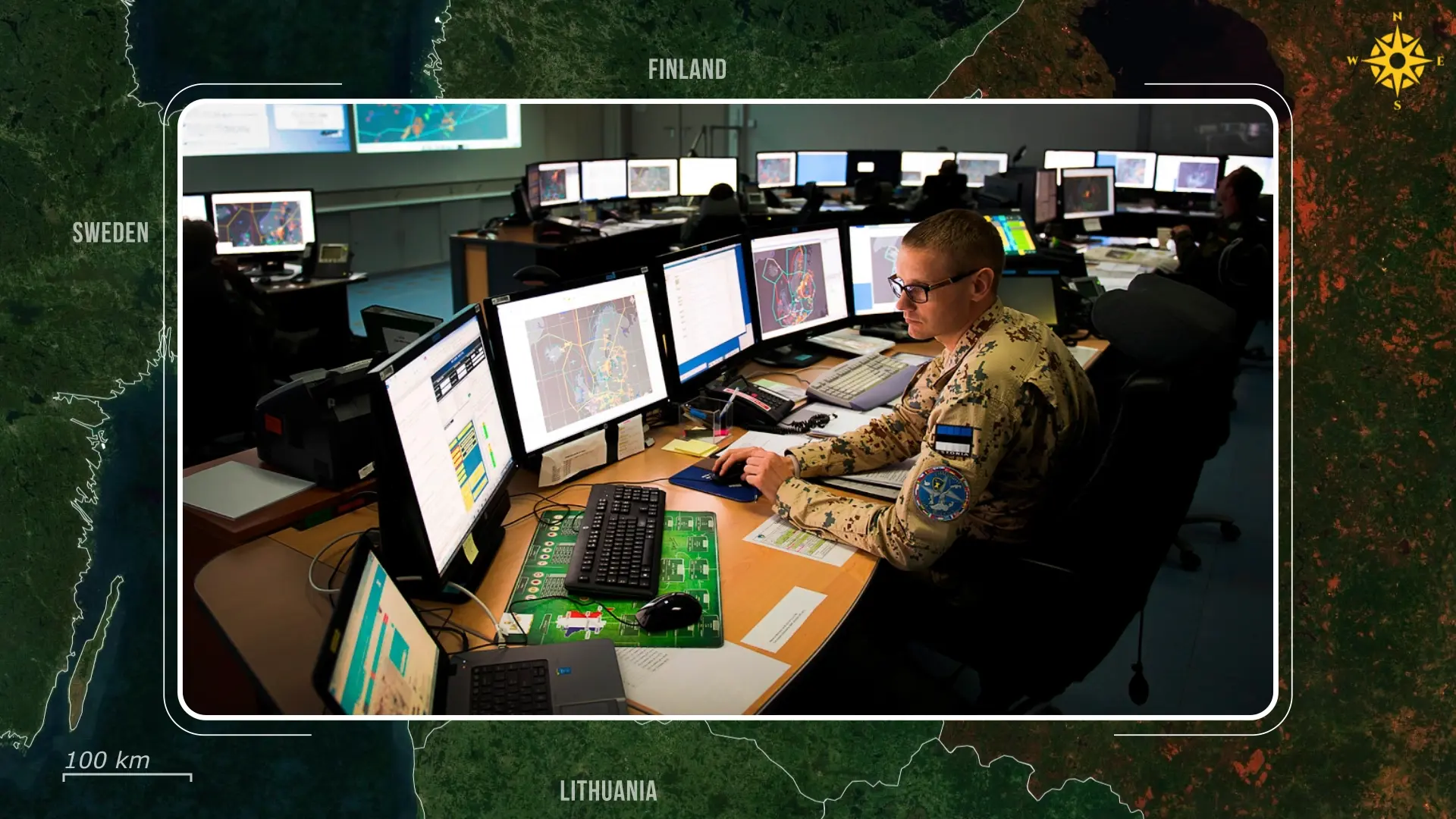
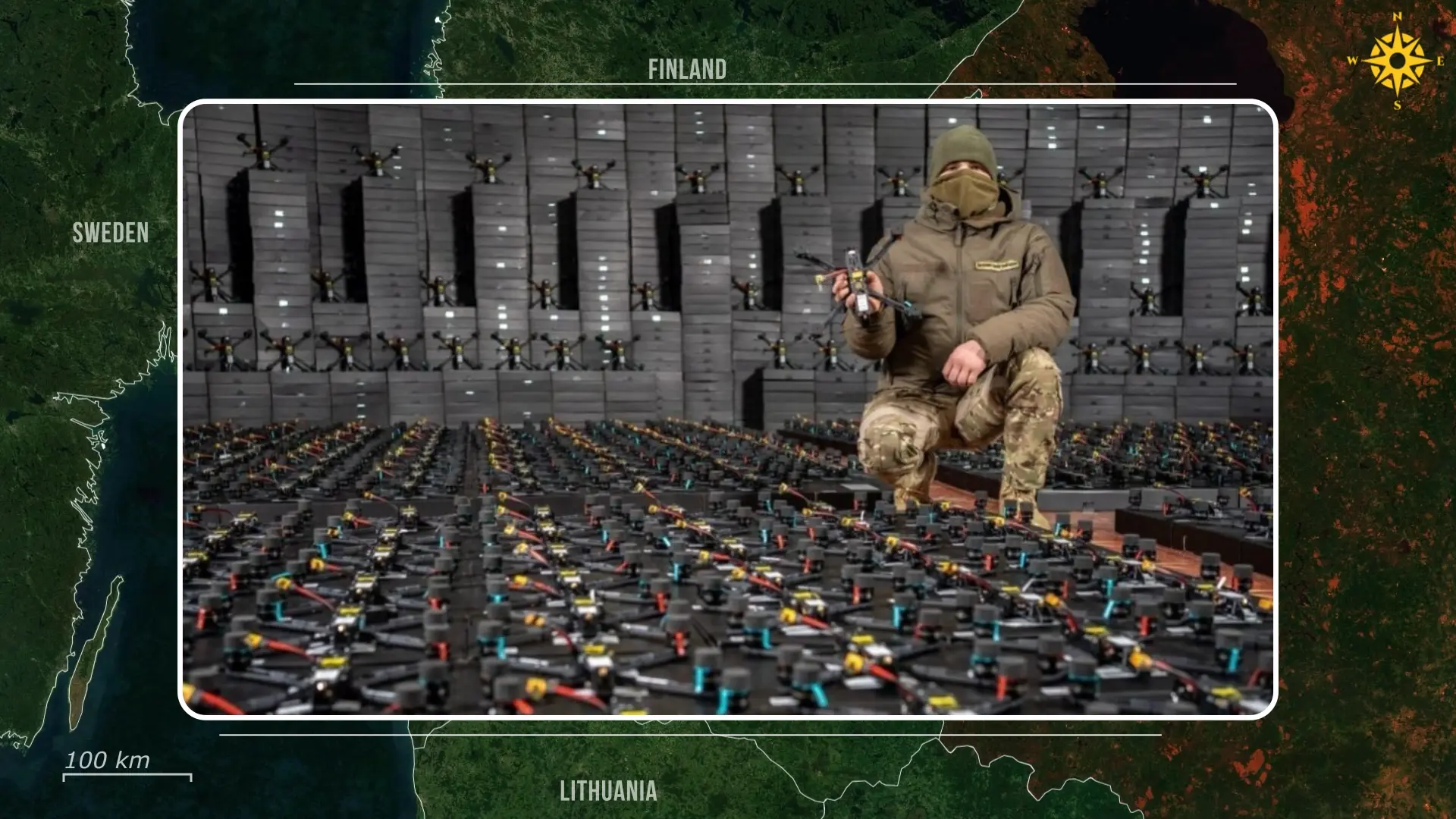
However, announcing the results of the exercise publicly, nearly a year after it was conducted, aims at catalyzing internal reforms, forcing Nato leadership to drastically rethink their training methods and institute real change.
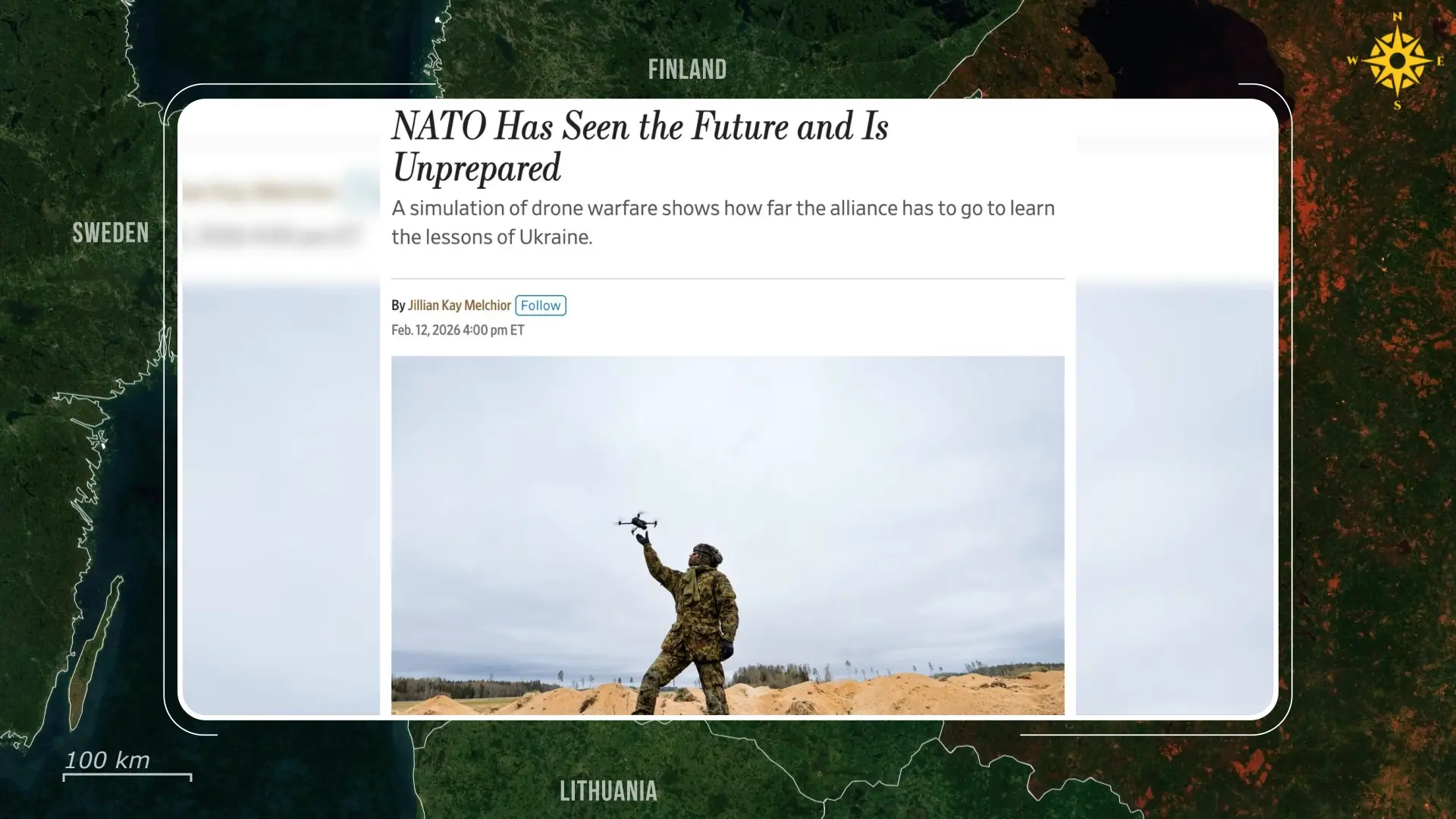
Overall, the Hedgehog exercise has demonstrated how the mass drone employment of the war in Ukraine transforms high-intensity warfare, and notably how Nato must now urgently address its core vulnerabilities. At the same time, public emphasis on them serves to mobilize political will and budgetary resources, as alarm always accelerates modernization. The exercise’s objective was to force critical self-assessment, and it exposed the operational gap that would exist if a real Russian invasion, using same tactics, occurred on Nato’s eastern border. With the help of Ukrainian war veterans, Estonia forced its allies to confront the reality that 10 drone operators can defeat 16,000 soldiers, accentuating the need to adjust Nato doctrine accordingly.

.jpg)

Comments