

.svg)
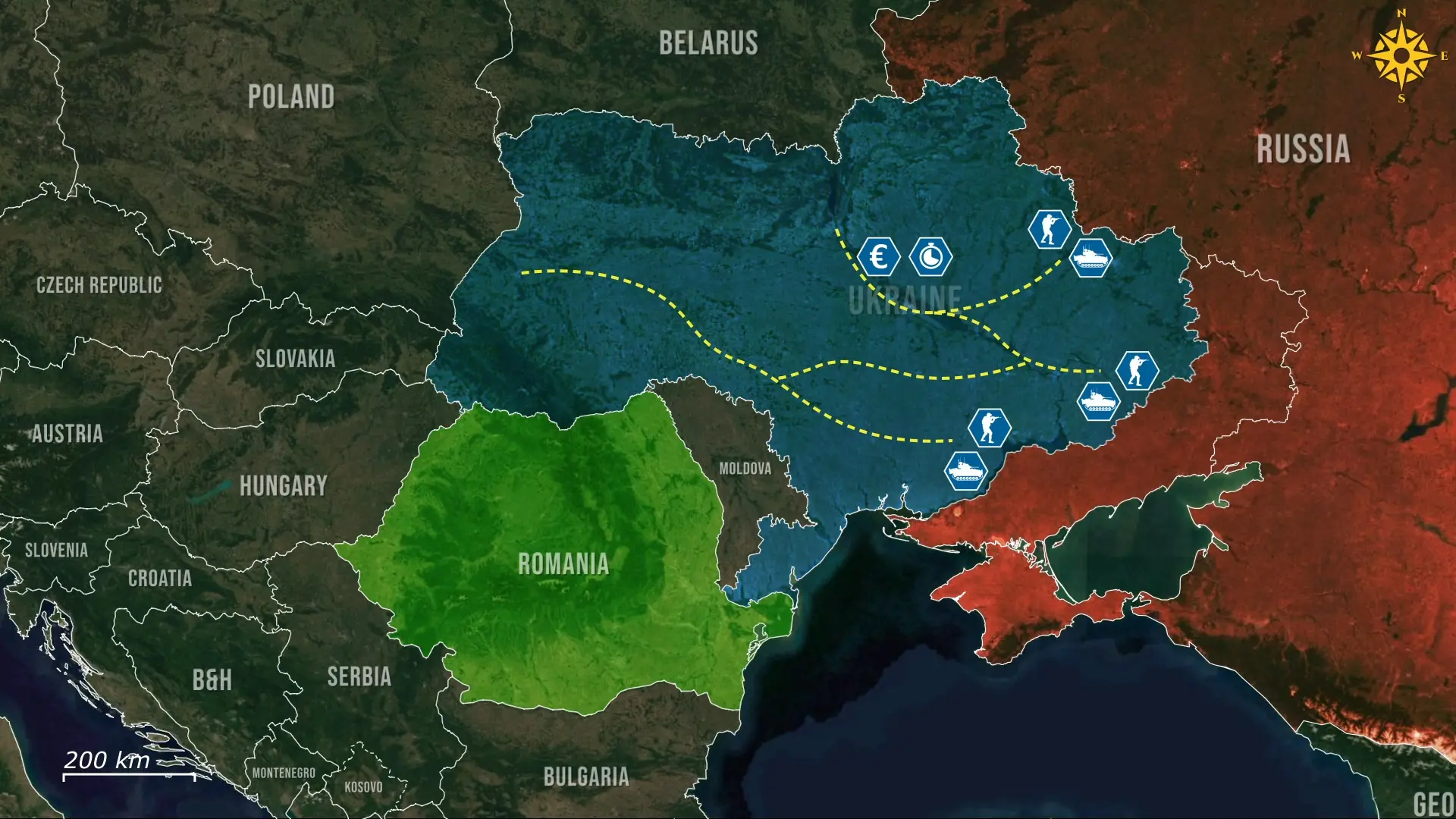
Today, the biggest updates come from Romania.
Eastern Europe’s repair corridors have quietly become as decisive as the front lines, where battered convoys vanish behind workshop doors and reemerge on battlefield horizons. Now, as the massive flow of armor refuses to fade and is revived against all odds, Romania does it again and steps in where attrition directly leads to collapse.
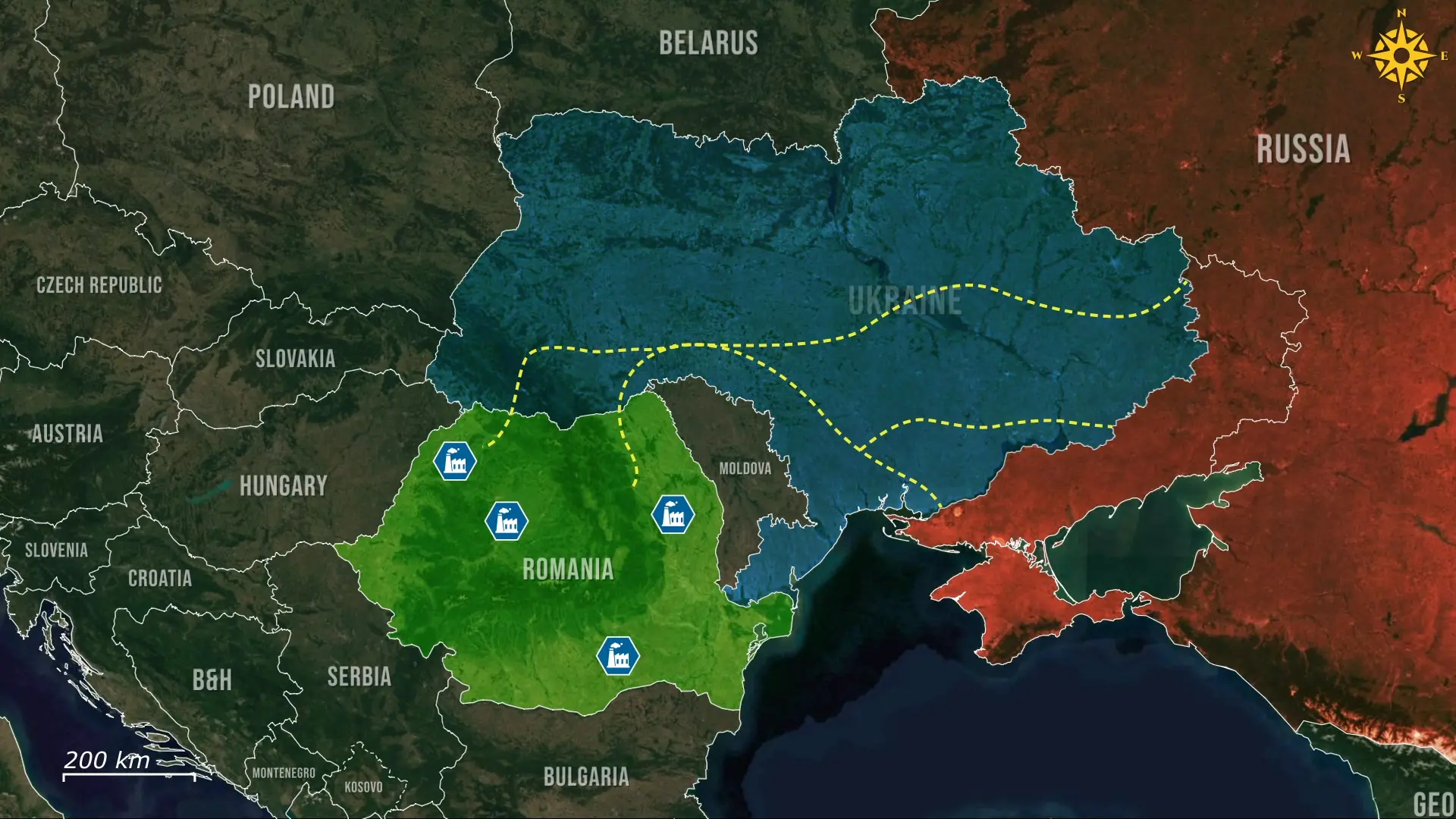
Romania has recently massively expanded its role by repairing damaged Western APC’s from the Ukrainian battlefield. Recently, Romania has opened a new repair shop for Ukraine’s German-made Marder infantry fighting vehicles right on the border. For the approximately 200 Marders active in Ukraine, this means faster repair times and more battlefield action, supporting the boots on the ground.
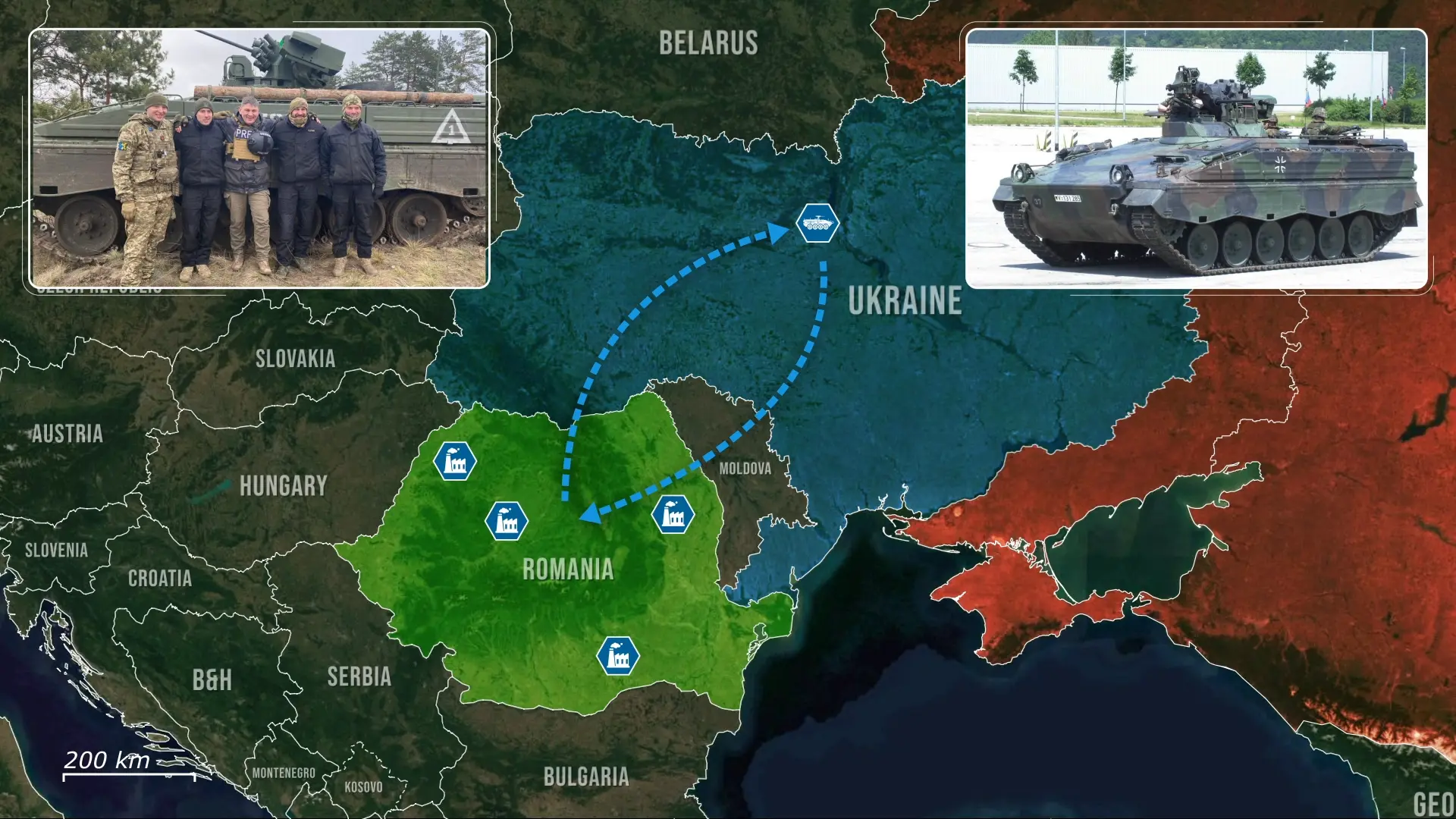
Prior to this development, Romanian involvement centered largely on transit, storage, and limited technical assistance tied to training and refurbishment of select systems. Most heavy repair work on Western-supplied armored personnel carriers was either conducted inside Ukraine under wartime constraints or routed back to original donor states and manufacturers.
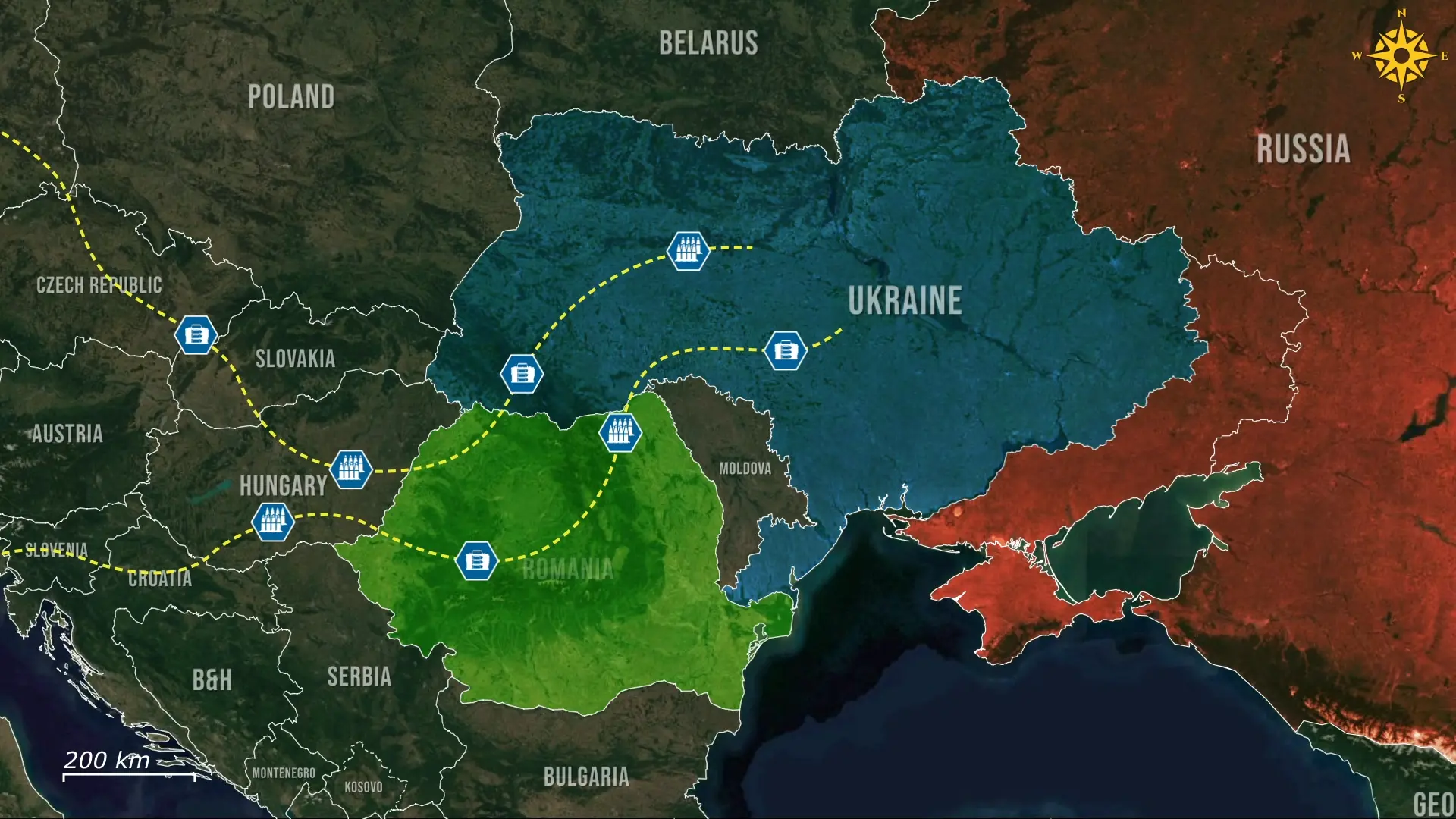
What is new is the expansion of dedicated repair infrastructure on Romanian territory. On top of that, additional workshops are being discussed to receive other battle-damaged Western AFV’s, conduct structural and mechanical restoration, and return them to service faster.
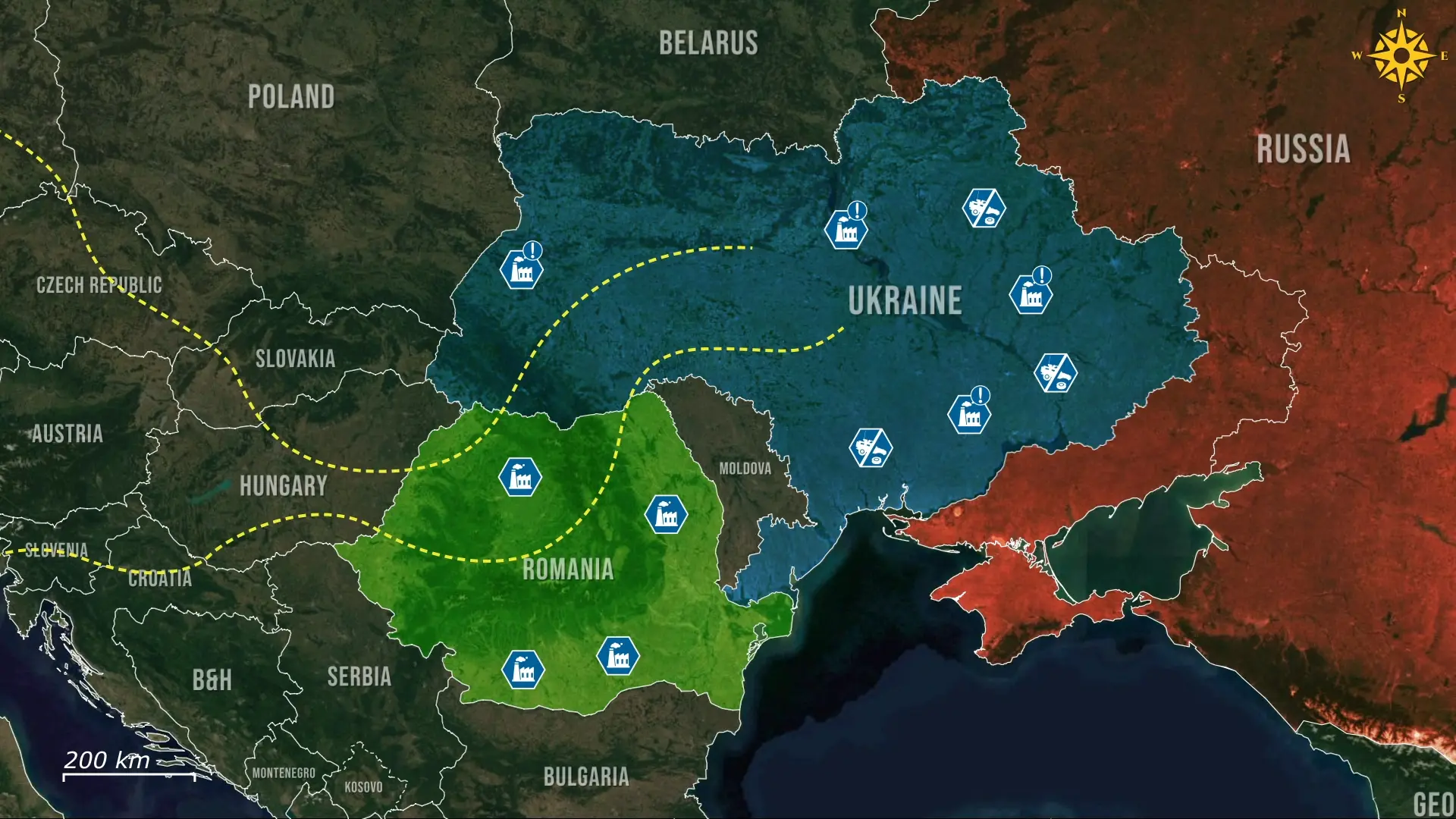
Repairs inside Ukraine still form the first layer of the recovery chain. Field workshops and domestic defense facilities handle light to moderate damage by replacing optics and communications suites. They also repair track elements and patch armor, thus enabling vehicles to return to combat in the shortest possible time after suffering light but almost inevitable damage on the frontline.
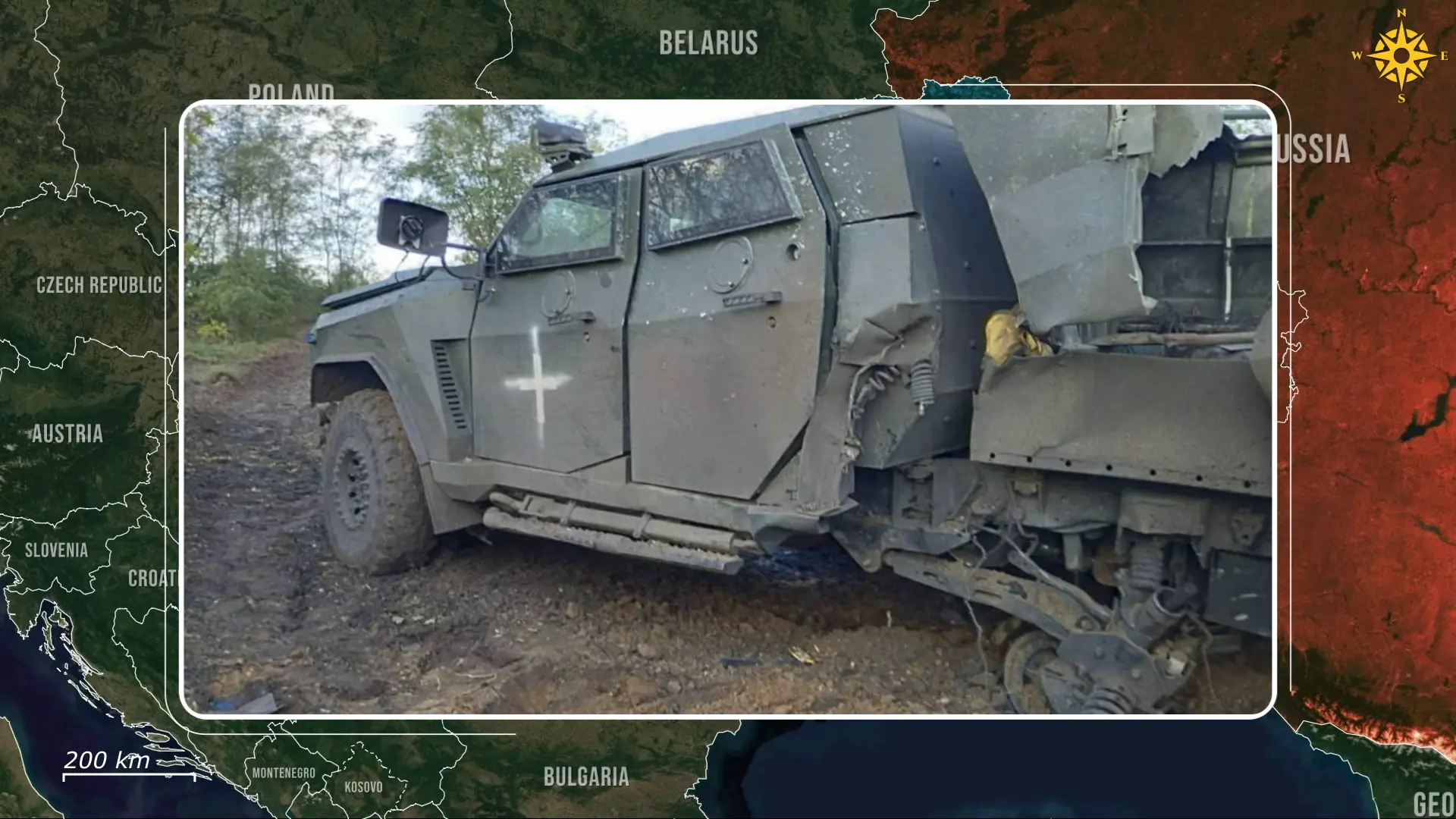
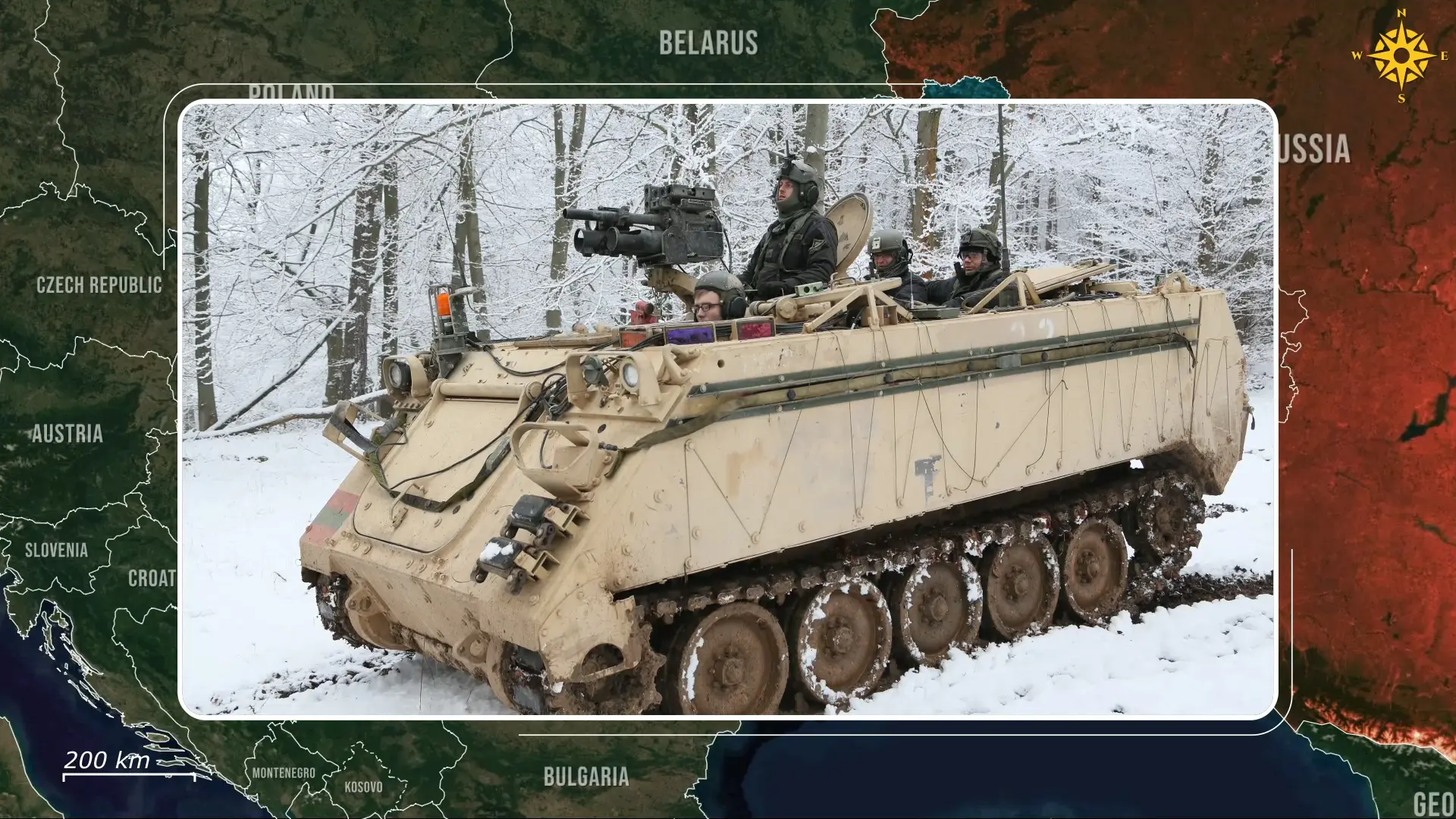
This forward repair capacity is vital during active operations, where even a few days without armored mobility can generate negative battlefield outcomes, such as a larger number of casualties due to a lack of fire support or protected transportation and evacuation. However, heavier damage, such as damaged hulls or armor parts, requires specialized diagnostics and manufacturer-grade components and workshops, which are difficult to sustain under a constant enemy missile threat.
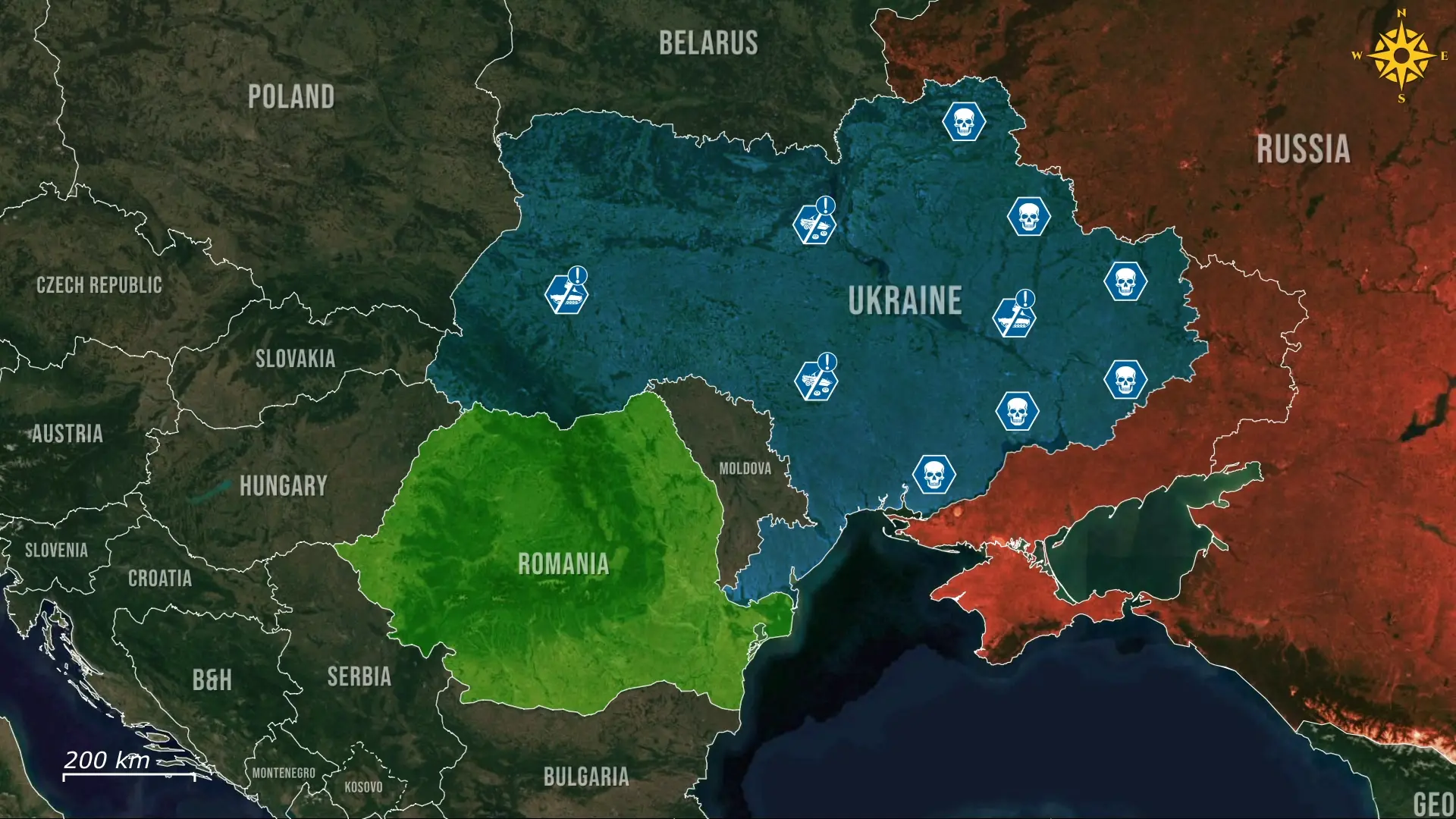
Routing such vehicles to a large repair hub outside Ukraine preserves the survivability of the repair infrastructure itself while enabling deeper structural restoration, allowing for the repair of heavily damaged vehicles. Placing that hub on Ukraine’s border, rather than across the Atlantic in the United States for example, compresses transport time, reduces logistical strain, and accelerates turnaround cycles, setting the stage for sustained armored regeneration.
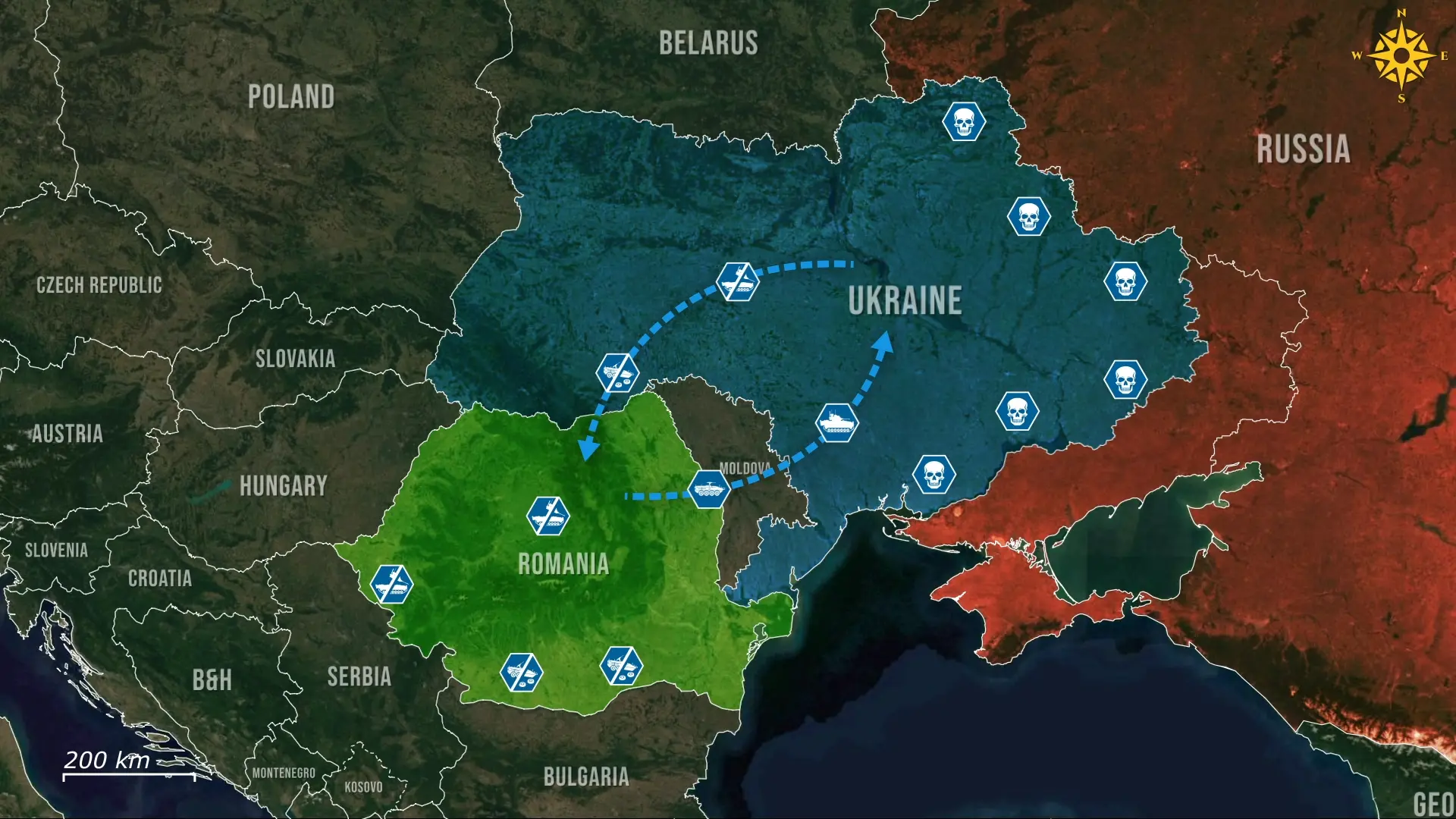
The logic behind establishing external repair hubs is designed to save time. Restoring combat-damaged vehicles is significantly faster and cheaper than waiting for new ones to be produced. By cycling damaged Western APC’s through Romanian facilities, Ukraine ensures that vehicles damaged on the battlefield can actually return to it, instead of being written off. The effect compounds over time with sustained vehicle availability enabling more predictable rotation schedules and maintaining assault readiness. This allows for better planning and flexibility for operations on the ground.
As a result, Western equipment remains in the fight rather than being written off or reduced to spare parts inventories. This carries both material and strategic value centered on the preservation of Western vehicles as complete combat systems.
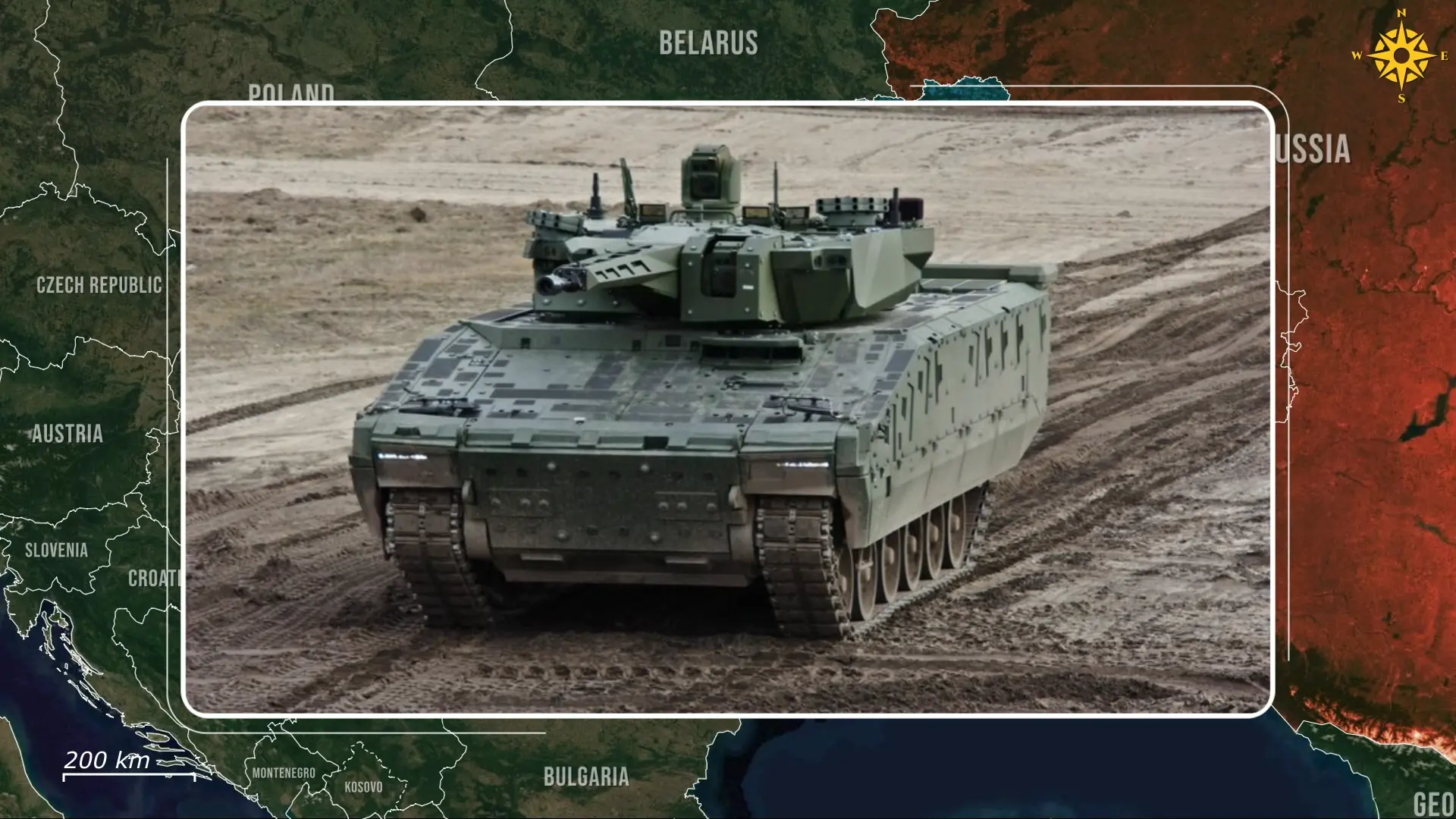
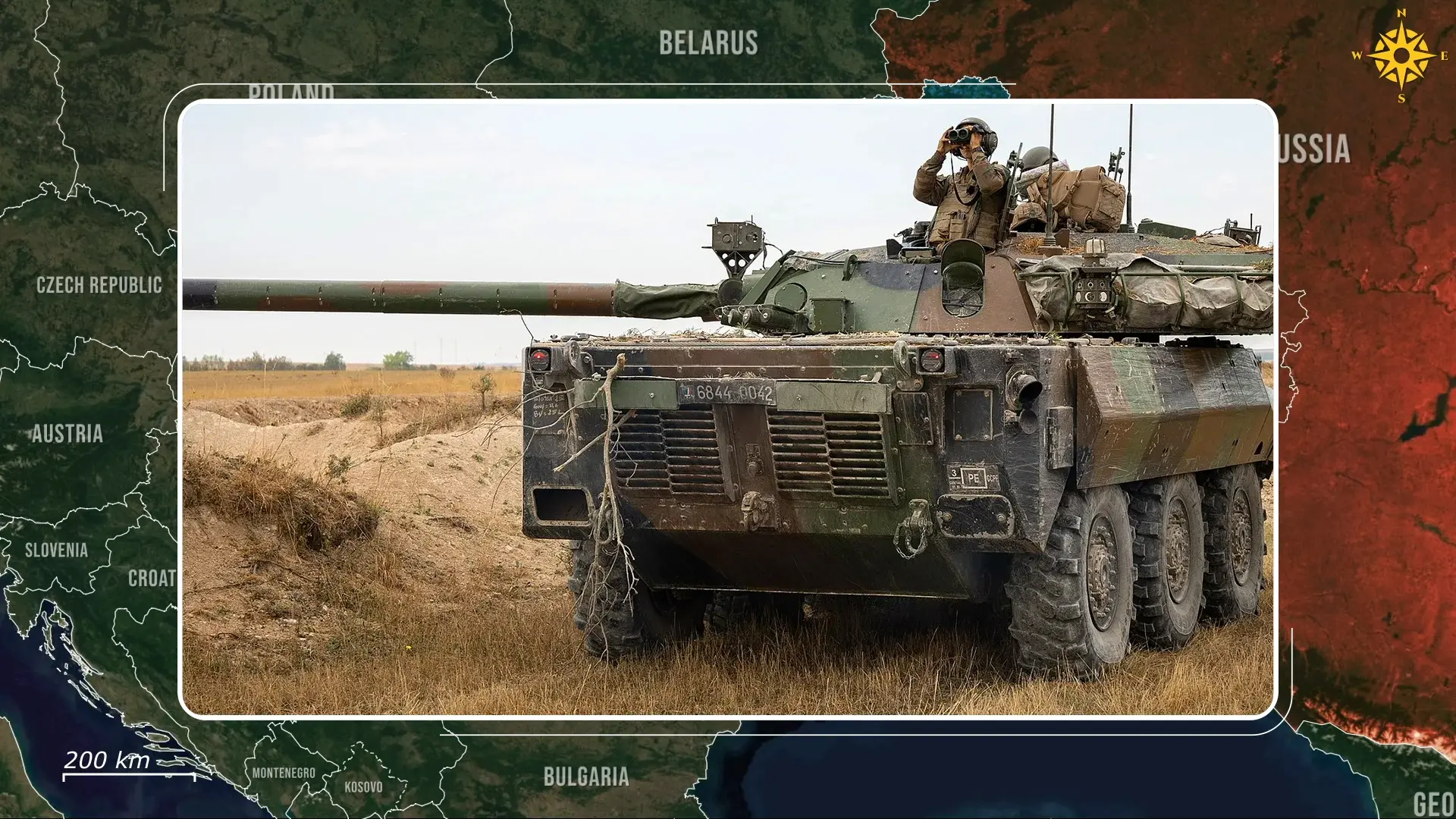
Repaired Western APC’s are thus not lost due to their general superiority and interoperability with NATO-standard logistics and communications. Reducing damaged vehicles to spare parts may sustain others in the short term, but it permanently contracts the overall fleet. Each cannibalized hull becomes a one-time resource rather than a regenerable asset.
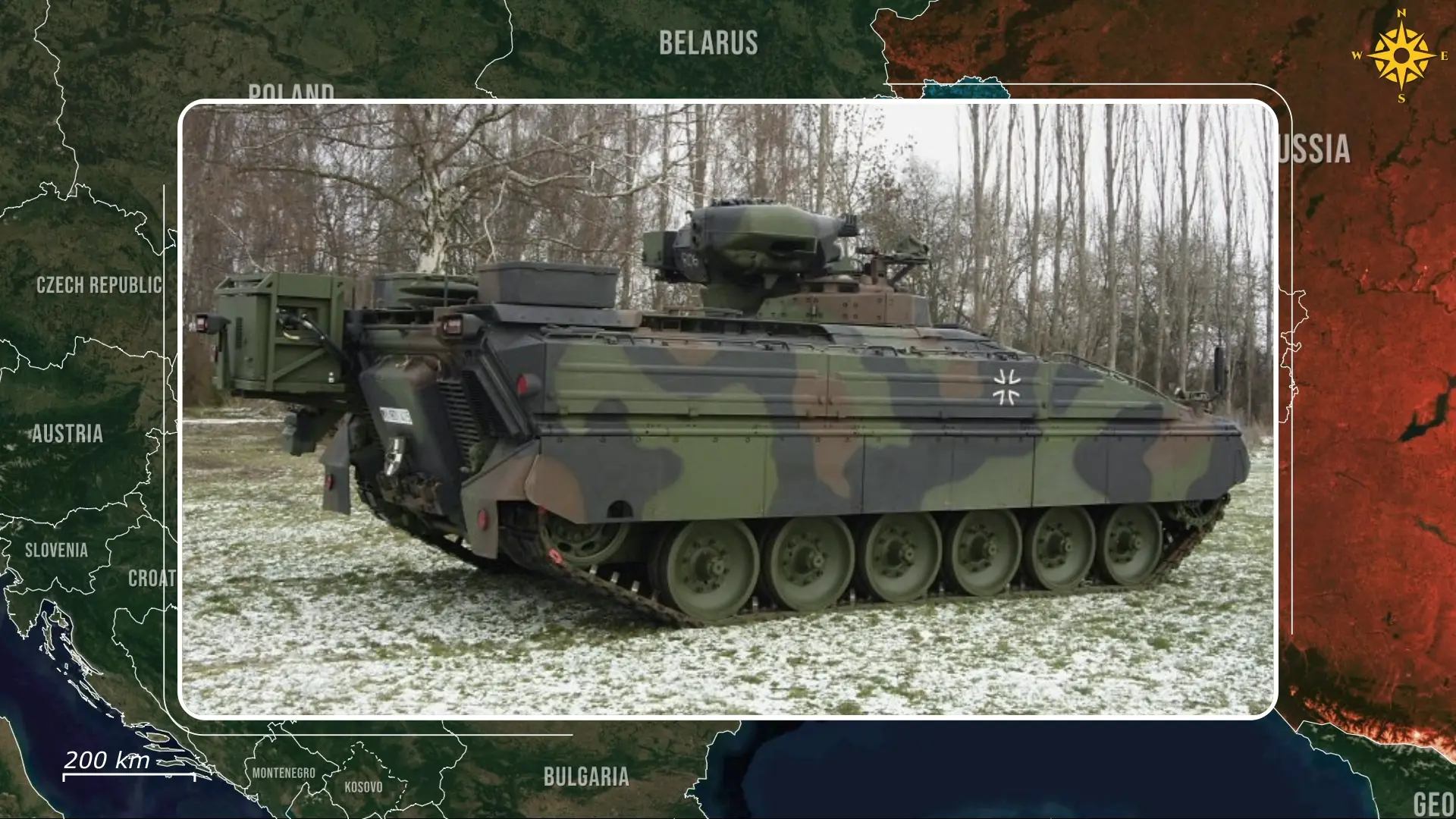
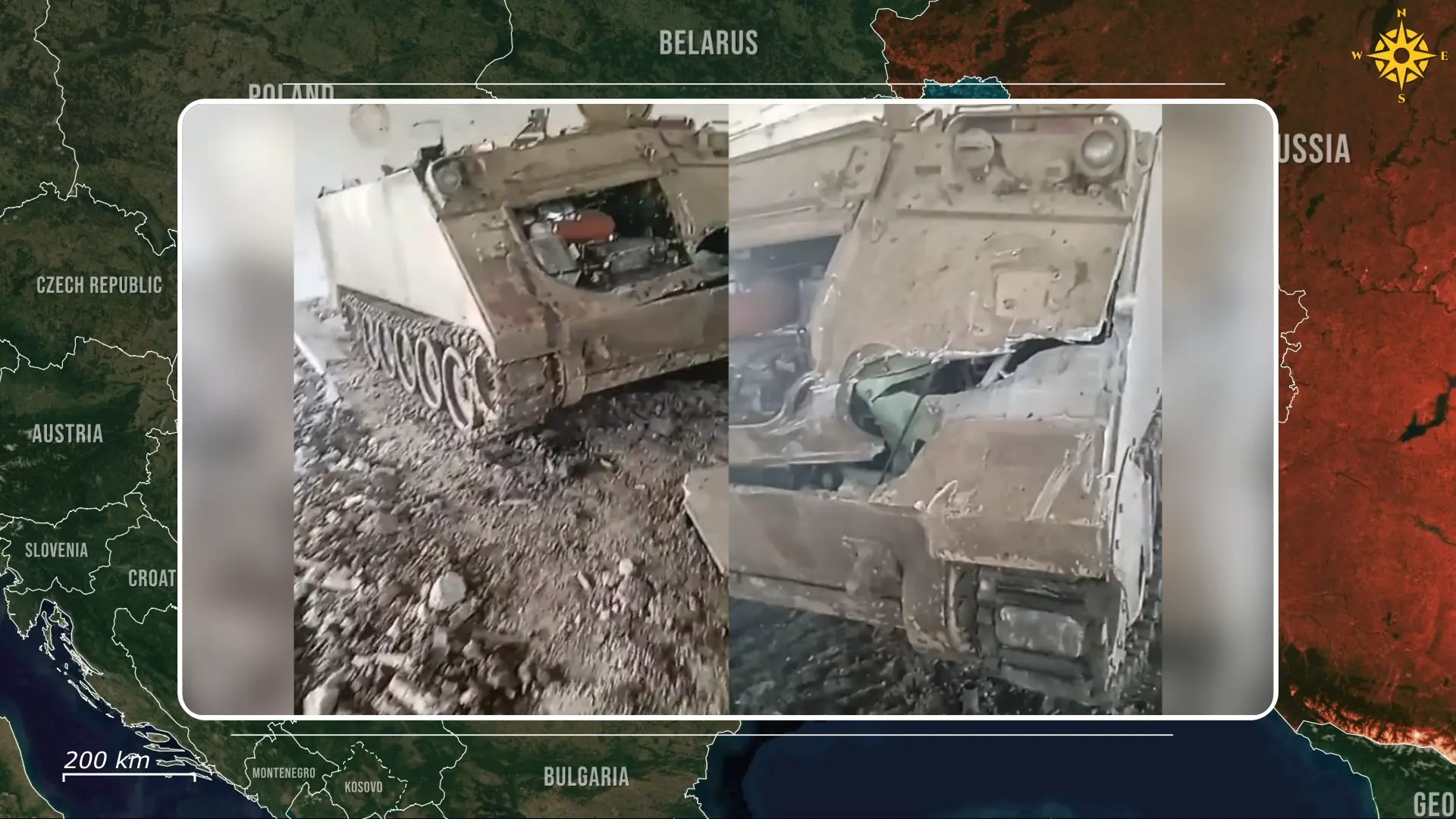
By restoring vehicles instead of stripping them, Ukraine protects the long-term mass of its Western armored inventory. In this context, repair sustains both the qualitative edge of Western platforms and the quantitative strength needed to offset attrition.
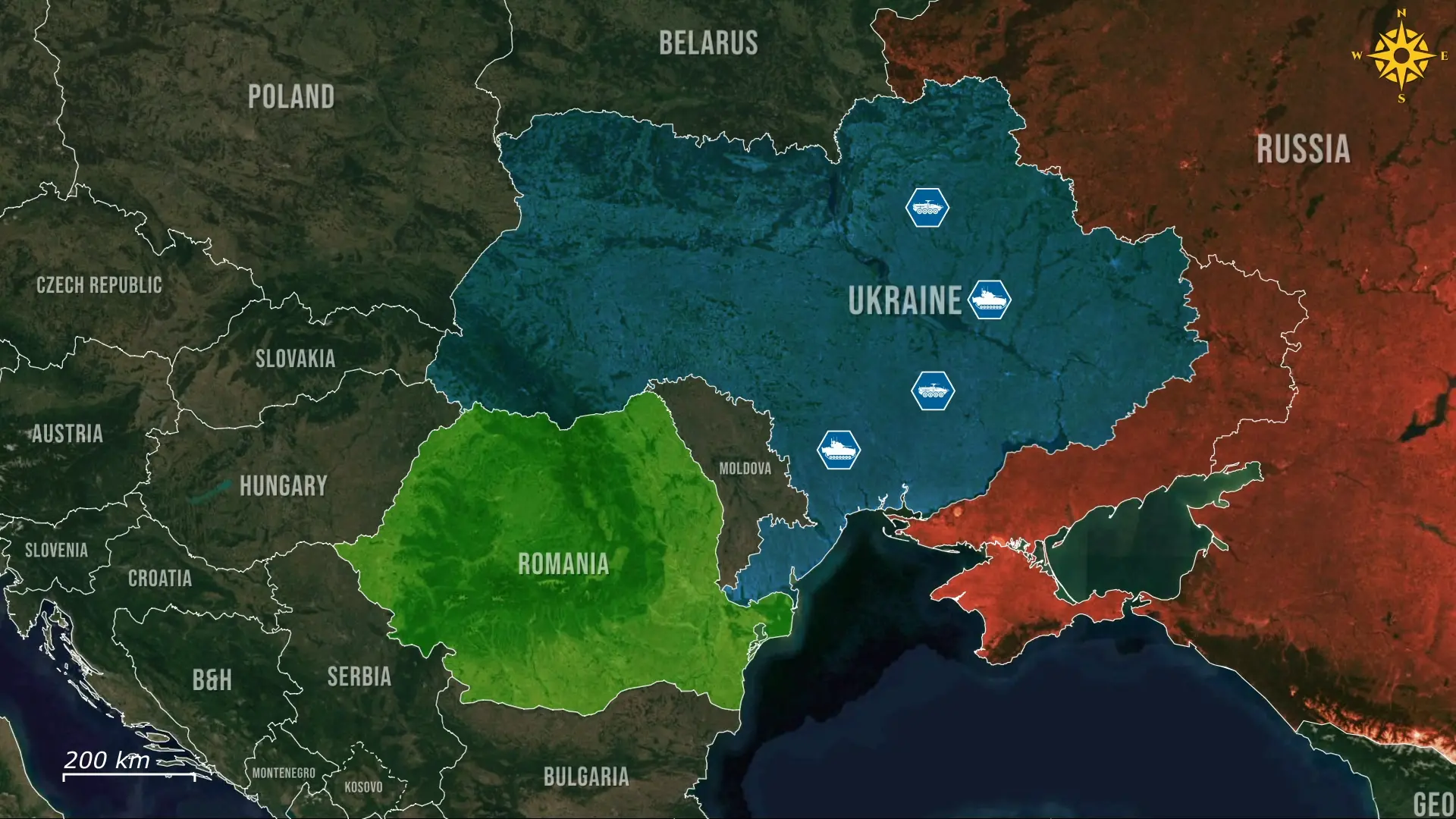
Overall, battlefield losses are no longer terminal events but the starting point of a regeneration cycle that turns damaged armor back into usable combat power. This dynamic stabilizes Ukraine’s armored capacity by reducing the gap between losses and returns, allowing mechanized formations to maintain more consistent vehicle strength over time.
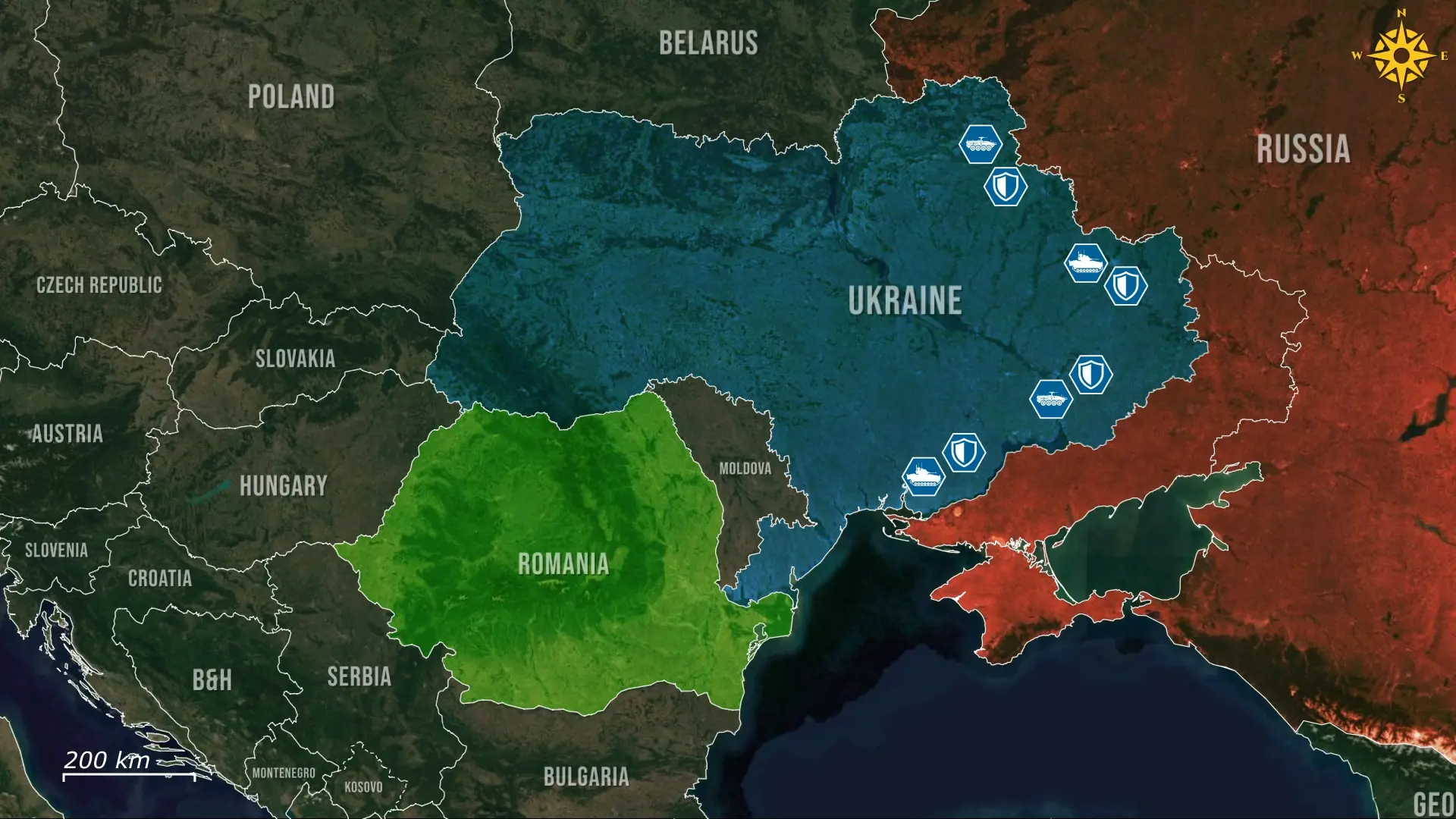
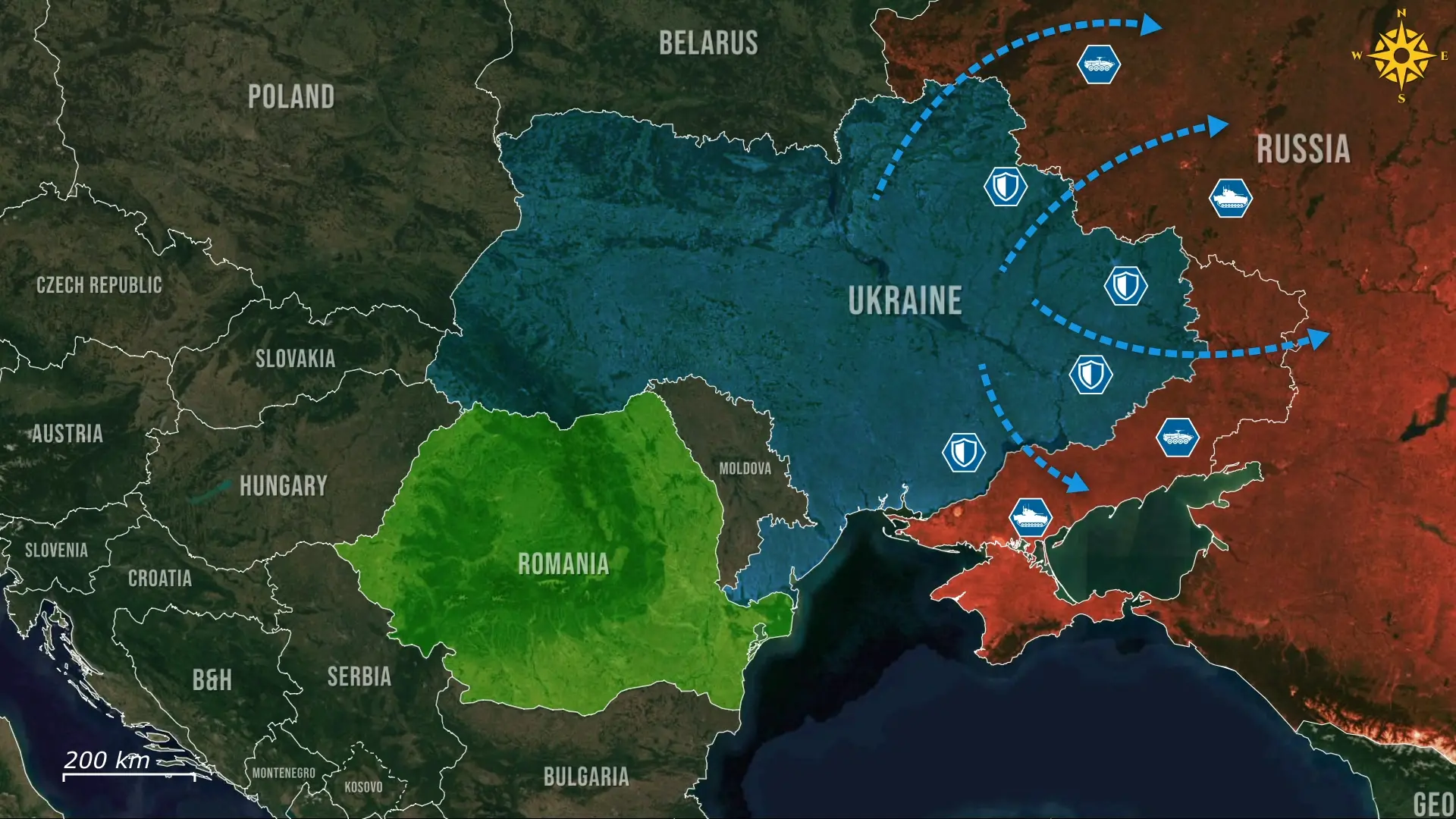
The outcome is twofold: Ukraine preserves assault momentum while Western allies see their equipment remain operationally relevant rather than depleted. What emerges is not merely maintenance, but an adaptive regeneration system designed to keep Ukrainian armored warfare capacity continuously in motion and at the most effective levels possible.

.jpg)


Comments