

.svg)
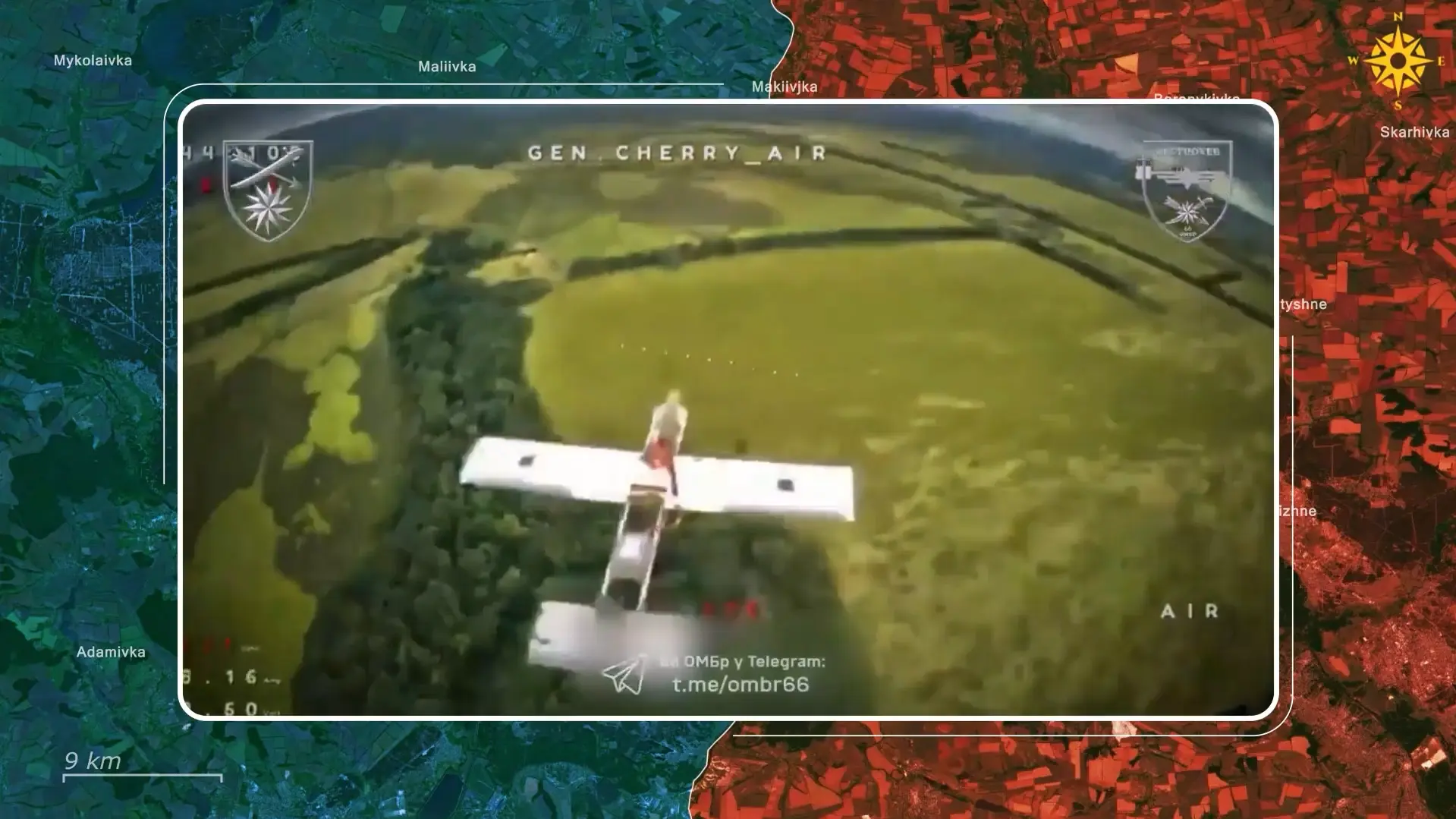
Today, the biggest news comes from the drone war in Ukraine.
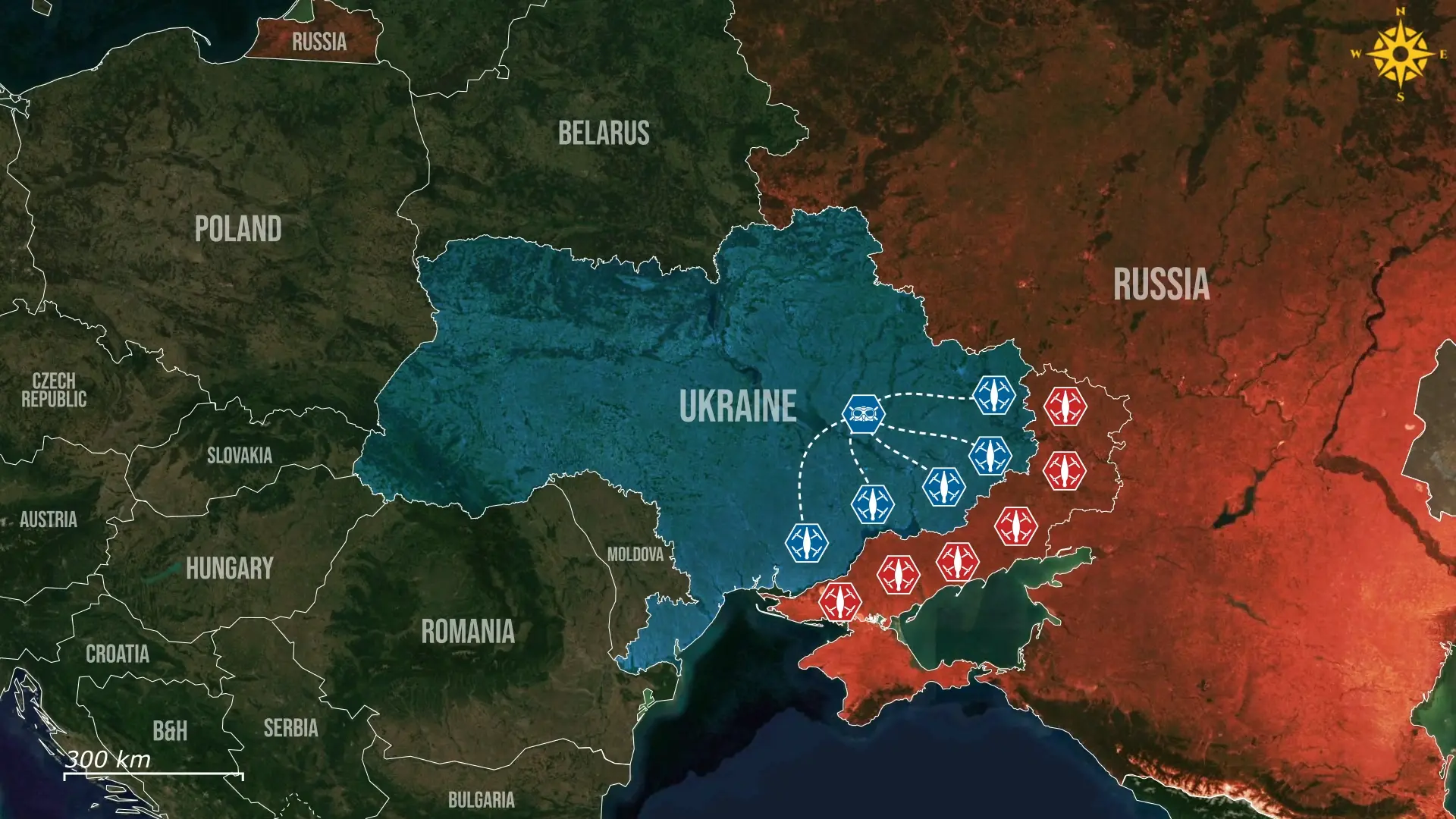
Here, control of the sky has always been a deciding factor on what survives on the ground. What is now emerging threatens to drastically change how that control is exercised, pointing to a new tier of drone operators that current defenses may not be prepared for.
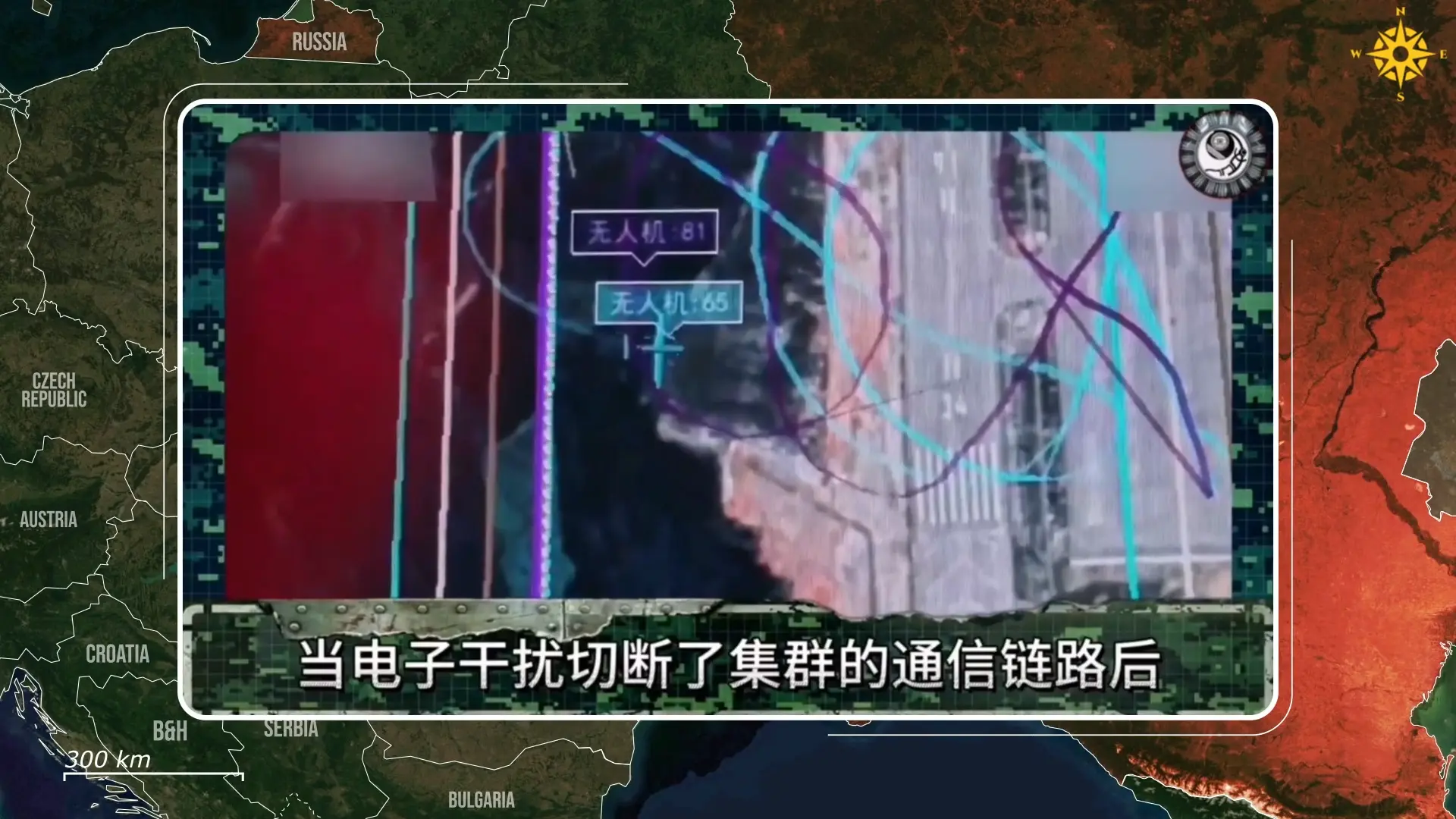
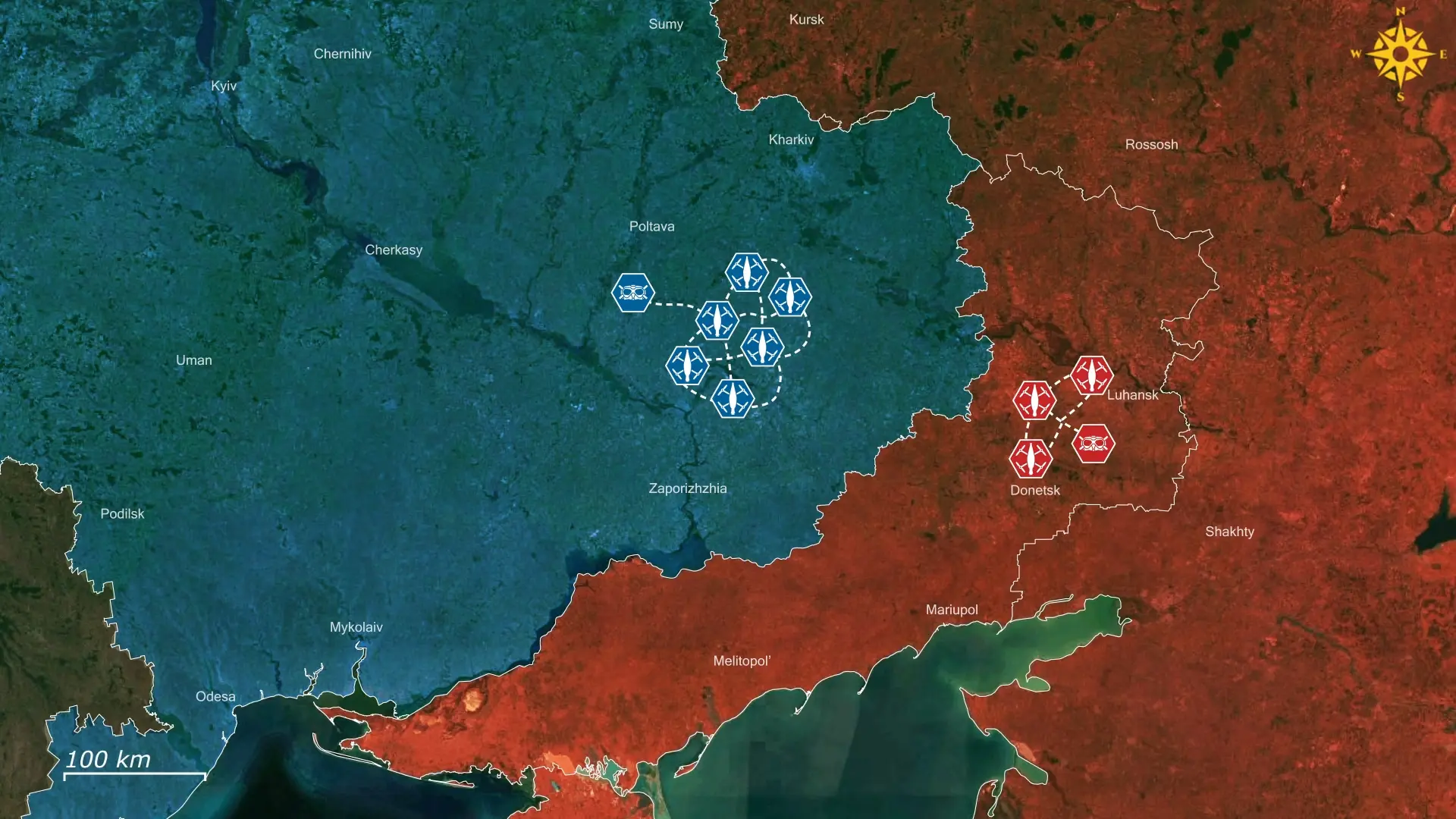
A recent PLA military test showcased a role that resembles an air-traffic controller for unmanned aircraft rather than a traditional drone pilot. In that model, one soldier is described as controlling a swarm of more than 200 drones through a single camera feed.
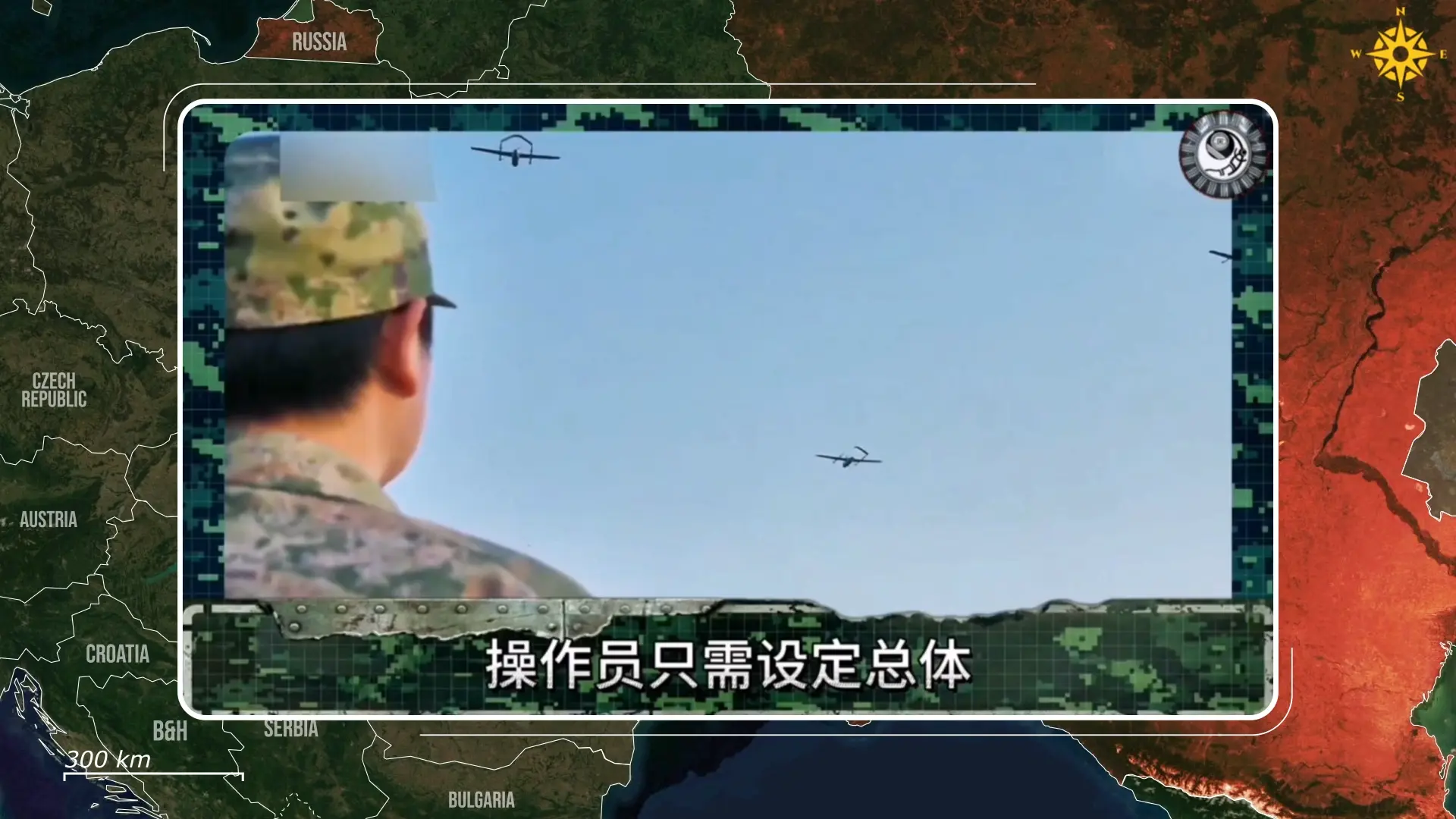
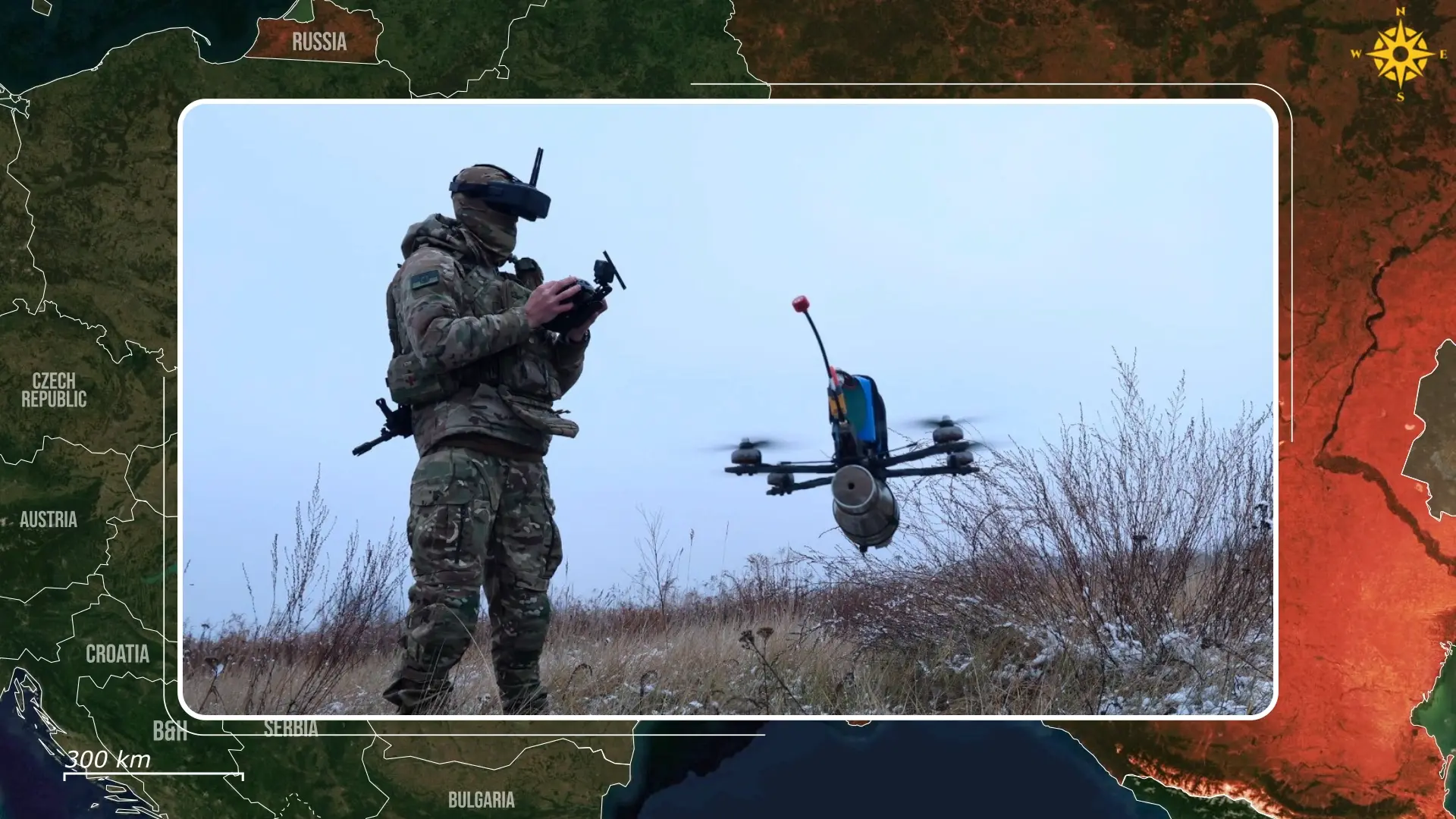
Because Ukrainian forces already treat drones as a primary battlefield tool, this would directly affect their ability to scale drone operations by allowing one operator to control far more aircraft. A classic front-line operator typically flies one FPV or reconnaissance drone, which means their attention is focused entirely on keeping a single aircraft airborne and on target. A dispatcher-style operator instead assigns tasks across many aircraft, which shifts the human role from steering a single machine into commanding an entire drone fleet.
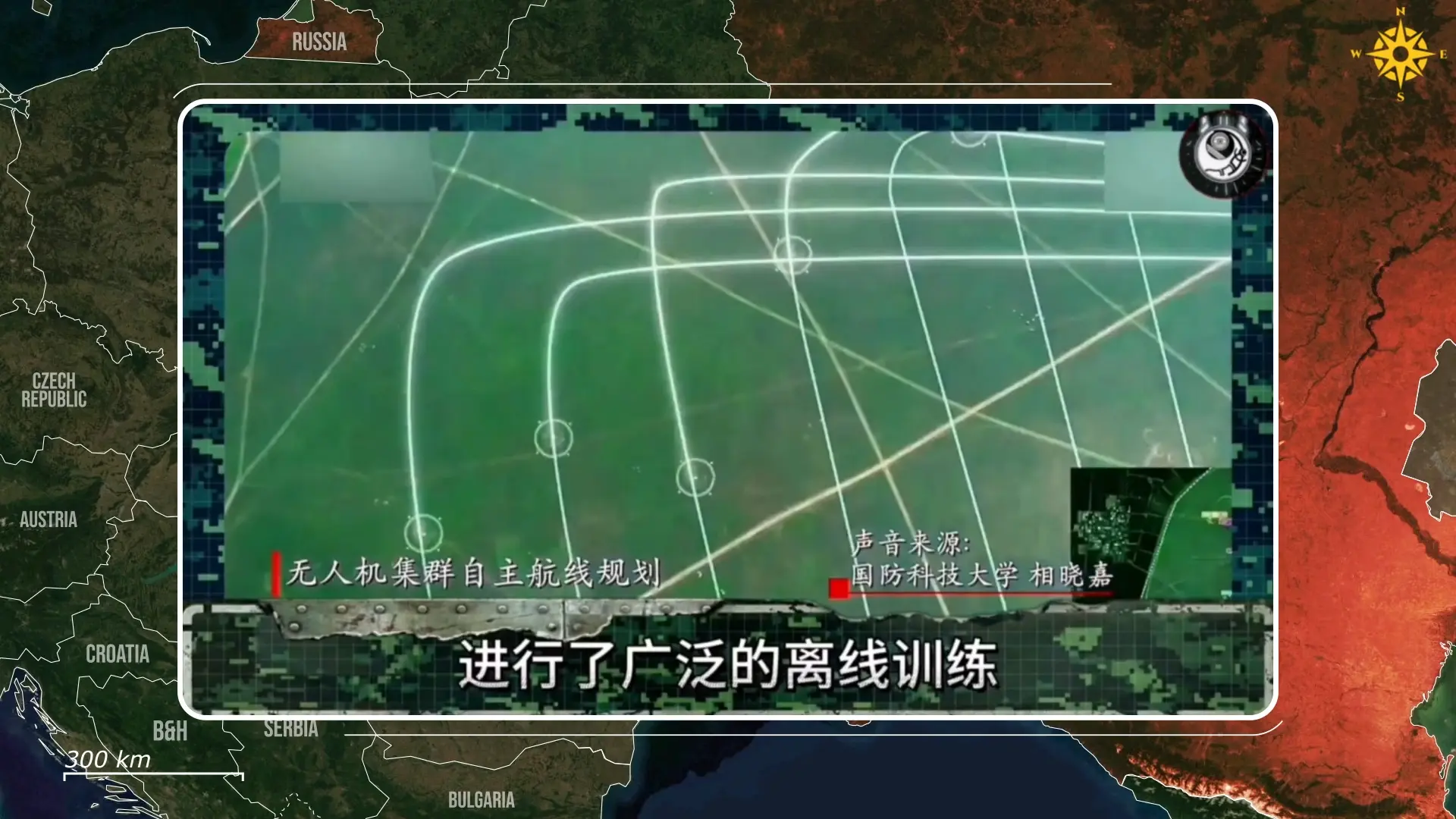
This model depends on autonomy, meaning each drone carries onboard software that can make decisions on its own without constant human input. Reports describe intelligent coordination algorithms that enable drones to share information, allowing the swarm to operate as a single unit. In practical terms, the swarm can redistribute work if one drone is lost or jammed, which is critical in Ukraine, where electronic interference is an everyday occurrence.
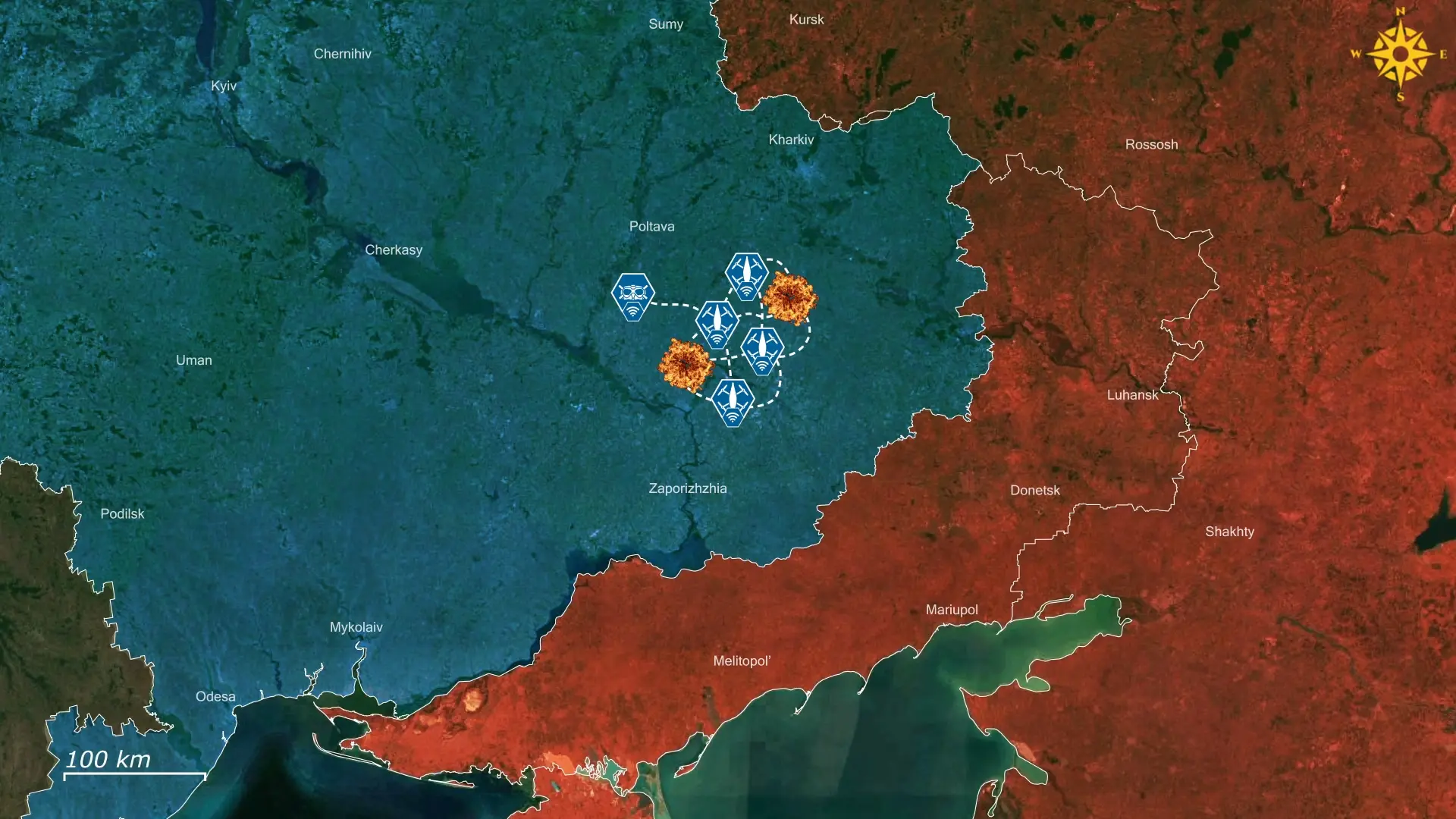
The system uses data links that carry commands and status updates, but the key claim is that drones can continue cooperating even if that link is broken. One reported launcher design can deploy dozens of fixed-wing drones at once, allowing a large swarm to take shape almost immediately.
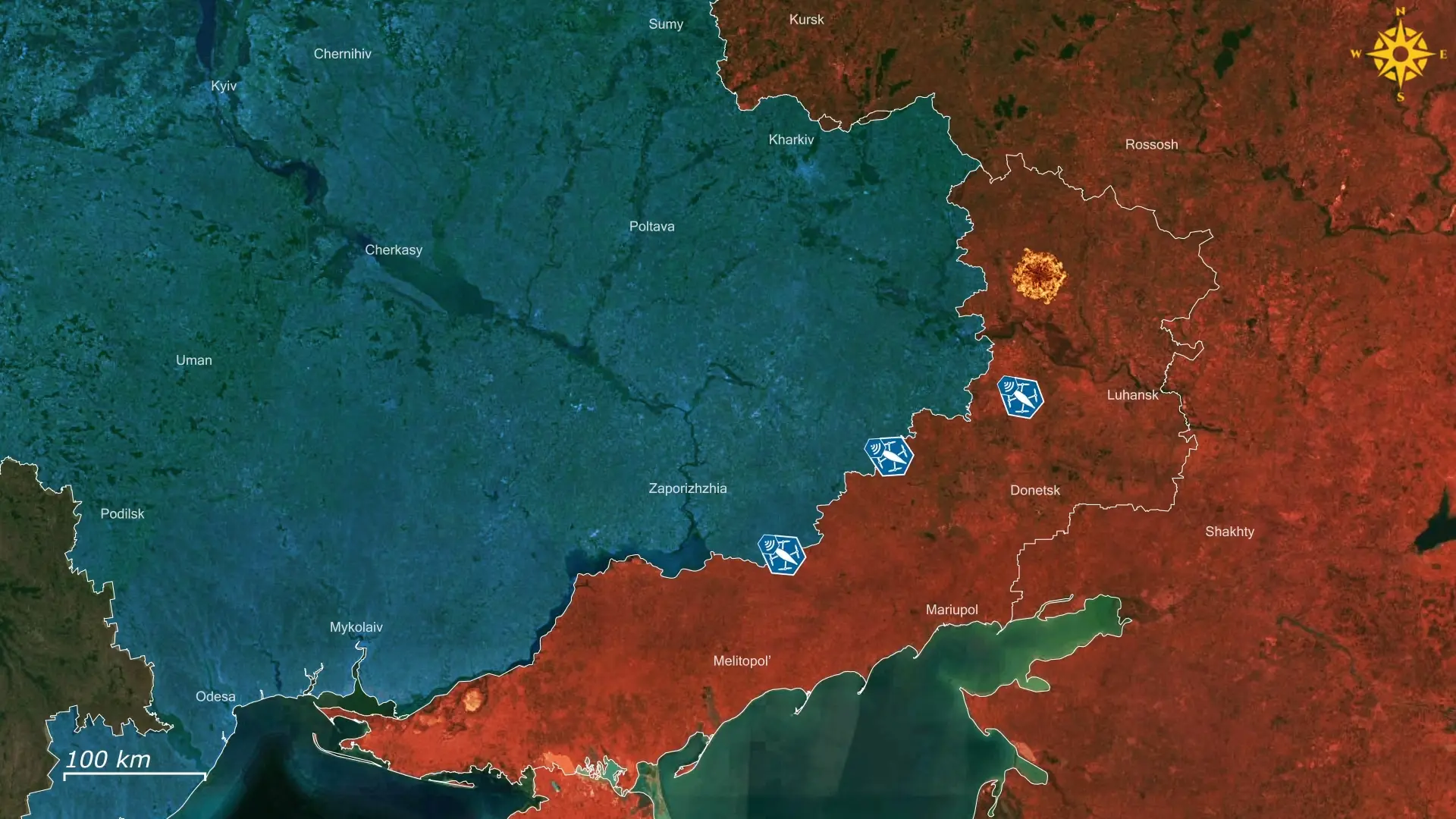
Some drone variants are described with speeds near 100 kilometers per hour and endurance exceeding an hour, which allows coverage of wide areas rather than singular trench sectors. Payload options include sensors, munitions, and relay modules, which means the swarm can combine scouting, striking, and communication support inside one package.
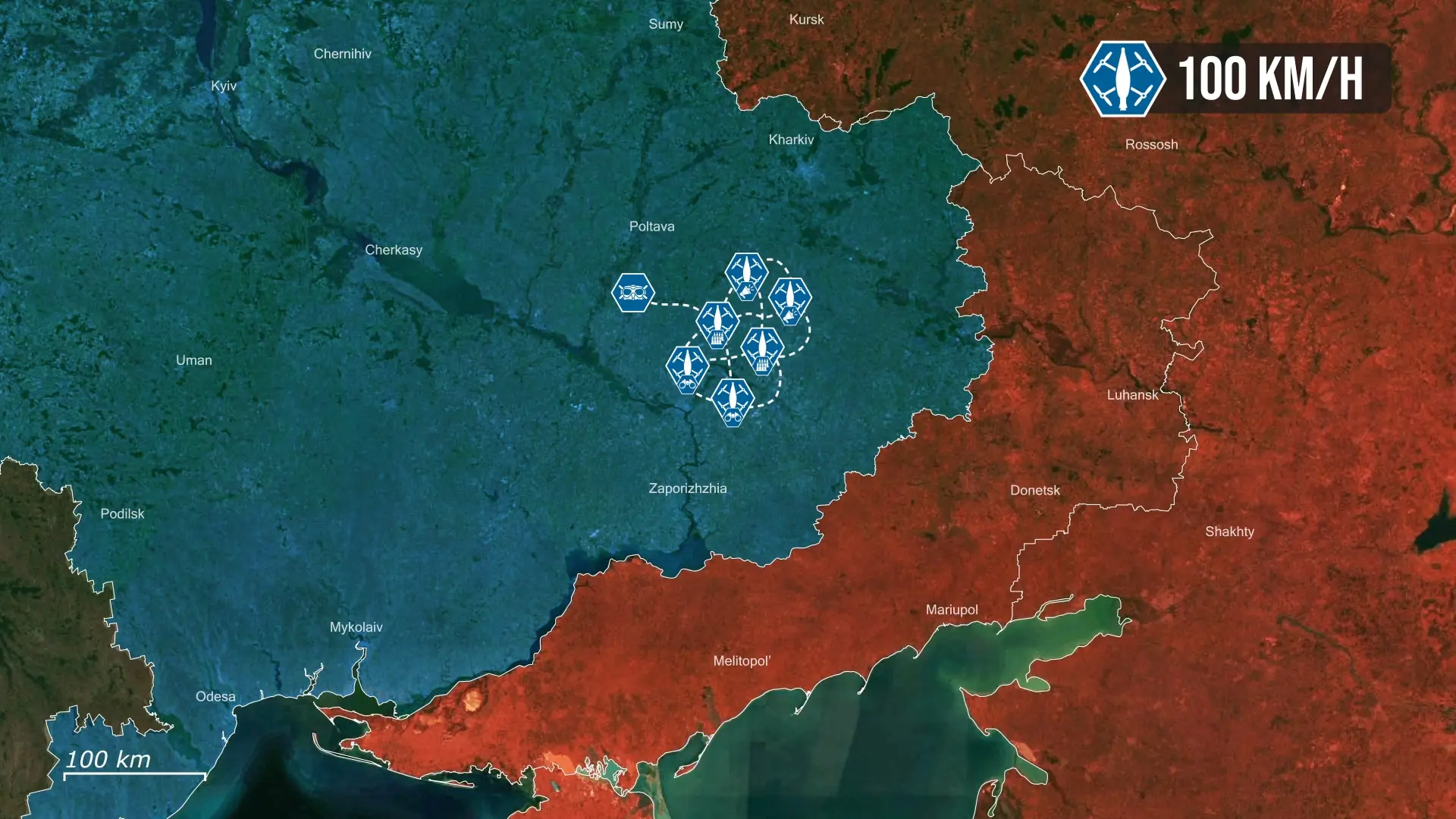
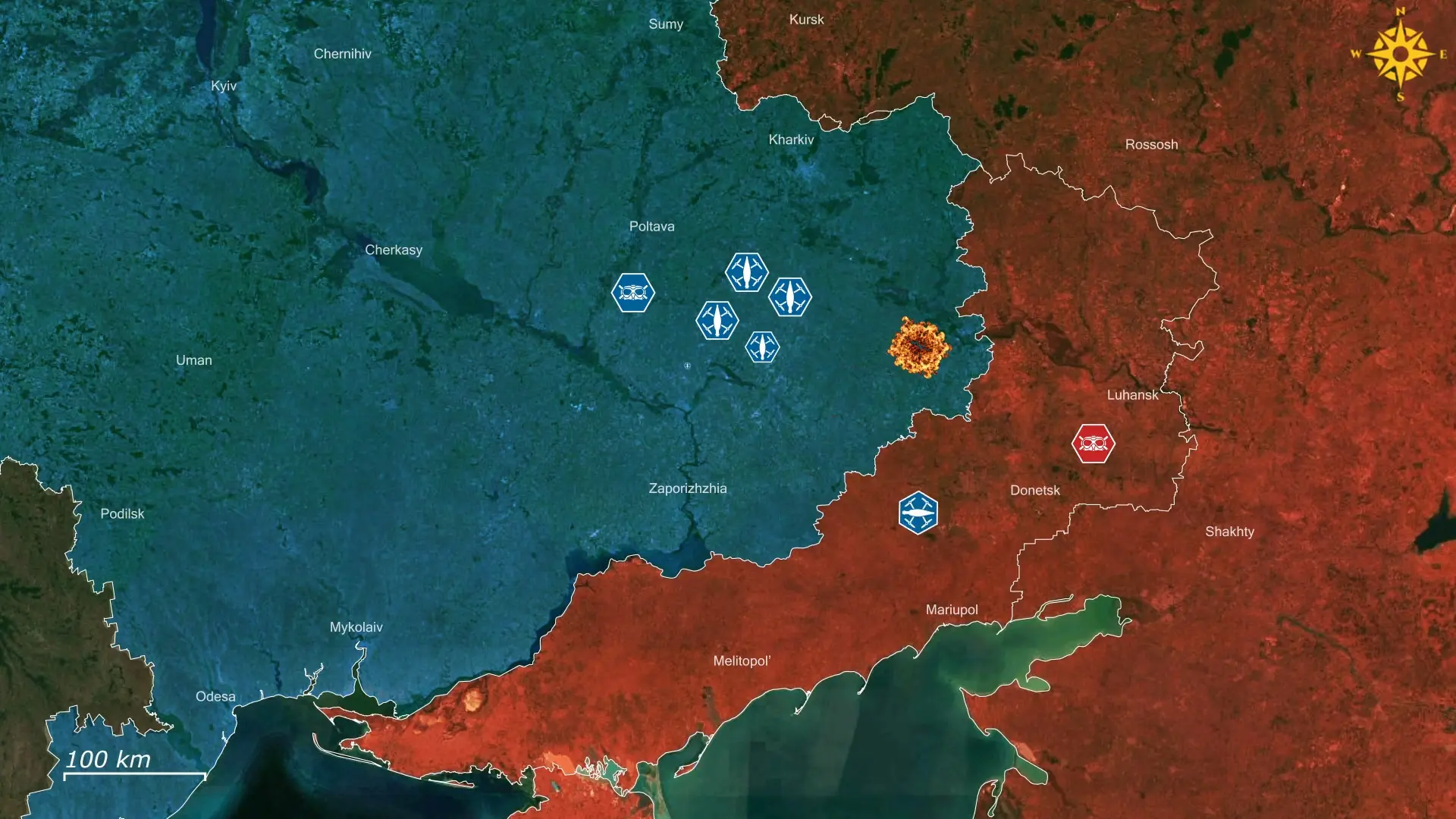
If a single operator can supervise hundreds of drones, Ukraine could expand its drone coverage without matching pilot numbers one for one. A swarm also improves resilience because multiple sensors observing from different angles reduce the chance that a target disappears when one drone fails. Mixing reconnaissance and strike roles forces defenders to distinguish real threats from fake ones under pressure. The battlefield effect is a saturation problem, as defenders can only engage a limited number of targets at a time.
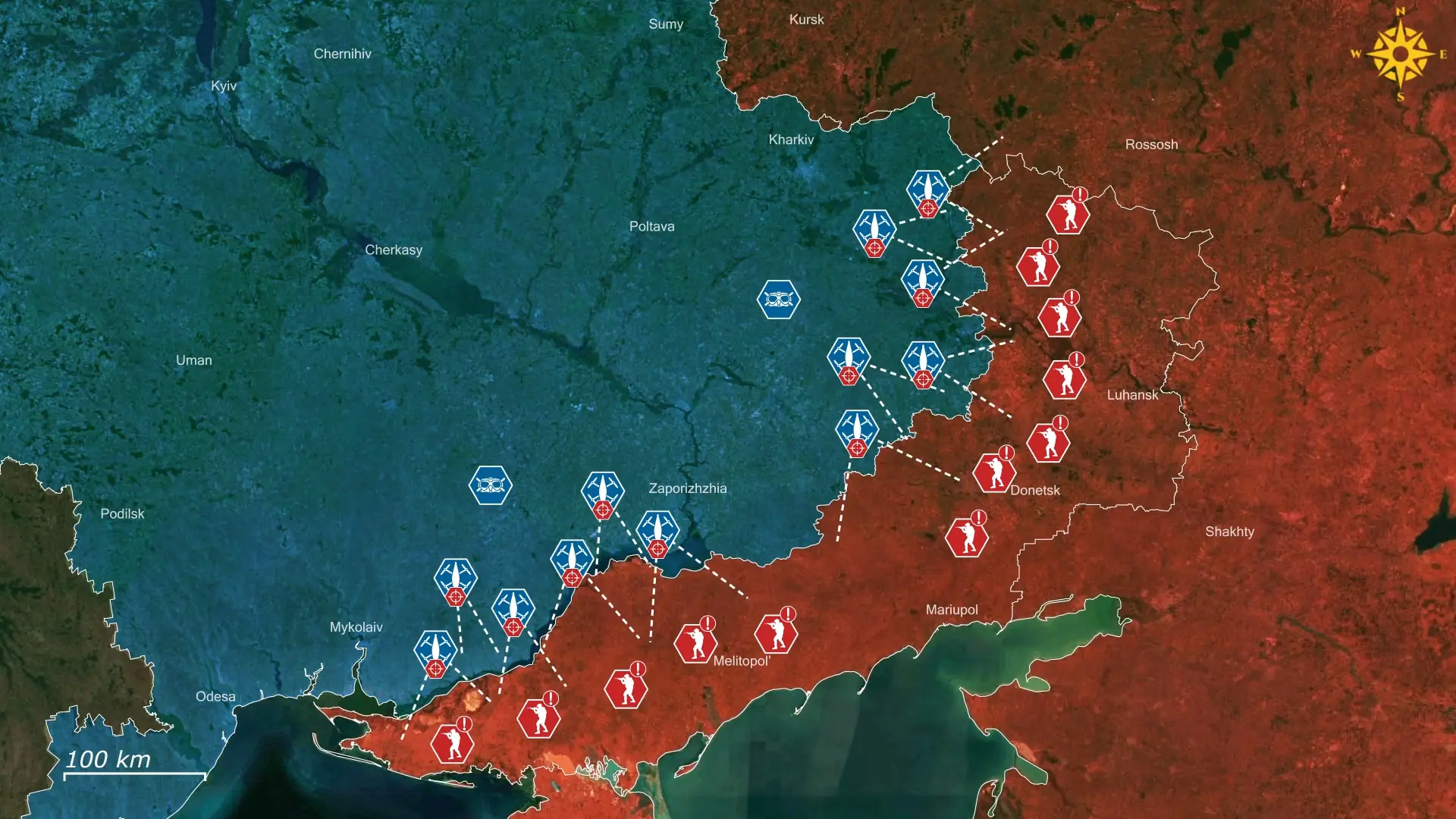
A dispatcher model also shortens the time between detection and attack by coordinating search, confirmation, and strike tasks in parallel. The central question is therefore whether this control model can scale faster than countermeasures evolve.
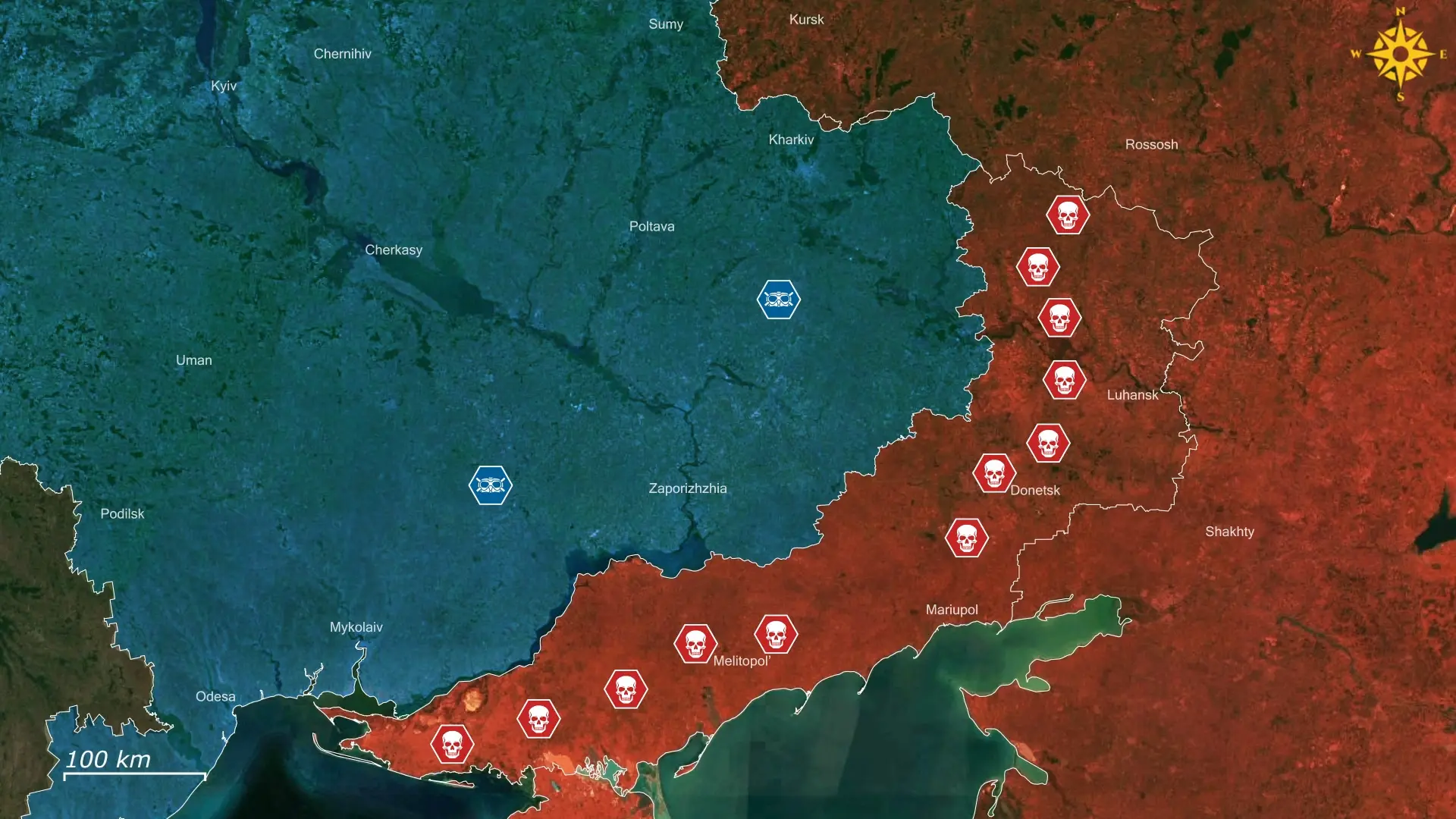
The main caution is that this capability is still closer to a controlled demonstration than a battlefield-proven system. Ukraine is one of the harshest drone environments in the world because constant jamming and crowded airspace make coordination difficult. Autonomy reduces the need for continuous human control, but it also means commanders must trust that drones will behave predictably when conditions change. Training and simulation can improve coordination, yet real combat introduces friction like signal loss, damaged equipment, and supply bottlenecks.
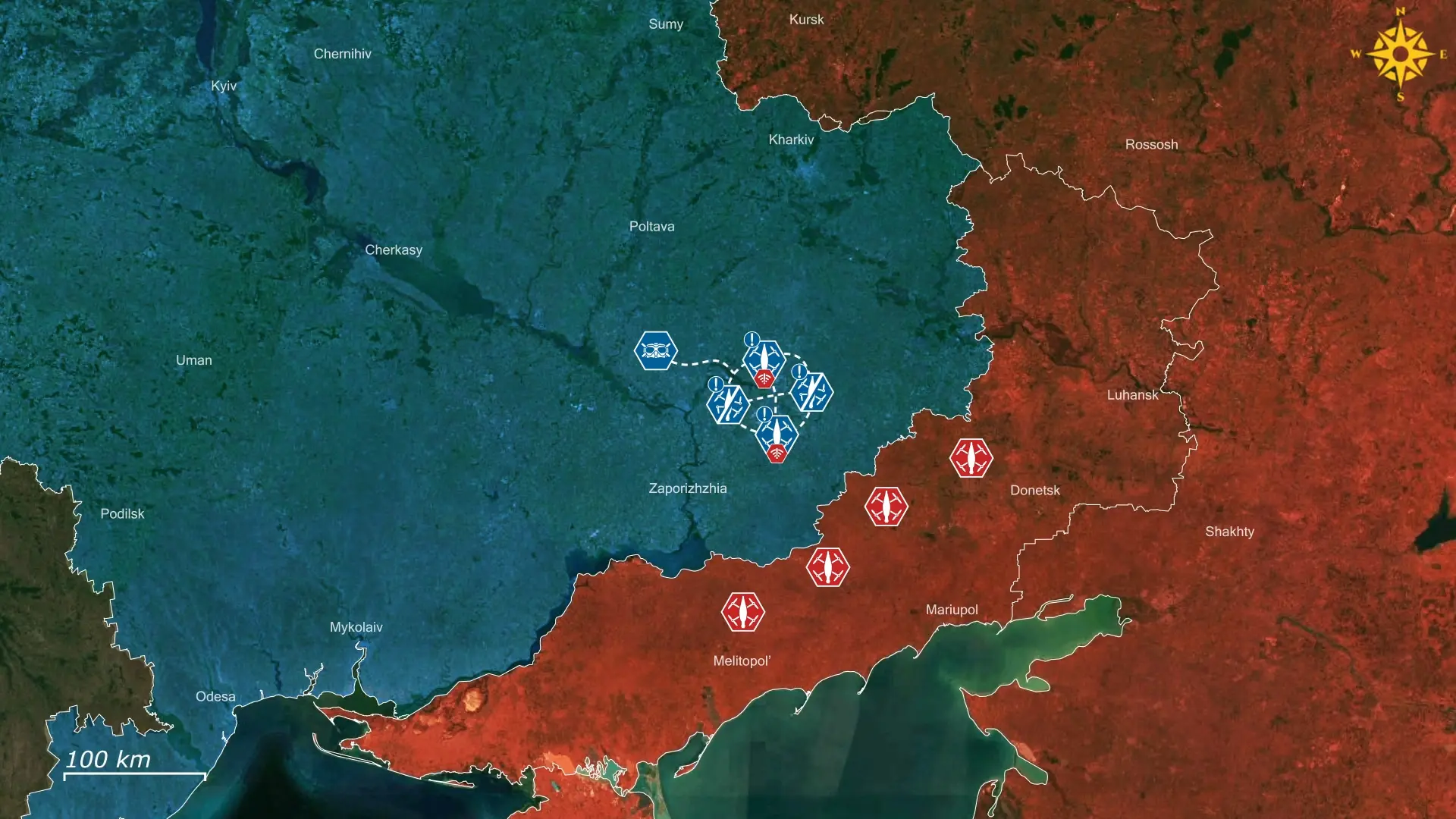
A true 200 drones per soldier model also depends on manufacturing and transport keeping pace with battlefield expenditure. Ukraine’s fastest adoption path would likely layer dispatcher-style control onto existing drone units, while a full doctrinal shift would demand new training and support structures.
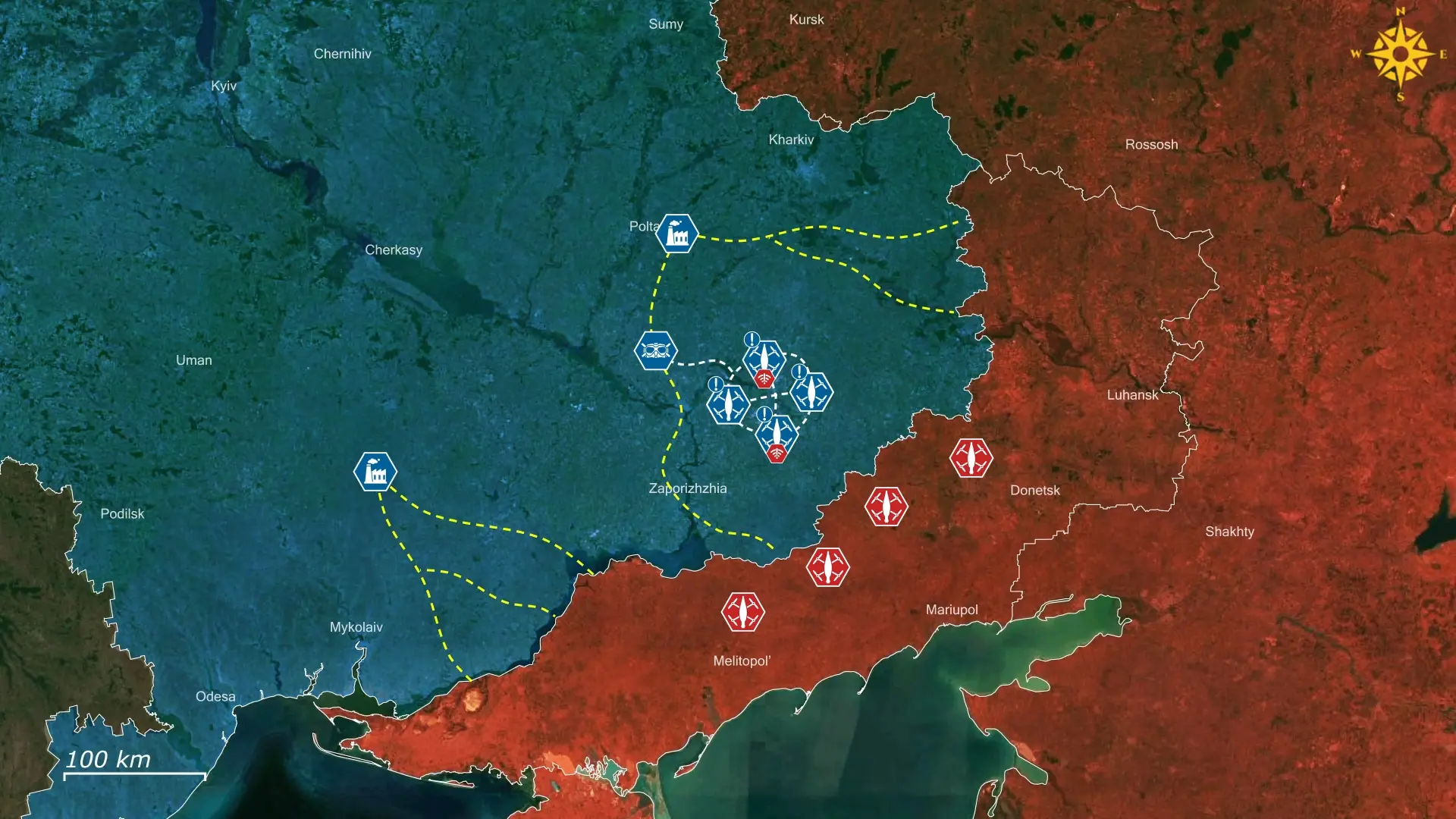
Overall, the real shift is not the number of drones but the emergence of a command model where one operator directs an entire aerial system instead of a single aircraft. If this model matures under real combat stress, battlefield advantage will depend less on individual drone performance and more on how well forces coordinate large numbers of them. That dynamic points toward an arms race focused on disrupting swarm control as much as improving swarm capability.
The likely long-term result is that armies able to reliably manage dense drone formations with fewer operators will shape how future battlefields are contested.

.jpg)

Comments