

.svg)
Today, there is important news from Europe.
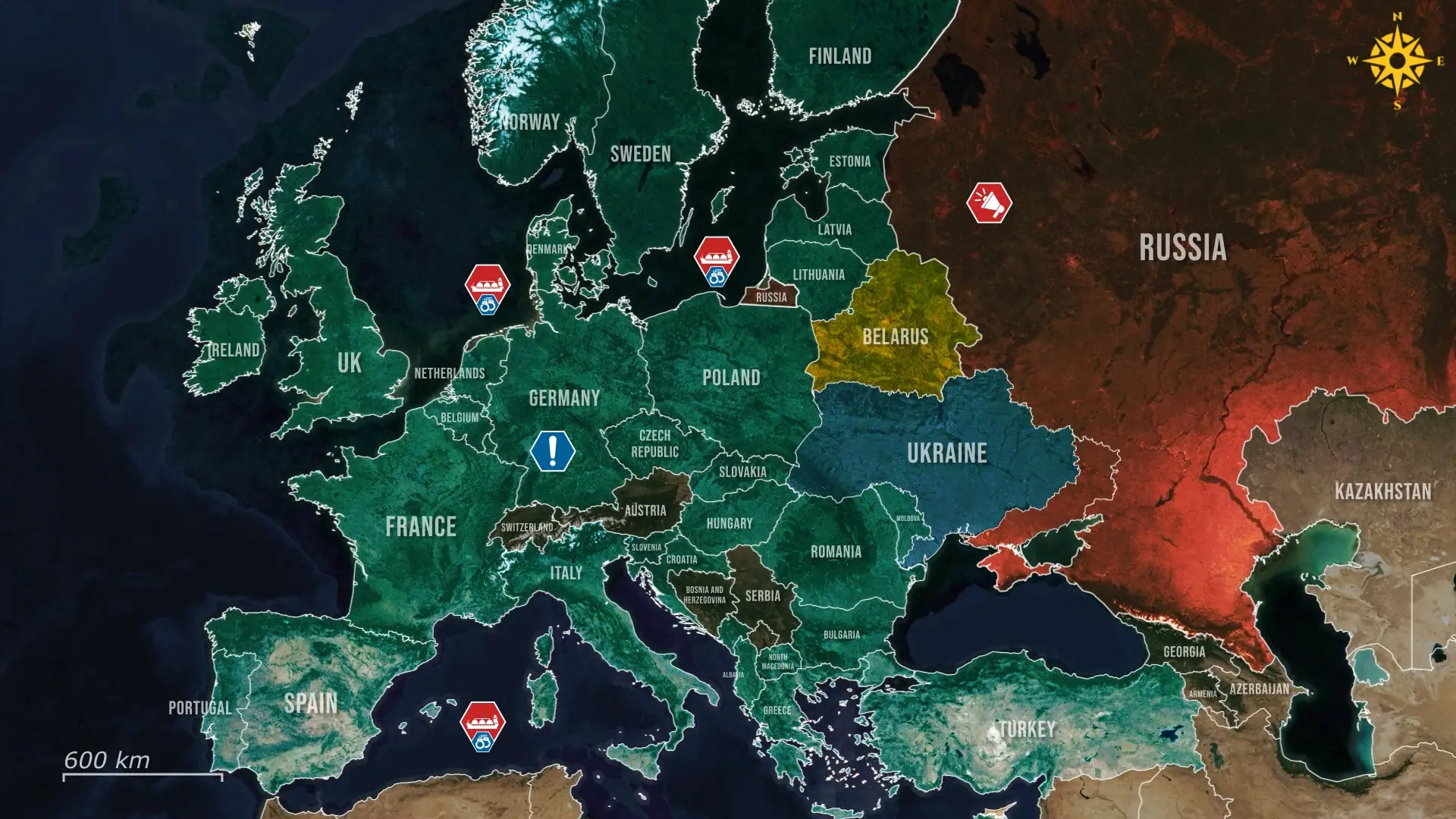
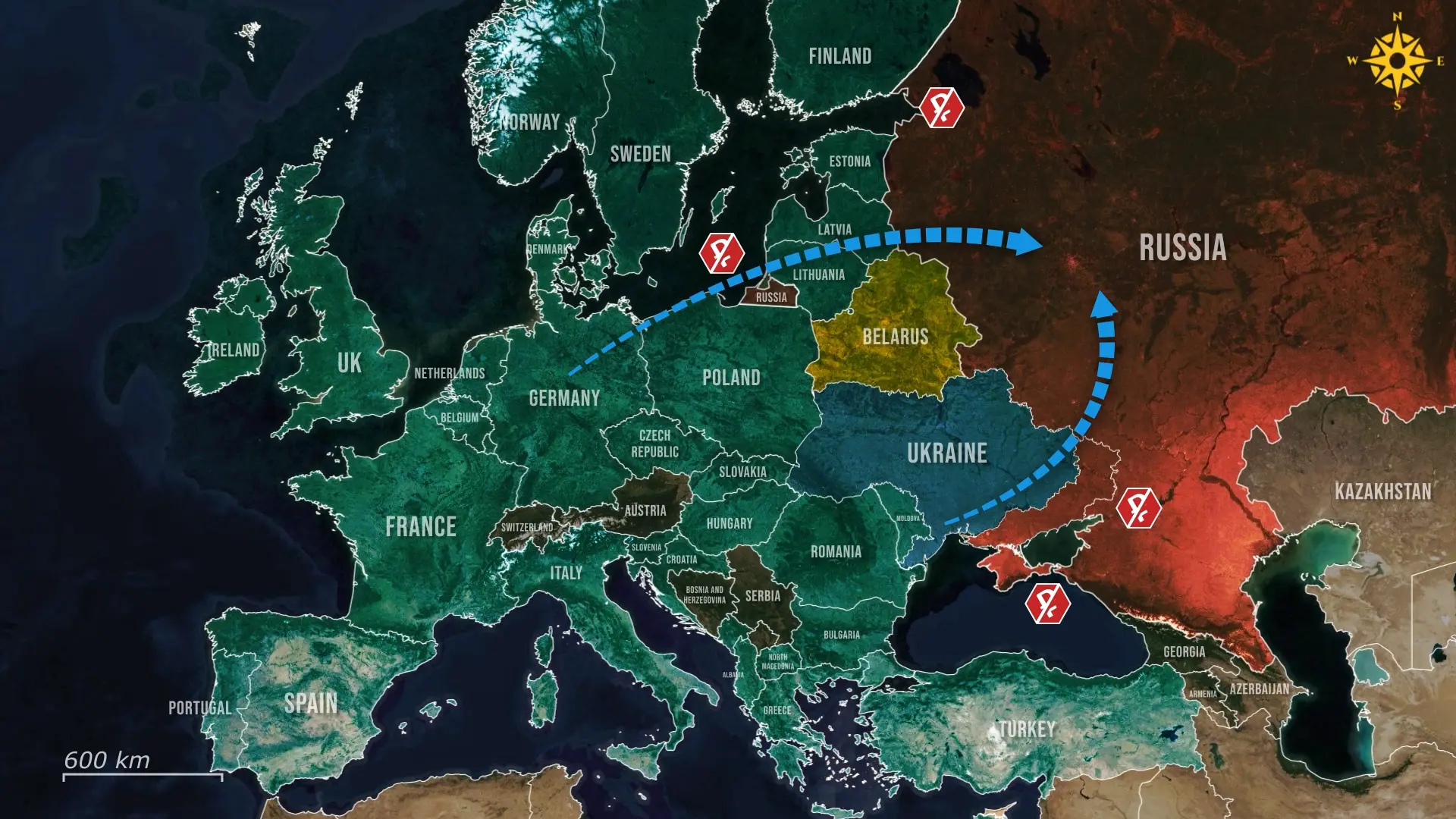
Here, the latest series of detained shadow fleet ships prompted Russian officials to openly call for war against Europe. Nato countries had to decide what their next step would be, with the tensions at sea rising higher than ever.
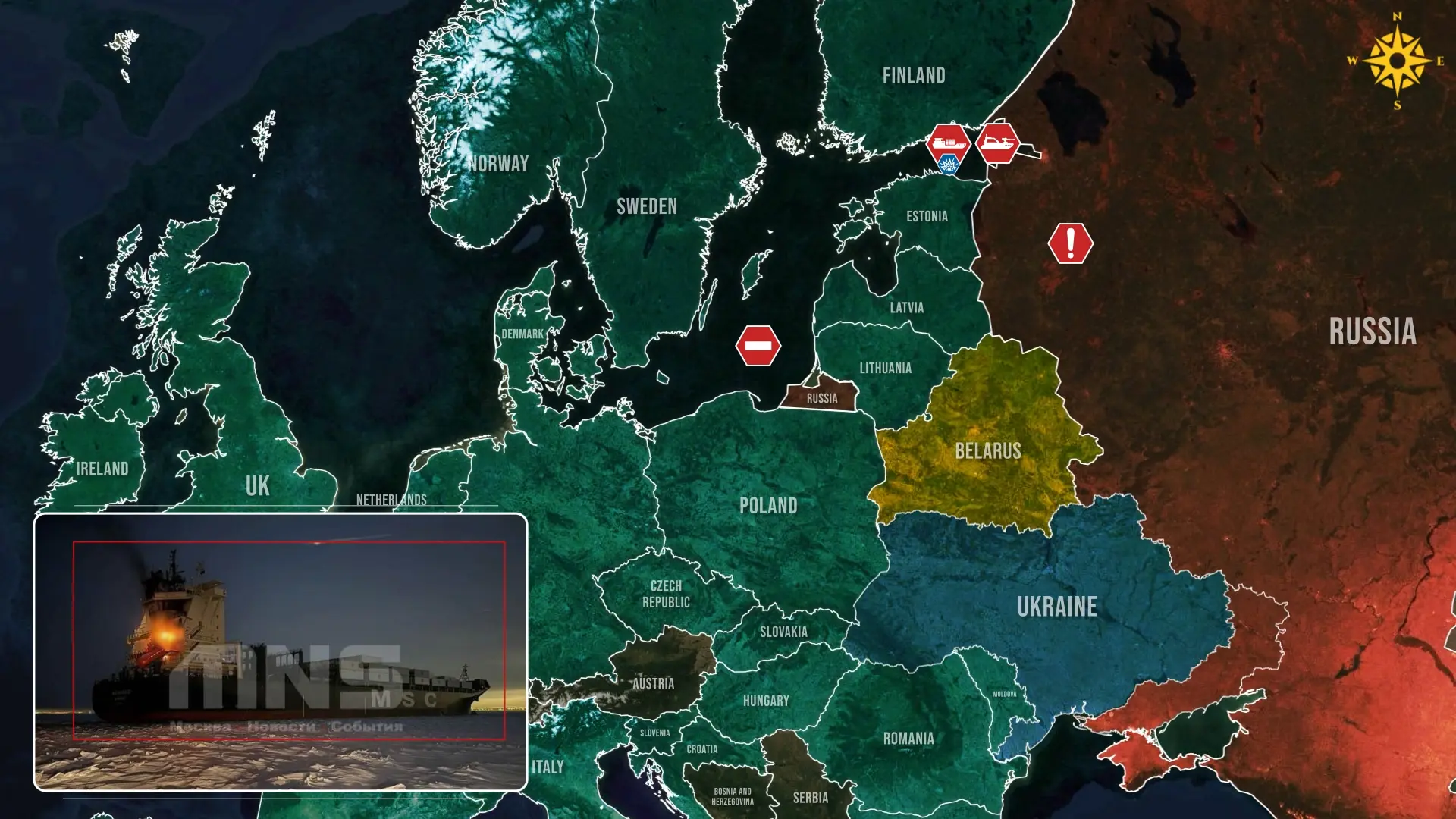
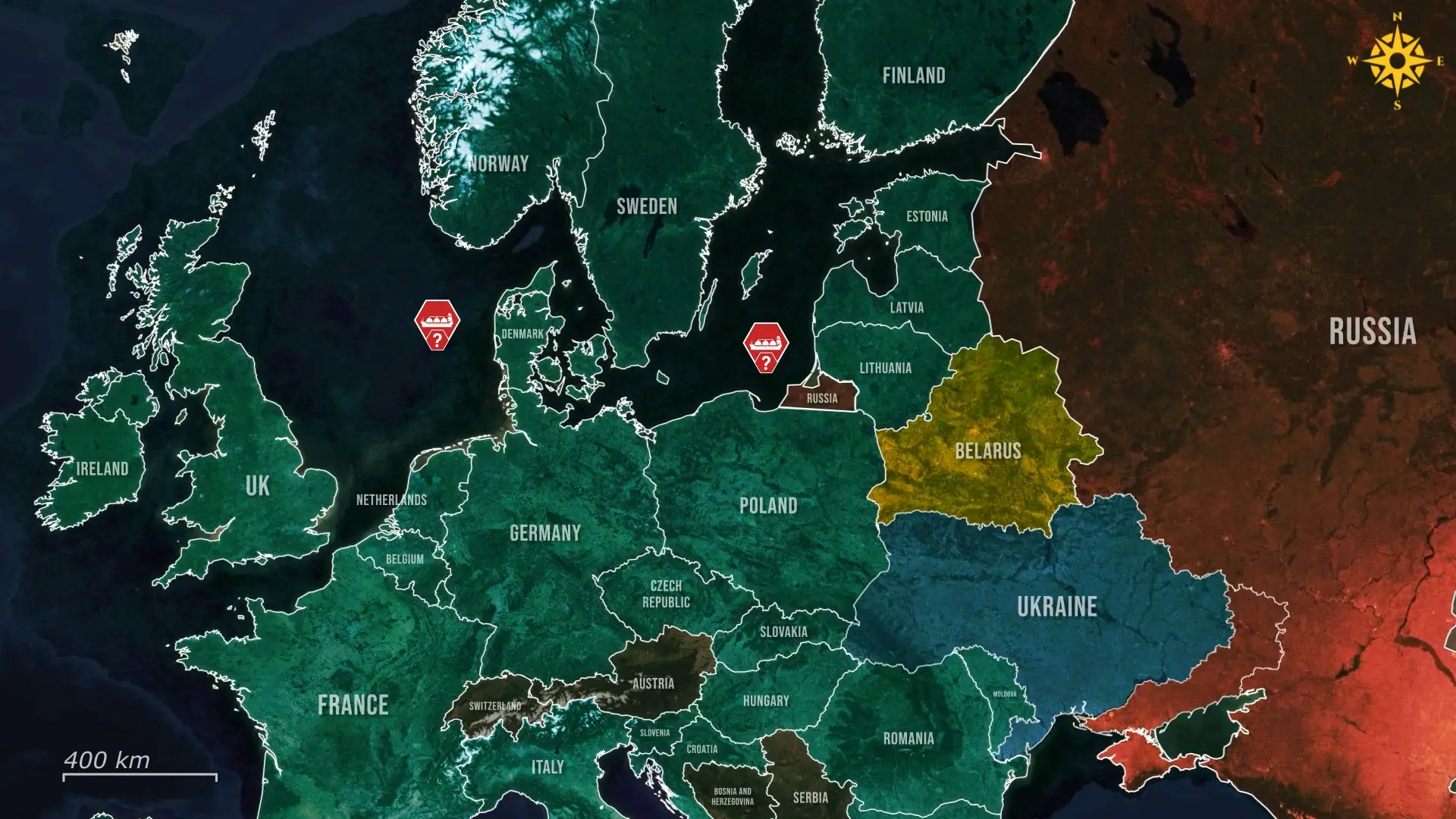
Recently, a cargo vessel, part of the sanctions-evading network, was rocked by an explosion while sailing in the Gulf of Finland. The Liberian-flagged MSC Giada 3 suffered a blast in its engine room as it approached Saint Petersburg, triggering a fire that spread into the deck infrastructure. Although the hull remained intact and no pollution was reported, the ship required assistance from a Russian rescue vessel and an icebreaker before being towed into port. All 22 crew members suffered no harm, but the episode adds to mounting evidence that shadow fleet operations are increasingly risky, exposed, and unstable, underscoring how vulnerable Russian maritime logistics have become.
This latest explosion comes as legal and regulatory pressure on Russian-linked shipping continues to build, as European states are tightening the net incrementally, inspection by inspection, detention by detention. Under the EU’s latest sanctions package, around 40 additional vessels have been blacklisted, bringing the total number of targeted ships to 640.
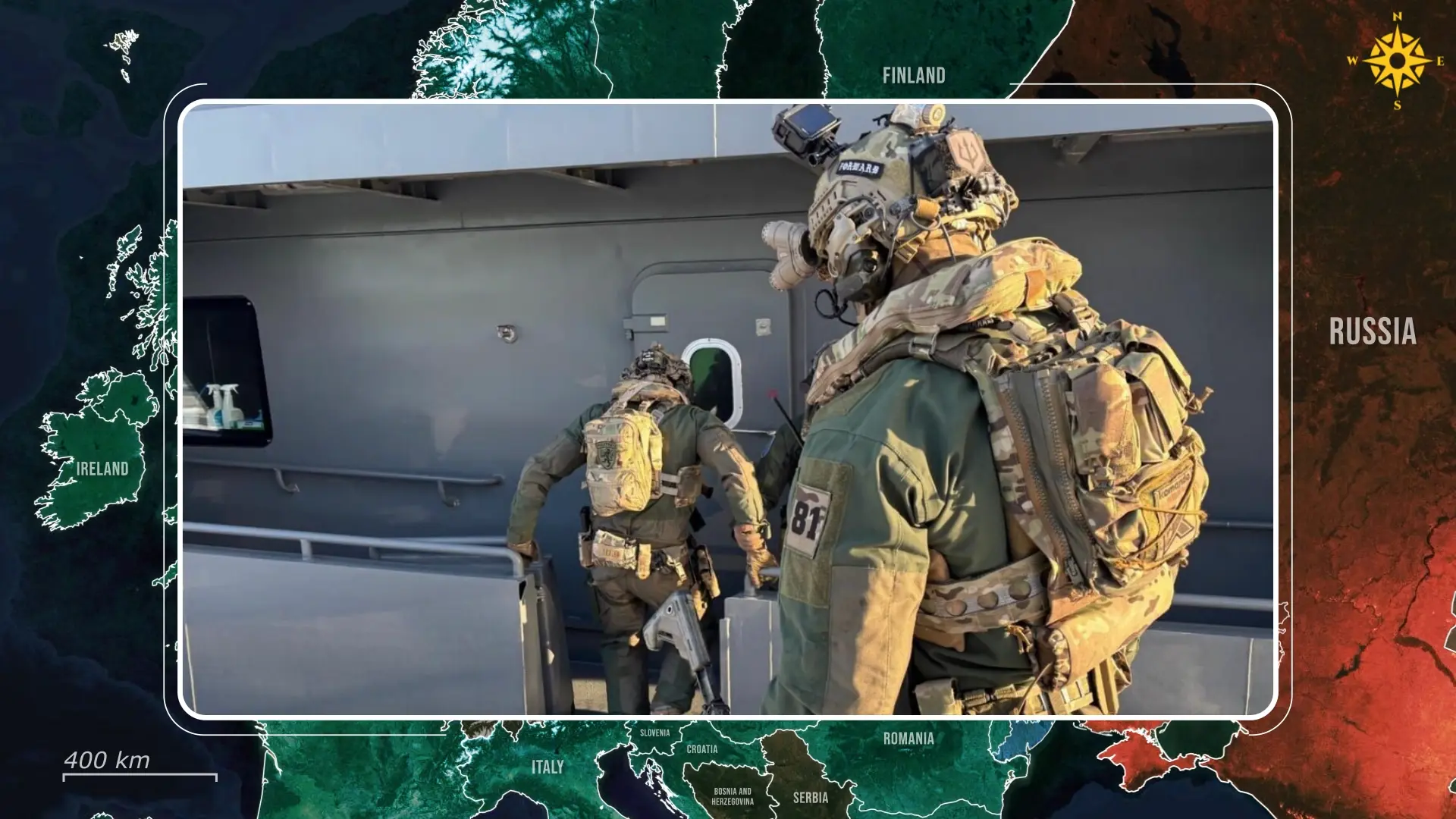
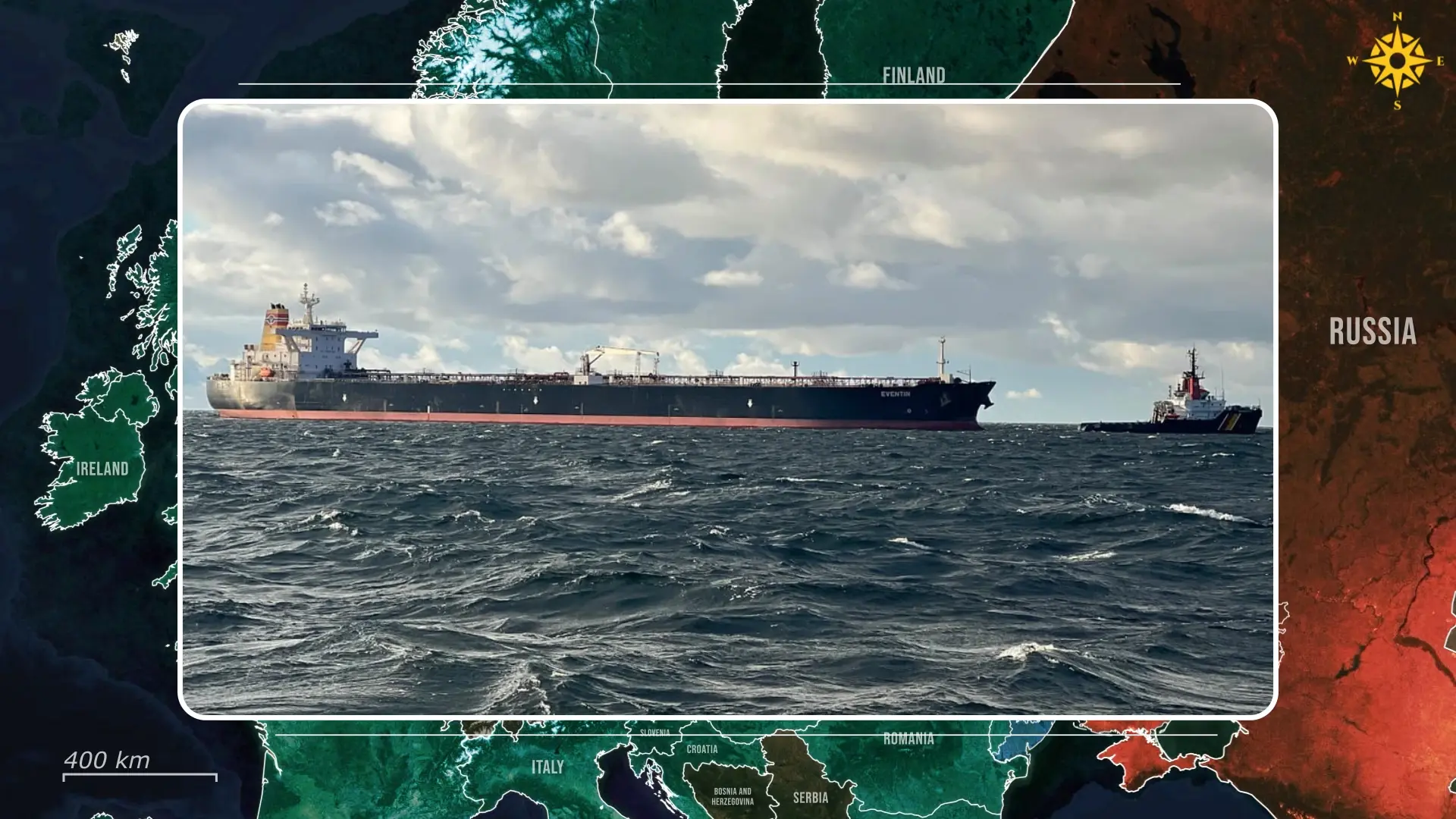
These measures ban access to maintenance, insurance, and port services, steadily raising operational costs and risks. In parallel, fourteen European countries have jointly declared that tankers violating international shipping rules, such as lacking proper registration, insurance, or safety certificates, may be treated as stateless and boarded at sea. This coordinated stance has turned the Baltic and North seas into continuously more dangerous zones for the Russian Shadow fleet to pass through.

At the same time, Russia finds itself unable to stop this process by legal means, as many shadow fleet vessels rely on false flags, forged documents, or opaque ownership structures that collapse under inspection. Once exposed, they fall squarely within established maritime law, allowing detention and boarding.
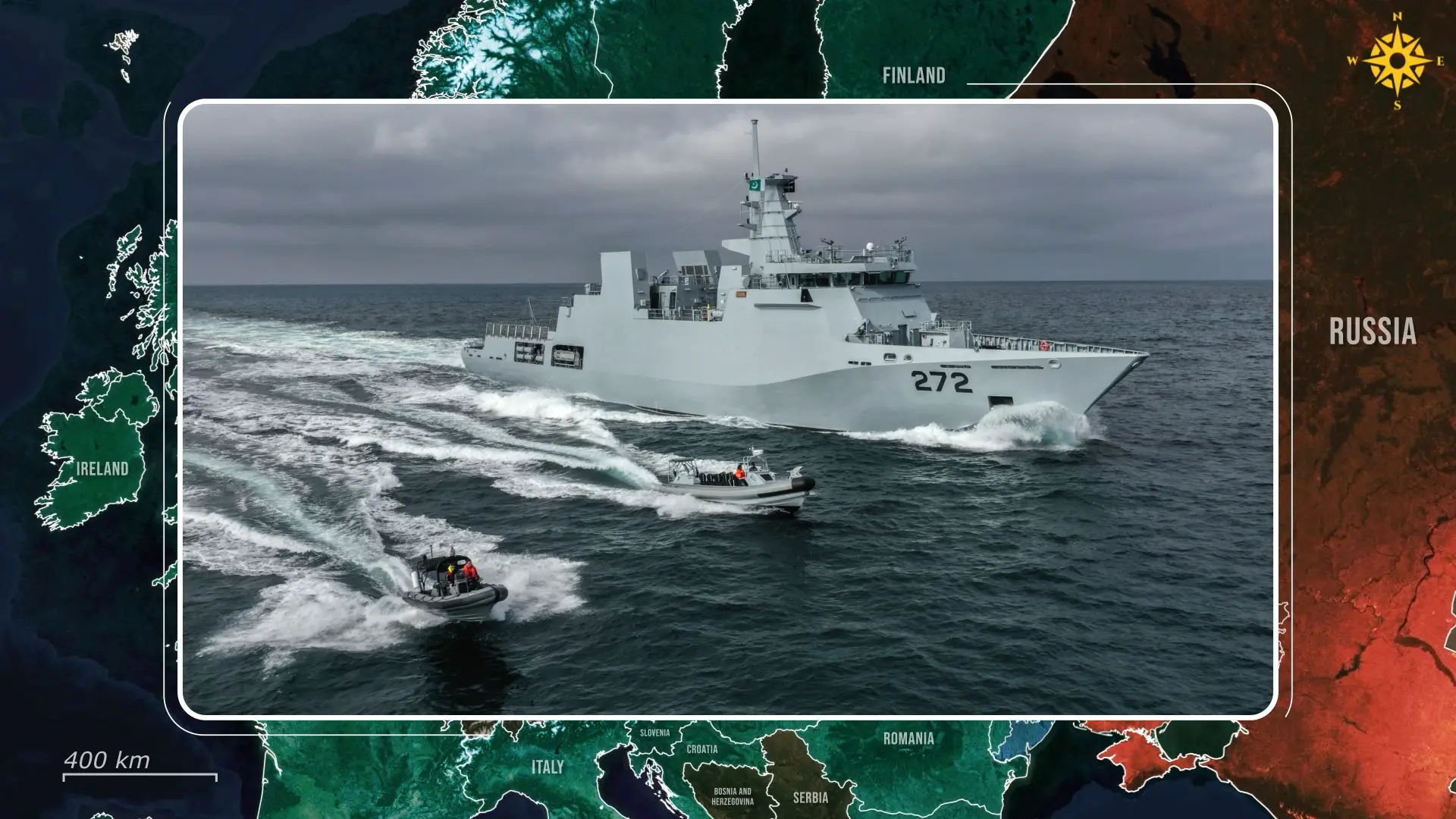
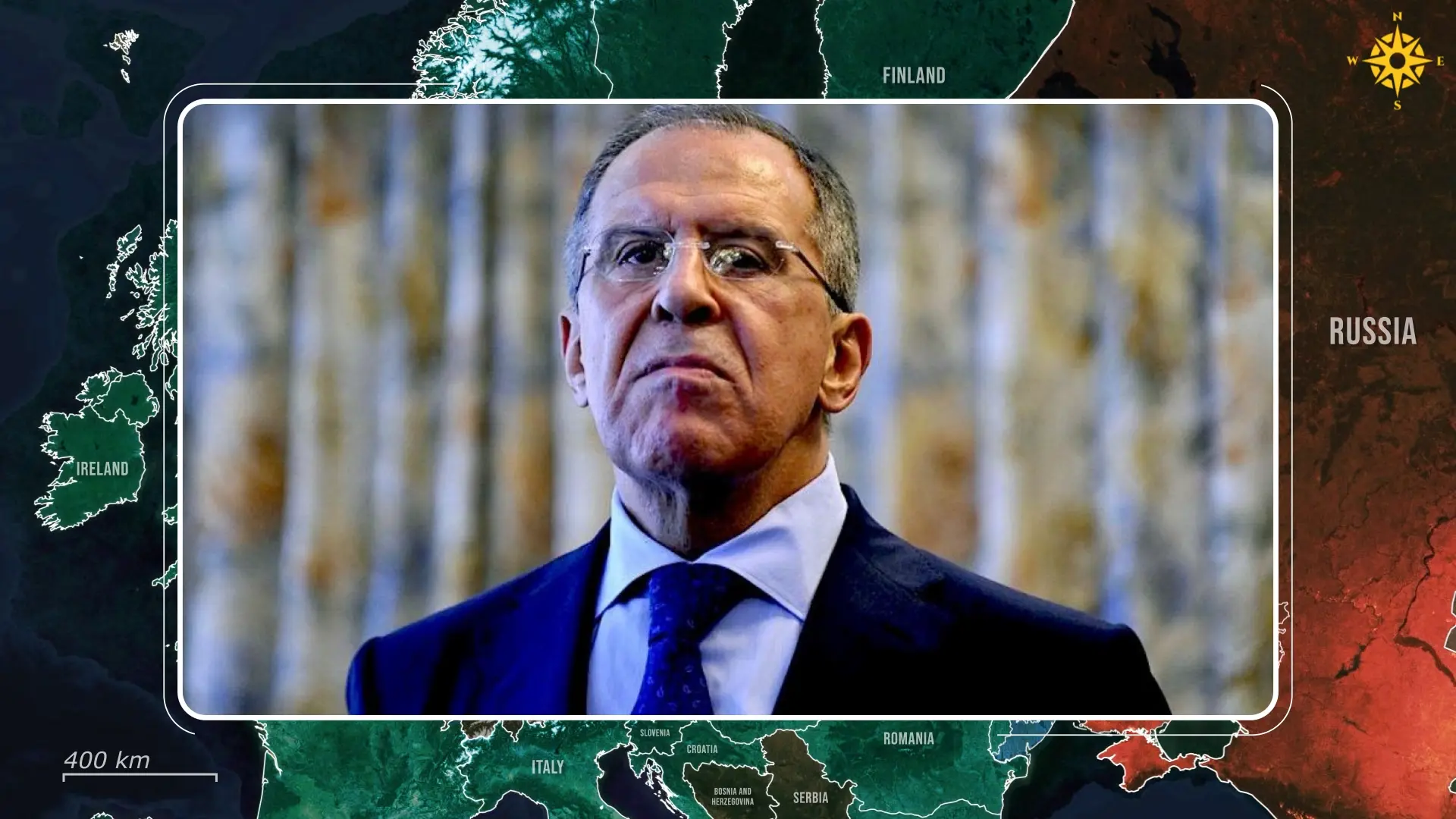
Moscow can also not respond with force, as its navy lacks ships, crews, and geographic reach to escort large numbers of tankers across multiple seas. This structural weakness leaves the Russian government with little beyond rhetoric. As frustration mounts, senior officials like Foreign Minister Lavrov have escalated their language, warning that any attacks on Russia could provoke a full-scale military response with all means and open war rather than a limited special military operation or hybrid actions, interestingly admitting to Russia conducting the latter. However, after four years of such statements without decisive action, it is now clear to everyone that these words signal only anger and loss of control rather than credible deterrence.
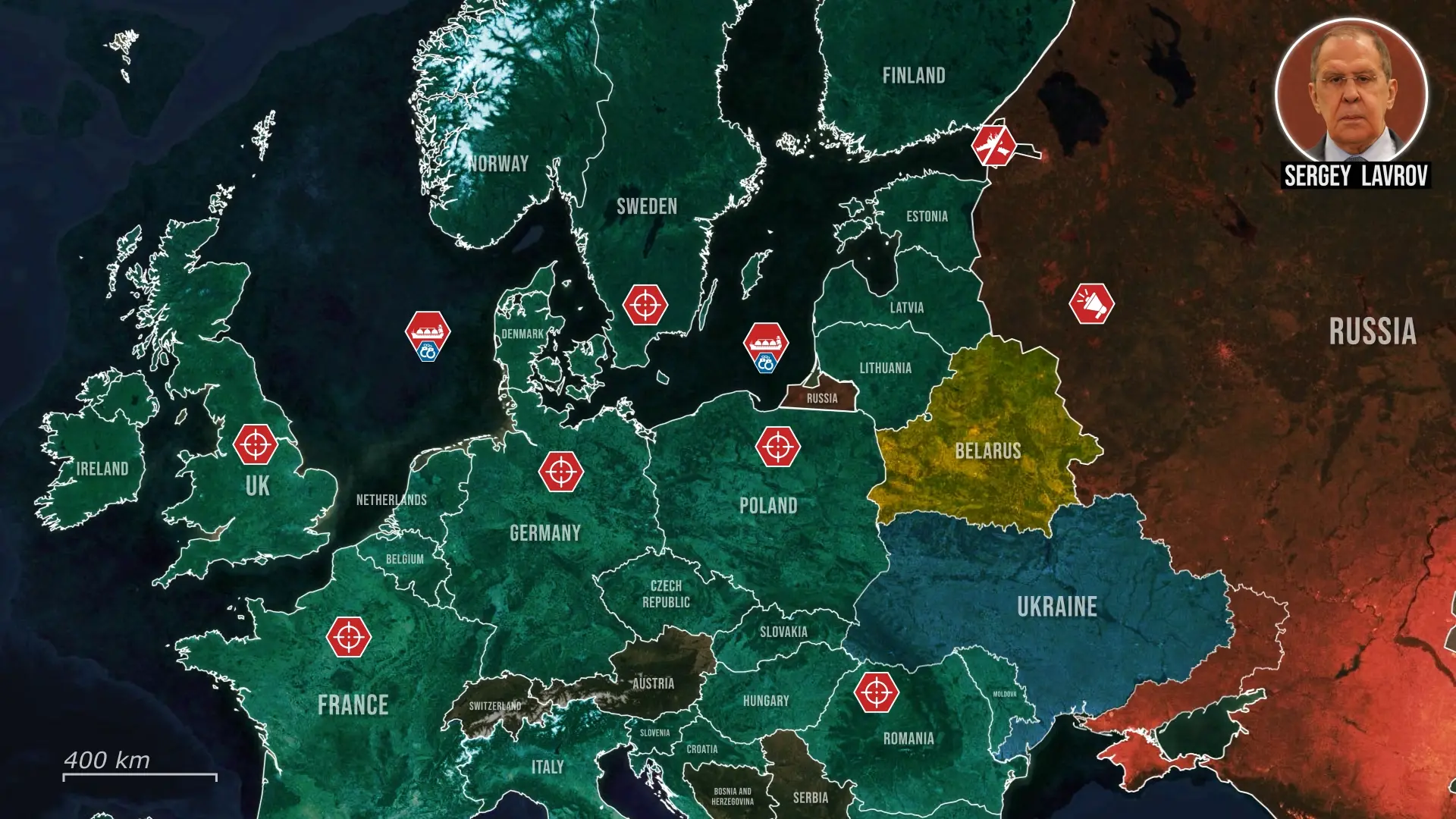
The contrast between rhetoric and reality was highlighted even more clearly when, despite these Russian warnings, the European authorities continued acting. In the Netherlands, a captain was arrested and fined after attempting to conceal a Russian port of origin by falsifying documents. The cargo itself was not sanctioned, but the deception was enough to trigger criminal penalties, reinforcing the message that procedural violations will be punished regardless of cargo type.

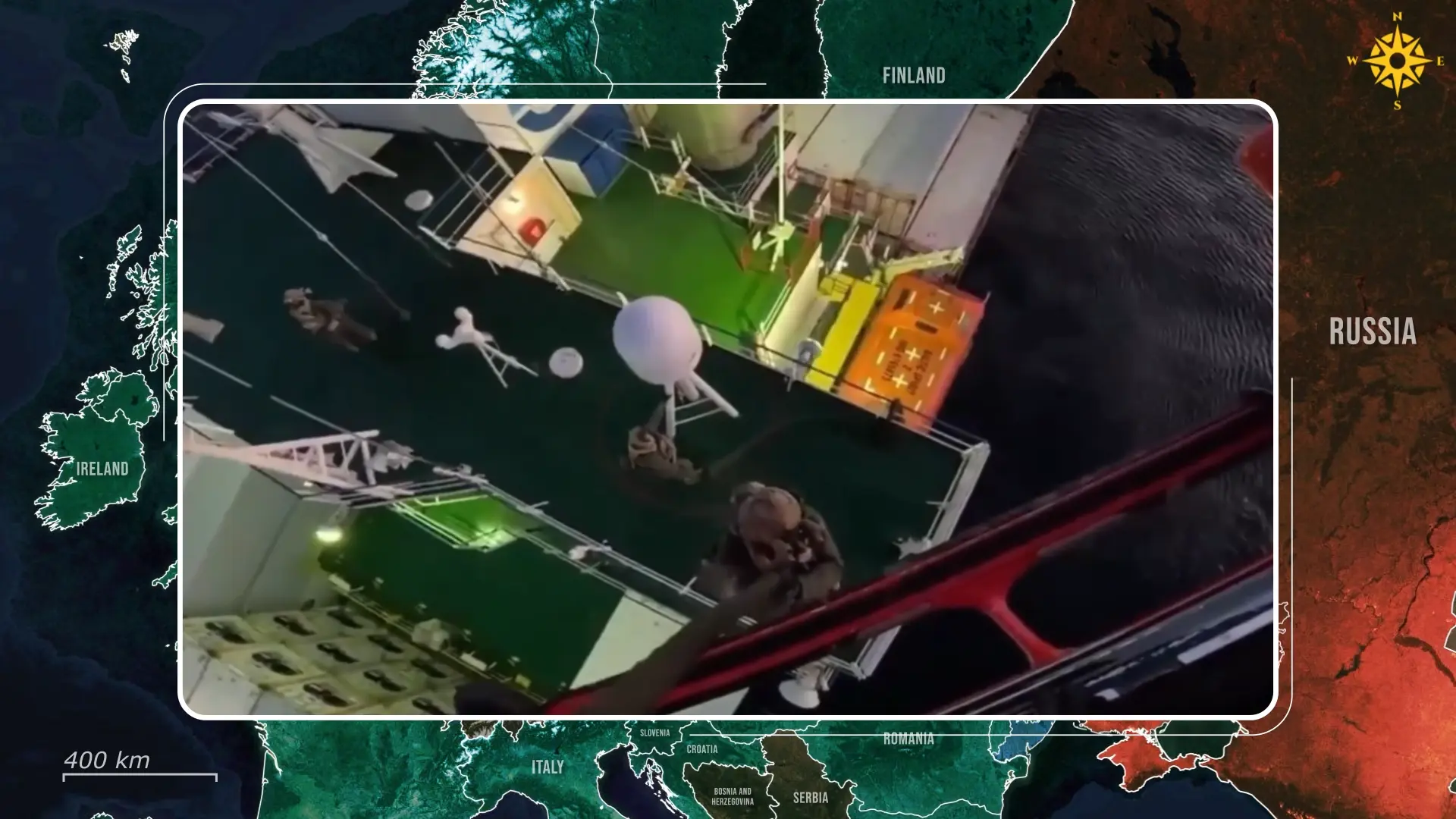
In Estonia, special police units boarded and detained a container ship heading for Russia after it entered Estonian waters for refueling. The operation involved customs, navy units, and helicopter deployment, encountering no resistance from the Russian military or security forces if they were on board. To be clear, these actions unfolded calmly and methodically, despite Moscow’s ongoing threats.

Russia needs to sound dangerous precisely because it cannot act; intimidation has become the last remaining shield for the shadow fleet, but it is proving more ineffective with every seizure, as Western states are proceeding with inspections, fines, and detentions without hesitation.
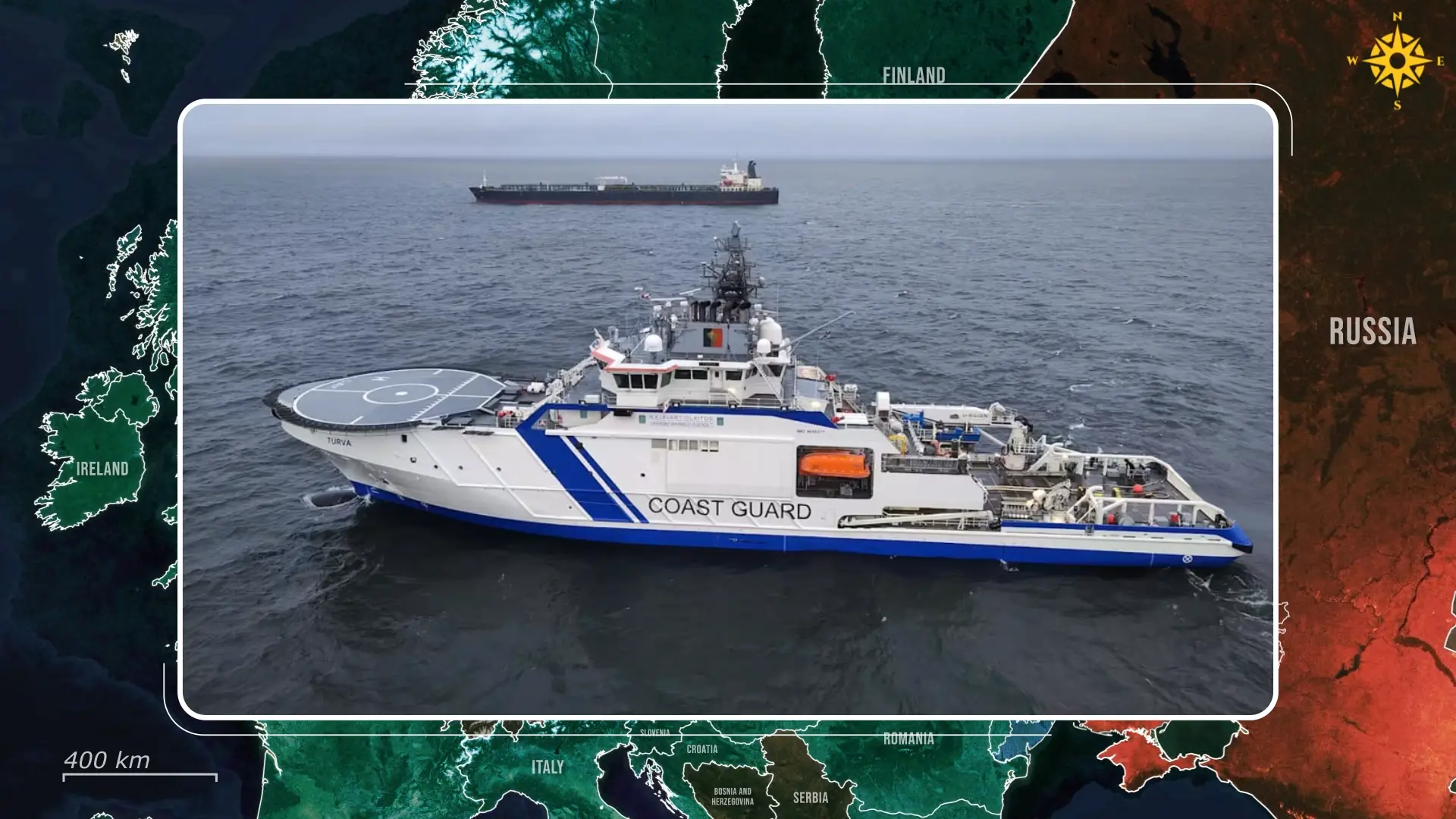
Every detained or damaged ship deepens Russia’s crisis on two levels, with the first being financially, as each disruption constrains oil and cargo flows that are critical to sustaining state revenues under sanctions, with 37.2 billion US dollars of Russian budget connected with the shadow fleet. Secondly, every unchallenged inspection symbolically undermines Moscow’s claim to superpower status, as it sits by powerlessly and can only watch while its oil revenue dissipates by Europe’s hands.
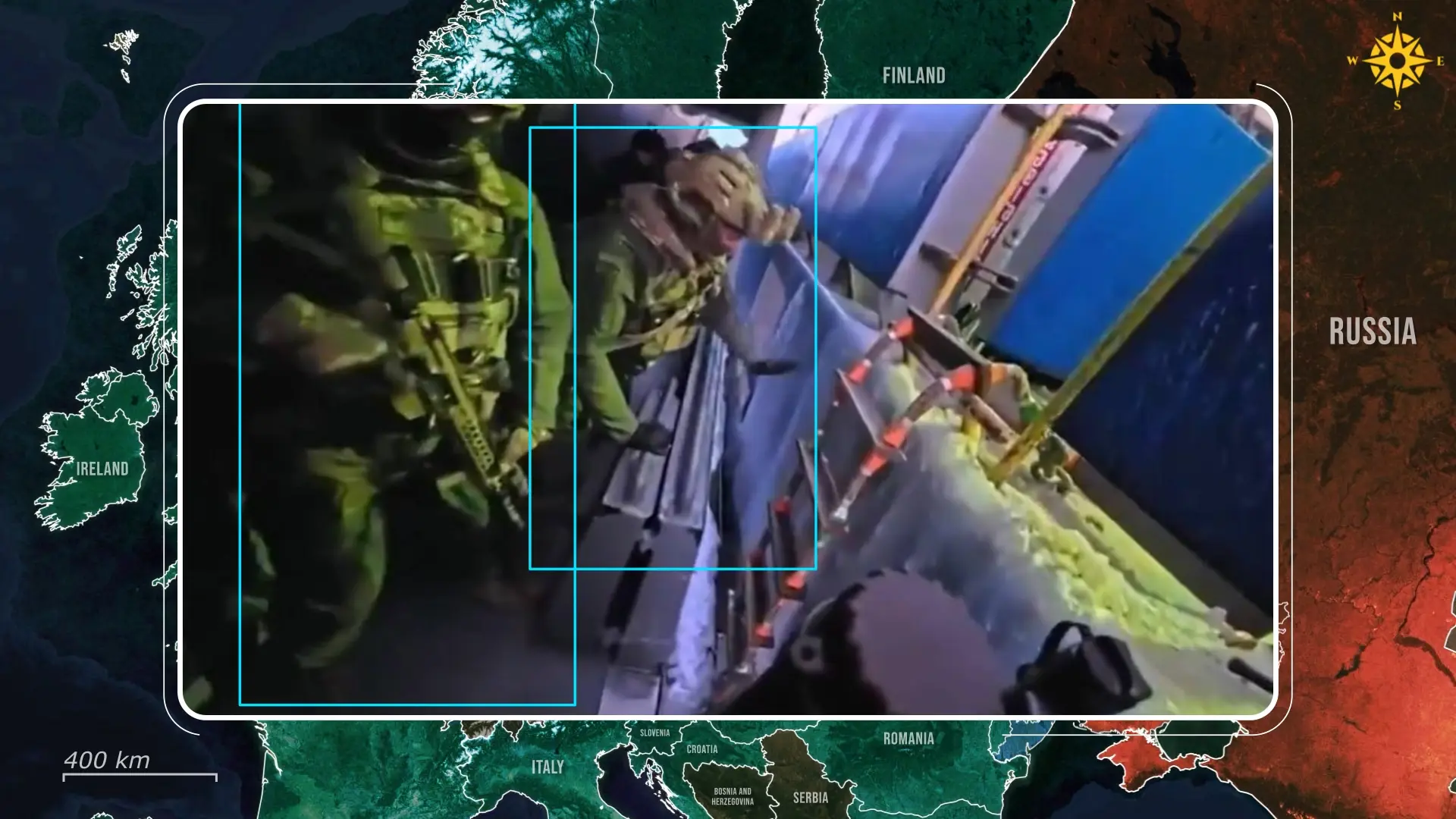
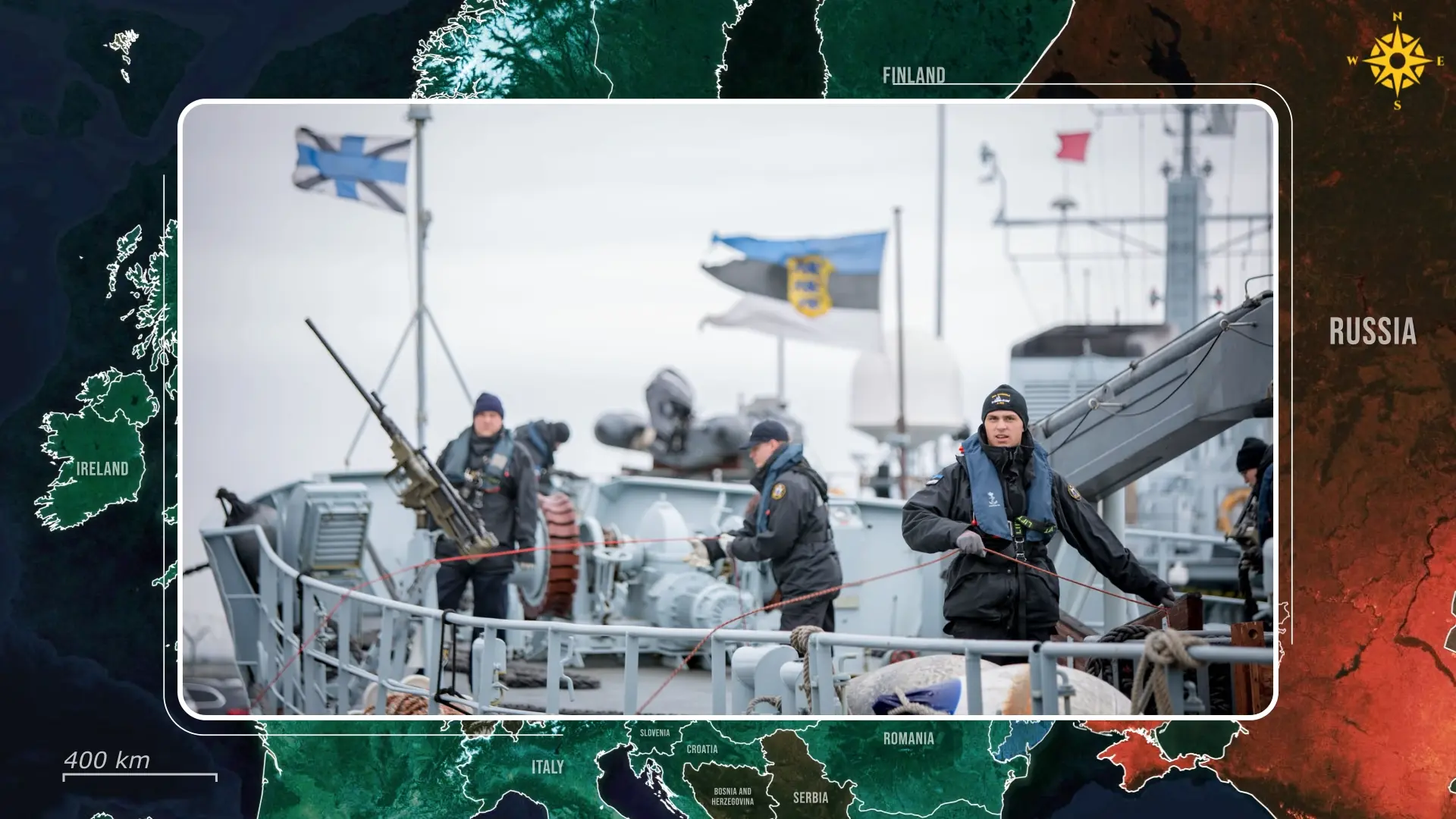
Overall, the widening gap between Russian threats and observable outcomes is becoming impossible to ignore. While officials warn of open war, European authorities and Ukraine continue targeting the mechanisms that keep Russia’s war economy afloat.

The result is a steady erosion of both income and prestige, an outcome shaped not by dramatic battles at sea, but by relentless enforcement that Russia is unable to stop.

.jpg)

Comments