

.svg)
Today, the biggest news comes from Ukraine’s energy system.
Here, the country is struggling to keep the power on during Russia’s winter attack campaign. What changes the situation is that Russia is now directly targeting energy systems tied to Ukraine’s nuclear power plants, pushing the energy crisis into a far more dangerous phase.
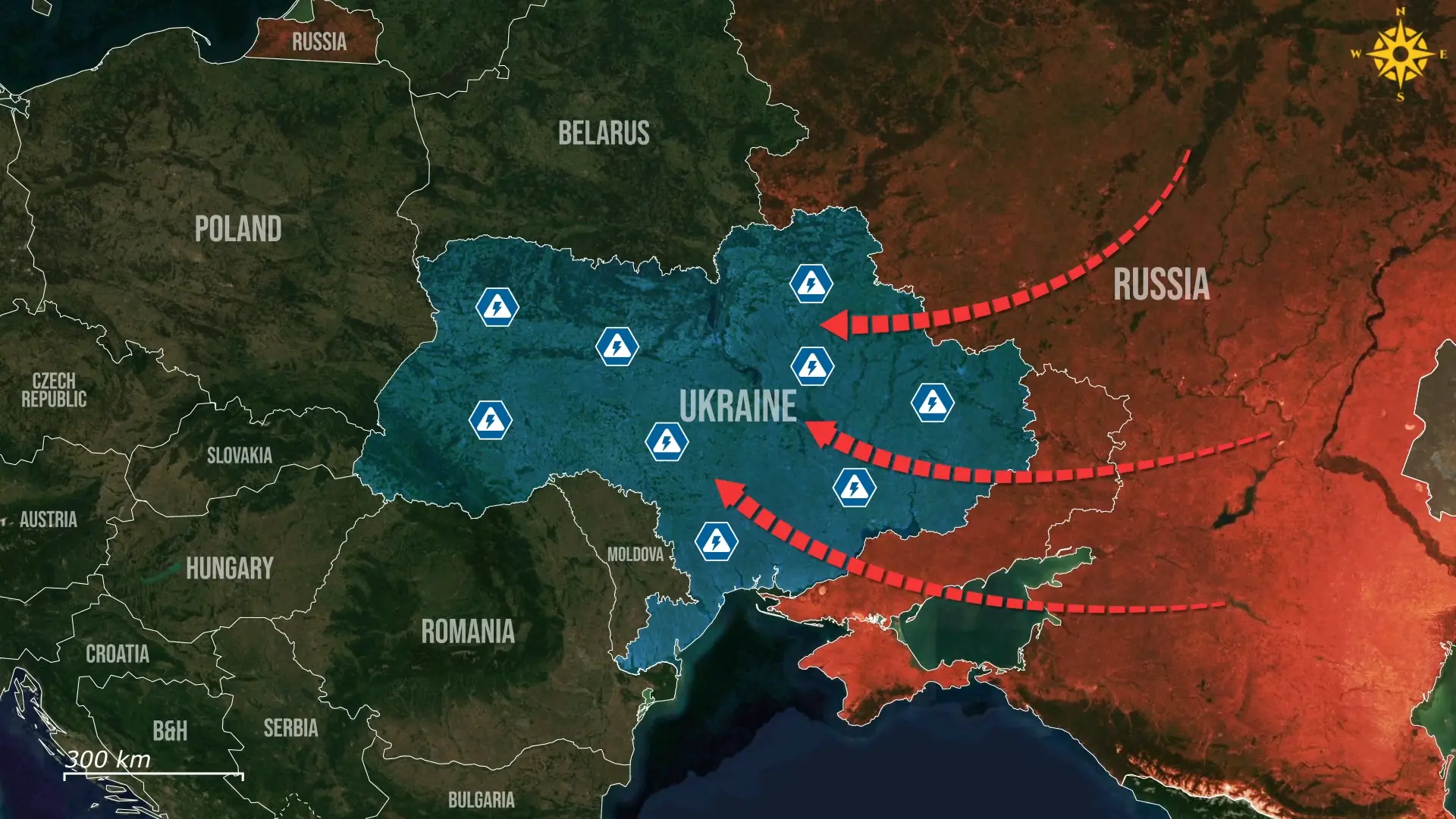
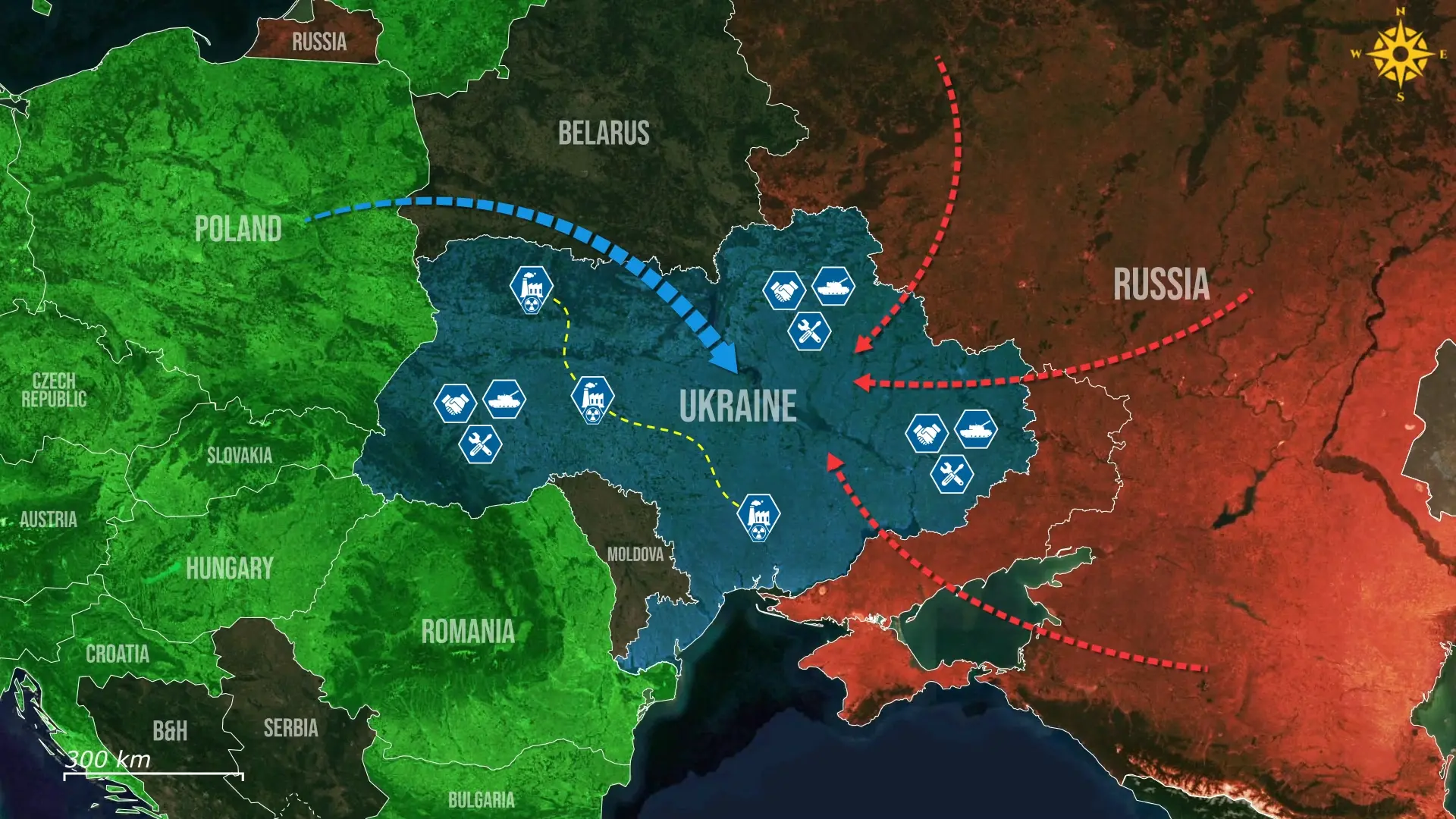
Russia’s strike campaign has degraded Ukraine’s energy system to the point where it is now effectively operating on electricity produced by only three nuclear power plants. This dependence exists because thermal power stations and other generation sources have been heavily damaged, leaving nuclear generation as the only remaining large-scale supply. The core vulnerability lies in the structure of the electricity grid rather than in the reactors themselves. Electricity moves through high-voltage transmission lines and substations that balance supply across regions, and Russia is deliberately trying to fracture this system into isolated energy islands.
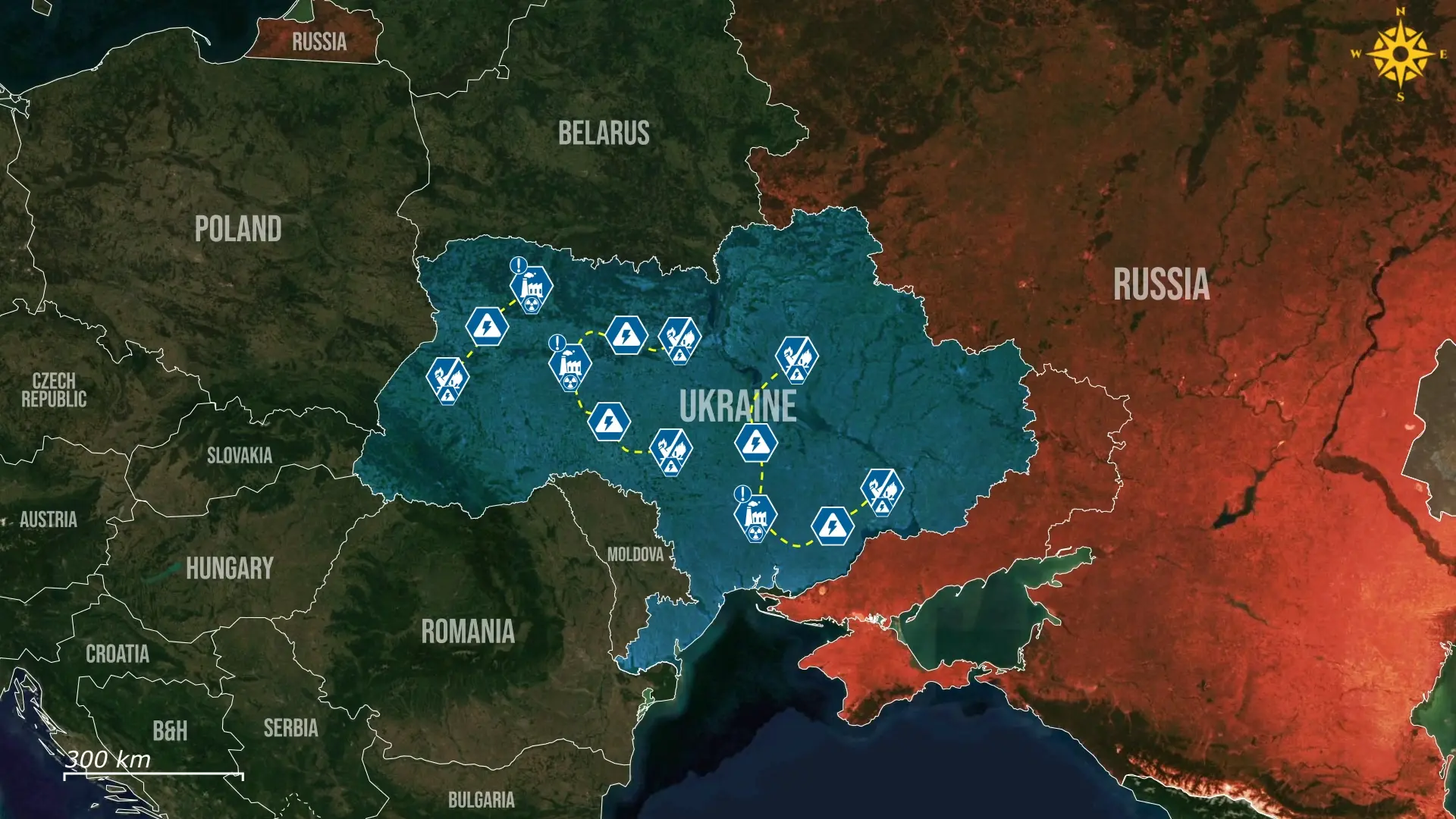
An energy island forms when key transmission connections are destroyed, preventing electricity from being transferred between regions. In practice, a nuclear power plant can continue generating electricity while major cities receive none of it because the routes that carry power have been cut. At the same time, Ukrainian air defense interceptor stocks are running low, limiting the protection of the remaining critical grid nodes.
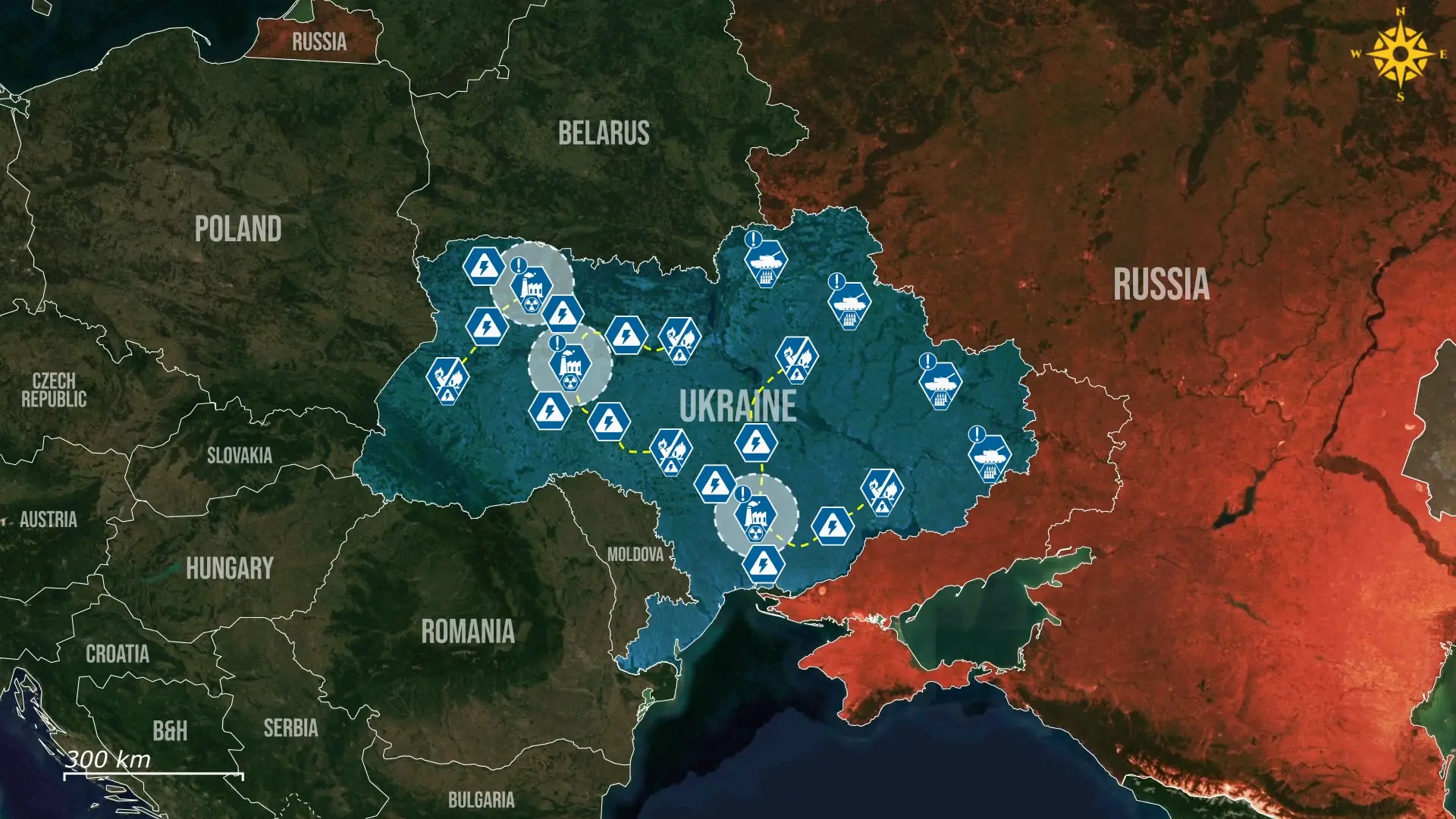
With most power stations already offline, Russia shifted to a more dangerous approach by striking the substations that connect nuclear power plants to the rest of the country. These substations are the points where electricity leaves the plants and enters the long-distance power lines that supply cities and industry. One wave struck transmission infrastructure in and around Kyiv, leaving more than one million households without power and cutting heating to thousands of apartment buildings.
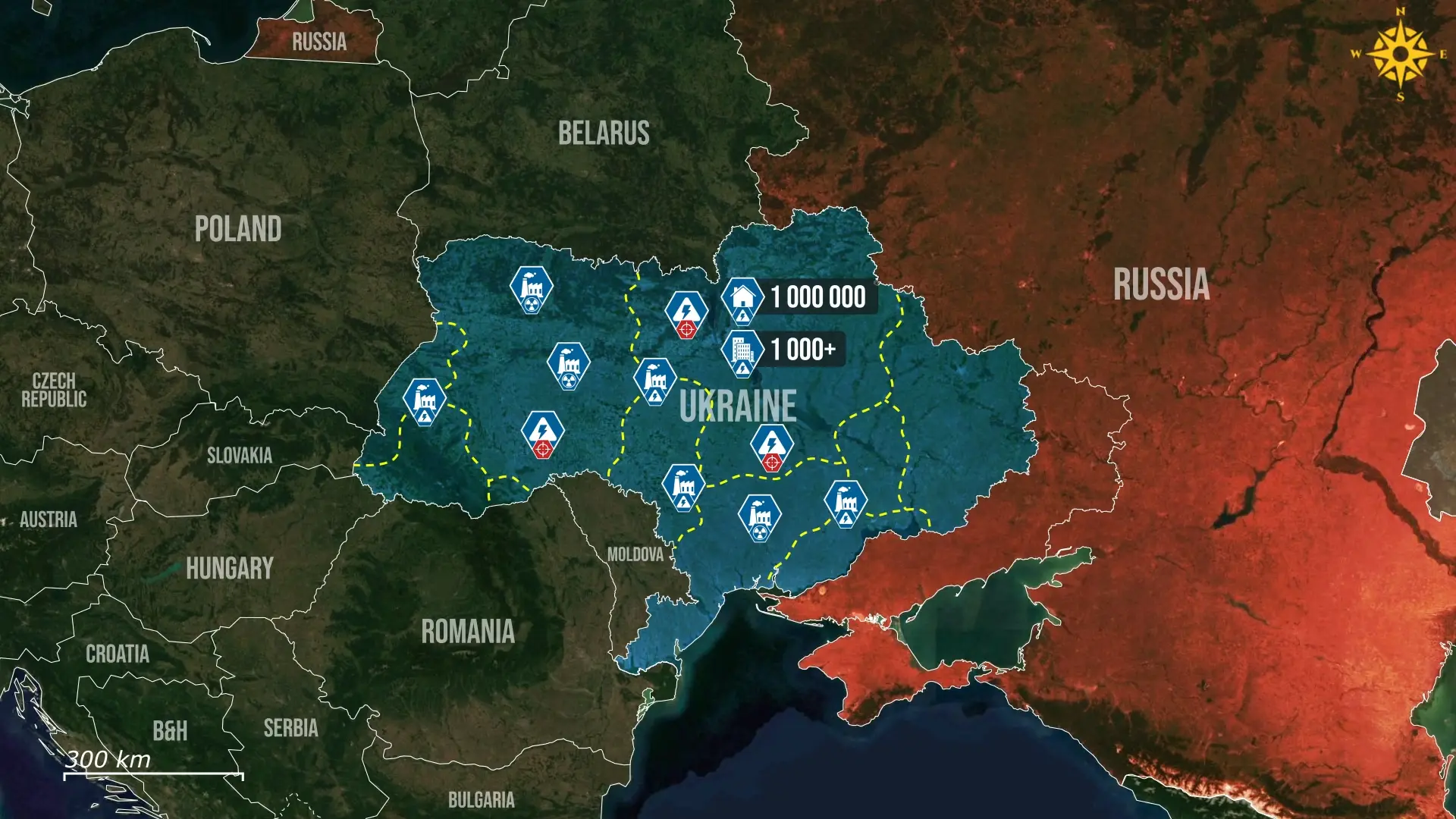
A separate strike targeted similar grid nodes in other regions, causing widespread regional blackouts. In both cases, the strikes failed to fully break the connections between nuclear power plants and the national grid. If those links were successfully cut, the plants could continue operating, but their electricity would no longer reach cities, transport systems, or industrial facilities.
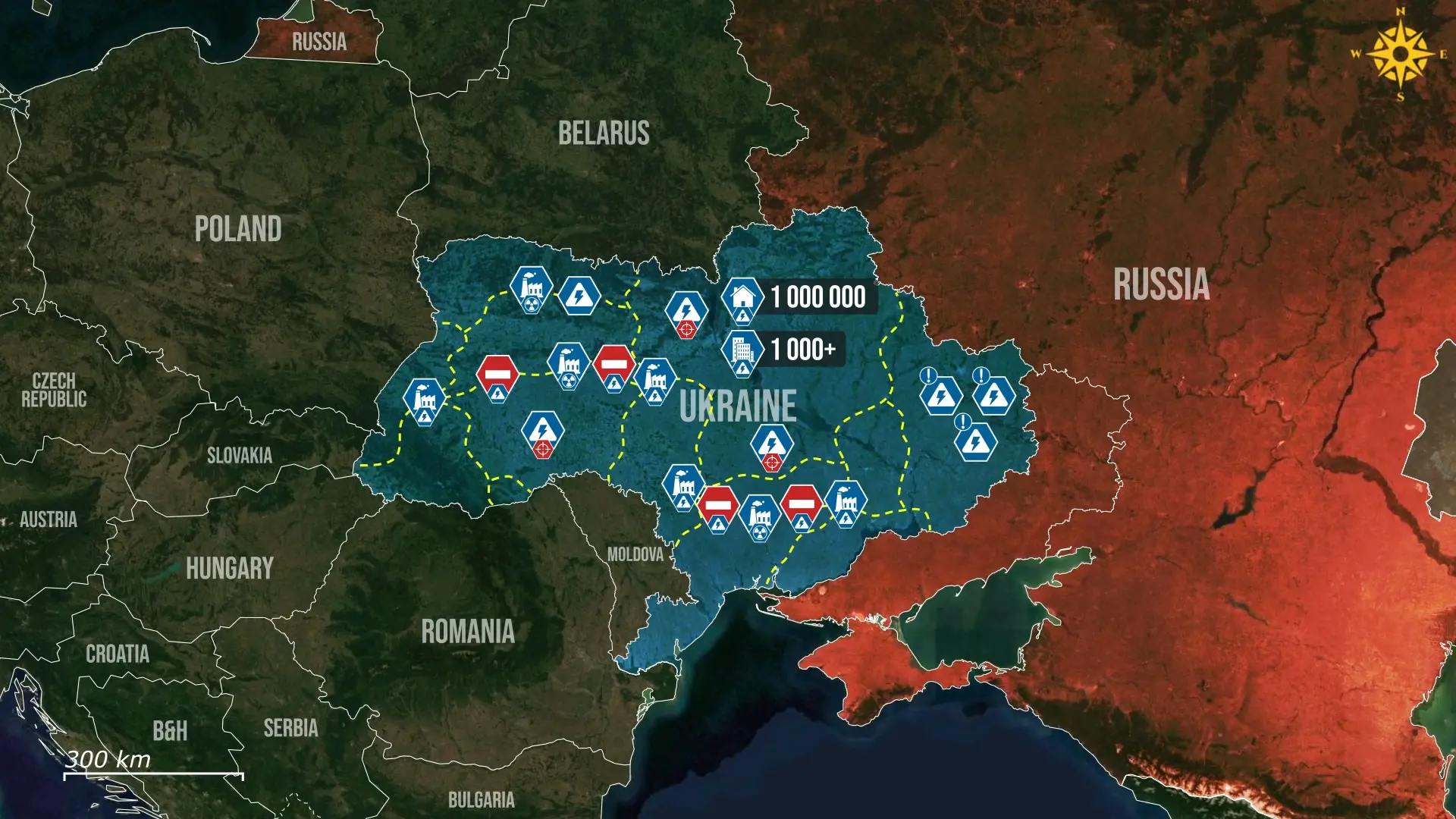
These strikes were intended as a decisive blow at a moment when Ukrainian air defense stocks were believed to be nearly exhausted. In the days before the attacks, Ukraine received new air defense ammunition from European allies, restoring a limited amount of interception capability. Russian planners assumed Ukrainian defenses were largely depleted, so the strikes focused on volume and key targets rather than countering active air defenses.
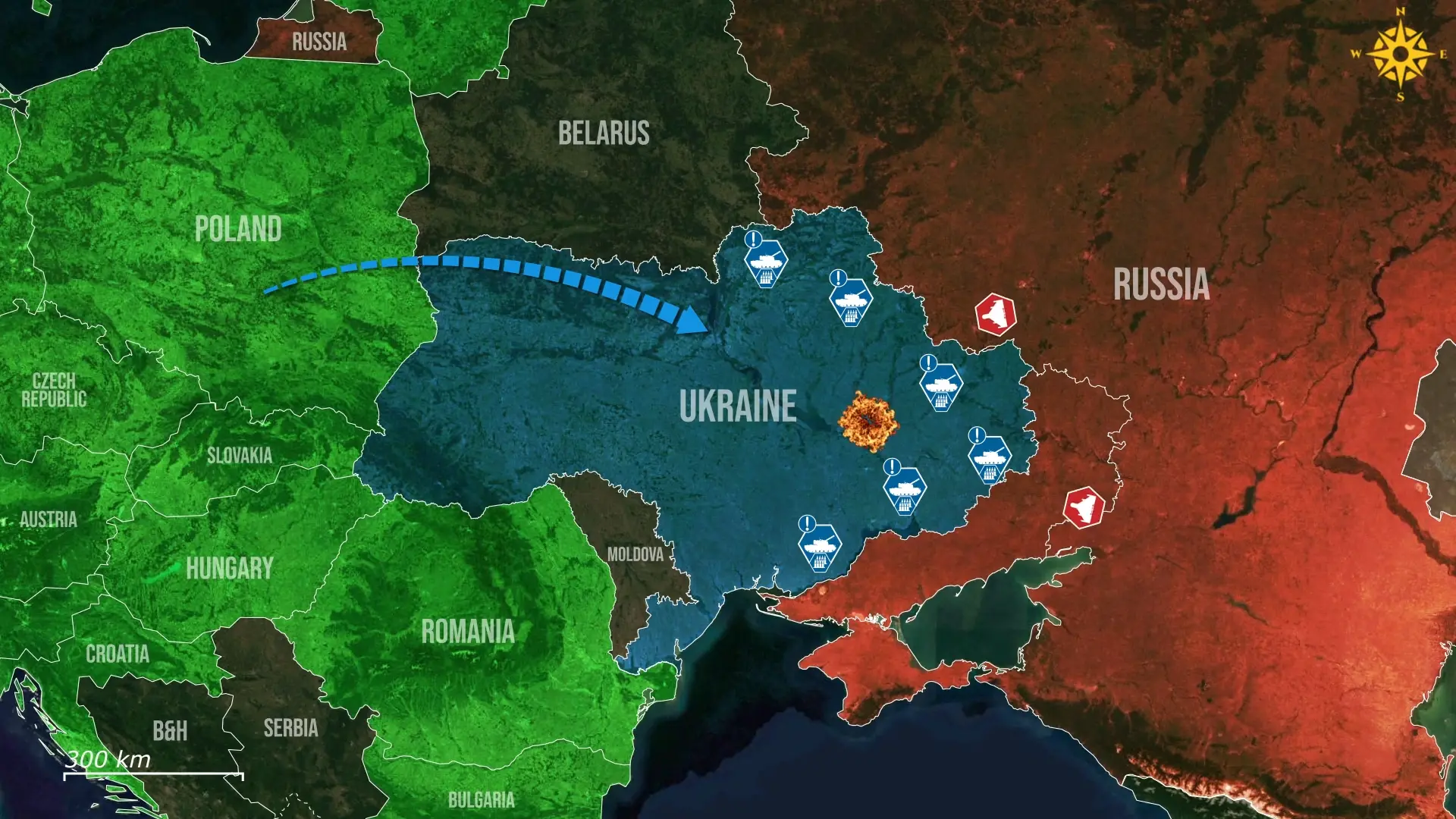
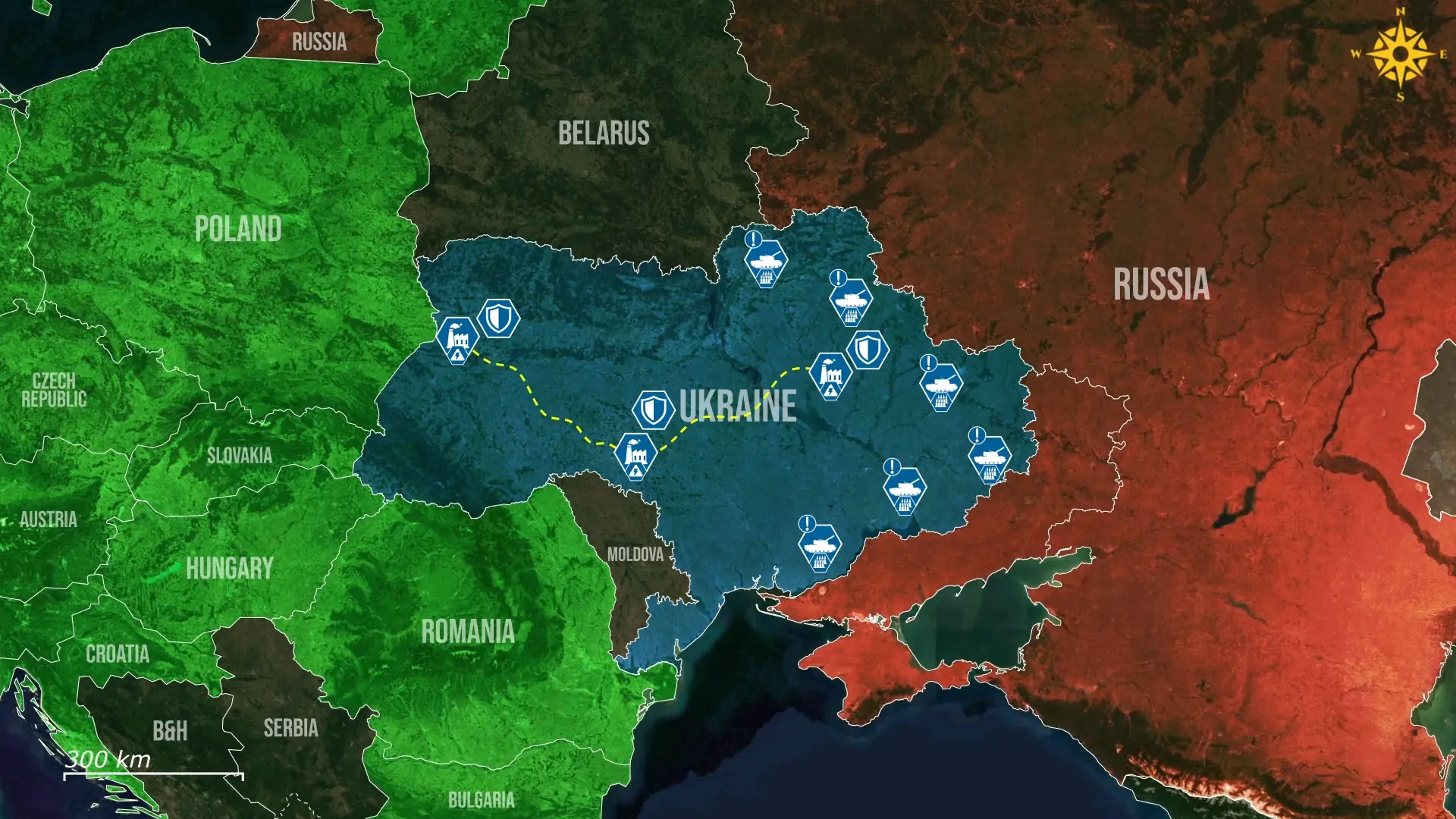
The attacks caused widespread damage and power outages, but the availability of interceptors allowed Ukraine to protect the small number of power stations and transmission lines whose loss would have split the grid. Both attempts failed to trigger a system-level collapse, leaving the power system operational with little remaining capacity to absorb further attacks.
Russian strikes are timed for the coldest part of winter, with temperatures reaching minus thirty degrees Celsius. Electricity demand peaks under these conditions as heating systems and essential services depend more heavily on continuous power. Cold weather also slows repairs, as equipment fails more easily and crews must work in freezing conditions while air raid warnings repeatedly interrupt restoration. Ukrainian repair teams are working around the clock to stabilize substations and reroute power flows. The impact on civilians comes from power and heating being lost for days in extreme cold, rather than from the initial strikes themselves.
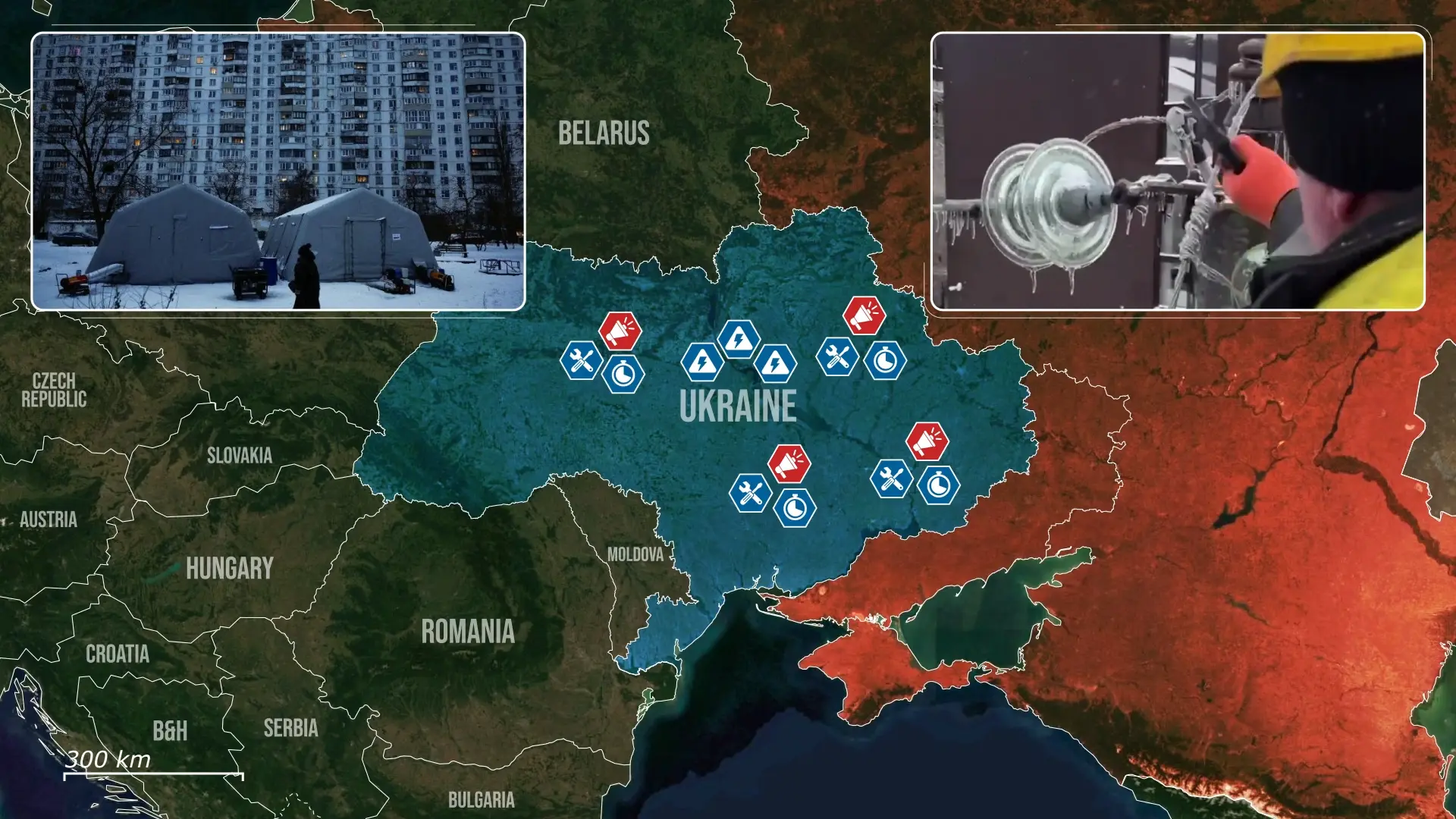
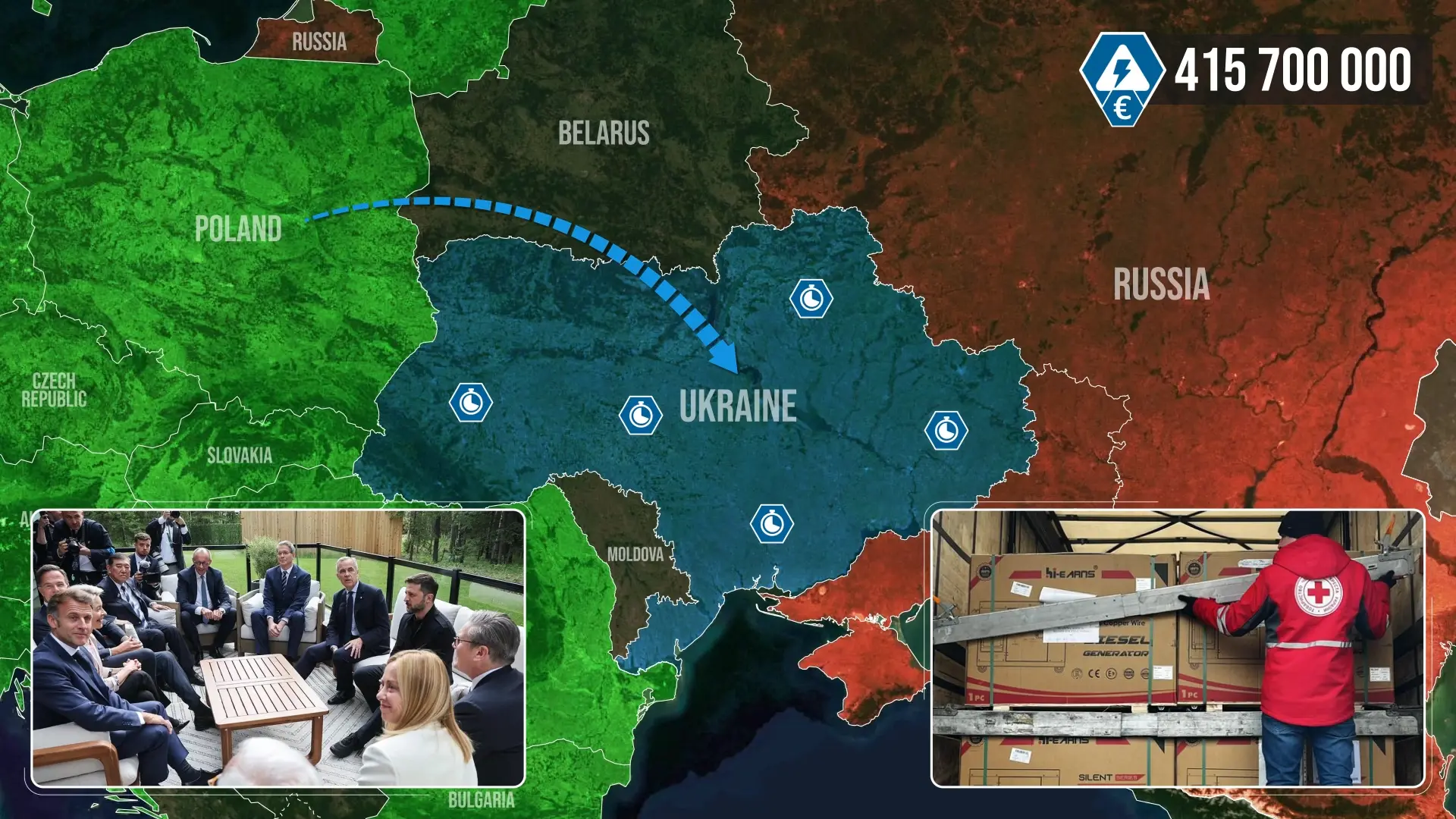
As outages stretch on and heating is lost in extreme cold, European countries have stepped in with emergency energy assistance, delivering generators, transformers, and accompanying funding worth about €415.7 million euros to help restore power and keep heating systems running. This support is designed to shorten the time between damage and restoration and to prevent outages from spreading across the system. In parallel, an emergency G7 coordination meeting has aligned additional energy aid and financing. The goal is to keep the grid operating through the winter by expanding mobile and backup power sources and reducing reliance on easily damaged transmission lines.
Overall, Ukraine’s energy system now depends on keeping three nuclear power plants connected to a transmission network under constant attack. Emergency air defense resupply and foreign energy assistance have improved short-term safety margins but have not removed structural vulnerabilities. Continued grid stability depends on interceptor availability, rapid repairs, and sustained international support. Ukraine remains operational for now, having so far kept nuclear power connected to the national grid, though it continues to face the risk of renewed strikes.

.jpg)


Comments