

.svg)
Today, the biggest news comes from Ukraine’s air war.
Shahed drones have become a familiar feature of the battlefield, widely used to strike targets across Ukraine. What is now emerging is a quieter shift that turns these drones into dual-use tools for denying movement long after the aircraft itself is gone.
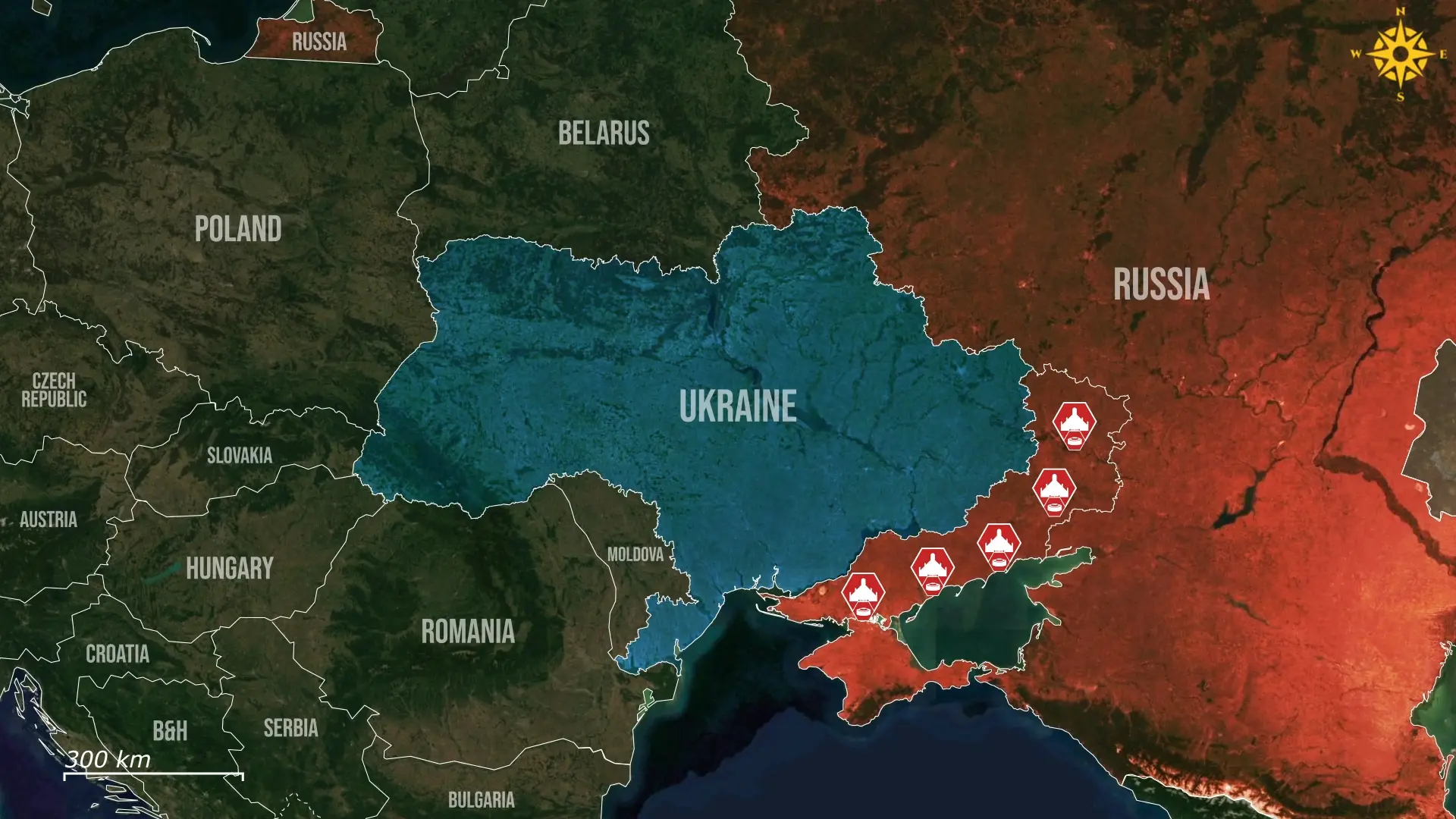
Recent reporting shows that Shahed-type drones are being modified to drop anti-vehicle mines as they fly, not only near the frontline but also in rear areas. Early remote mining operations focused on larger anti-tank mines, but this has shifted toward more frequent use of smaller magnetic mines.
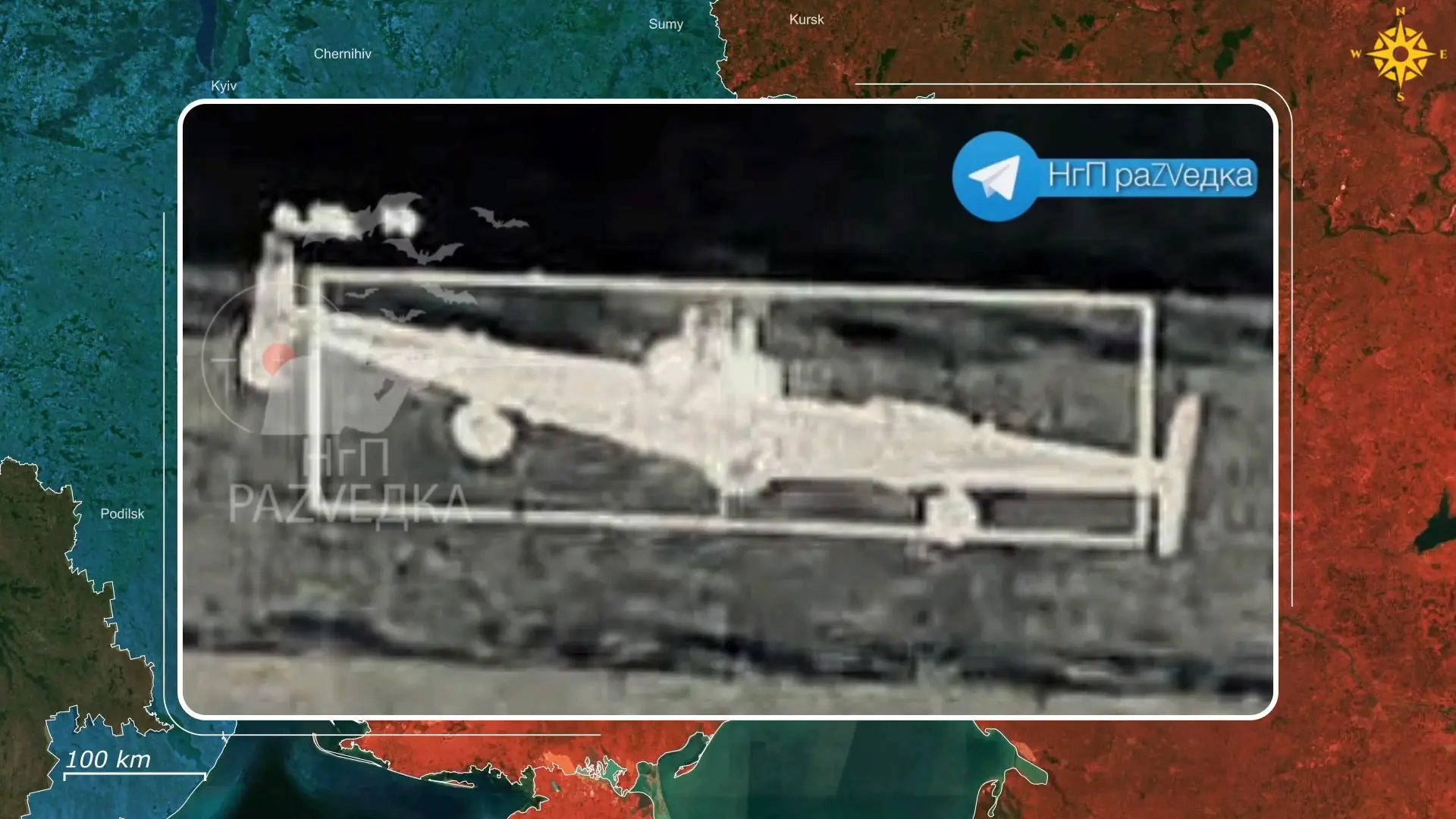
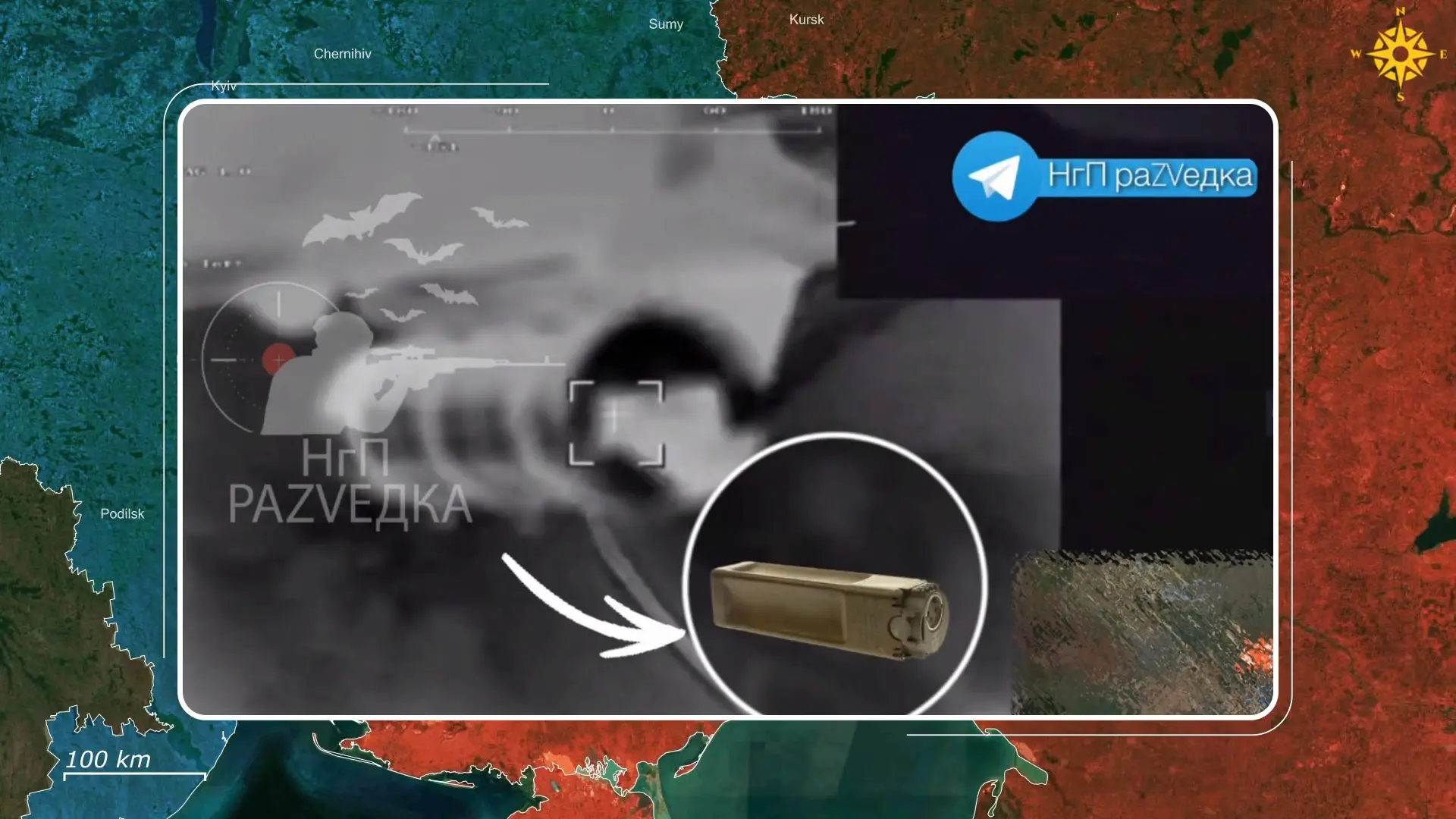
Magnetic mines work differently from traditional pressure-based explosives. Instead of detonating only when a wheel drives directly over them, these mines use magnetic fuzes that detect the presence of large metal objects nearby. Ukrainian sources identify the PTM-3 as the mine dropped by Shahed drones, which detonates when a passing vehicle’s metal mass disturbs its magnetic field, even without direct contact.
This design makes the mine well-suited for being dropped from the air, as it does not need to land upright or be buried in the ground to remain dangerous. The PTM-3 weighs about 4.9 kilograms, which is light enough for several mines to be carried and released by a Shahed without affecting its flight. It contains roughly 1.8 kilograms of explosive, which is sufficient to penetrate up to 80 millimetres of steel, and disable or destroy heavy and lightly armored vehicles. The mine arms itself after a few minutes after hitting the ground, meaning it can be dropped safely from the air, and only becoming dangerous after the drone has already passed.
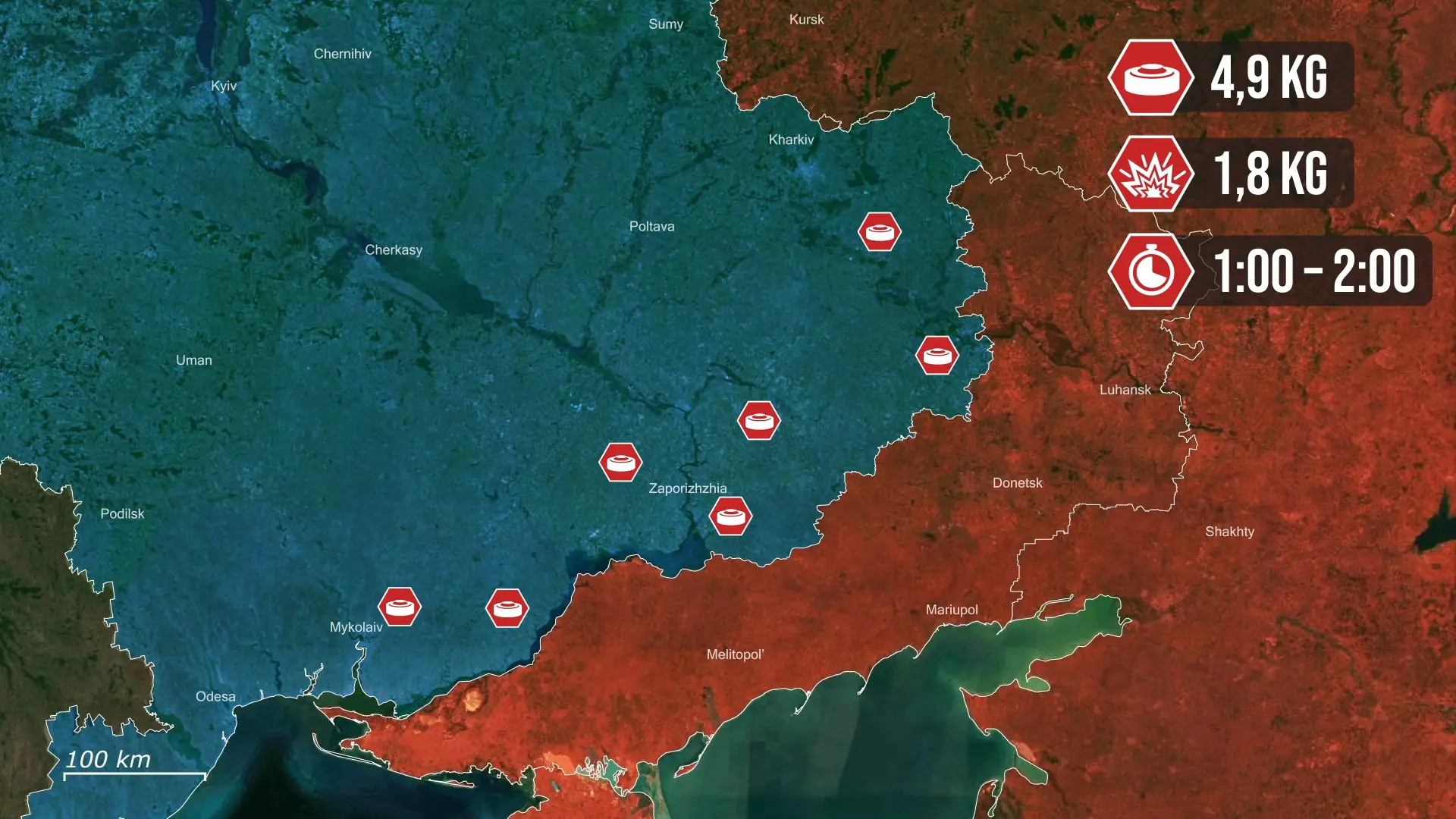
The main target of this system is not a single vehicle or checkpoint, but the road network that allows military forces to move. Roads are a primary target because heavy military vehicles can only move reliably on paved routes, which funnels traffic into a small number of predictable corridors.
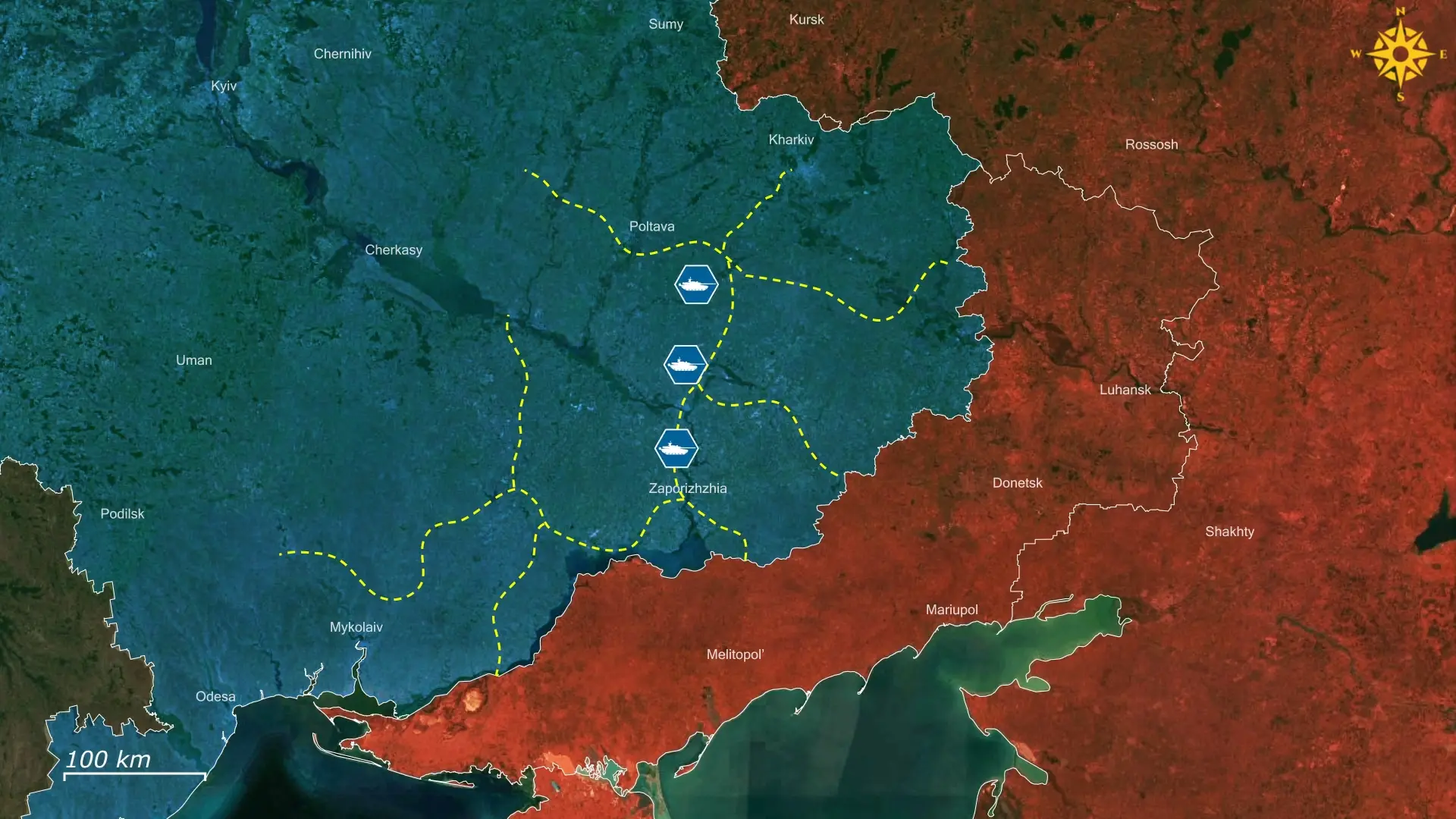
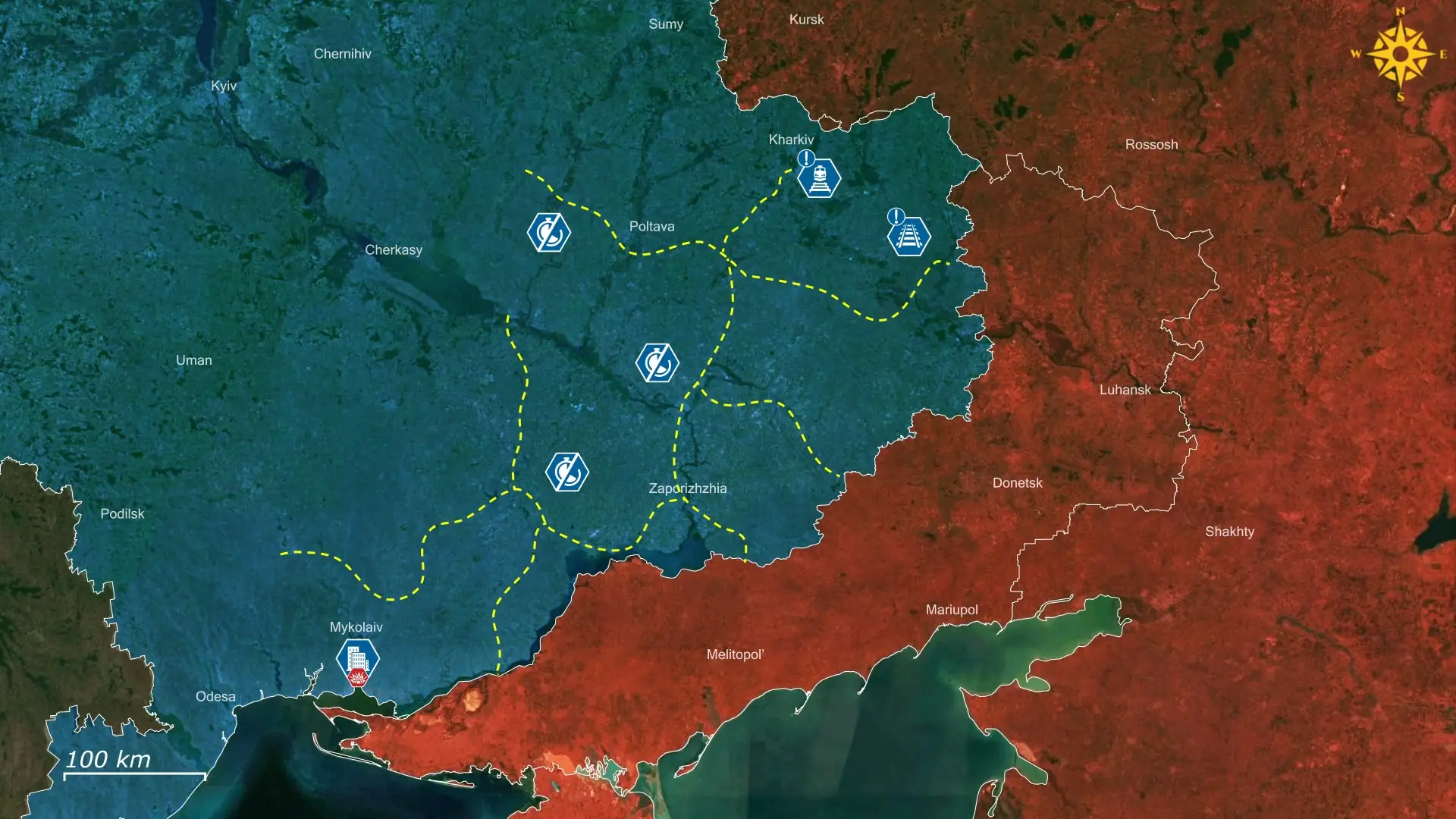
Mining these roads forces every vehicle to assume danger ahead, slowing movement even when no explosion occurs. Railways are affected because mines near rail lines can damage tracks or explode under passing trains. Even a single detonation can force rail traffic to stop immediately as damaged rails and signaling systems must be inspected and repaired before trains can safely move again. Urban areas are vulnerable because the same streets are used by military vehicles, emergency services, and civilians. Once mining is suspected, movement across entire city districts slows, as no vehicle can assume a street is safe from mines.
Clearing these devices is especially difficult because magnetic mines are not safe to handle casually or by hand. If a mine is lying near metal debris or wreckage, even a small movement can change its magnetic surroundings enough to set it off, making them even dangerous to mine detectors. Snow makes the problem worse by hiding the device completely, which means the first vehicle to drive through the area may unknowingly trigger the mine. Because of this, safe countermeasures focus on controlling the entire route. In some situations, roads are checked using protected engineering vehicles or expendable platforms, because the risk of missing even one device can be greater than the delay caused by slow and careful clearance.
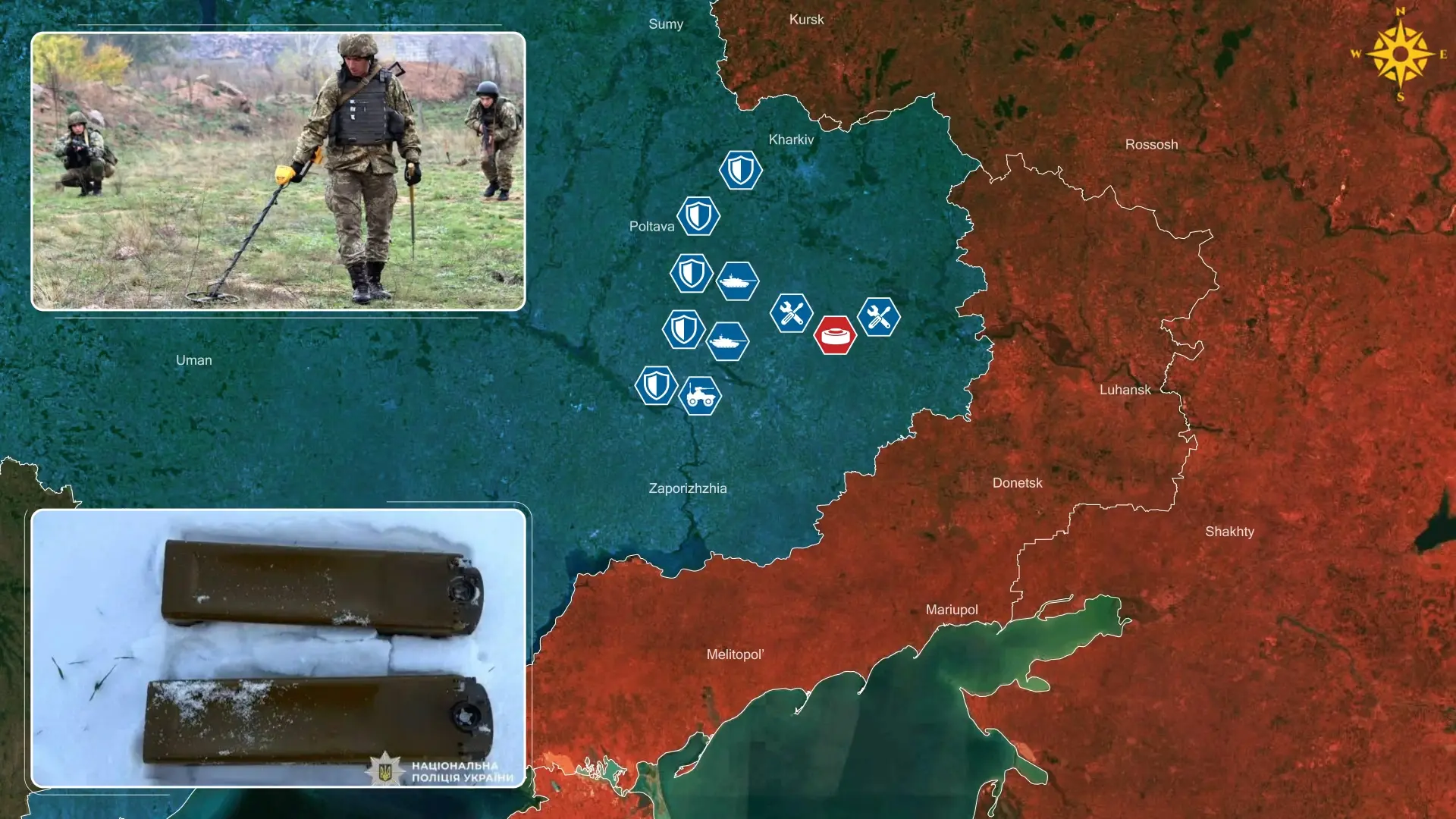
This approach reflects a shift in how Russia is using drones, moving beyond direct strikes and toward limiting Ukraine’s ability to move. By adding a mining function to Shahed strike flights, Russia allows attack drones already heading toward targets to also disrupt Ukrainian logistics along the way.
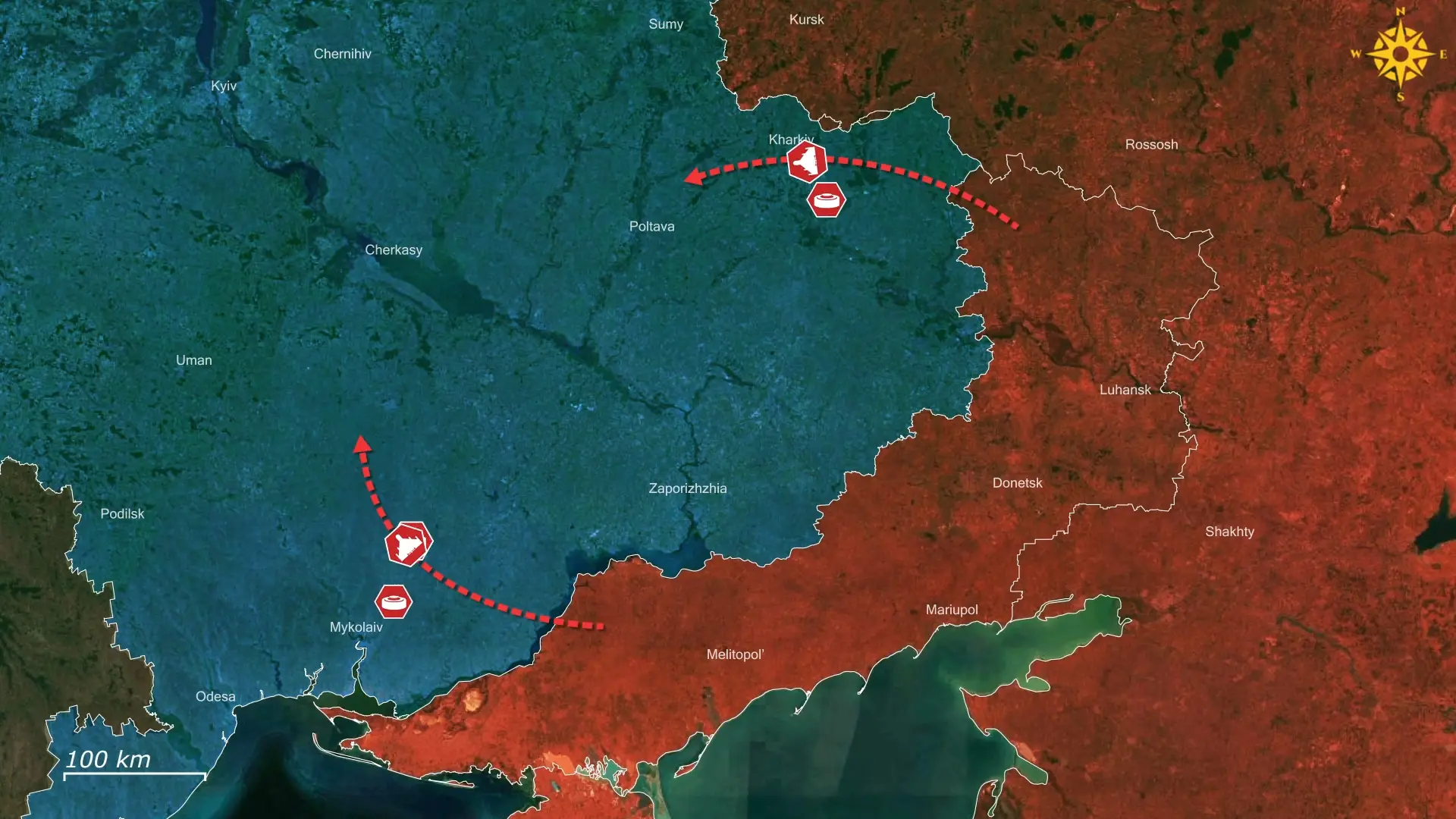
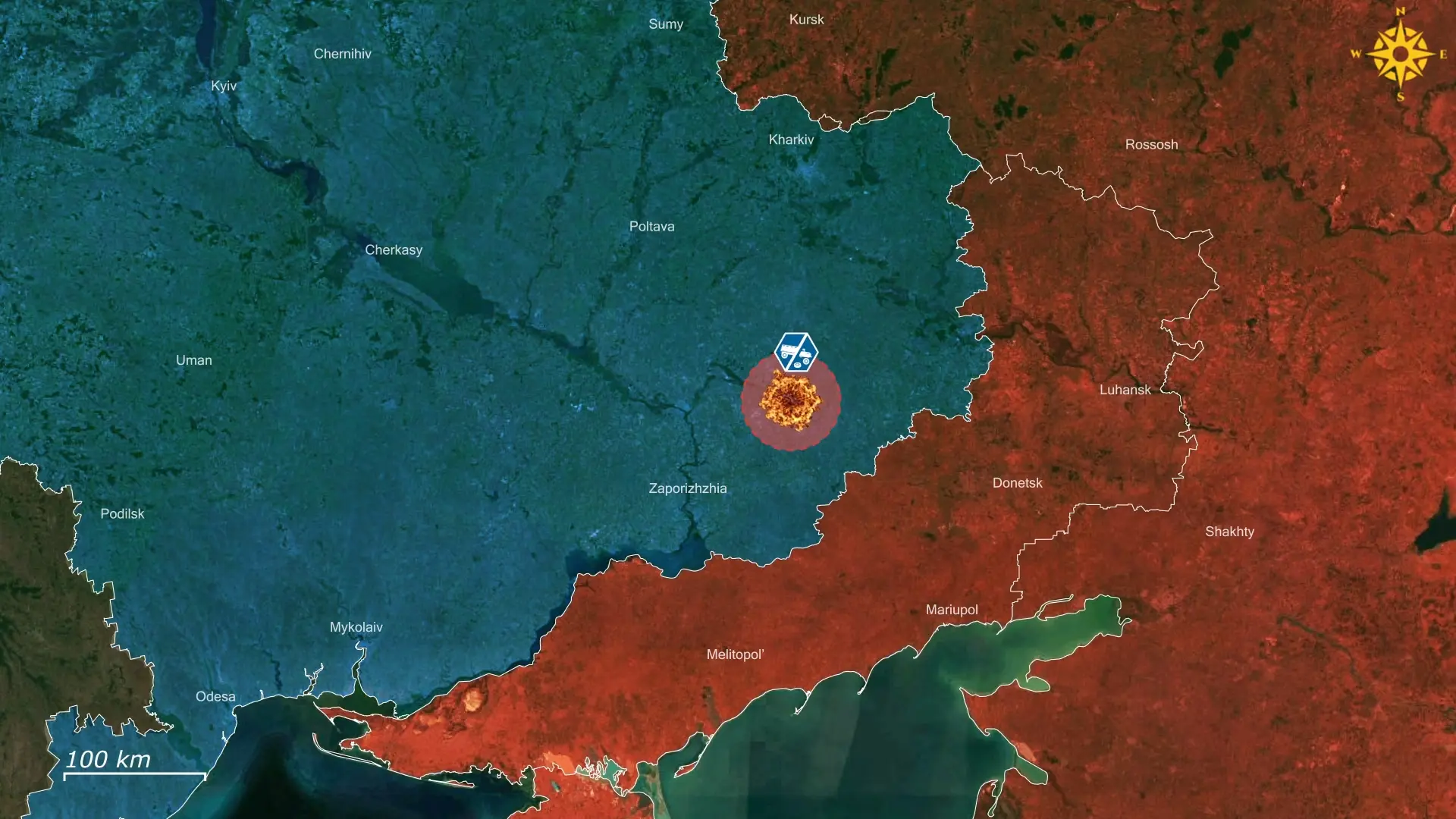
Reports of mines being dropped near key transport routes point to a deliberate effort to apply pressure where movement matters most. In the rear, the focus is on mining the best and fastest roads, forcing Ukrainians to take longer routes, which slows movement of general logistics dramatically.
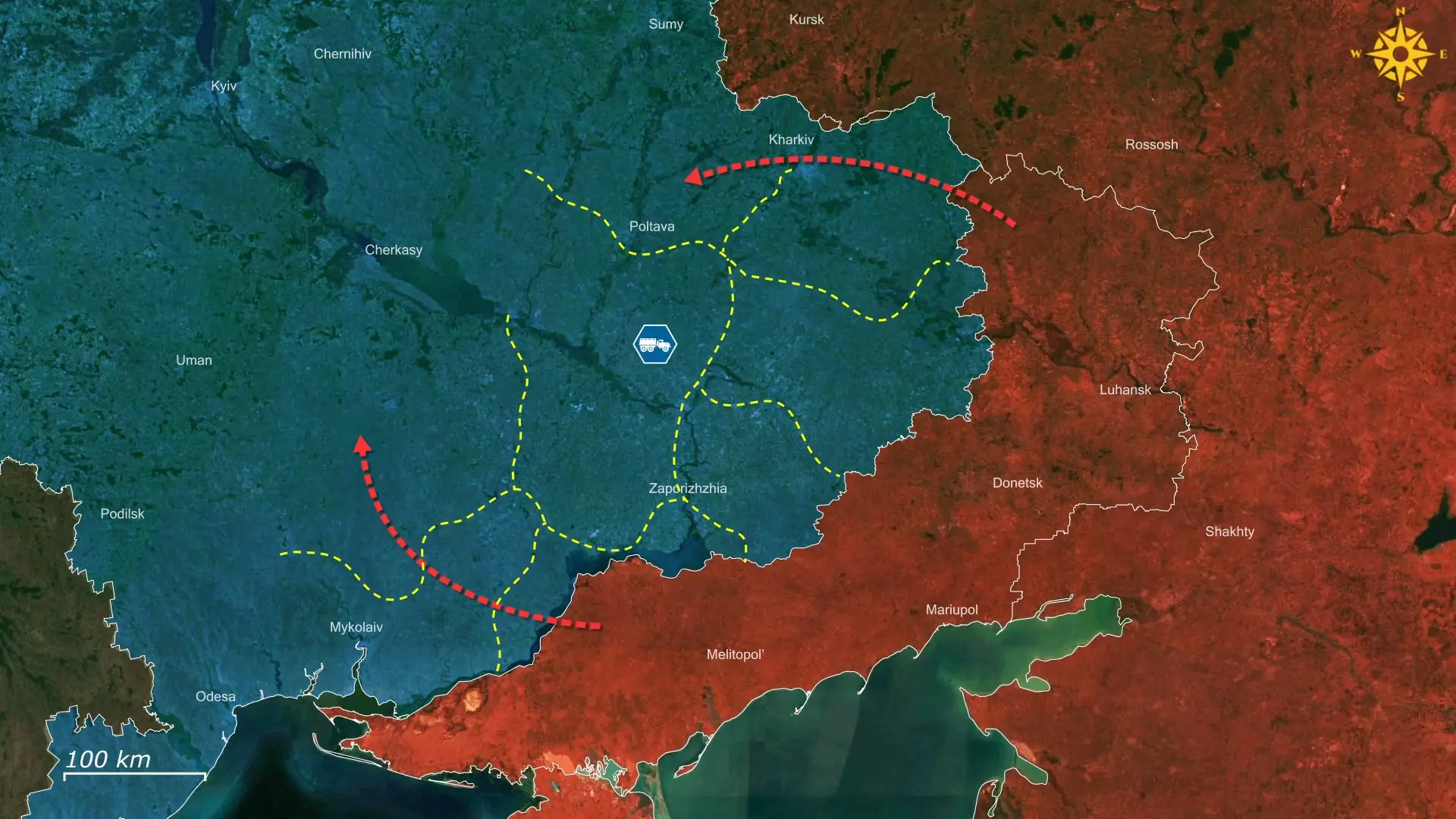
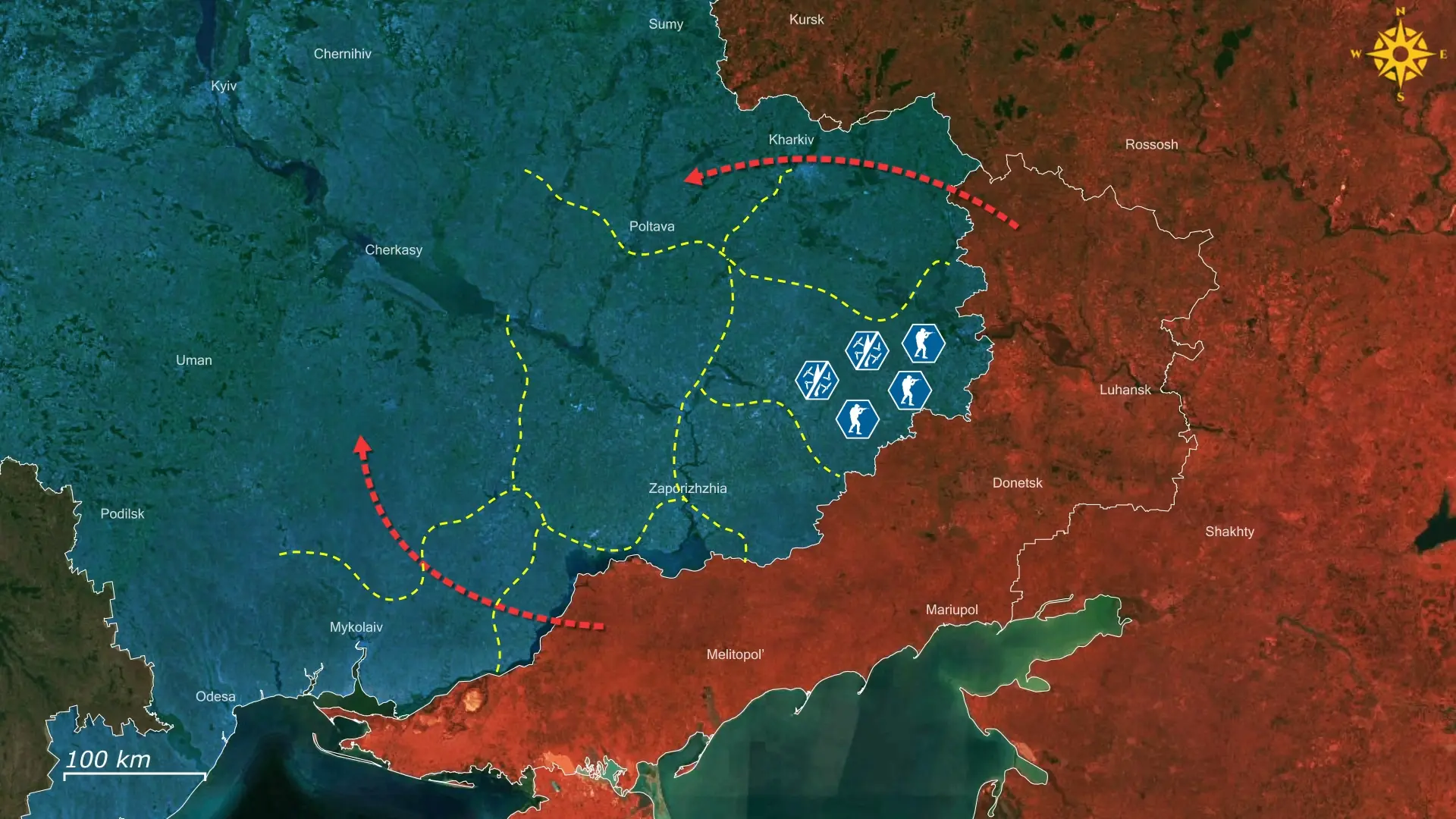
Near the frontline, mining the few direct supply and rotation roads can delay units or leave them short of essentials, such as FPV drones, which directly makes those units less effective in countering Russian advances.
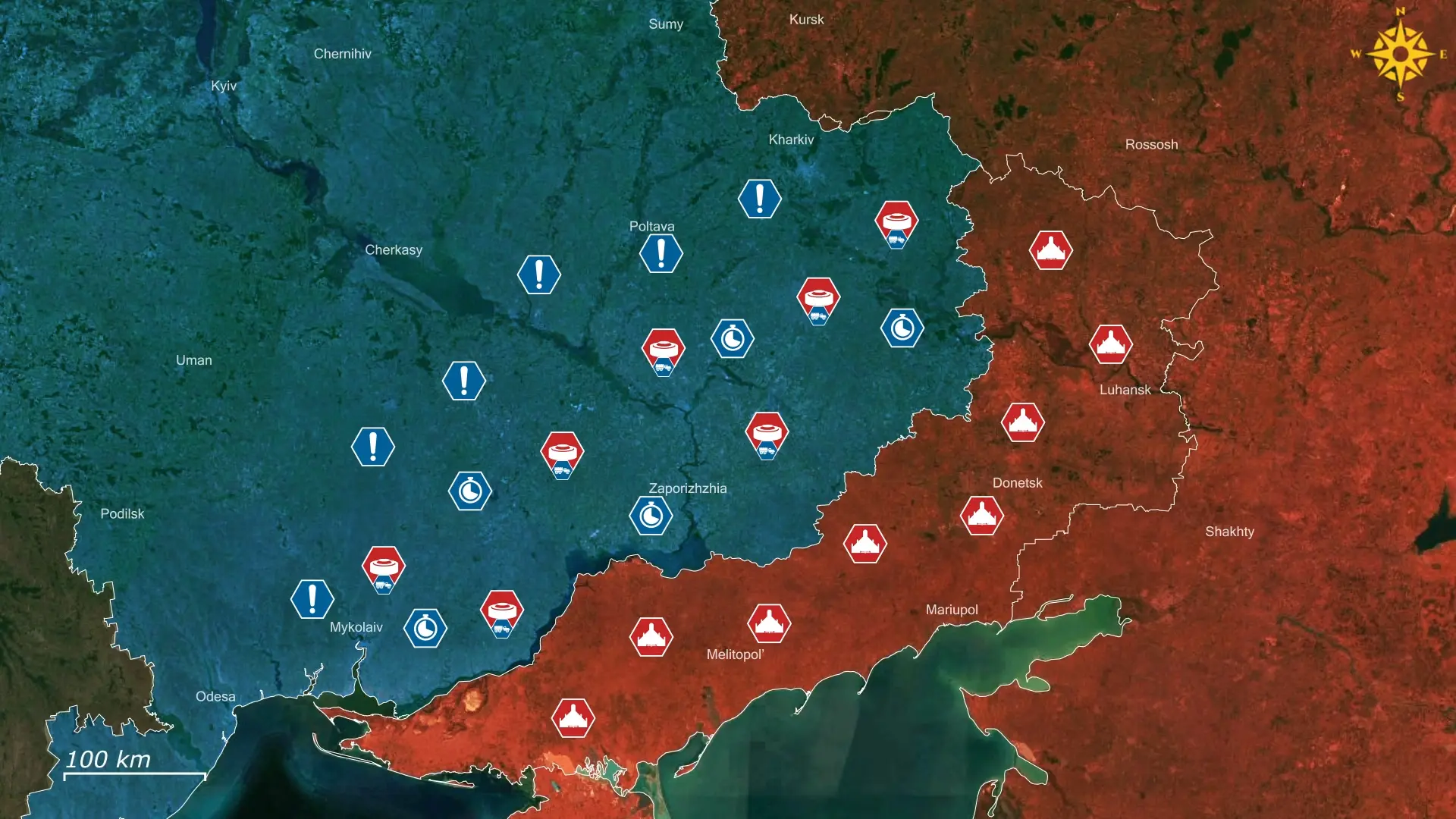
Overall, this demonstrates how drones are being utilized not only to hit targets but also to alter the ground conditions themselves. Magnetic mines turn normal vehicle movement into a trigger, making routine travel dangerous. The immediate result is slower logistics, as time is spent checking and clearing roads instead of moving forward. Over time, this means that even rear-area roads can no longer be considered safe, but must be treated as contested routes, promising major disruptions for all Ukrainian offensive and defensive operations where these drones are utilized.

.jpg)



Comments