

.svg)
Today, the biggest news comes from Europe.
Here, the Russian shadow fleet continues operating across European waters, relying on rerouting, ambiguity, and hesitation to keep tankers moving despite sanctions and intermittent intervention from the continent. However in recent days, Europeans have started boarding ships, detaining cargo, and forcing vessels off their routes, not in individual cases, but in a coordinated mass-enforcement operation across 2 seas.
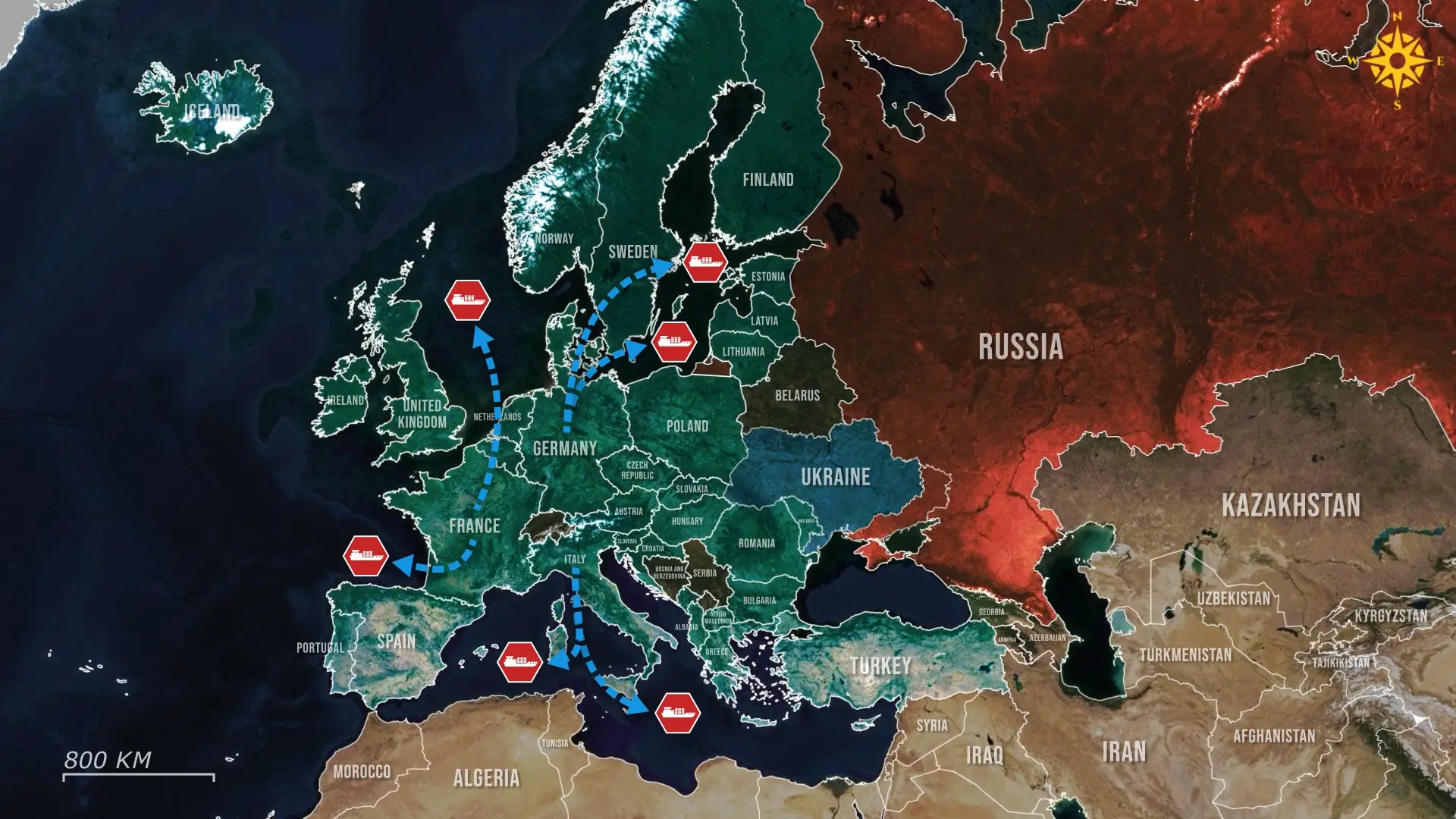
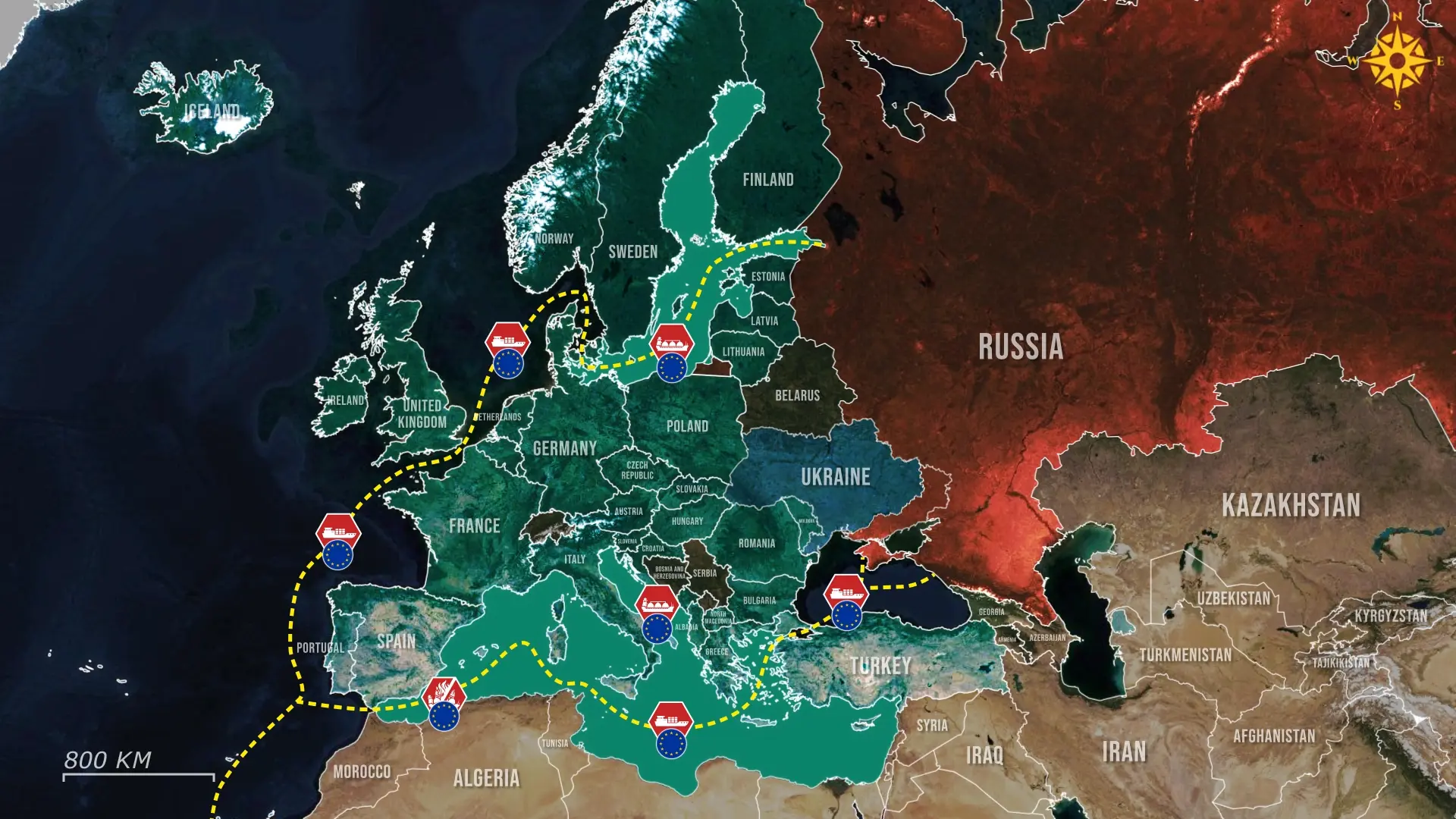
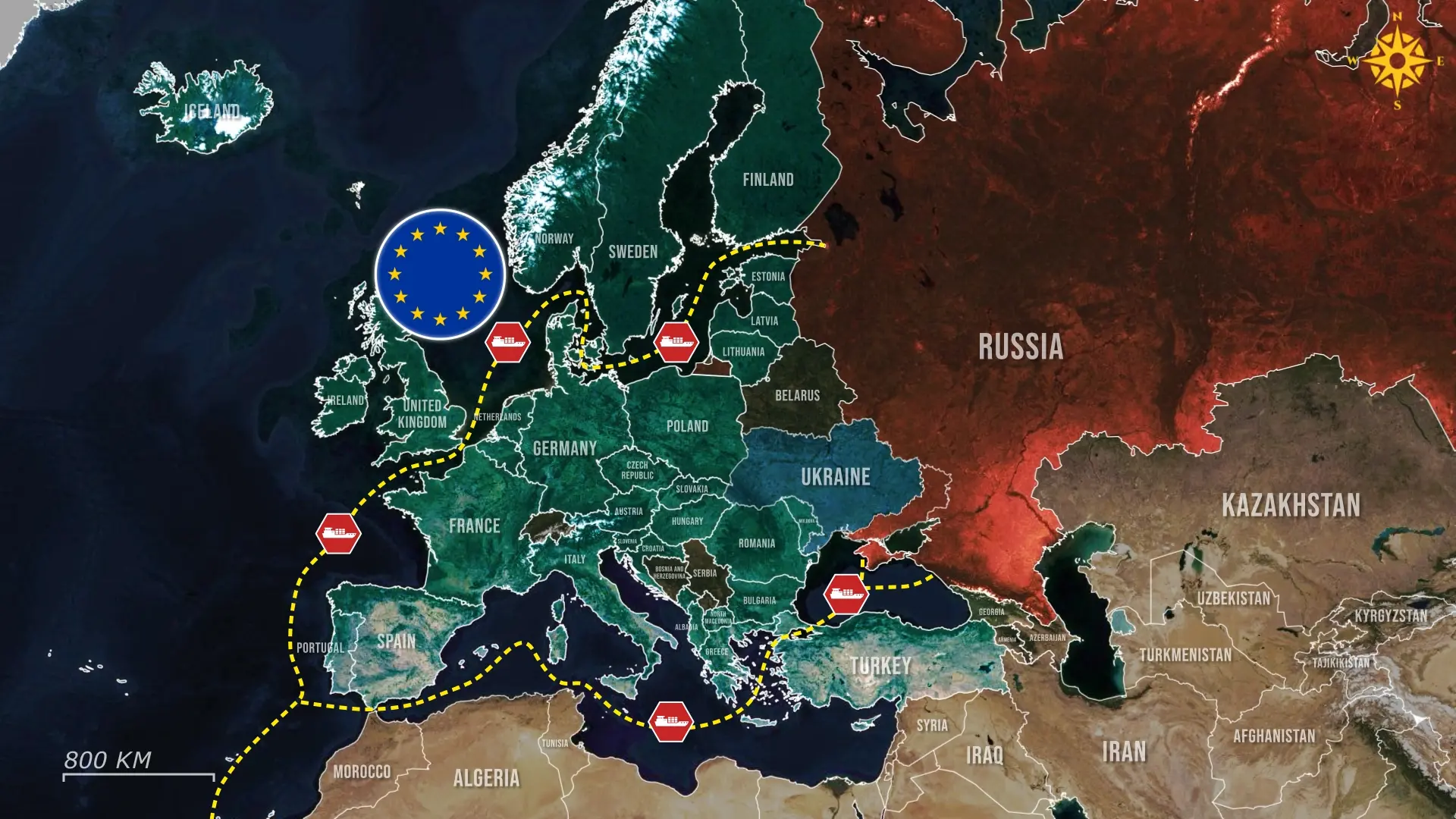
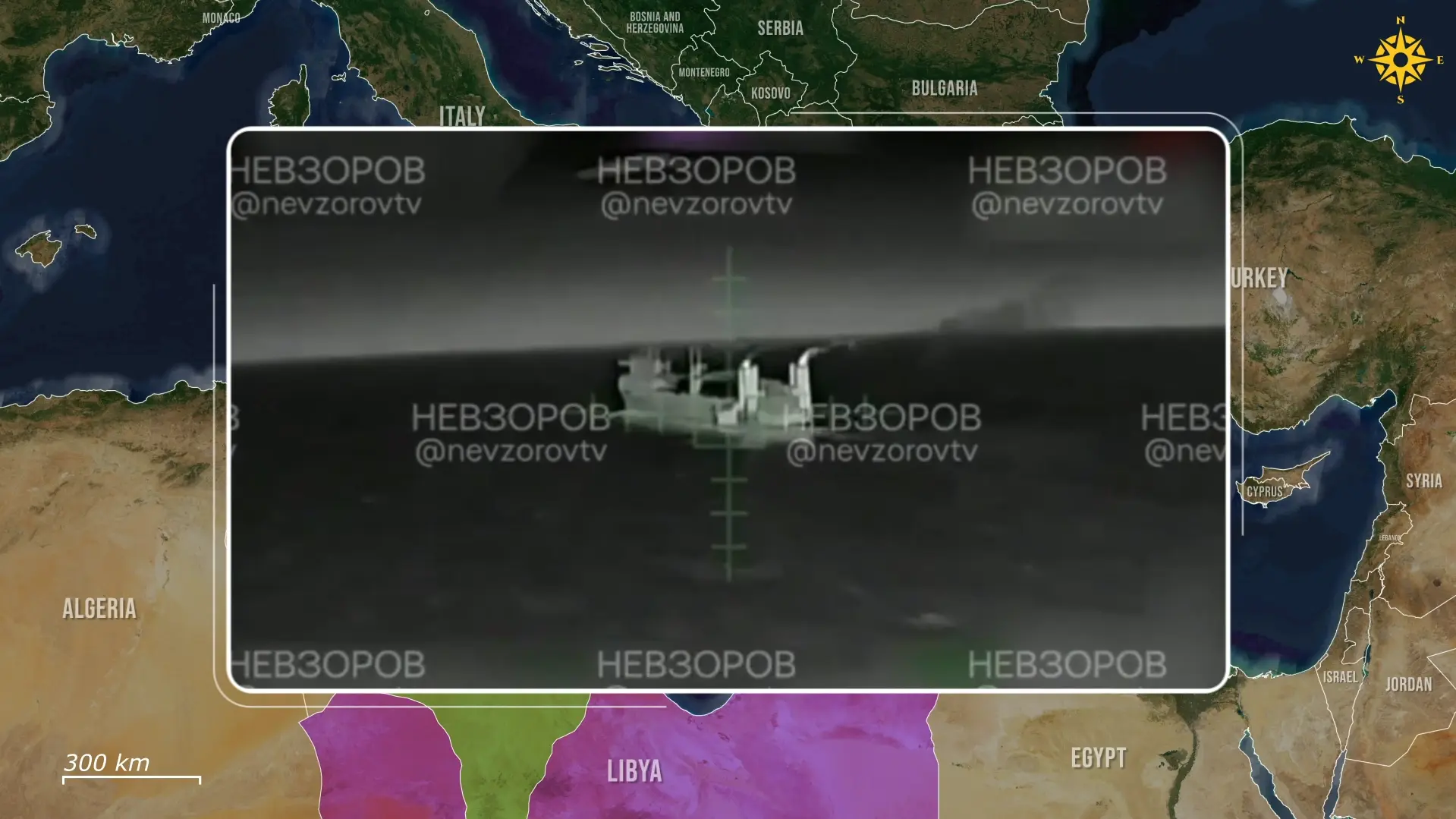
Across Europe’s northern and southern sea routes, Russian shadow fleet vessels continue to move through Mediterranean passages, Baltic approaches, and European ports that have sustained sanctions-evading trade since the war began. What has changed is that these ships are now being stopped directly and in quick succession by European states, in areas that were previously avoided, without any visible effort to contain the precedent this creates.
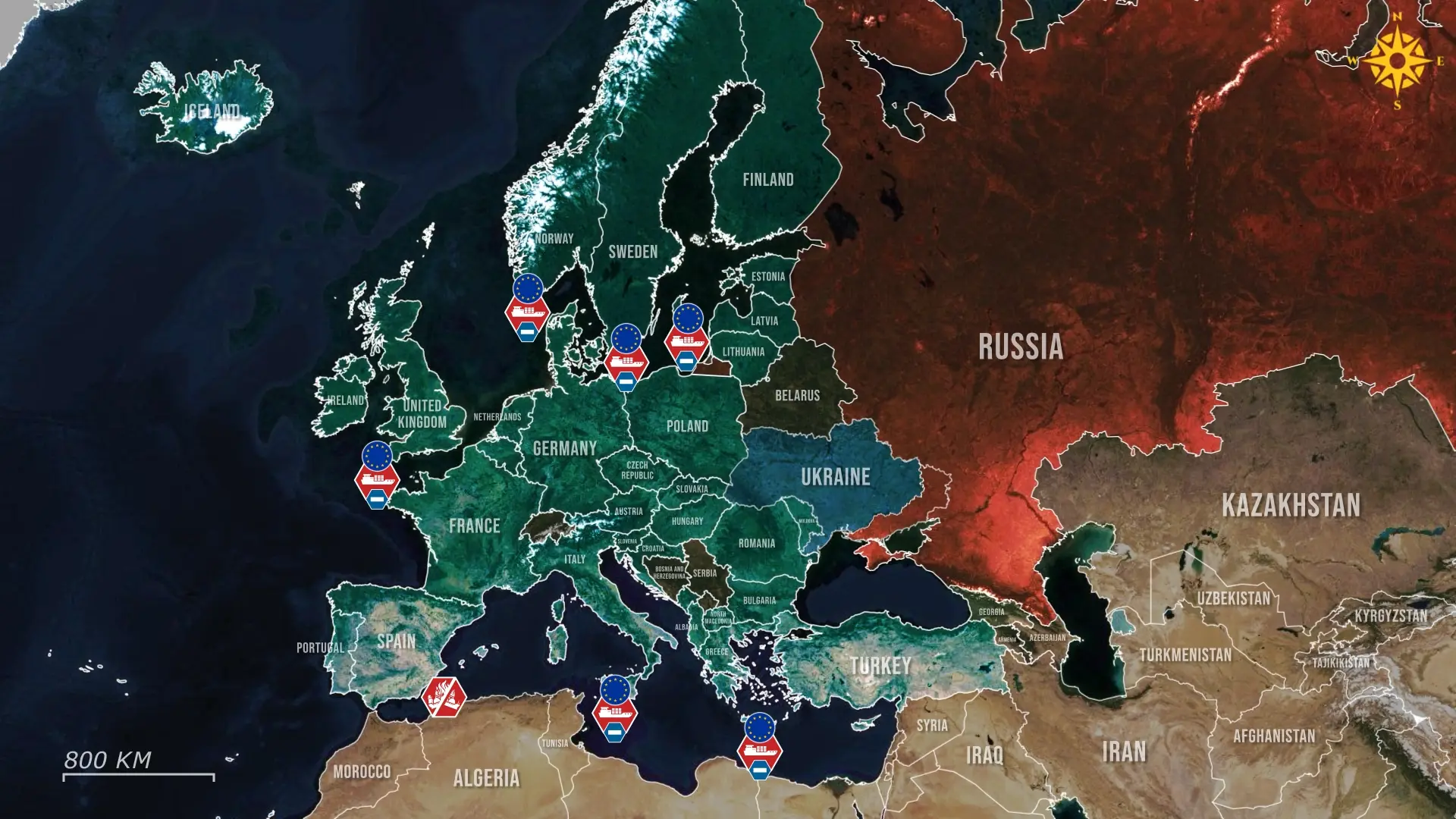
Recently, France intercepted a Russian shadow fleet tanker in the Mediterranean, stopping it mid-transit on a route that had long been treated as less exposed than northern European waters. French naval units moved to the vessel, ordered it to slow, and carried out a boarding operation at sea, placing personnel on deck to question the crew and examine shipping documentation directly. Once control was established, the tanker was redirected away from its intended route and held while inspections continued, preventing it from resuming its voyage and removing it from commercial circulation. The operation unfolded without resistance and without any external intervention altering its outcome.
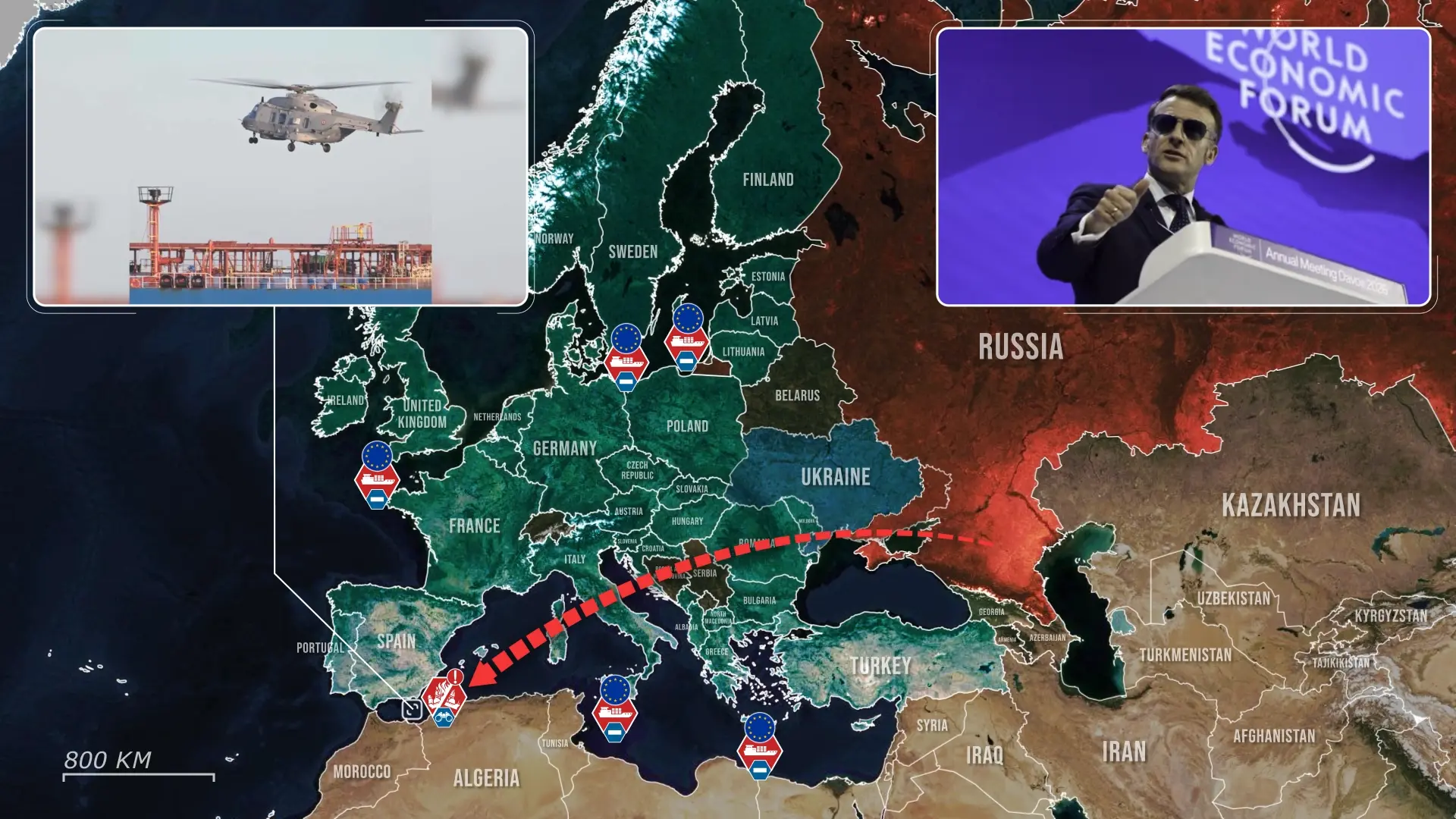
Soon after, similar enforcement followed in the Baltic, as German naval forces identified a Russian-linked tanker transiting one of Europe’s most closely monitored maritime corridors and closed distance until continued movement became impossible. The vessel altered course and exited the area, abandoning its planned route rather than risk detention by German authorities. The encounter ended with the ship leaving the transit zone entirely, accepting delay and rerouting costs in exchange for avoiding a boarding in confined northern waters.
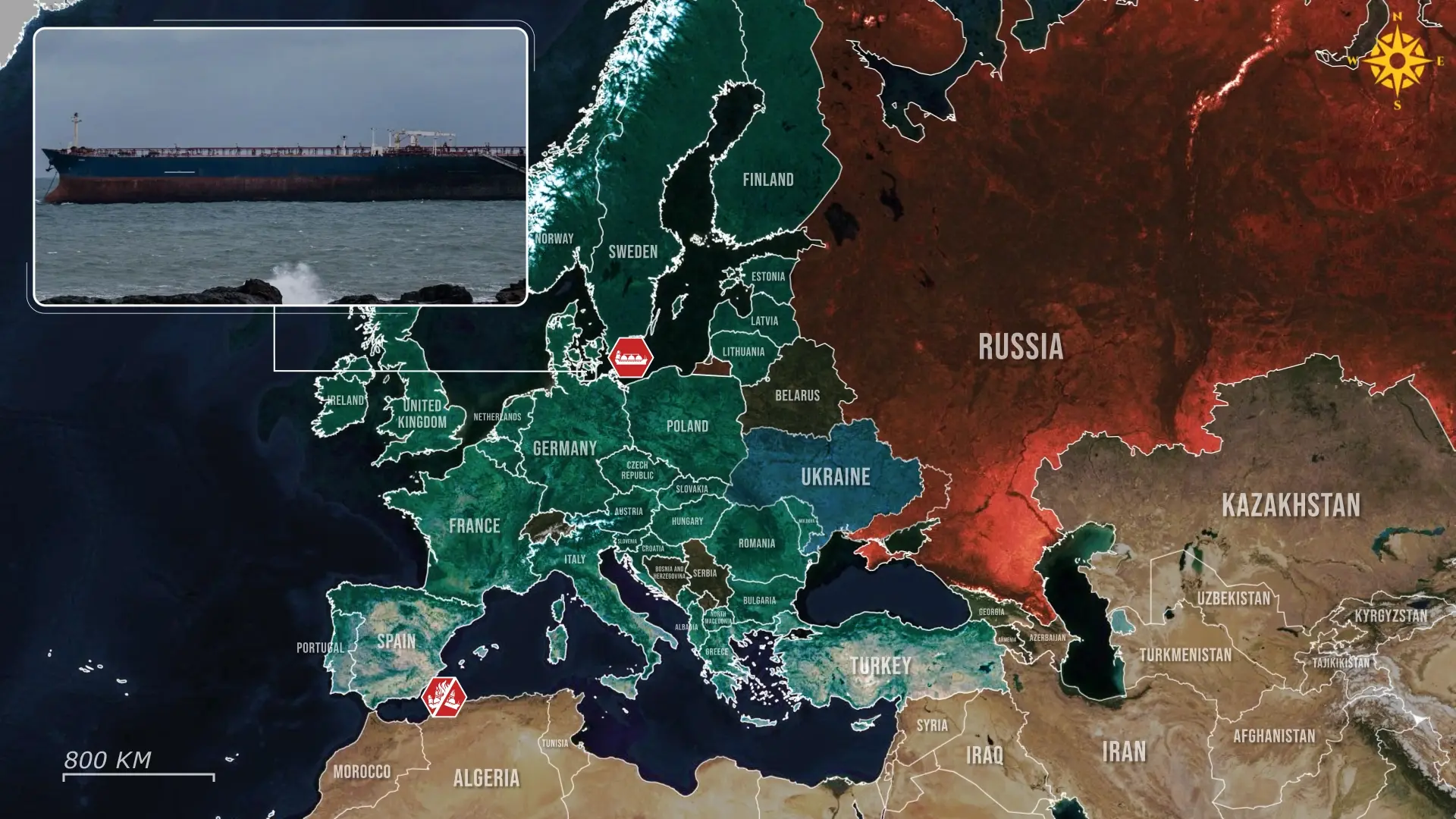
Enforcement then extended from open water into port infrastructure, with Italian authorities detaining a cargo vessel carrying goods linked to Russian trade, blocking its departure, and initiating inspections that kept the ship in place. With the vessel held in port, cargo movement stopped, crews were forced to remain onboard, and the ship was seized under Italian jurisdiction while documentation and compliance were reviewed. The detention did not rely on warnings or future penalties, but on immediate physical control of the vessel and its ability to sail.
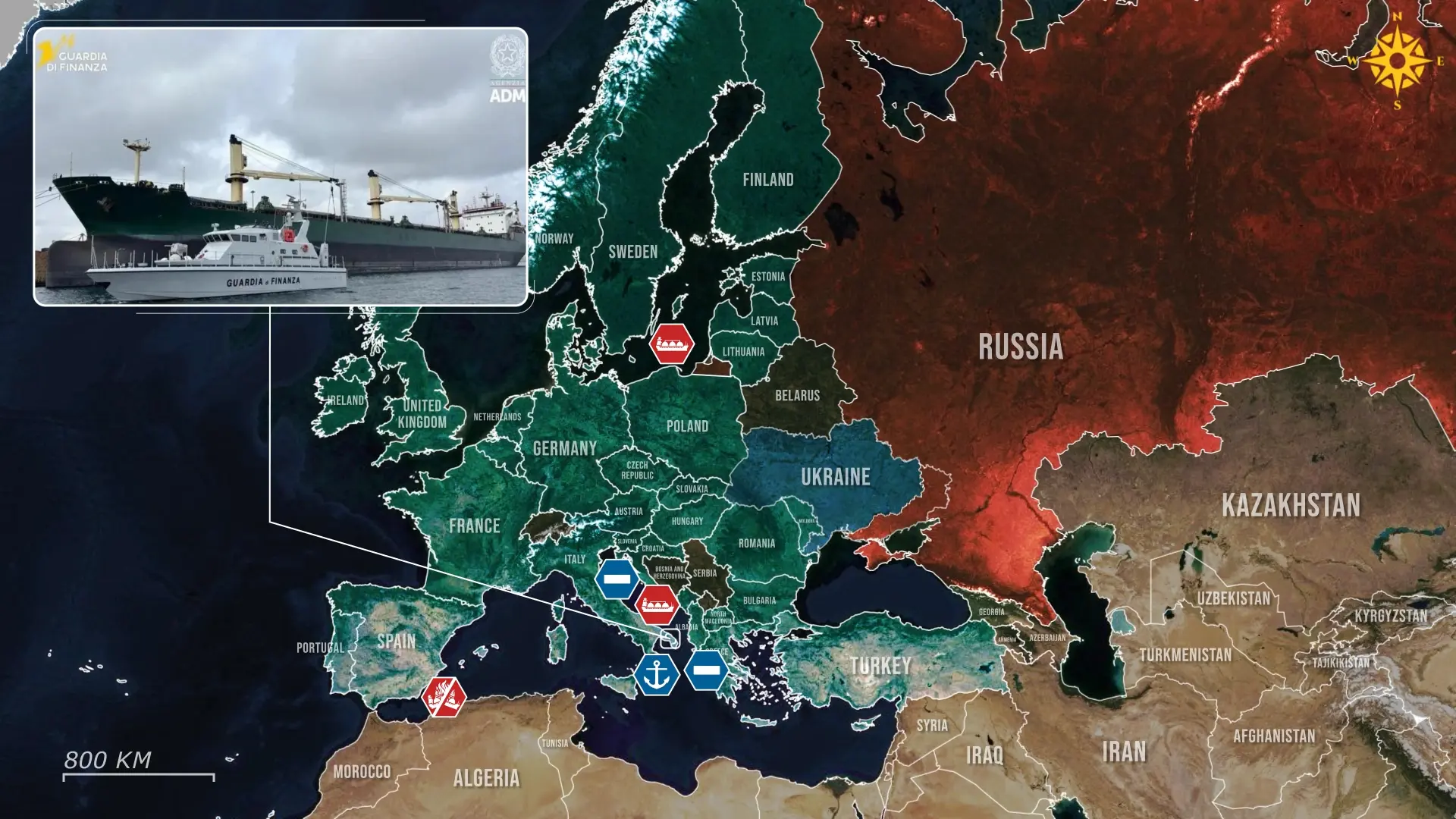
Taken together, these actions mark a loss of freedom of movement for the Russian shadow fleet, as European states stop treating enforcement as an exceptional risk and begin treating it as a normal use of authority. With France constraining movement in the Mediterranean, Germany disrupting transit in the Baltic, and Italy denying port access in southern Europe, the space in which these vessels can move without interference has narrowed sharply.
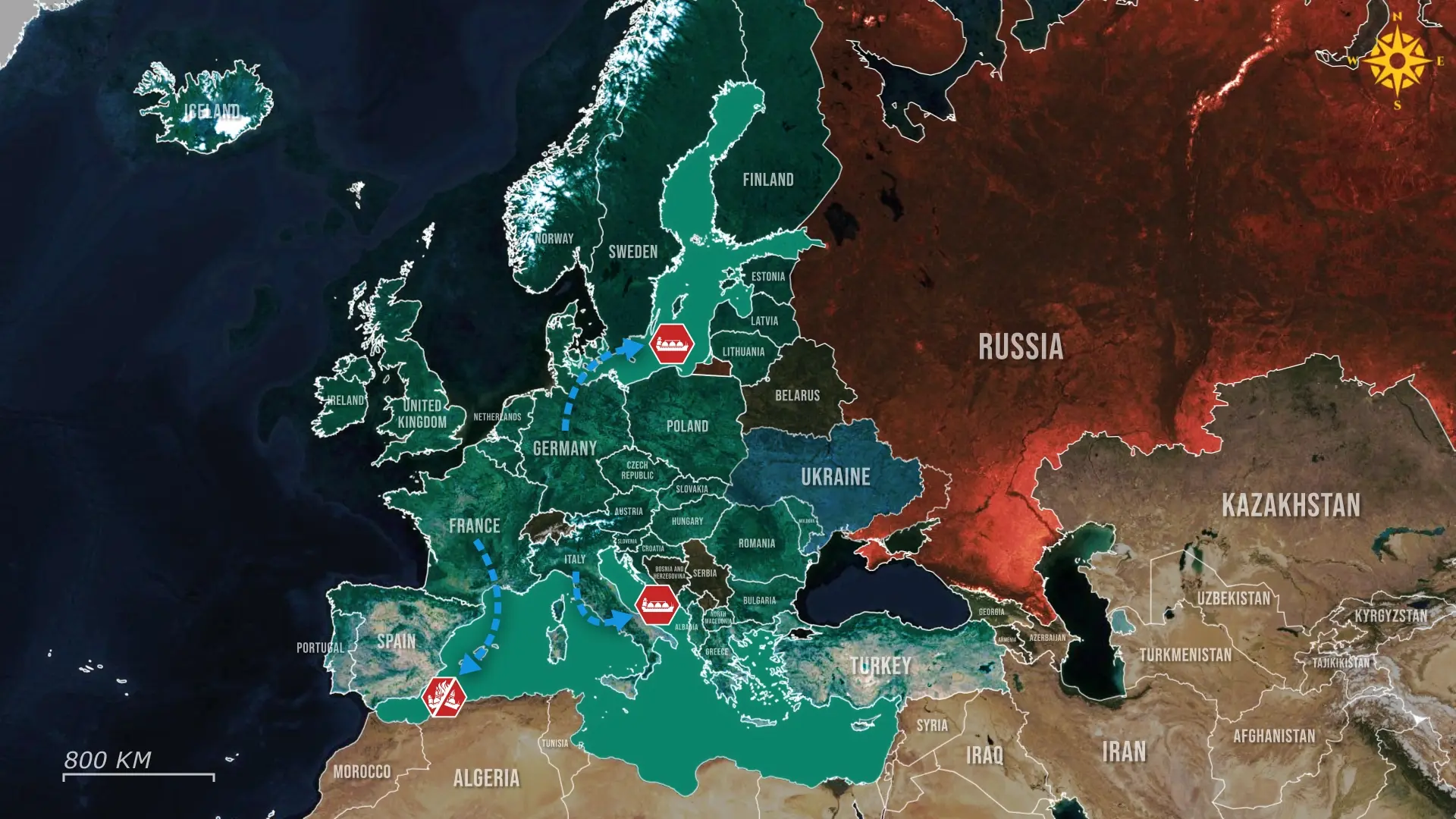
There is no longer a reliable way to reroute and continue, only longer paths that increase exposure, delay schedules, and raise the likelihood of being stopped before transit is complete. As European authorities carry out these interceptions without facing escalation or retaliation, hesitation disappears on their side, allowing enforcement to accelerate simply because stopping another vessel no longer feels like a decision that needs to be weighed carefully.
Russia has not responded in a way that alters this dynamic, as no escorts are deployed in seizure zones, no attempts are made to interfere with boardings, and no escalation raises the cost for European states carrying out enforcement. By leaving these actions unanswered, Moscow does not counter the pressure but allows it to continue under the same conditions, where each new interception takes place in an environment already shaped by previous ones.
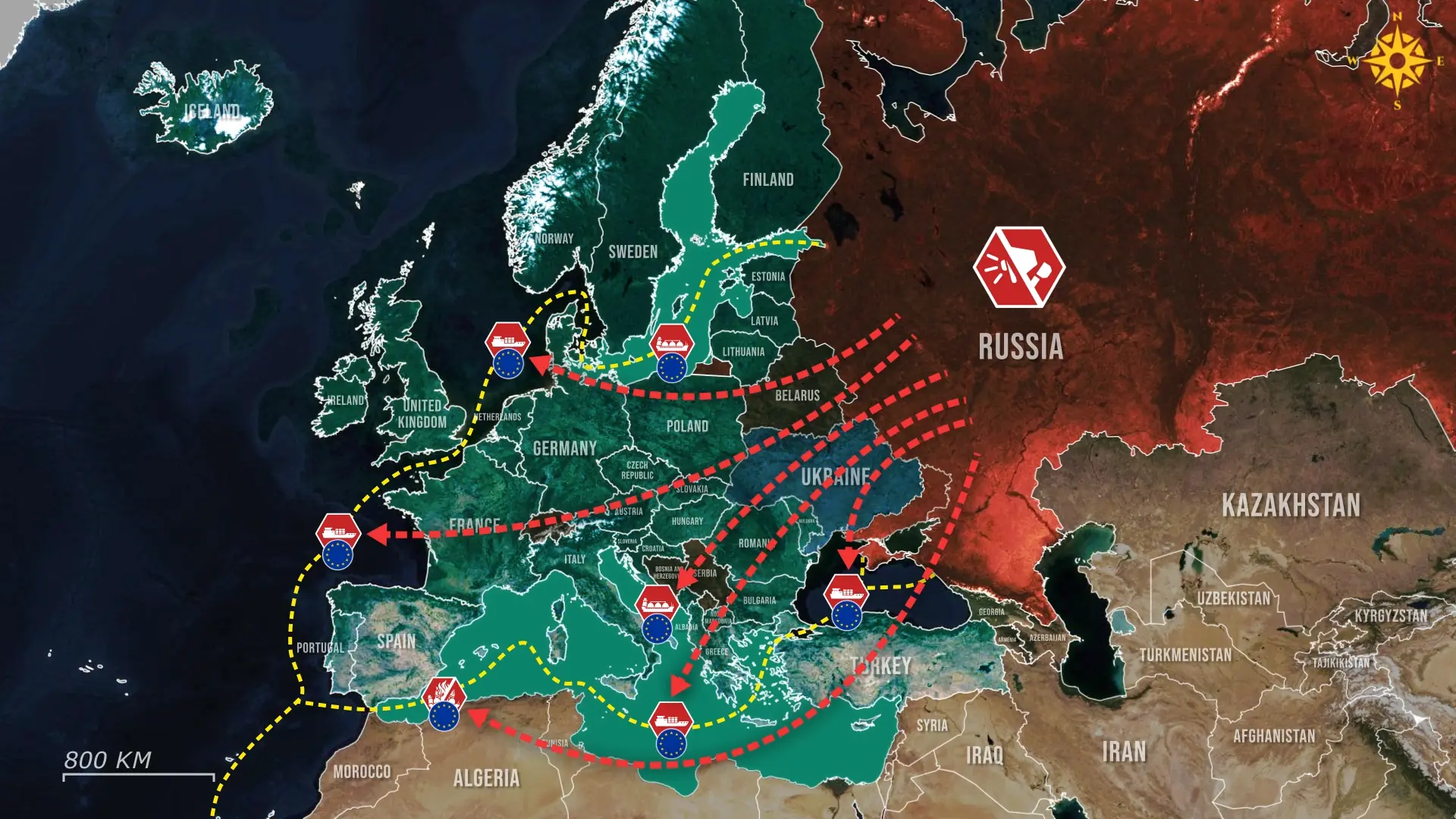
Overall, European enforcement has reduced Russia’s ability to move sanctioned shipping without interruption to a narrow and unstable margin. The space that allowed operators to wait, reroute, or rely on caution has narrowed to the point where movement itself now carries predictable risk. This matters because once freedom of movement is lost, it cannot be restored through delay or negotiation. From here, maintaining continued pressure is key, while reversing it would require a step Russia has so far chosen not to take.

.jpg)



Comments