

.svg)
Today, the biggest news comes from Ukraine.
Here, Ukraine is unleashing a devastating hunt on Russian drone operators, with new hunter-killer units tasked specifically with finding and eliminating the controllers behind the threat. With the frontlines saturated, Ukraine’s adaptation could become a turning point in the fight for dominance on the frontline, as the infamous Rubicon unit could become the first on the chopping block.
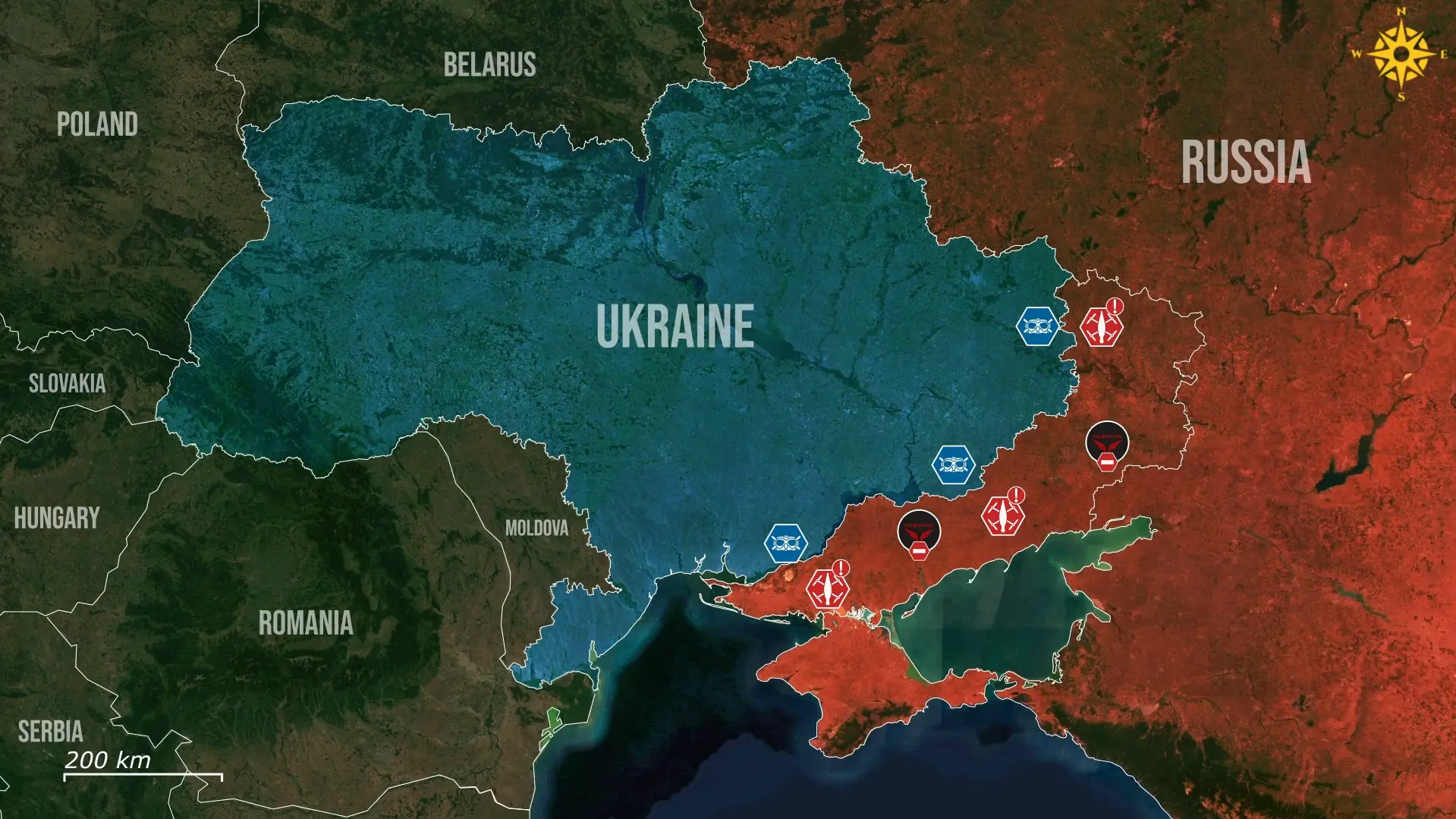
Recently, Commander-in-Chief of the Armed Forces of Ukraine, Oleksandr Syrski, announced the creation of a new Hunter-Killer units, aimed at eliminating Russian drone operators. Although several powerful Ukrainian drone units such as Birds of Magyar, Achilles, Rarog, and Nemesis are already active on the frontlines, these units focus on striking a wide variety of Russian critical military installations, vehicles, supply lines, and communication networks. Therefore, integrating more dedicated drone operator Hunter-Killer Units with Ukraine’s drone forces will significantly enhance the effectiveness of Ukrainian drone operations on the frontlines.

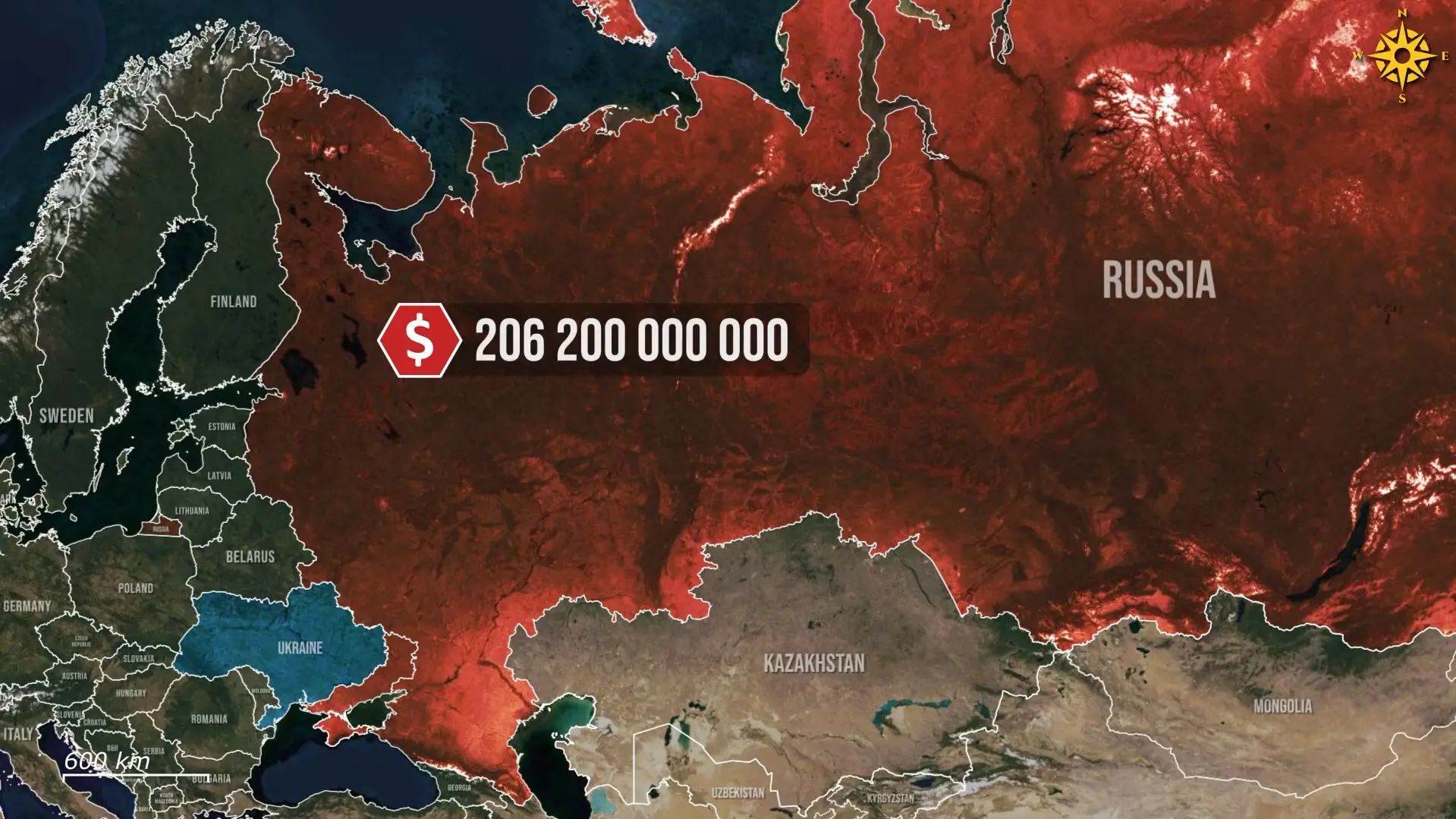
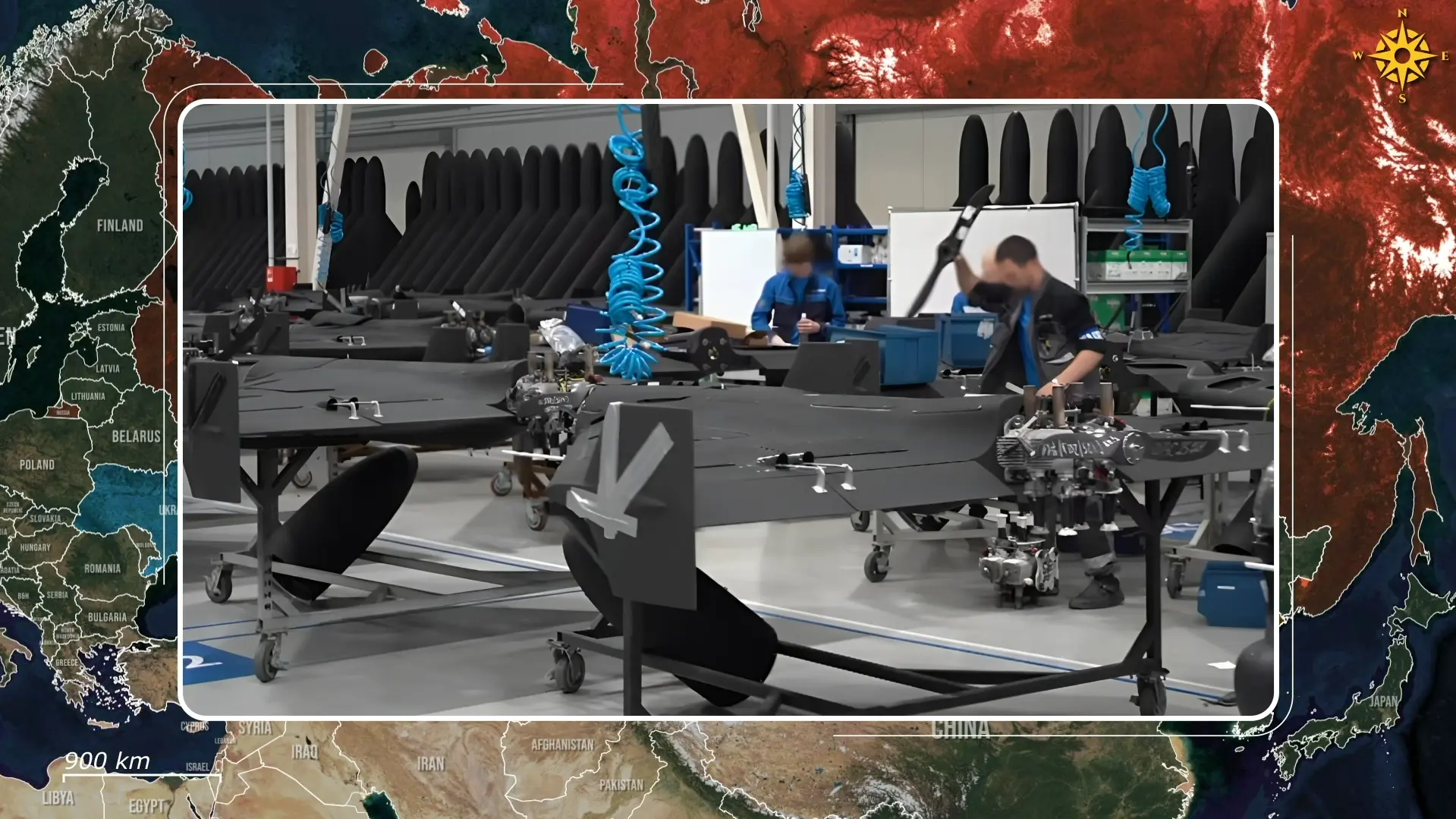
The primary reason behind Ukraine’s strategic decision is the rapid and sustained increase in Russia’s drone strike capabilities. According to Ukrainian Armed Forces Commander Oleksandr Syrski, Russia has already formed a separate drone force of 80,000 personnel, with plans to double its size to approximately 165,500 by the end of 2026. In addition, Russia has significantly increased the production of FPV drones to conduct attacks on Ukrainian infantry and military vehicles on the frontlines, now producing over 50,000 FPV drones per month. The driving force behind this massive expansion is the Rubicon drone unit, which has become a primary instrument for Russia on the frontline due to its heightened coordination, quality equipment, and increased training pipeline.
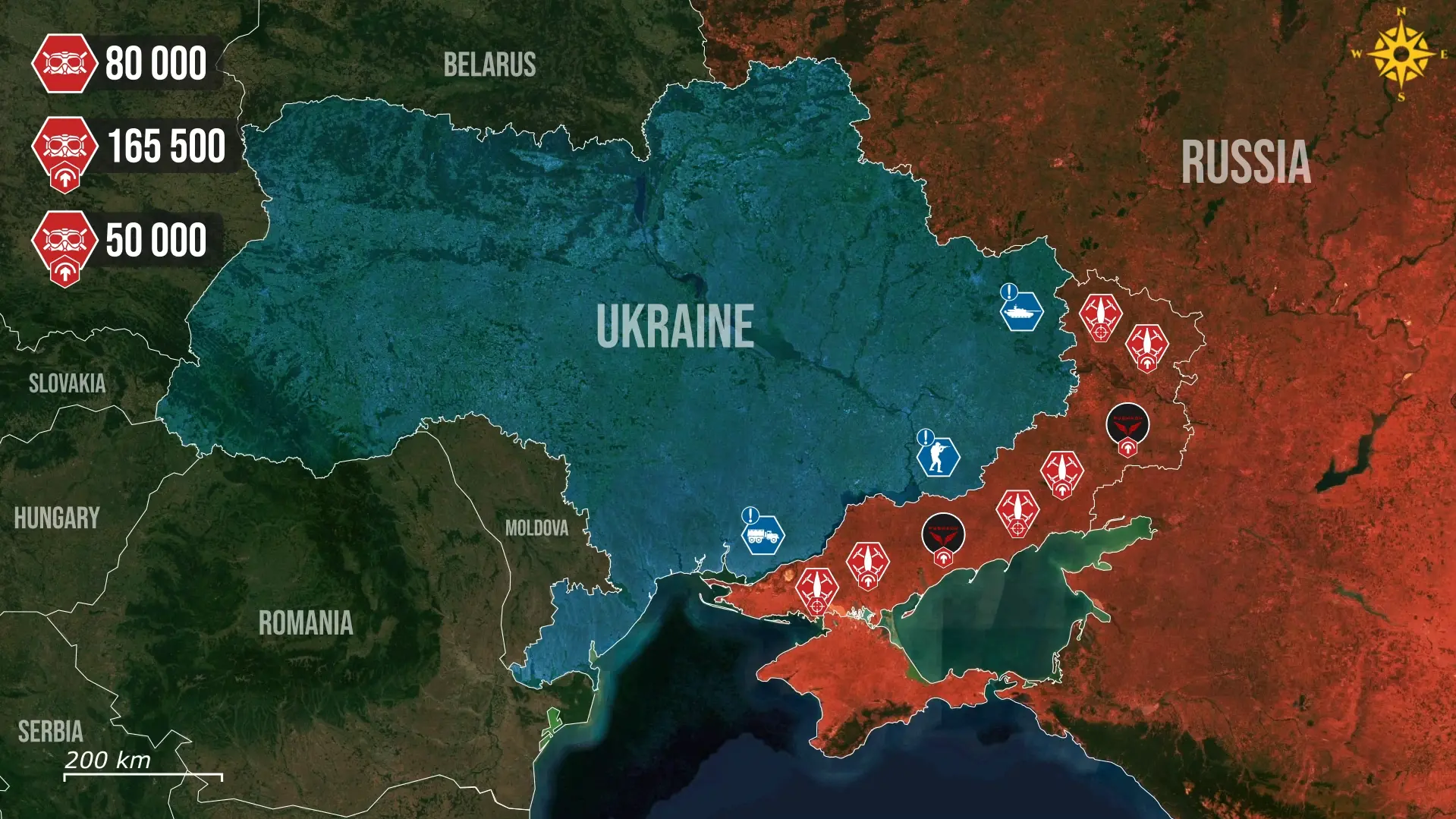
Moreover, Russia is increasingly using drones to expand the extent of Ukraine’s high-risk areas, making regions at least 15 to 20 kilometers behind the Ukrainian frontline now vulnerable. This massive Russian drone expansion has had a significant impact on Ukraine’s logistical lines, not only disrupting supplies but also affecting the mobility of military units and overall operational planning.
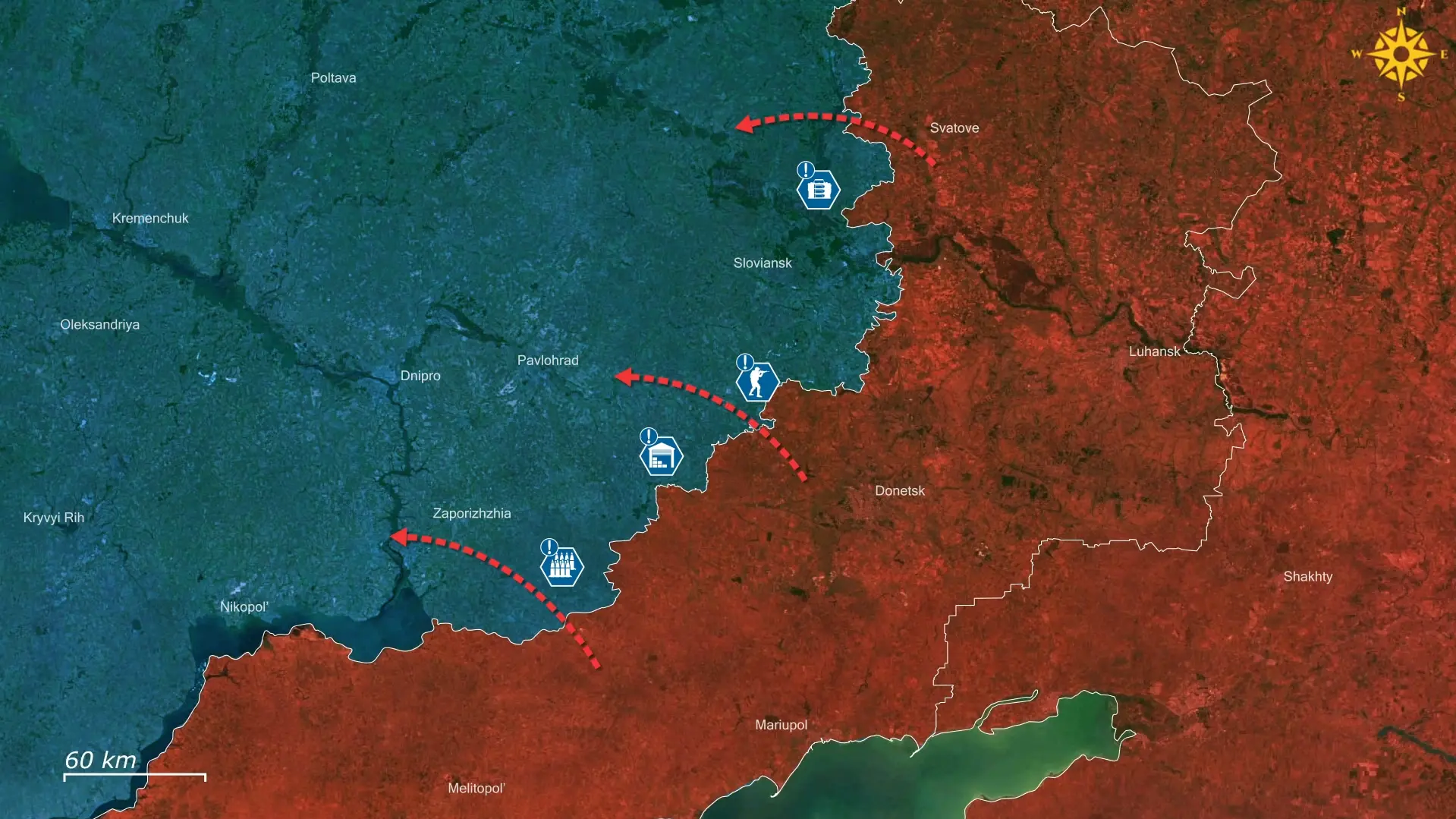
To combat this threat, the hunter-killer units are being specifically created to directly detect and eliminate Russian FPV drone operators. First, Ukrainian hunter-killer units will utilize military-grade signal intelligence systems to detect the Russian operators. This is because Russian operators continuously transmit signals on specific frequencies to control their drones, making it possible to track these electronic signals through direction finding and signal strength analysis.
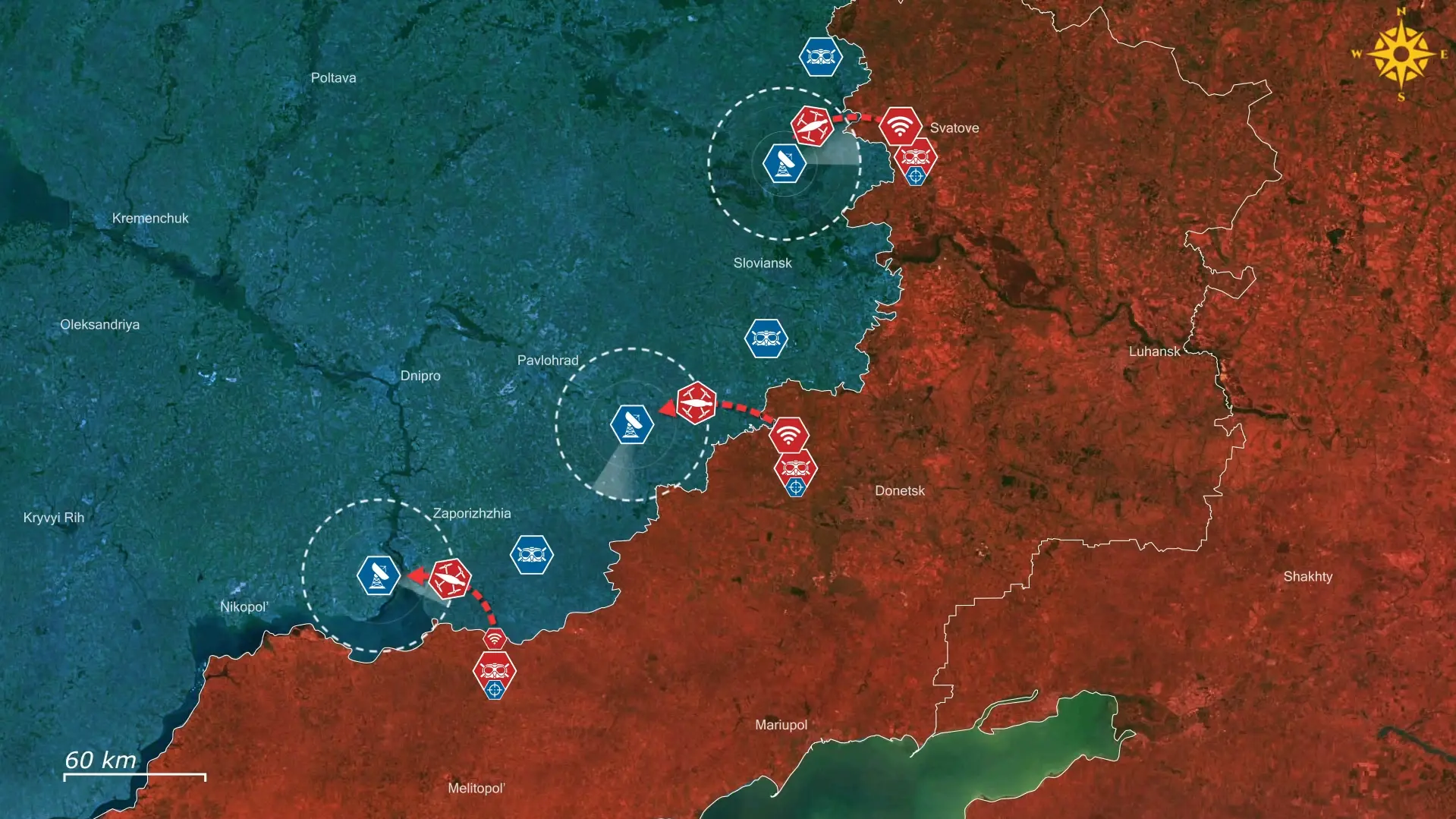
By employing this technology, Ukrainian hunter-killer units will be able to collect, monitor, and analyze the radio control signals sent by Russian FPV drone operators, enabling them to determine the operator’s exact coordinates.
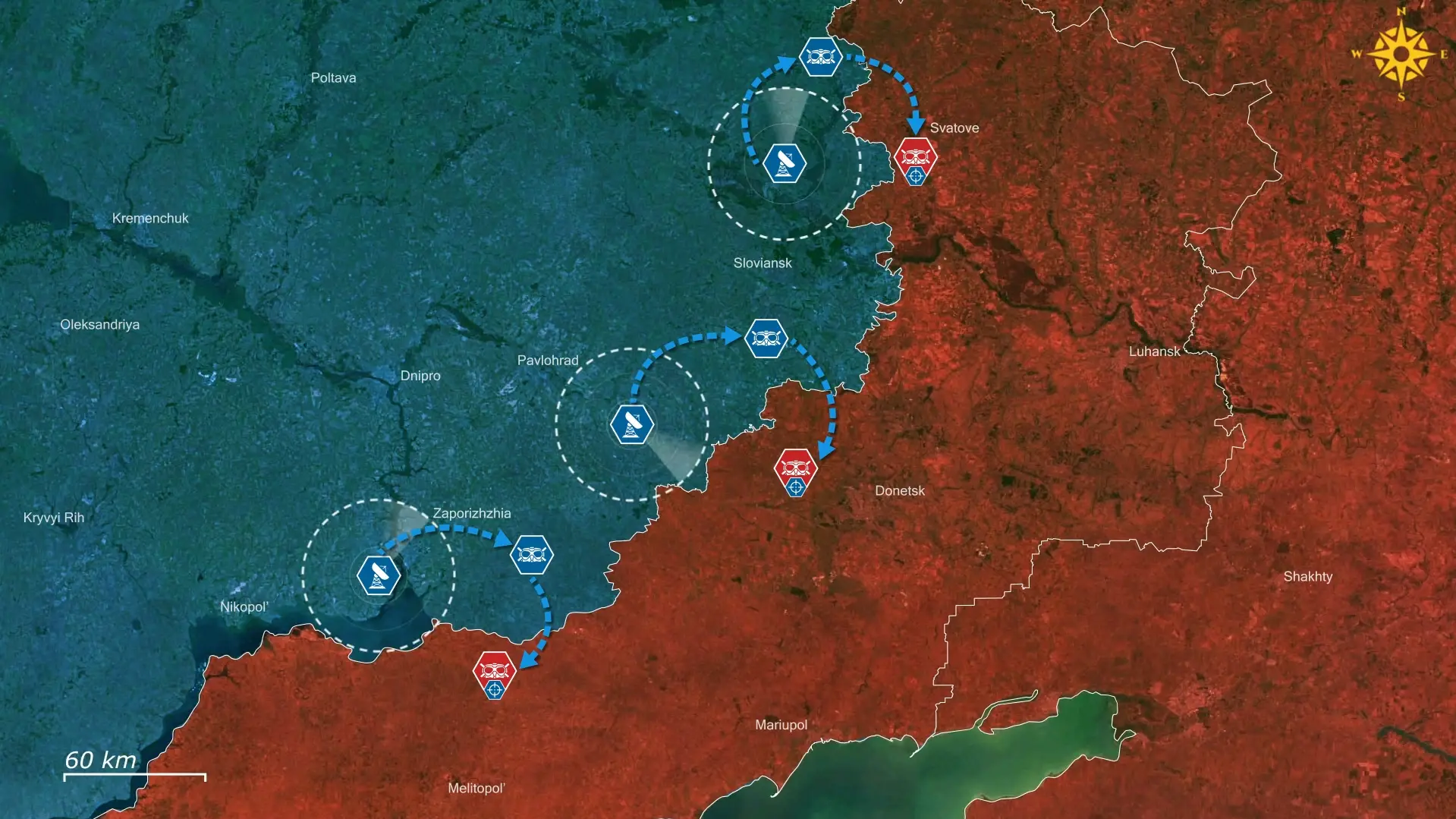
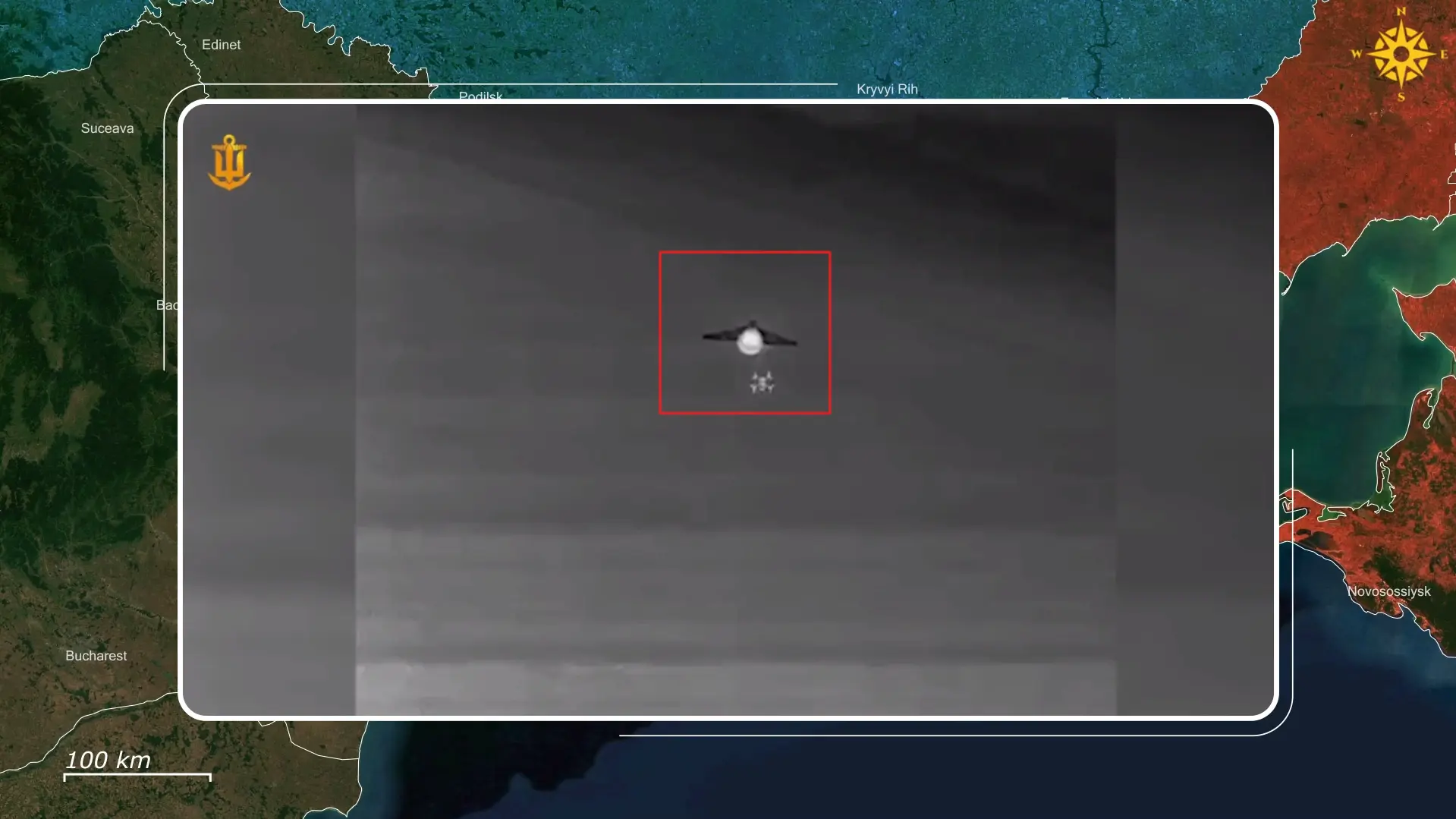
Second, Ukrainian hunter-killer units will be able to identify the positions of Russian drone operators using reconnaissance drones. Ukrainians can scan over large areas, looking for antennas, generators, or other indicators of Russian drone operator activity. These efforts are supplemented by thermal cameras, able to easily detect heat coming off and out of enemy positions, generators, and bodies. Subsequently, Russians are then targeted by FPV drones, air strikes, or artillery, removing them and the threat they pose from the battlefield entirely.
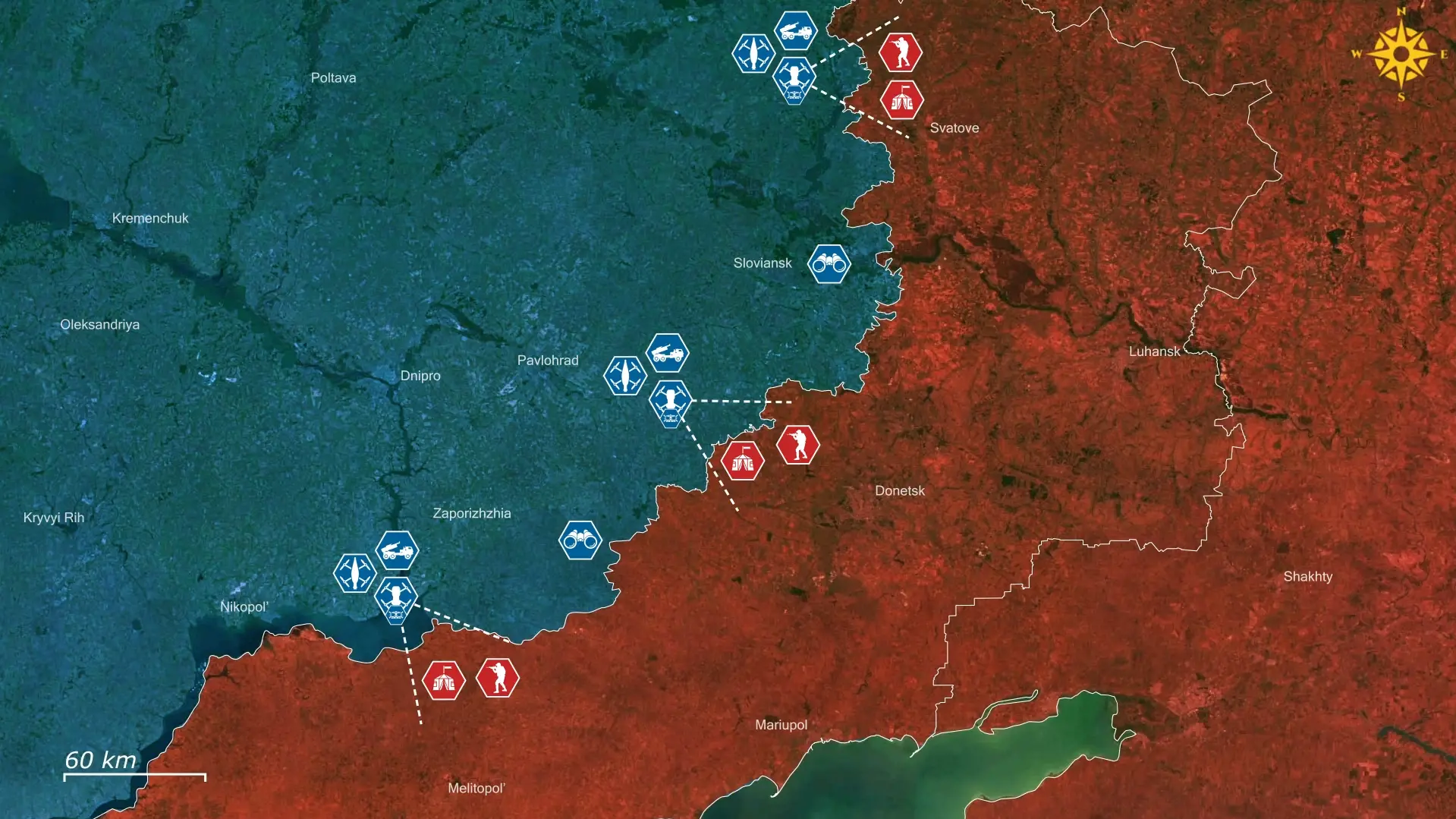
Interestingly, as Russian drone operators try to stay hidden as much as possible, Ukrainians tend to park FPV drones in ambush near suspected entrance, waiting in ambush before detonating at any sign of movement; the exposed position can then be subsequently bombarded till the threat is fully neutralized.
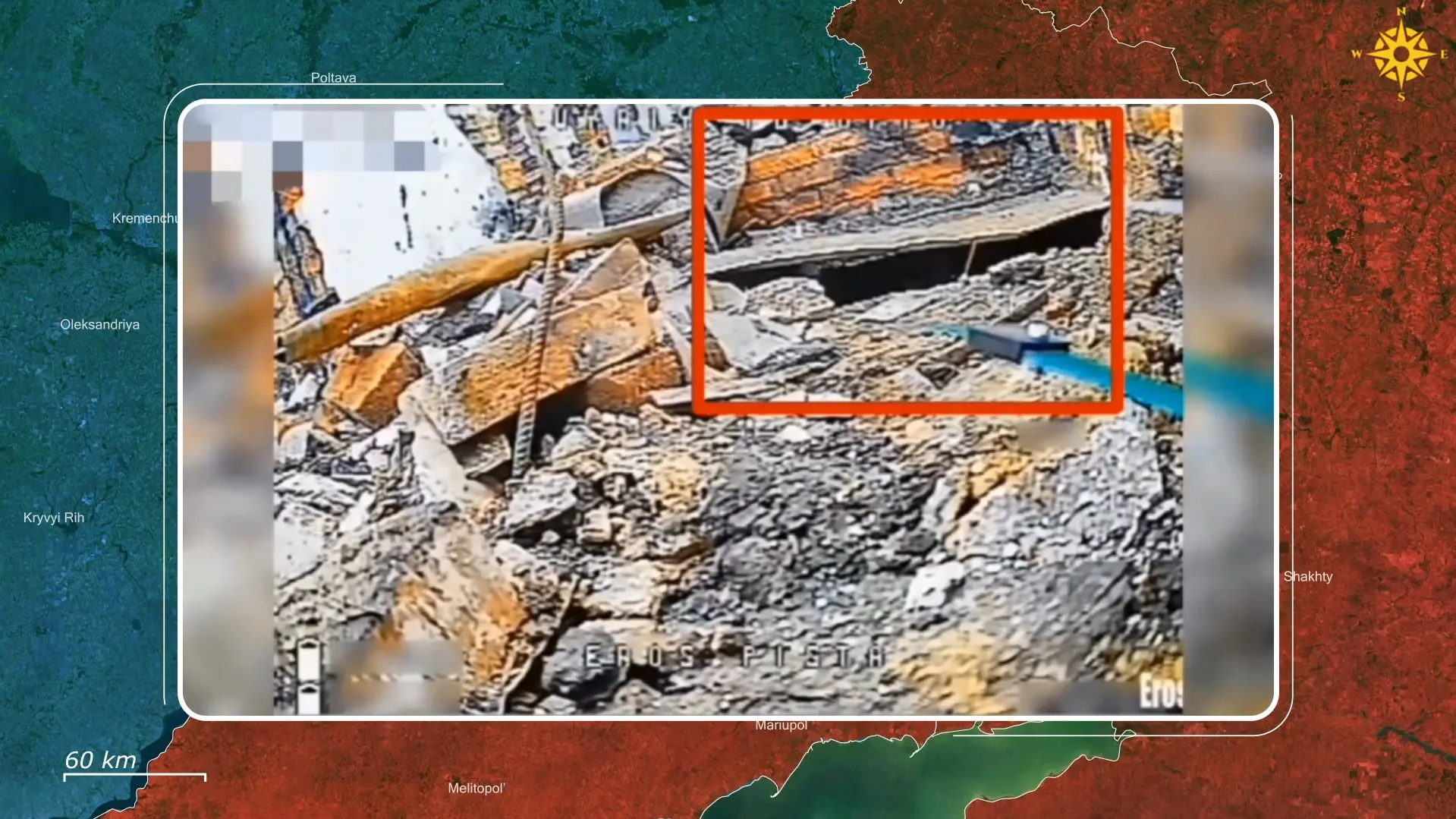
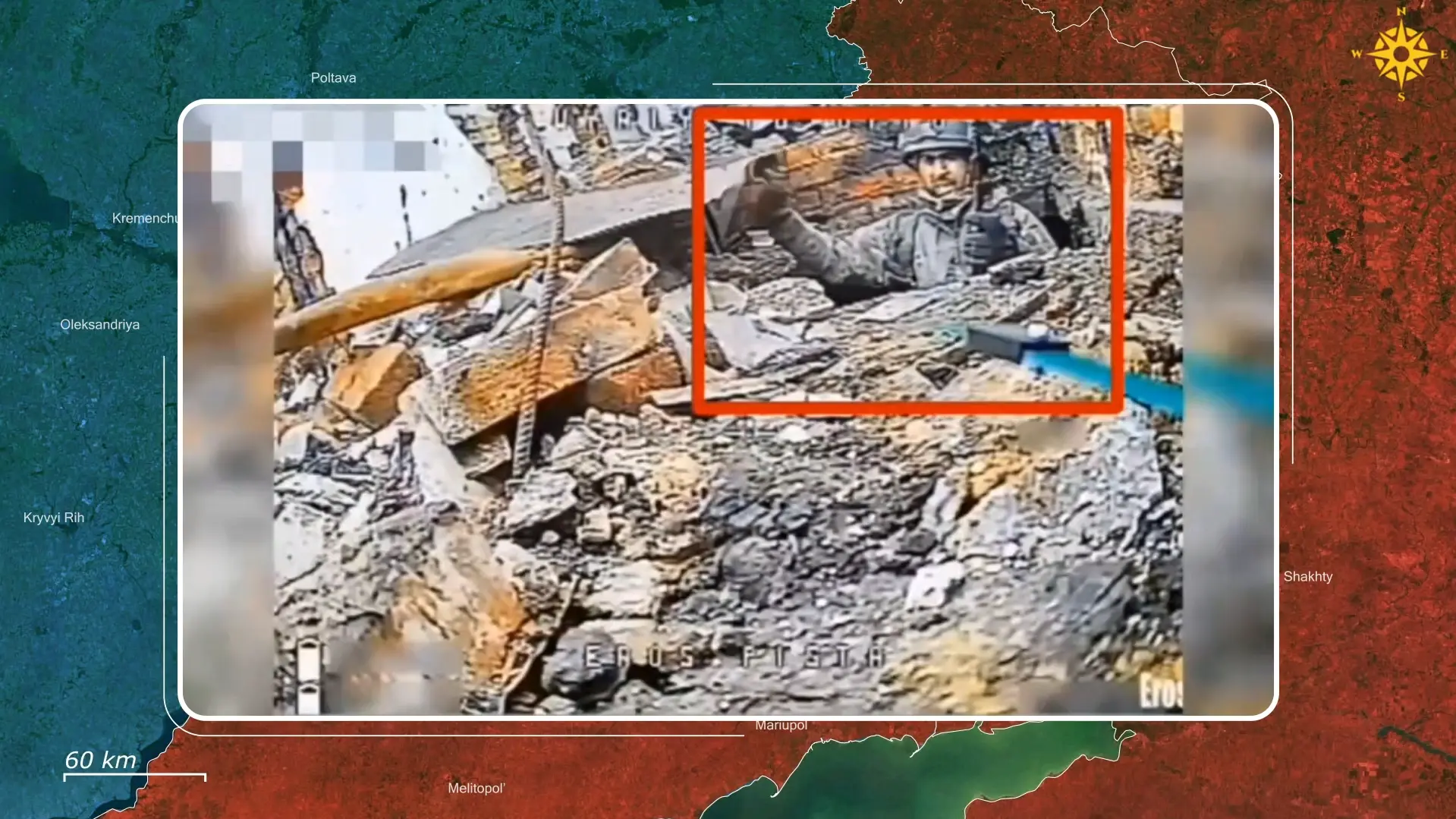
To support the efforts of the new specialized hunter-killer units, Ukrainian’s have access to a large number of highly experienced data analyst, capable of rapidly and accurately analyzing battlefield situations through advanced surveillance, target identification, and real-time information gathering. As a result, when these hunter-killer units enter the battlefield, Ukraine will be fully able to provide them with the necessary supplies and technical support to further enhance the unit’s operational effectiveness.
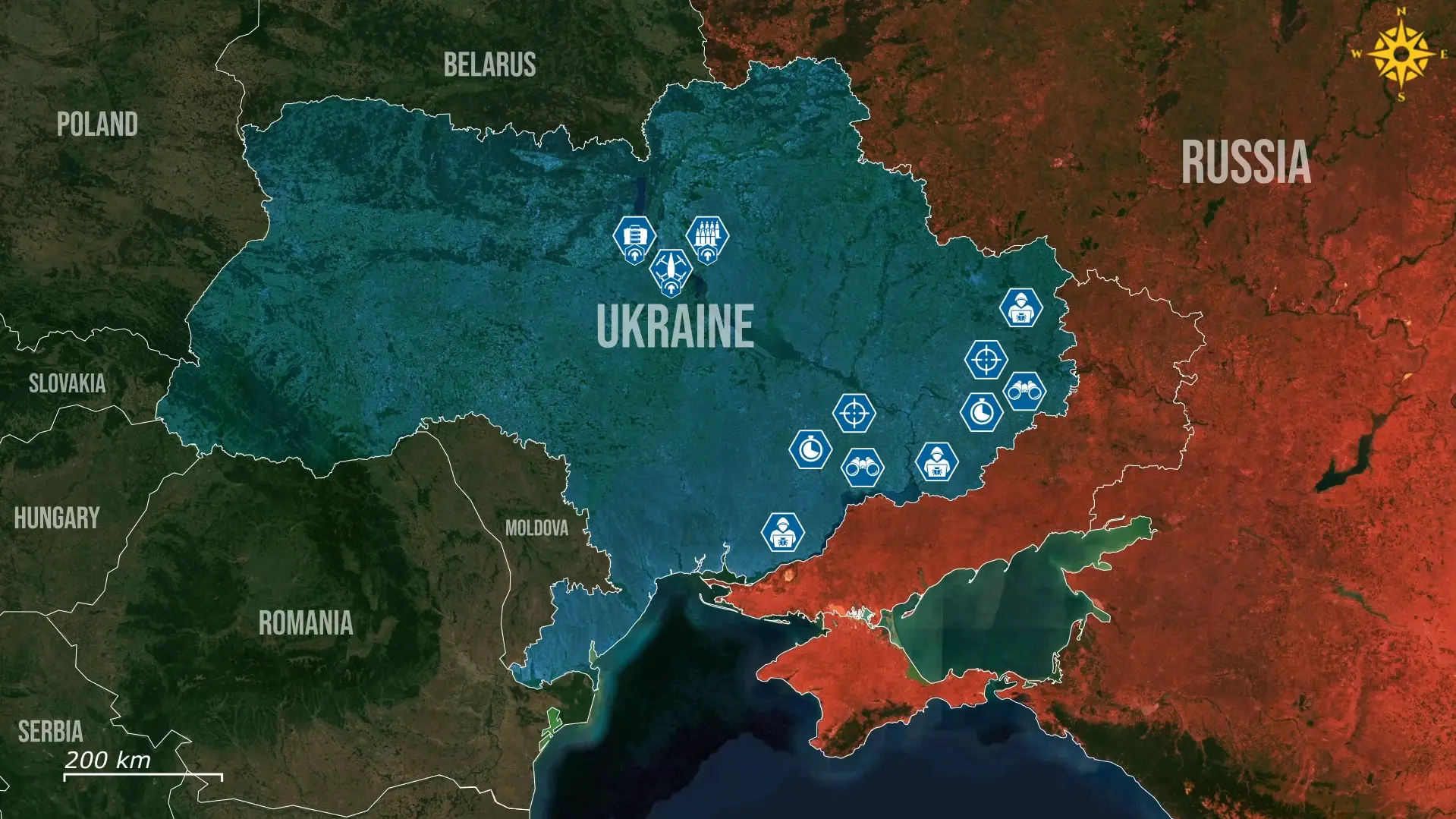
Beside this, Ukraine possesses a large pool of highly experienced drone operators, making the formation of these hunter-killer units comparatively easier. Consequently, units composed of these experienced operators will be able to begin field operations very quickly.
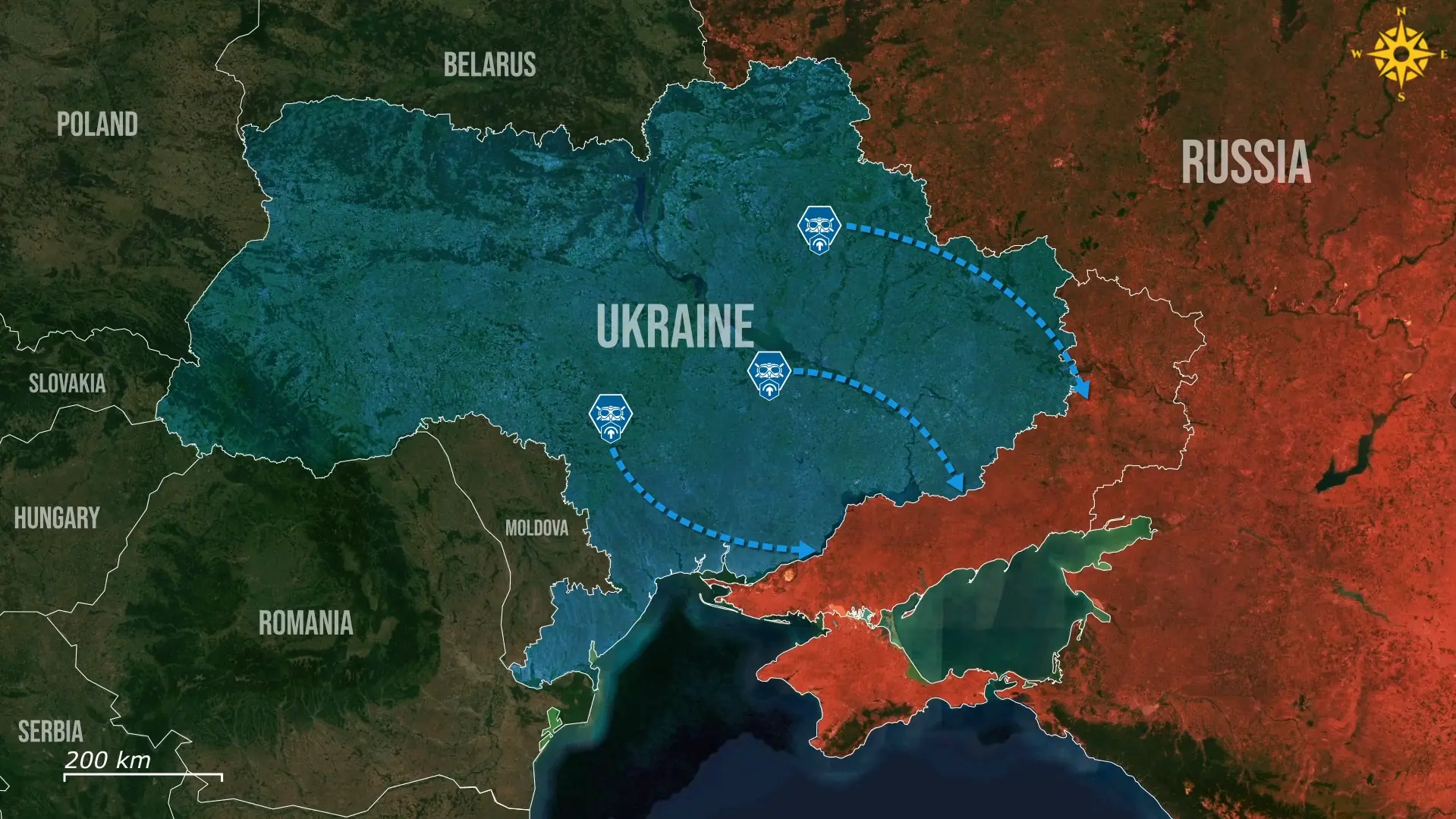
Furthermore, after prolonged field operations, the Ukrainian forces have already mastered extensive strategies and effective methods to identify Russian drone operators. By applying this experience and these strategies collectively, the new hunter-killer units will be able to conduct missions more rapidly and with greater precision.
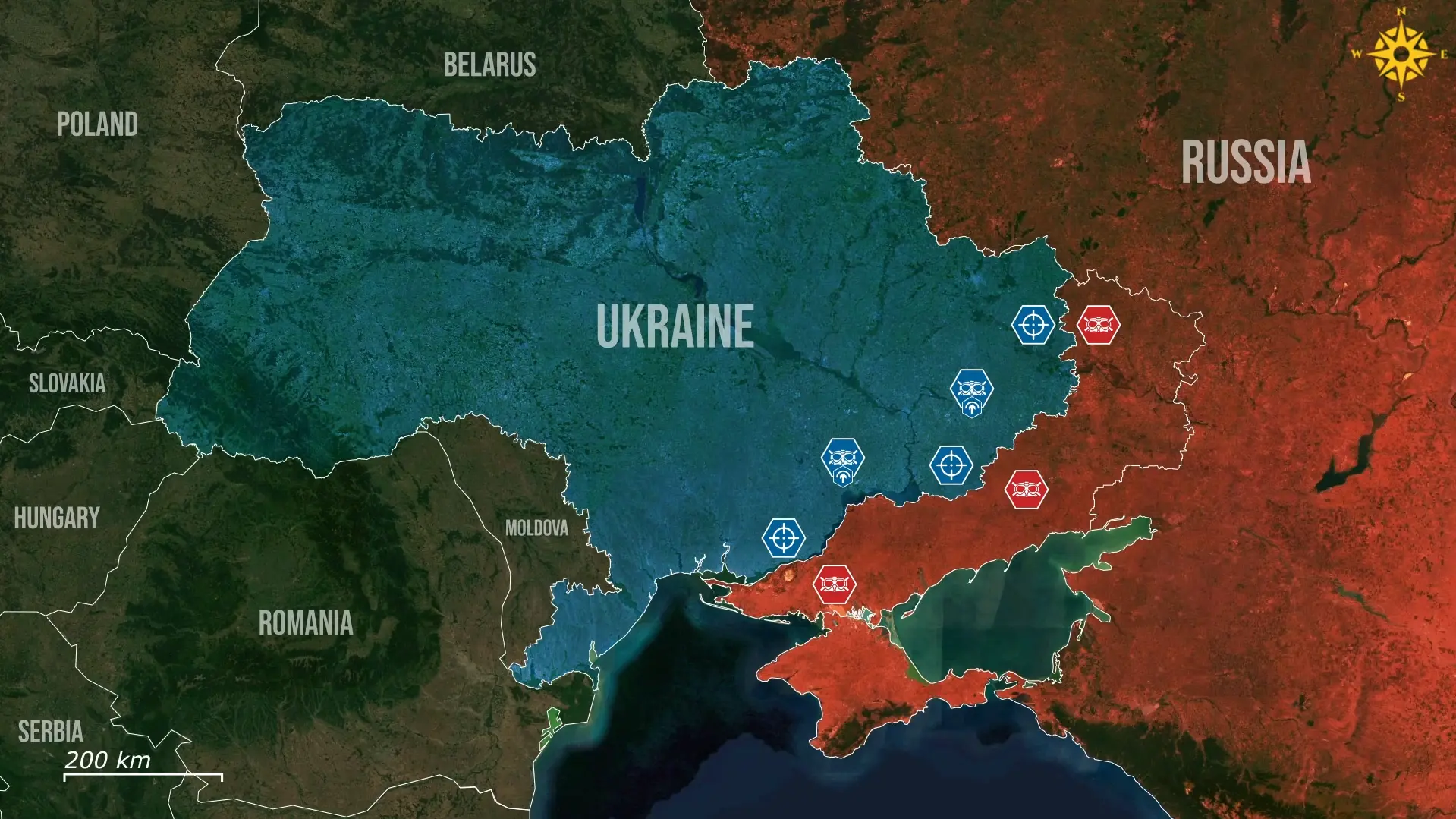
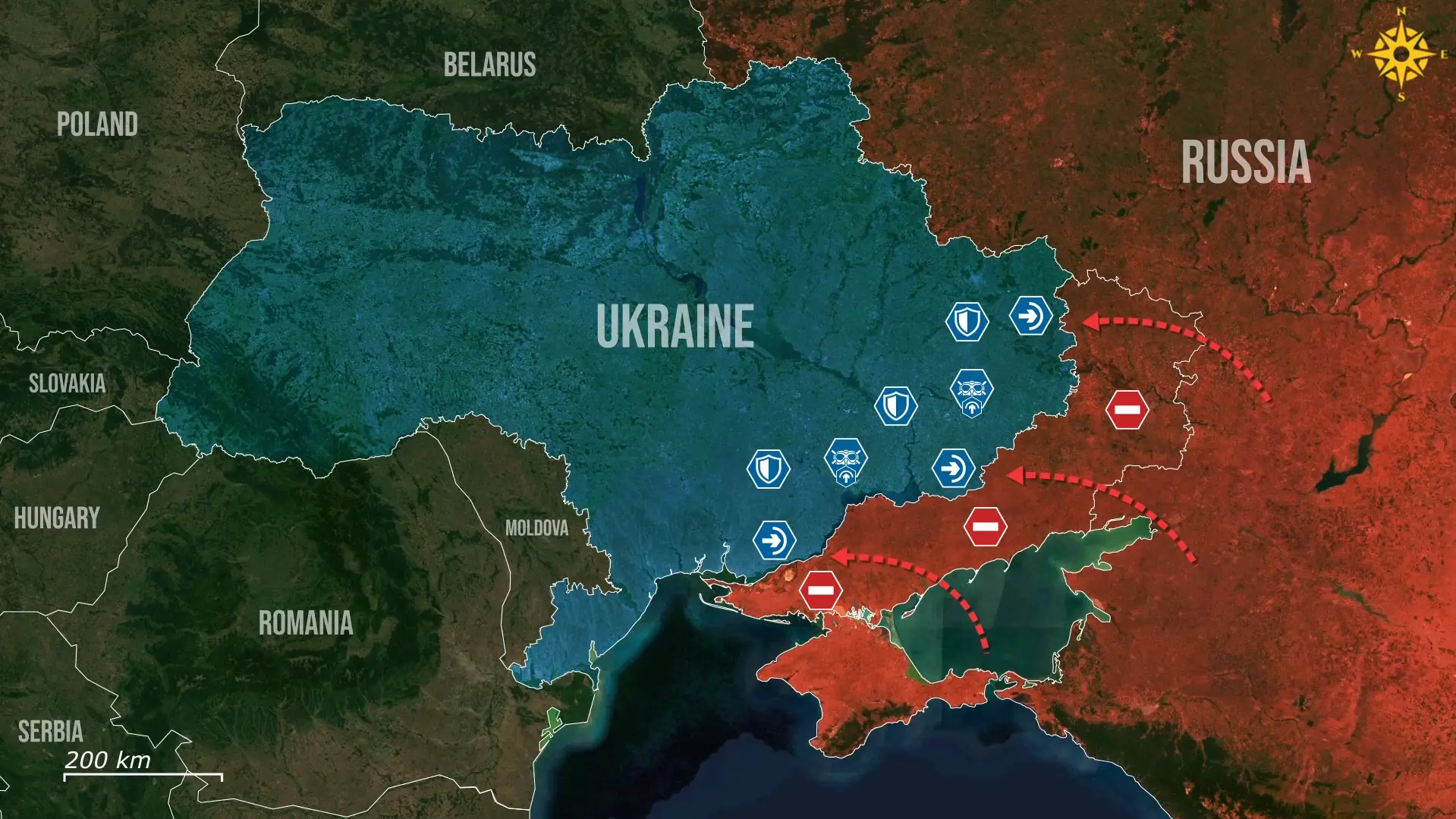
Overall, against Russia’s massive production and numerical superiority, Ukraine’s experience, creativity, and precise accuracy have become an invincible force. As Russia advances toward the frontline with its UAV-based war plans, Ukraine is preparing its newly announced hunter-killer units to swiftly and accurately strike enemy drone operators and control centers. This creativity- and skill-based combat strategy has not only enabled Ukraine to resist but also given it the ability to control the course of the war, offering the world a new lesson as a model for future warfare.

.jpg)


Comments