

.svg)
Today, there are important updates from the Russian Federation.
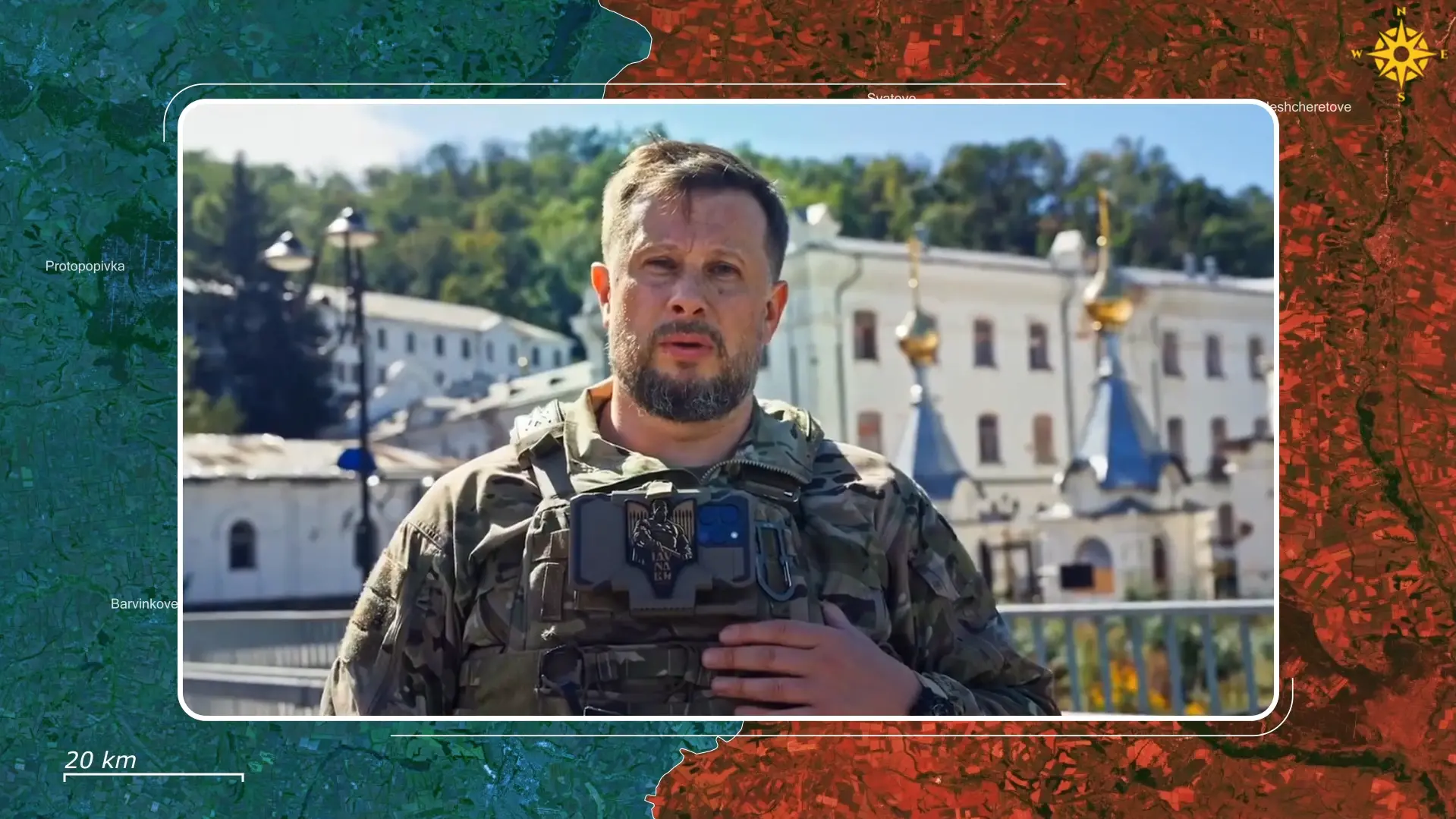
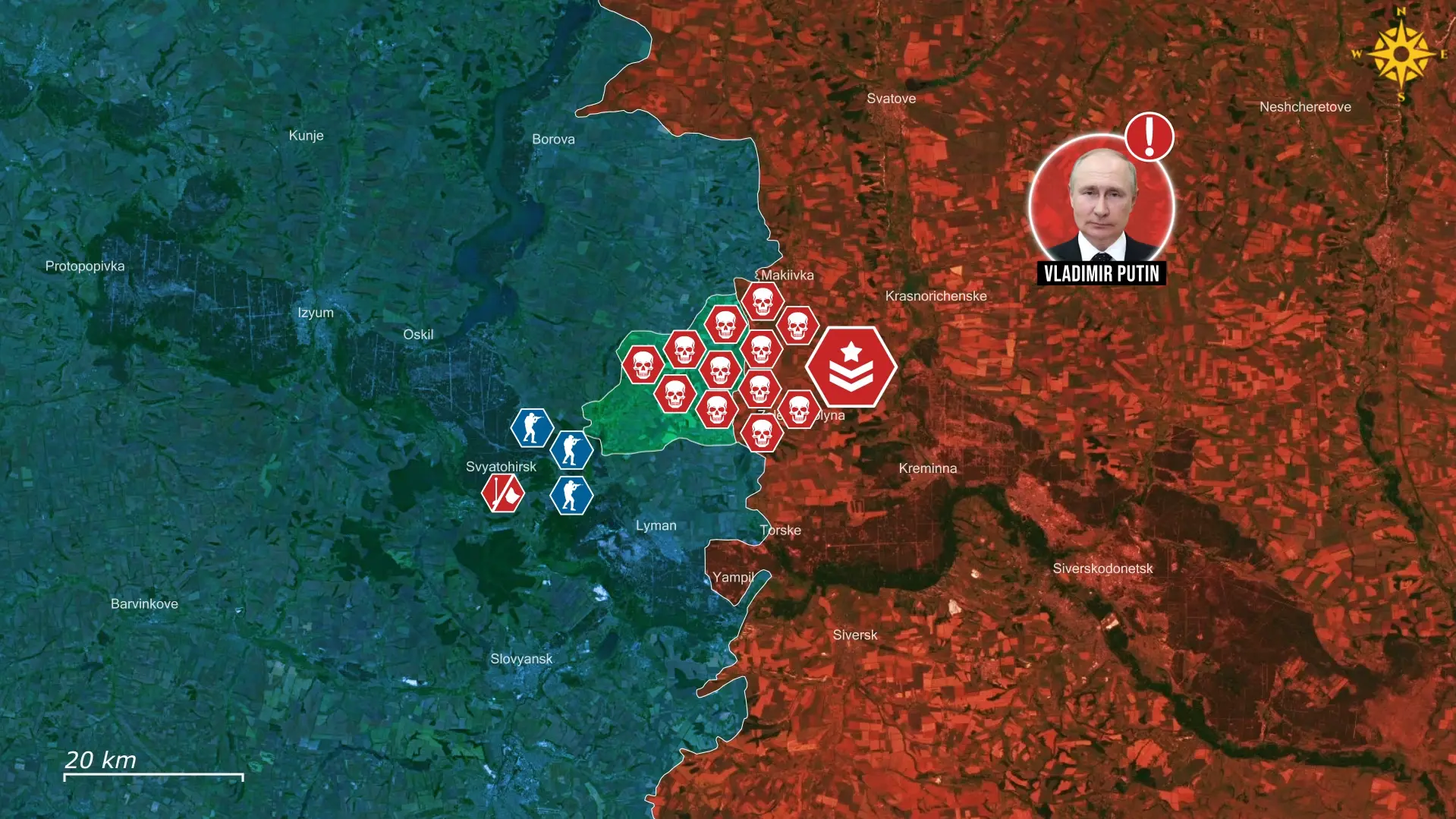
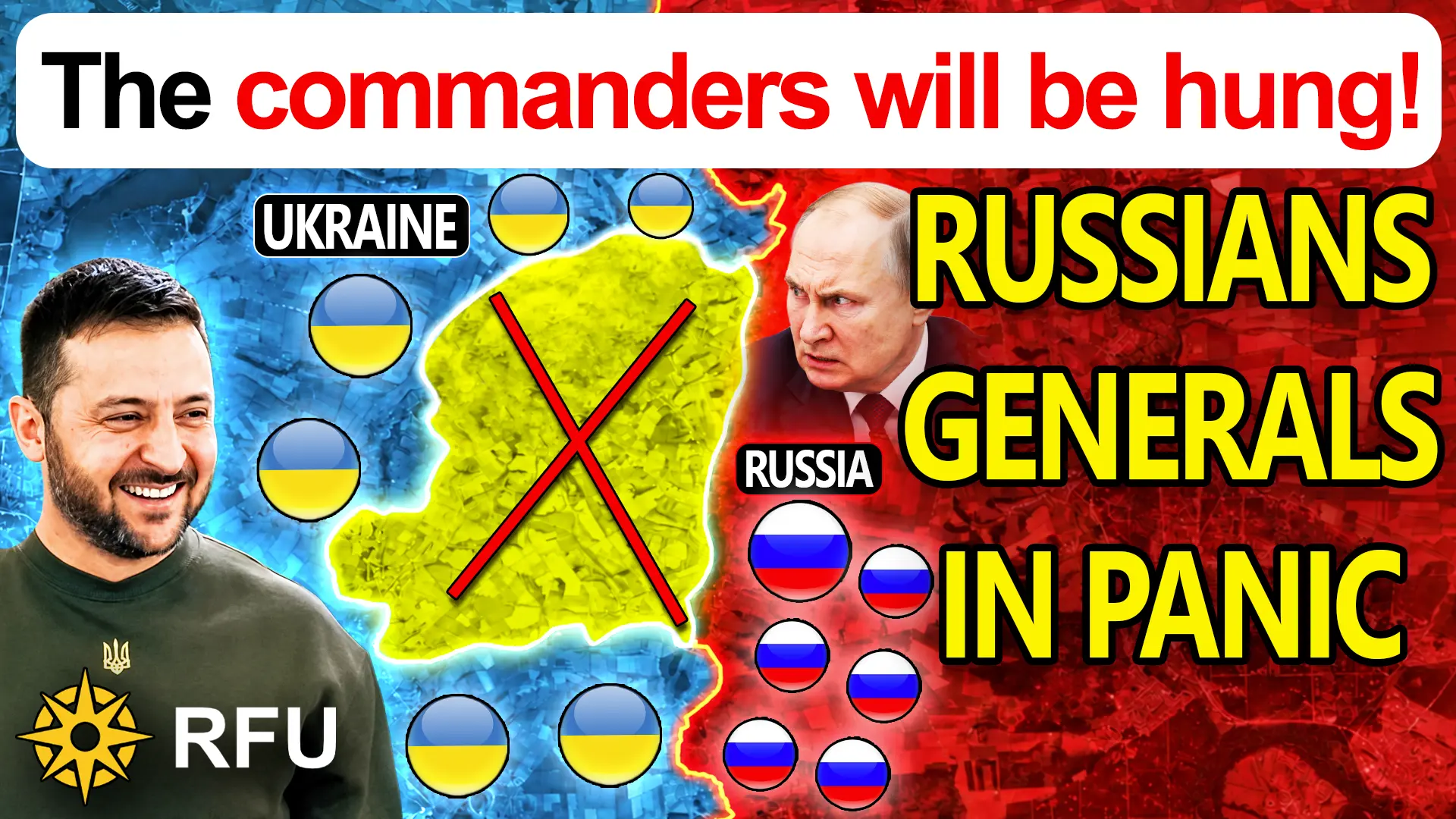
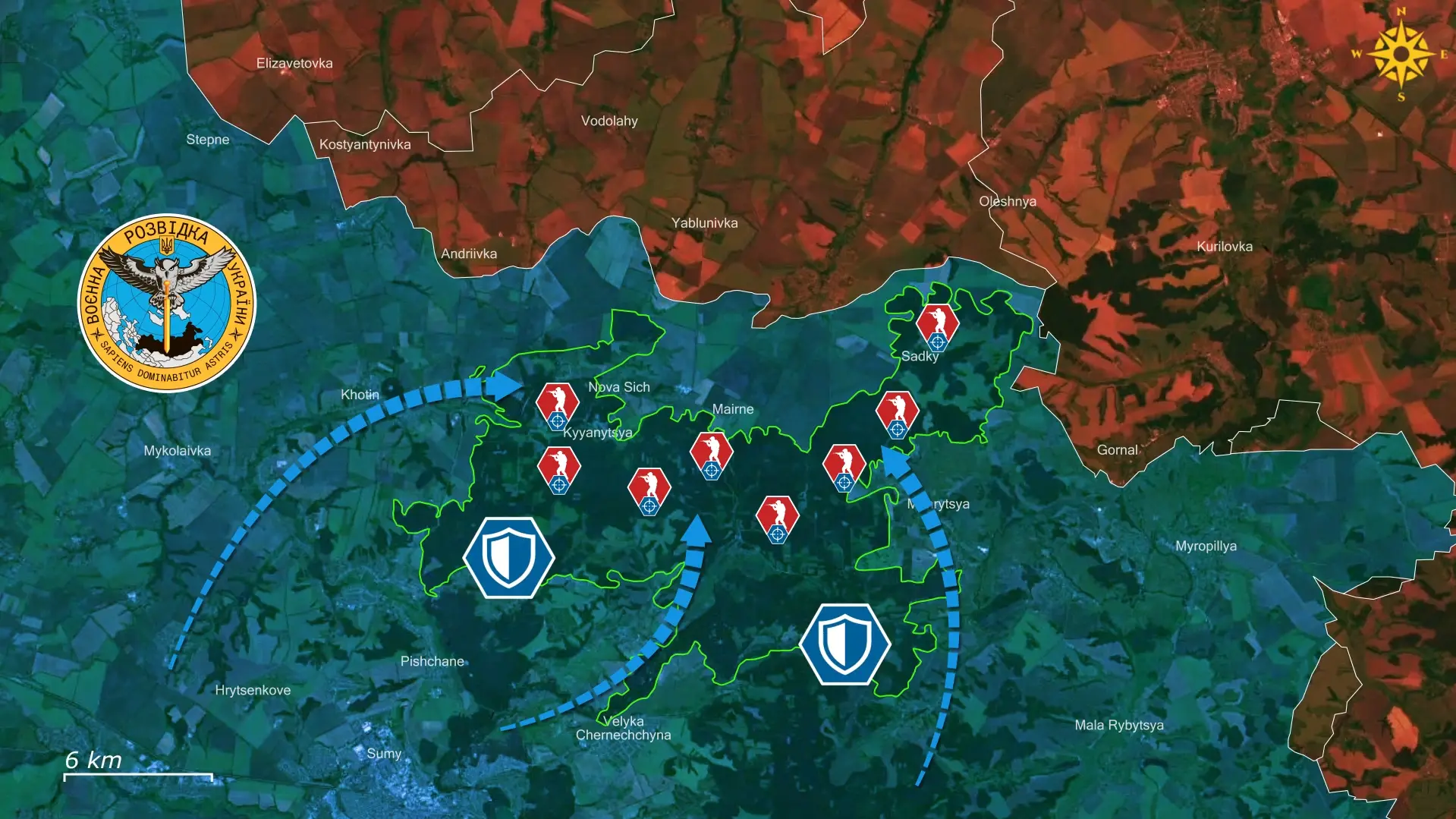
Russian military channels are reacting with anger to the Russian retreat around Liman, where Ukrainian counterattacks have erased Russian gains west of the Zherebets River. Kremlin-affiliated commentators acknowledge in panic the Ukrainian initiative around the sector while criticizing exaggerated Russian reporting, demanding that Russian commanders be hanged. The embarrassment became particularly visible at Sviatohirsk, claimed captured by Putin, based on AI-fabricated videos of Russian soldiers inside the town, only for the Third Army Corps commander Andriy Biletskyi to subsequently film himself walking there openly, demonstrating continued Ukrainian control and the relative safety inside that allowed him not to wear a helmet.
For Russian analysts, the deeper problem is that fabricated victories eventually corrupt battlefield decision-making. Once one Russian commander reports an imaginary advance, neighboring units and higher headquarters begin planning around territory that Russia does not actually control. A Russian analyst explicitly warned that falsely declaring settlements captured can prevent Russian forces from striking them because headquarters believes friendly troops are present there, which gives the Ukrainians more freedom to operate.
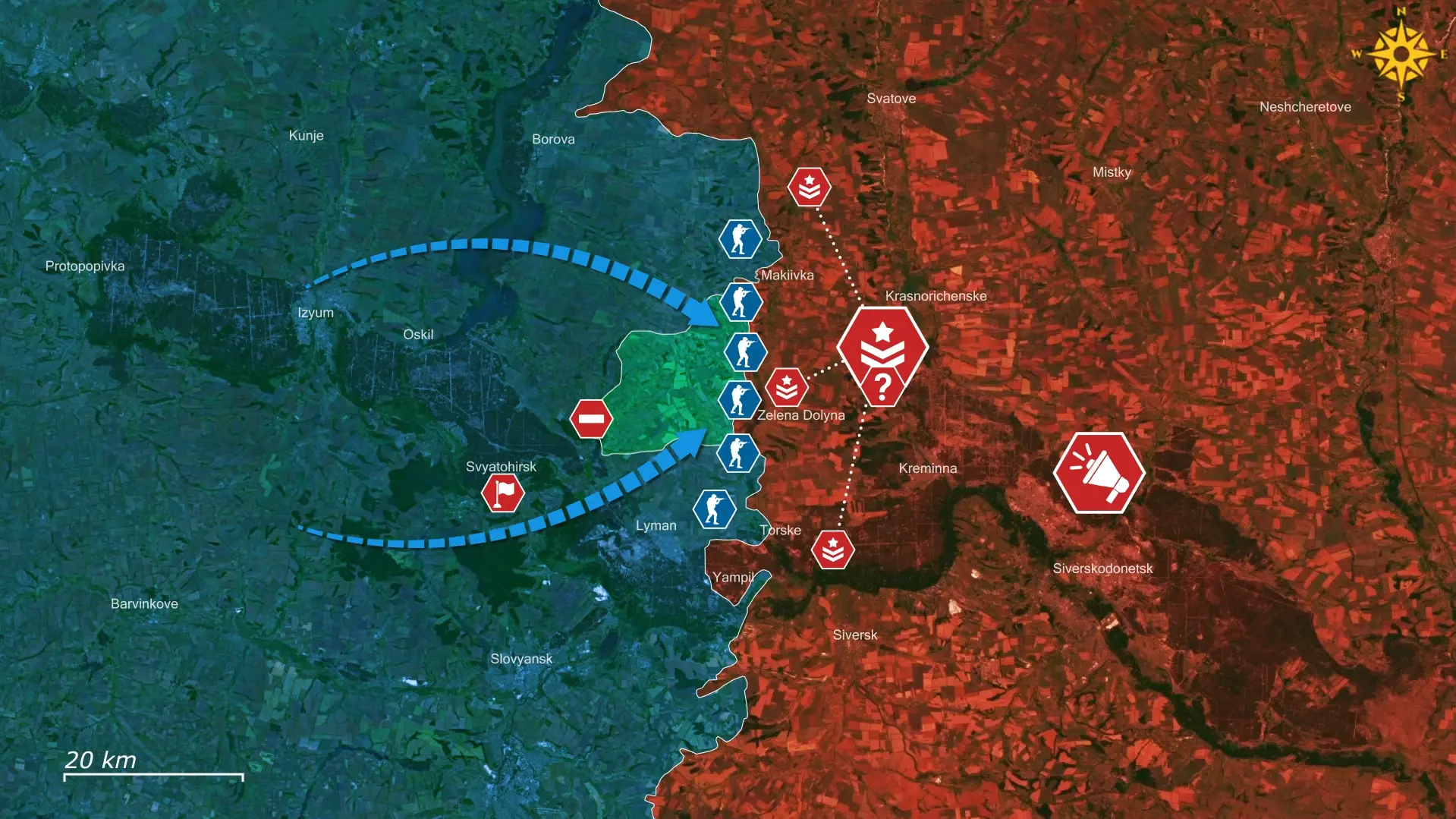
The consequences multiply, as artillery may withhold fire from Ukrainian positions incorrectly marked as Russian. Reinforcements can be ordered toward supposedly friendly strongpoints only to encounter Ukrainian ambushes. Supply vehicles can follow routes assumed to be secured but actually covered by Ukrainian drones. Russian assault groups can also receive objectives based on imaginary starting lines, while reserves are committed to rescuing positions that were never held. Eventually, commanders must conduct emergency crisis management, consuming several times the manpower that an accurate assessment might have required.
Russian commentators therefore increasingly demand punishment and accountability for officers responsible for these beautiful fake reports that make their way up to the Kremlin. The Sviatohirsk episode made the absurdity especially obvious and catalyzed Russian discontent, as the fabricated footage purporting to demonstrate Russian presence was torn to pieces by Biletsky’s appearance.
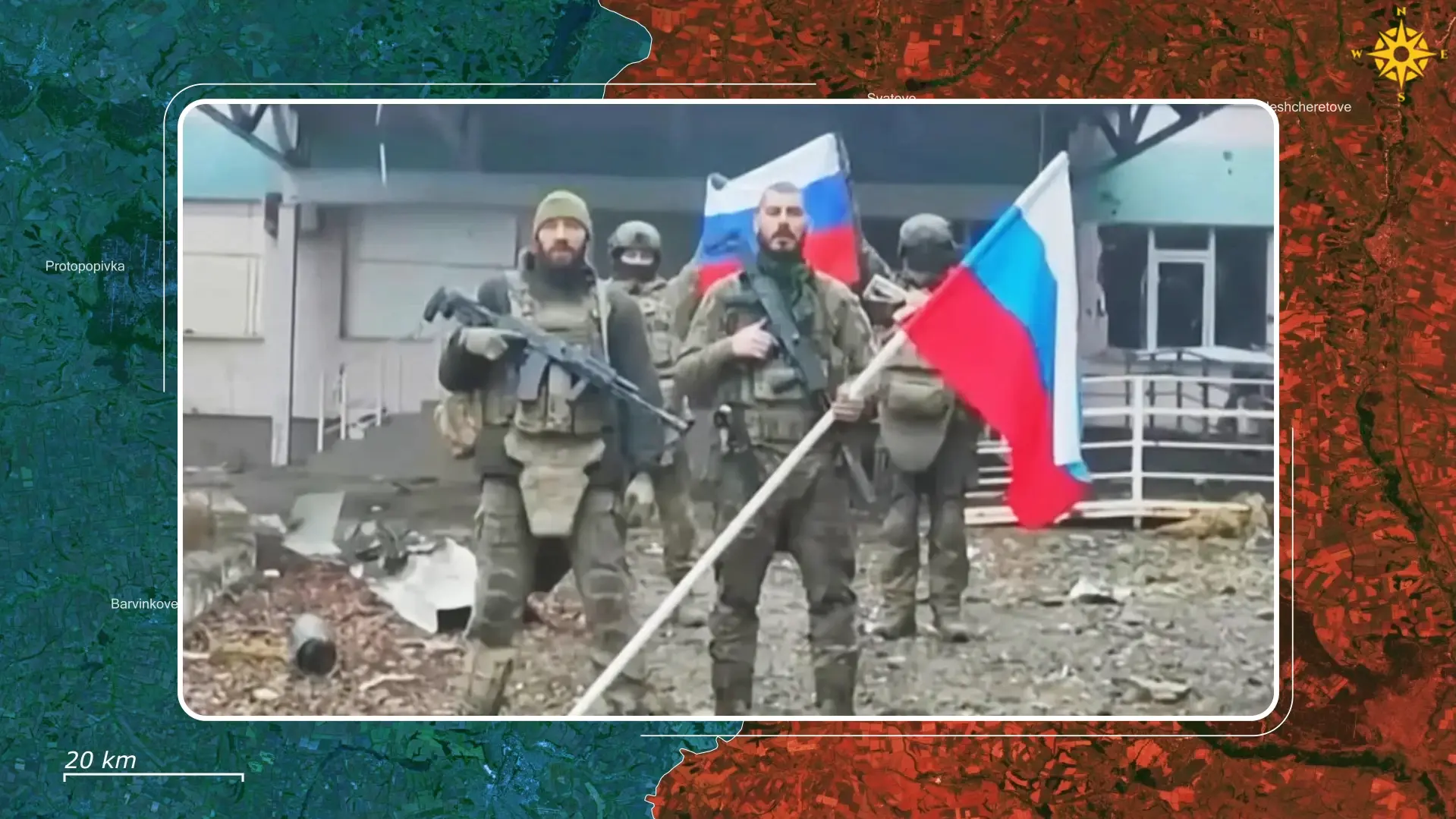
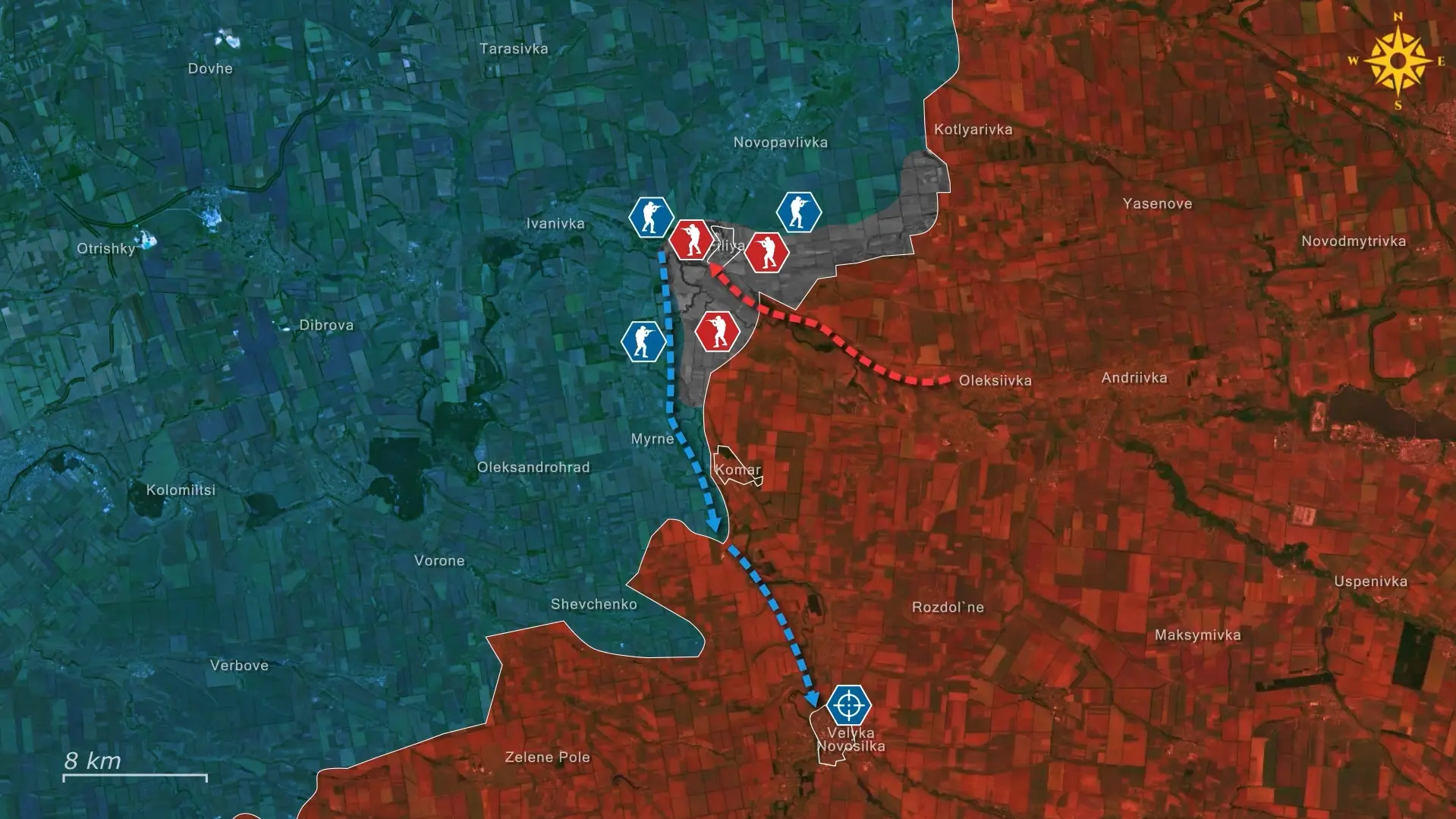
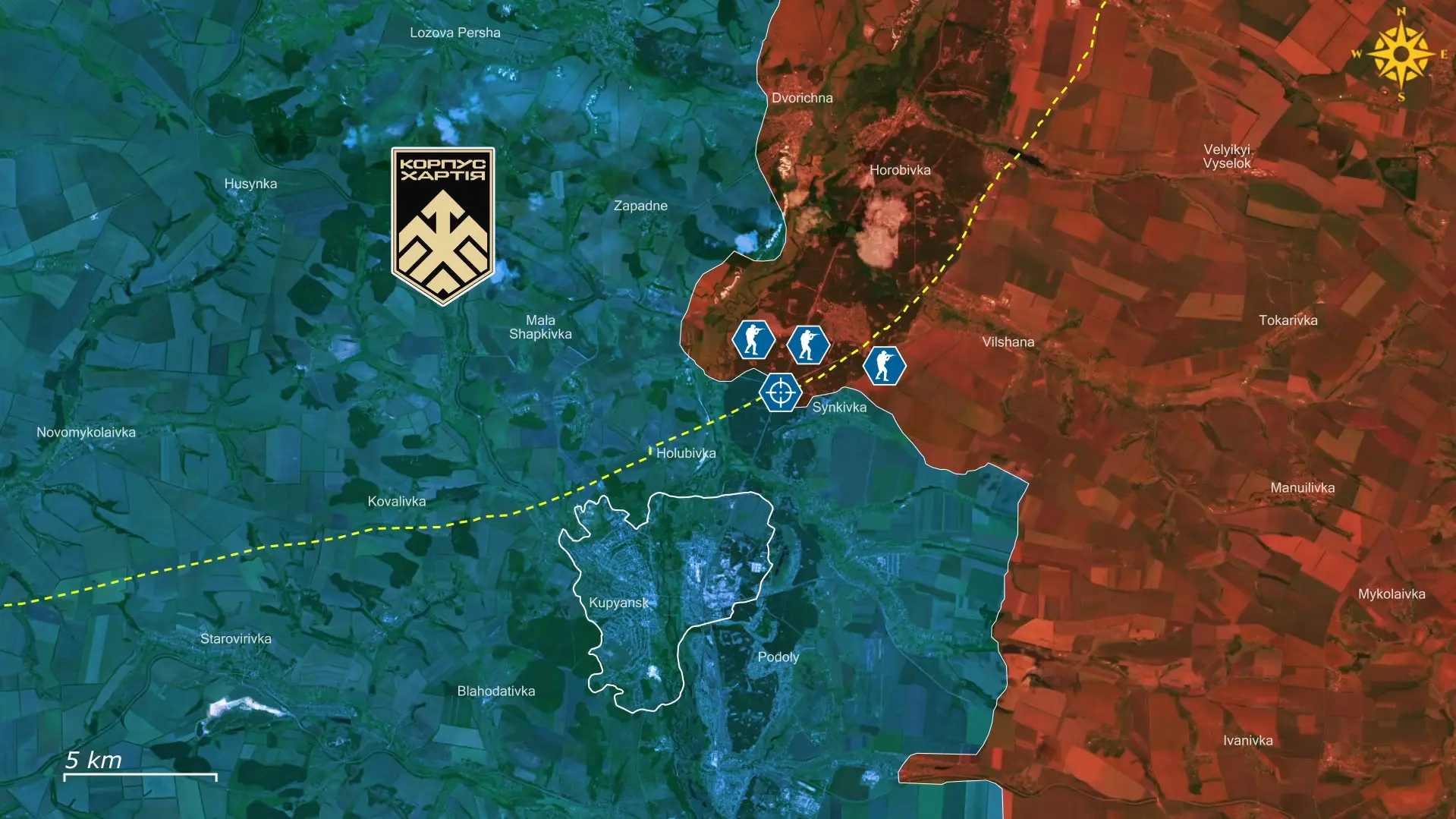
The pattern resembles earlier Russian information failures around Kupiansk, when Russian sources repeatedly presented infiltrations and flag-raising footage as evidence of much deeper control, including material that analysts assessed as AI-generated. Yet Ukrainian clearing operations continued, contradicting the picture of secure Russian control. Similar paradoxes have appeared in the Dnipropetrovsk Region, as Ukrainian counteroffensives during the previous months reversed significant Russian gains, while geolocated evidence showed Ukrainian troops operating where Russian sources had previously claimed advances. Around Stepnohirsk in Zaporizhzhia, a Kremlin-affiliated military analyst admitted that false reporting had actually prevented Russian forces from properly establishing logistics and clearing territory they supposedly controlled. Ukrainian forces subsequently continued contesting positions around the area.
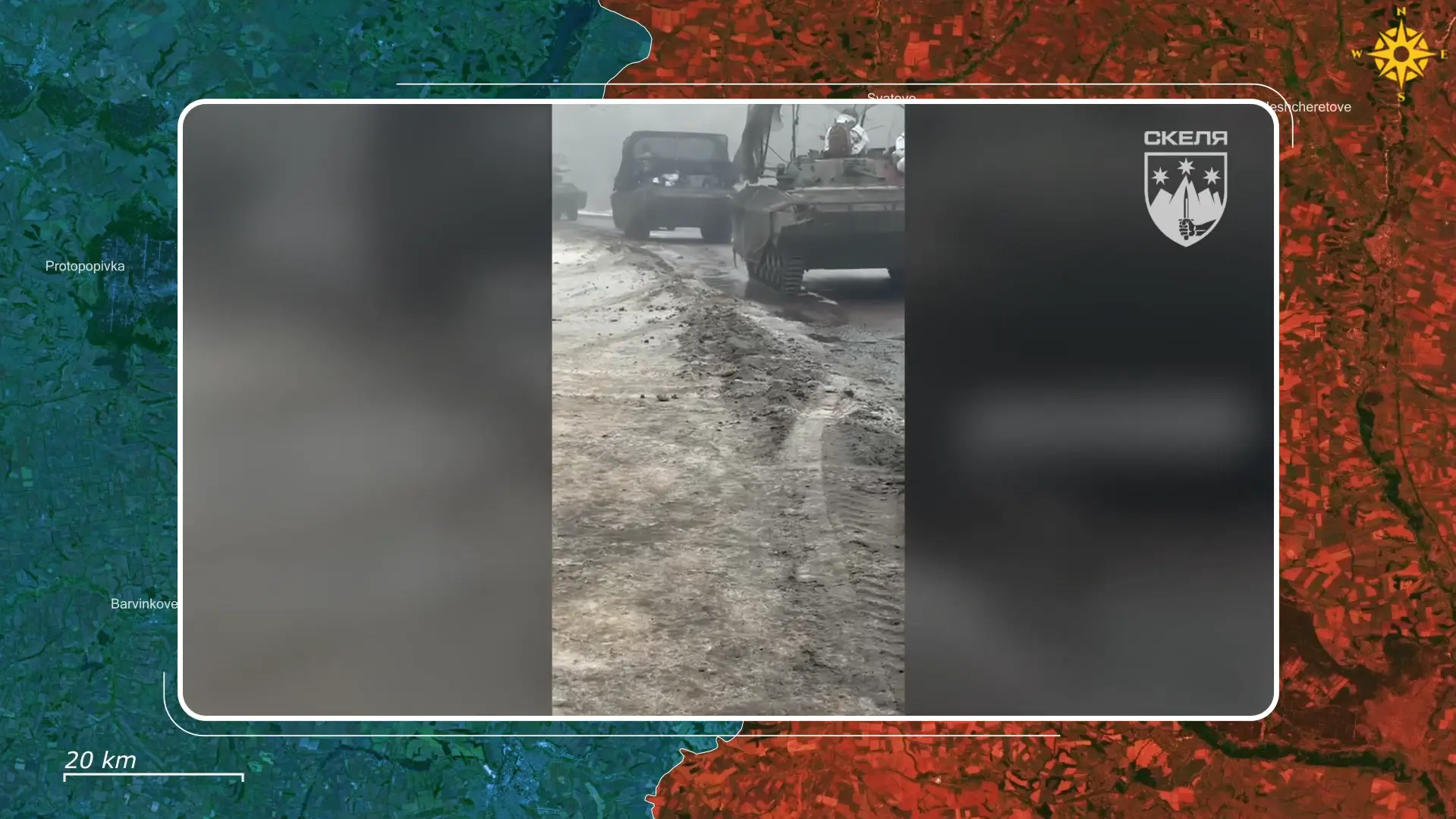
This is why Liman potentially represents something larger than another tactical setback. Russia’s leadership has placed enormous pressure on commanders to demonstrate constant progress. Putin continues publicly portraying Russia as winning, even as independent battlefield assessments show much slower advances and repeated Ukrainian counterattacks and successes. When genuine Russian advances become increasingly expensive, producing impressive reports is easier than producing territorial gains. But once AI-generated videos, manipulated flag-raisings, and fictitious captures enter the operational reporting chain, propaganda begins damaging the army producing it.
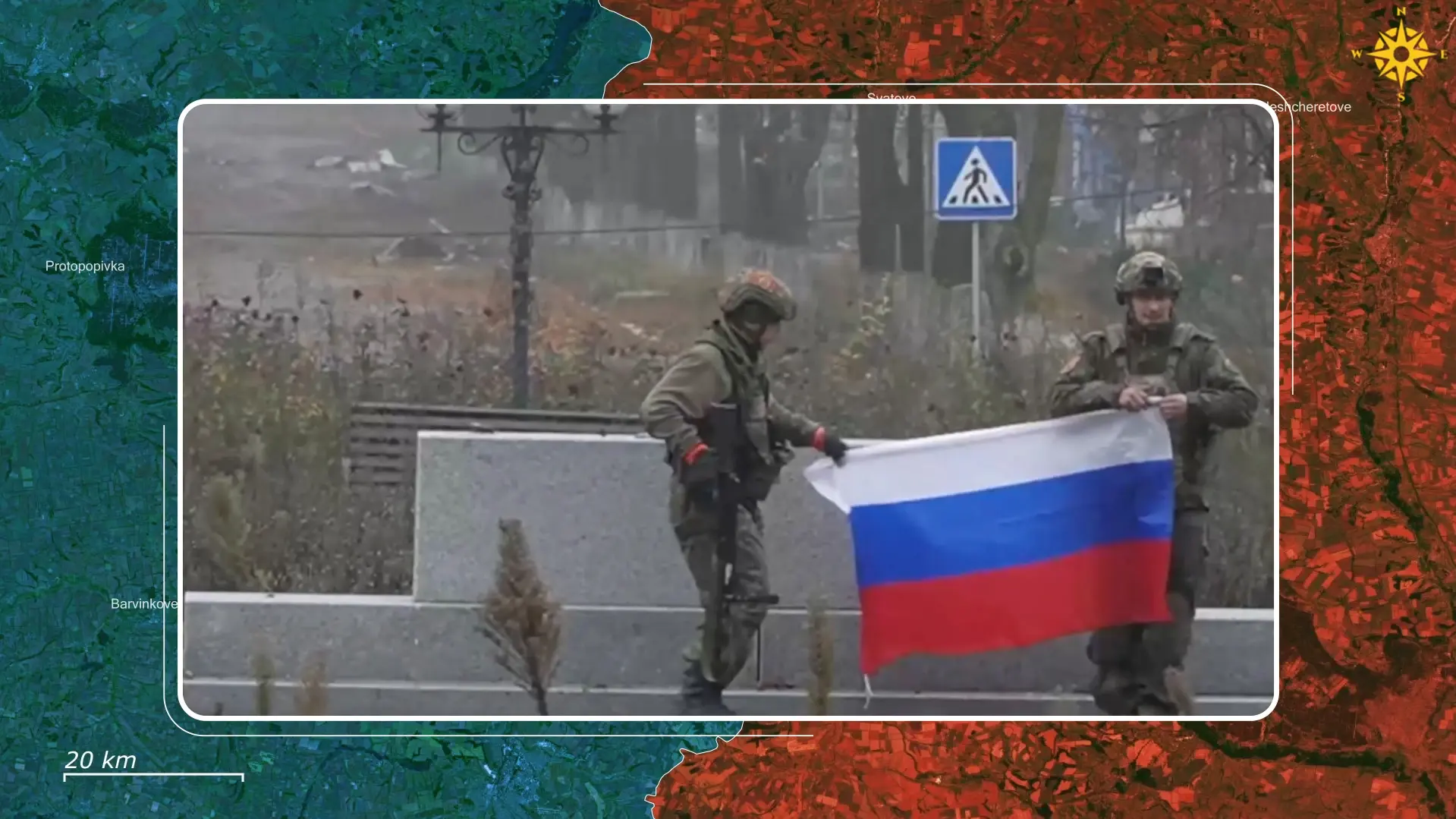
Overall, the Russian retreat from Liman and the claimed capture of Sviatohirsk that never materialized are the latest examples of how political leaders can announce victories, headquarters can draw optimistic maps, and commanders can report settlements captured, but Ukrainian soldiers remain there. The resulting outrage among Russian military commentators reflects recognition that somebody must eventually pay for the fiction. When reality finally catches up with the reports, Russian commanders rarely admit that previous victories never happened, as they fear paying the price with their heads, so they sacrifice additional soldiers, trying desperately to make the false map real.
.jpg)

Comments