

.svg)
Today, there are important updates from the Pokrovsk direction.
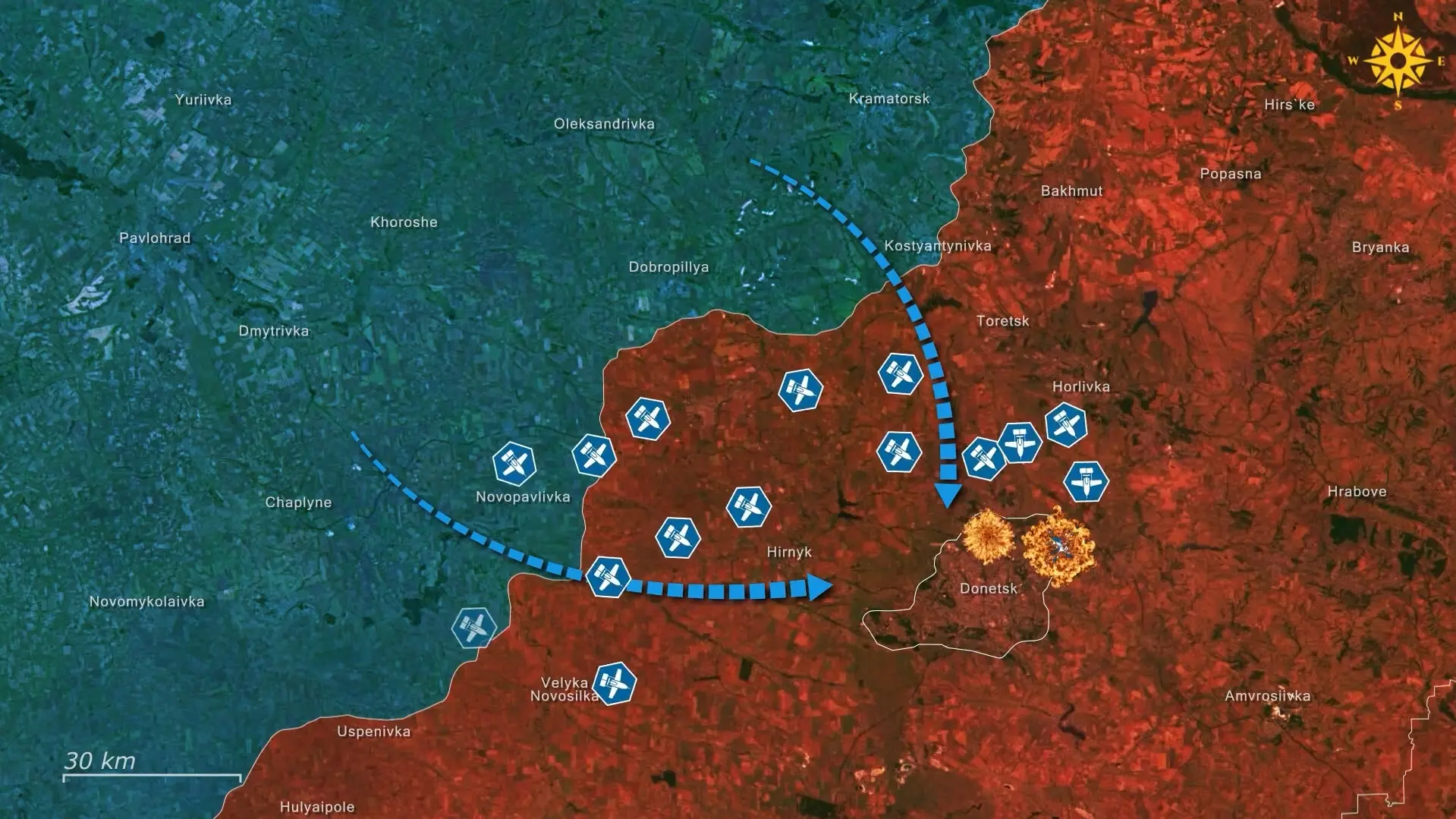
Here, a significant Ukrainian force concentration is taking shape around Pokrovsk as the Ukrainian command prepares to counter Russia’s attempts to reinforce its infiltrations.
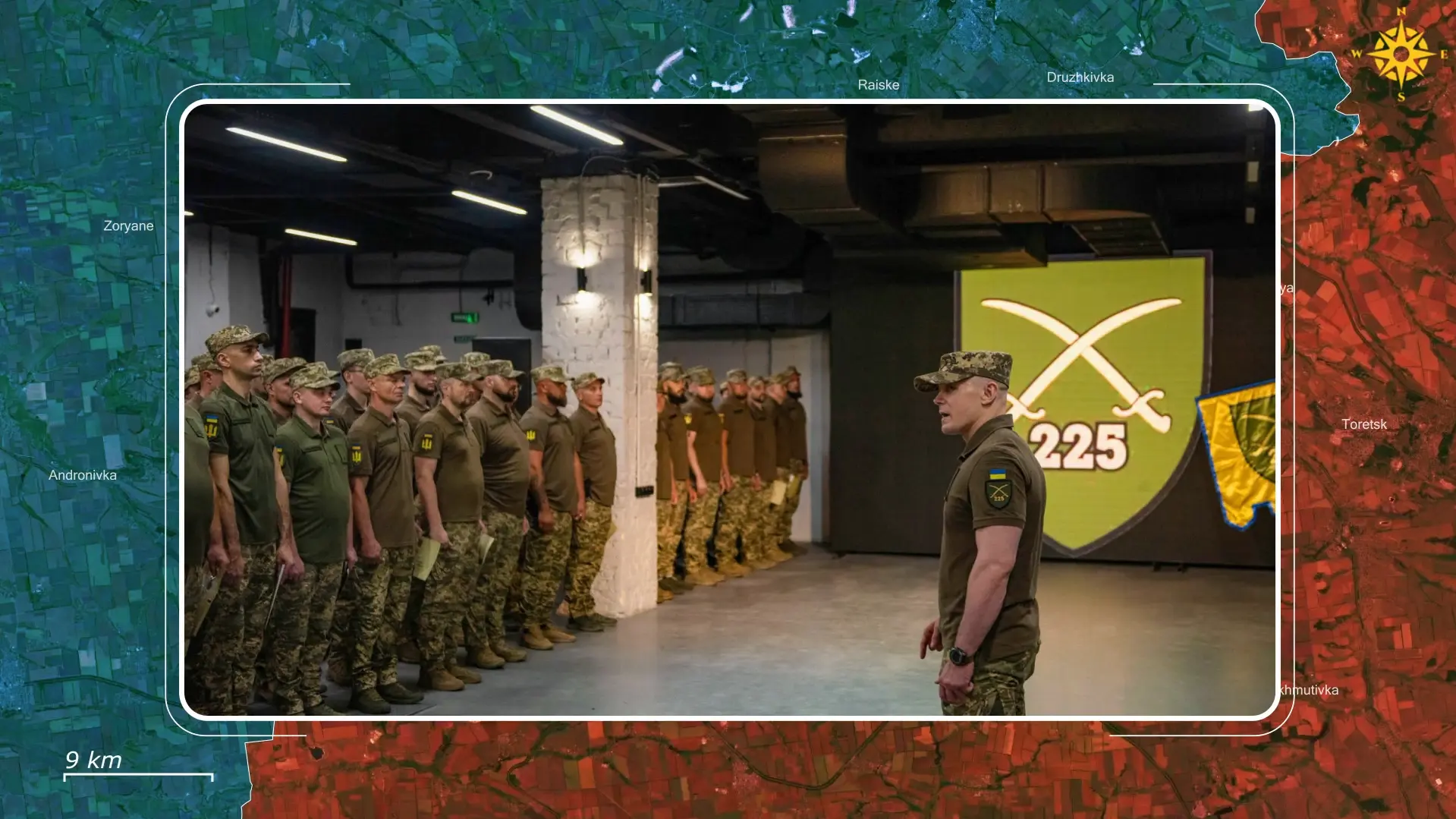
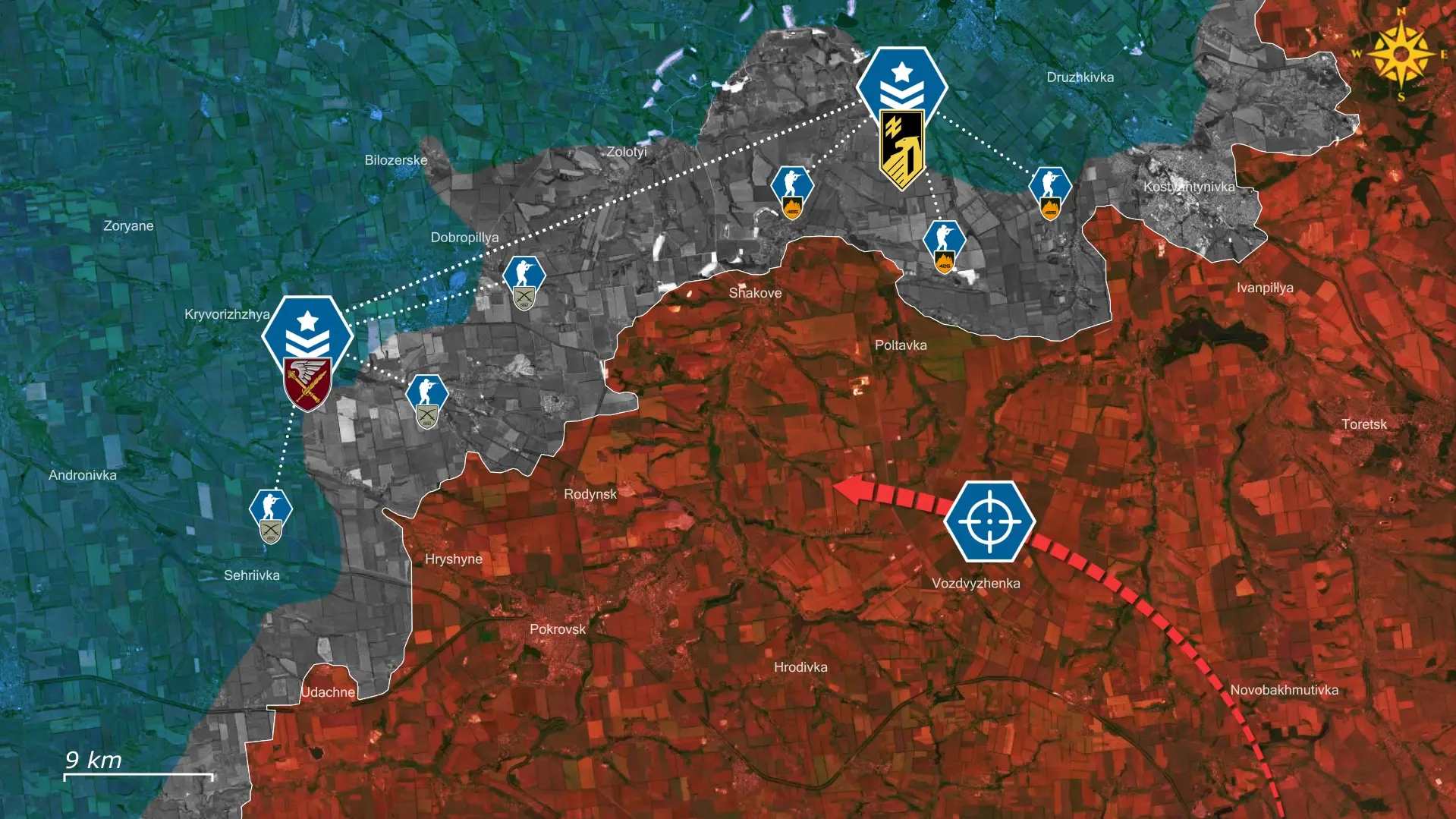
Ukraine’s Two-Hundred-Twenty-Fifth Separate Assault Regiment has now been placed under the operational control of the Seventh Rapid Response Corps of the Air Assault Forces. This does not permanently incorporate the regiment into the corps. Instead, it will conduct missions inside its area of responsibility directly under corps command, eliminating coordination problems created when assault formations operated inside the sector without answering to the same headquarters.
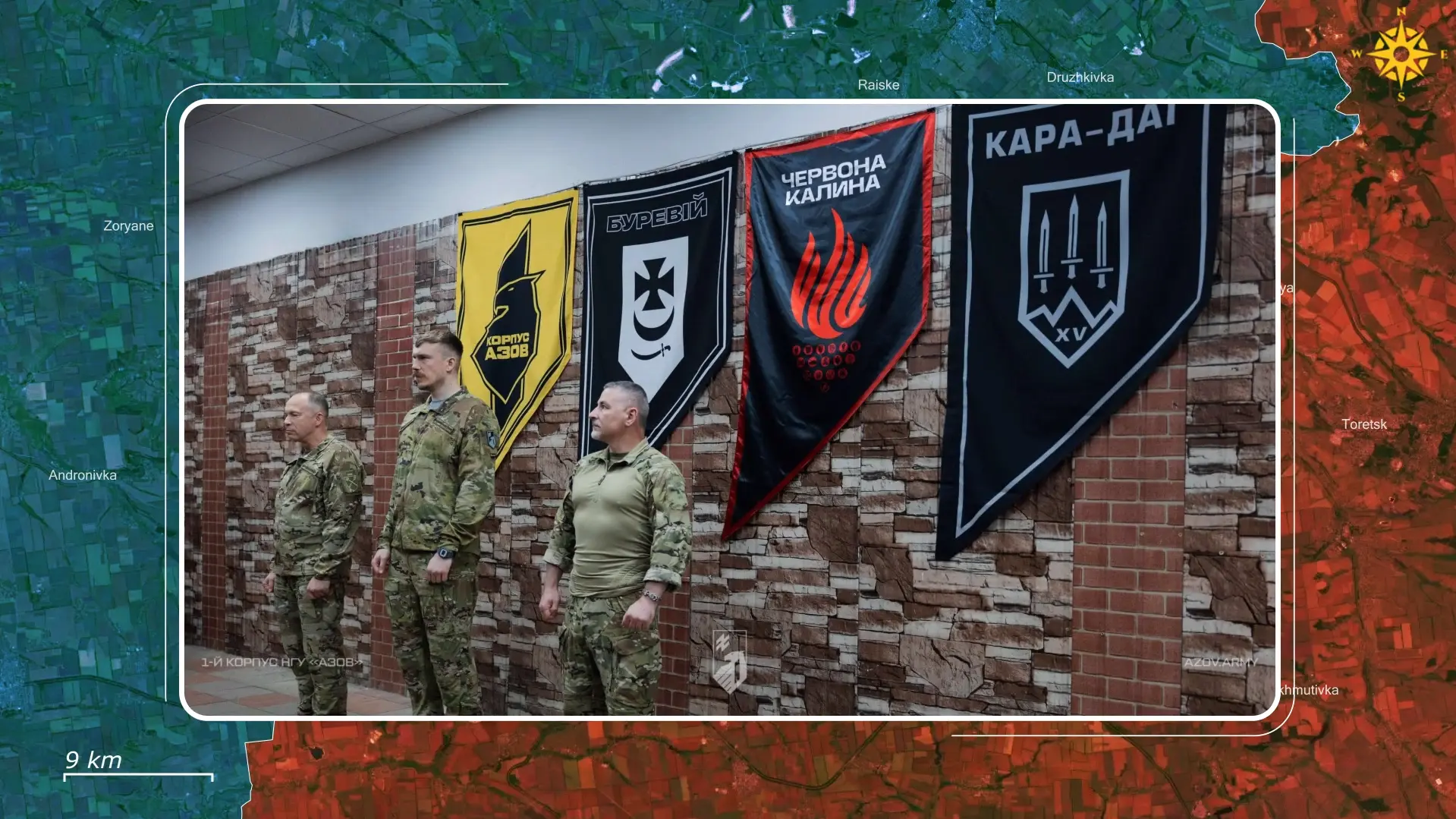
This is particularly significant because it follows another similar reinforcement, as you may remember from a previous report. The Four-Hundred-Twenty-Fifth Separate Assault Regiment Skala was transferred under the operational command of the First Azov Corps, with several battalions and the regimental command moving into Azov’s sector during late August. Skala has already participated in clearing operations, while Ukrainian commanders report improved coordination and reduced personnel losses. Both the First Azov Corps and Seventh Rapid Response Corps operate across overlapping parts of the broader Pokrovsk sector, with the two powerful corps formations now being reinforced with specialized assault regiments precisely as Russian activity intensifies north of Pokrovsk.
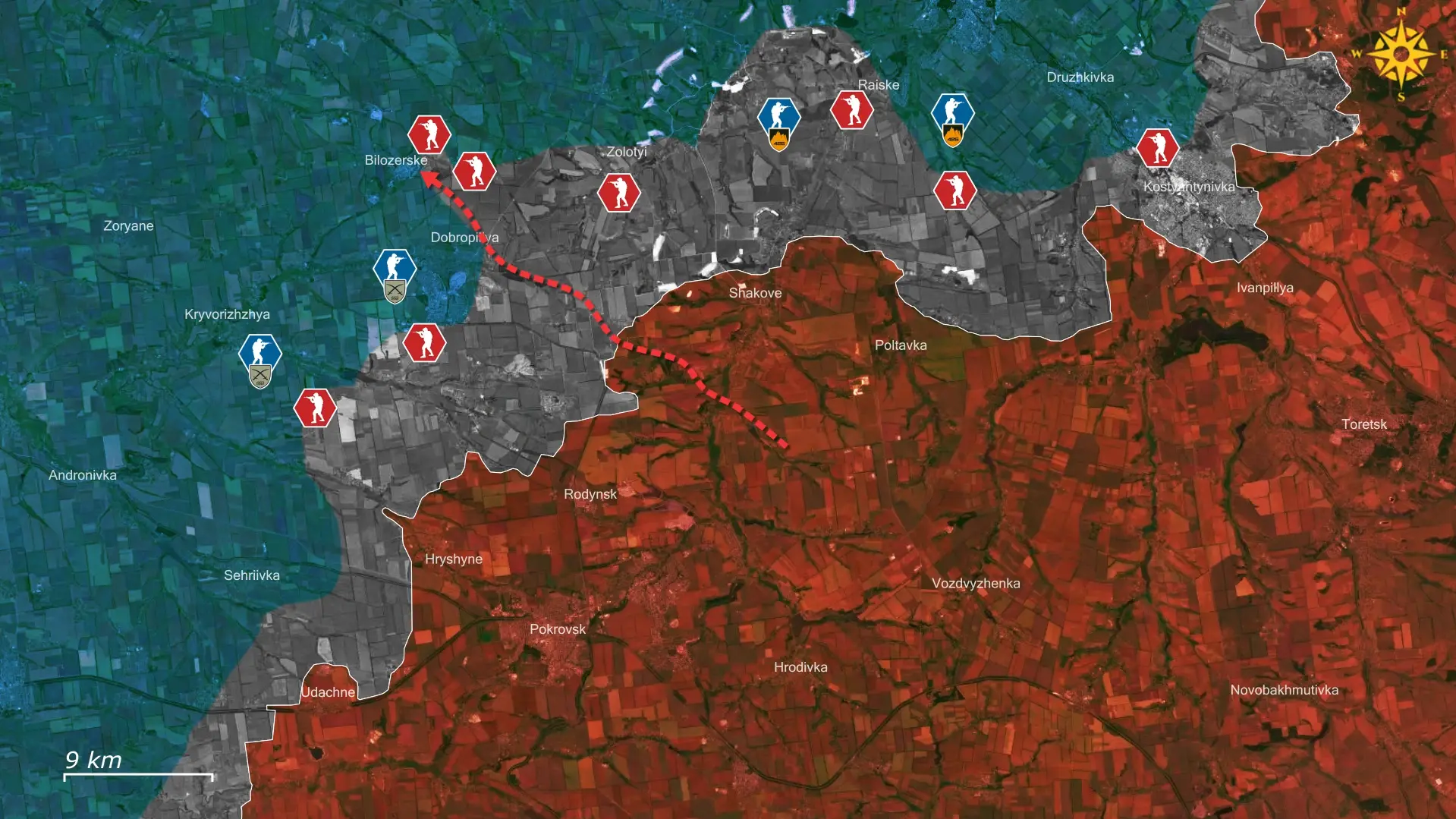
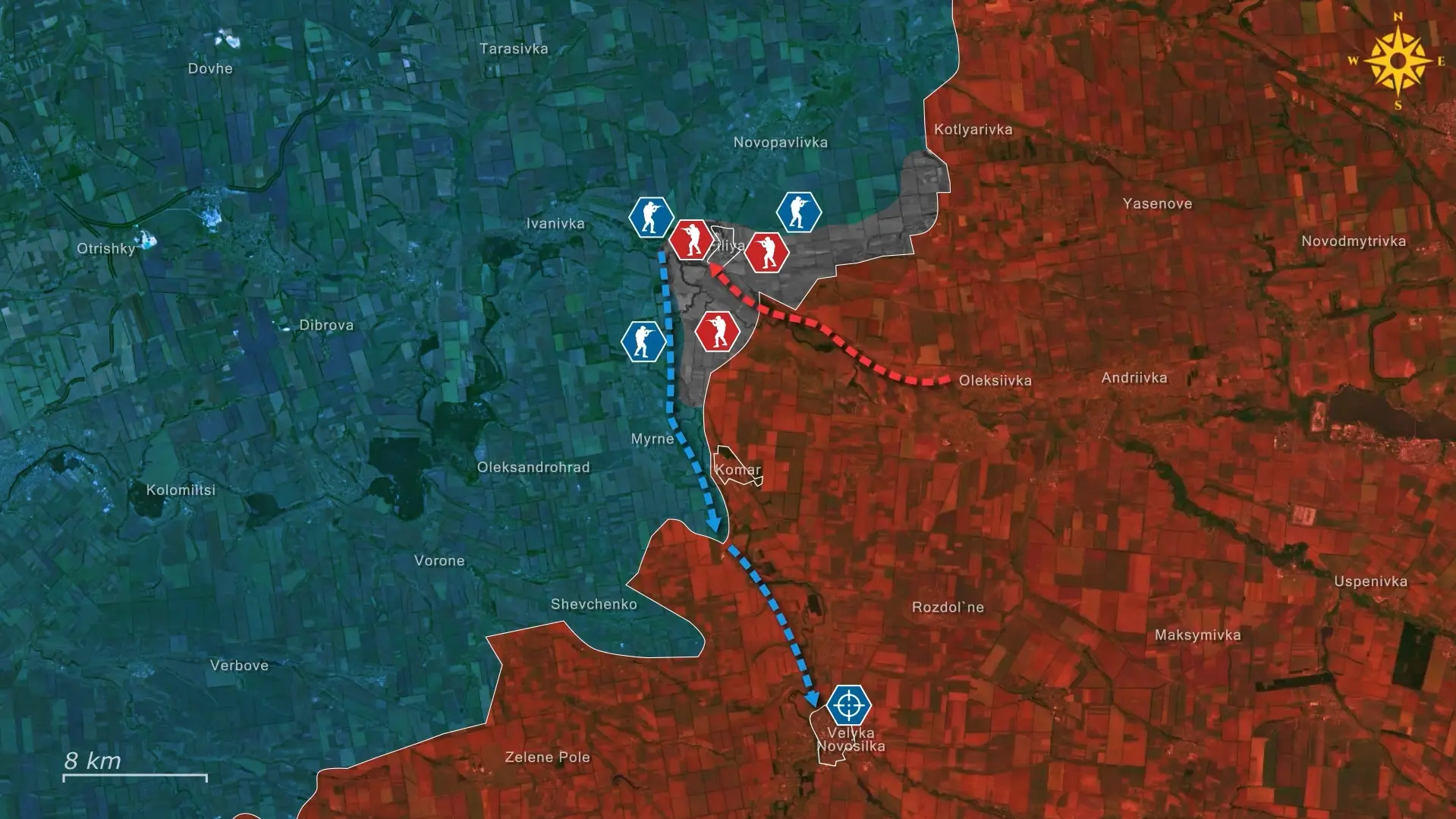
The immediate catalyst for this decision is the expanding grey zone Russia has created toward Dobropillia. Russian infiltrators have penetrated deep behind the conventional frontline, with groups reportedly reaching Bilozerske, approximately five kilometers north of Dobropillia. This does not mean Russia controls the intervening territory, as Russian glide-bomb strikes against locations inside this area themselves indicate a lack of stable control there. However, dispersed infiltrators are attempting to create footholds through which larger assault formations can subsequently move, which requires immediate reaction from the Ukrainian units defending the area to eliminate this threat.
For now, Russian groups continue to encounter prepared Ukrainian defensive obstacles, as geolocated Ukrainian drone footage shows Russian infantry attempting to cross fortification lines near Dobropillia before being attacked by Ukrainian drones. Trenches, barbed wire, and dragon’s teeth slow soldiers precisely when they are most exposed, and every additional minute spent trying to overcome obstacles provides Ukrainian drone operators another opportunity to launch FPV’s and destroy the enemy before they reach Ukrainian positions.
However, Azov reports that Russia is gathering reserves for another offensive attempt, as Russian troops continue infiltrating, supported by an enormous drone presence, and through this they’re trying to outflank both Dobropillia and Kostiantynivka-Druzhkivka. Ukrainian troops in the area reported approximately three hundred Russian drones operating within one area of responsibility during a single day.
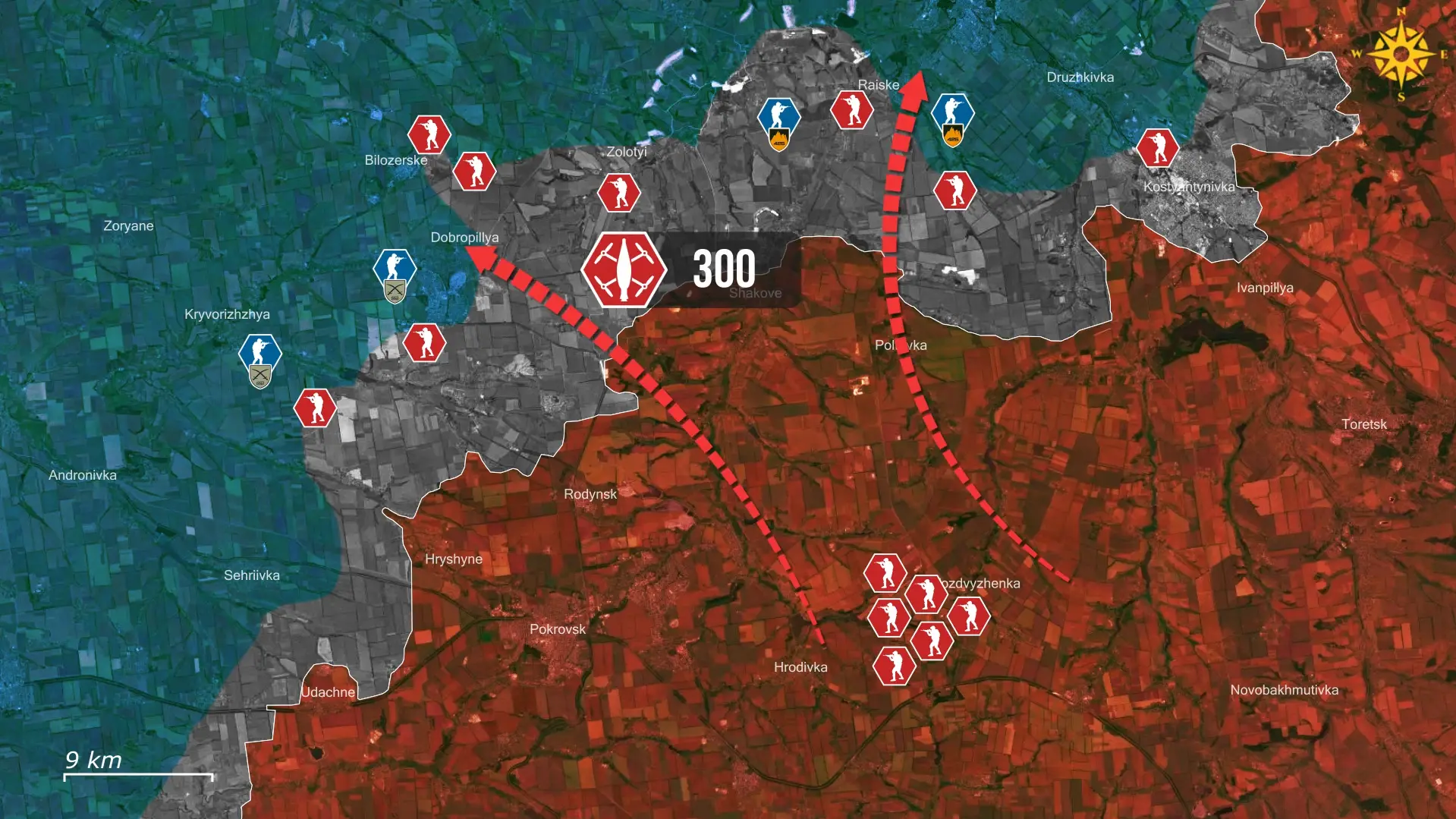
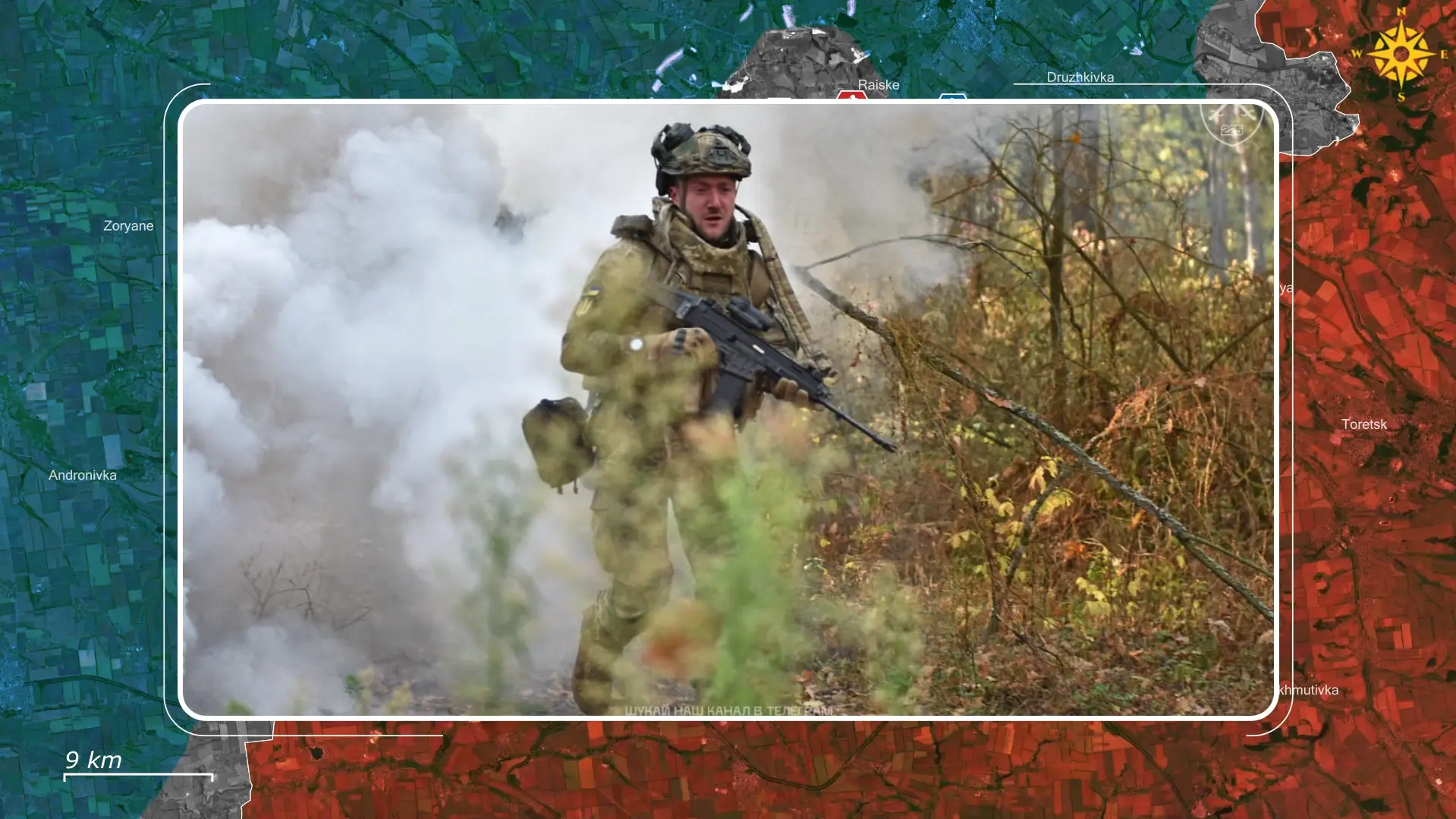
That makes clearing infiltrators considerably harder, as Ukrainian assault troops searching forests and settlements must simultaneously evade Russian FPV’s and reconnaissance drones. Russia has also reportedly moved artillery closer to the frontline, accepting greater vulnerability to Ukrainian counterbattery attacks and drones in exchange for stronger immediate fire support for the infiltration attempts.
The Russian objective in the Pokrovsk direction is to convert the grey zone into consolidated control before pushing directly toward Dobropillia and Druzhkivka. Ukraine, however, is preparing to contest exactly that transition, as the transferred units to reinforce the corps are experienced assault formations capable of systematically clearing dispersed Russian groups and holding a coherent frontline. This would resemble the pattern preceding earlier Ukrainian counteroffensives this year: destroy infiltrators, consolidate the grey zone, secure logistics and drone corridors, and only afterward transition toward larger offensive actions.
Overall, Russia is accumulating troops, drones, and artillery for another attempt to turn infiltration into a breakthrough in the Pokrovsk direction. However, Ukraine’s response is increasingly visible, as elite formations are being concentrated under corps-level command to stop that breakthrough before it consolidates. The arrival of another assault regiment indicates Ukraine is preparing not merely to contain Russian infiltration, but to clear the contested territory, restore control, and potentially create the conditions for the next Ukrainian counteroffensive.
.jpg)


Comments