

.svg)
Ukraine’s newly developed Kaban system can turn ordinary cars and military vehicles into remotely operated ground robots. Developed by Drone Fight Group, the system can be installed on platforms ranging from civilian cars to military vehicles without requiring major structural modifications, allowing the converted vehicle to be driven normally when needed or operated remotely through Kaban. The developers have already integrated Kaban with the battle proven American Humvee, showing that Ukraine can take a standard military vehicle already in service and make it remotely controlled without rebuilding it into a completely new platform. This shortens the path to deployment, because Ukraine can upgrade vehicles it already has instead of waiting for purpose built robotic vehicles to be produced.
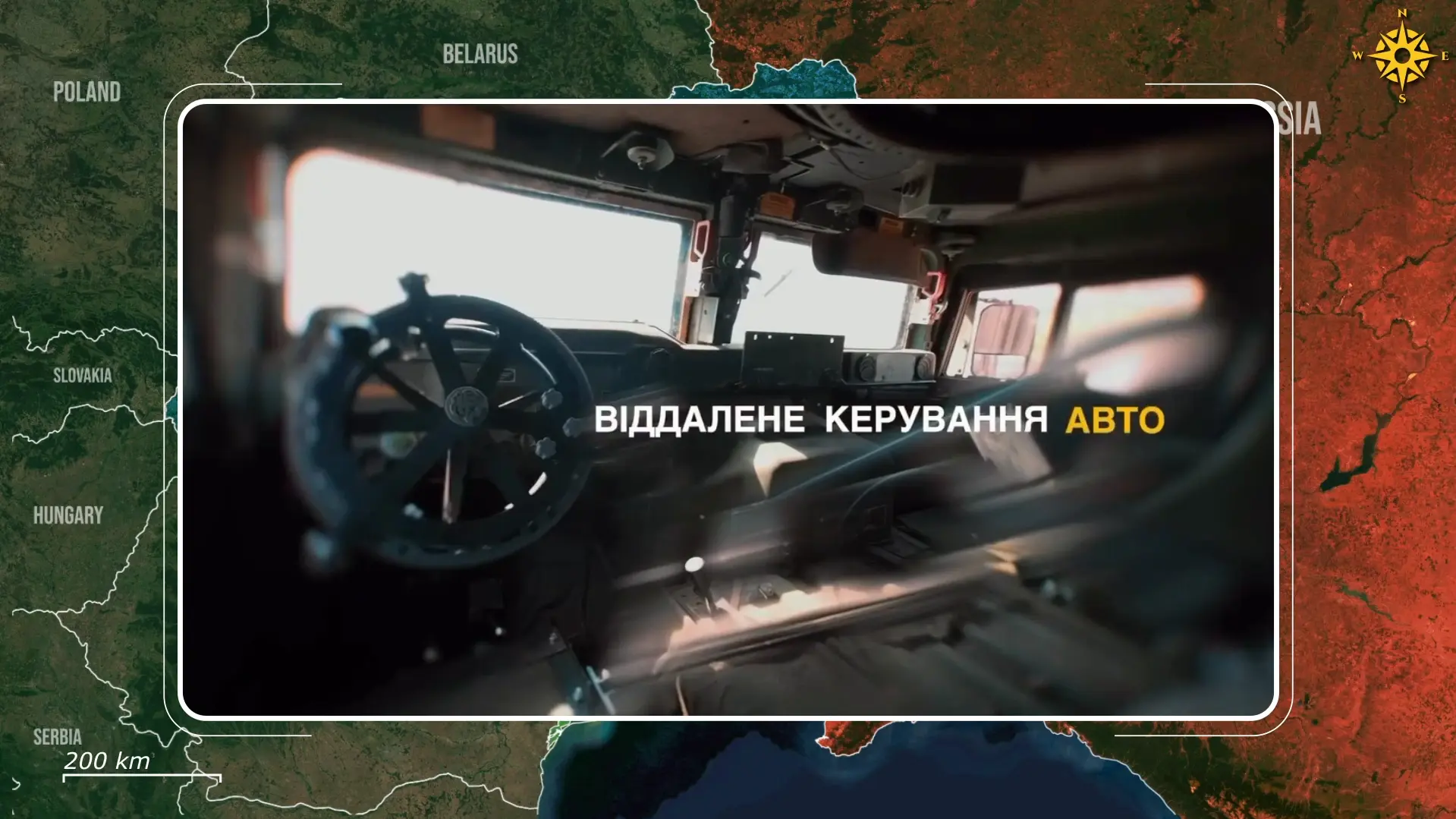
The immediate advantage is that these converted vehicles can perform dangerous frontline missions without requiring Ukrainian soldiers to drive into the threatened zones. Drone Fight Group designed Kaban for tasks such as evacuating wounded soldiers, supplying frontline positions and conducting reconnaissance, allowing the vehicle to carry out dangerous missions while its operator stays farther from the front line. This is especially useful on roads threatened by artillery, mines and drones, where conventional vehicles still have to pass frequently, putting their drivers directly at risk on each run. For Kaban to take over these missions, the operator still needs the same basic control they would have from inside the vehicle.
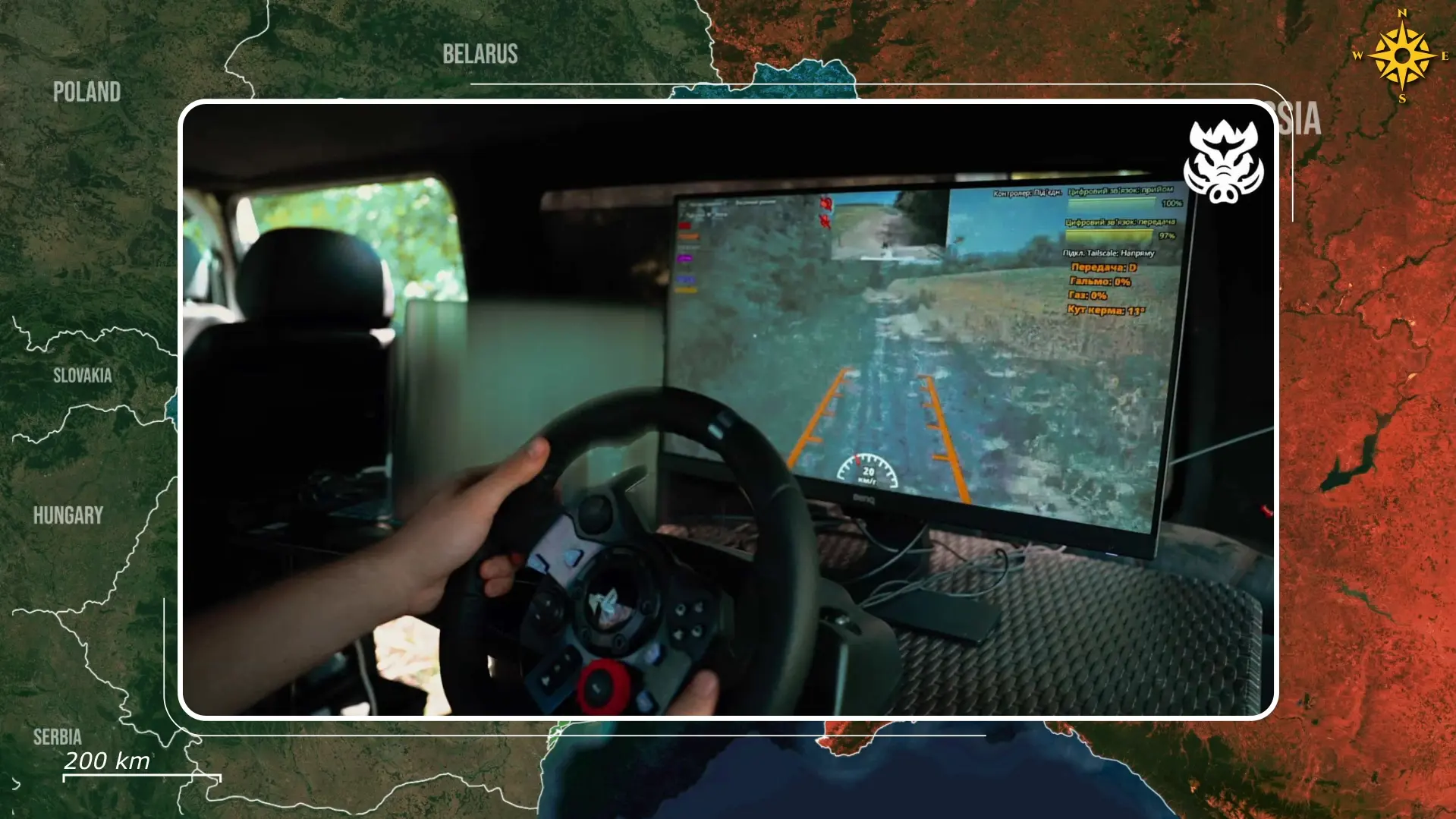
To control Kaban, the operator is given direct control over both the vehicle’s movement and many of its onboard functions from a remote position. Live camera feeds provide the visual information needed to drive, while a digital map lets the operator plan the route, track the vehicle’s position and navigate along the way. The main connection between the vehicle and the operator runs through Starlink, while analogue video transmission and radio control give the operator backup ways to see and steer the vehicle if the primary link is disrupted. If communication is lost completely, Kaban automatically brings the vehicle to a stop, reducing the risk of it crashing or driving into an unsafe position.
The system can also relay data from the vehicle’s onboard computer and provide two way audio communication, allowing the operator to speak with soldiers inside or around the vehicle during evacuation or resupply missions. Depending on the task, Kaban can be fitted with additional equipment, including thermal cameras, net launchers and platforms for launching drones, while its spotlights and infrared illumination can also be controlled remotely.
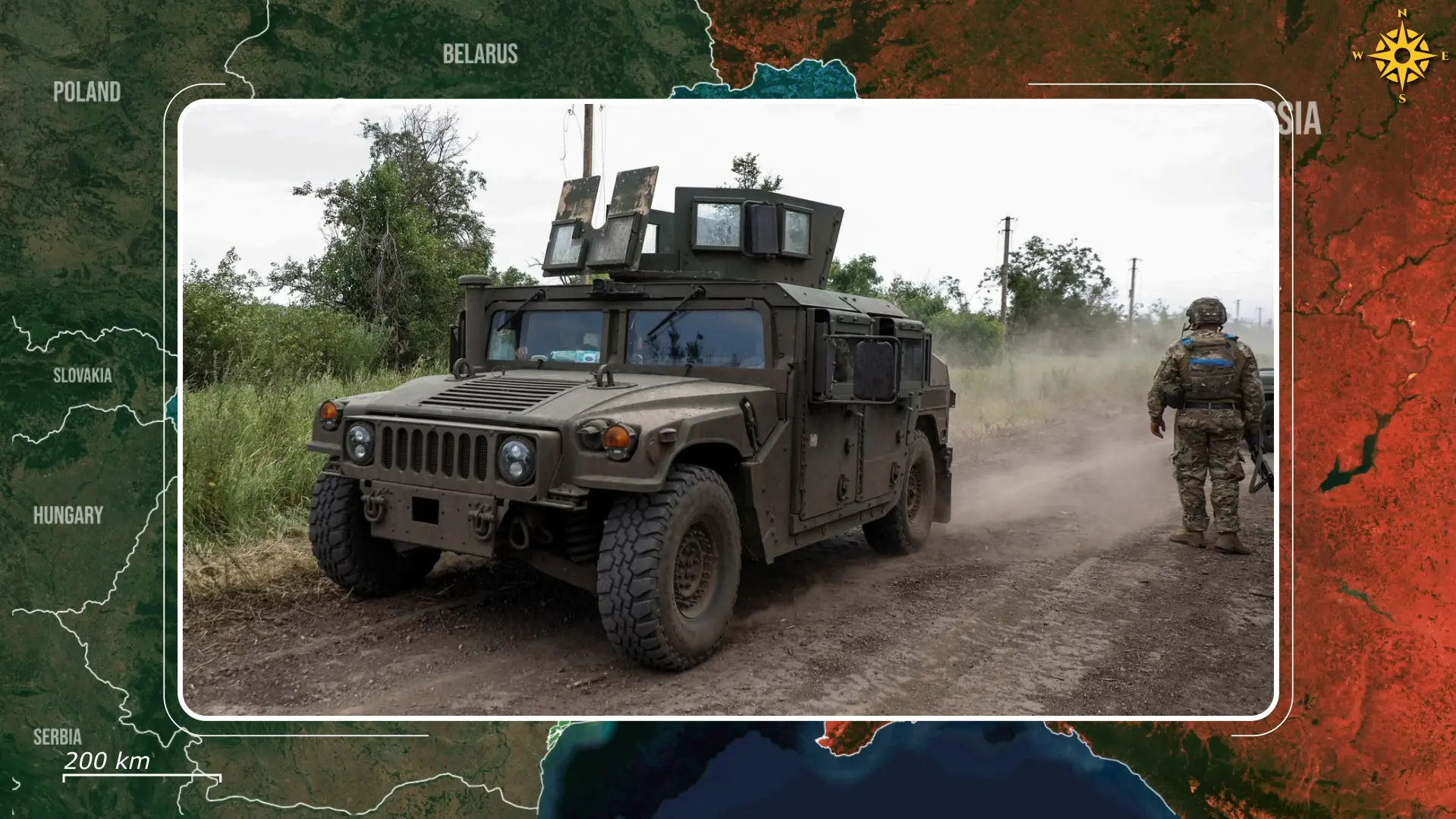
Kaban is already being used under real battlefield conditions in Ukraine, after completing combat trials and several successful combat operations. Drone Fight Group has delivered three Humvees equipped with the system to the Third Army Corps, the Four Hundred Twenty Ninth Achilles Unmanned Systems Regiment and the Forty Ninth Brigade. Their arrival comes as Ukraine rapidly expands the use of robotic ground systems across the front. Ukraine’s wider fleet of ground robots completed sixteen thousand six hundred seventy six logistics and evacuation missions in June alone, more than twice the monthly number recorded in January. Feedback from the units operating Kaban is now being sent directly to Drone Fight Group, allowing problems exposed during real missions to be corrected and later versions adapted to the conditions soldiers encounter at the front.
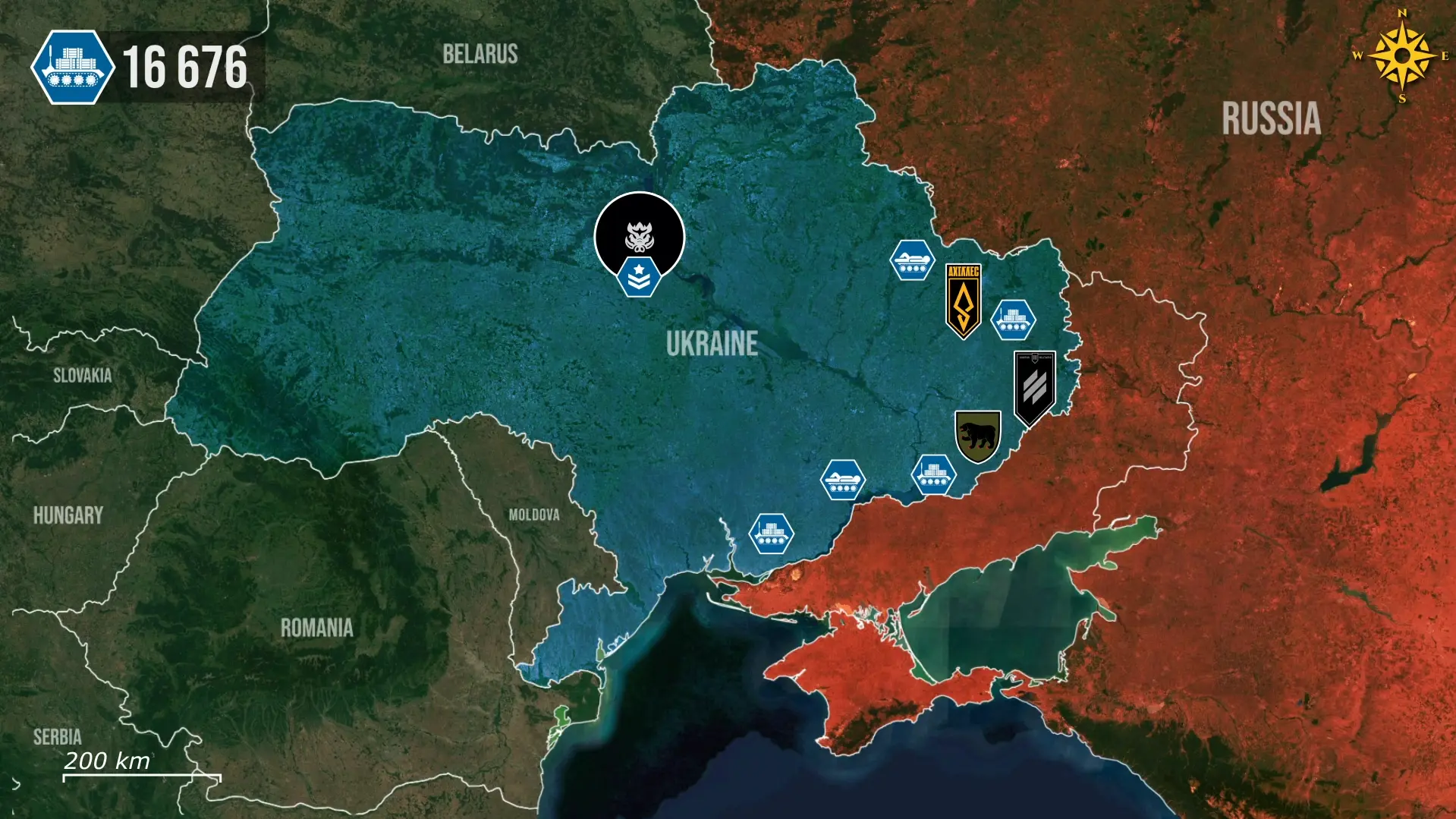
Overall, Kaban gives Ukraine a direct way to keep soldiers out of some of the most dangerous vehicle missions while turning equipment it already owns into remotely controlled platforms. If the system is deployed at scale, supply runs, evacuations and other high risk movements can be shifted to remote vehicles, preserving soldiers for tasks that cannot be automated or controlled from a distance. Because Kaban can be installed on vehicles already in service, Ukraine can expand its robotic ground fleet without waiting for large numbers of purpose built unmanned vehicles to be produced. Kaban could therefore make robotic capability something Ukraine can add to vehicles it already owns as needed, rather than limiting unmanned operations to a separate fleet of specialised robotic platforms.

.jpg)

Comments