

.svg)
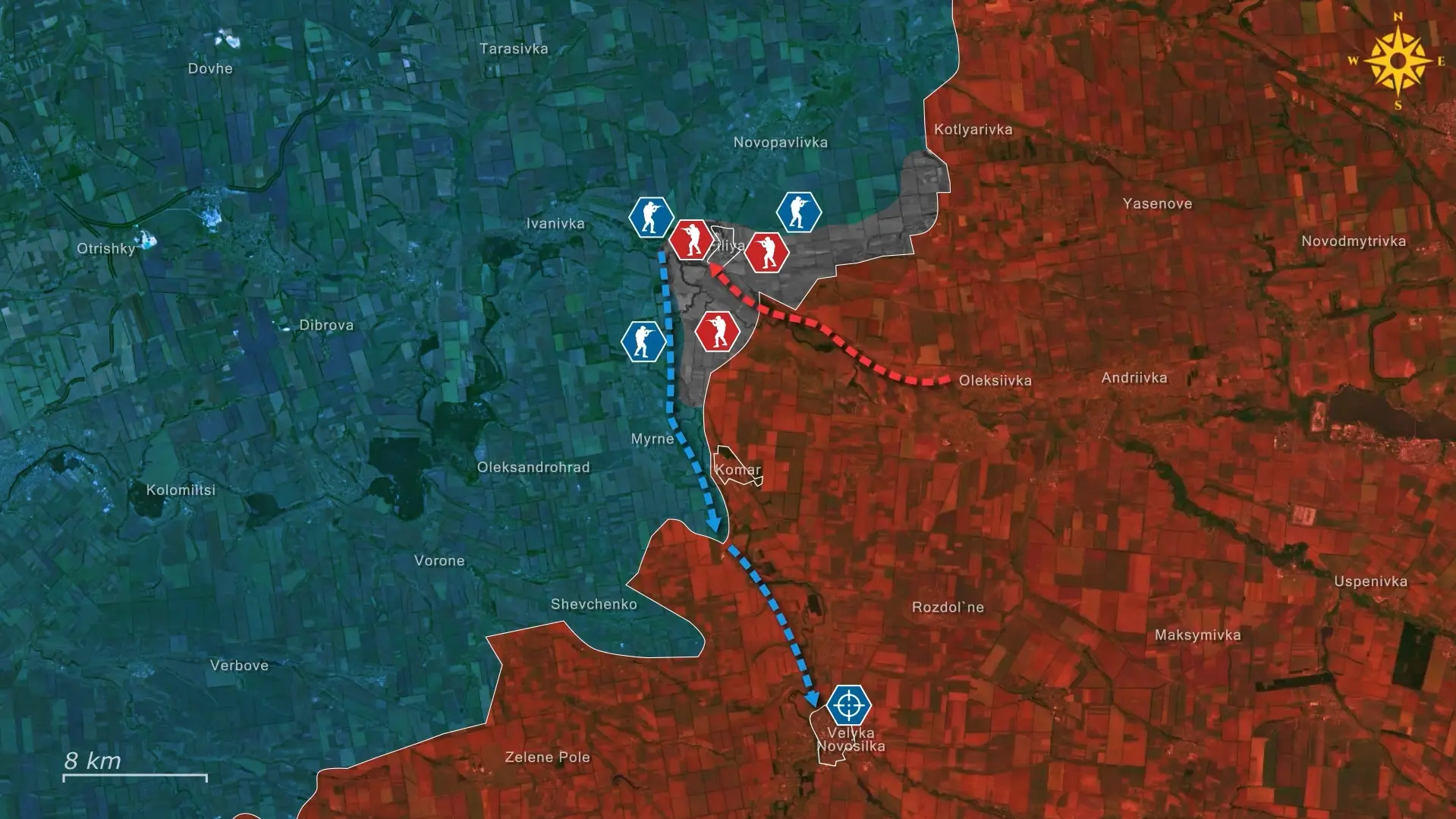
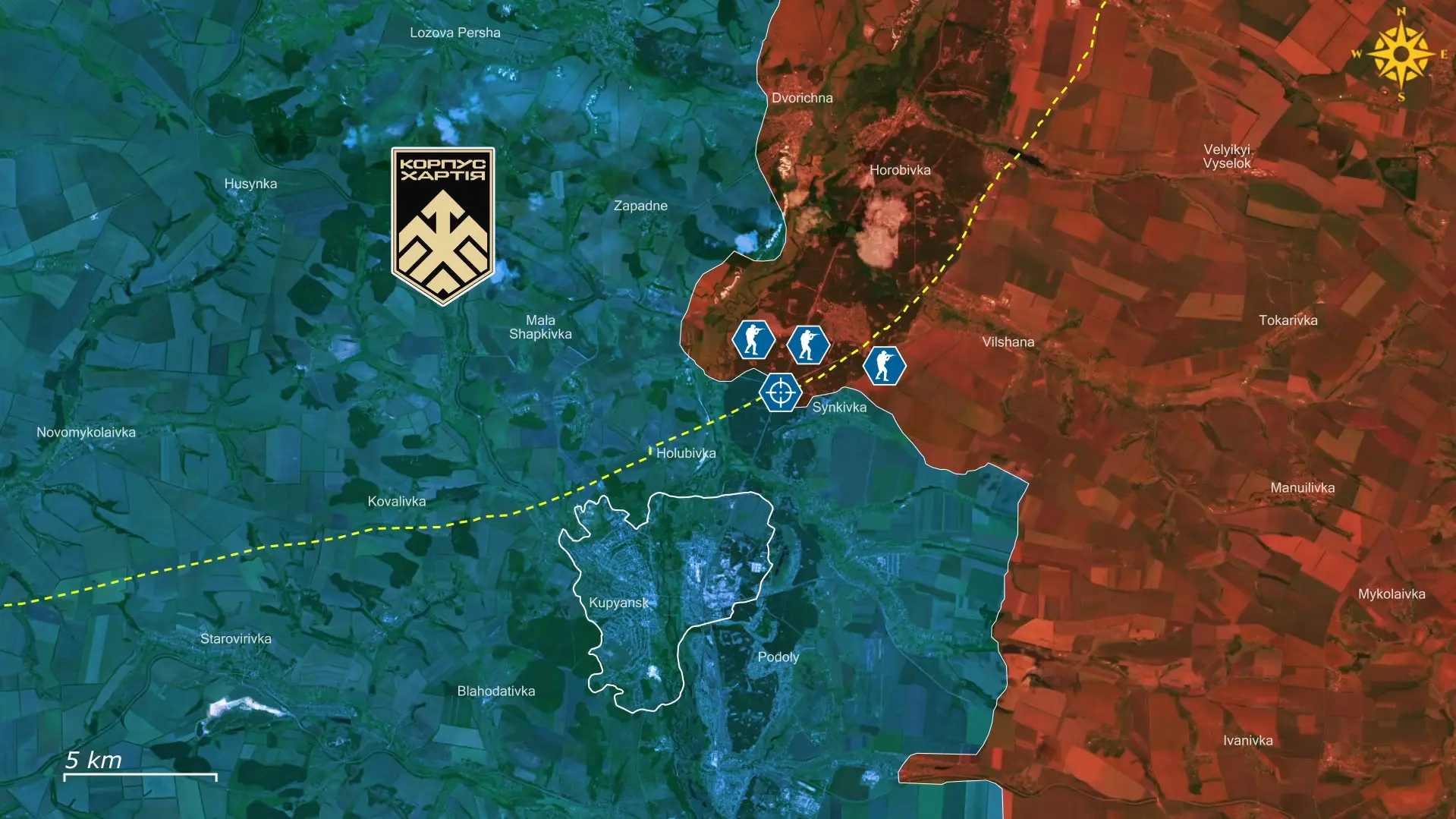
Ukraine is combat testing a new ground robot armed with two Kalashnikov rifles, giving the unmanned vehicle an unusual level of direct firepower. The system has already been used in combat conditions, including against Russian ambush positions where attack drones were waiting to strike approaching Ukrainian troops. Instead of sending soldiers directly into these exposed areas, the robot can move forward first and engage threats from a distance. Its two rifles are mounted together on the unmanned platform, creating a simple but potentially effective combination of mobility and firepower.
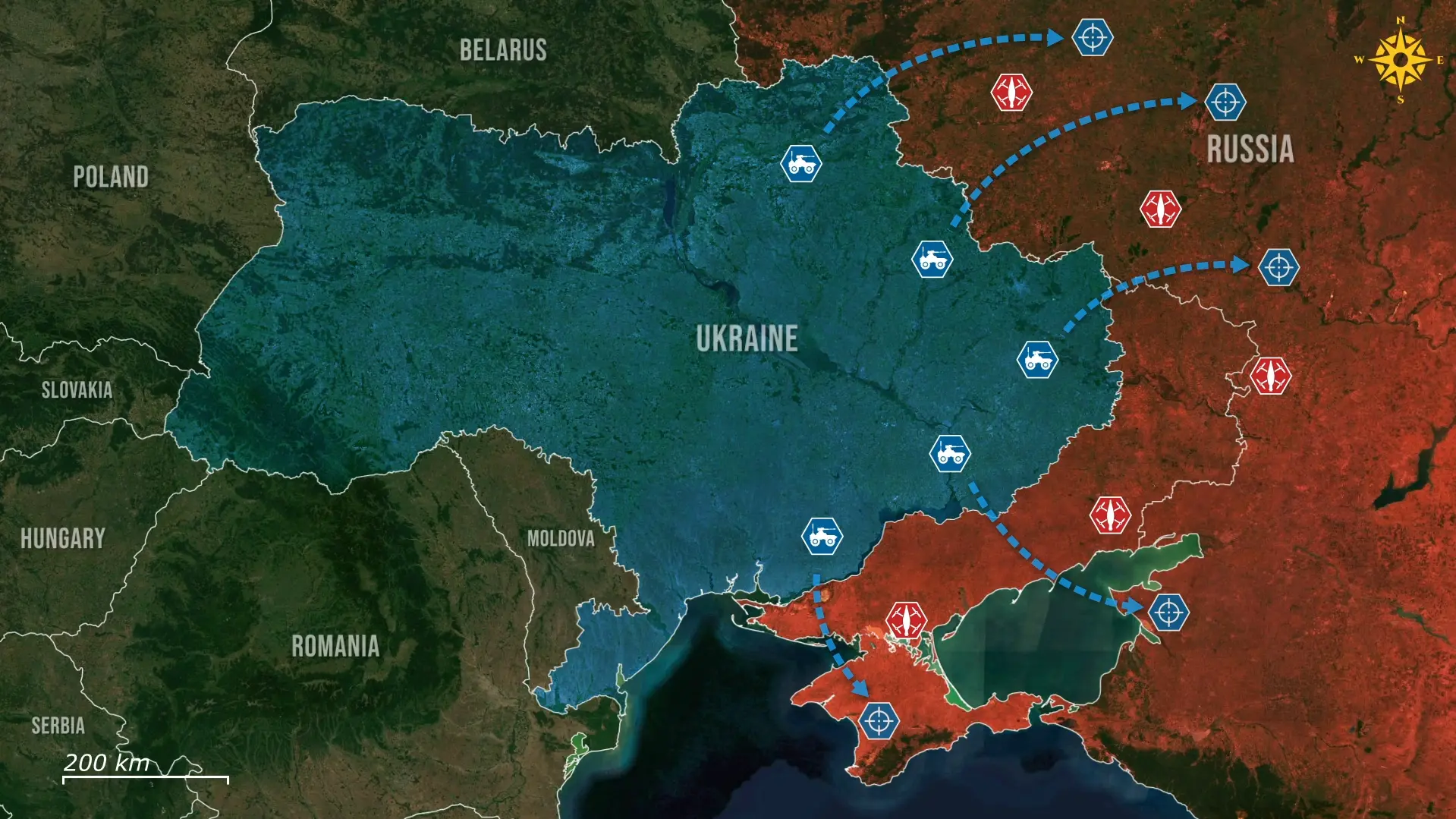
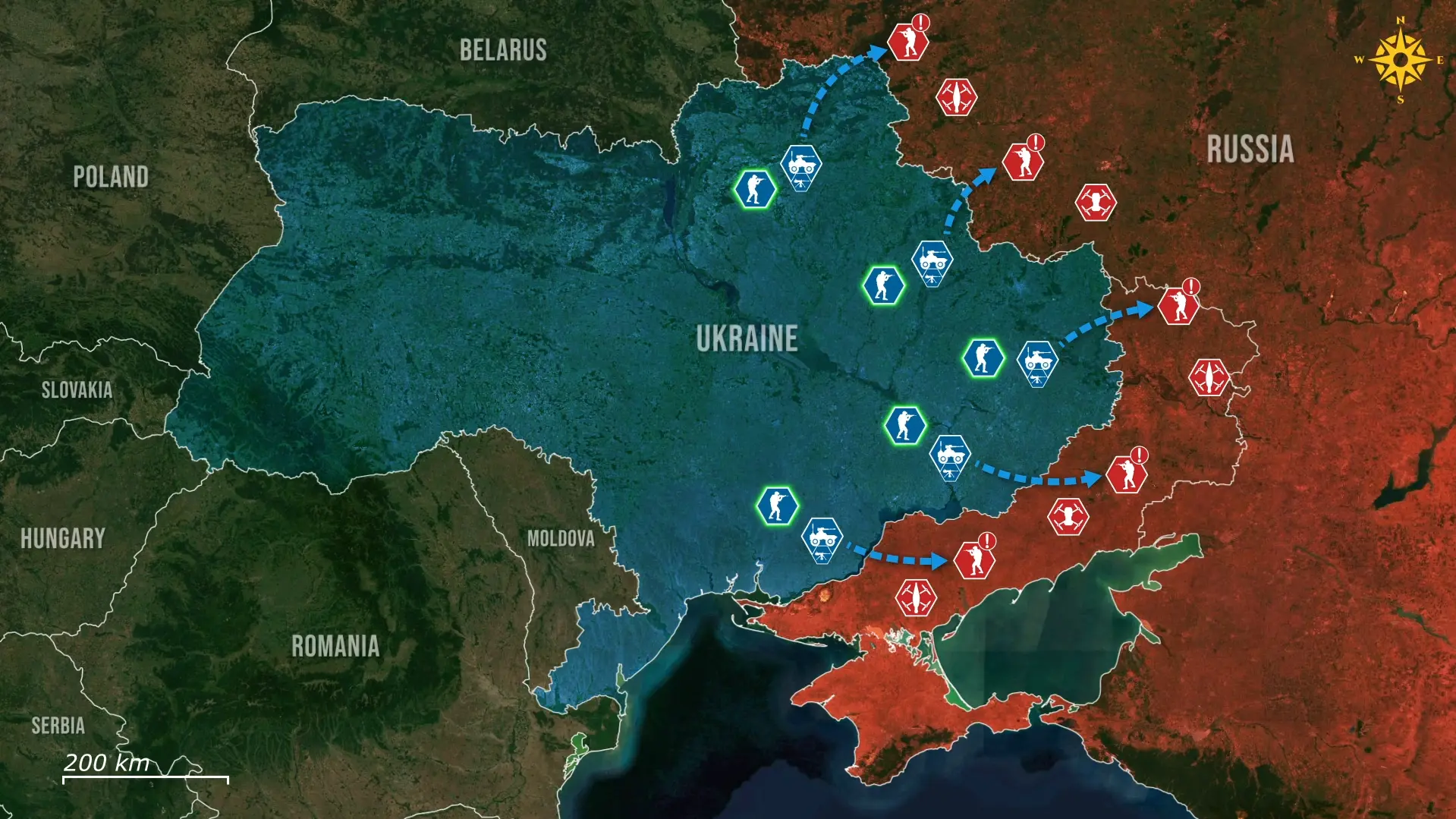
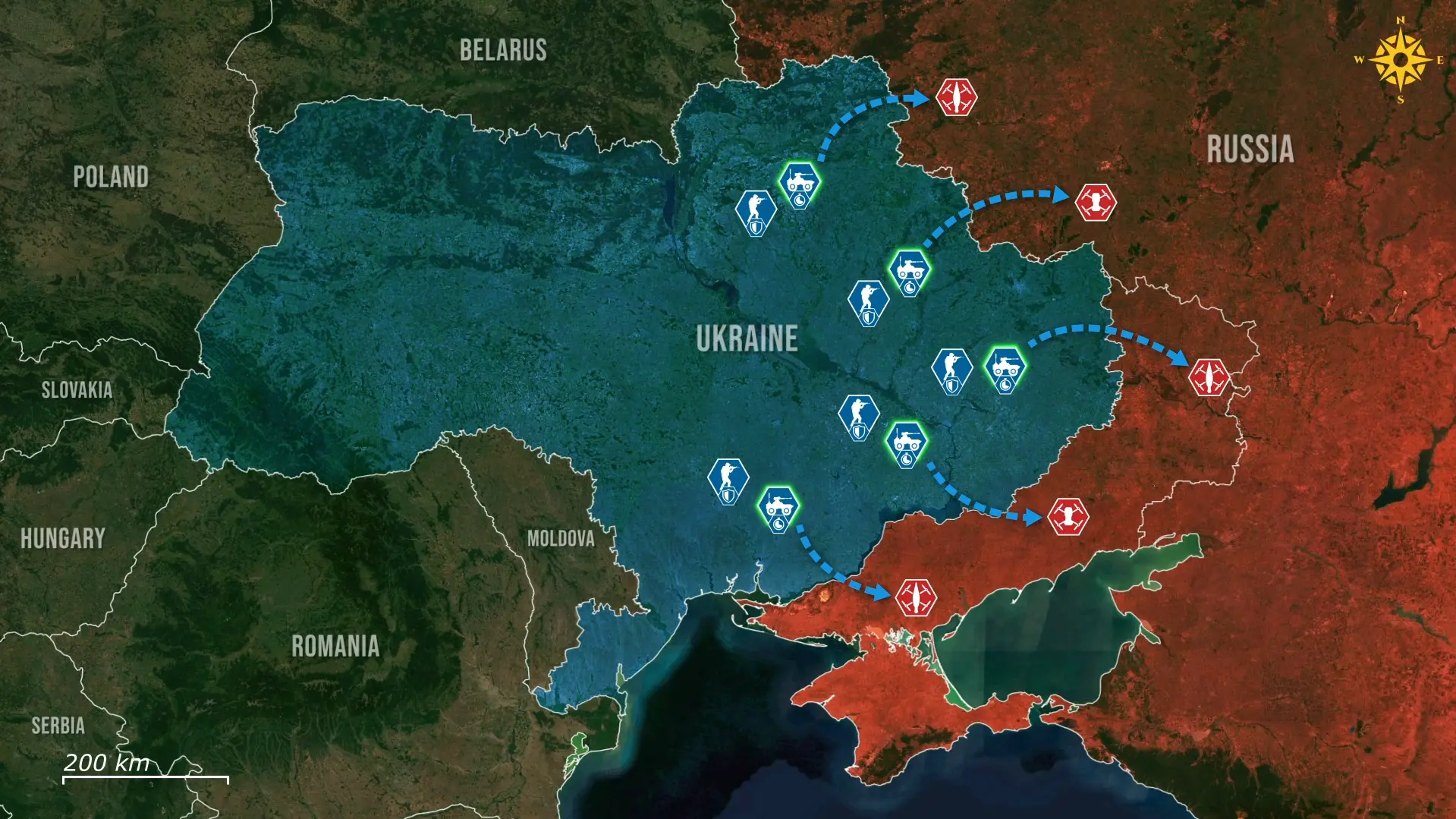
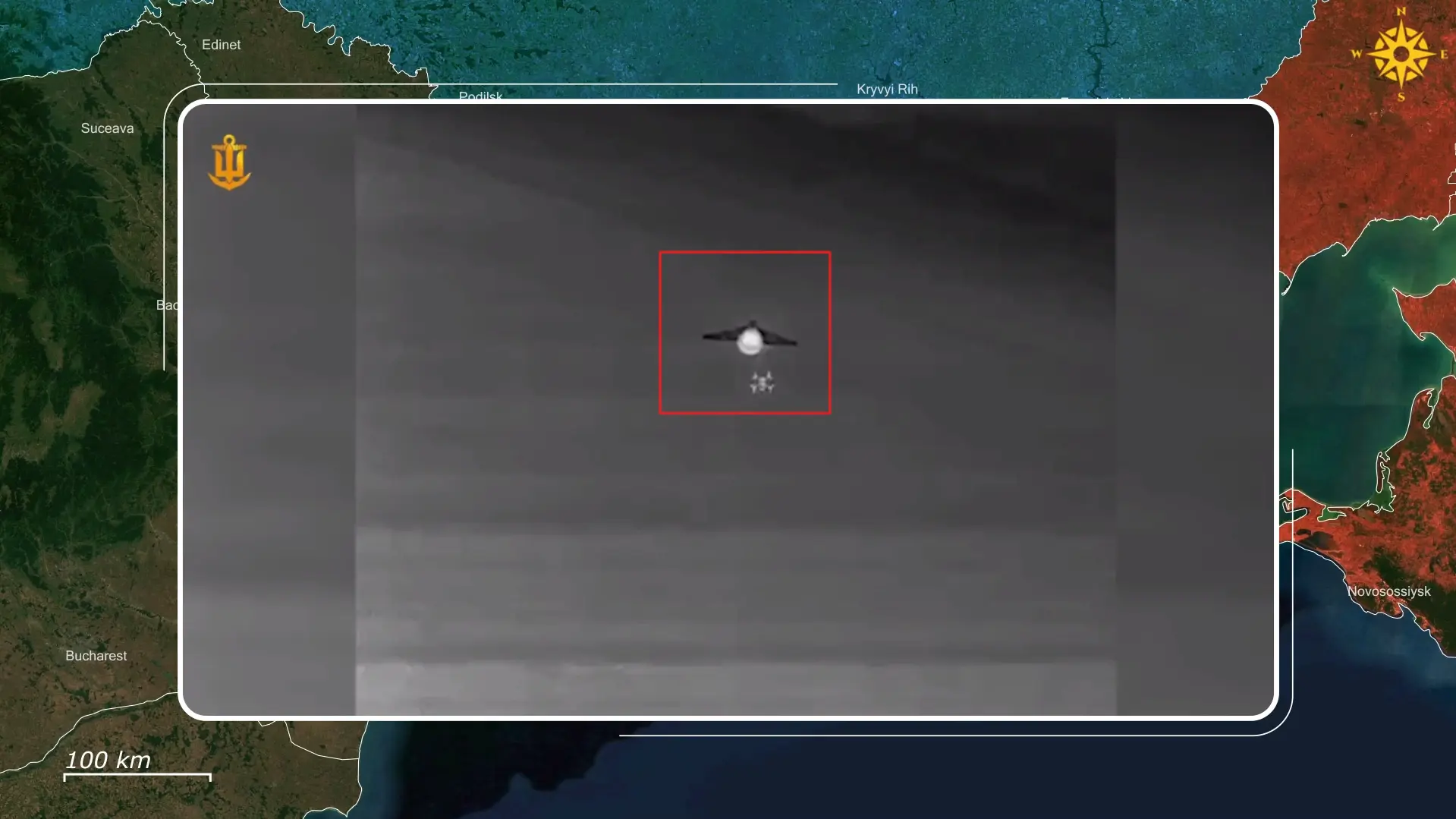
In this case, the concept is straightforward: when Russian drones are waiting to ambush troops approaching a position, the robot can be sent ahead to draw out and engage the threat before soldiers enter the exposed area. This allows Ukrainian forces to test a suspected ambush position and force hidden threats to reveal themselves before soldiers have to move forward.
The need for such a system comes from the constant surveillance that Ukrainian troops face on the battlefield. Russian drones can watch positions and approaches for long periods, making it difficult for soldiers to move without being detected. Attack drones can then be used against troops as soon as they are exposed.

This means even a short movement toward an exposed position can be detected early enough for Russian forces to prepare an attack before Ukrainian troops arrive. If threats are identified around the position, the robot can engage them with its rifles before Ukrainian soldiers have to move into the exposed area. A ground robot offers a way to change that equation, as it can move into an exposed area without putting a soldier in the same immediate danger. This also gives Ukrainian troops more time to understand what is waiting around the position before they commit personnel, rather than discovering the ambush only after soldiers have already entered the threatened area.
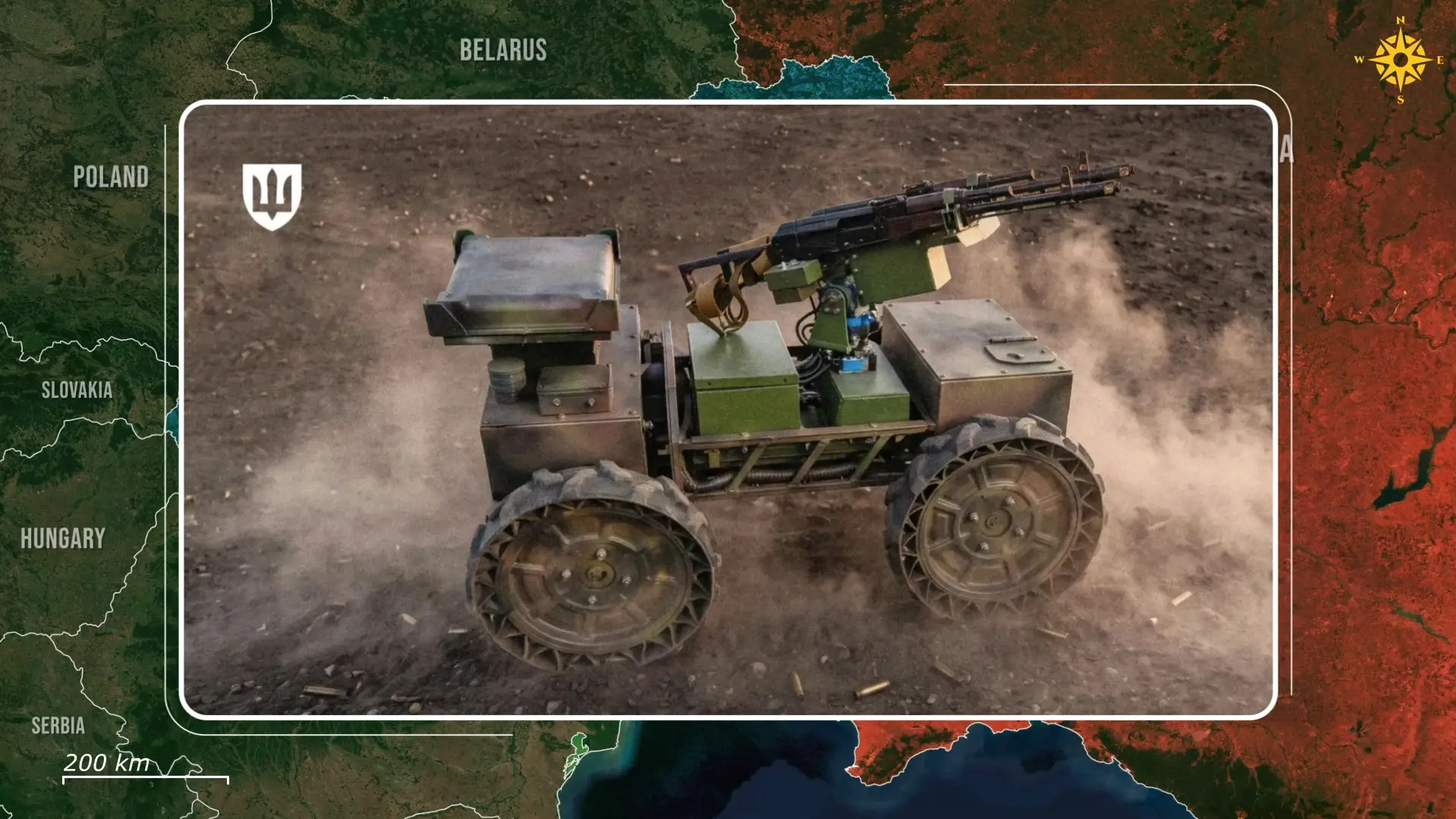
The robot is built around a relatively simple four wheel design intended to carry its weapons into exposed areas. It uses airless tires, removing the risk of losing mobility from a puncture, while its body provides protection for the key components inside. The main feature, however, is the weapon system mounted on top. The robot carries two Kalashnikov rifles, allowing Ukraine to use weapons and ammunition already available in large numbers while relying on maintenance procedures soldiers are already familiar with. The turret is not necessarily limited to this particular vehicle either, as it can reportedly be adapted for installation on other ground robots, allowing the same weapon system to be used across different platforms. This could make it easier for Ukraine to arm future ground robots, because a proven weapon station could be transferred between platforms instead of designing and testing a completely new turret for every vehicle.
Ukraine moved from the initial idea to a working battlefield tested prototype in less than six months, showing how quickly the system was developed. Development has now moved beyond the first prototype, with several units reportedly testing the system under battlefield conditions. Having several units involved in the trials also gives Ukraine a wider range of battlefield experience, rather than basing further development on the performance of a single prototype with one operator. This also allows engineers to identify weaknesses and make changes before larger numbers are produced. The next step is therefore not proving that the concept can work, but using these battlefield trials to determine whether the system is reliable enough to be produced and deployed in larger numbers.
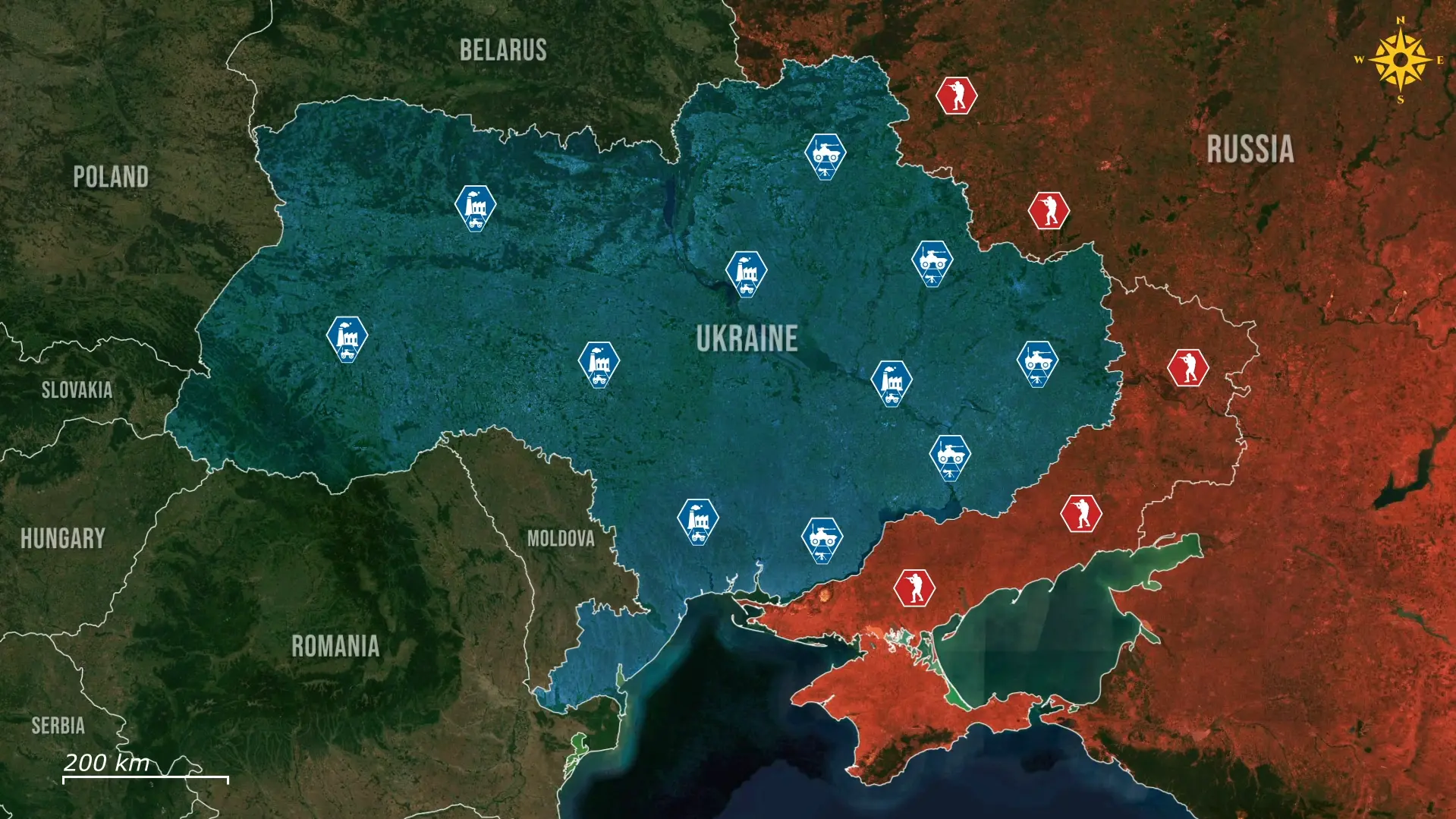
Overall, the twin rifle robot shows how Ukraine is shifting dangerous frontline tasks from soldiers toward unmanned systems. Giving one ground robot two rifles is not simply about adding firepower, but about creating a platform that can enter positions where Russian surveillance and attack drones make human movement increasingly costly. The rapid development and testing of several units also shows how Ukraine is trying to move new robotic systems from an initial idea into battlefield use within a relatively short development cycle. The broader implication is that Ukraine can increasingly send armed robots into drone watched and suspected ambush positions first, allowing the machine to take the initial risk while soldiers remain farther from the threat.

.jpg)


Comments