

.svg)
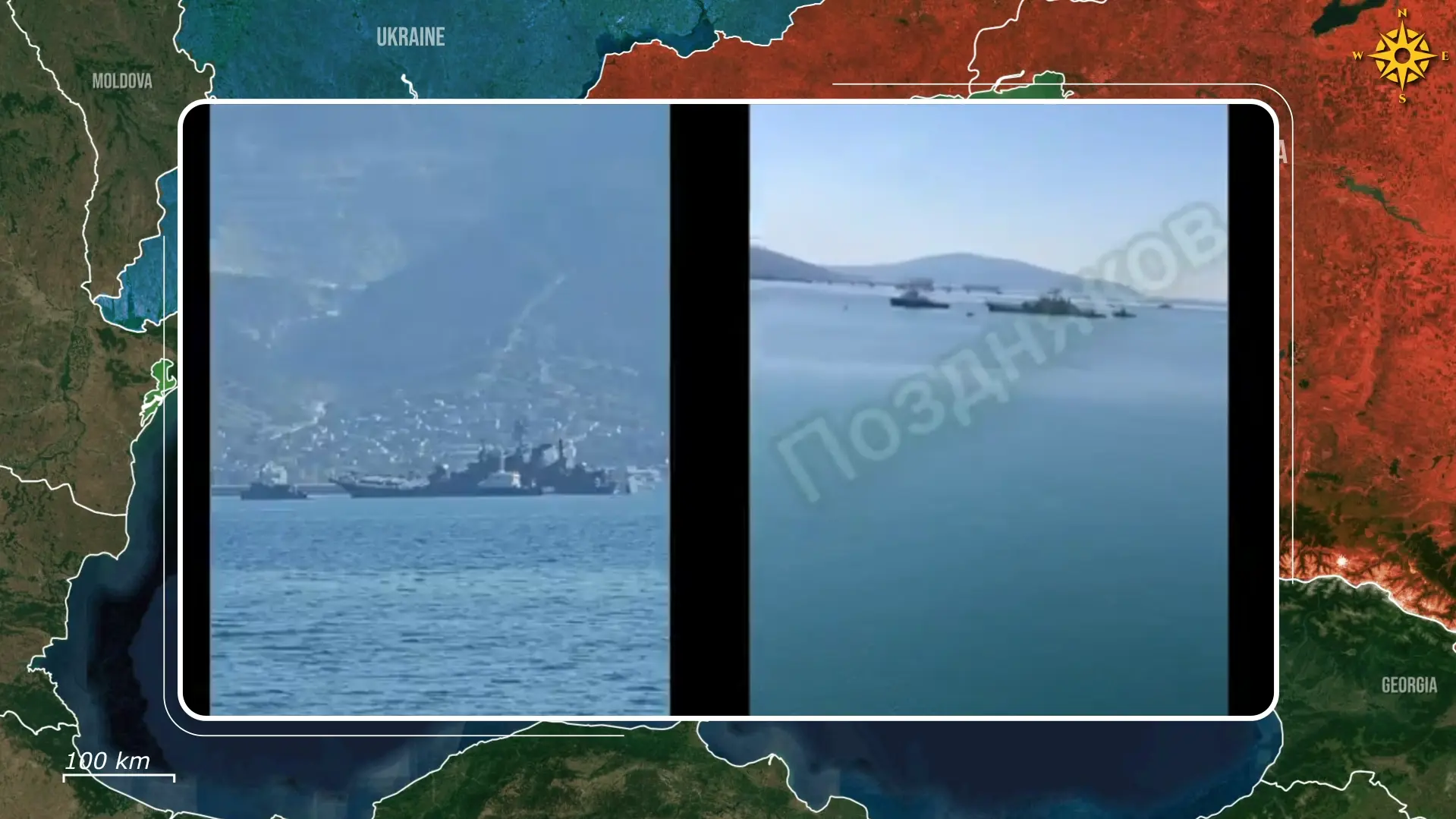
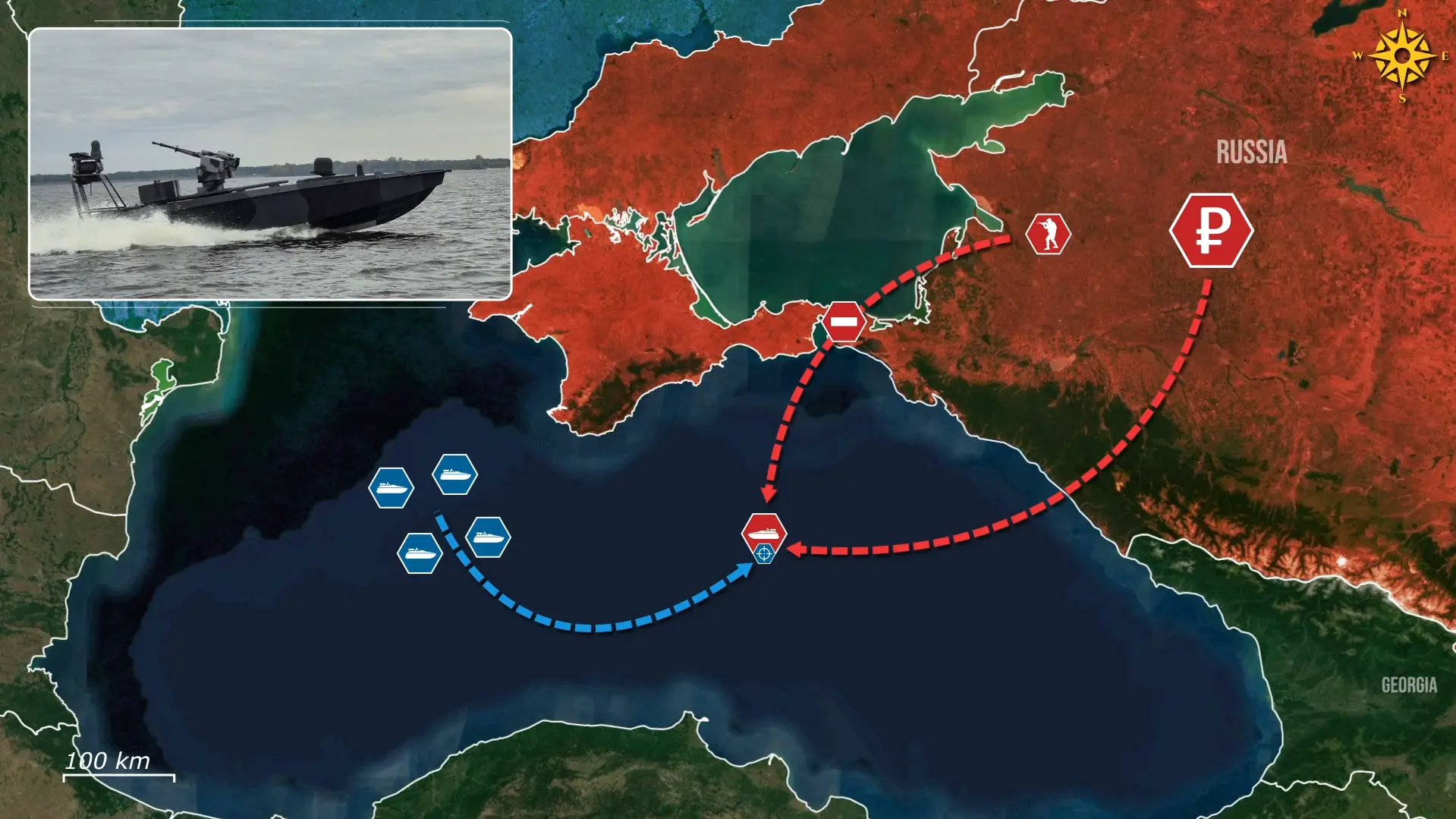
After Ukraine used small sea drones to reshape the balance in the Black Sea, Russia has begun constructing a large unmanned vessel that keeps many of the weaknesses Ukraine exploited. In fact, Ukraine's sea drone campaign in the Black Sea systematically sank and damaged many high value warships, which contributed to forcing the remaining Black Sea fleet to retreat over four hundred kilometers east to Novorossiysk. This was necessary for Russia because Ukrainian sea drones not only posed a high threat to Russian ships navigating the Black Sea, but also to those who were stationed in the ports. Notably, Ukrainian sea drones have struck port infrastructure and warships inside heavily guarded harbors, including a submarine.
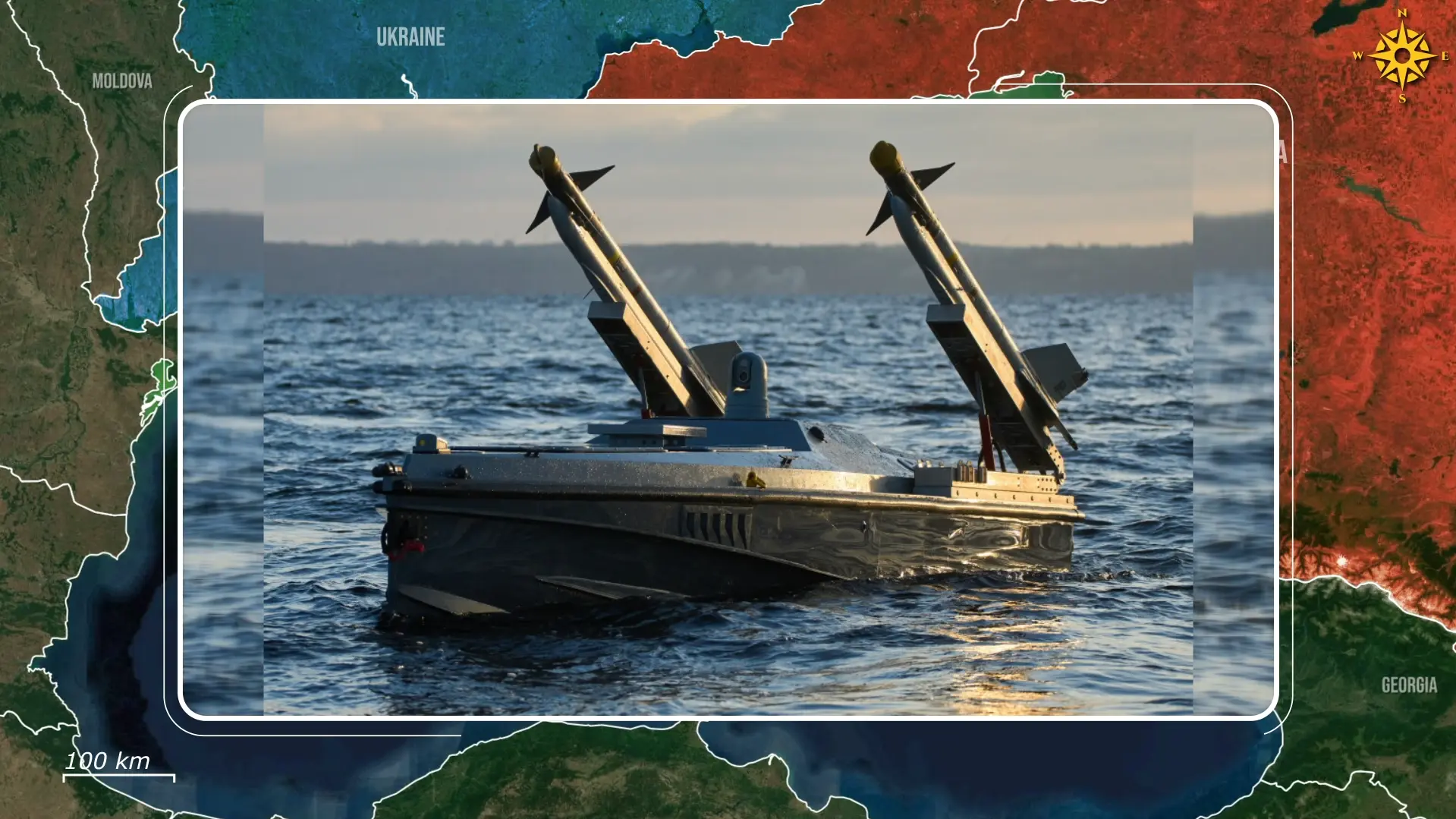
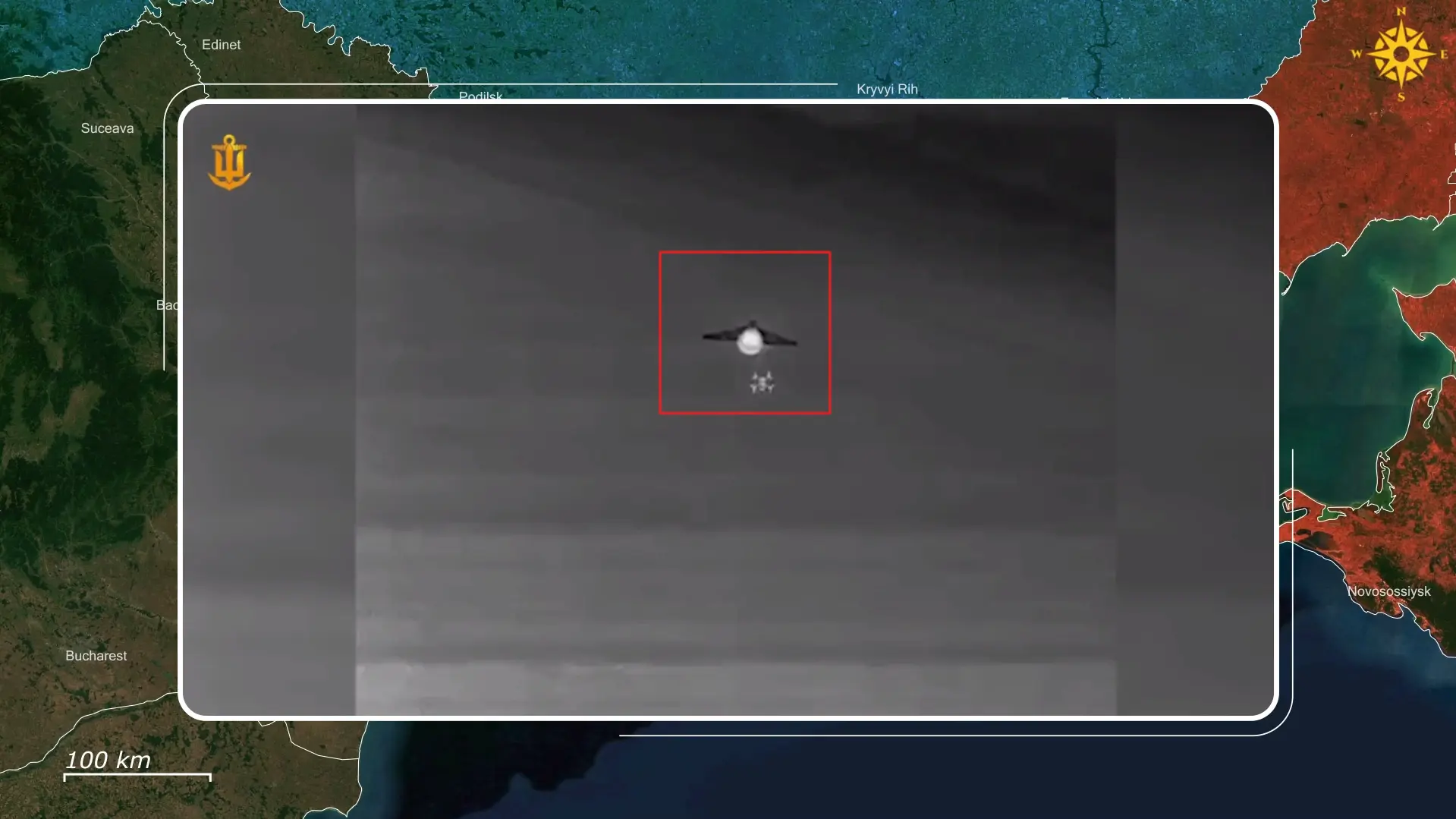
Furthermore, newer sea drone models equipped with portable air defense systems have managed to shut down Russian helicopters and two SU thirty fighter jets over the Black Sea deployed to neutralize them. These unmanned boats are effective because they are cheap, compact, and easy to deploy in numbers. As such, Ukraine can send several against a single target and accept losing most of them, since even one successful hit could cripple a ship or damage other strategically significant targets.
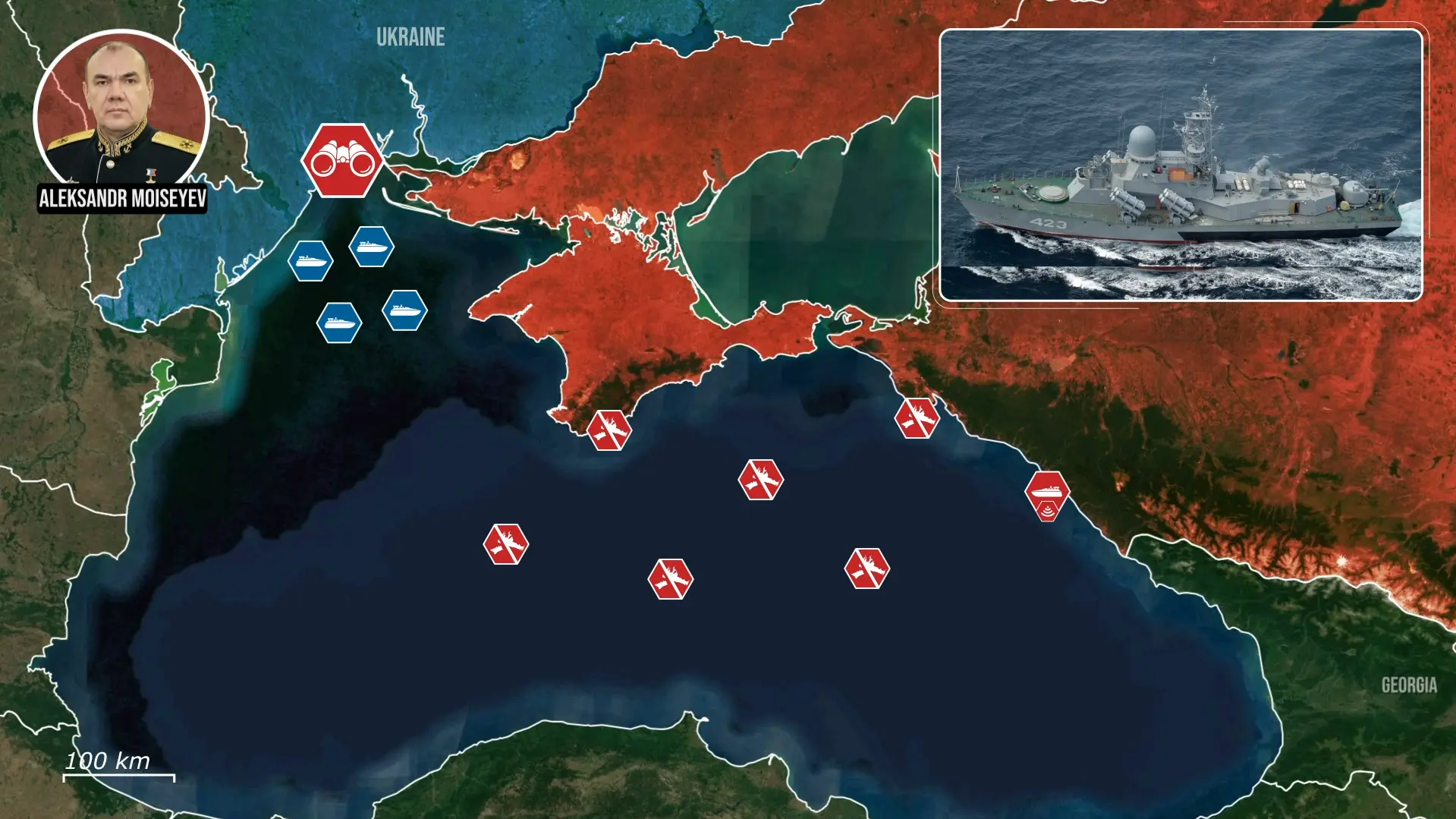
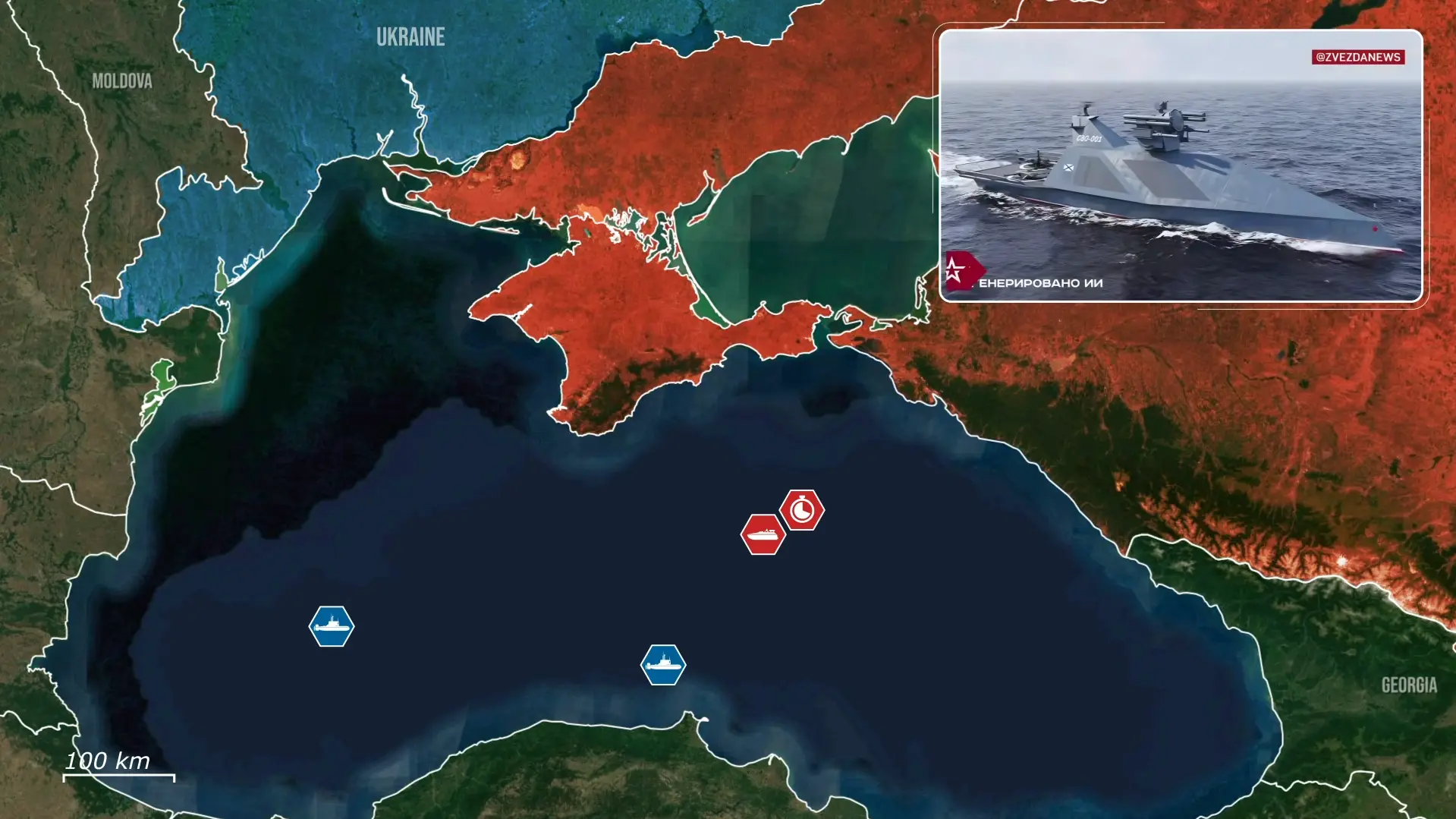
While Russia recognizes the strategic value of sea drones to the point of starting its own production, its latest response takes a very different direction. In fact, Moscow has begun building an unmanned surface vessel of roughly five hundred tons to detect and hunt submarines and other underwater targets. Hence, this is not a small drone boat but a complete naval platform with sensors, sonar, engines, and weapons, operating without a crew, comparable in size to the Soviet Nanuchka class missile ship. Russian Commander in Chief of the Navy Alexander Moiseyev describes it as part of a broader effort to expand unmanned capabilities after heavy losses to Ukraine’s maritime drones.
The vessel is meant to patrol contested waters and high risk zones for extended periods where a manned ship would be too vulnerable. Given the ship's scope, it needs to be spacious enough to carry significant fuel reserves, long range sensors, and a powerful sonar system required for anti submarine warfare. Without a crew on board, the idea is the increased possibility of deploying it on dangerous missions, as it can risk the vessel without risking sailors' lives. For instance, Russia could send it near contested areas and mine threat environments, exposing it to threats that a manned ship would avoid. Hence, the concept merges traditional naval capabilities with the perceived advantages of unmanned operations.
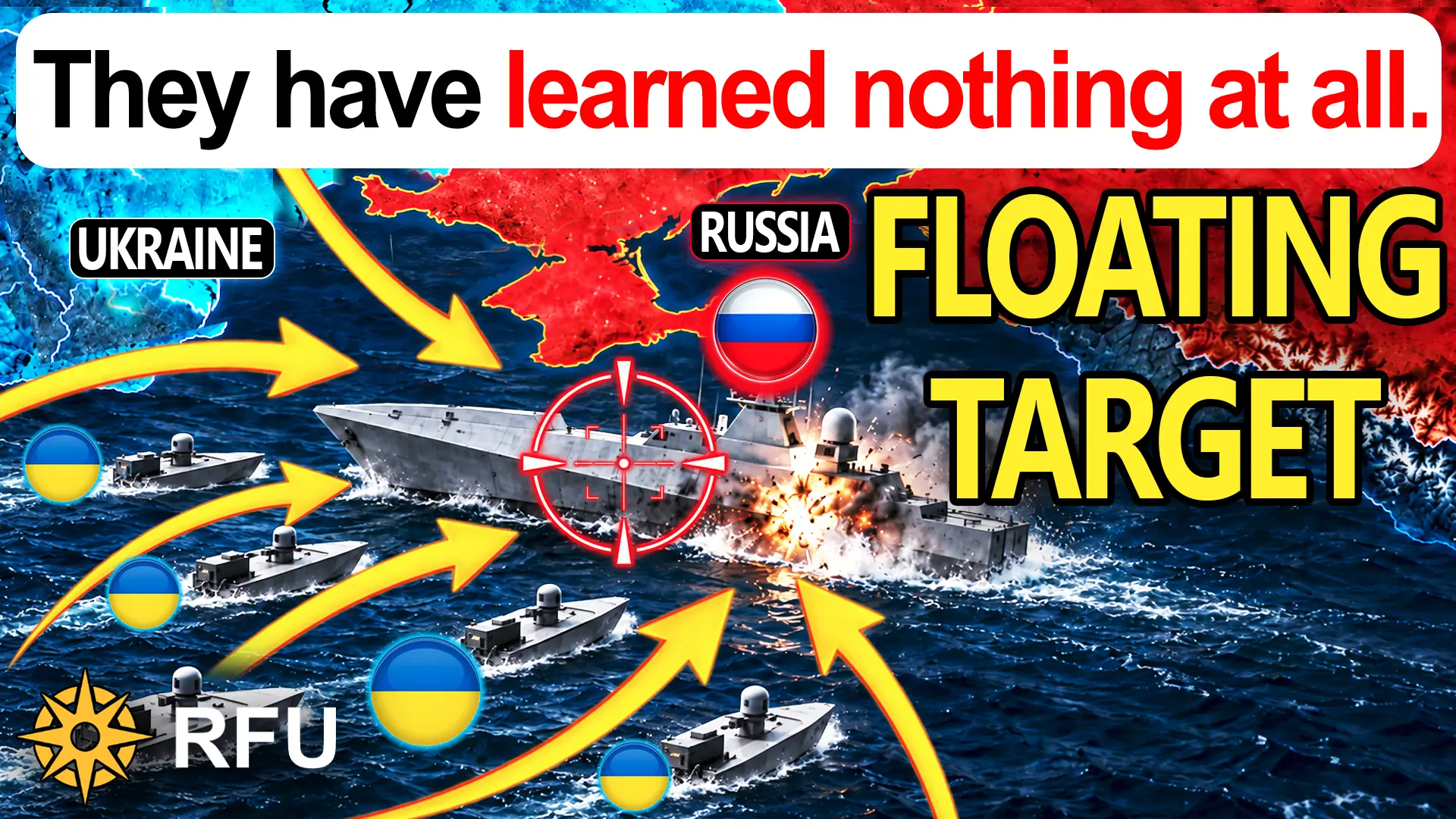
However, the irony of the move is hard to ignore, as by building a five hundred ton unmanned warship, Russia keeps most of the weaknesses of a traditional vessel. This is because the ship remains large, expensive, and not easily replaced if it is damaged or lost. Due to its size, it still presents a clear radar and visual signature, and it still depends on complex systems that require maintenance and protection.
Meanwhile, Ukraine can launch several cheap drones at it in one attack, accepting losses because each drone costs a fraction of the target. Even without a crew onboard, the vessel remains a high value asset that can be overwhelmed by multiple low cost systems, which is the same asymmetry that forced the Black Sea Fleet to retreat.

Overall, Russia’s unmanned warship project highlights a deeper struggle to adapt to asymmetric threats. As Ukraine shifted the naval fight by using cheap, disposable, quickly scalable systems, Russia is trying to restore traditional capabilities with a large unmanned platform that still behaves like a classic ship. The project shows that Russia understands the value of removing crews from dangerous missions but has not copied the low cost and fast production that allowed Ukraine to deploy and replace sea drones in large numbers. As a result, the vessel may appear innovative, but it still carries many of the same weaknesses as a conventional warship and could become another large floating target.
.jpg)


Comments