

.svg)
Today, the biggest news comes from the Russian Federation.
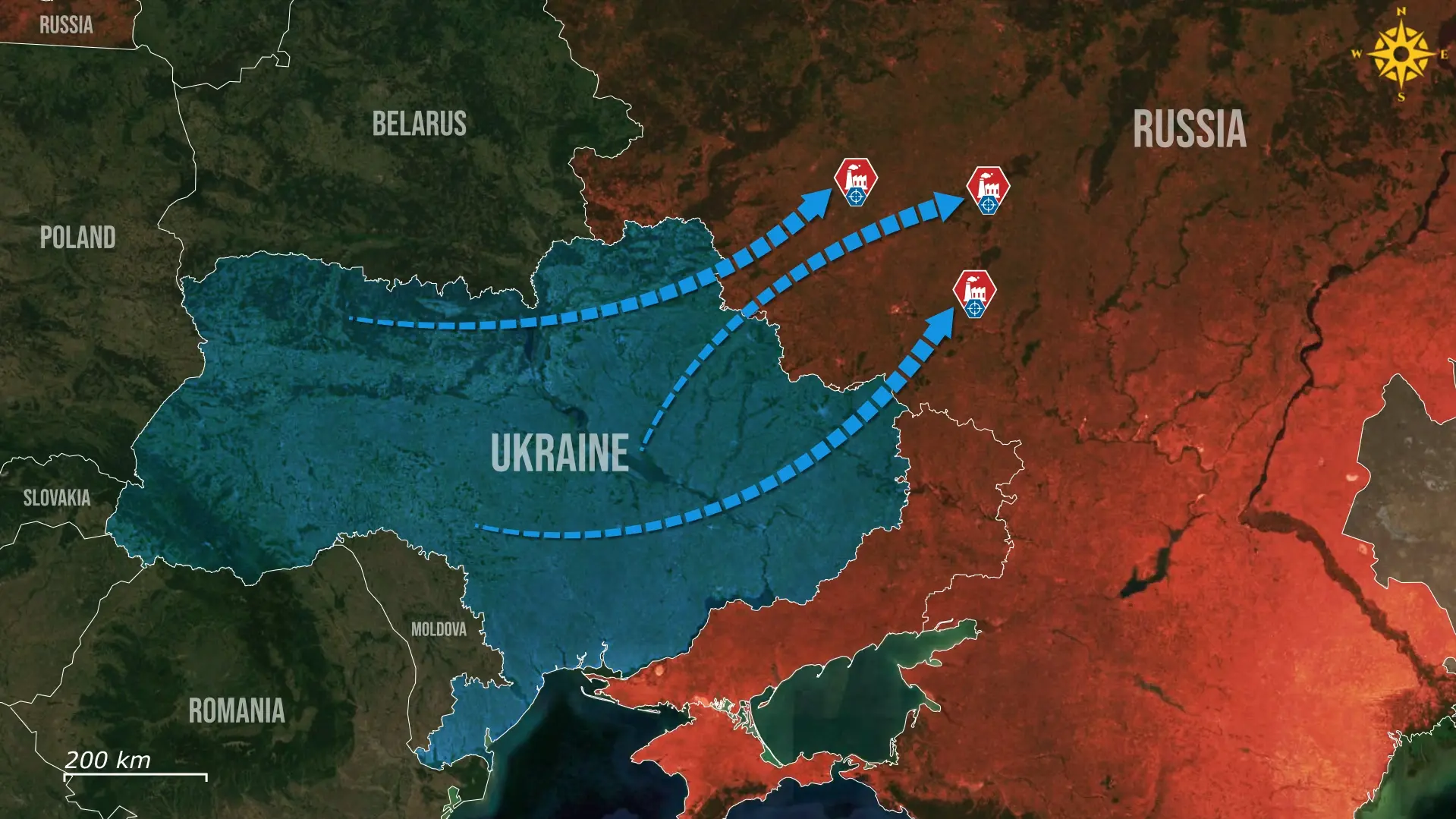
Here, repeated drone strikes on critical fuel infrastructure are pushing refineries and their security teams to look for an improvised defense. Copying a solution from Ukraine, they started testing interceptor drones, but one internal restriction may determine whether this will actually work.
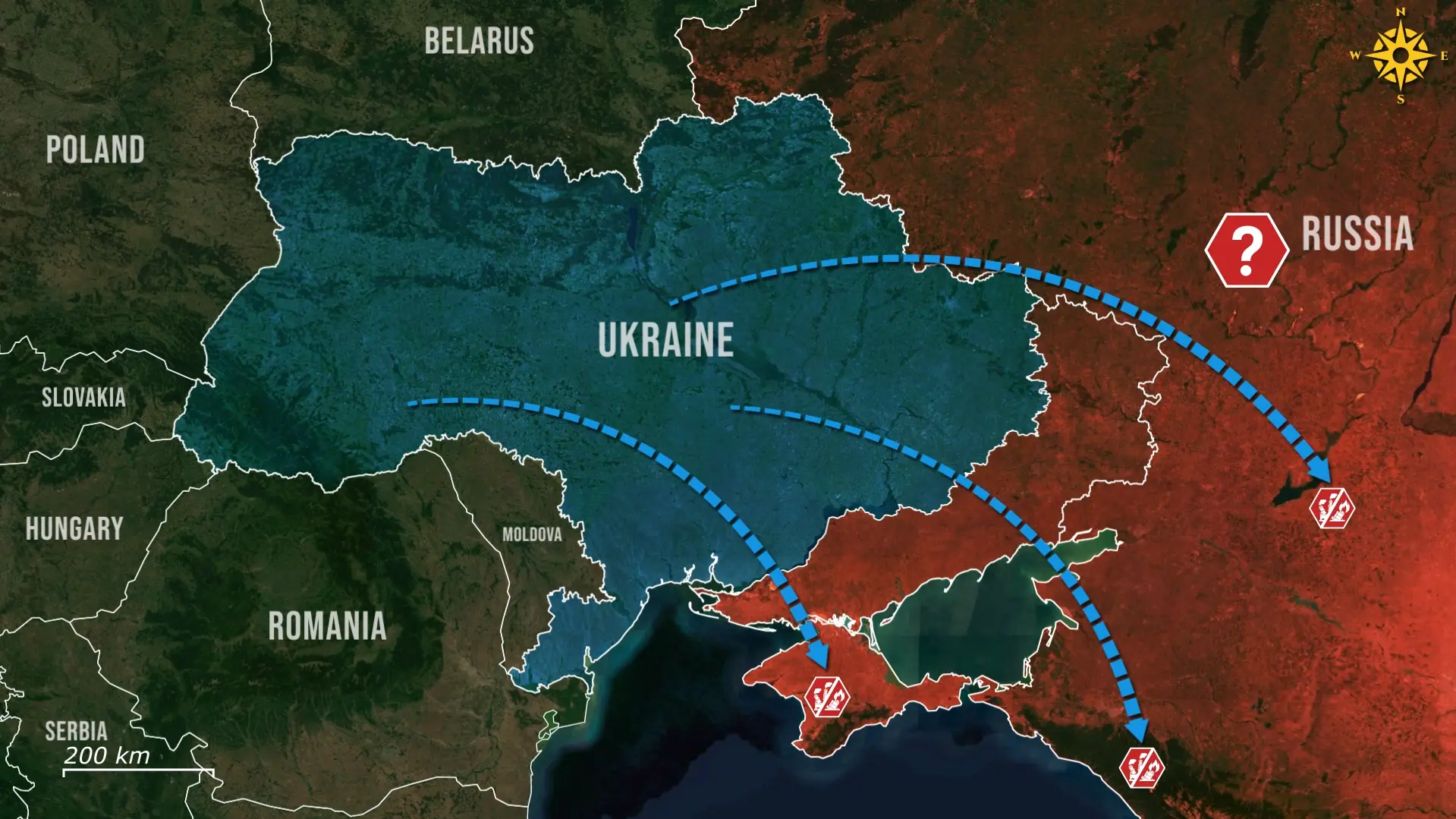
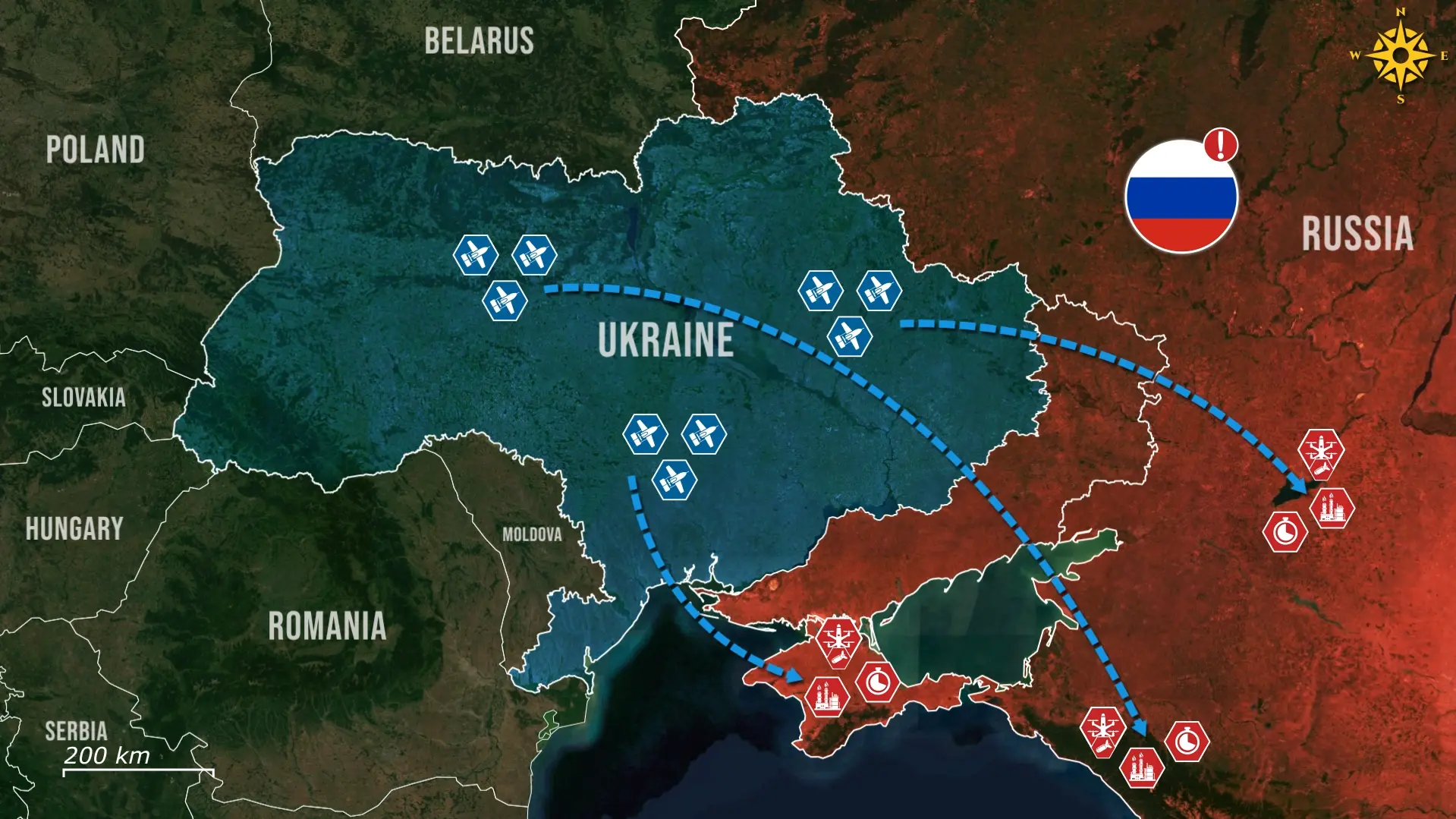
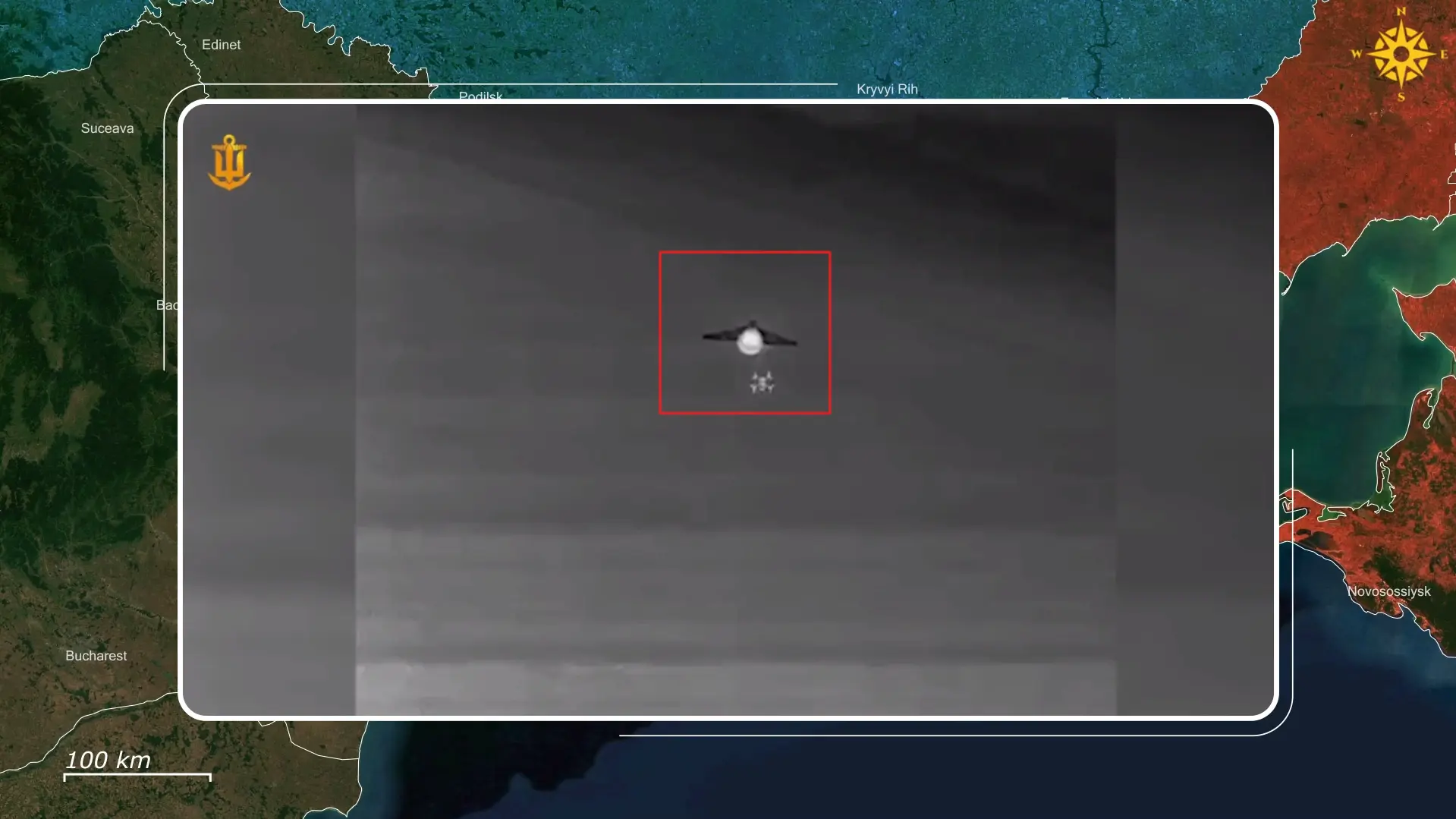
Russian air defenses around refineries struggle, and damage skyrockets, mainly because low-flying Ukrainian drones reduce detection time and exploit, leaving the Russian defenders only with a short window to detect and respond. Because refineries operate as part of tightly integrated industrial chains, damage to distillation towers, catalytic cracking units, or large fuel storage tanks can force wider shutdowns for safety checks and repairs. As a result, even if conventional air defenses intercept part of the incoming drones, one can still slip through and cause disproportionate damage.
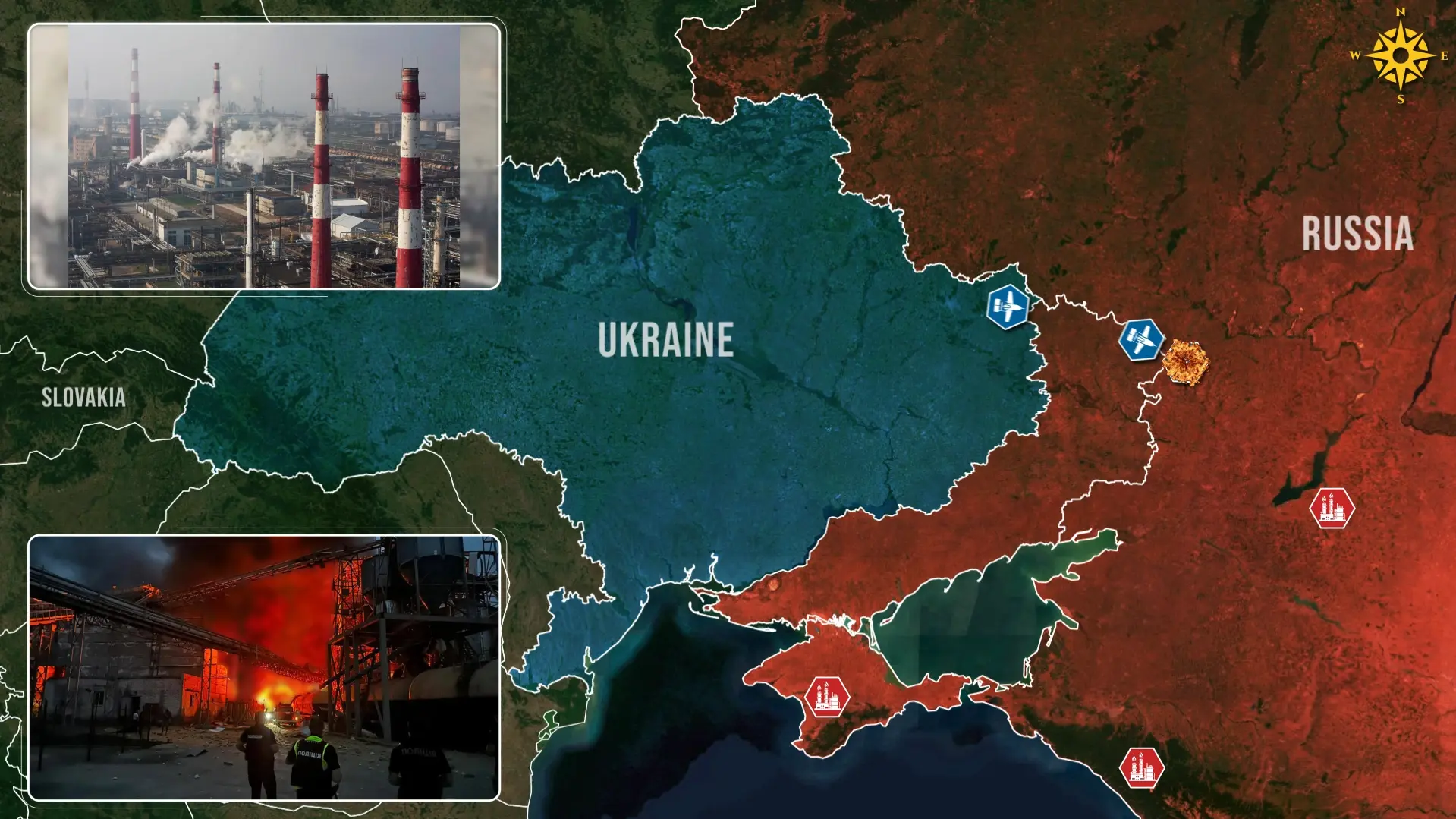
Pressured by the huge number of successful Ukrainian strikes, refinery operators are searching for solutions on a localized level, as Russia’s air-defense systems are limited and primarily focused on frontline operations and major cities, leaving many industrial sites without sufficient coverage.
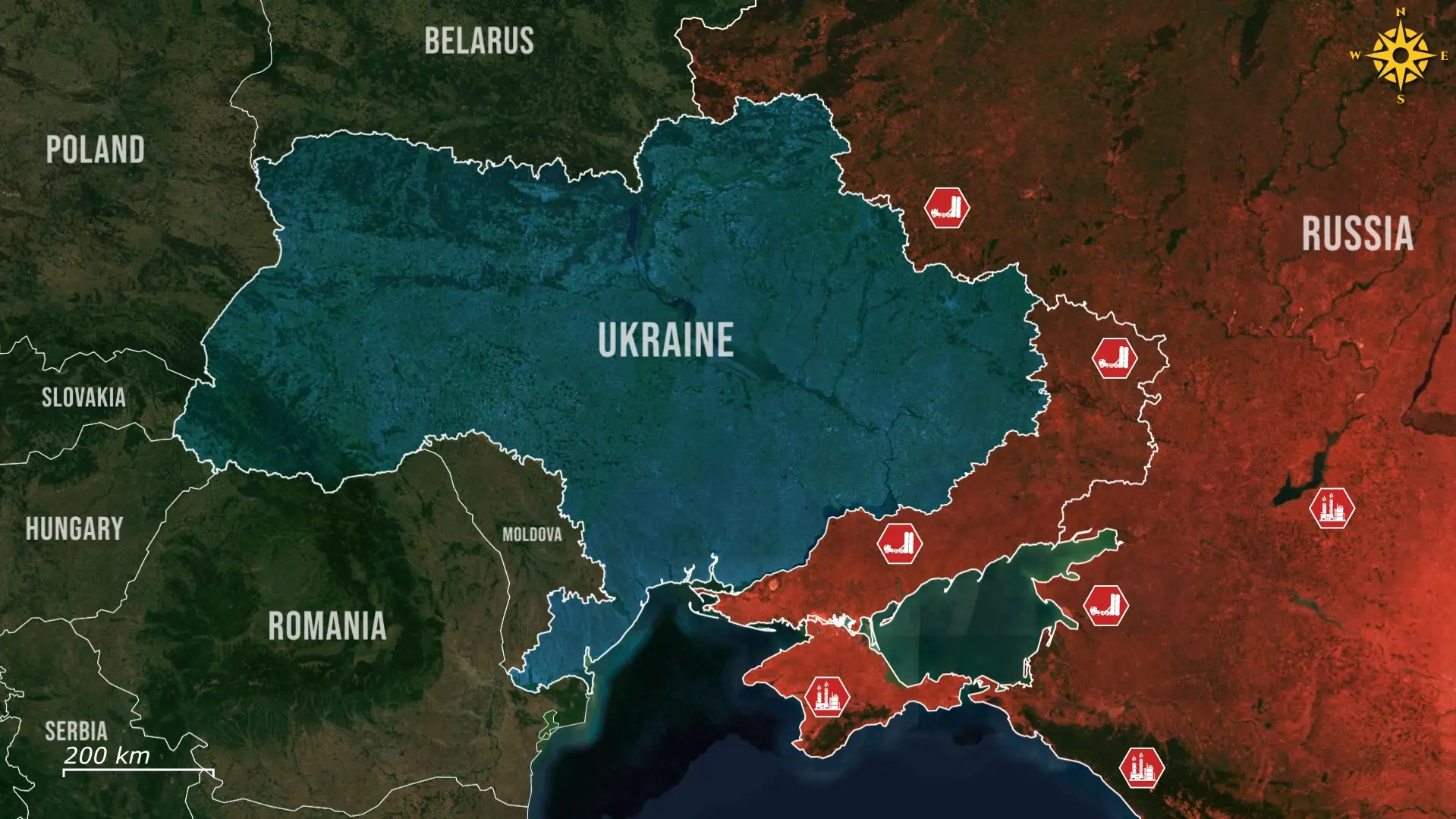
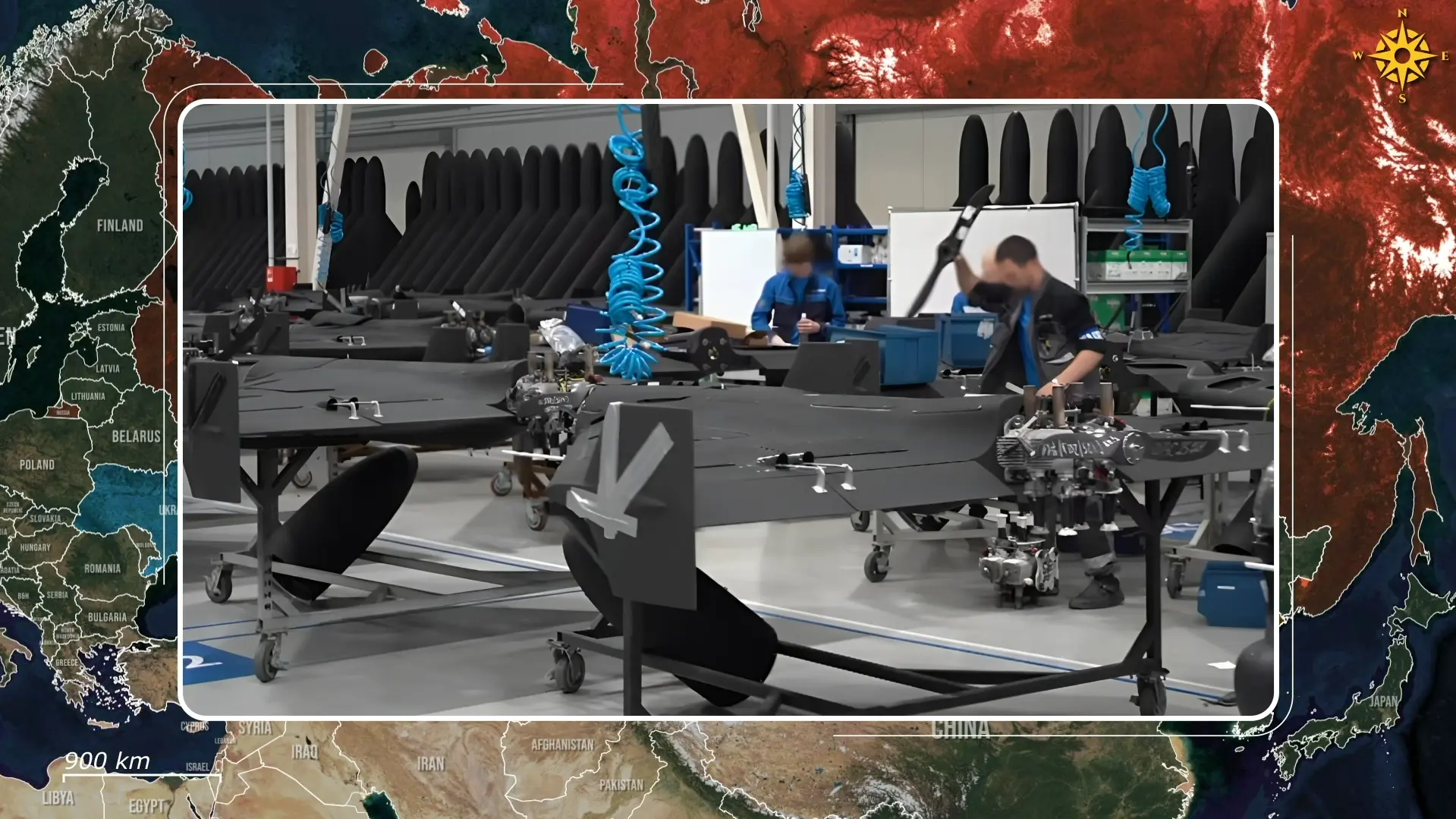
Many oil companies are therefore exploring interceptor drones, which differ from expensive missile systems as they rely on a small UAV physically pursuing and striking the incoming drone at a much lower price. These compact hand-launched models matter because they can be stored at the facility and used quickly by trained personnel, allowing a better response time.

A potential solution, born out of necessity, pushes critical infrastructure defense toward improvised arrangements organized by refinery security teams and regional authorities, rather than a unified state military program.
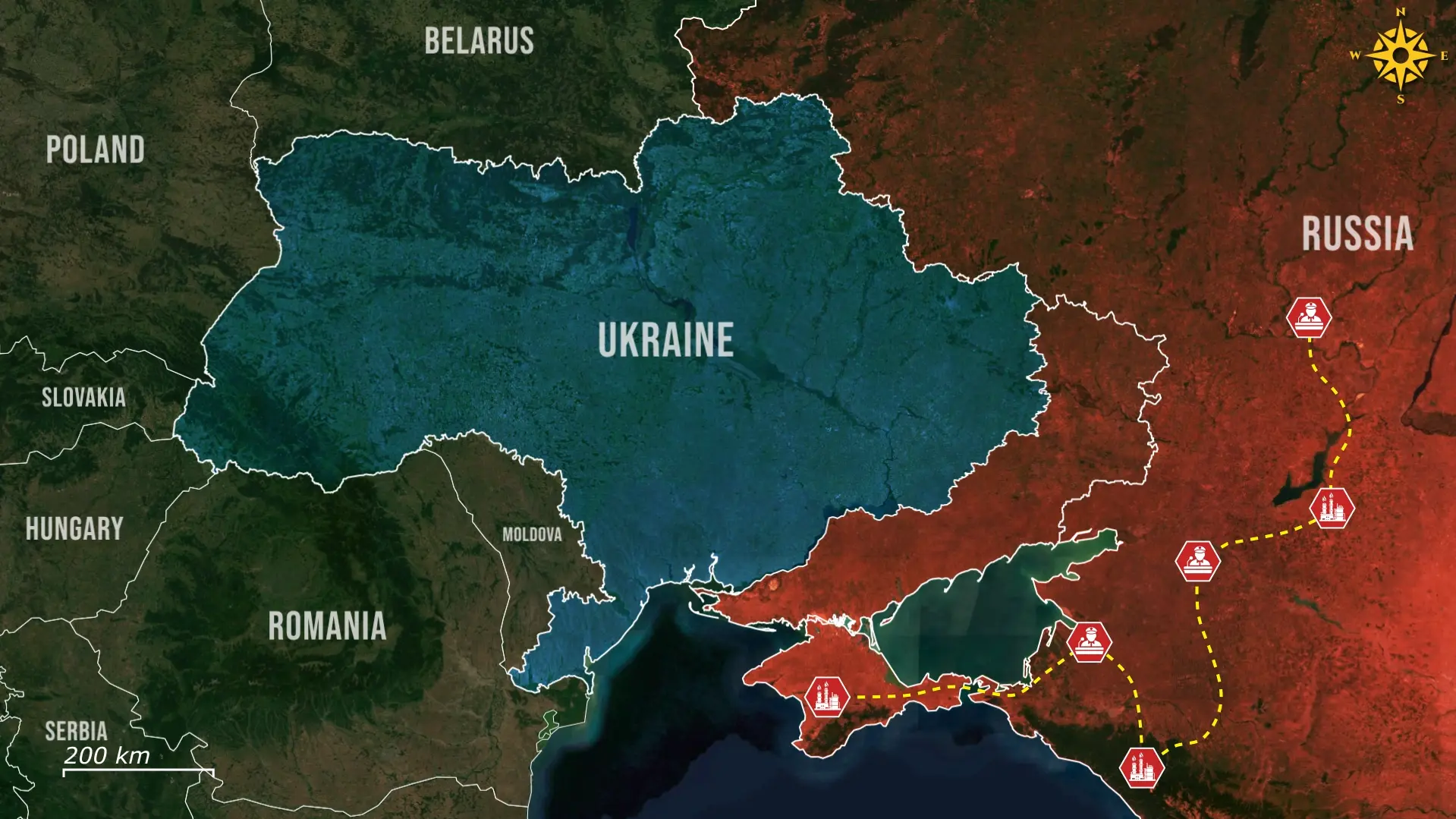
The idea is to implement interceptor drones as an additional final layer to the already available measures, like observers, camera networks for detection, and electronic jamming. For example, jamming can disrupt some drones but remains unreliable against those that navigate autonomously, which is why interceptors are being tested as a more reliable tool to stop drones that pass through earlier layers.
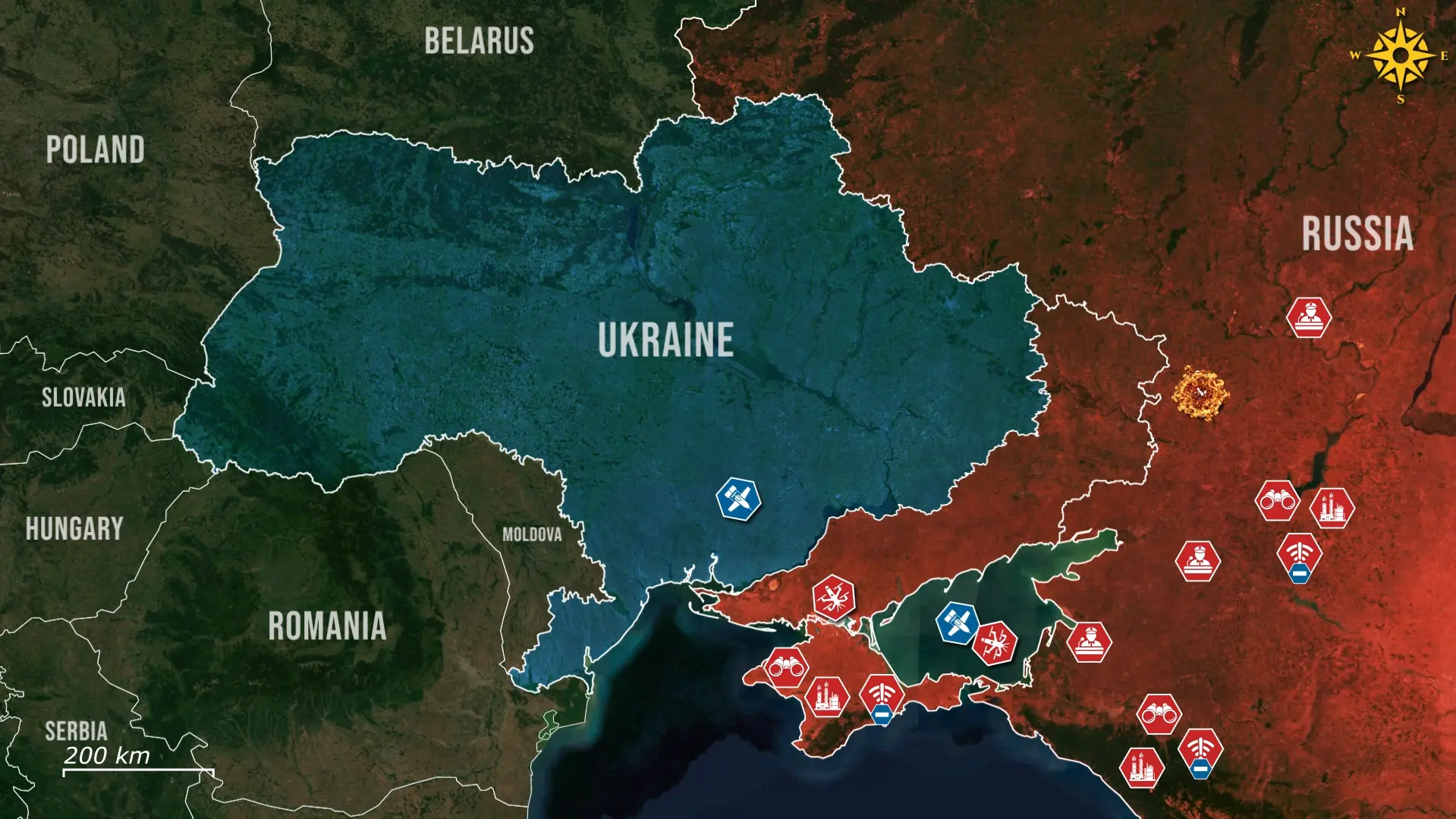
However, Russian military bureaucracy blocks the deployment of explosive-based interceptor drones outside strict command control, as they are classified as munitions, which require regulated storage, trained operators, and formal authorization that most refinery security forces cannot meet. Officials also worry that a failed interception could drop an explosive device into nearby civilian areas and create additional problems.
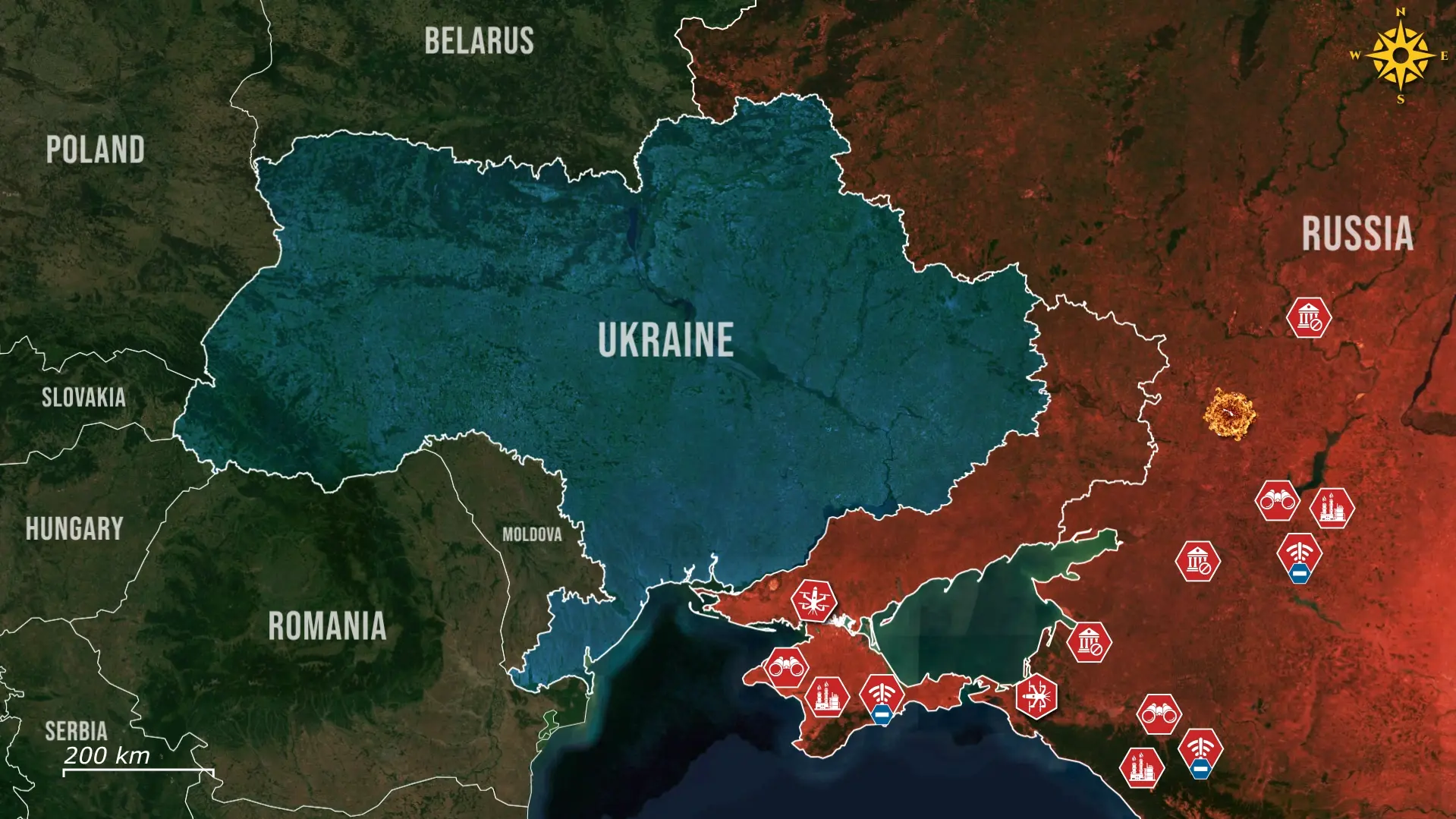
Because new weapons must pass through several approval layers inside the Ministry of Defense, what can be fielded quickly as a solution is often determined by bureaucratic rules rather than technical effectiveness, limiting Russia’s ability to counter daily Ukrainian drone attacks
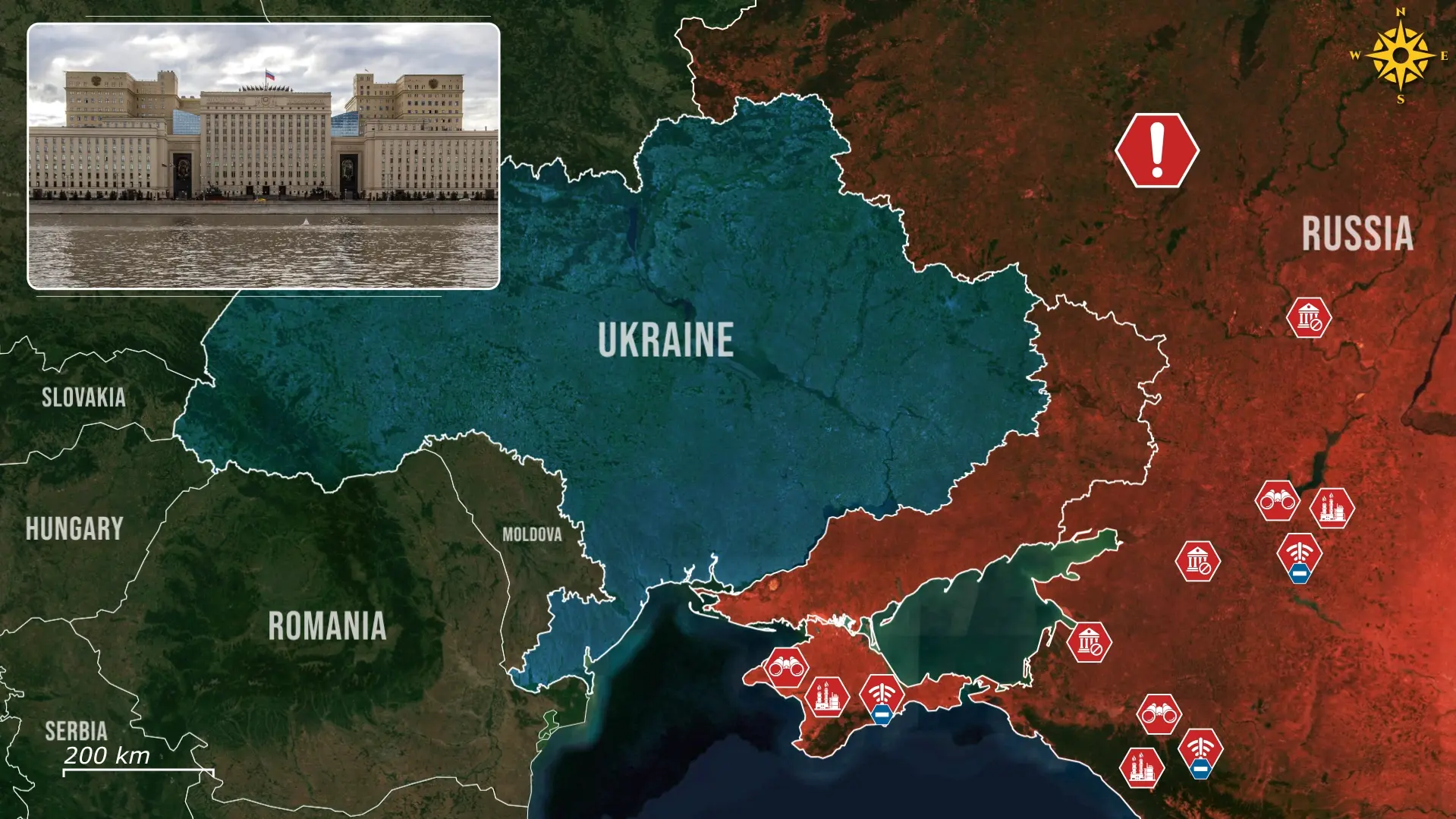
To bypass these restrictions, operators are shifting to civilian-class interceptors that carry no explosives and can be classified as non-munition equipment. They rely on kinetic interception, meaning they attempt to disable the target by physically ramming it, with optical tracking sensors and onboard flight control software helping them align with the target and maintain pursuit after launch. This allows facilities to deploy a counter-drone capability within existing regulatory limits, even though sacrificing the higher interception reliability that explosive warheads provide.
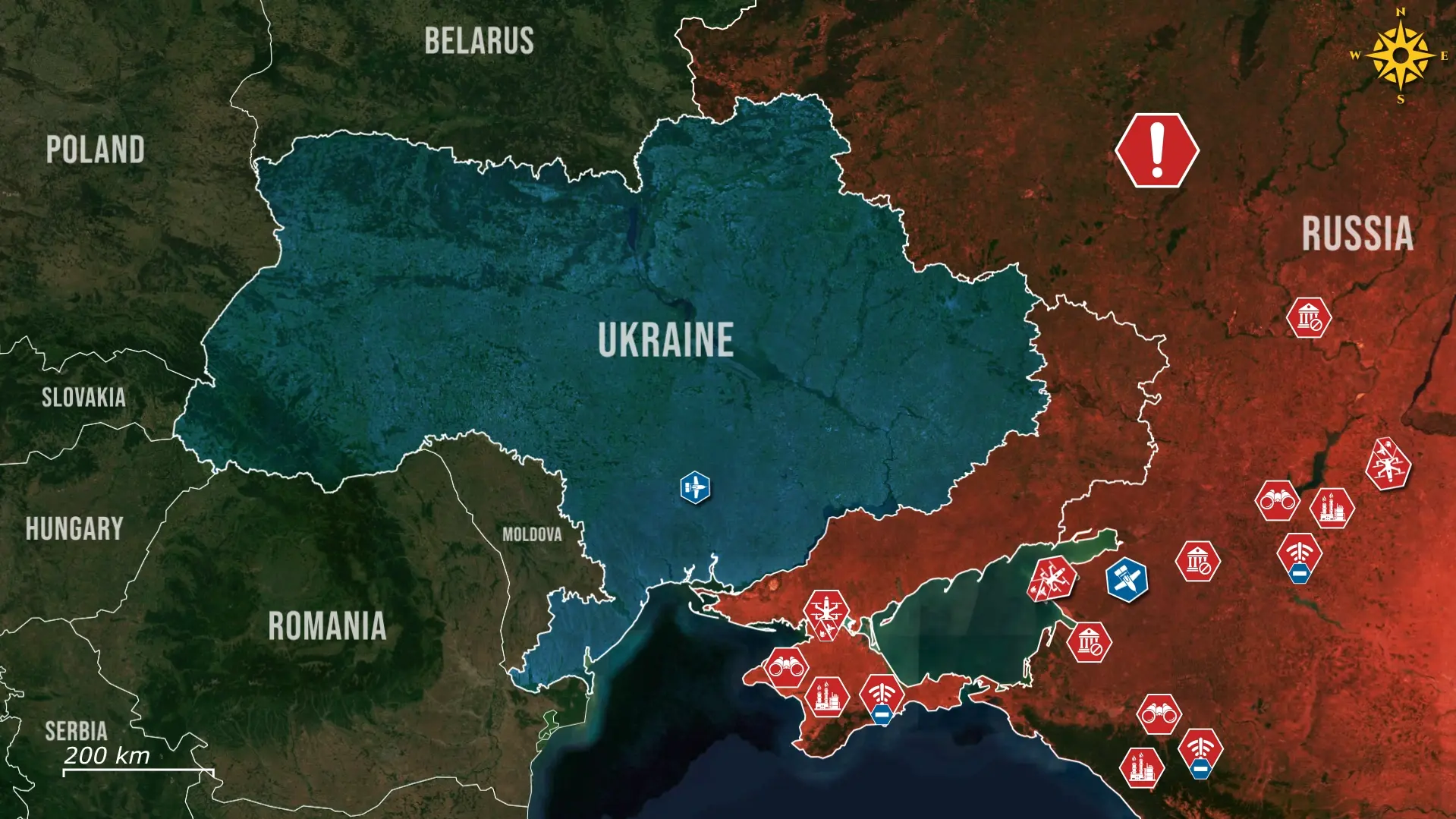
As a result, the absence of explosives becomes the main limitation because a kinetic interceptor must hit the target precisely to stop it, which is harder against fast drones approaching at low altitude, especially if detection comes late, limiting the time window to react. A bomb-carrying drone raises the stakes further, since even a partial strike may still allow detonation near sensitive equipment or storage areas. As a result, even with more interceptors on site, refineries remain vulnerable when engagements require precision that improvised crews cannot achieve consistently.
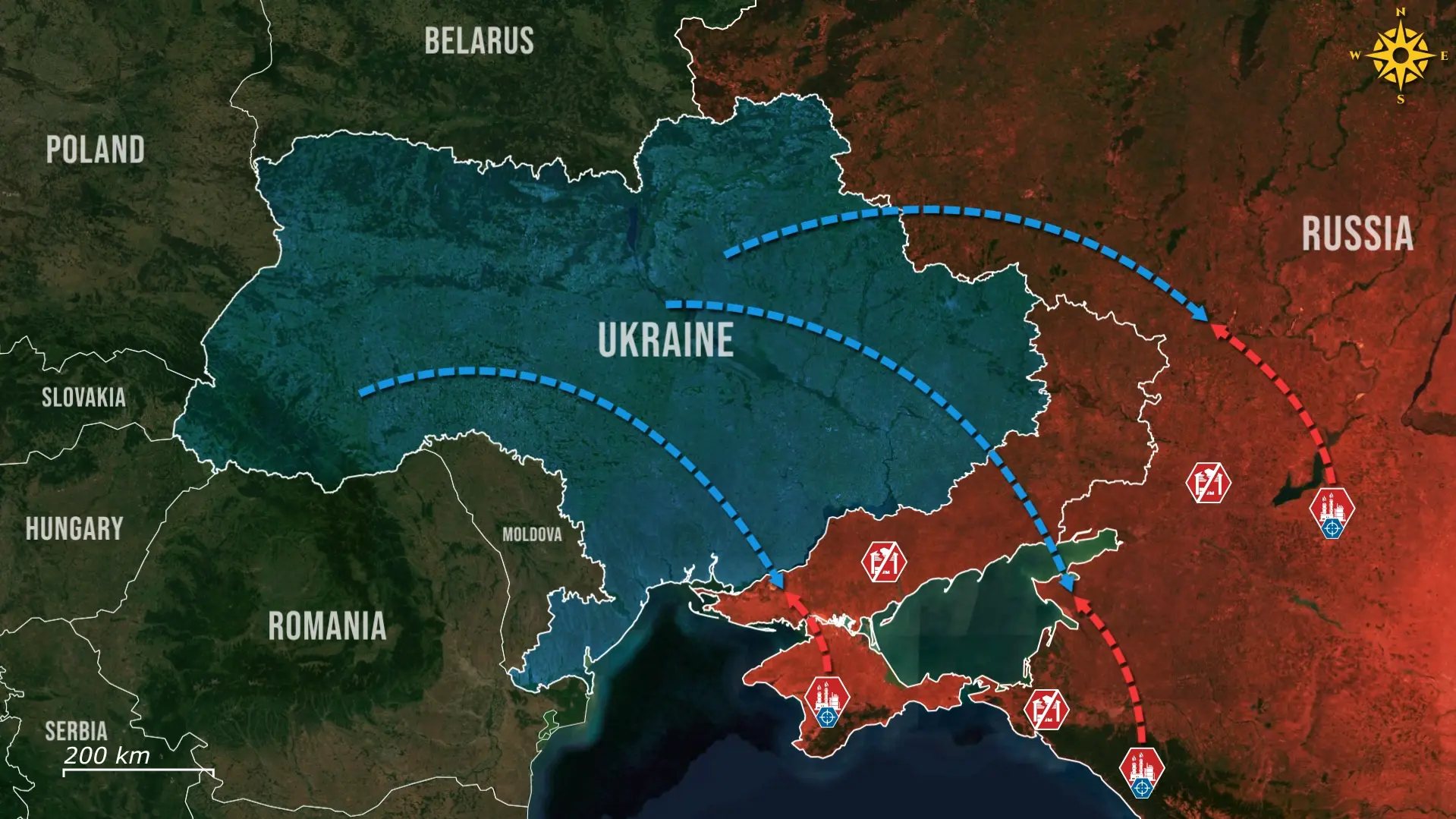
Overall, Russia will likely expand hand-launched interceptor deployments around critical sites, even if they do not fully solve the threat due to bureaucratic limitations. If models with explosives remain prohibited, interception will continue to rely on perfect timing and accuracy, leaving a predictable failure rate that attackers can exploit. If Russian authorities eventually allow explosive interceptors under strict control, success rates could improve, but the state will create the very safety, and accountability risks it currently tries to avoid. The effectiveness of refinery protection will therefore depend not only on the number of interceptors but more on whether Russia can overcome its internal bureaucracy.

.jpg)



Comments