

.svg)
Today, there are important updates from Ukraine.
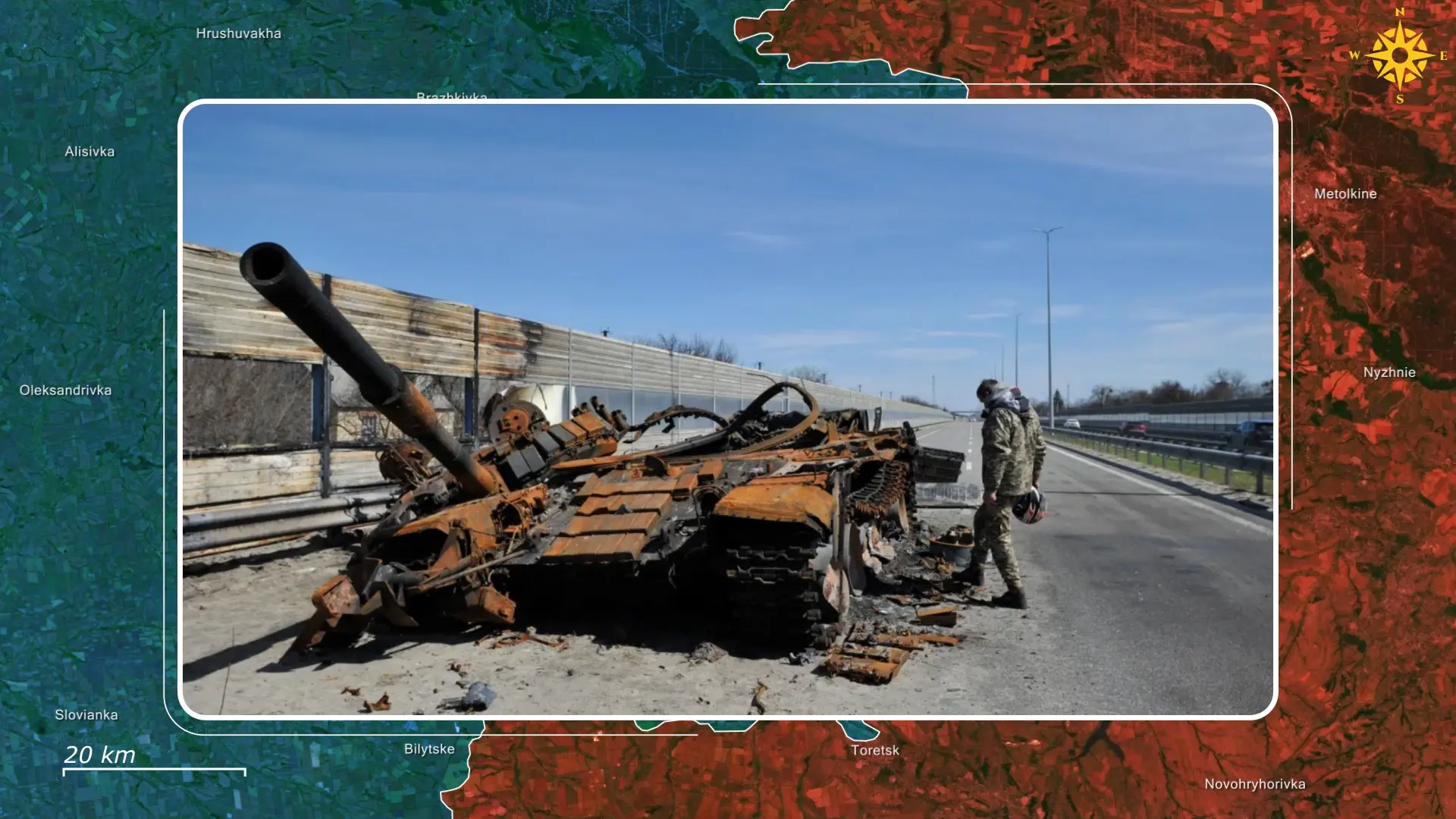
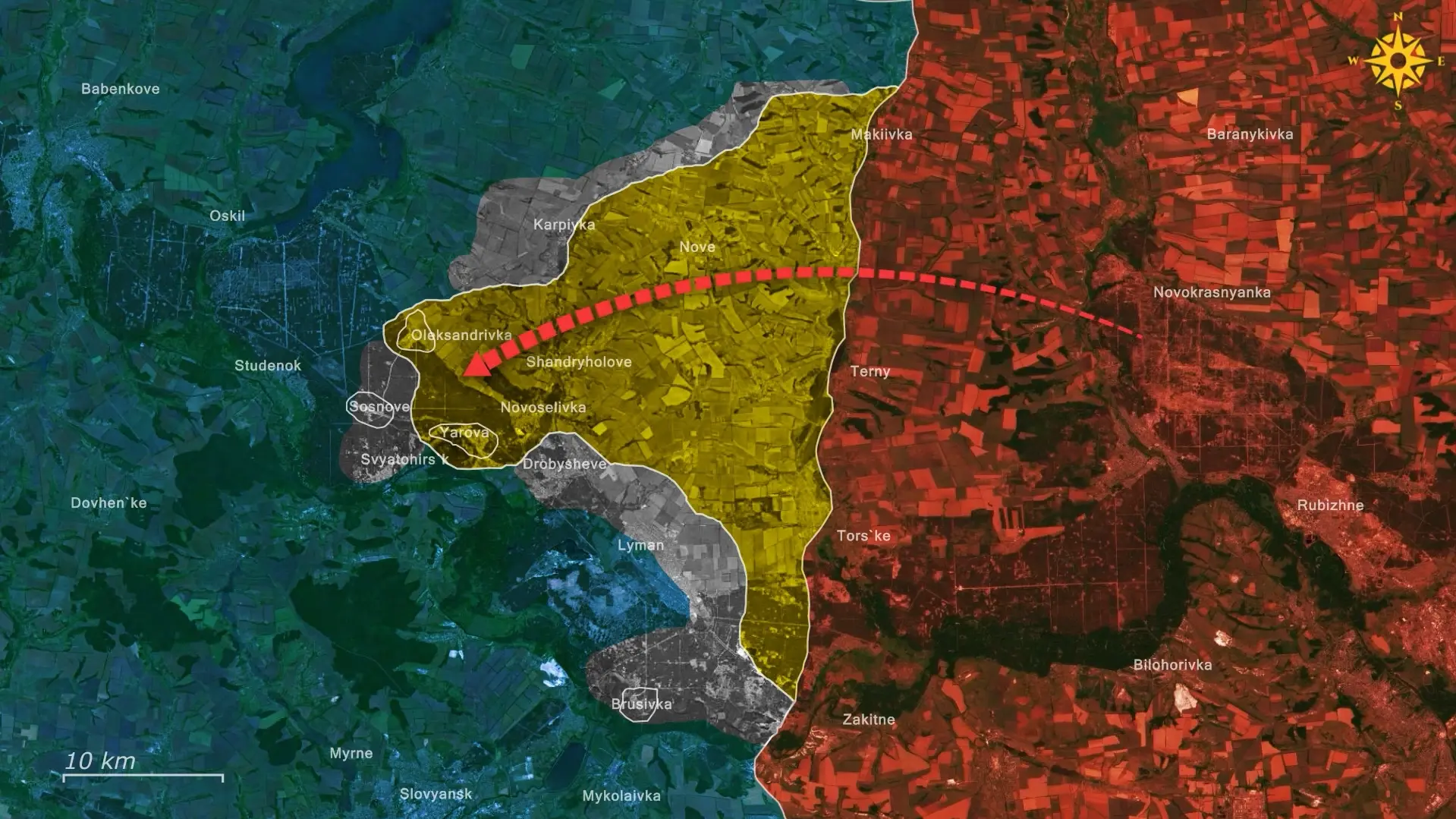
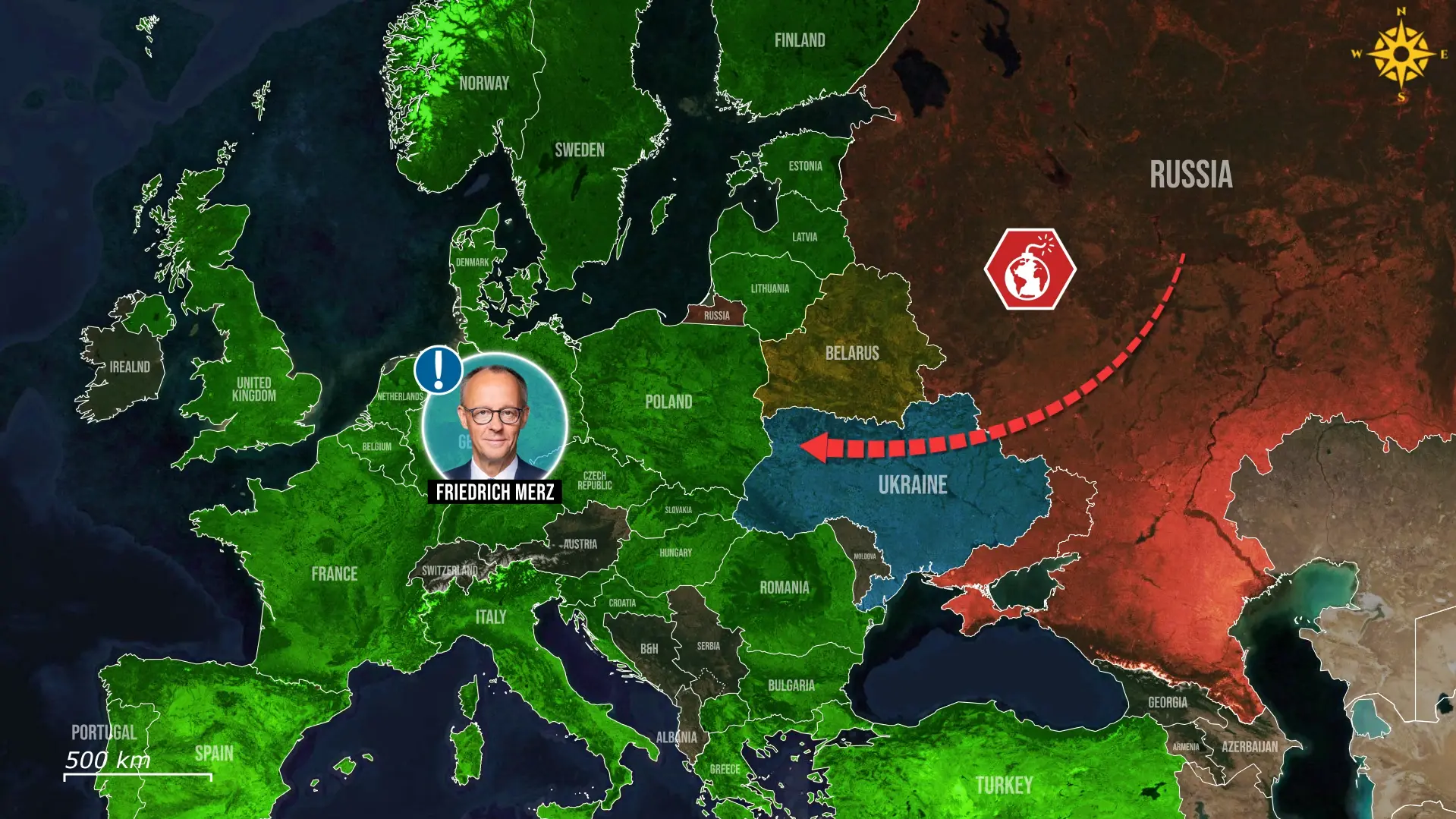
Here, Russia’s rate of advancement has turned from slow to an anti-record in warfare history, with no signs of improvement. This lack of progress at the expense of terrifying losses has forced the Russian leadership to try to achieve its victory through humiliating for a superpower means.
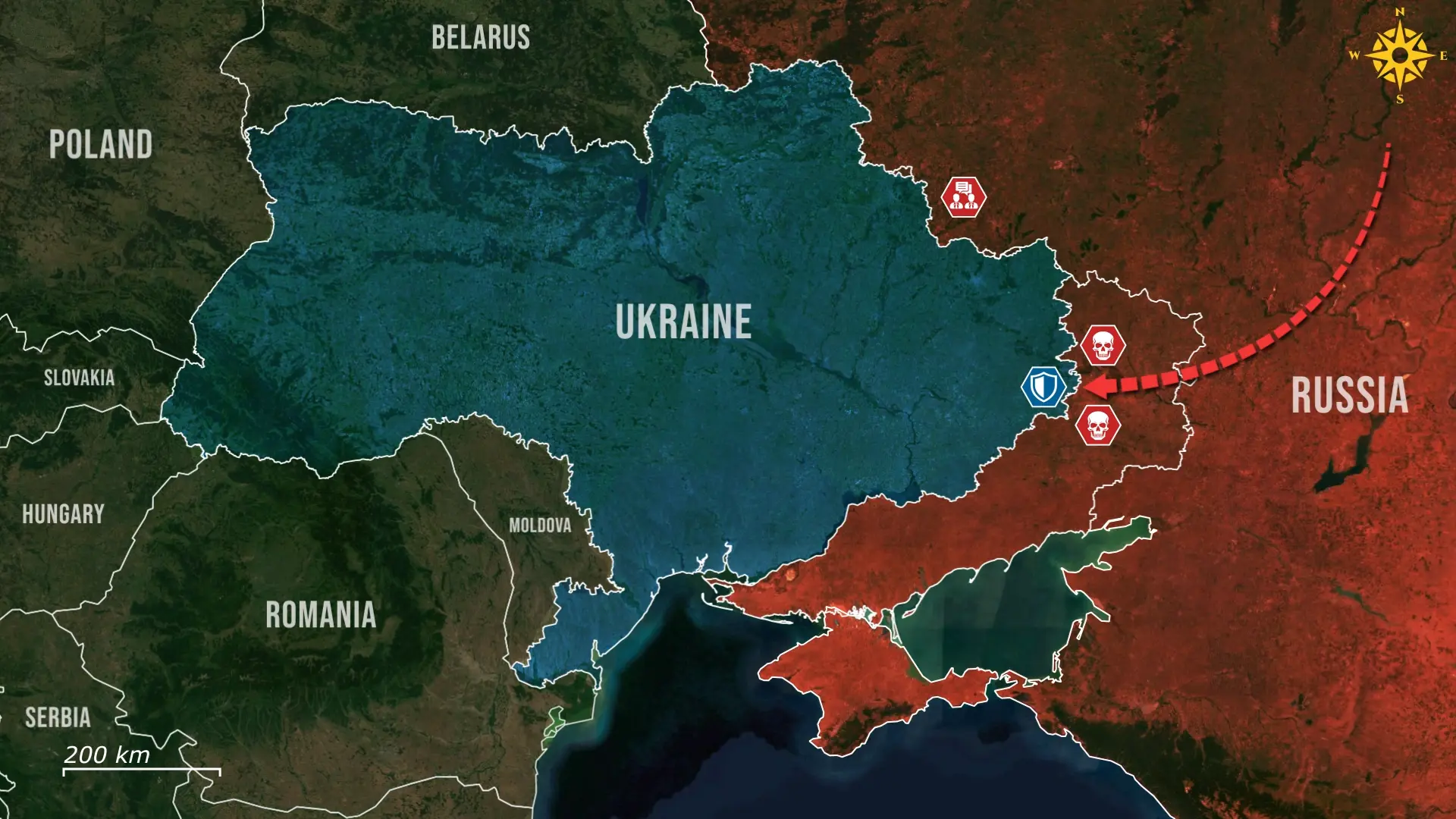
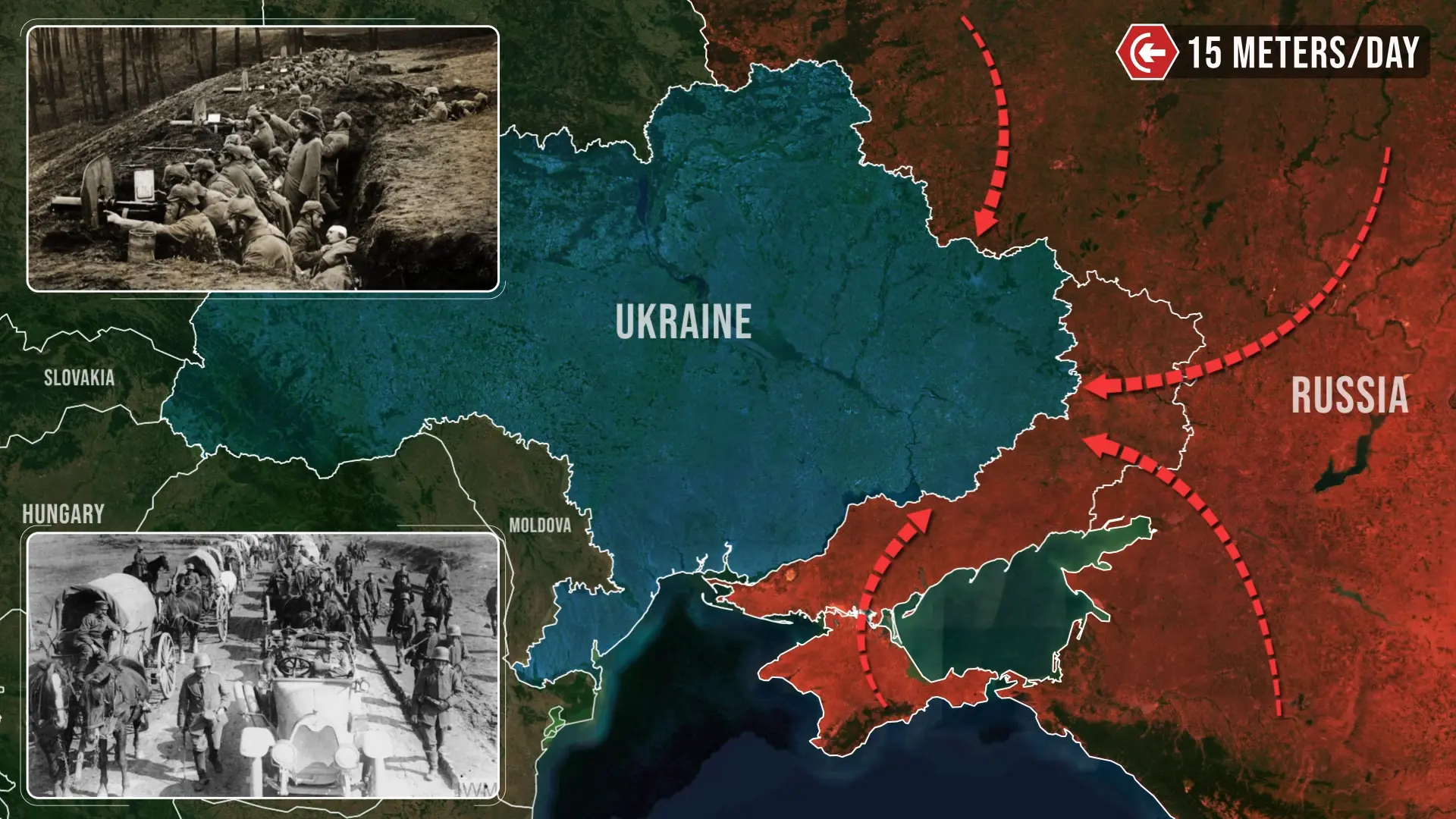
Military analysts compared Russia’s rate of moving forward with other offensives in history, with the shocking result that the Russian army is moving at an unprecedentedly slow operational tempo of around 15 meters per day. This is effectively an anti-record by the standards of the past century, because even in World War 1, after 4 years of attritional trench warfare, the exhausted German army was capable of mounting a last-ditch offensive where they advanced 70 kilometers in 4 months or 583 meters per day.
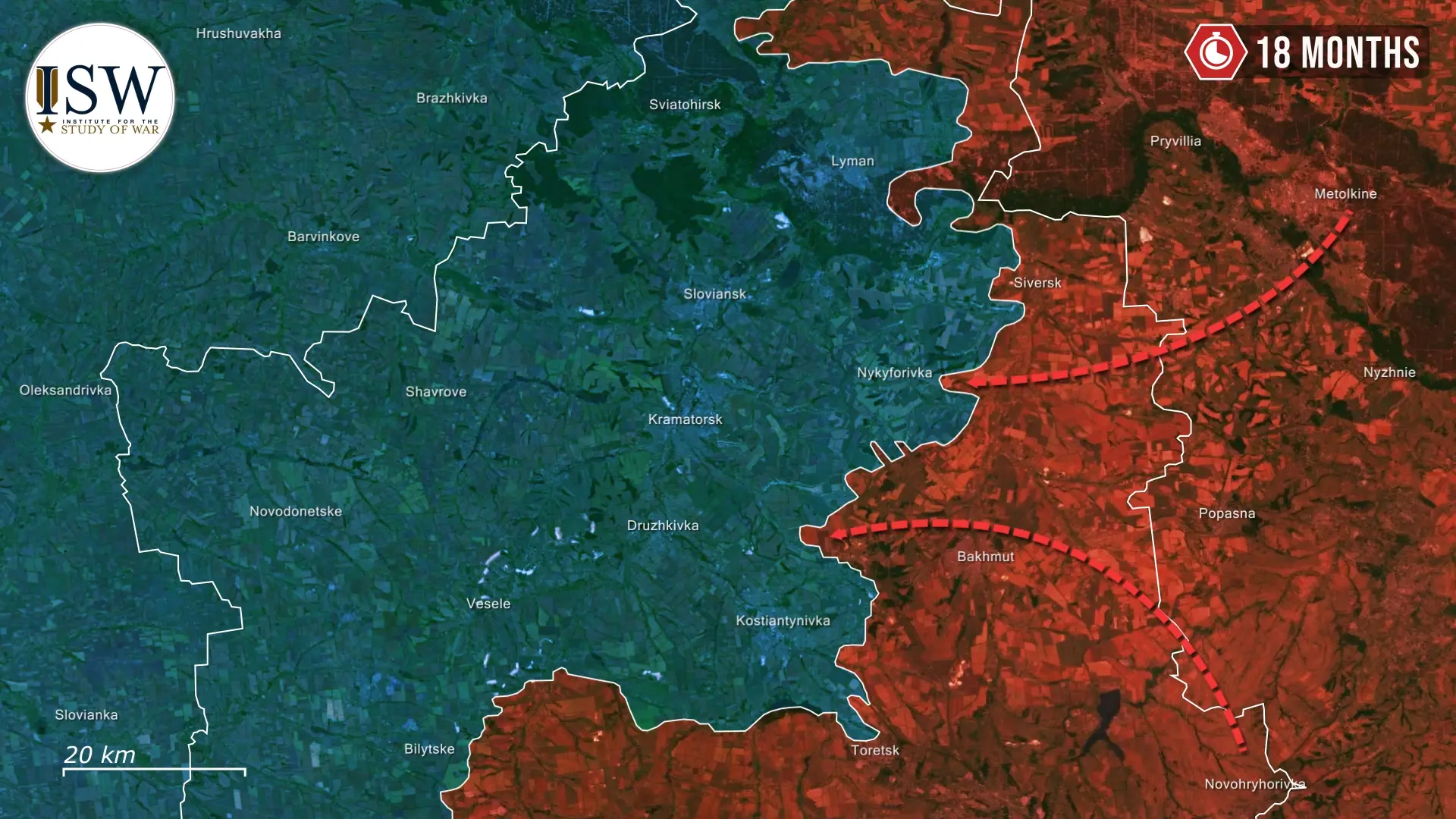
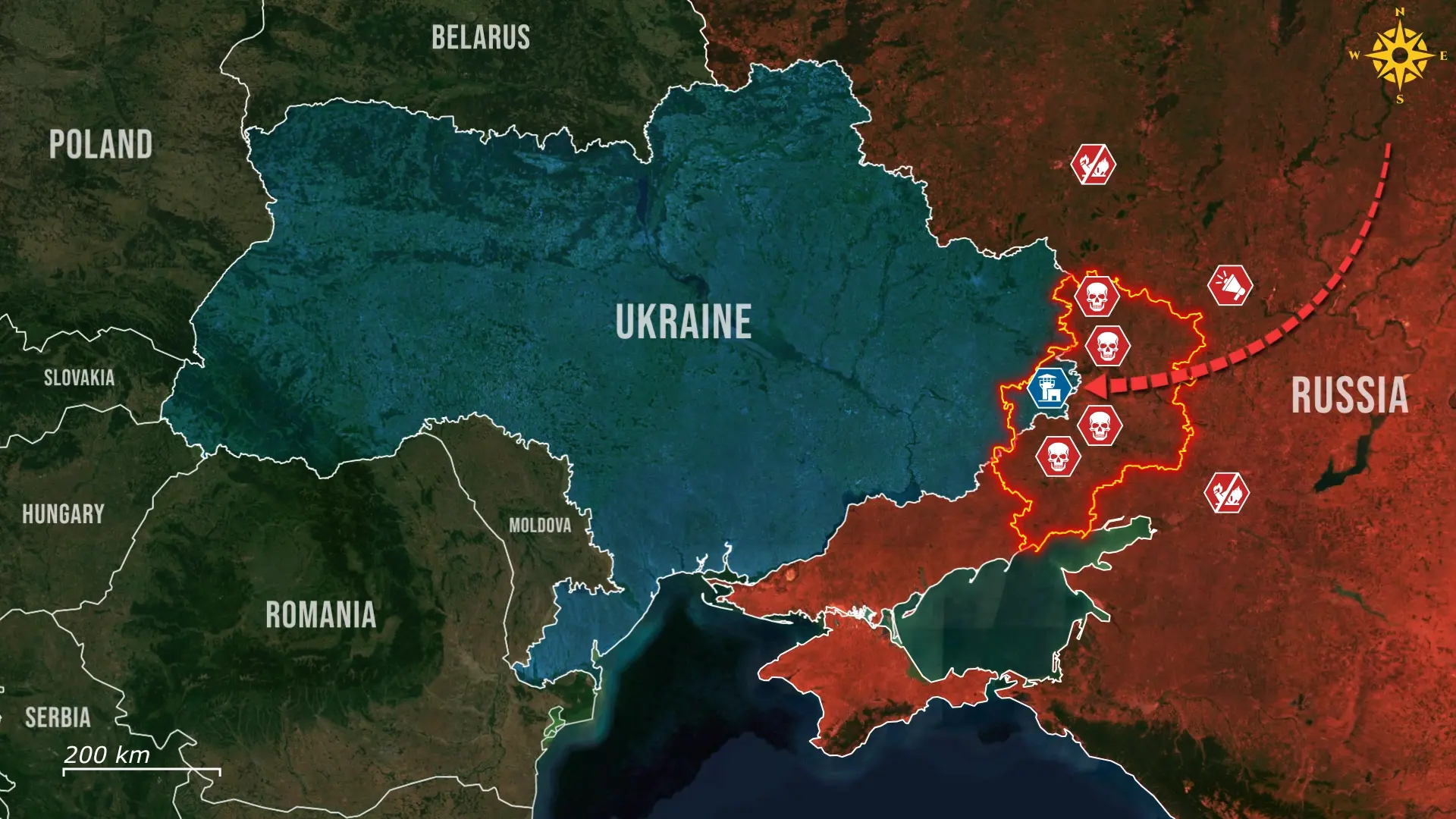
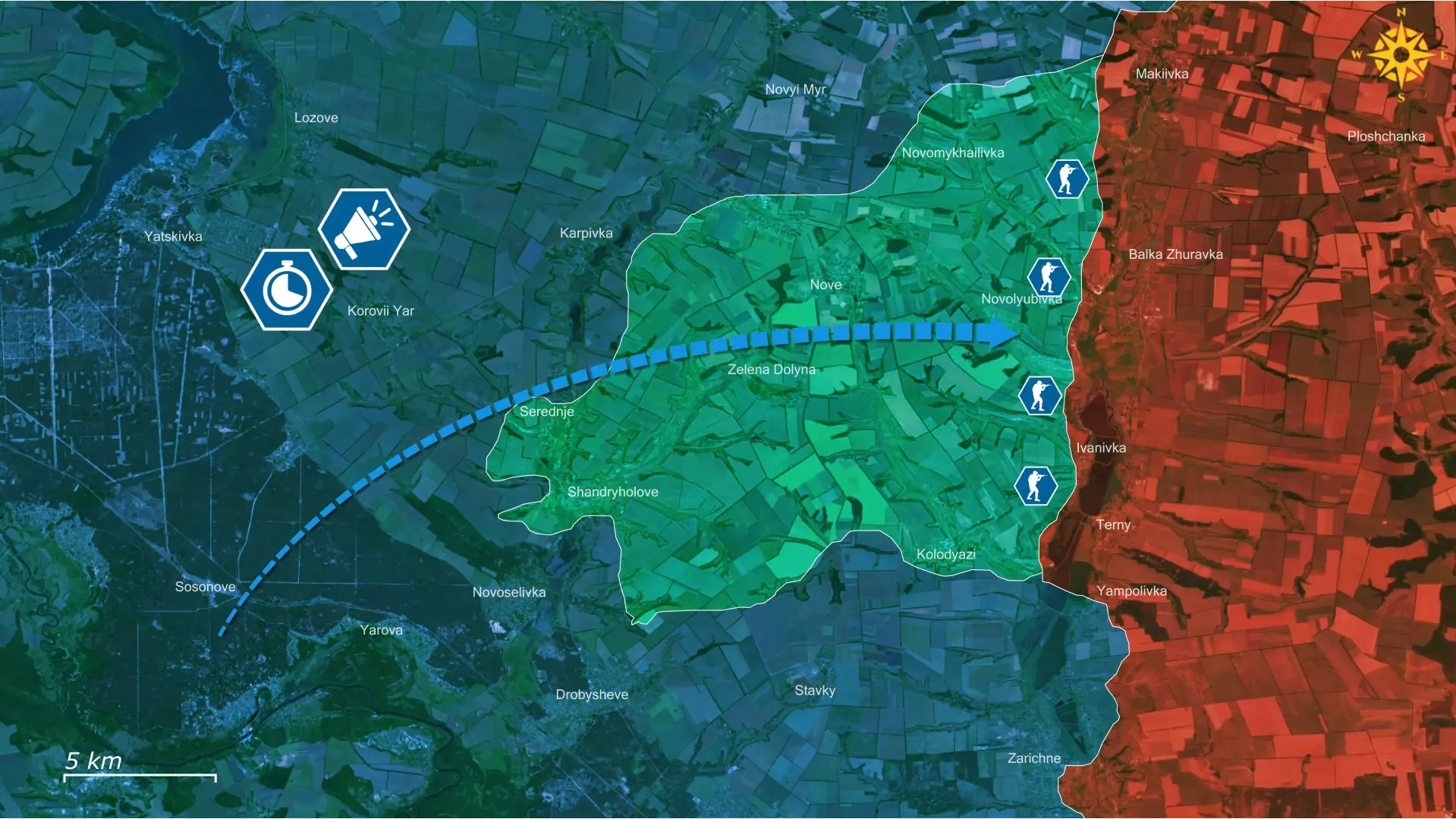
Russia’s leadership continues to reinstate the full seizure of Donbas as one of its most important goals in Ukraine, but the Institute for the Study of War assesses that Russia would require at least 18 months to capture Donbas alone at the current pace. Most importantly, that would be possible only in the case that Ukrainian forces construct no additional defenses, underscoring the stark gap between Moscow’s ambitions and its actual military capacity to achieve them.
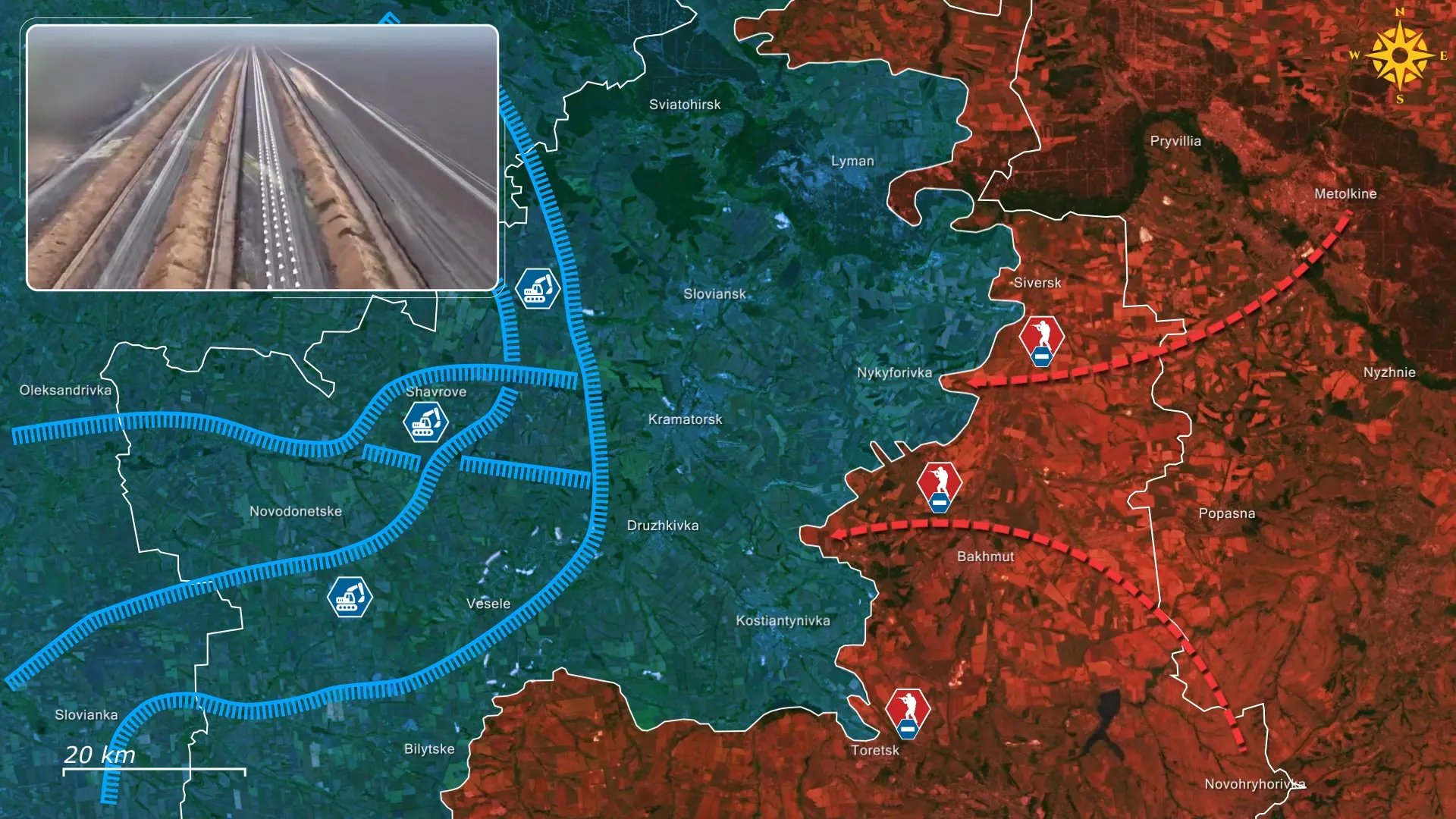
The unlikelihood of Russia achieving a breakthrough by force is further reinforced by Ukraine’s defensive posture, because while Russia struggles to advance with more than 15 meters per day, Ukrainian forces are constructing hundreds of meters of massive, modern defense lines per day. With a total length of over 2,000 kilometers, these fortifications are being built faster than Russian troops can advance, underlining the reality that the Russians face.
Despite this, the Russian military command has systematically misrepresented the effectiveness of its offensives to the outside world to gain leverage in negotiations, intending to mislead the West to pressure Ukraine into political concessions and to give away territory that Russia has been unable to capture on the battlefield.
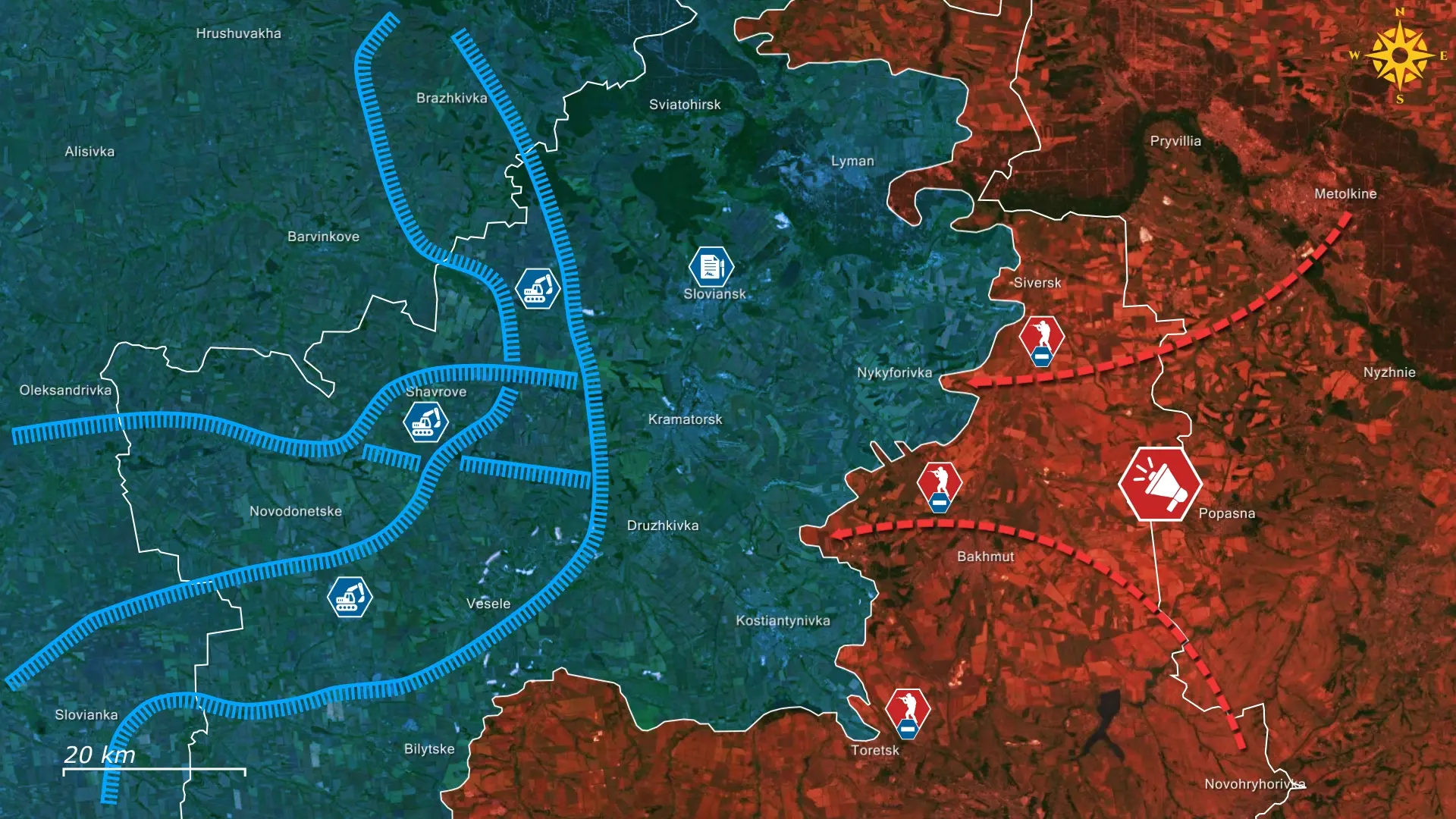
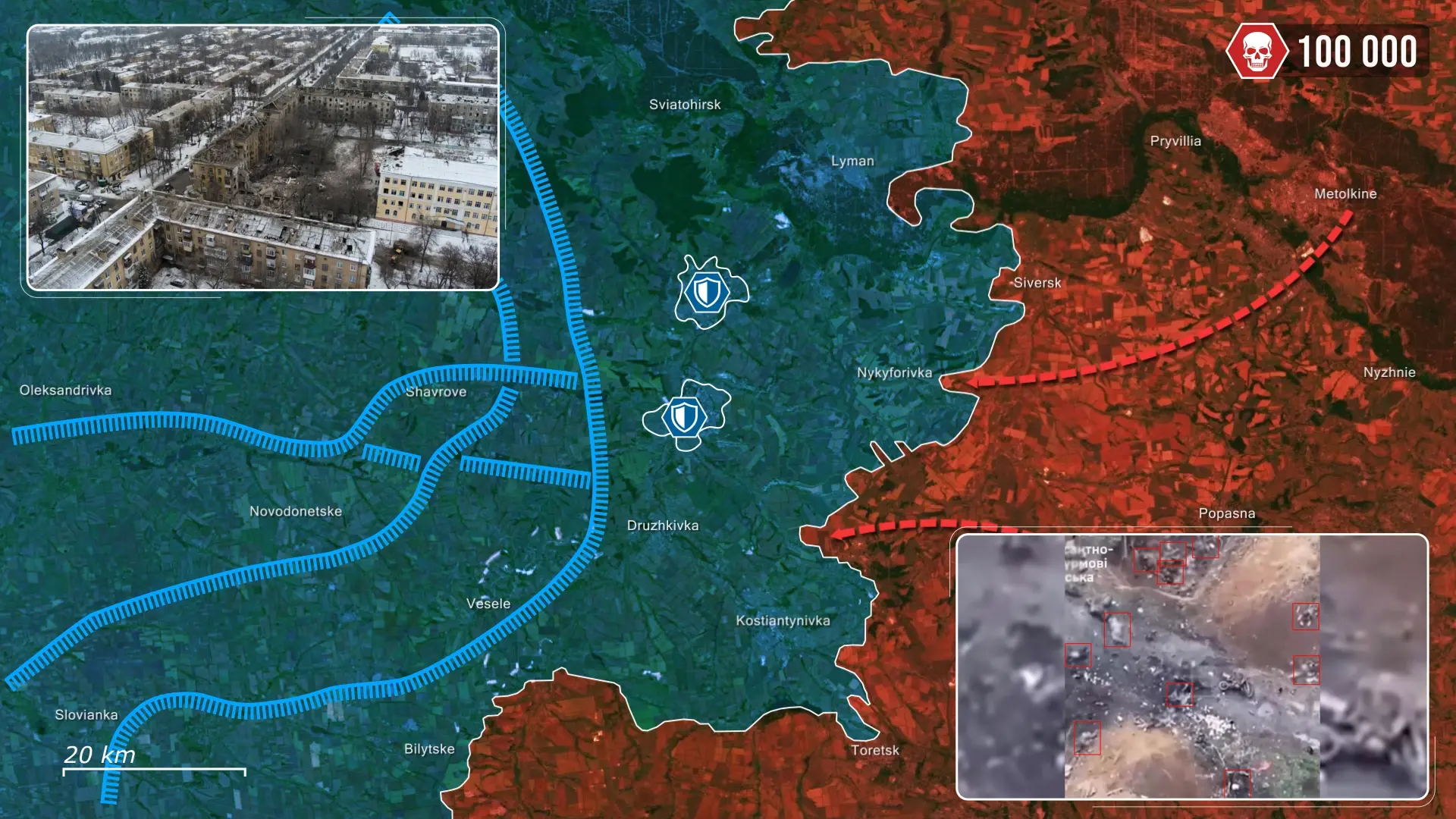
Crucially, Russian forces are far from reaching Ukraine’s newest fortifications, and before that, they would still have to overcome major urban conglomerations such as Kramatorsk and Sloviansk, part of the heavily fortified fortress belt, where dense defenses, prepared positions, and urban terrain further multiply the costs of any advance. Notably, almost one and a half years and more than 100,000 dead soldiers are still not enough for the Russians to capture Pokrovsk and Myrnohrad. For comparison, Kramatorsk is 4 times the size of Pokrovsk, while Sloviansk is almost 4 times bigger than Myrnohrad, which means that Russia would hardly be able to capture them even within the next two years.
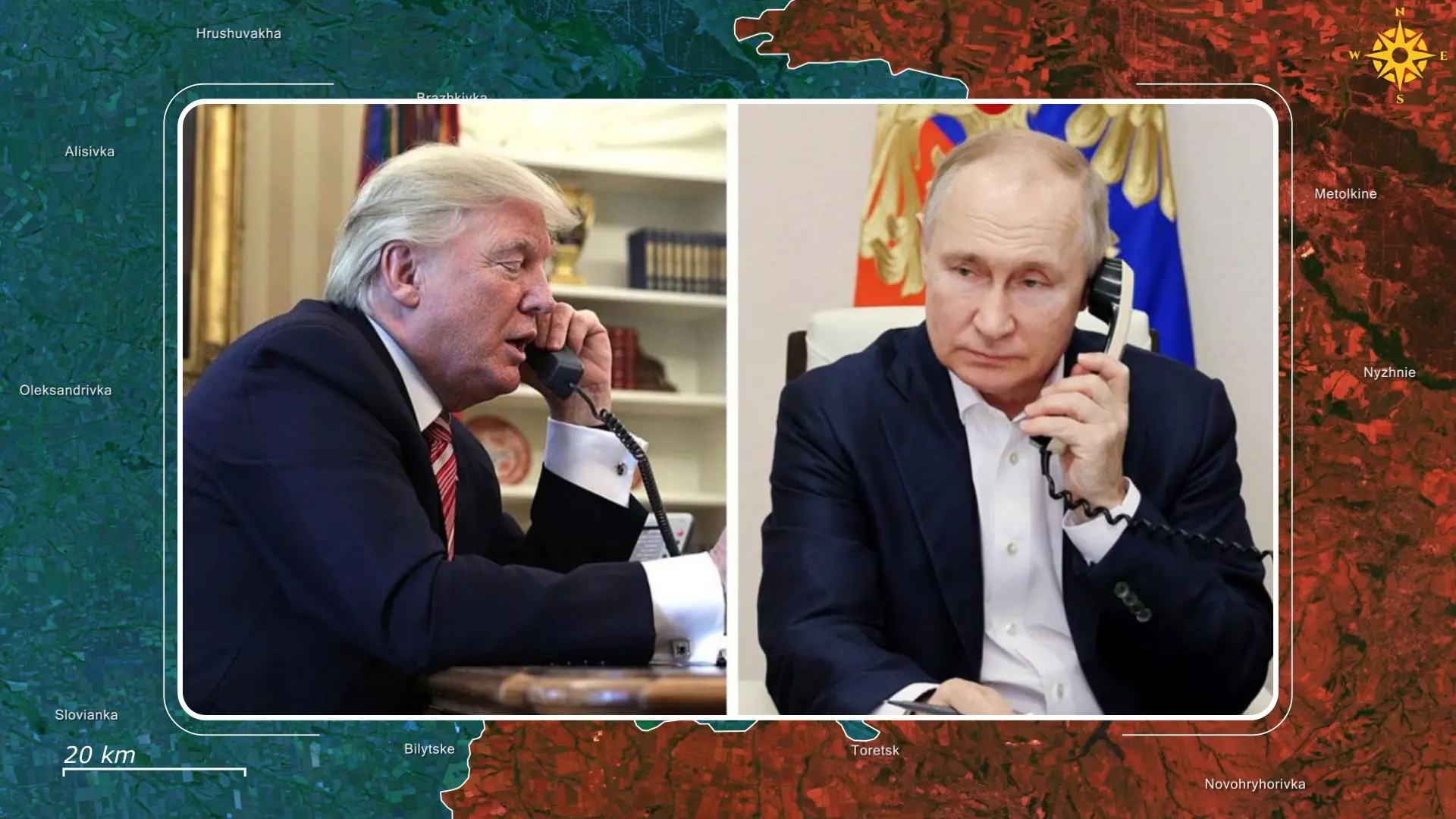
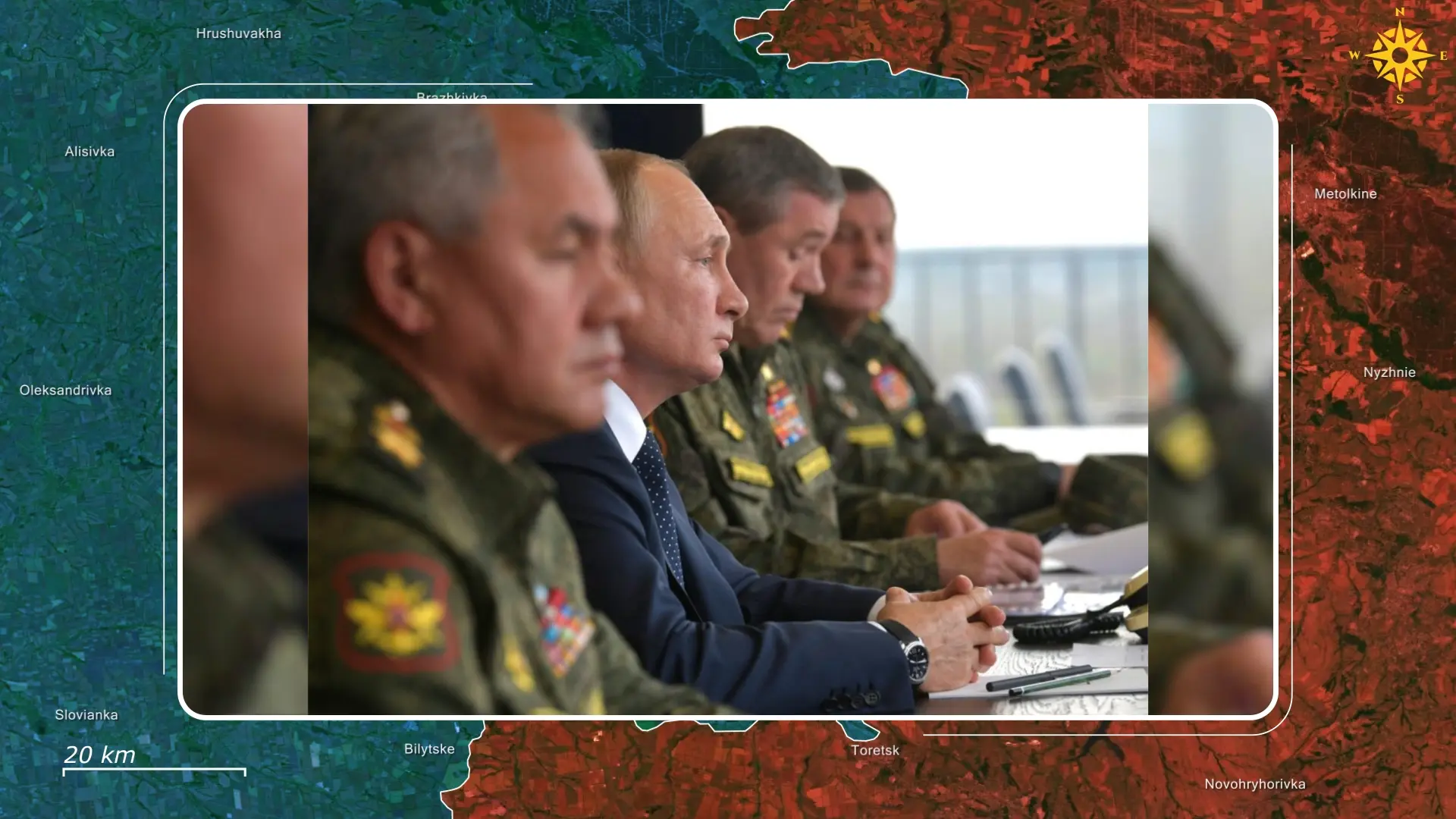
As a result, Russia’s leadership has started creating the impression that it is open to negotiations and a ceasefire, but only if Ukraine surrenders Donbas without a fight. Without taking it entirely, Moscow cannot plausibly claim even a symbolic victory, which Vladimir Putin needs to frame the war as successful and justify its immense losses.
From the outset, securing Donbas has been Russia’s core precondition for any peace plan, reflecting an implicit internal recognition that military seizure is no longer likely despite their claims for the Western audience that it is only a matter of time and resistance is pointless.
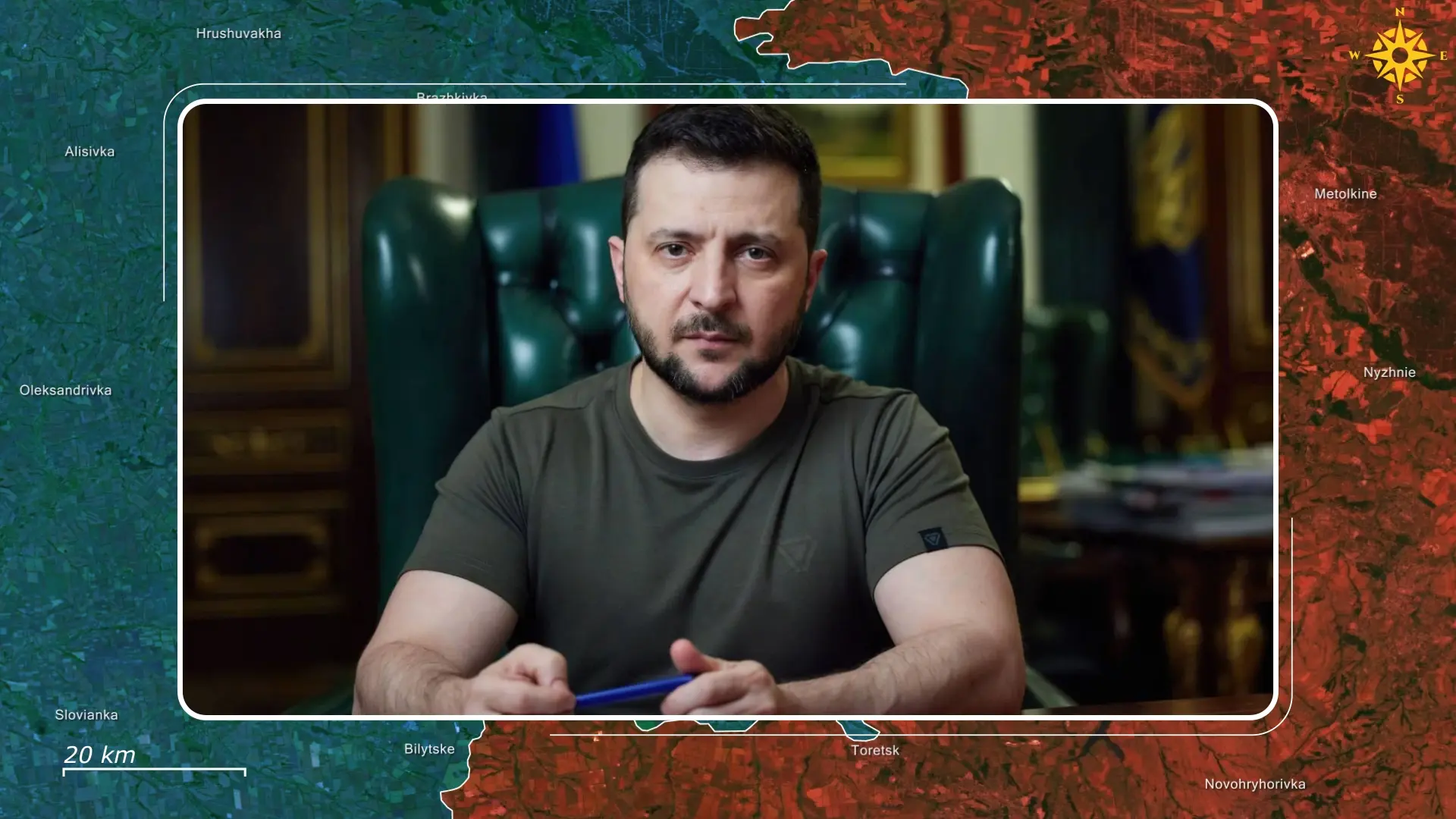
Given the realities on the ground, knowing well that the Russians lack the manpower and resources to capture it by force, and acknowledging the strategic importance of the rest of Donbas for protecting the regions further west, President Zelensky said Ukraine is not ready for compromises that violate its territorial integrity.
Overall, Russia’s negotiating posture won’t change in the future, as it remains more of a backup plan for achieving its goals than a true commitment to peace, as Russia understands it cannot achieve its goals on the battlefield. With a struggling defense industrial base and issues to replace huge losses, Moscow seeks to avoid the prospect of a costly siege against the fortified urban belt of Kramatorsk and Sloviansk, so it needs to project strength and try to force Ukraine to give up its territory.

.jpg)

Comments