

.svg)
Today, the biggest updates come from the skies of Ukraine.
Above a front line where reconnaissance and strike drones constantly scan the sky, artillery units operate under the permanent threat of instant detection and counterfire. In this environment, survival now depends on making artillery effectively invisible, setting the stage for a fundamental shift in how counterbattery warfare is fought.
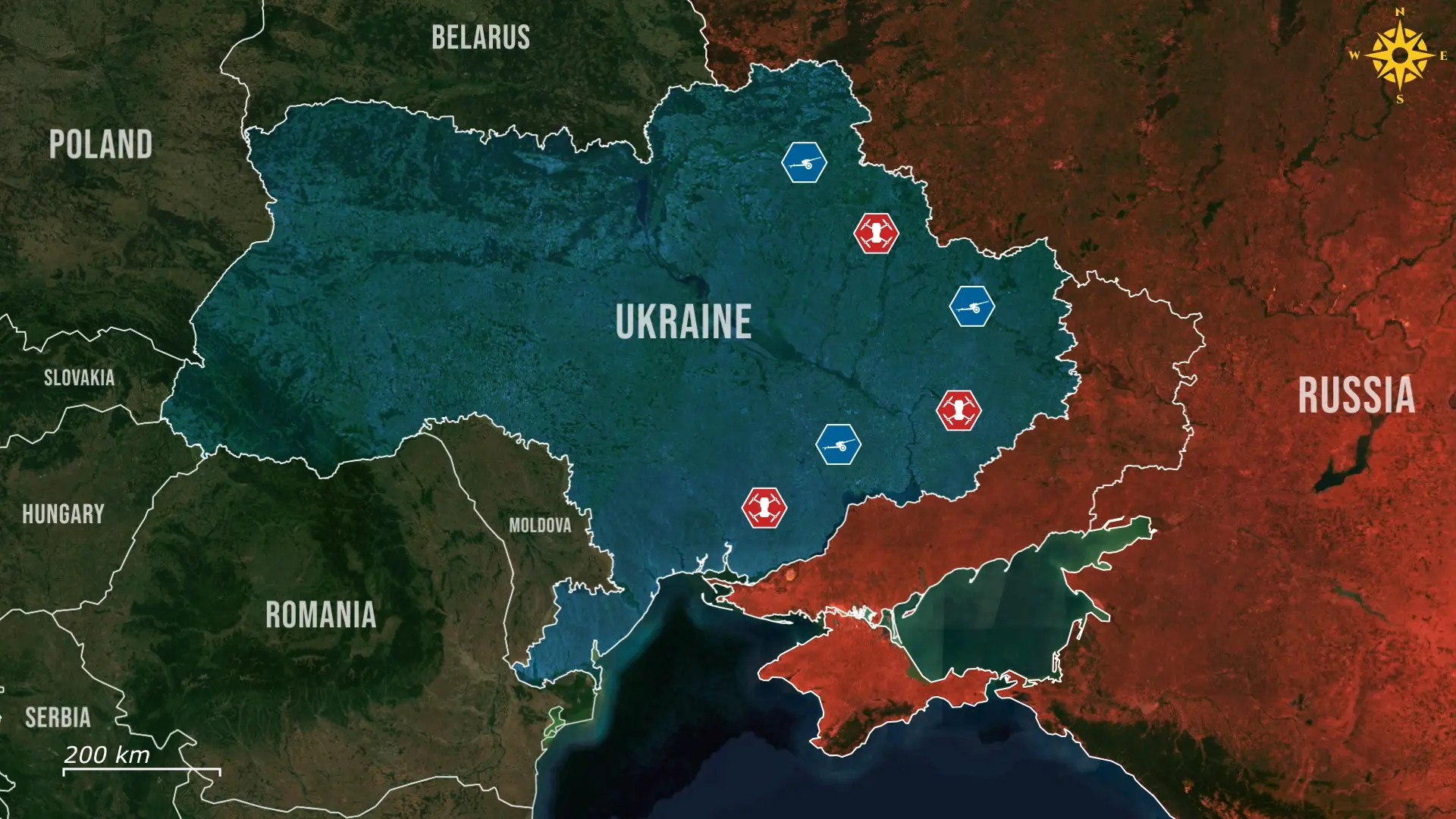
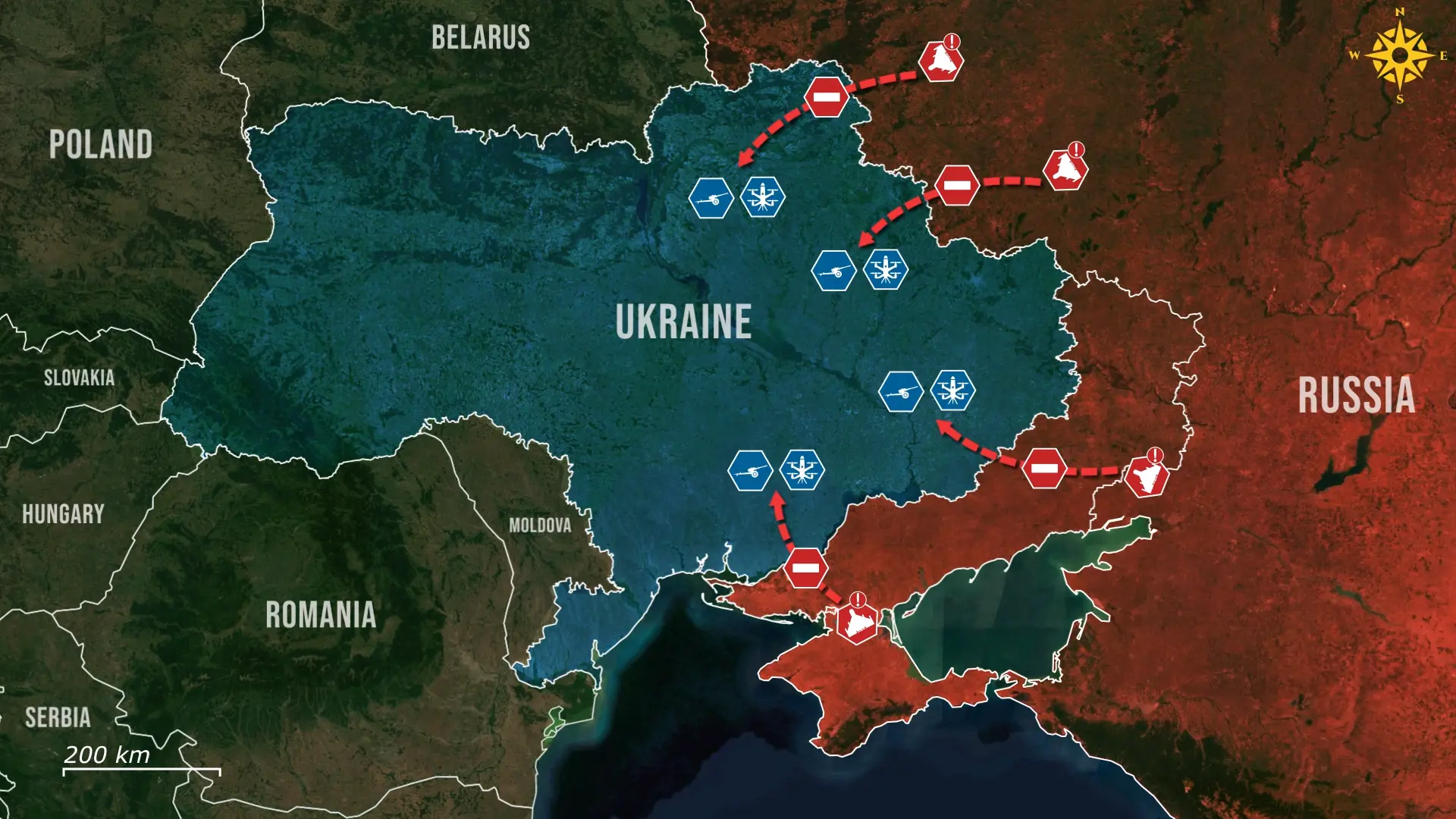
According to reporting, these interceptor teams are embedded directly within artillery formations rather than operating as separate air-defense assets, giving gunners an organic means to protect themselves in real time. Their task is narrow but critical: detect, track, and destroy enemy drones before those drones can spot firing positions or guide counterbattery strikes.
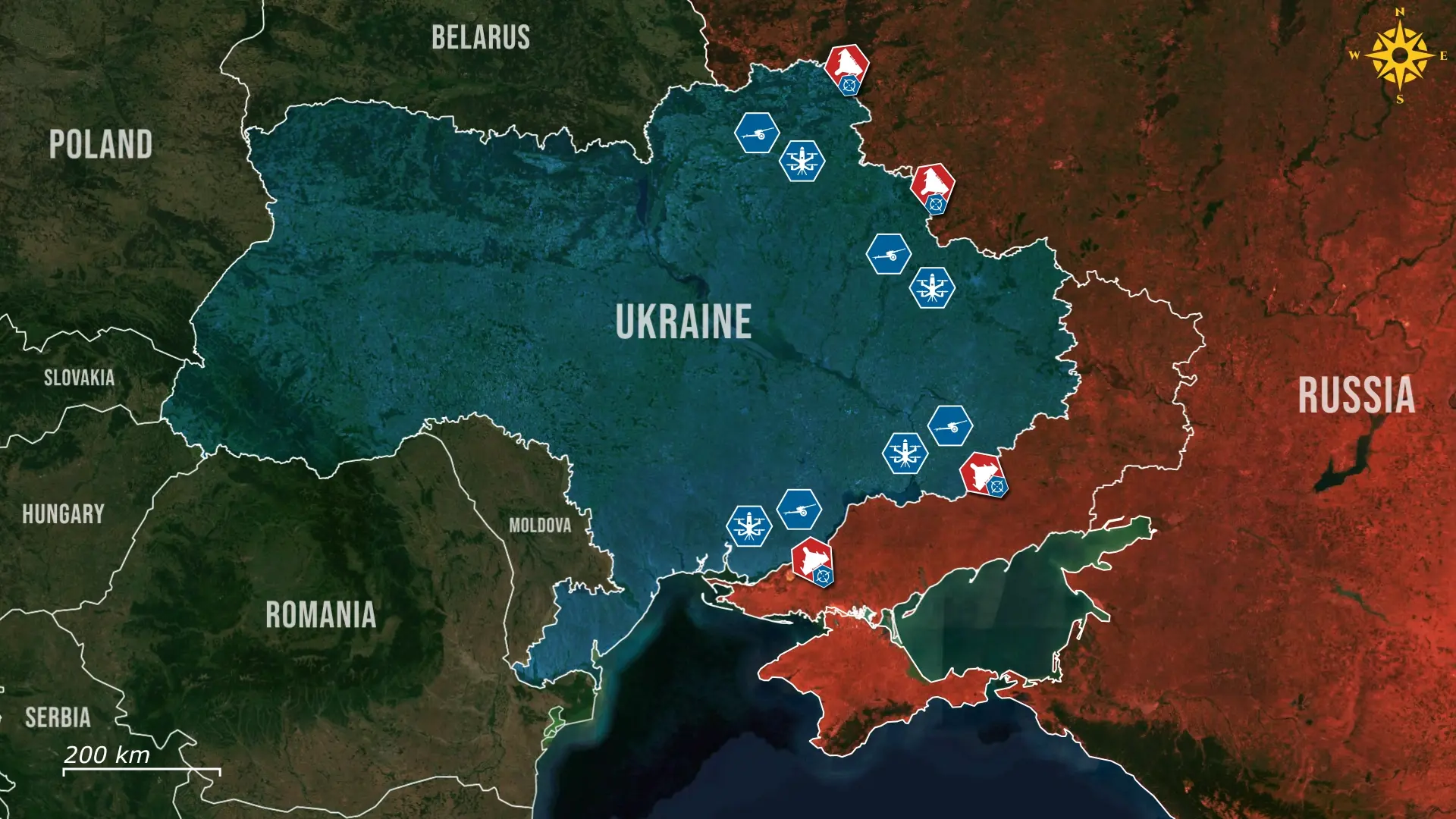
This move reflects a broader adaptation inside Ukraine’s artillery arm, where survivability has become as important as firepower. Instead of relying solely on camouflage, mobility, or higher-level air defenses, brigades are internalizing counter-drone warfare as a core artillery function. The result is a tighter, faster response loop between detection, interception, and continued firing, not having to rely on coordination with neighboring drone units, who have their own vast array of existing combat obligations.
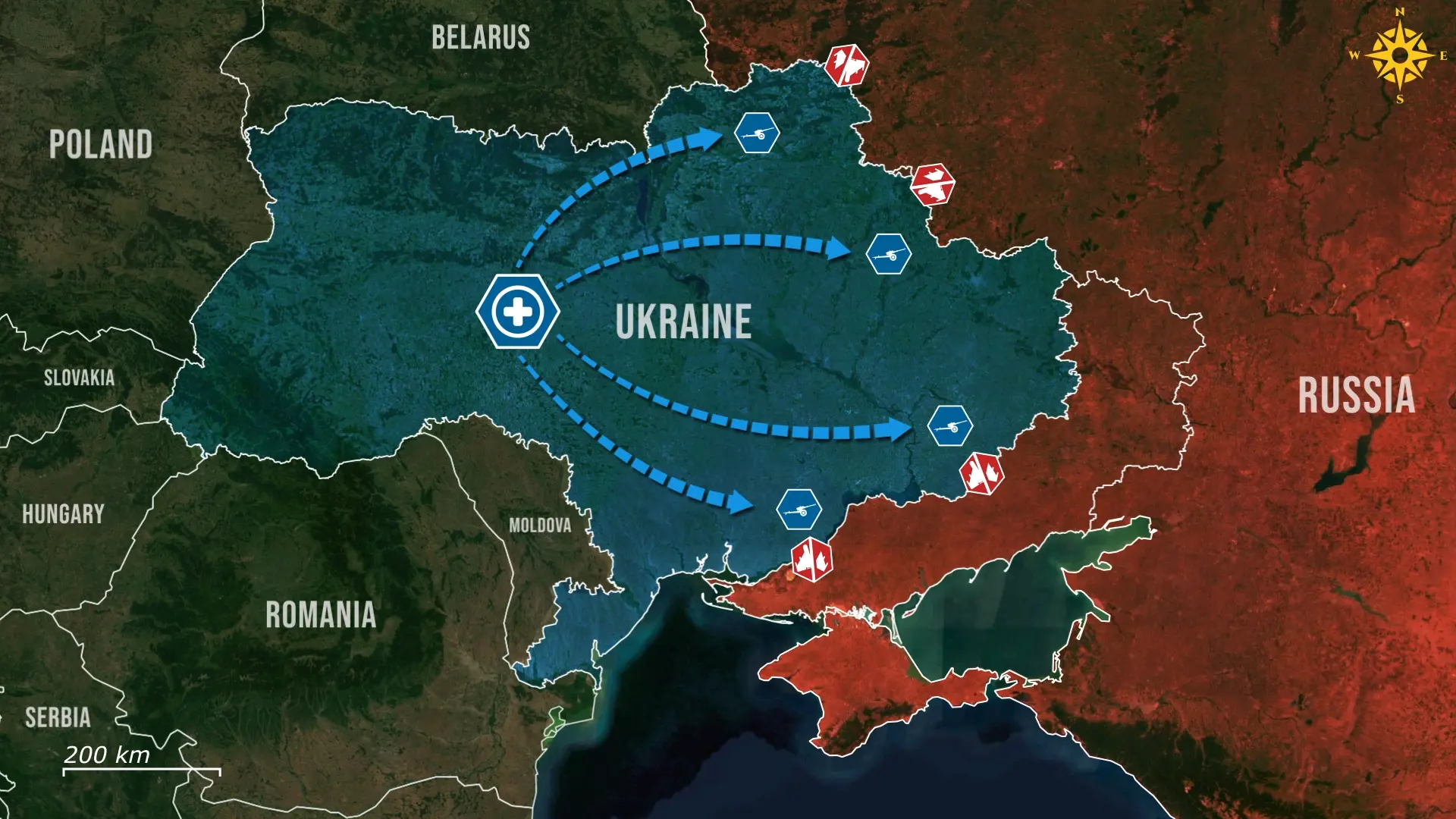
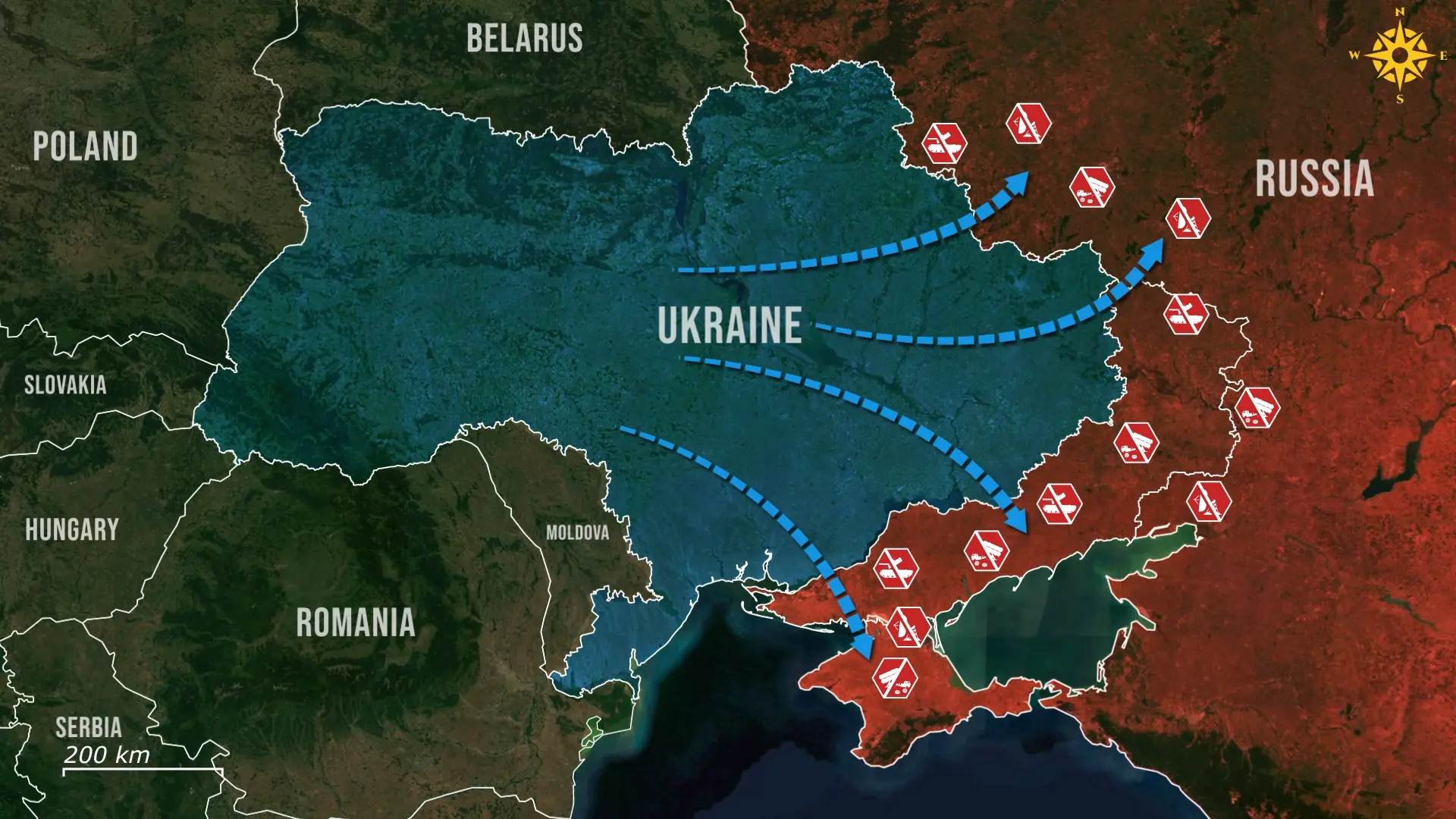
The core reason for this development is that Russian loitering munitions and reconnaissance drones now patrol deep into Ukrainian rear areas, turning routine movement into a constant risk and erasing the practical boundary between front line and rear. Once a drone detects movement or firing activity, it can loiter overhead, confirm the target, and transmit coordinates in near real time. Long-range strike drones are then deployed, hunting and destroying Ukrainian assets far beyond the reach of conventional means.
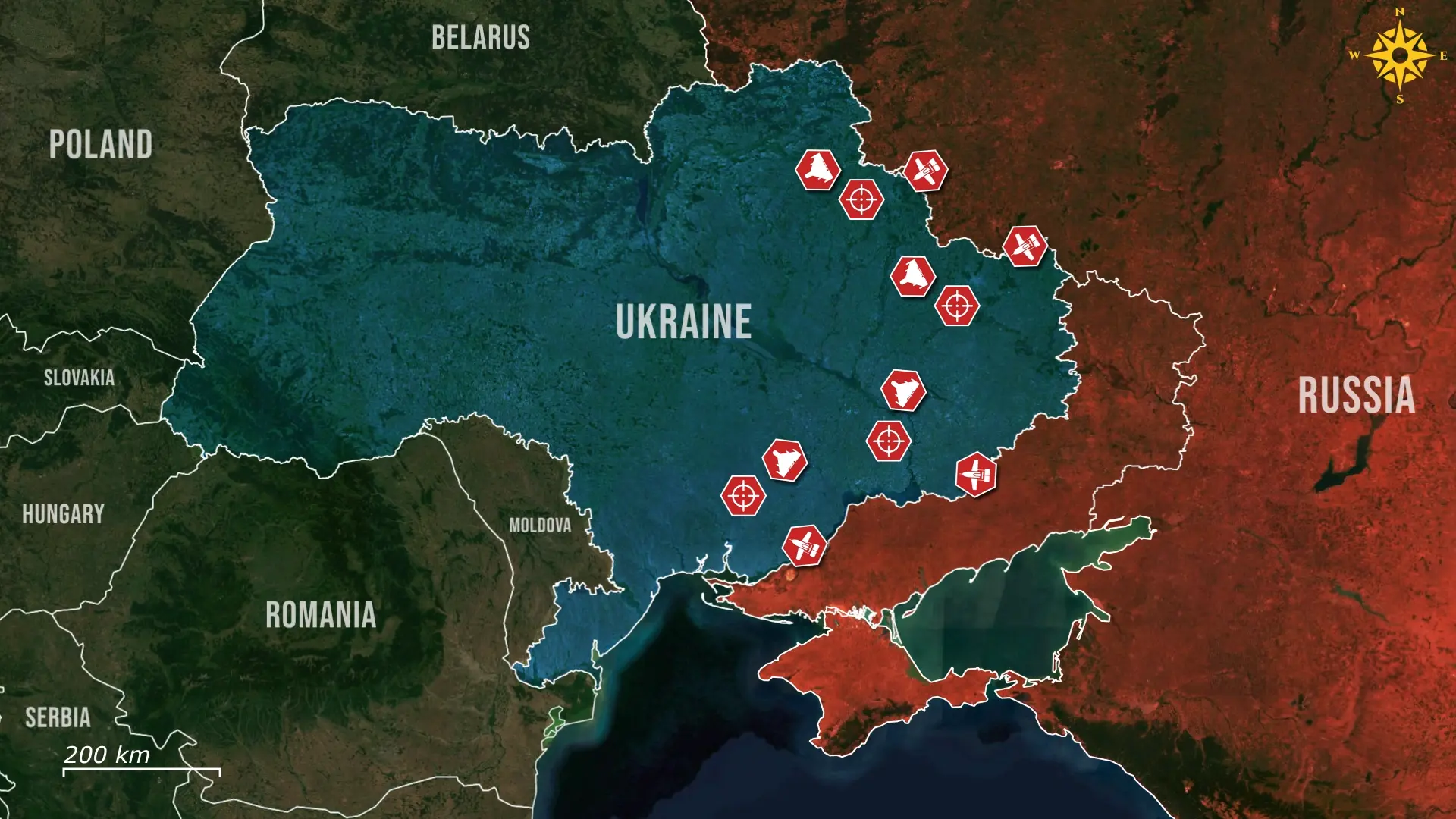
For artillery units, this threat is magnified to the extreme. Their relative immobility, predictable firing cycles, muzzle flashes, and acoustic signatures make them especially vulnerable. Towed guns are exposed the longest, while even self-propelled systems must halt, deploy, fire, and relocate within a narrow window. A single observation drone can trigger a full strike chain. To remove reliance on luck for rapid detection of Ukrainian artillery, Russian forces flood the airspace with drones, maintaining continuous detection pressure. In this environment, traditional concealment and shoot-and-scoot tactics alone are no longer sufficient for Ukrainian artillery to remain effective on the battlefield.
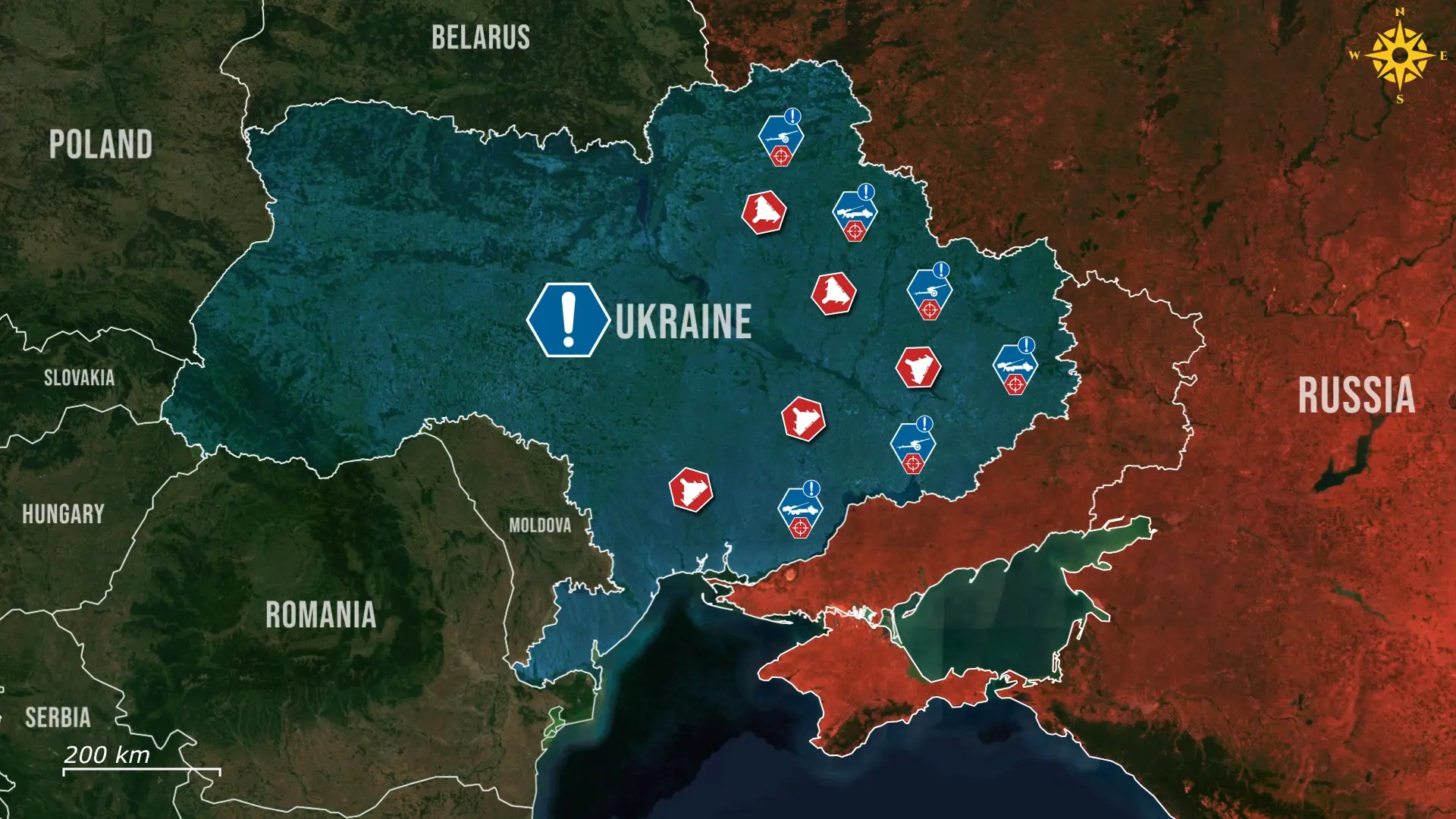
As a result, the integrated interceptor units now function as a protective layer hovering over artillery operations, constantly scanning the airspace where Russian drones are most likely to appear. Small and fast interceptor drones are launched as soon as enemy reconnaissance or strike UAV’s are detected by frontline radars and scanners, racing to engage them before they can fix a firing position or pass coordinates onward. This is not a one-off action but a continuous cycle, with operators rotating drones to maintain persistent coverage.
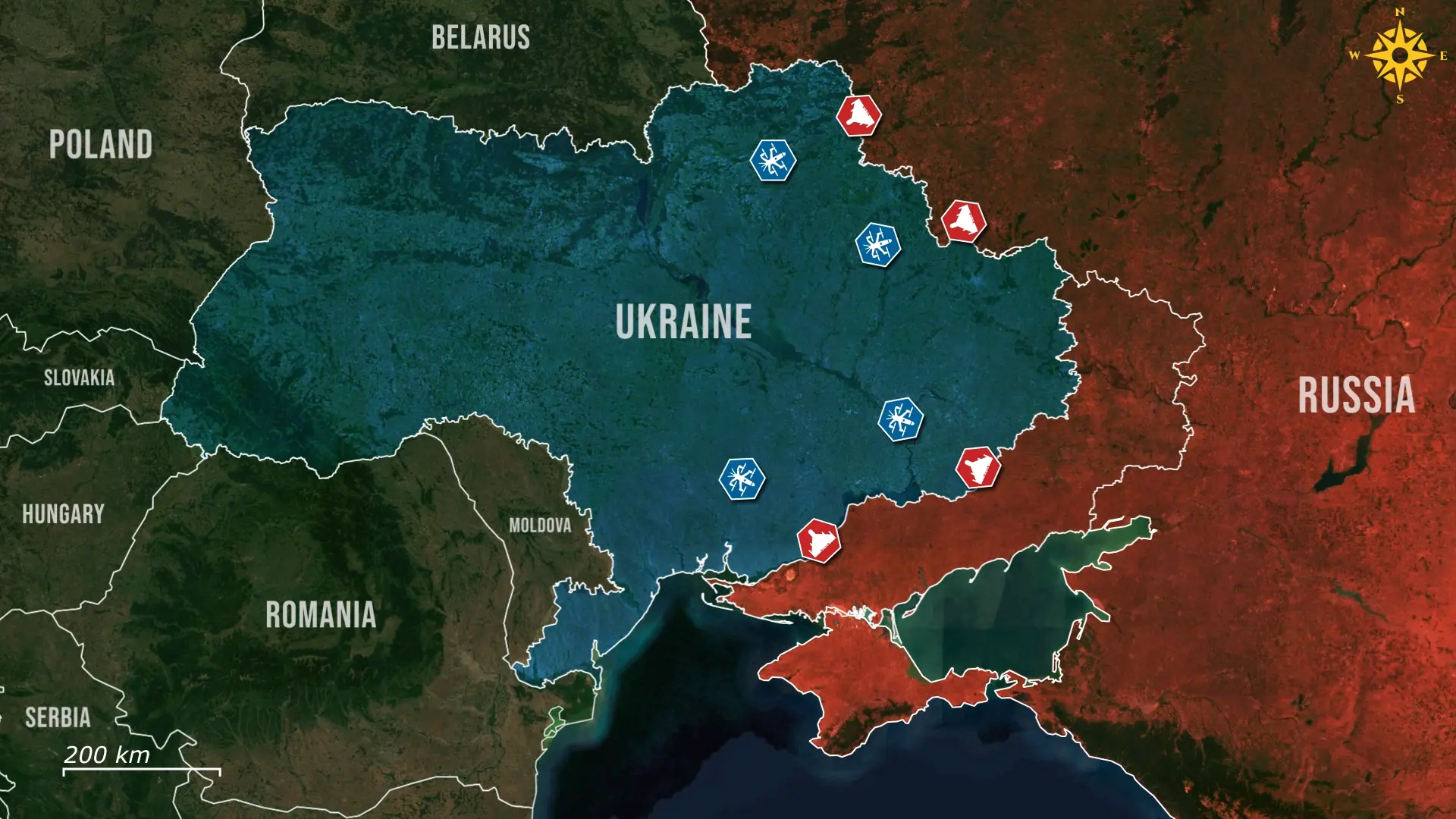
As interceptors clear the air, they carve out temporary safe zones in which guns can deploy, fire, and reposition with reduced risk of immediate detection. These zones are dynamic, shifting as batteries move or missions change. The goal is not total air denial, but local and time-limited control, just long enough for artillery to operate without being instantly exposed.
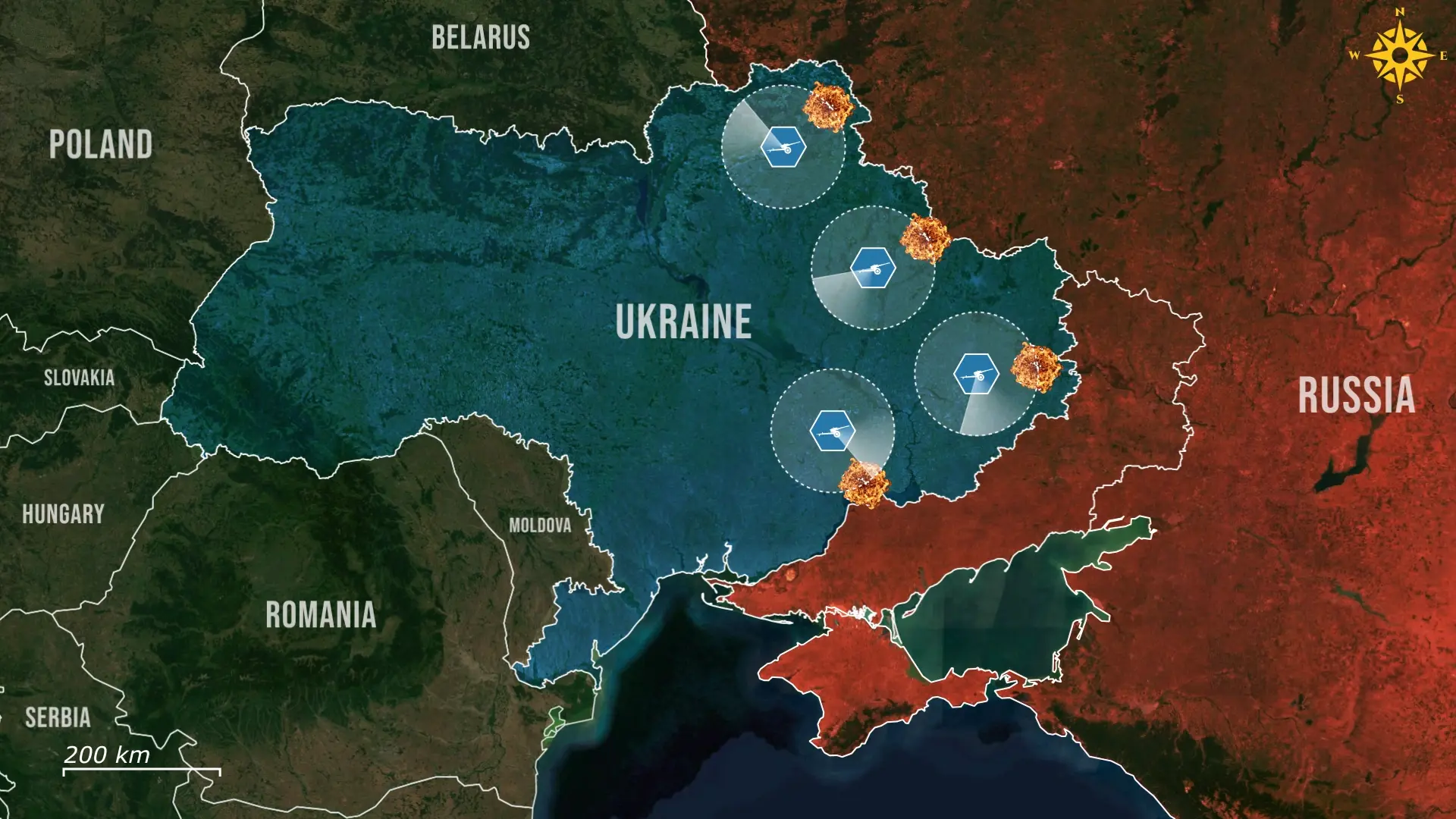
Ukrainian artillery brigades’ integration of dedicated drone interceptor units has begun to undercut the core mechanism of Russian counterbattery warfare by denying the enemy reliable aerial spotting. Units tasked with shooting down hostile drones are breaking the Russian detection chain that once enabled near-instant counterbattery strikes, forcing adversary fire missions to become less persistent and effective.
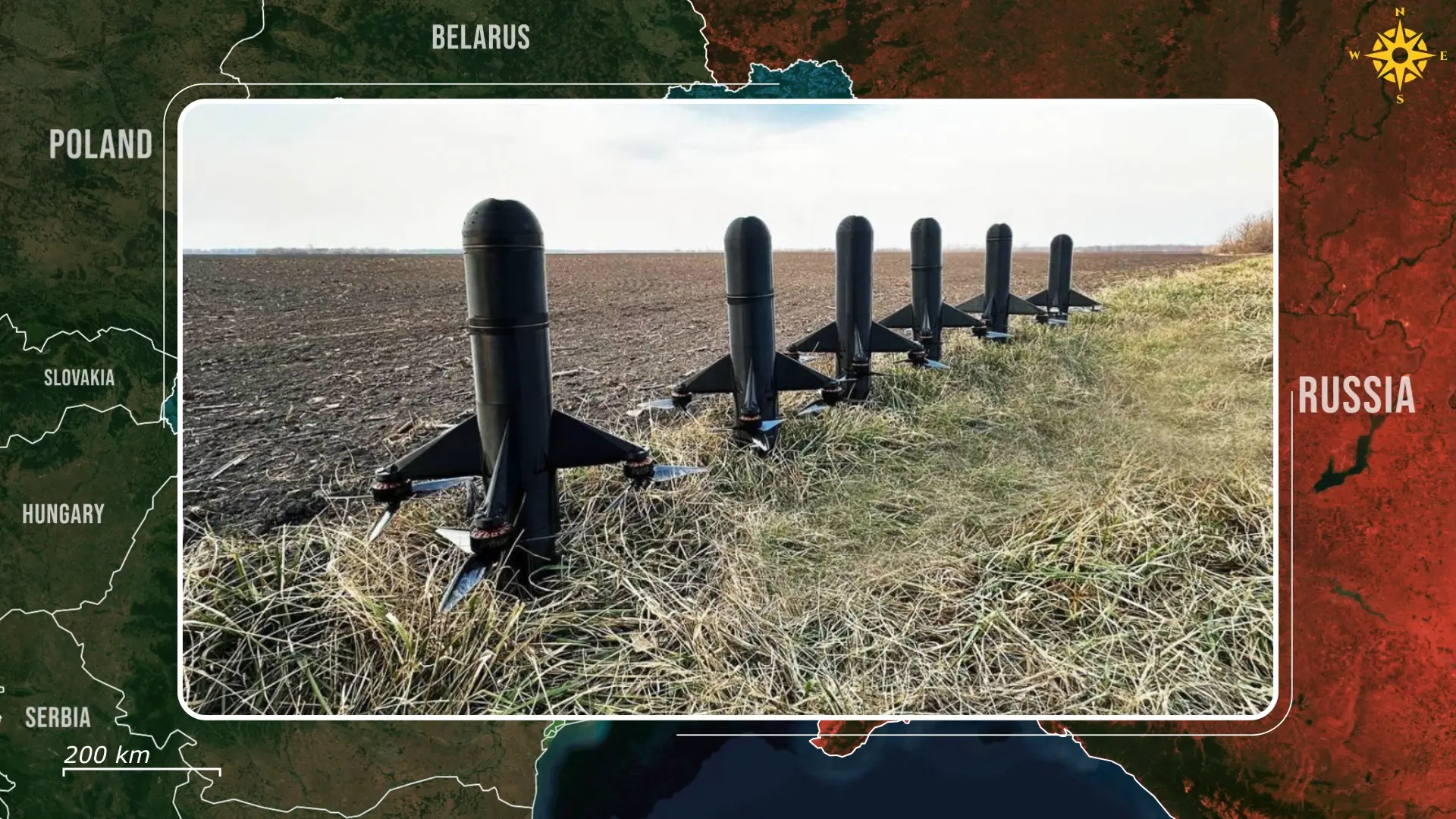
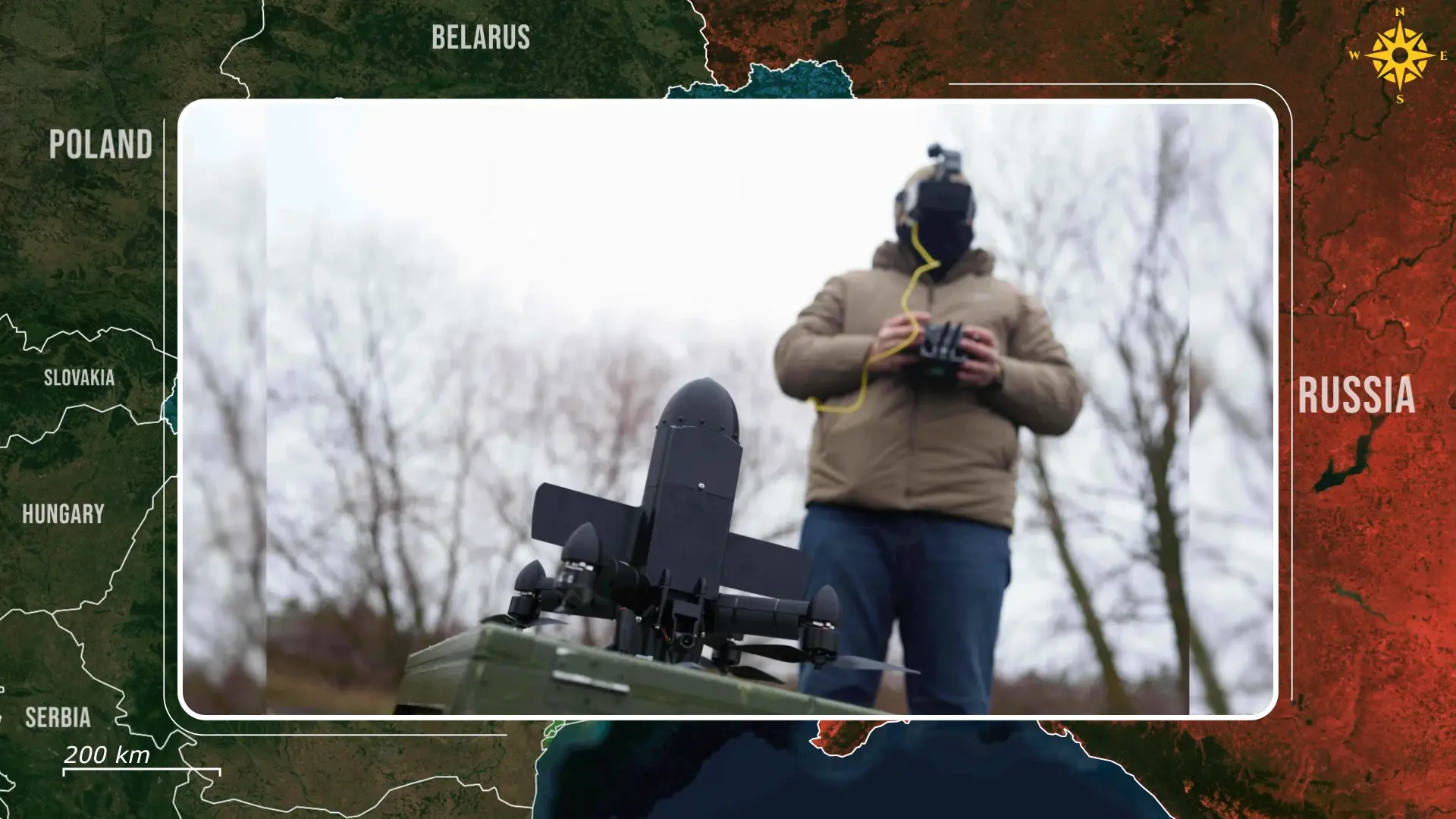
In 2025, Ukrainian forces reportedly shot down more than 1,000 enemy reconnaissance drones, directly degrading Russian intelligence, surveillance, and reconnaissance capabilities. As a result, Ukrainian artillery survivability has noticeably increased and brigades report a significantly higher tempo of fire, with fewer losses to hostile reconnaissance and strike drones than in earlier phases of the Russian tactic.
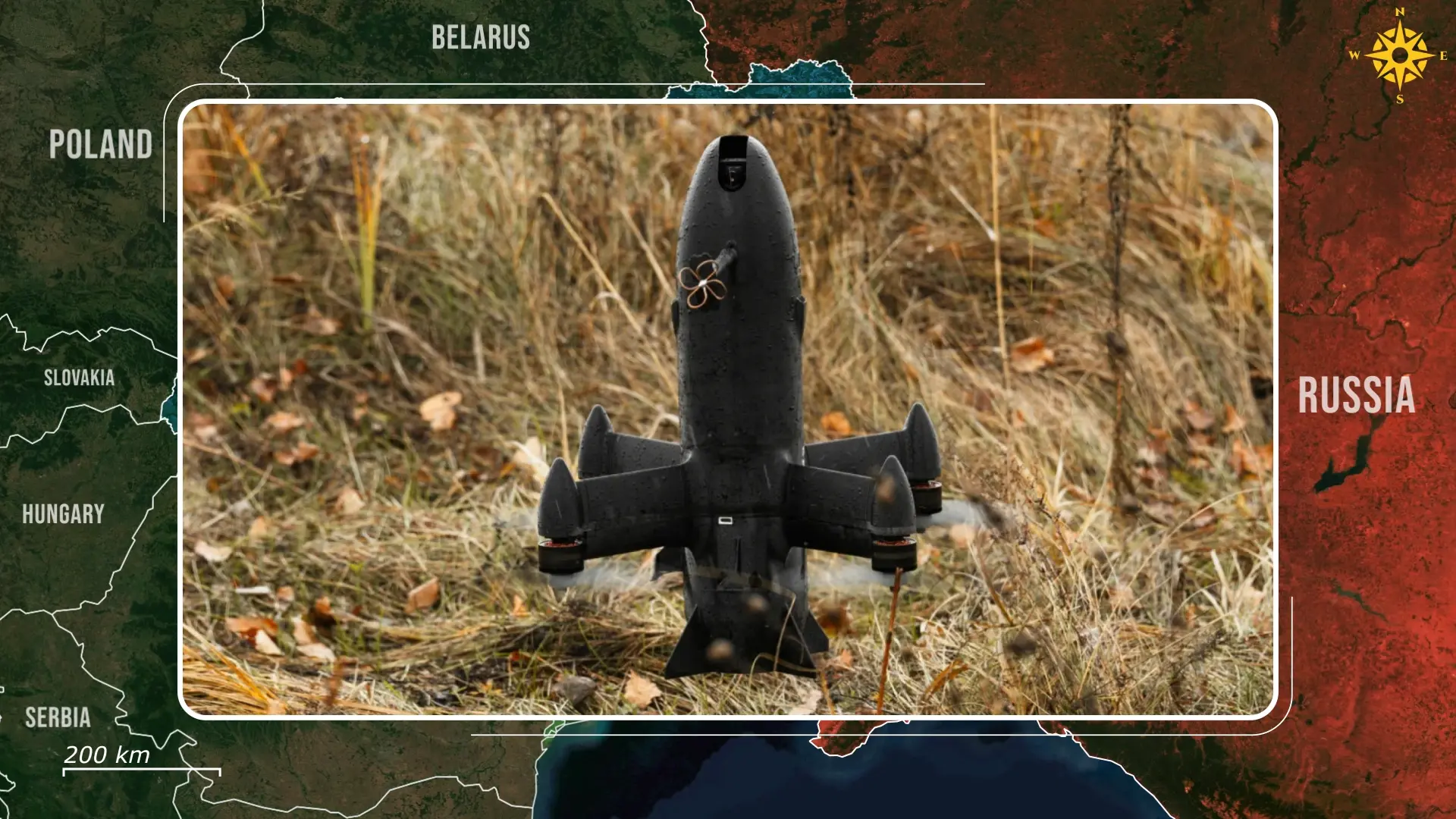
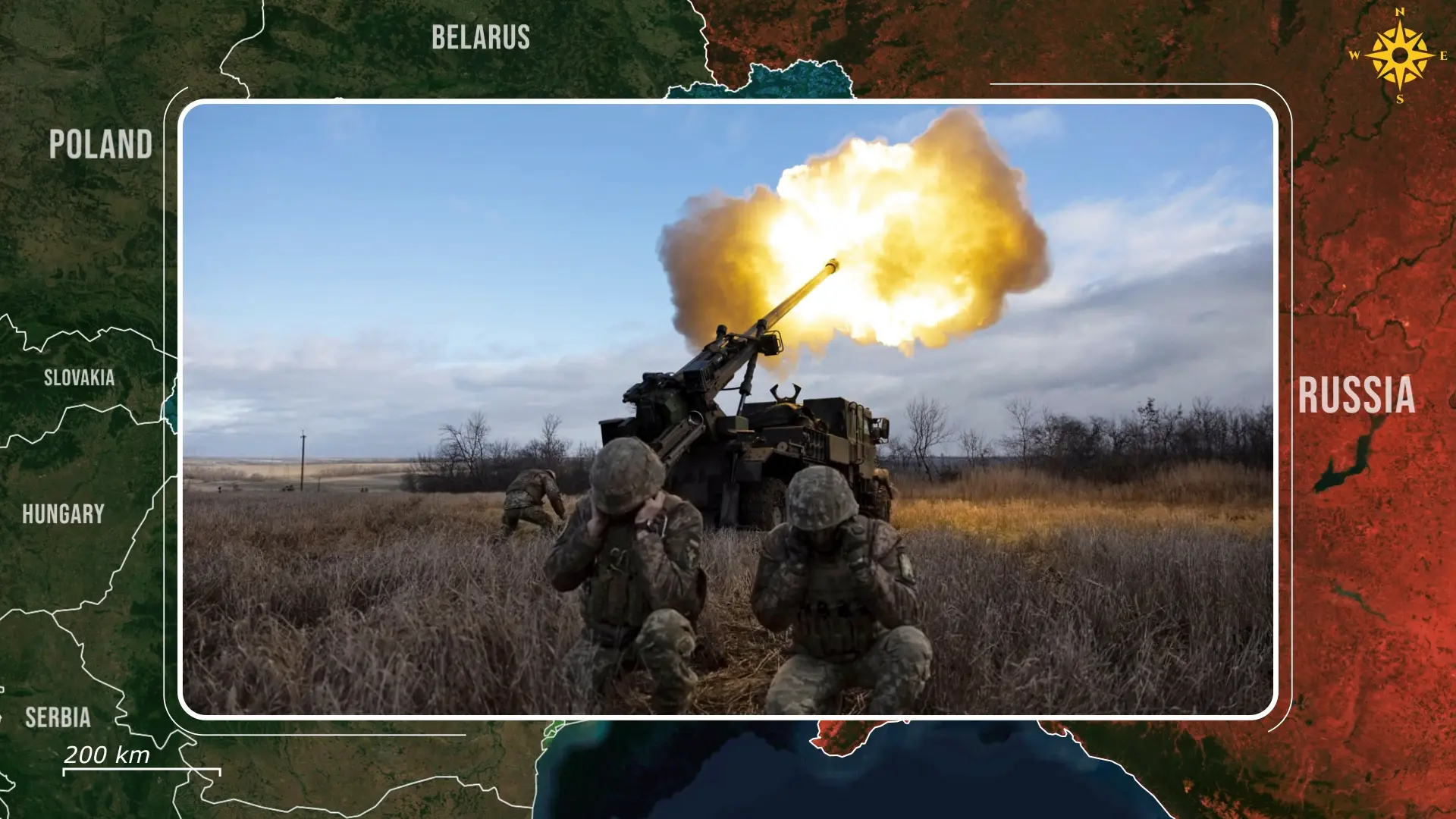
Overall, the integration of interceptor drones directly into artillery units marks a structural shift in how firepower survives and functions under constant aerial surveillance. By pushing air defense down to the battery level, Ukrainian artillery is no longer merely reacting to drone dominance but actively contesting it, restoring freedom of action in contested rear areas. This effectively renders artillery invisible for critical windows of time, breaking the feedback loop that made Russian counterbattery fire so lethal. The deeper implication is that counterbattery warfare itself is being defeated not by longer range or faster guns, but by controlling the airspace where targeting begins.

.jpg)


Comments