

.svg)
Today, the biggest updates come from Moldova.
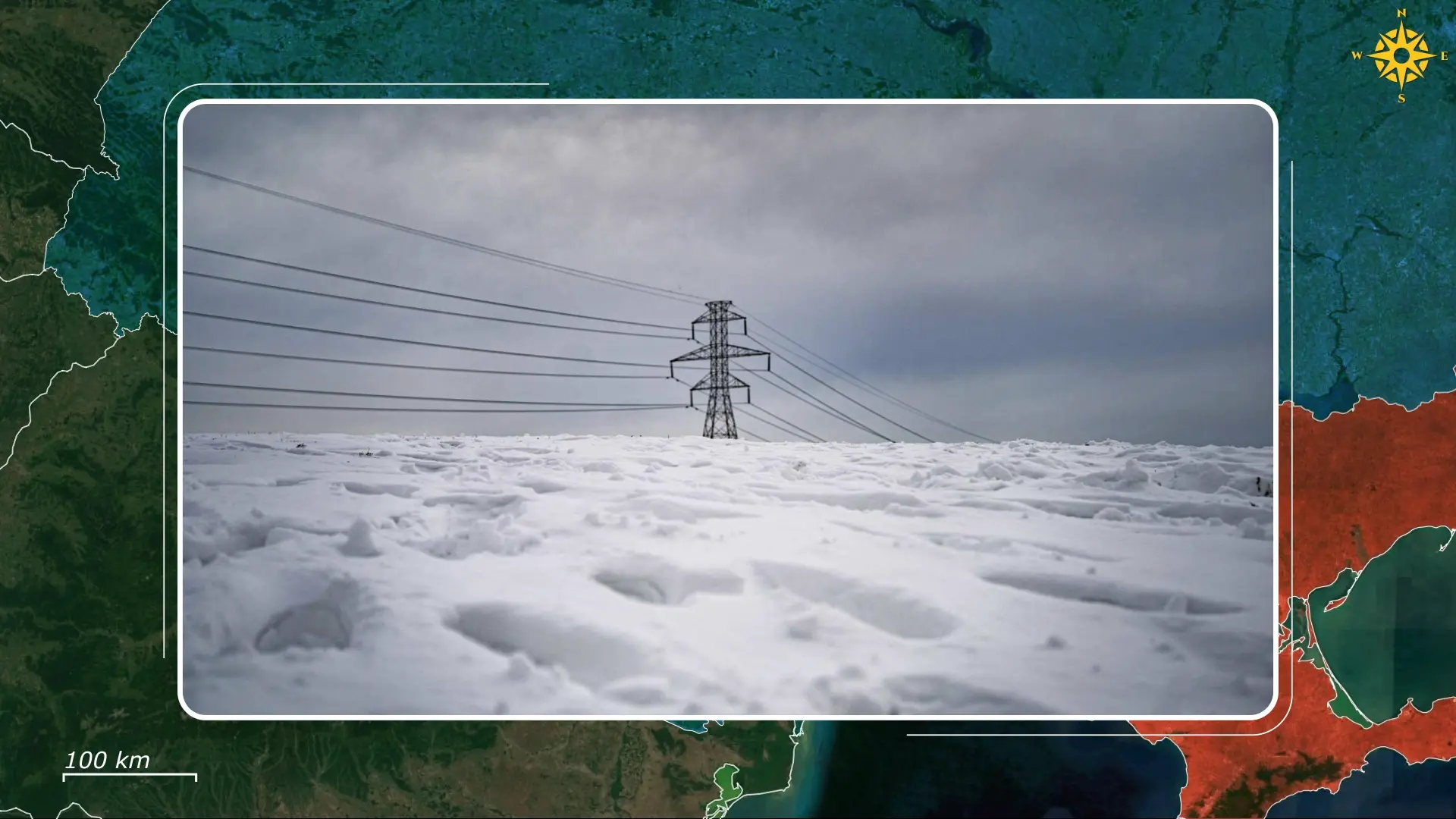
Here, on a cold winter evening, Moldova slipped into a sudden blackout, leaving Moldovans in shock as cities and villages were swallowed by darkness. What had long felt like a quiet, neutral margin of the war was abruptly shattered, exposing how fragile the country’s sense of safety truly was.
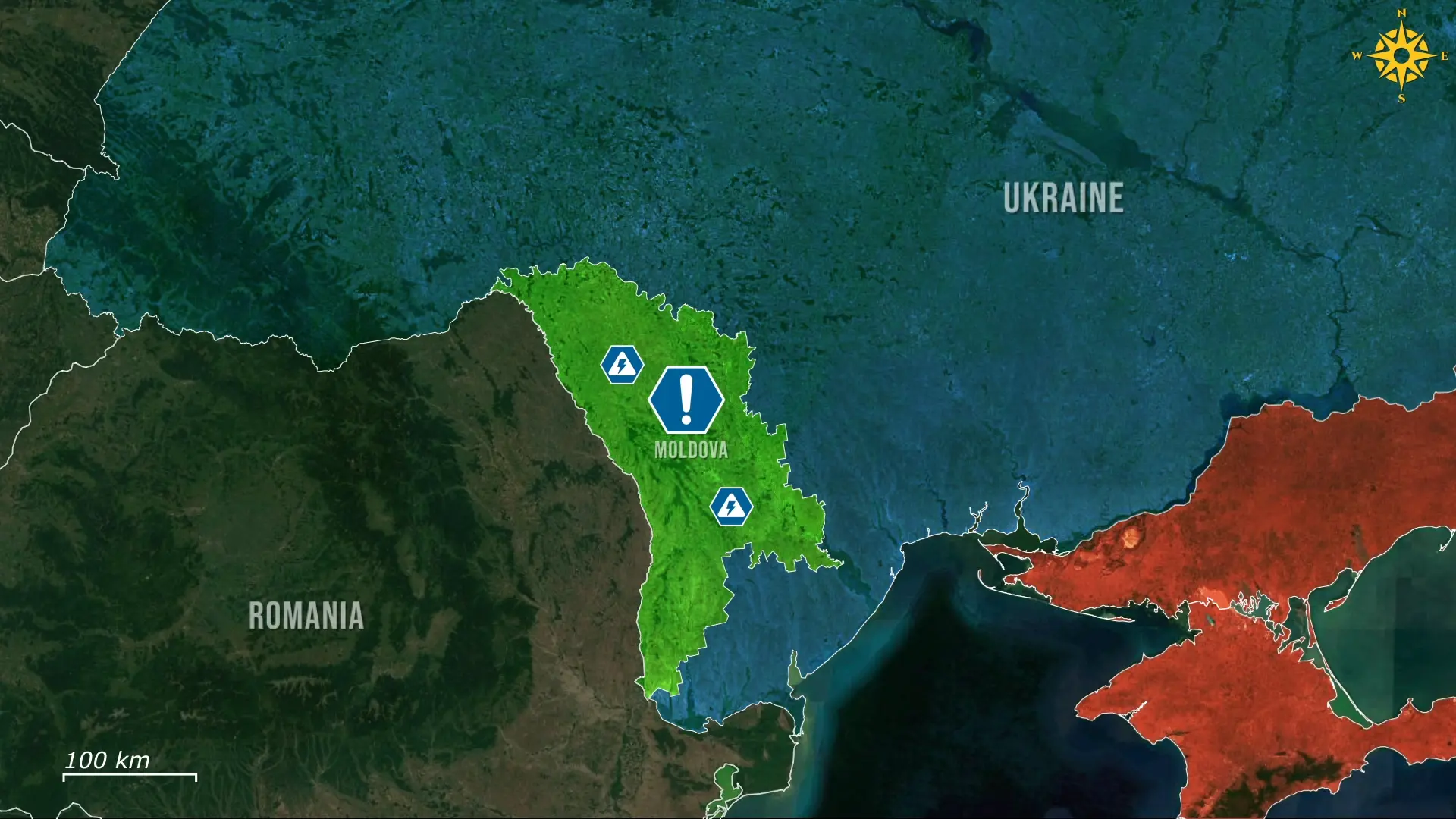
The sudden loss of imported electricity triggered widespread blackouts across Moldova, producing immediate and cascading disruptions to civilian life.
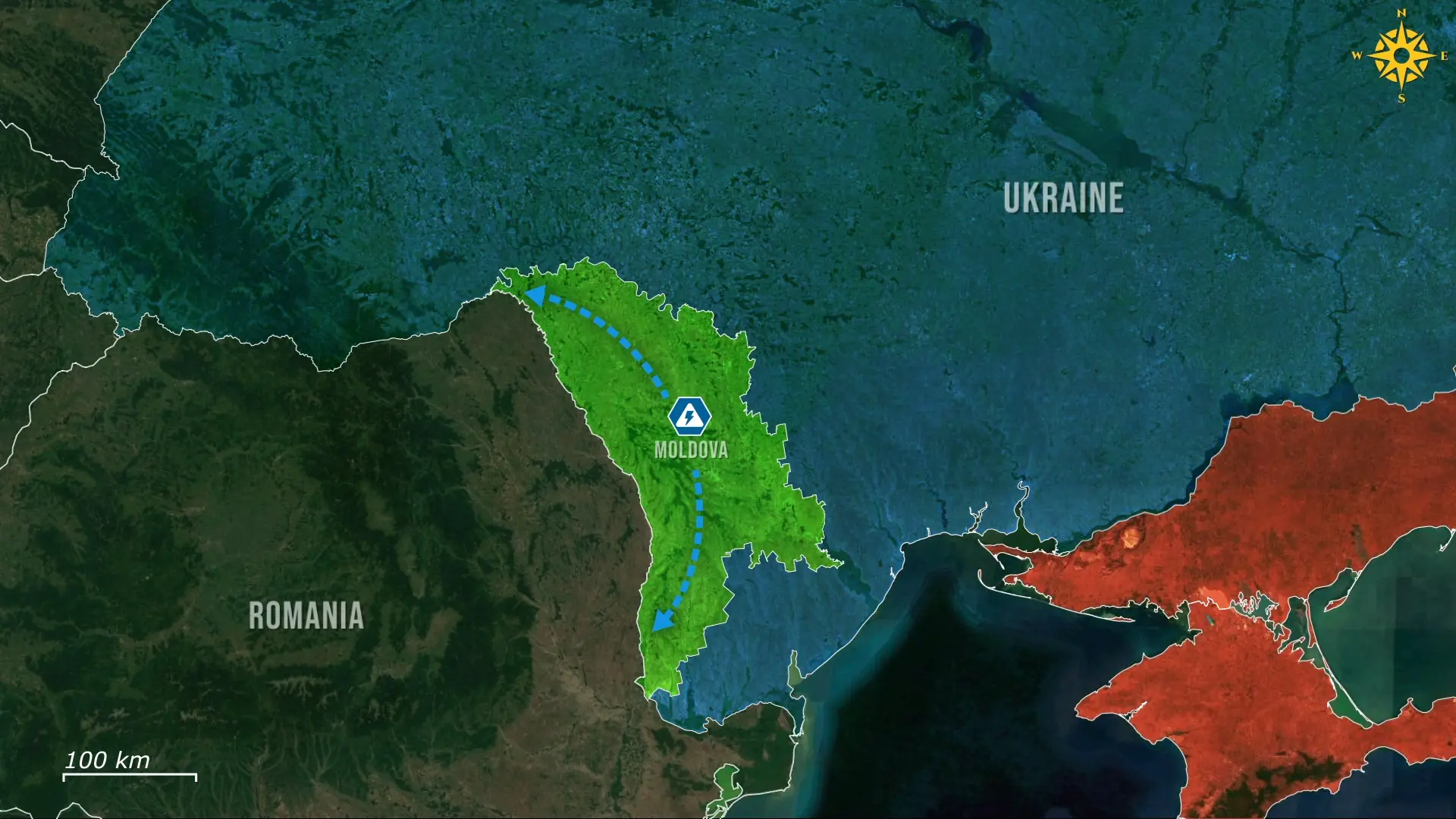
Vast regions were left without internet access and mobile telephony, while hospitals and emergency services were forced to rely on backup generators to maintain basic operations. In Chisinau, public transport ground to a halt as traffic lights failed, elevators in apartment buildings stopped functioning, and gas stations were unable to pump fuel. Residential areas dependent on central or electric heating were left without warmth, exposing households to the cold and underscoring how the interruption of cross-border power flows translated directly into humanitarian and societal impacts.
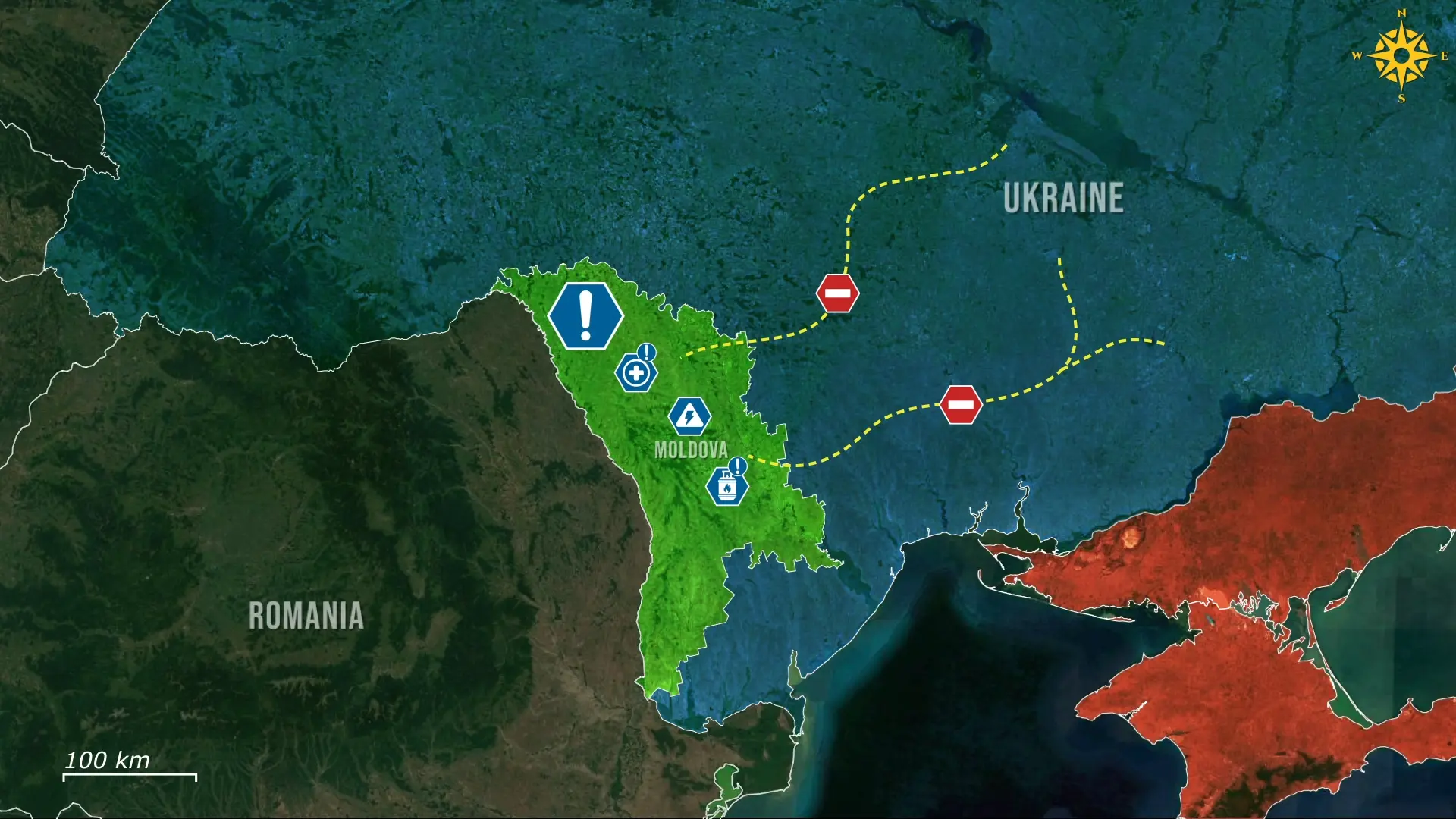
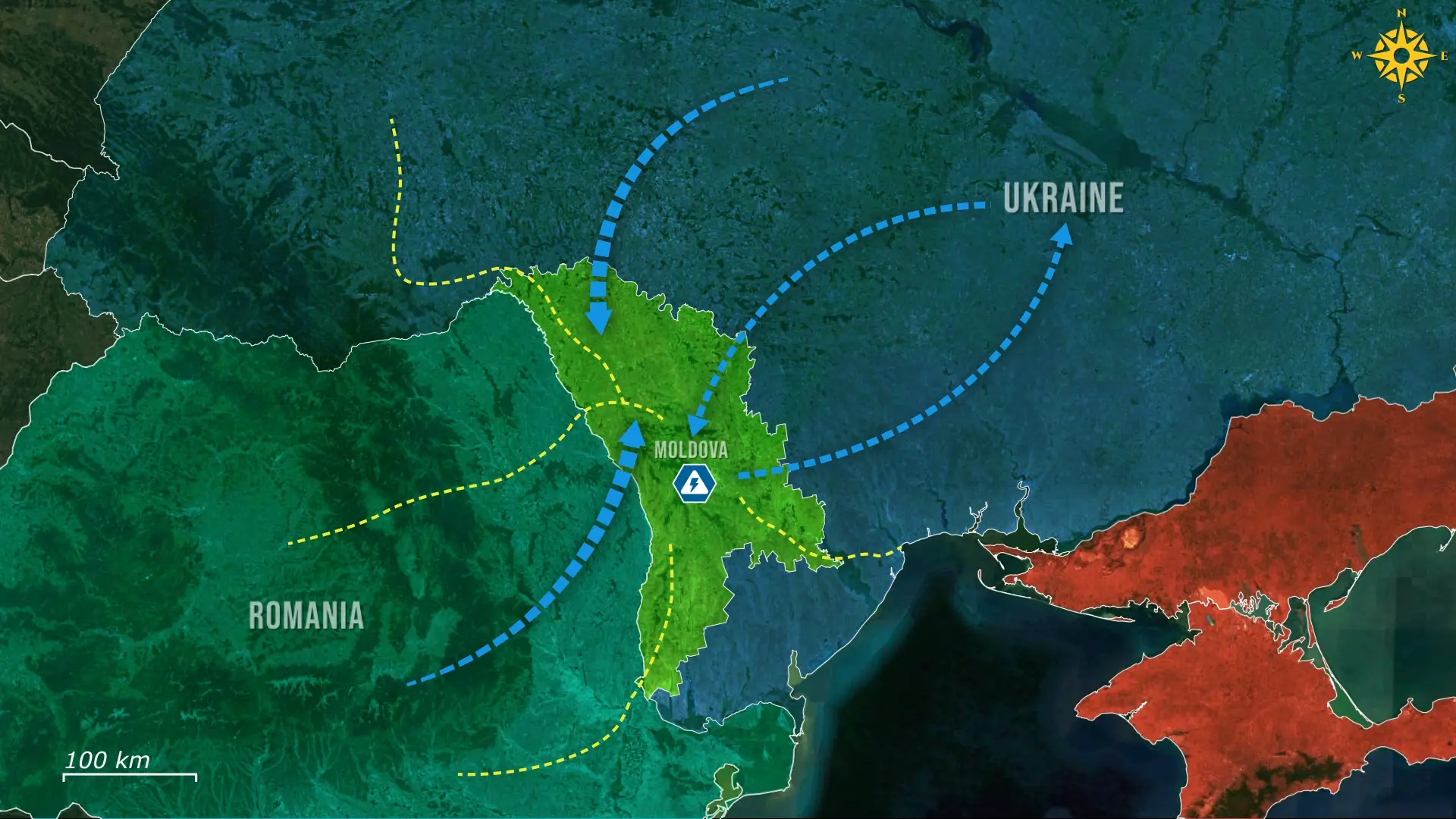
Moldova’s energy network is structurally and historically interlinked with Ukraine’s, relying on shared transmission lines, synchronized grids, and cross-border electricity flows to maintain stability. This tight integration means that damage to Ukrainian substations or high-voltage lines immediately destabilizes Moldova’s own supply, leaving little buffer against sudden disruptions.
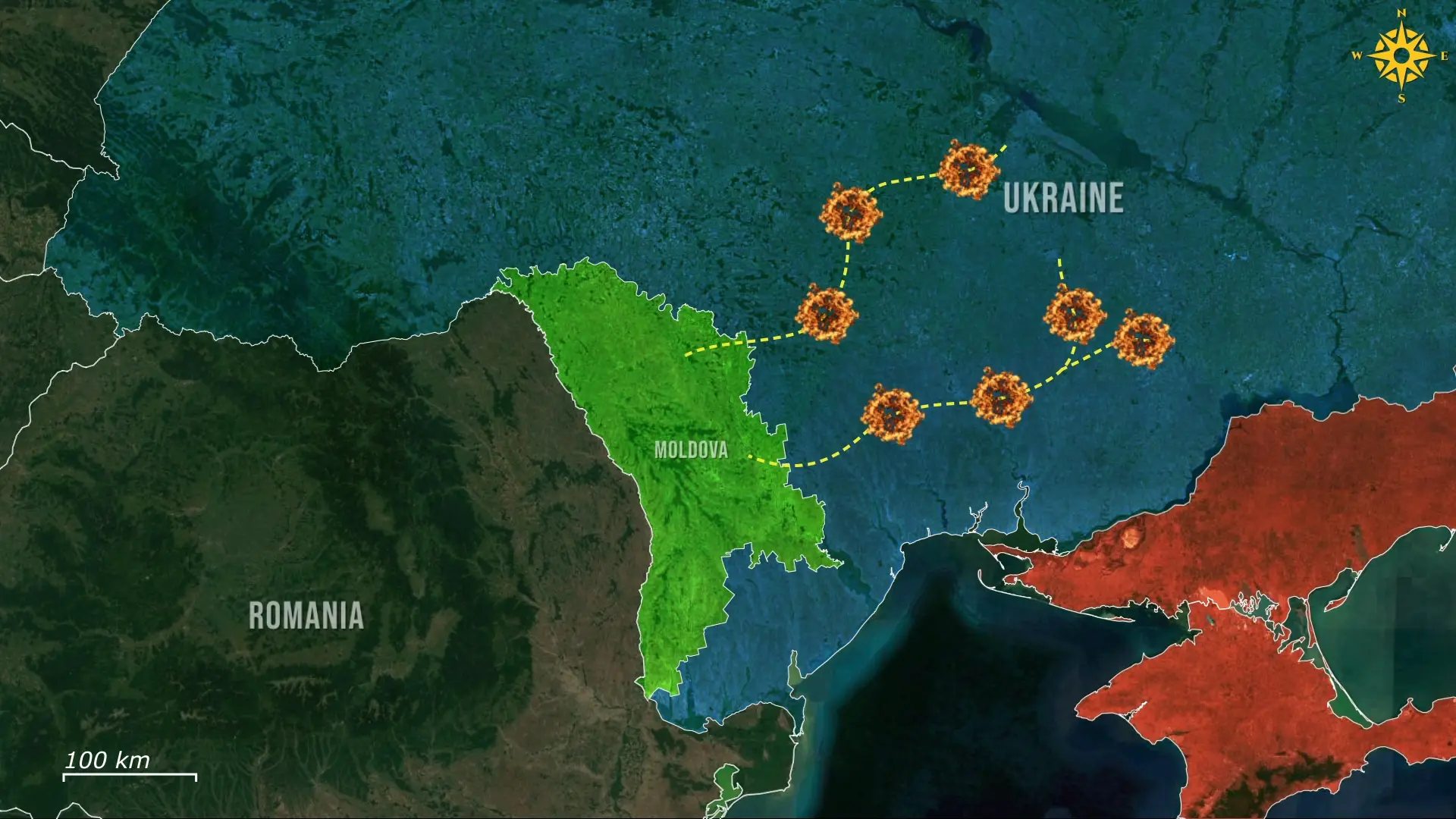
As russian strikes degraded Ukraine’s power infrastructure, the shockwaves were transmitted directly into Moldova’s grid, producing blackouts far from the strike zones themselves. Electricity was ultimately restored trough combined efforts, via emergency interconnectivity routes with Romania and Ukraine, highlighting Moldova’s vulnerability on one hand and its westward energy lifeline on the other.
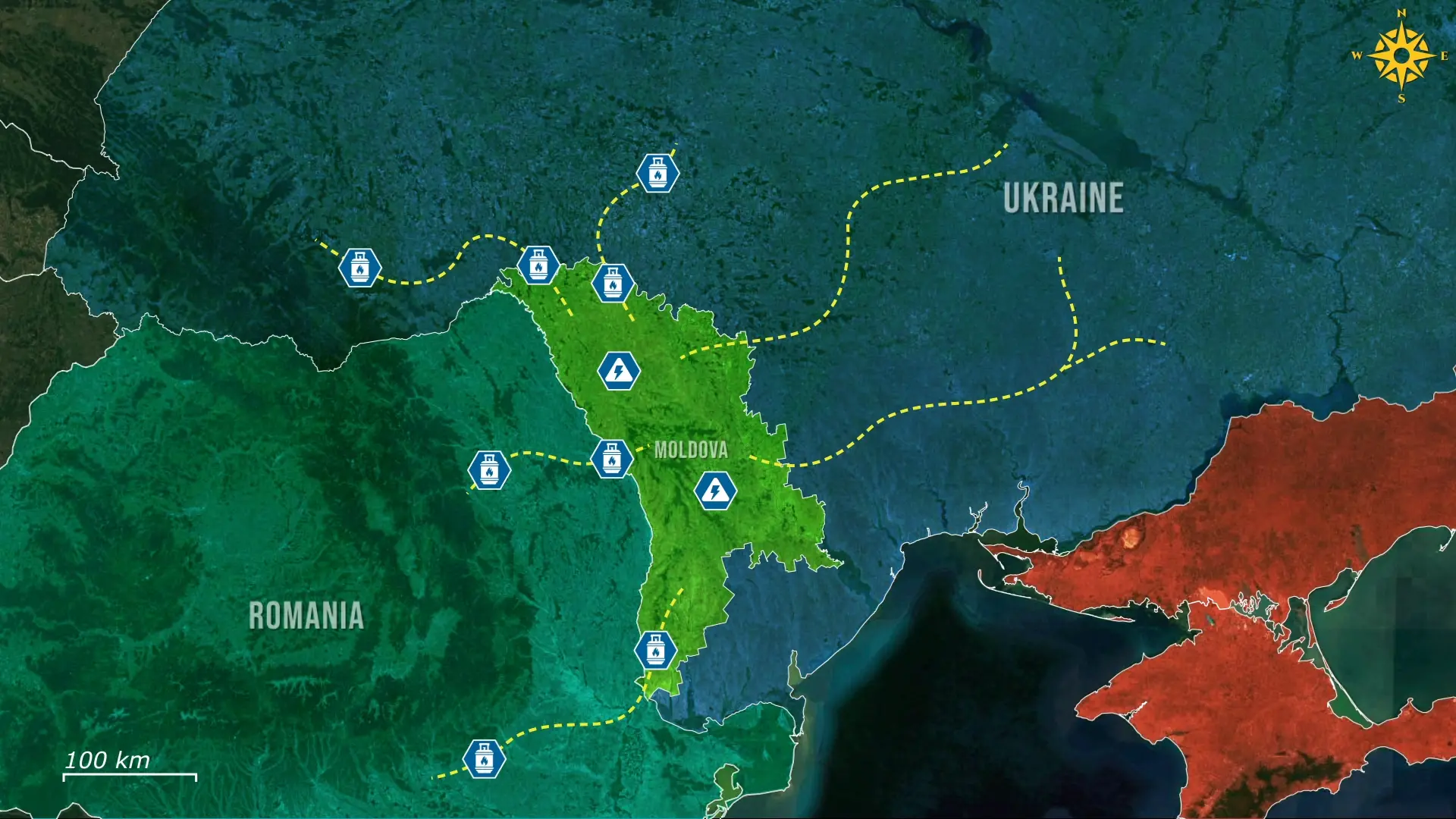
These power shocks followed a series of repeated Shahed drone incidents that had already punctured Moldova’s sense of distance from the war. Recently, a Shahed-type drone crashed on Moldovan territory after crossing from Ukrainian airspace, echoing earlier similar incidents reported in previous months.
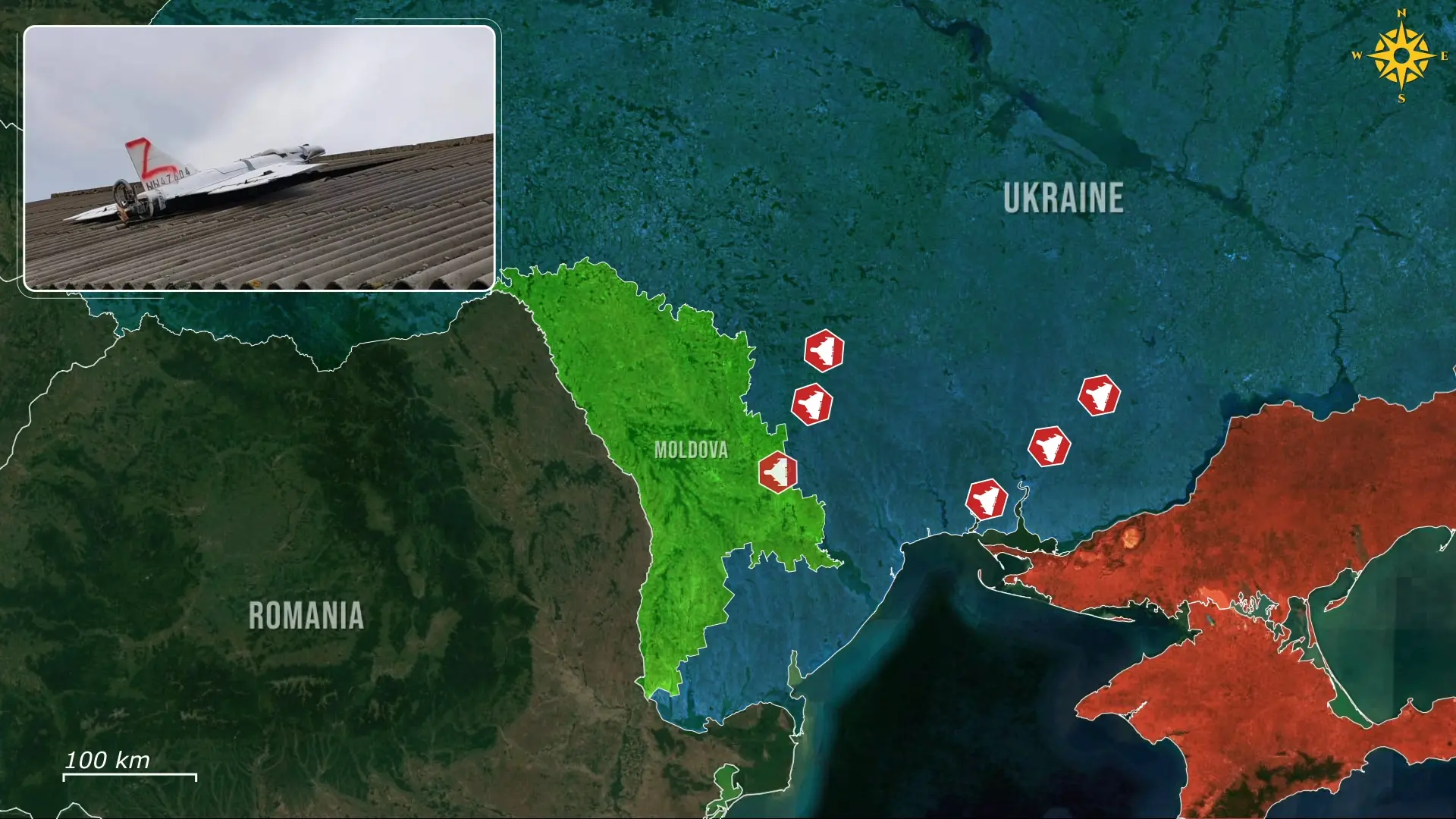
Each crash made things more clear for Moldovans, that realized that Russia’s weapons used against Ukraine were now also affecting their lives. The repetitive nature of these incursions underscored that Moldova is not an isolated bystander, but an exposed neighbor increasingly affected by the spillover of Russia’s war, both physically and psychologically.
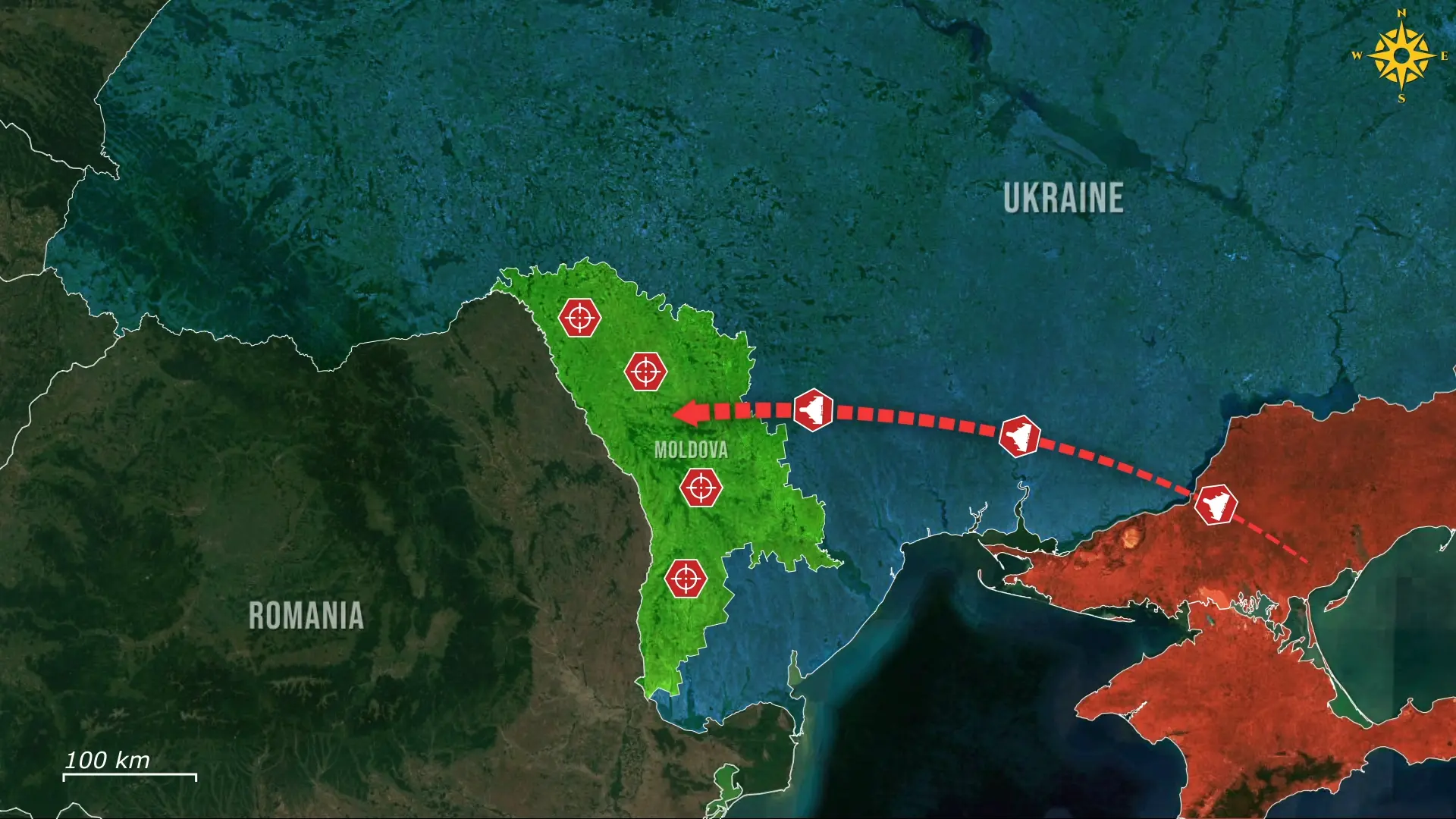
The blackout and repeated drone incidents triggered a profound public shock in Moldova, shattering long-held assumptions of neutrality and passive safety. For years, the belief that avoiding direct alignment could insulate the country from war had persisted among both pro-Western and pro-Russian parts of the population.
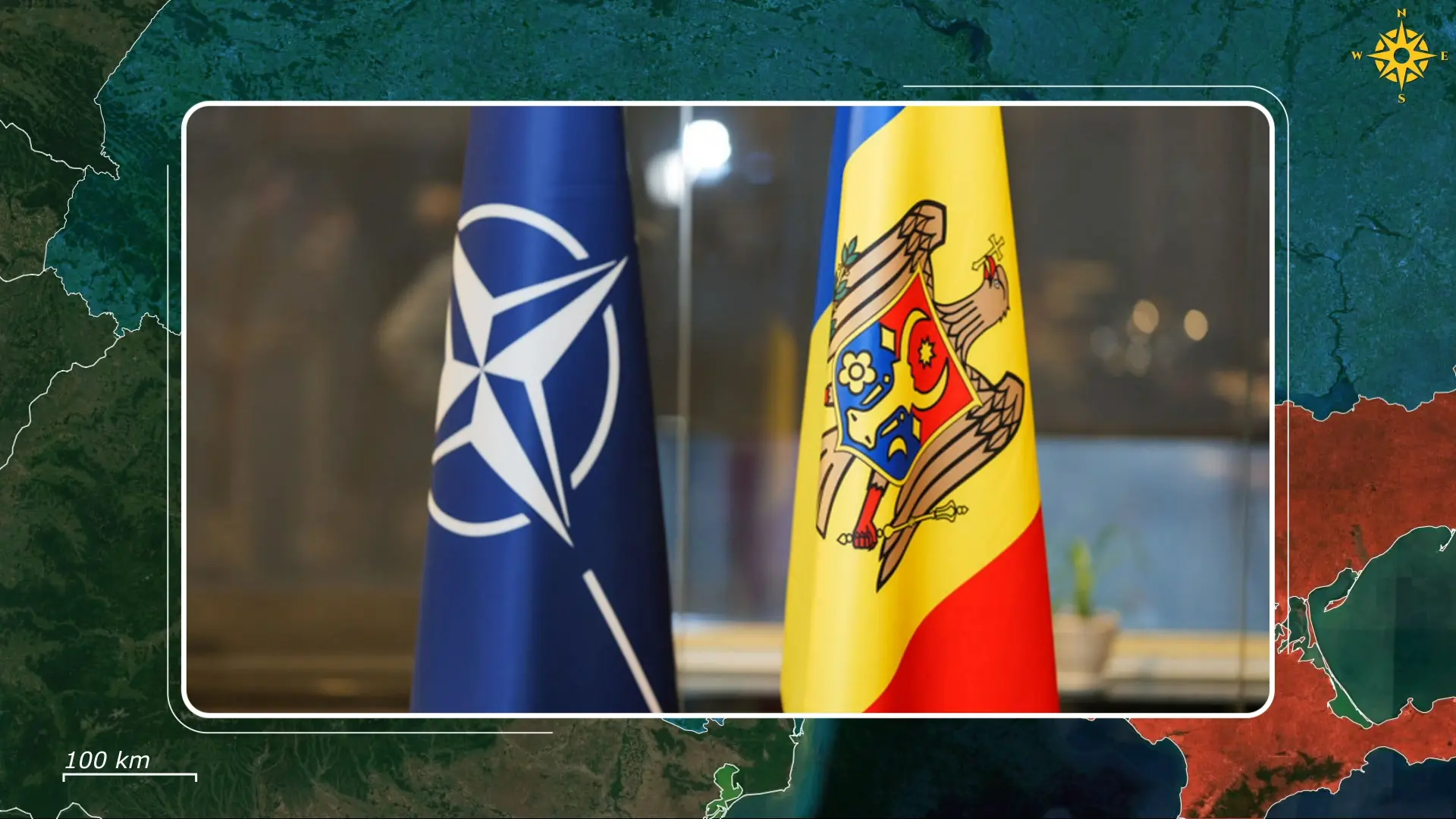
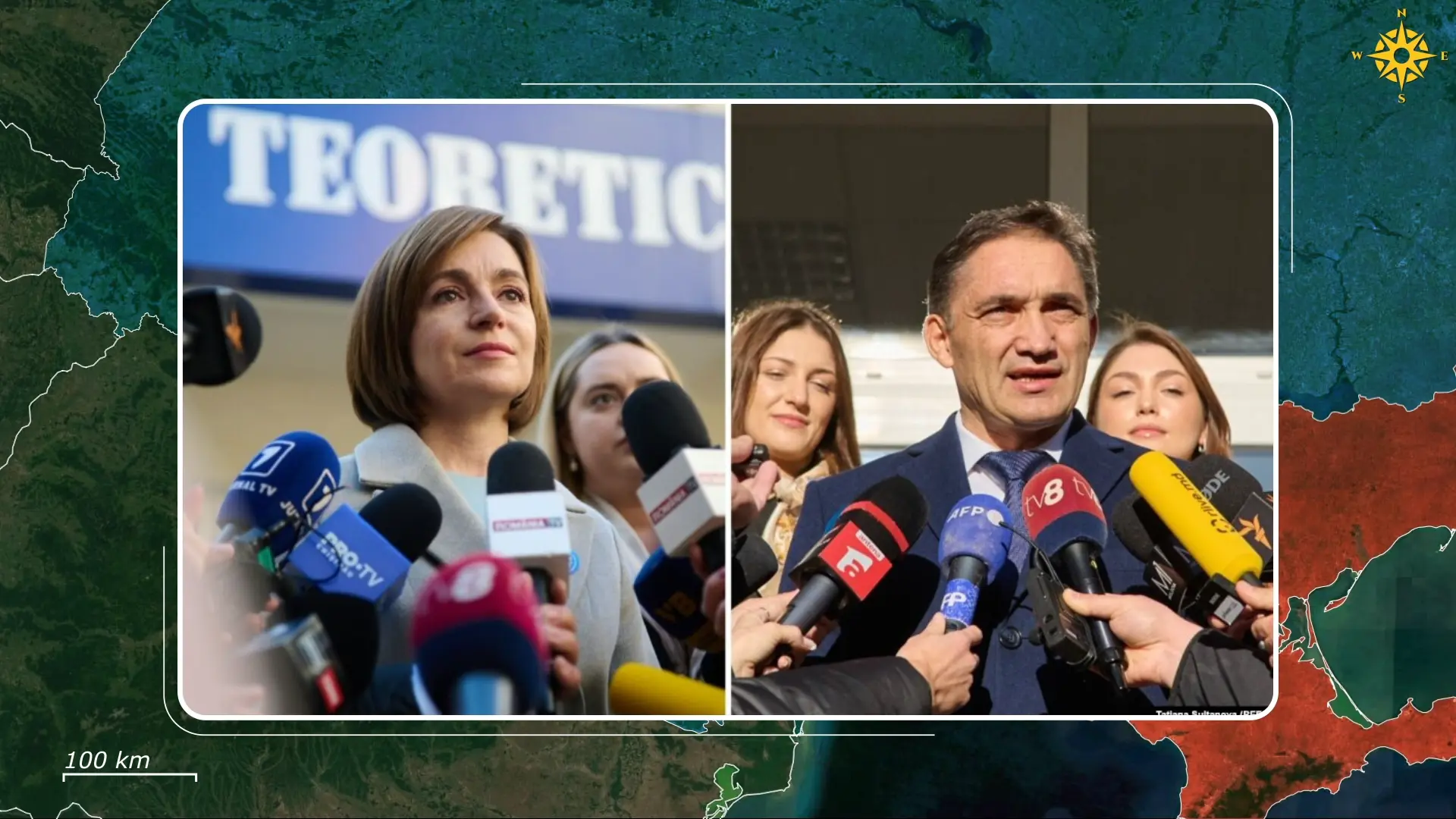
The sudden darkness, however, made clear that neutrality offered no protection from the consequences of Russian military actions. In practice, any notion of Russia as a guarantor of Moldovan security collapsed. When Russian strikes indirectly cut electricity and Russian drones crossed into Moldovan territory, the gap between Moscow’s political assurances and their actions became impossible to ignore, forcing a reevaluation of Moldova’s security posture.
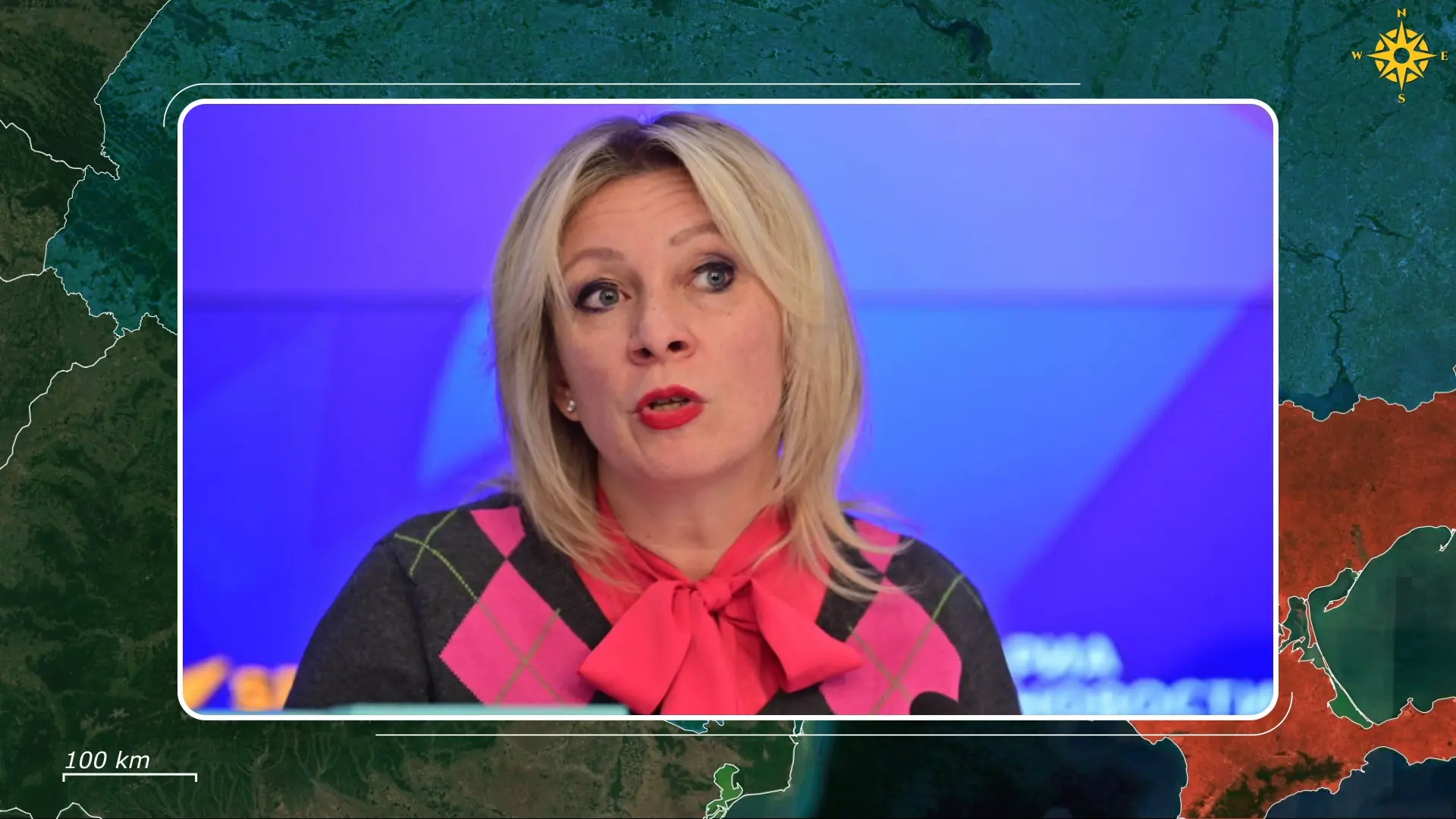
Against this backdrop, Ukraine has increasingly positioned itself as Moldova’s new security guarantor. Facing the same source of military pressure, Kyiv has framed Moldovan security as inseparable from Ukraine’s own defense, emphasizing coordination, shared threat awareness, and regional resilience. This narrative gained traction as Russian actions demonstrated their willingness to destabilize Moldova indirectly, particularly through Transnistria. In response, Ukraine has taken tangible steps by securing the Ukrainian-Moldovan border and sharing intelligence on hybrid threats.
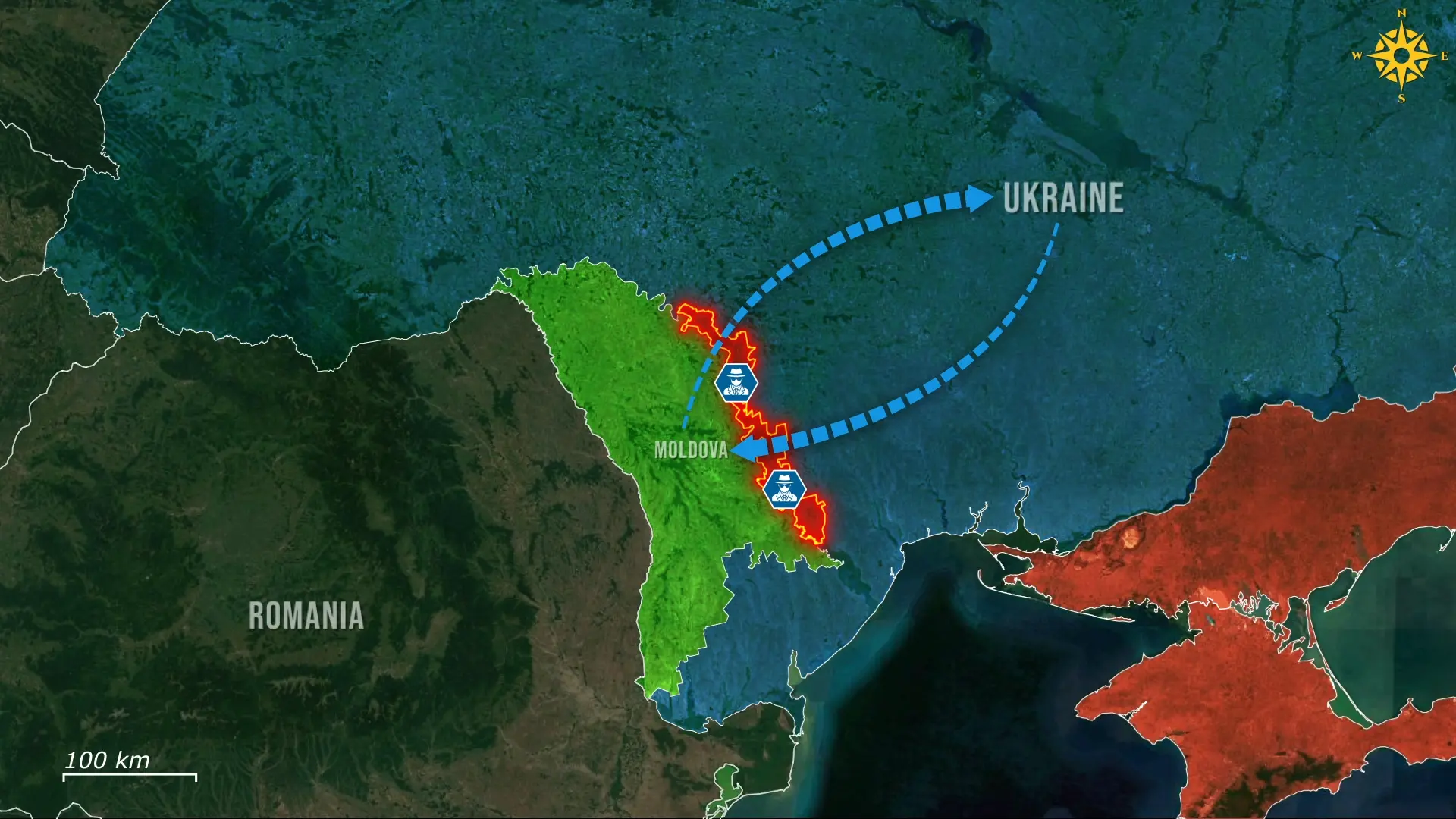
This effectively insulates Moldova from direct spillover. With Russian guarantees hollowed out by events on the ground, Ukraine emerged not as a distant partner, but as the frontline state actively containing the threat. For many in Moldova, security now appears to lie not in neutrality, but in alignment with those resisting Russian aggression.
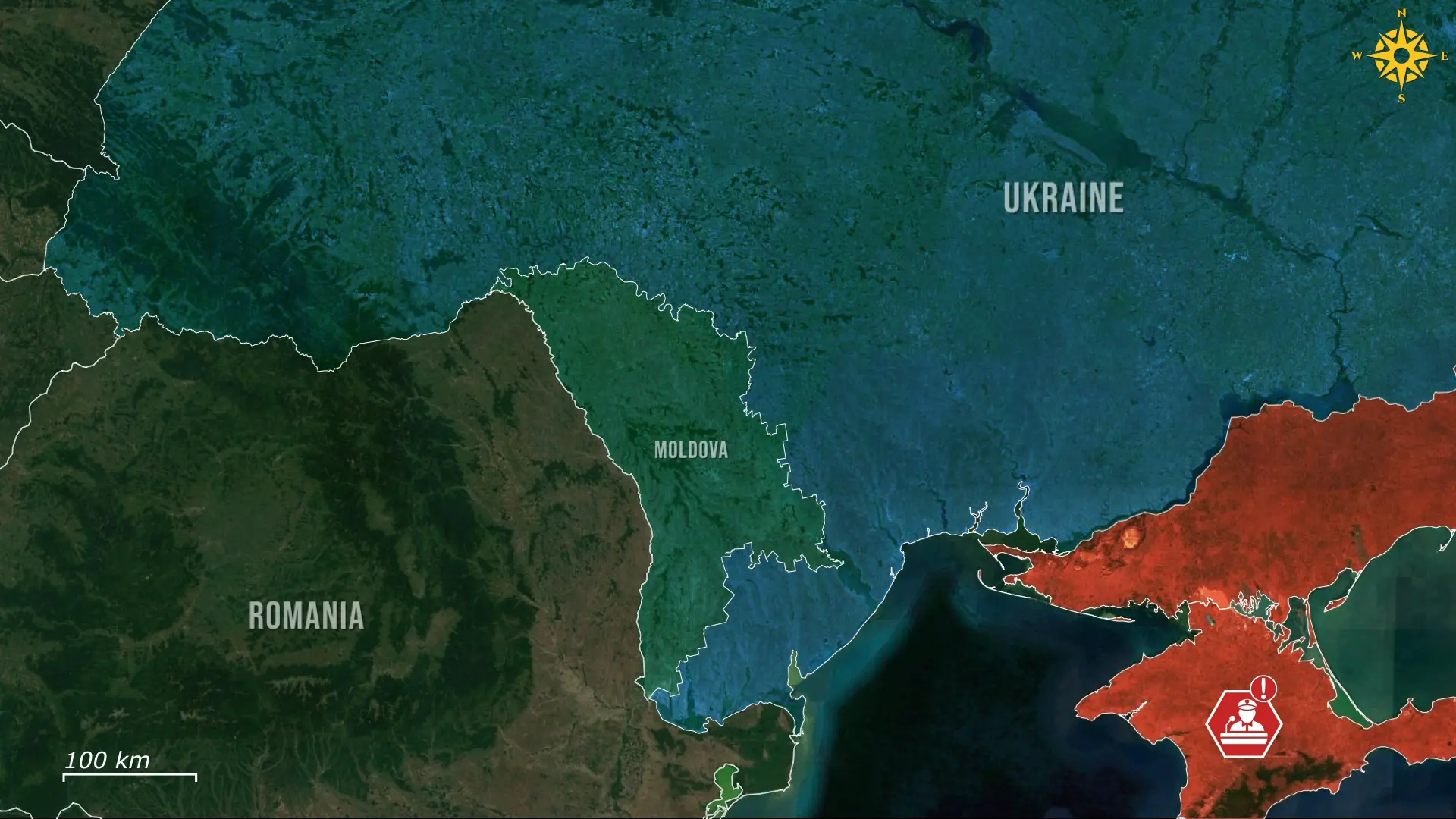
Overall, the blackout marked a strategic inflection point, transforming abstract regional risks into concrete national vulnerabilities and accelerating Moldova’s political and psychological realignment. The combination of energy shocks, airspace violations, and civilian disruption demonstrated that modern warfare erases buffers between frontline states and their neighbors.
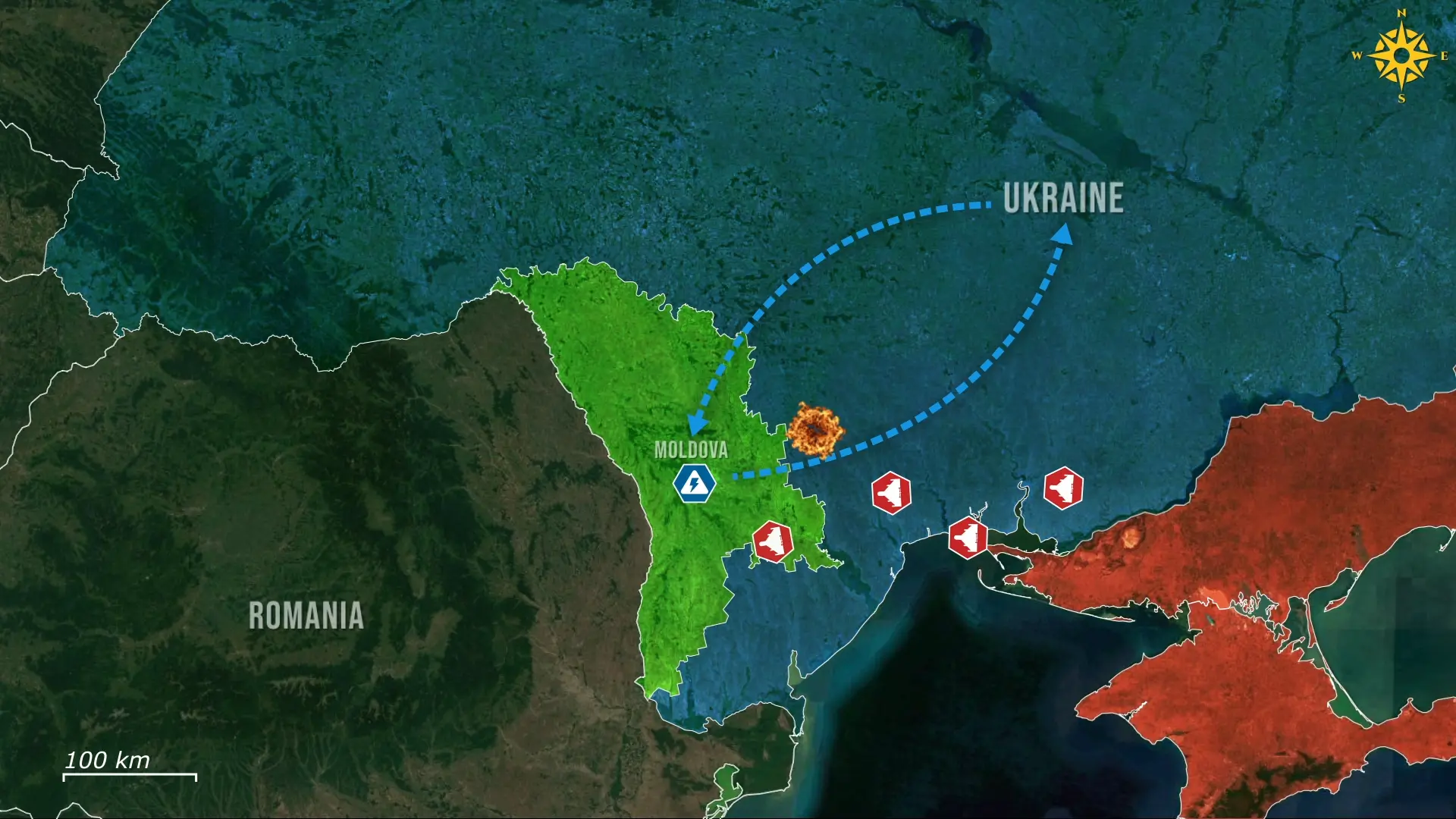
Russia’s actions unintentionally clarified the limits of coercion-based influence, while Romania’s energy interconnectivity and Ukraine’s role as a de facto security guarantor revealed where functional stability now originates. Taken together, these developments indicate that Moldova’s future security will be shaped less by declared neutrality and more by practical integration with partners capable of absorbing, resisting, and mitigating Russian pressure.

.jpg)

Comments