

.svg)
Today, the biggest updates come from the Black Sea.
The Black Sea, once firmly under Russian dominance, has become a contested arena where low-cost Ukrainian naval drones relentlessly probe for weaknesses in Moscow's fleet and coastal defenses around occupied Crimea. Yet Russia has begun to adapt, turning the tables through evolving countermeasures that blunt these asymmetric threats and restore a measure of control over vital sea lanes.
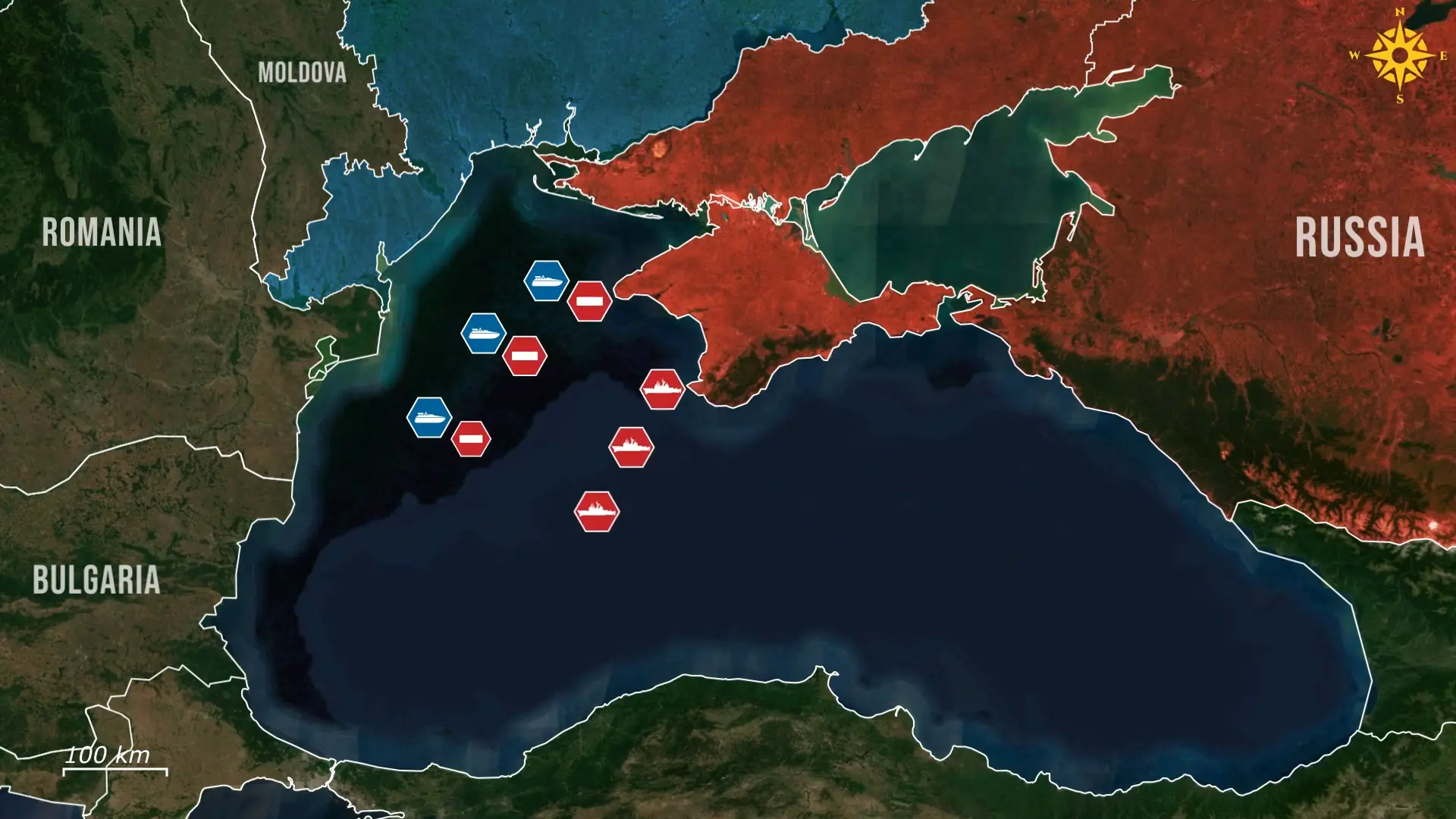
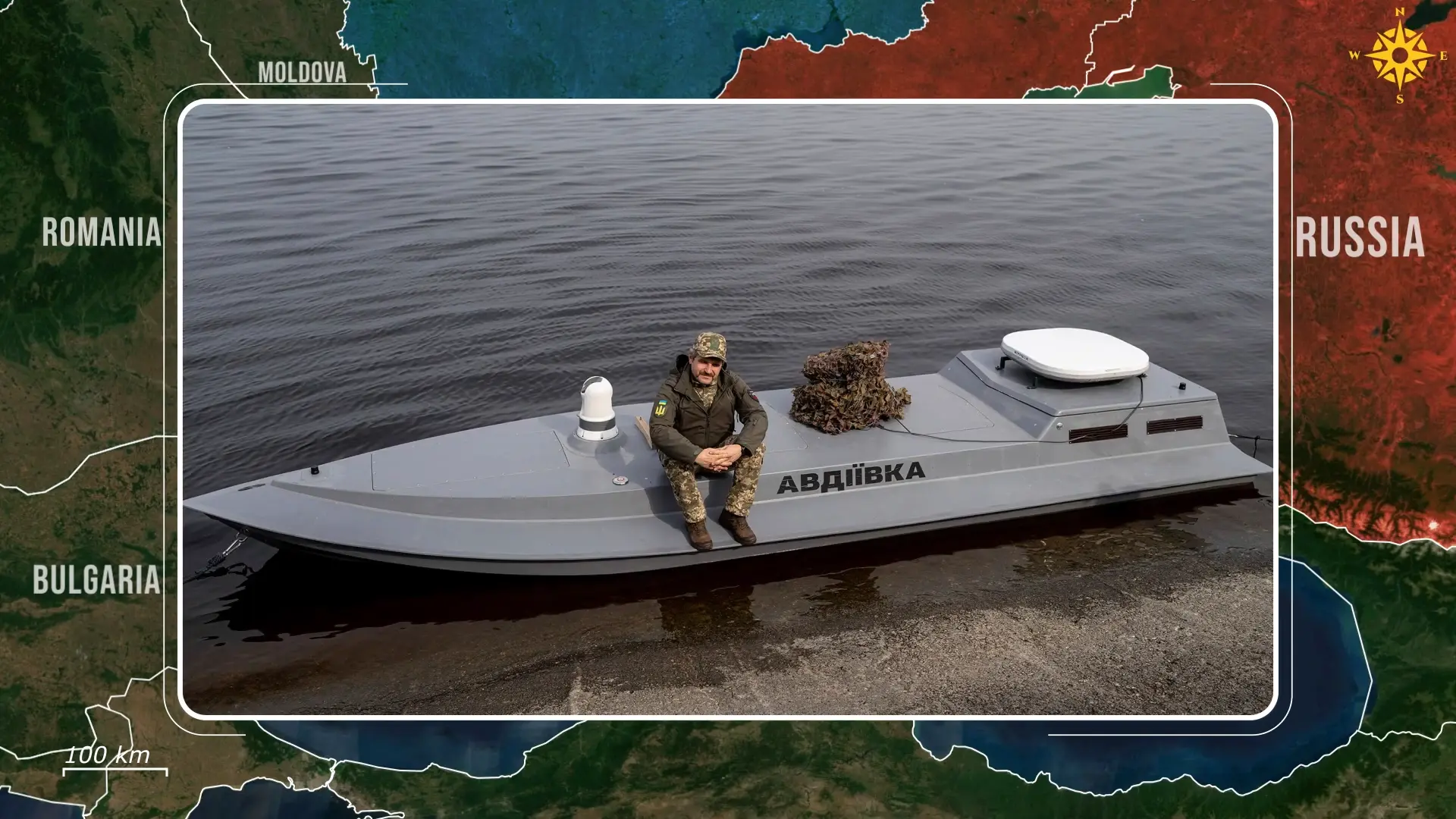
Over the past several months, Russian defenses against Ukrainian naval drones have shown a measurable improvement, reflected in a declining rate of successful strikes in the Black Sea. Open-source tallies of Ukrainian unmanned surface vehicle operations indicate that between October 2023 and January 2024, Ukraine launched roughly 40 to 45 naval drone attacks, with confirmed hits in around 10 to 12 cases.
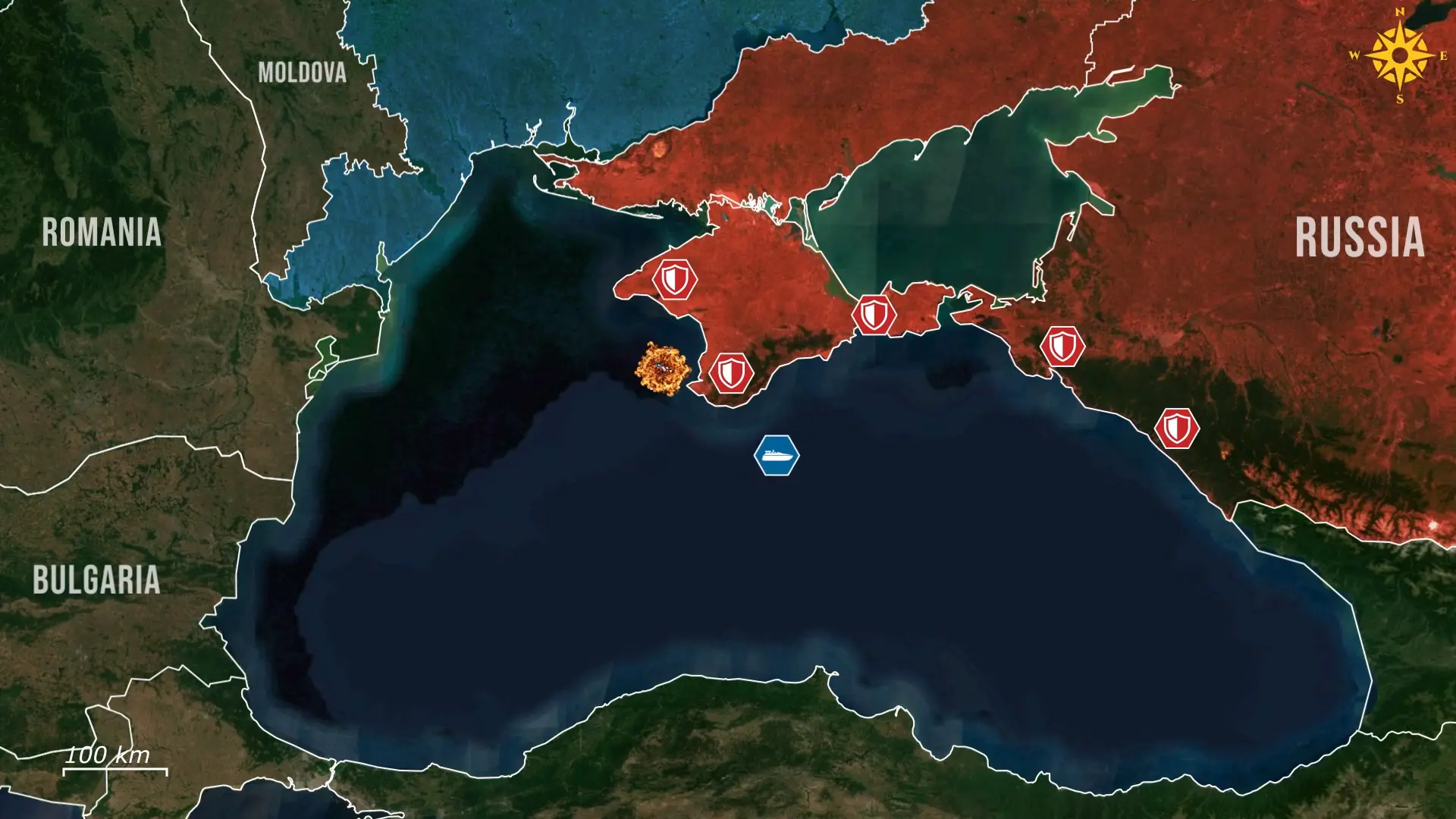
By contrast, from May through September 2024, more than 30 attempted strikes were recorded, yet only 2 or 3 resulted in verified damage to Russian vessels or port infrastructure.
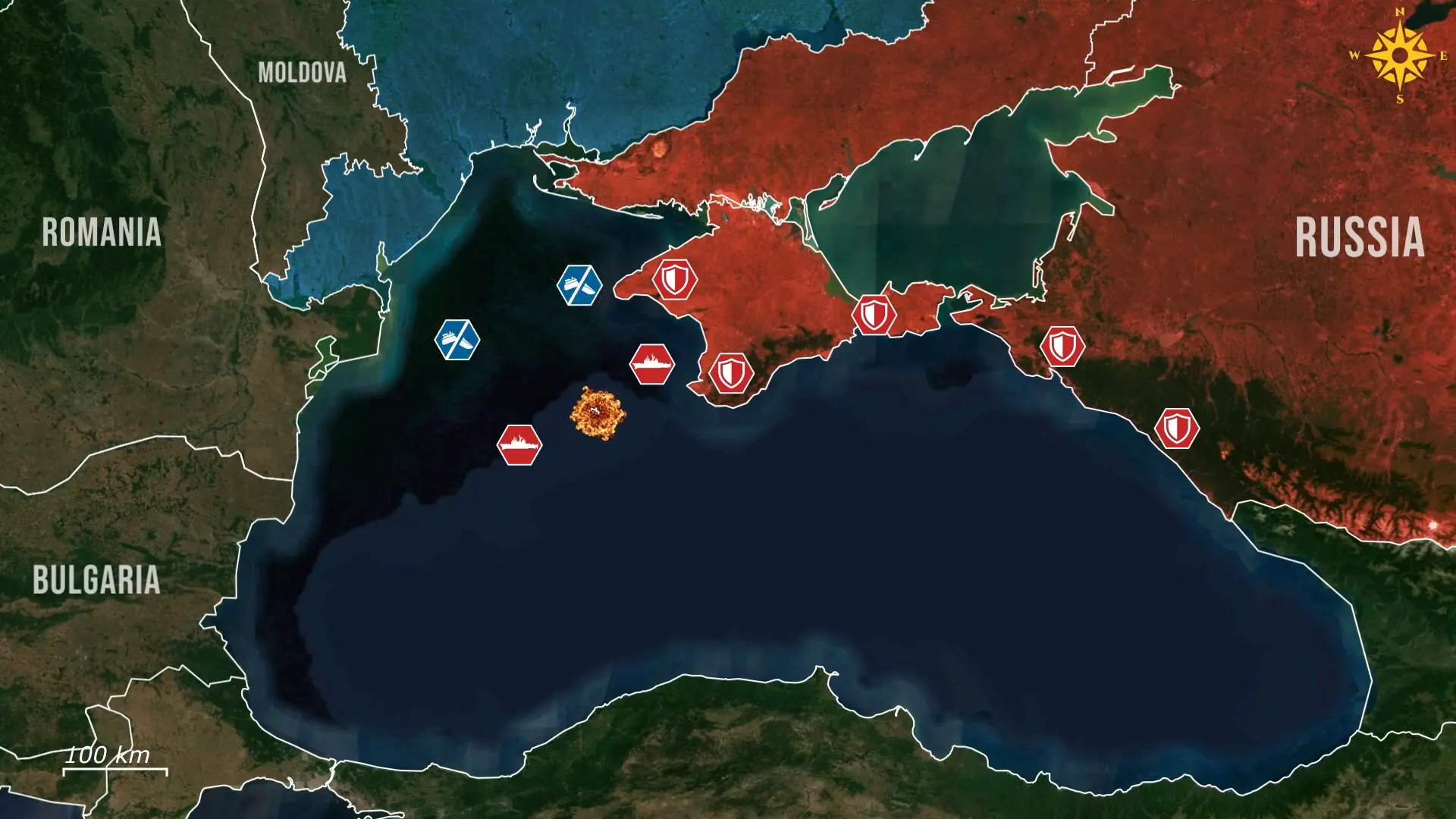
In the Crimean theater specifically, several coordinated attack waves ended with no losses at all, a stark contrast to earlier incidents where individual drones disabled or sank high-value ships. Russian sources consistently claim interception rates above 80 percent, suggesting Ukrainian strike effectiveness has fallen from double-digit levels to the low single digits.
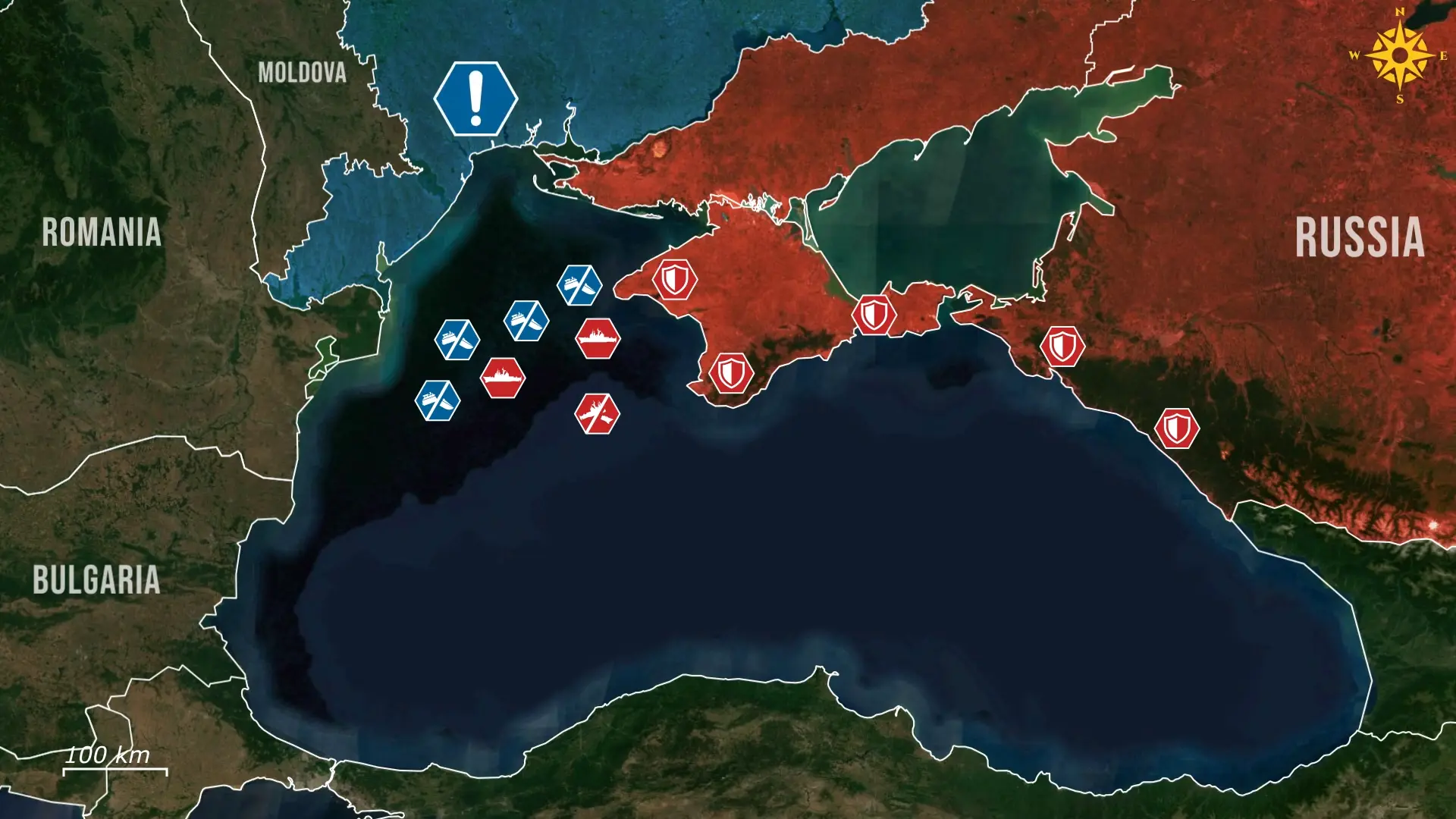
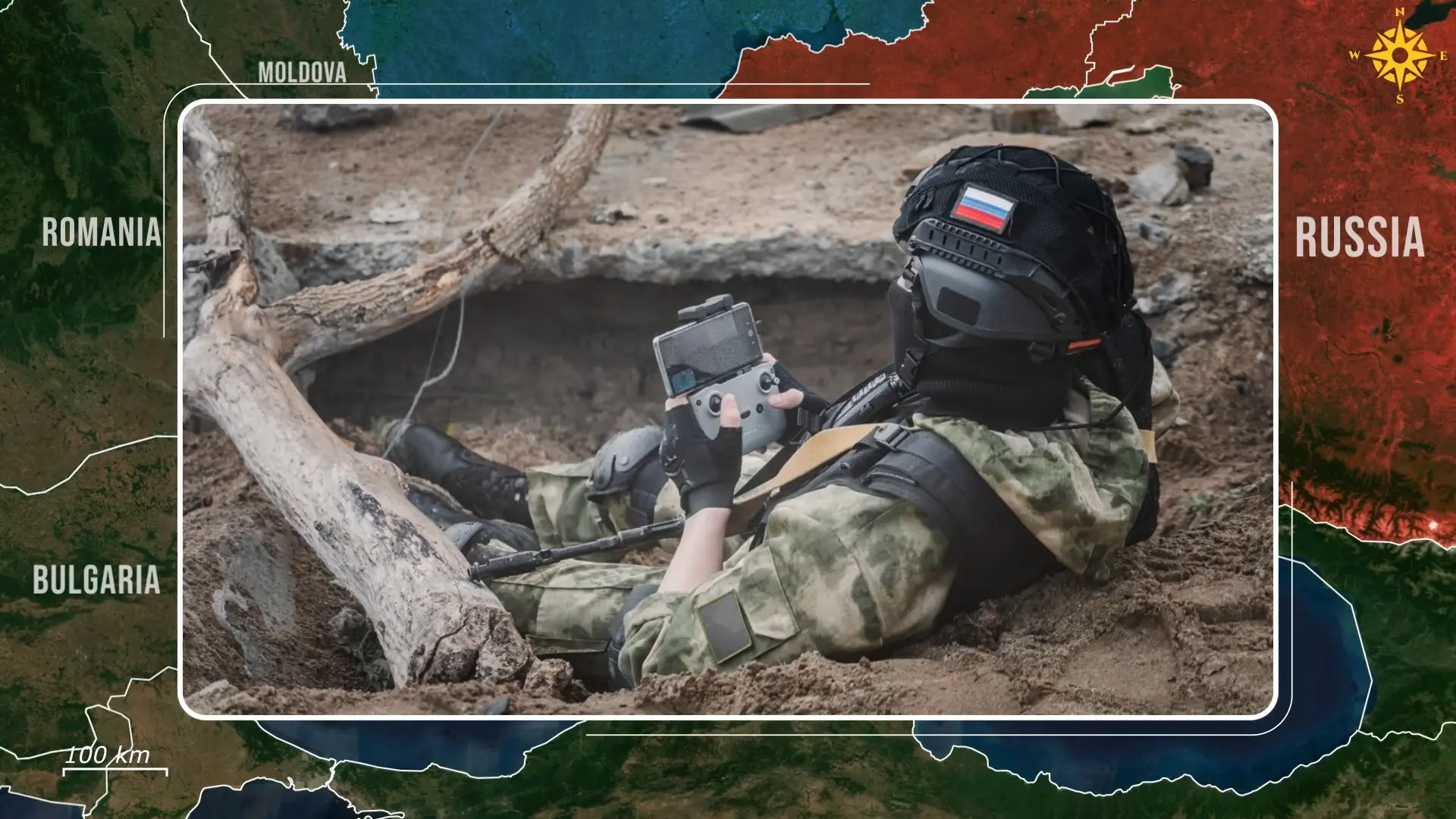
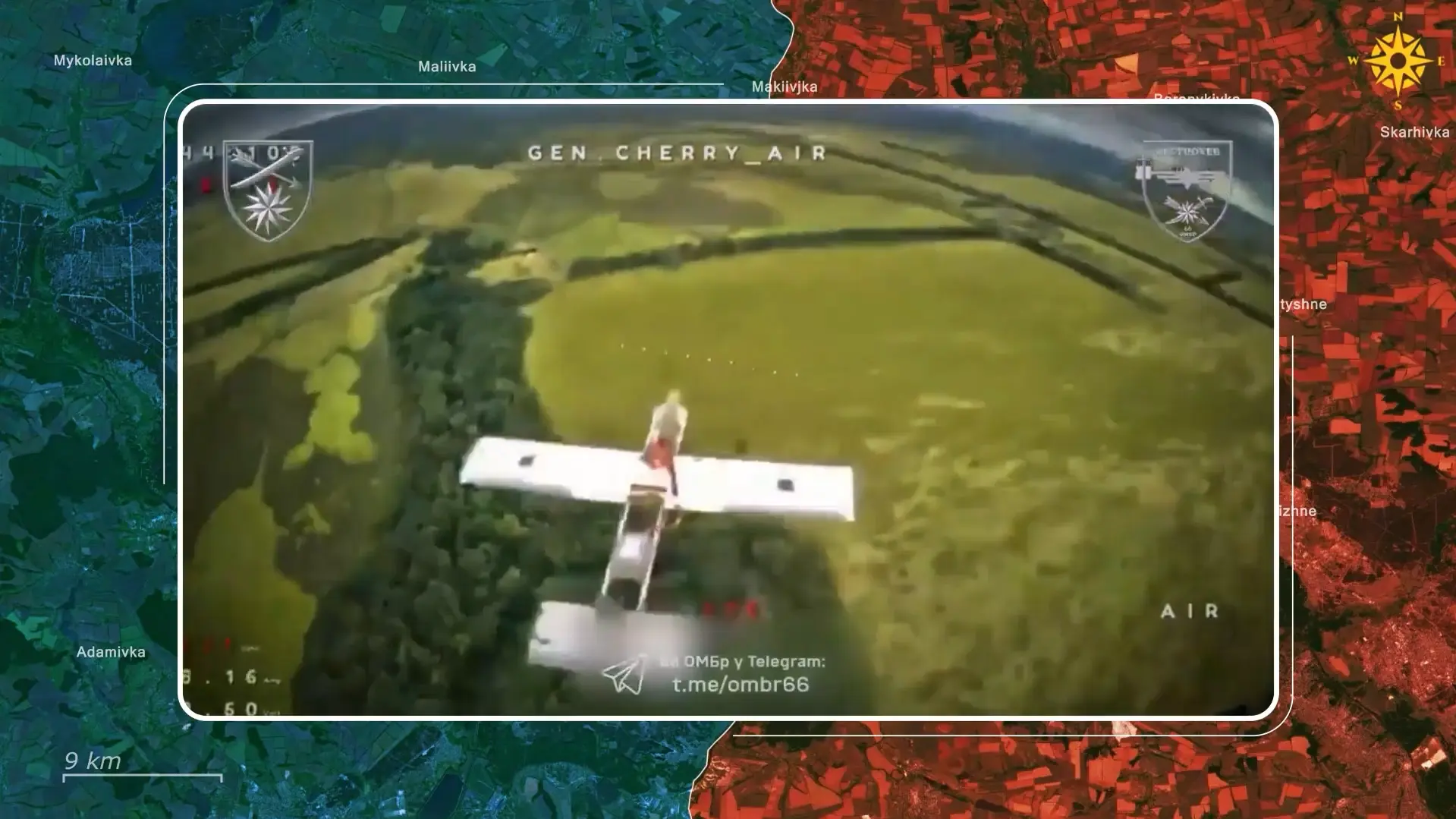
Most recently, Russian forces have begun using Lancet loitering munitions as an active interception tool against Ukrainian naval drones operating near Crimea. Originally designed to strike ground targets, Lancets are now launched from coastal positions or patrol craft once surveillance assets detect incoming unmanned surface vehicles.
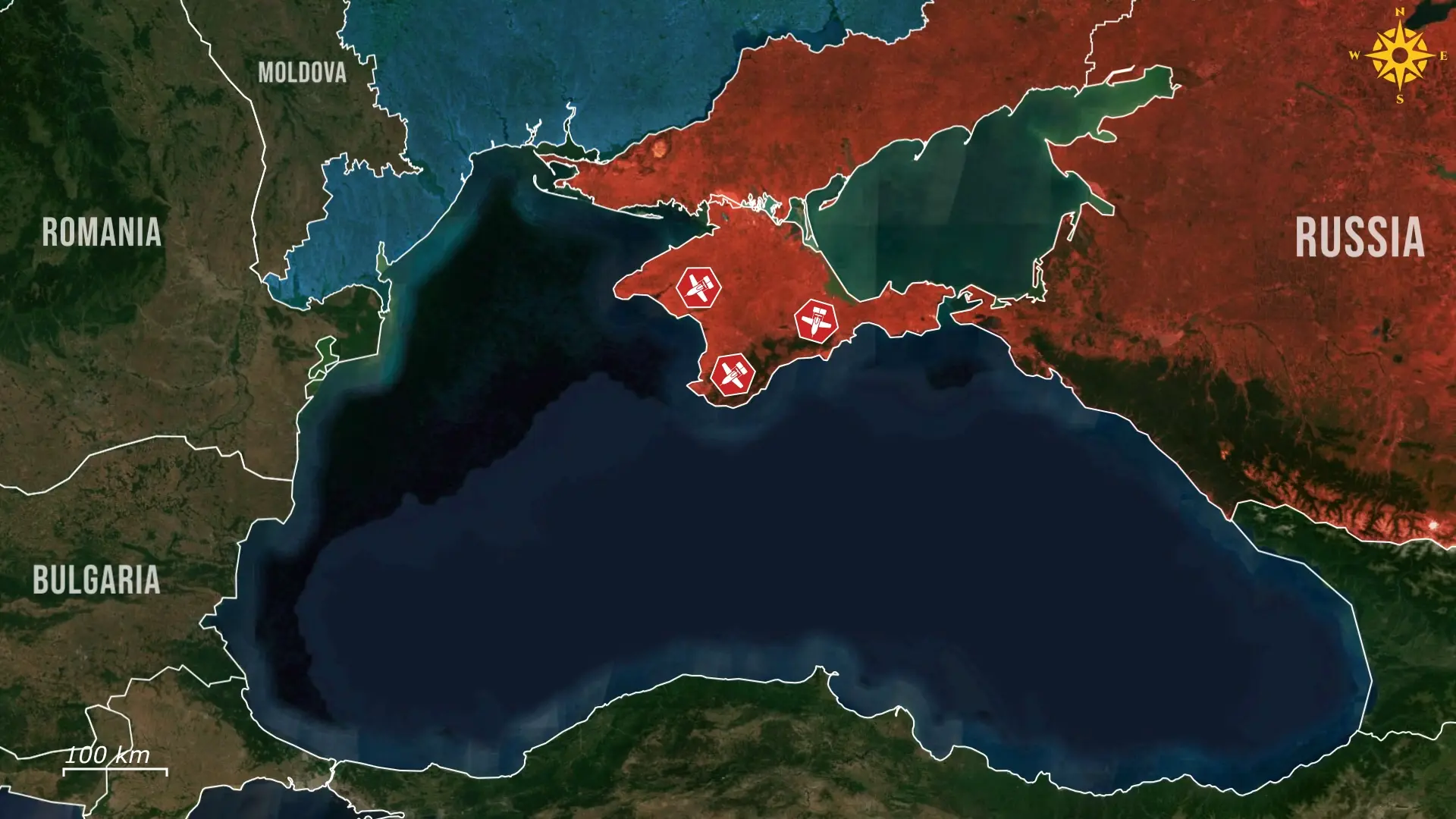
Guided by real-time targeting data from shore-based radars, reconnaissance UAV’s, and optical sensors, the Lancet is flown at low altitude toward the naval drone’s projected path, detonating on impact or in close proximity.
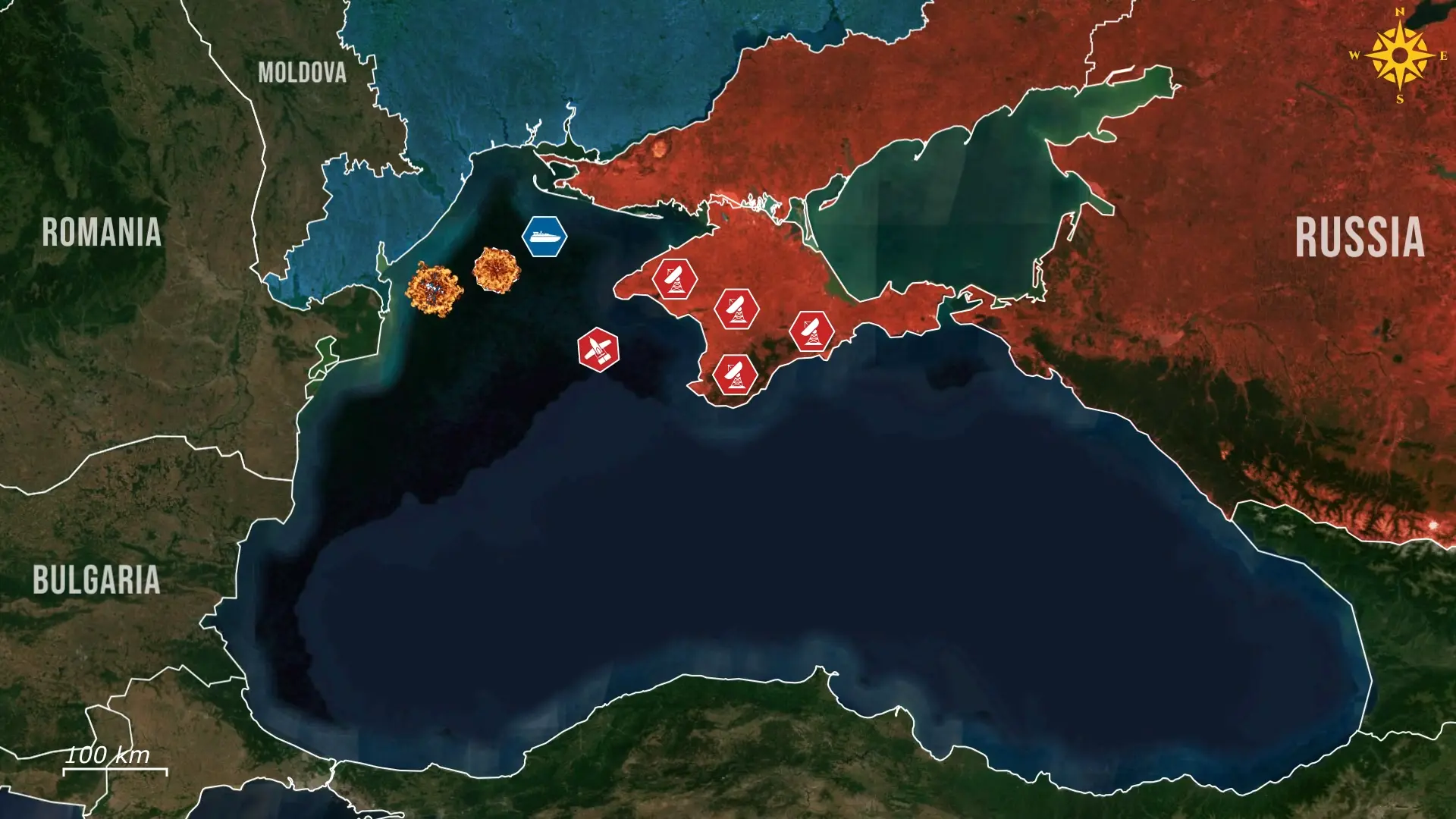
This method exploits the naval drone’s limited maneuverability and predictable approach vectors from it being a water-based craft.
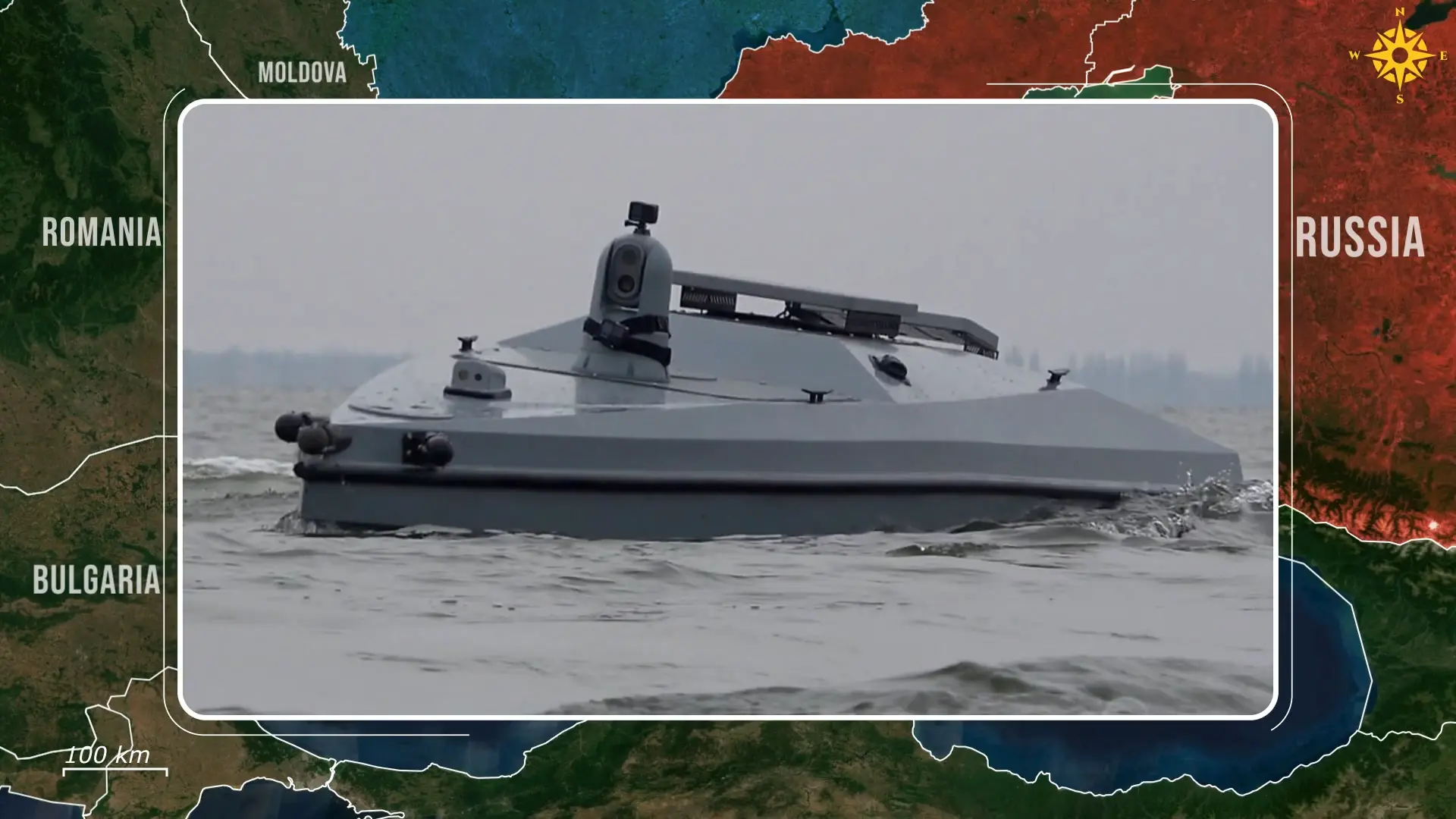
Rather than relying solely on small-arms fire or static barriers that protect only against the terminal phase of Ukrainian naval strikes, the Lancet provides a standoff interception option, allowing Russian forces to destroy naval drones well before they reach ships or harbor infrastructure. The tactic effectively turns a strike weapon into a mobile, precision interceptor within the broader Russian coastal defense network.
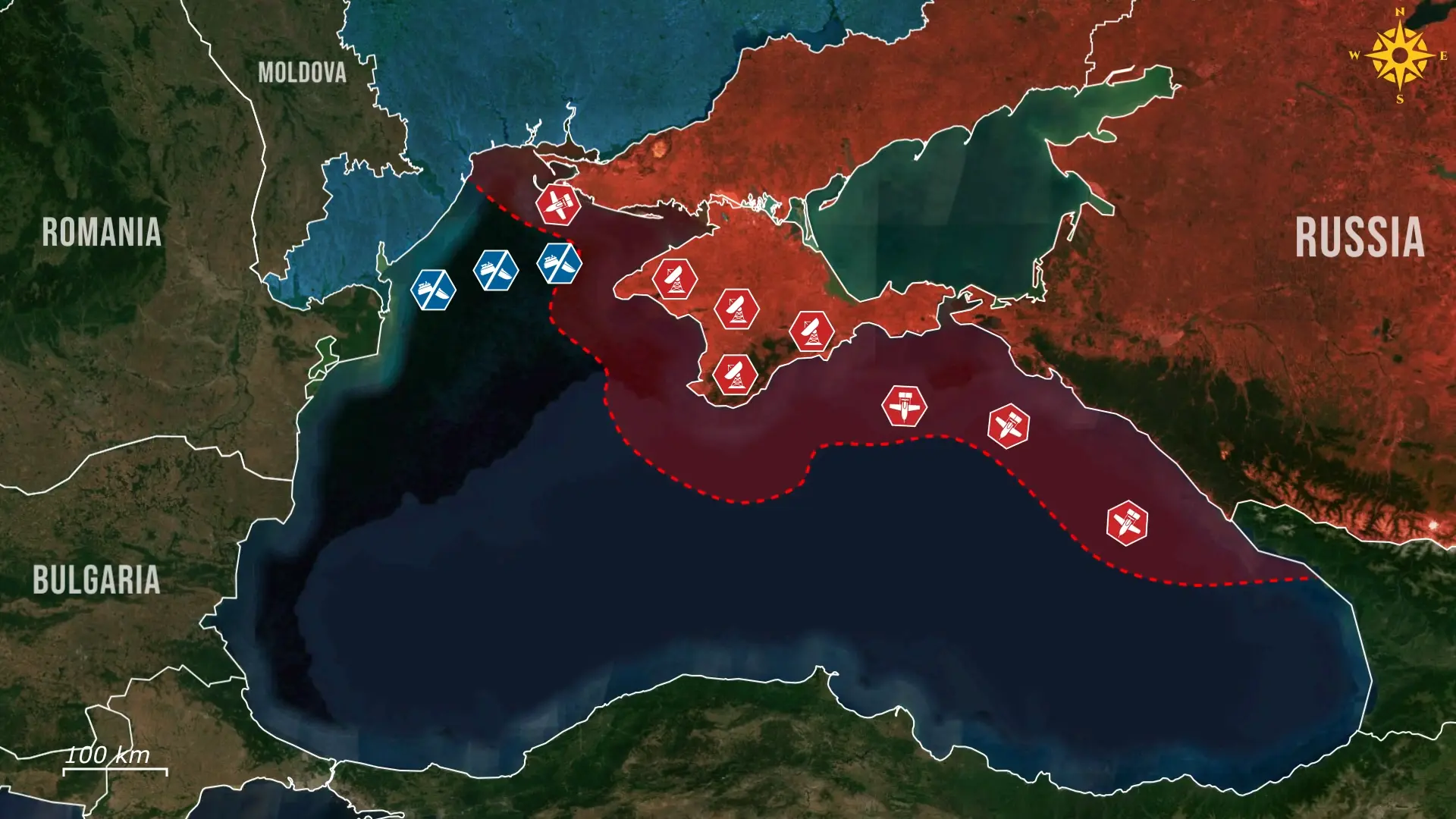
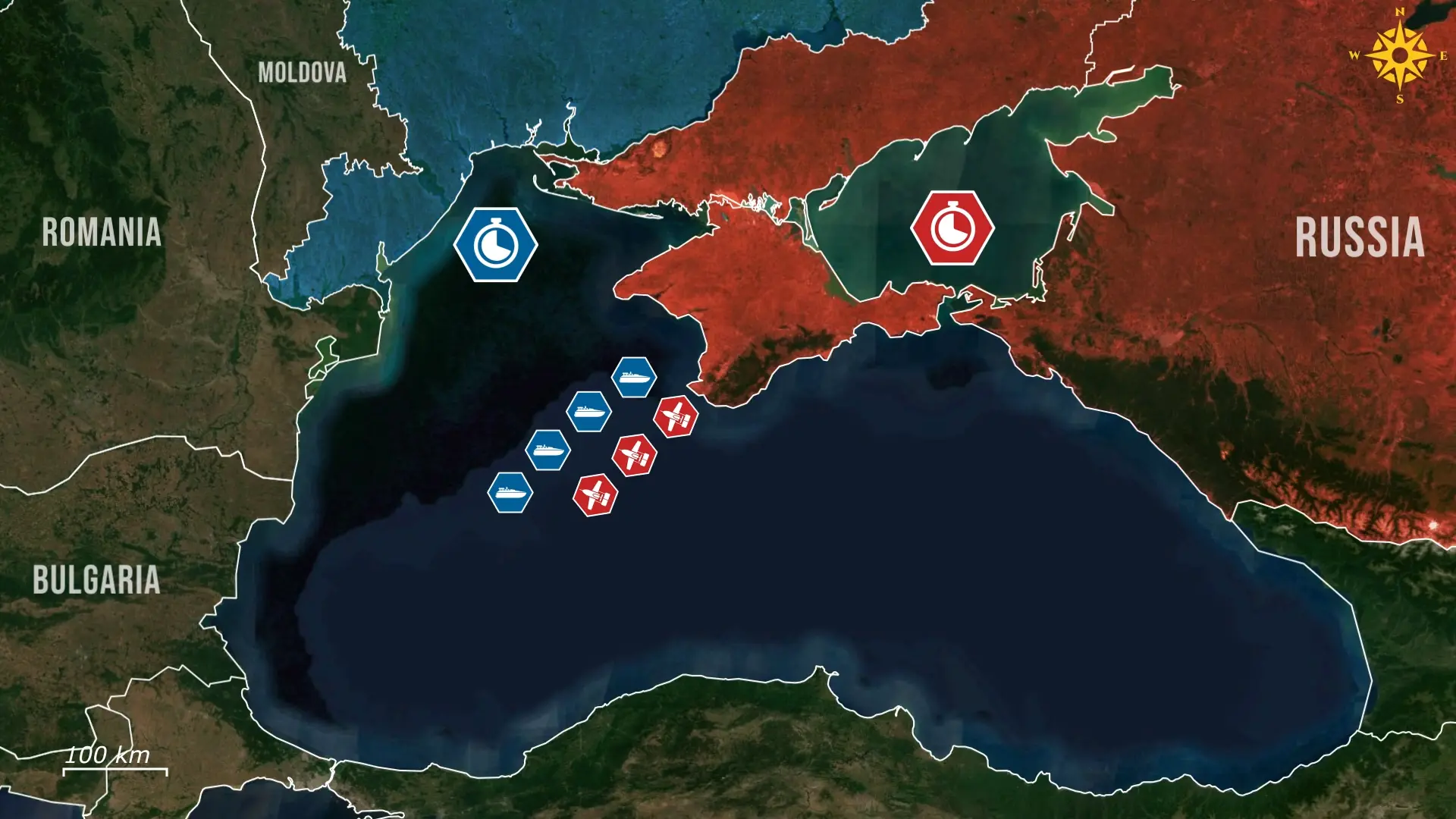
The integration of Lancet interceptors into an already expanding defensive network has reinforced a layered Russian maritime shield, directly reducing the effectiveness of Ukrainian naval drone attacks. Naval drones now face detection by coastal radars, aerial surveillance, electronic warfare, small-arms fire, and finally airborne interceptors, resulting in many attacks being defeated long before reaching their targets. This depth of defenses compresses Ukraine’s margin for success, raising the cost of each sortie while lowering the chance of success.
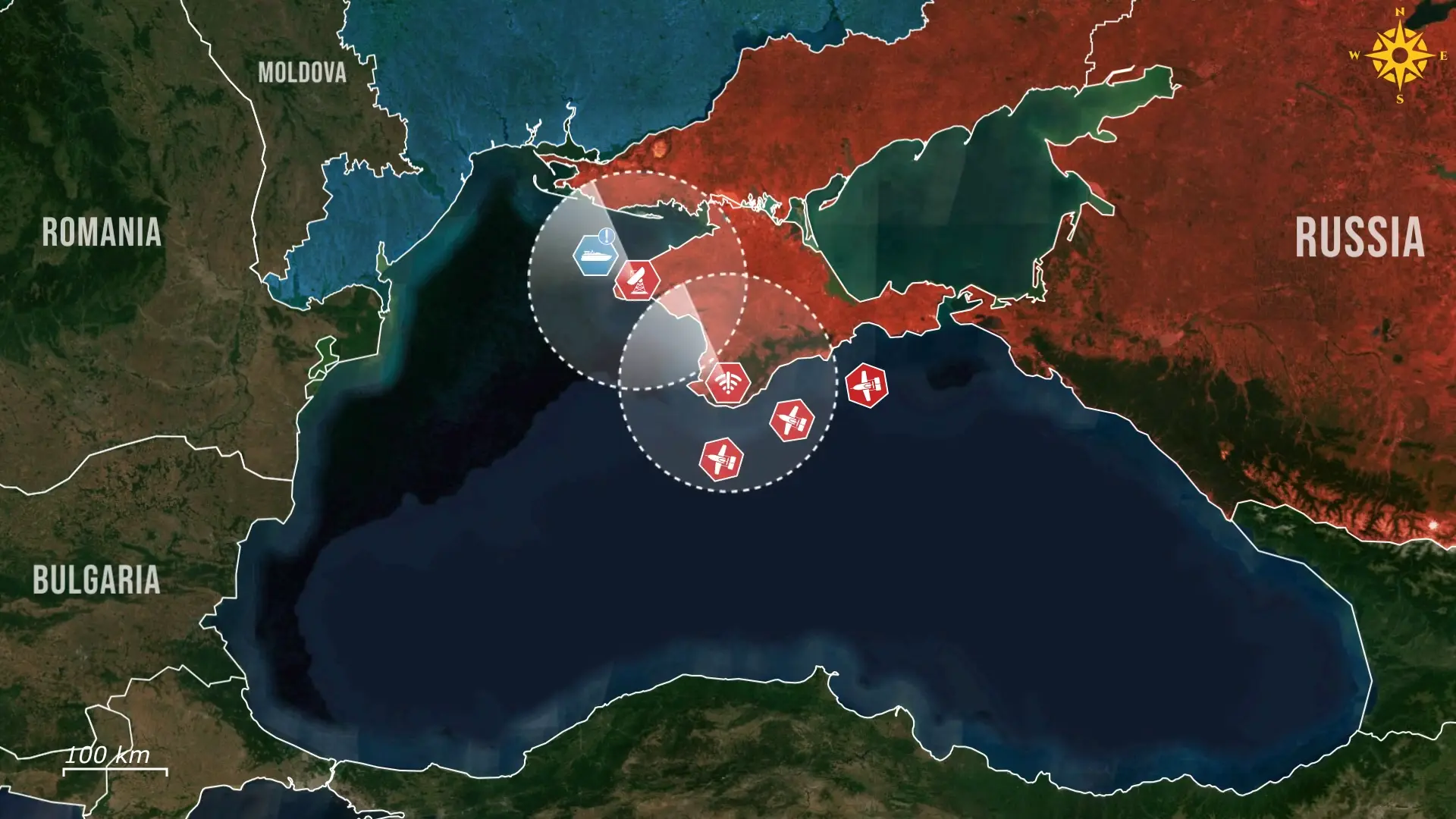
As a result, Russian vessels have began slowly operating with greater freedom near Crimea, and port activity has stabilized after months of disruption. While not eliminating the threat entirely, as evidenced by two confirmed successful Ukrainian naval drone strikes over the past six months, these measures have temporarily shifted the maritime balance, allowing Russia to blunt Ukraine’s most asymmetric naval tool and regain partial control over contested coastal waters.
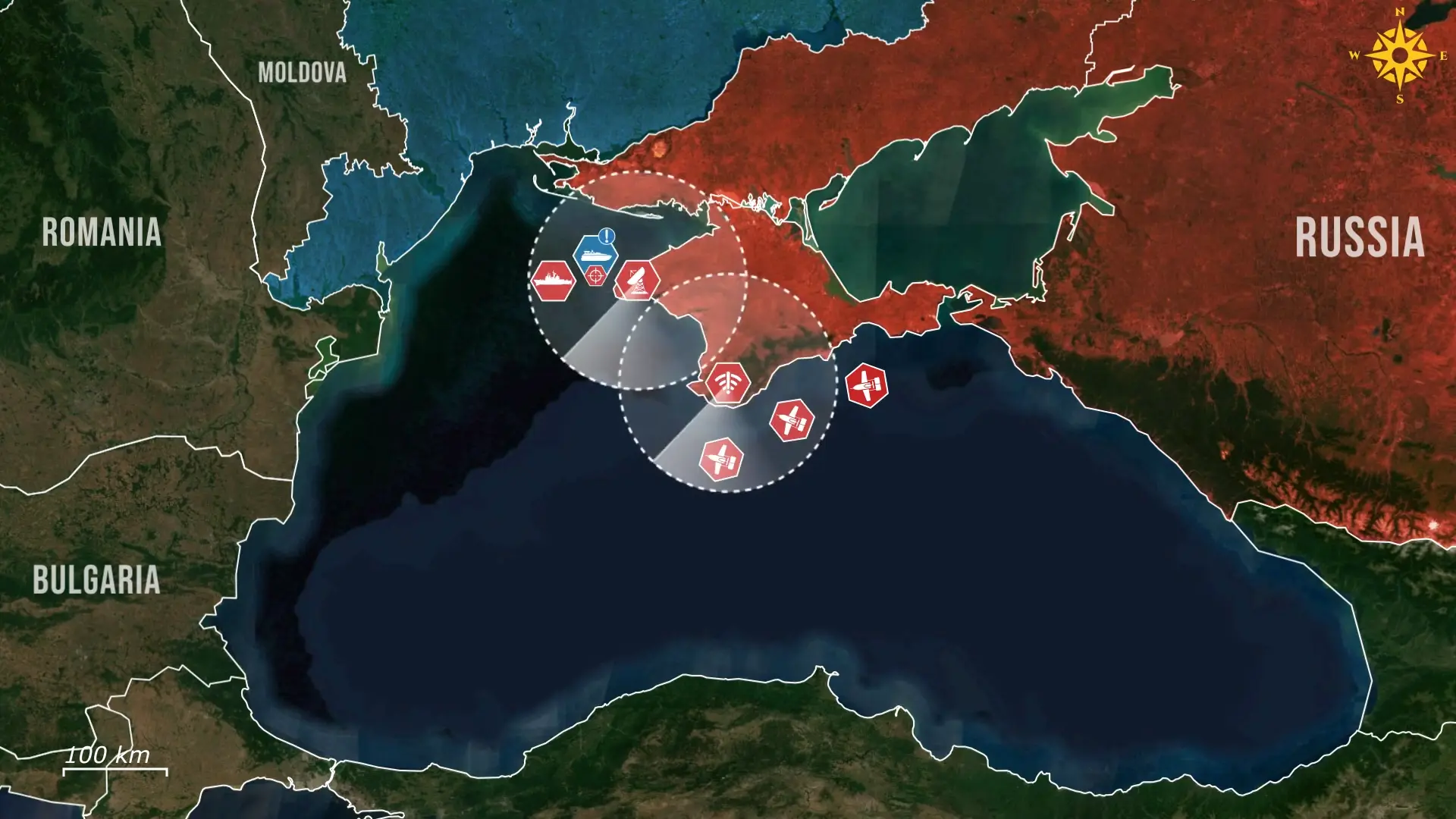
However, these defensive gains depend on an intensive high-surveillance posture to detect drones as soon as they are launched, and rapid reaction cycles that are difficult and costly to sustain over time. Lancet loitering munitions are expensive with hard-to-find components, limited in number, and not designed for continuous airborne patrol, forcing Russian forces to rely solely on timely detection rather than persistent coverage.
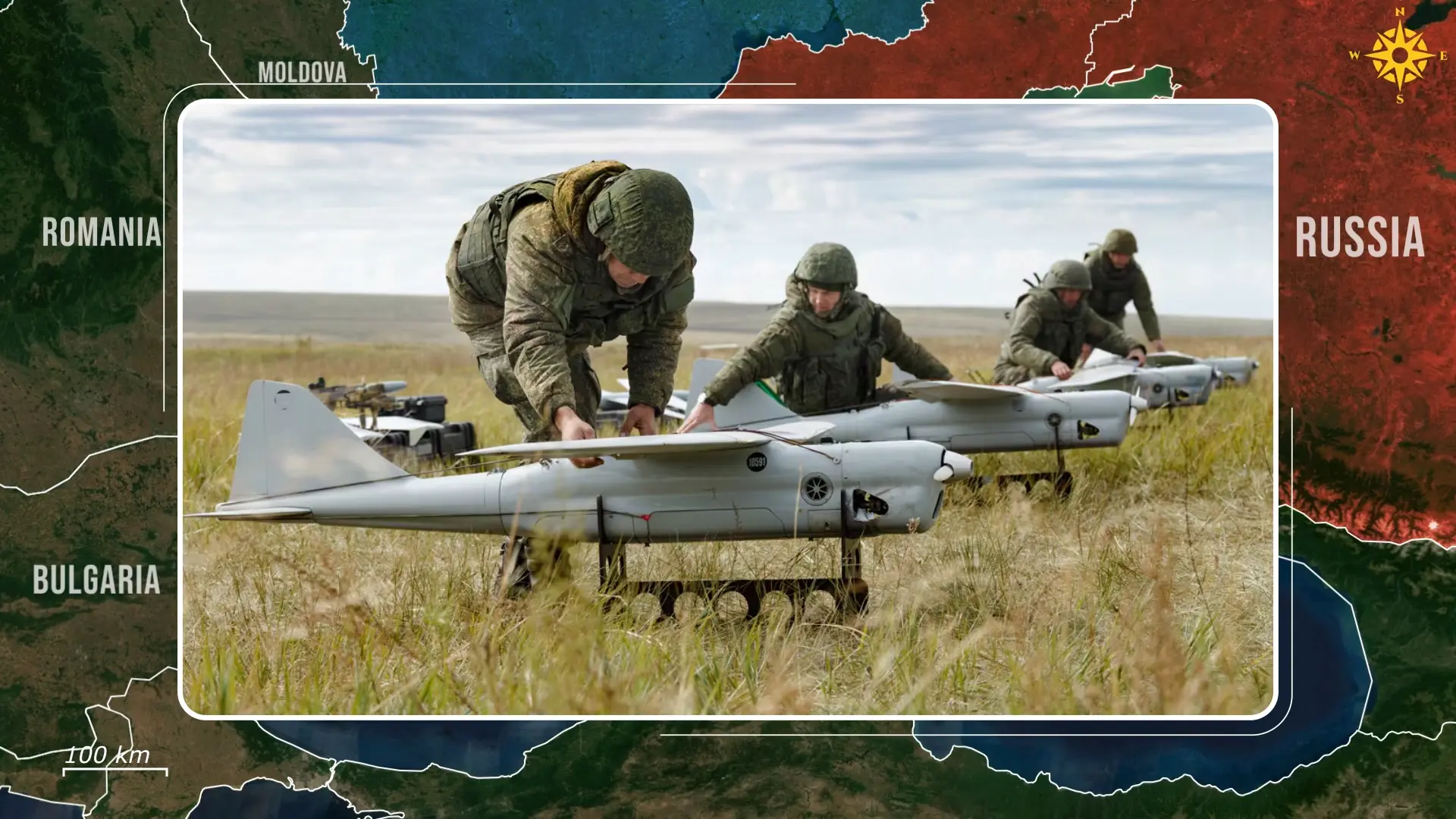
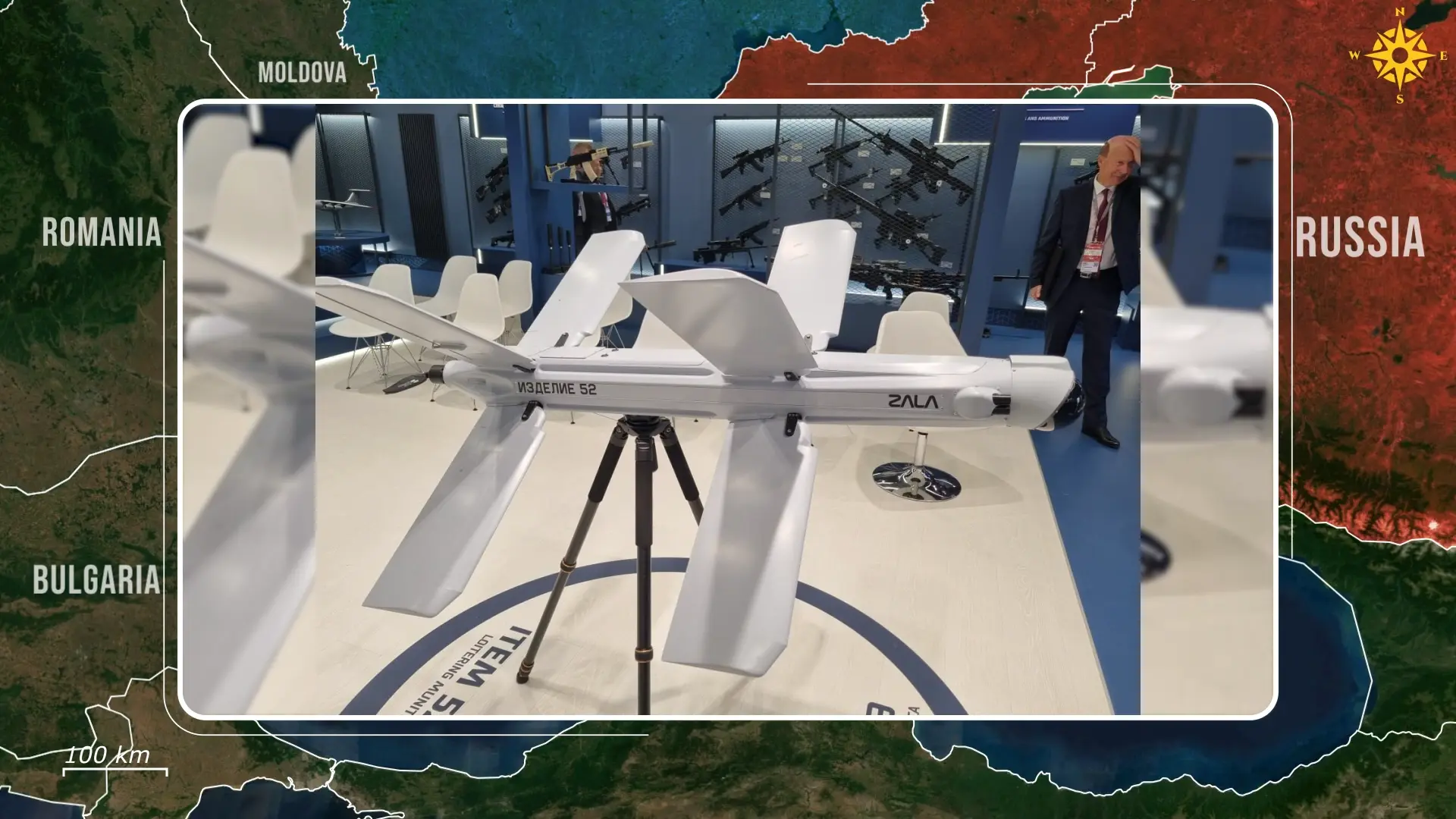
Each interception requires precise cueing, trained operators, and favorable conditions, creating inevitable gaps in the defensive screen, and placing significant strain on sensors, crews, and stockpiles. As interception becomes more selective, targeting only large threats, Ukrainian naval drones retain opportunities to exploit saturation, deception, or altered attack profiles.
Overall, Russia’s recent success at blunting Ukrainian naval drone attacks underscores that control at sea now hinges less on hulls and missiles than on the speed and cost-efficiency of detection and response. To regain leverage, Ukraine is likely to pursue adaptations that stress Russian defenses economically and operationally, such as saturating attacks that force disproportionate interceptor use or drones that reduce detectability during the terminal phase. Parallel efforts may focus decentralizing launch points or striking Russian detection systems, complicating Russian surveillance and reaction timelines. Taken together, this contest suggests that the Black Sea is no longer a space where advantage is held, but one where it must be continuously rebuilt through innovation under pressure.

.jpg)

Comments