

.svg)
Today, the most interesting updates come from Ukraine.
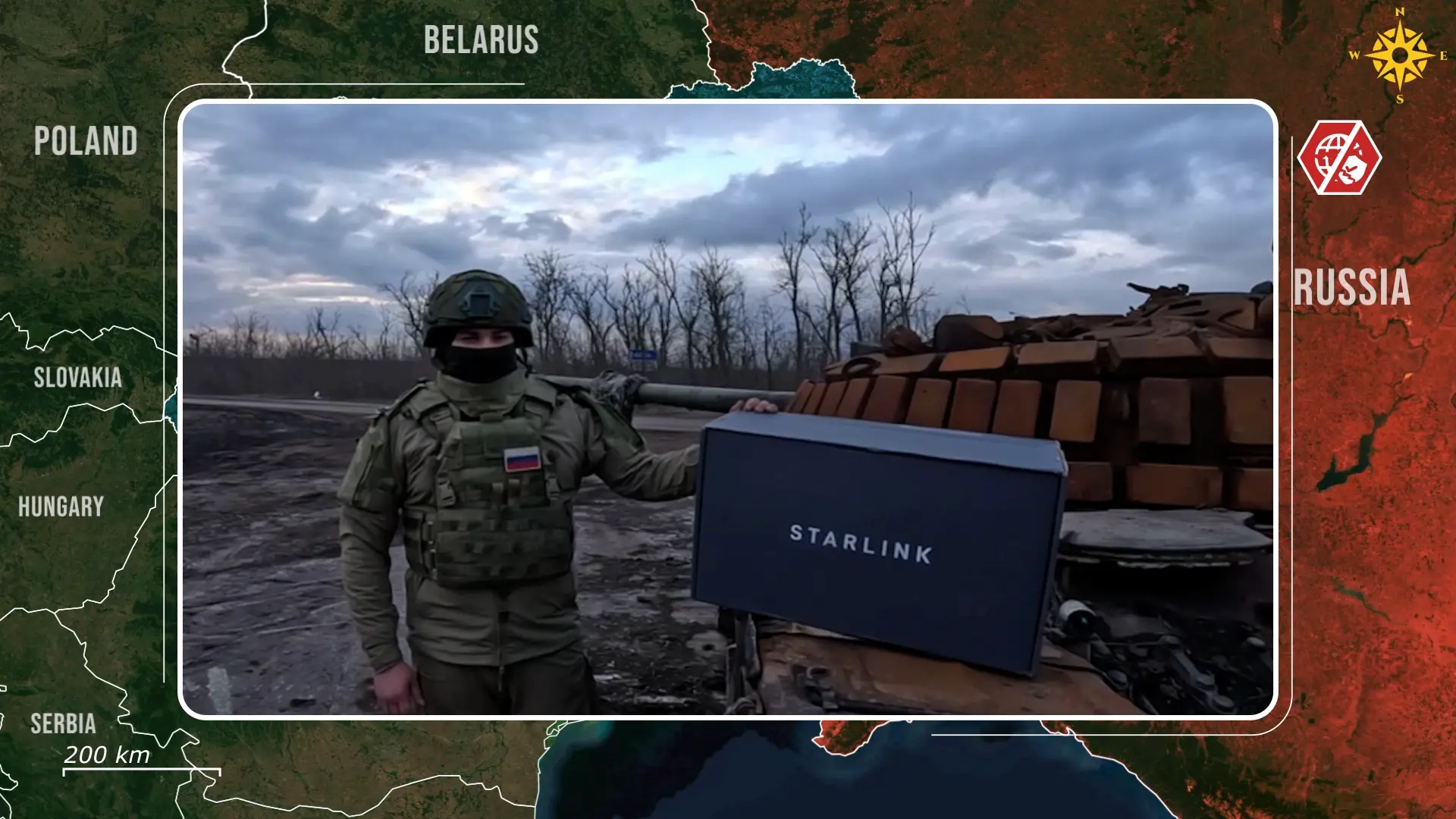
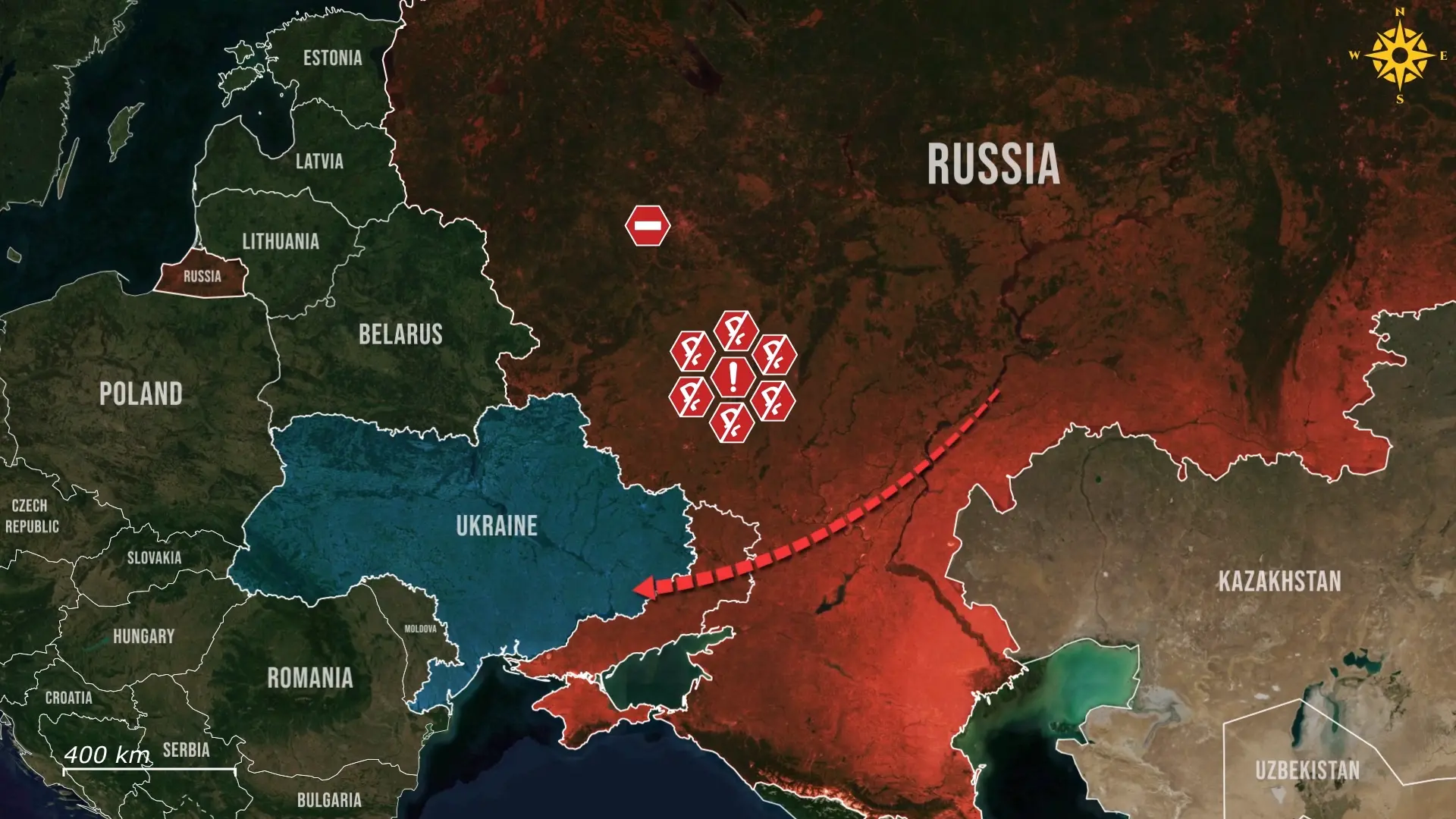
Russian drone units had briefly gained an edge as Starlink connectivity allowed them to guide long‑range systems with precision and operate beyond Ukrainian interference. However, the abrupt cutoff of these connections has left Russian Starlink-connected drones blinded, exposing the structural weaknesses that have defined Russia’s satellite ambitions since the collapse of Rassvet.
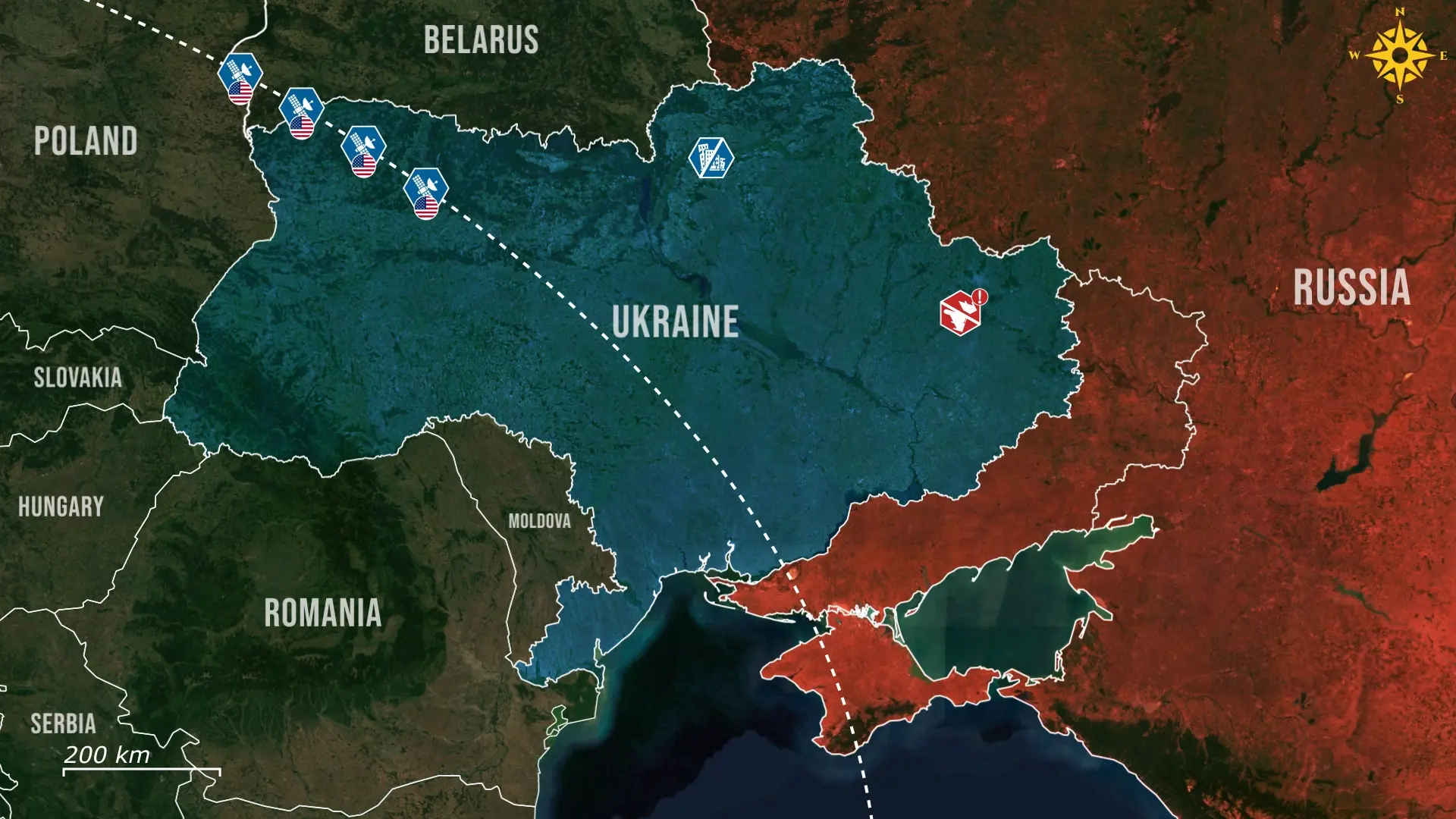
Russia’s domestic satellite internet program has stalled to the point where it can no longer be considered a viable near‑term solution for military communications. This persistent gap has left Russian forces without a functioning space‑based communications network at a time when modern operations increasingly depend on stable, high‑bandwidth links. In the absence of a domestic alternative, Russian units turned to Starlink terminals acquired through intermediaries.
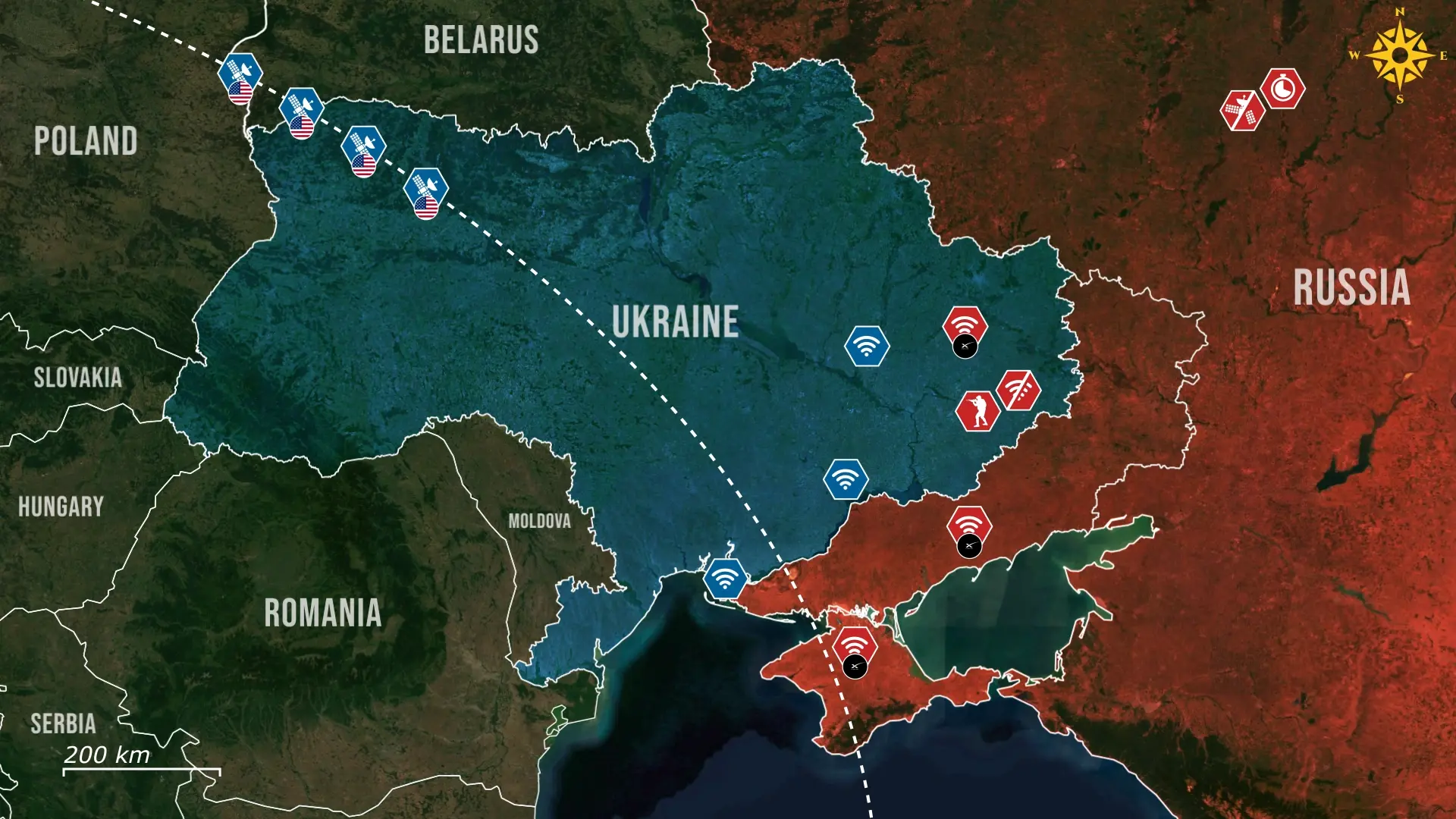
Russian forces had already used Starlink for communications and various drone functions, but recent adaptations expanded this practice to long‑range systems such as BM‑35 and Shahed drones. These changes were introduced to extend operational range and maintain stable control links in areas where traditional radio‑based systems were unreliable or easily jammed. This allowed Russian long-range drones to operate with greater precision and resilience, as Starlink‑connected drones are also more resistant to jamming.
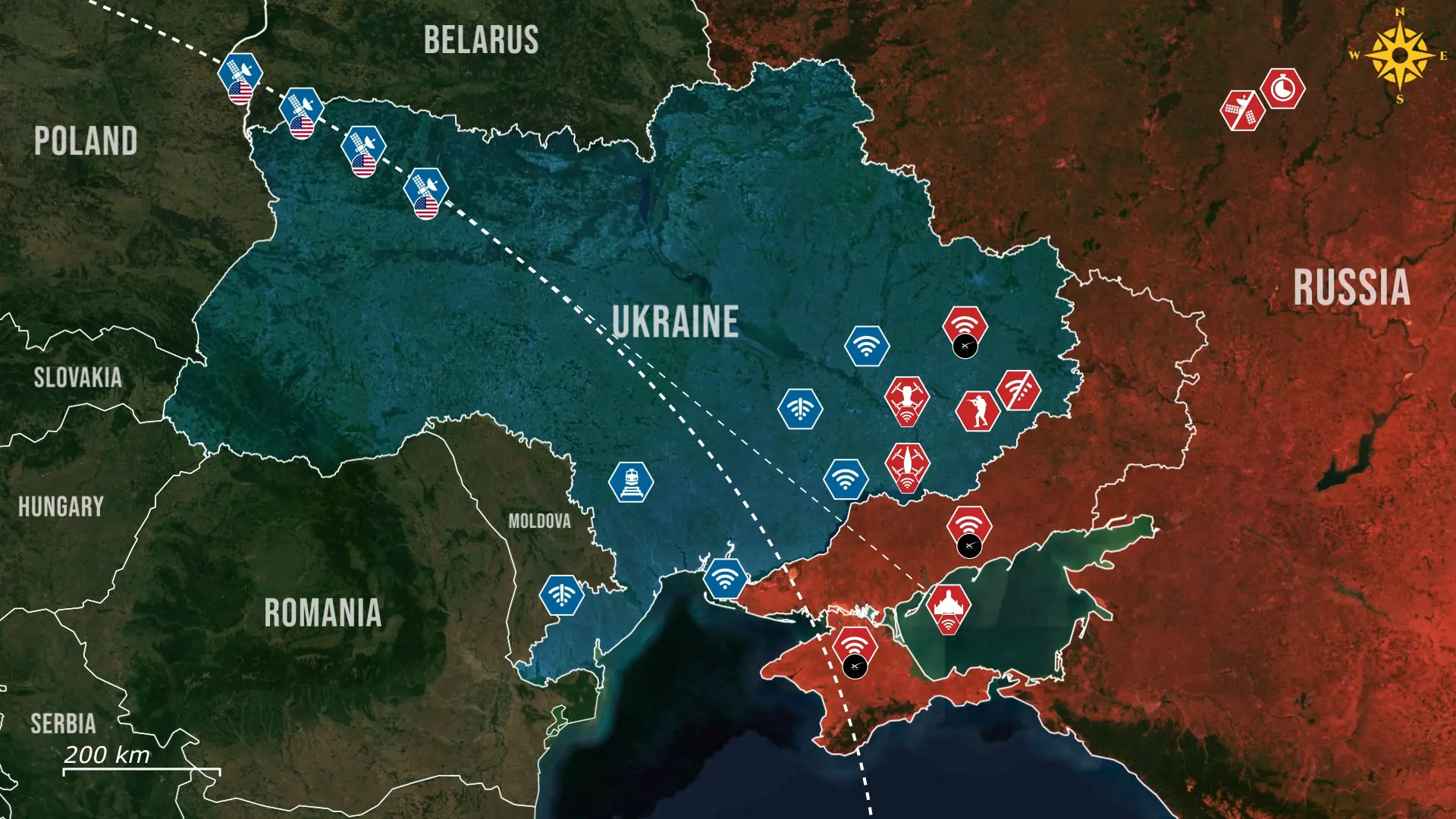
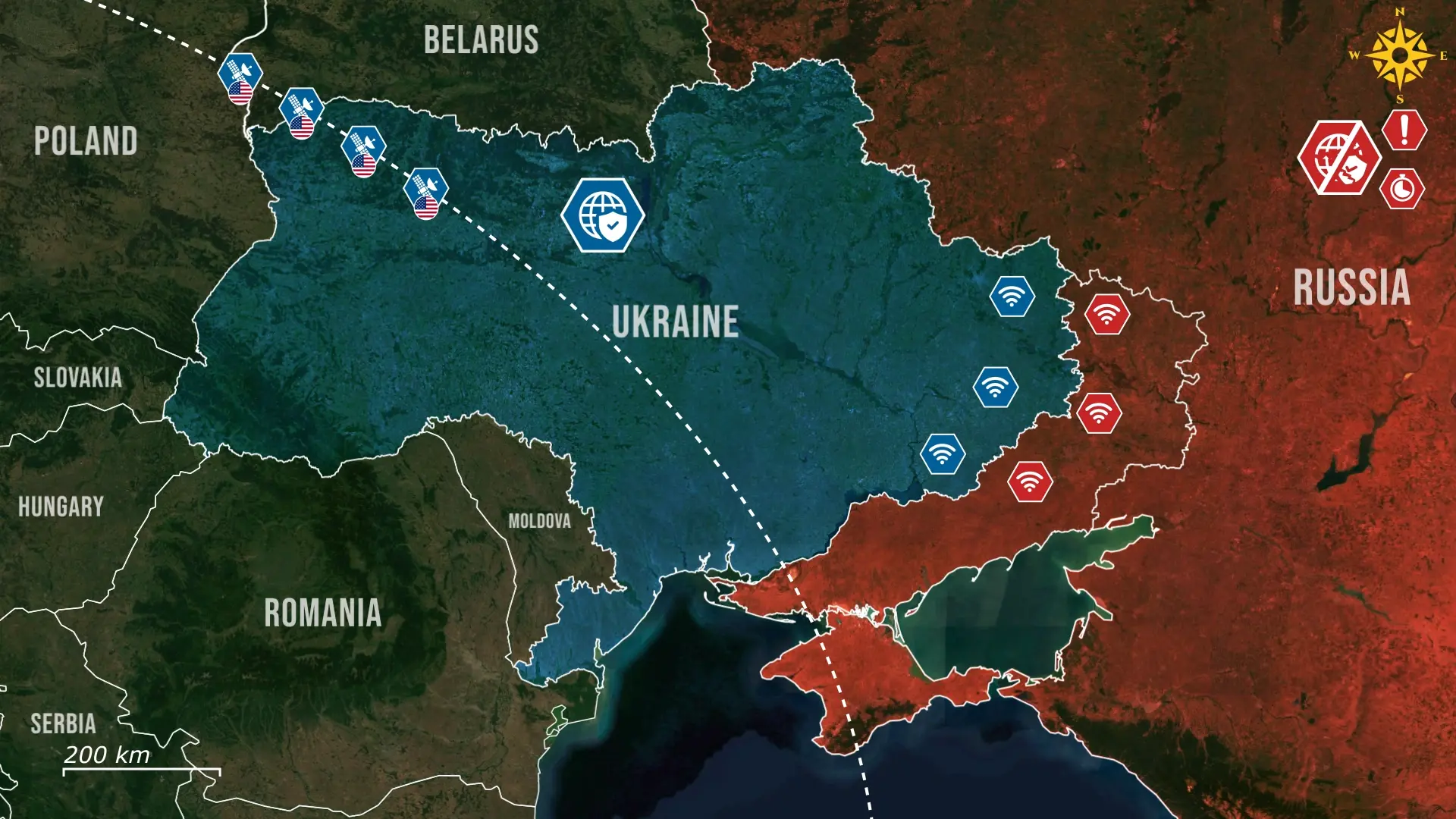
Once Ukrainian authorities confirmed that Russian units were using Starlink to guide drones, they moved quickly to coordinate with the company. Until this point, Russian use of Starlink had been limited to communications and small‑scale drone tasks, but the integration into long‑range strike systems created an operational risk that could no longer be ignored. Most importantly, the recent Russian adaptations produced clear technical signatures that made targeted restrictions feasible for the first time. The priority was to identify how unauthorized terminals were operating inside Ukraine and how to restrict them without disrupting legitimate Ukrainian use. This required technical measures that could distinguish between Ukrainian and non-Ukrainian devices, even when terminals were moved, concealed, or routed through intermediaries.
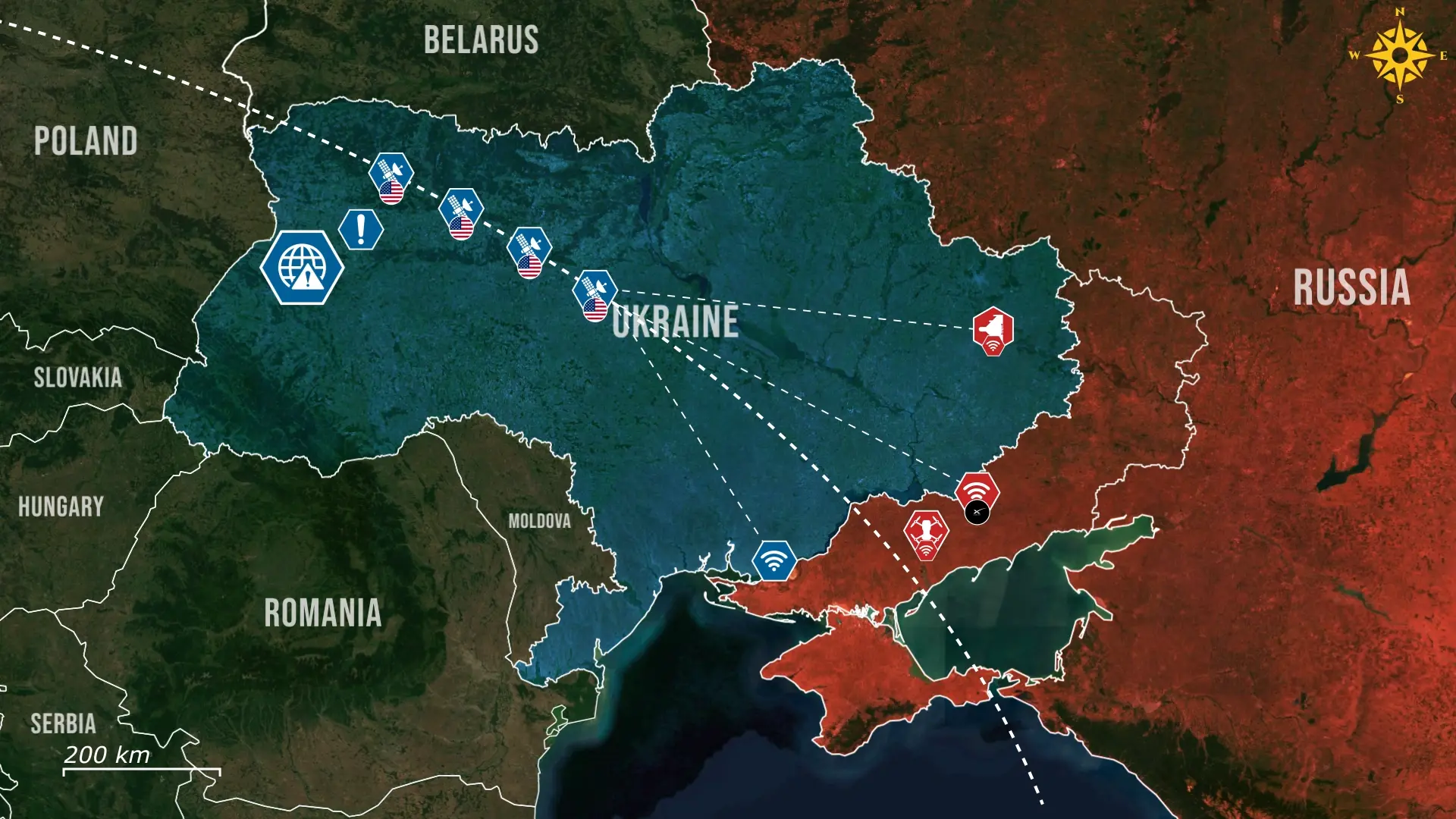
To solve this, Starlink implemented a verification and geolocation-based access system. All terminals operating in Ukraine now require registration and confirmation with Ukrainian authorities, while unverified devices automatically lose connectivity when attempting to operate within Ukrainian territory. The process closed the loophole that had allowed Russian units to activate terminals acquired outside Ukraine and then bring them into the battlespace. The transition was executed rapidly, reflecting both the urgency of the situation and the need to prevent further exploitation of the network.
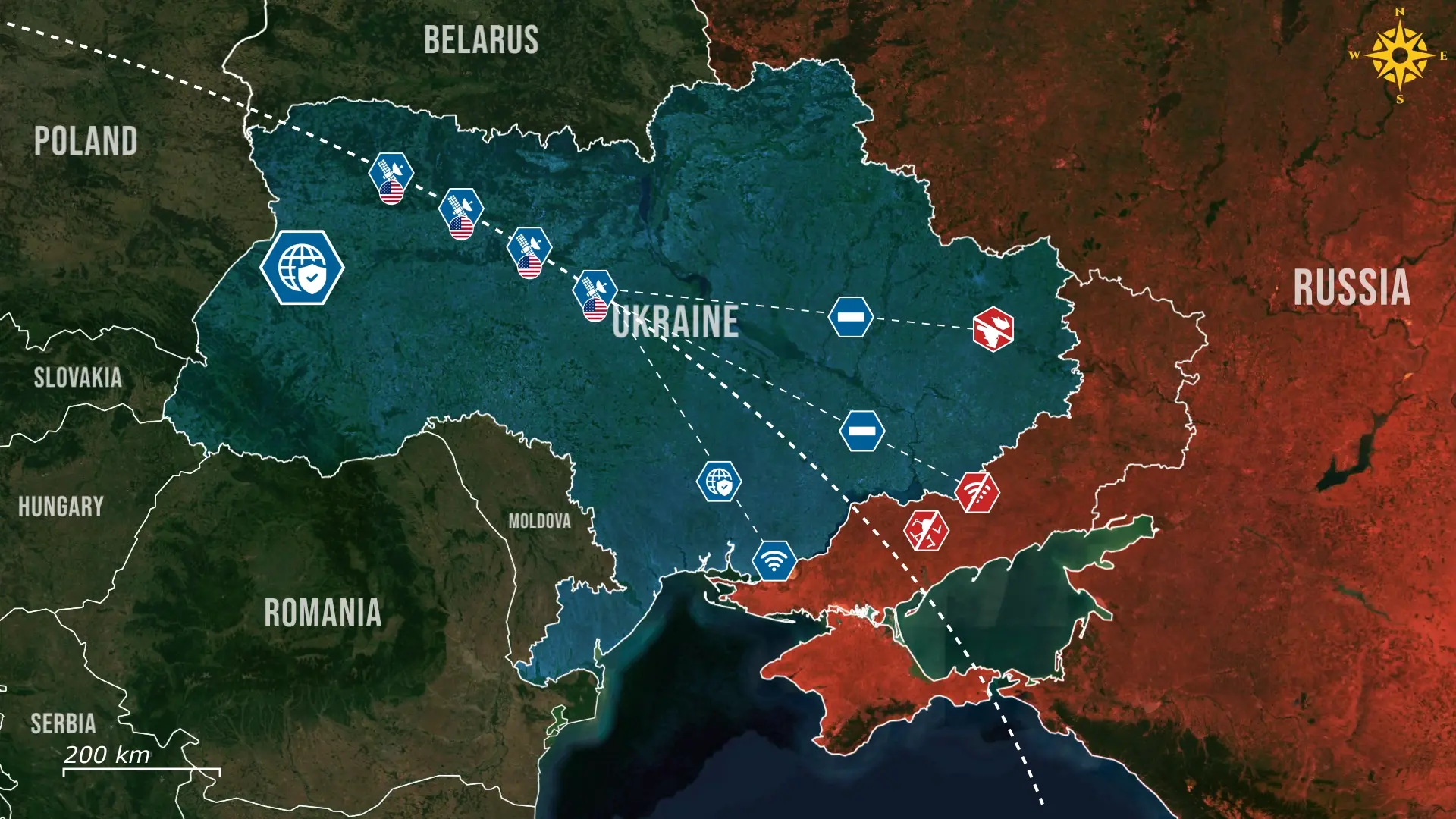
The tactical impact was immediate; Russian military channels began circulating complaints that Starlink access had been cut off, with drone operators reporting sudden signal loss, causing drones to lose guidance or descend uncontrollably. Some Russian commentators escalated to extreme rhetoric, including calls to destroy satellites with nuclear warheads in space as a last-ditch scorched-earth measure. The reaction highlighted the scale of the disruption, as without satellite connectivity, Russian drones reverted to older control methods that are far more vulnerable to Ukrainian jamming and interception.
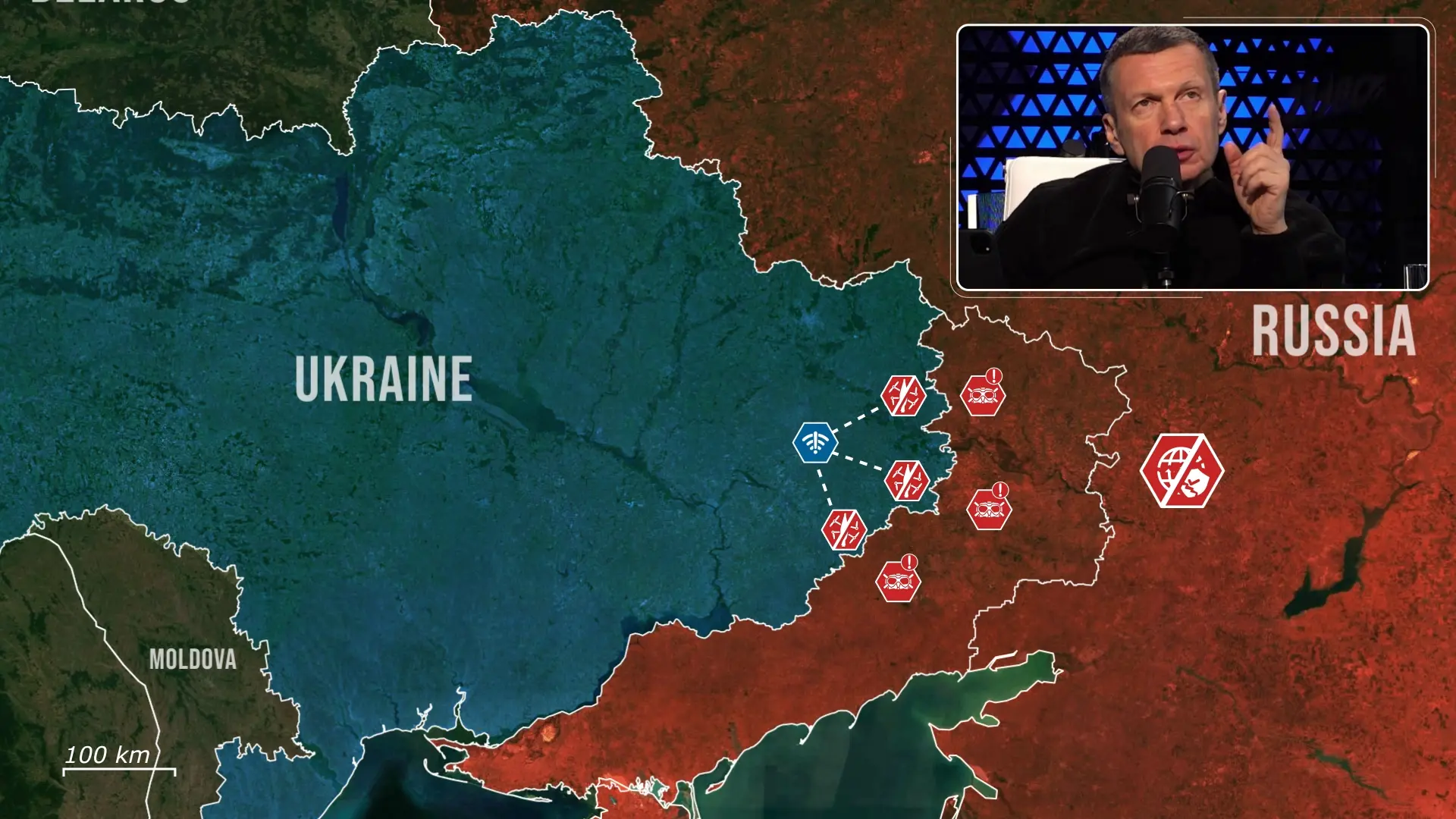
The loss of real-time control also reduced the accuracy of Russian long-range strikes, as operators could no longer adjust trajectories in response to Ukrainian defenses or moving targets. The temporary advantage Russia had gained through unauthorized Starlink use disappeared within hours of the restrictions taking effect.
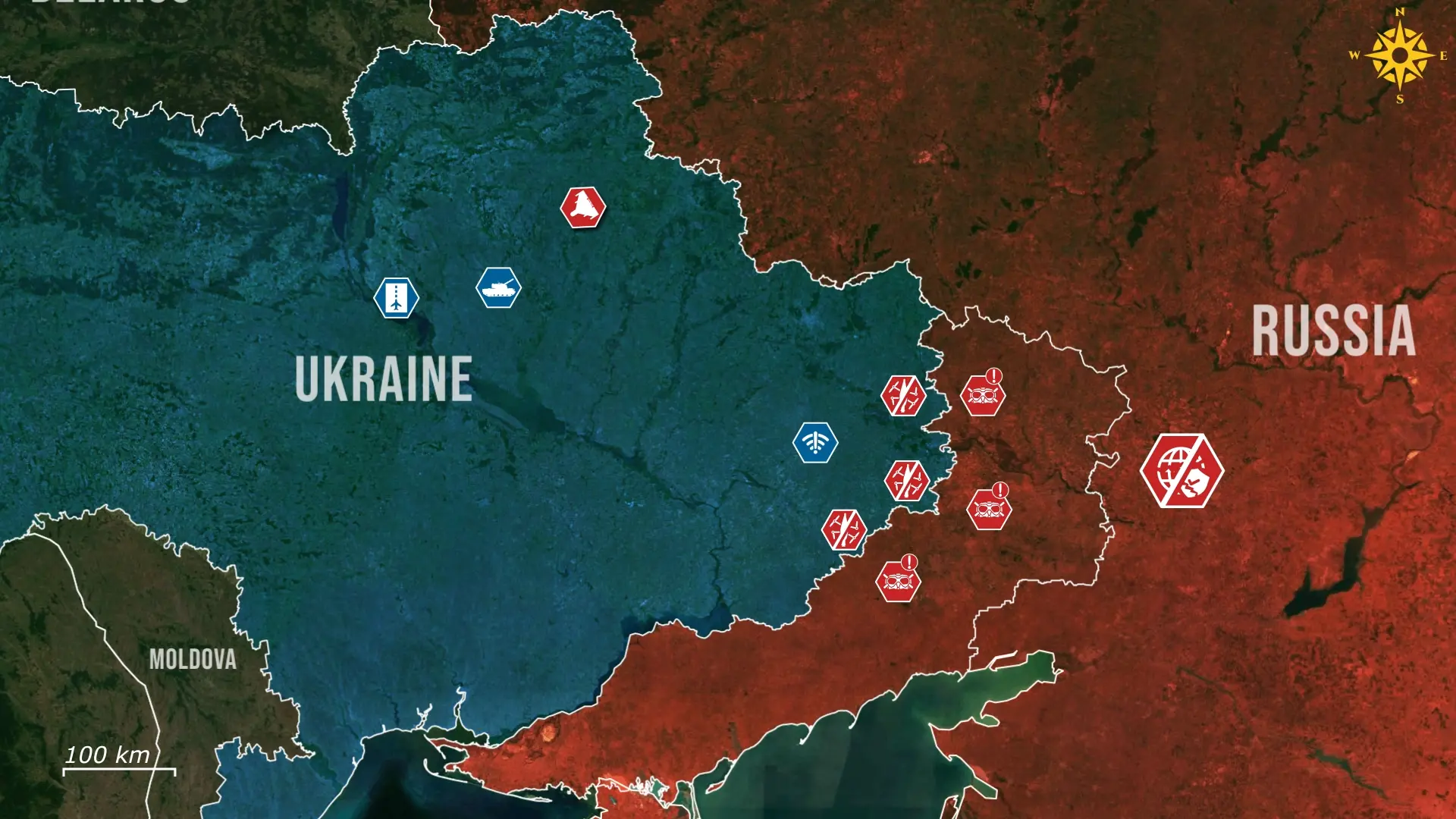
The consequences also extend to the strategic dimension, beyond the immediate loss of drone capability. Russia’s dependence on Starlink emerged because it lacked a functioning satellite network of its own, and the cut off removes the temporary workaround that had masked this weakness. With satellite guidance no longer available, Ukrainian countermeasures regain their full effectiveness against Russian drones.
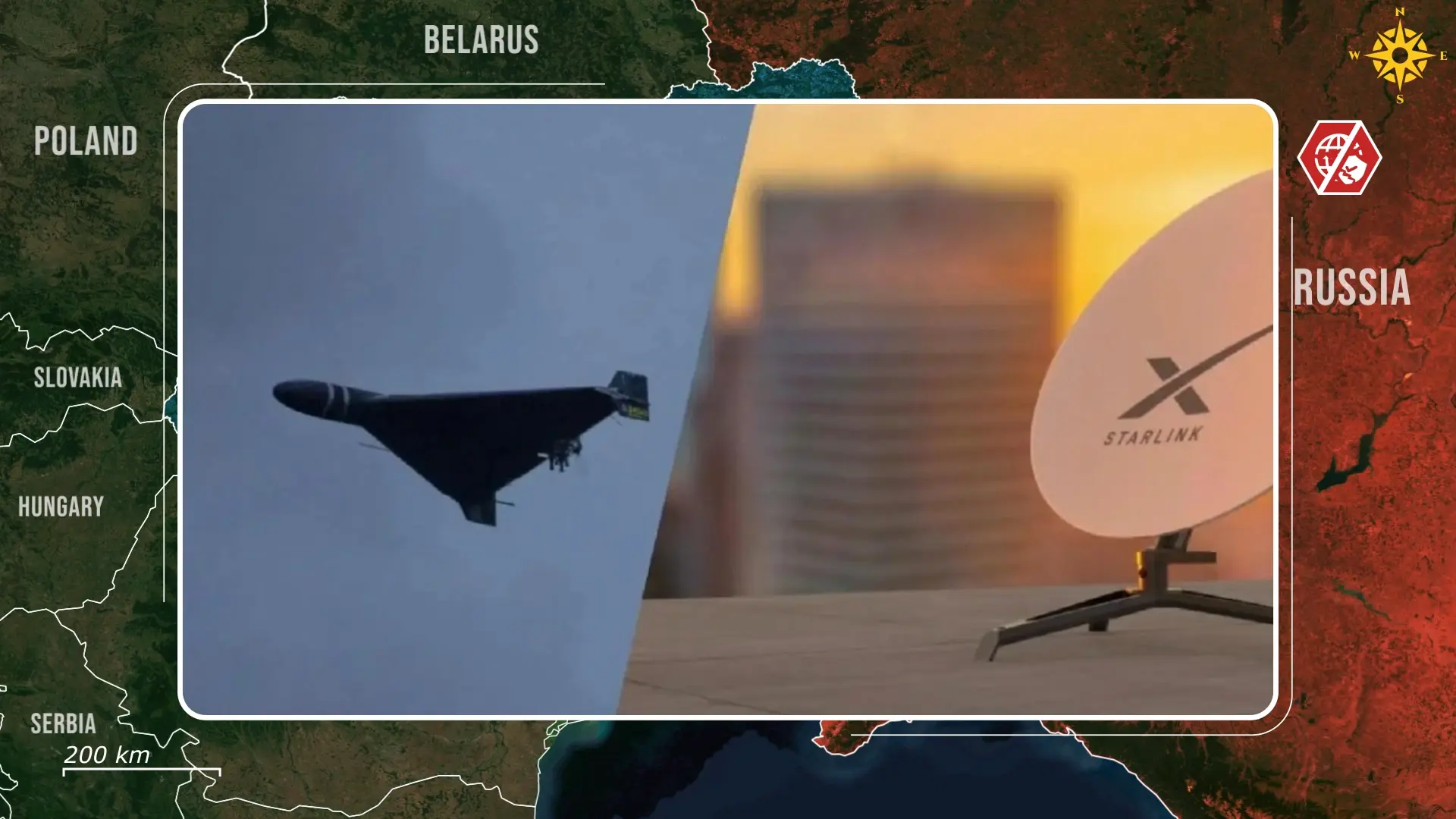
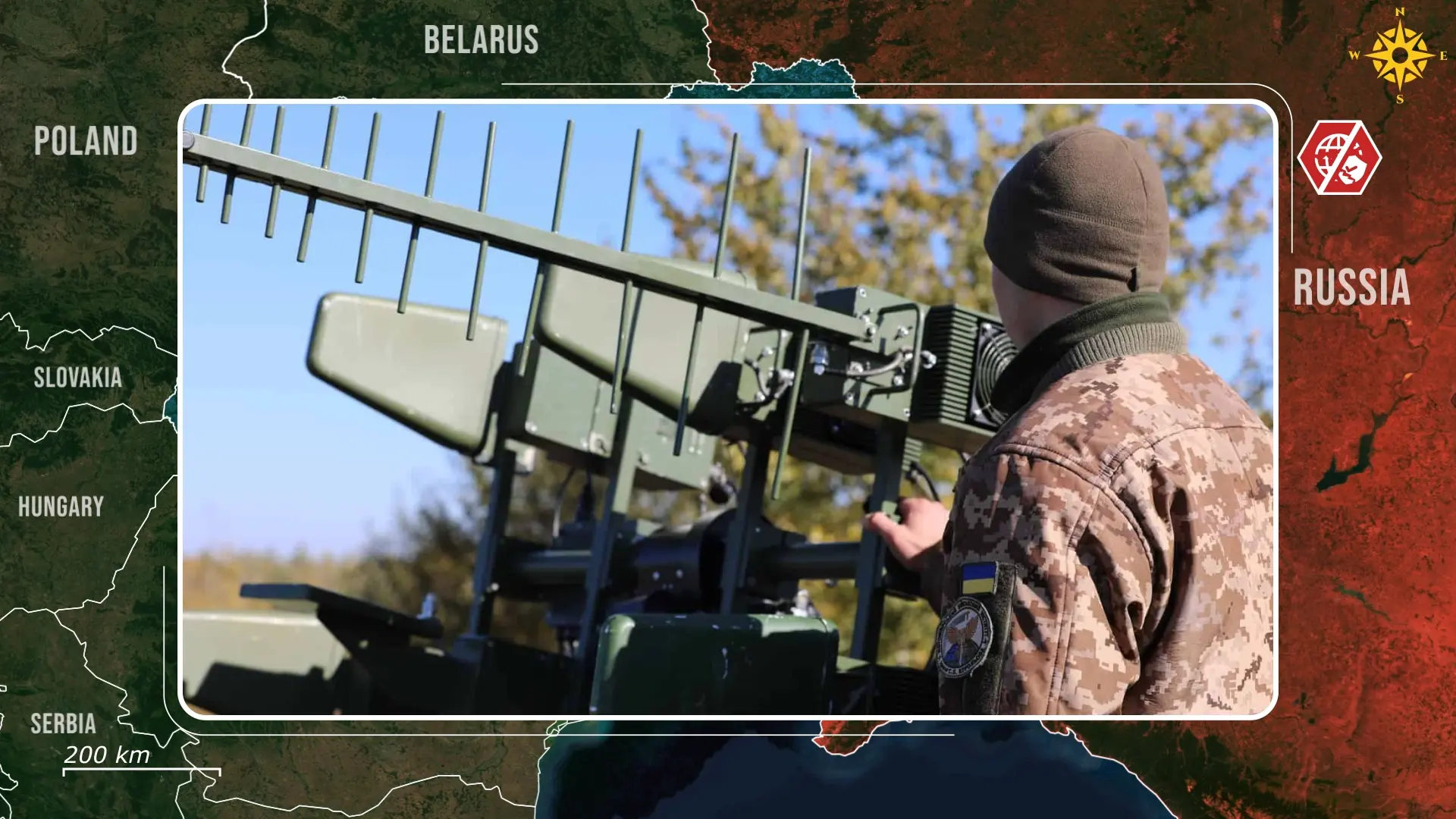
The setback also underscores how far Russia remains from fielding a system capable of supporting operations beyond its borders. Interestingly, the measures taken in Ukraine can be applied in other territories outside of Ukraine that face similar risks, such as hybrid or militant military activity worldwide.
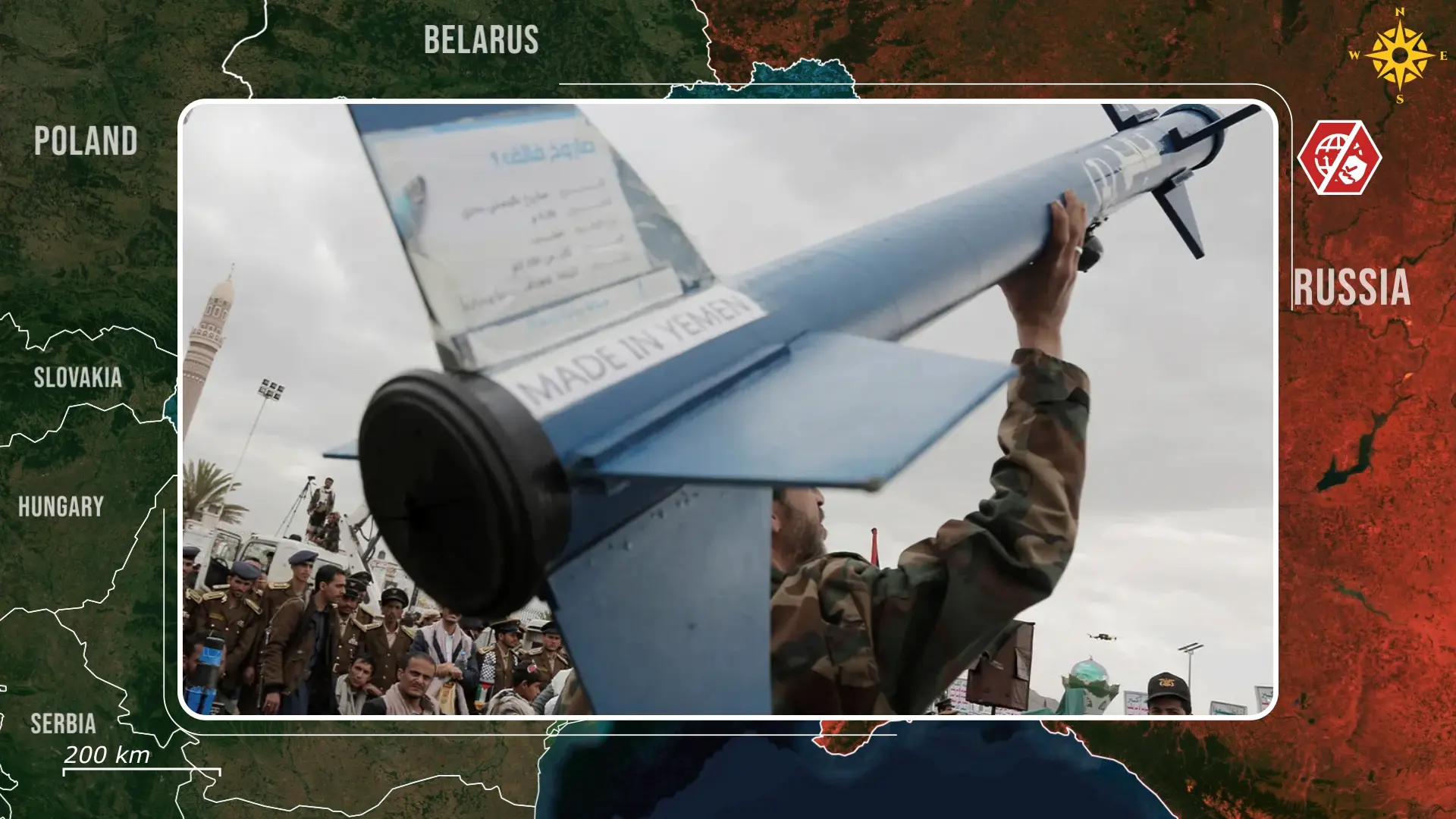
Overall, the removal of Russian access to Starlink reverses a short-lived tactical advantage and restores the effectiveness of Ukrainian countermeasures. The cut-off demonstrates that unauthorized use of commercial satellite networks can be curtailed even in complex operational environments, creating a precedent that may influence how states and companies manage access to critical digital services. Russia’s dependence on foreign systems highlights the long‑term constraints facing militaries that cannot field their own resilient infrastructure.

.jpg)


Comments