

.svg)
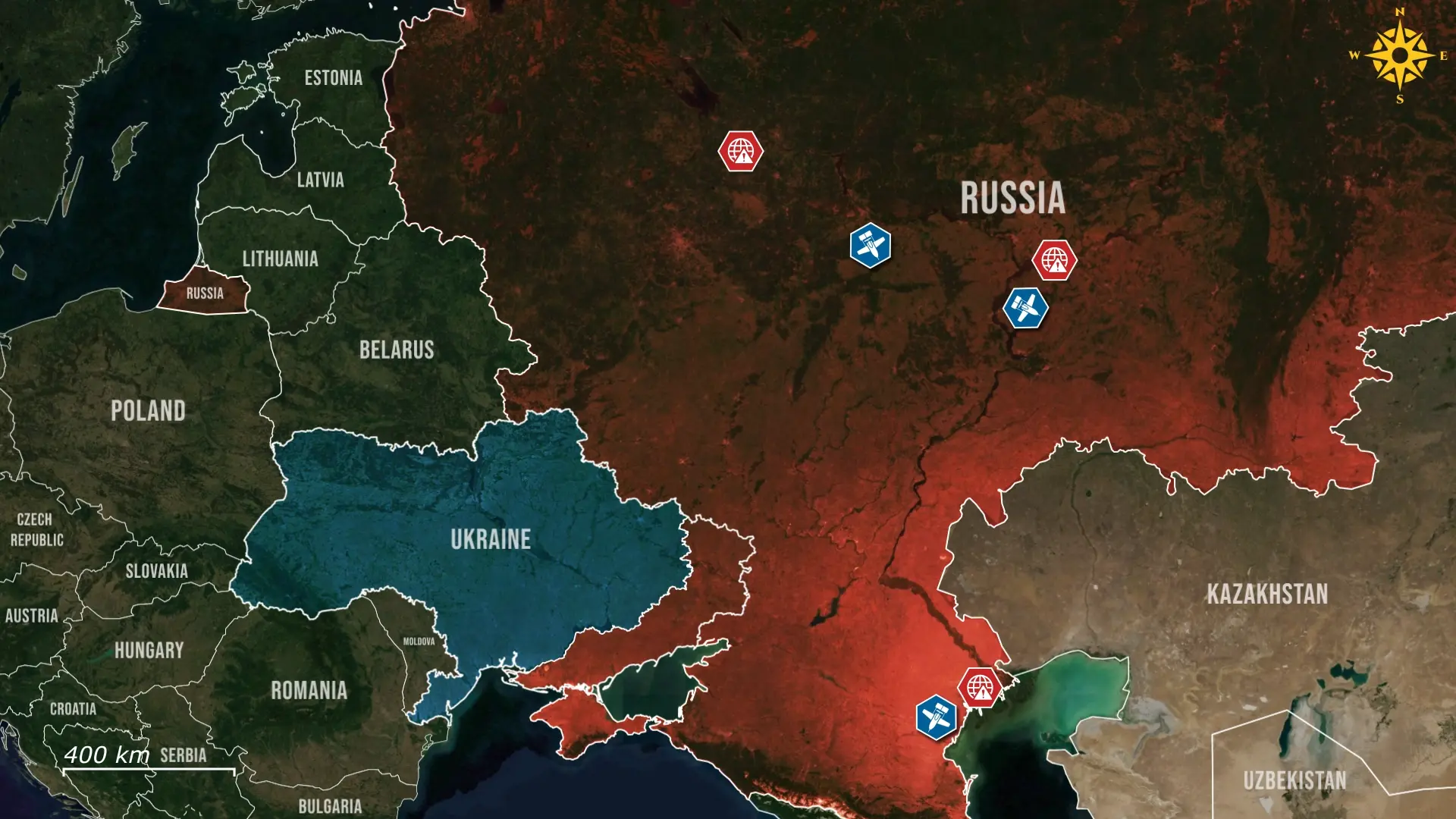
Today, the biggest updates come from Russia.
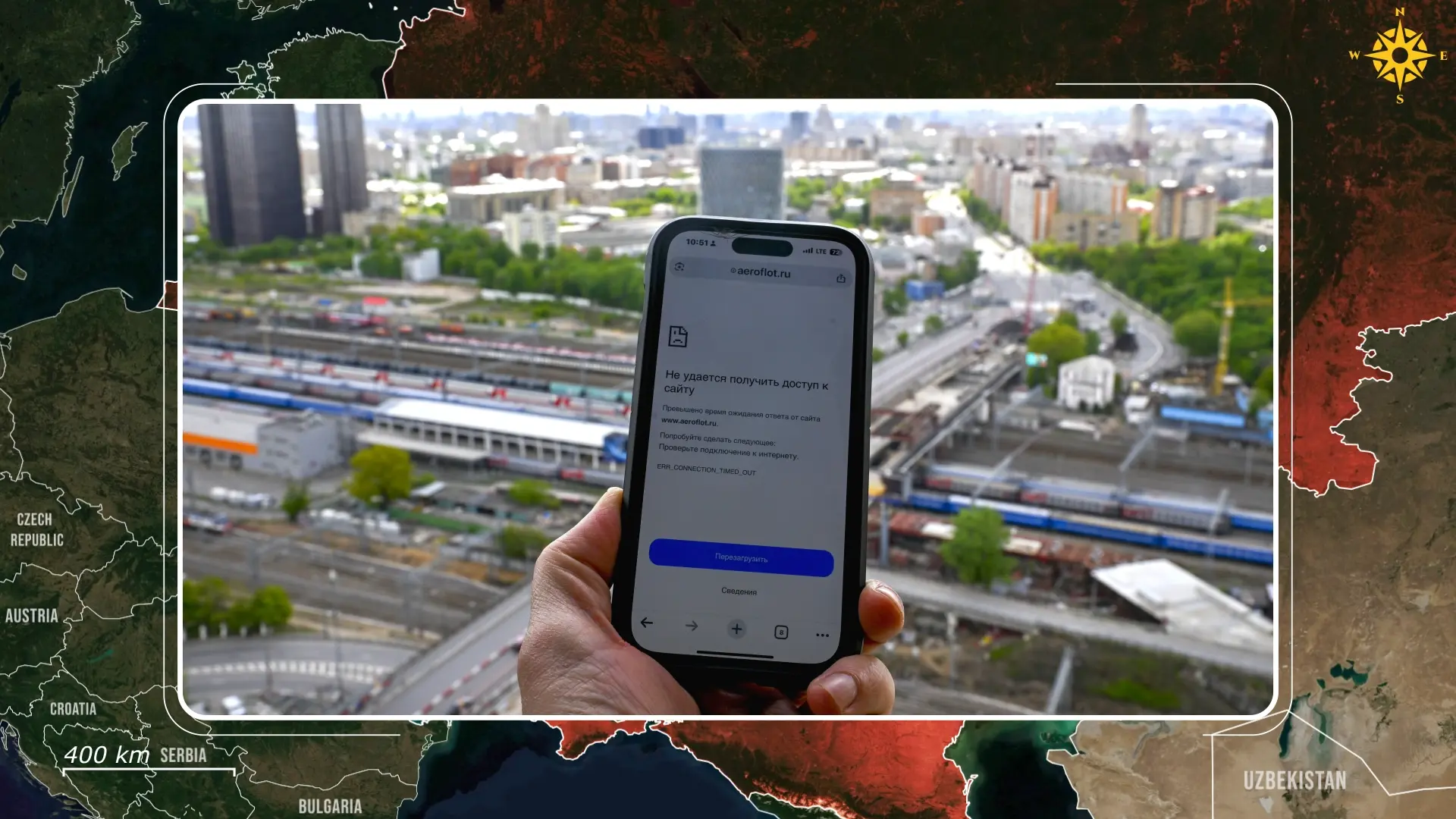
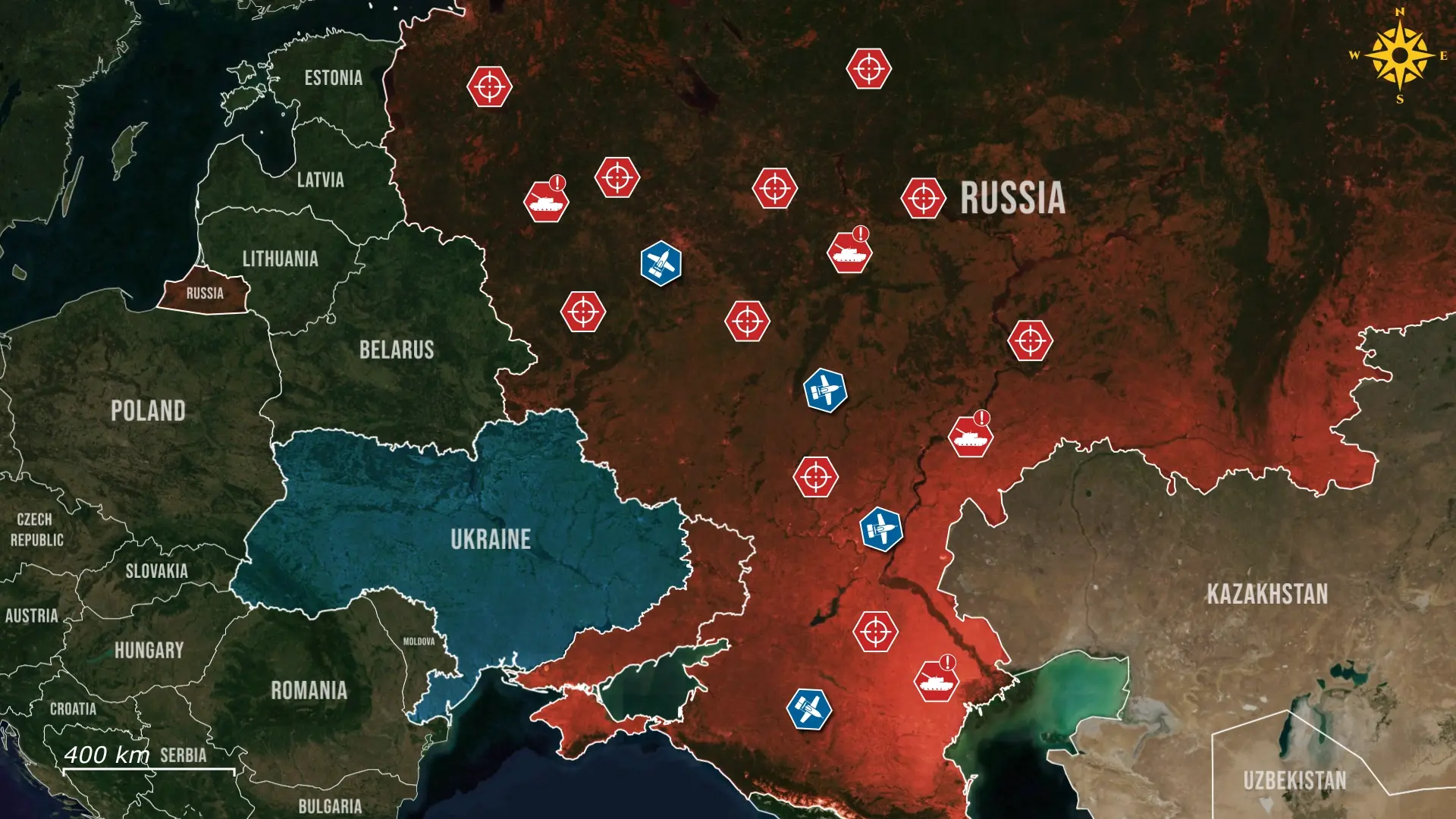
Across Russia’s western regions, Russia shuts down mobile networks whenever the threat of long-range Ukrainian drones emerges, plunging cities into digital darkness meant to shield strategic infrastructure. Yet these sweeping shutdowns, represent a desperate, and yet useless answer to a battlefield problem that has already evolved beyond them, underscoring a widening gap between Ukrainian threats and Russian response.
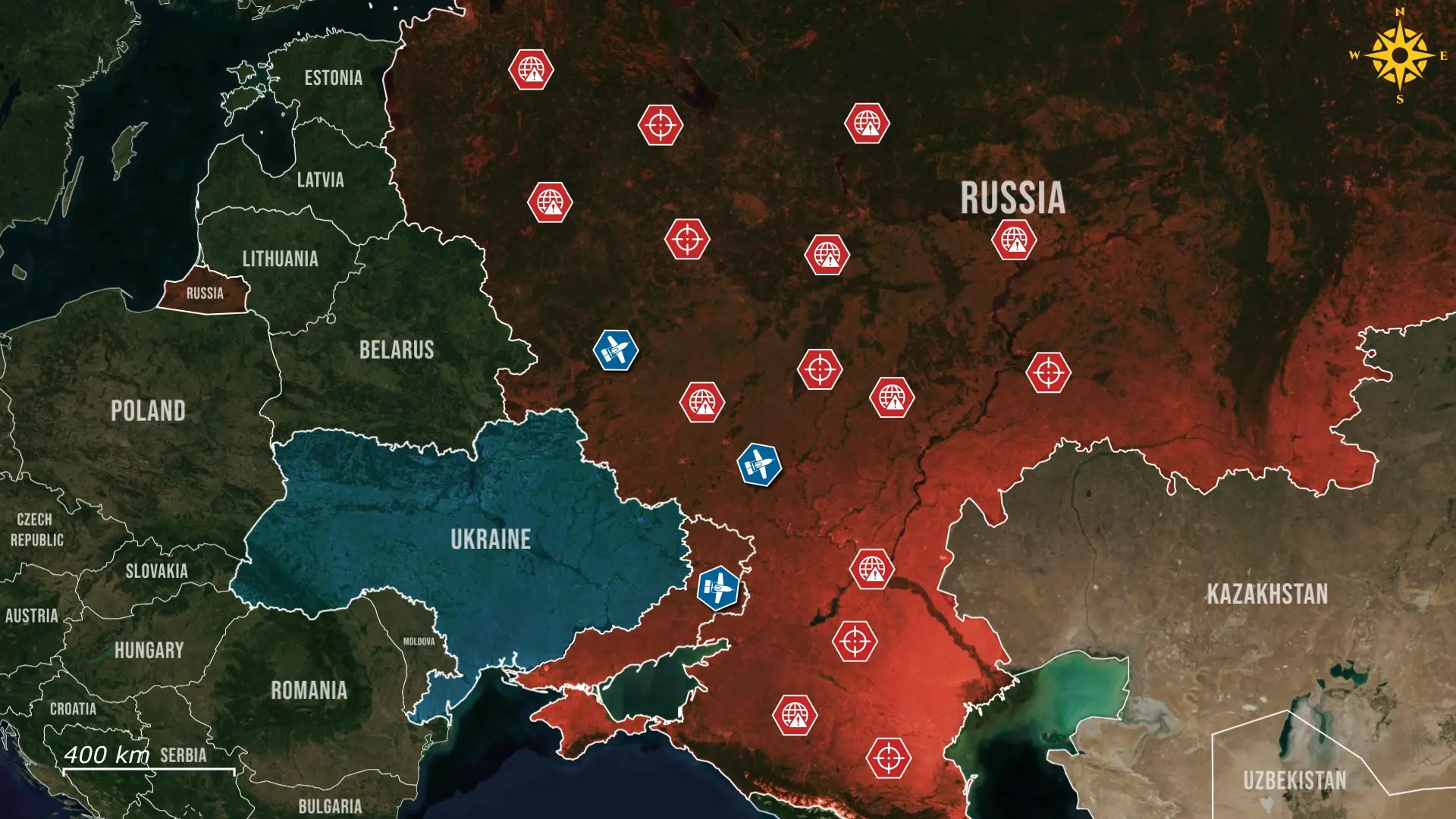
Every time waves of Ukrainian long-range drones are detected heading toward Russian territory, regional authorities shut down mobile internet and wider telecommunications coverage. The intent is straightforward to disrupt Sim card-linked navigation systems believed to guide drones to their targets. By degrading signal availability, officials hope to disorient incoming aircraft, or force drones off course before they reach critical infrastructure.
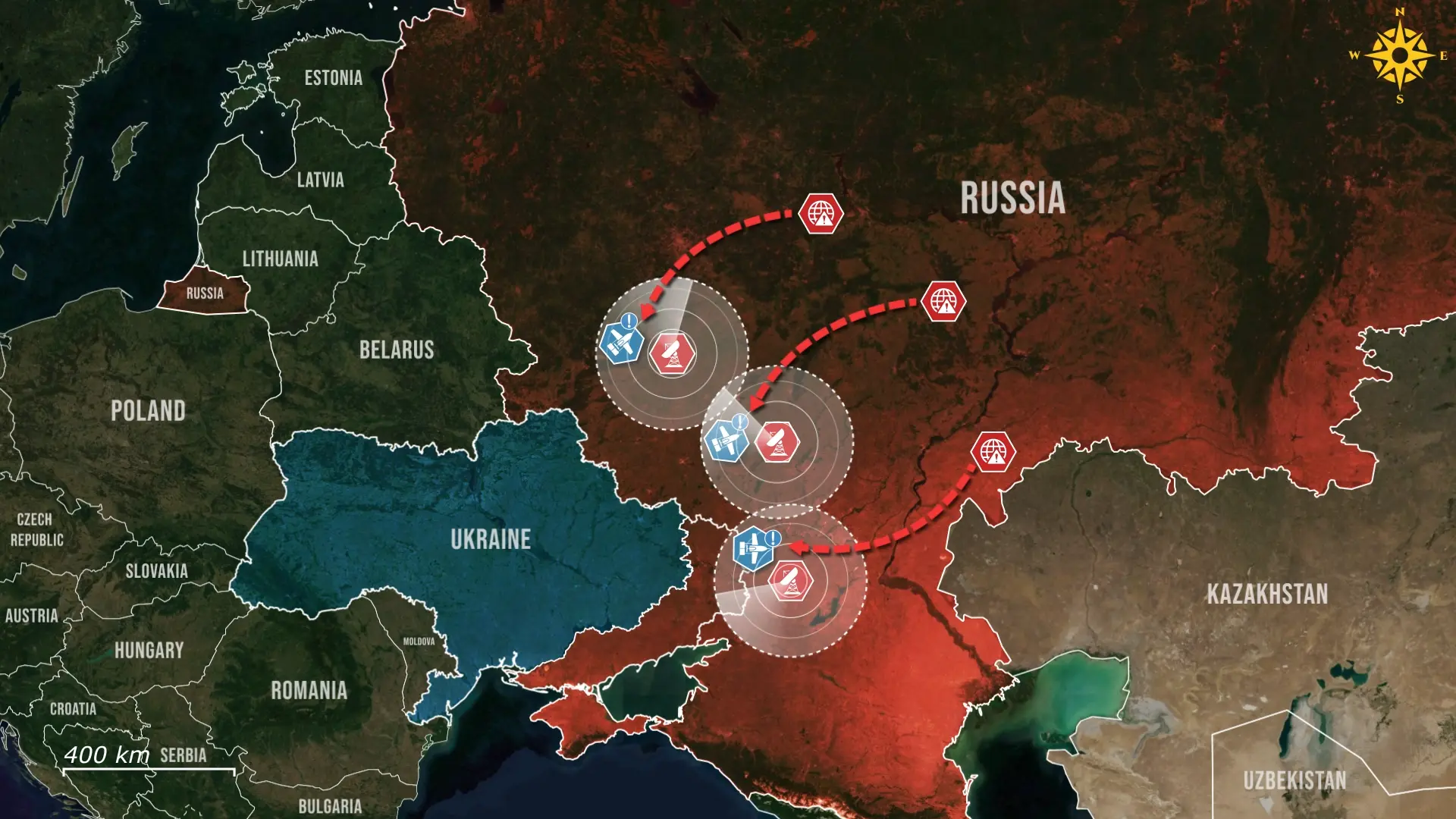
In practice, the results haven’t been successful. While localized signal disruption can complicate certain guidance methods, it has not halted the tempo of Ukrainian strikes. Drones continue to penetrate airspace and hit oil depots, airfields, and industrial sites despite repeated shutdowns.
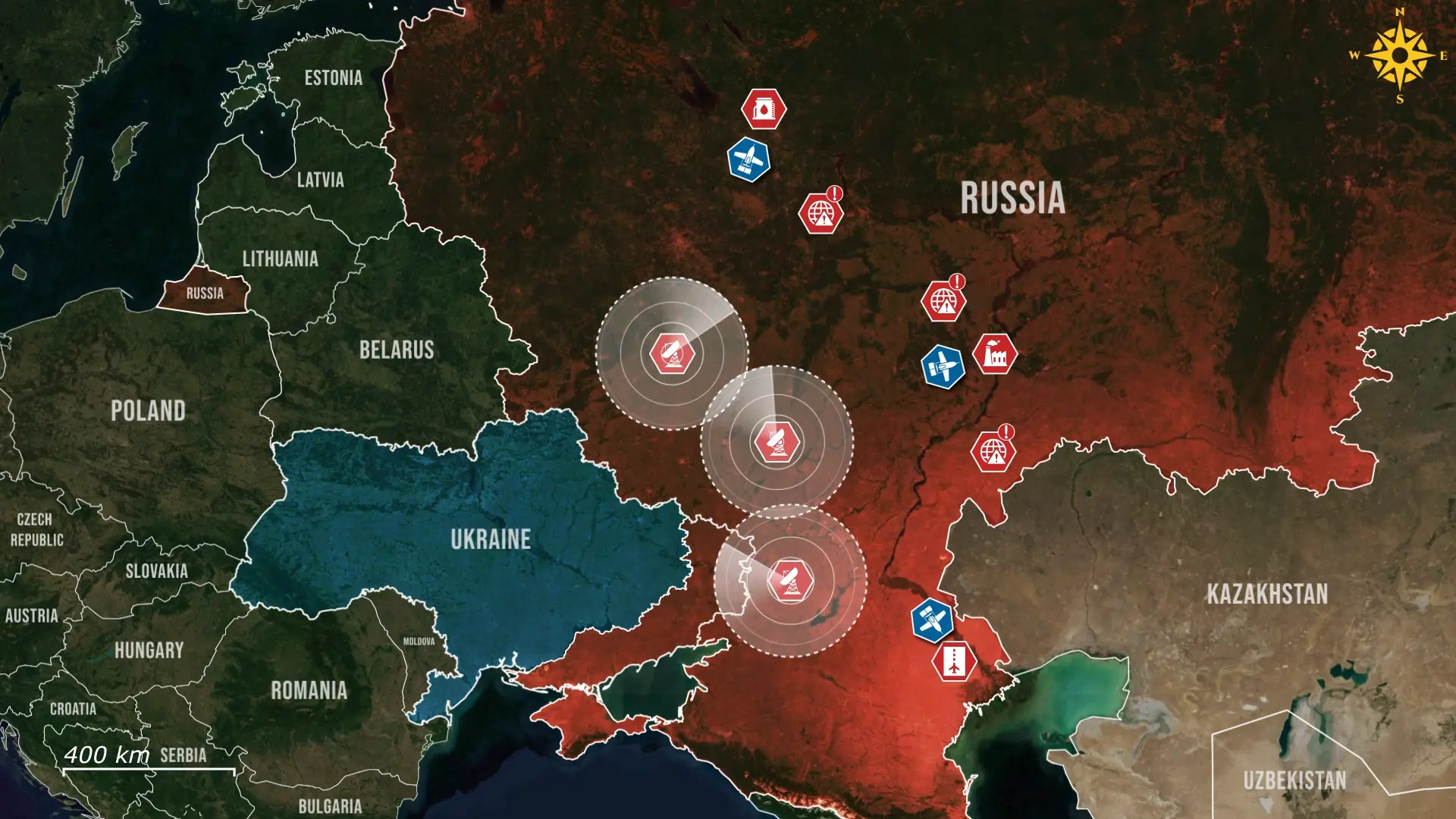
Meanwhile, the immediate and predictable impact falls on civilians. Residents report loss of banking access and emergency communications, sometimes for hours at a time. The pattern has produced growing public frustration as daily life is disrupted on a large scale, yet the attacks that the shutdowns are meant to prevent still occur, raising doubts about the measure’s real defensive value.
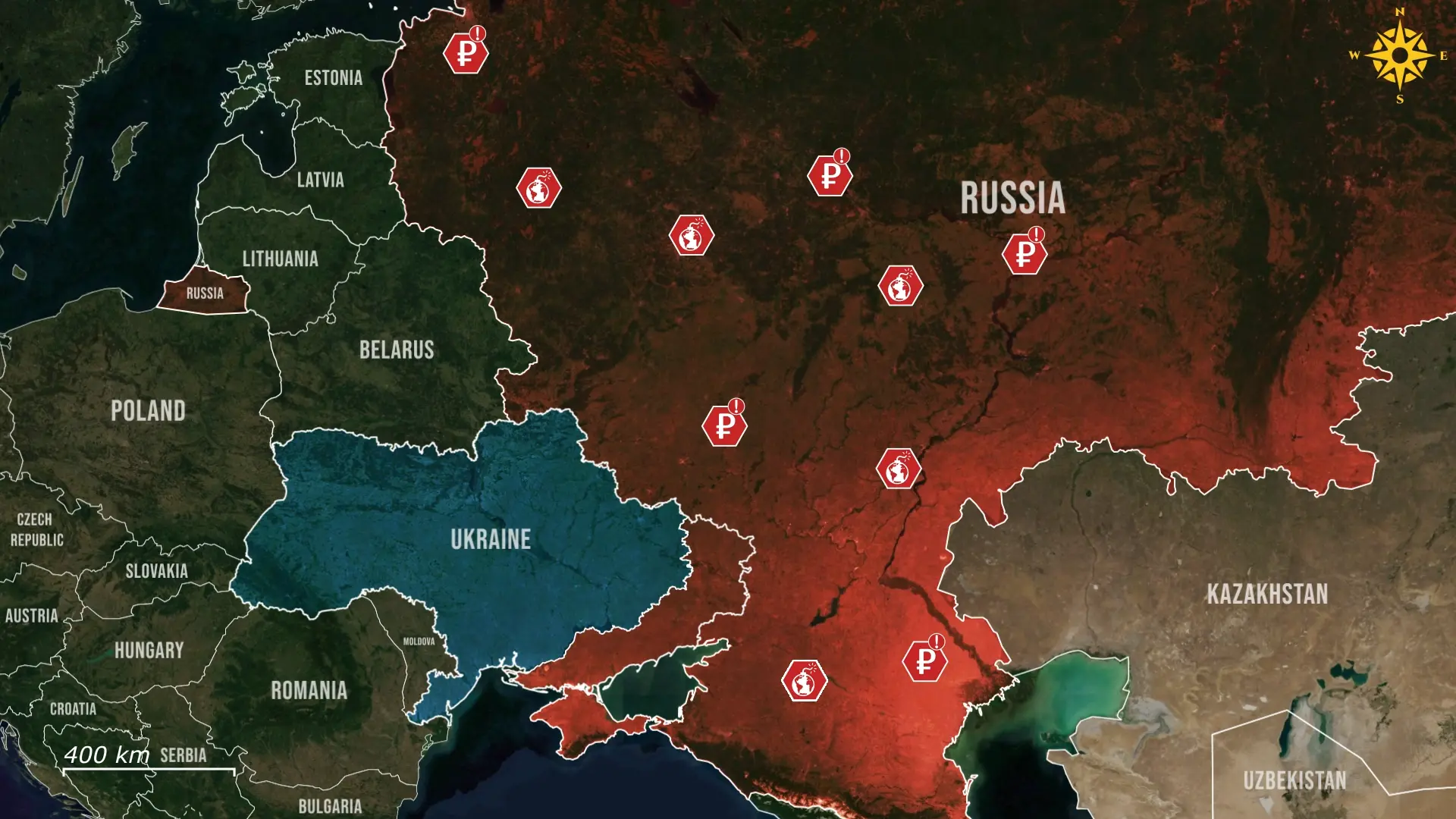
Russian authorities resort to large-scale mobile internet shutdowns because early in the war waves of Ukrainian long-range drone strikes relied in large part on access to Russian cellular networks. Ukrainian strike platforms were adapted to use commercially available Sim cards to receive mid-course updates, or refine navigation through the use of mobile data.
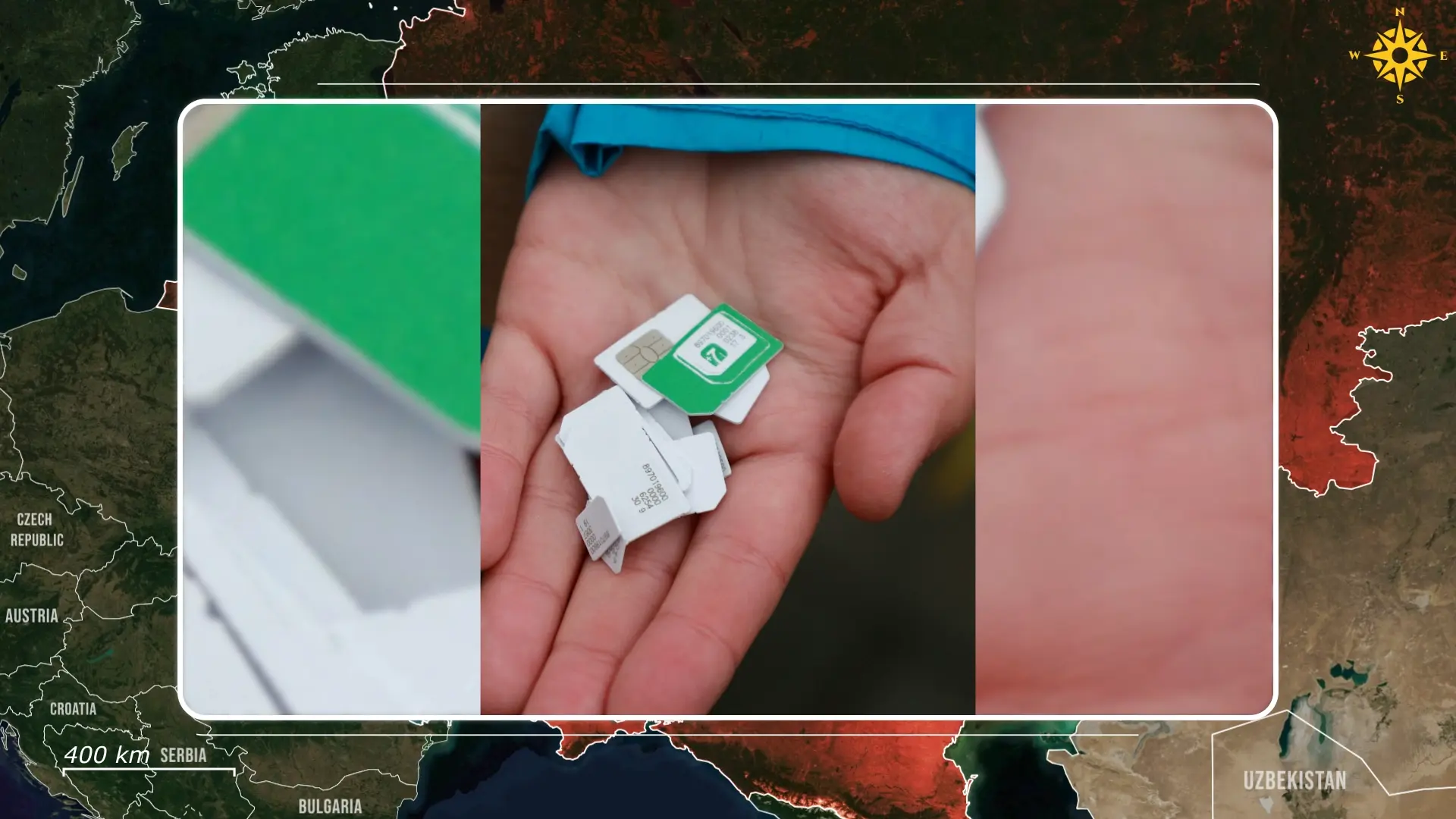
By piggybacking on domestic telecom infrastructure, these systems could extend operational range and maintain flexible control deeper inside Russian territory than traditional line-of-sight links would allow.
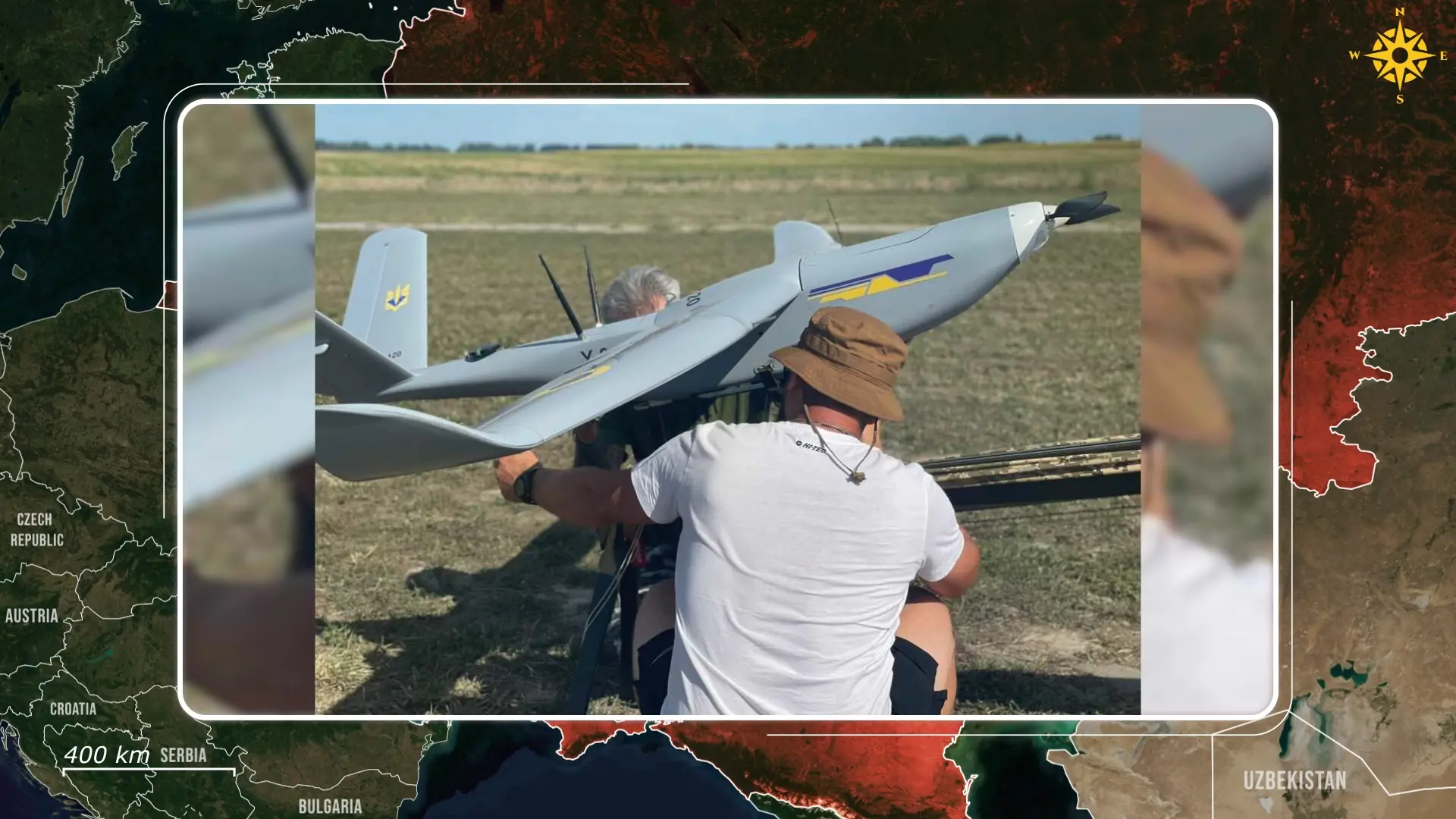
Faced with this method, Russian countermeasures focused on denying the very network access that enabled it. Rather than targeting each drone individually, authorities opted for area-wide telecommunications suppression, disabling mobile internet towers along projected flight paths and around sensitive facilities. The logic was defensive expediency: if drones depended on cellular connectivity, severing that connectivity could degrade accuracy, interrupt operator guidance, or force reliance on less precise backup navigation. In effect, Russia chose to target its own telecom ecosystem as a protective shield, prioritizing infrastructure denial as a way to blunt a then-emerging Ukrainian strike technique.
Many platforms now rely on pre-programmed flight routes guided by inertial navigation systems which require no outside assistance. They are also paired with satellite navigation and optical terrain-matching technologies to know their current position and course. These allow drones to follow complex routes autonomously, even in heavily jammed electronic environments.
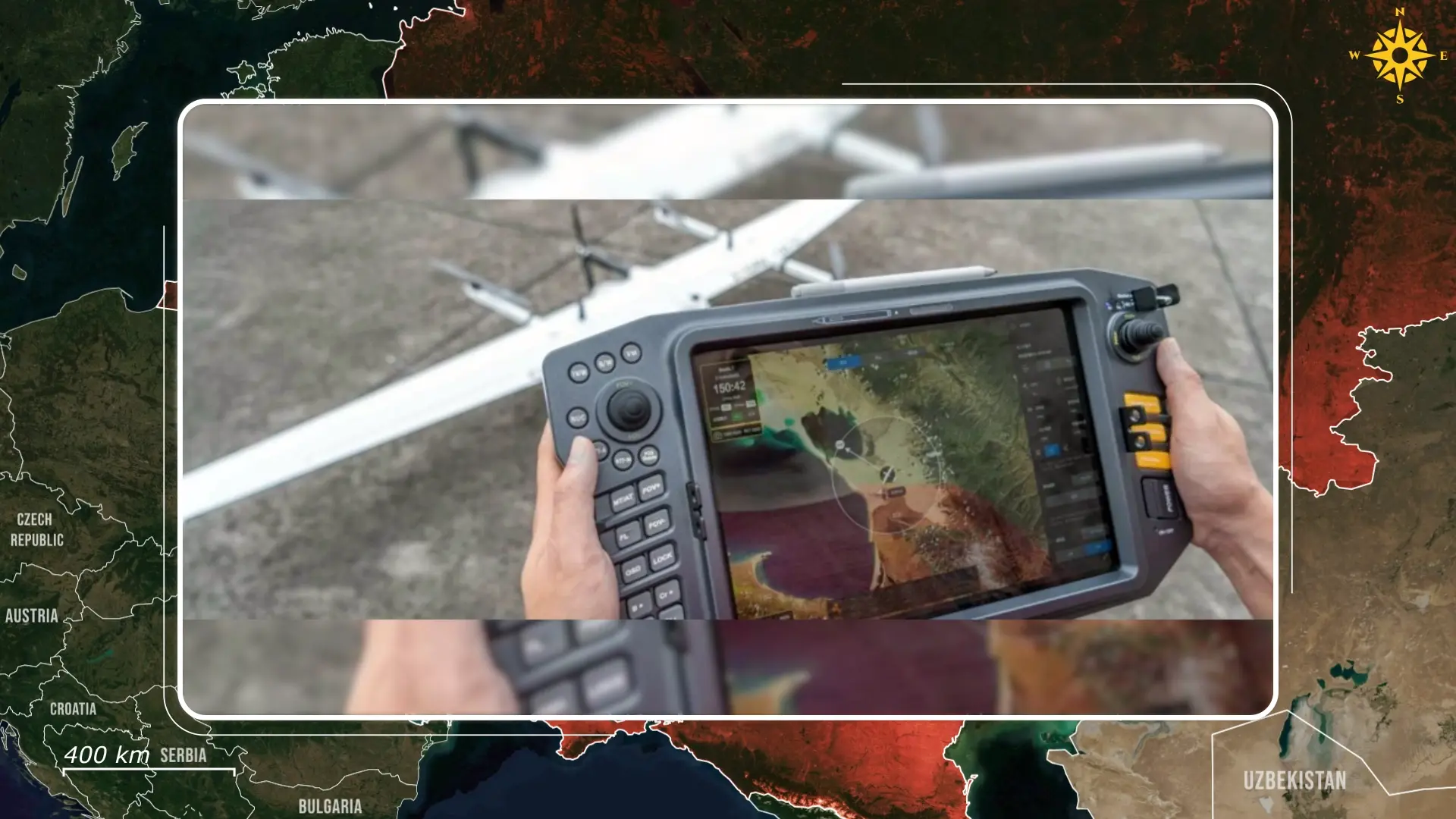
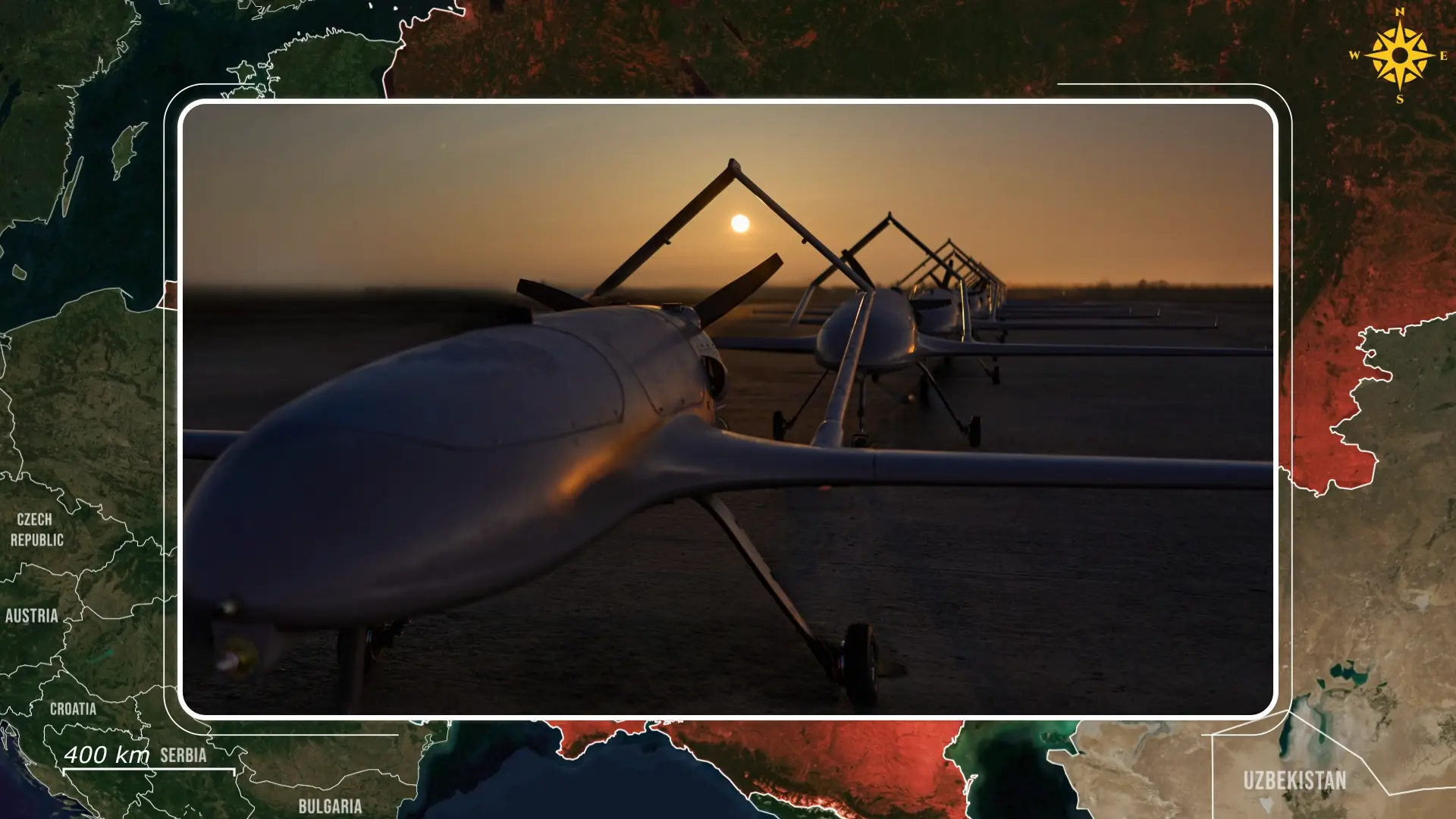
Additionally, one-way attack drones are often designed to complete missions without any inputs in the middle of the flight, transmitting little to no data once launched as the course was already set, making them harder to track as well as independent. As a result, shutting down mobile networks has almost no operational impact on strike success rates.
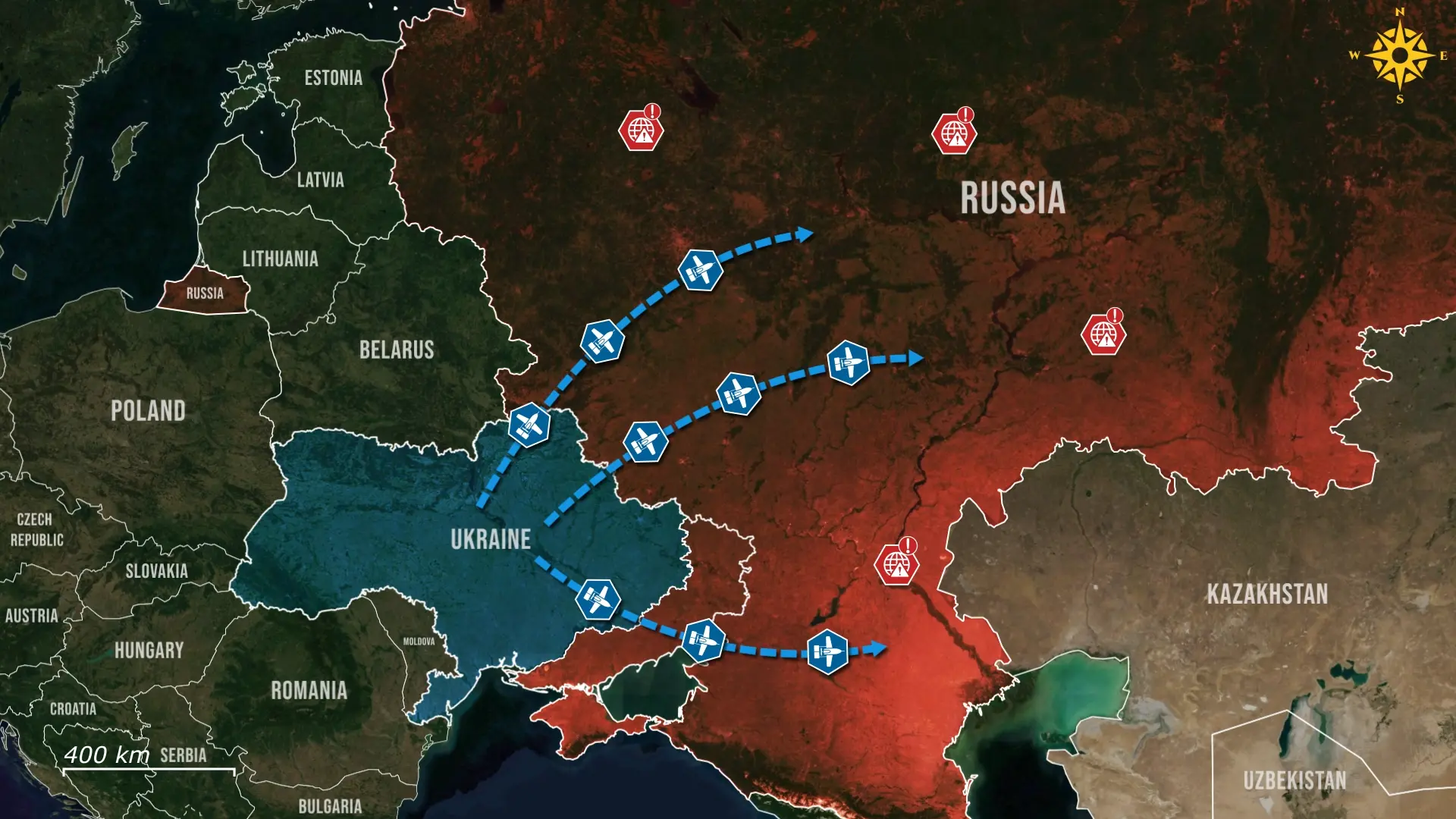
As a result, instead of severing control links, outages primarily affect civilian connectivity, while drones proceed unhindered toward their targets. The persistence of this countermeasure therefore highlights an institutional lag where Russia is still mitigating a guidance method that Ukrainian forces have already moved beyond long ago, proving to be inefficient in the face of Ukrainian technological improvements.
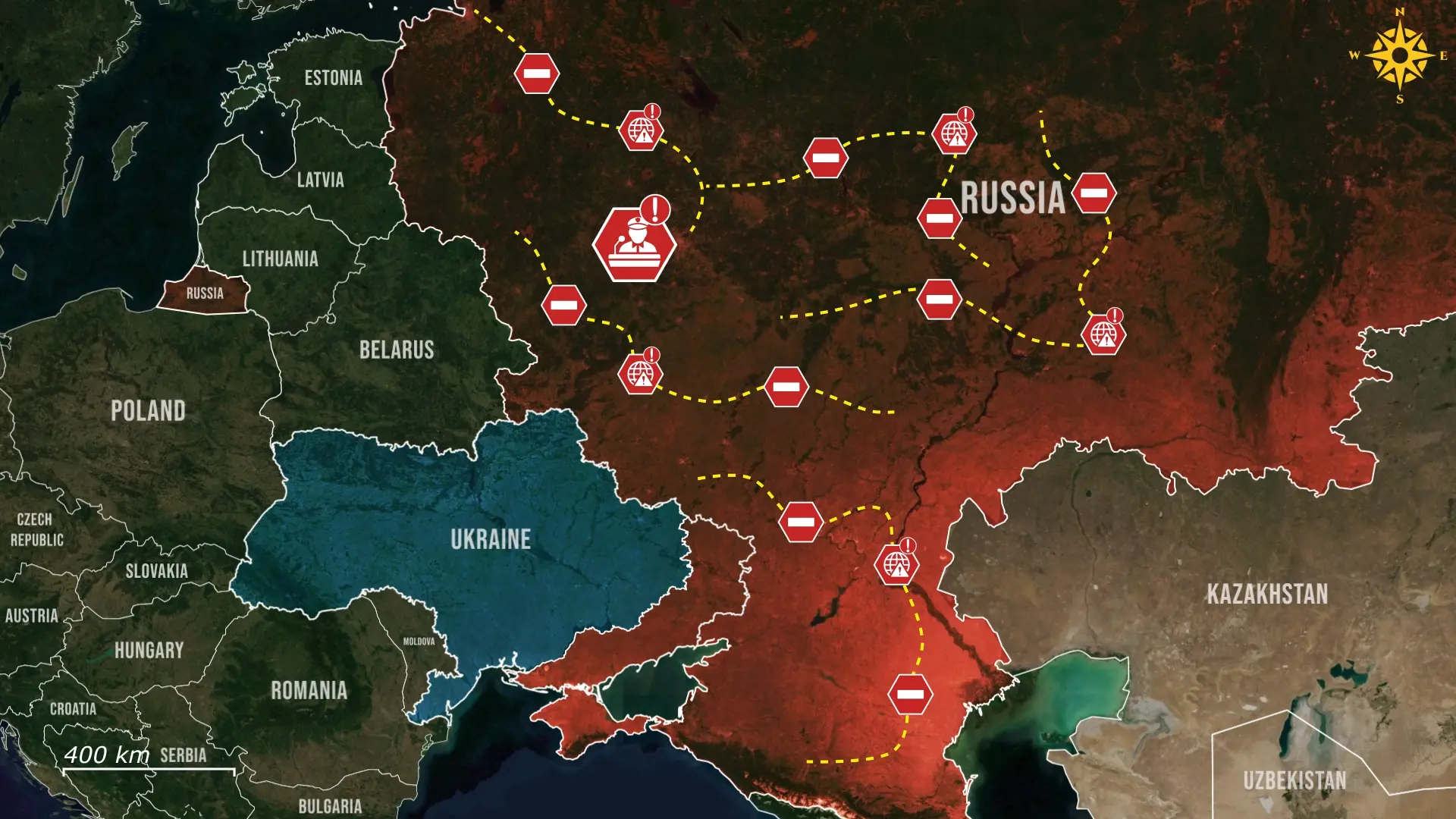
Overall, Russia’s reliance on communications blackouts reveals a defensive framework calibrated to outdated threats rather than the current operational reality. By defaulting to infrastructure denial, authorities impose sweeping societal costs while gaining diminishing tactical returns against increasingly autonomous strike systems. This dynamic not only strains civilian tolerance but also signals slower adaptation within Russia’s counter-drone doctrine compared to the pace of Ukrainian innovation, questioning Russia’s credibility in defending their own land. In strategic terms, the practice illustrates how reactive measures, risk compounding vulnerability instead of reducing it, reinforcing the perception that Russian anti-long-range-drone tactics remain structurally one step behind in the face of Ukrainian innovation.

.jpg)


Comments