

.svg)
Today, there are important updates from the Russian Federation.
Here, Ukraine started knocking out Russia’s energy system region by region in response to Russian strikes on Ukrainian power plants and substations. However, as the Ukrainians unleashed their long-range arsenal, the Russian government was forced to declare an emergency, as millions were left to freeze without light and heating.
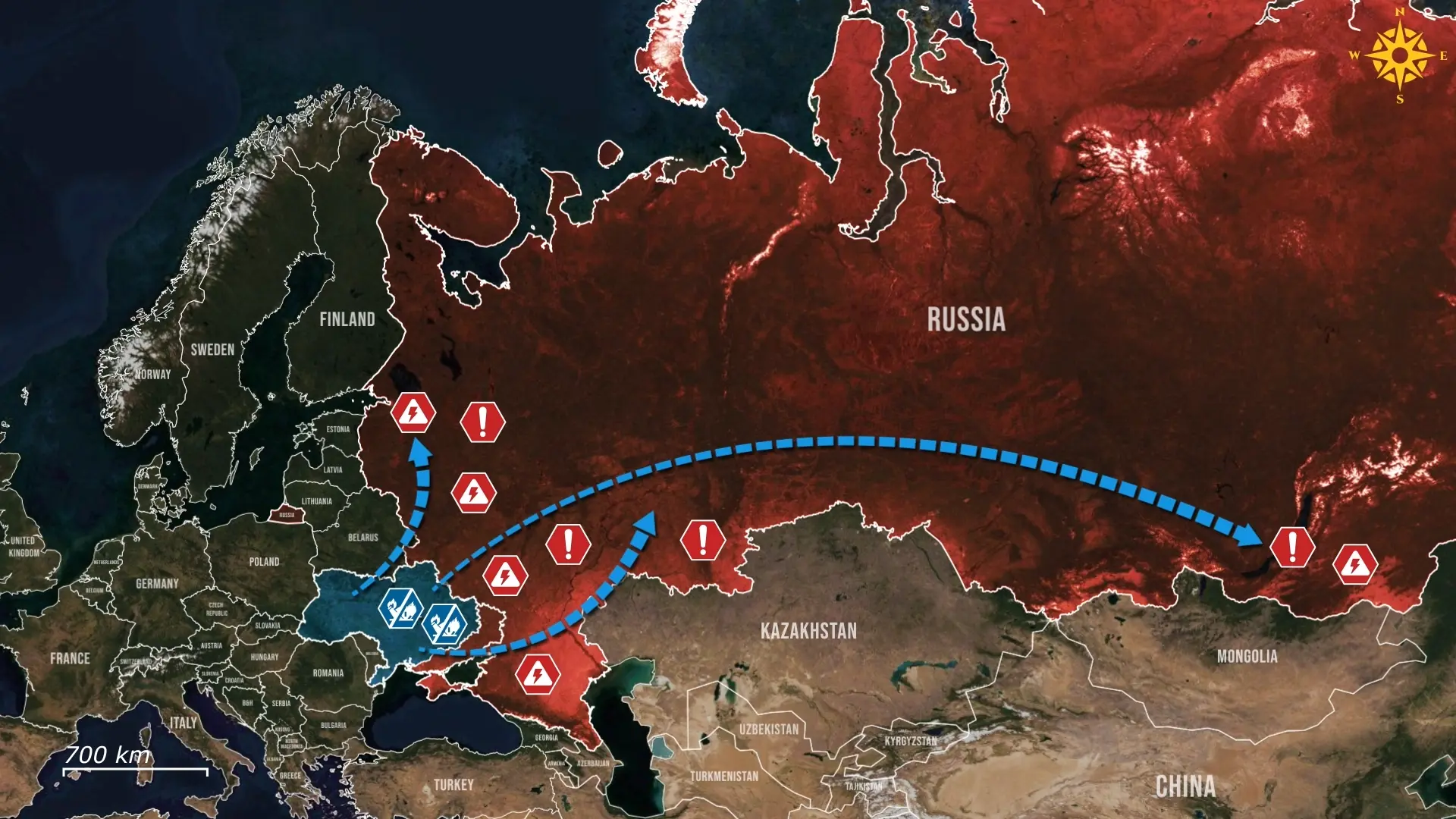
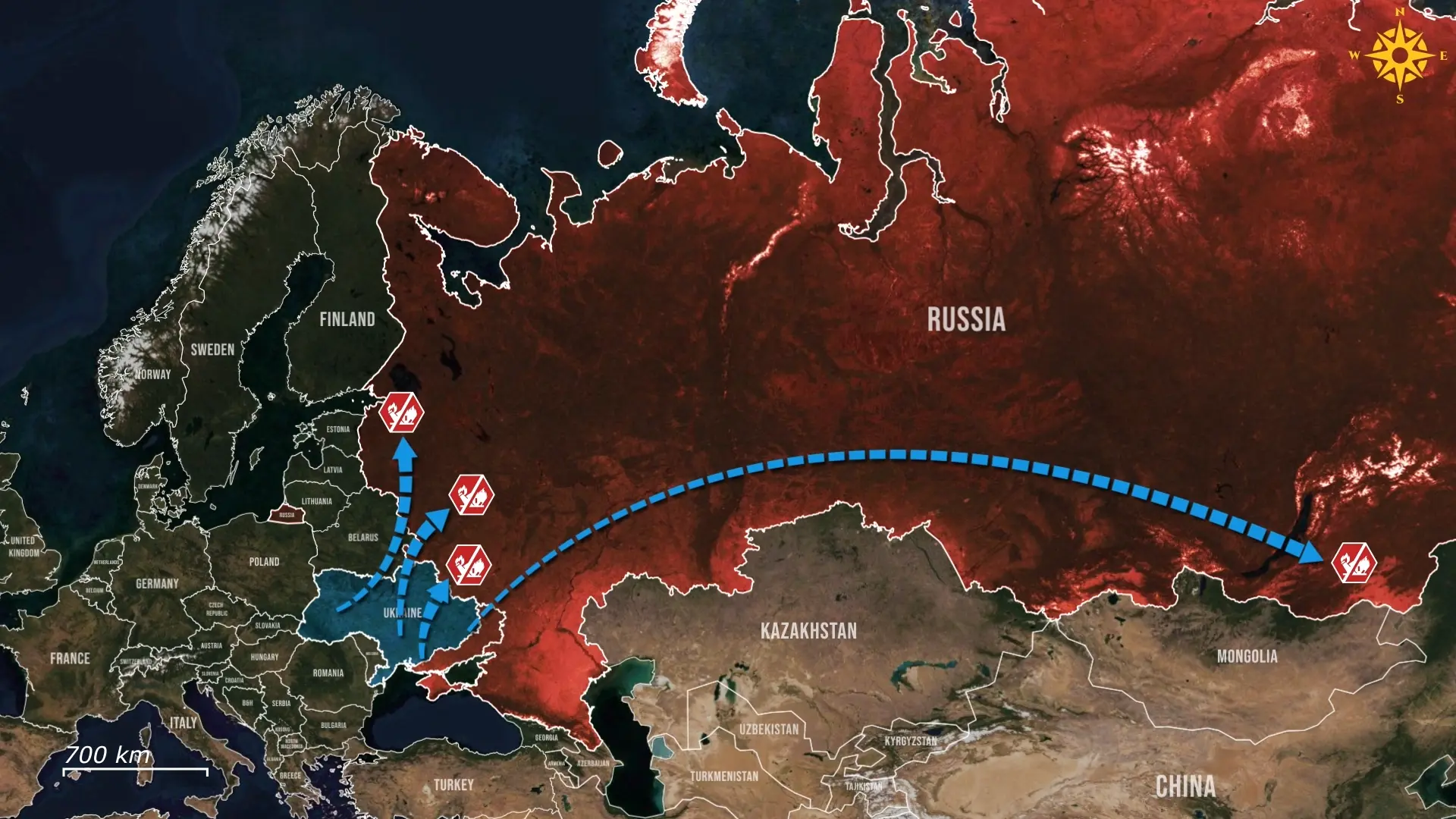
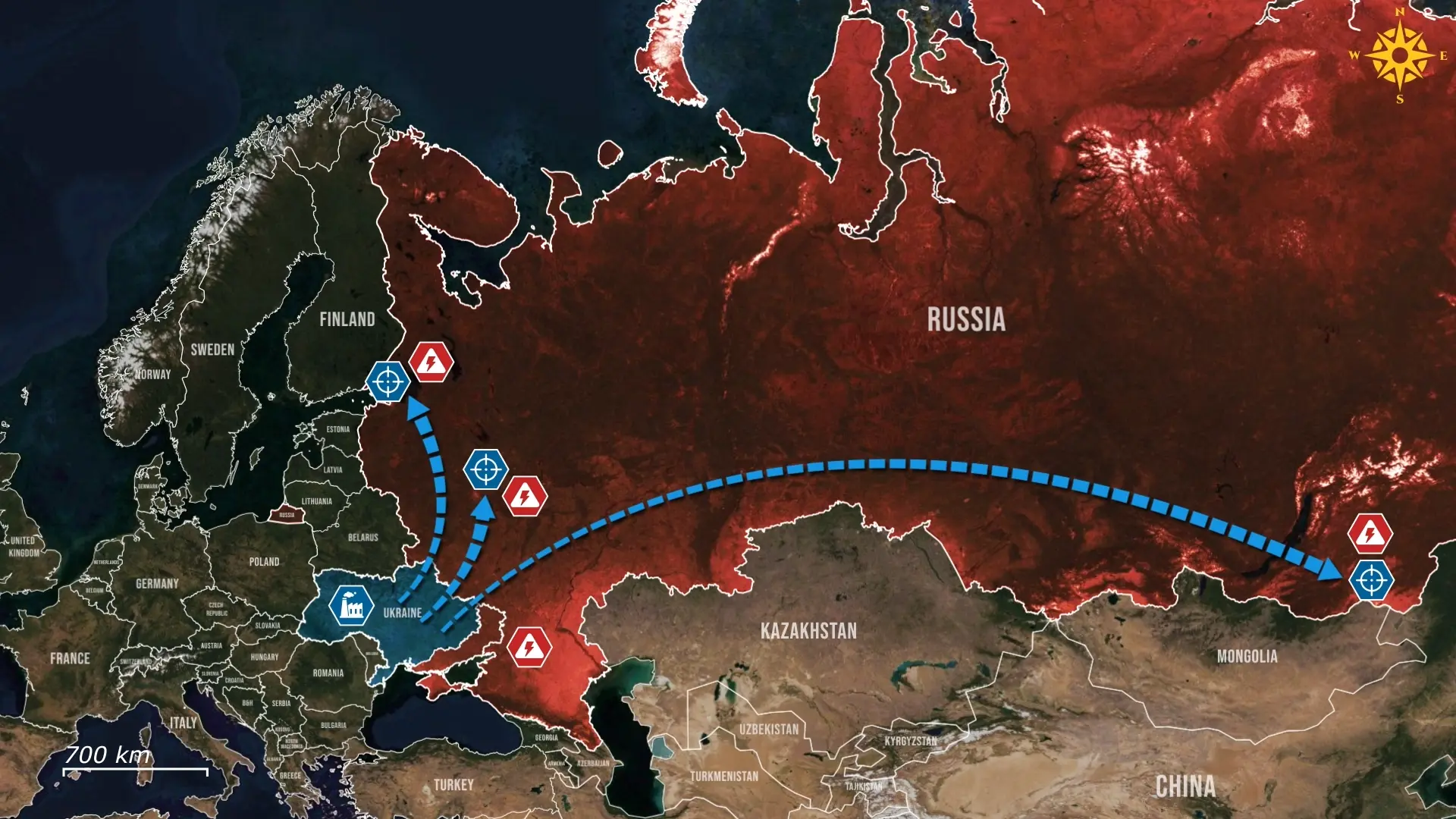
Recently, Ukrainian strikes have significantly broadened in scope, destroying Russian infrastructure across multiple regions in the coldest time of the year. Despite initial attacks being confined to Russian-controlled territories and regions near the border, they have now extended to the deep Russian rear, reaching even the Far East.
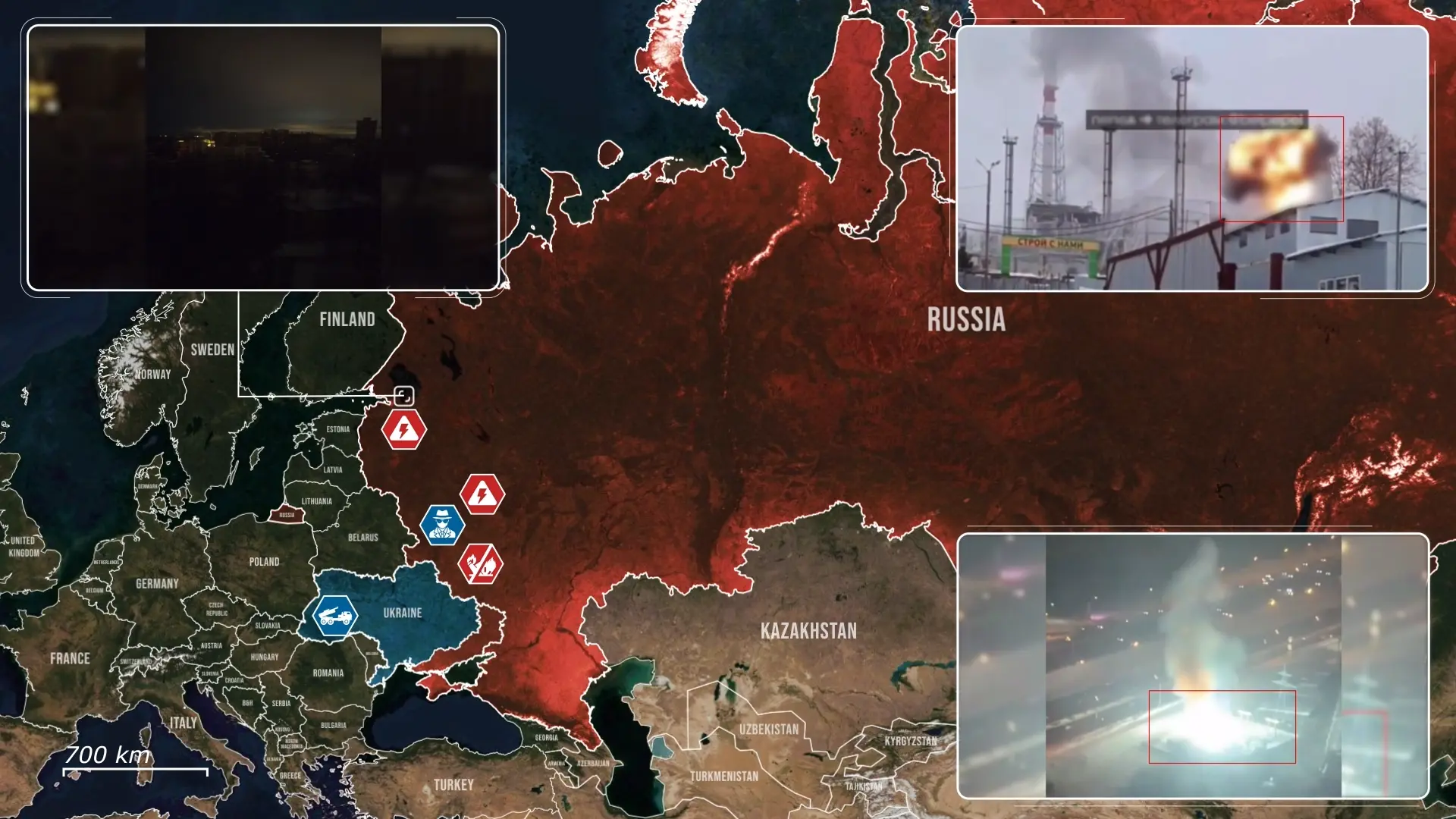
First, Ukraine conducted a Himars strike on the Luch thermal power plant in Belgorod, along with a hit on a local electrical substation, leaving approximately 80,000 people without heating. Further north, a substation caught fire in Moscow’s Tushino district, prompting the local authorities to speak of sabotage. A temporary blackout struck the town of Sestroretsk following an accident at the local substation, causing power disruptions before being restored.
Several settlements in the Vyborgsky District of Russia’s Leningrad region were partially cut off from electricity due to another accident at a substation. Although unclear if it was caused by a Ukrainian strike, the strain on Russia’s energy grid produces failures even in the absence of direct attacks. Later, an explosion occurred at a combined heat and power plant in the city of Chita, in Russia’s Zabaykalsky Krai in the Far East, leaving most of the city without electricity.
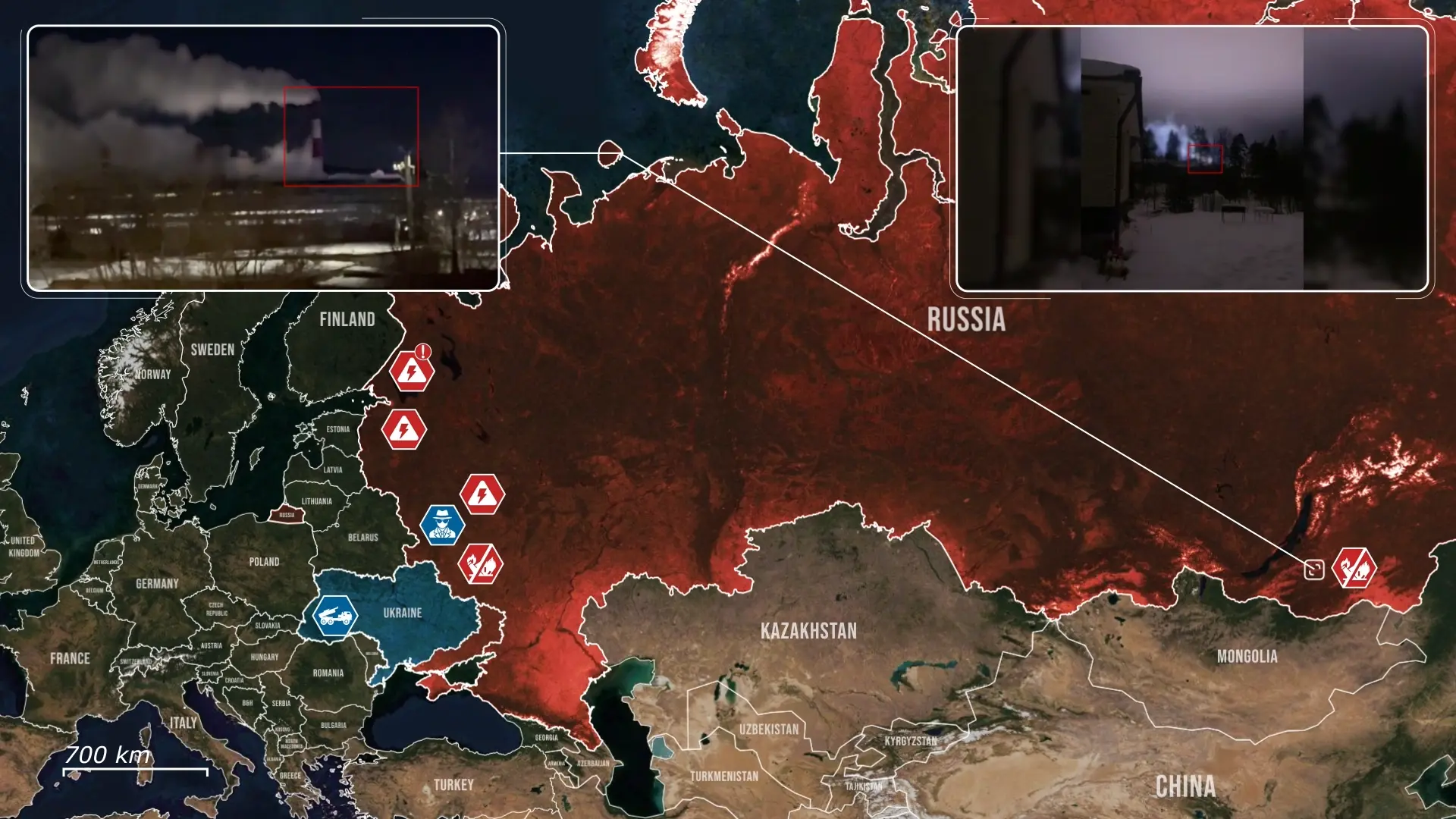
Although Chita is located more than 2,000 kilometers from Ukraine, this falls within the 3,000 kilometer range of the Ukrainian Flamingo missile.
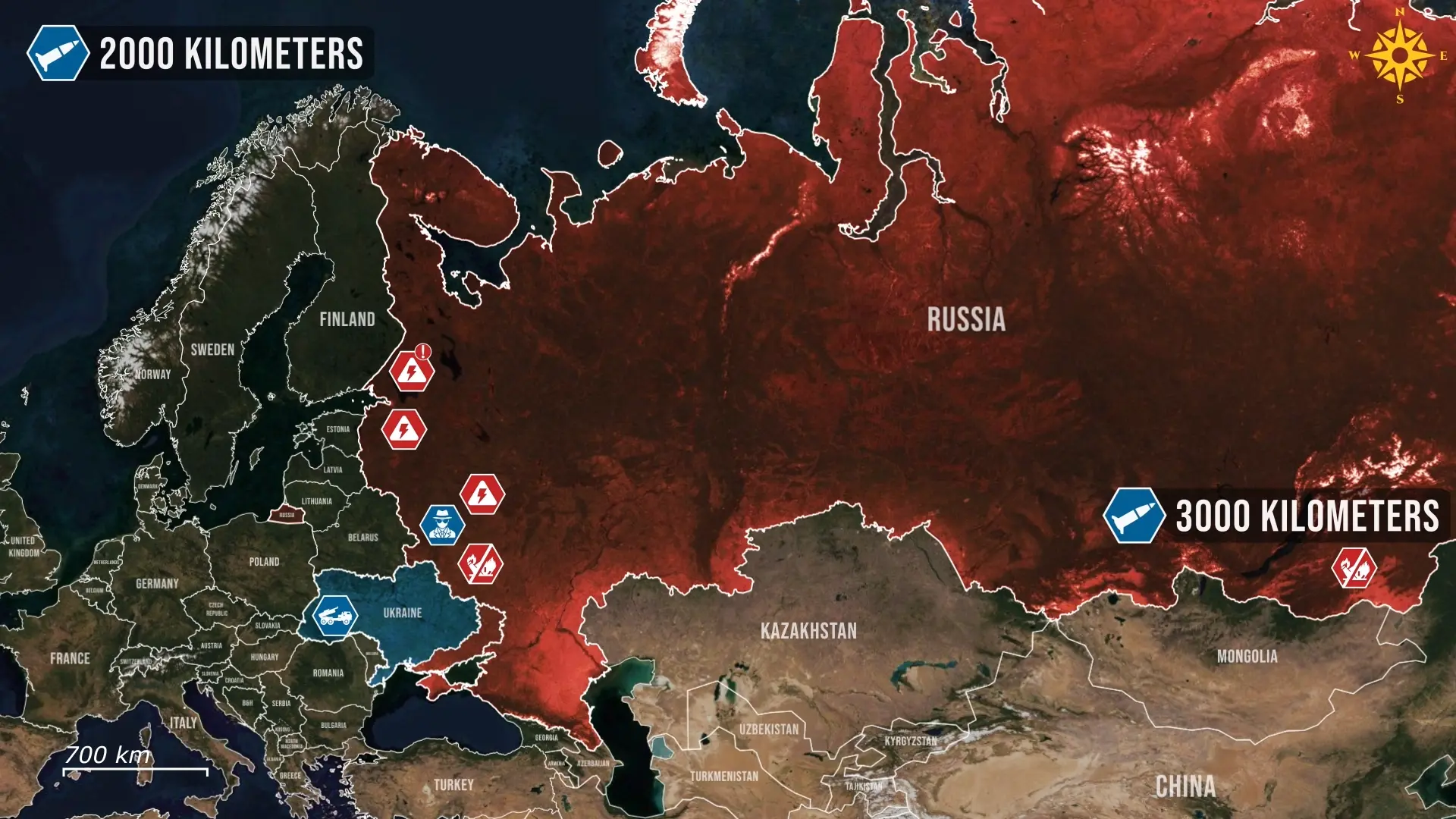
The results of Ukraine’s campaign were immediate, as blackouts have expanded from border regions such as Belgorod to areas deeper inside Russia, including Moscow’s outskirts and the Leningrad region, the richest cities in Russia that have more or less avoided war-related problems so far. Disruptions now extend even to the Russian Far East, underscoring how energy instability is spreading well beyond the immediate theater of operations, leaving no one safe.
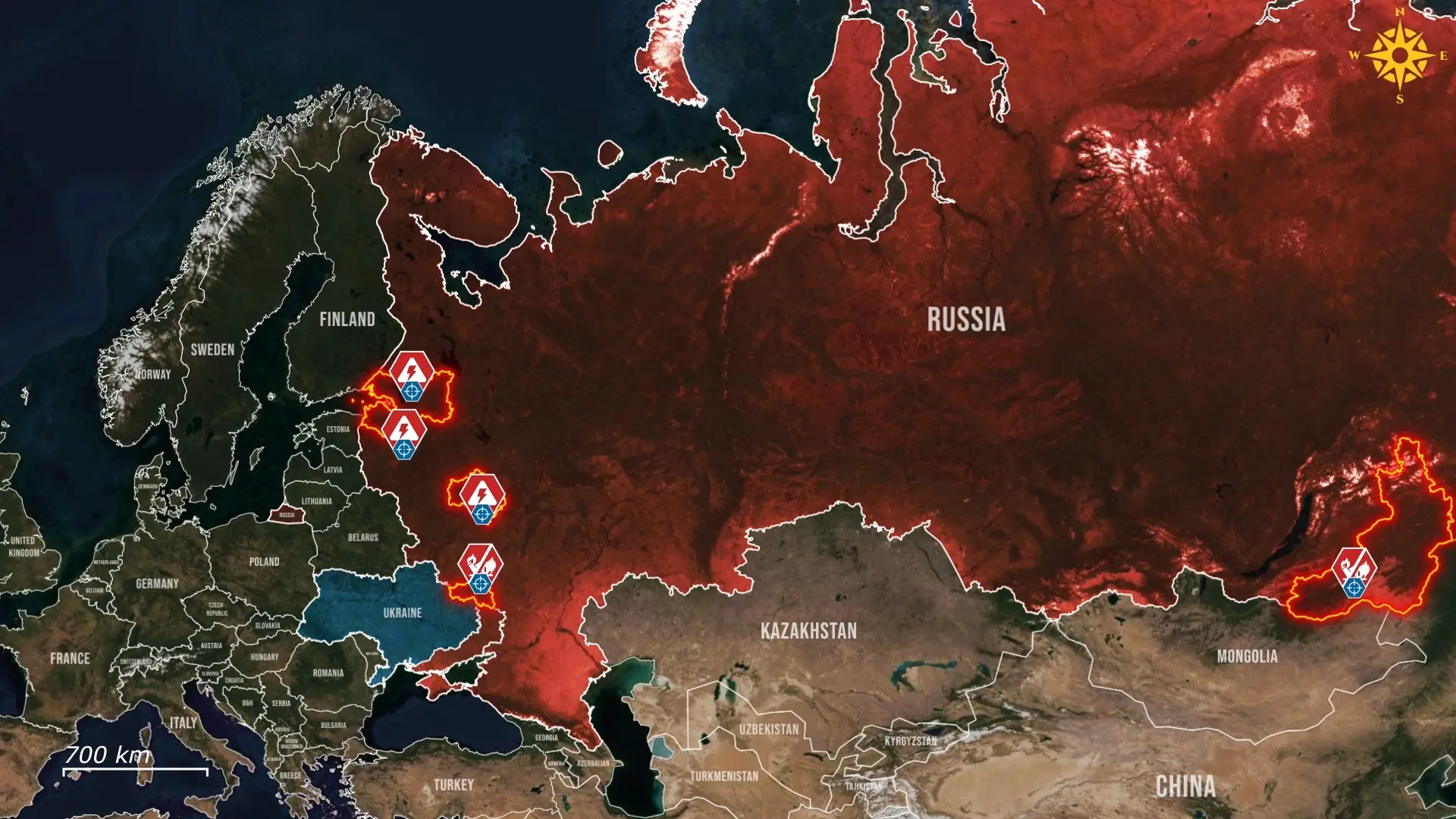
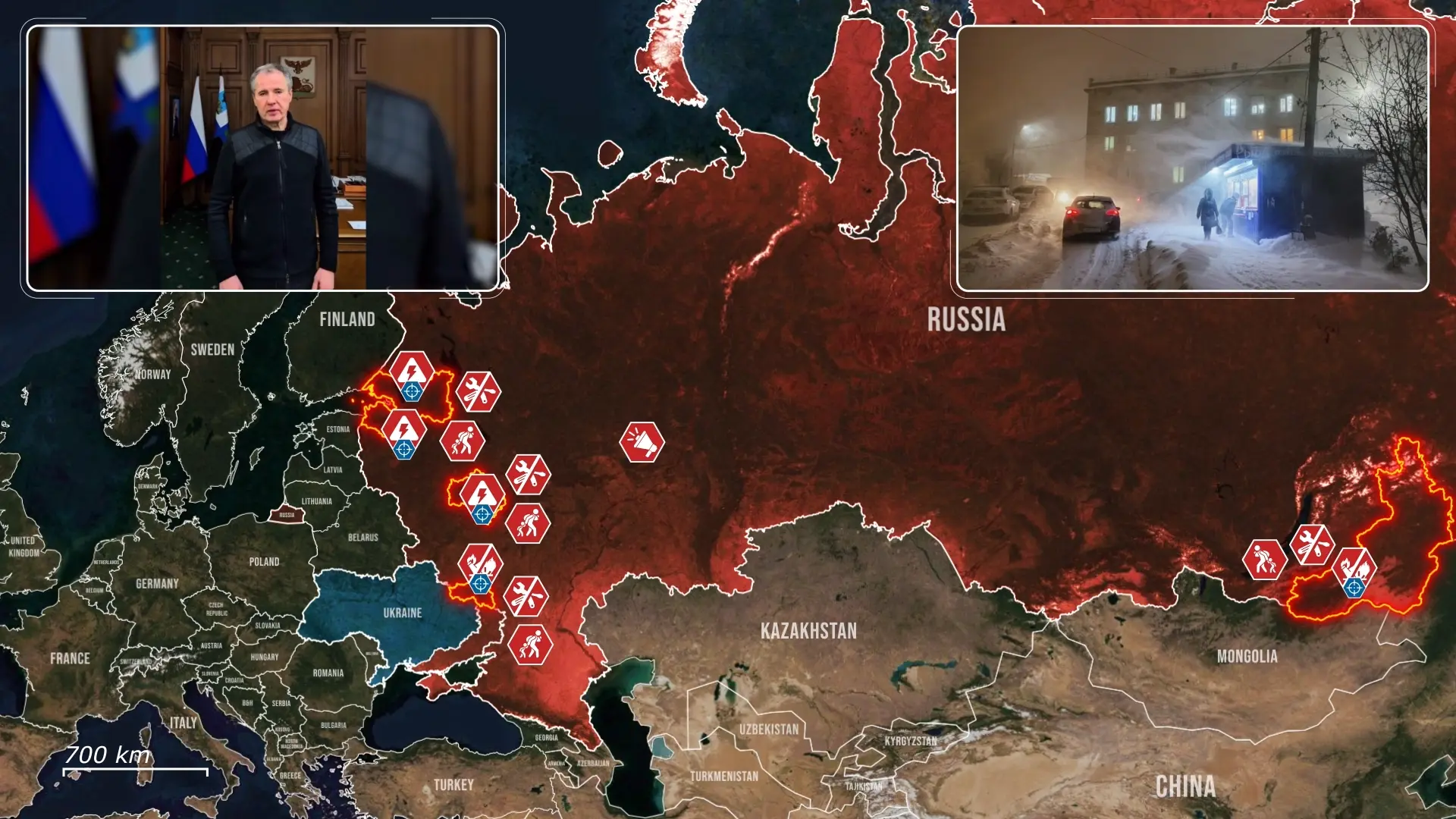
In response to these cascading energy disruptions, regional authorities have begun declaring emergency measures as restoration efforts repeatedly fail. Belgorod region head Vyacheslav Gladkov stated that the heating outage is now the most acute problem and ordered water to be drained from the heating systems to prevent further infrastructure damage amid freezing temperatures, reaching as low as minus 20 Celsius. The crisis has reached such a level that officials are openly discussing sending school-aged children to other regions where heating systems remain operational.
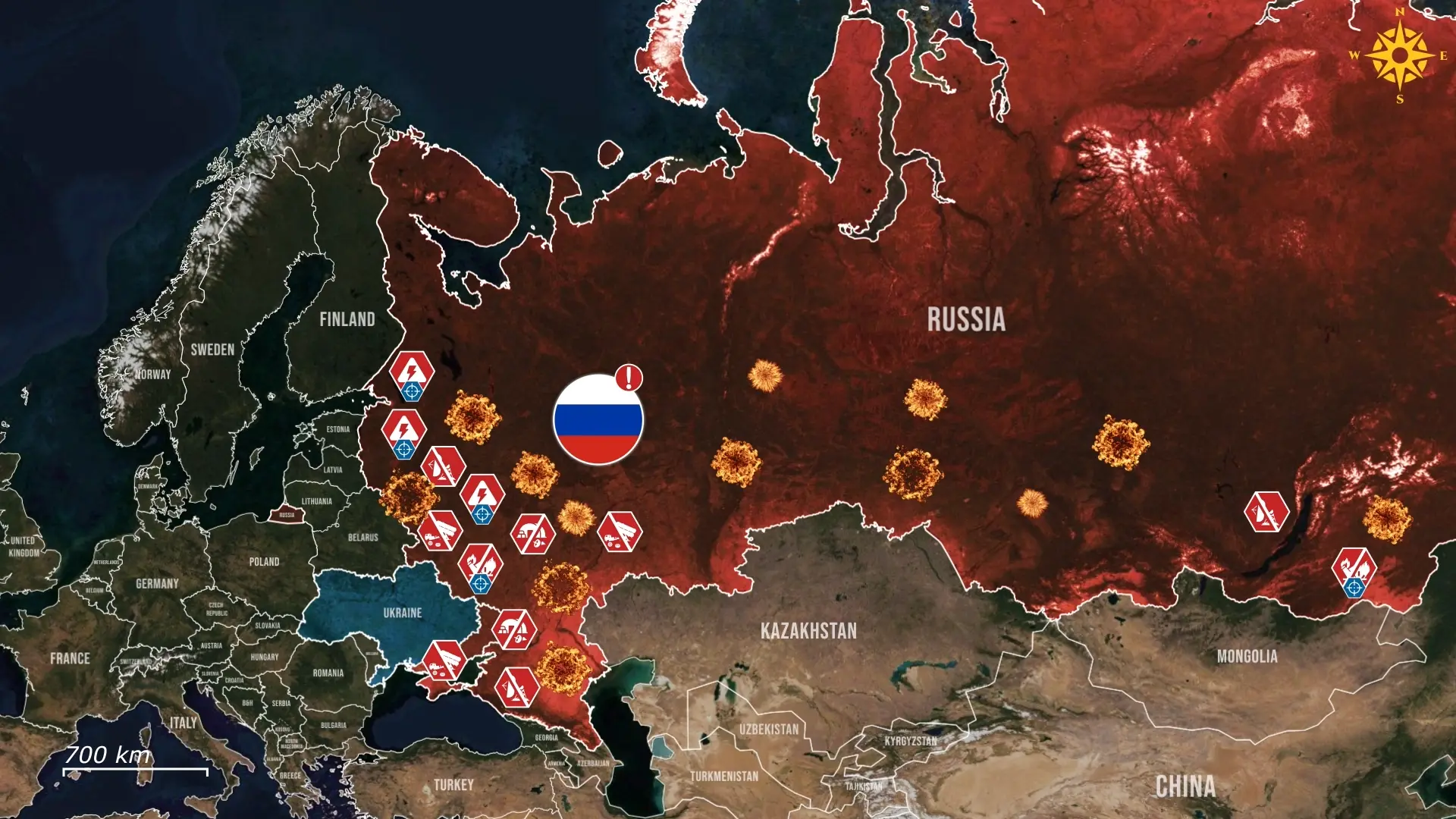
Beyond the immediate power cuts, a bigger impact follows, as what used to be a limited problem has turned into a nationwide weakness, with civilian energy systems becoming an easy target. Last year, Russia lost hundreds of key air defense elements, like radars, launchers, and command posts, and the remaining systems are stretched thinly and powerless to defend the frontline and the rear simultaneously. As a result, everyday infrastructure has become a vulnerable pressure point, increasing public hardship and making it harder for the Kremlin to keep the war’s consequences away from ordinary citizens.
Ironically, Russia is now facing the same kind of systematic energy disruption it has repeatedly inflicted on Ukraine in the coldest winter since the start of the war. Just as Ukrainian cities endured rolling blackouts, heating failures, and damage to critical infrastructure, Russian regions are beginning to experience similar instability and uncertainty.
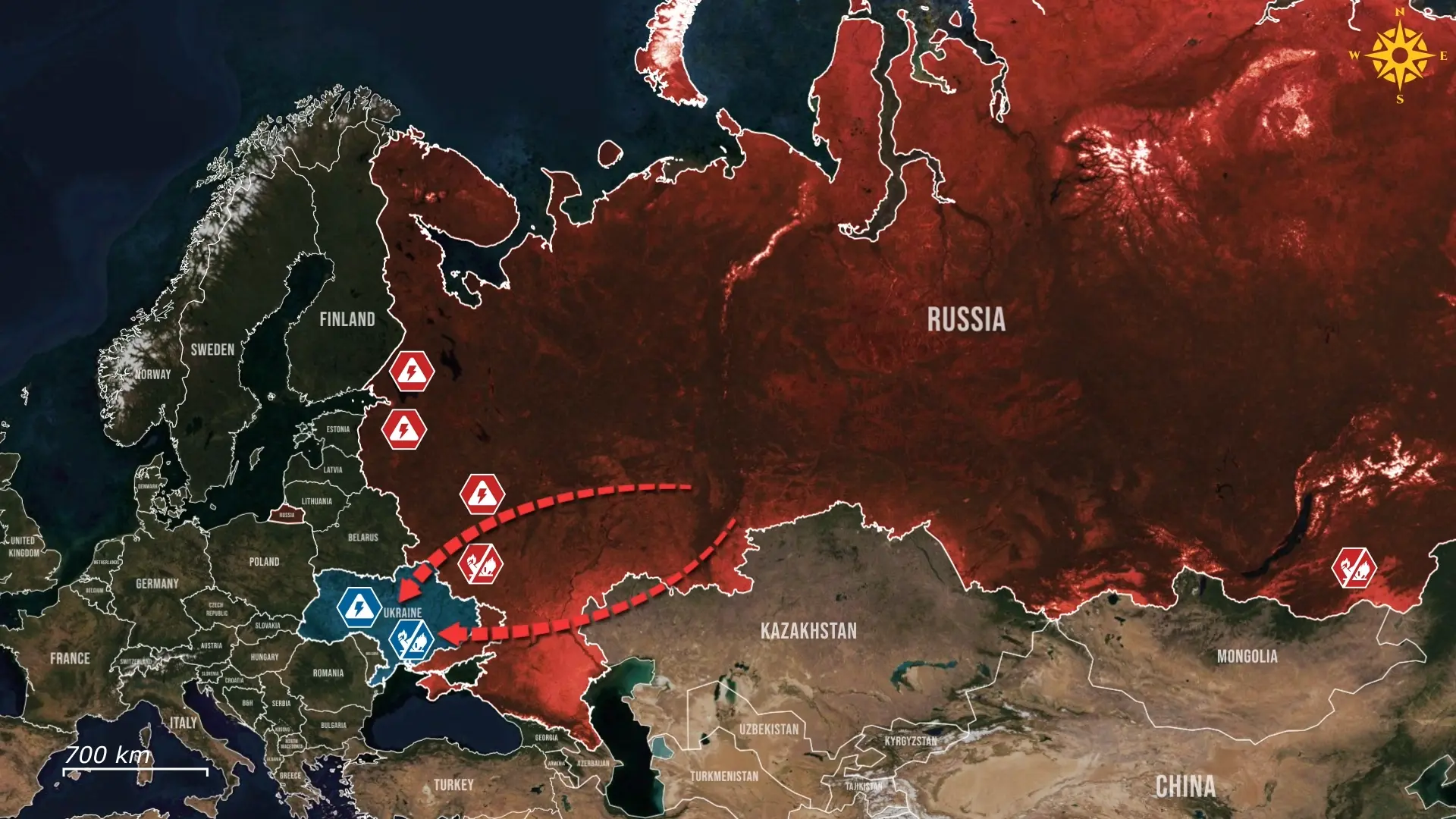
These problems are no longer distant consequences of the war that the Russian public liked to cheer on about when hearing about them in Ukraine, but the new reality at home. The strategy of targeting energy systems has come full circle, bringing the hardship once imposed on Ukraine back onto Russian territory, punishing directly those who thought cold weather would once again become Russia’s best weapon.
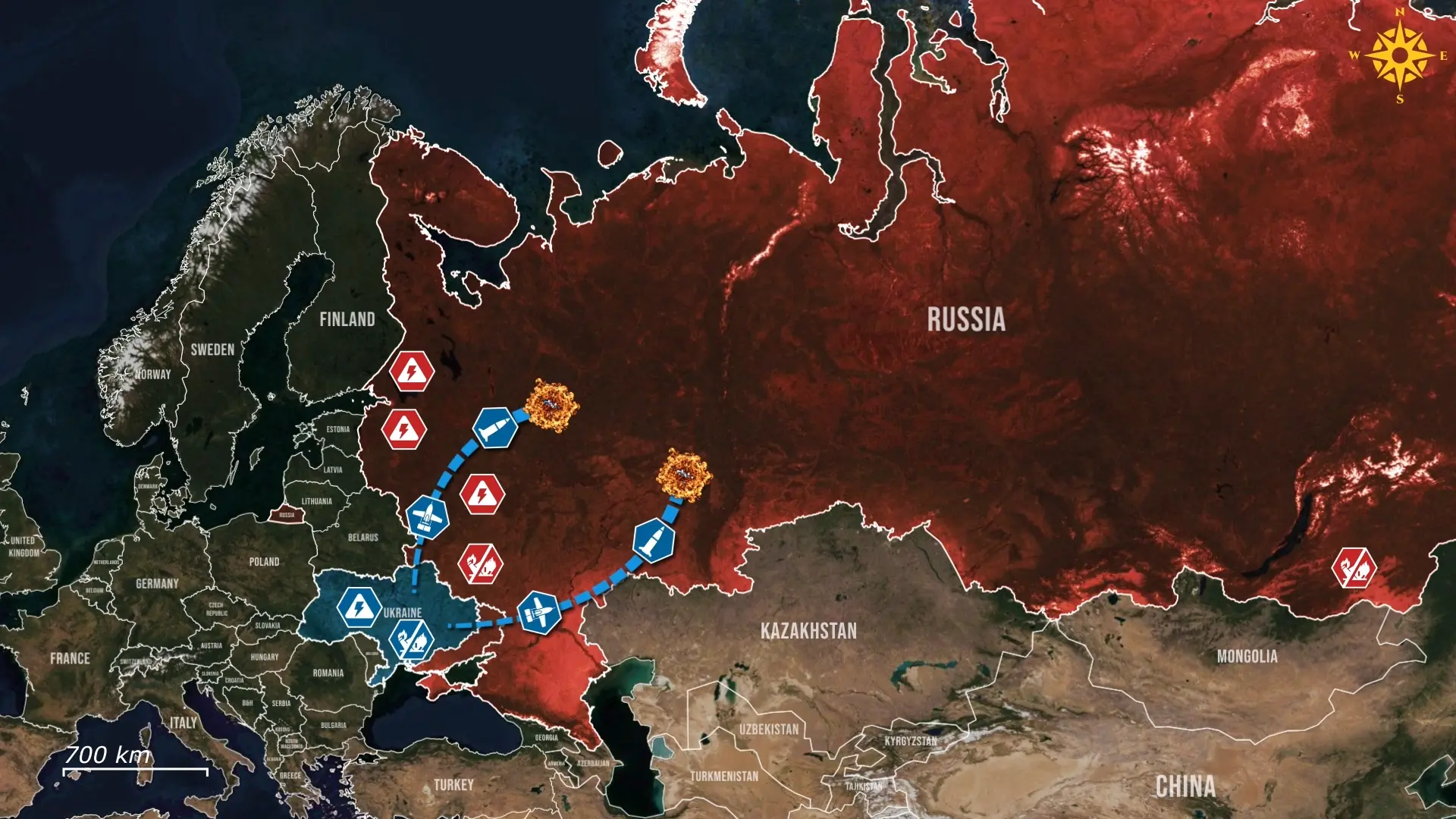
Overall, the expanding wave of strikes and the resulting infrastructure failures signal a widening vulnerability within Russia’s energy network. As Ukraine continues to scale up domestic drone and missile production, extending both range and payload capacity, the depth and frequency of such strikes are likely to increase. This trajectory suggests that critical infrastructure deeper inside Russia may face sustained pressure, further complicating Moscow’s ability to stabilize its rear areas.

.jpg)

Comments