

.svg)
Today, there is interesting news from the Kherson direction.
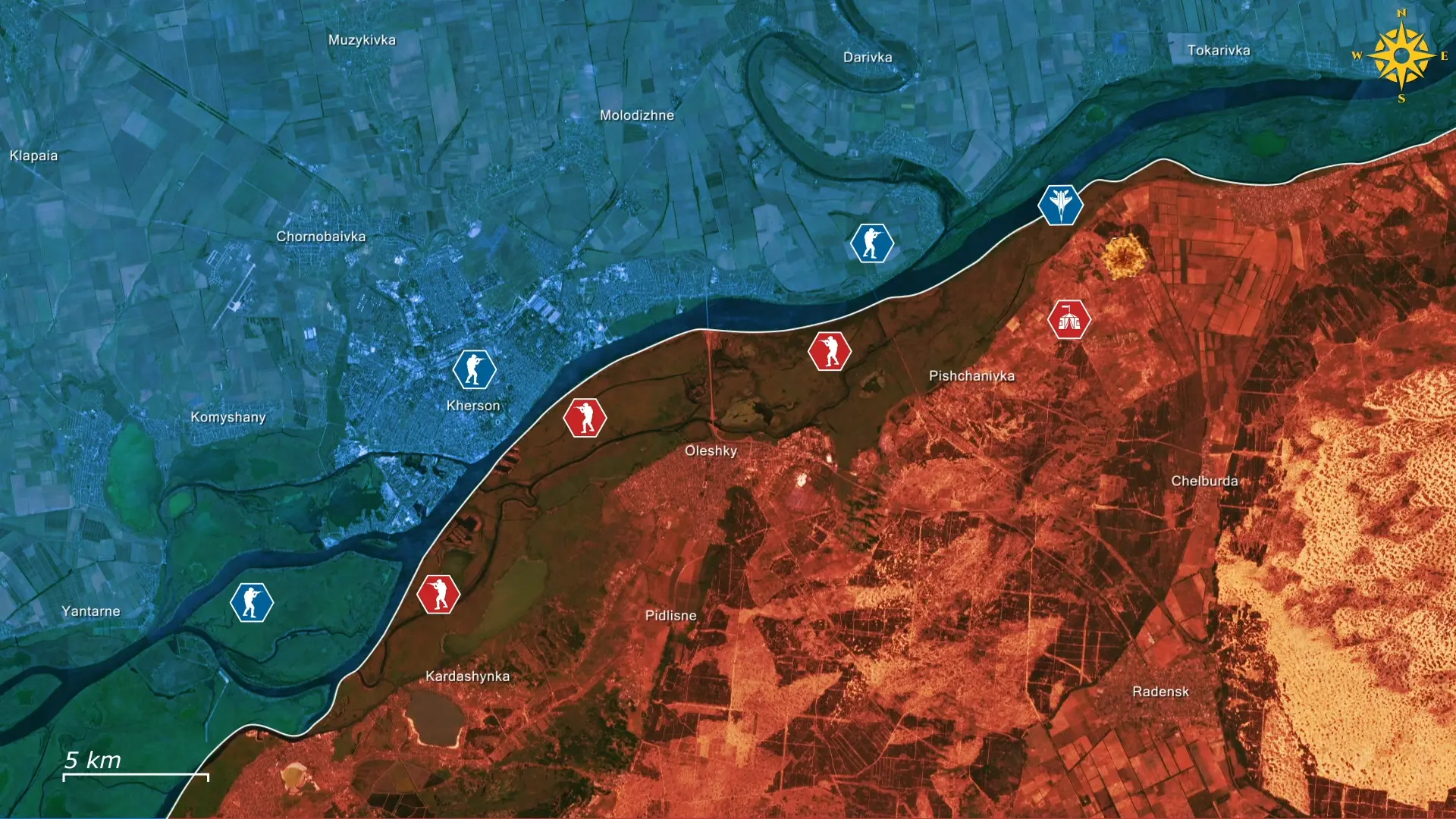
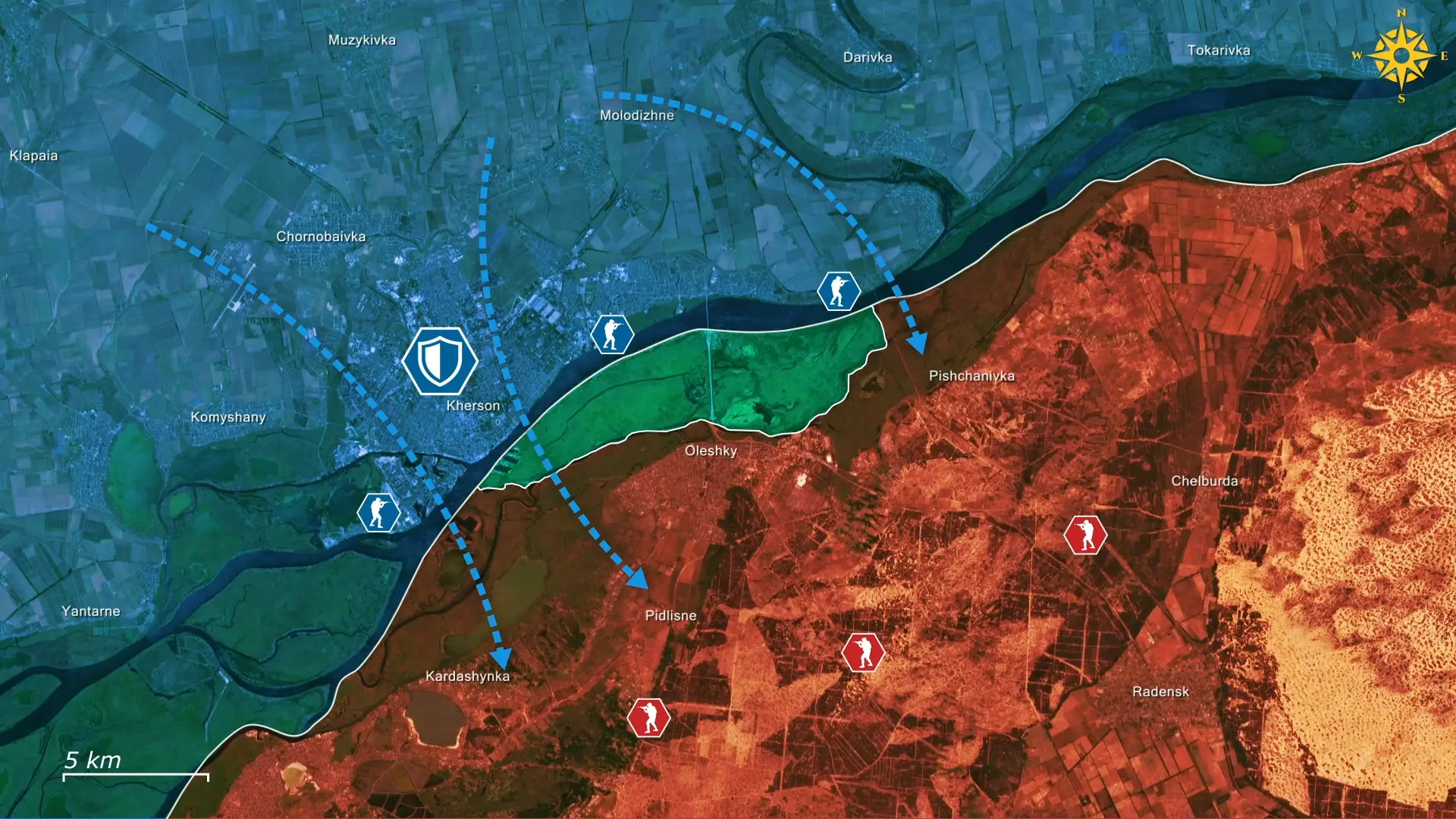
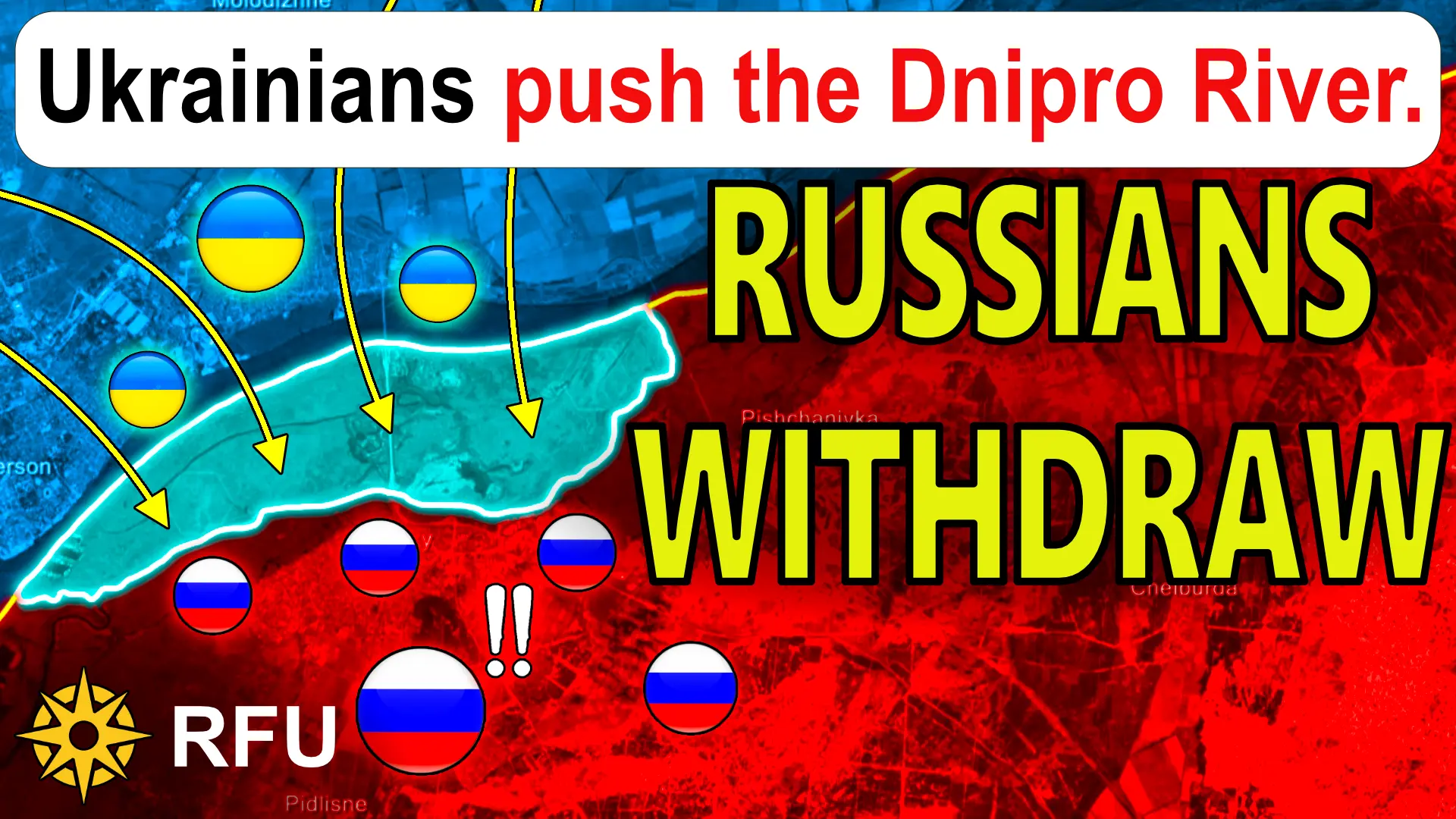
Here, the Russians thought they had firm control over the islands on the Dnipro River, safe from a Ukrainian counterattack. However, the Ukrainians launched a multi-stage operation to clear the islands and force the Russians to withdraw.
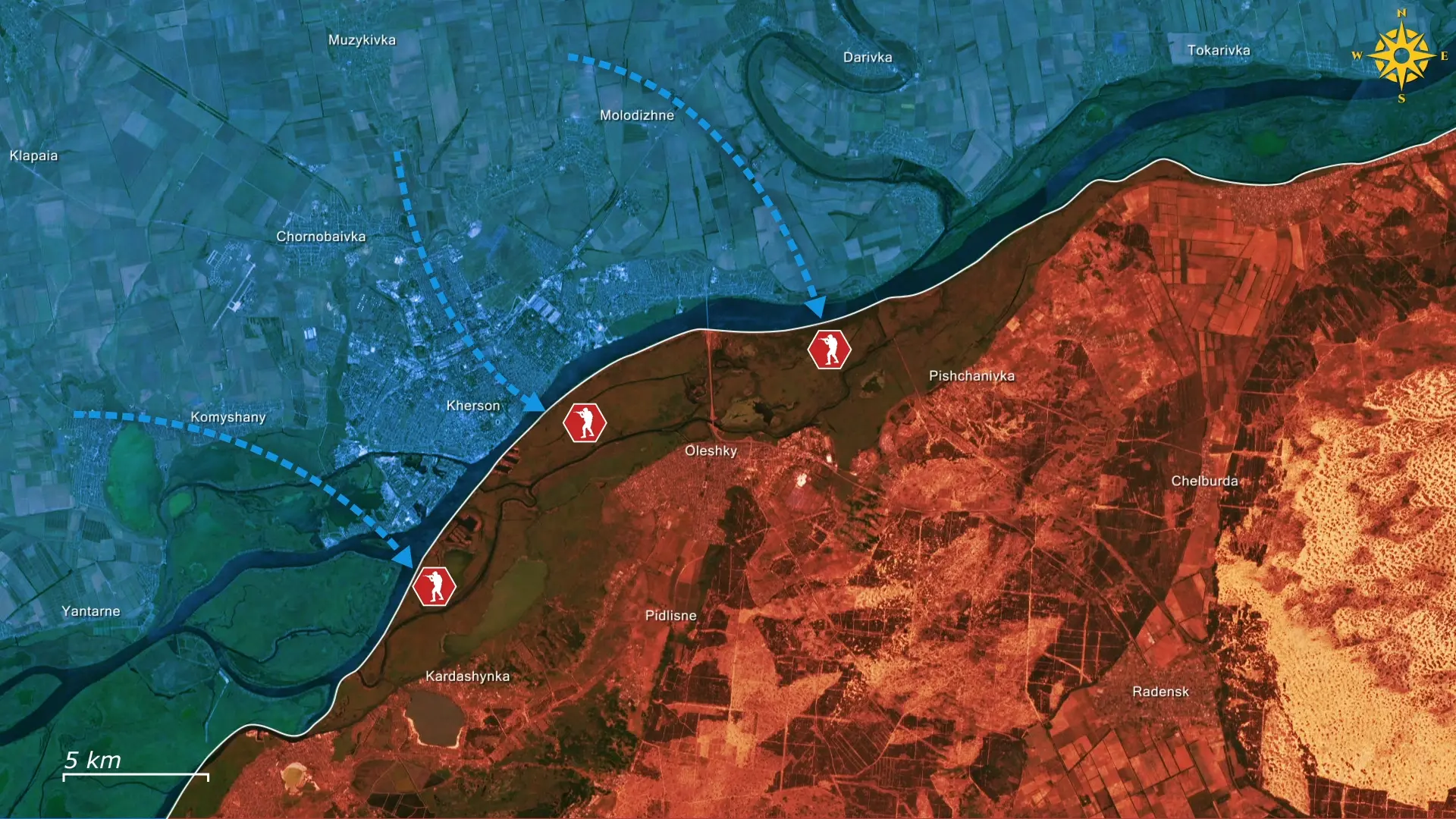
Russian drone operators have been conducting strikes against Ukrainian civilians using kamikaze drones and drone-dropped grenades to intimidate them and turn the other bank of the Dnipro River into a no-go area.
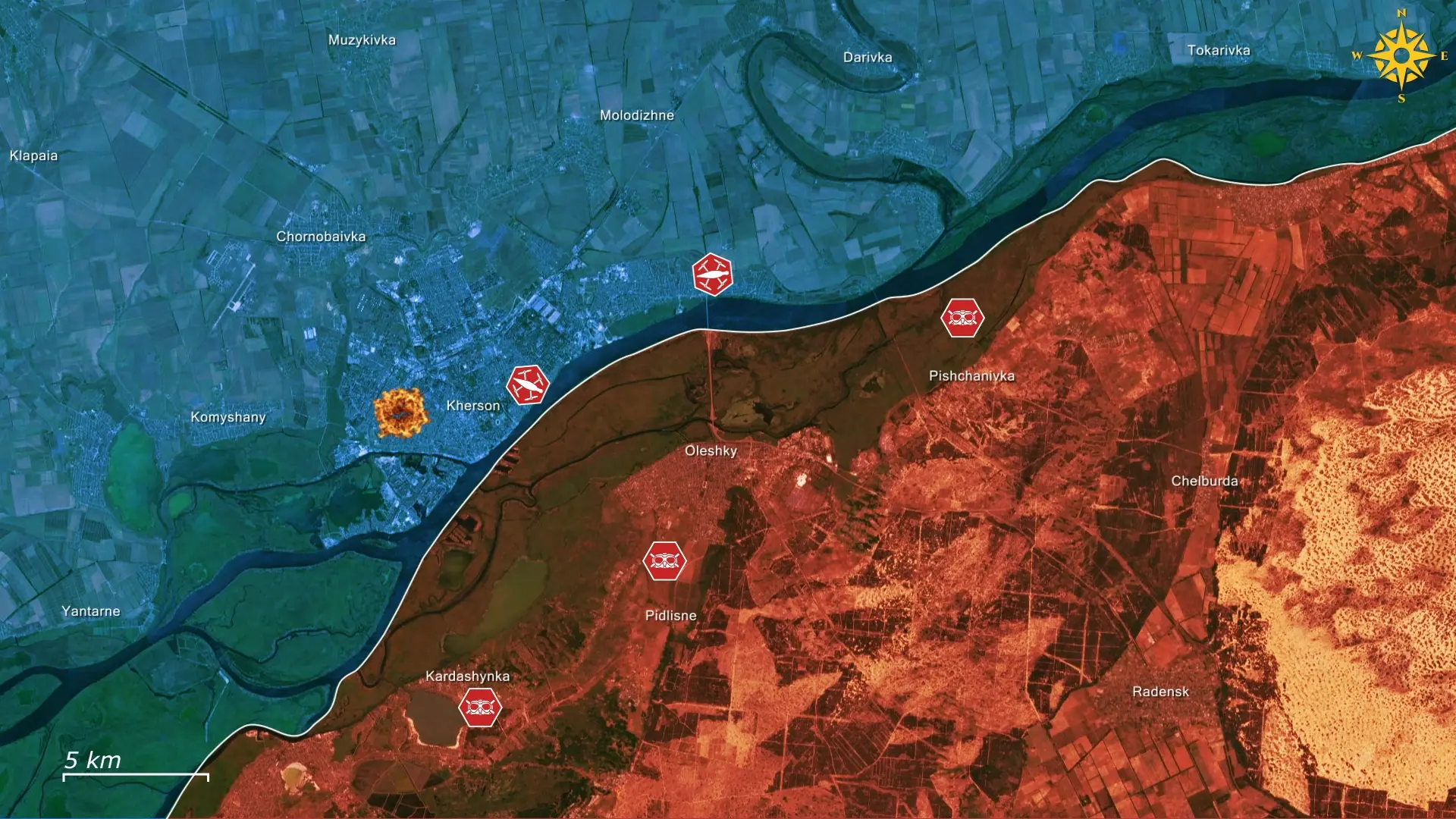
The local islands serve as a staging ground for attacks on Ukrainian positions across the river, where Ukrainian forces have the tactical advantage of being situated on the higher bank. The objective of the Ukrainian forces is to compel Russian troops to withdraw from the islands and reduce their constant drone attacks on the city.
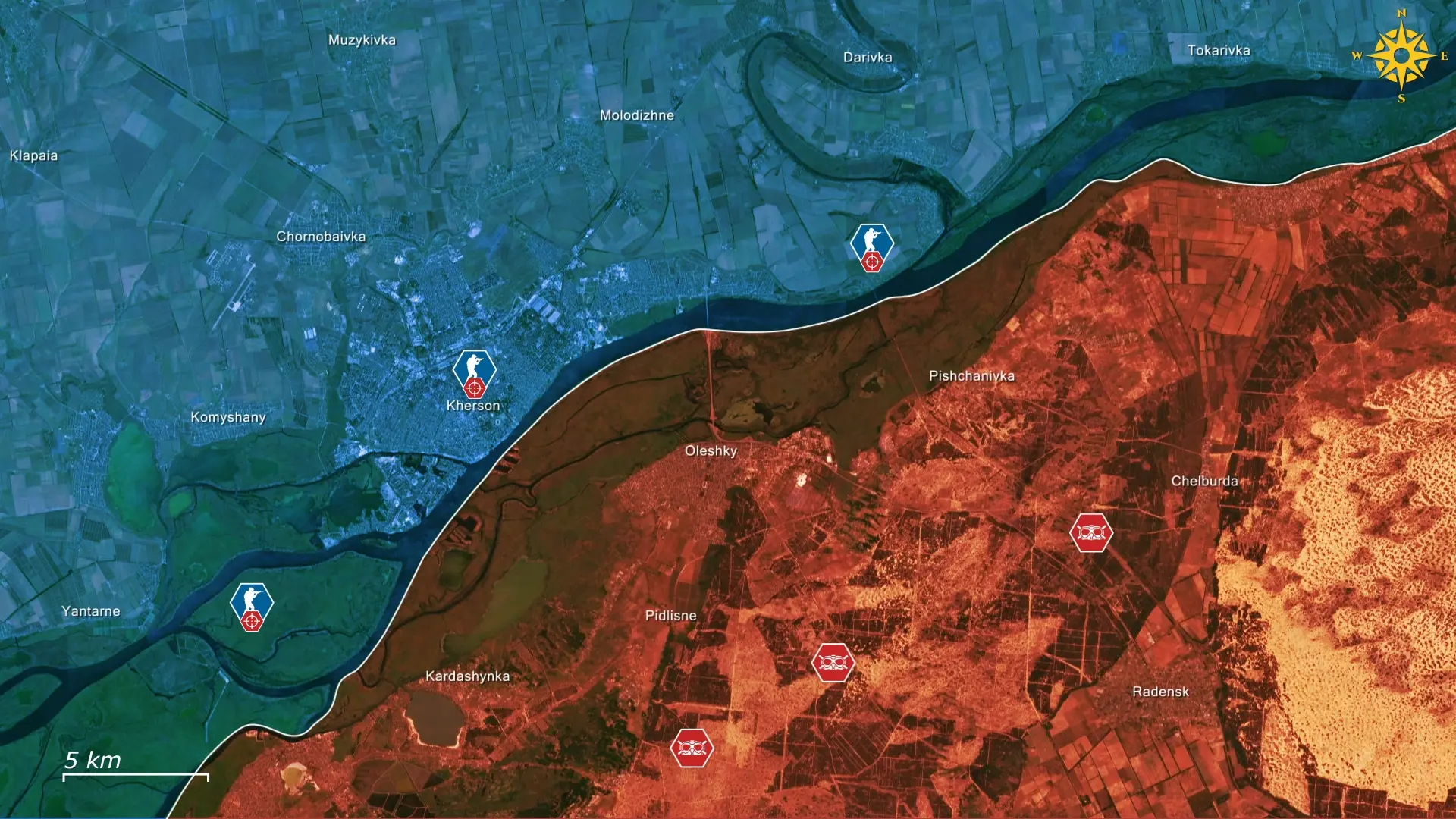
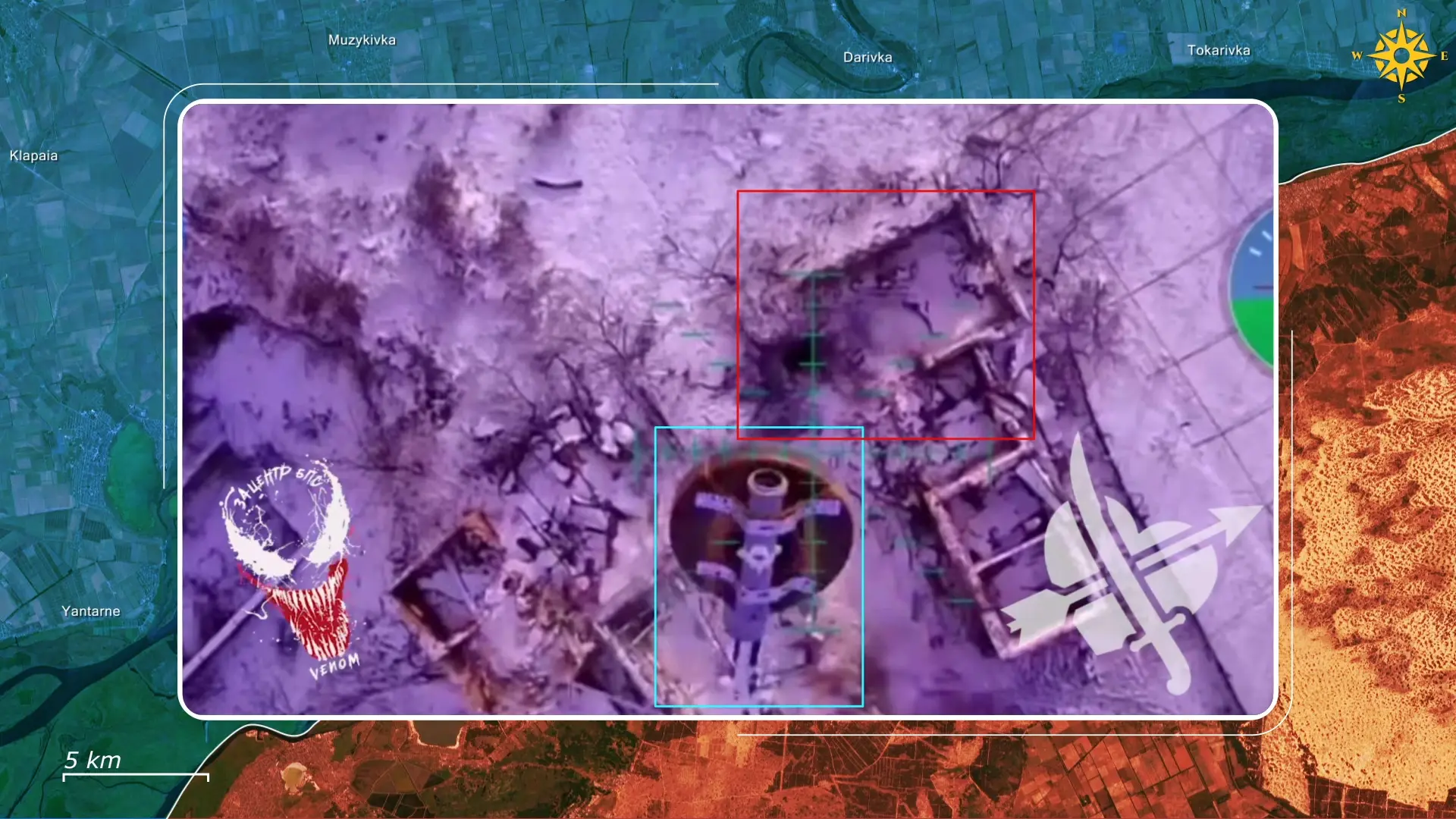
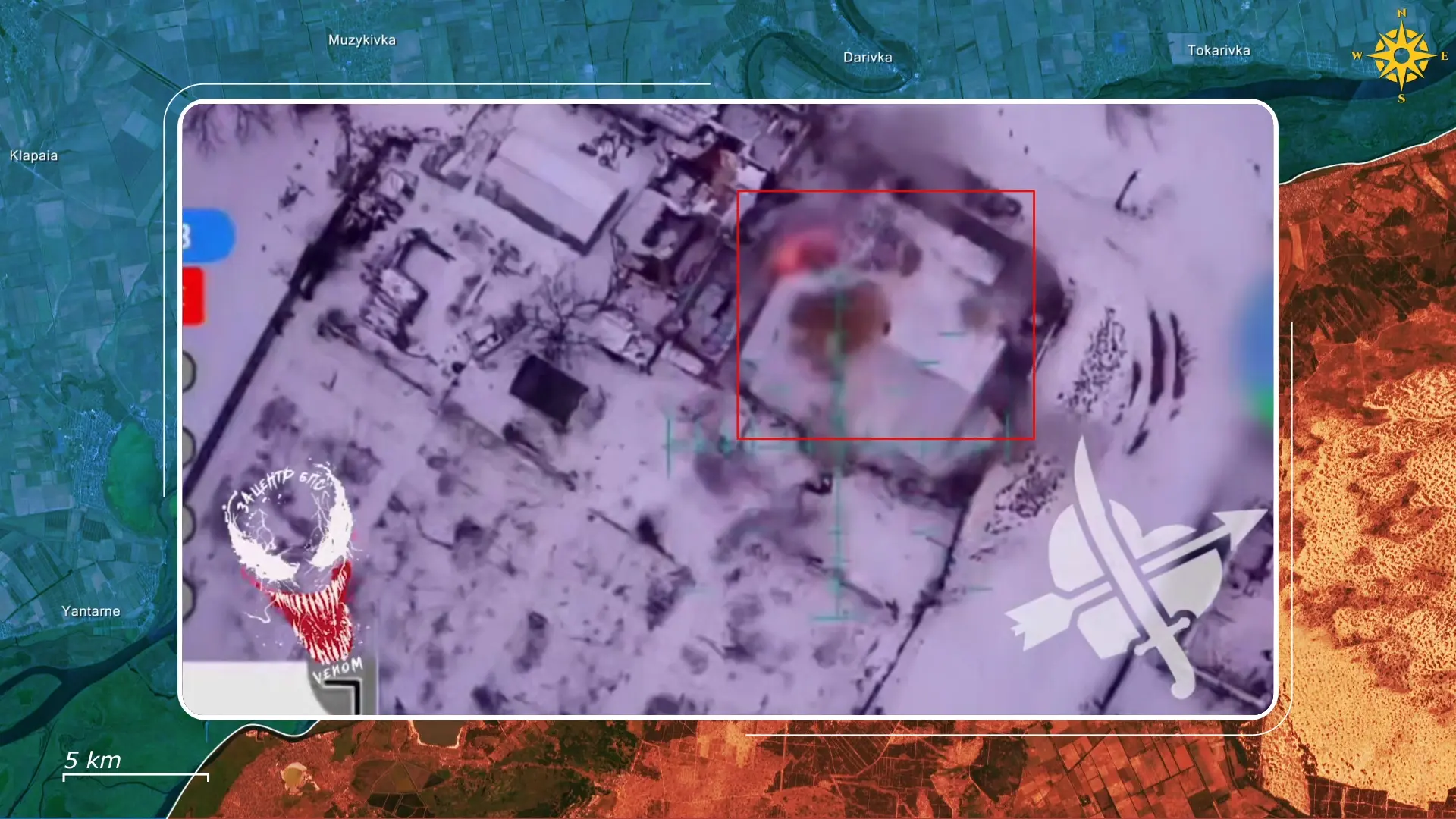
The initial phase of the Ukrainian plan involved striking Russian depots and command centers near the front that sustained the enemy aerial pressure. Drones from Ukraine’s Venom drone unit targeted key Russian positions used by drone operators, as storage sites, and launch points, effectively striking the locations from which Russian drones were deployed and coordinated.
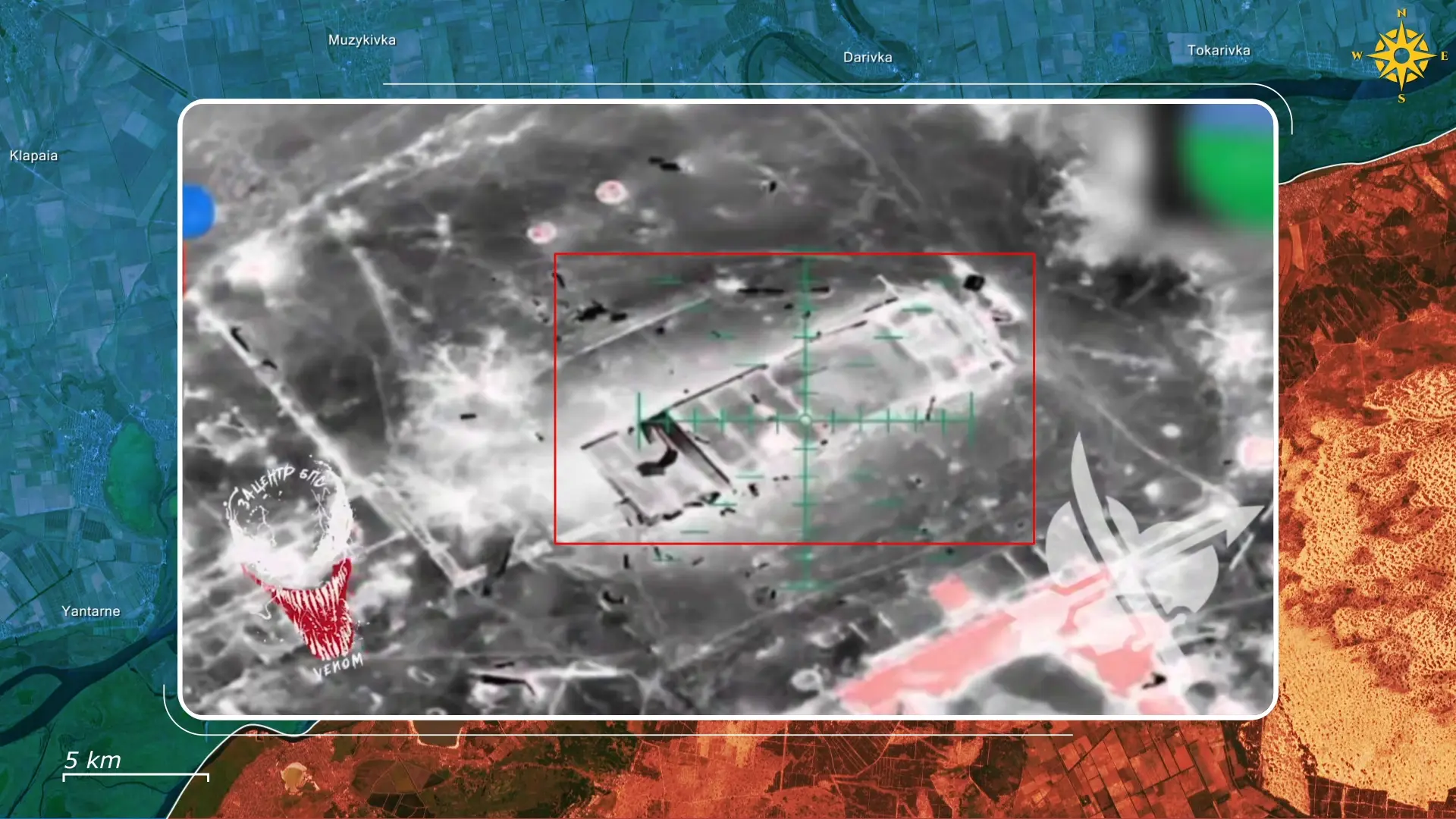
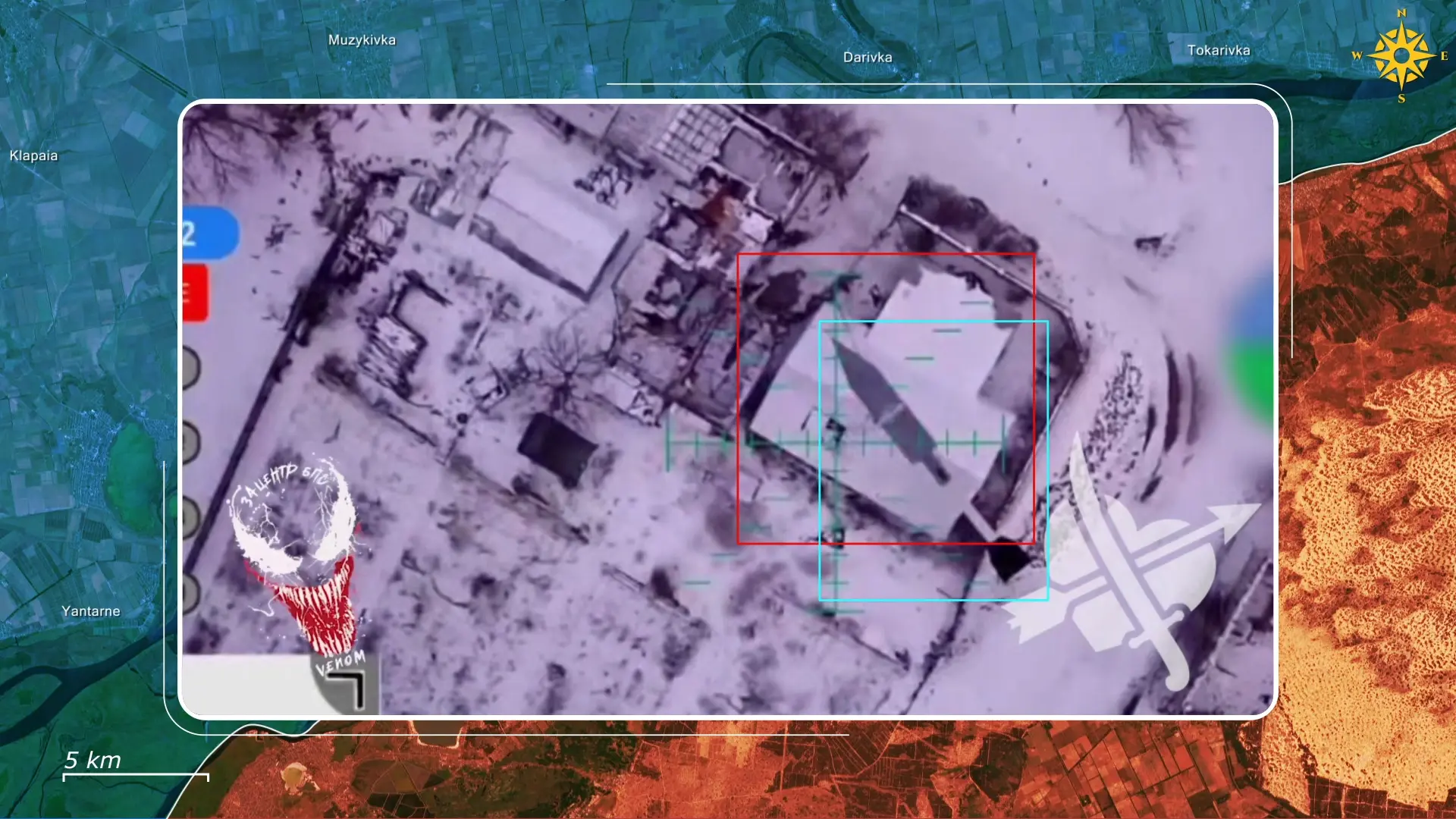
Specialized drone-dropped munitions were used, including in one instance a modified TM-62 mine fitted with stabilizing fins to enable aerial deployment. These actions were critical for the subsequent phases of the operation because they degraded Russia’s drone reconnaissance and capabilities to strike back. By disrupting surveillance and targeting coordination, Ukrainian forces effectively denied the Russians situational awareness and precise fire support.
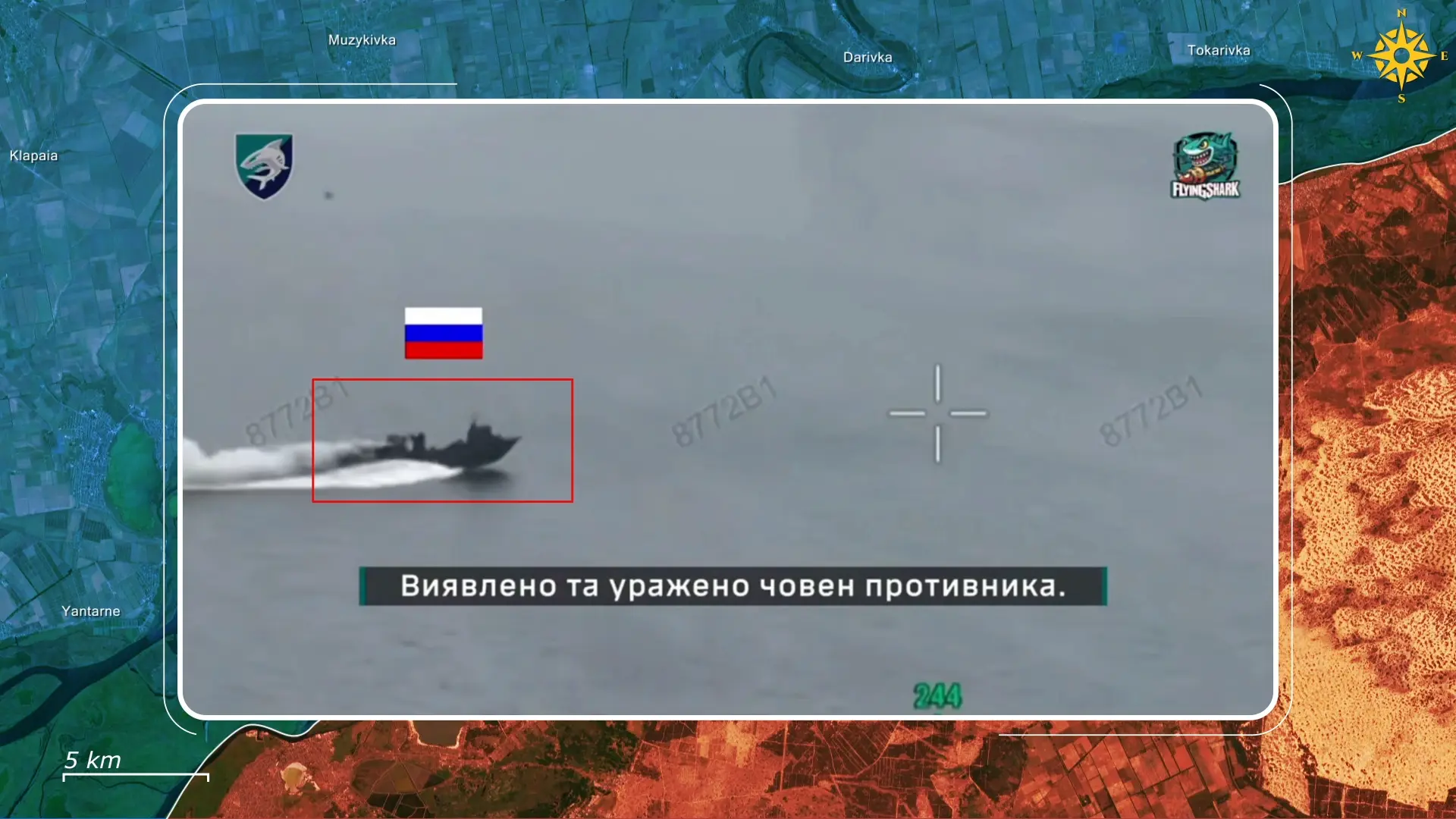
The second phase involved Ukrainian FPV drones targeting boat crossings and reinforcement routes between the islands to isolate Russian units by cutting off their conventional resupply, restricting the evacuation of wounded personnel, and preventing rotations, leaving them reliant primarily on limited drone-based logistics.
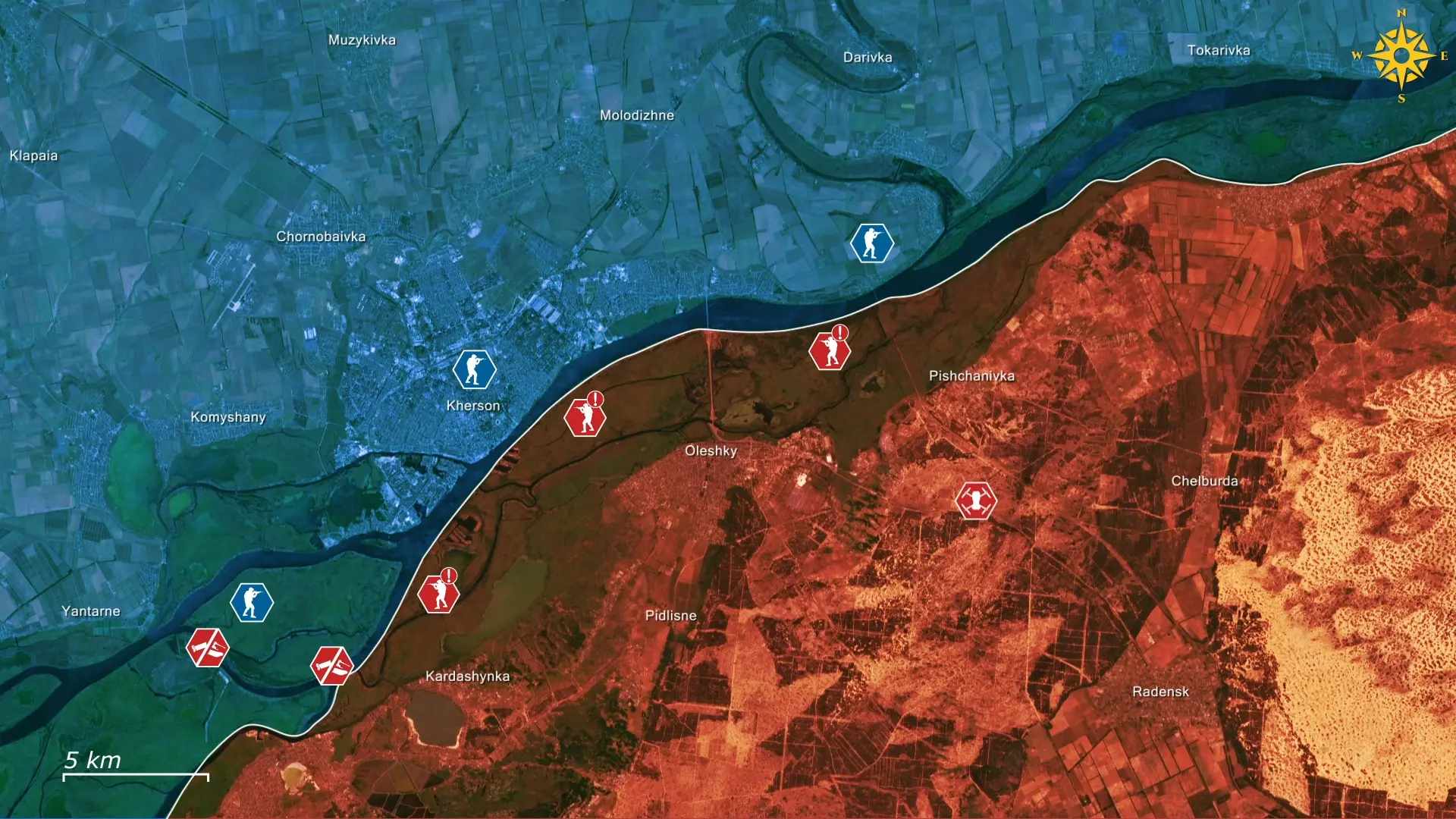
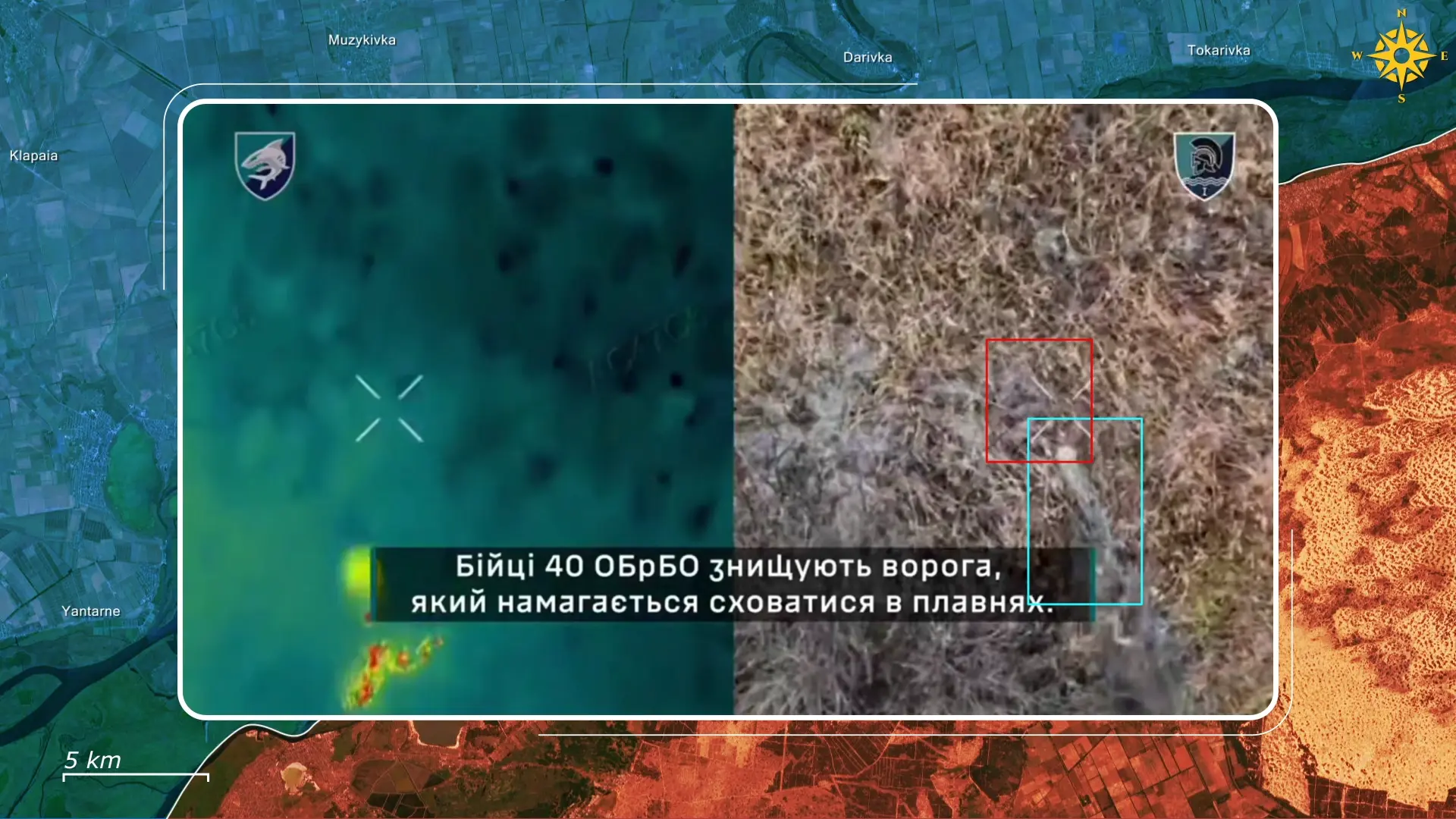
Geolocated footage shows Ukrainian aerial reconnaissance identifying enemy motorboats moving between islands and then striking them on the move. Surviving troops attempted to escape by swimming to the shore and concealing themselves in the reeds, but were later eliminated through additional drone strikes.
Additional command and observation posts in the rear around Oleshky were also targeted by the Ukrainians to further disrupt Russian coordination following the initial destruction of operator hideouts near the frontline.
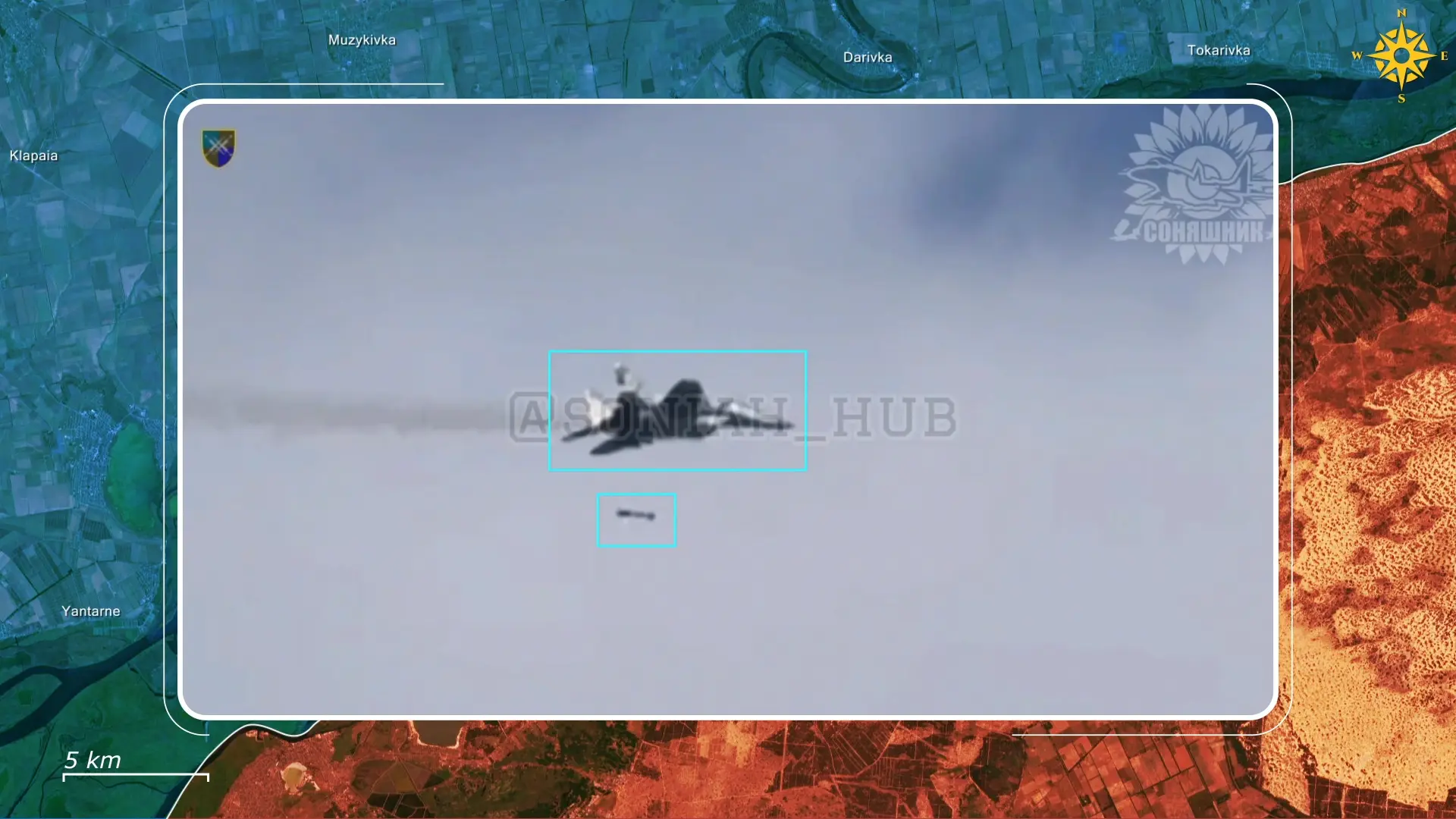
Geolocated footage shows a Ukrainian Mig-29 conducting a precision strike using a Hammer guided bomb, destroying a Russian command and observation post. The elimination of local command elements compounds operational disruption at a higher level, breaking up the entire chain of command in the area.
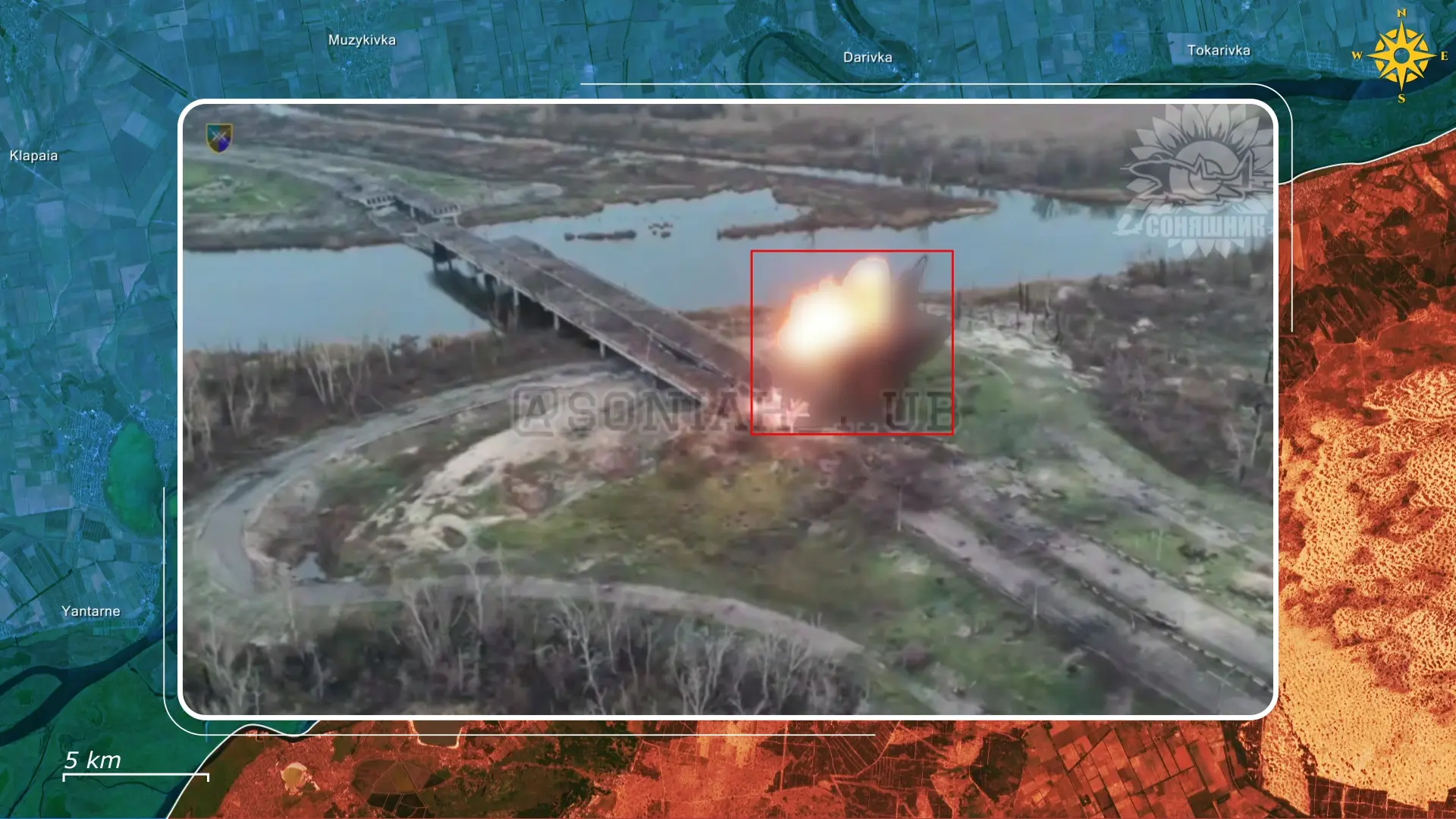
The final phase of the Ukrainian operation focused on systematically weakening the remaining Russian positions on the islands through sustained, cumulative strikes. These attacks targeted the remaining hideouts, logistical points, and troop concentrations, making it increasingly difficult for Russian forces to maintain operational cohesion. By combining precise aerial strikes, FPV drone attacks, and targeted destruction of critical infrastructure, Ukrainian forces rendered the Russian hold on the islands unsustainable.
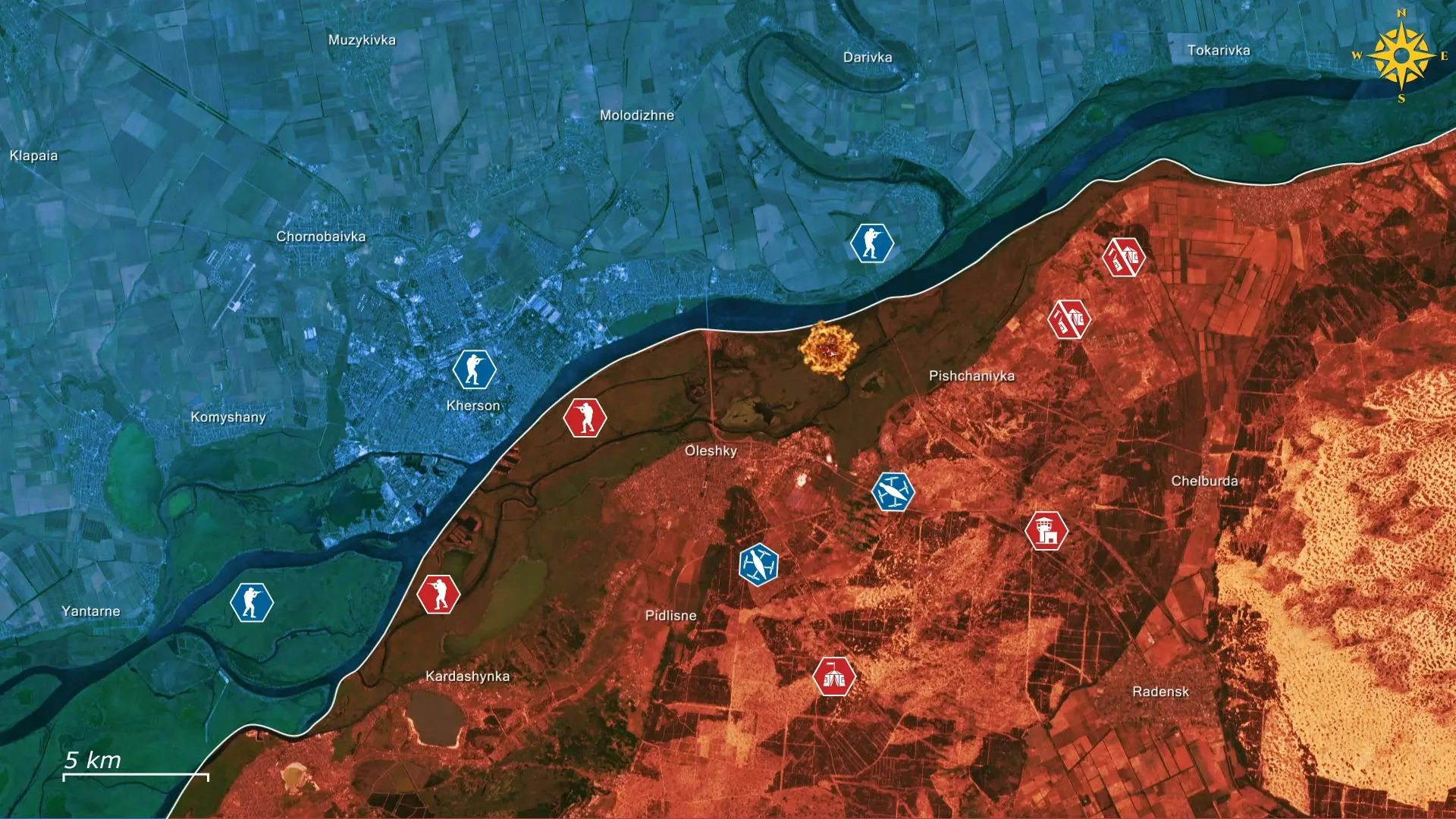
As a result, Russian forces have withdrawn from some of the islands, as confirmed by Ukrainian spokesman Vladyslav Voloshyn, citing intelligence data. He noted that deteriorating morale and the psychological condition of Russian troops there were worsened by the successful Ukrainian operation, which forced them to pull back. Staying on the islands would have otherwise left Russian troops stuck without supplies, while constantly bombarded by Ukrainian drones, leading to their ultimate destruction. The Russian high command assessed that holding the islands is fruitless, because they don’t have the reserves to support these positions.
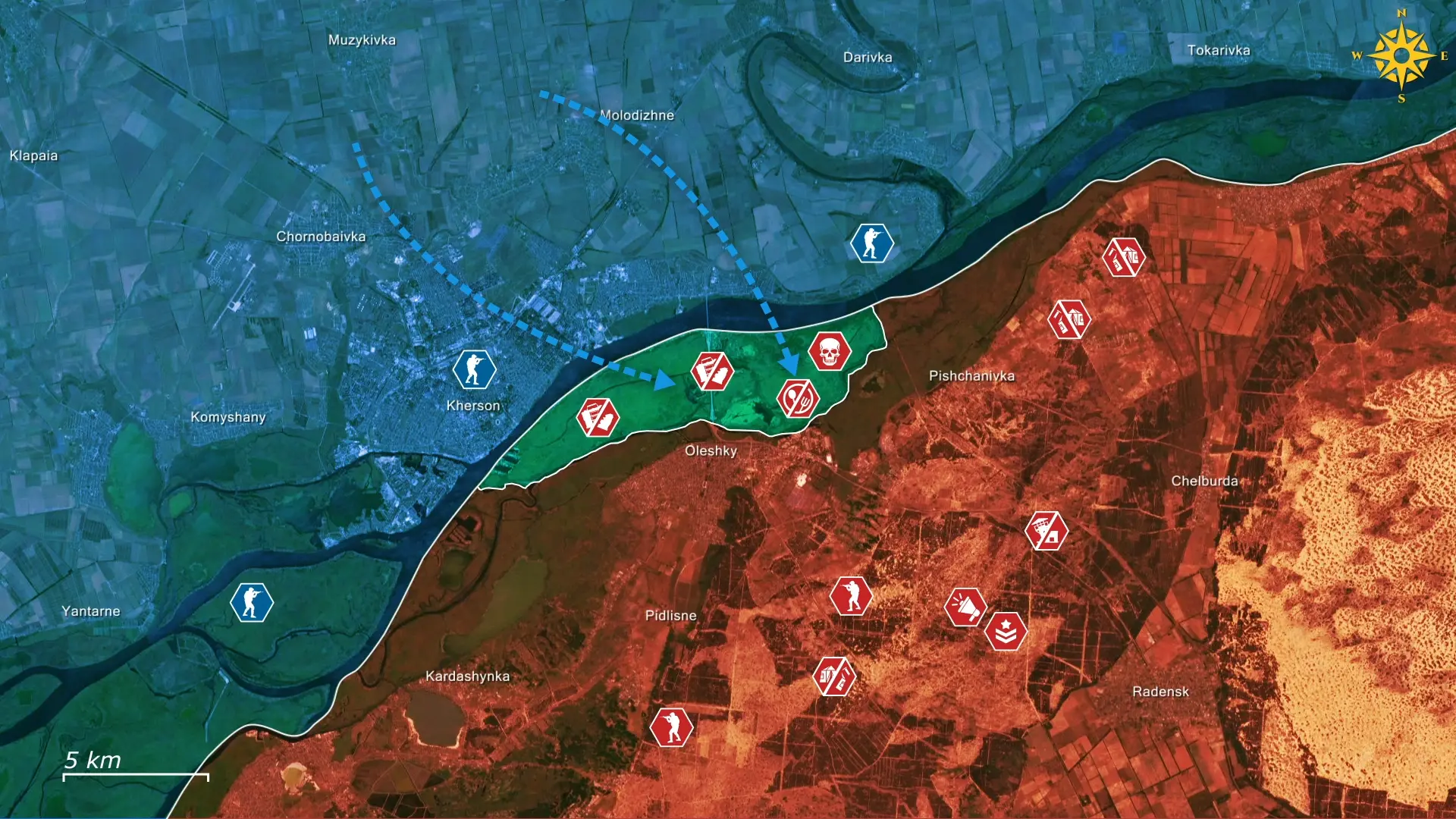
Overall, the Russian withdrawal underscores how sustained precision strikes and systematic targeting can shift the tactical balance in a battlefield where direct ground assault is not possible. If Ukraine maintains pressure on logistics, command nodes, and river crossings near Kherson, Russian positions along the Dnipro could become increasingly costly to defend, prompting them to withdraw more troops.
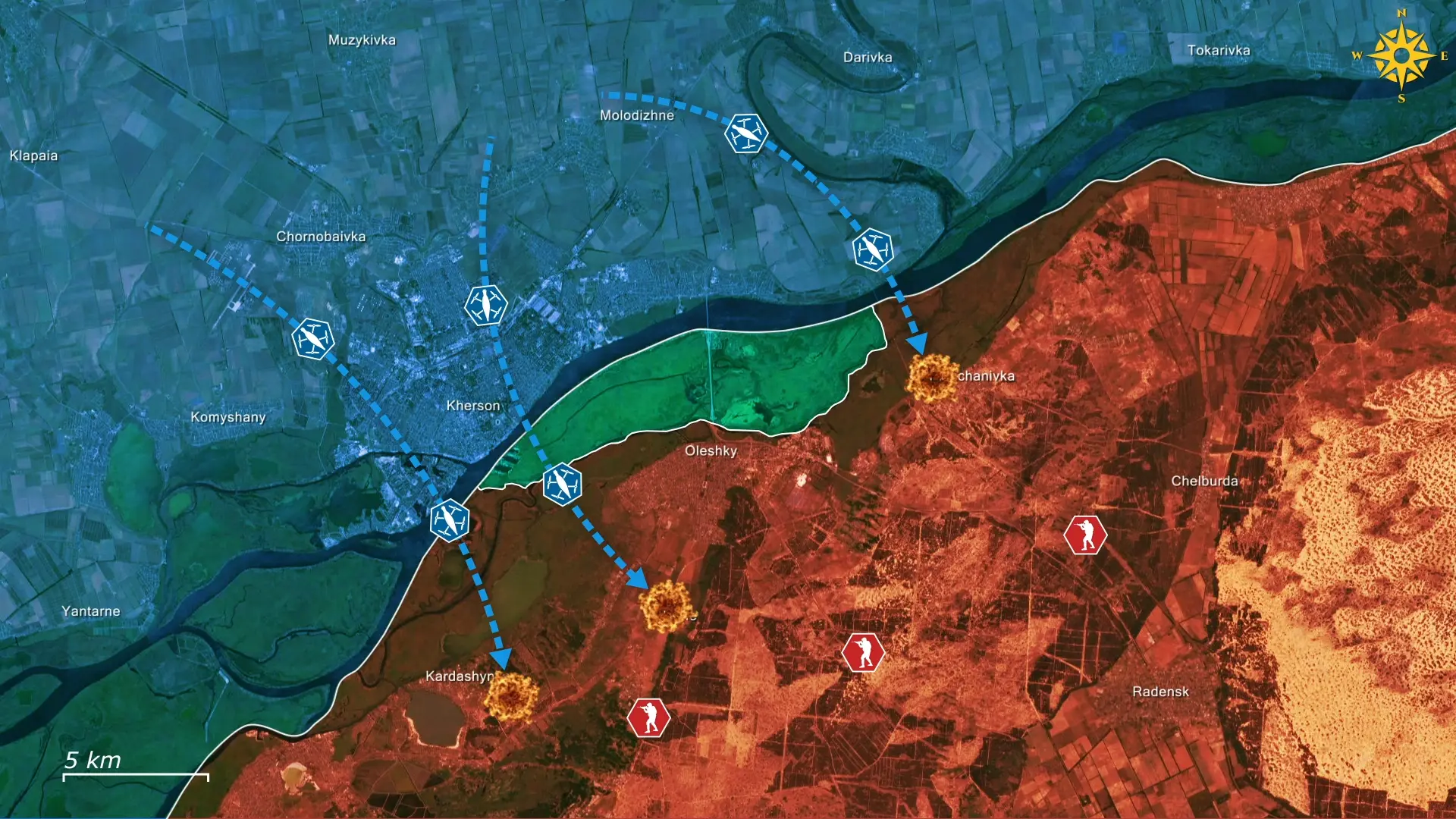
This will help protect Kherson, as Russian forces will have a harder time striking the city, easing some of the pressure on civilians. But more importantly, it undermines the Kremlin’s narrative that Russians are getting ready to push for Odessa, as frequently hinted at during the negotiations.
.jpg)


Comments