

.svg)
Today, the biggest news comes from Ukraine.
Here, the force that quietly holds the country together behind the front is being rebuilt under wartime pressure. This reform is meant to give Ukraine’s defenders greater capability, a shift that could redefine how much pressure these units can absorb under constant drone.
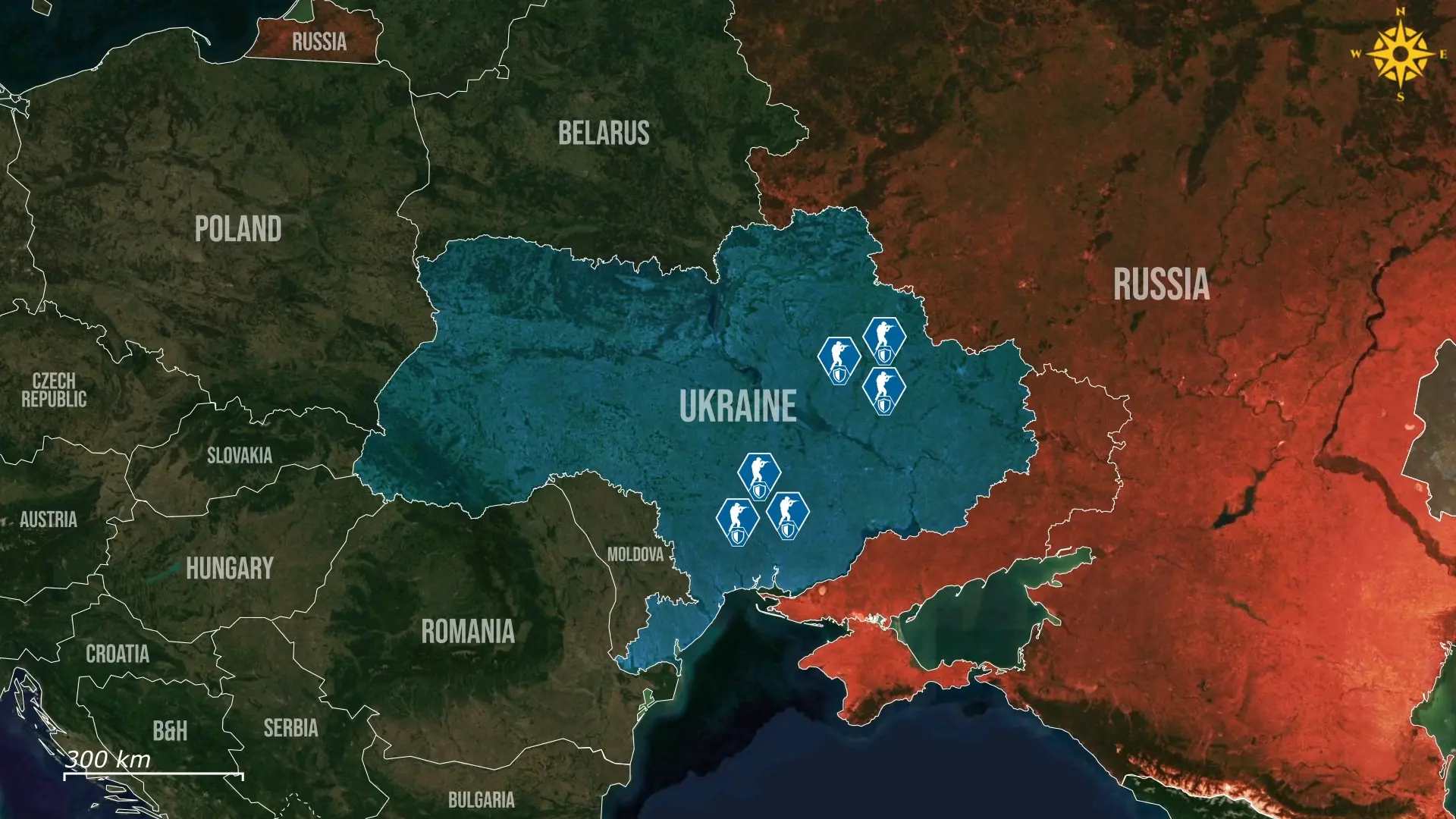
Ukraine’s commander-in-chief, Oleksandr Syrsky, has announced a reform of the Territorial Defense brigades that reduces the number of infantry battalions while expanding their drone components. The core intent is to make these brigades better at holding ground under the Russian drone pressure that has become evident in recent years.
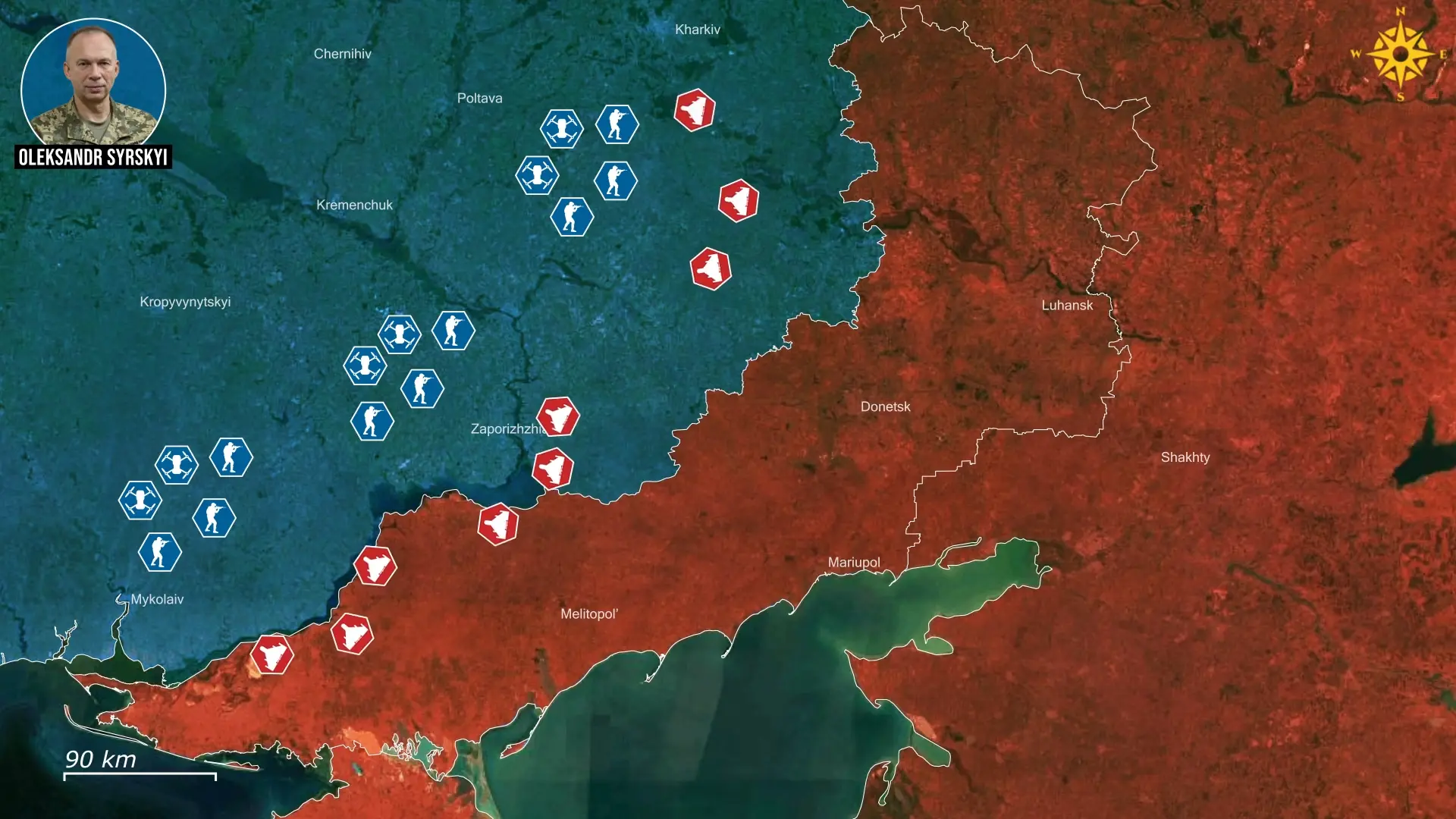
Syrsky has been explicit that Territorial Defense is not suited for offensive campaigns, and that the reform is aimed at improving their defensive capabilities, where these units are routinely used.
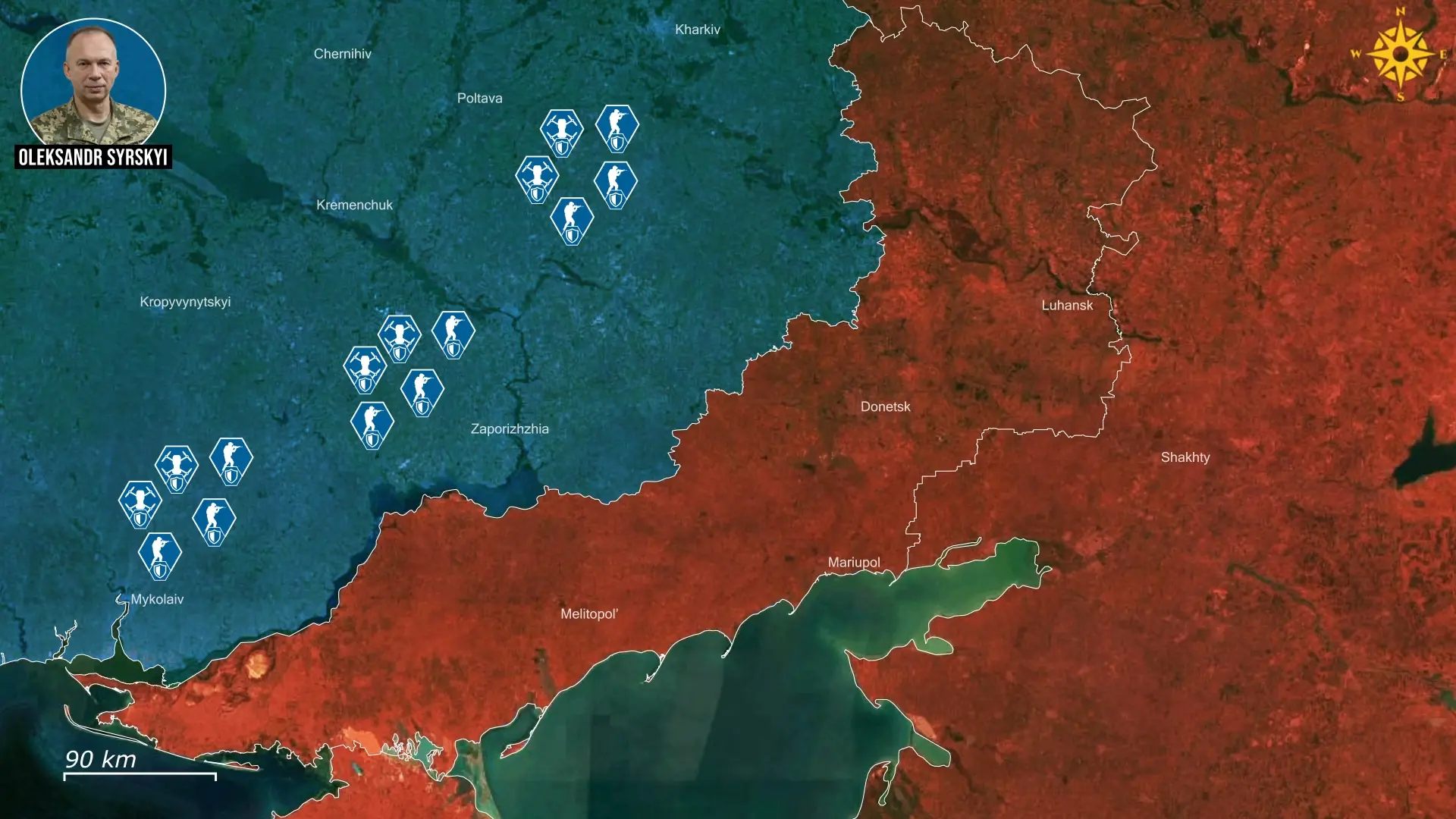
Territorial Defense brigades differ from regular front-line brigades as they are structured around protecting specific regions, infrastructure, and sustaining control of local areas. While regular forces concentrate on the main fighting, Territorial Defense brigades' strength comes from local land knowledge, coordination with civil authorities, and their ability to respond quickly to Russian incursions and sabotage.
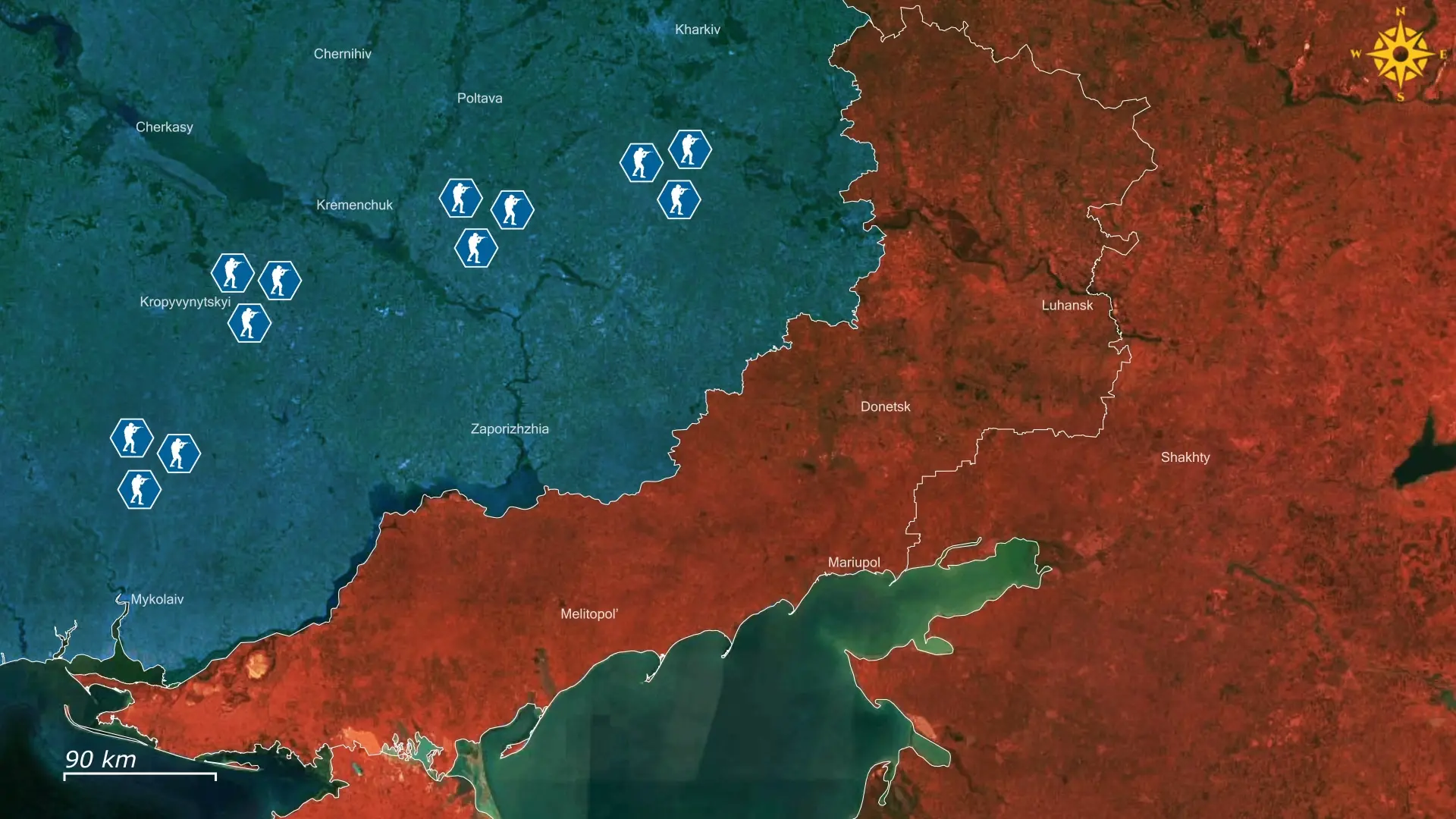
These units are often more lightly armed and less standardized than front-line brigades, leaving them more vulnerable in high-intensity combat. Their vulnerability isn’t a lack of willingness to fight, but the way their infantry-heavy, lightly armored structure leaves static defensive positions susceptible to FPV drone strikes. Persistent aerial surveillance makes these defenses easier to target for Russia, and Territorial Defense units often only have a few drones and trained operators to maintain constant coverage. As Russia has increasingly shifted its focus toward rear areas, where the Territorial Defense units operate, their role has required an upgrade.
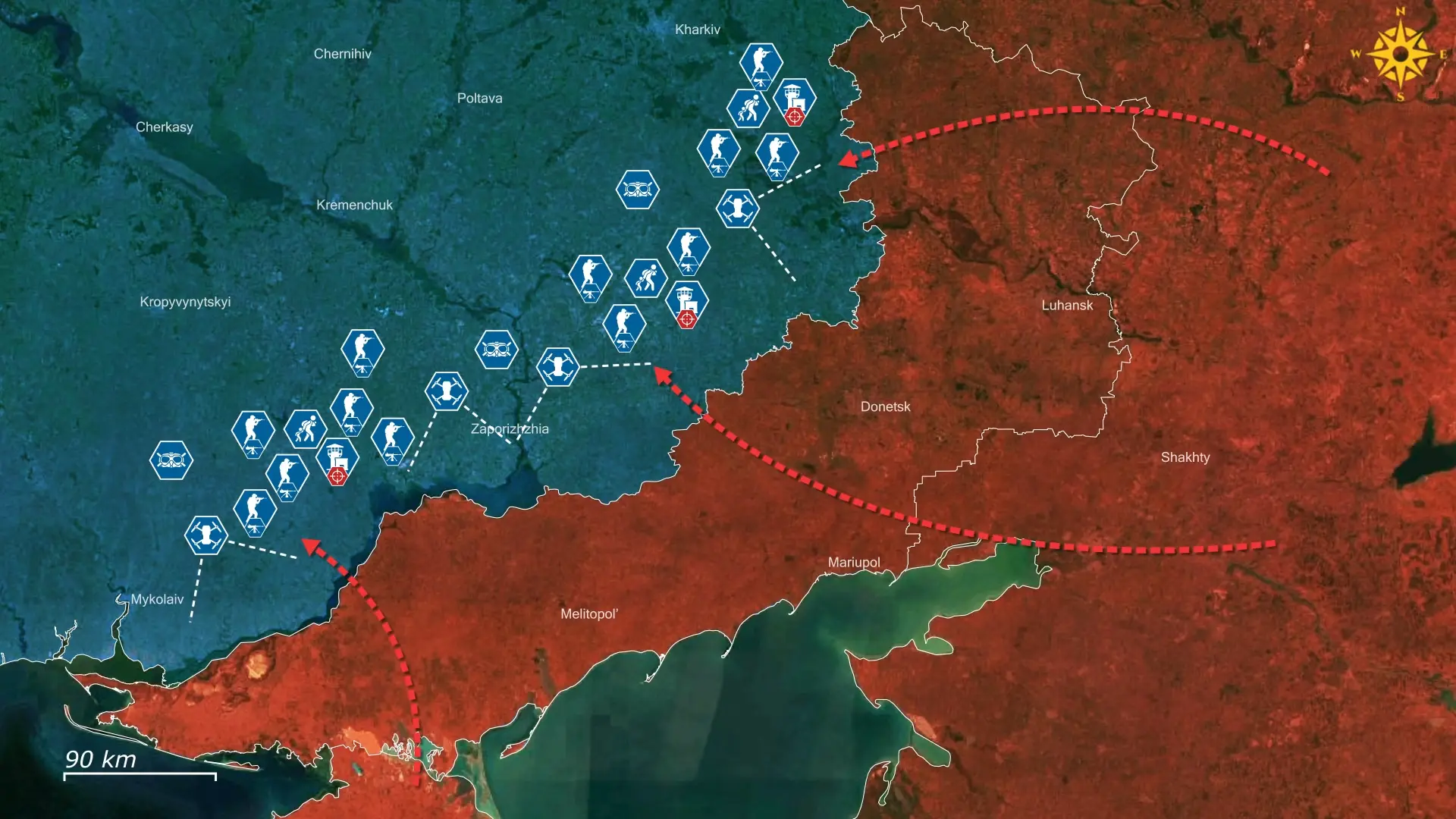
The reform addresses this by changing the brigade’s internal balance rather than by creating entirely new units from scratch. Most Territorial Defense brigades were originally built around roughly six infantry battalions, reflecting their traditional role as manpower-heavy formations tasked with holding ground and securing local areas, while Their drone component was comparatively modest.

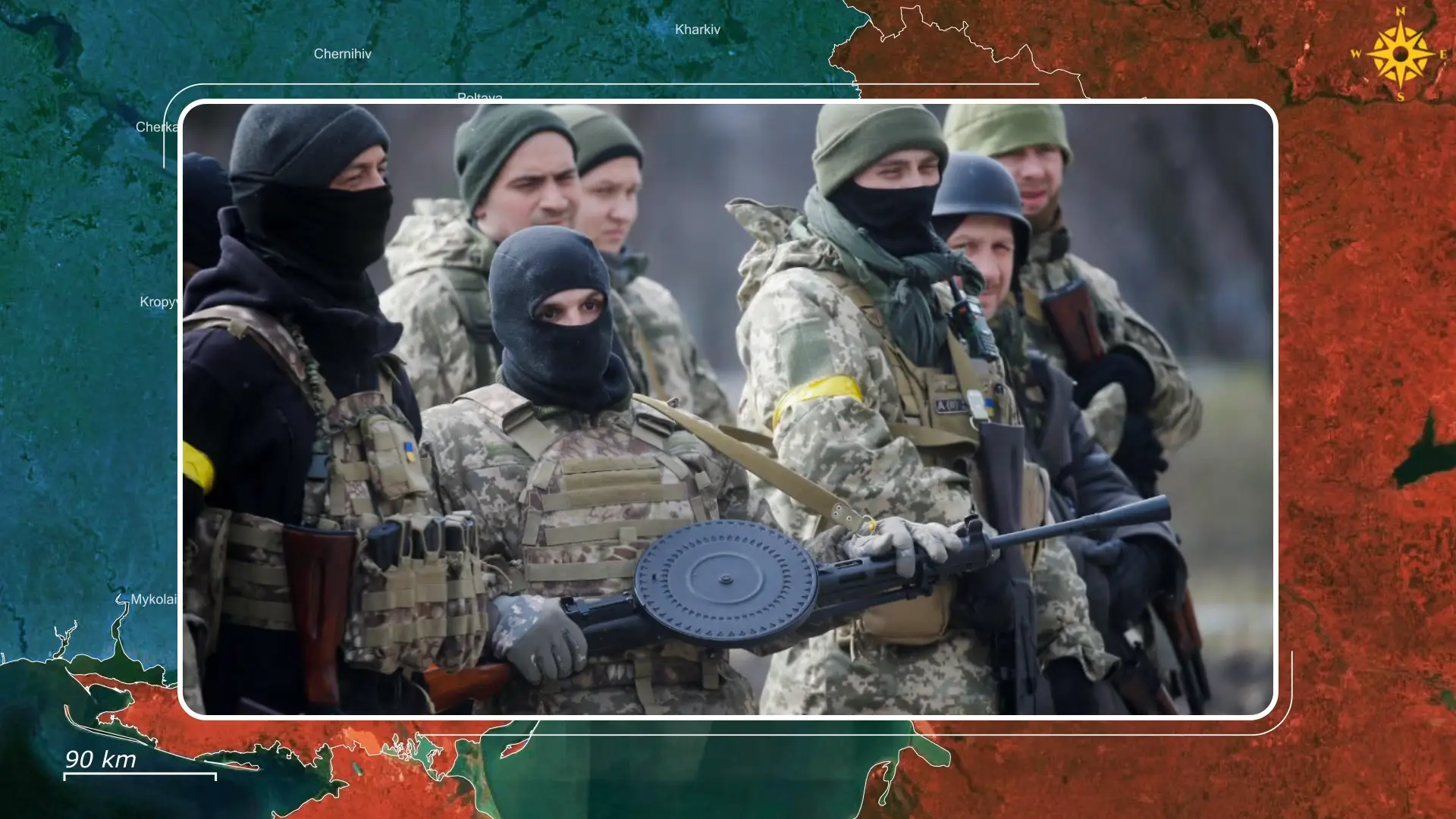
Most brigades fielded at least one drone battalion, while some operated with one drone battalion supported by an additional drone company. Syrsky’s plan reduces the number of infantry battalions in each Territorial Defense brigade and creates two additional dedicated battalions of drone systems inside every brigade. Syrsky has described the older pre-reform model as a company-sized strike drone element, meaning this change is more about scaling up rather than introducing drone warfare.
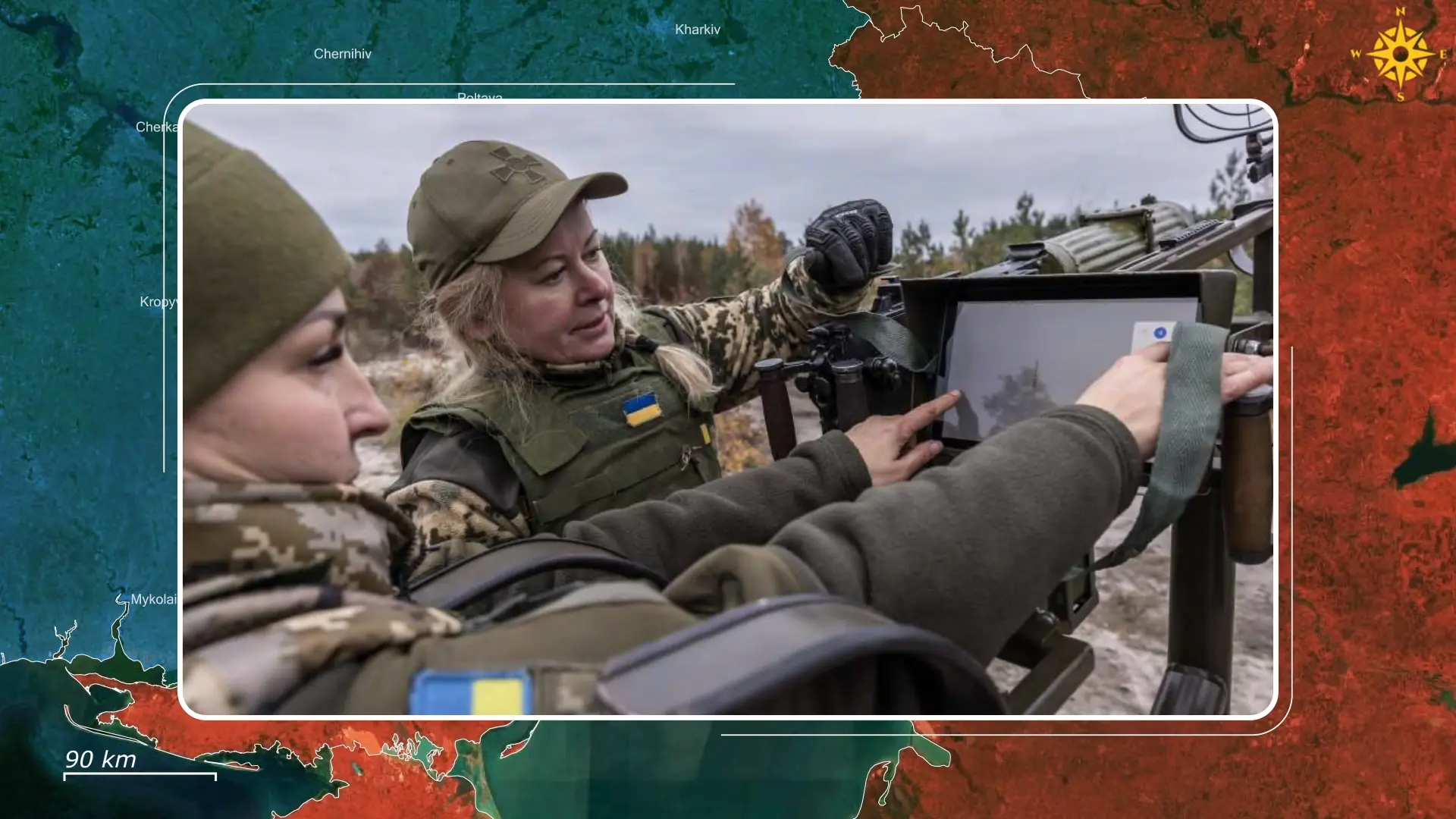
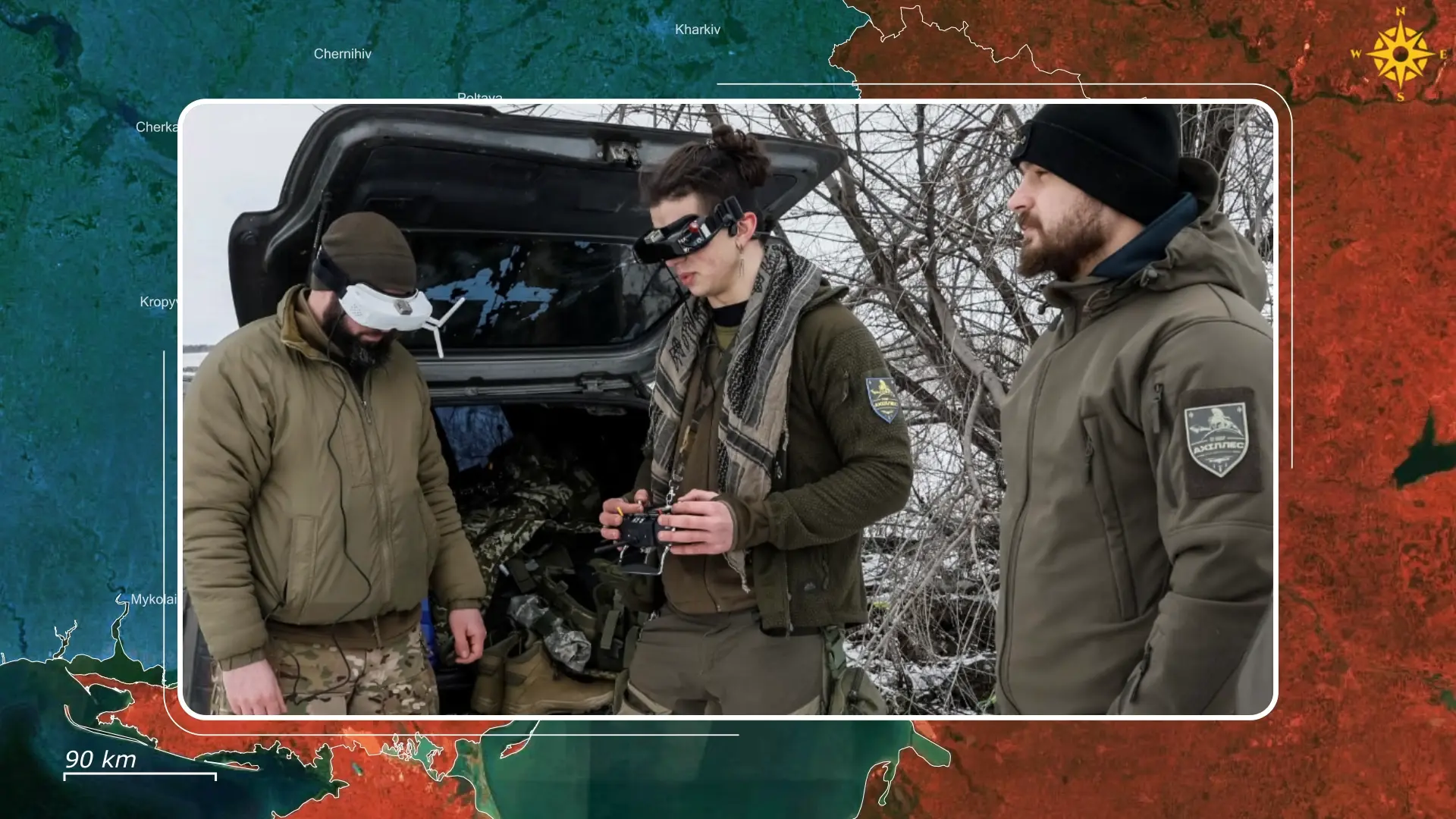
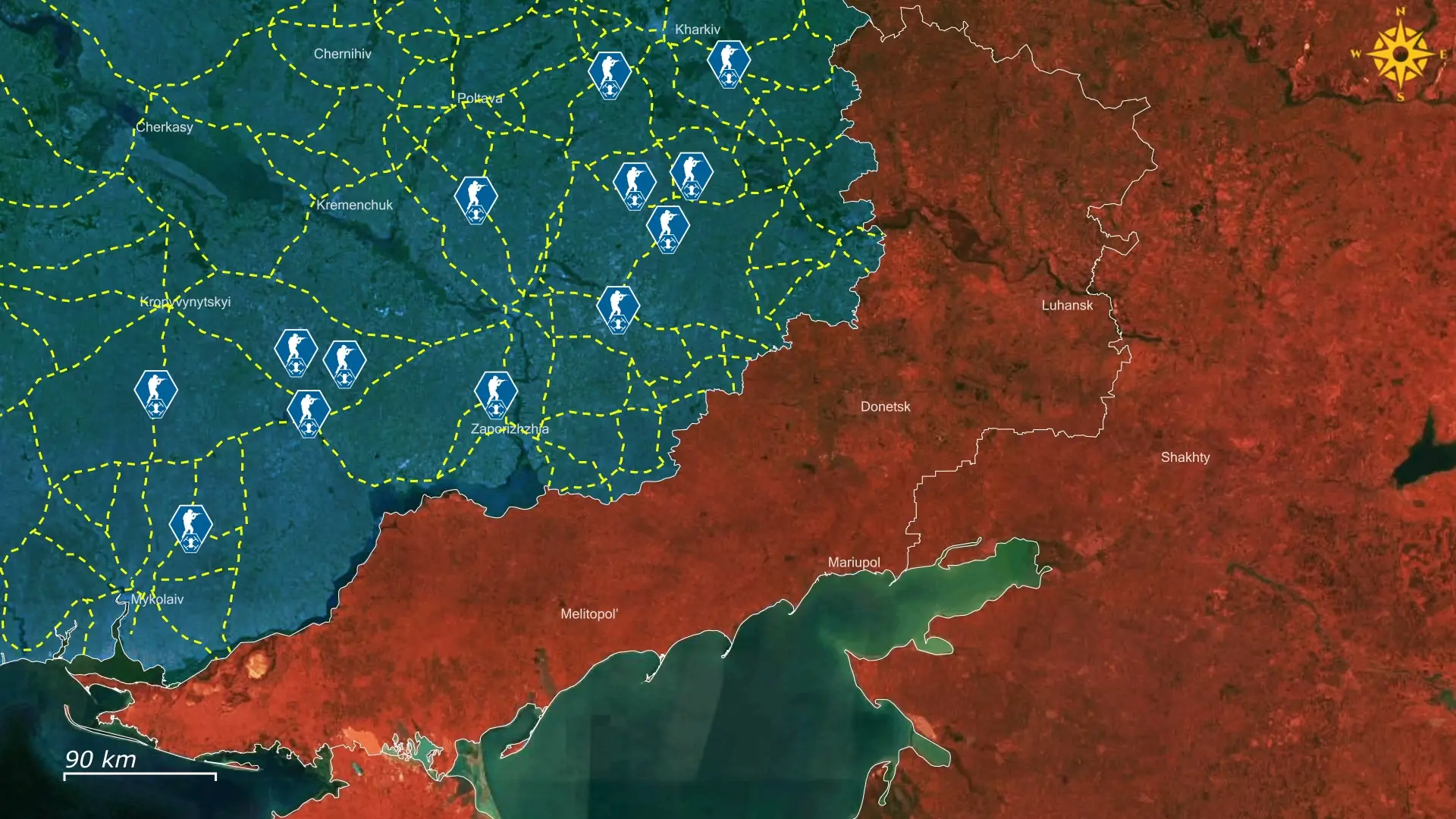
Early implementations indicate that the first four brigades are being moved to a structure built around three infantry battalions paired with two drone systems battalions, which shows that drones are being elevated from a supporting role to an equal core function.
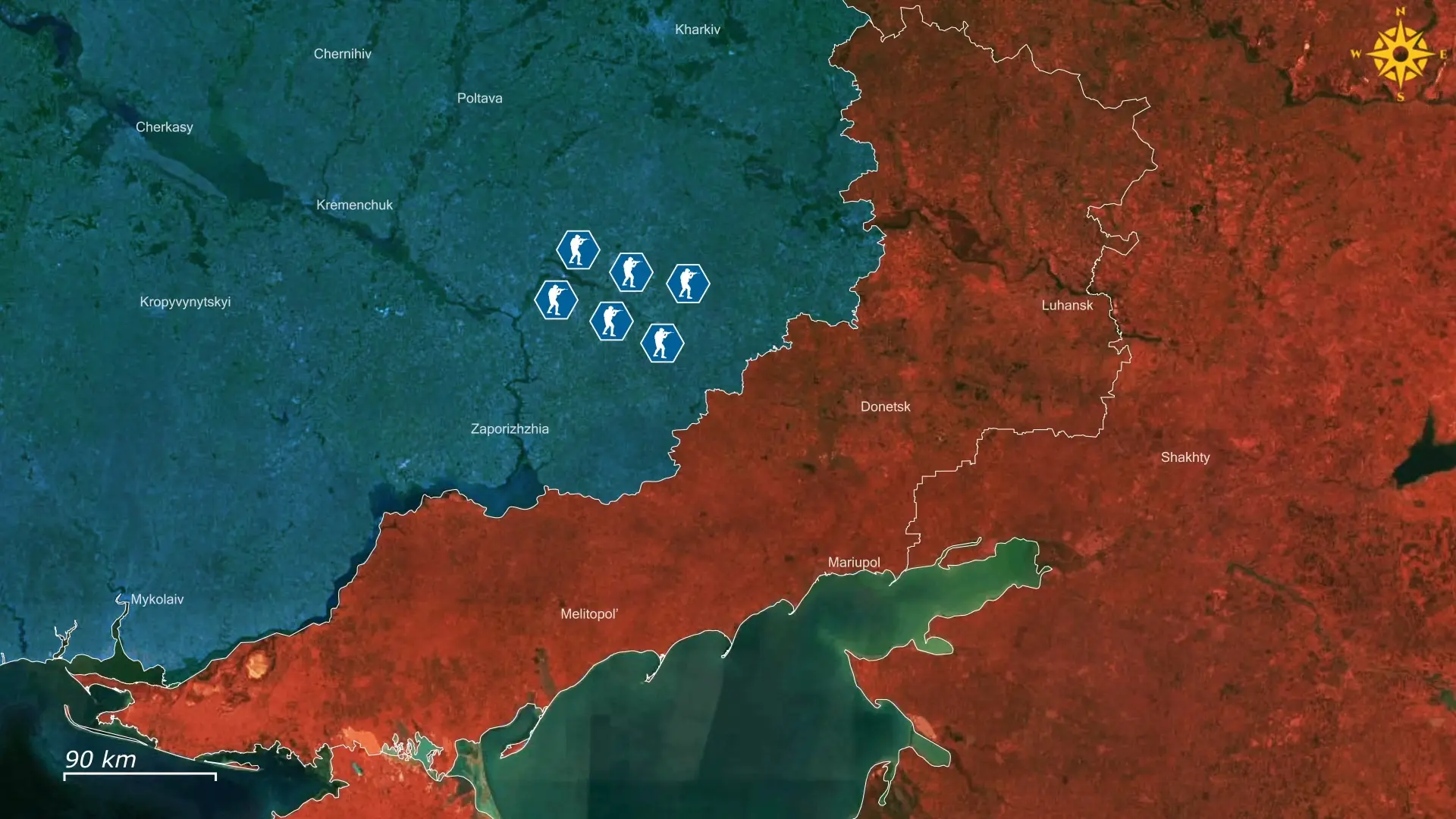
This solves several practical problems at once because it narrows the spaces where Russia can operate without being seen. Two drone battalions give a brigade enough personnel to sustain longer daily coverage, which improves early warning by detecting small assault groups, sabotage teams, or staging areas before contact occurs. That earlier warning gives commanders time to reposition infantry, disperse vehicles, and coordinate fires, which in turn reduces the severity of surprise attacks.
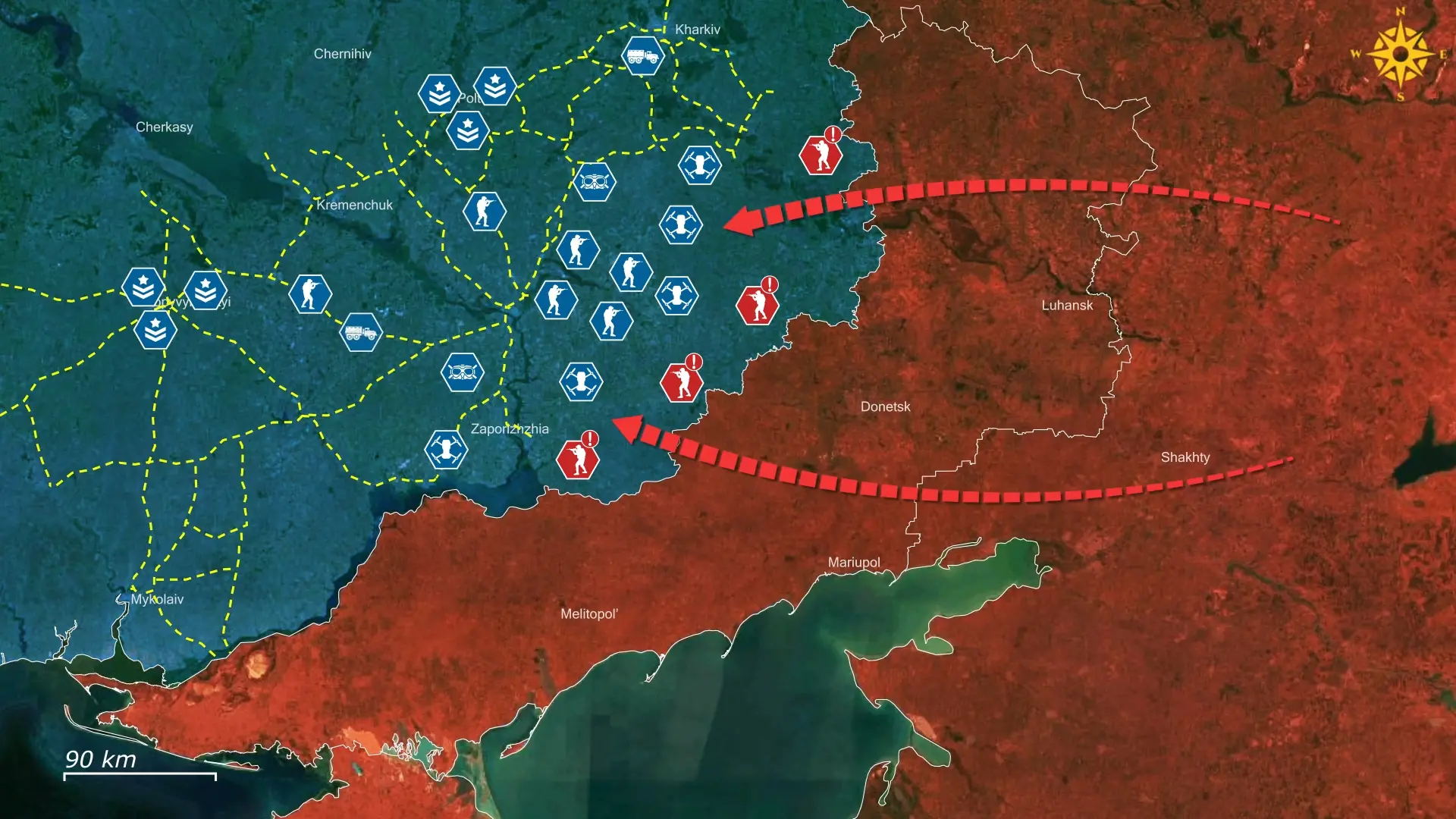
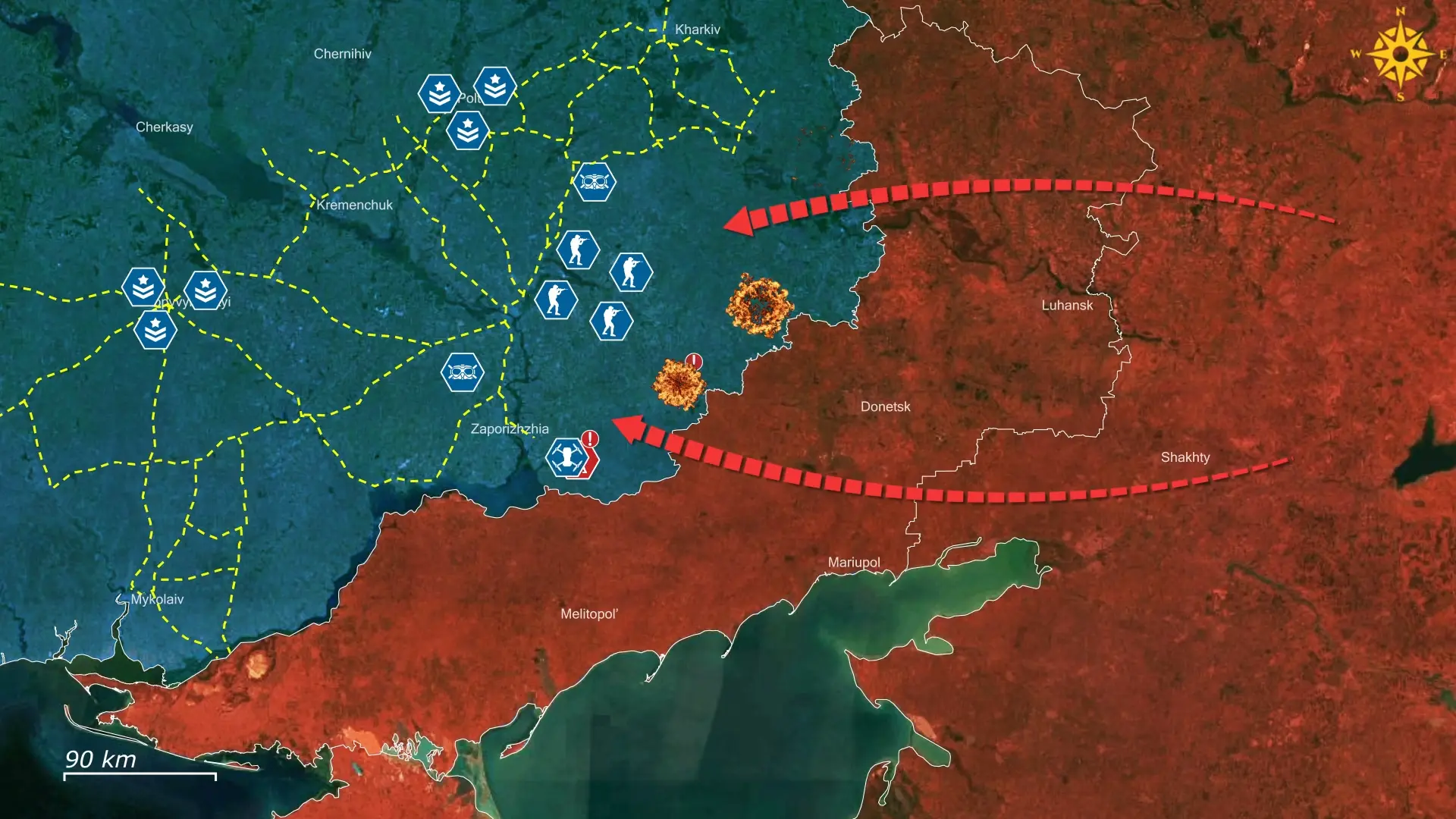
A larger strike-drone capacity also improves resilience as it allows Territorial Defense forces to disrupt attacks at a distance instead of relying on infantry patrols that are more exposed to ambushes. Taken together, the shift gives Territorial Defense units more time and options when responding to Russian attacks, turning early detection and distance disruption into the foundation of a more resilient defensive posture.
Overall, the reform shifts from an infantry-based defense to a drone-centered area defense aimed at countering Russian drone coverage. The addition of two drone systems battalions per brigade establishes drone coverage as a sustained brigade-level baseline. If the three-infantry, two-drone model is adopted across the front, it will limit Russia’s ability to exploit weak coverage by enhancing visibility and strike capacity for ground forces. The outcome will depend on whether these brigades can maintain reliable drone operations through training, maintenance, and supply, as persistence, rather than performance, will be crucial to closing the gaps in the coming months.

.jpg)

Comments