

.svg)
Today, the biggest news comes from Ukraine.
Here, Ukraine has now deployed the new German Cat onto the battlefield — one of the most modern infantries fighting vehicles in the world, engineered for speed, layered armor, and offensive dominance. With its modular design and next-generation firepower, the Lynx has the potential to fundamentally reshape the dynamics of modern mechanized infantry warfare, now poised to prove itself under real combat conditions.
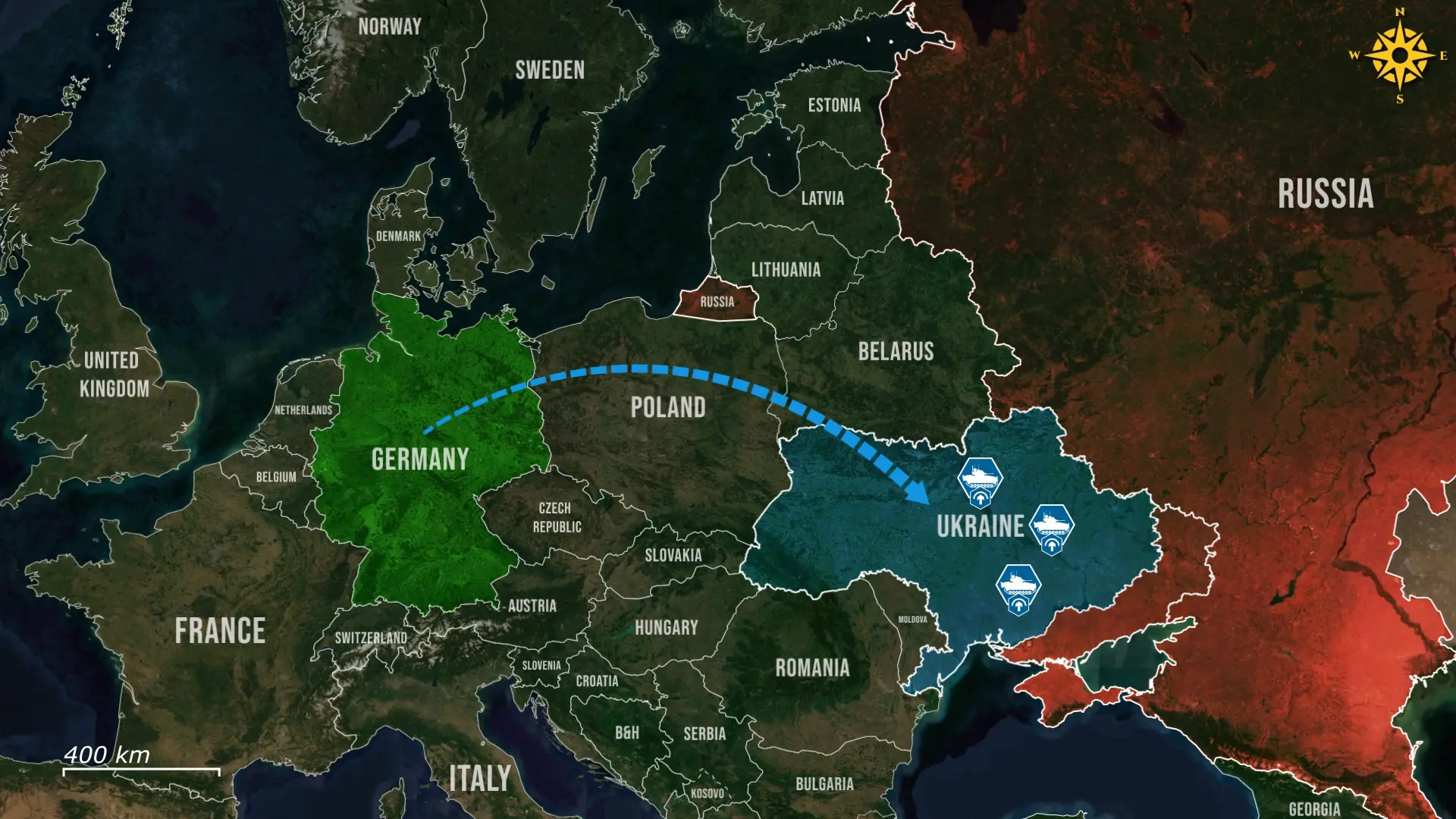
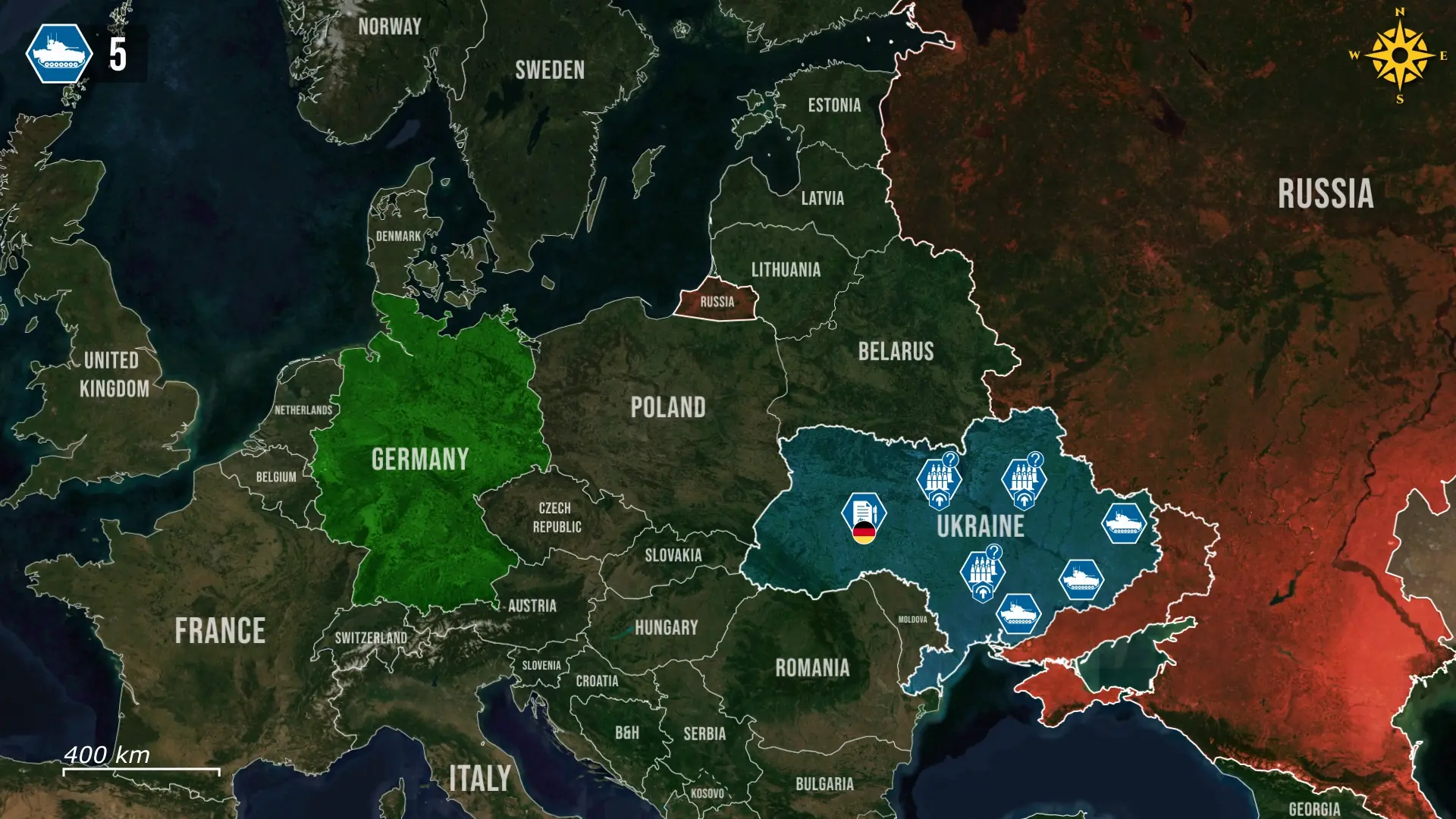
In December 2025, Ukraine signed a significant contract with the German defense company Rheinmetall to procure Lynx infantry fighting vehicles. Now, Ukraine is set to receive the first five Lynx infantry fighting vehicles, which are being considered a preliminary and strategic step toward larger-scale production and ensuring a long-term, sustained supply. It’s important to note that the relatively low number of only 5 being delivered right now hides something deeper. The true significance of the Lynx lies in its advanced design philosophy and structural configuration, the first of its kind will now be tested under real combat conditions.
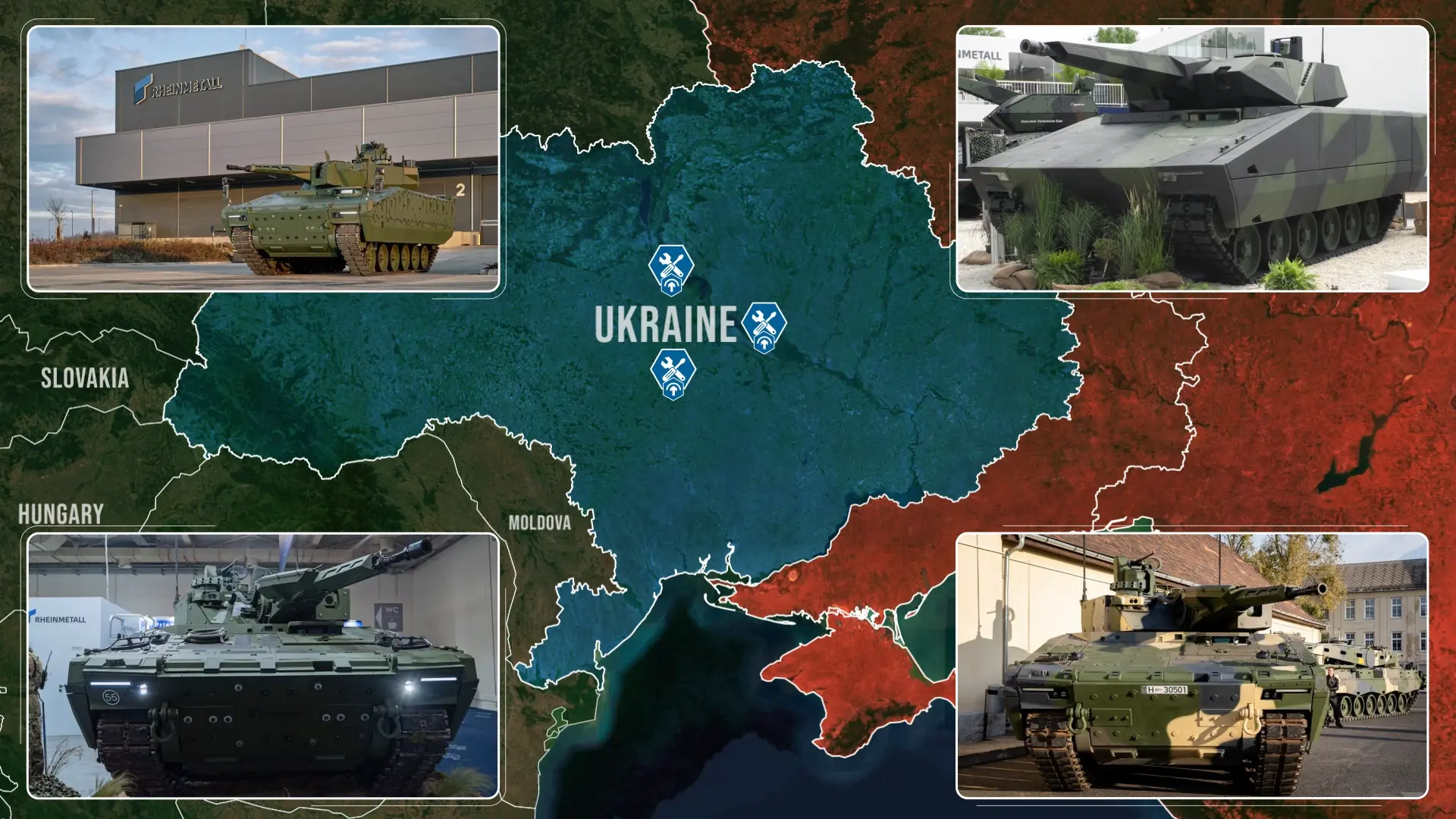
The Lynx is primarily designed around a modular architecture, which divides the vehicle into two distinct sections. The first section is the common drive module, which houses the chassis, engine, and suspension, all of which remain completely identical across all variants. The second section is the specialized mission module, which accommodates weapons, sensors, command systems, and internal layouts, and can be integrated according to customer requirements. The main advantage of this modular structure is that on the battlefield, whatever the configuration used, the Lynx’s standard lower chassis remains unchanged, which makes vehicle maintenance and repair many times easier, and allows parts supply and training to be carried out according to a single standard.
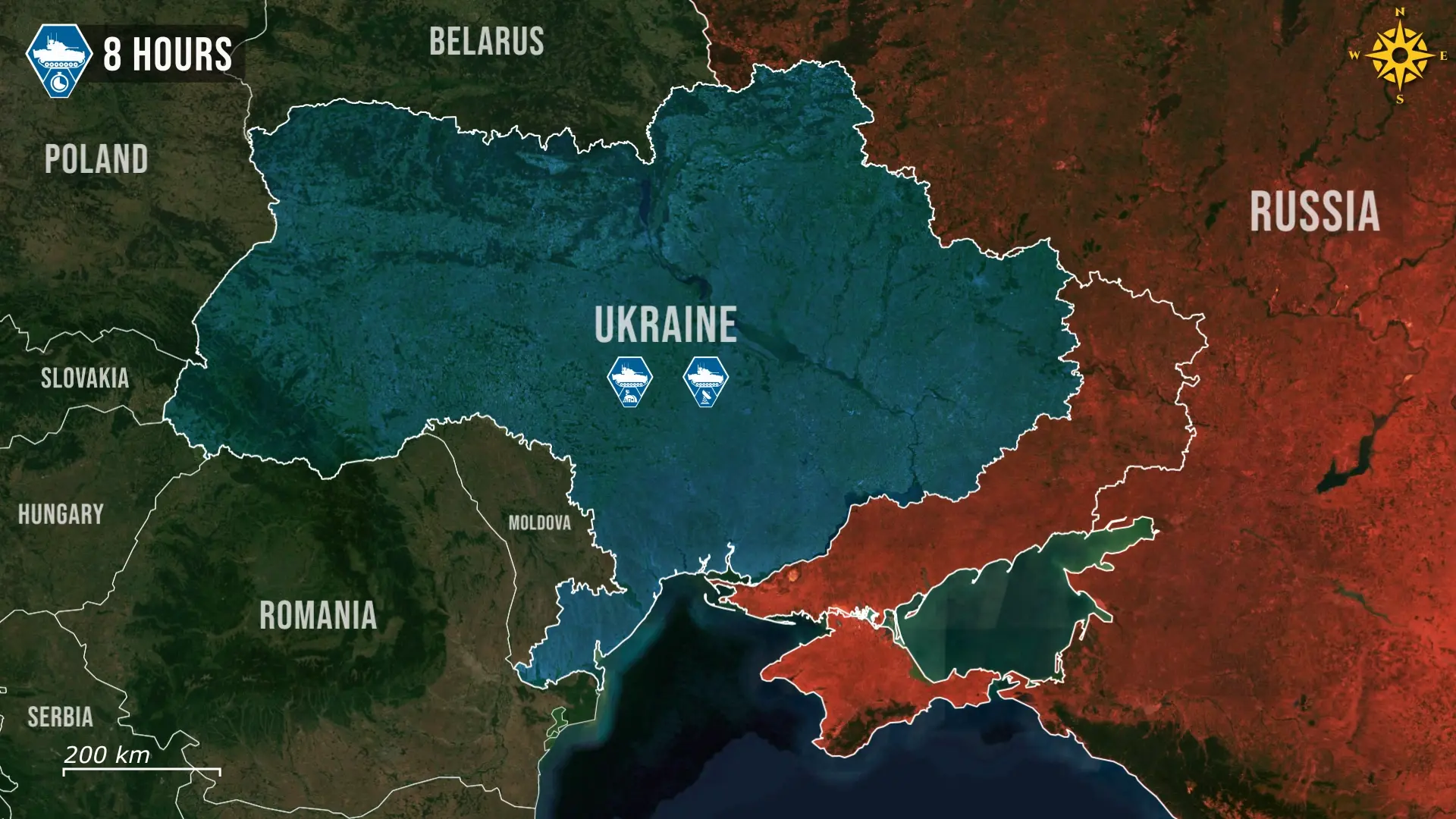
As a result, a single technical base vehicle can be configured as an infantry fighting vehicle, command post, armored ambulance, air defense platform, or recovery vehicle in as little as eight hours if the necessary components and equipment are available.
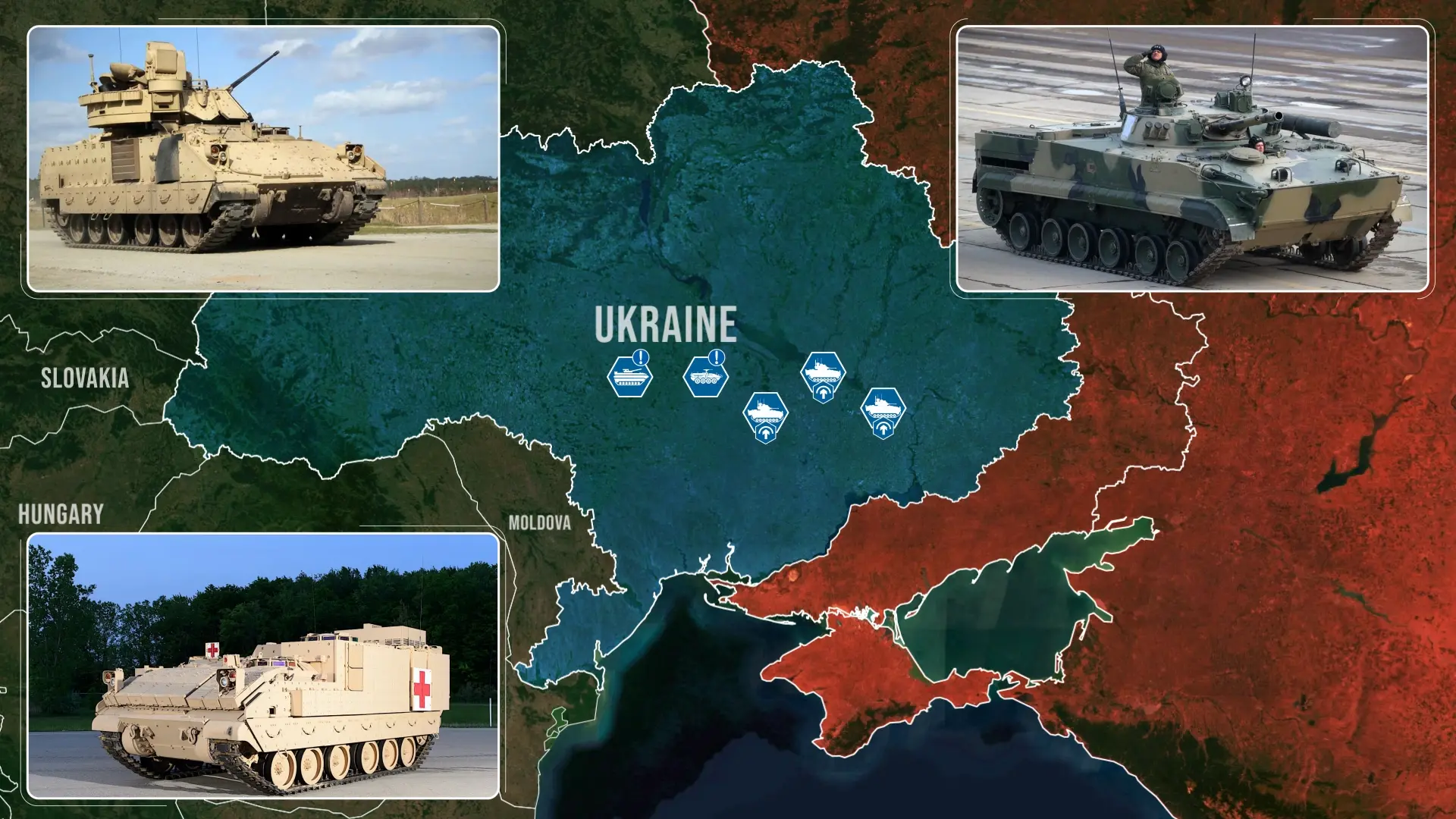
By contrast, when comparing the Lynx to other Western and Soviet armored vehicles, clear differences become apparent. For example, the Western M2 Bradley is built on a permanent welded aluminum hull design, where the structure is largely fixed and upgrades are mainly limited to adding on armor, sensors, or electronics. Soviet designs face the same limitation, and while most Western and Soviet style armored vehicles have command, medical, or other variants of the same model in production, the modular nature of these is usually limited to only the chassis itself. Contrary, the Lynx's design establishes it as a uniquely flexible, multi-role, and durable military platform capable of adapting to the rapidly changing demands of modern warfare.
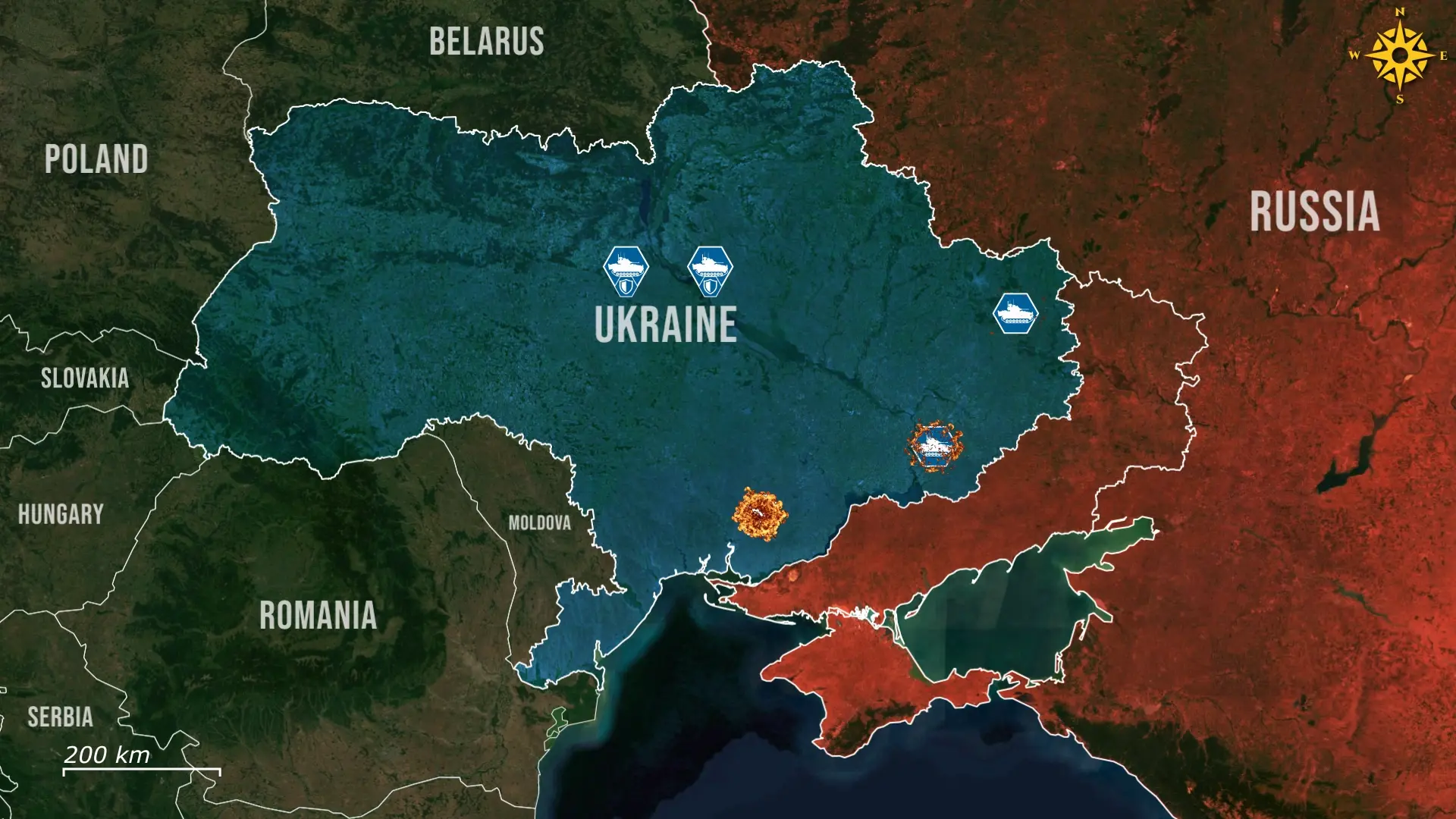
Aside from its modular nature, the Lynx is specifically designed for an offensive infantry fighting vehicle role, combining advanced protection systems to ensure survivability in high-intensity combat. The real worlds performance of its armor is yet unknown and largely classified, however it has shown to withstand small arms, artillery shrapnel, and RPG-7 Heat warheads, most commonly mounted of FPV drones used in an anti-tank role.
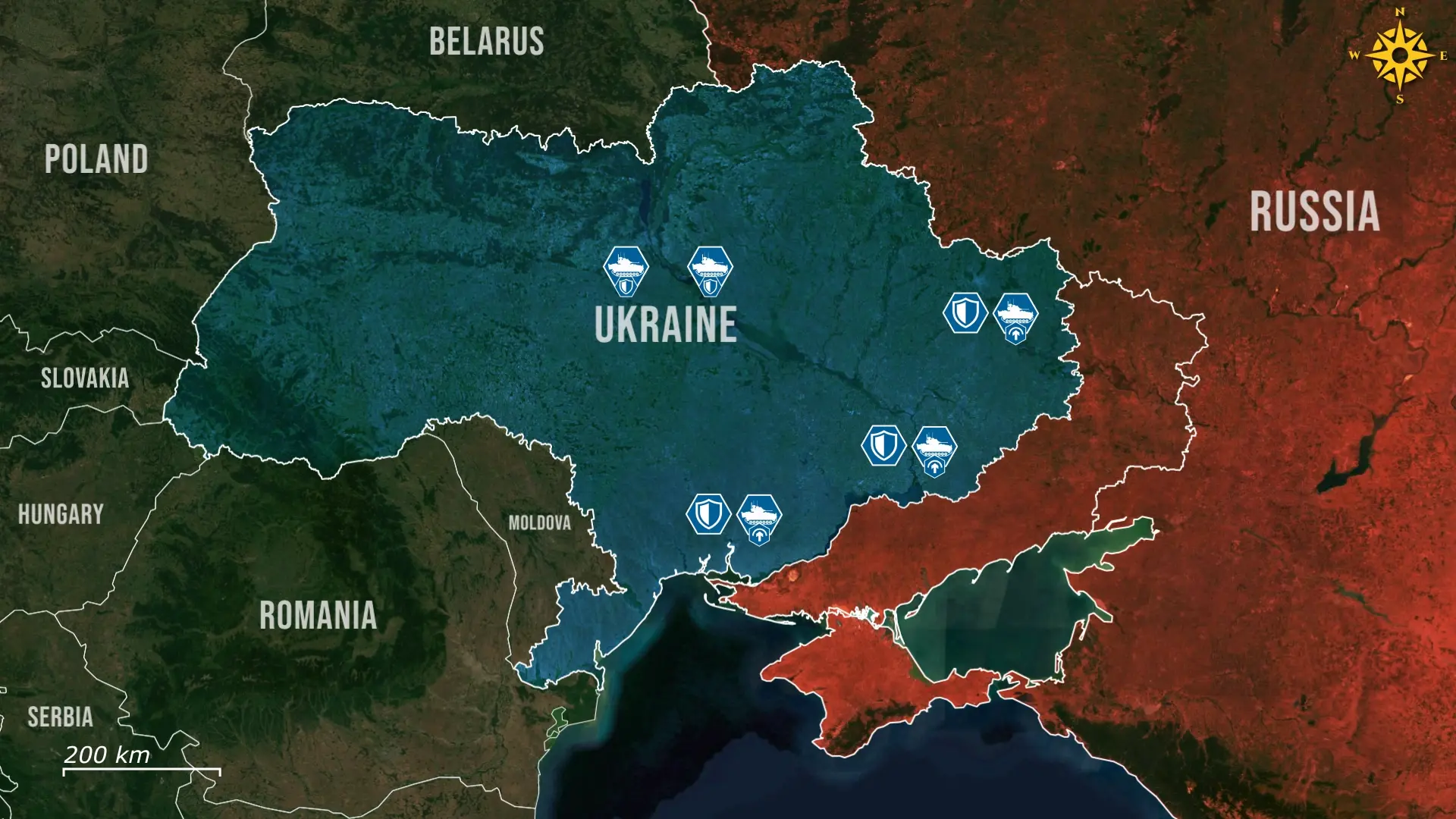
The layers of this armor are adaptable and reconfigurable according to the situation, enabling it to reliably withstand even modern, high-tech destructive weapons. This capability has established the Lynx as a highly stable and powerful infantry fighting vehicle on the frontline.
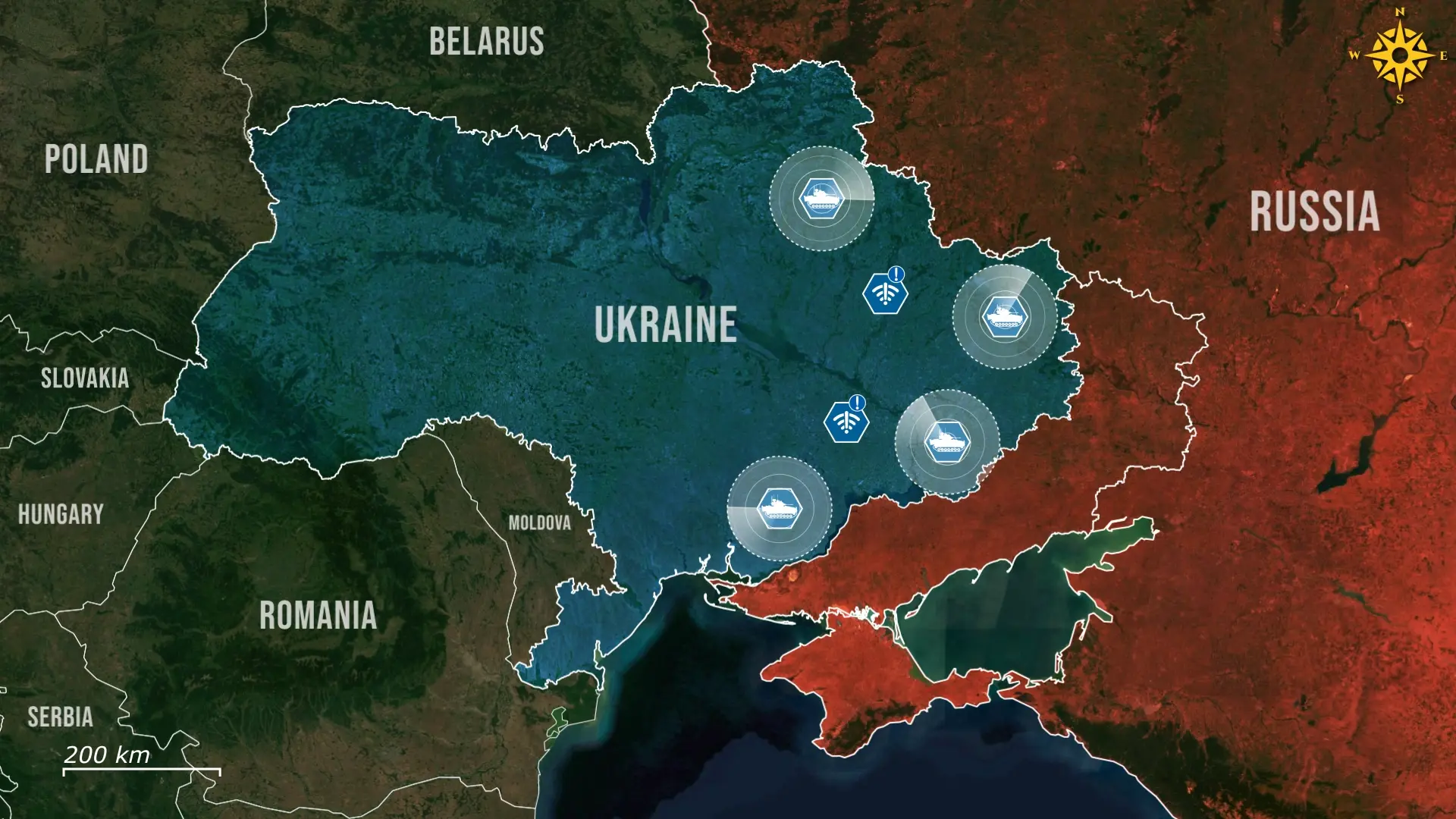
In addition, it is equipped with the Amap-Ads hard-kill active protection system, which can automatically detect and neutralize enemy missiles, rocket-propelled grenades, and drones crucial for the survivability of the vehicle on the Ukrainian battlefield, where electronic warfare alone is not enough due to increased use of fiber-optic and jamming-resistant threats.
Moreover, the Lynx infantry fighting vehicle can deploy Spike fire-and-forget anti-tank missiles, against enemy tanks and heavy vehicles, giving it anti-armor capabilities from a safe distance.
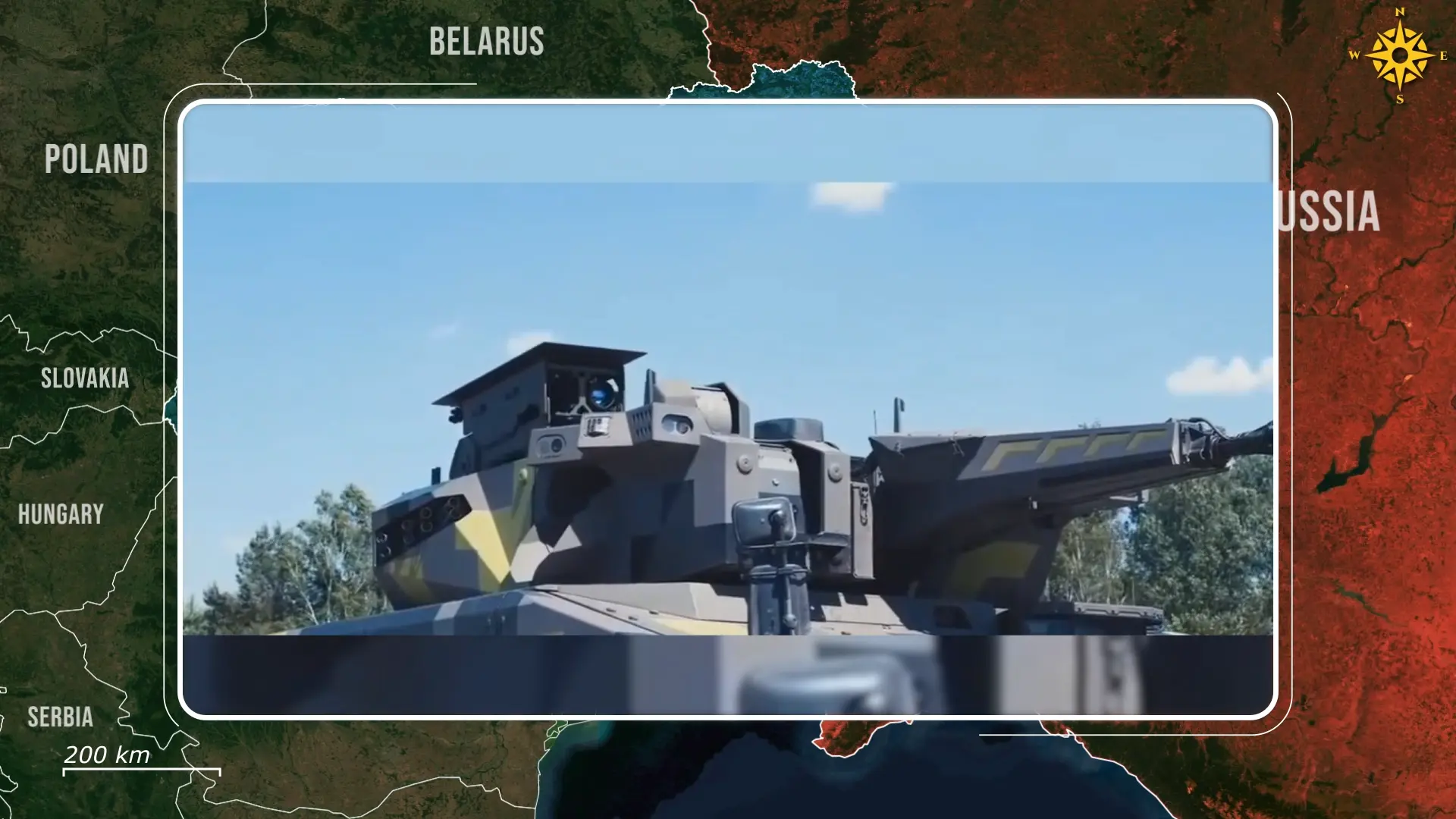
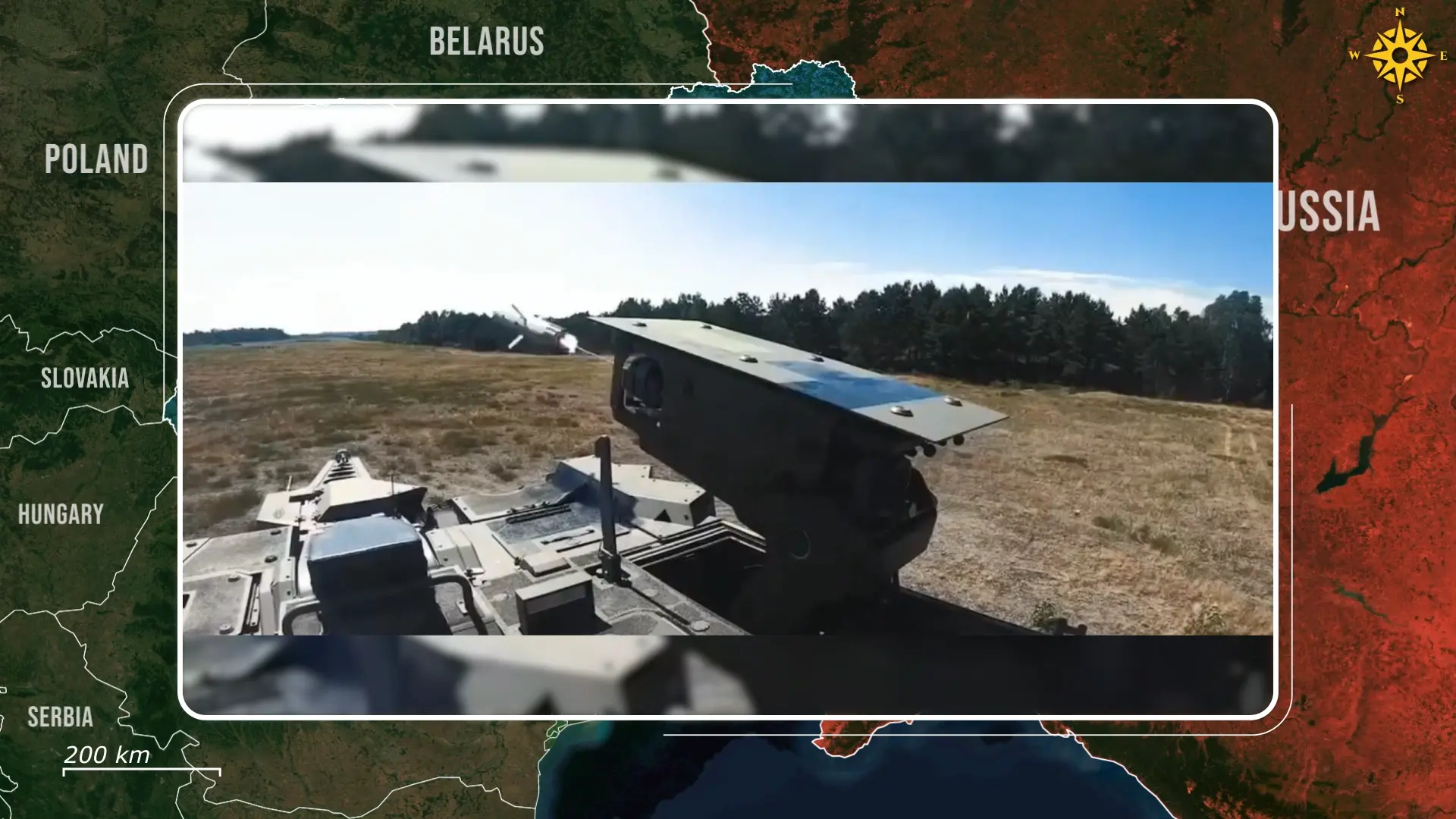
To verify these technological capabilities and assess potential battlefield effectiveness, the first batch was supplied specifically for direct evaluation and trial use. Through this assessment process, the Ukrainian Armed Forces can gain practical, field-based insight into the vehicle operational performance, specific configuration options, and sustainment. Based on that hands-on experience and performance evaluation, further batches are expected to be delivered with even more extensive specialization, with even the possibility of production in Ukraine being on the table.
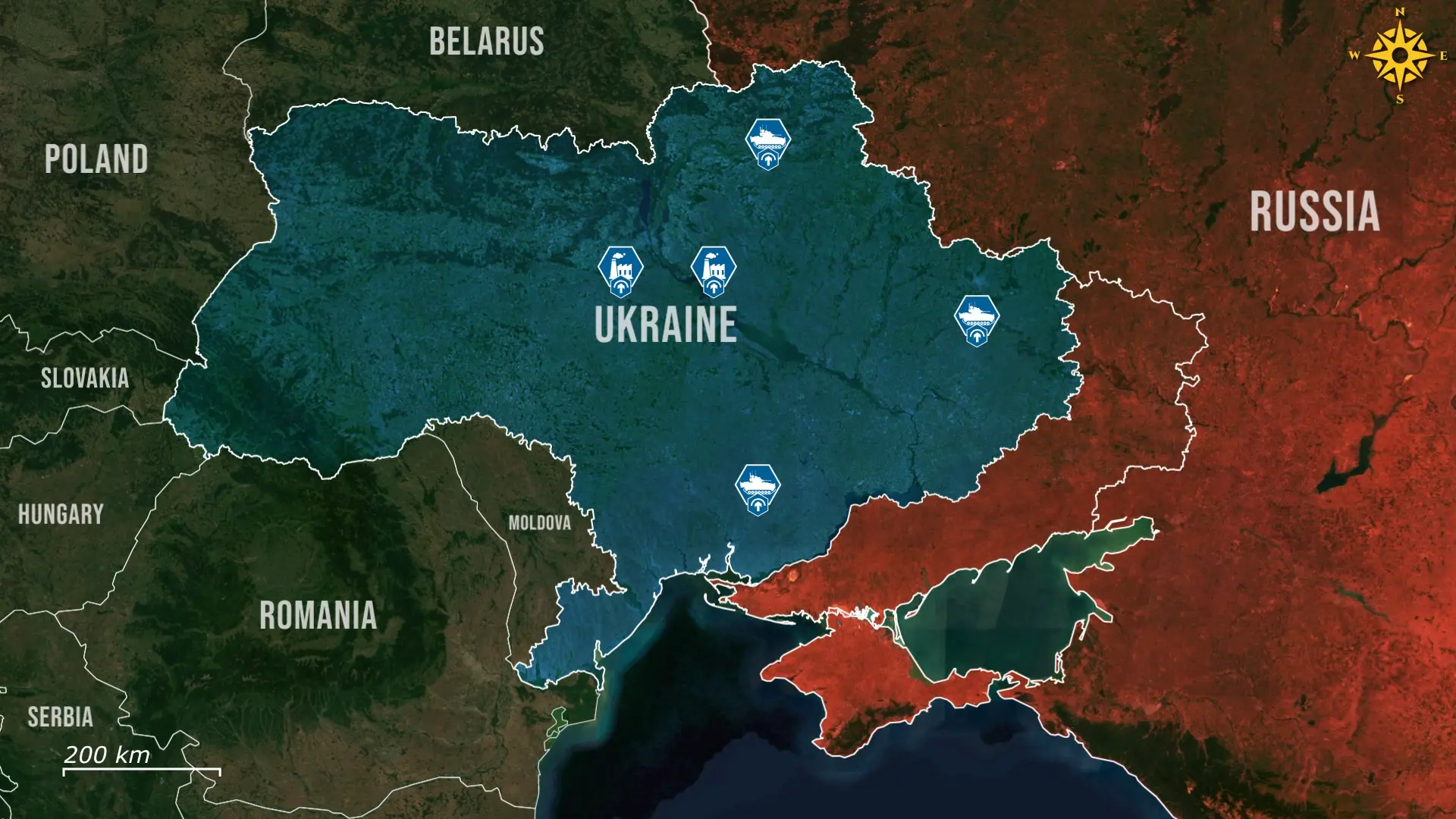
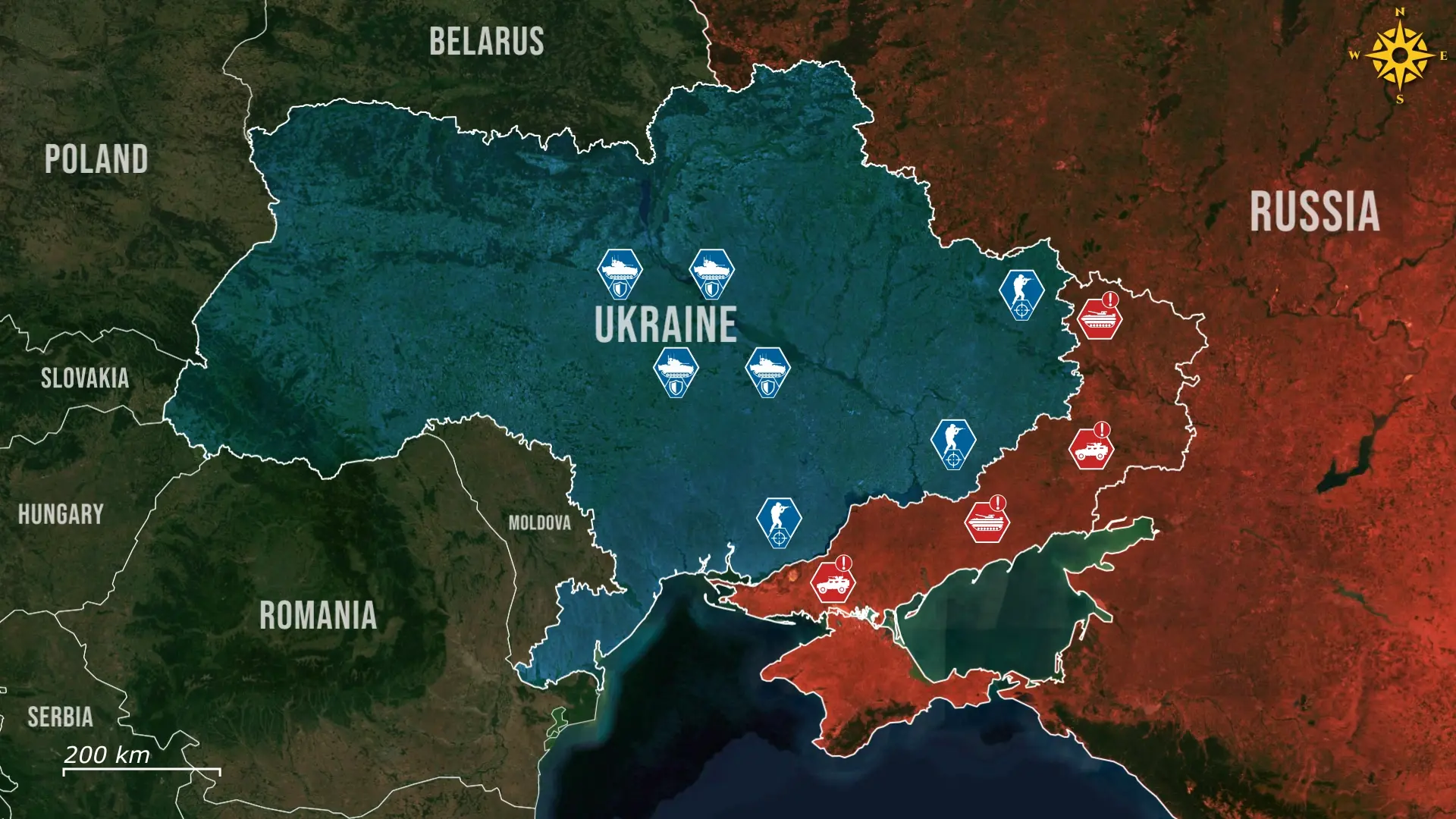
Overall, the Lynx provides Ukraine with a modern mechanized system carrier that is more capable of countering threats compared to older vehicles. Its robust protection and advanced digital connectivity enable troops to advance under armor, identify targets, and strike accurately from a distance. In the future, Ukraine’s Lynx will compel a strategic reassessment of the impact of Russia’s conventional armored vehicles.

.jpg)



Comments