

.svg)
Today, there are interesting updates from the Caribbean.
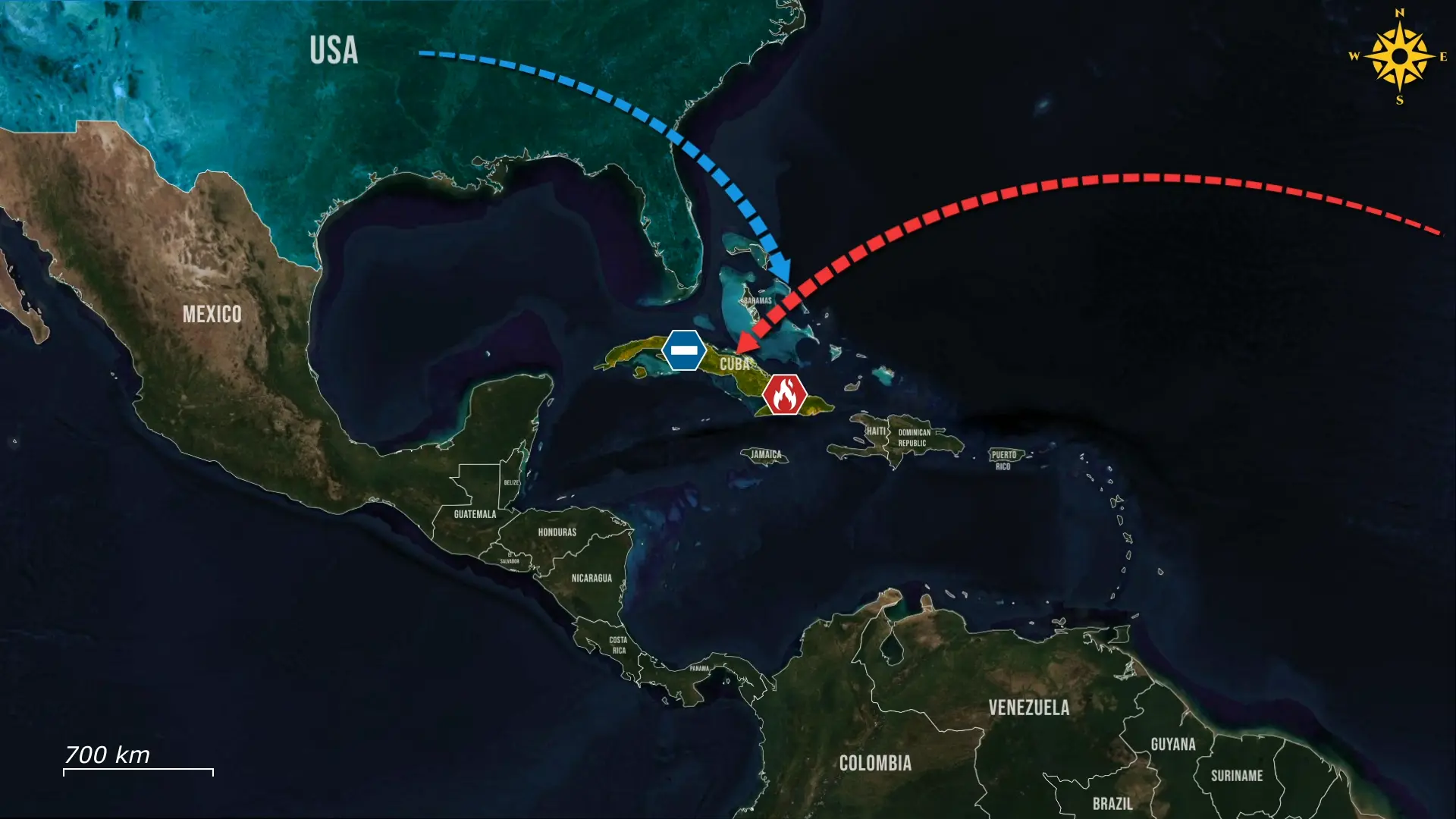
Here, Cuba’s energy system is close to a breaking point due to the ongoing oil blockade, worsened by a massive fire on the country’s largest refinery. With one of the last Russian ally on the verge of collapse, Russia is urgently rushing its fleet to the Caribbean, risking the wrath of the American administration.
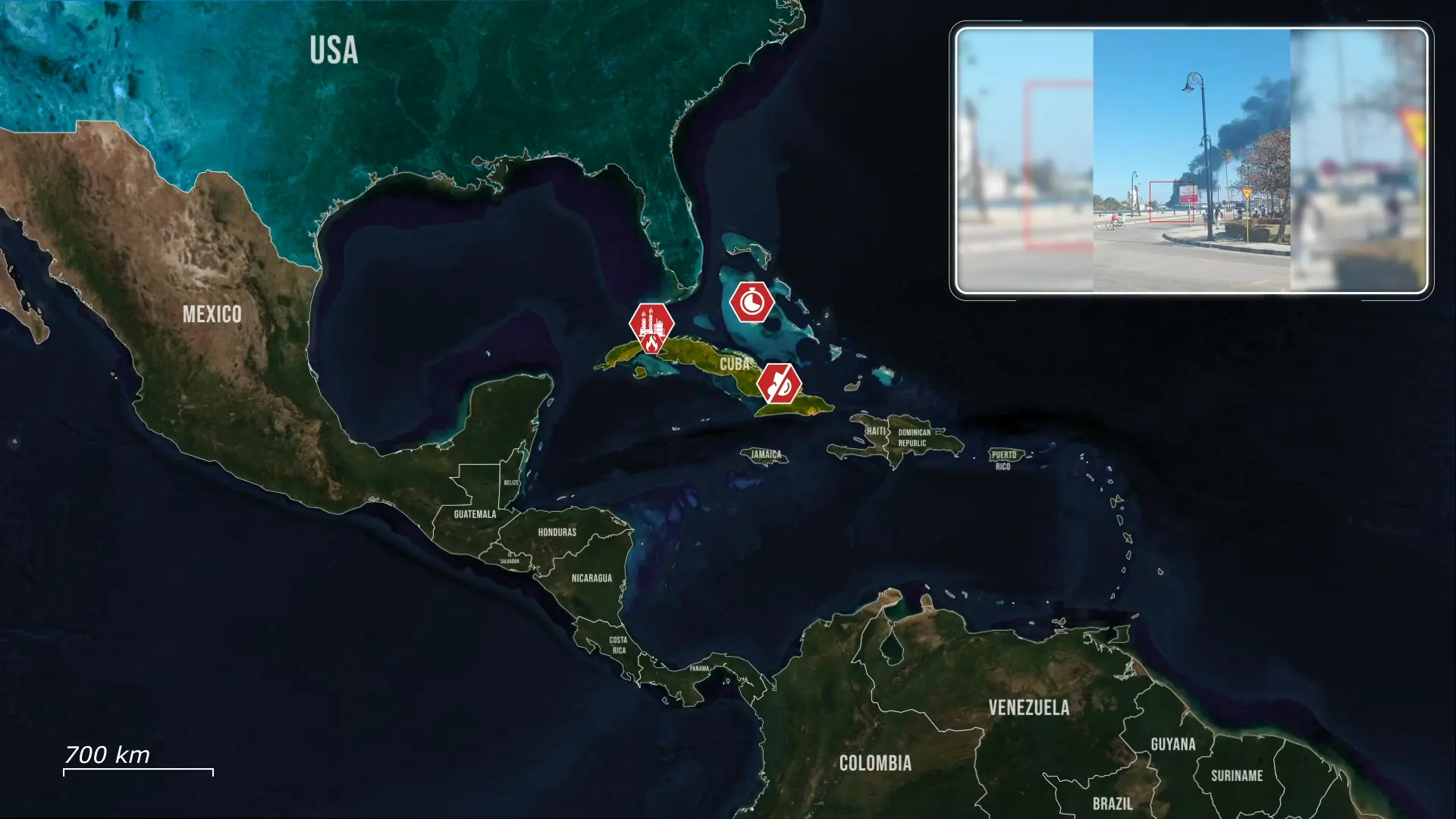
Cuba’s fragile energy system has been shaken again after a fire broke out at the Nico Lopez refinery in Havana, one of the three pillars of the island’s fuel infrastructure. Thick black smoke rose over the capital as flames engulfed a warehouse containing long-unused additives where two oil tankers had been docked. Officials insisted that the main storage tanks were not hit, and no injuries were reported, however, the timing could hardly have been worse. Cuba is already facing a severe fuel shortage, and any serious damage that strikes the core of an already collapsing energy grid, with even a temporary disruption risk, could cascade outages and supply paralysis.
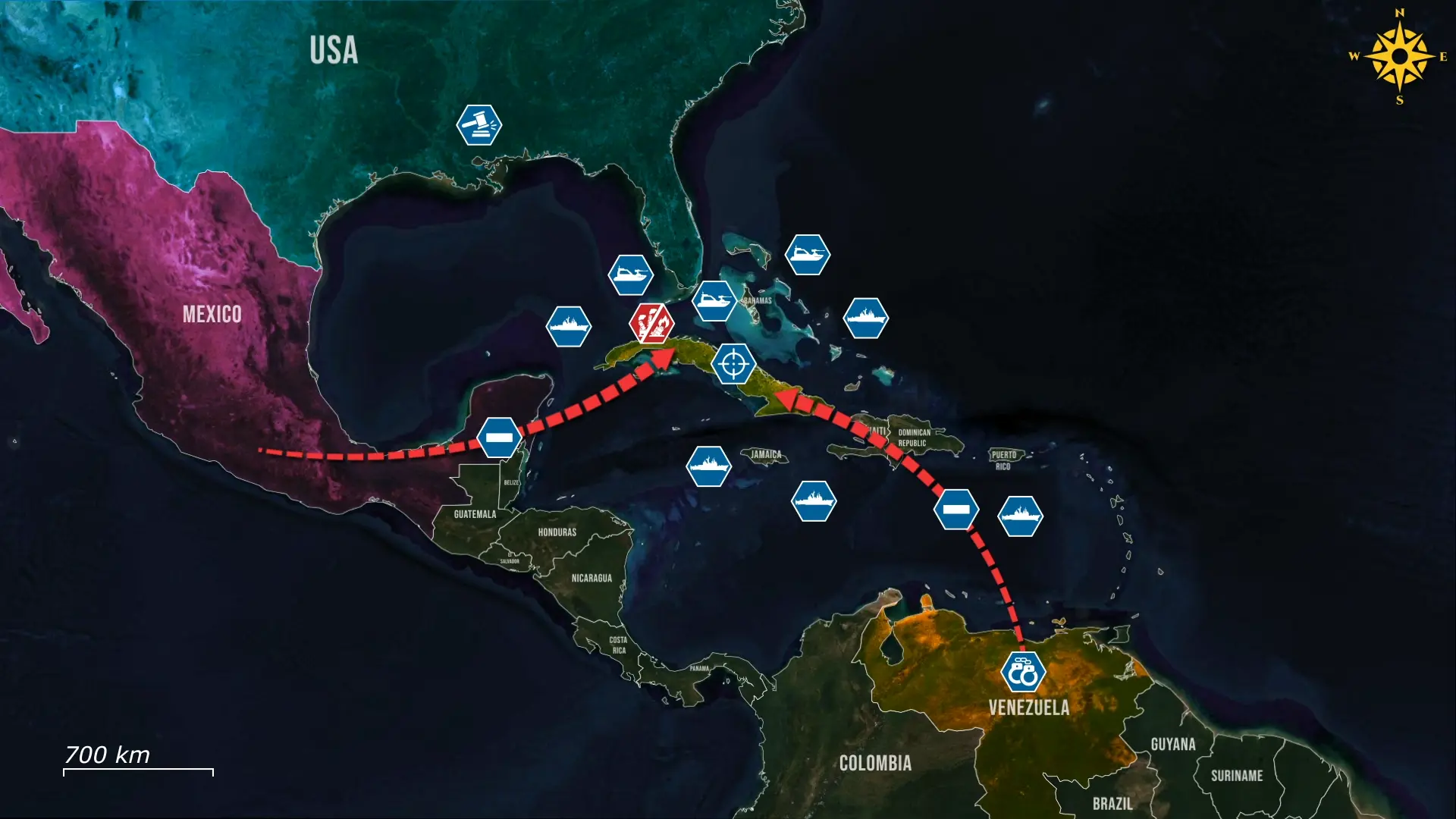
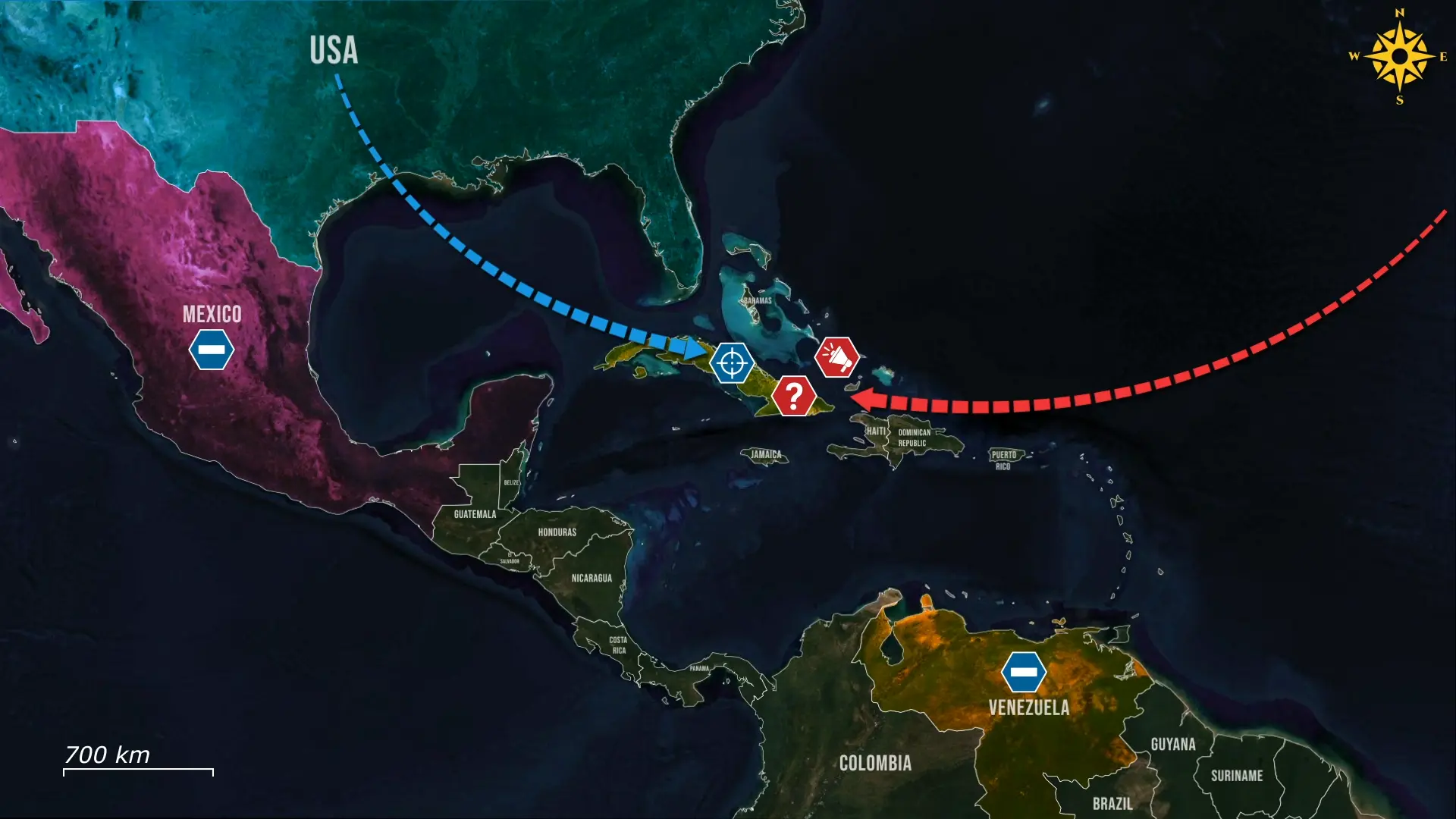
The refinery fire intensified the oil squeeze, as Cuba relied on subsidized Venezuelan shipments for years at around 35,000 barrels per day or almost 90% of the total import. However, those flows were disrupted after the capture of Nicolas Maduro by US forces last month, cutting a major lifeline to the Cuban government. Washington has also further tightened its long-standing embargo with new executive measures threatening tariffs on any country that supplies oil to Cuba. As such Mexico, once a crucial exporter, halted shipments in early February 2026 under mounting American pressure. To ensure the blockade continues, a significant portion of the US Navy remains deployed in the Caribbean, monitoring and enforcing what officials describe as a quarantine on Cuba, with any tanker attempting delivery now risking inspection and seizure.
The consequences are visible across the island, as blackouts have expanded nationwide as fuel stocks dwindle. Public transport has been cut, flights reduced, and government services severely disrupted, with for example only 44 of Havana’s 106 garbage trucks being operational this month.
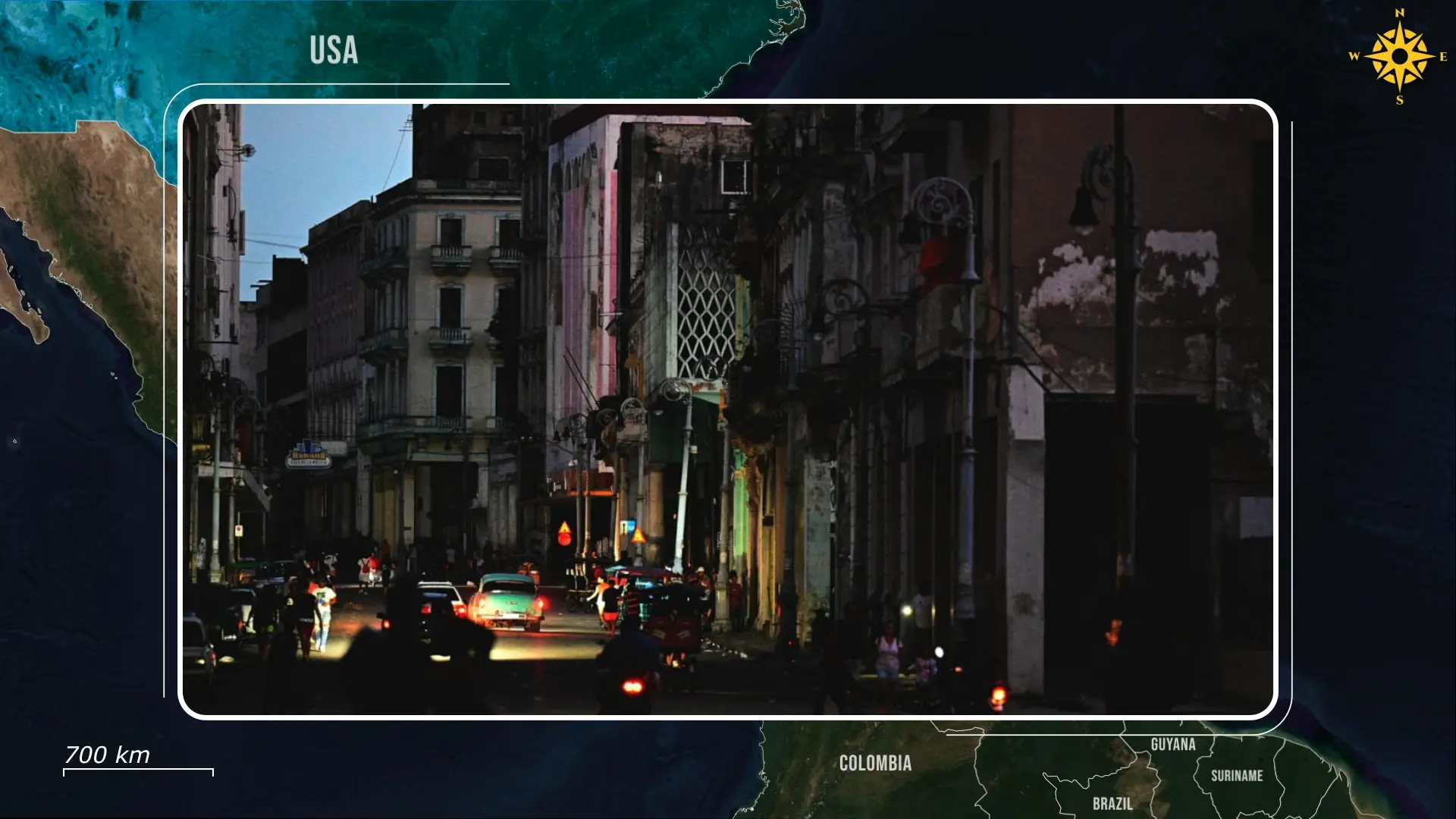
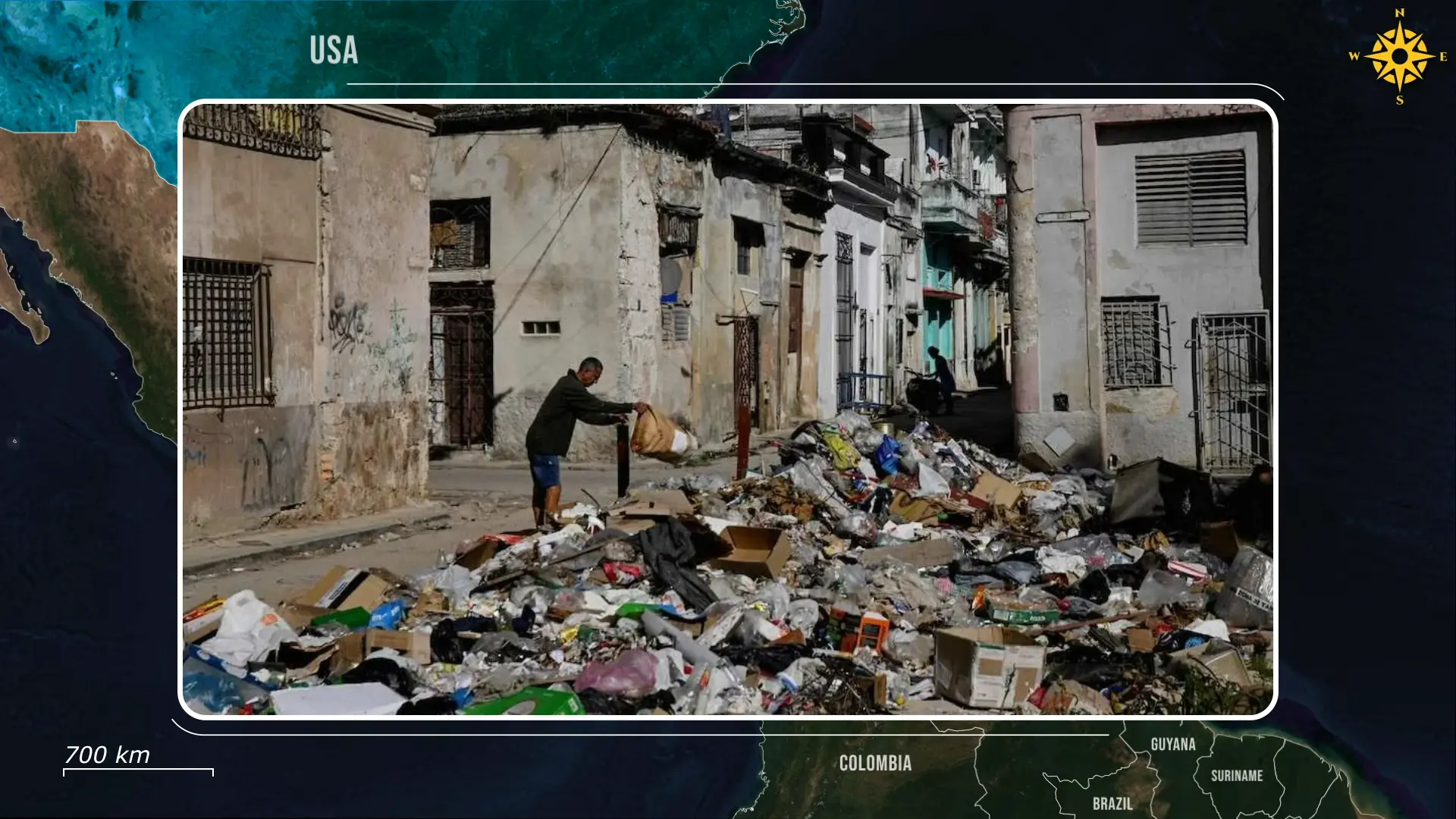
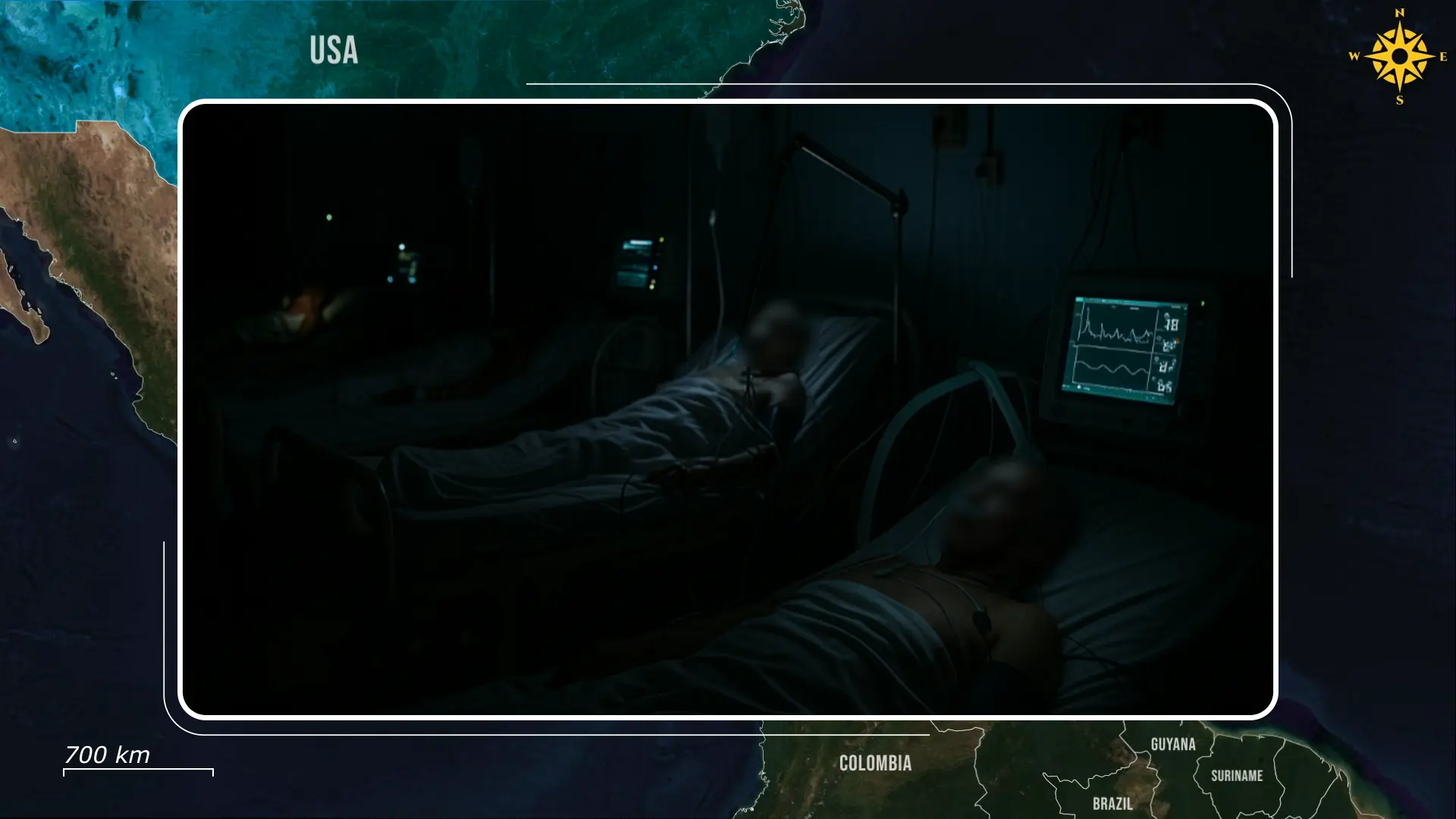
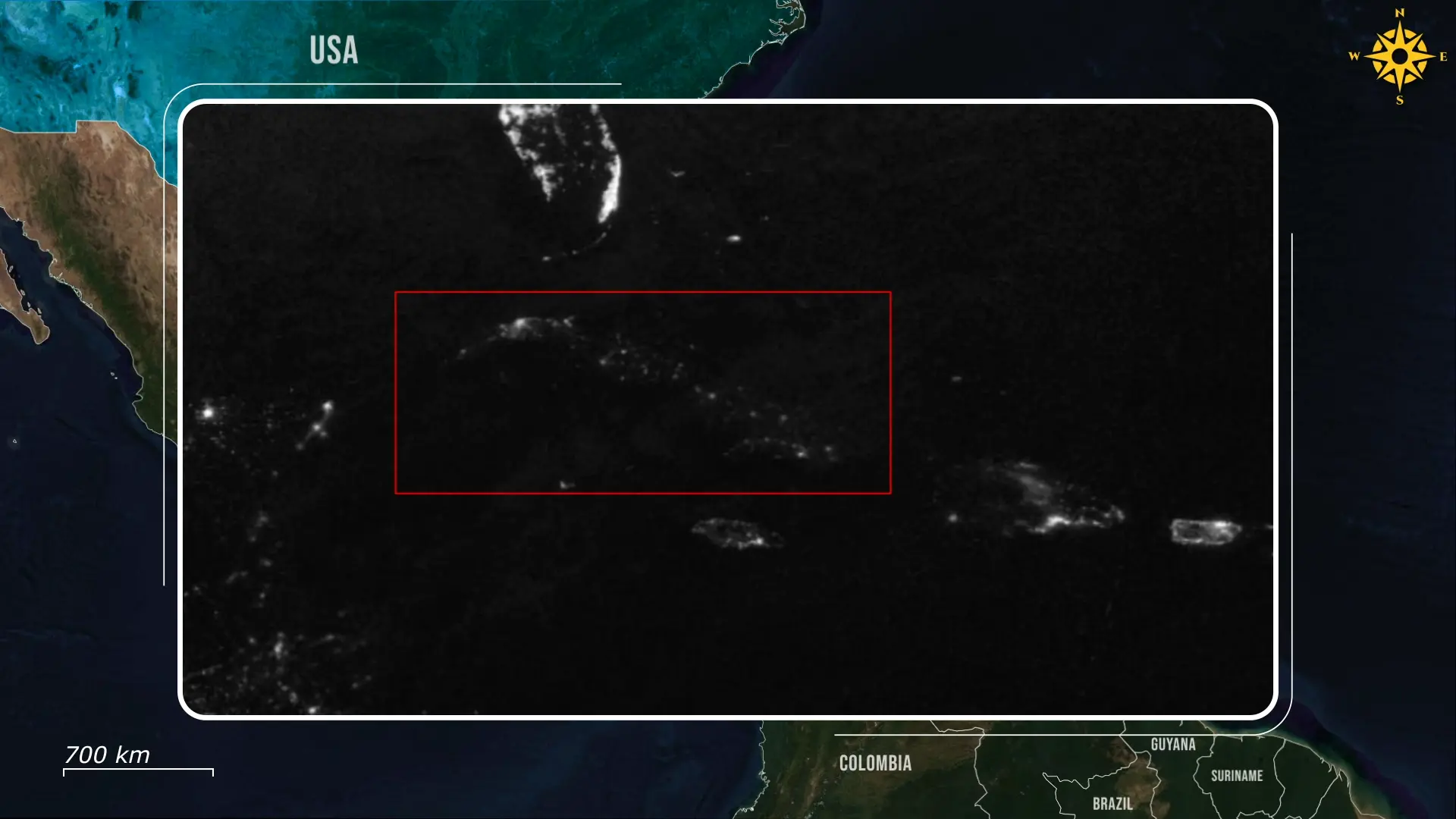
Additionally, fuel shortages undermine agriculture and food distribution, and tourism, compounding inflation and peso instability. Hospitals operate with reduced staffing, schools and universities restrict hours, and public-sector employees face shortened workweeks. Satellite imagery analyzed by independent observers shows large parts of Cuba darkened at night, reflecting electricity rationing on a national scale.
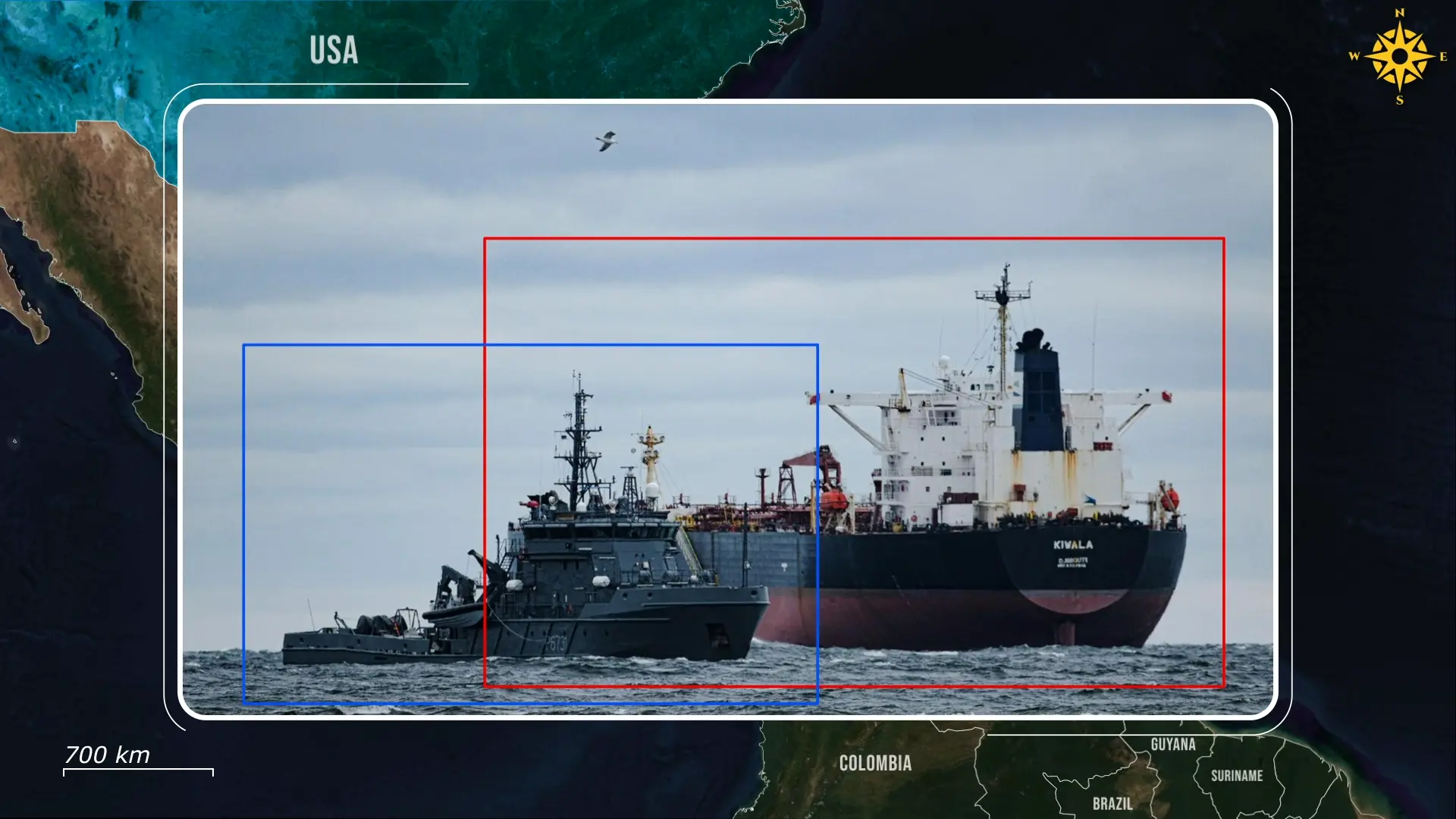
Into this vacuum, Russia has signaled that it will send oil and petroleum products to Cuba as humanitarian aid. The Russian Embassy in Havana announced that deliveries are expected soon, framing the move as emergency support amid an extraordinary situation, but whether these shipments will be sustained or symbolic remains unclear.
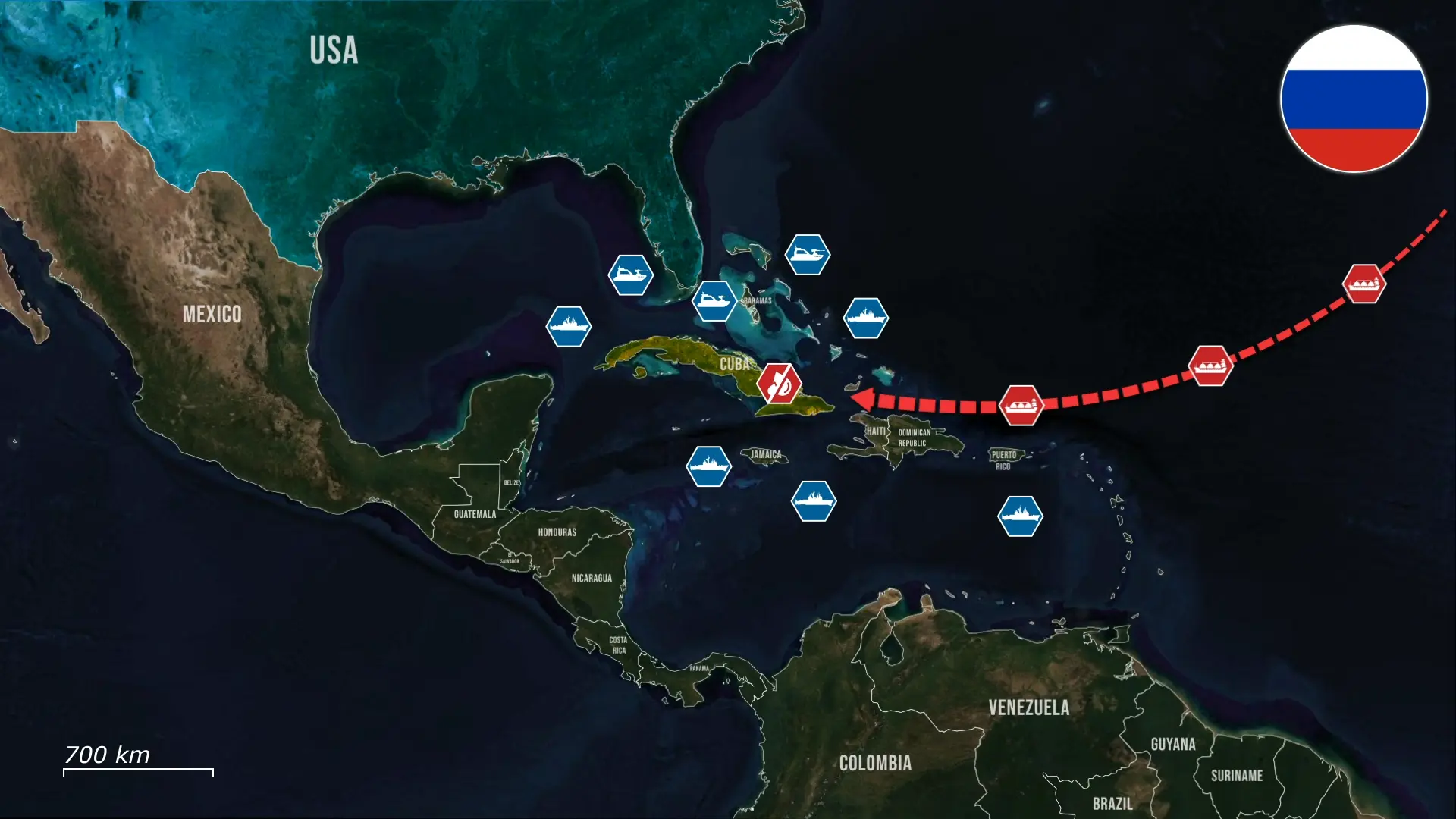
Russian authorities have indicated they do not seek escalation with Washington, and there is open concern that tankers could be again seized en route. Yet, Moscow’s position will be treated as a provocation, as US officials have warned that foreign states supplying fuel to Cuba could face trade retaliation. Russia has also advised its citizens to avoid travel to Cuba due to fuel instability, suggesting recognition of the severity of the crisis.
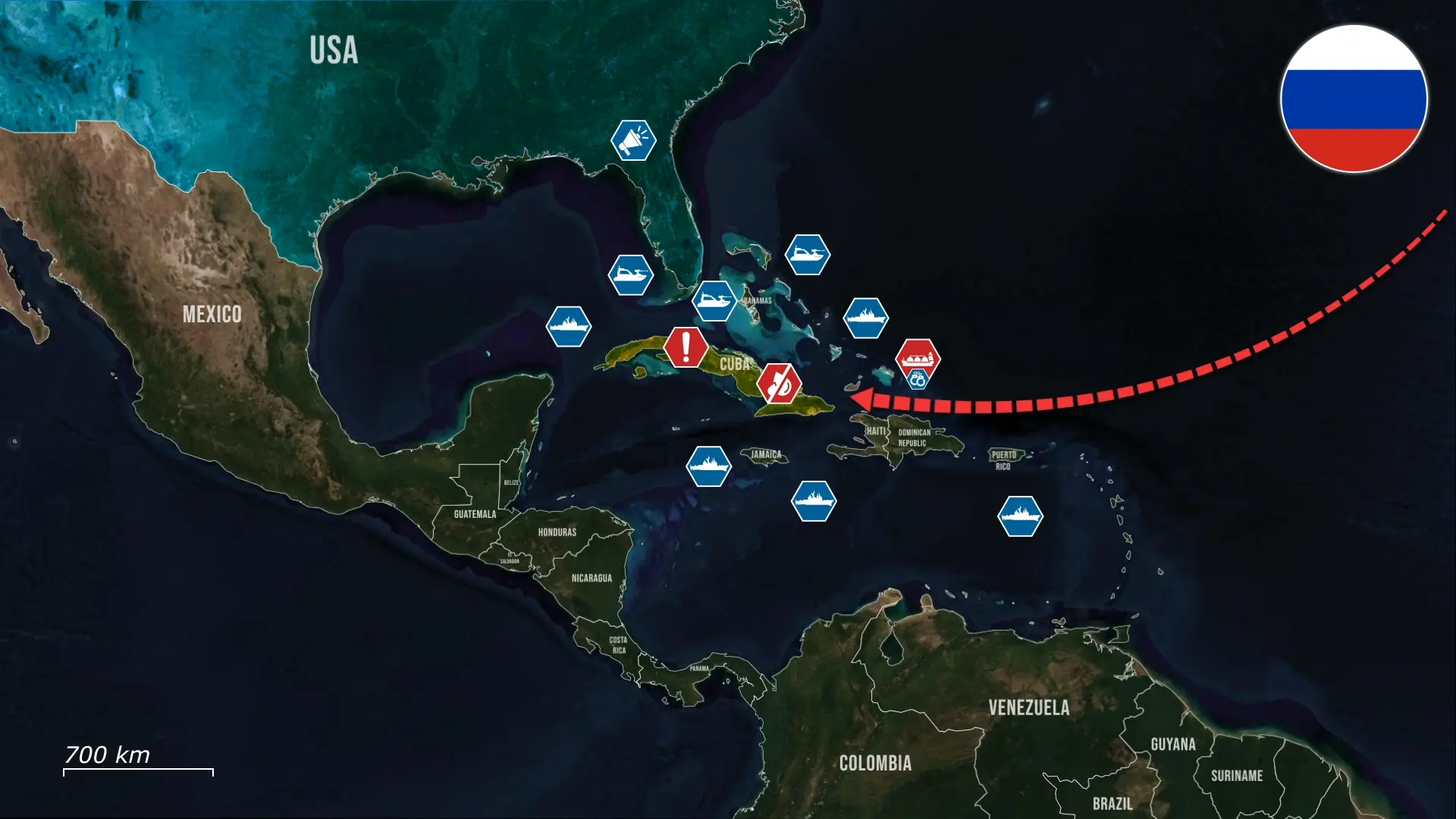
However, Russian analysts have moved beyond the official fuel assistance story into more provocative speculation, with some openly discussing the possibility that oil shipments could conceal military cargo. They suggest the cargo could and should include military equipment, including Shahed-type drones to strike at the US’ southern heartland, should Havana choose to resist American pressure militarily. They note that drones with a 2,000-kilometer range deployed near Havana could reach portions of the southeastern United States, including key infrastructure in Florida and along the coast. While such discussions remain hypothetical, they raise the possibility of a modern Cuban crisis, as even rhetorical framing of this nature escalates tensions and introduces new risks into an already volatile situation.
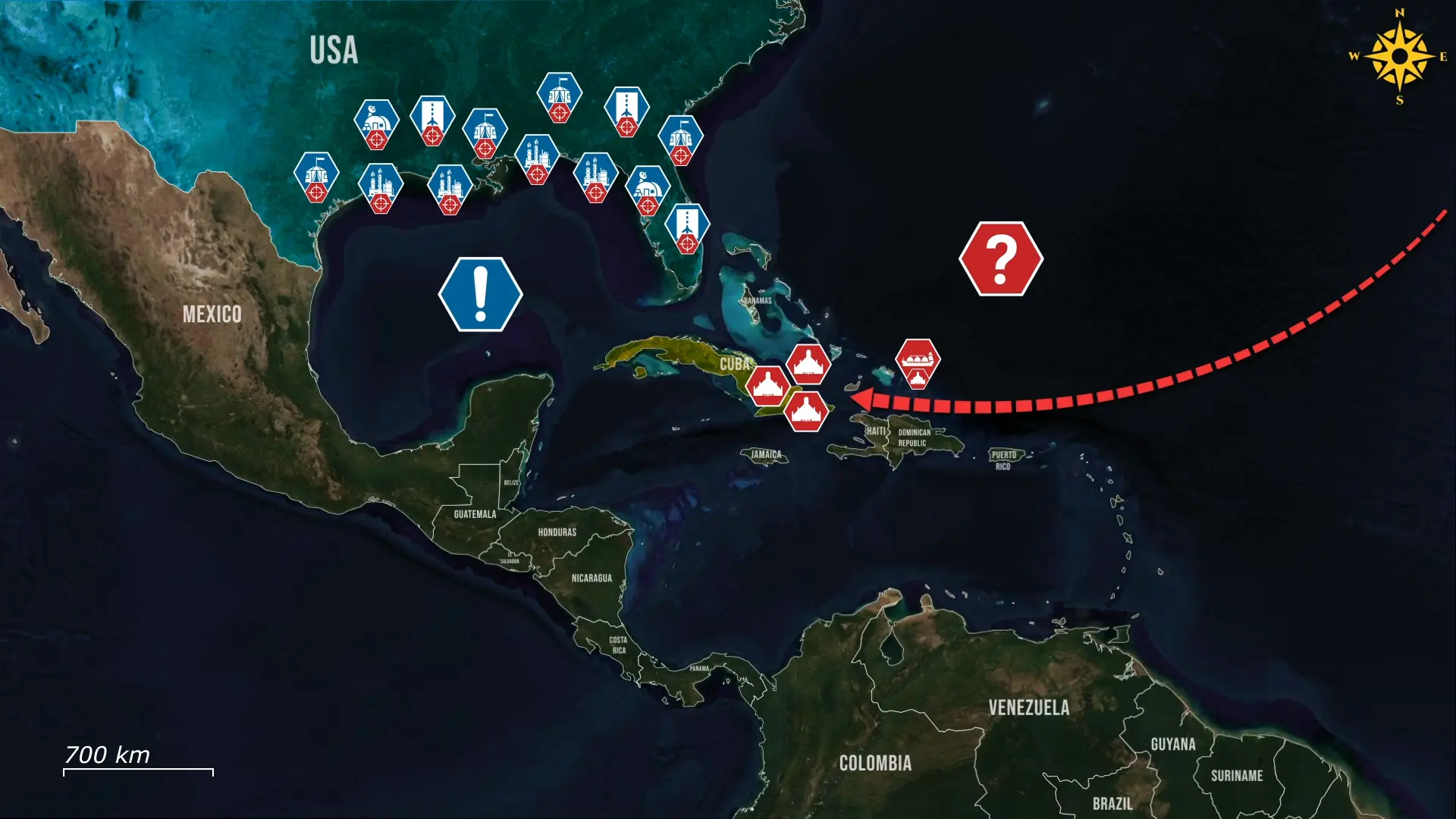
Yet, Russia’s capacity to strategically alter Cuba’s strategic balance is limited, and while humanitarian shipments will be potentially helpful in the short term, they cannot offset structural isolation or restore lost Venezuelan supply at sufficient scale.
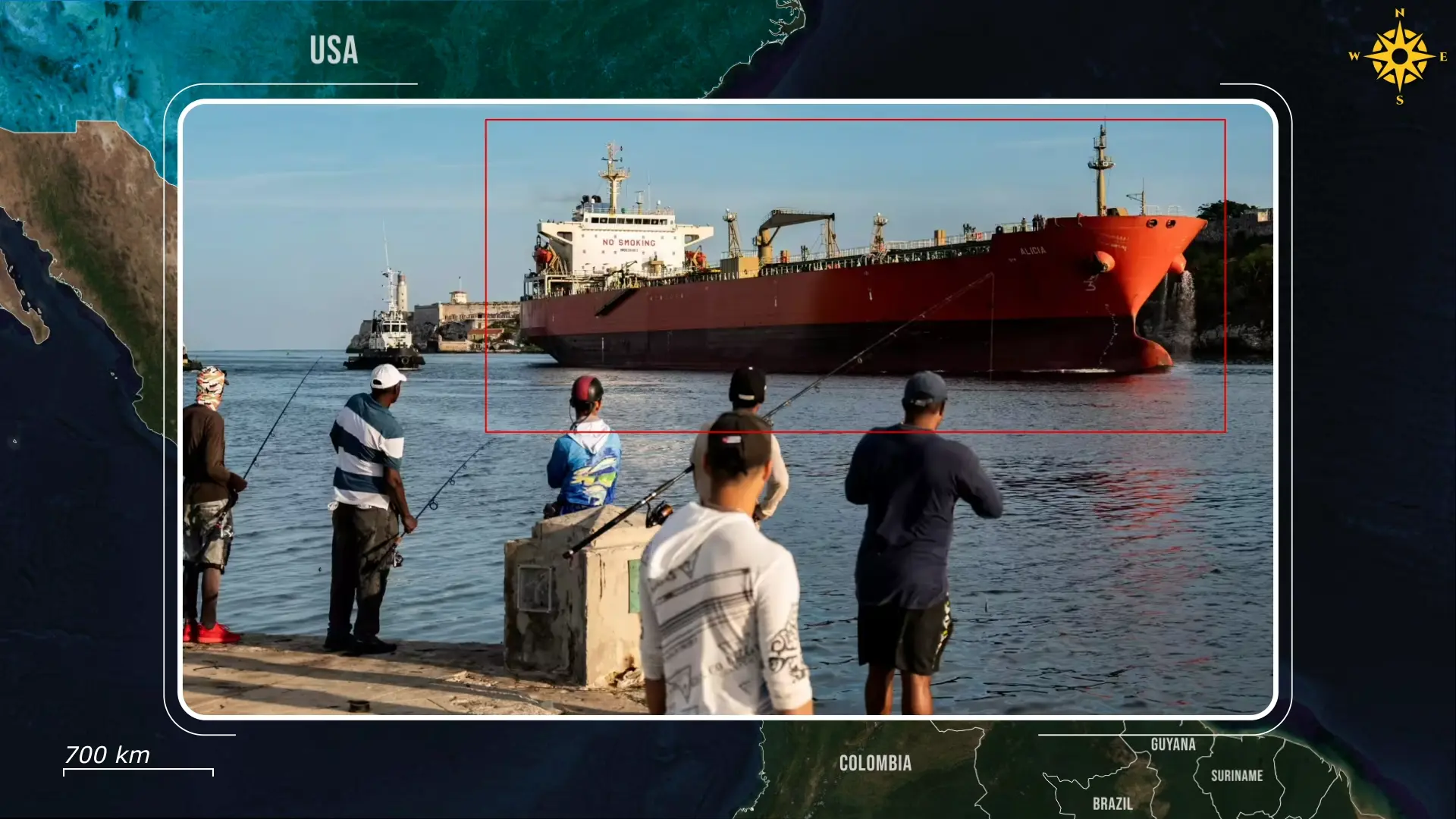
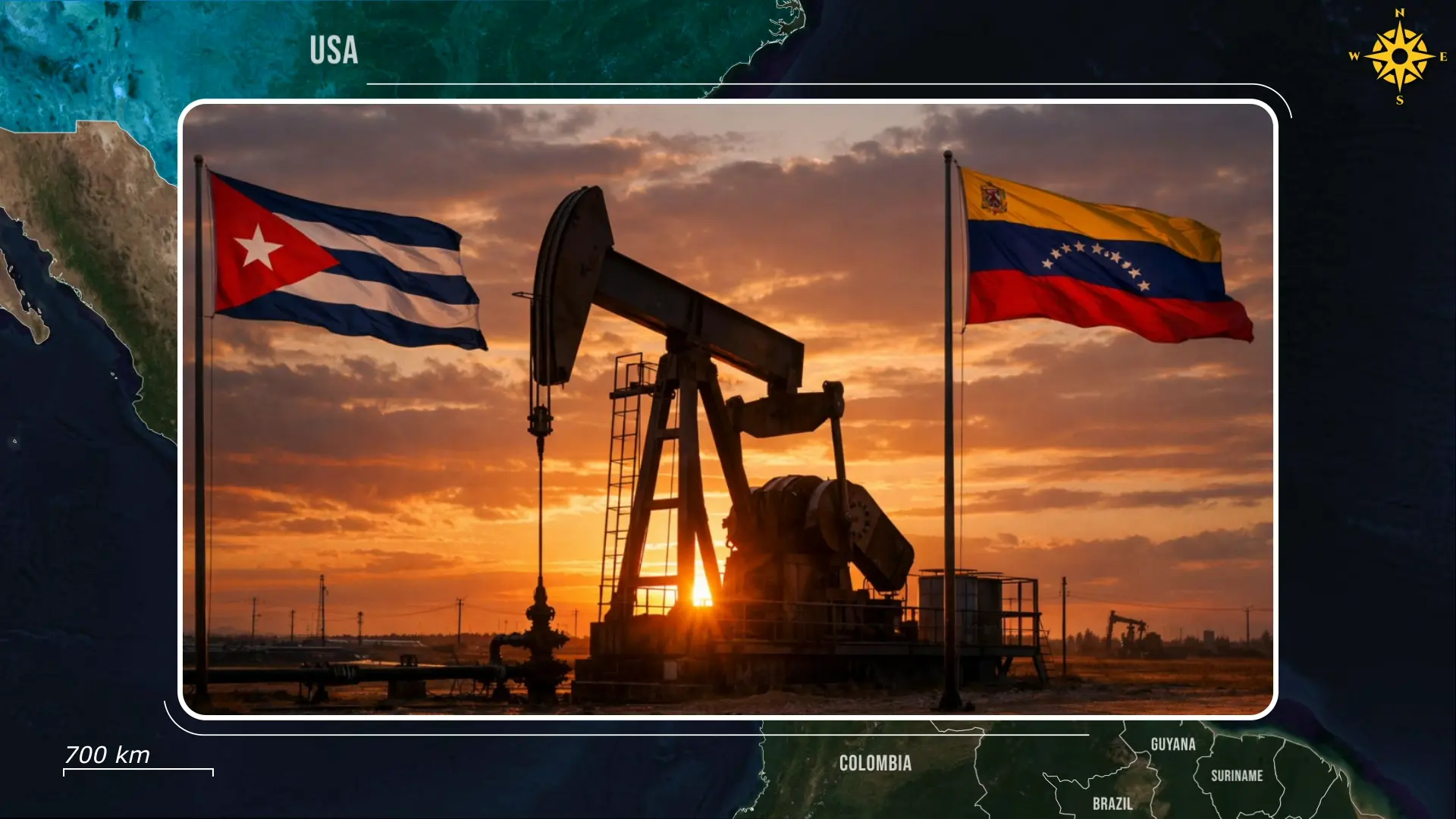
Russia itself operates under sanctions pressure and maritime constraints, not being able to protect its own shadow fleet, besides bold rhetoric masking the lack of options for real military action. Based on this the current public speculation about drone deployments serves as political signaling rather than actionable policy.
Overall, Cuba now appears firmly within the American strategic crosshairs, as the oil squeeze, compounded by Mexico’s withdrawal and Venezuela’s disruption, has left the island exposed. Russia’s promise of aid underscores geopolitical alignment but does not guarantee durable support. Speculation about military assistance heightens tension, but as with other strained alliances, Russia’s rhetoric may outpace its capabilities. The coming months will determine whether Cuba’s energy crisis becomes a turning point or another chapter in a prolonged contest of endurance.

.jpg)

Comments