

.svg)
Today, there is dangerous news from the Baltics.
Here, the Russian Federation accused the Baltic States of participating in Ukraine’s drone strike campaigns against Russia. In a shocking statement, Russia has openly identified all Baltic states as their next legitimate targets.
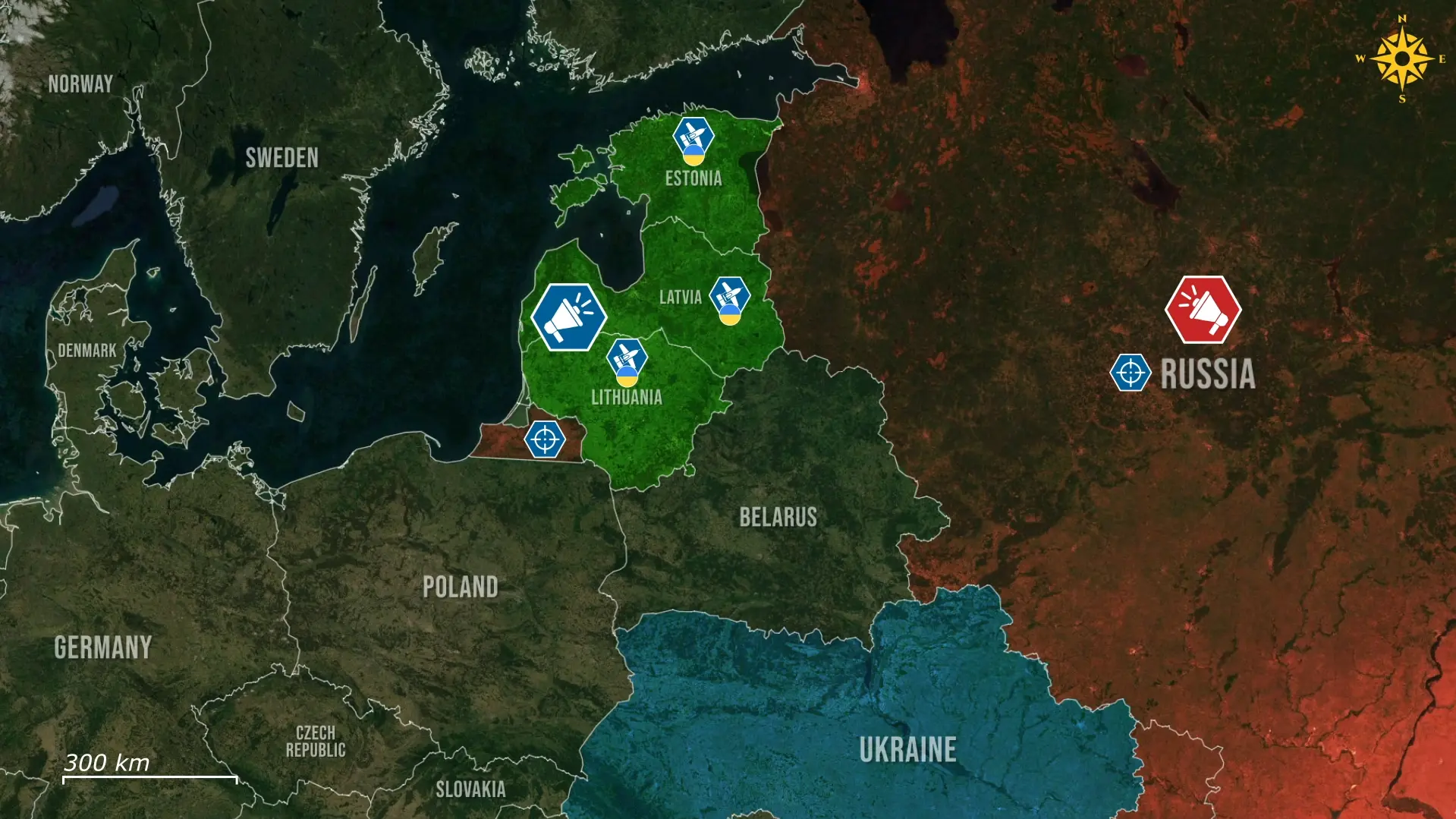
Recently, Russia stated at the United Nations Security Council that Ukraine has started using the territory of the Baltic states as a launching ground for strikes on Russia. According to their claims, Kyiv is using air corridors over the Baltic states and also intends to launch drones directly from their territory. Russia uses this narrative to redefine Baltic countries as participants in the war and as a fabricated pretext to justify further escalation.
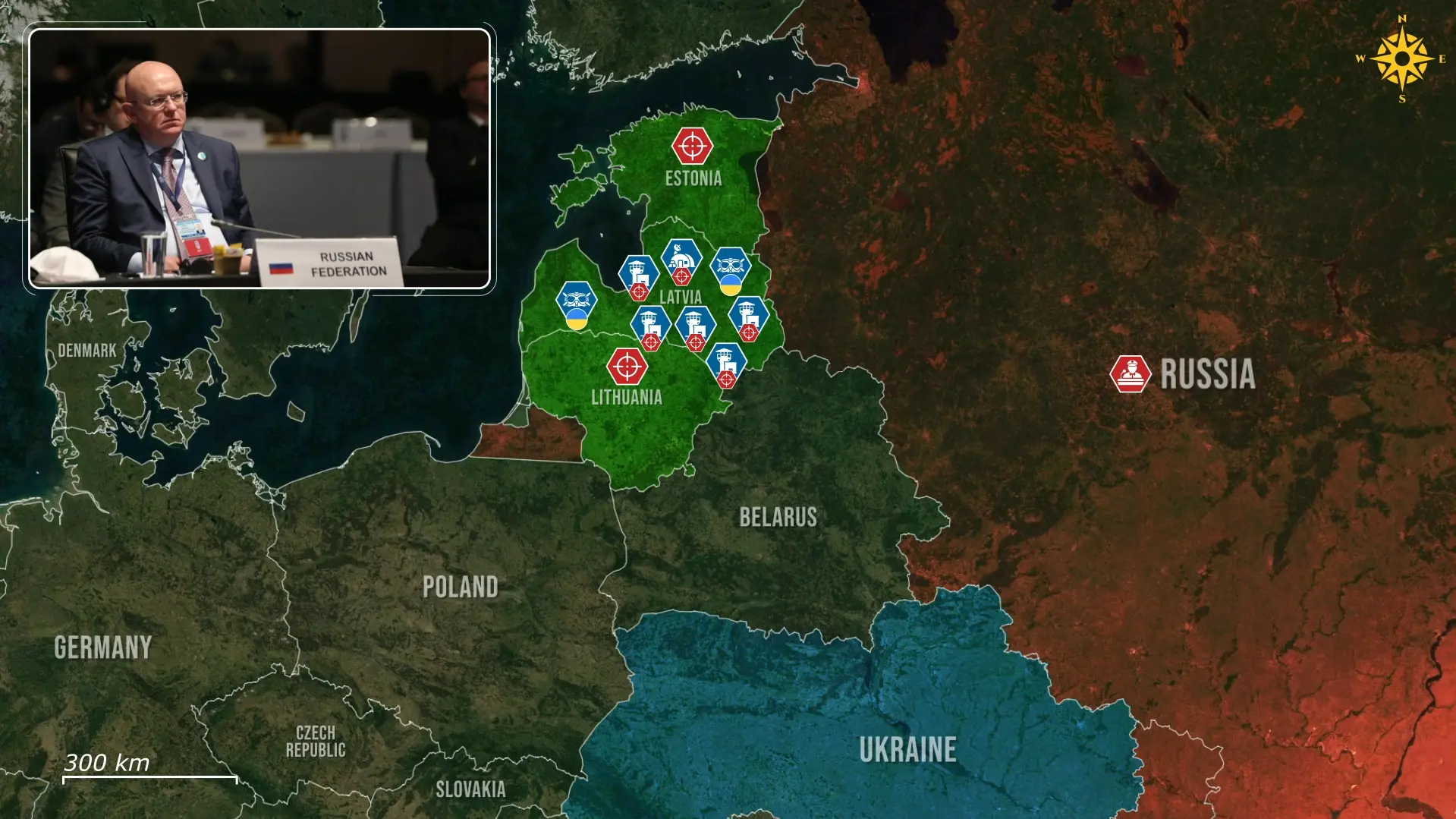
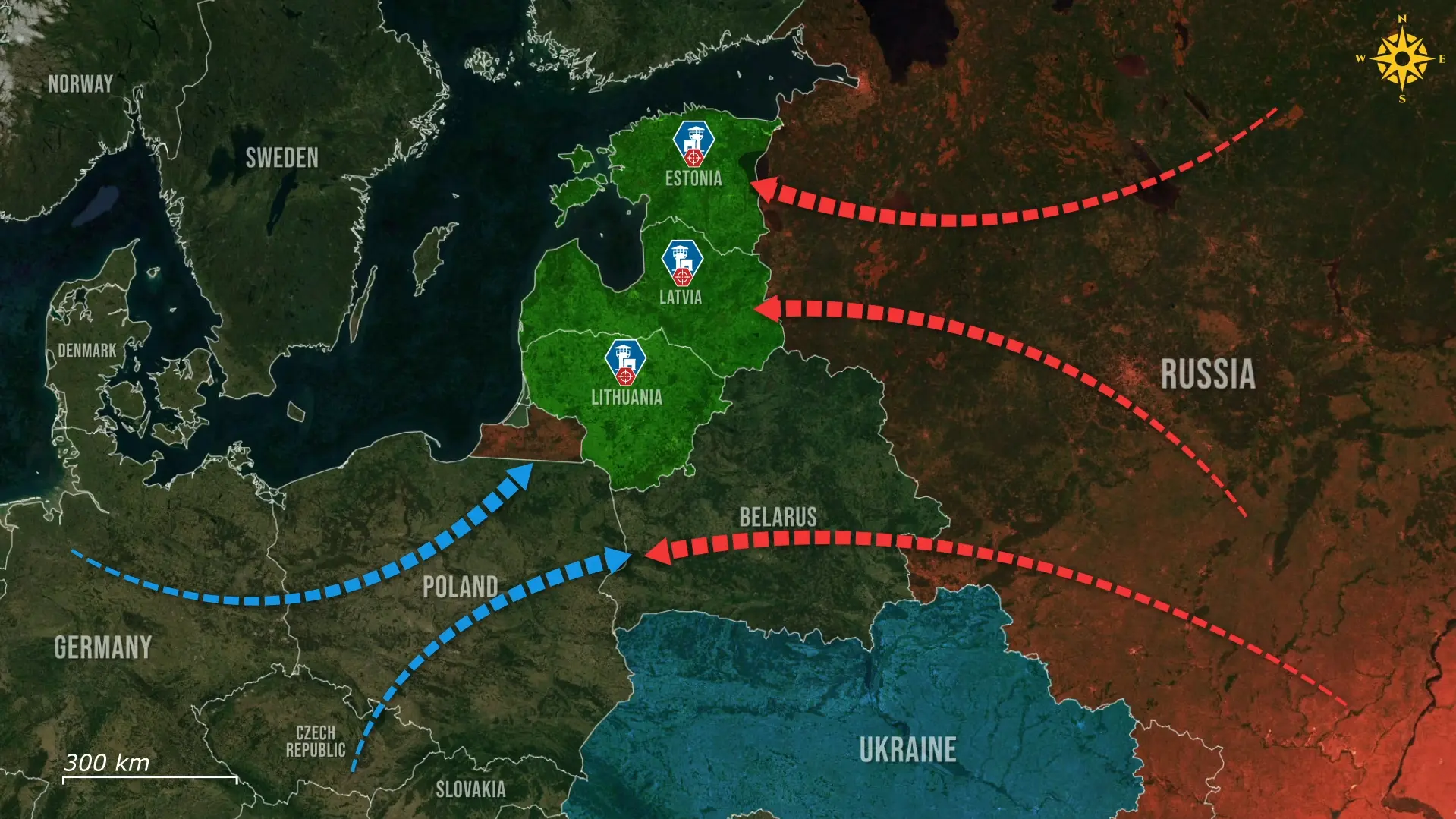
Russia also claimed that personnel from the Ukrainian Unmanned Systems Forces have already been deployed to Latvia and are stationed at the Latvian military bases in Adazi, Selija, Lielvarde, Daugavpils, and Jekabpils. By stating this, Russia is deliberately turning them into identifiable military targets and preparing an informational justification for future threats, warning that, under such circumstances, a retaliatory strike would be inevitable. Additionally, they escalated their threats by stating that they know the coordinates of the decision-making center in Latvia, and it’s Nato membership would not protect it.
The Russian threats follow several cases since March in which Ukrainian military drones strayed into Nato airspace over Finland and the Baltic. In reality, these drones were diverted by Russian electronic warfare measures, which distorted their navigation system to switch them away from Russia. By exploiting these events, Russia tries to cause a rift between the Baltic states and Ukraine, while also using them as a pretext to accuse them of enabling Ukrainian strikes from their territory. Based on the flight paths of the drones, sudden deviations toward the Baltic states occur mid-flight en route to Russia rather than near launch points, undermining Russia’s claims that the drones originate from the Baltic.
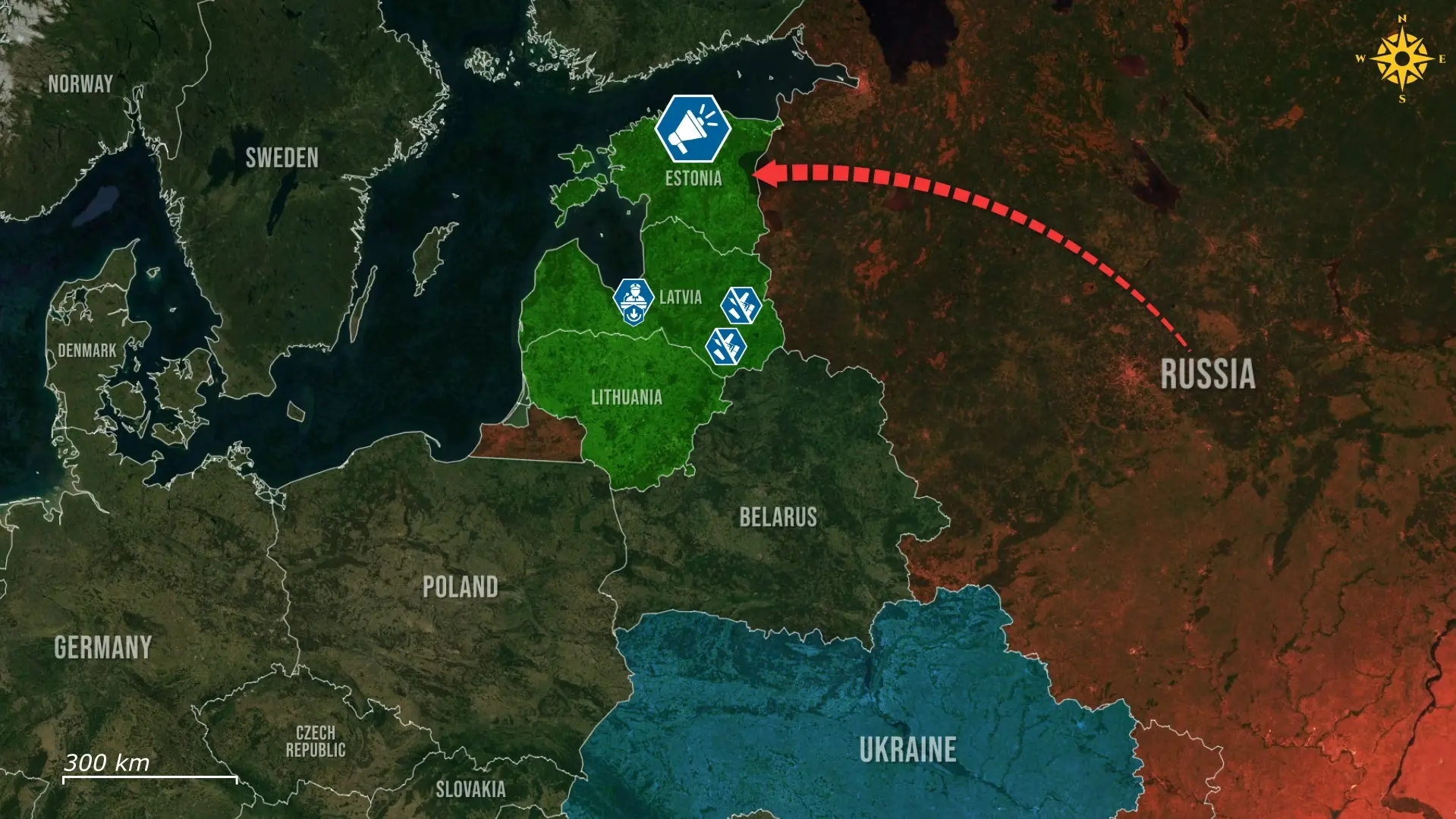
Notably, Latvia’s armed forces reported multiple drone incursions into Latvian airspace, with at least one of them occurring from Russian territory, and two confirmed drone crashes on Latvian territory. As a result, Latvia’s defense minister resigned because the country’s counter-drone systems had failed to respond quickly enough, showing that Baltic states are now treating these incursions as a major national security issue. Following these events, Russia escalated even further as another drone entered and later exited Latvian airspace. This prompted Nato to activate fighter jets, deploy additional air defense units to Latvia’s eastern border, and issue a public drone threat warning for residents, advising civilians to seek shelter.
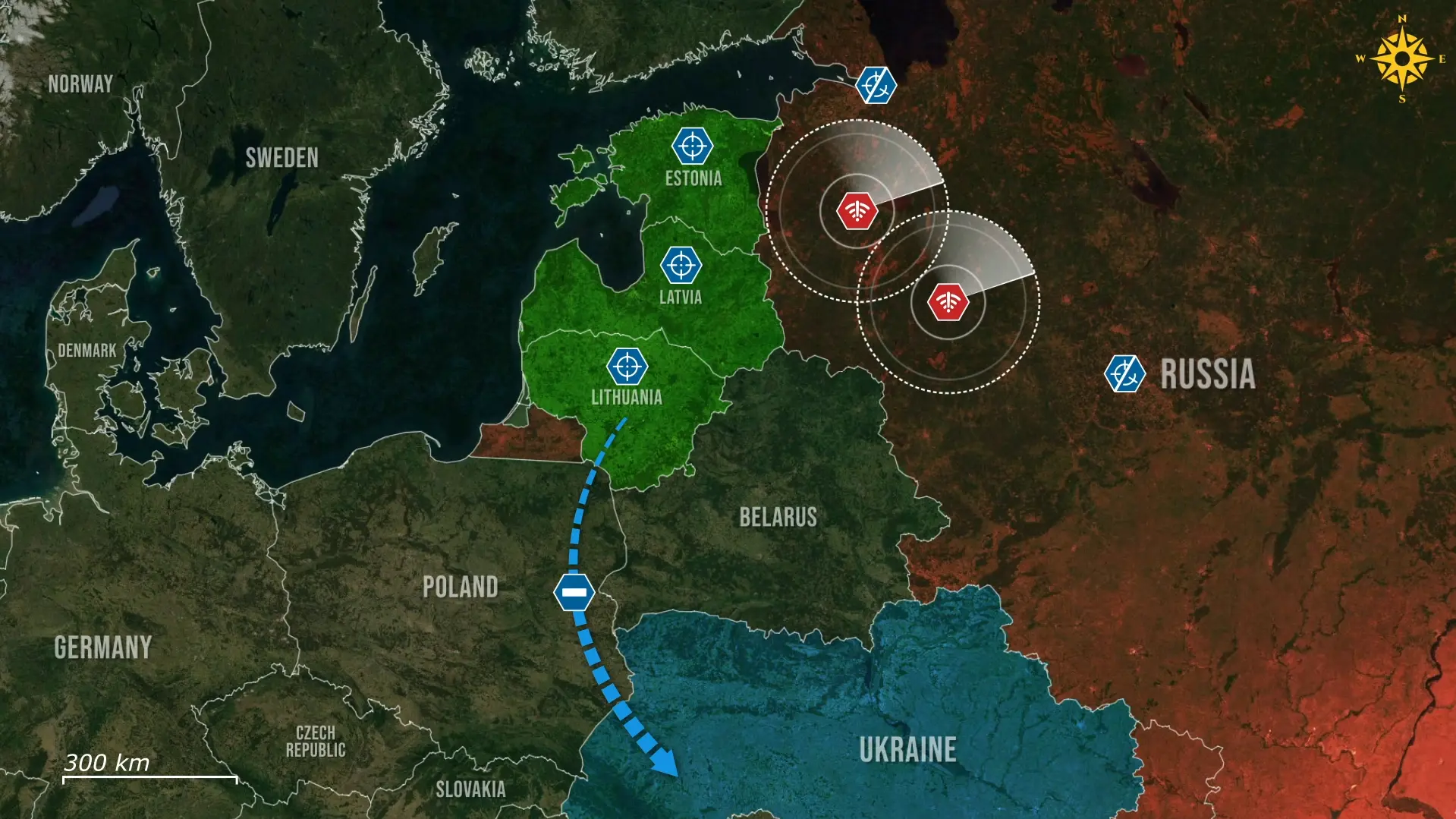
Soon after, a Nato military jet in southern Estonia shot down a drone that entered its airspace for the first time, marking a major escalation threshold. Defense Minister Hanno Pevkur stated that it was likely a Ukrainian drone flying toward targets in Russia, which fits into Russia’s pattern of diverting incoming Ukrainian drones to later use them to fabricate lies and blame the Baltic states.
Despite these incidents and the fact that drone flight paths can be traced, Russia continues to claim that Ukrainian drones are being launched from the Baltic states. Both Ukraine and Latvia have rejected the Russian intelligence allegations that Riga permitted Ukrainian drone launches from Latvian territory, although Russia continues pushing the accusation to justify further escalation.
To respond to the Russian threats, the Baltic states are signaling that any Russian strike against them would be met with a severe response, including strikes on Russian military infrastructure in Kaliningrad. The Russian enclave doesn’t have a land connection to Russia, and it can only be supplied by the Baltic Sea, which Nato dominates, making Kaliningrad highly vulnerable. The statement marks one of the strongest public warnings issued by a Nato member state so far and appears to be a direct response to Russia’s false allegations. The Lithuanian Foreign Minister stated that Nato must demonstrate that the alliance is capable of capturing Kaliningrad and destroying Russian air defense positions and missile systems stationed there, which are strategically located for regional power projection, putting major European capitals in their crosshair.
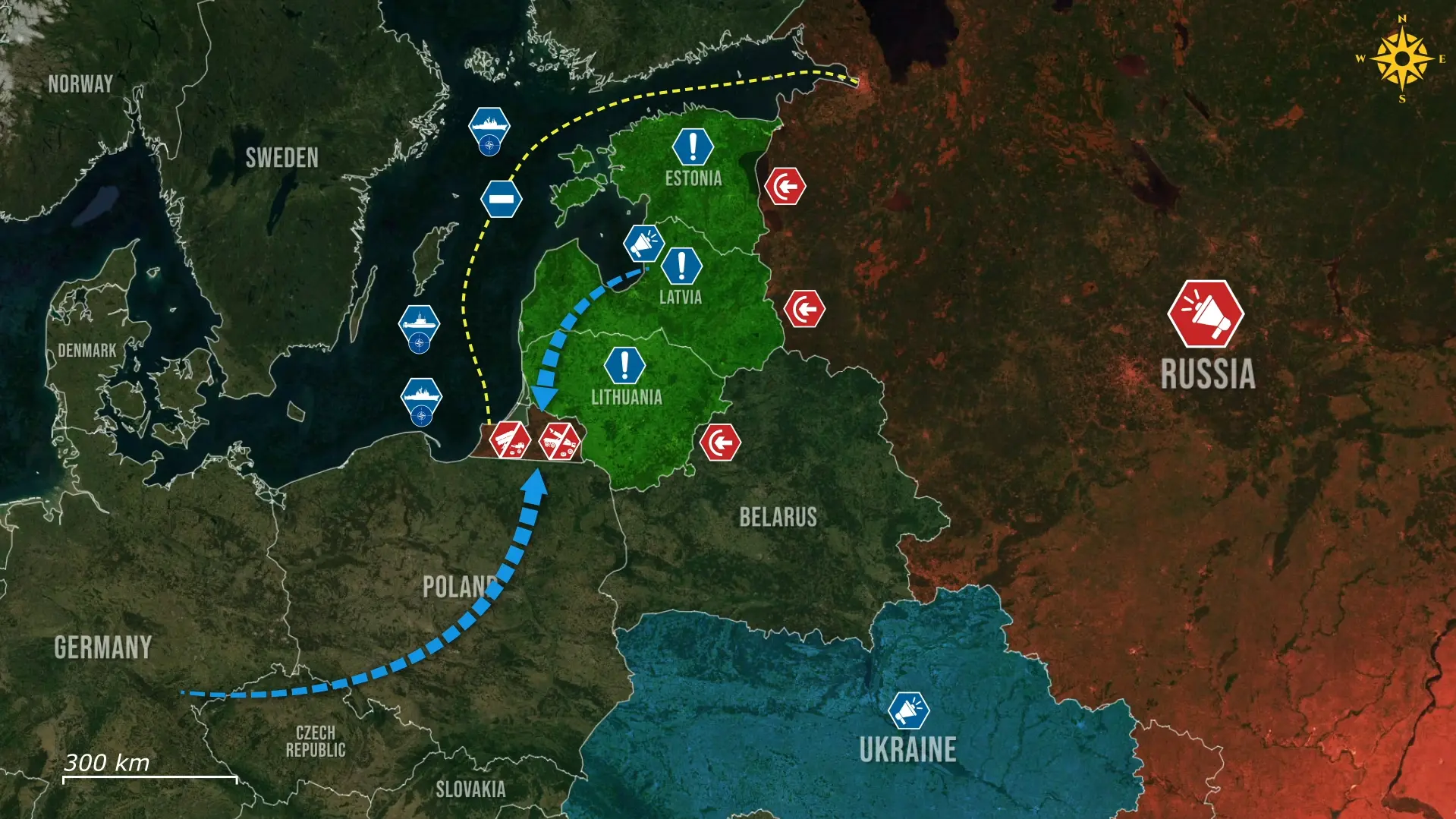
Overall, with Russia spreading disinformation and actively portraying Baltic military bases as legitimate targets, escalation is now firmly on the rise in the region. At the same time Nato countries are signaling they will respond in kind, publicly discussing strike scenarios against Russian territory in case of a Russian attack. As both sides are openly threatening each other with retaliatory strikes, informational accusations can easily lead to a direct confrontation between Russia and Nato.

.jpg)


Comments