

.svg)
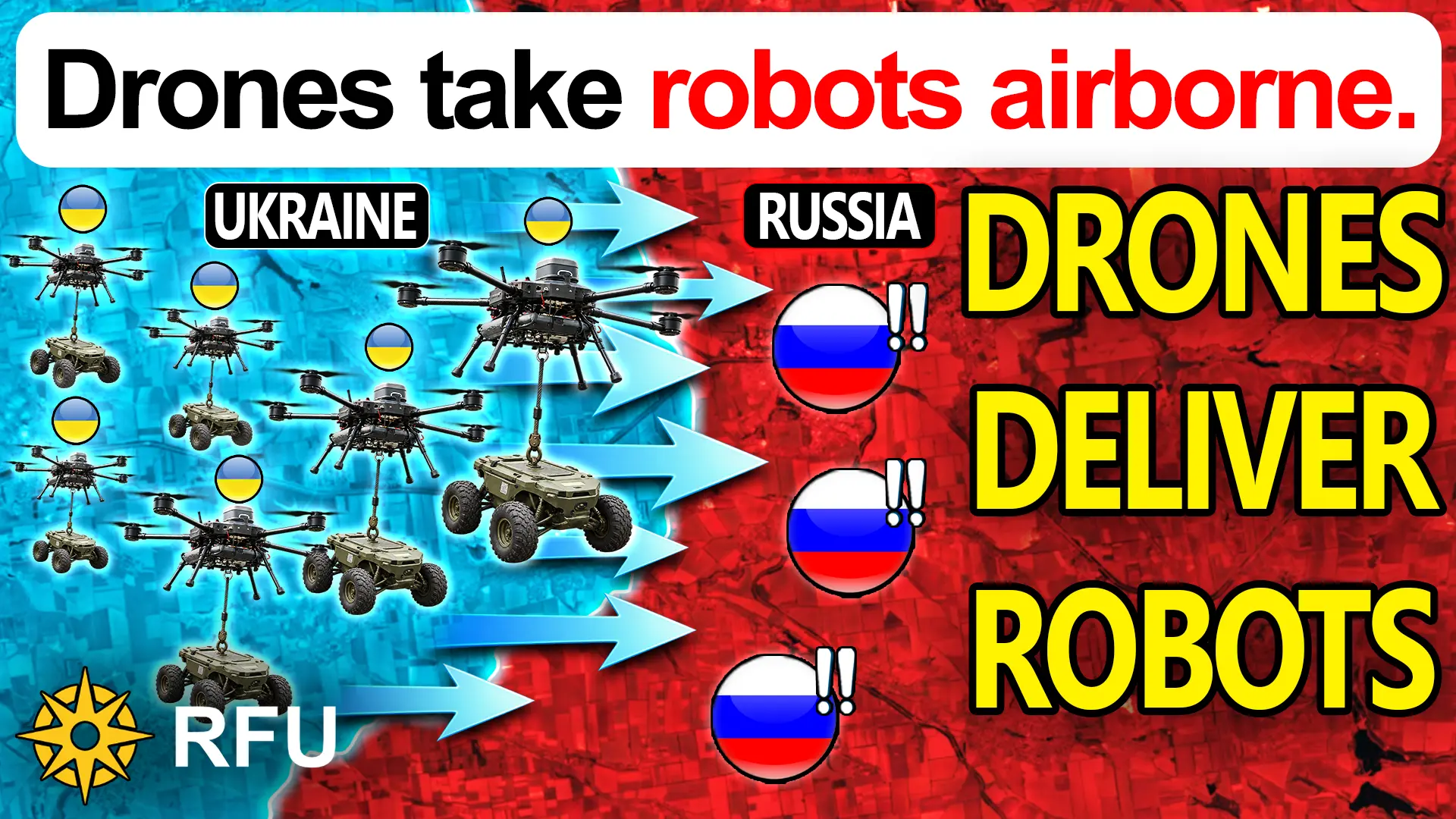
Ukrainian forces have begun using heavy bomber drones to carry kamikaze ground robots toward Russian positions, combining air transport and a ground attack in the same strike. In a recorded example, a Ukrainian vampire drone was spotted carrying an Ark one unmanned ground vehicle beneath it on an external sling, with the ground robot equipped with anti tank mines for an attack on Russian positions. The bomber carries the vehicle through the air toward the target area, releases it before reaching the position itself, and leaves the UGV to continue the mission on the ground. Russian observers identified the purpose of the configuration as extending the operational reach of the ground robot, while the ARK one carried TM series anti tank mines toward the target. In practical terms, Ukraine is using the drone as an airborne delivery vehicle for a kamikaze ground robot, allowing it to begin its attack much closer to the Russian position it is meant to destroy.
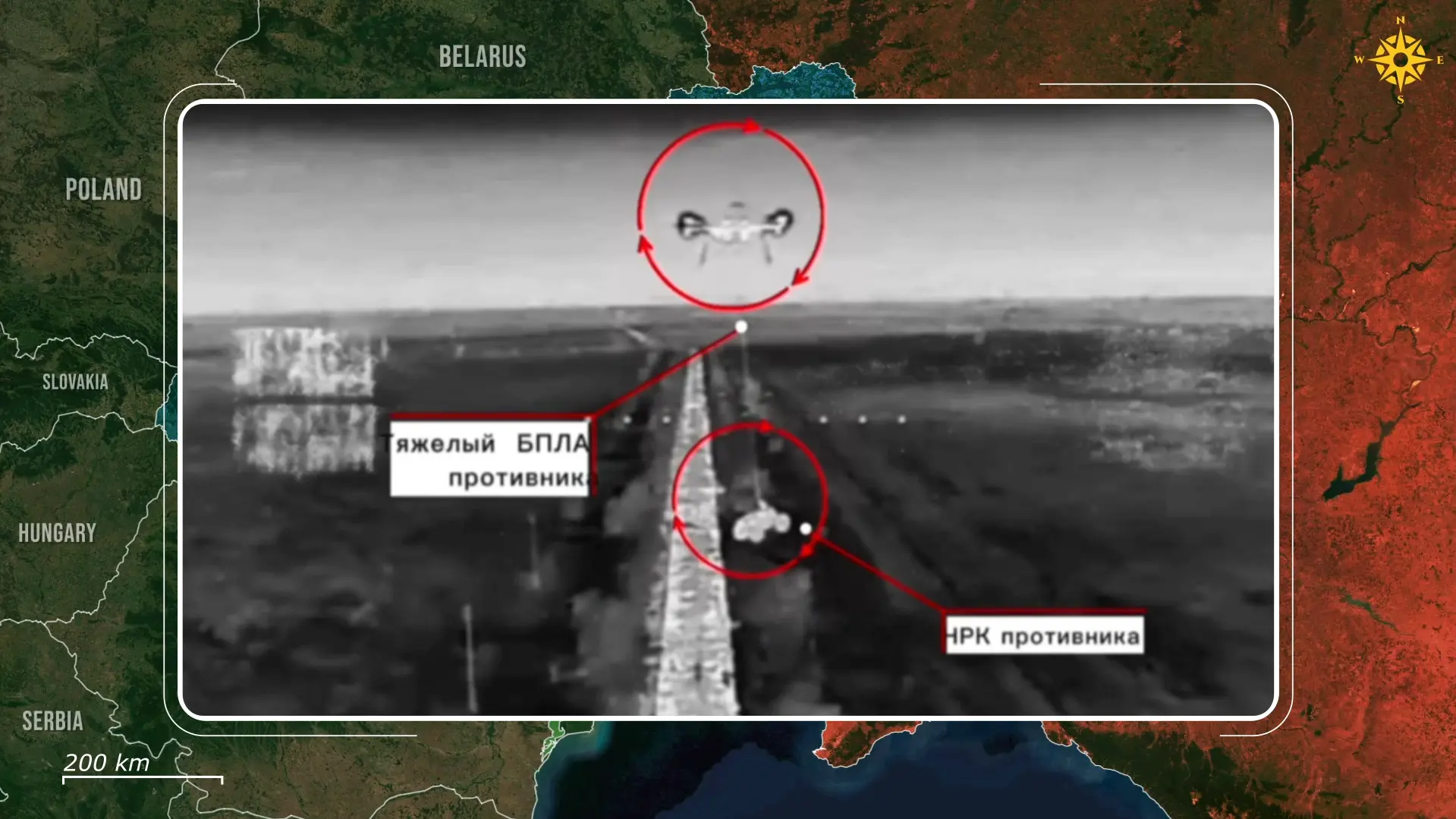
The airlift solves the main limitation of the ground robot itself because it is restricted by how far it can travel across exposed terrain under its own power. Ark Robotics lists an effective range of more than twenty kilometers for its portable ground robot family, while the ARK one has been reported with a top speed of up to forty five kilometers per hour. Even with that mobility, sending the robot from Ukrainian lines means it has to cross more exposed terrain under its own power, giving Russian reconnaissance and drone operators more opportunities to detect and destroy it before it reaches the target area. By carrying the ARK one through most of that distance and releasing it much closer to the objective, the bomber reduces how far the robot has to travel on the ground and preserves more of its battery and endurance for the last part of the route. This allows the UGV to strike positions farther from Ukrainian lines while avoiding much of the exposed ground it would otherwise have to cross on the way there.
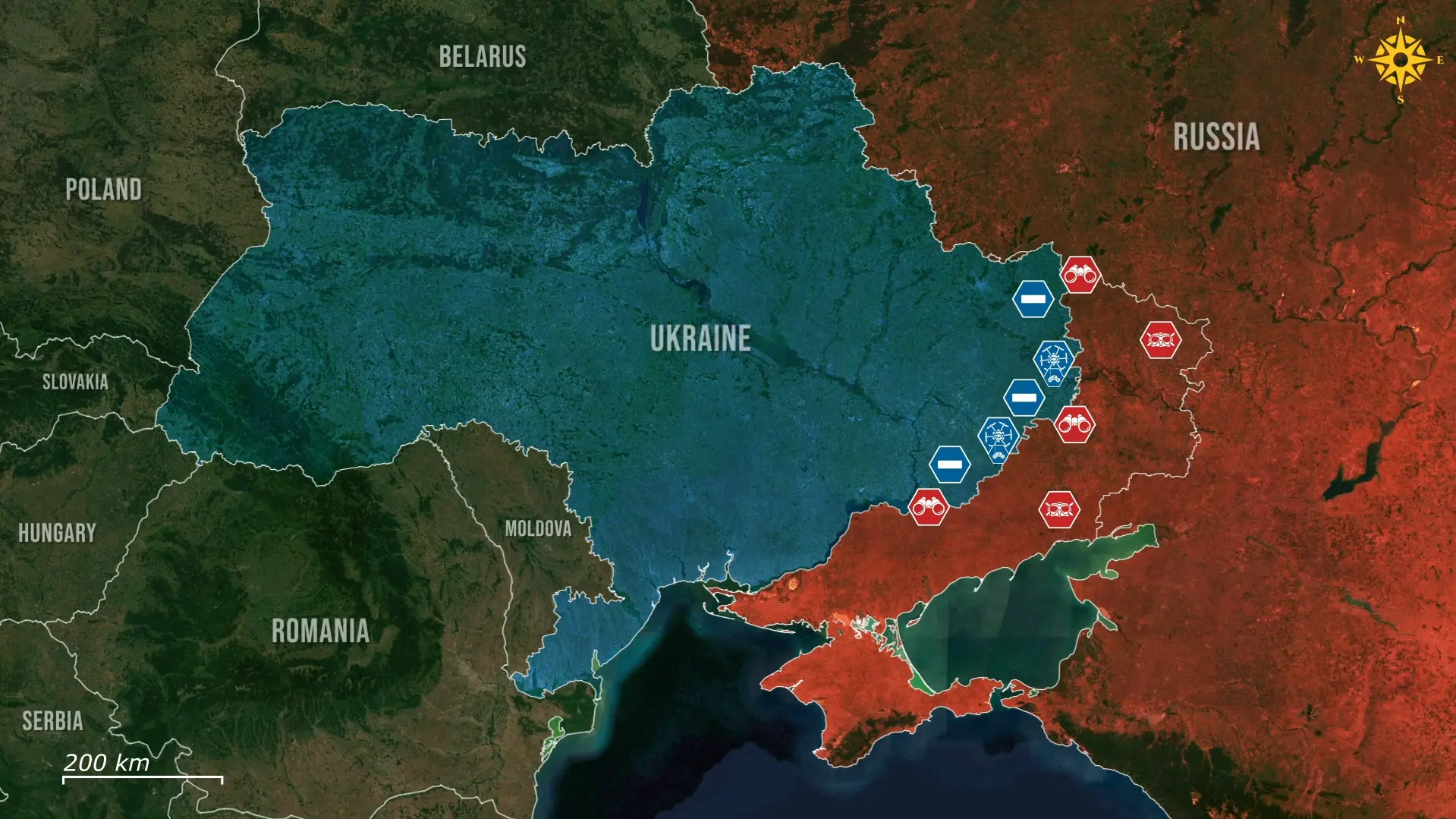
The second advantage is that the Vampire bomber drone no longer has to enter the most dangerous part of the attack itself. Heavy bomber drones are harder to replace than the kamikaze ground vehicles they carry, so sending a Vampire directly over a Russian position carries a much greater risk. Once the robot has been delivered, however, the Vampire can turn away before reaching the close range engagement zone, while the UGV continues toward the Russian position and detonates its explosives. This keeps the bomber farther from threats such as electronic warfare, small arms fire, and enemy counter drones that can endanger aircraft during the final approach. Ukraine can therefore preserve the more valuable aerial platform for repeated missions while using the cheaper ground robot for the final attack.
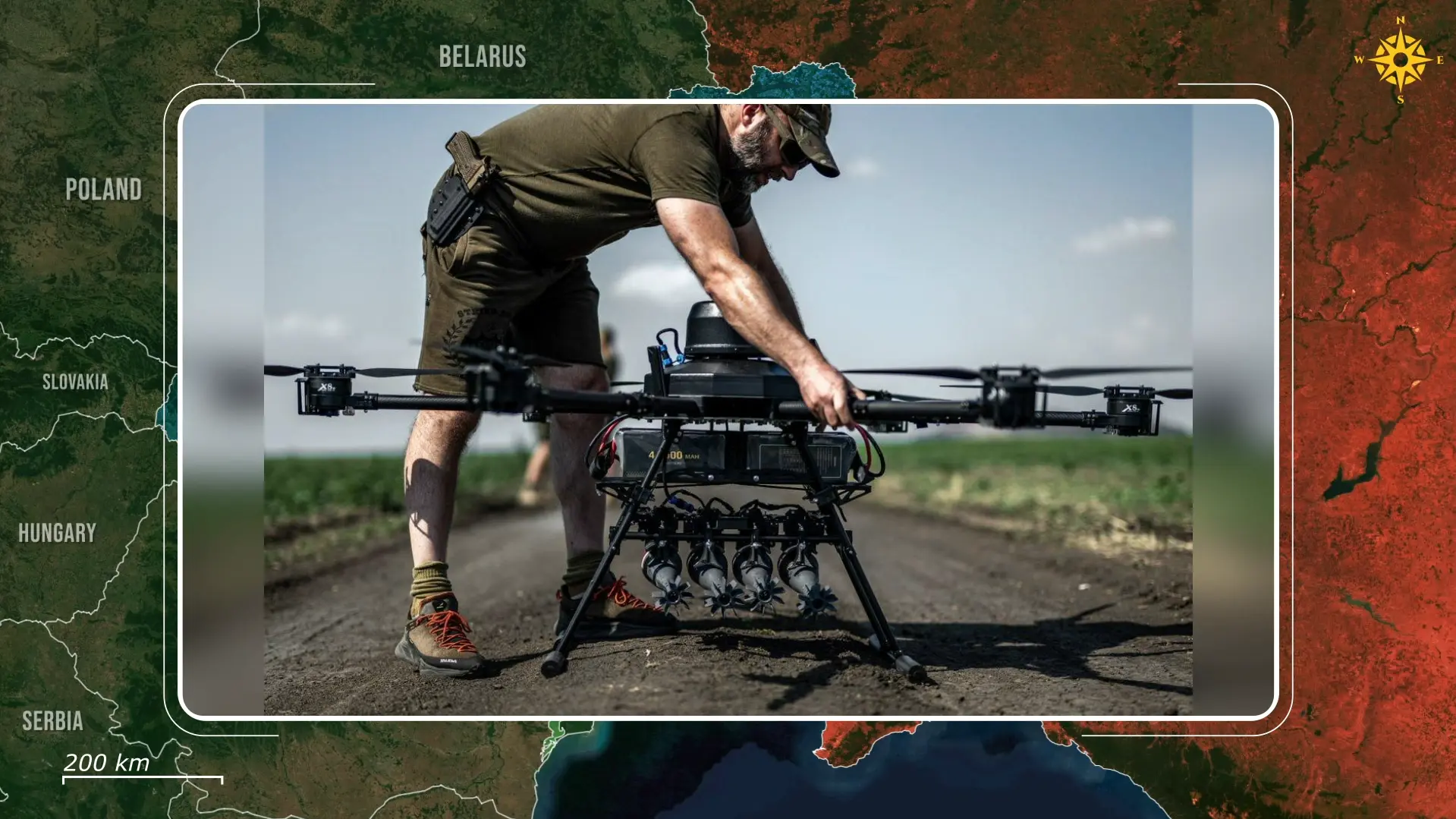
The wider effect is that Ukraine is combining different unmanned systems so each one handles the part of the mission it is best suited for. The Vampire provides speed and reach by carrying the ground robot across the battlefield, while the UGV handles the final movement into the Russian position and detonates there. This allows Ukrainian operators to use a cheaper ground system against positions farther away without sending the more valuable bomber directly over the target area. As a result, they gain more flexibility to build attacks around several unmanned platforms instead of relying on one system to complete the entire mission.
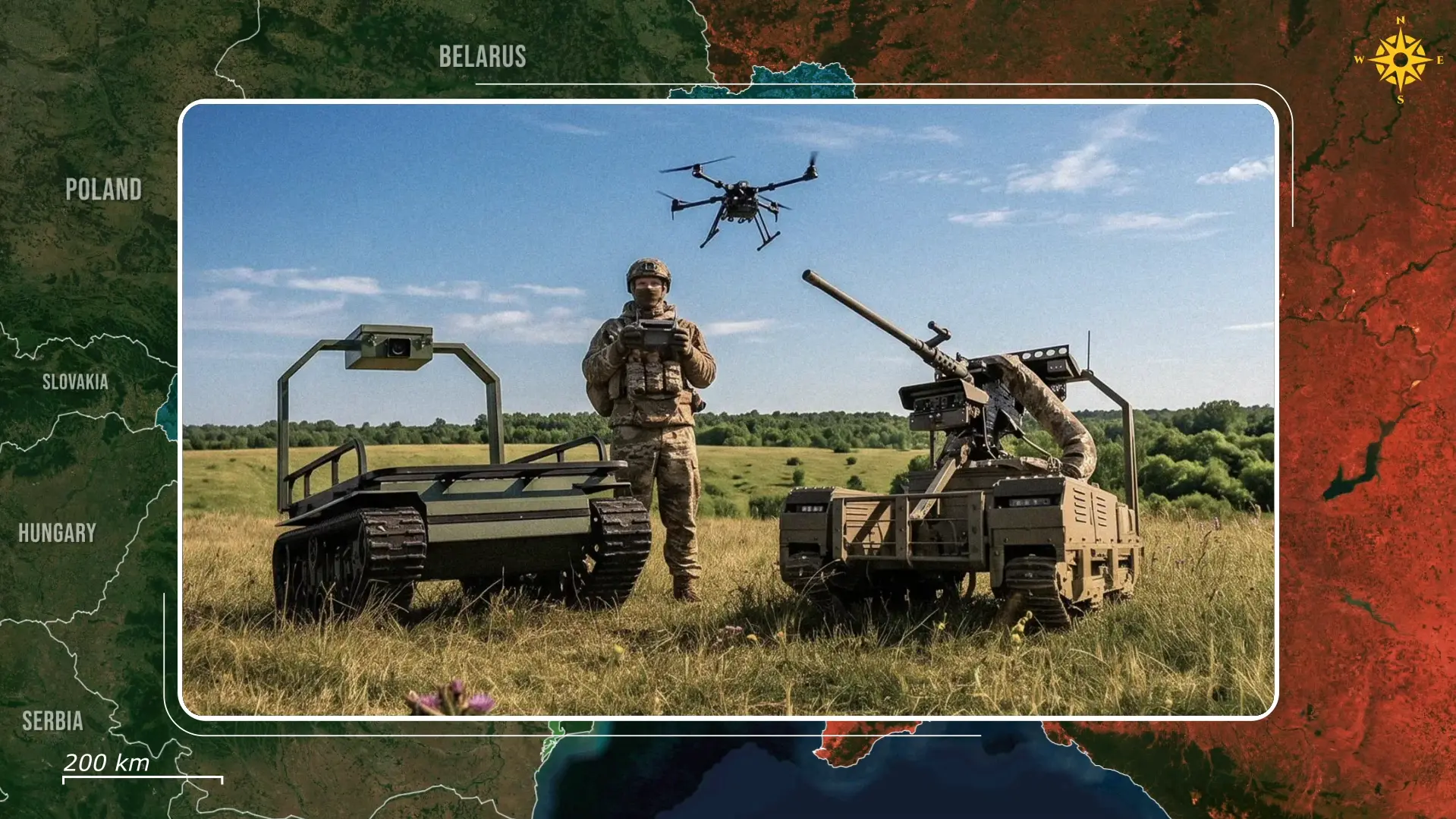
Overall, this kind of airlift can extend how far short range ground robots can be used from Ukrainian lines by carrying them closer to the target before they begin the ground approach. If Ukraine applies the same method more widely, heavy bomber drones could serve as reusable carriers for expendable ground systems instead of being committed directly to every strike. That would allow Ukrainian forces to use the same ground robots against positions farther away while keeping valuable bomber drones out of the most dangerous part of the attack. Over time, combining aerial and ground unmanned systems could give Ukraine more ways to reach distant defended positions without requiring a single platform to complete every stage of the mission.
.jpg)



Comments