

.svg)
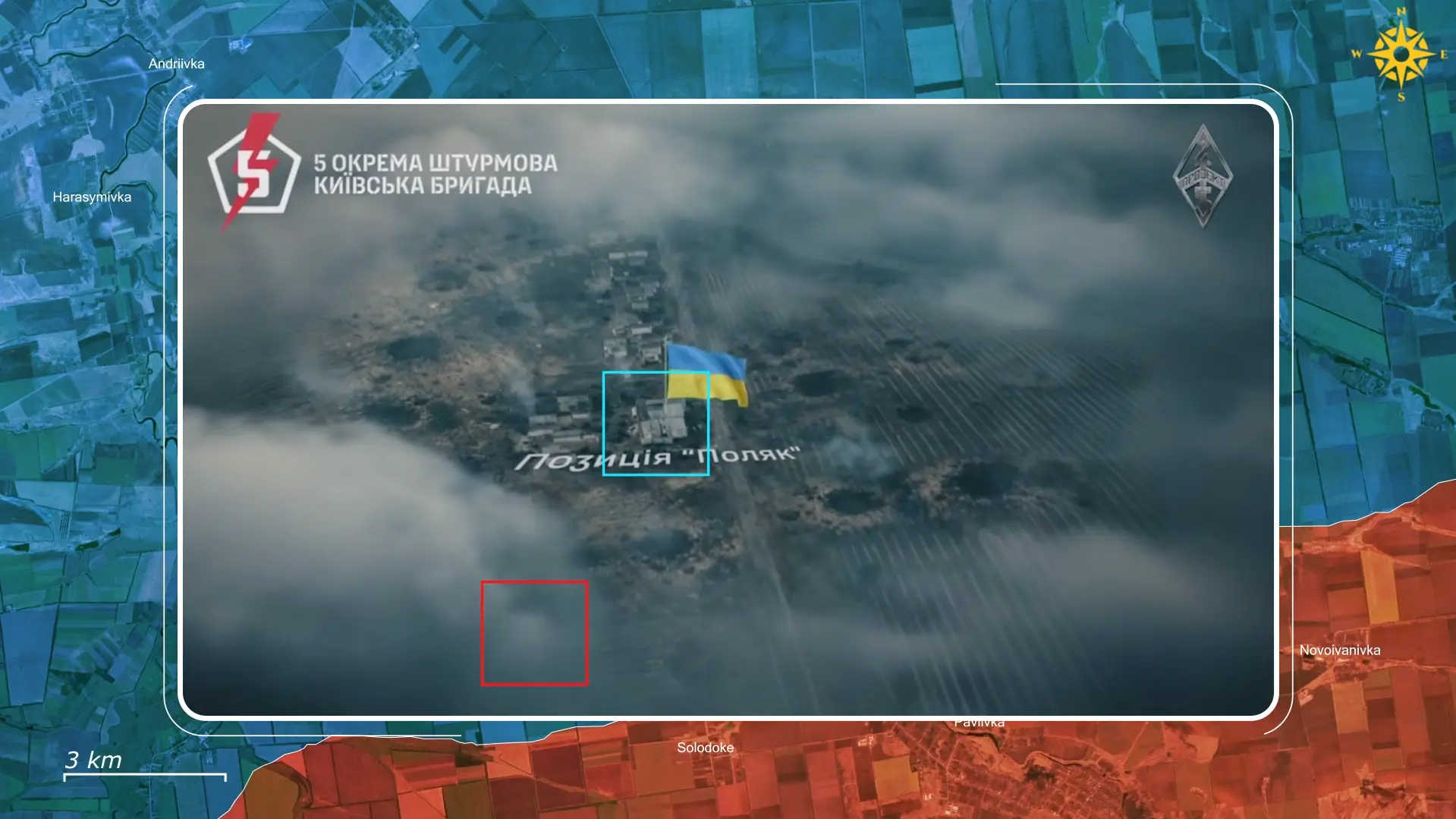
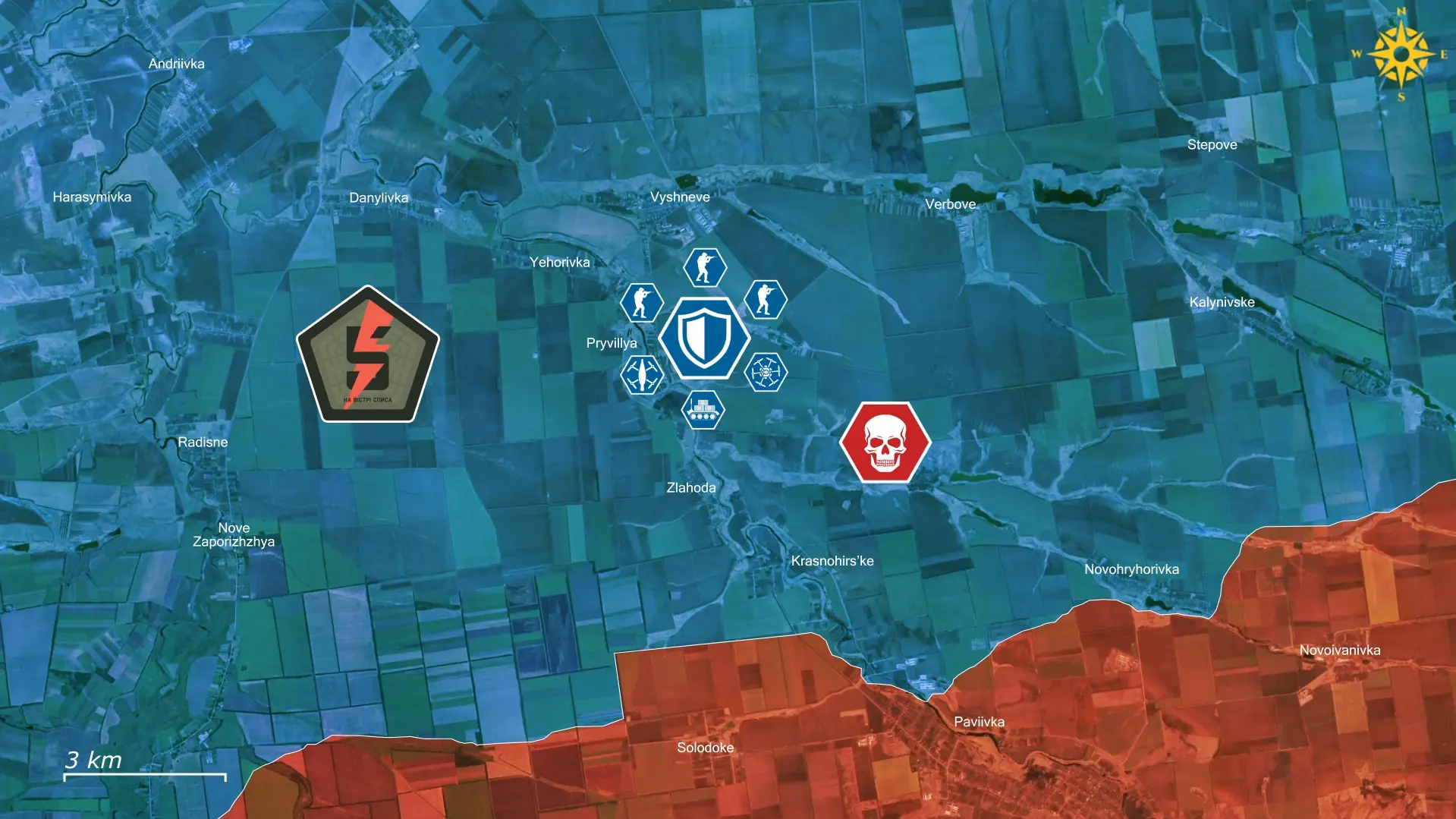
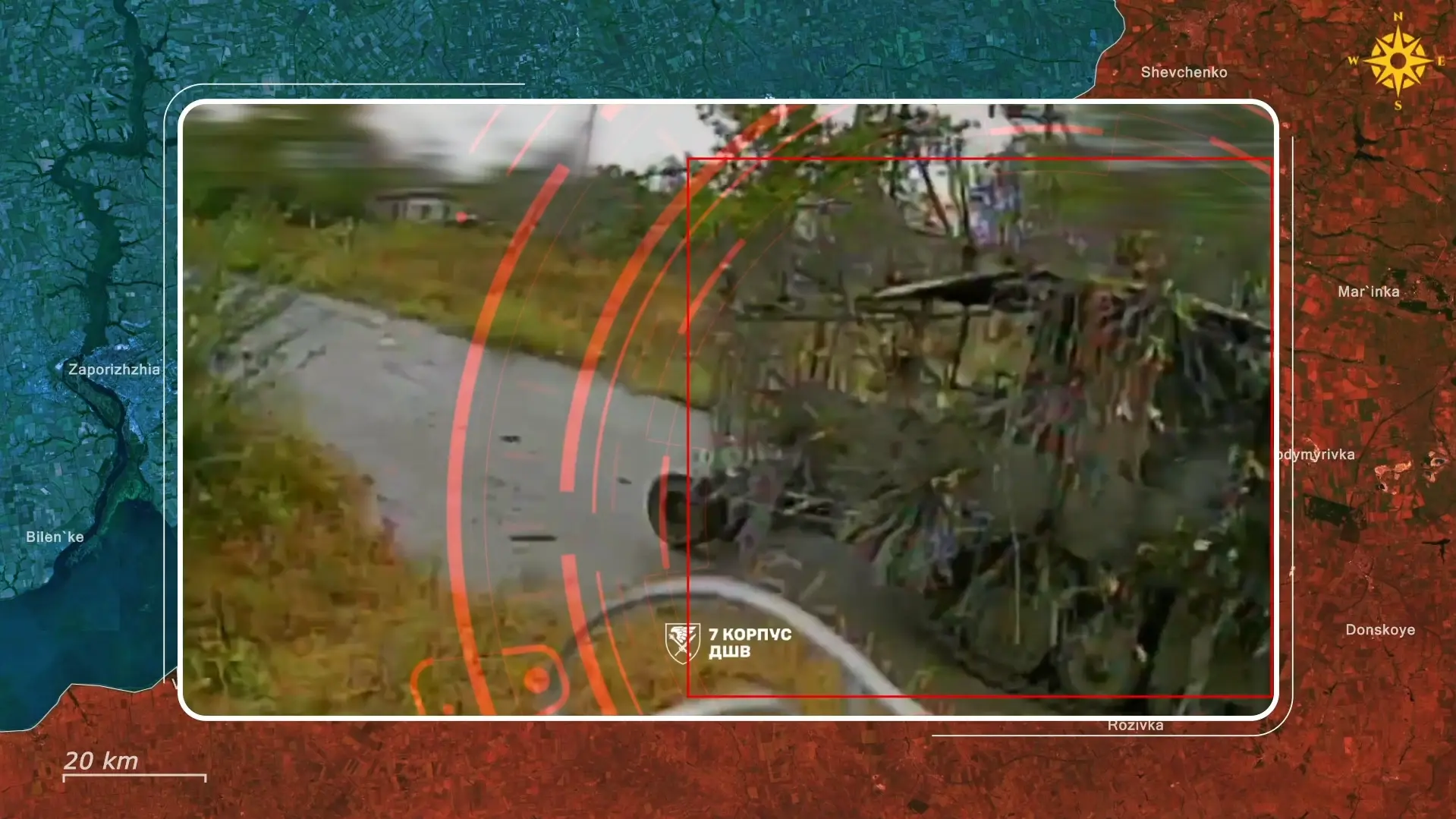
Today, a Ukrainian video was released from an intense fog battle near Vyshneve in the Dnipropetrovsk Region that unfolded under conditions that initially favored the attacking Russian force. Thick morning fog along the Yanchur River reduced visibility to only a few meters for both Ukrainian soldiers and drone operations. Hoping to exploit the weather, Russian troops launched a surprise assault against Ukrainian positions. Although the defenders could see almost nothing, they soon heard the sound of approaching engines. Ukrainian drone operators immediately began searching the surrounding area despite the poor visibility and eventually located two Russian Ural trucks and a buggy carrying roughly forty soldiers toward the southern edge of the village. The dense fog allowed the Russian infantry to dismount only about one-hundred-and-fifty meters from a Ukrainian observation post defended by just three soldiers. The Ukrainians immediately occupied firing positions inside the outermost house while Russian troops advanced toward them through the mist, triggering a close-range firefight.
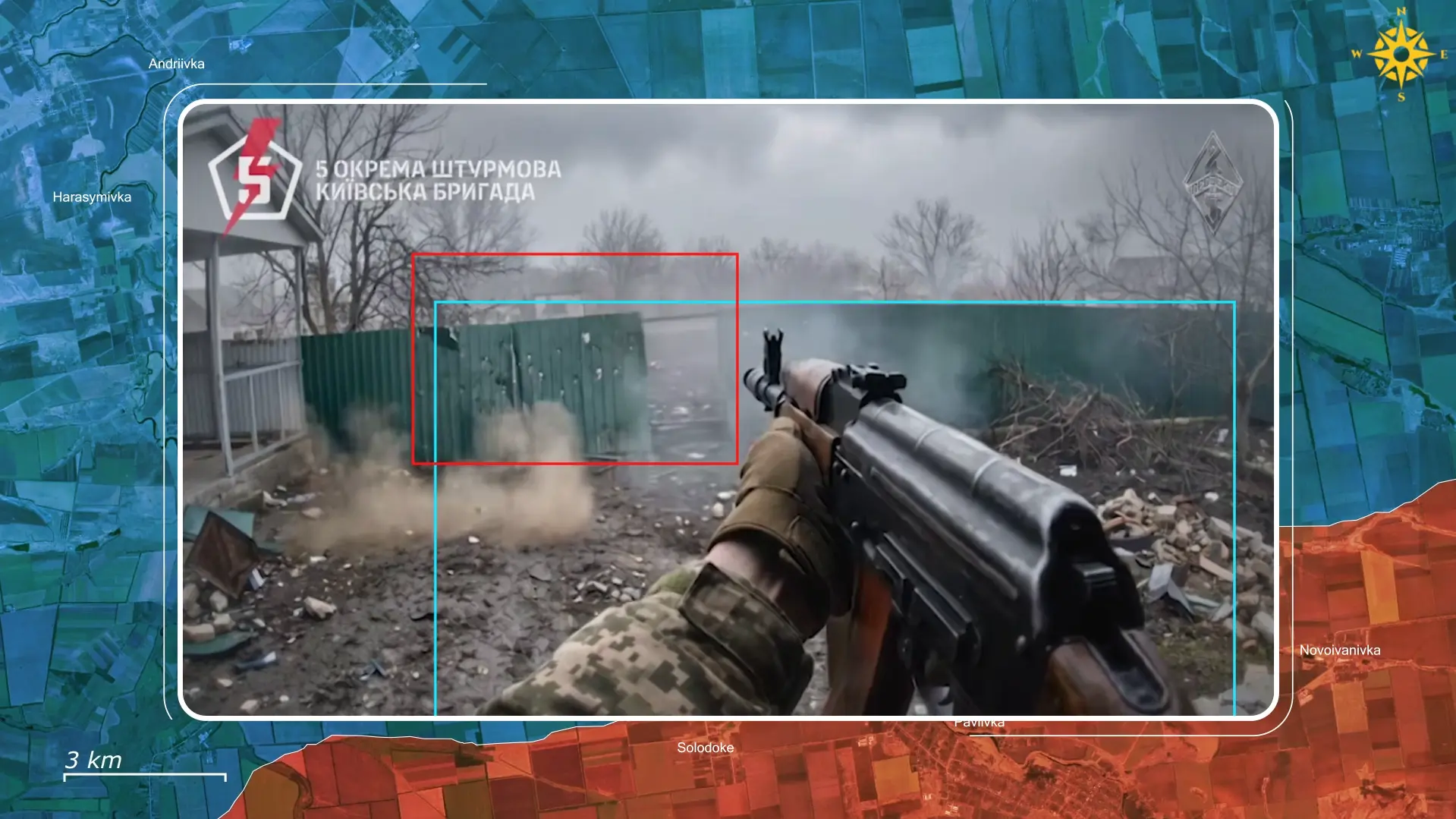
Looking through the windows, the Ukrainians confirmed at least ten Russian soldiers nearby but suspected many more were concealed by the fog. Their battalion commander immediately improvised and redirected a ground drone toward the defenders to function as a mobile reconnaissance platform. Because visibility near ground level was slightly better than from the air, the robot transmitted a live video feed back to the commander, who began directing the defenders in real time. Guided by these images, the Ukrainian soldiers engaged approaching Russians with remarkable precision. The first two attackers advancing toward the house were shot almost immediately. Moments later, another pair attempted to approach from the right flank, but the live video feed warned the defenders exactly where they would appear. Two more Russians fell, followed shortly afterward by another pair, bringing the confirmed total eliminated by small-arms fire alone to six.
Moments later, a Ukrainian Vampire drone arrived carrying explosive munitions, but the fog remained too dense for its operator to see the battlefield directly, forcing the pilot to rely entirely on the live feed transmitted by the unmanned ground vehicle. Guided from the command post, the hexacopter released its munition directly into the center of another cluster of Russian troops, and when the smoke from the explosion settled, seven Russian soldiers were dead. As half an hour had passed, the weather began to improve, and the visibility increased, so Ukrainian FPV drones joined the fight. Russian infantry attempting to avoid accurate rifle fire from the defenders inside the house found themselves forced into the open streets, where drone operators engaged them one after another.
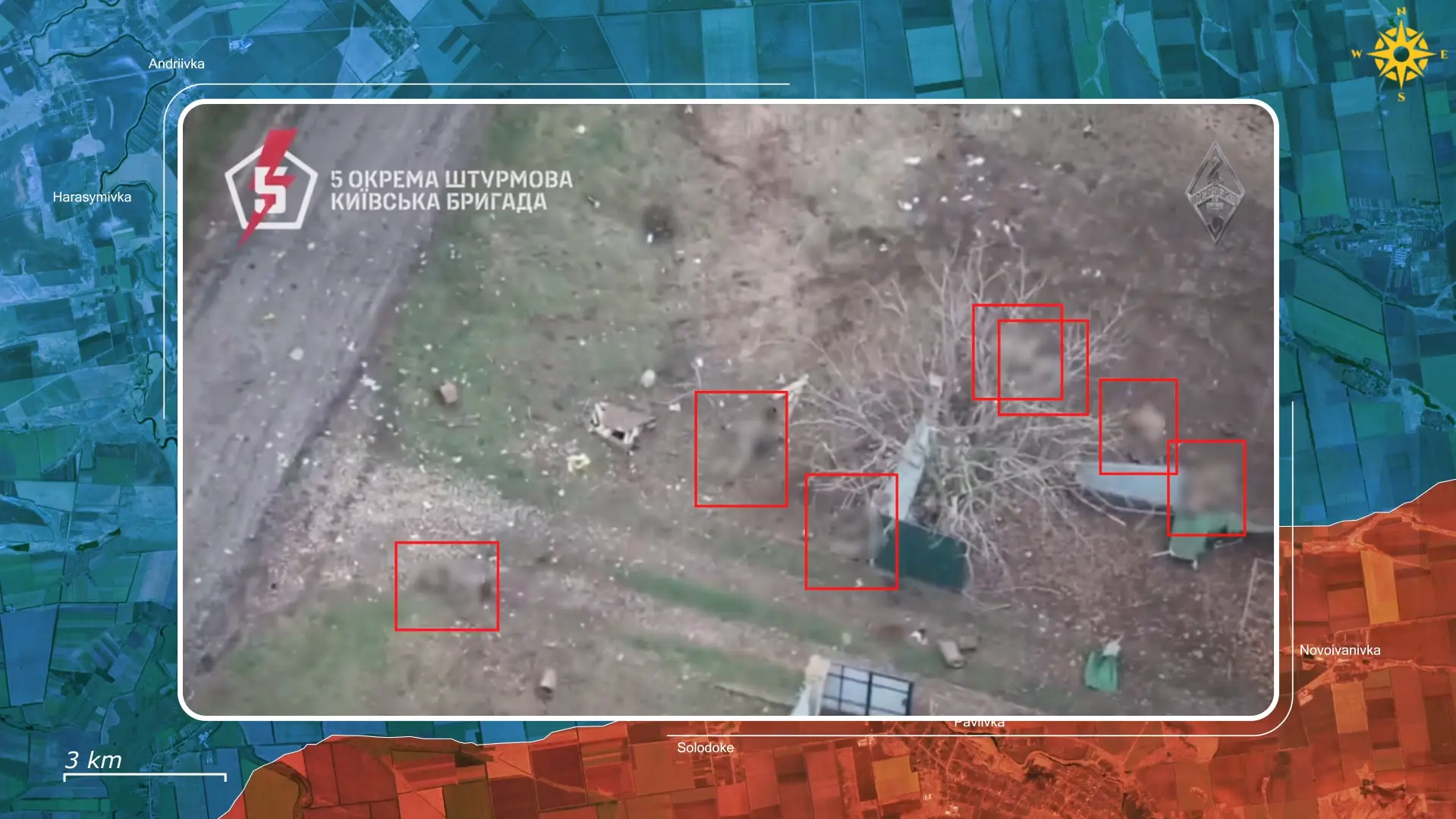
The three defenders continued firing through windows while receiving continuous guidance, systematically clearing nearby garages, sheds, and concealed positions. The coordination between infantry, aerial drones, and the improvised reconnaissance ground vehicle transformed what had begun as a desperate defense into a devastating counterattack.
After roughly forty-five minutes of continuous fighting, around twenty Russian bodies lay immediately around the house where the three Ukrainian soldiers had held their ground. Approximately one hundred meters farther along the road, another twenty dead were counted. In total, around forty Russian soldiers were eliminated during the failed assault, despite the attackers enjoying an overwhelming numerical advantage of approximately thirteen to one. Remarkably, all three Ukrainian defenders survived the engagement, maintaining discipline throughout the battle and following every instruction transmitted by their commander over the radio.
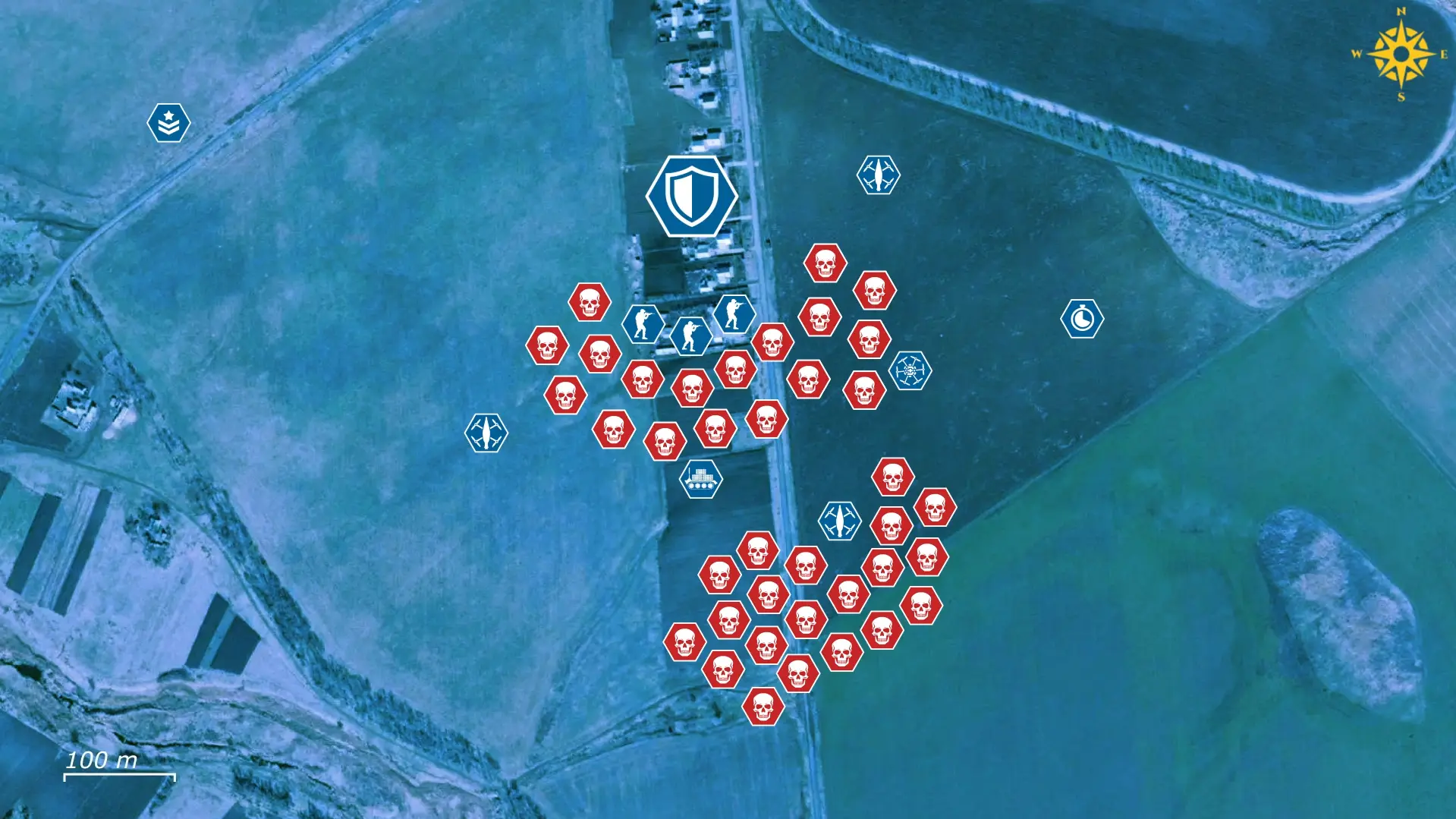
The failed Russian assault also reflects the broader operational situation in this sector, as it was launched after Ukrainian forces had previously pushed the Russians back nearly ten kilometers. Such losses created considerable pressure on Russian headquarters to recover at least part of the lost territory quickly. Russian commanders rushed the available troops forward in an attempt to restore momentum and demonstrate progress to higher command by exploiting the dense fog, which proved a tactical gamble that backfired.
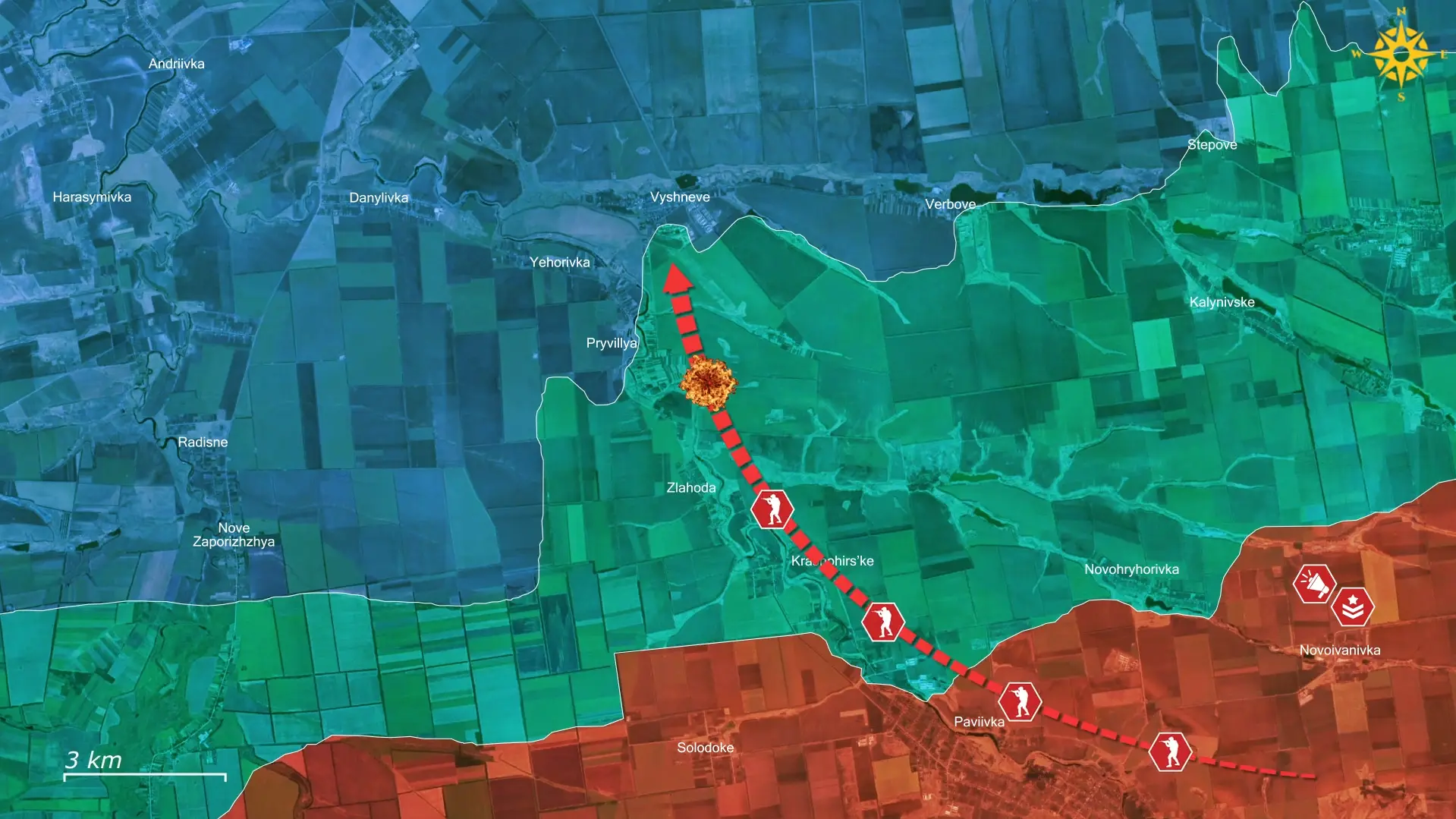
Overall, the battle in Vyshneve demonstrates how adaptation and innovation can overcome numerical inferiority. By combining infantry, FPV drones, heavy strike drones, and an unmanned ground vehicle, Ukrainian forces maintained battlefield awareness even when aerial visibility was almost nonexistent. That improvised integration allowed three soldiers to defeat a much larger assault force, leaving dozens of Russian casualties scattered across the village while the defenders emerged alive, having turned one of the most unfavorable situations imaginable into a decisive defensive success.

.jpg)

Comments