

.svg)
Today, there are important updates from Russian-controlled Crimea.
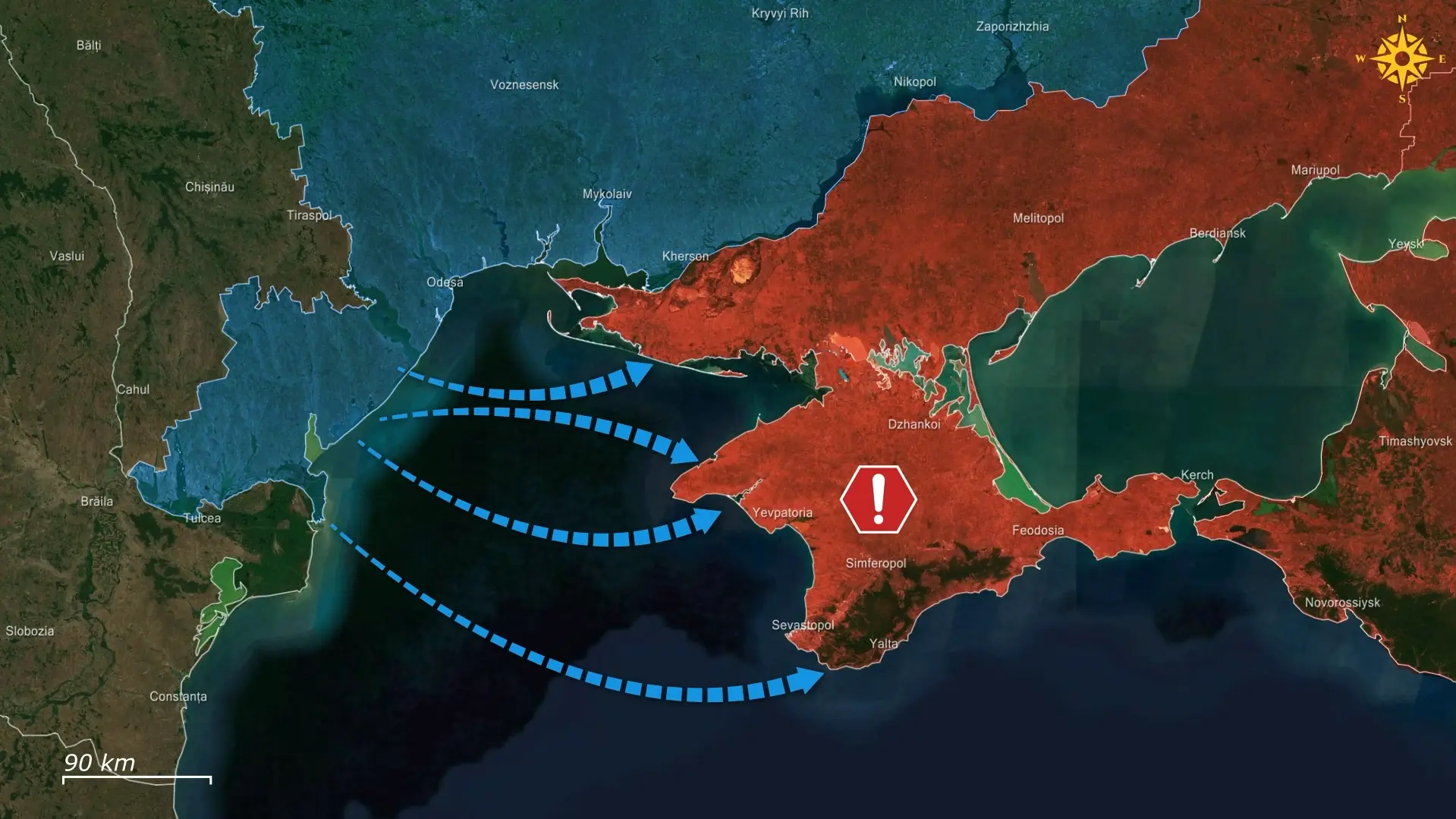
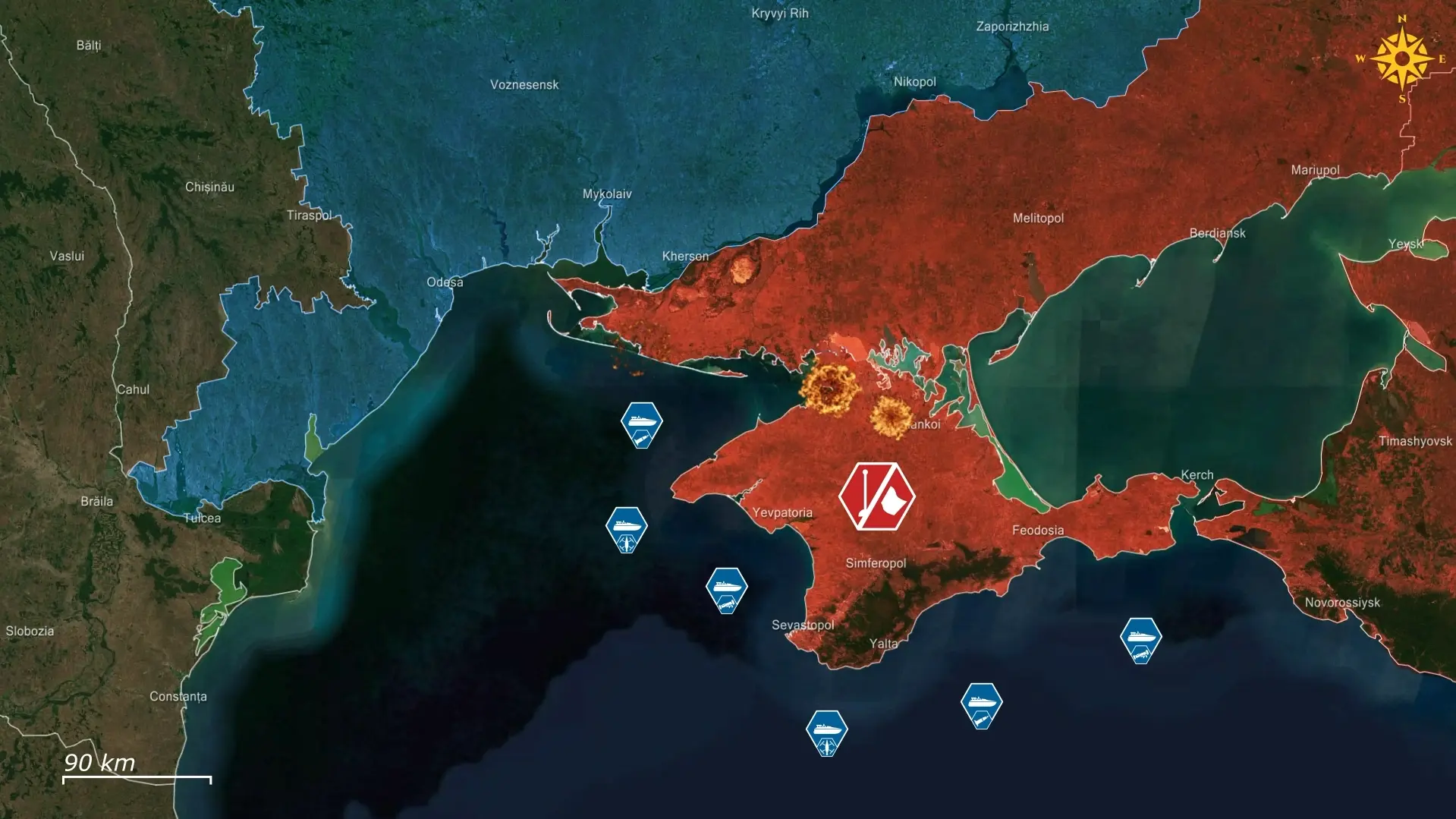
Here, the entire Crimean coastline is turning into a permanent combat zone as Ukrainian naval drones bombard Russian positions along the shores. Ukrainian forces are now waging a sustained coastal harassment campaign, forcing Russian soldiers to live under constant threat of sudden strikes.
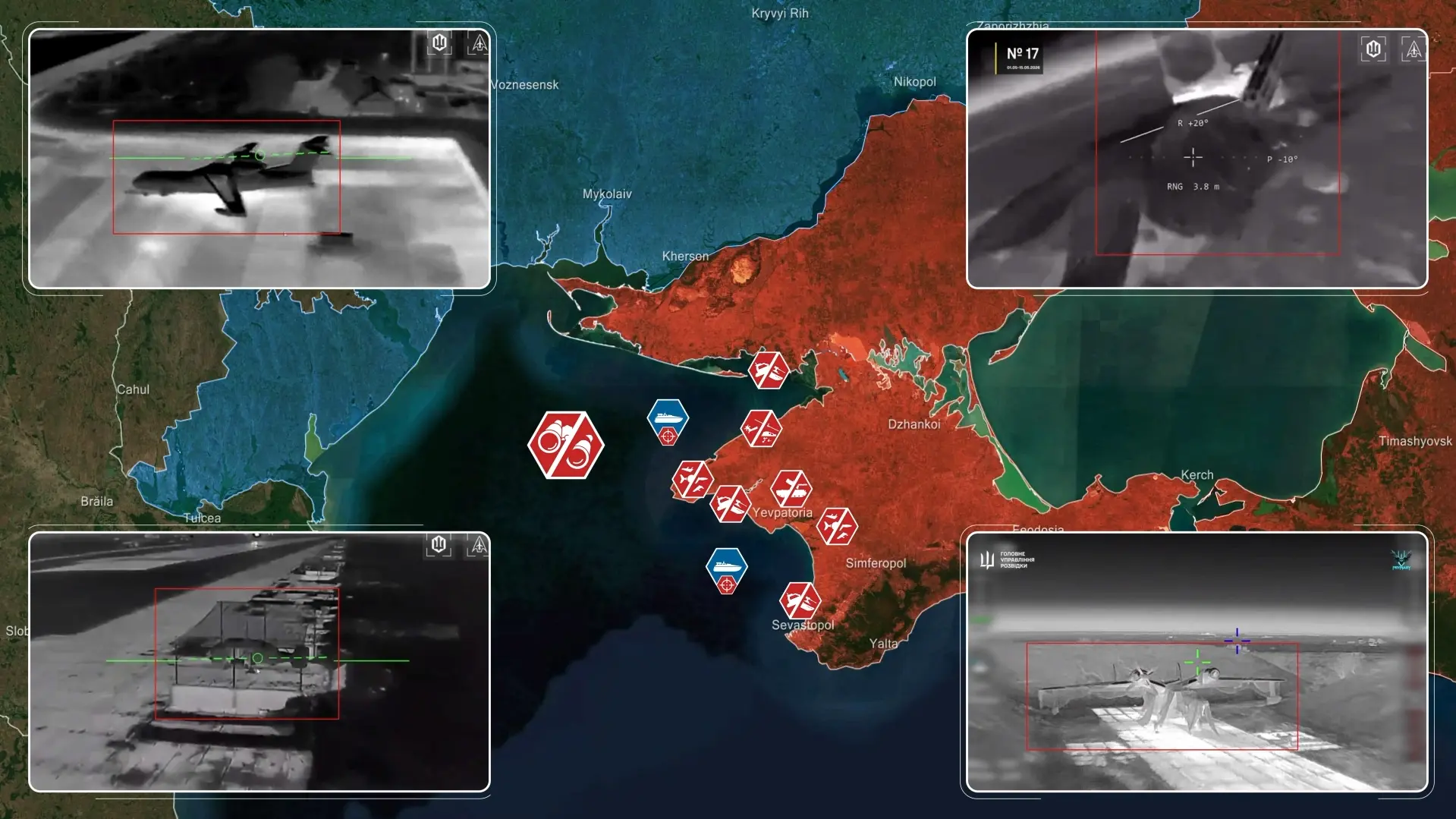
Russian forces sounded an alarm and released footage of one Ukrainian naval drone equipped with Shmel launchers for thermobaric rockets maneuvering near the Crimean coastline before an attack. The fast-moving vessels strike Russian troops concentrated on narrow spits, beaches, and exposed defensive outposts across Crimea. Ukrainian vessels stealthily approach shallow coastal zones near positions on spits like Arabat and Kinburn before unleashing salvos of thermobaric rockets directly into trenches, bunkers, and troop concentrations from launchers like Shmel.
Unlike conventional explosives, thermobaric warheads consume oxygen and create destructive blast waves and suction capable of inflicting lethal internal injuries even on soldiers hiding behind hard cover, such as inside trenches or concrete fortifications. Especially along confined beaches and spits where Russian troops are concentrated in limited space, this has the potential to become the most dangerous Ukrainian tactic used in the campaign.
Ukraine has simultaneously expanded these attacks by transforming naval drones into mobile launch platforms for FPV drones. Instead of serving only as kamikaze boats, they can now carry multiple FPV drones close to the Crimean coast before releasing them inland against Russian targets that are located deeper. This changes the battlefield, as they can bypass much of Russia’s layered frontline defenses and attack from unexpected directions at extremely short-range valuable targets, like radar systems, logistics hubs, coastal fortifications, boats, and air defense sites, before Russian electronic warfare systems can effectively respond.
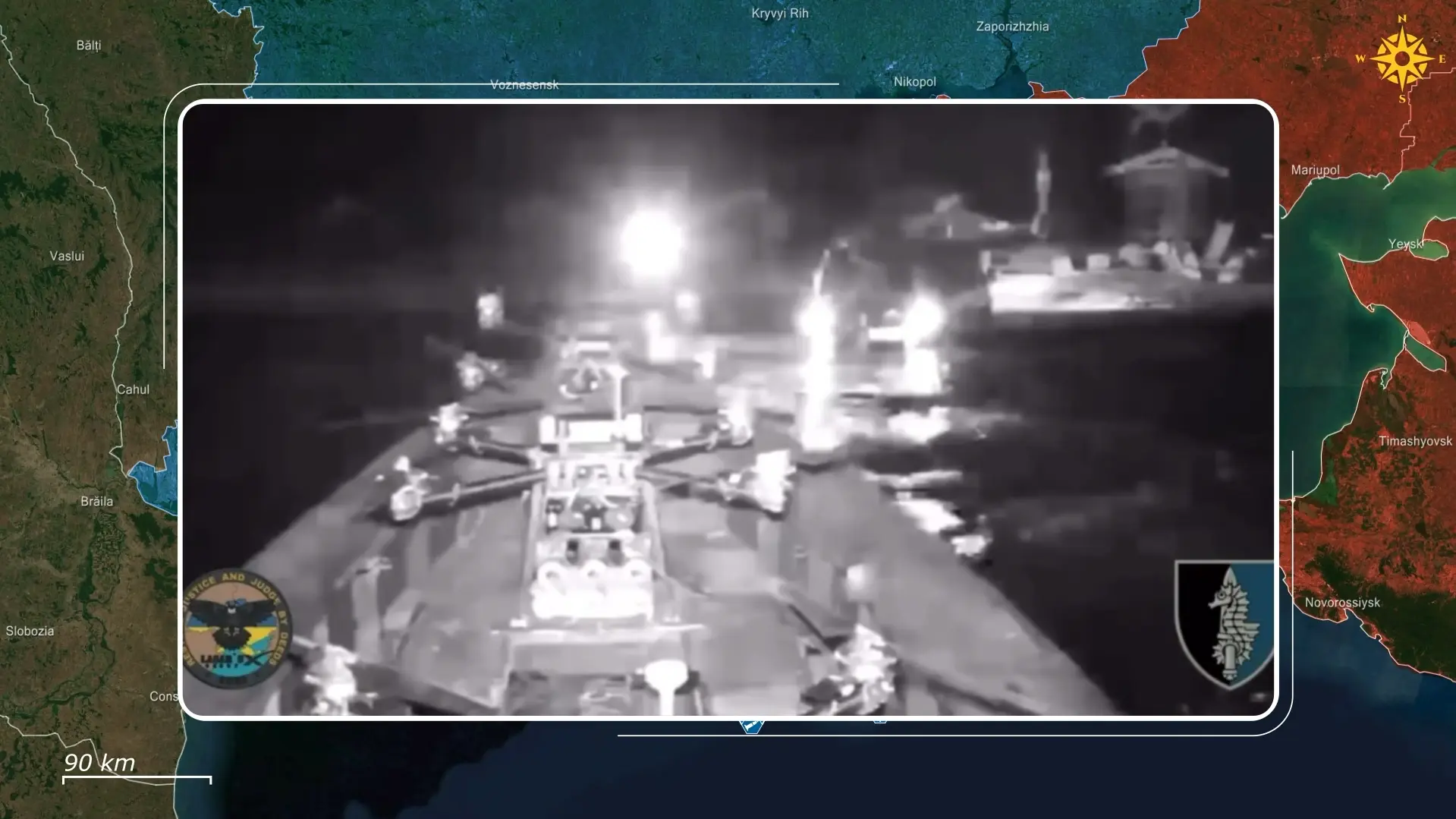
The tactical advantages for Ukraine are enormous, as drones can rapidly approach at sea level with very low visibility, fire FPV drones from stand-off distances, and retreat before Russian forces can react effectively. By this, they spend far less time in the air, reducing exposure to jamming and interception, while being carried and launched by naval drones also extend the overall strike range. At the same time, FPV drones are cheaper than long-range drones, and Ukraine can launch coordinated saturation assaults that overwhelm Russian defenses through sheer numbers at a fraction of the cost of the equipment being destroyed. This allows Ukraine to inflict disproportionate losses with relatively cheap systems while avoiding risk to personnel, and while their constant strikes also exhaust Russian soldiers psychologically, forcing them to remain permanently alert under threat of sudden bombardment from the sea.
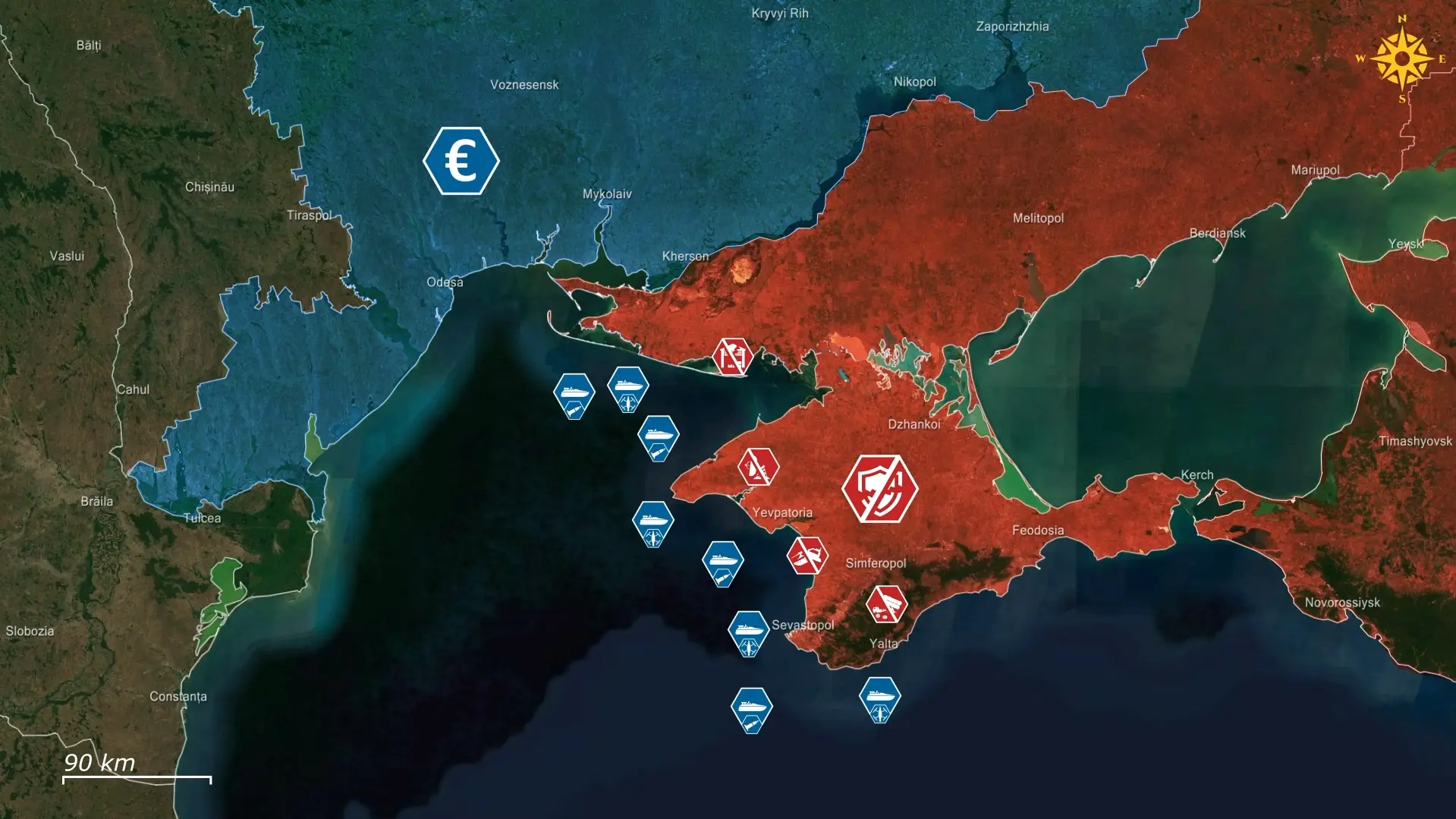
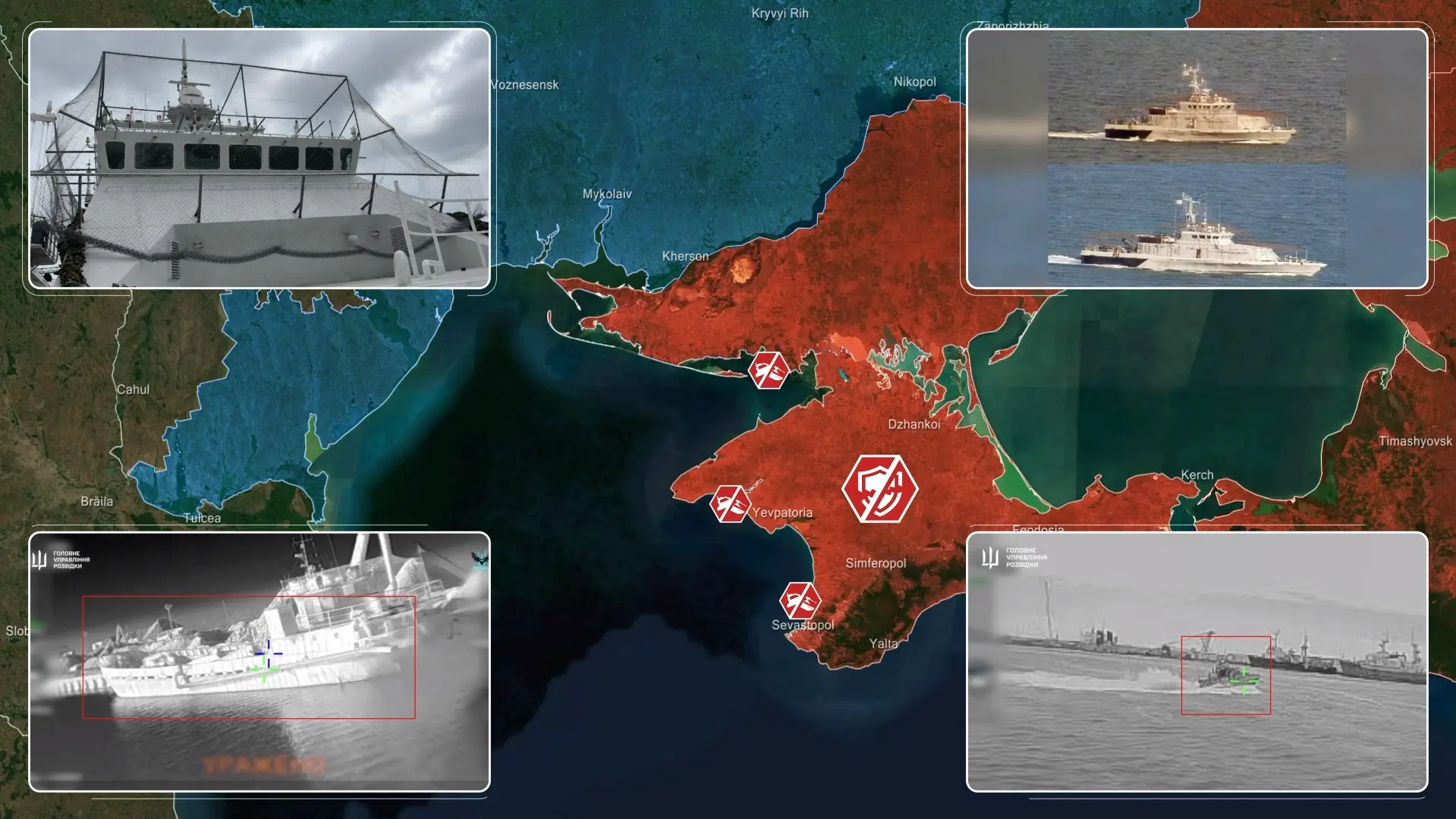
At the same time, Ukraine is systematically dismantling the three critical components of Russia’s coastal counter-drone network protecting Crimea that could pose a threat to the approaching naval drones. Firstly, Russian patrol boats used to intercept Ukrainian naval drones near the coastline are increasingly being destroyed. Ukrainian intelligence confirmed attacks on multiple Russian assault landing boats, support vessels, and patrol craft during operations around Crimea. Russian ships have even begun installing anti-drone netting in desperation to reduce damage from incoming naval drones.
The second element, Russian helicopters operating over the Black Sea, is also being eliminated. Ukraine destroyed Ka-twenty-seven attack helicopters and targeted Tor and Pantsir air defense systems used to detect and intercept naval drones at long range. These helicopters had previously been among Russia’s most effective anti-drone tools because they could rapidly intercept and engage unmanned boats far from shore.
Meanwhile, Ukrainian strikes are also degrading Russian maritime reconnaissance capabilities. Naval patrol aircraft, responsible for early warnings and surveillance over the Black Sea, have been hit at airfields and operational sites in recent days. Without aerial reconnaissance, Russian forces lose their ability to detect approaching naval drones at long distances, leaving coastal defenses increasingly blind.
Strategically, Ukraine is conducting a sustained attritional operation designed to make Crimea increasingly difficult and expensive for Russia to defend. Ukrainian operations are gradually fragmenting Crimea’s entire layered coastal defense network and creating safer corridors for Ukrainian naval drones to approach the coast and conduct uninterrupted bombardment operations. Constant low-cost drone attacks force Russia to disperse forces, consume scarce air defense missiles, maintain costly patrols, and repeatedly redeploy assets under permanent threat.
Overall, Ukraine’s evolving naval drone tactics are transforming the Black Sea itself into a forward operating base for continuous bombardment against Crimea. Naval drones carrying thermobaric rockets, FPV drones, and even anti-air missiles are steadily degrading Russian defenses, disrupting Black Sea Fleet operations, and eroding Russia’s control over the peninsula through asymmetric warfare where low-cost Ukrainian systems force enormous Russian expenditures, repairs, and operational paralysis without spending more valuable assets.
.jpg)

Comments