

.svg)
Today, there are interesting updates from the Kupiansk direction.
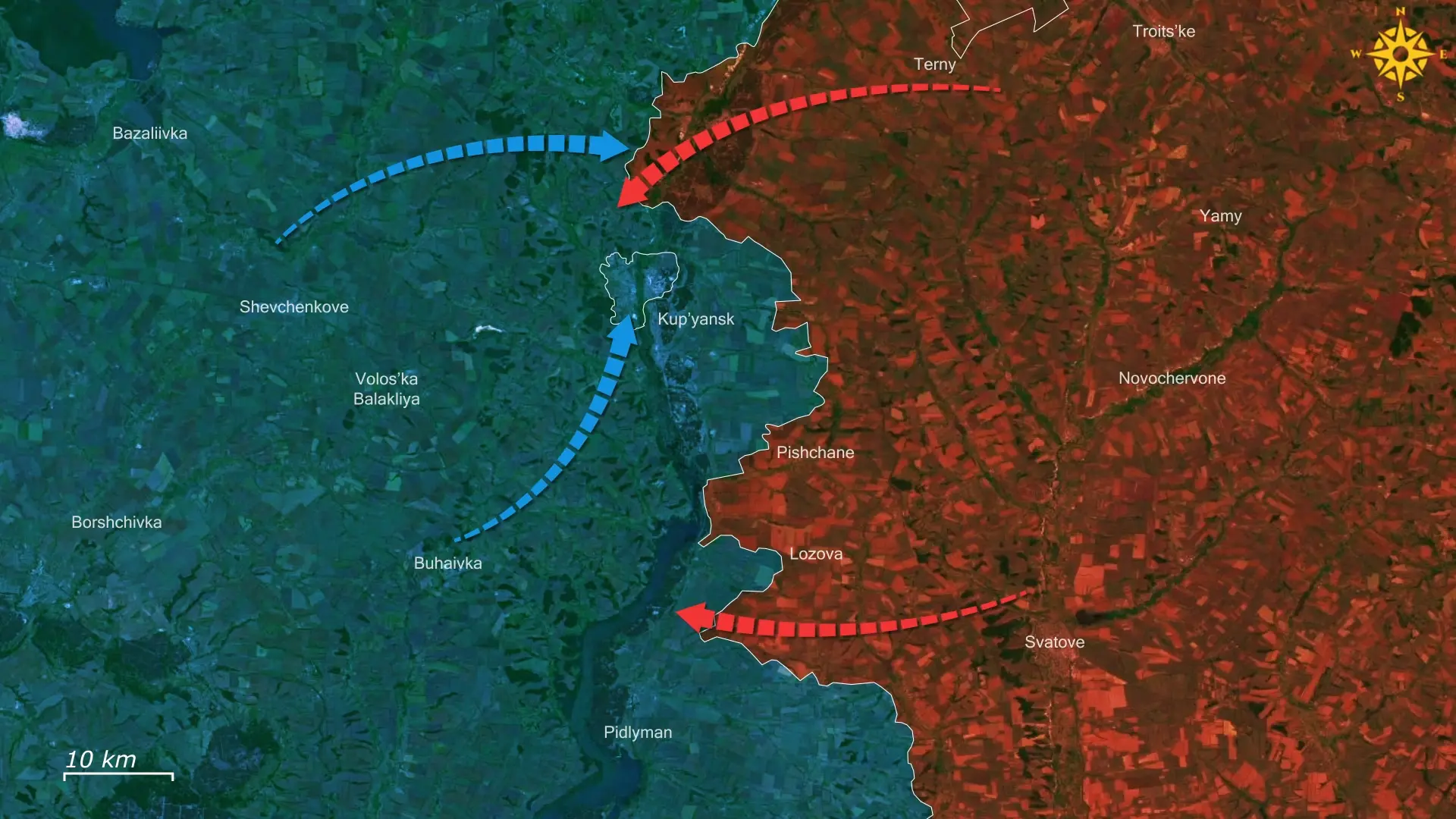
Here, Ukraine’s counteroffensive around Kupiansk is entering a new phase, with pressure building on Russian positions in and around the town. As conventional movement becomes impossible and reserves being either killed or captured, Russian forces are once again turning to a two-pronged pipeline infiltration in a final effort to shift the situation.
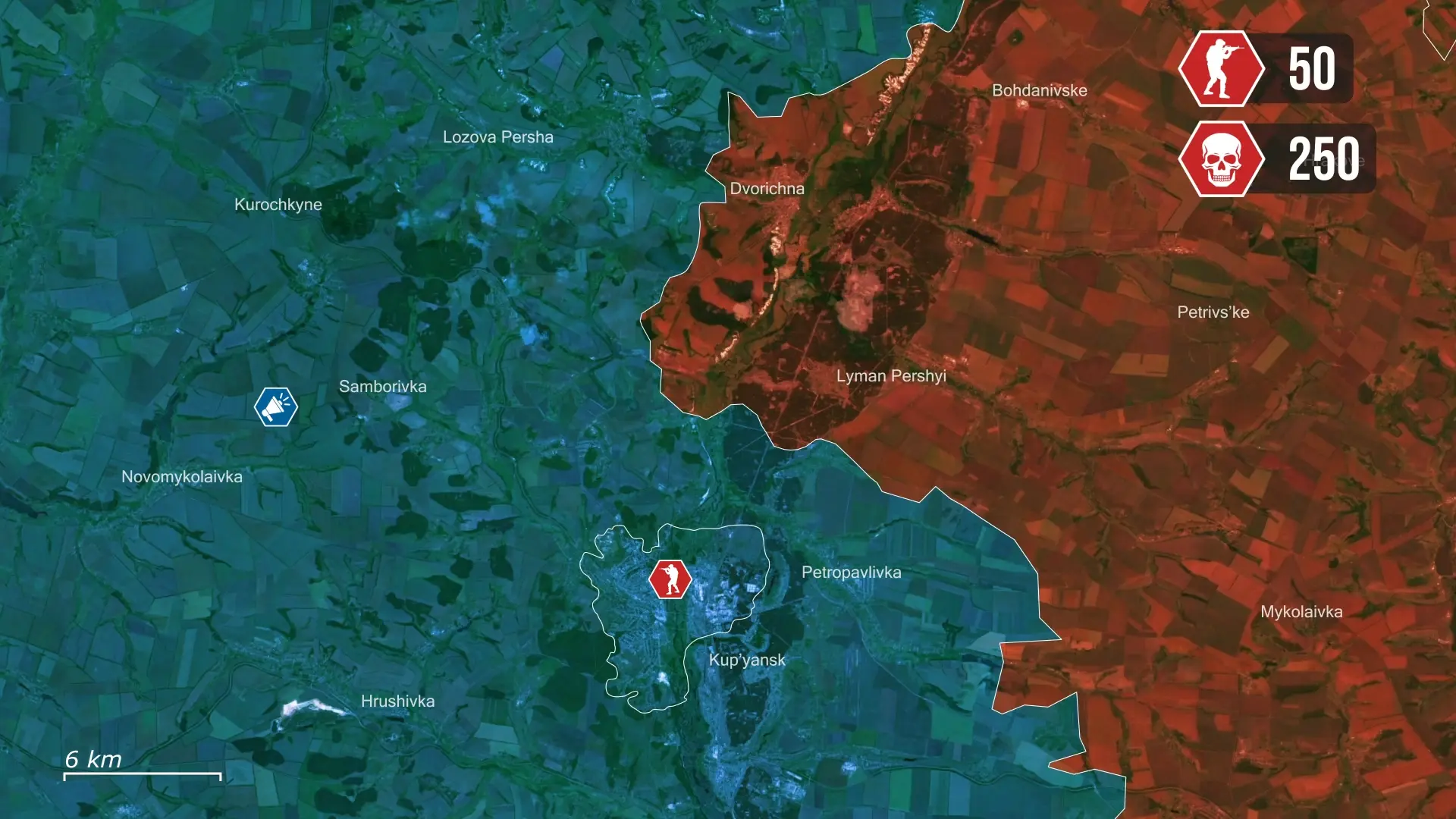
According to Ukrainian army officials, Russian units inside Kupiansk have effectively lost the ability to hold their positions, with an estimated roughly 50 Russian soldiers remaining from the initial 300 scattered across the town.
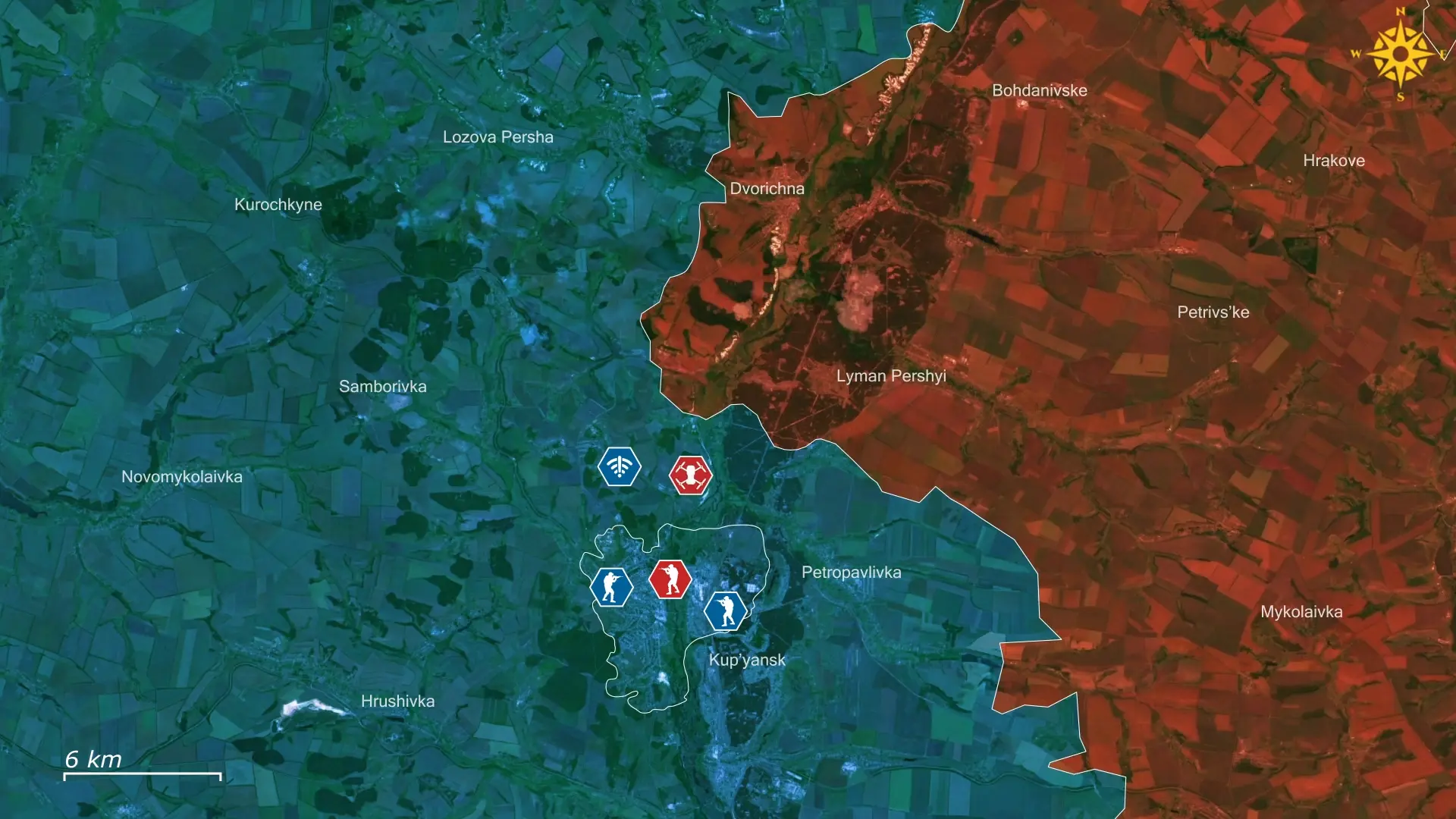
Their situation is dire, with ground supply routes cut, and resupply limited to an improvised aerial bridge using drones. However, this method is insufficient to sustain prolonged resistance and is heavily interrupted by bad weather and Ukrainian electronic warfare.
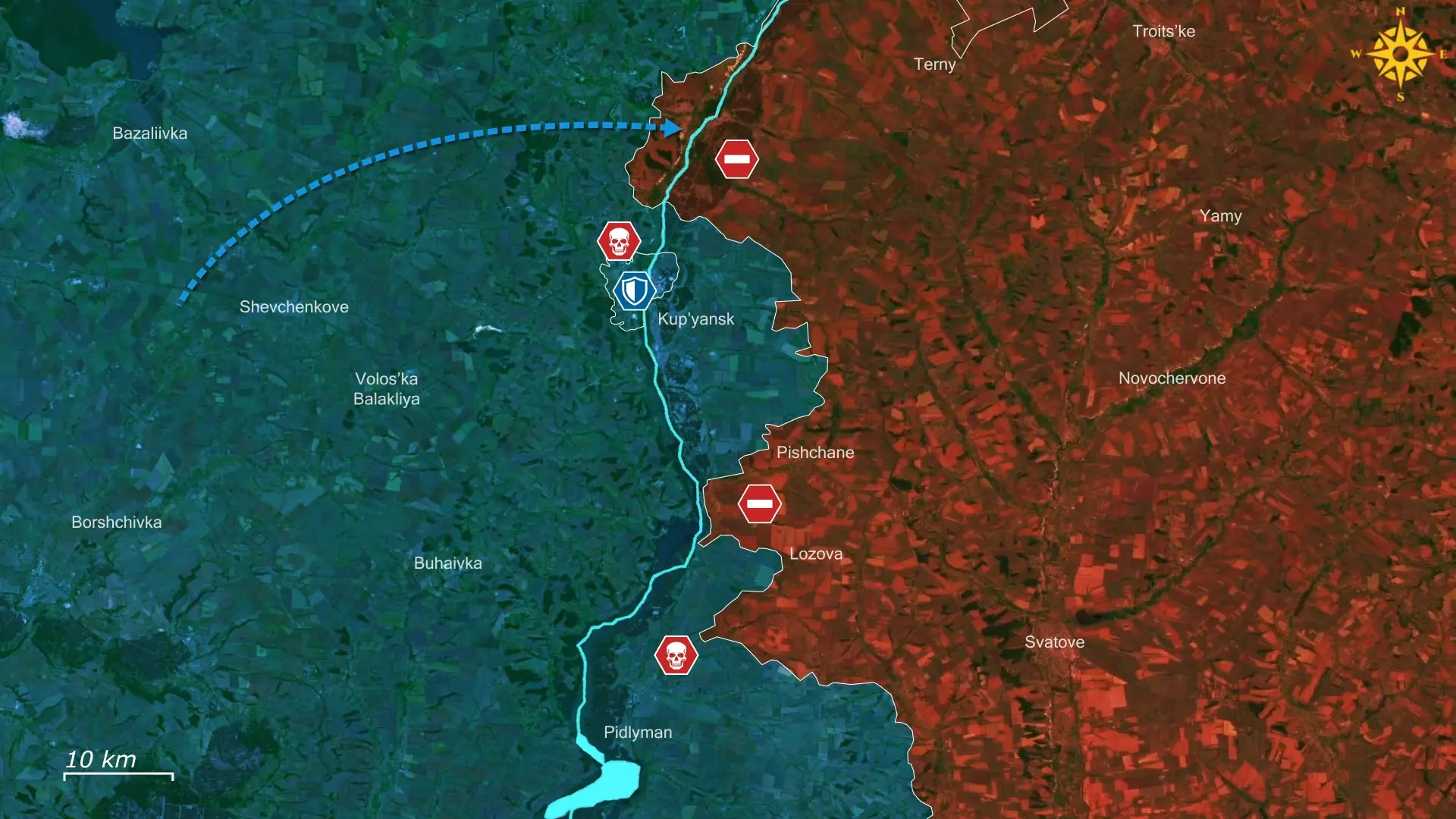
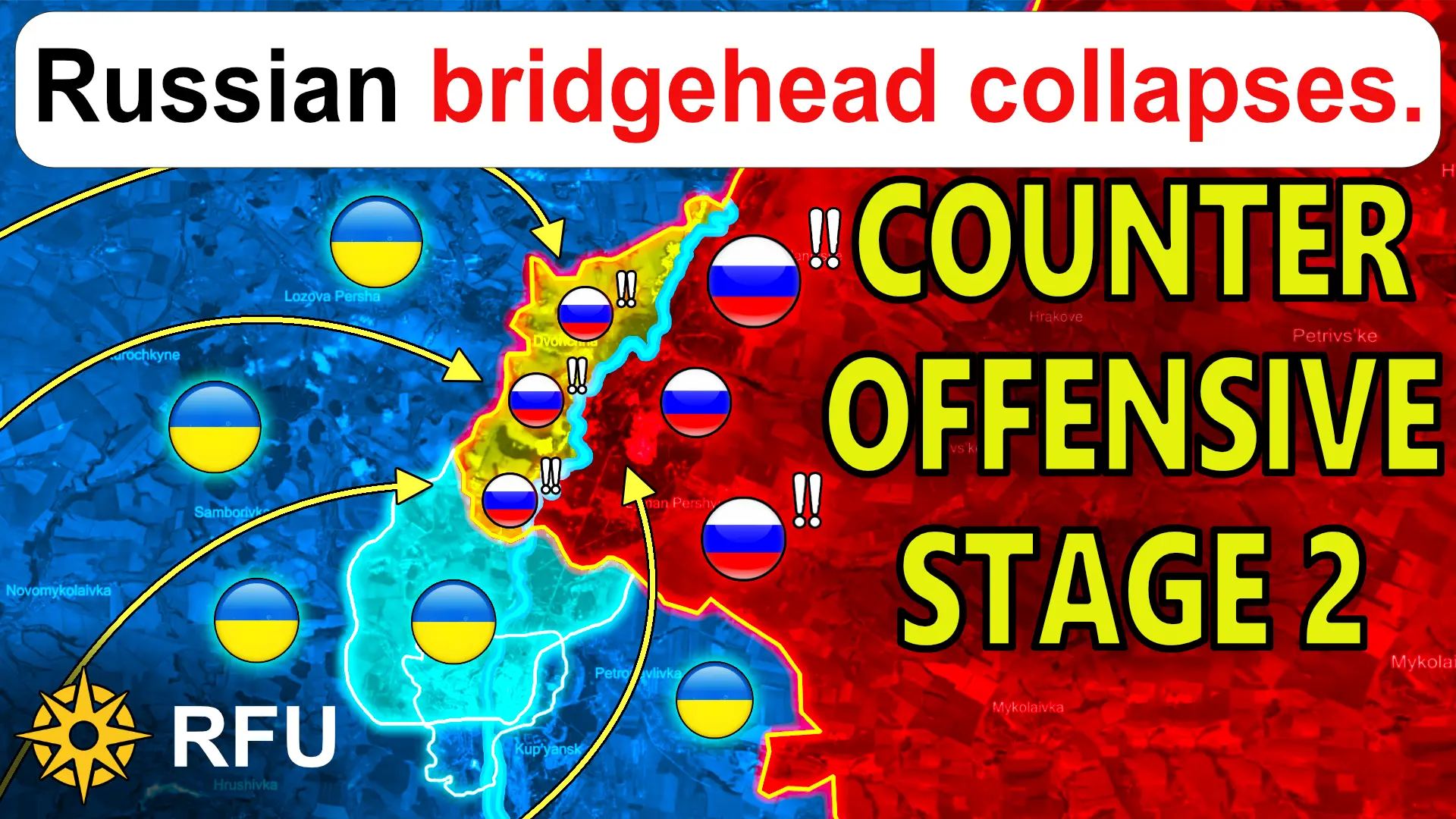
Additionally, Ukrainian forces have begun advancing to the north, with units pressing all along the Zapadne-Kalynove-Holubivka line. This indicates a new Ukrainian operational intent to clear the entire area west of the Oskil River rather than stop at the town limits, the second phase of Ukraine’s Kupiansk offensive after the massive success of the first.
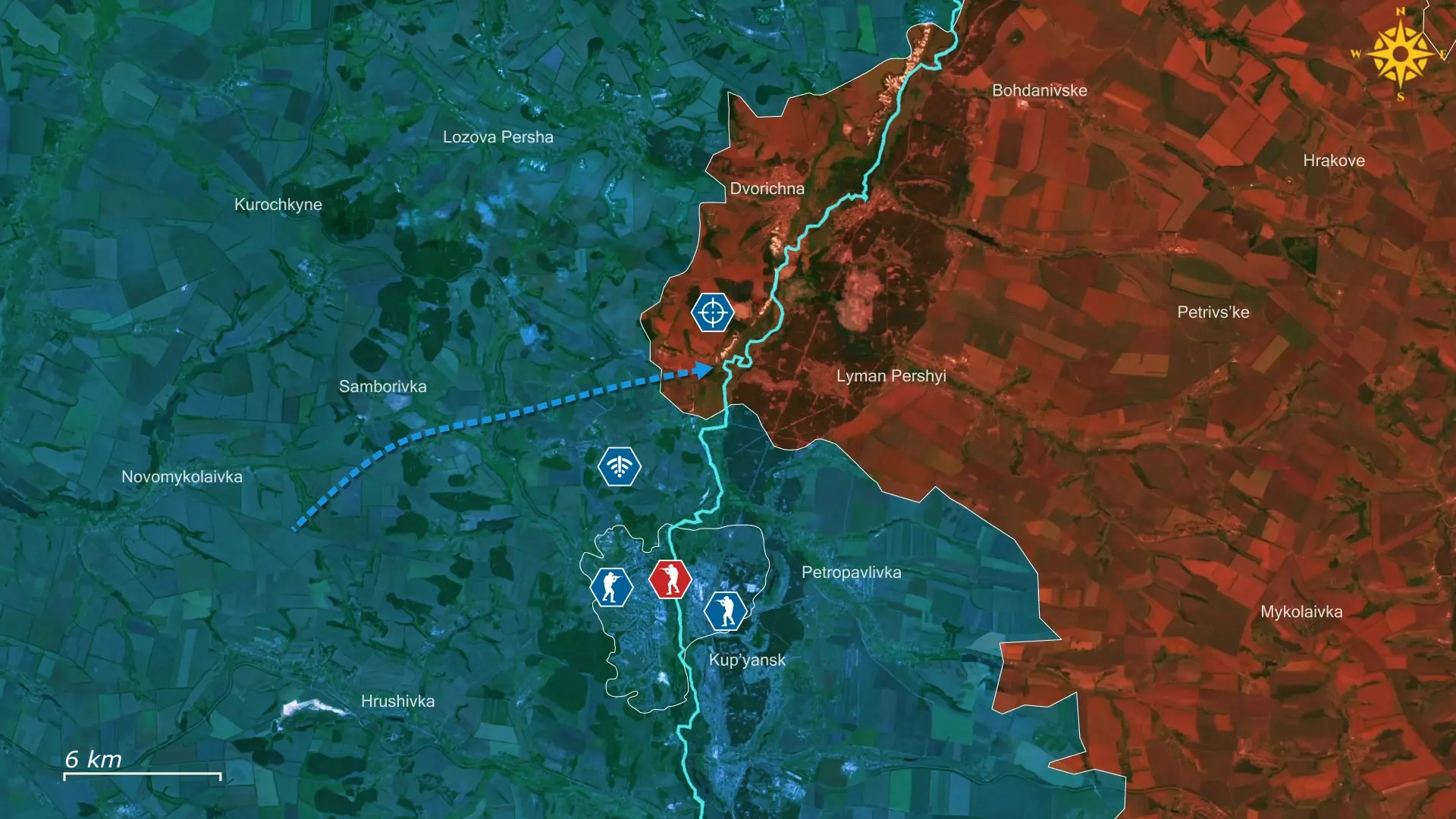
This could collapse the Russian bridgehead and secure Kupiansk from further infiltration, finalizing the major Russian failure in the north.
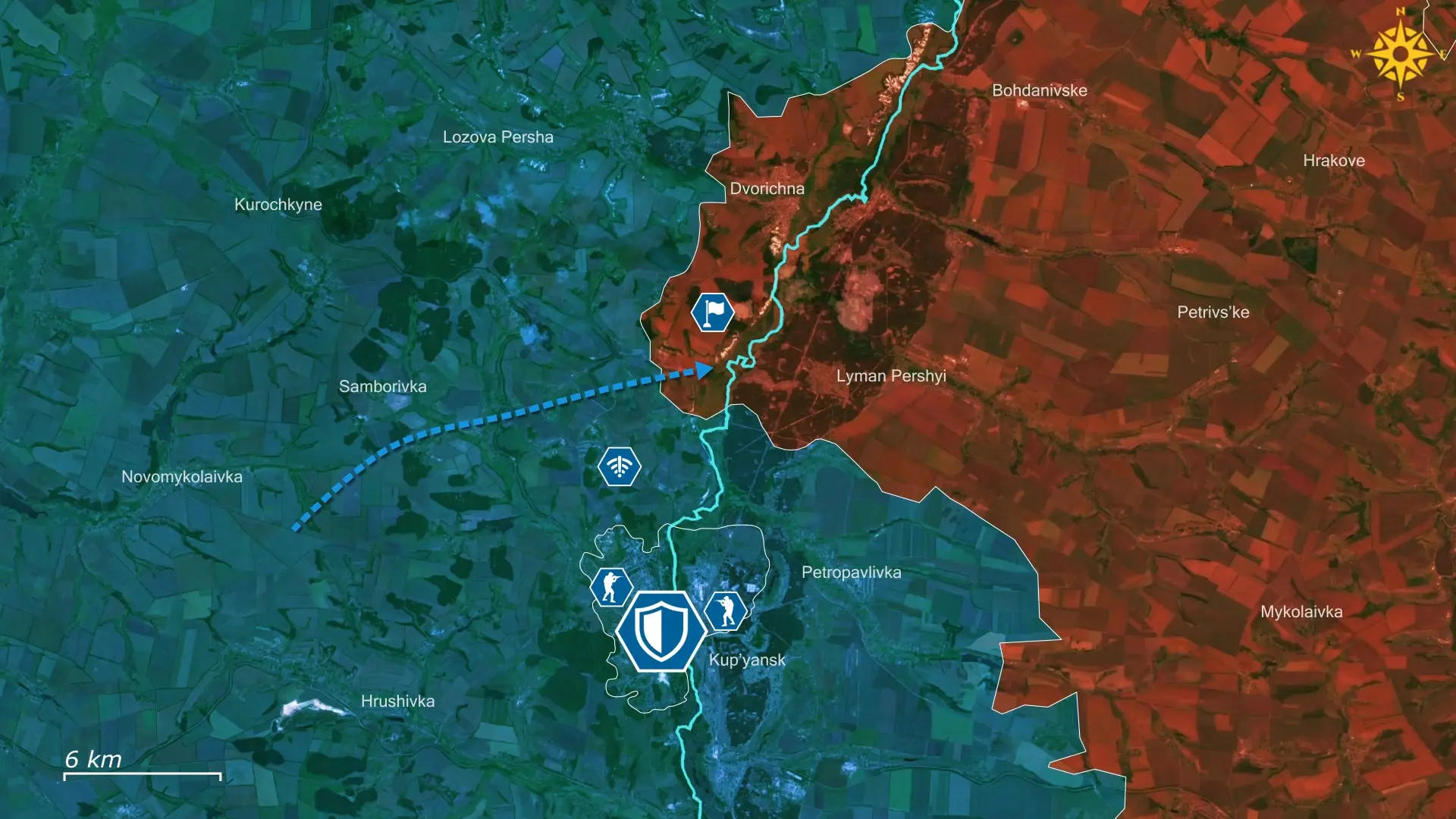
Faced with this deteriorating situation and unable to reach their trapped forces, the Russian command resorted to a desperate and increasingly familiar tactic of pipeline-based infiltration assaults. Finding suitable pipelines, Russians conceived a two-pronged assault intended to divert Ukrainian attention, create confusion, and reopen corridors to the encircled Russian remnants in Kupiansk. The idea being that the pipelines would provide relative safety and shield them from the increased Ukrainian drone activity amidst the counteroffensive actions.
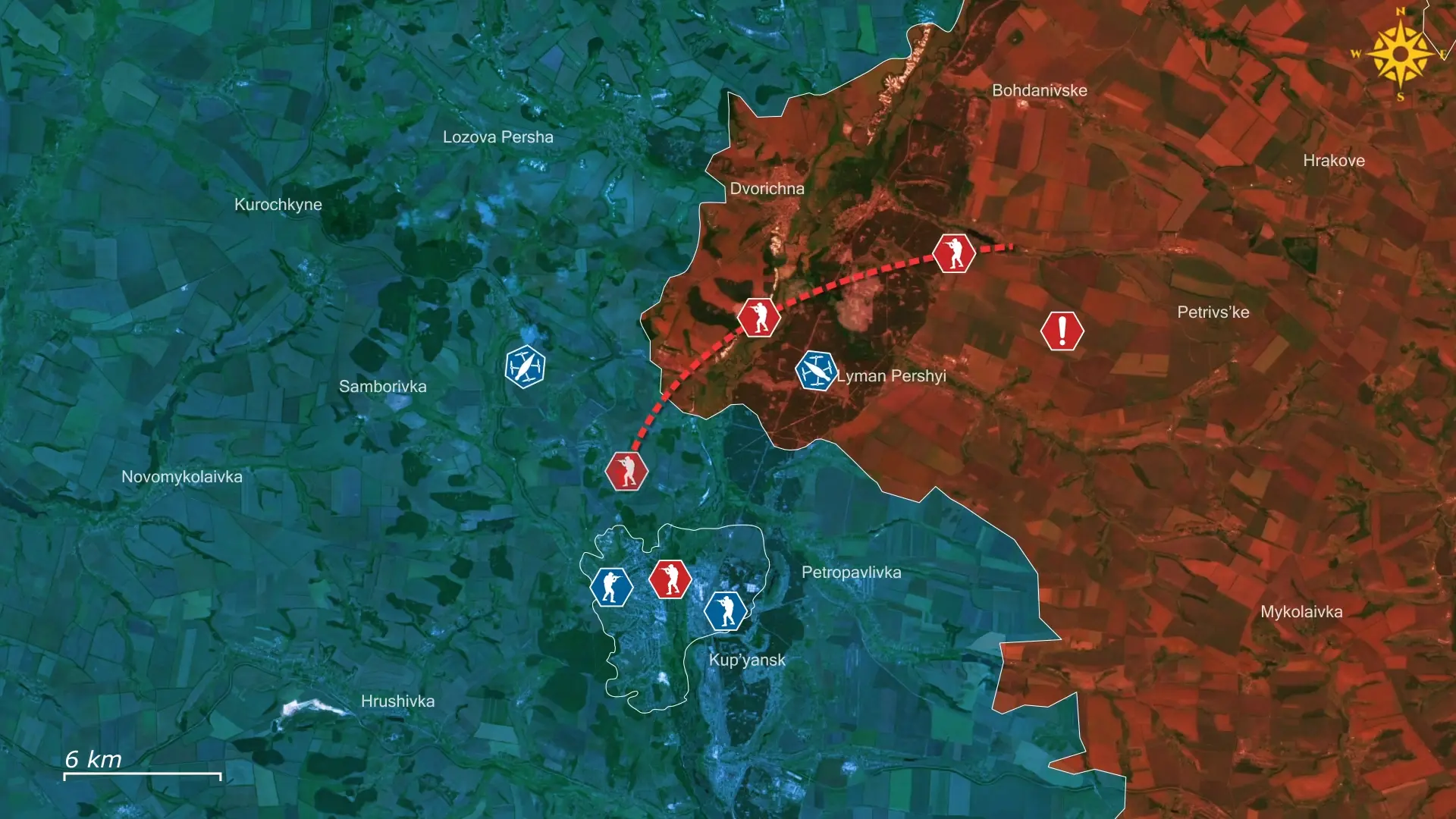
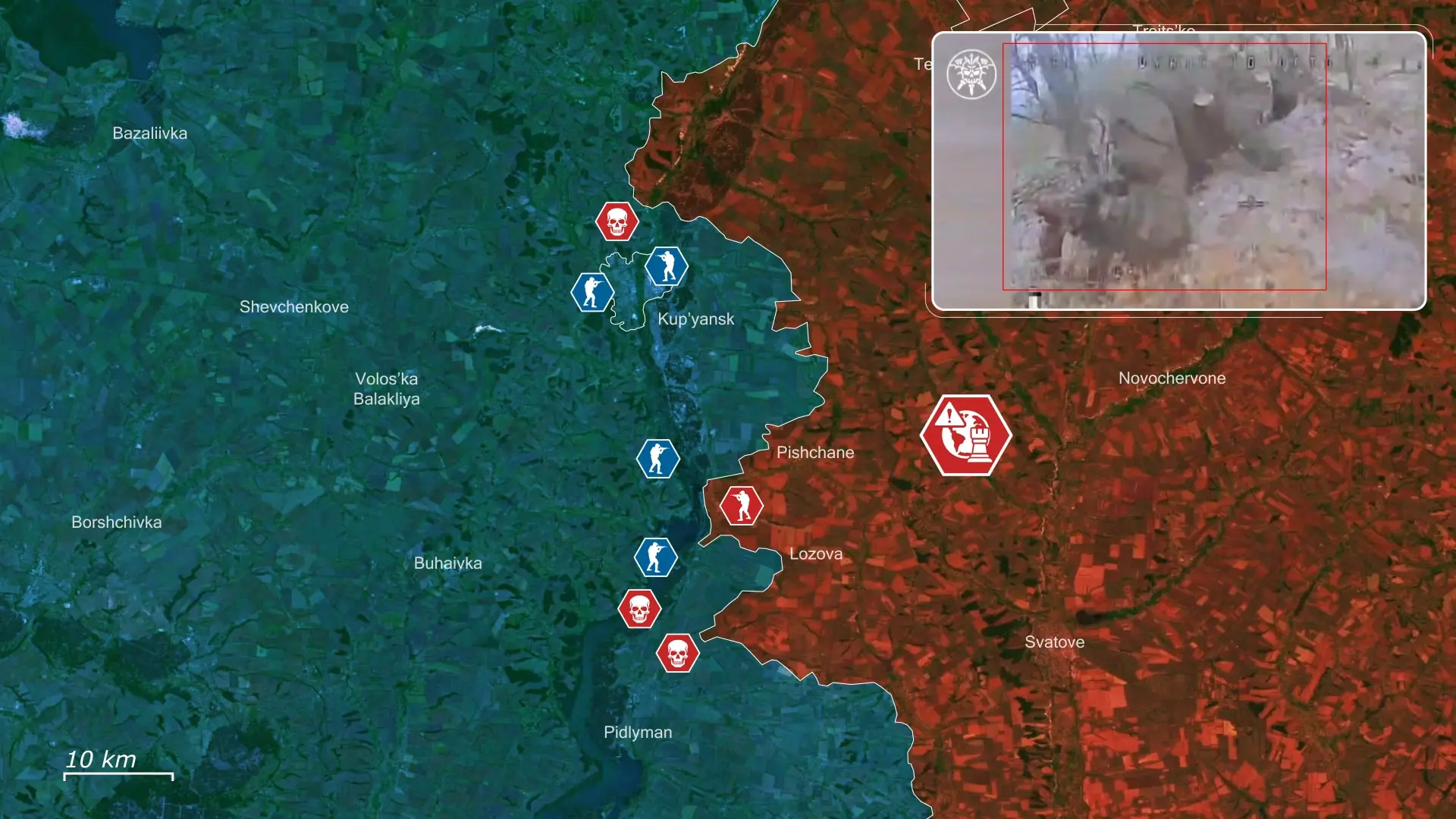
The first of these attempts unfolded near Dvorichna, where Russian forces sought to repeat a pipeline infiltration that had once enabled them to slip into Kupiansk. However, this time, Ukrainian defenders were fully prepared. Roughly between 50 and 60 Russian soldiers advanced through a gas pipeline toward Ukrainian positions, but their movement was detected well in advance by Ukrainian drone reconnaissance due to the amount of Ukrainian artillery and drone units on standby for the counteroffensive.
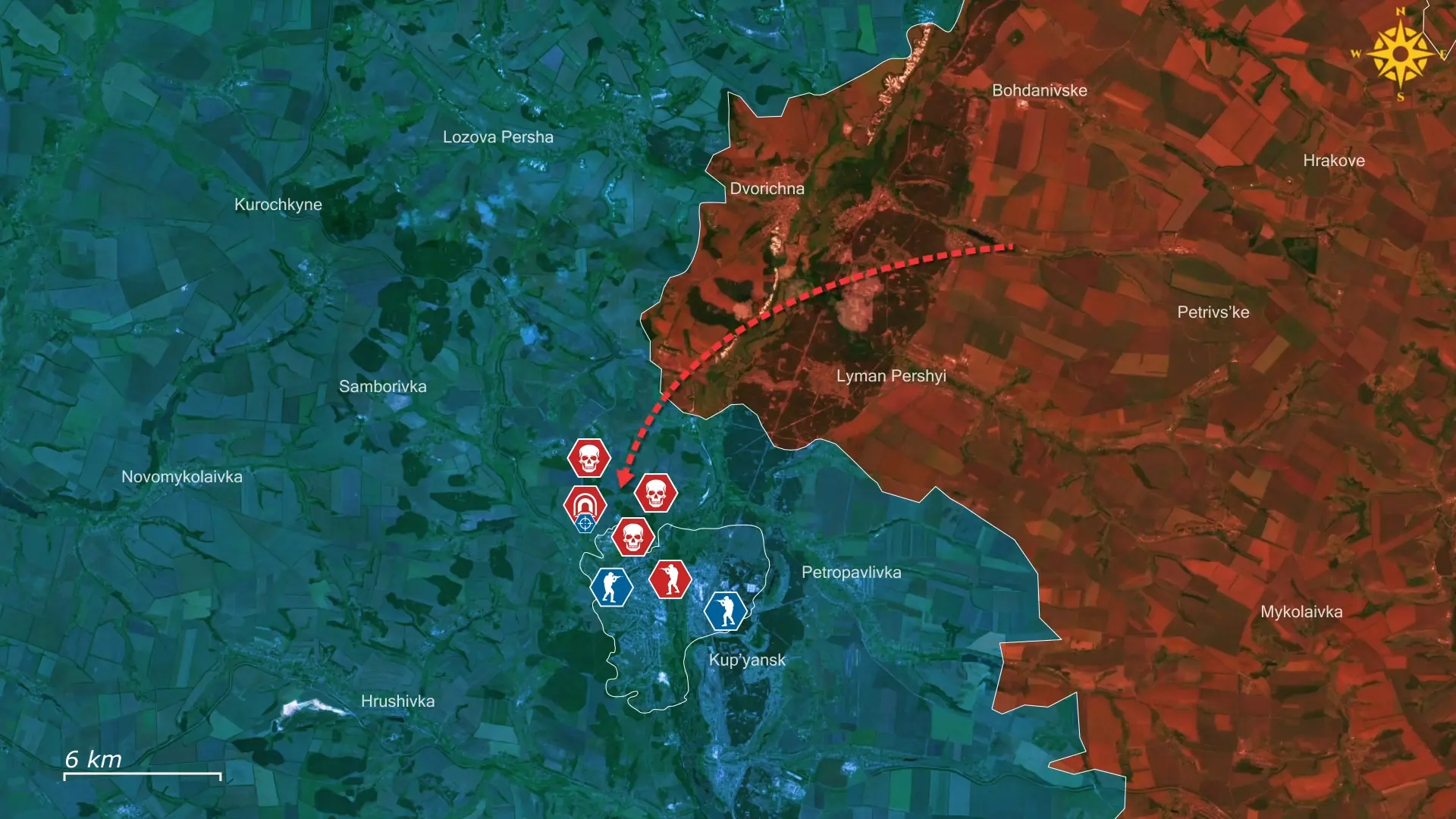
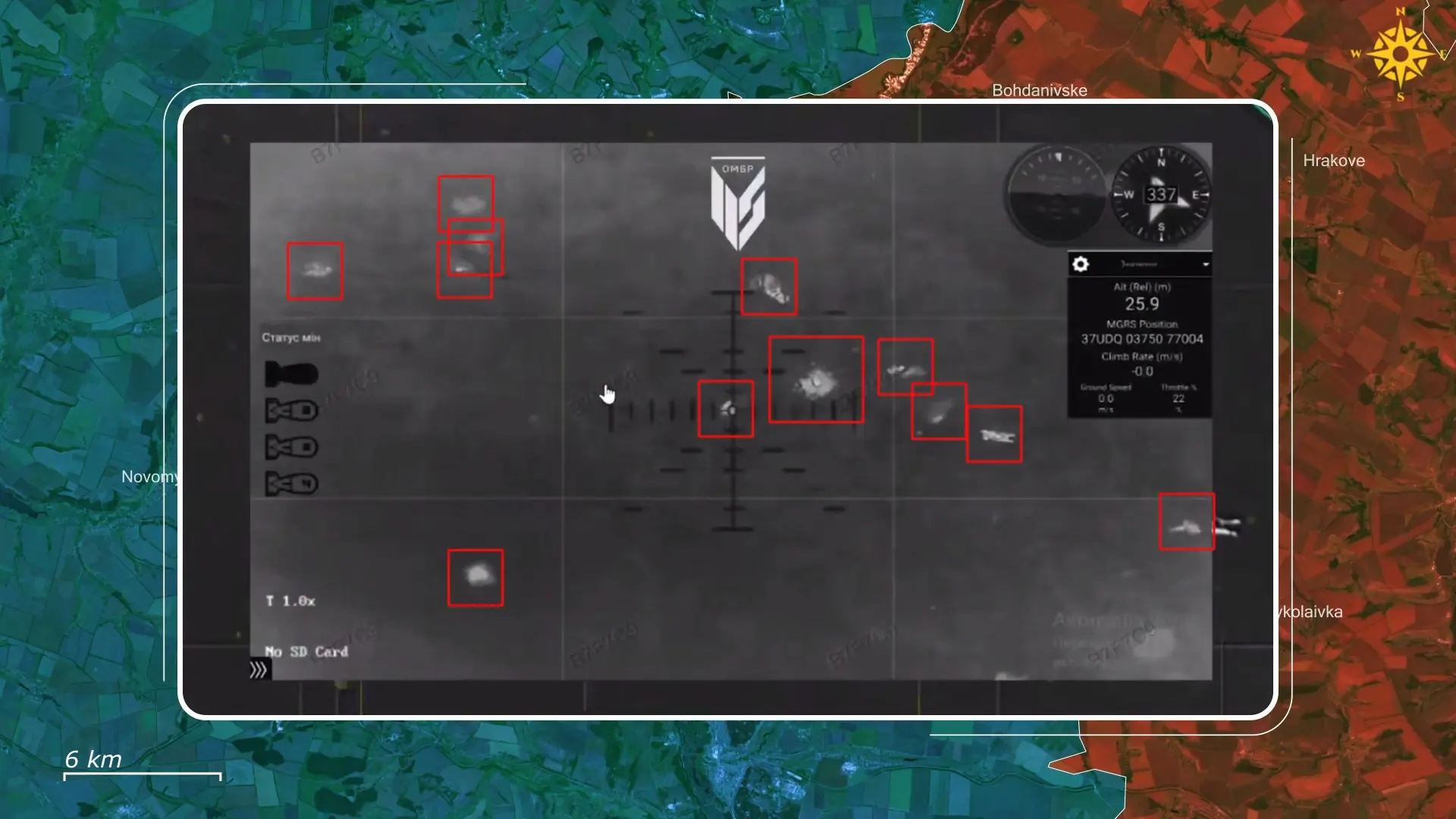
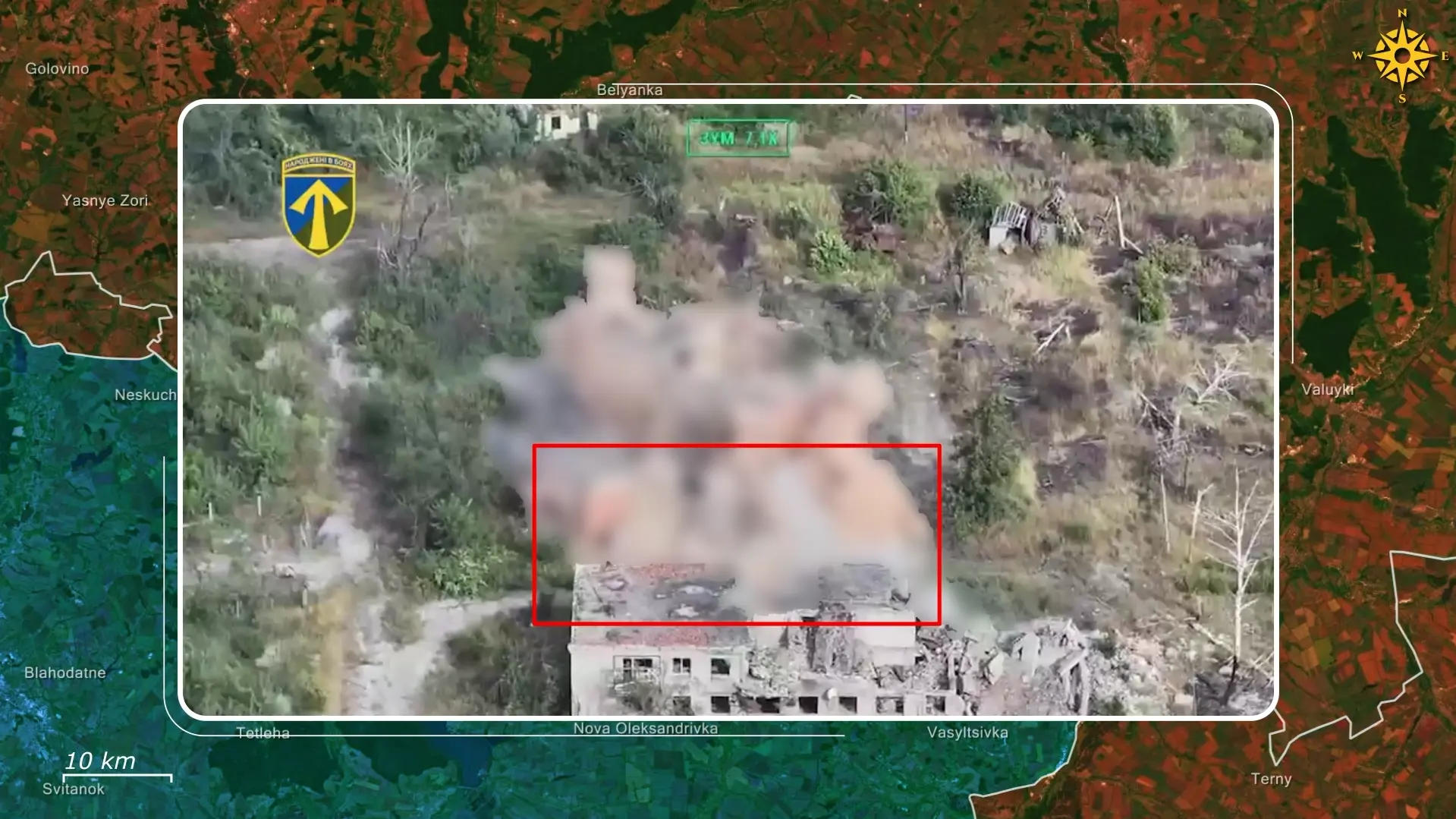
The information was quickly briefed to the local commander, who requested a live video feed, and when he saw the Russians crawling out, he called in direct artillery fire on the entrance, turning it into a kill zone. Any Russian slipping through the artillery fire was then targeted by drone-dropped munitions and FPV drones and destroyed, without a single enemy soldier breaking through.
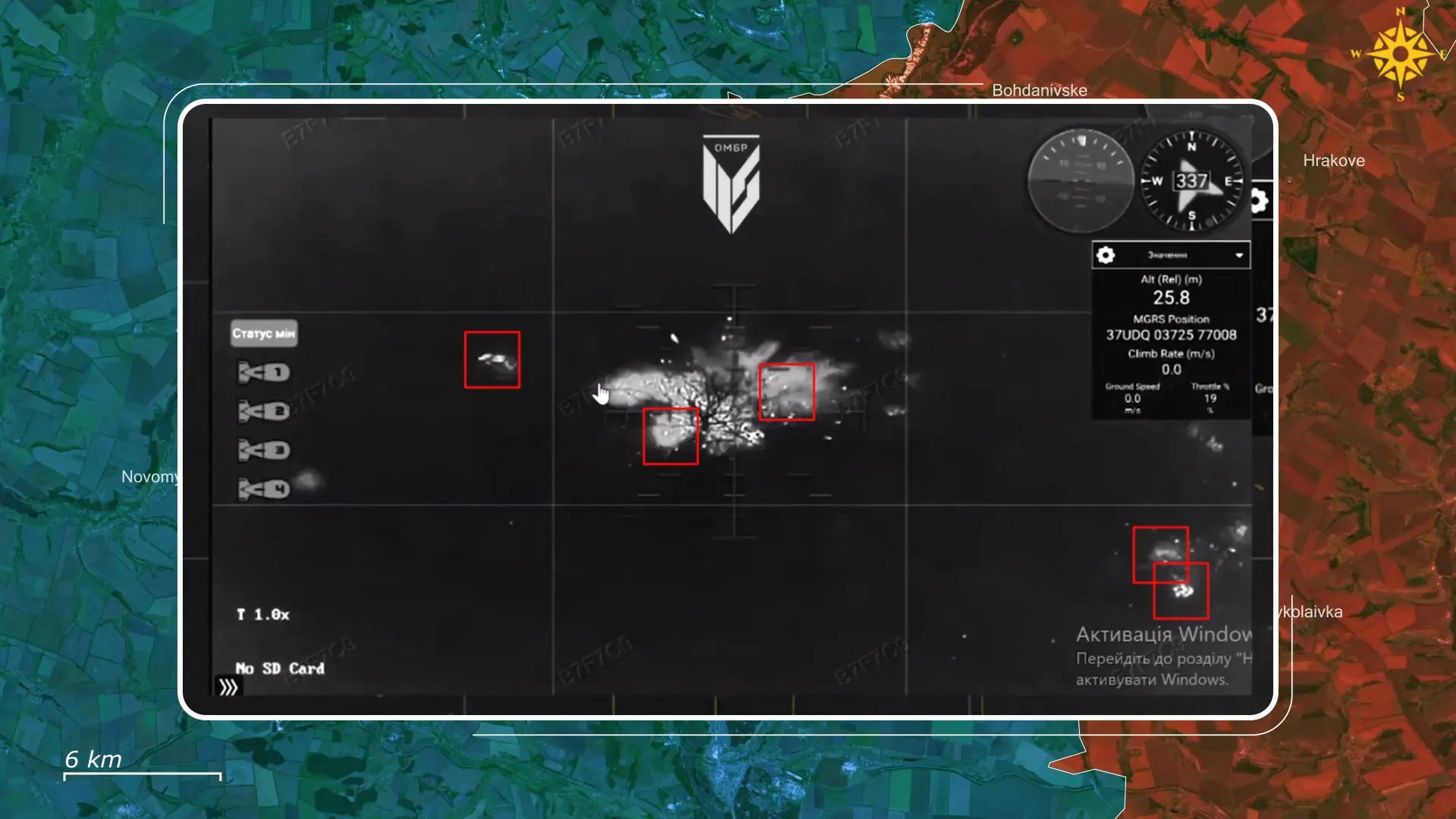
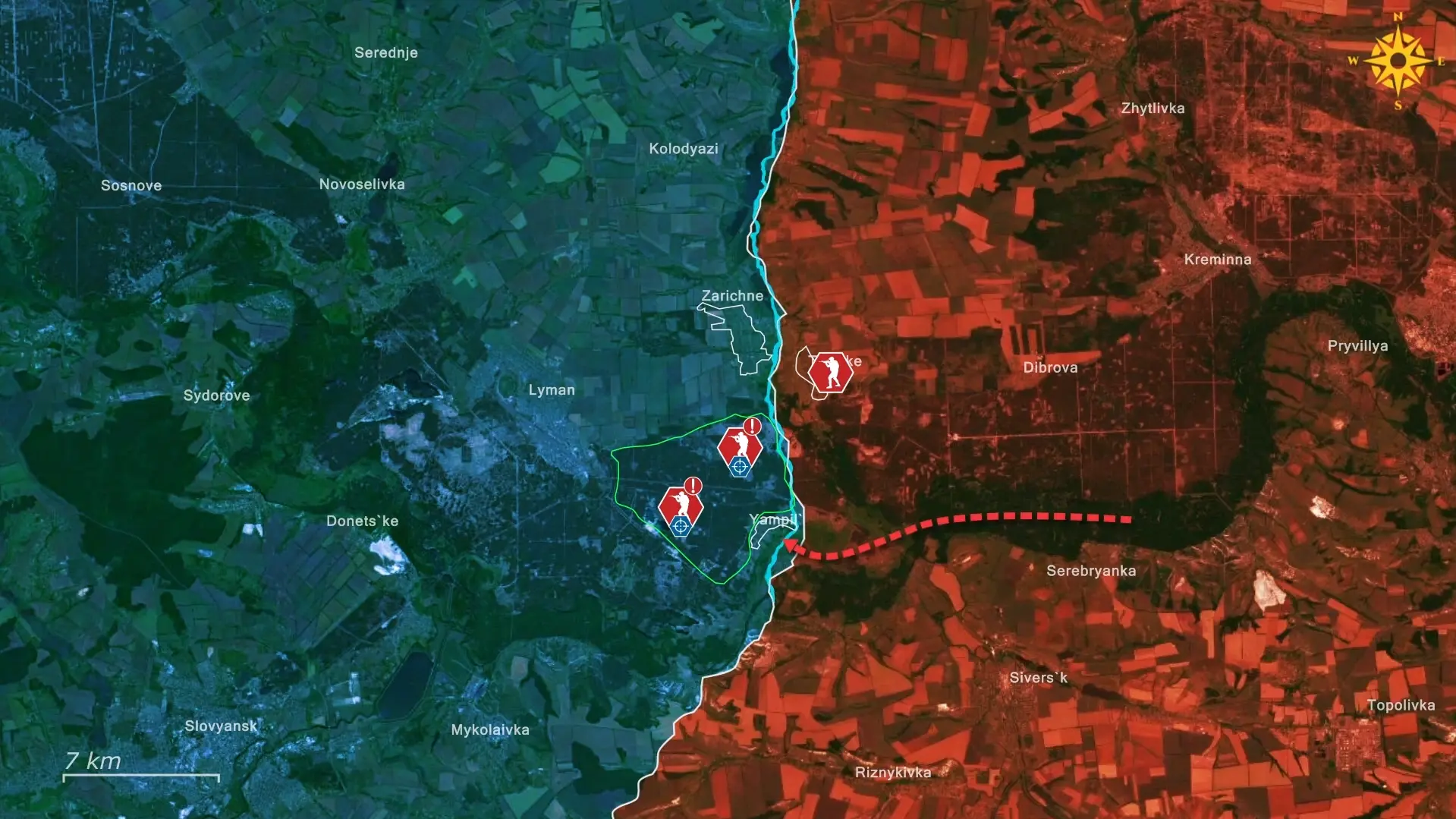
A second, equally suicidal attempt followed near the Oskil River, south of Kupiansk, as the Russians had the objective to widen the so-called Pischane funnel on the river’s eastern bank. This would give them more freedom to move, without exposure to Ukrainian fire from multiple directions, which has repeatedly caused Russian assaults here to fail.

Here as well, Russian troops crawled through an empty gas pipeline, this time using two separate exits in hopes of increasing survival chances. As artillery fire was prioritized to the north, the Ukrainian 77th Airmobile Brigade detected the enemy movement at multiple emergence points and responded with bomber drones. Unfortunately for the Russians, thermal-equipped Ukrainian drones tracked all fleeing survivors, who were then hunted down by FPV drones.
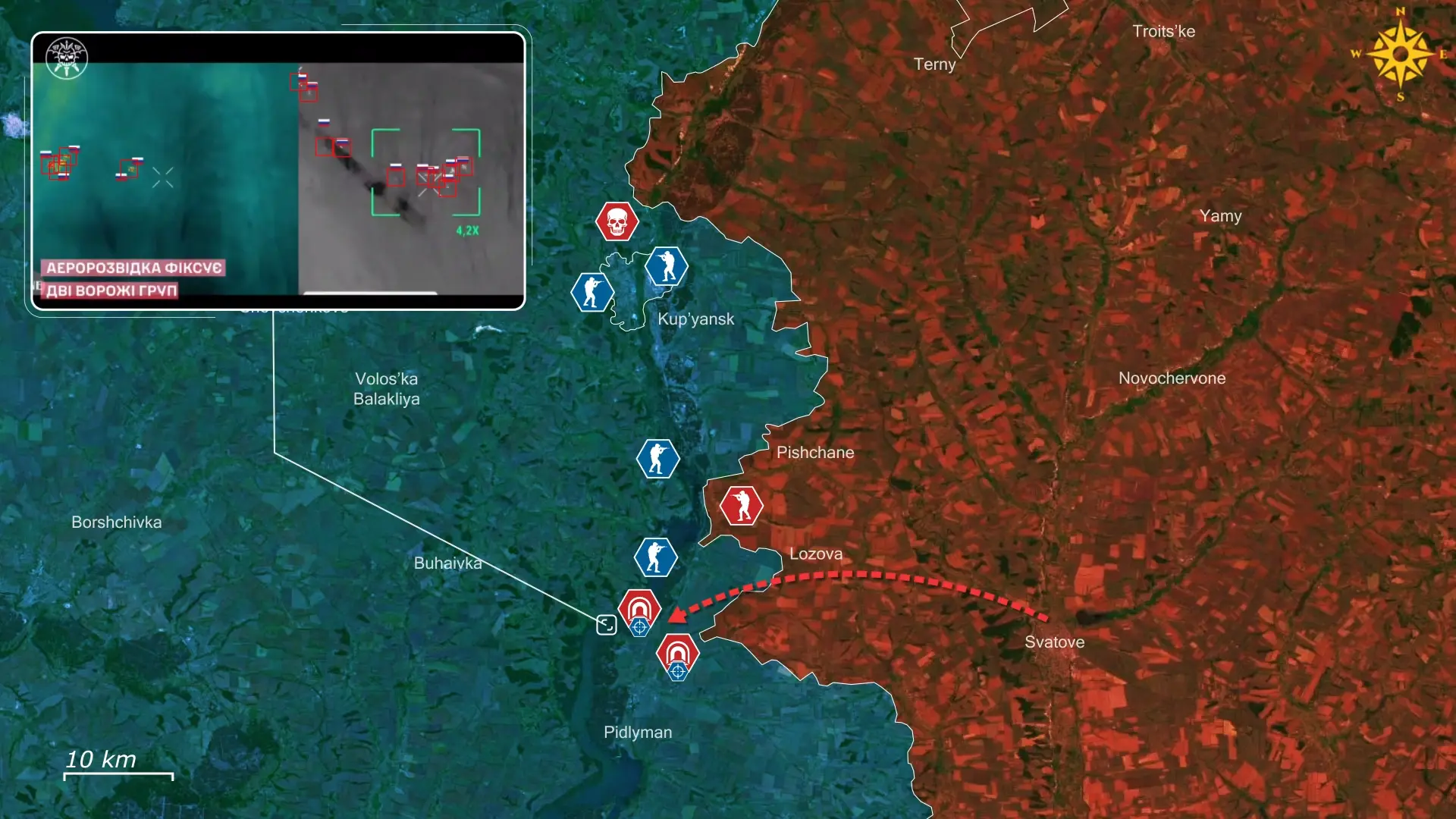
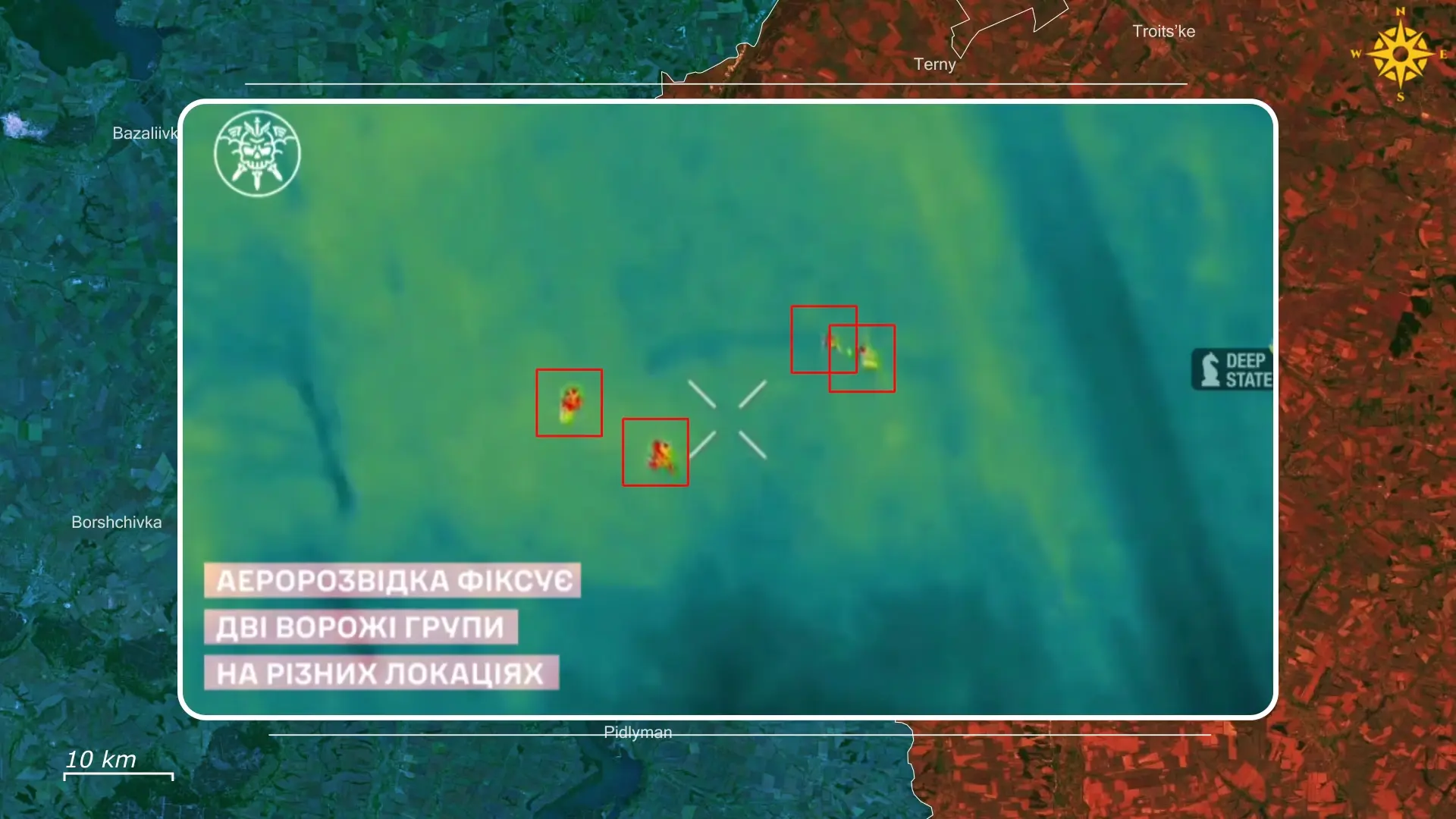
In total, around 40 Russian soldiers who had crawled out of the pipes in the south ended up dead, with no survivors.
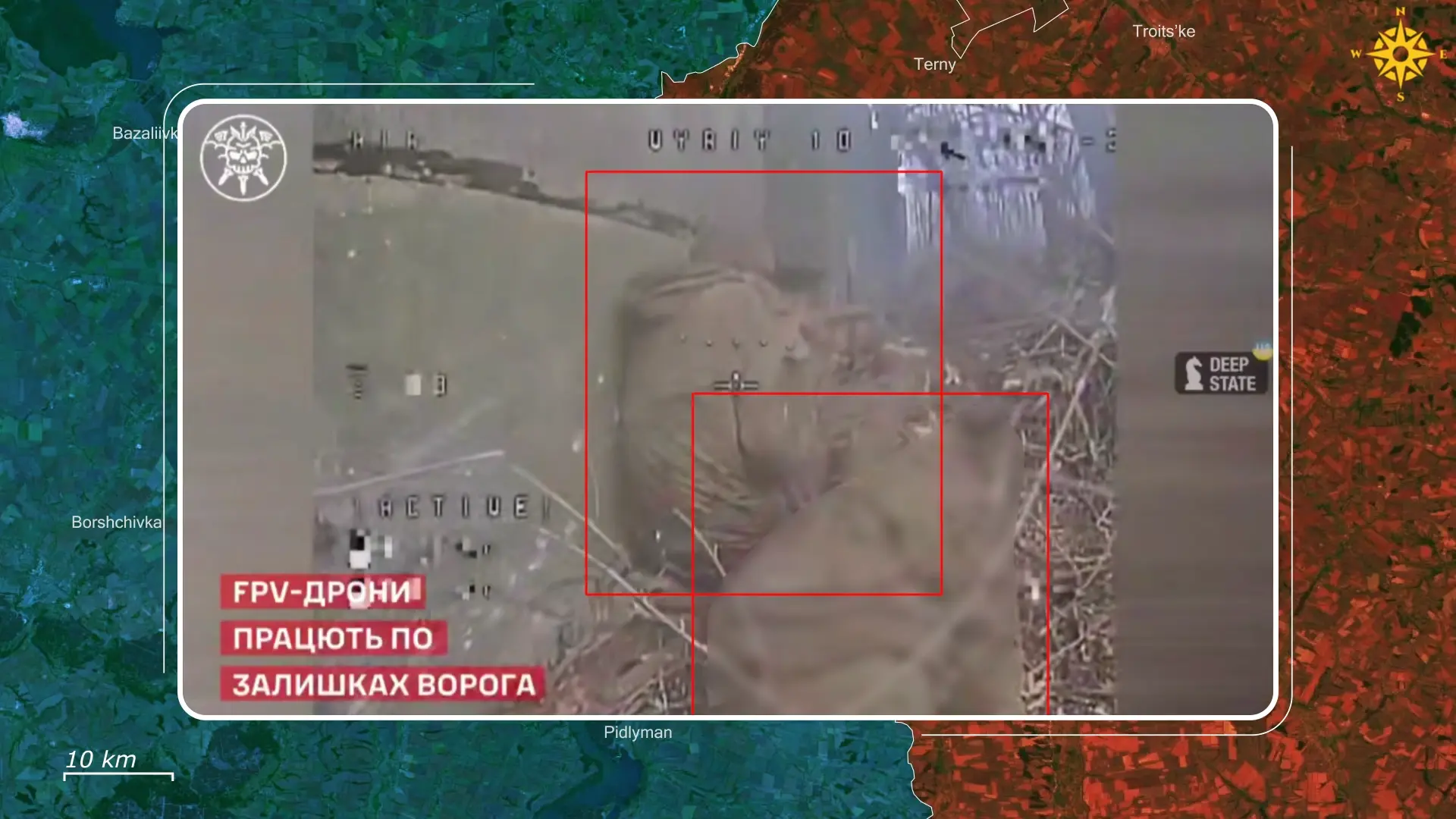
After the failure of these pipe assaults, the collapse of Russian positions west of the Oskil is now inevitable, as the Russian command lacks the reserves for another breakout attempt. This was confirmed by the footage from both unsuccessful pipeline attempts, which included foreign mercenaries from Africa, a telling sign that Russian manpower reserves are thinning and that Moscow is increasingly relying on foreign fighters to sustain its attrition-heavy tactics.
Overall, Ukraine’s success in anticipating and crushing the Russian pipeline infiltrations underscores the high level of coordination and active intelligence, keeping the second phase of the Ukrainian counteroffensive secure. With Russian reserves dwindling, Ukrainian forces are now poised to advance even further north of Kupiansk, pushing the Russians back into the river. If successful, this will not only secure Kupiansk from renewed assaults but also mark a second decisive defeat for Russia in the sector, who would be unable to mount any sort of organized response.
.jpg)

Comments