

.svg)
Today, the biggest news comes from Estonia.
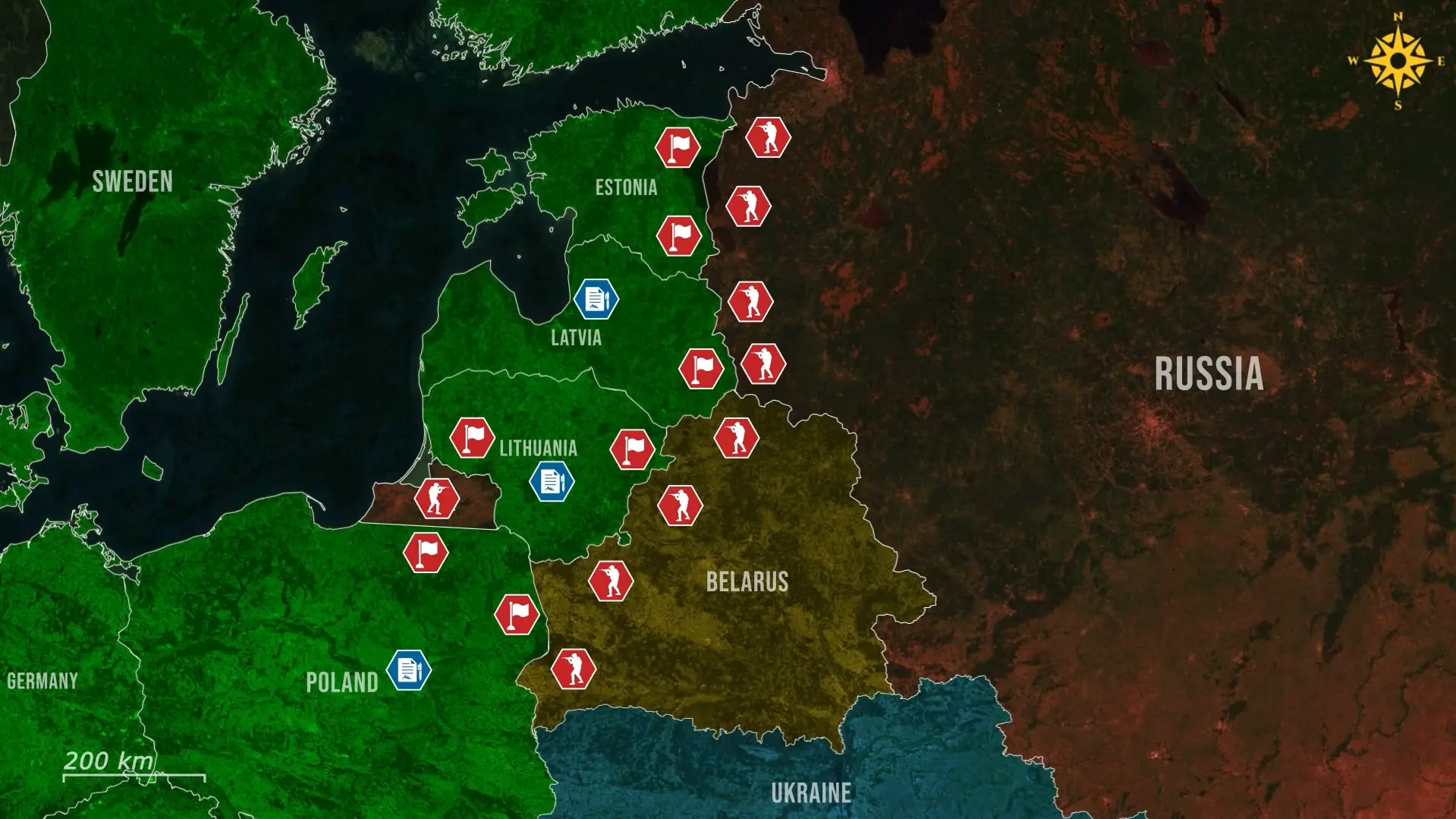
Here, the Russian threat is growing, as the aggressor intensifies efforts to provoke Estonia through additional incursions. However, Estonia is preparing for the worst and is rapidly fortifying its border to put an end to the Russian ambition.
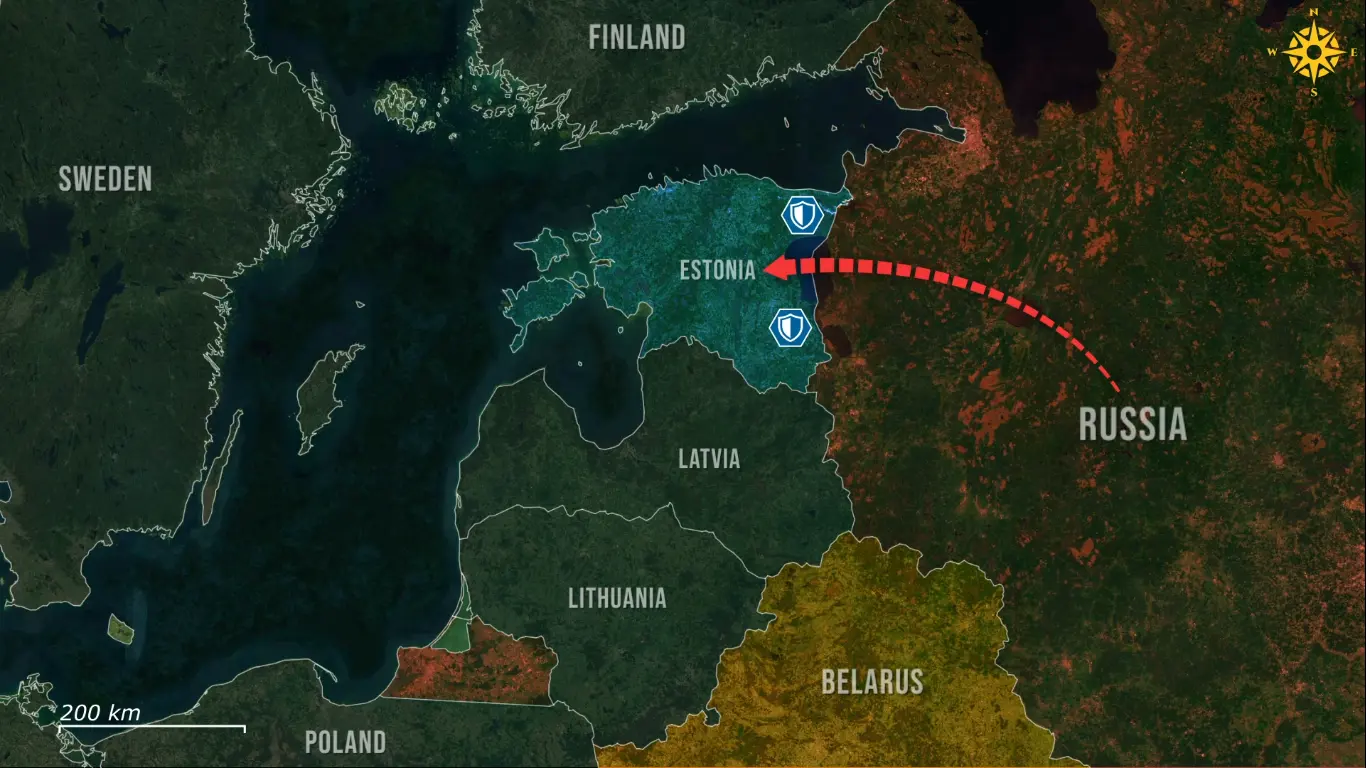
Russia has been bogged down in Ukraine for almost 4 years, which has constrained its options, leaving it largely reliant on hybrid tactics to use against Western countries. Estonia, one of Russia’s smallest neighboring countries, has been repeatedly targeted through a range of provocations, including airspace violations, sabotage activities, and GPS jamming incidents at sea and in the air.
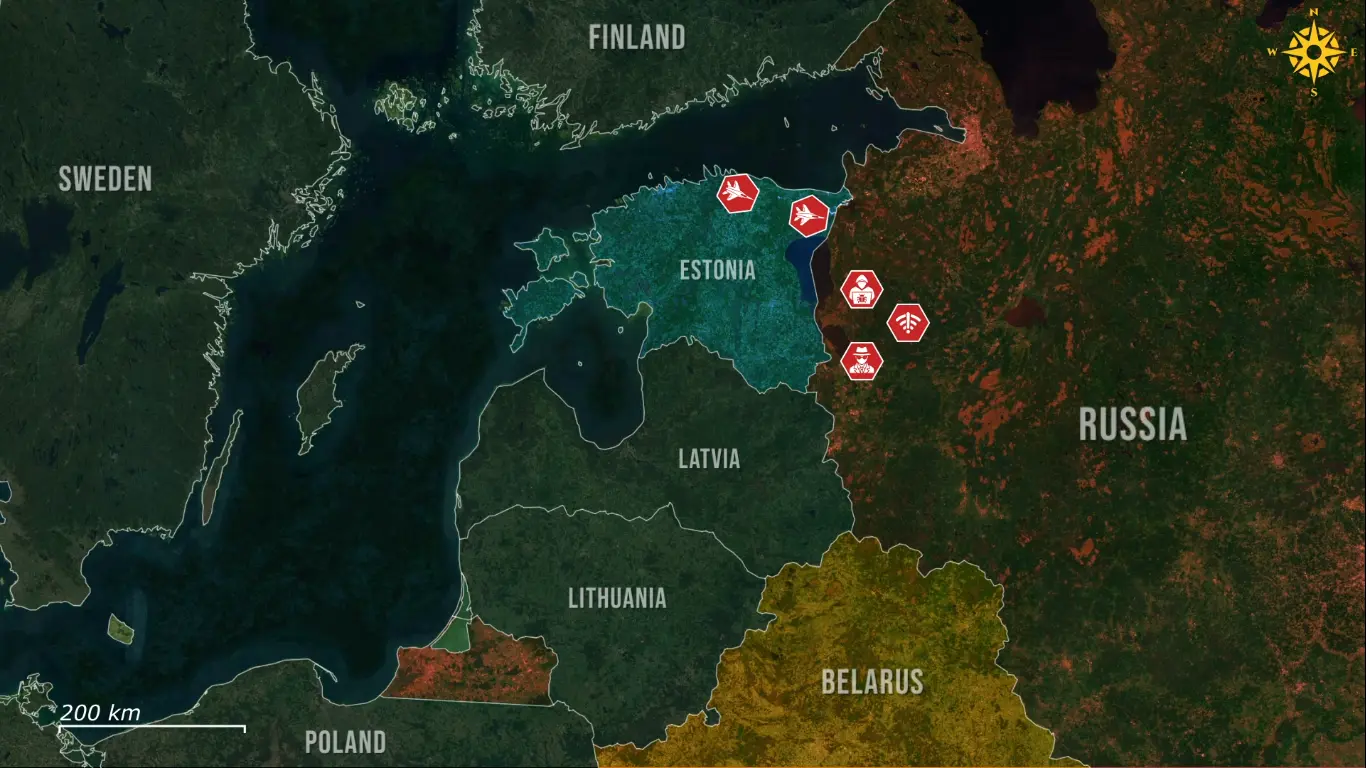
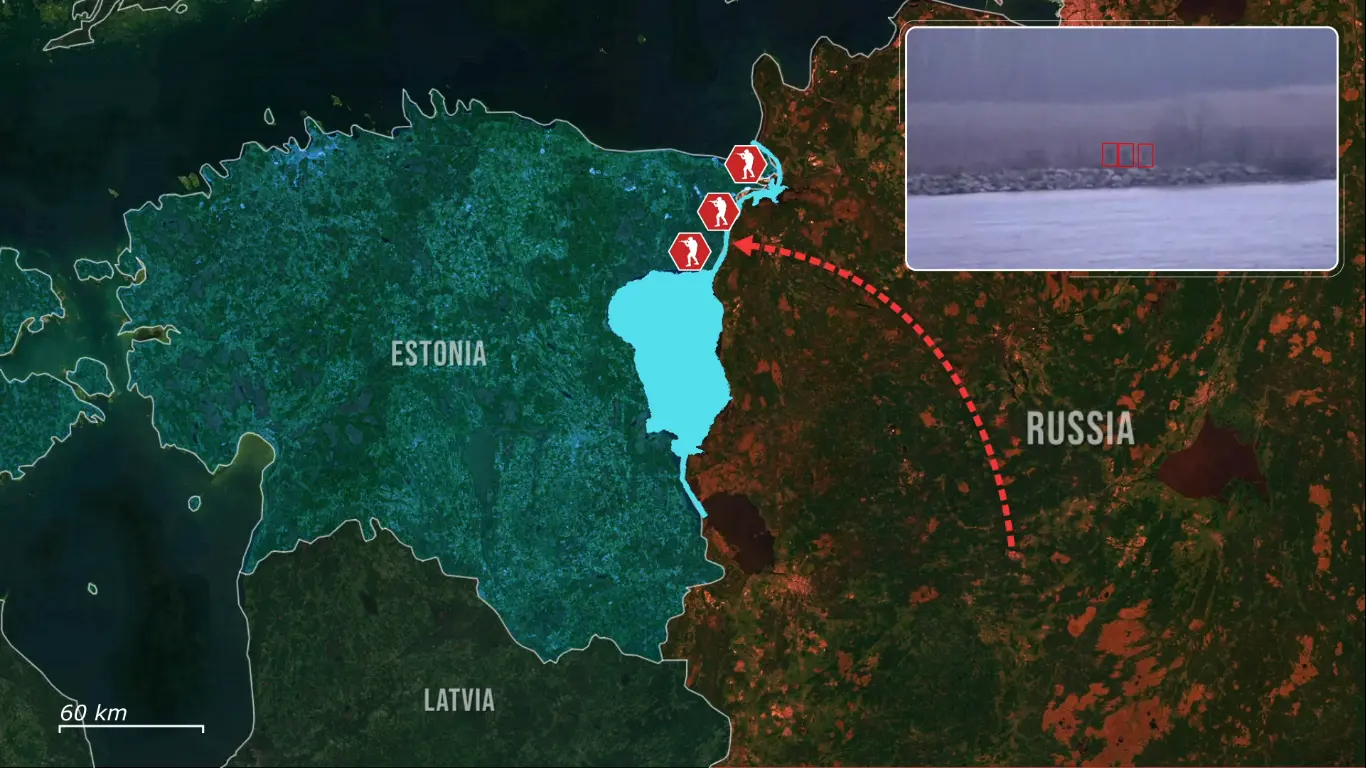
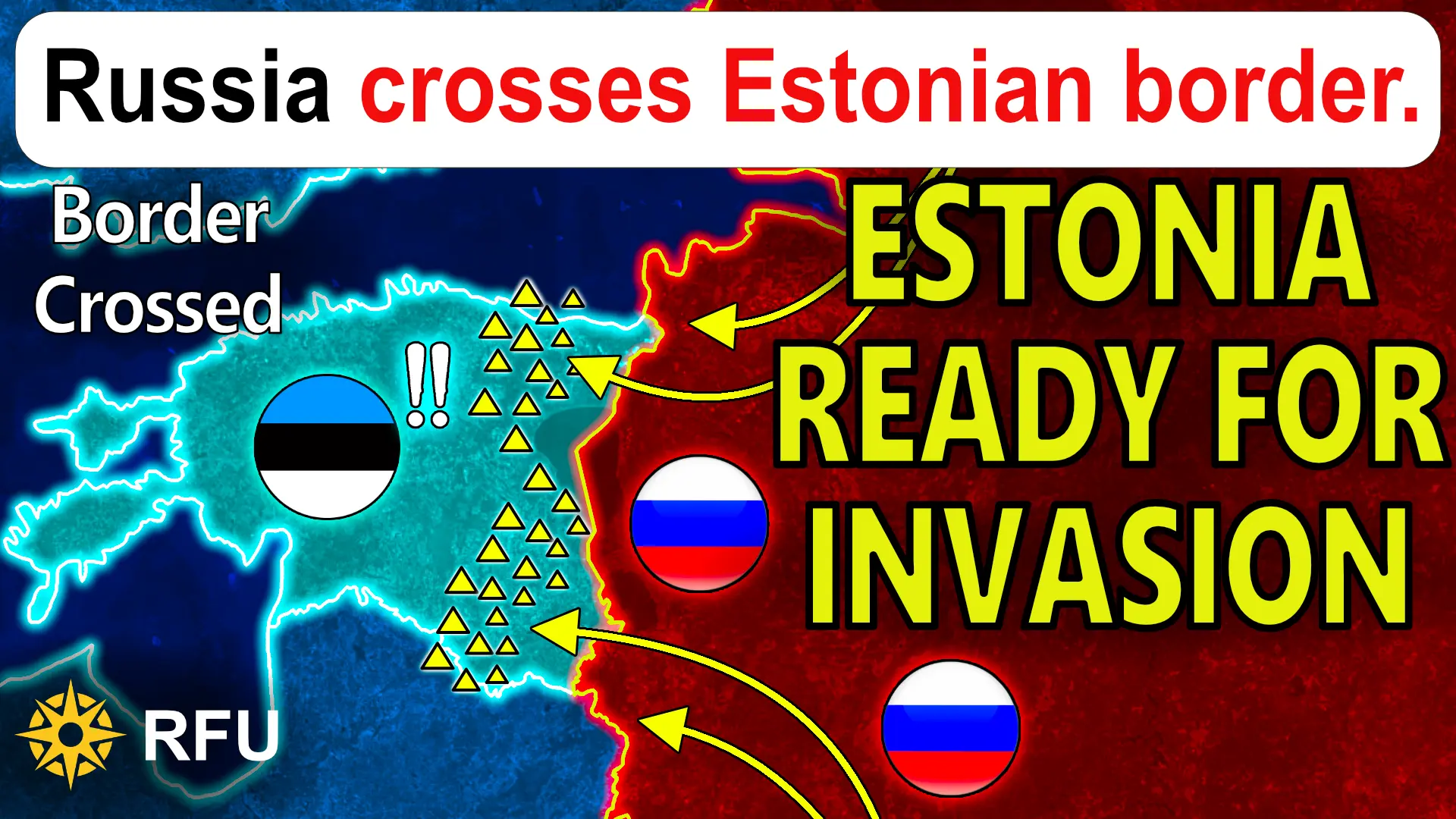
However, the latest incident was more severe, involving three Russian border guards crossing into Estonian territory and being filmed staying there for approximately 20 minutes. The incursion occurred in an enclave across the Narva River, connected to the Russian mainland.
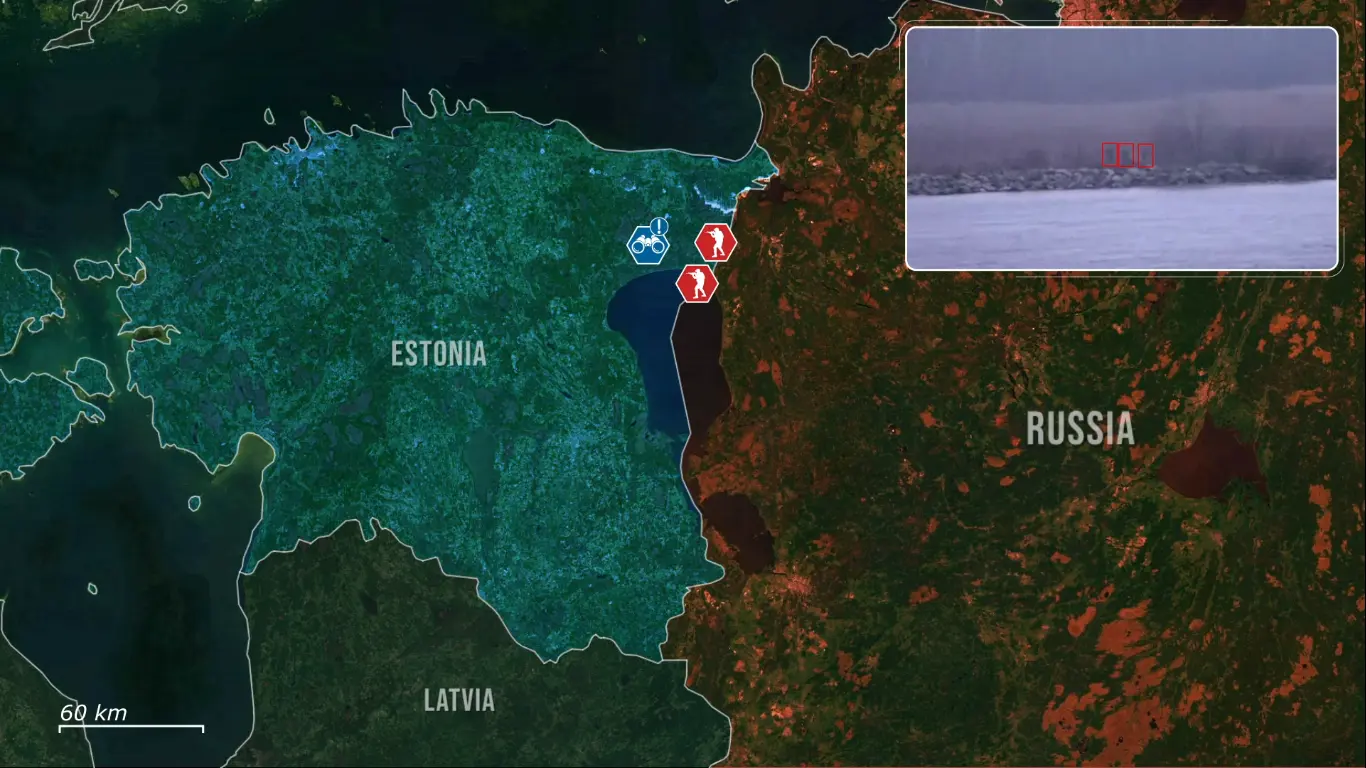
For context, the Russo-Estonian border was drawn to follow the Narva River, as many others are, but as rivers meander, the border no longer reflects the river over time. Russia exploits these changes and seeks to encroach on Estonian sovereign territory to further inflame tensions. While Russian provocations seem minor on the surface, they follow the exact same playbook as in Ukraine, starting minor, but gradually increasing in intensity, with a now well-known end goal, and outright border violations have now already occurred.
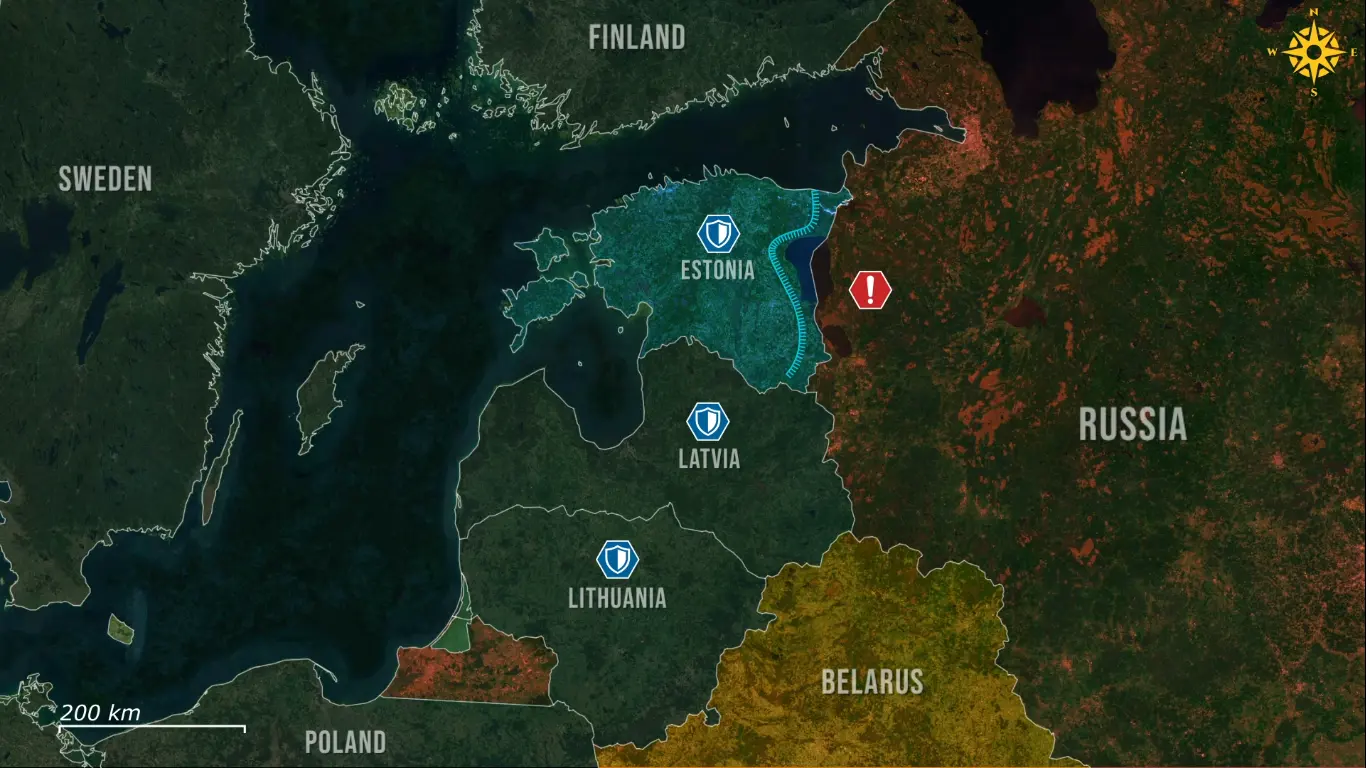
As a result, Estonia has already viewed the Russian threat as credible and has begun constructing the long-planned border fortifications along its eastern border. The defenses include fencing, anti-tank ditches, minefields to be filled in as threat levels rise, reinforced concrete bunkers, and supporting infrastructure further to the rear. These fortifications would hinder Russia’s ability to mount a surprise attack, as any such attack would fail without heavy preliminary strikes.
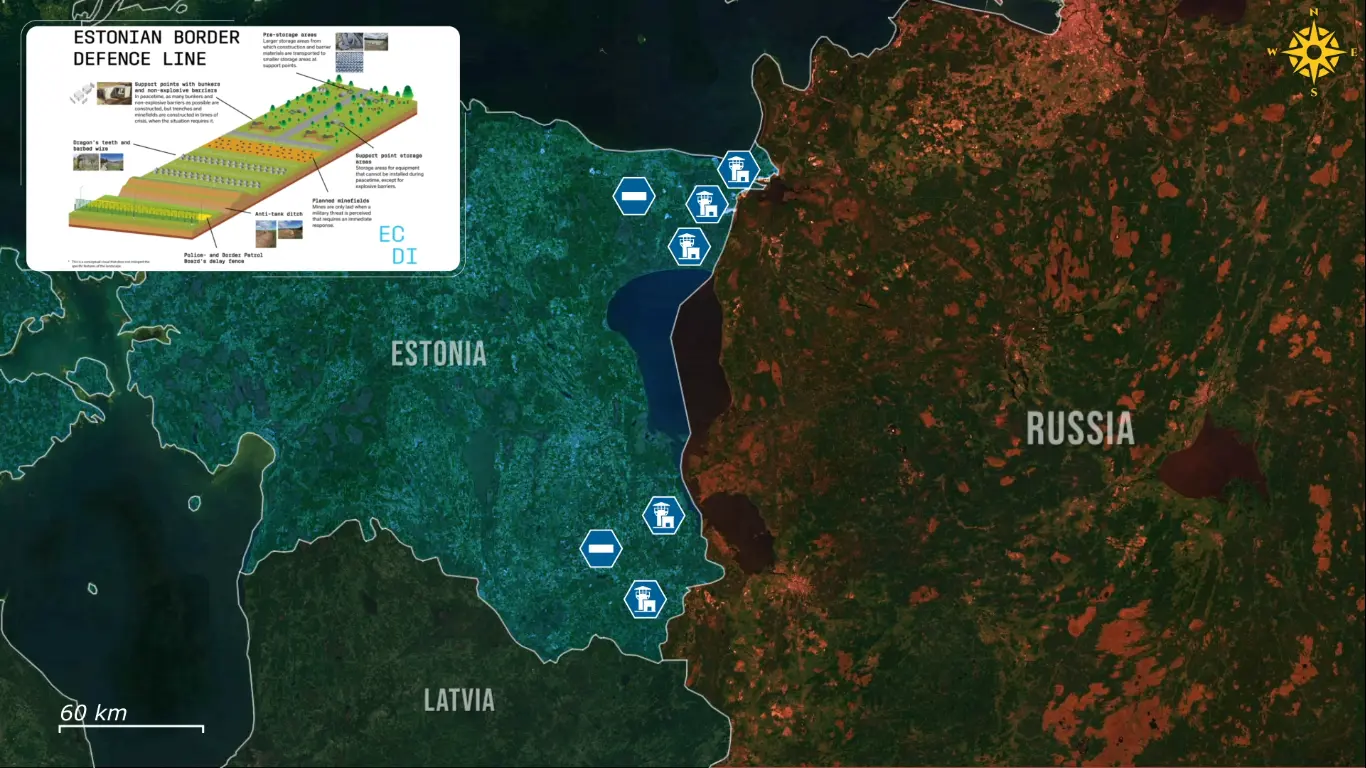
Violating borders in small ways as they did is the first step in a larger Russian campaign, with the eventual end goal of an actual attack that could unfold under two distinct scenarios, as outlined by the European Council on Foreign Relations.
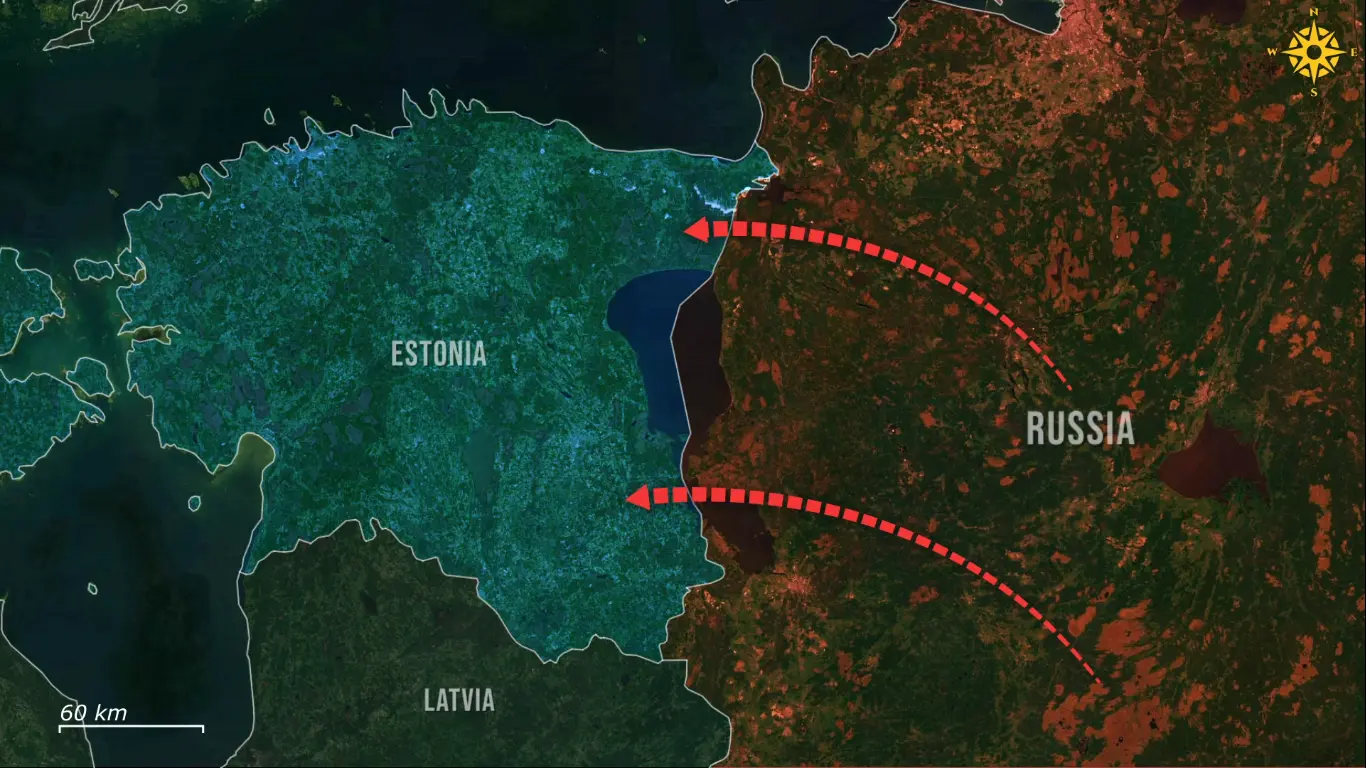
First, Russia could concentrate approximately 40,000 troops along the Estonian border and attempt a rapid seizure of Narva, a city with a large ethnic Russian population, which could be exploited as a political pretext like the narratives used in the Donbas. This would allow them to advance along the Ida-Viru county chokepoint and test Nato’s reaction for their readiness to go to war with Russia over an Estonian border city. While Estonia could mobilize approximately 43,000 troops, giving them a slight numerical advantage, this would not happen fast enough to prevent an initial Russian advance or hold out against additional Russian reinforcements. However, if Nato responds decisively with military force, reinforcements from neighboring Allied states would rapidly deploy to Estonia, and allied aviation could begin operations and establish local air superiority within hours. This would quickly turn any Russian invasion into a strategic disaster.
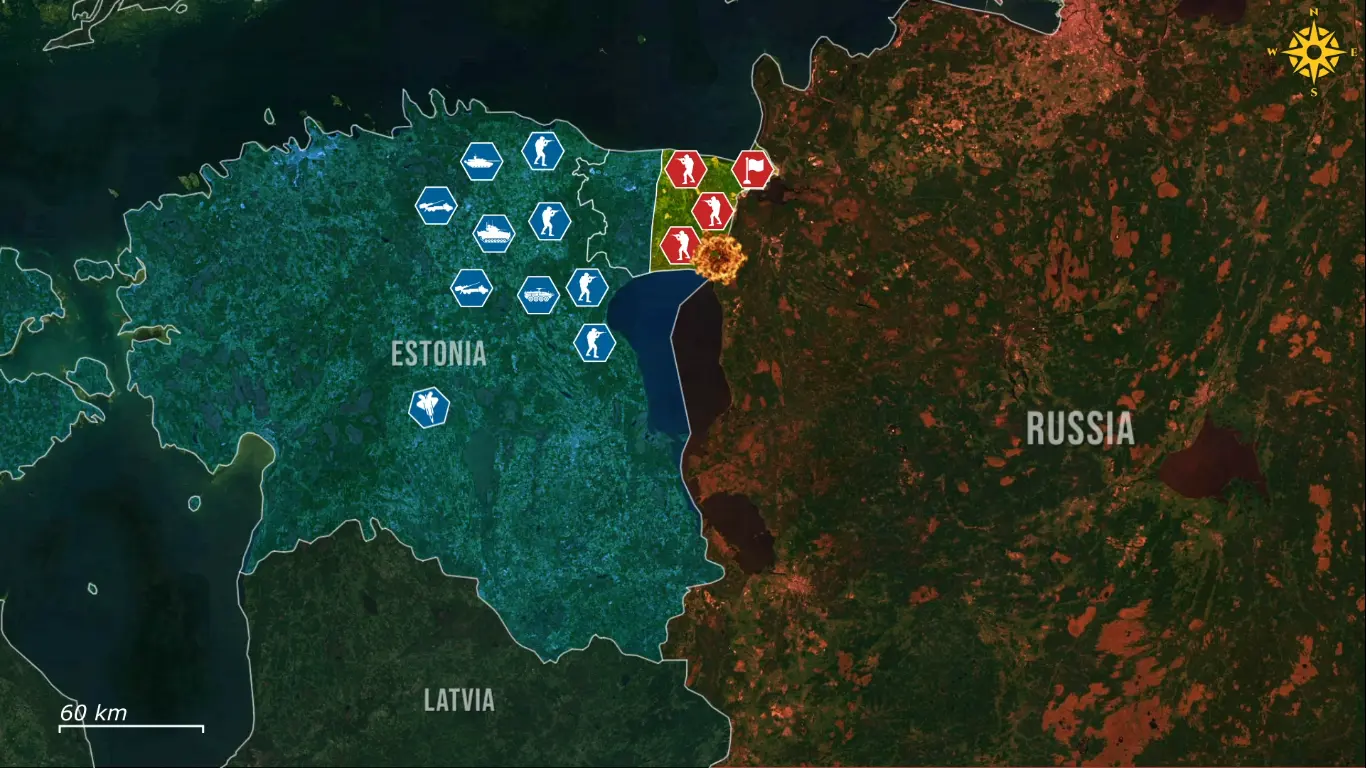
Either way, the border defenses being built by Estonia are crucial in order to prevent Russians from creating any military standoff scenario along the Ida-Viru chokepoint.
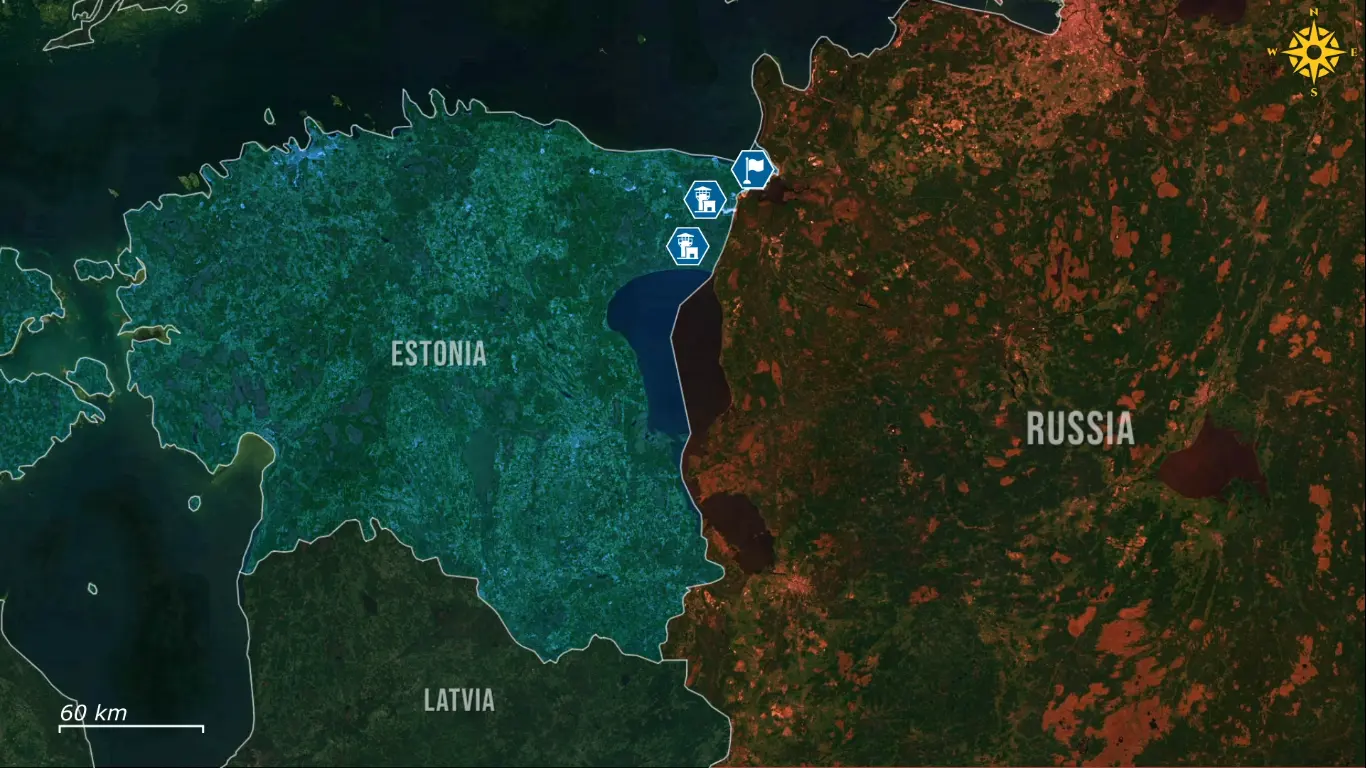
Secondly, the ECFR states that Russia could pursue a more hybrid approach to keep the conflict just under the threshold of war, combining an information campaign centered on alleged discrimination against the Russian-speaking population with cyberattacks on state infrastructure and the instigation of unrest in Narva. In parallel, small detachments of special forces or airborne troops could appear in the city as green army men to exploit any instability in a single decisive operation, as Russia did in Crimea in 2014.
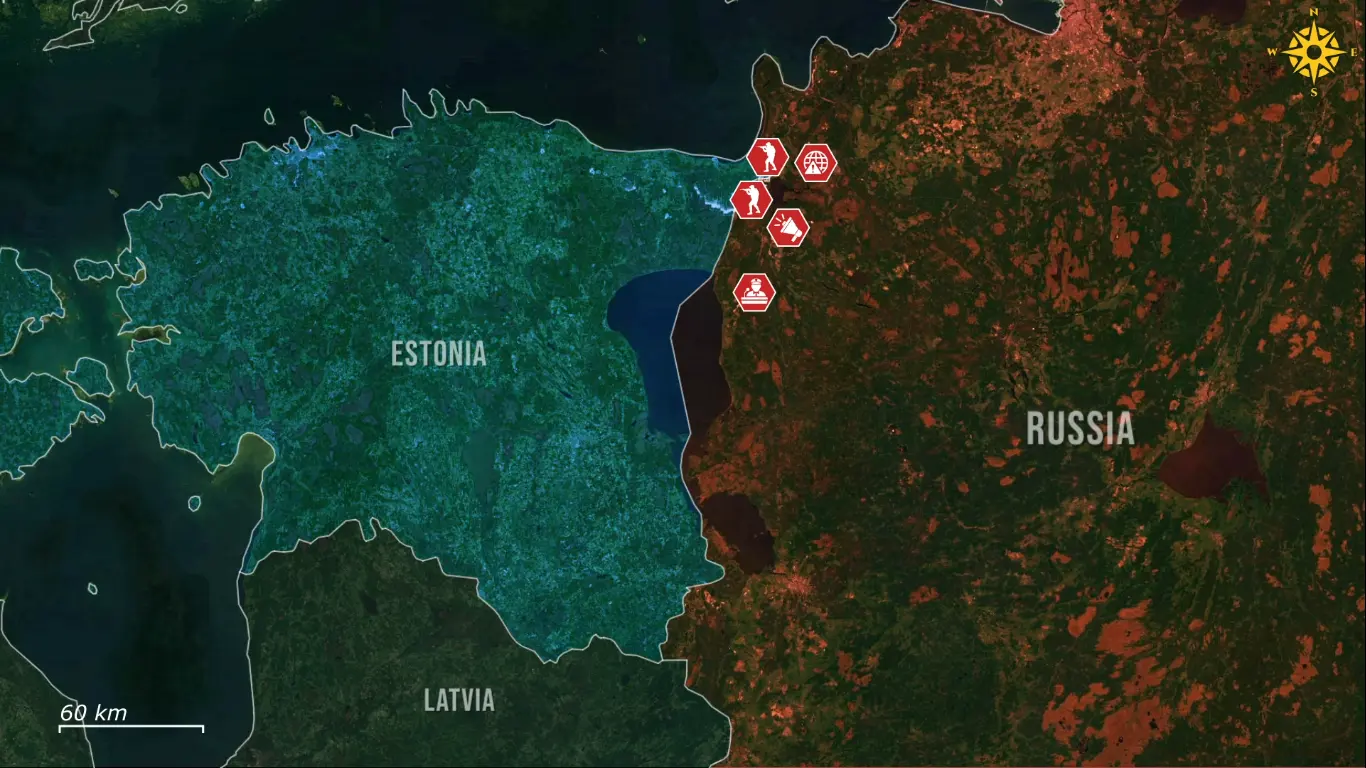
Russian information operations are already attempting to generate dissent and facilitate the staging of an uprising in border territories. However, after any staged uprising, Russia would still need to send enough green army men and armored support across the border to prevent a coordinated response from foiling the operation.
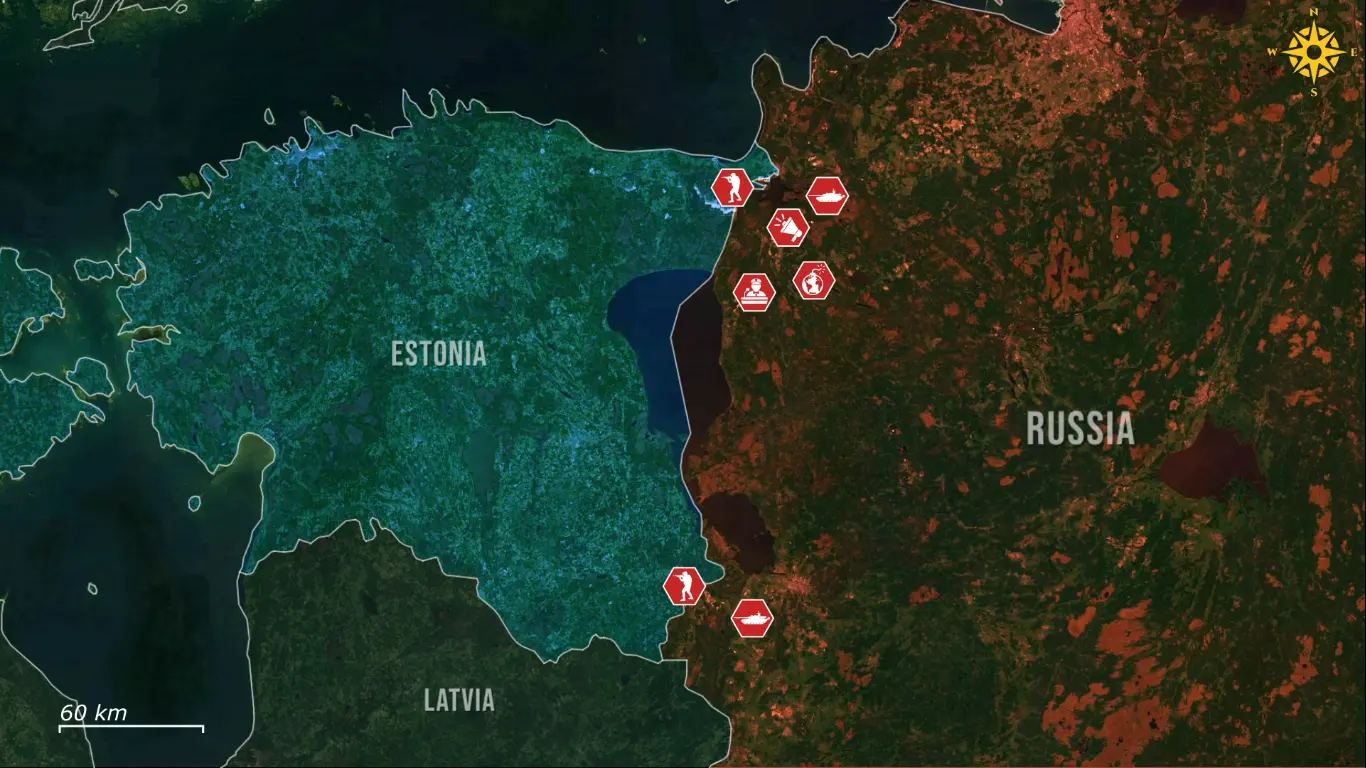
In this, camera-mounted fences and patrol routes alone would stop Russian efforts to covertly infiltrate operatives across the border via forested areas ahead of time, as even cut gaps in the fencing would open manhunts given the possible consequences.
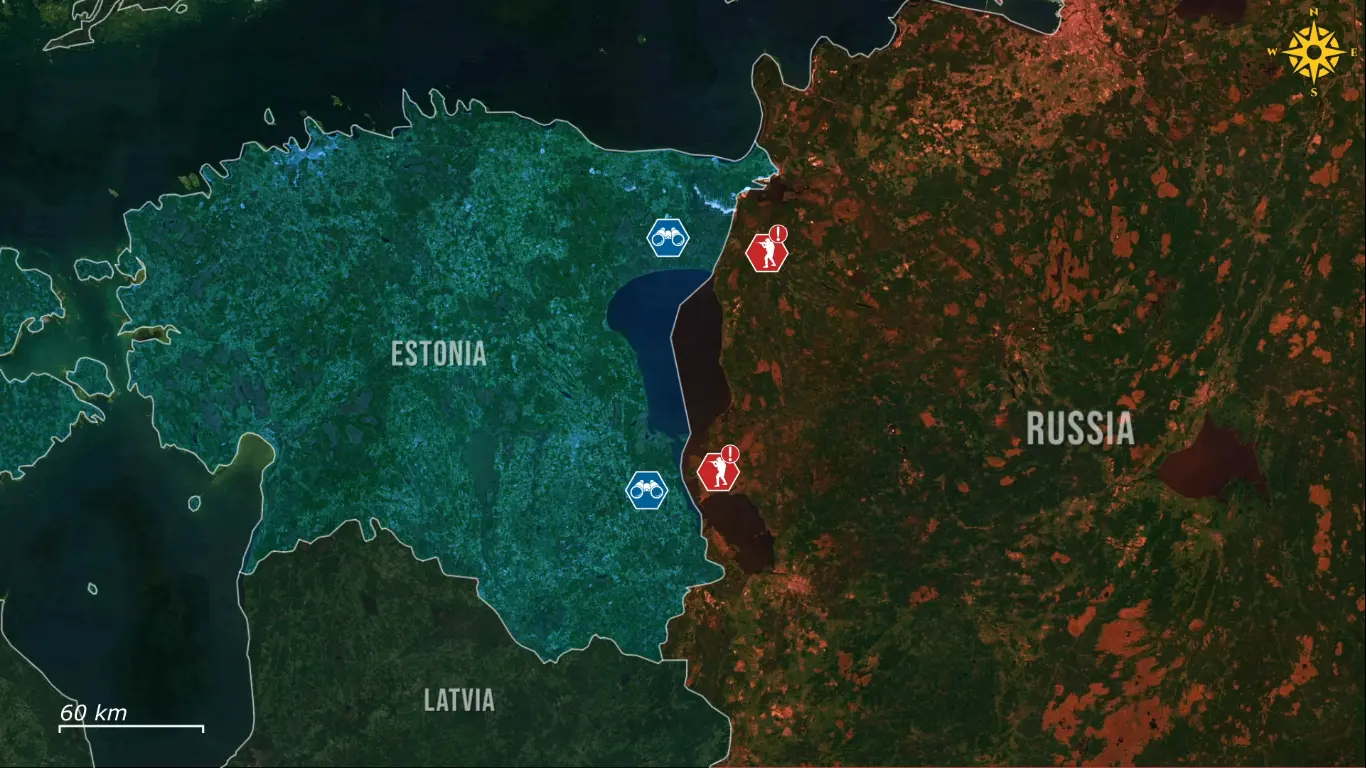
Overall, Estonia aims to harden its border, signaling that no violations will be tolerated, as these are sovereign boundaries that must remain inviolable. As the expectation is that provocations and border threats will likely continue, Western countries must increase pressure on Russia to show unity and strength. The only effective response to these Russian operations is decisive action combined with sustained resilience, demonstrating that the Baltic states are supported by their allies and not facing the threat in isolation.
.jpg)

Comments