

.svg)
Today, there is important news from Estonia.
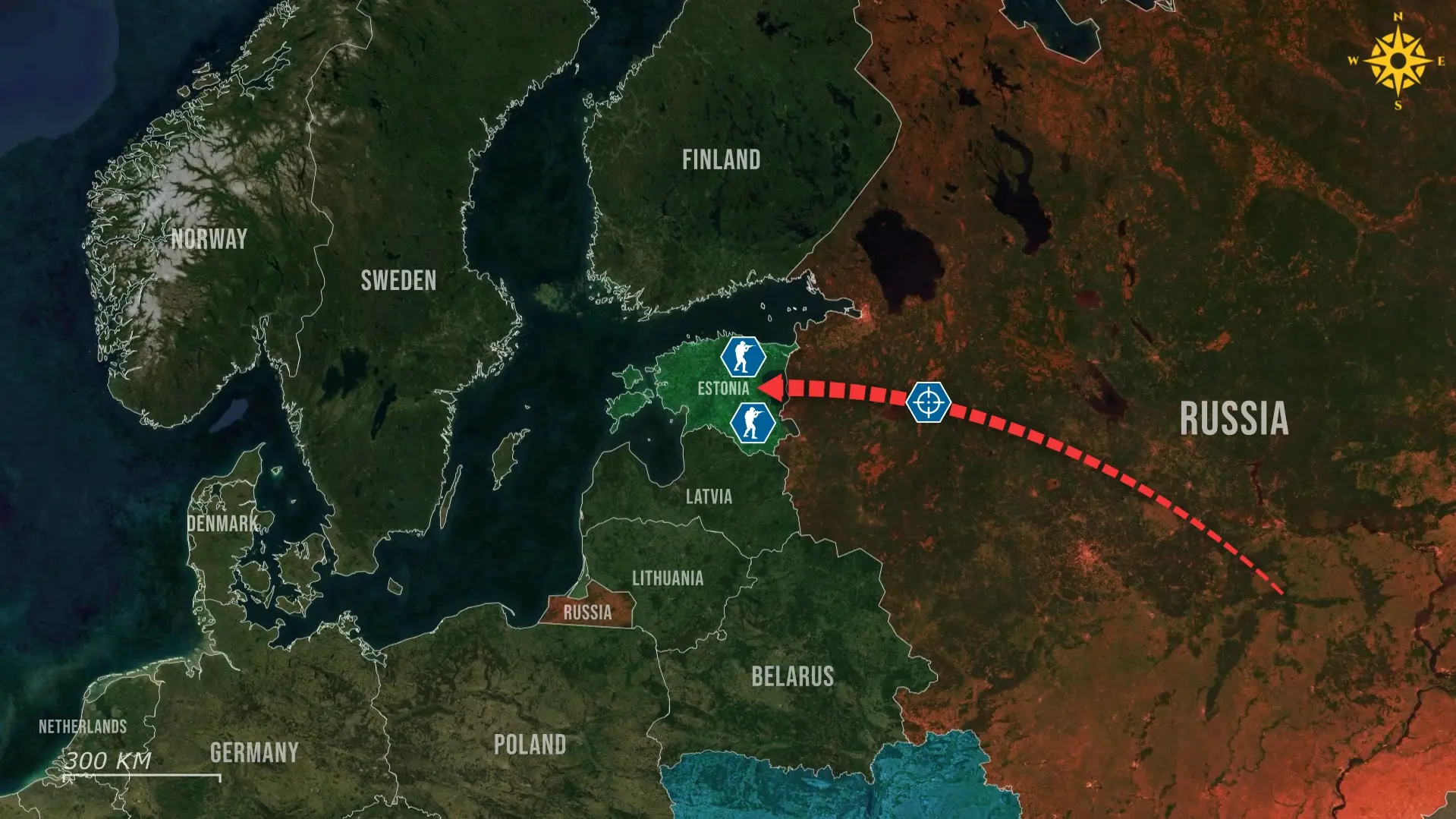
Here, Russia has activated separatists cells and is openly making claims that Estonia shouldn’t exist, preparing forces to step in. With the stakes rising alarmingly fast, the Estonian government is preparing to counter the Russian attempts decisively before the crisis escalates into an incursion.
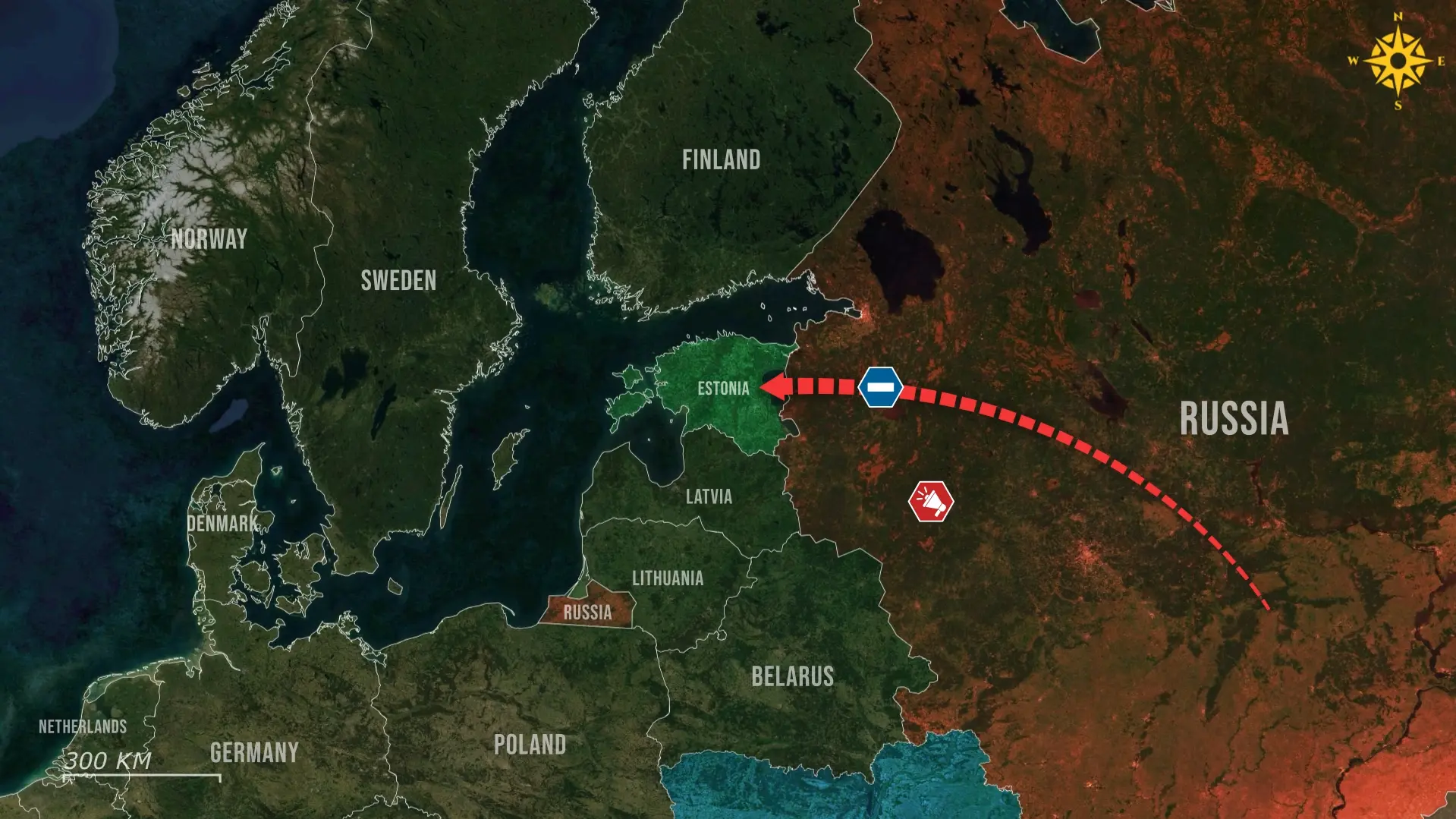
Russia has sharply escalated its rhetoric against the Baltic States following the devastating Ukrainian strikes that crippled Russia’s key Baltic oil exports. Russian analysts now openly argue that the attacks were enabled by flying through Baltic airspace, justifying the creation of a so-called security zone inside Baltic territory.
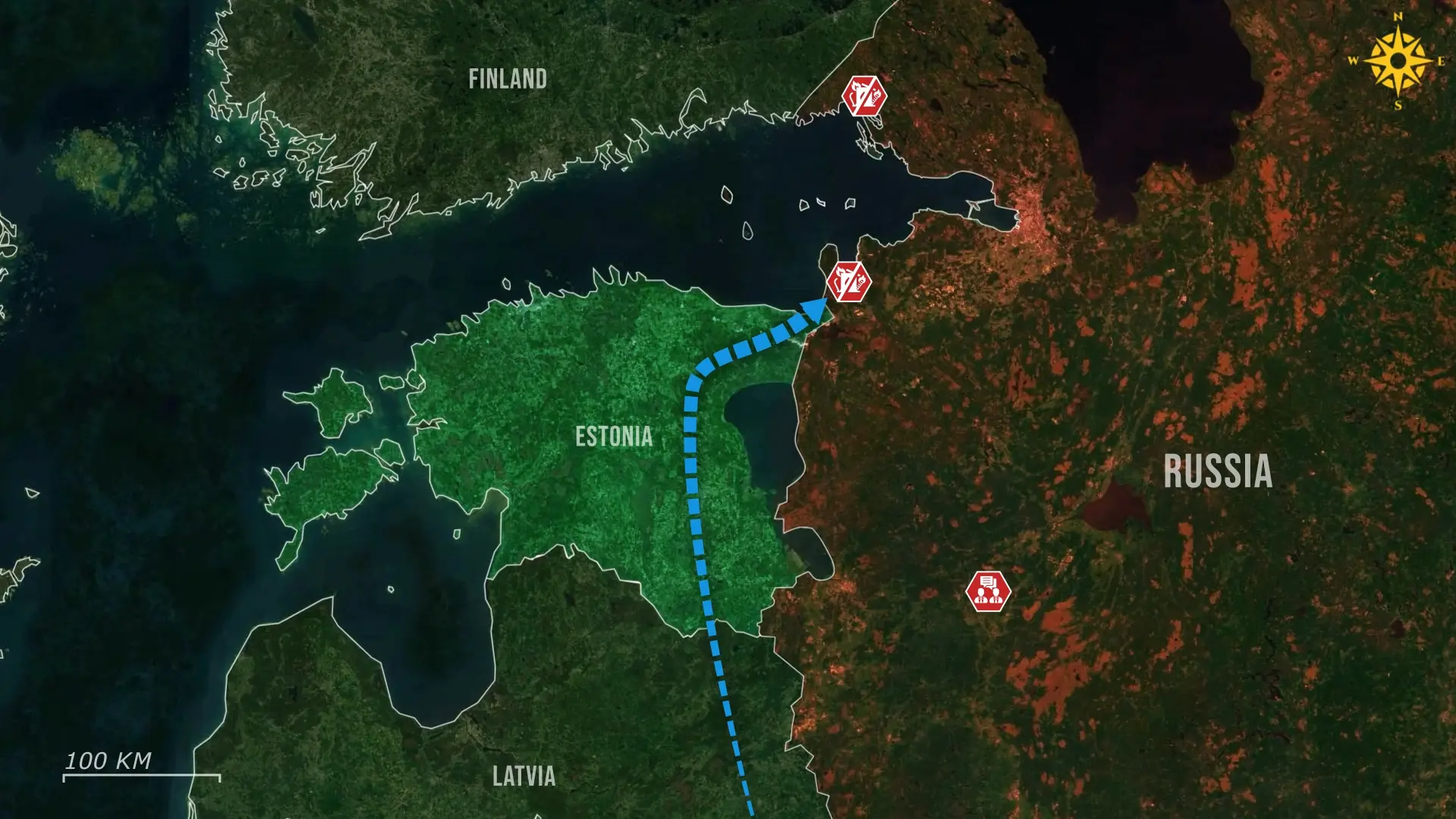
They frame Estonia specifically not just as a hostile neighbor, but as a direct threat, pointing to its Russian-speaking population as a pretext for intervention, legitimizing future escalation.
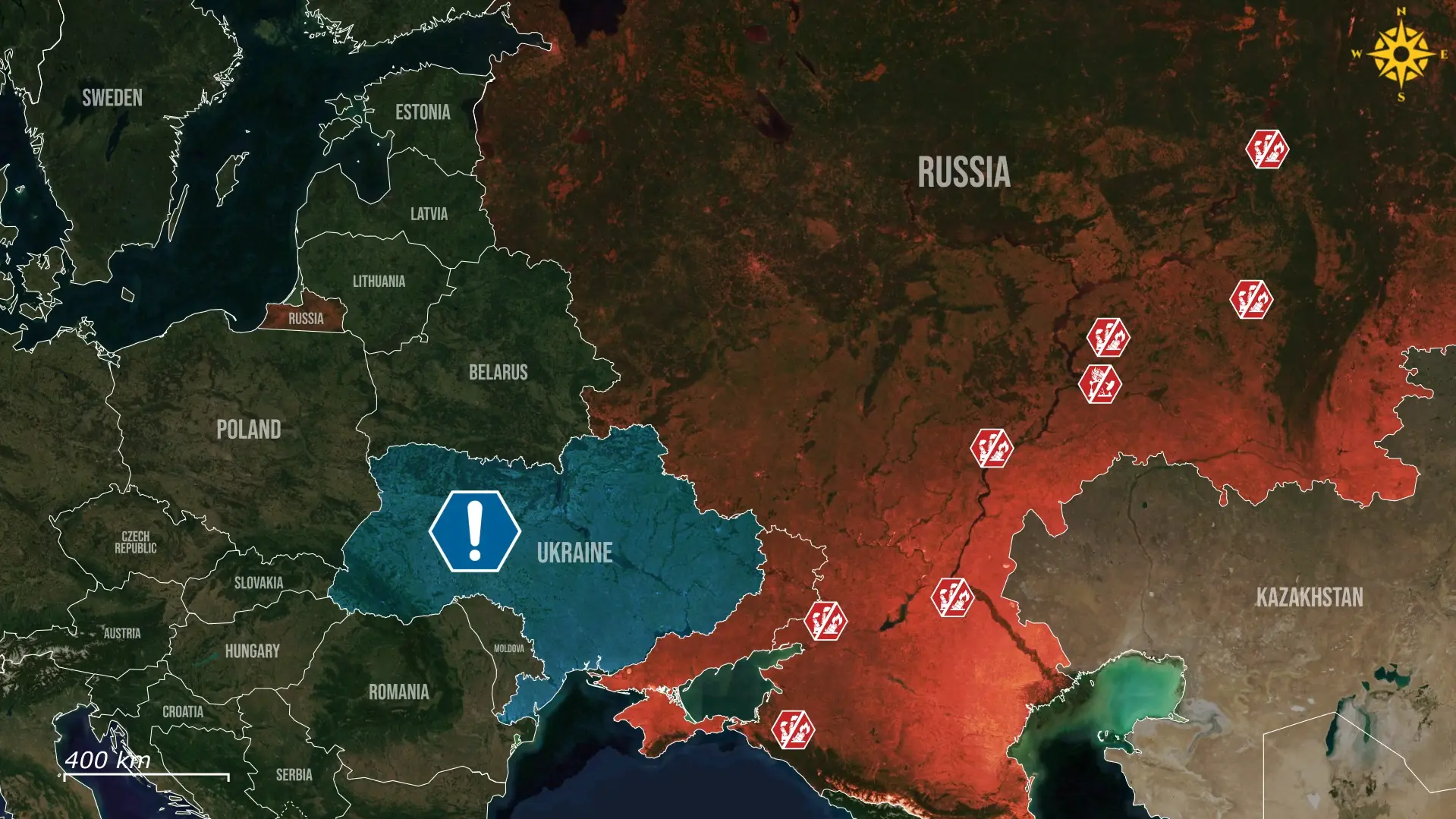
This rhetoric reflects clear strategic objectives, with Russia’s Baltic ports, especially Primorsk and Ust-Luga, handling up to fourty percent of its seaborne oil exports, forming a critical financial artery sustaining its war effort.
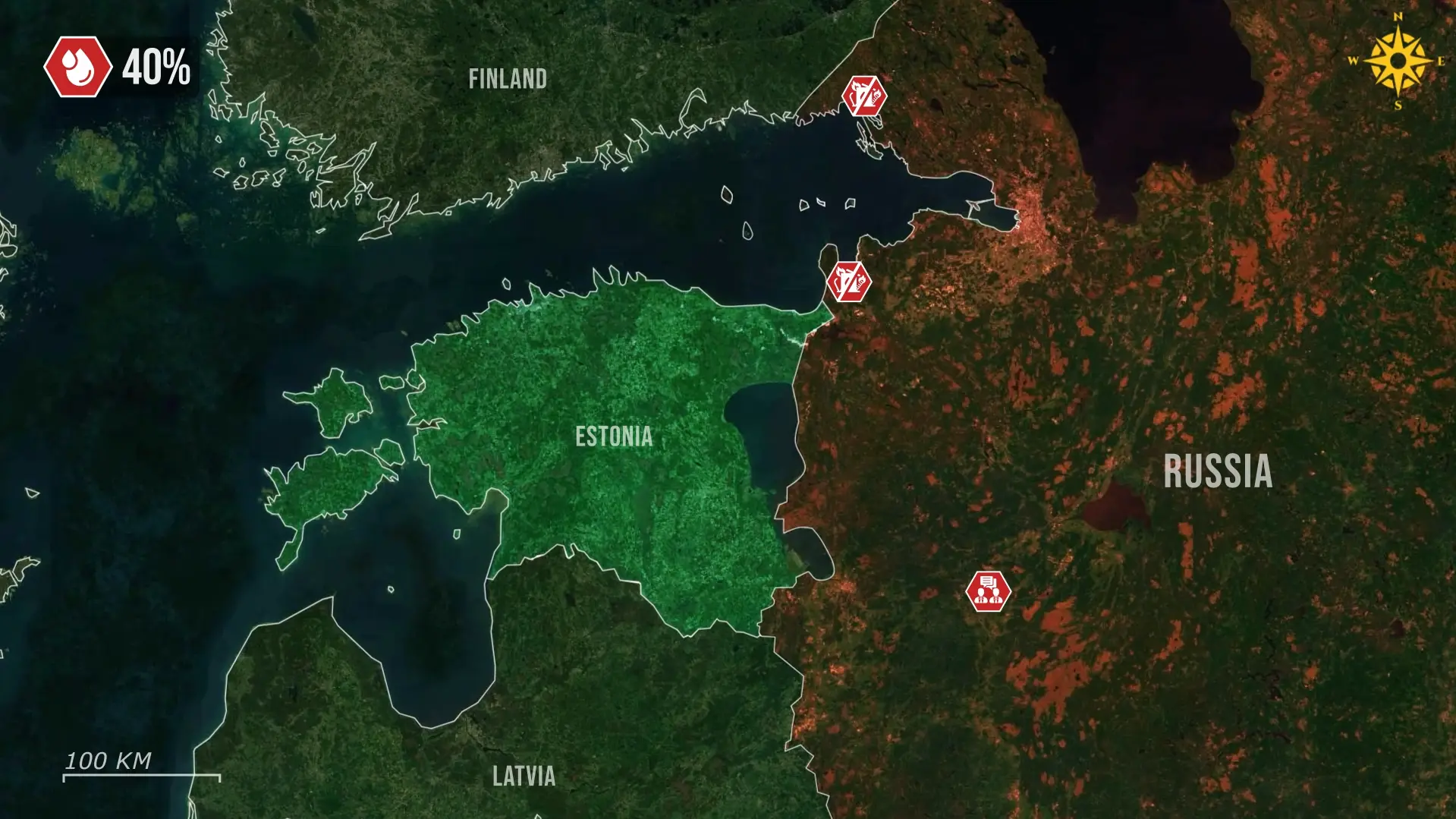
After Ukrainian drone strikes disabled this capacity, Moscow is now trying to secure the surrounding airspace and maritime routes, as each day exports do not pass through the ports costs them around one-hundred-seventy-eight million US dollars.
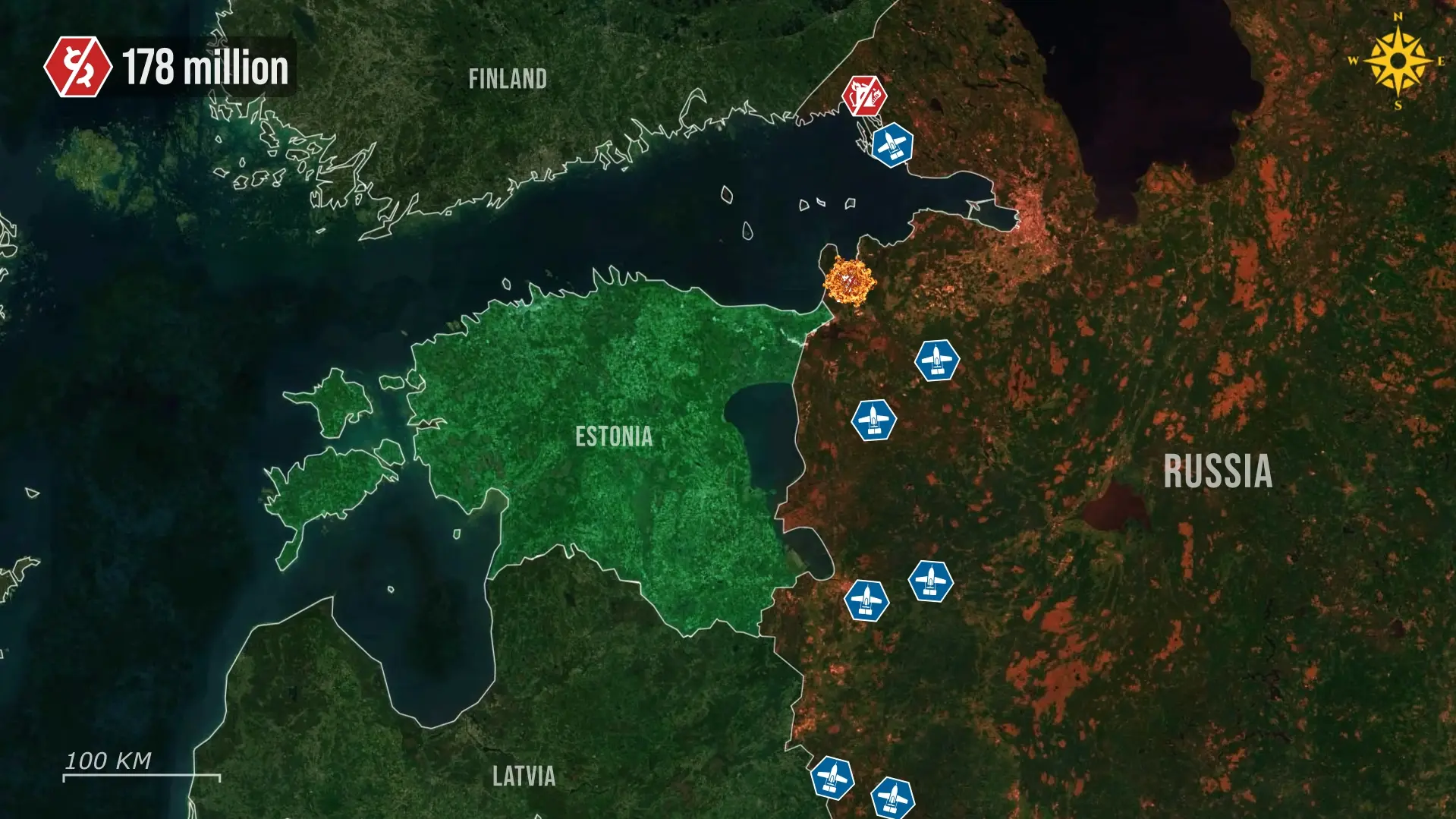
By increasing pressure on Estonia through airspace violations, GPS jamming, and maritime confrontations, Russia is effectively attempting to create informal denial zones that deter further Ukrainian strikes. This pressure campaign also serves a broader purpose to Nato’s resolve, and by staying below the threshold of open war, Russia probes alliance cohesion, hoping to expose divisions and weaken Western support for Ukraine.
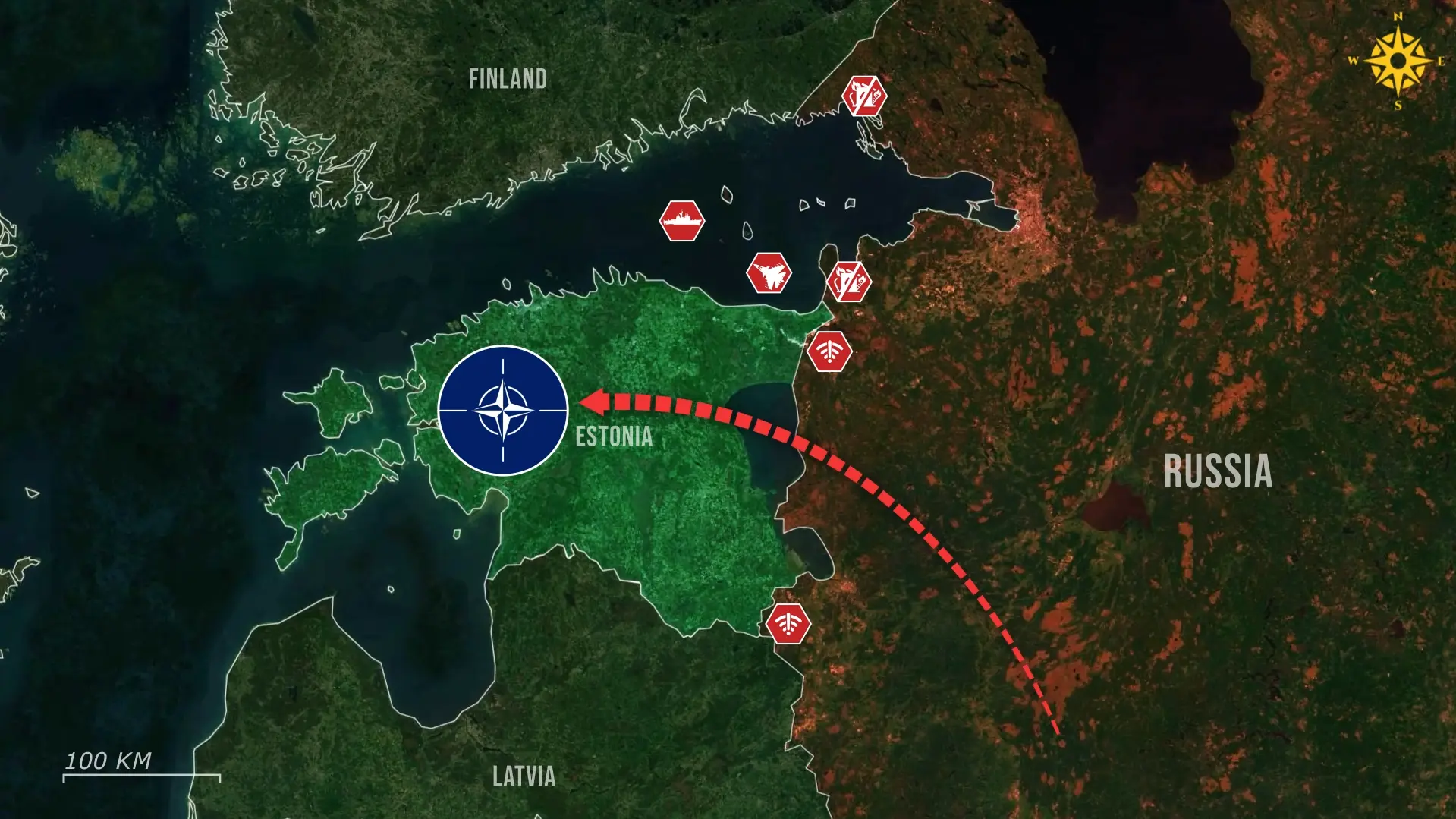
At the same time, the groundwork for escalation is already being laid through hybrid operations, as information warfare has entered a new phase. Russian-linked channels are currently actively promoting the idea of a so-called Narva People’s Republic as a separatist state in eastern Estonia.
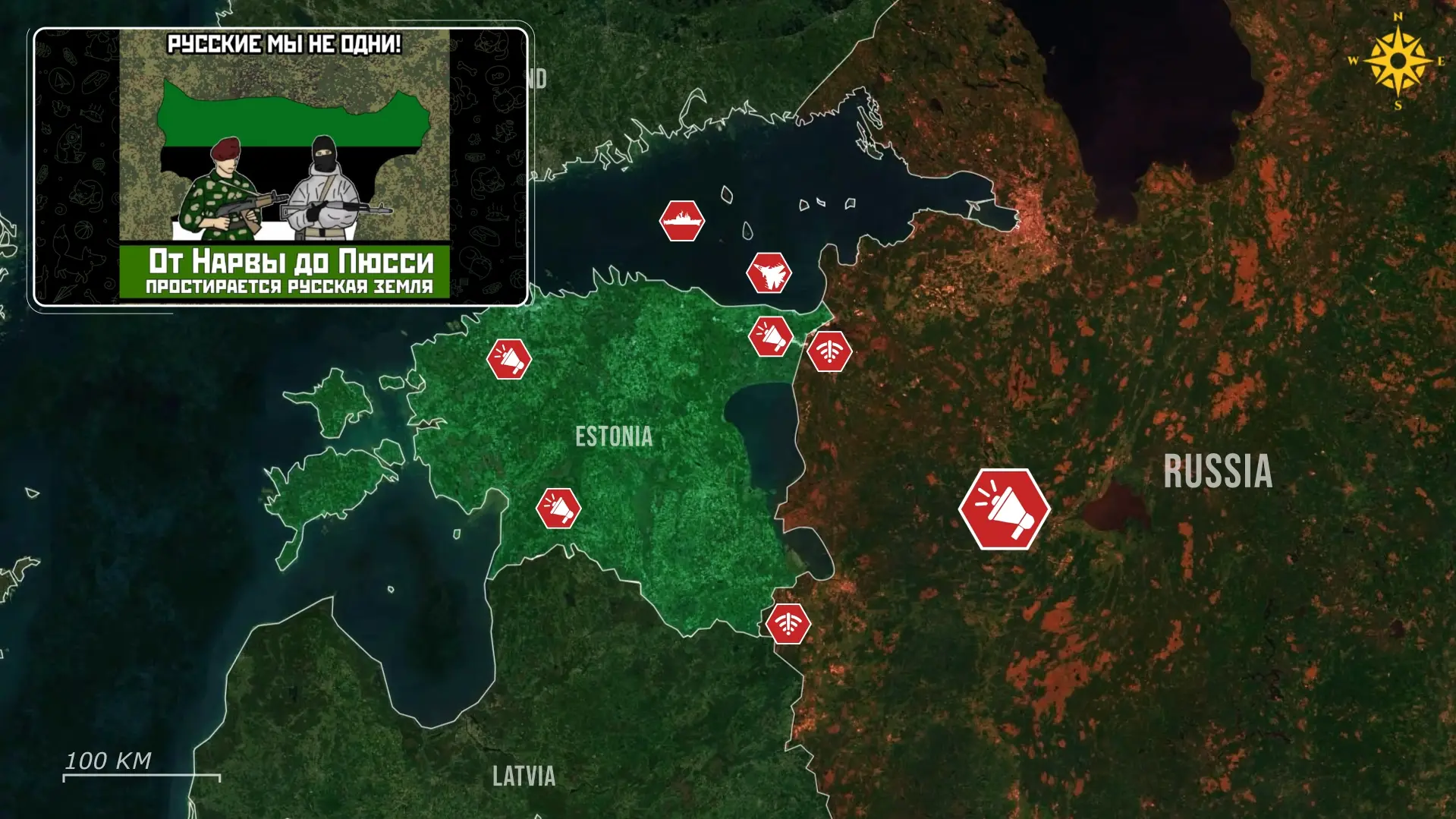
This narrative mirrors the exact playbook used in eastern Ukraine in two-thousand fourteen, fabricating separatist identities by amplifying grievances, and preparing ideological justification for a Russian ground intervention.
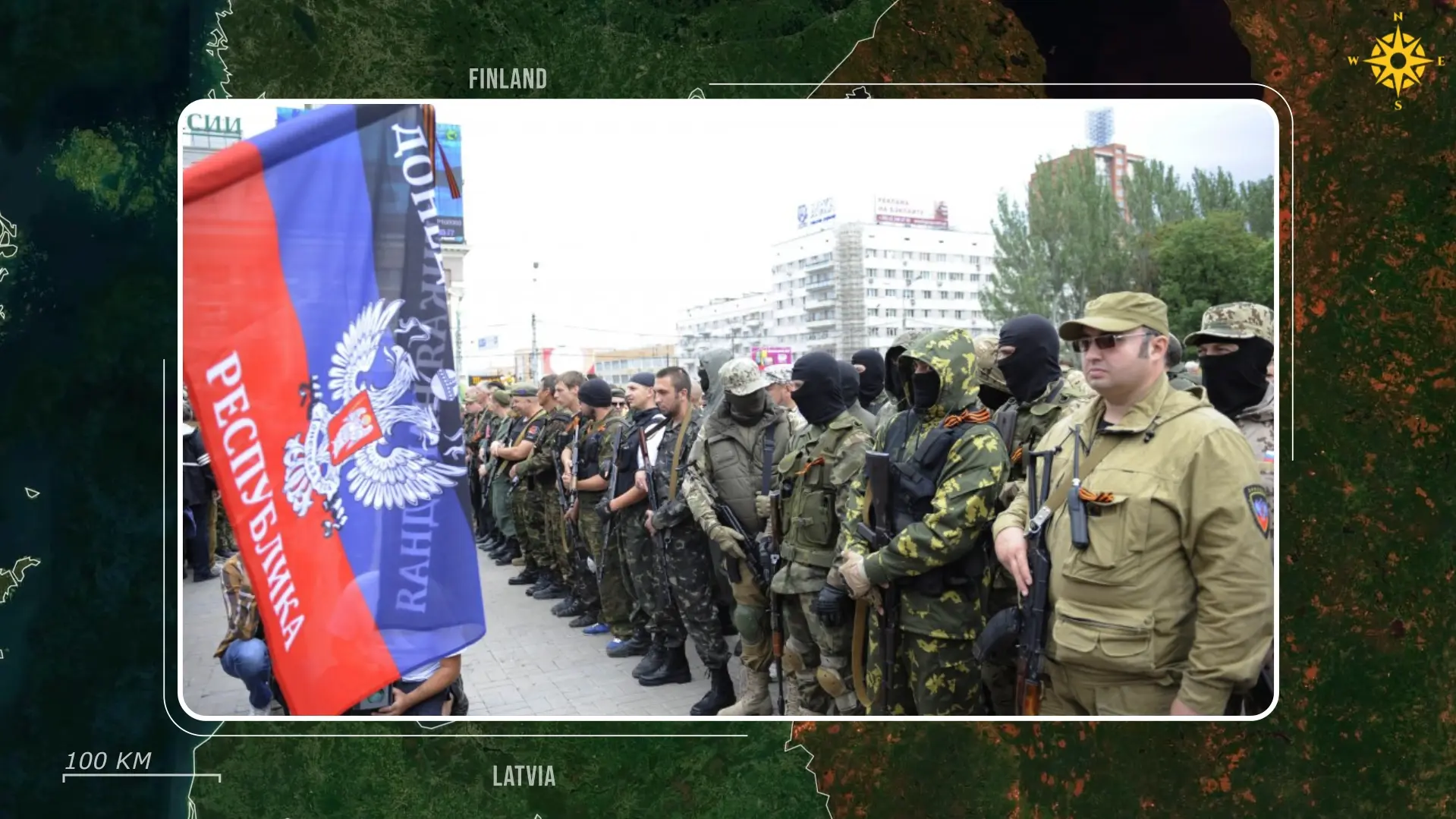
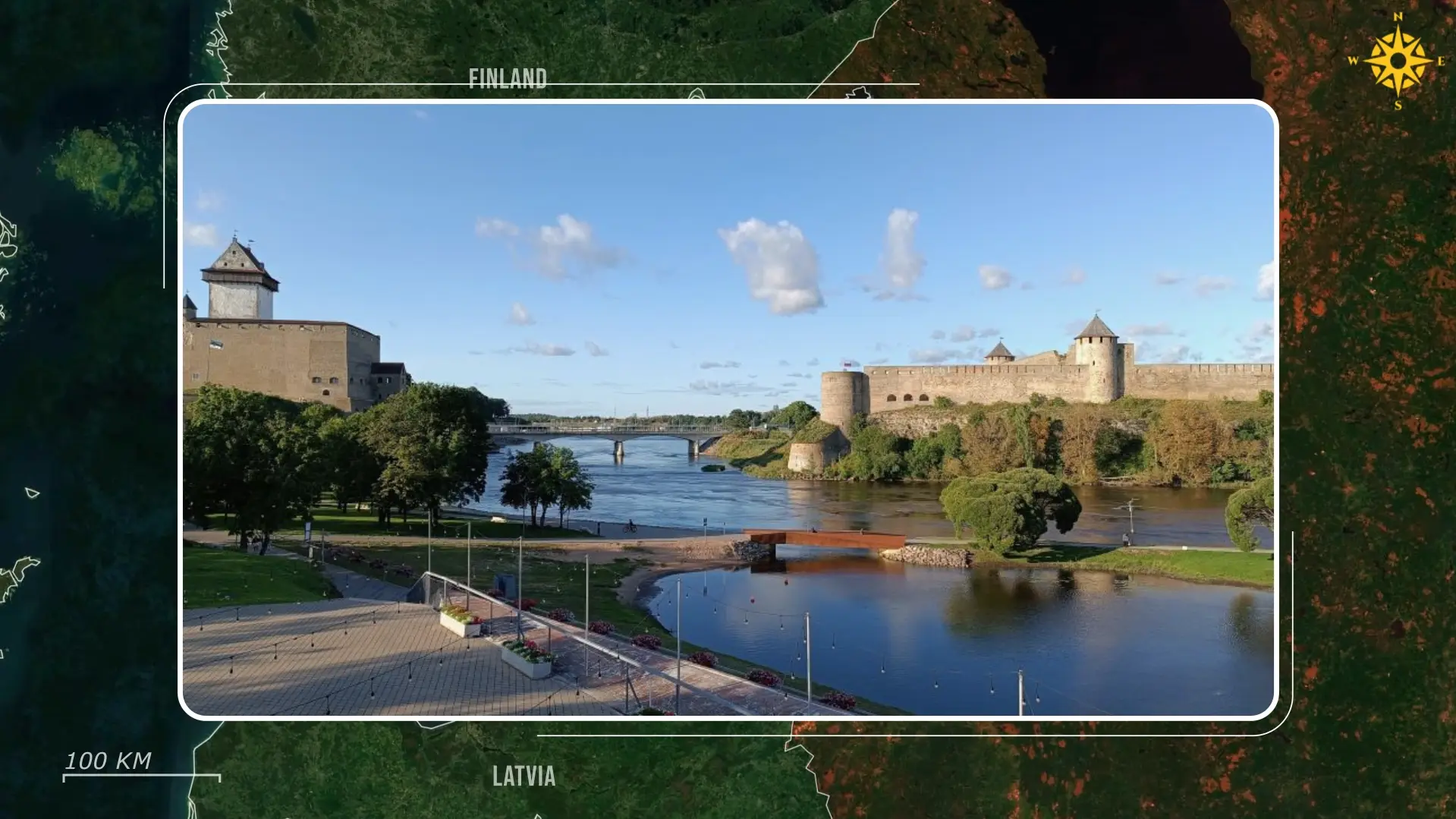
Narva, a predominantly Russian-speaking Estonian city on the border, is being portrayed as oppressed and in need of liberation, despite no evidence of such tensions on the ground. Estonian intelligence warns that while this remains a largely psychological operation for now, it could evolve into a real physical destabilization attempt.
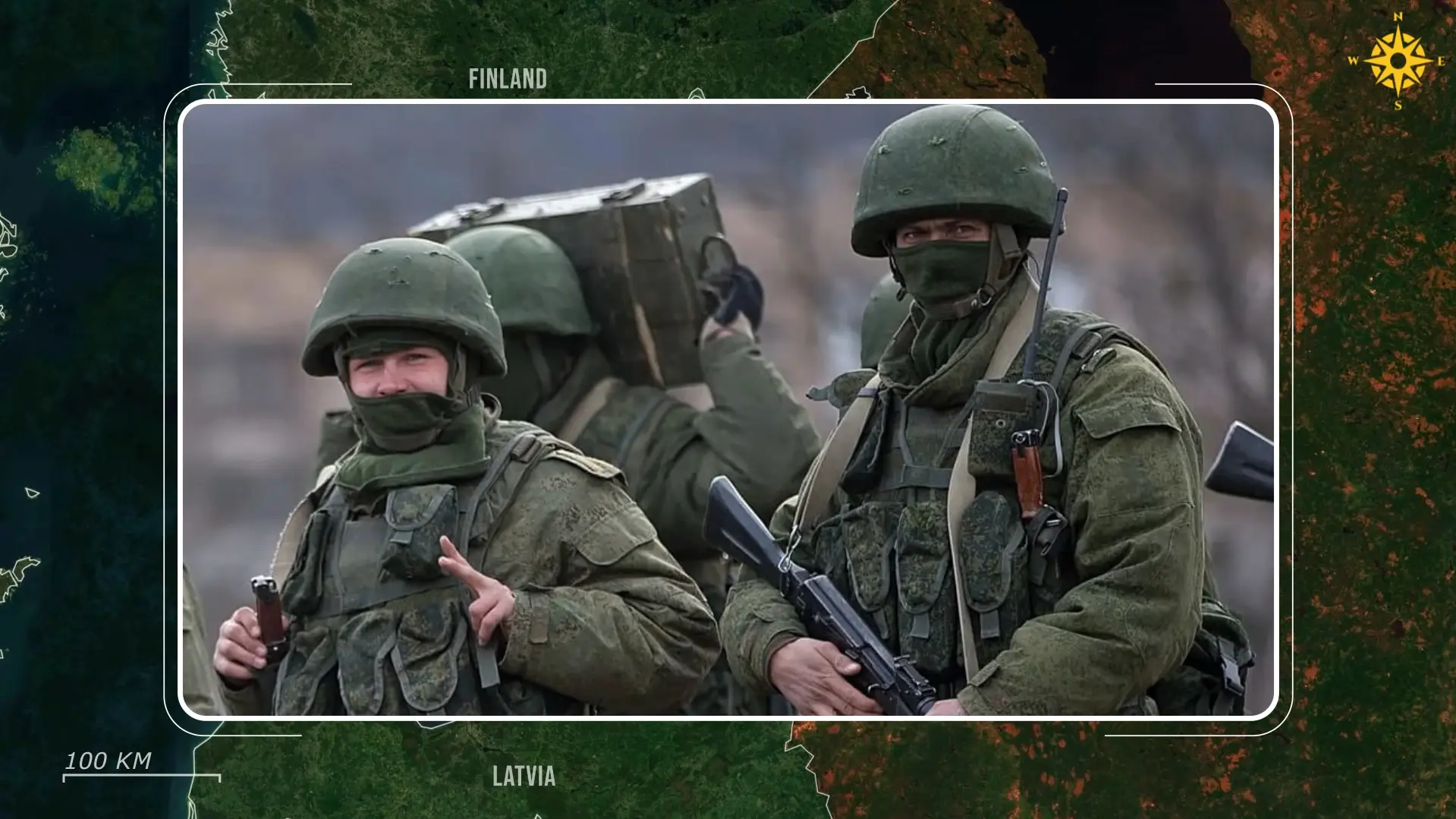
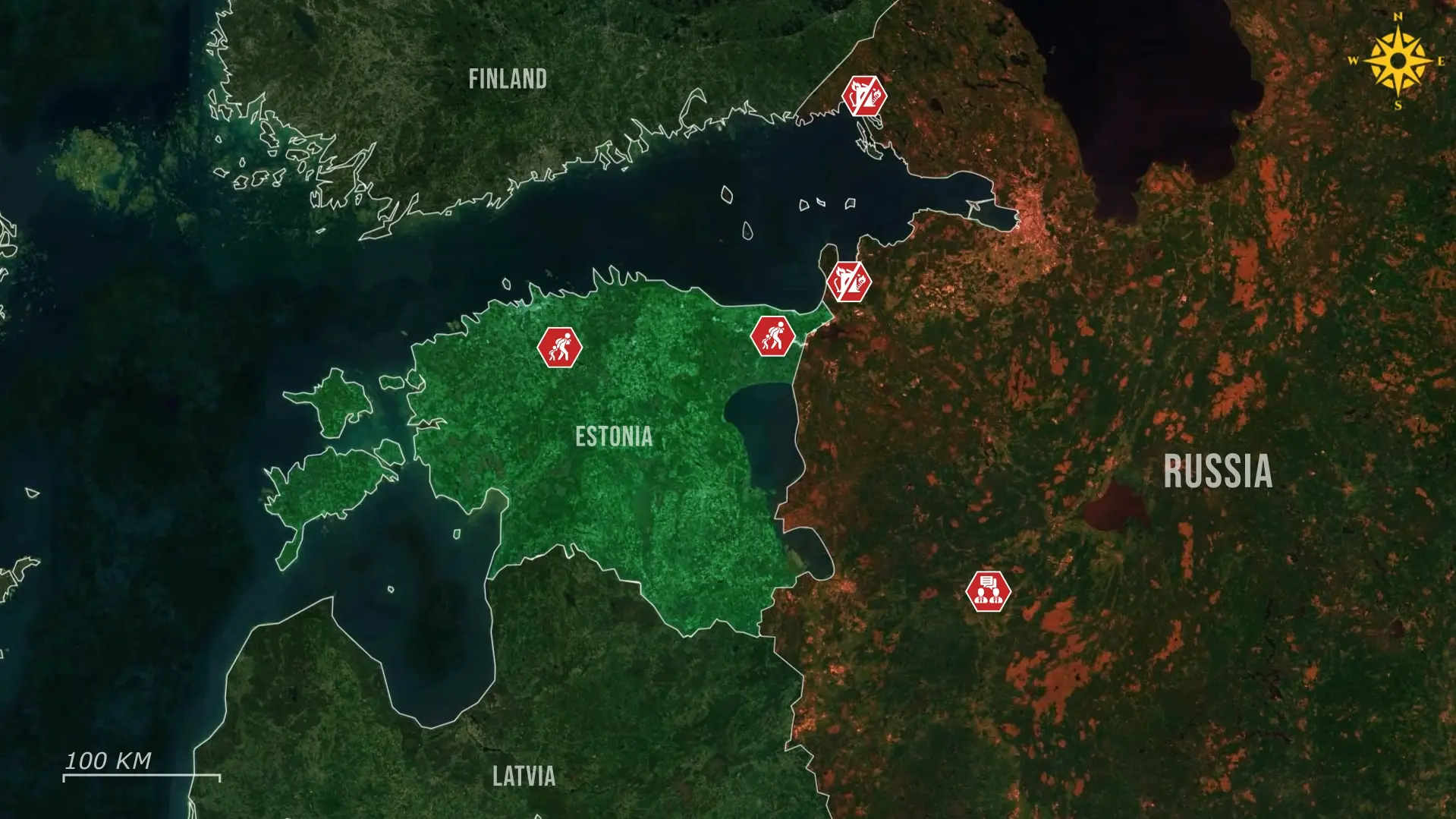
Yet, this hybrid campaign is already not confined to the information space, as there have already been attempts to infiltrate individuals with real combat experience into Estonia under civilian cover.
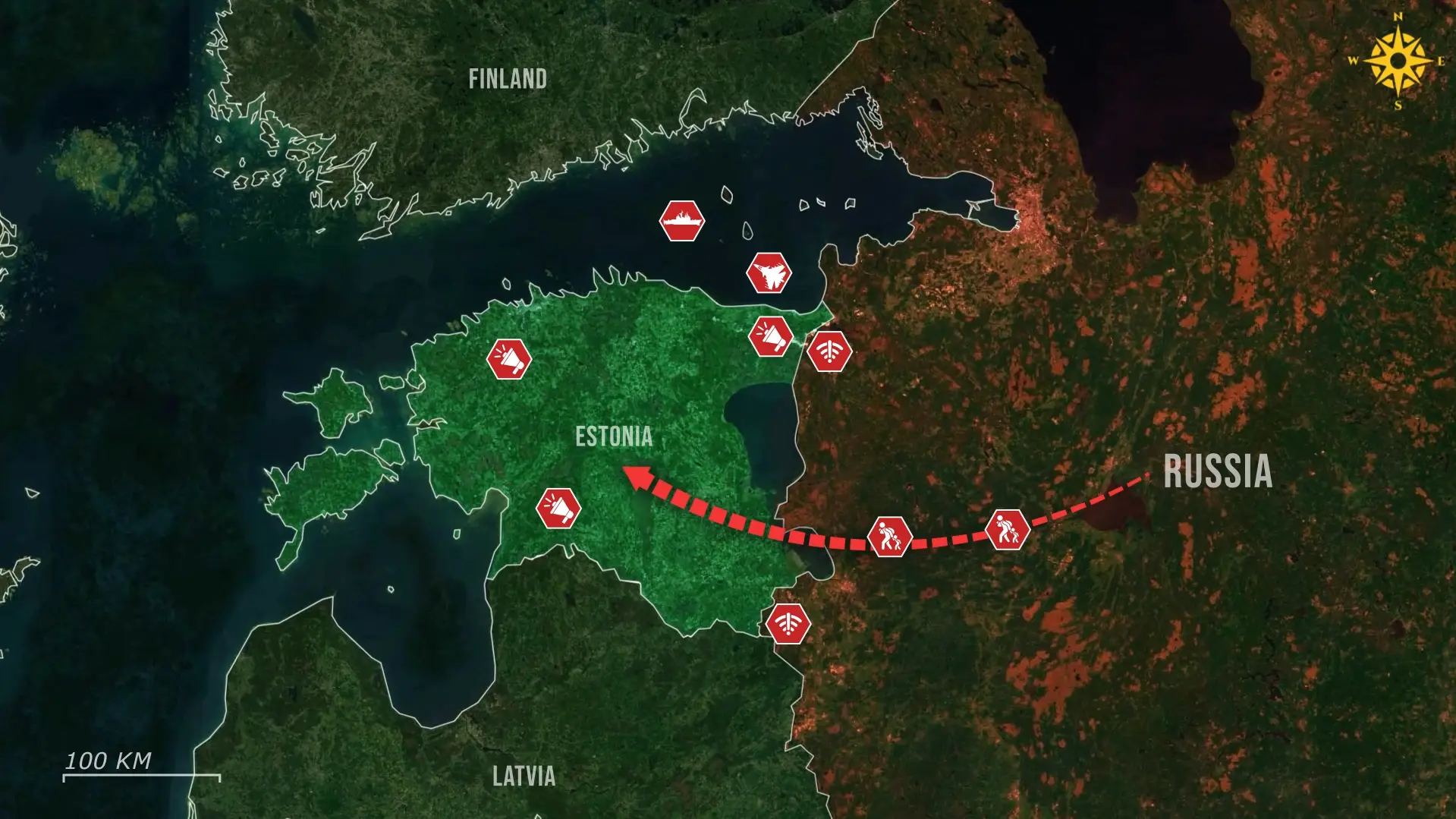
The Estonian government recently imposed entry bans on over two hundred sixty Russian nationals linked to the war in Ukraine, citing the risk that such individuals could act as provocateurs, saboteurs, or operatives for Russian intelligence.Despite their claims, these individuals are not random migrants, but trained, ideologically aligned, and potentially tasked with preparing the ground for future operations. This combination of propaganda and covert infiltration suggests a coordinated effort to destabilize Estonia from within.
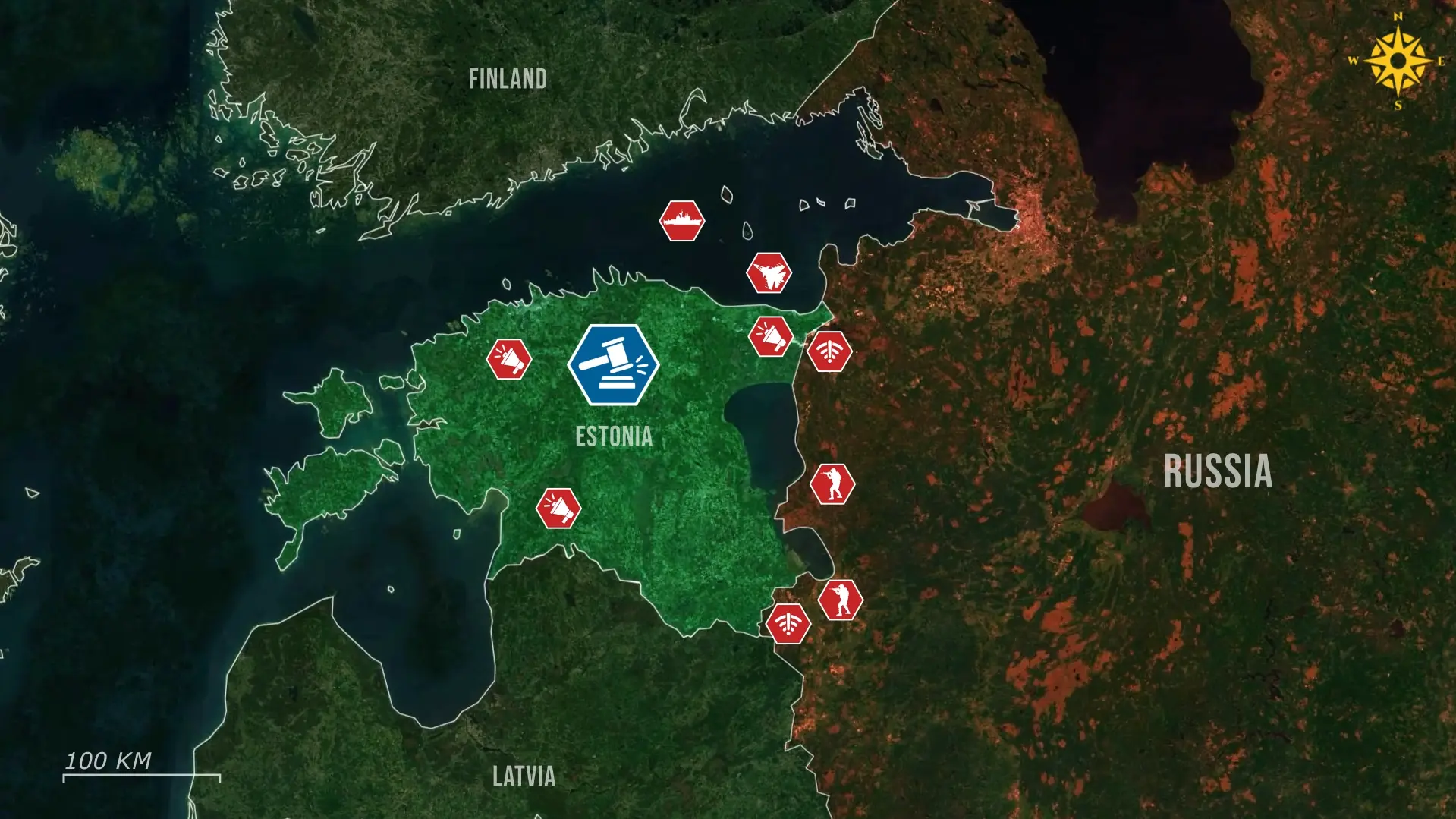
Estonia is already facing the most intense pressure among Nato’s eastern flank states. Russian aircraft repeatedly violate its airspace, including a recent incident involving a Su Thirty fighter jet entering Estonian territory without communication.
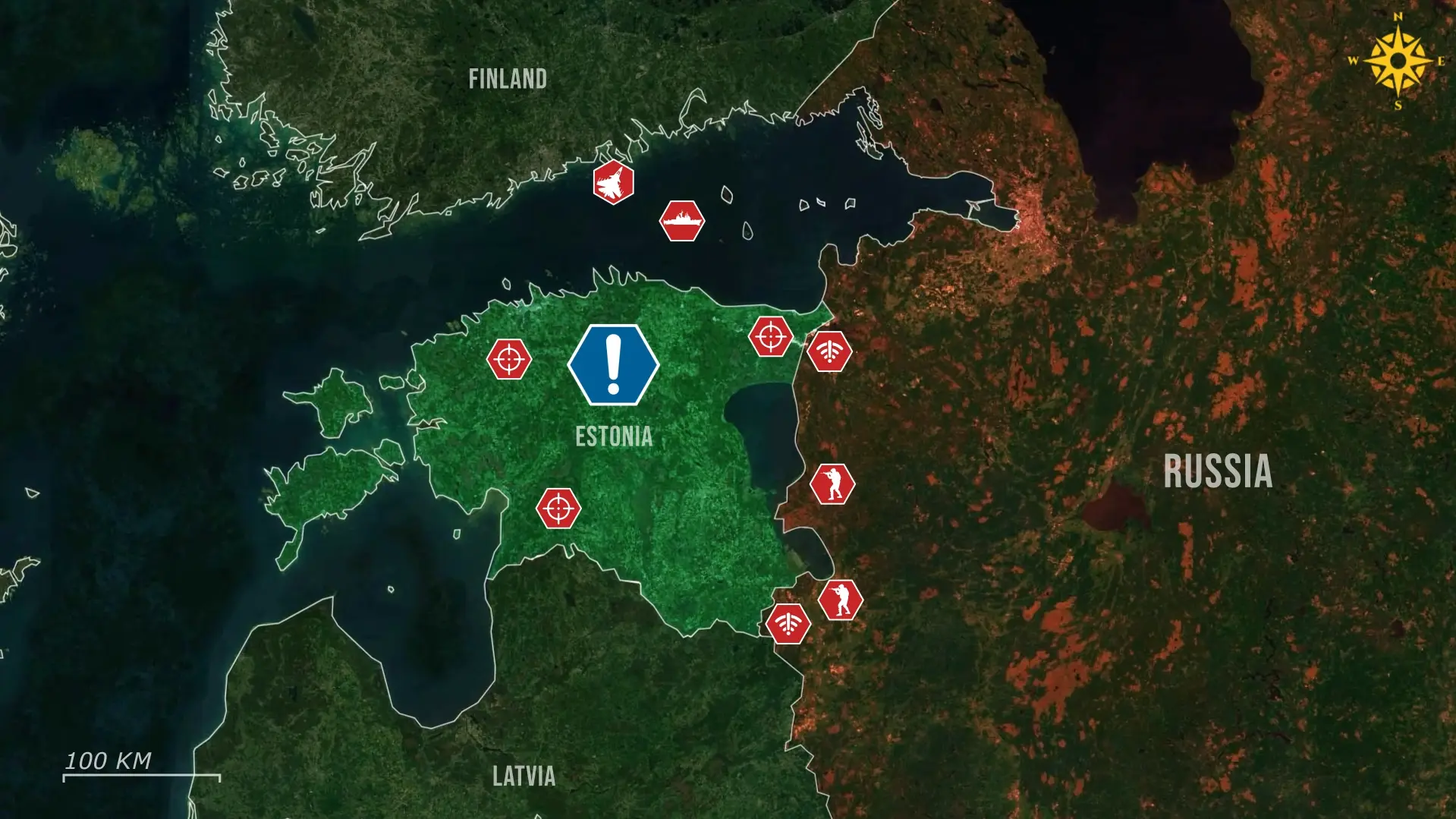
Maritime tensions are also escalating, as Estonia has detained Russia-bound vessels suspected of sanctions violations or smuggling, while Russia retaliated by detaining ships leaving Estonian ports, briefly seizing them in Russian waters as apparent payback for Estonian interdictions. On land, provocations continue along the Narva River border, including the removal of navigation buoys and incursions by Russian border guards. These Russian actions are calibrated to be aggressive enough to create tension, but limited enough to avoid triggering a full Nato response. Their goal is to put Estonia under constant pressure, cause uncertainty, and test the limits.
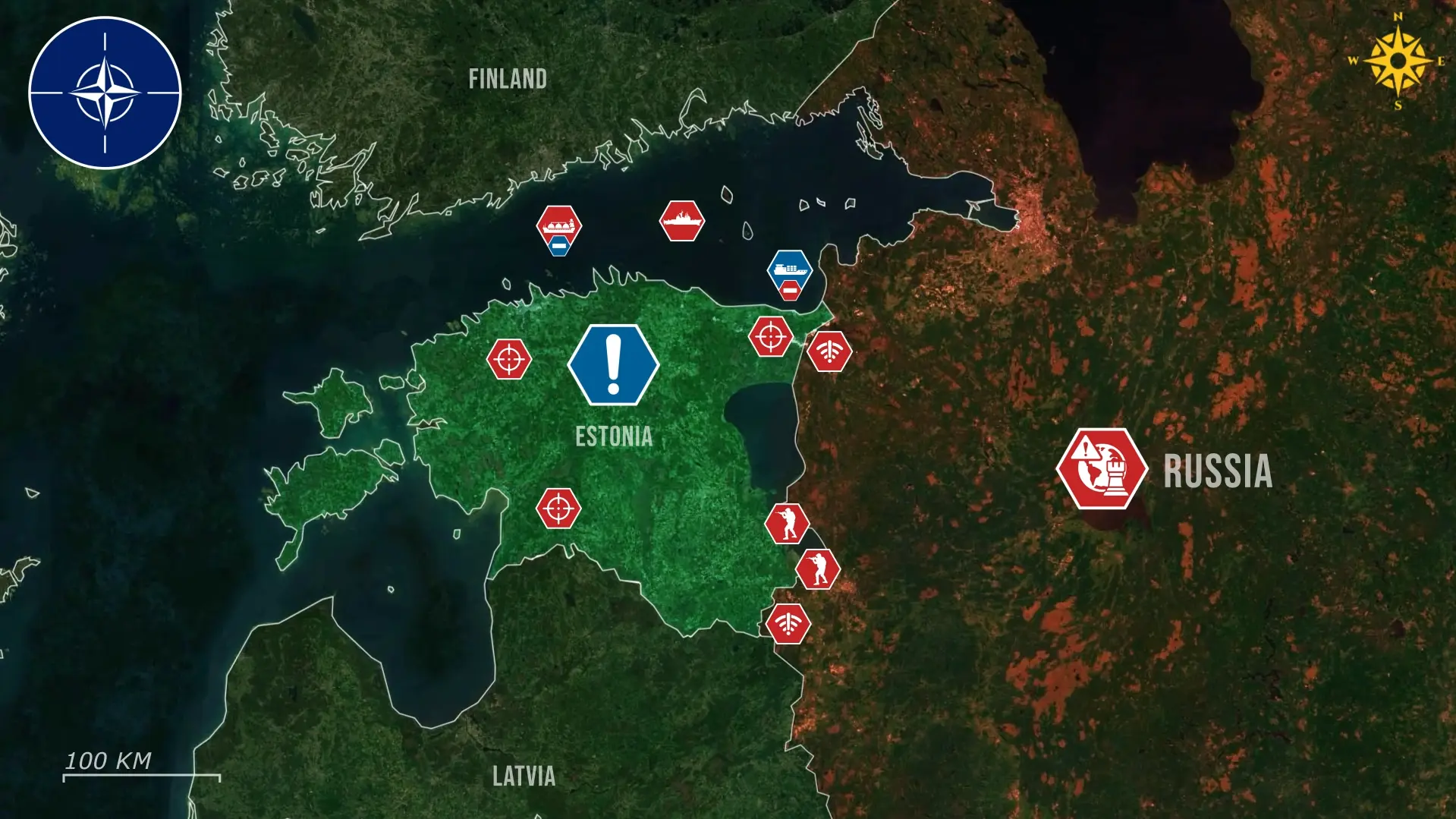
In response, Estonia has drawn an unmistakable red line, with the Foreign Minister Margus Tsahkna having made it clear that any incursion, whether by uniformed troops or so-called green army men, as done in Crimea in two-thousand fourteen, will be met with immediate lethal force. To ensure this, Estonia is actively monitoring its borders, strengthening internal security, and coordinating closely with Nato allies, with the direct message to Moscow that any attempt to replicate the Ukraine scenario will not go unanswered.
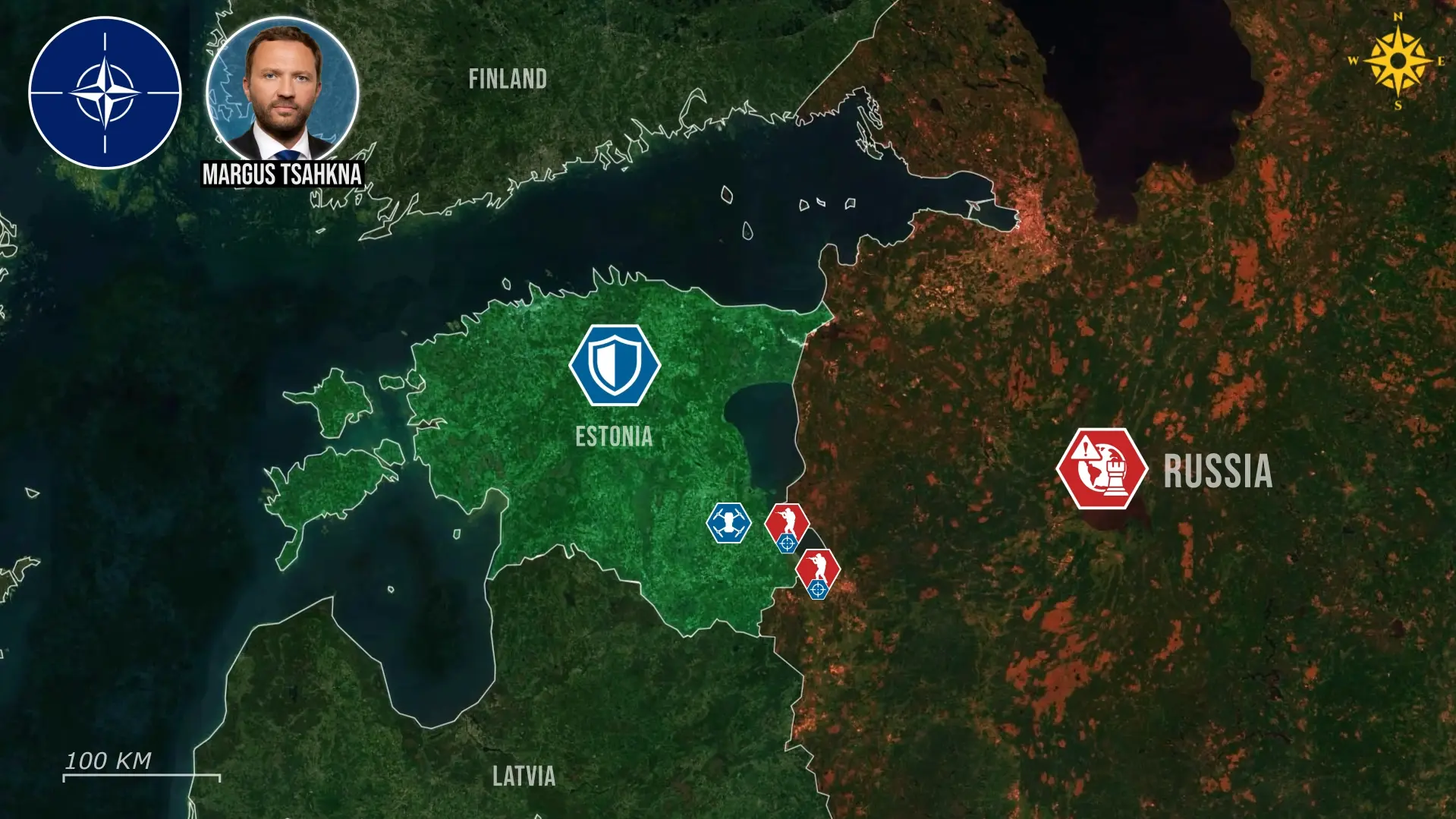
Overall, from separatist narratives to covert infiltration and persistent provocations, the pattern is unmistakable, as Russia is escalating both its rhetoric and actions in the Baltic region in a manner that closely mirrors the early stages of its campaign in Ukraine.
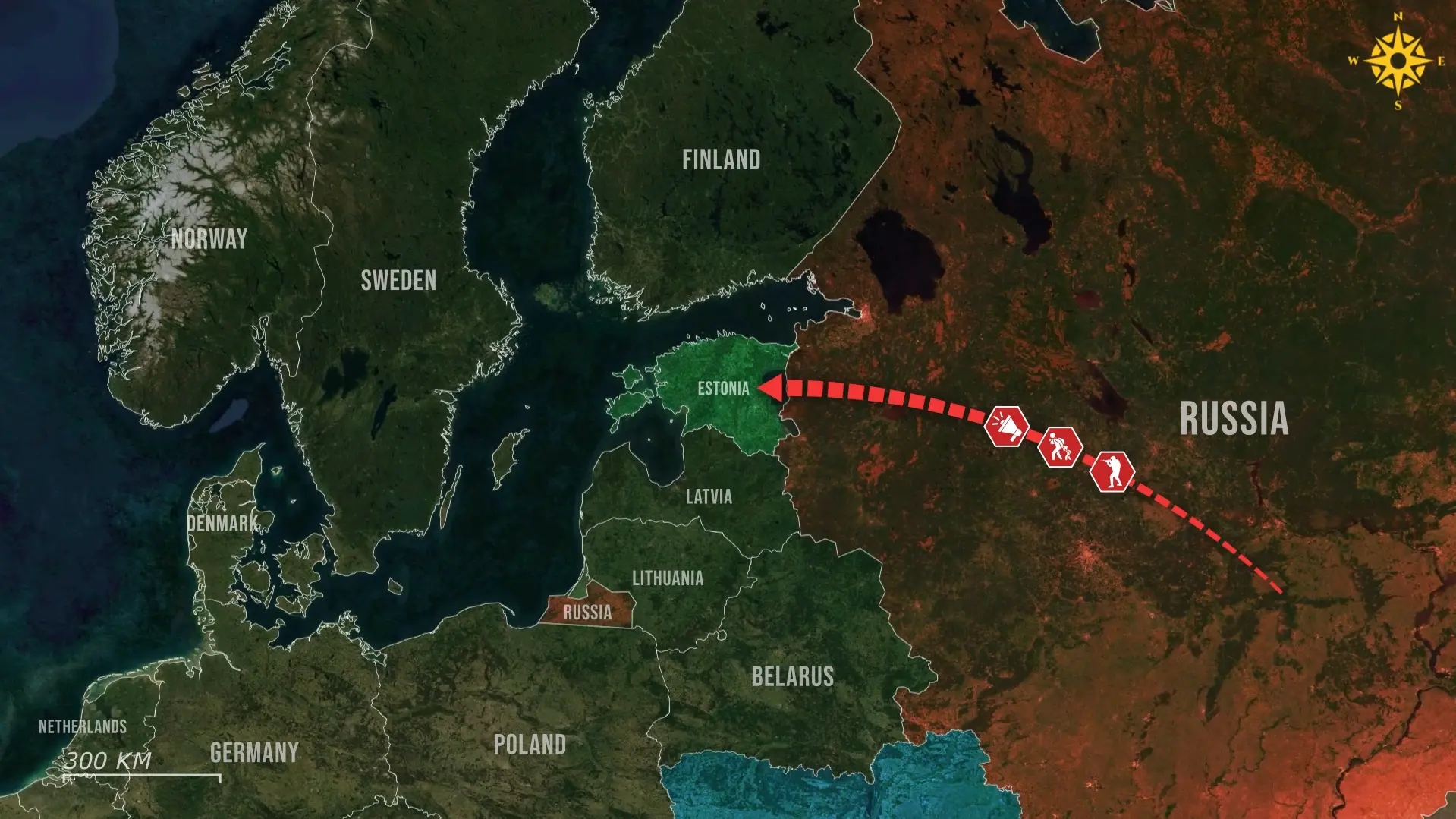
Estonia, however, is not caught off guard and is taking preventive measures, enforcing strict security controls, and openly declaring its readiness to respond with force. This signaling aims to deter any Russian aggression by declaring that any attempt to destabilize Estonian territory will be met decisively.

.jpg)

Comments