

.svg)
Today, there are important updates from the Russian Federation.
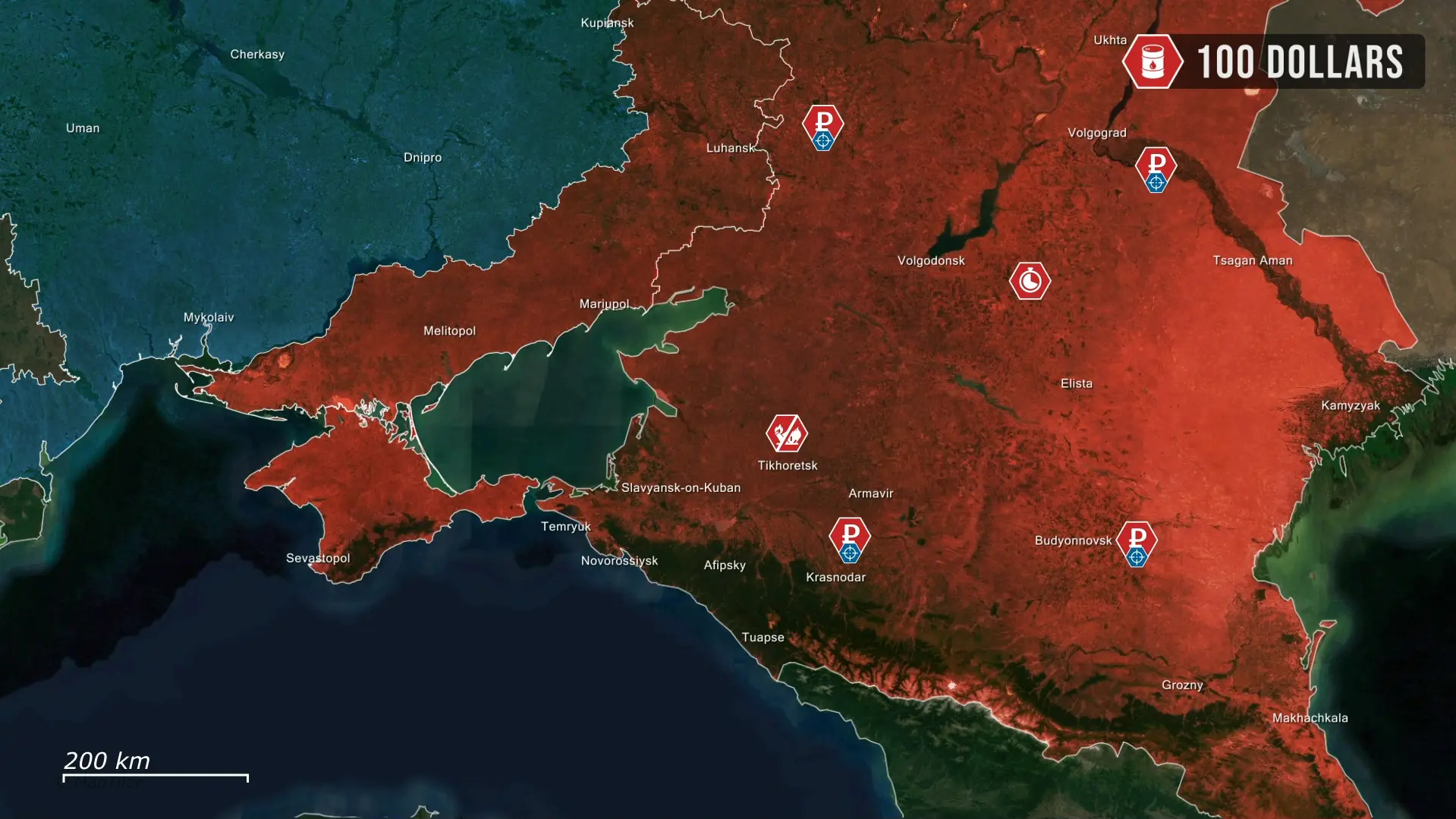
Here, Ukrainian missiles and drones obliterated Russia’s oil infrastructure at the worst time possible. This was a precisely calculated move because Ukraine directly targeted Russia’s chance for a quick economic boost, which could have served as an economic lifeline.
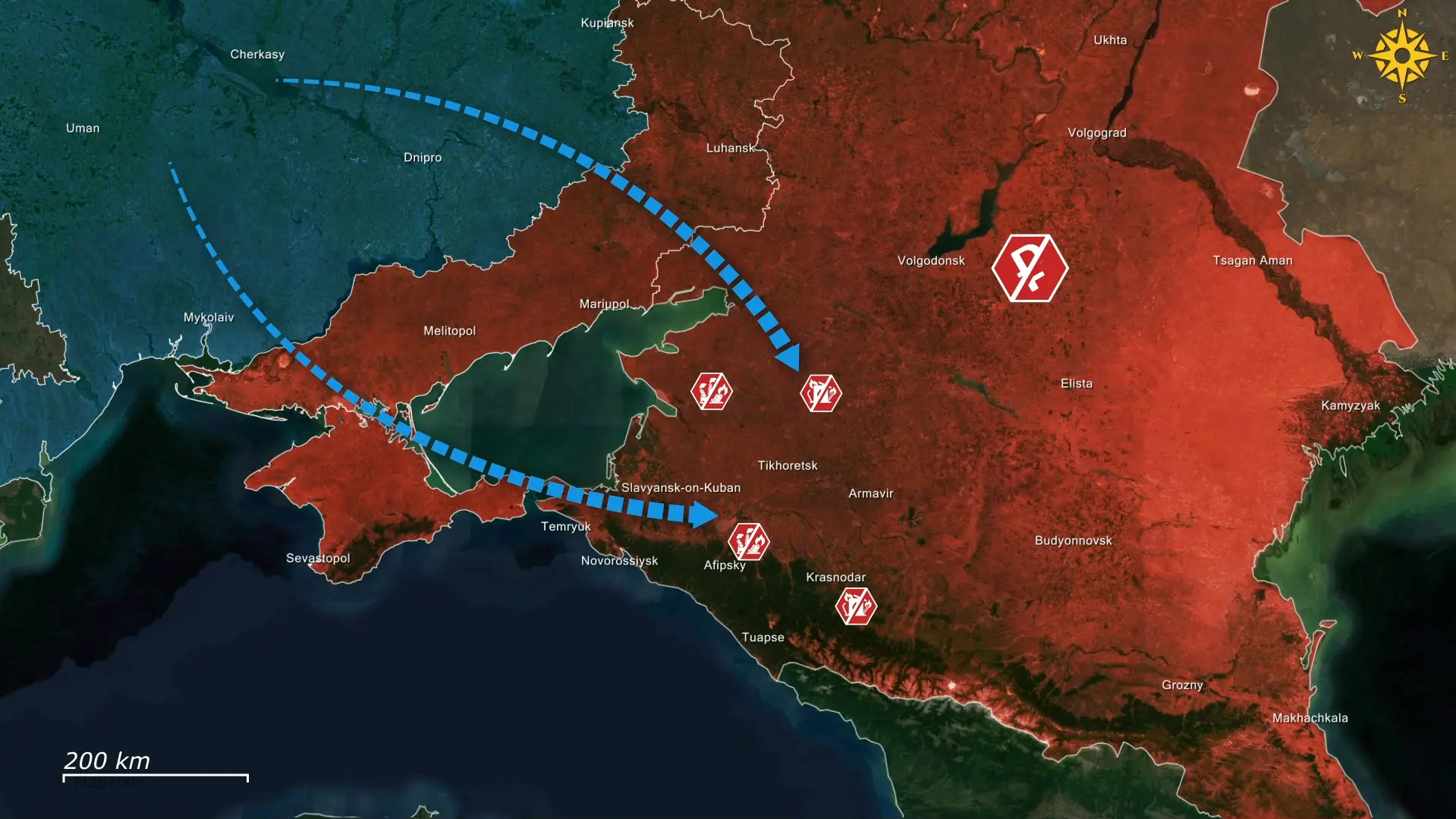
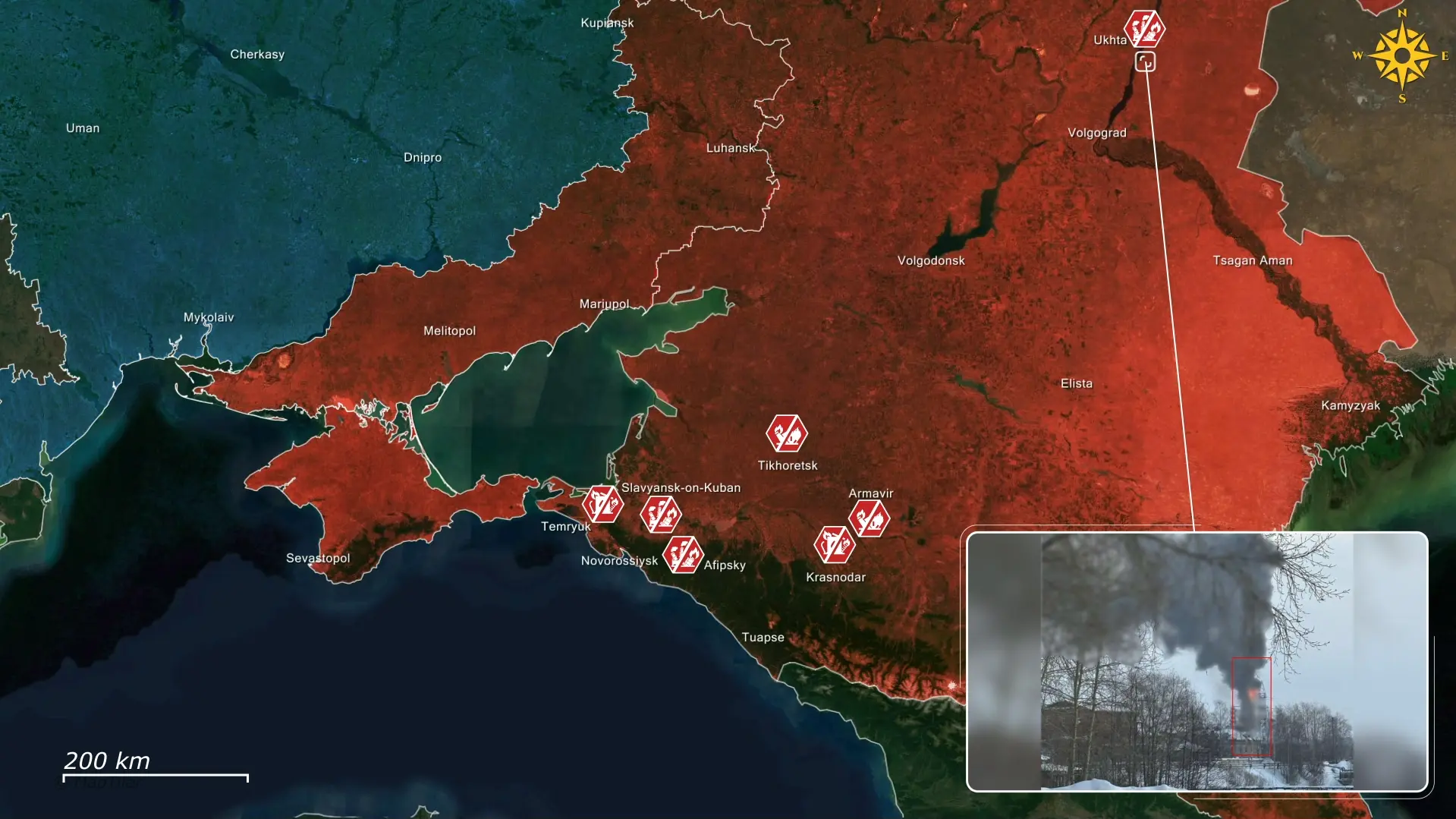
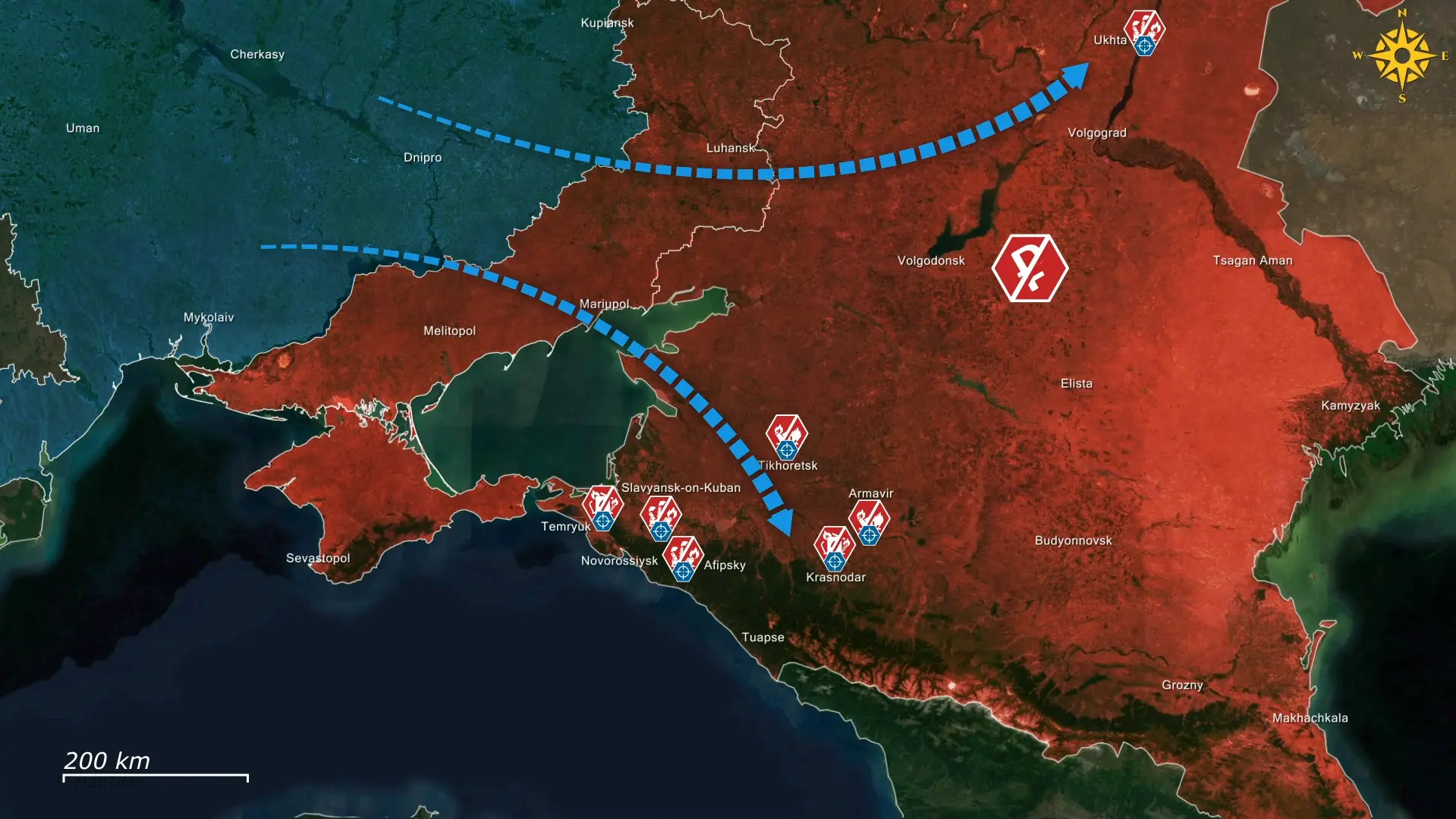
The target of the first strike of the campaign has become Russia's key strategic oil pumping station in Tikhoretsk, attacked by Ukrainian Lyuti drones. Satellite imagery confirms significant damage to the facility that supports fuel logistics for military operations, including the destruction of at least 1 storage tank, with two additional fuel tanks burning.
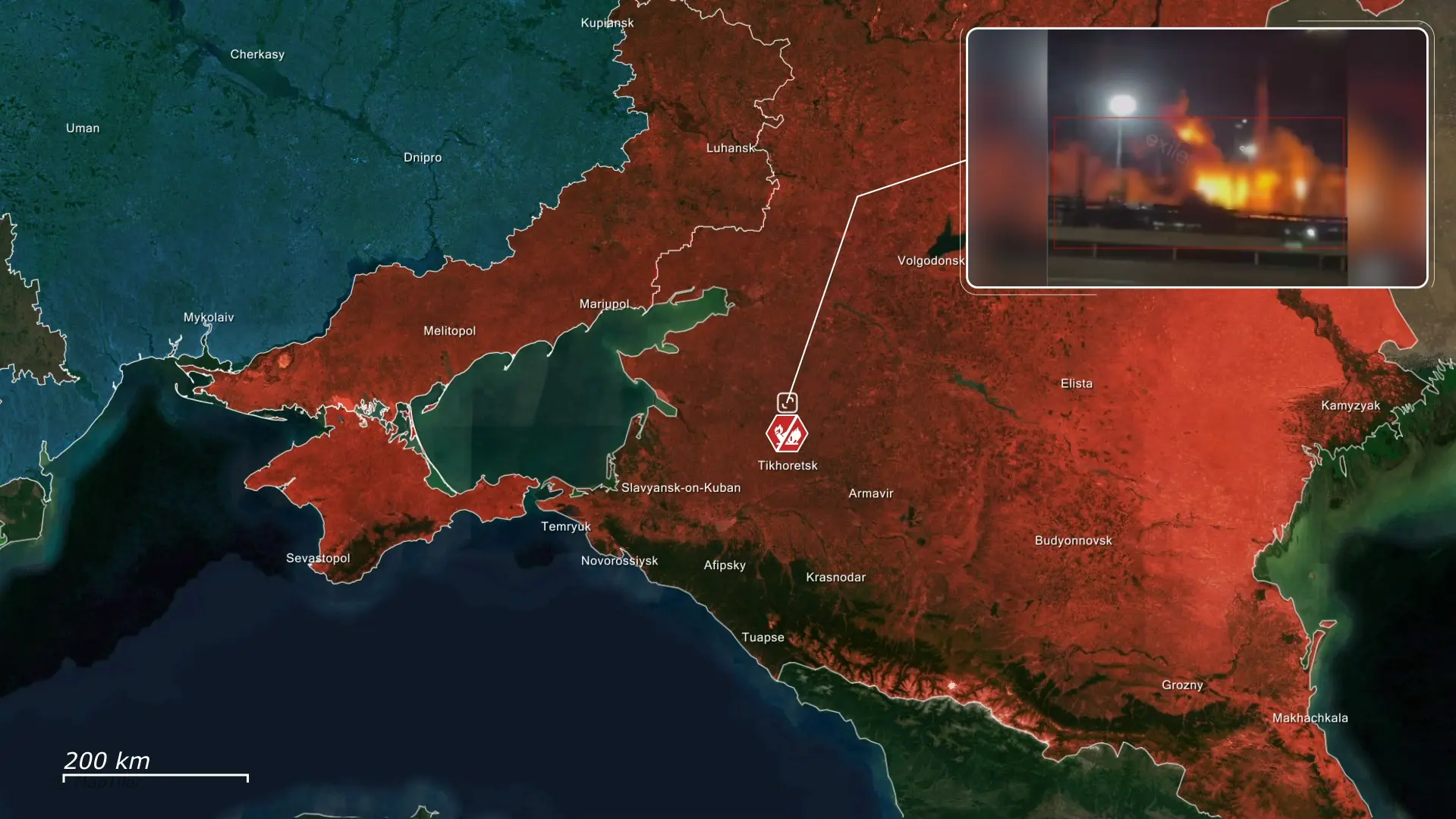
The oil transshipment base, operated by Transneft, is also a major petroleum transit node linking pipelines from Western Siberia, Azerbaijan, and Kazakhstan to Black Sea ports such as Novorossiysk. The facility is integral to the Kuibyshev-Tikhoretsk pipeline system, which can handle up to 52 million metric tons of crude and petroleum products annually, supplying both exports and domestic needs, including feedstock for Rosneft's Tuapse refinery.
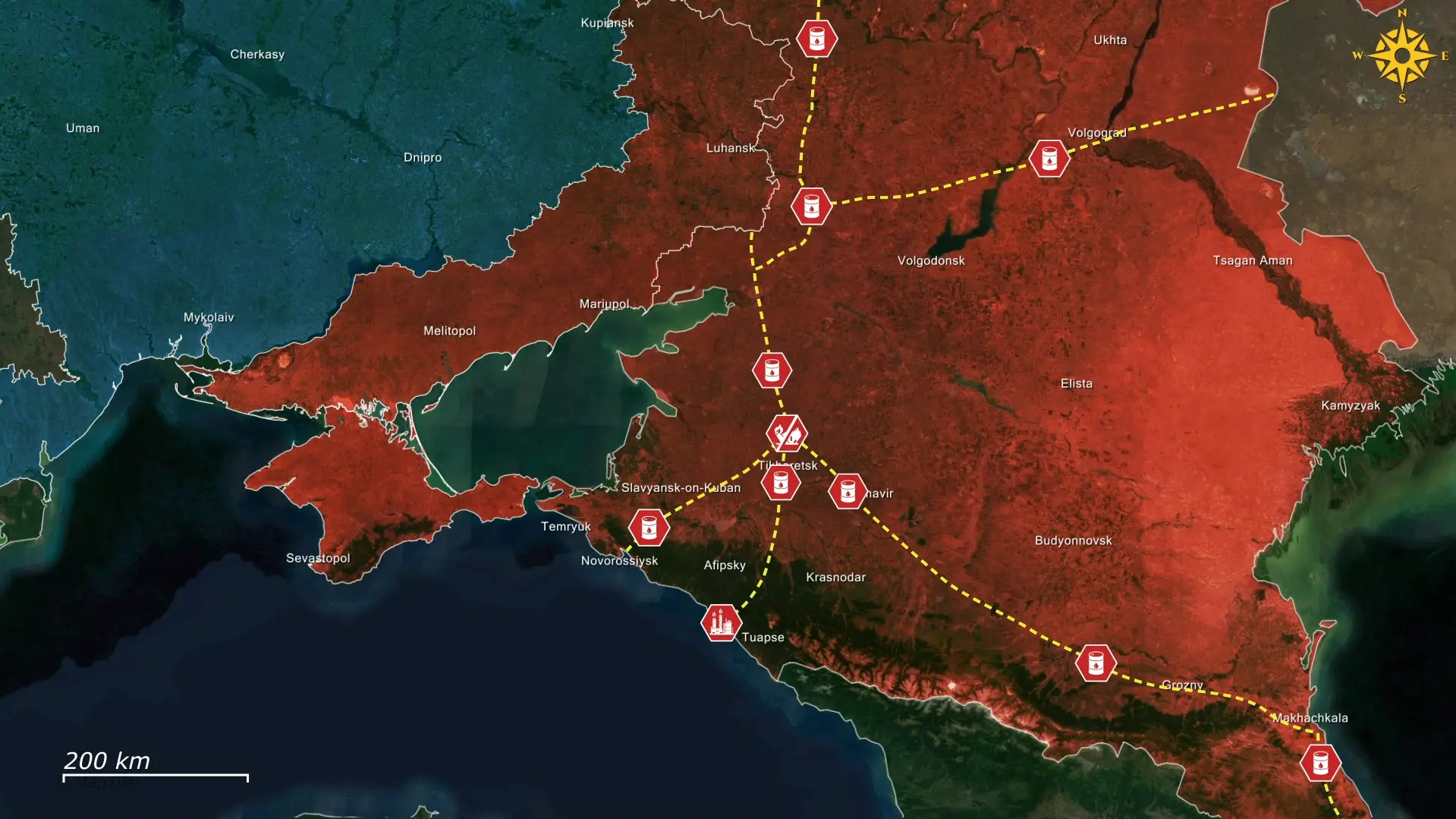
This disruption is expected to create immediate bottlenecks in Russian oil operations by severing the primary southern route to Novorossiysk, forcing costly rerouting through alternative Baltic ports. Local Russian authorities attributed the incident to falling debris, a common tactic to downplay the significance of the attack, but acknowledged the severity of the damage at one of their most important oil infrastructures.
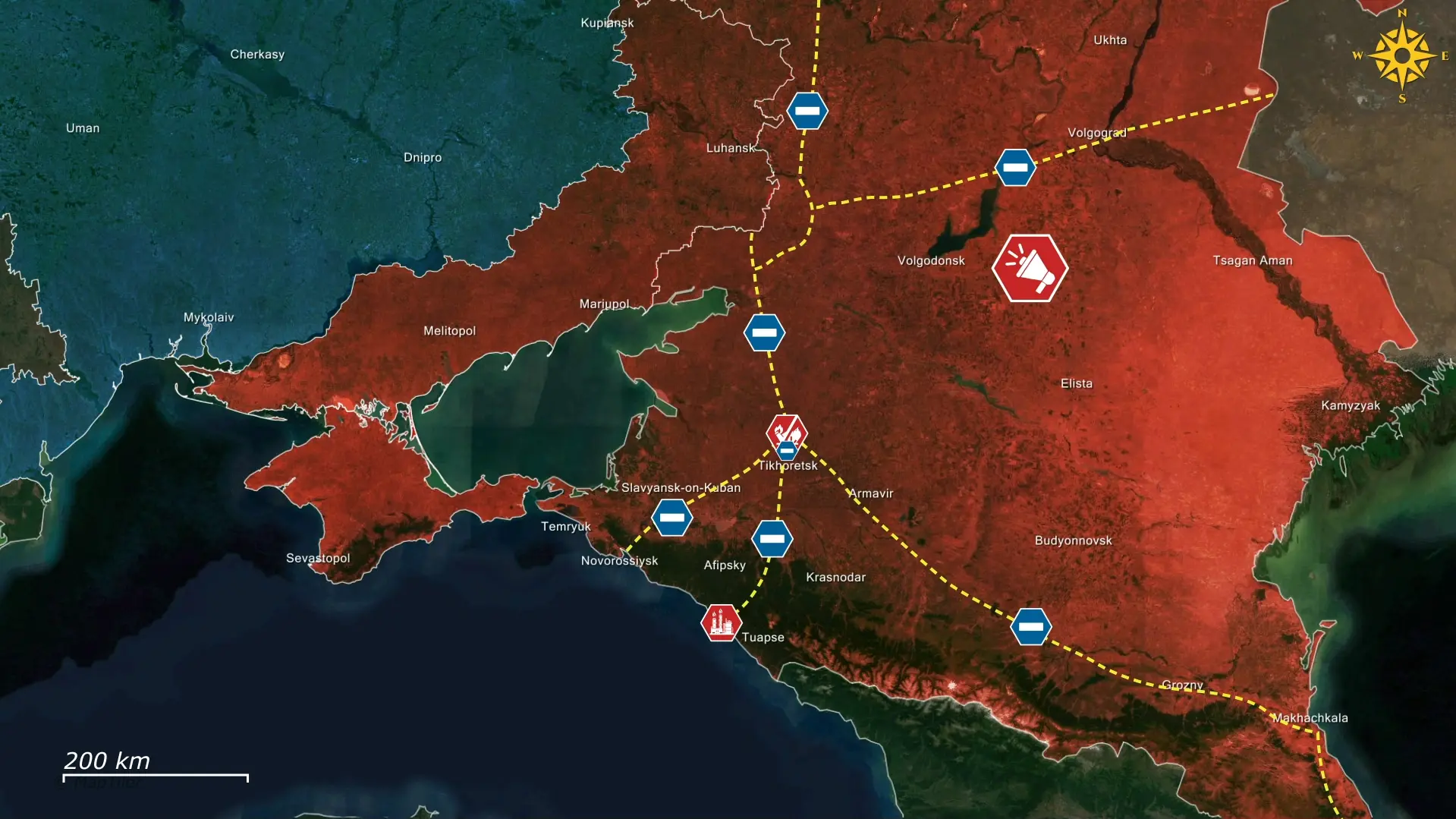
The timing of this strike was particularly harmful for Russia, and by targeting enemy energy infrastructure now, Ukraine is undermining Moscow’s ability to capitalize on elevated global oil prices linked to the war in Iran. As oil prices rose from approximately 70 dollars to around 100 dollars per barrel, Russia can gain an estimated 10 billion dollars in additional oil revenue, according to Volodymyr Zelensky. This makes Ukrainian attacks on Russian oil facilities strategically significant at this moment, because they aim to deny Russia the financial boost that could further support its military efforts.
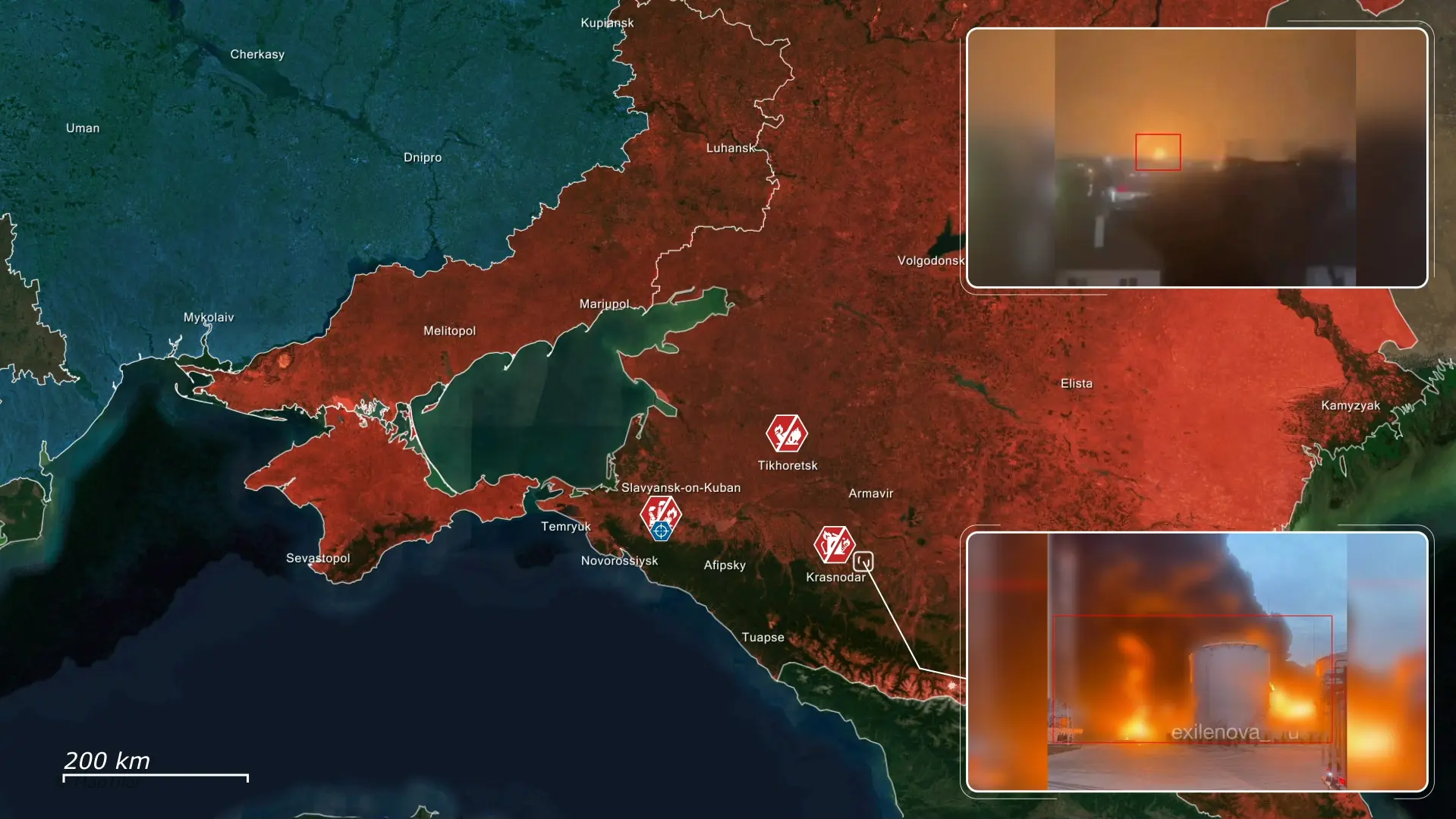
In order to cause further disruptions for Russia’s oil sector, Ukrainian drones caused damage at an oil refinery in Slavyansk-on-Kuban, which has an annual processing capacity of about 4 million tons of crude oil. The facility had already been attacked two times in previous months, with the latest strike halting operations and preventing repair efforts. A Ukrainian drone strike also set tankers ablaze at an oil depot in the Krasnodar Region, which contained petroleum products. The fire rapidly spread to additional storage tanks as strong winds pushed the flames into neighboring reservoirs, ultimately destroying most of the facility’s tank farm, indicating extensive damage across the site.
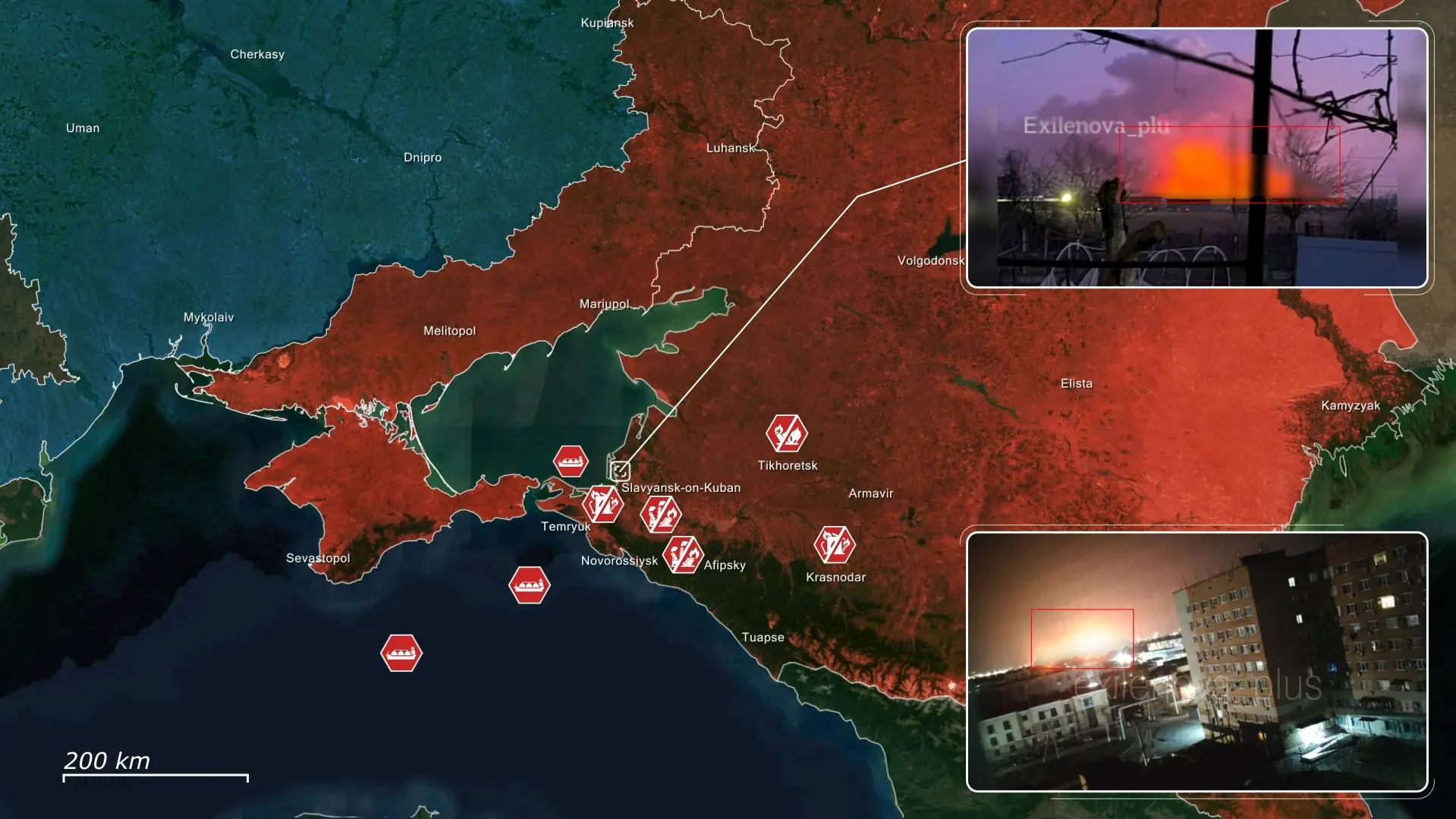
Ukrainian airstrikes also targeted the Afipsk oil refinery, with a direct hit striking the pipeline overpass, causing a product leak, while geolocated footage confirms damage to a processing unit. An additional strike hit the oil terminal in Temryuk, igniting stored fuel and sparking a large fire, putting in danger 30 storage tanks with a total storage capacity of 6,000 tons. It serves as southern Russia’s primary export point for liquefied hydrocarbon gas, with oil and petroleum-product shipments also routed through it.
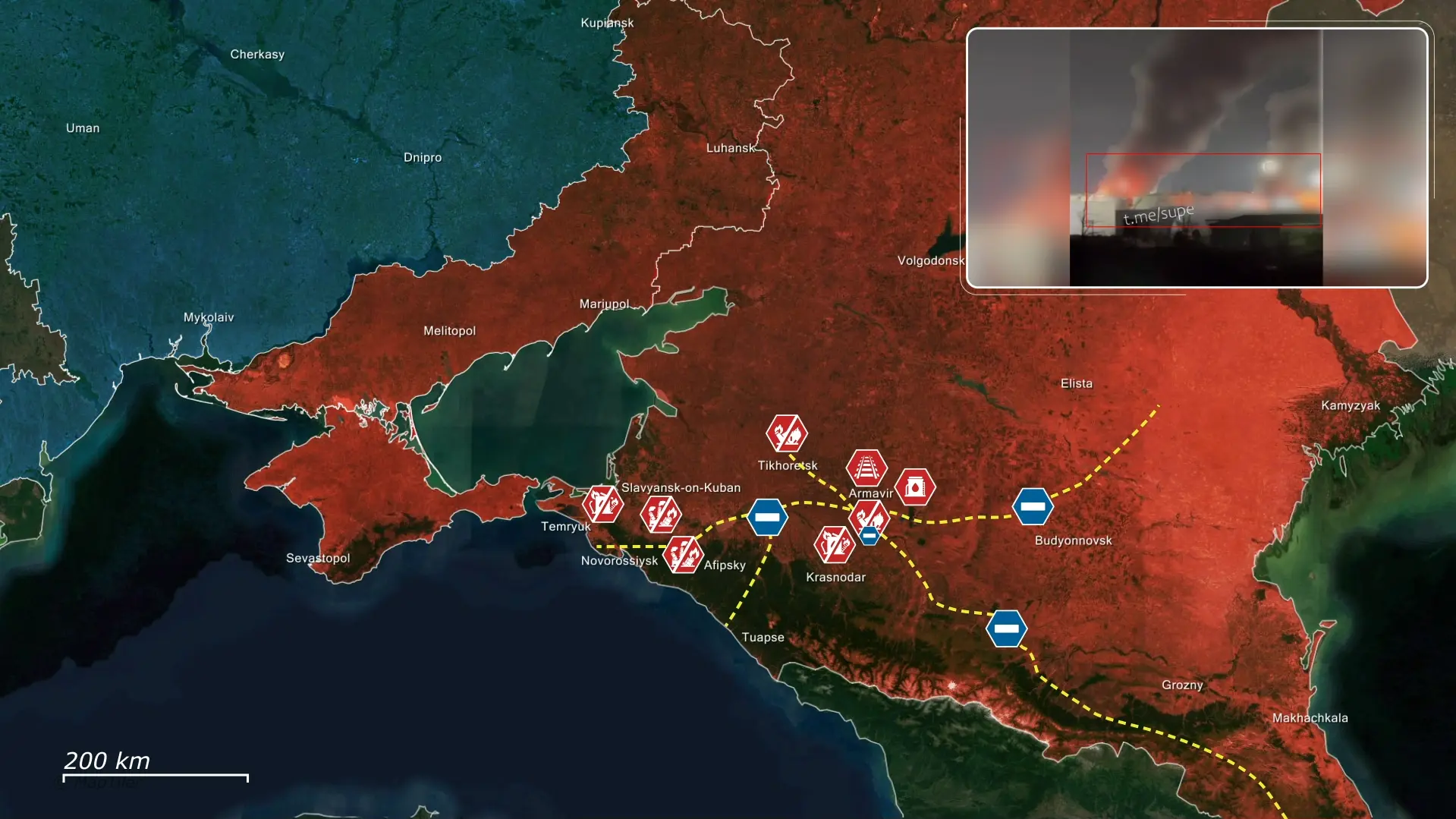
To put the whole Russian oil and fuel ecosystem under stress, Ukrainian drones also struck the Armavir oil product pipeline hub, setting the facility on fire. The site plays a key role in pumping fuel through trunk pipelines to maintain flow and pressure over long distances, storing petroleum products in large tank farms to balance supply fluctuations, and transferring fuel onto rail for further distribution. Disruption or damage to such a hub has wider consequences beyond the immediate impact site, affecting fuel transportation networks and supply across multiple areas in southern Russia, directly affecting Russia’s war efforts.
Ukrainian drones also targeted the Lukoil oil refinery in Ukhta, located roughly 1,700 kilometers from the front line, triggering a fire at a processing unit. The facility, which has an annual processing capacity of about 4.2 million tons, was hit at the processing unit, with a rectification column getting destroyed, harming Russia's northernmost refinery that covers the whole region's demand for motor fuels.
Overall, Russia’s plan to utilize the war in Iran and the easing of American sanctions on India to sell oil at a higher price was disrupted by Ukraine's continuous strike campaign against key oil infrastructure. Ukraine will continue to expand its deep strikes in Russia, hitting every stage of the oil industry to reduce Russian revenue and war budget. This will prevent the Russian government from recovering and offsetting losses from sanctions, turning the sudden chance the Russians saw into the lost opportunity.

.jpg)


Comments