

.svg)
Today, there is important news from Ukraine.
Here, a new phase of the war is emerging as robot-saturated battlefields become a regular feature of the frontline in Ukraine. However now, Ukraine started using robots to fight robots, and as the pace of combat accelerated, they also started eliminating Russian soldiers along the way.
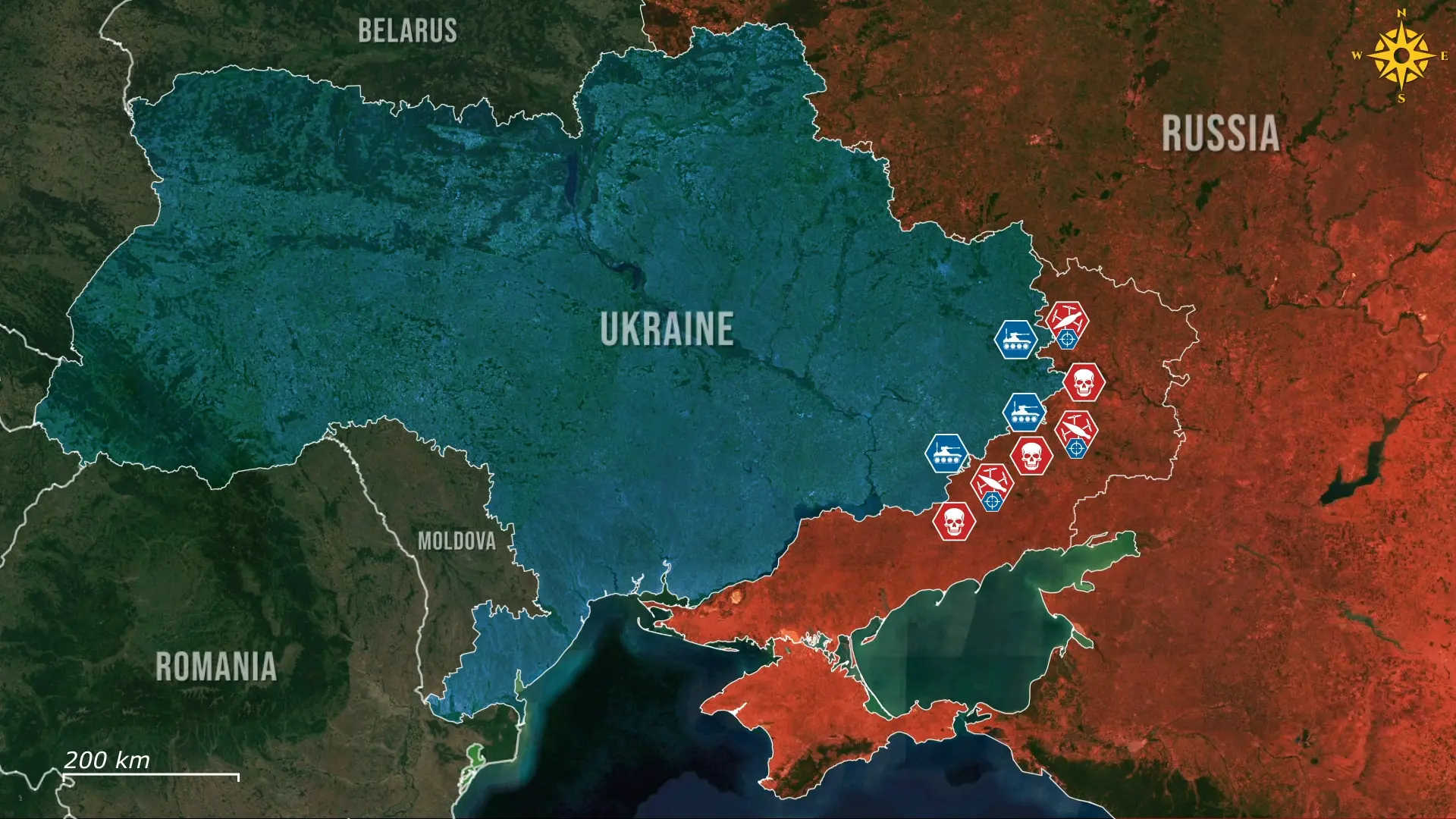
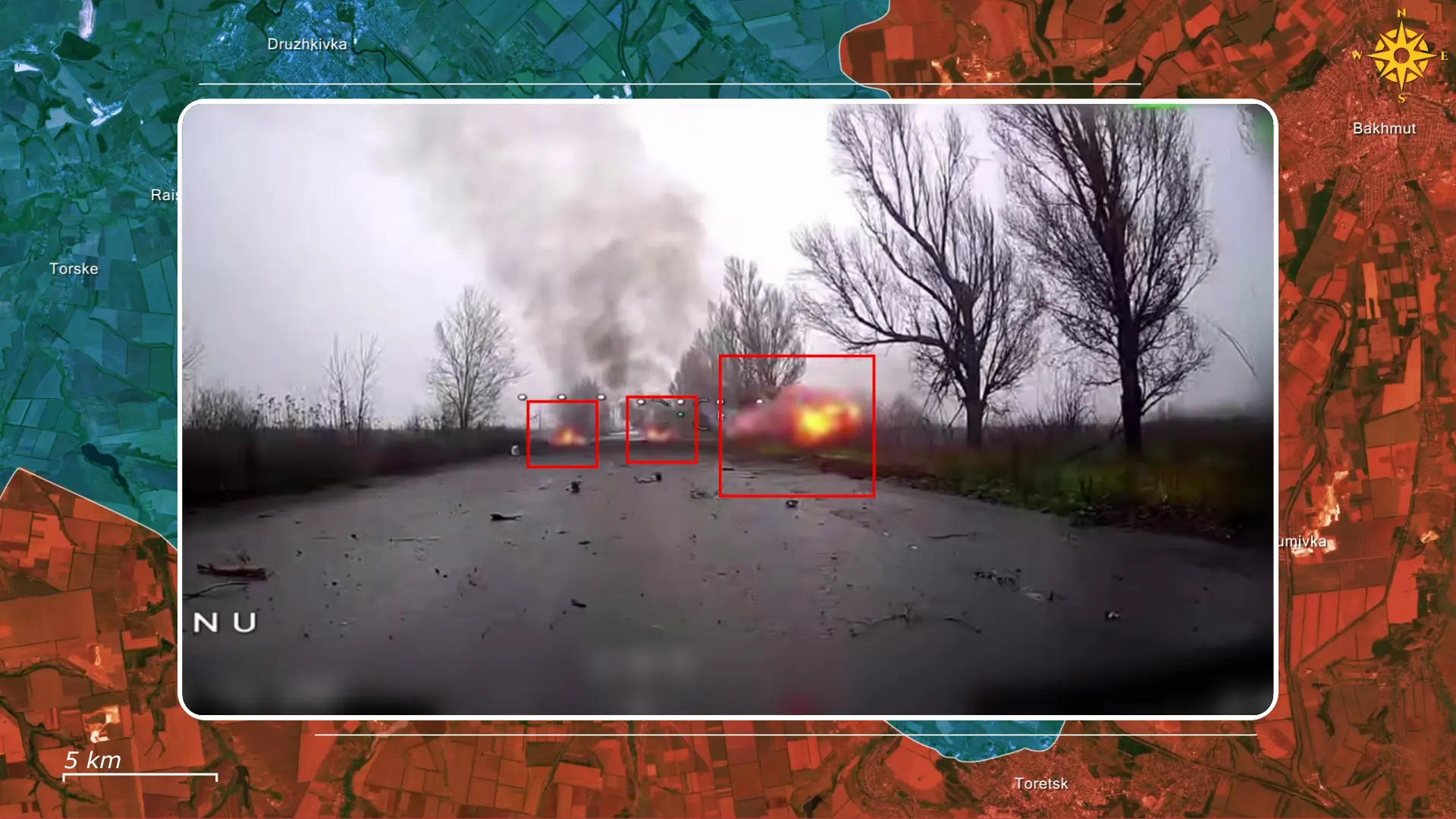
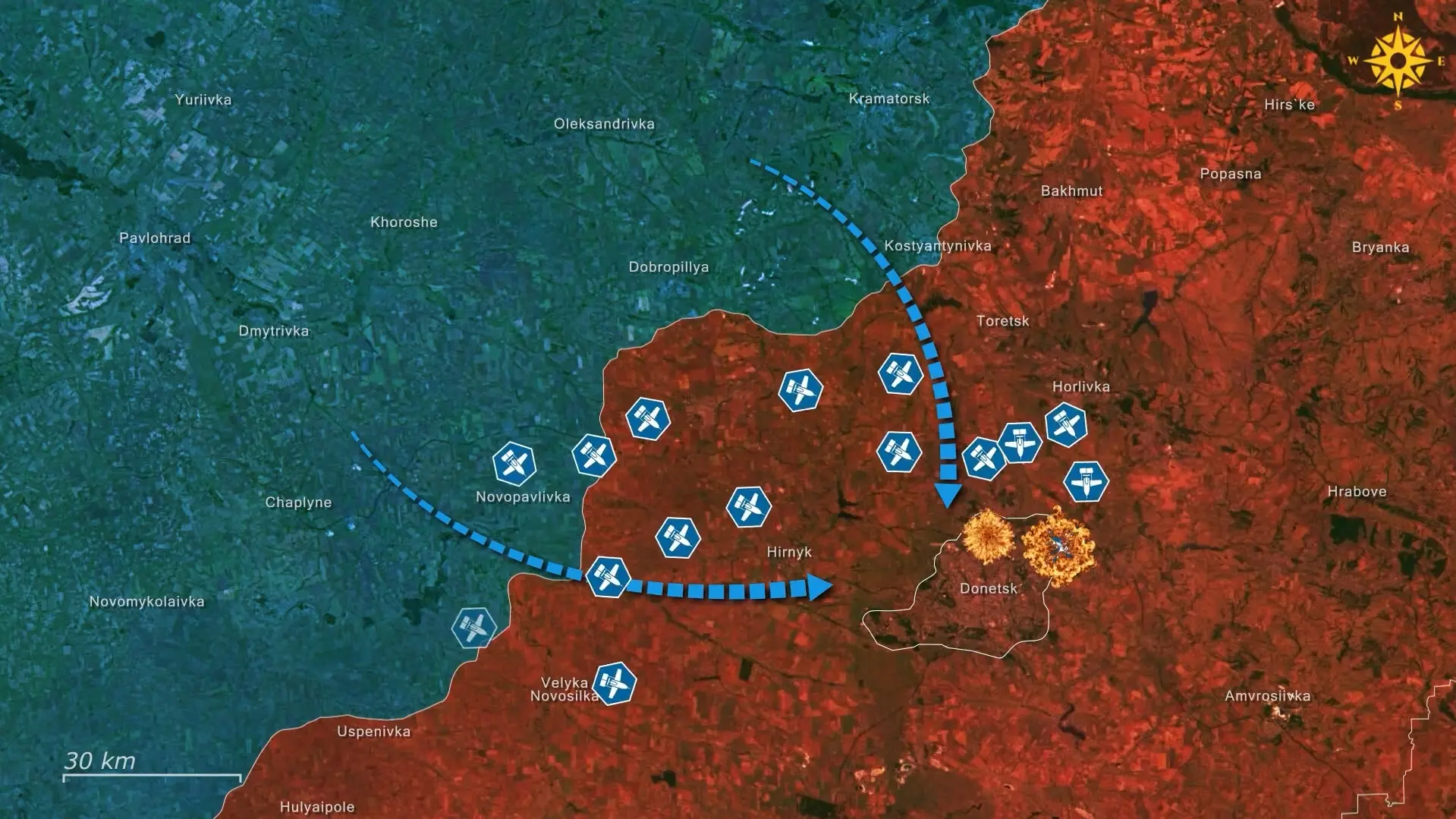
In practice, this development means the establishment of a new form of automated counter-drone warfare. Geolocated footage from the Kostiantynivka area illustrates this transition clearly, as in one sequence, two Ukrainian ground drones advance along a road, with the one carrying explosives for an attack, while the other serves as an escort at the front. Suddenly, they detect a Russian FPV drone on the route, positioned to strike passing vehicles or infantry.
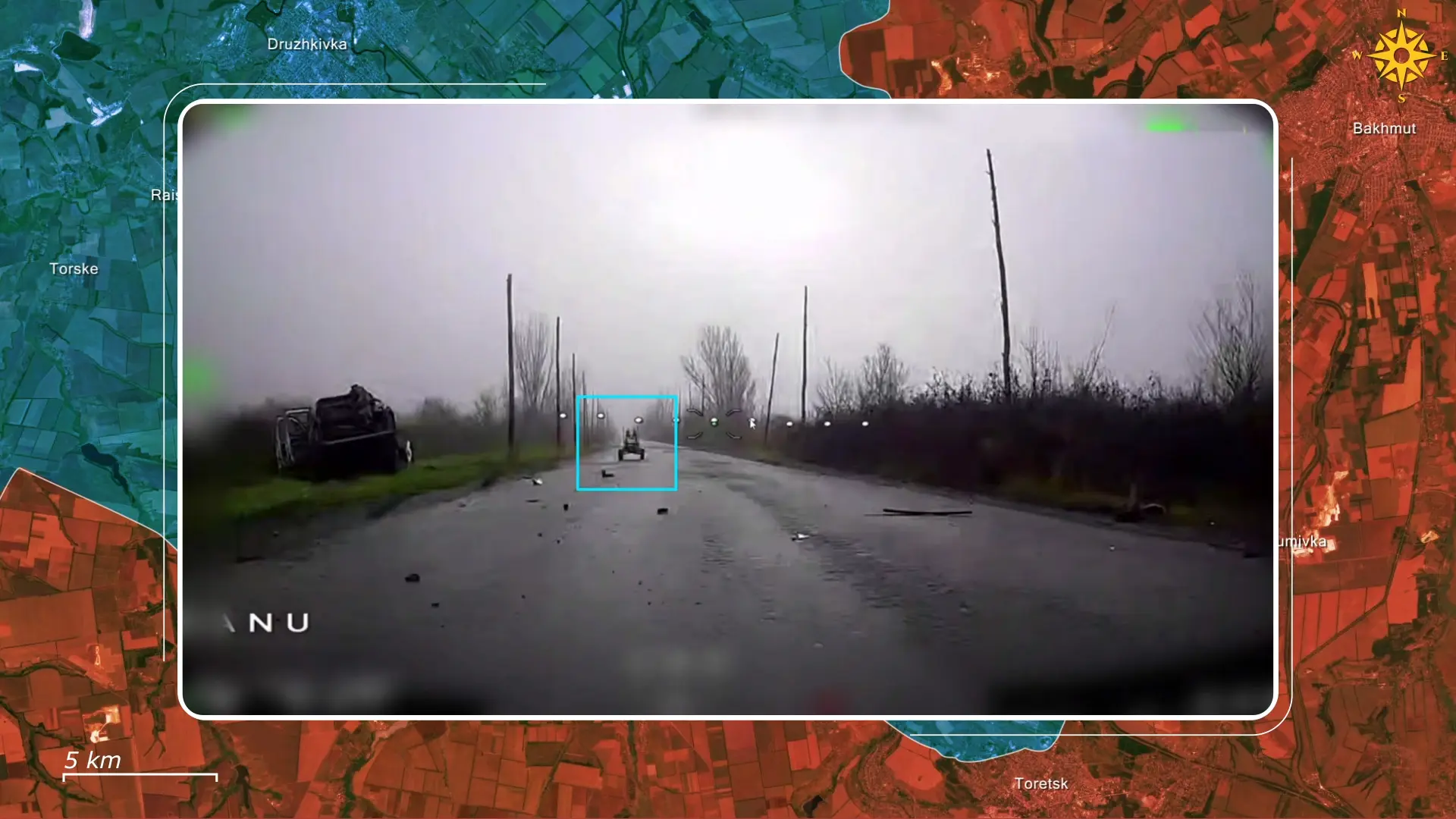
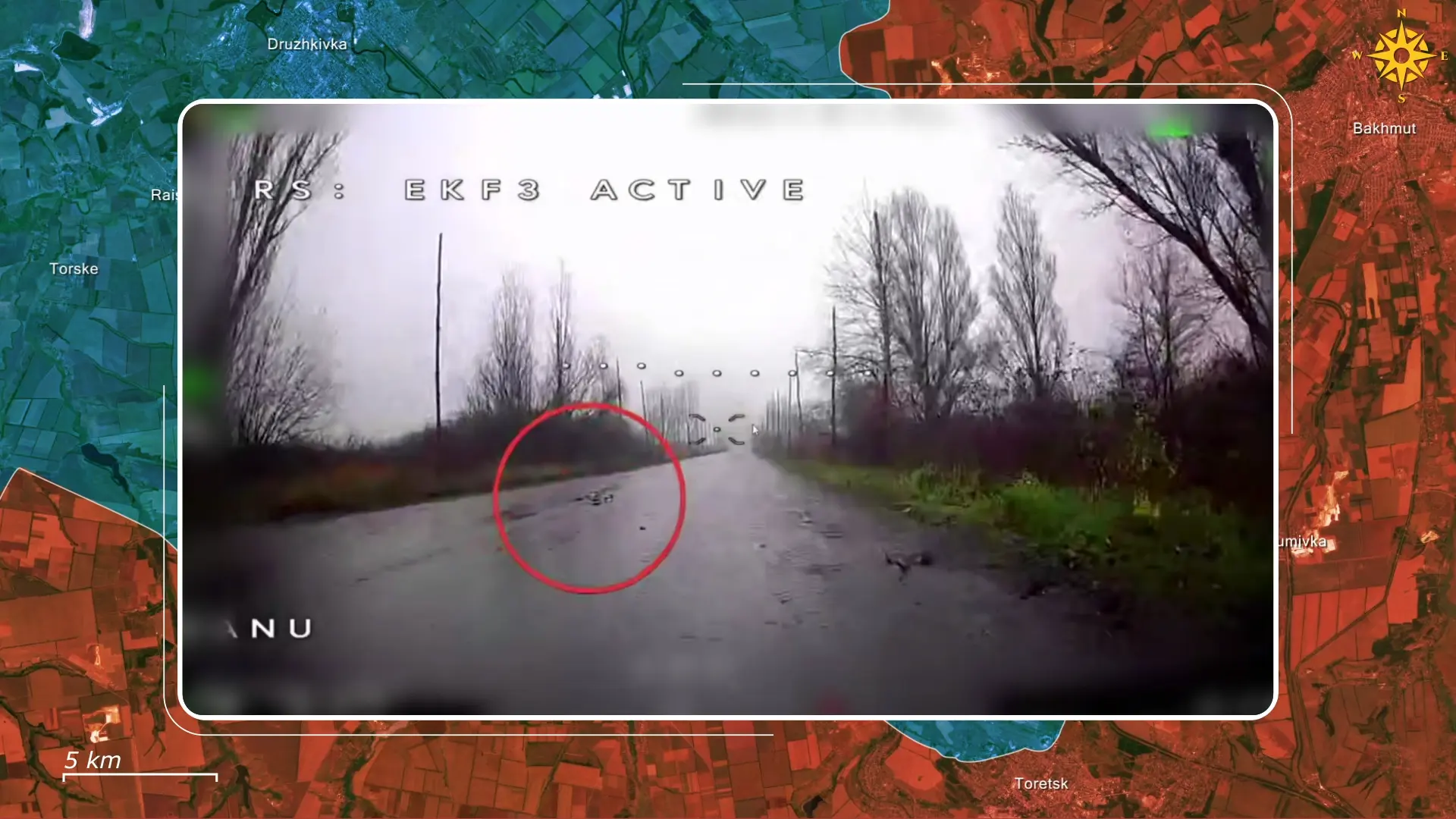
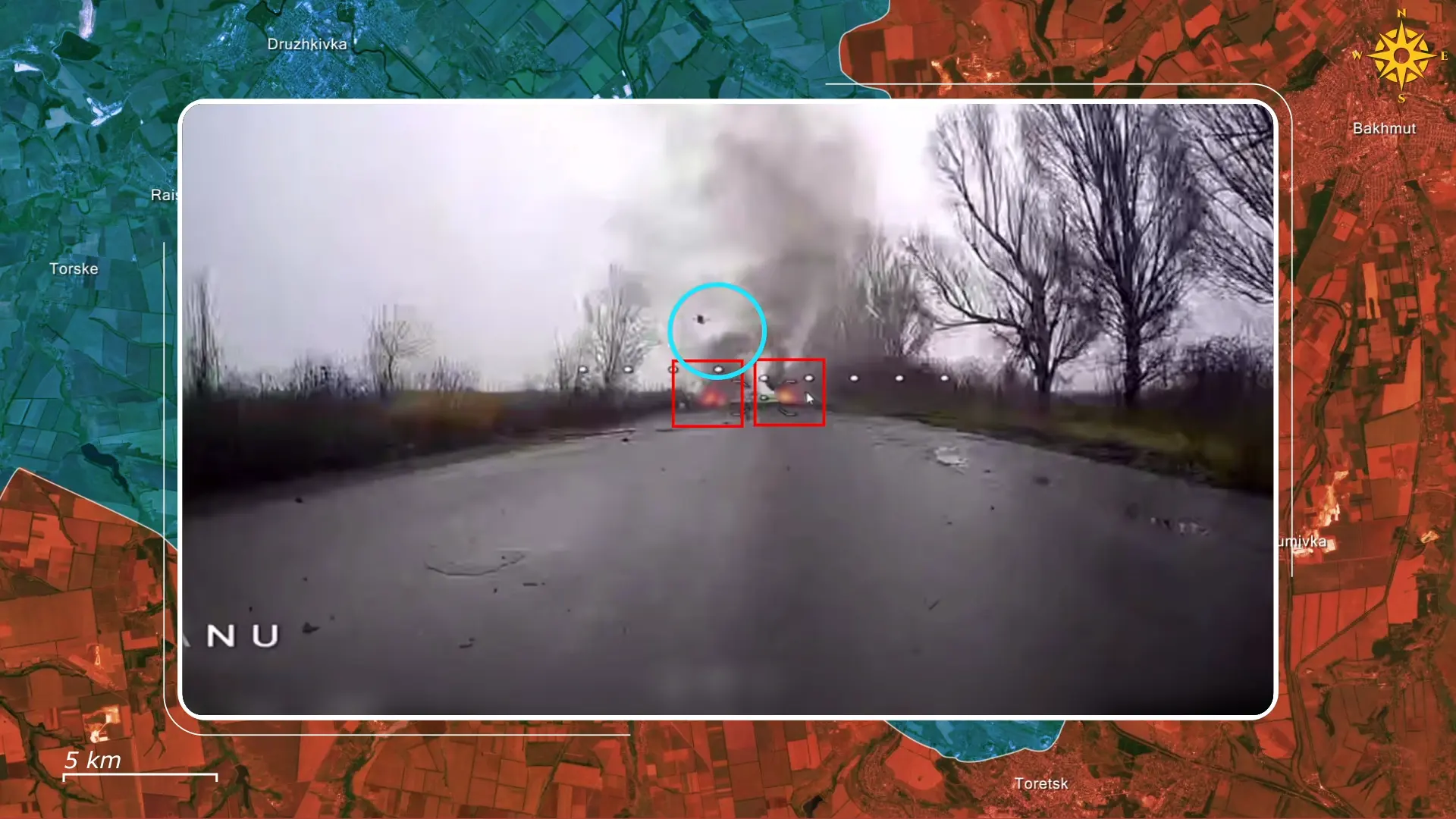
The Ukrainian operators identify the threat and eliminate it, ensuring safe passage. Additionally, Ukrainian FPV drones fly above, monitoring the ground platforms and extending their awareness. As the column advances, the reconnaissance drone captures burning remnants of destroyed Russian motorcycles and an enemy soldier nearby. An FPV strike drone nearby is dispatched, flies toward the enemy, and eliminates the threat, whereafter the ground drones resume their mission without interruption.
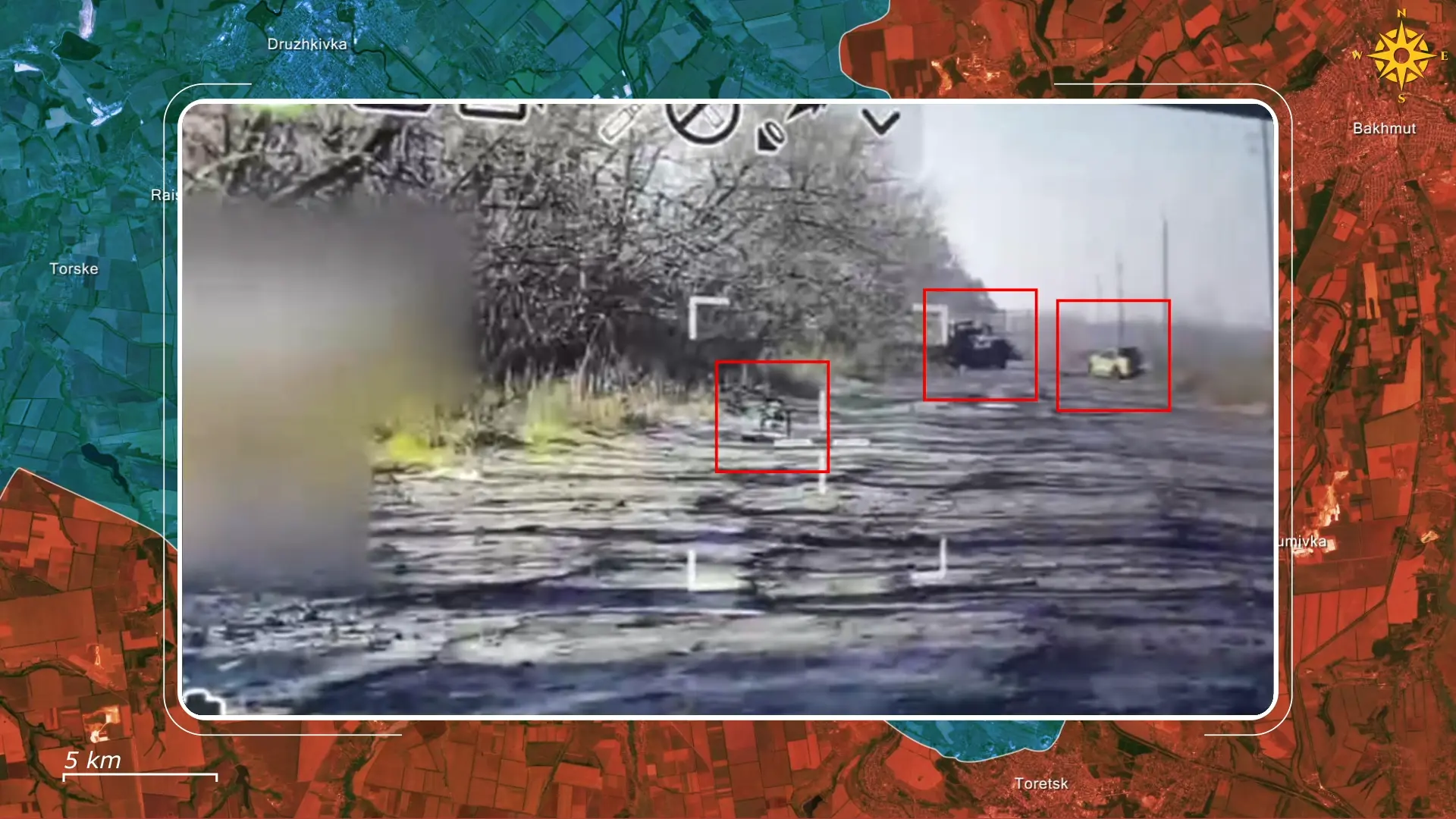
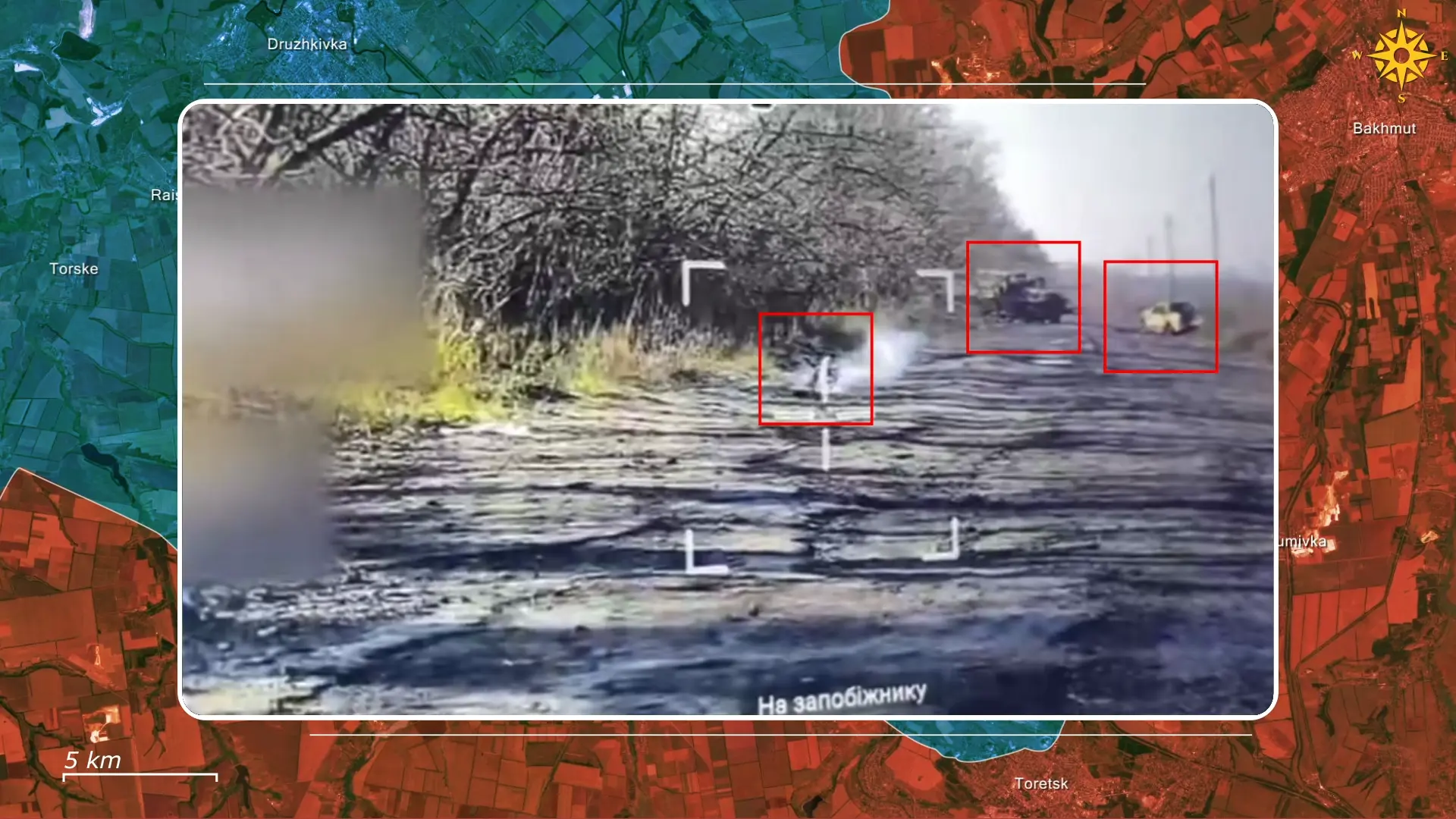
Another video from the same area shows a Ukrainian unmanned ground vehicle armed with a machine gun moving along a dirt road where destroyed vehicles already litter the surroundings. The robot identifies and confirms a Russian FPV drone positioned in ambush, opens fire, striking it repeatedly until smoke starts pouring. Only after the threat is neutralized does the ground drone continue its movement toward enemy positions.
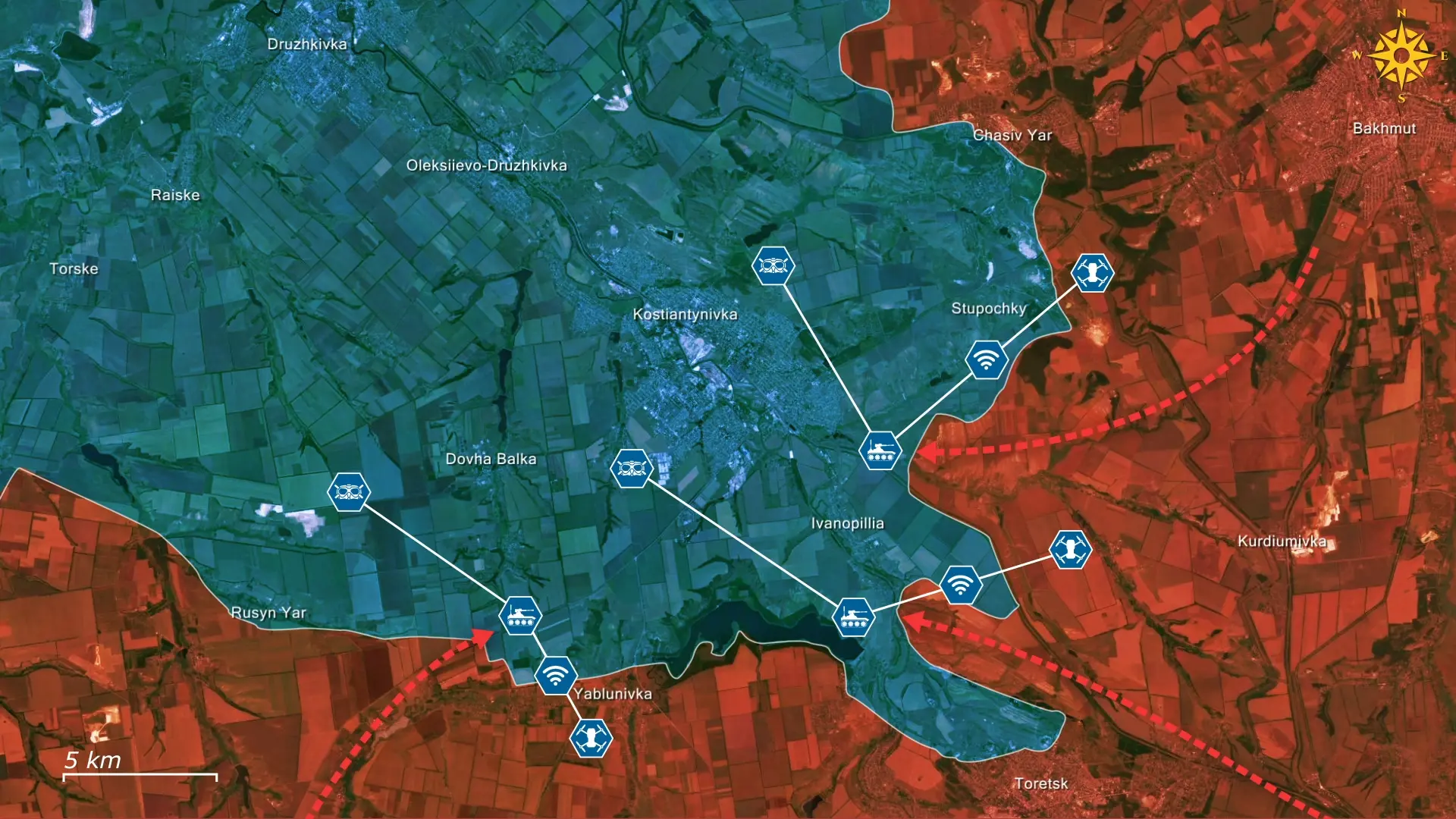
In both cases, the robots are not reacting defensively at the last moment but are actively clearing the battlefield of hostile systems before further engagement. These missions are possible because ground and aerial drones increasingly operate as a single, networked combat team. Aerial drones provide wide-area surveillance, detect heat signatures, map trenches, and locate ambush points. They then pass targeting data to ground drones positioned along roads or concealed in terrain. Ground drones act as persistent close-range platforms: holding chokepoints, escorting movements, or engaging targets with mounted weapons while remaining hidden.
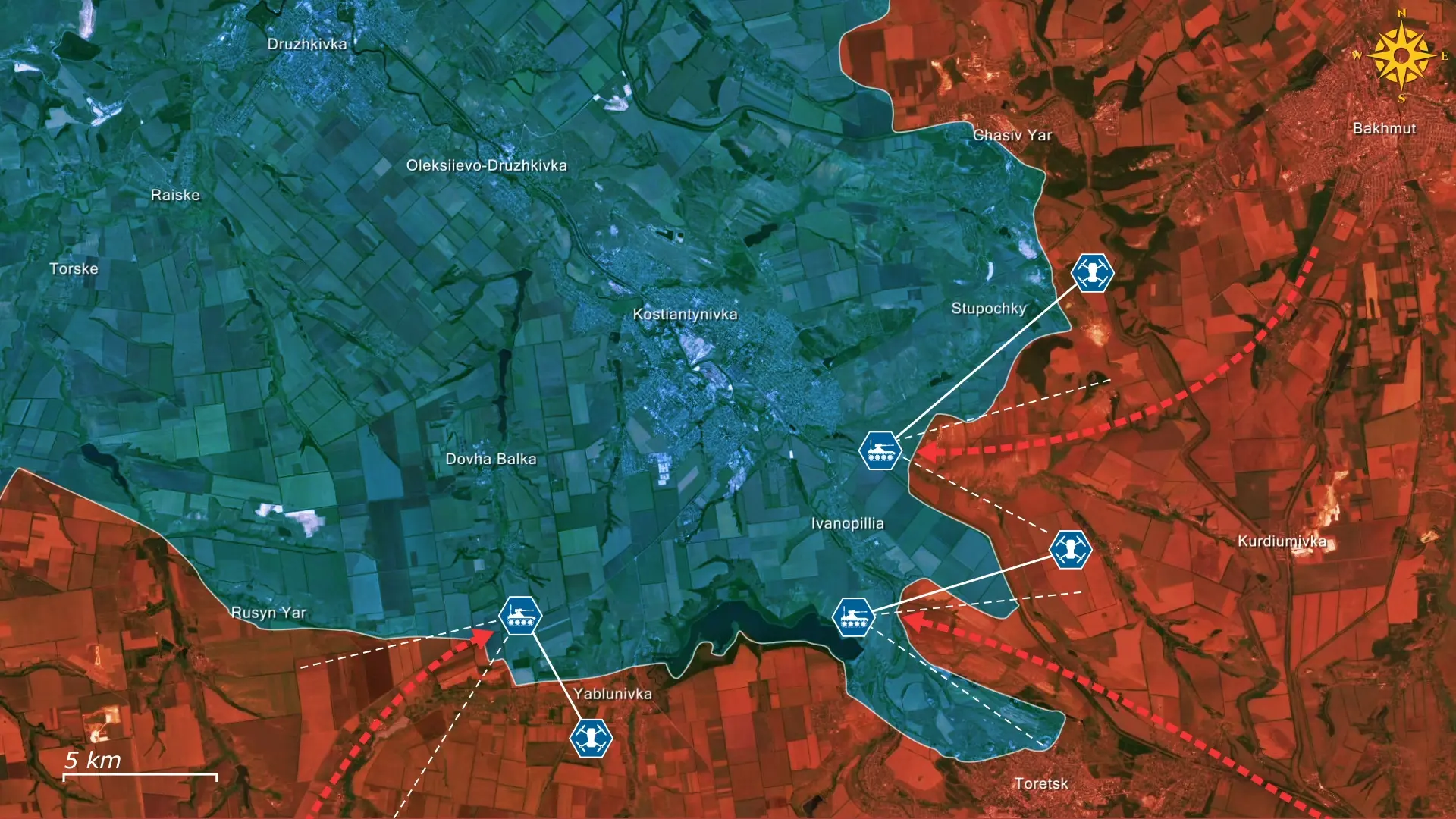
Aerial drones also serve as signal relays, extending control range and maintaining links in complex terrain. The result is a compressed sensor-to-shooter loop in which detection, identification, and engagement occur in seconds rather than minutes.
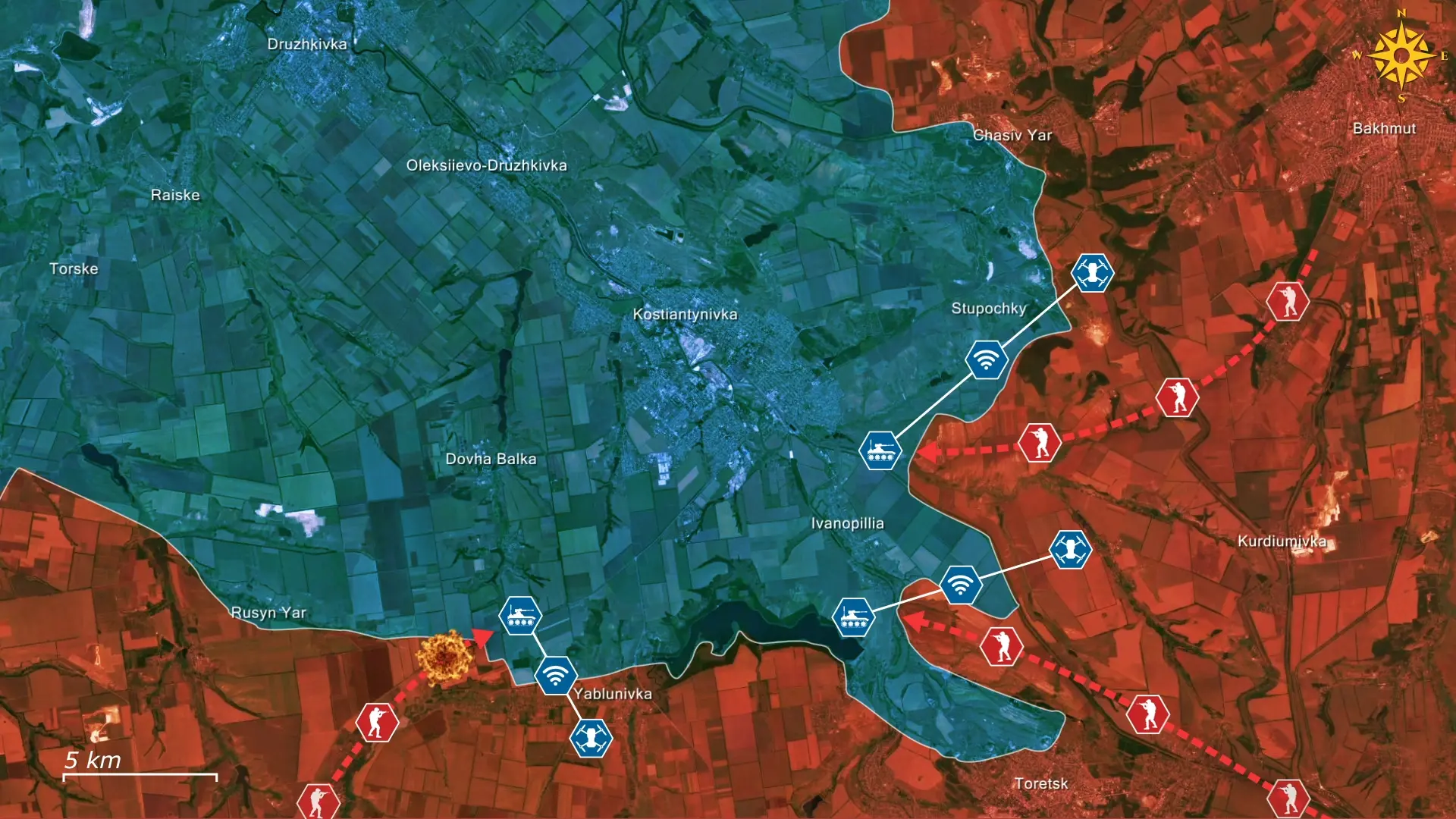
At the same time, Ukrainian robotic systems can share targeting data instantly across platforms, allowing a threat detected by one drone to be engaged by another before the enemy can act.
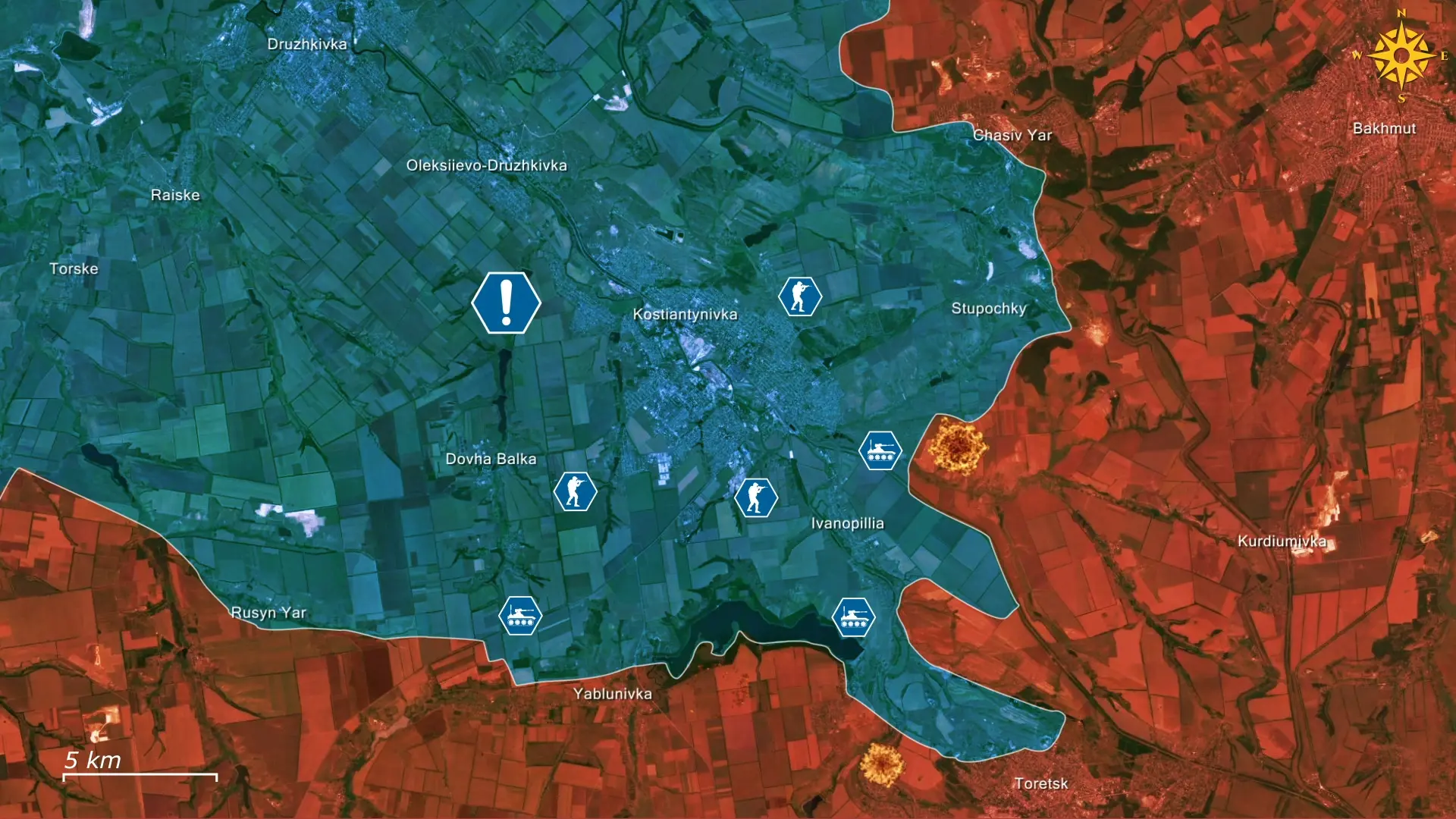
Unlike human soldiers under fire, robots do not experience suppression effects, as they do not freeze, panic, or instinctively seek cover. Their effectiveness depends on operator skill and system reliability, not morale or fear, which allows Ukrainian units to sustain pressure in any conditions, including heavy enemy drone activity, where human movement would be extremely risky.
A recently released video from the 93rd Brigade highlights this difference, showing how, after completing a mission, a Ukrainian ground drone encountered a Russian FPV drone waiting in ambush. Here the operator spins the drone around rapidly behind it, damaging its fiber-optic control cable and preventing an attack. A Ukrainian ATV moves soon after, but moments later, it is targeted by another Russian ambush drone, and two Ukrainians suffer injuries.
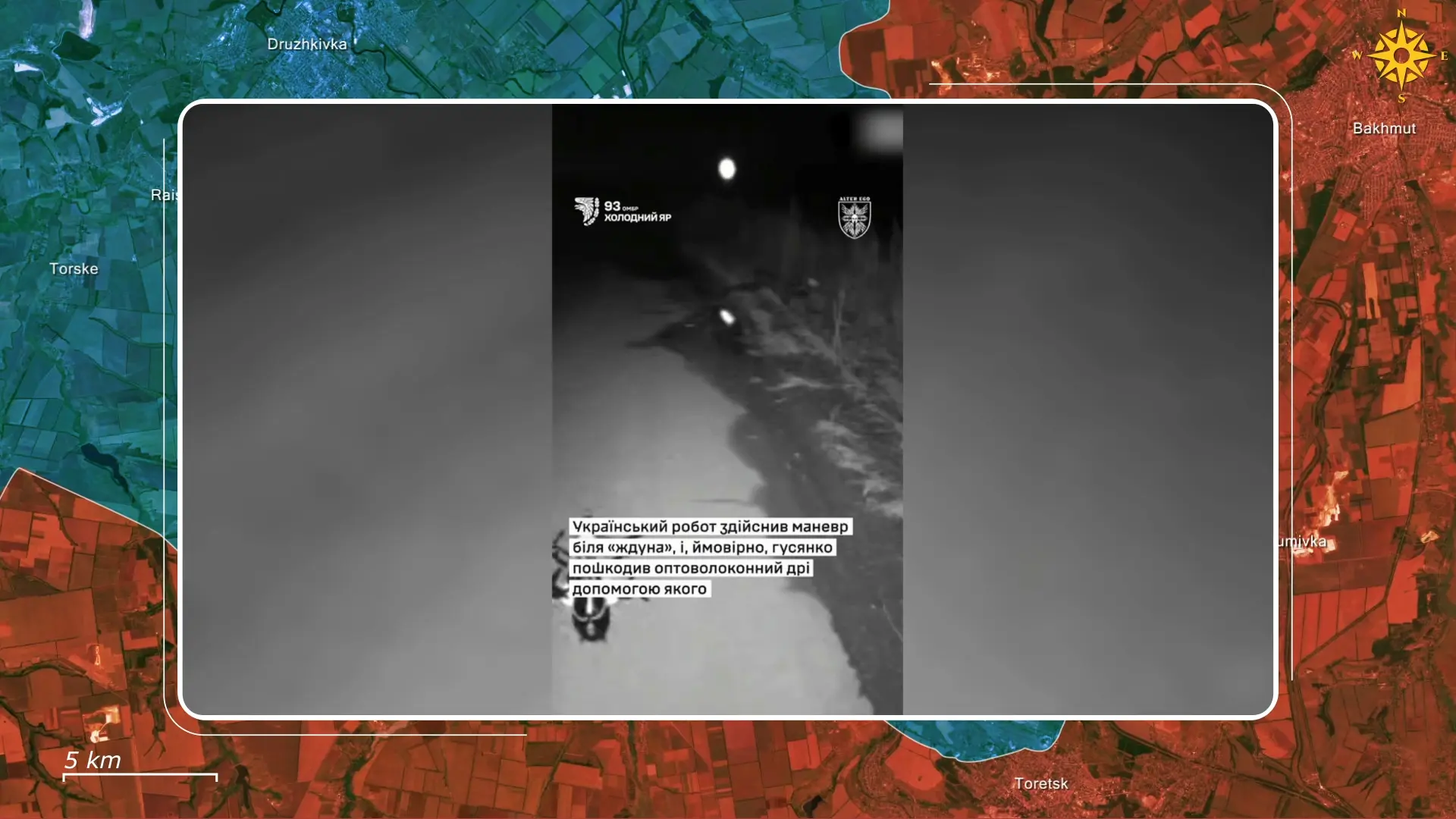
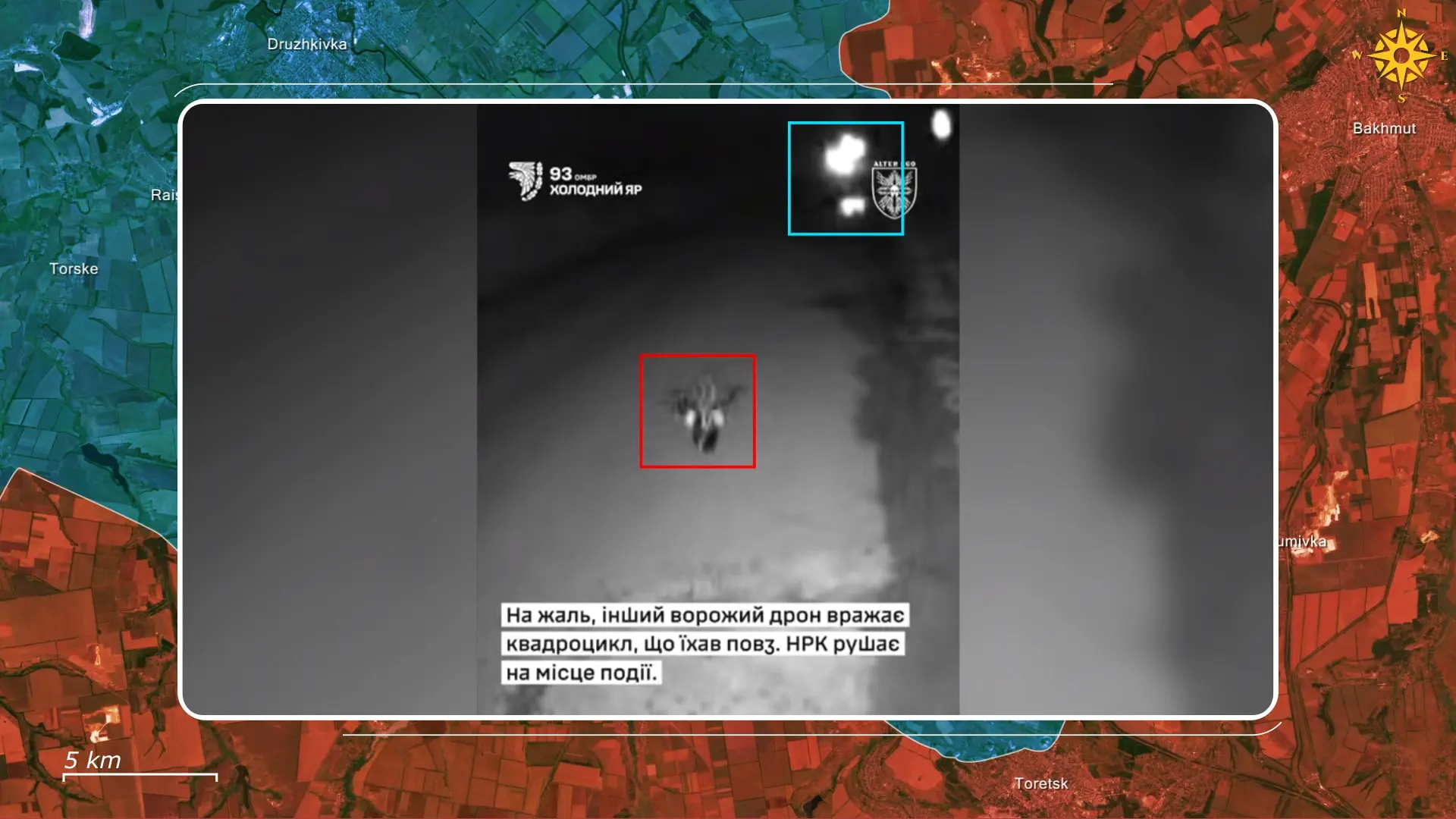
As the ground drone moved toward the impact site, it encountered a third ambush drone sitting in wait to strike a rescue team, or finish off the wounded, which the operator then disabled in the same manner as the first. Thereafter it drove on, confirmed the wounded were alive, transmitted their location, and shortly afterward, a Ukrainian evacuation team arrived and extracted them. In a similar situation without the ground drone’s presence, the rescue team would have been killed by the Russian follow-up strike in the dark, yet the robot’s persistence and onboard equipment made the evacuation possible, saving valuable lives.
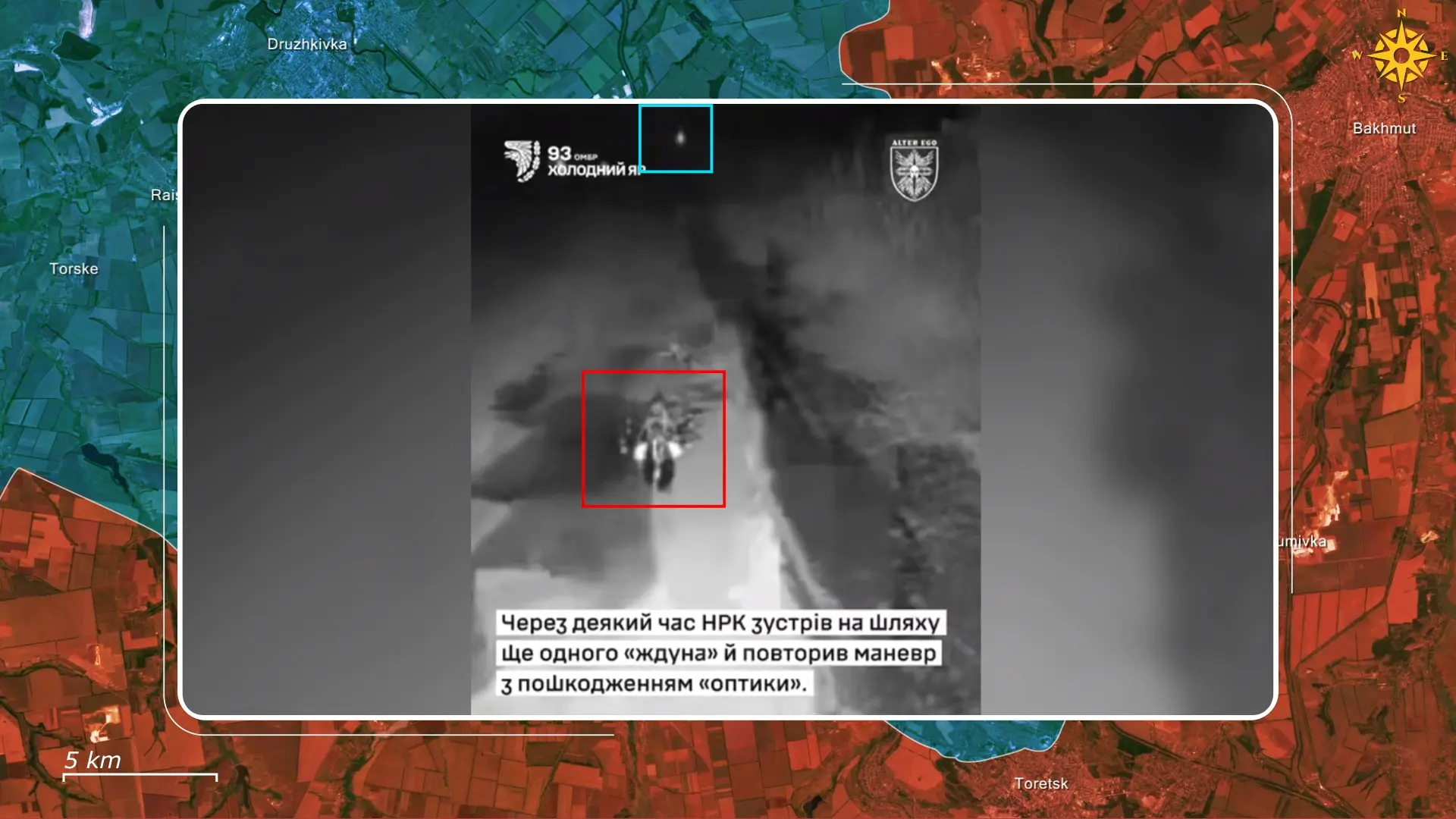
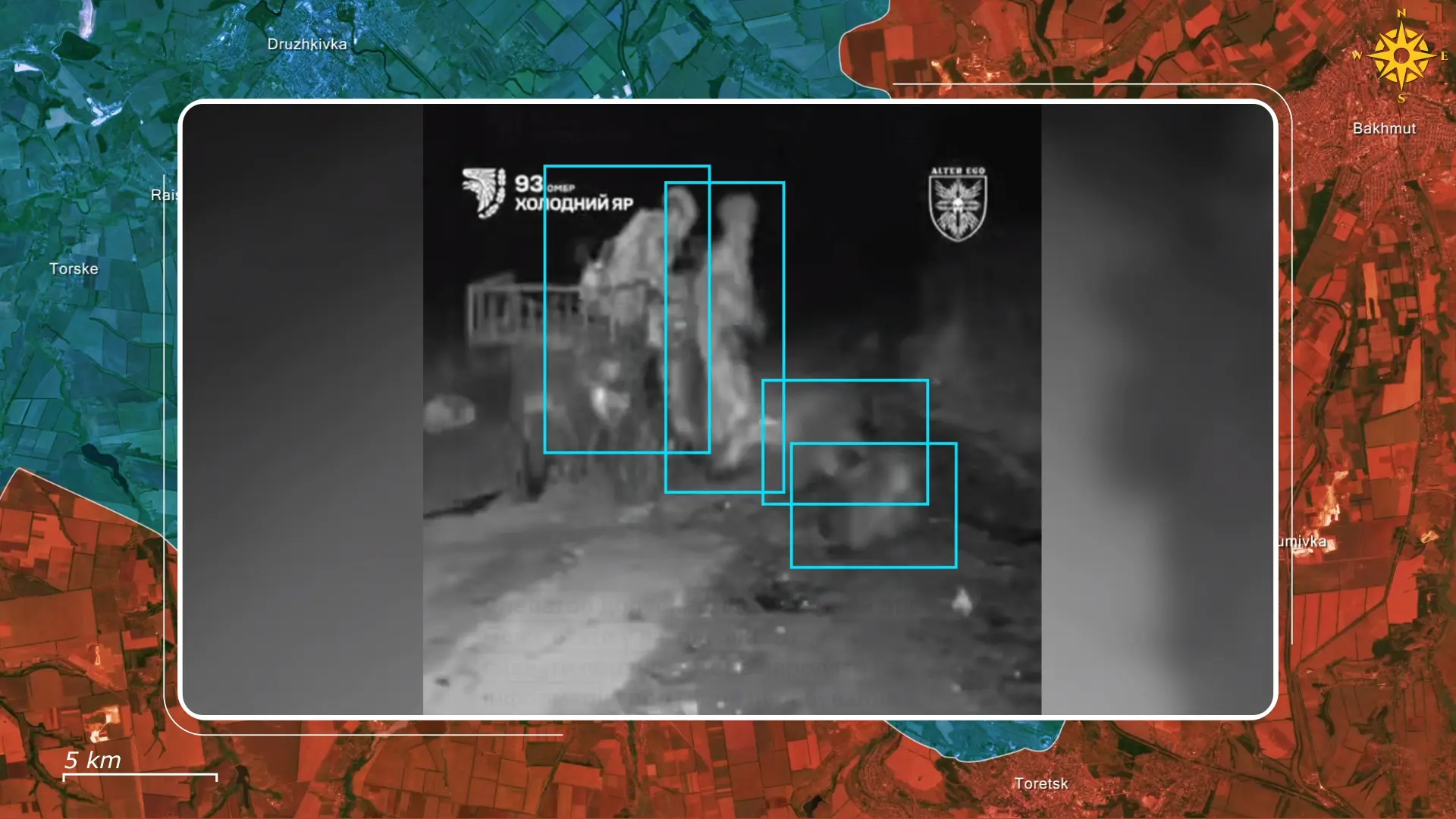
As a result, such cases showcase how Ukrainian ground drones can be and are actively used against their flying Russian counterparts, attempting their new tactic. Russian operators that place series of fiber optic drones in ambush to strike Ukrainian infantry are therefore increasingly undermined in their efforts, with Ukrainian drones patrolling the sky and air to eliminate these potential threats.
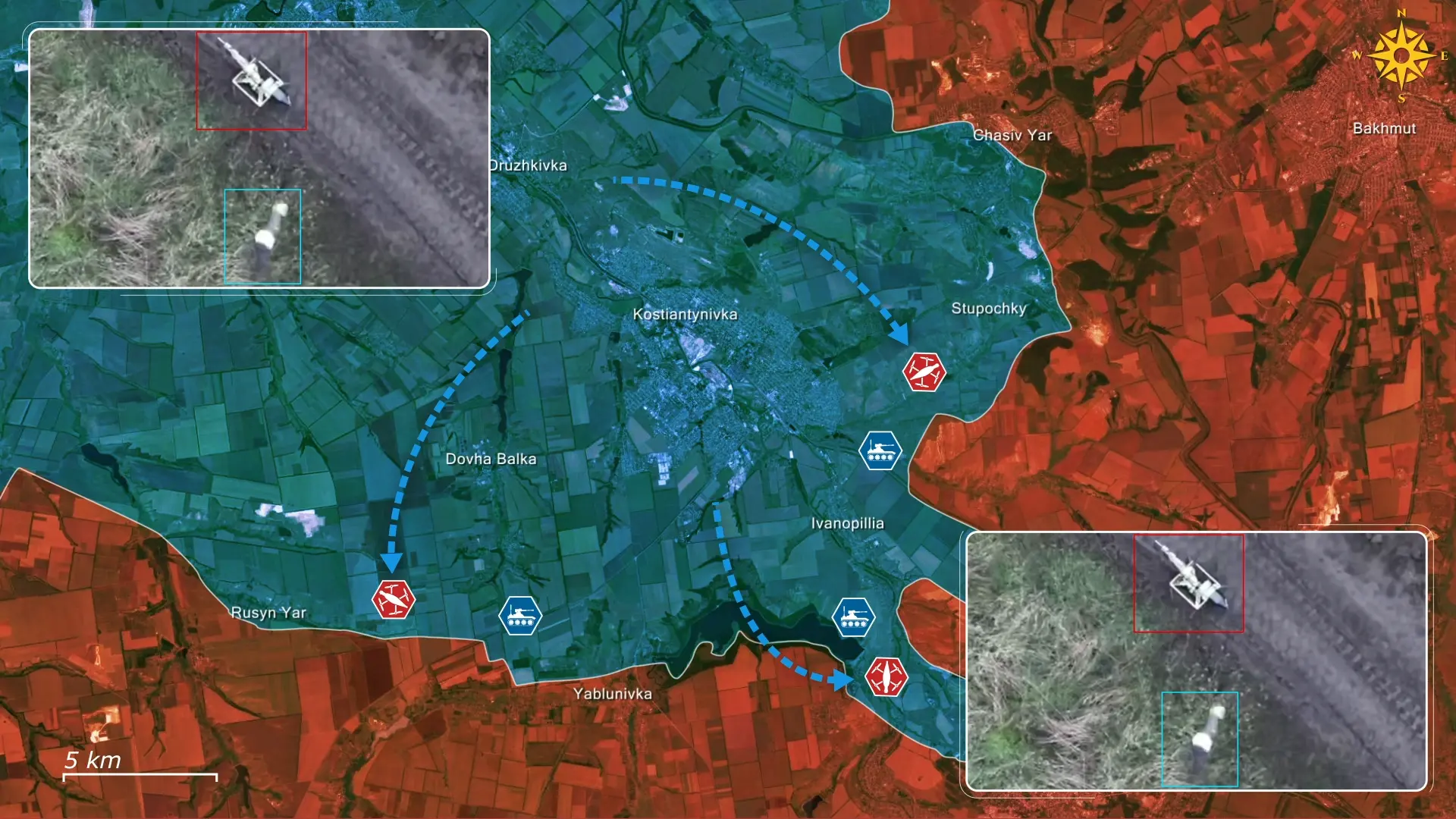
Overall, warfare is no longer just humans using machines but machines actively contesting each other for control of the battlefield. In Ukraine, drone-versus-drone engagements are becoming routine, with operators remaining relatively far from danger. As losses mount and manpower grows harder to replace, the ability to innovate, integrate, and out-maneuver the enemy’s robotic systems is becoming one of the most decisive factors of the war.
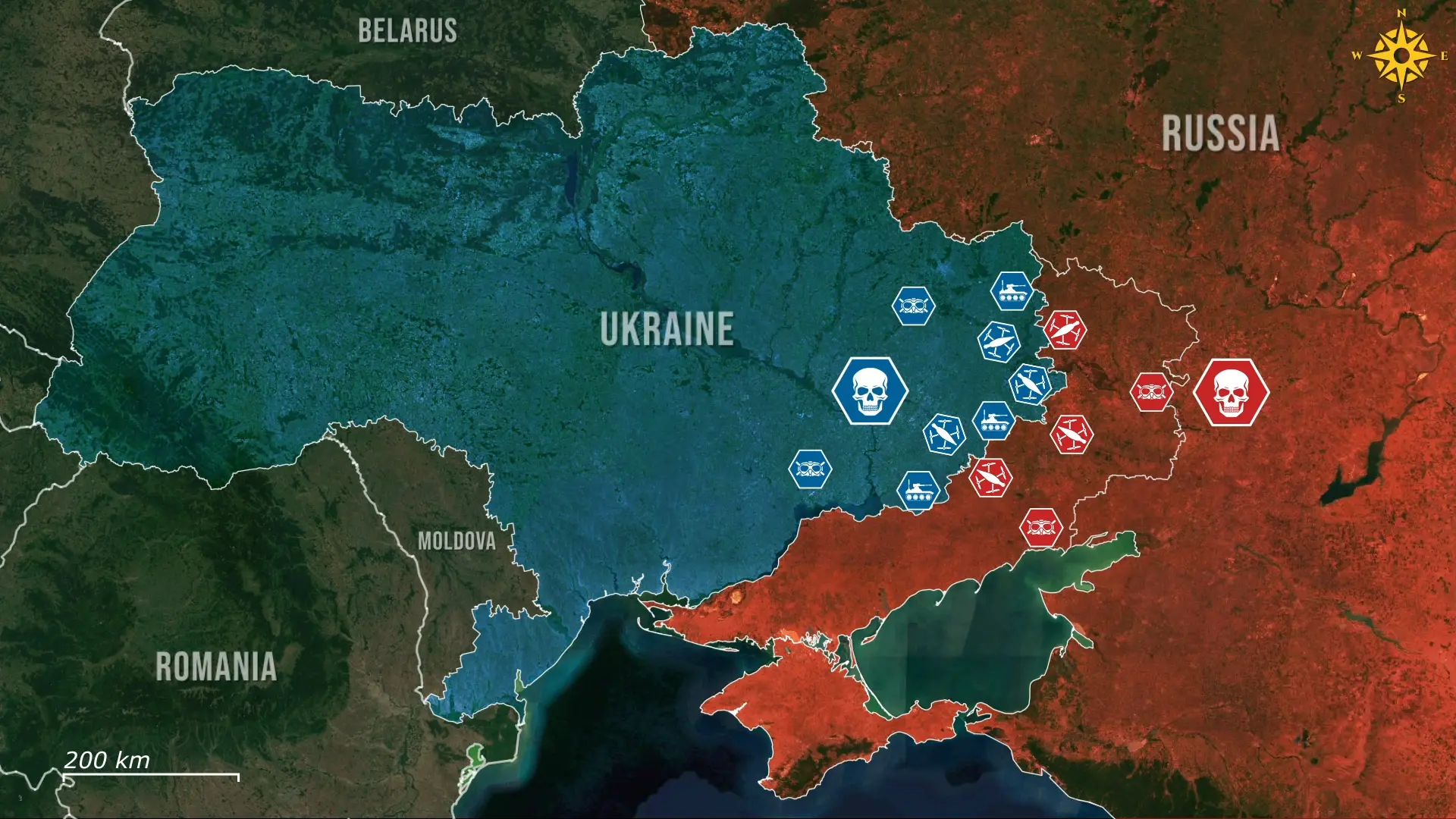
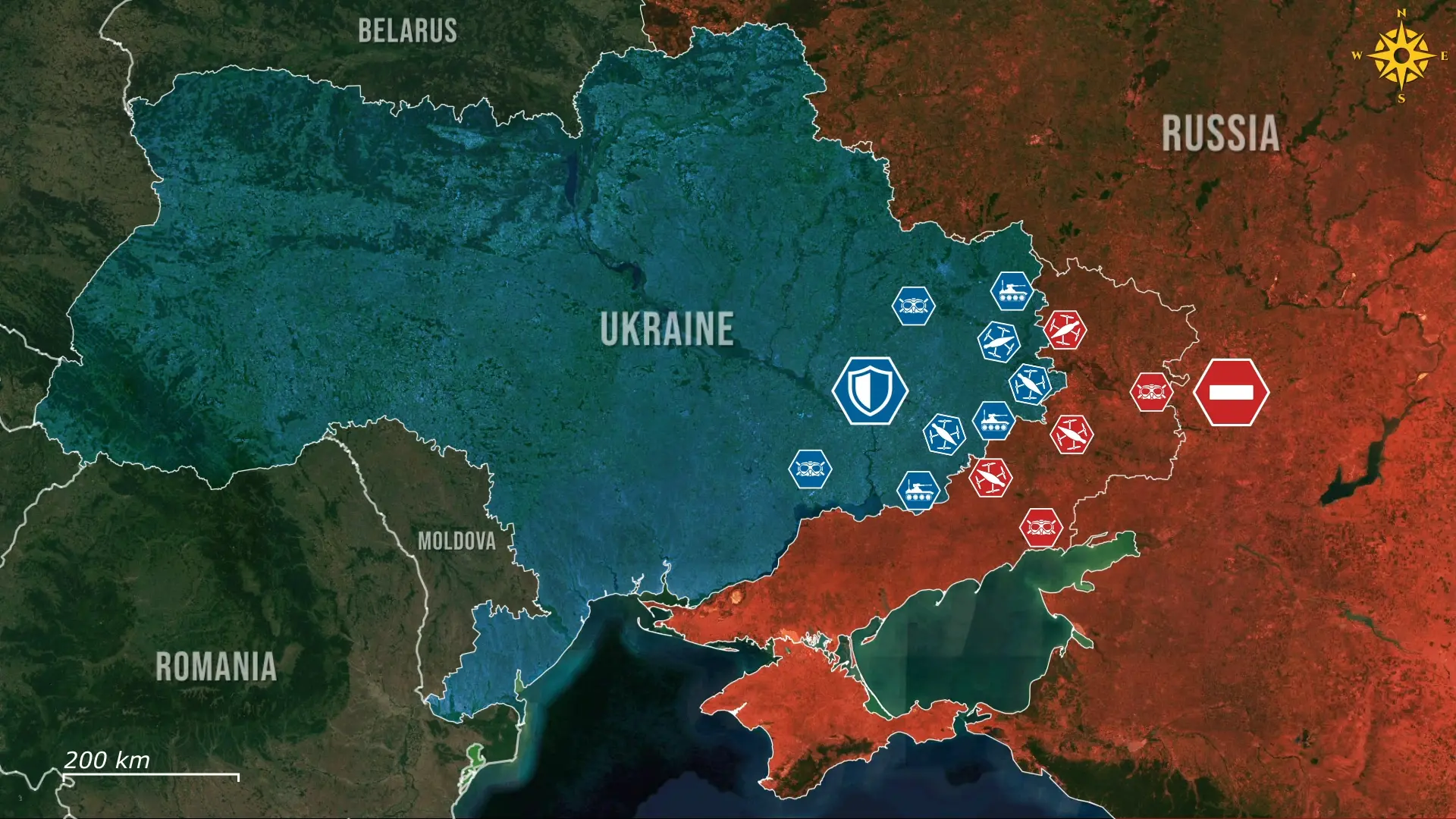
Driven by this need, Ukrainian robotic coordination increasingly determines engagements before soldiers ever enter combat, not only preserving Ukrainian lives but also offsetting Russia’s manpower advantage.

.jpg)


Comments